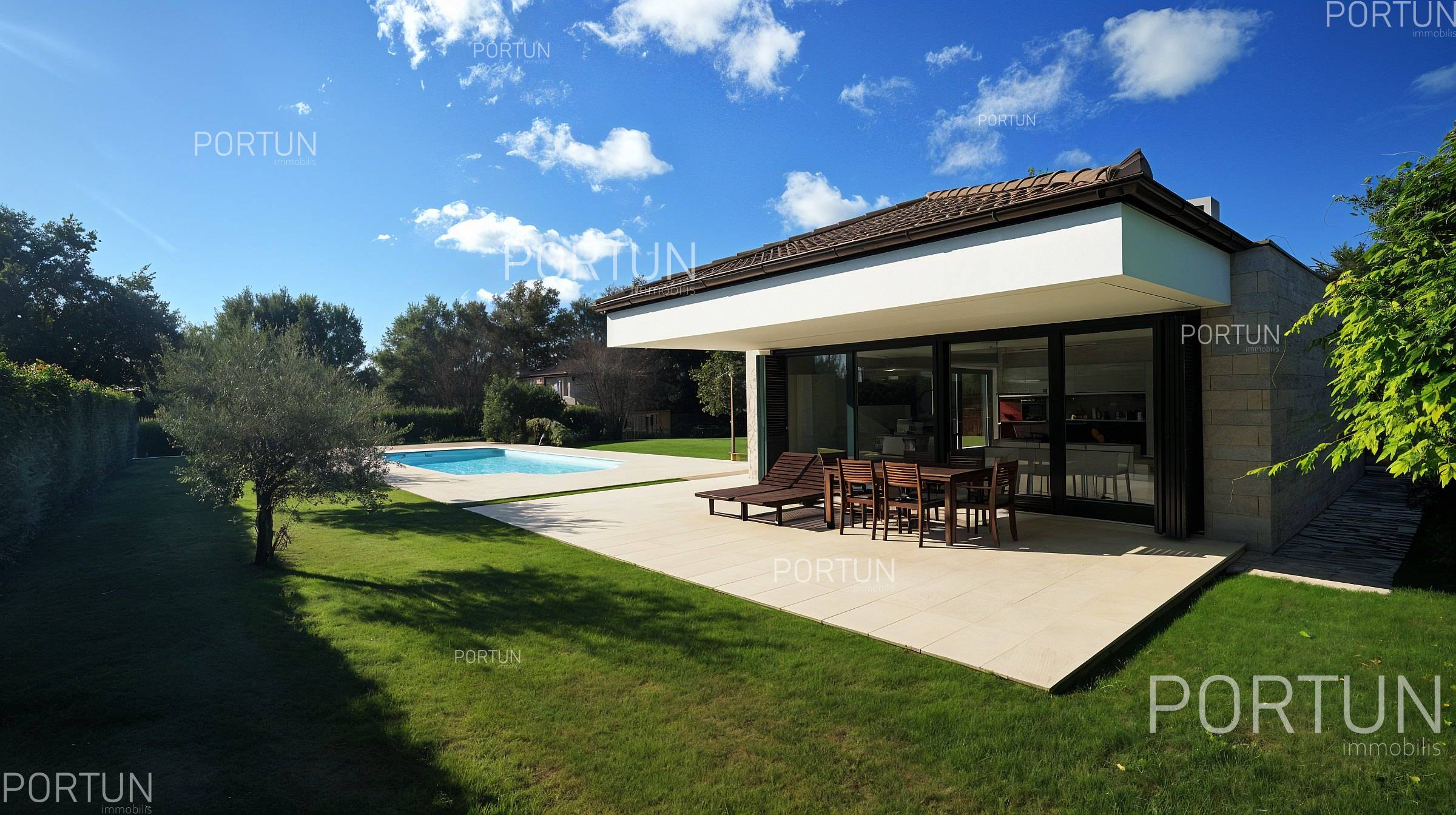
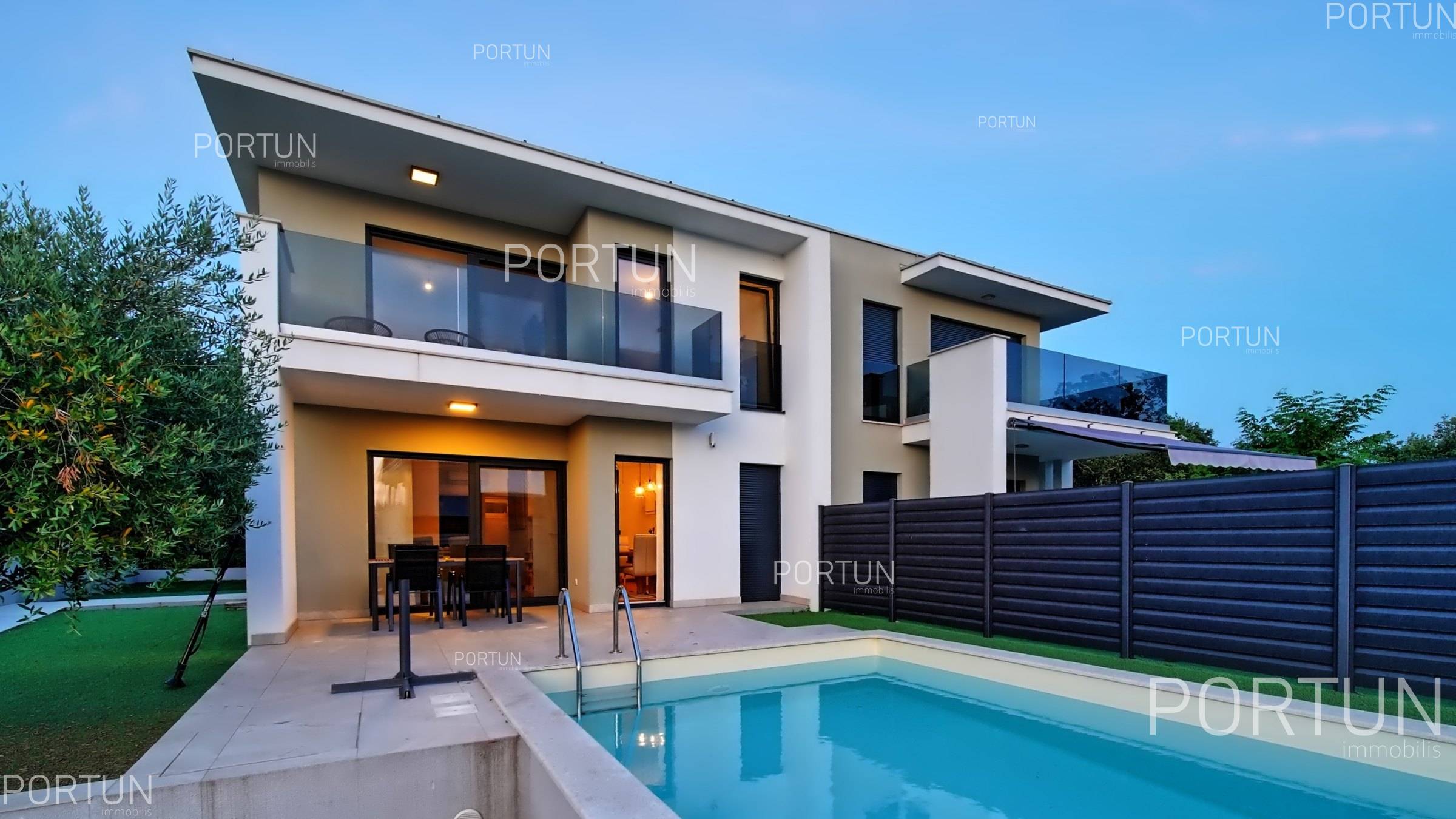
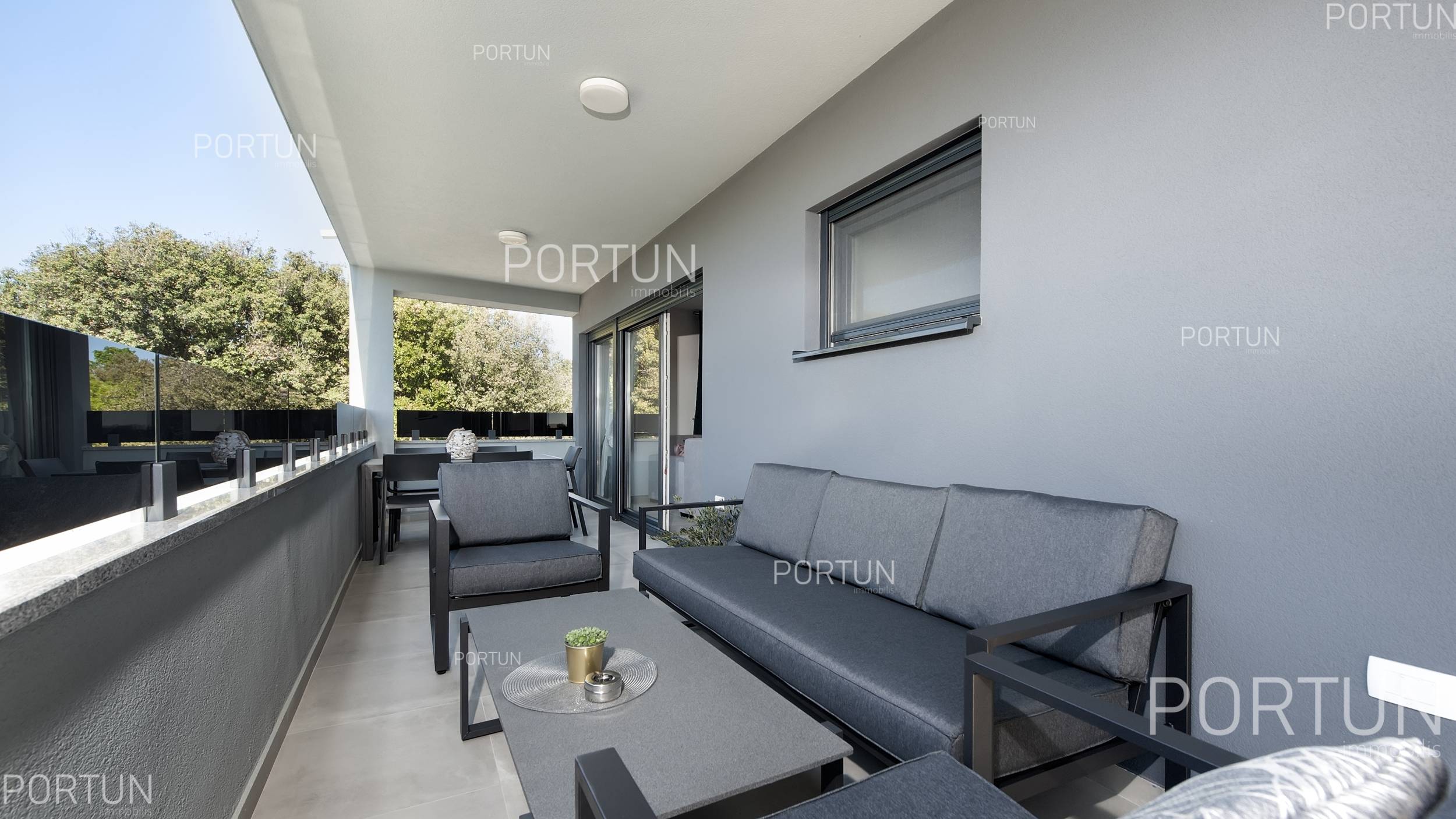
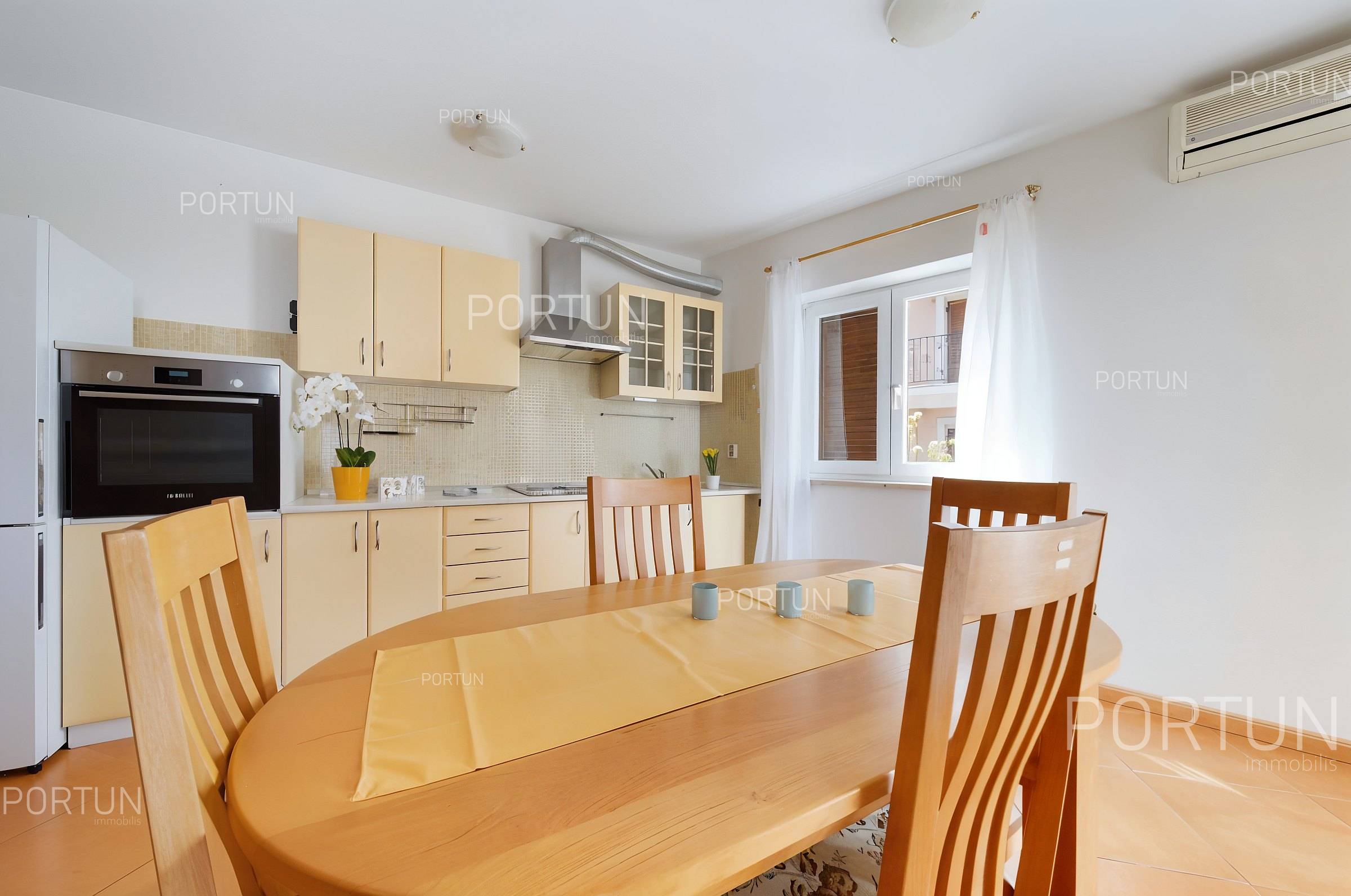
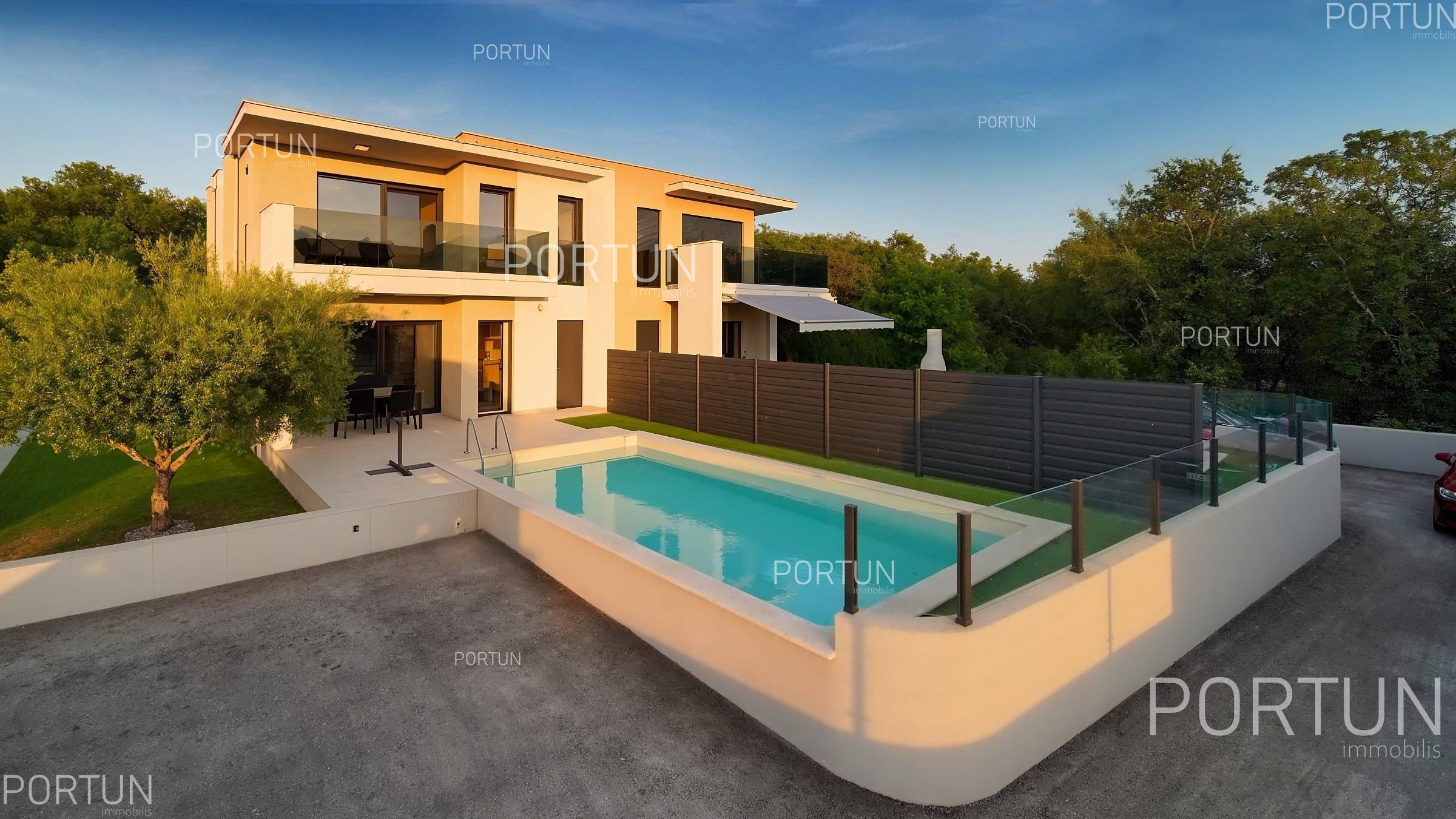
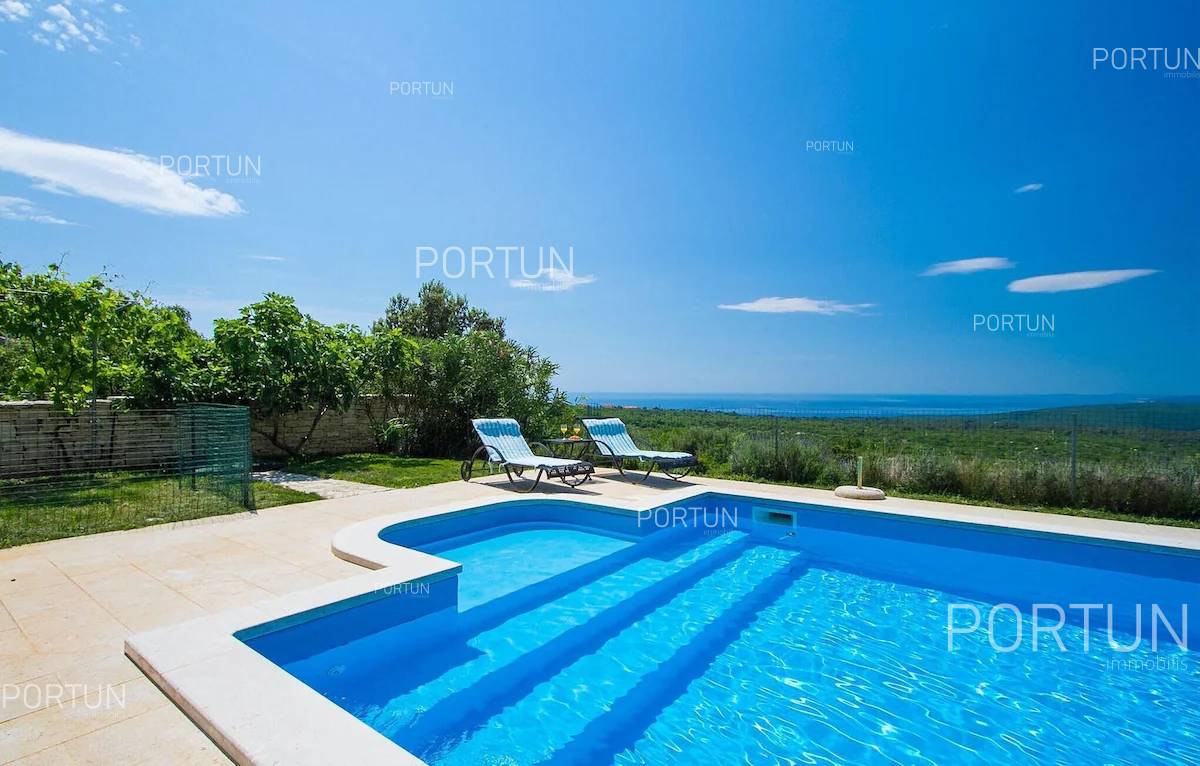
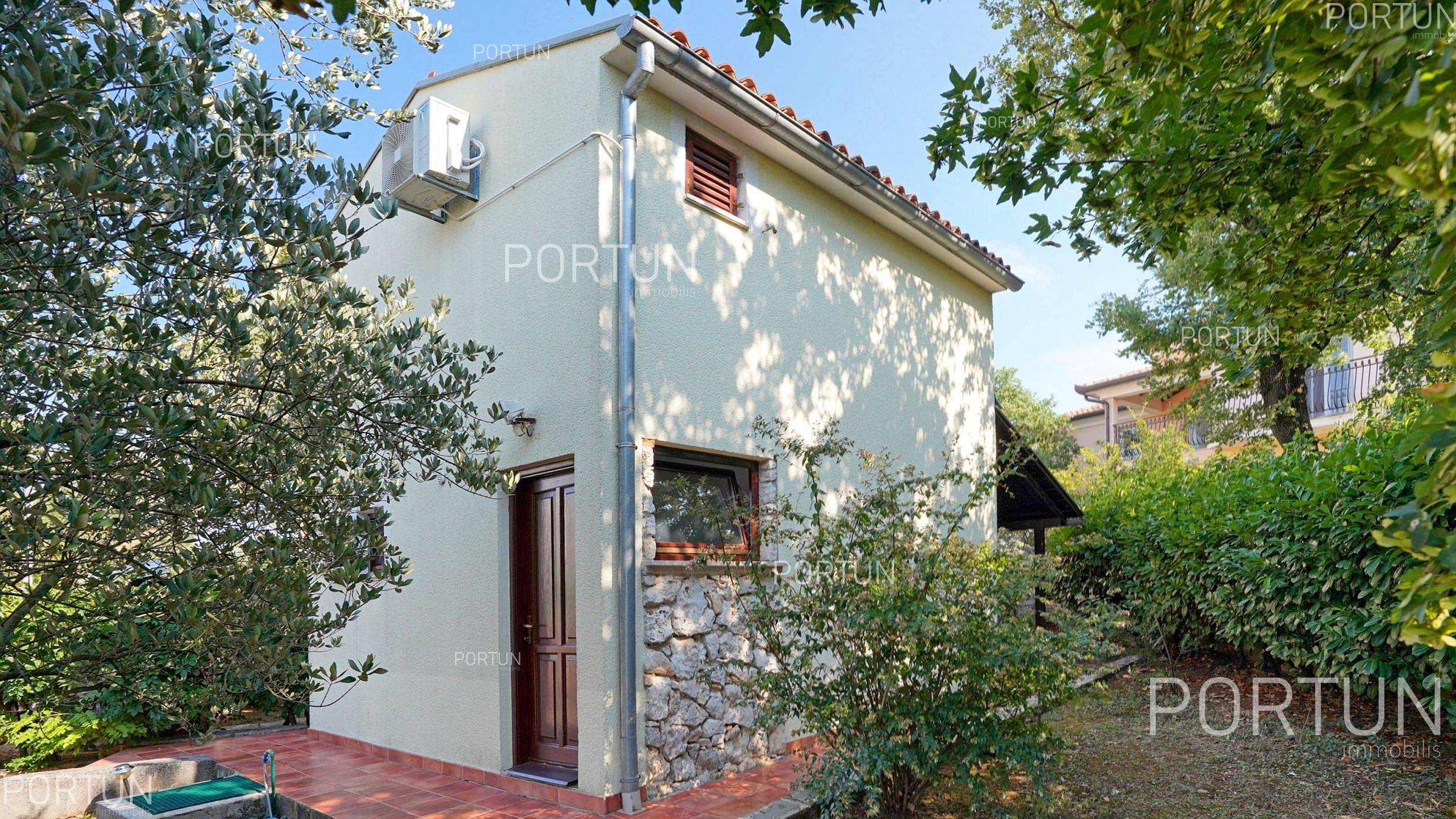
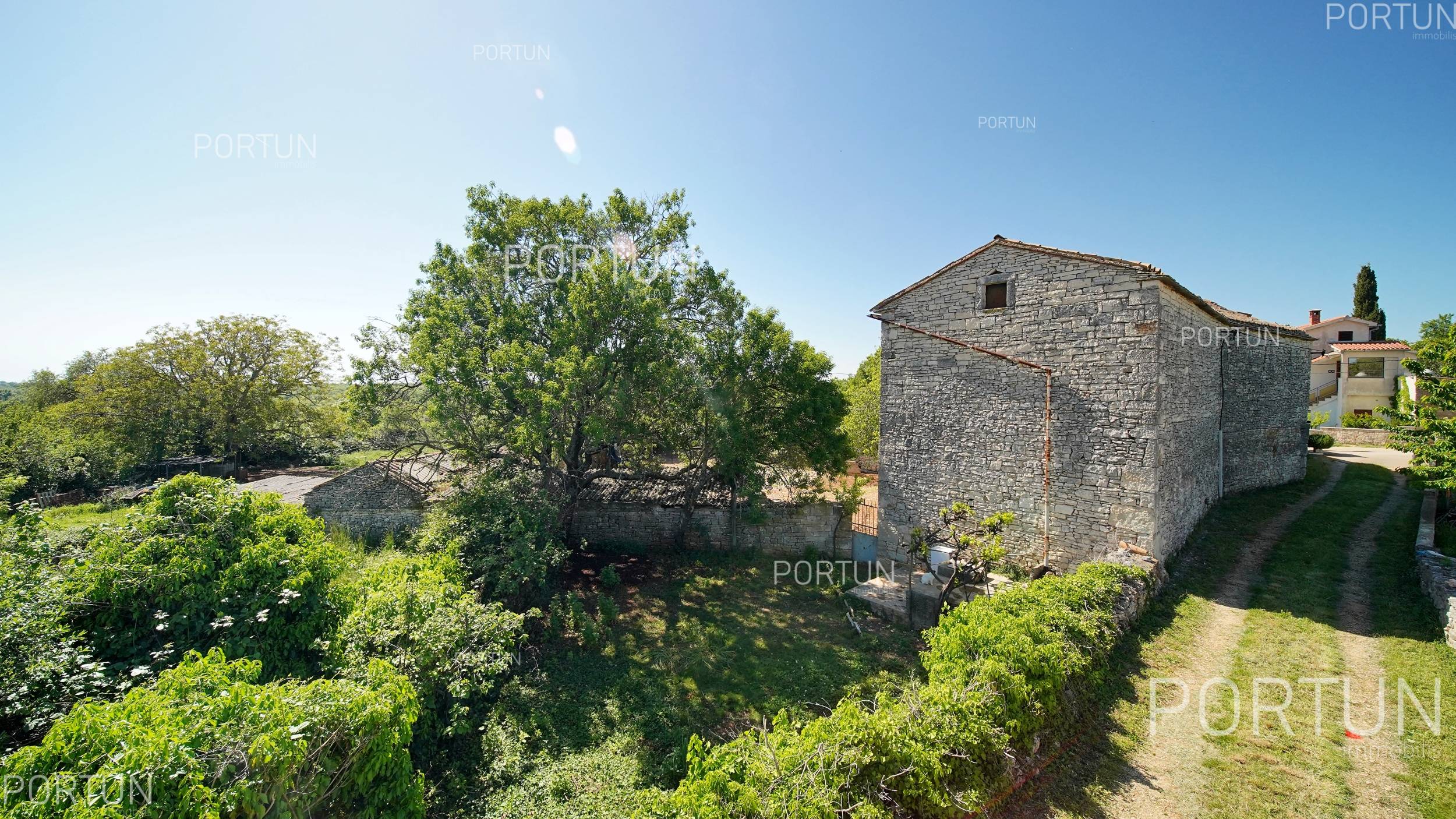
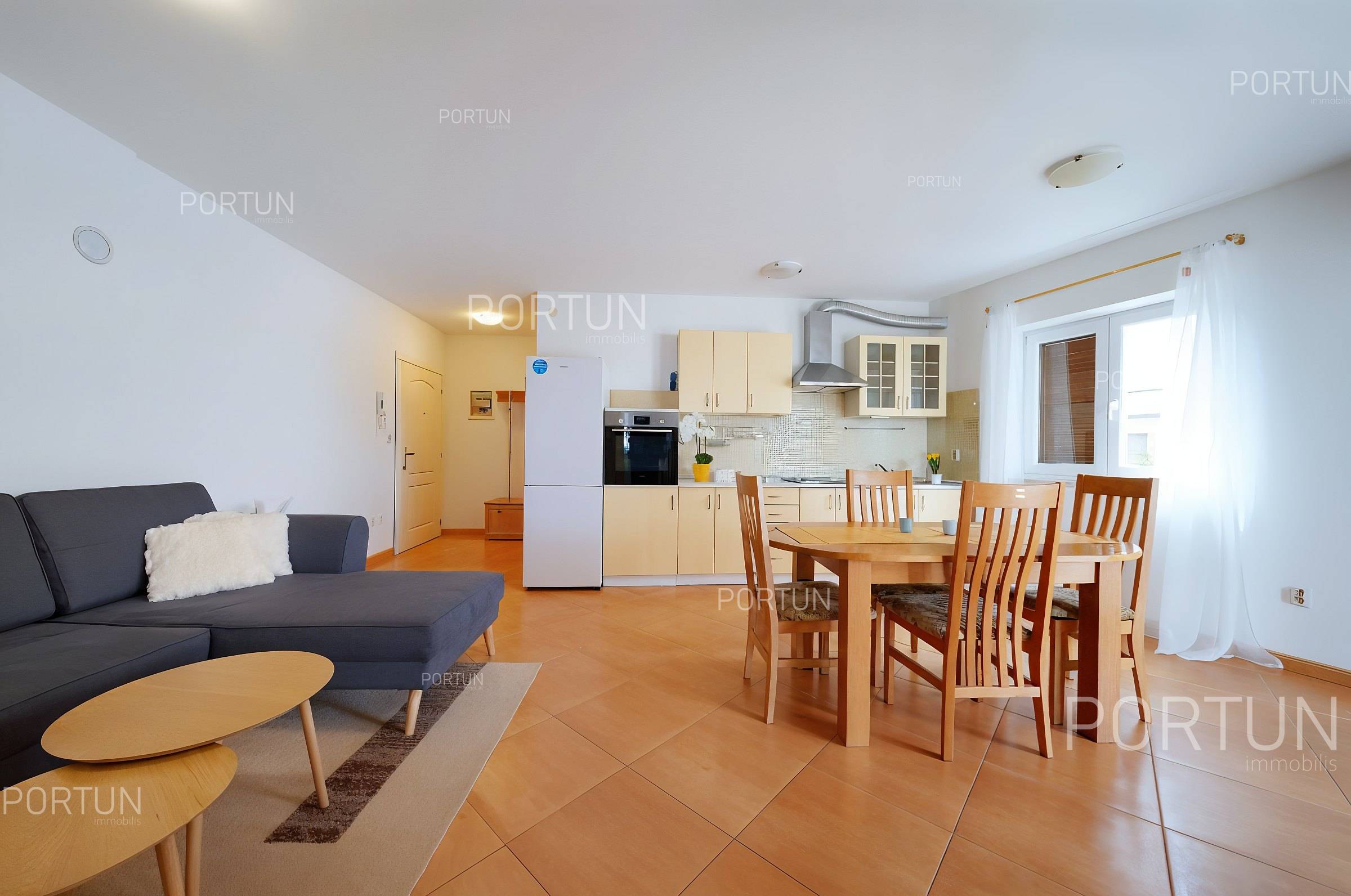
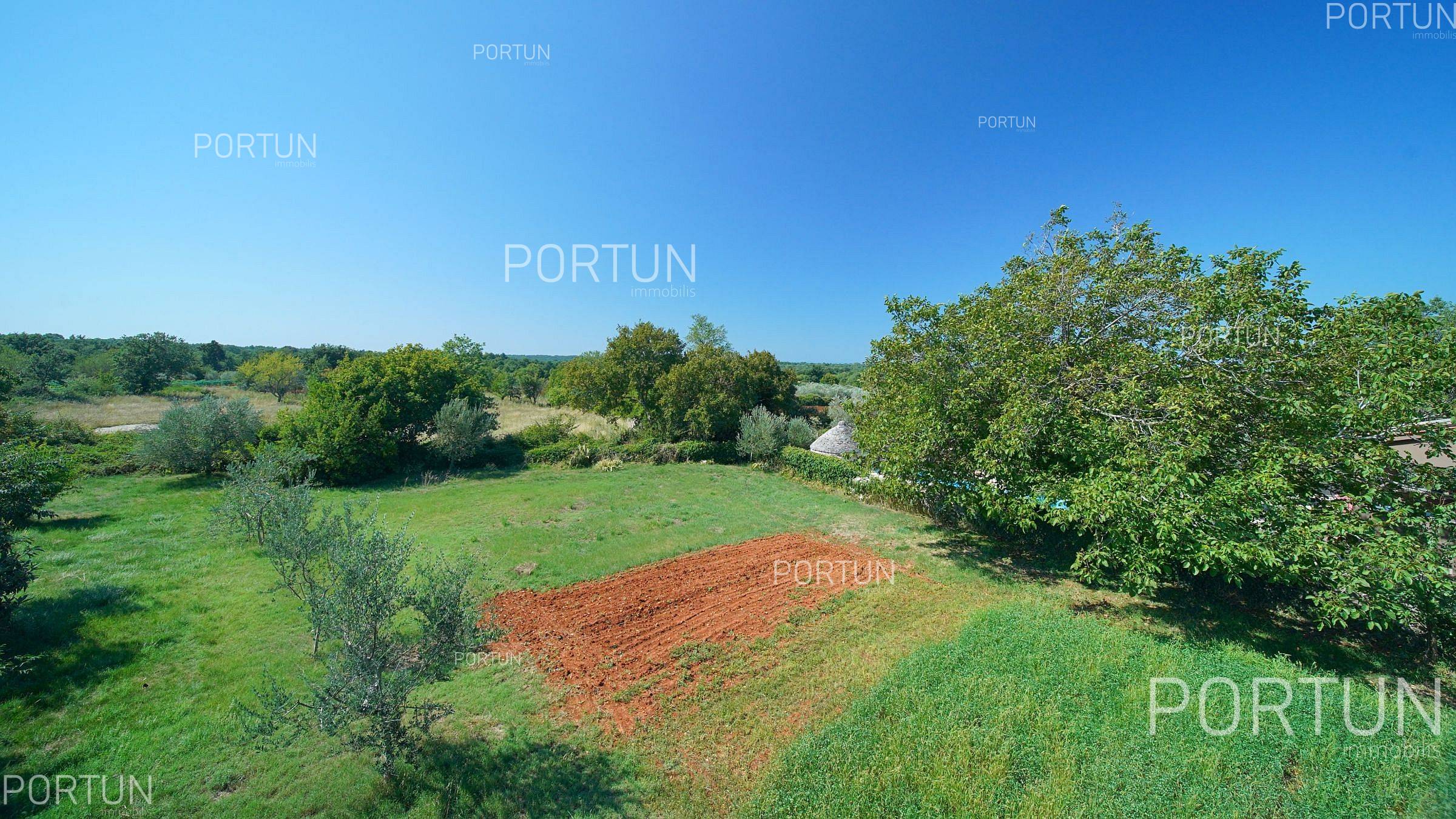
Why Istria Attracts Foreign Property Buyers
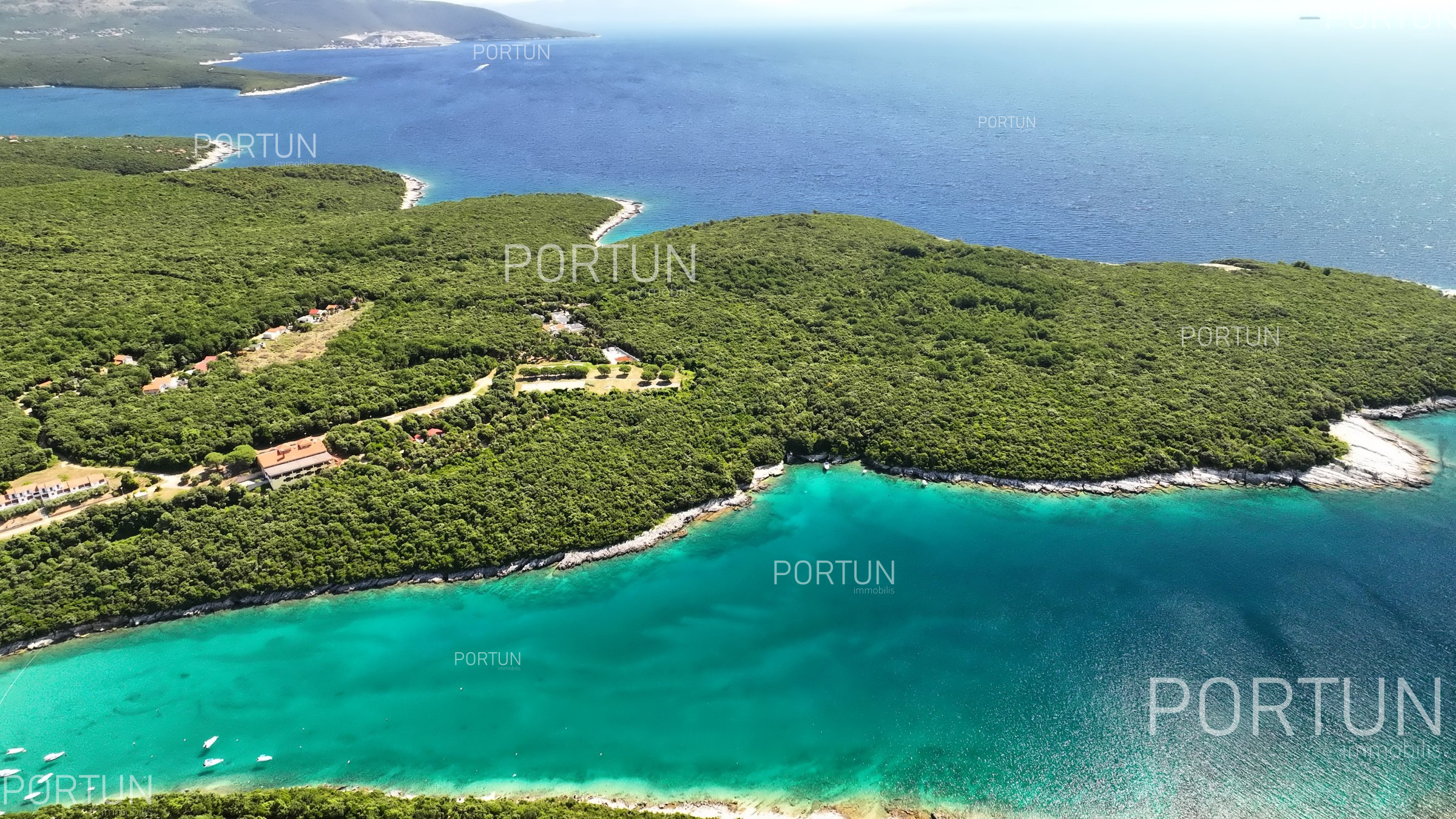
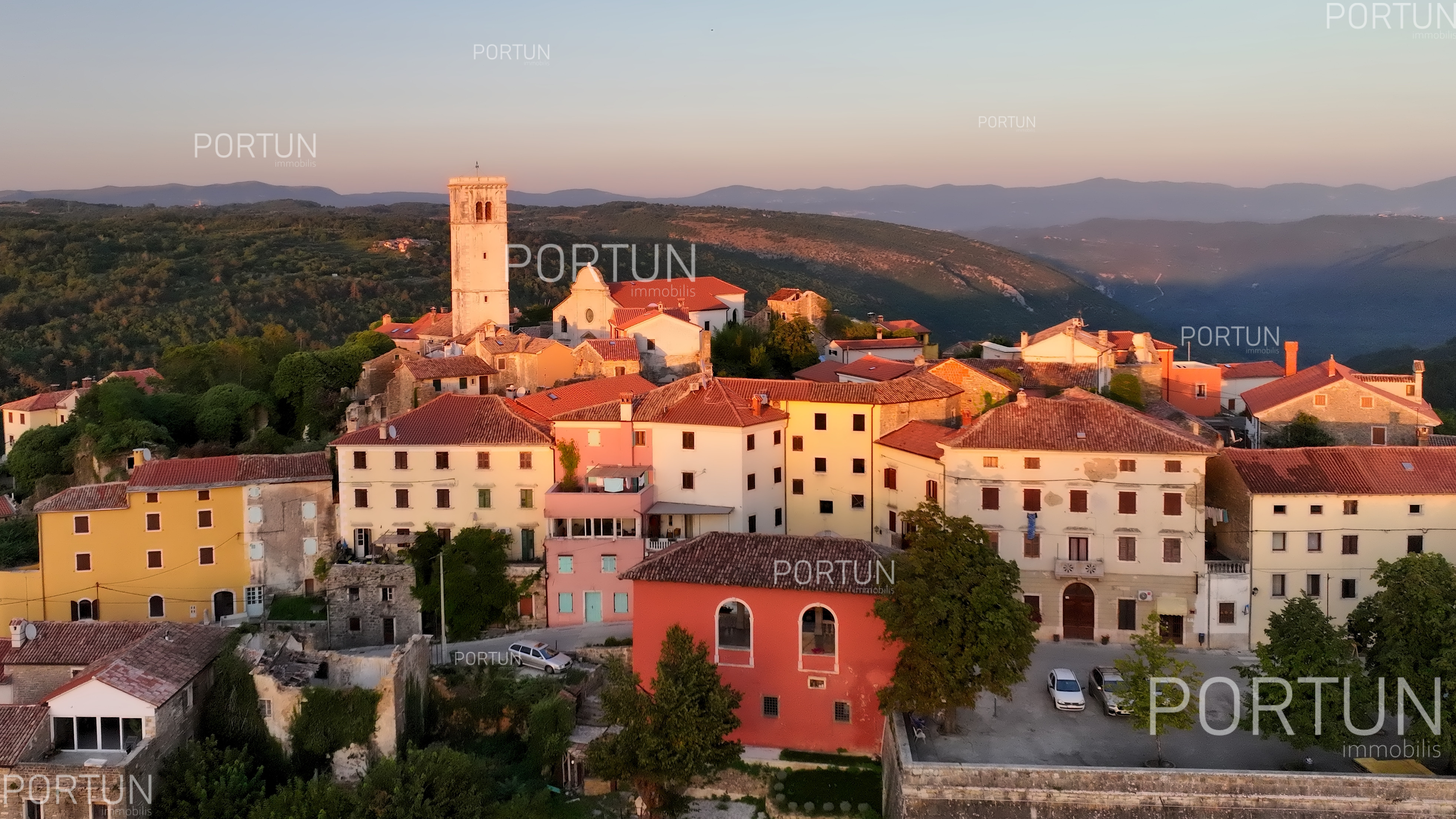
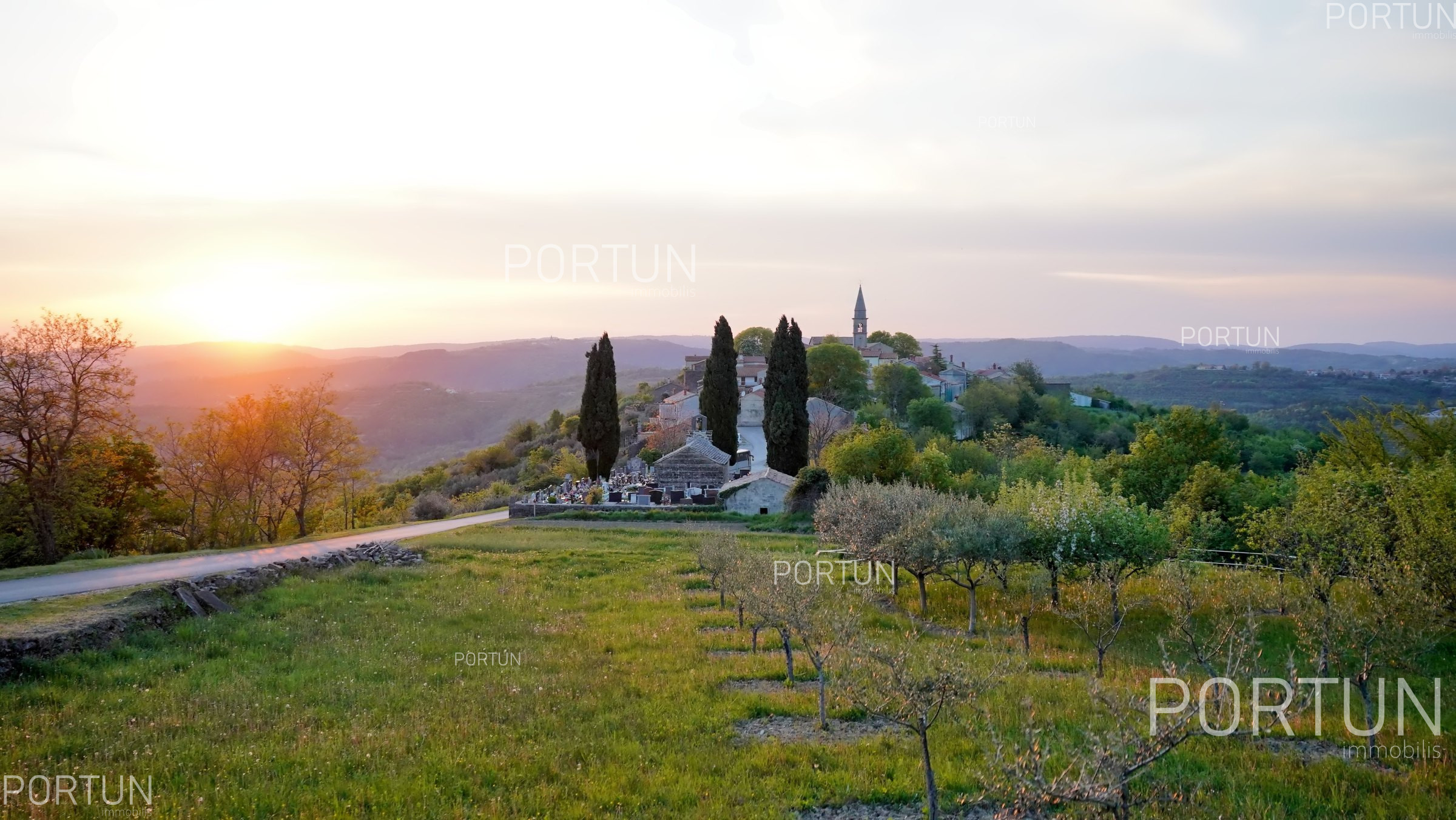
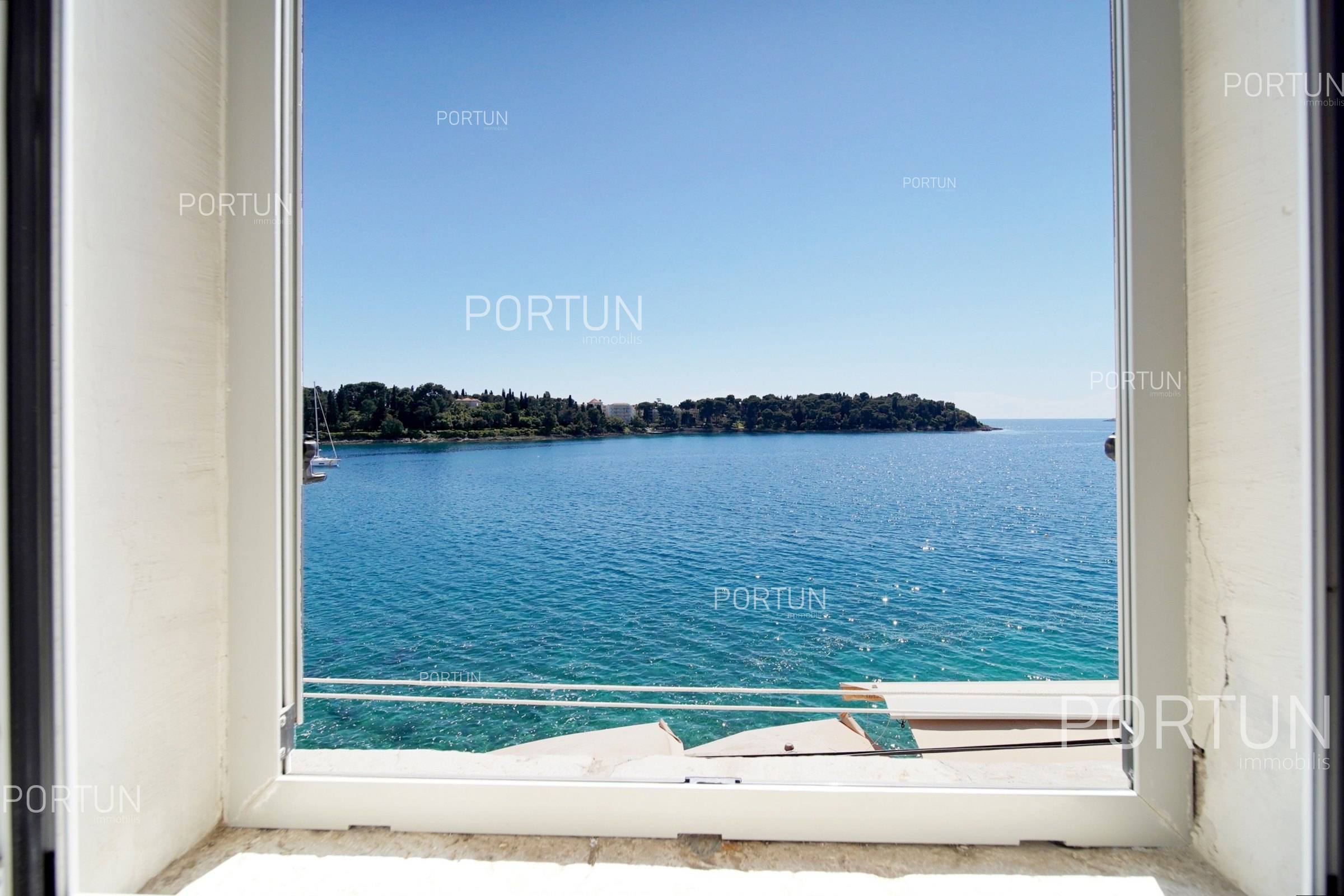
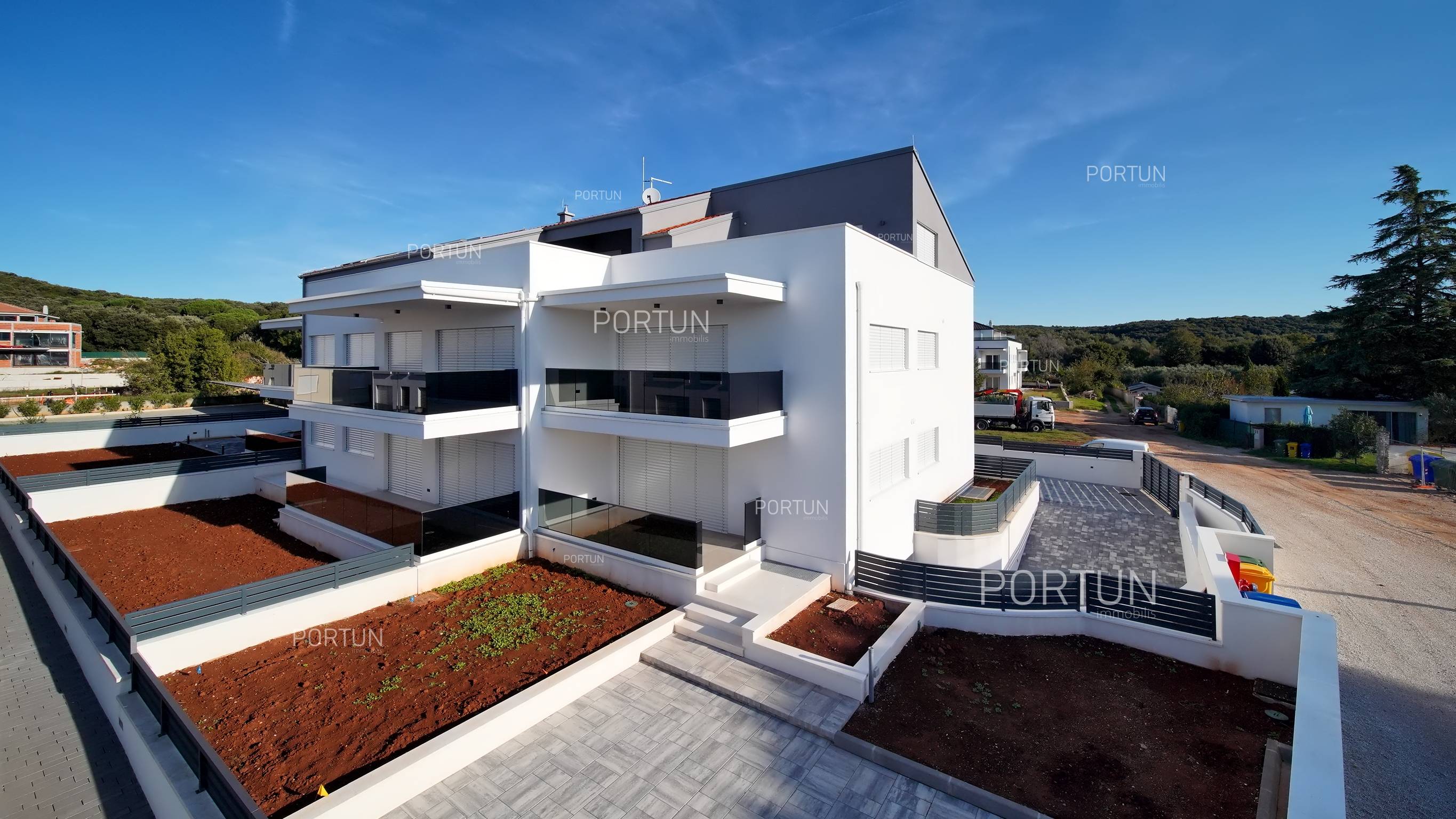
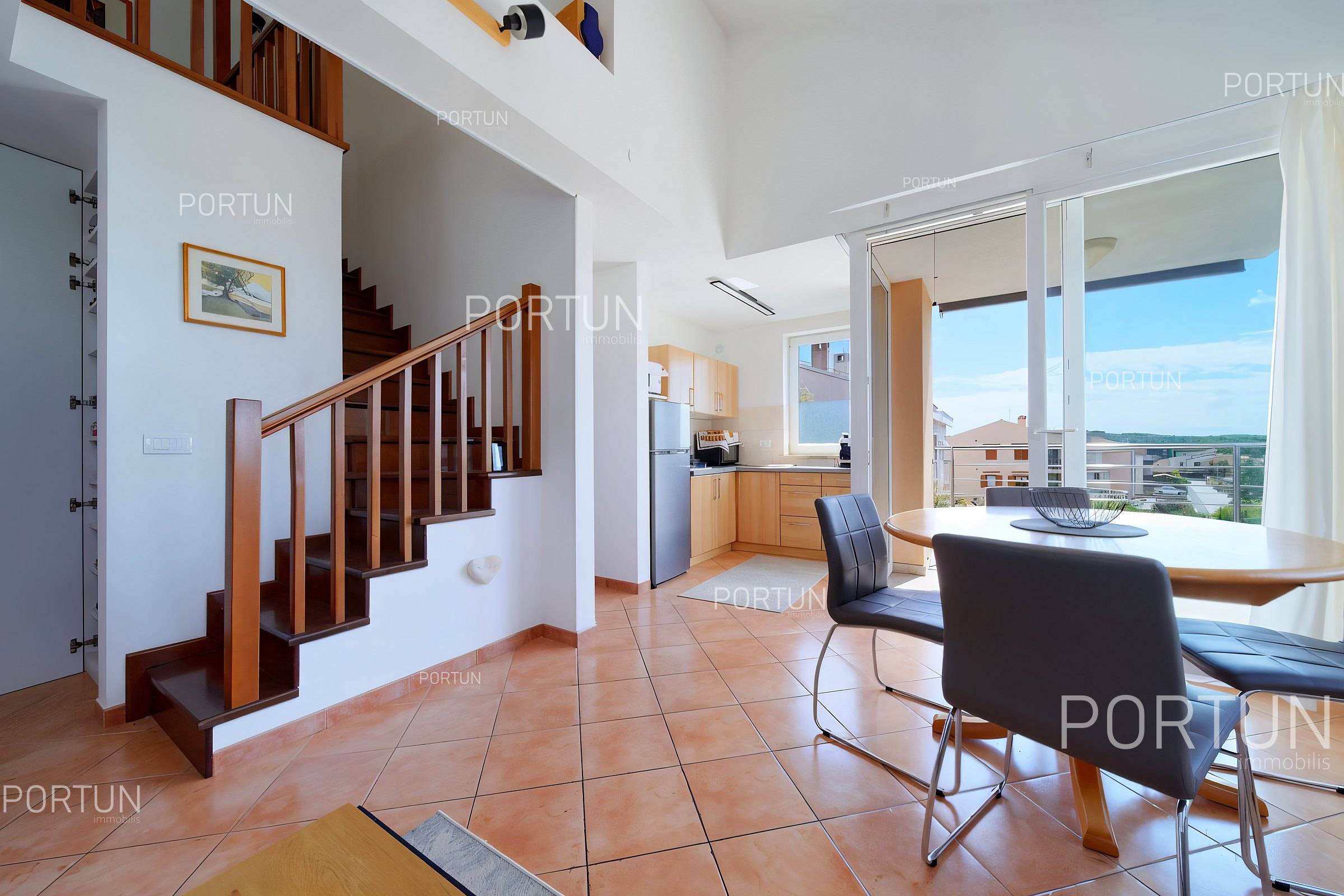
Istria has become one of the most attractive regions in Croatia for foreign property buyers, particularly those from Western and Central Europe. Its geographic position, high quality of life, developed infrastructure and relatively stable real estate market make it appealing both for lifestyle buyers and long-term investors.
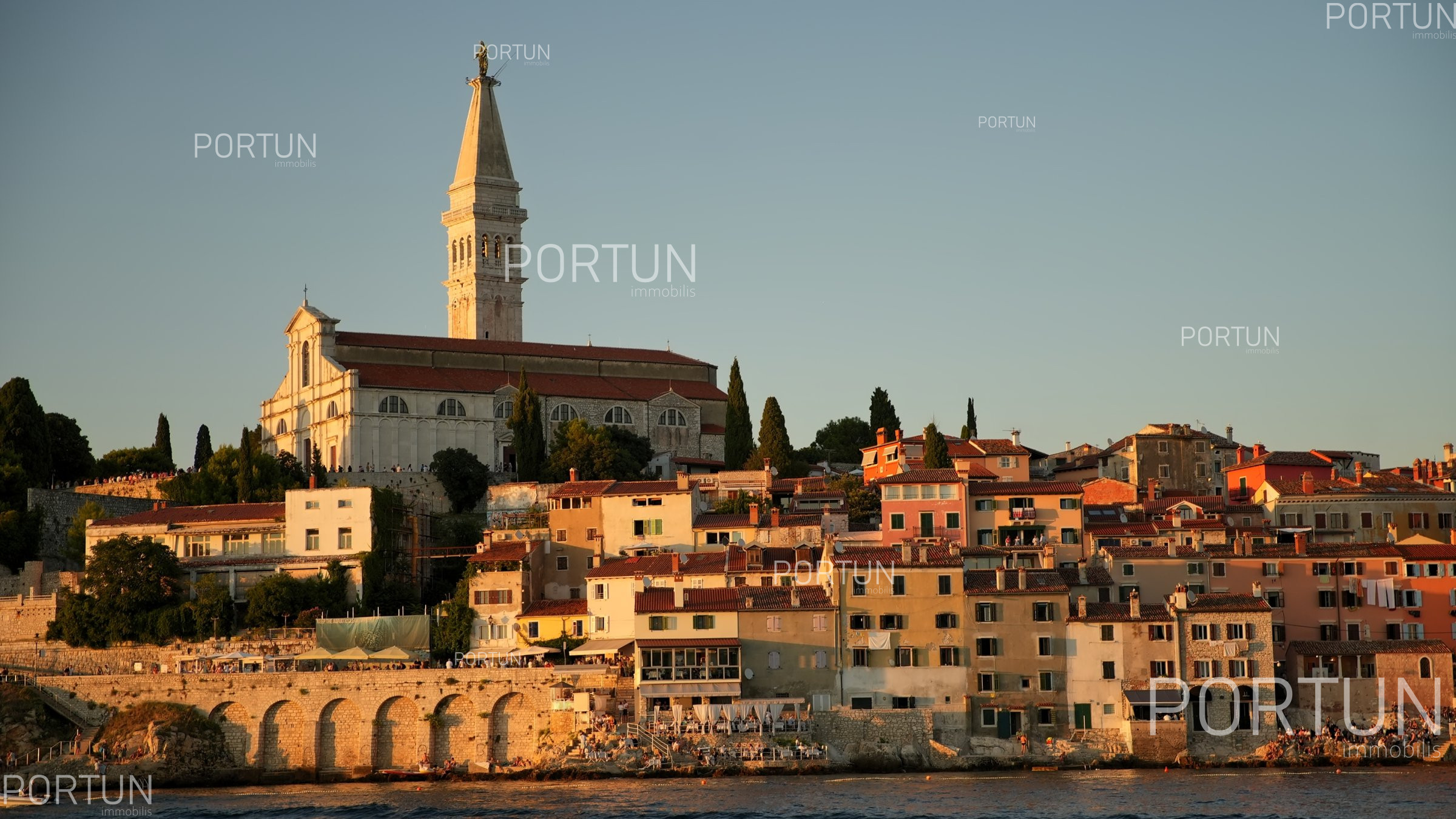
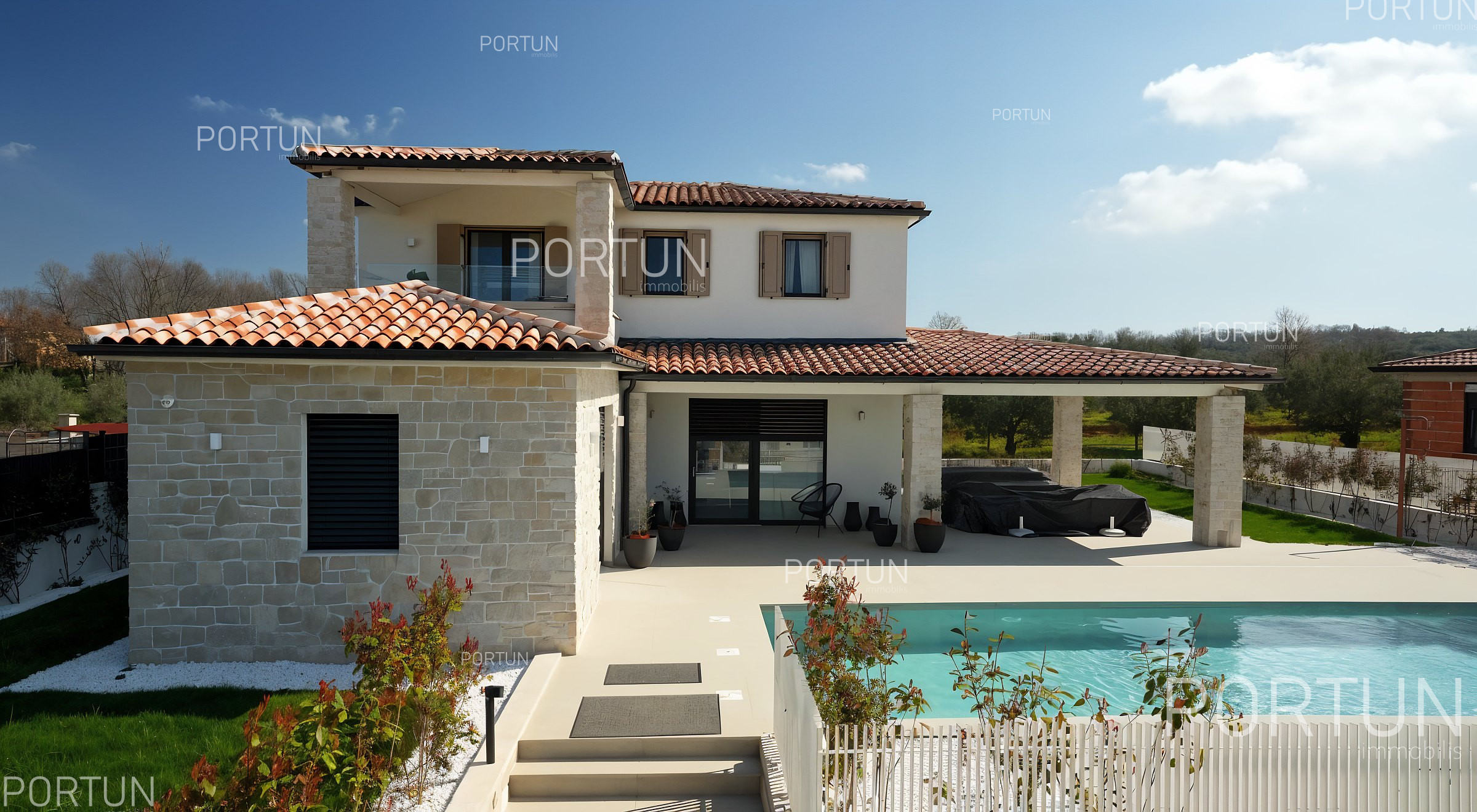
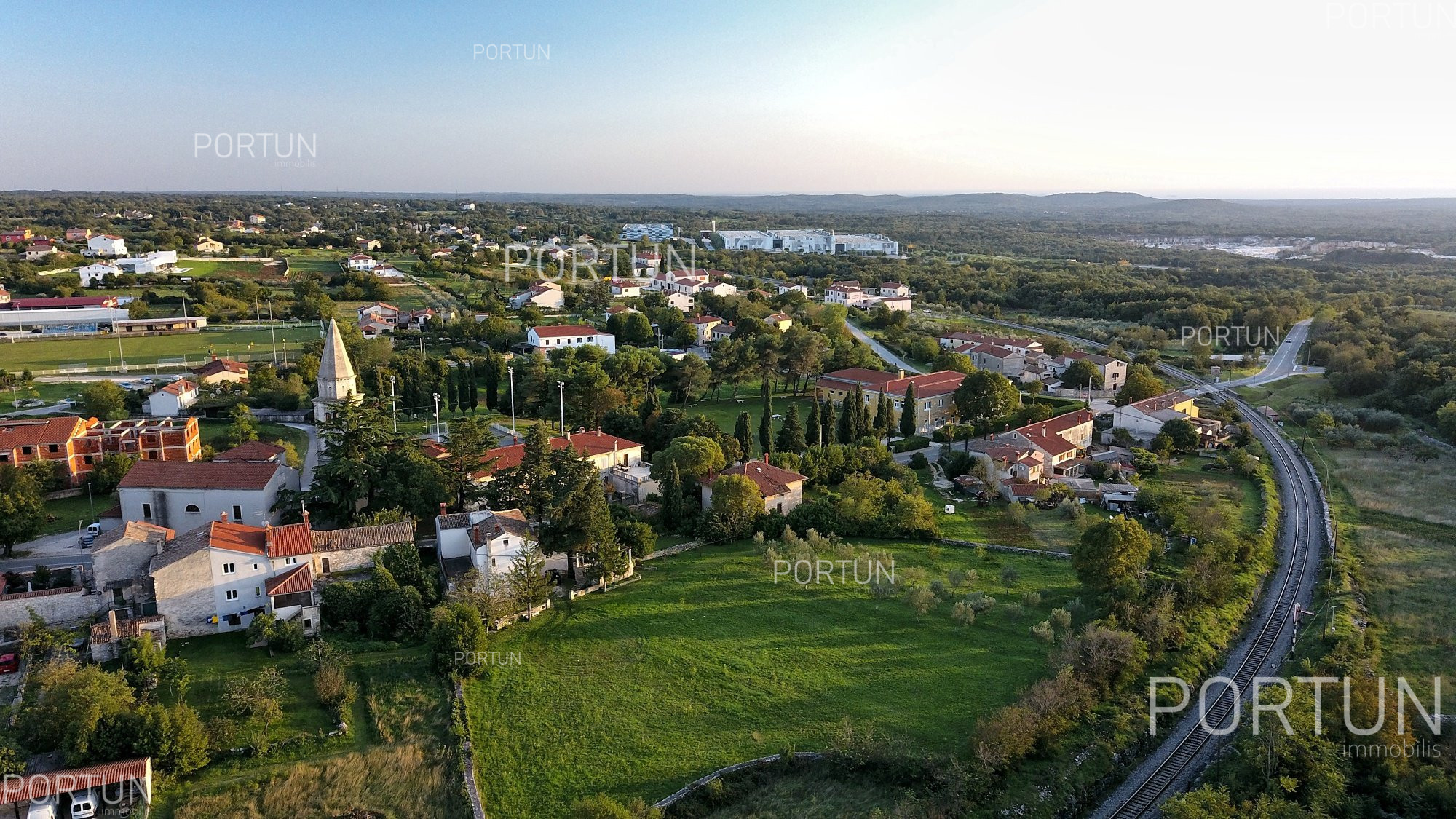
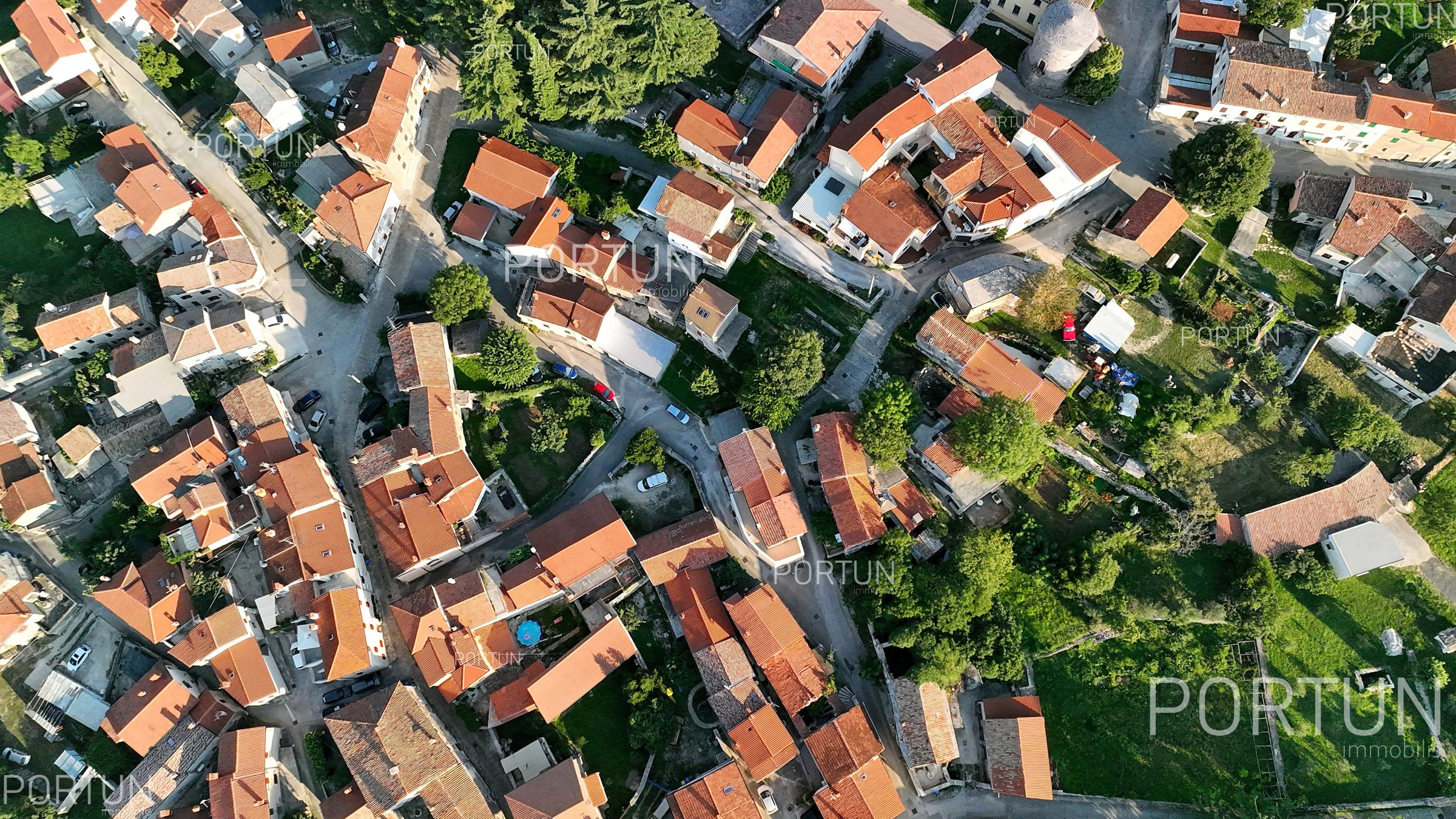
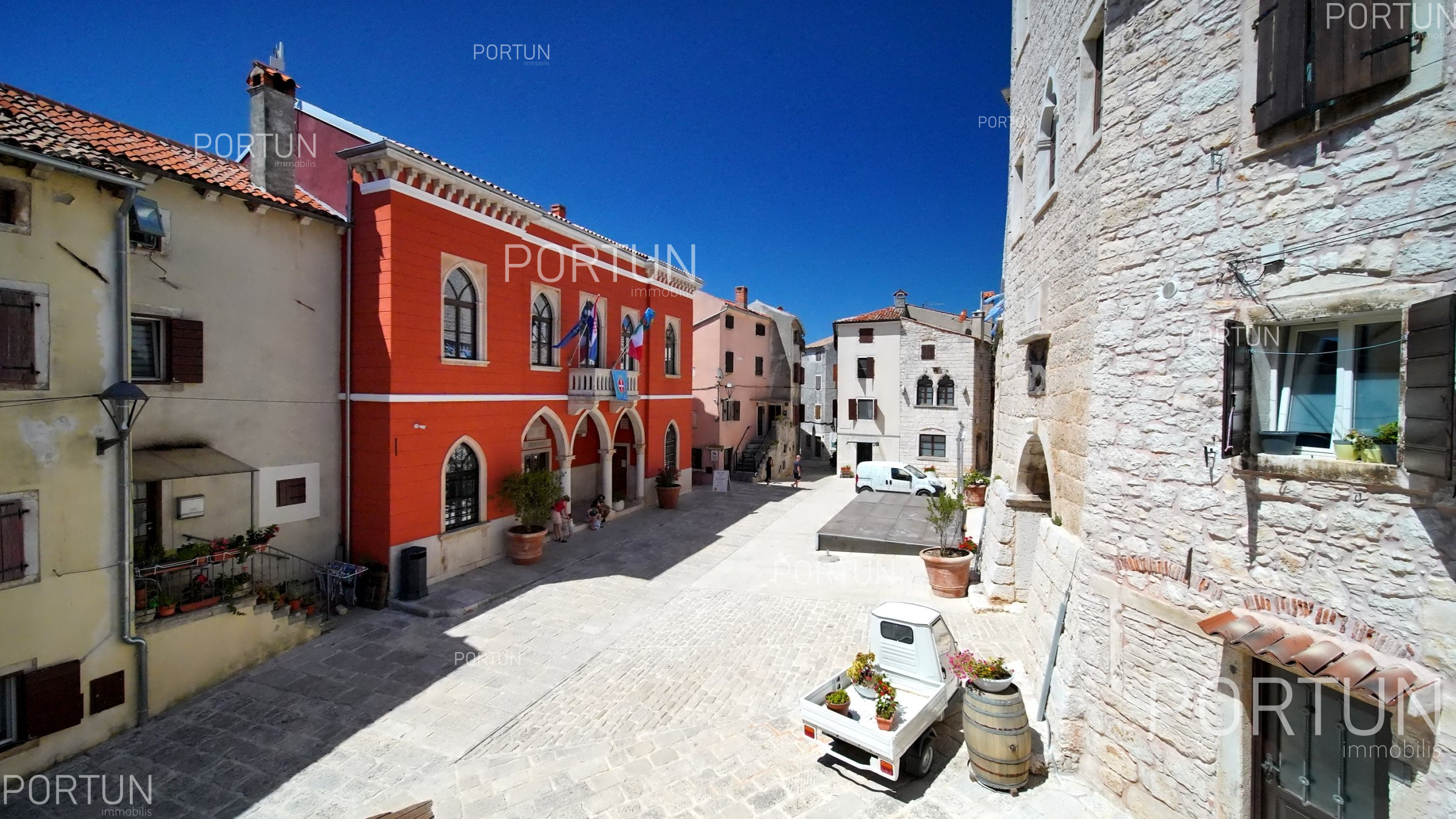
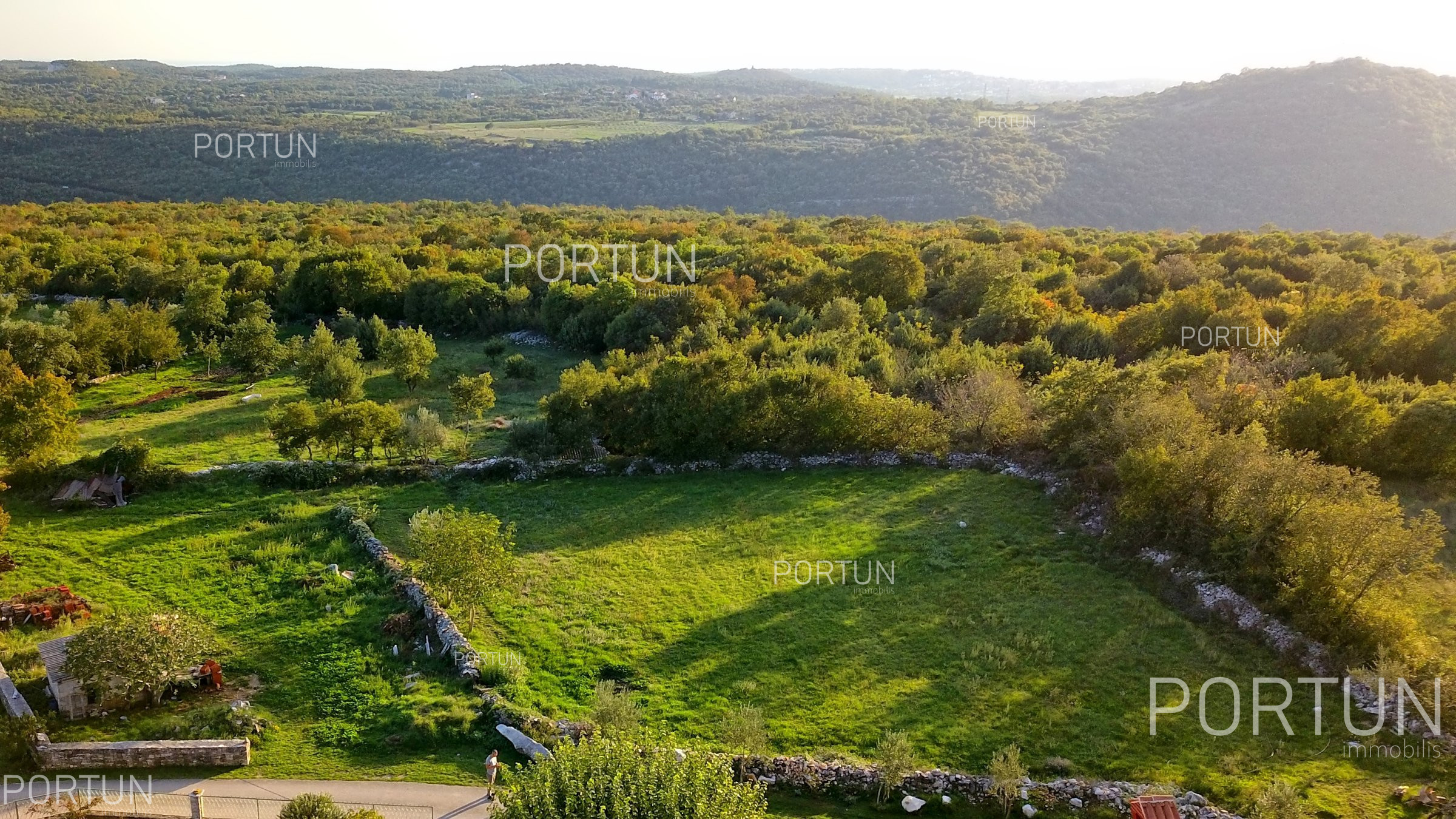
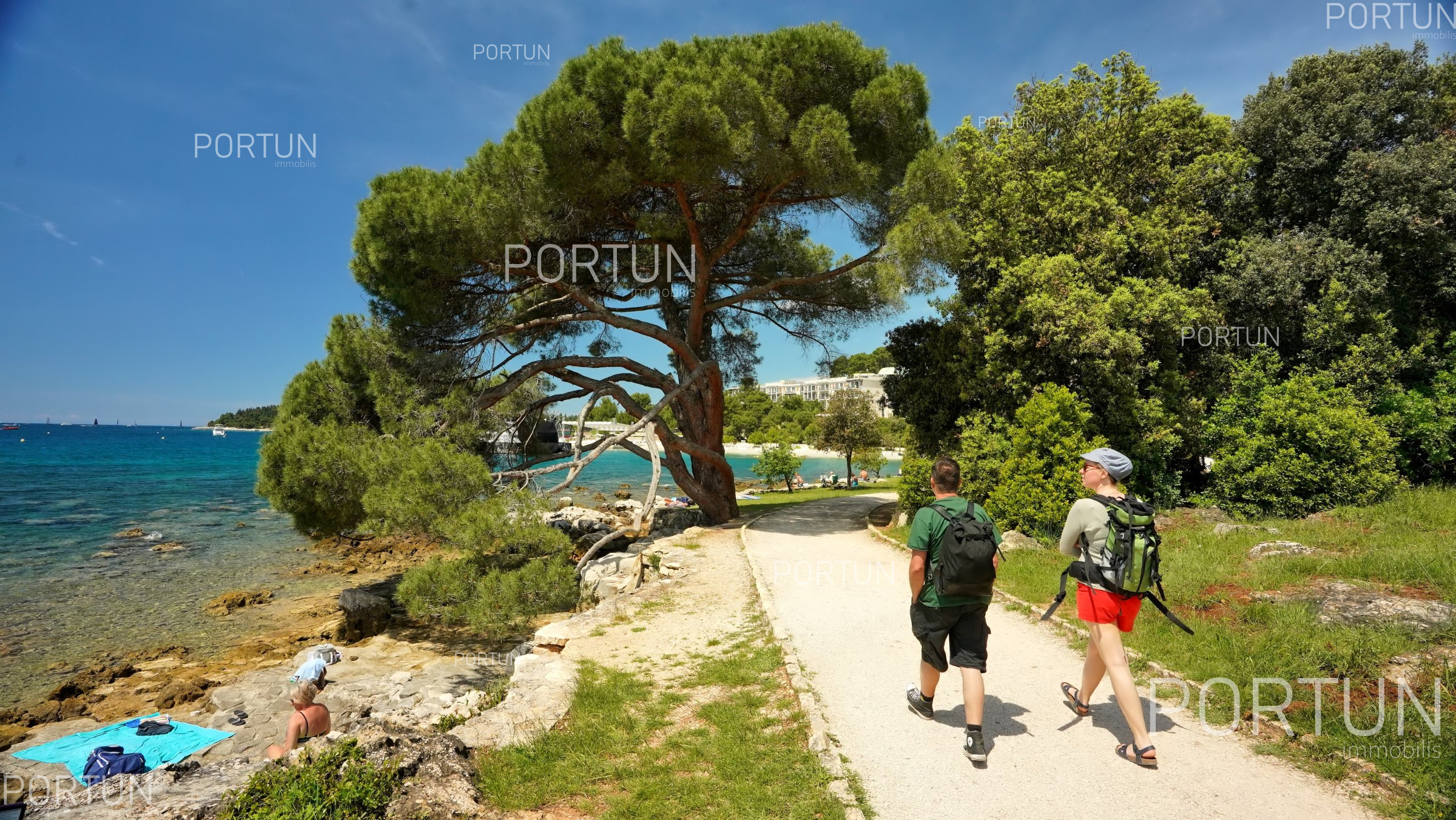
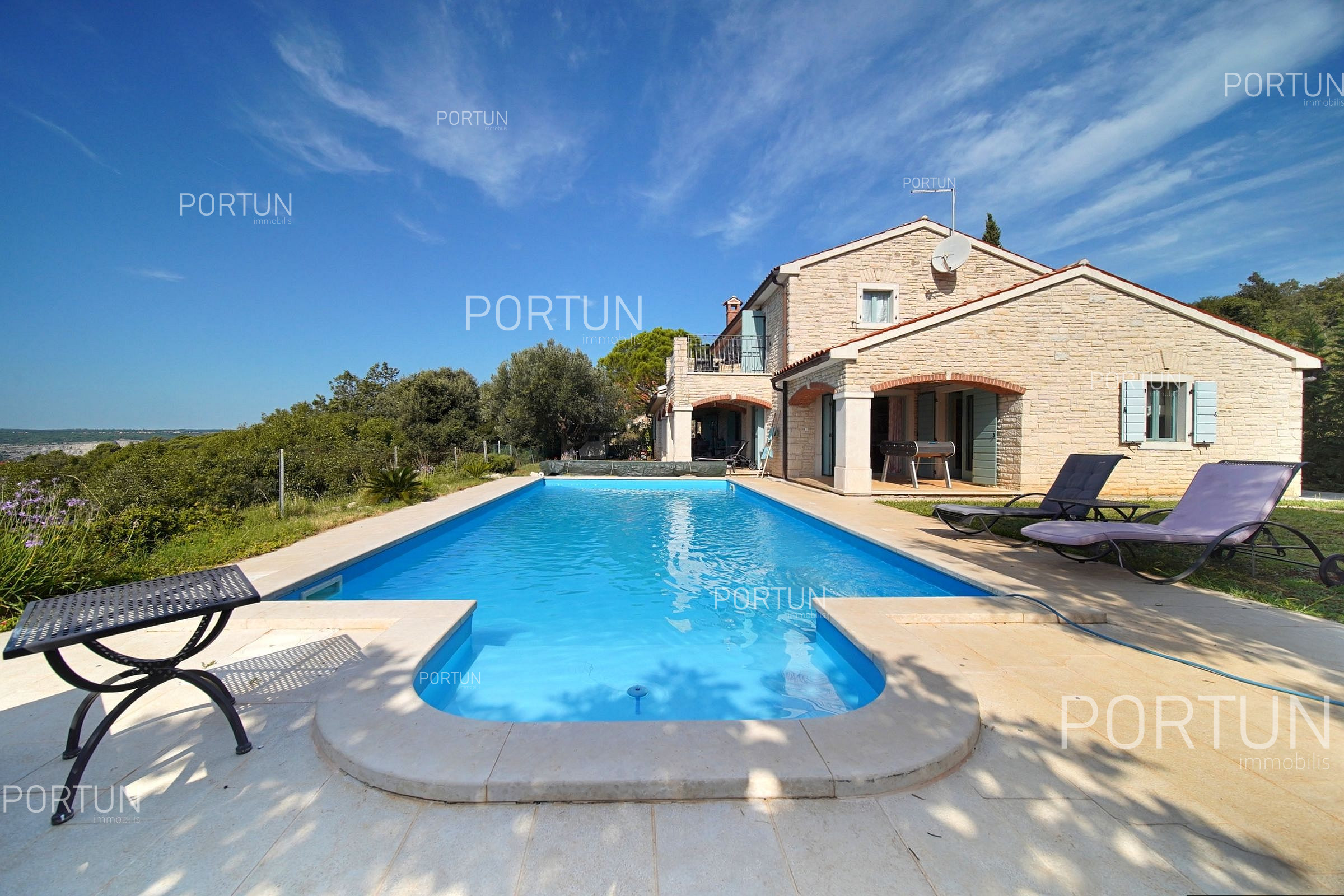
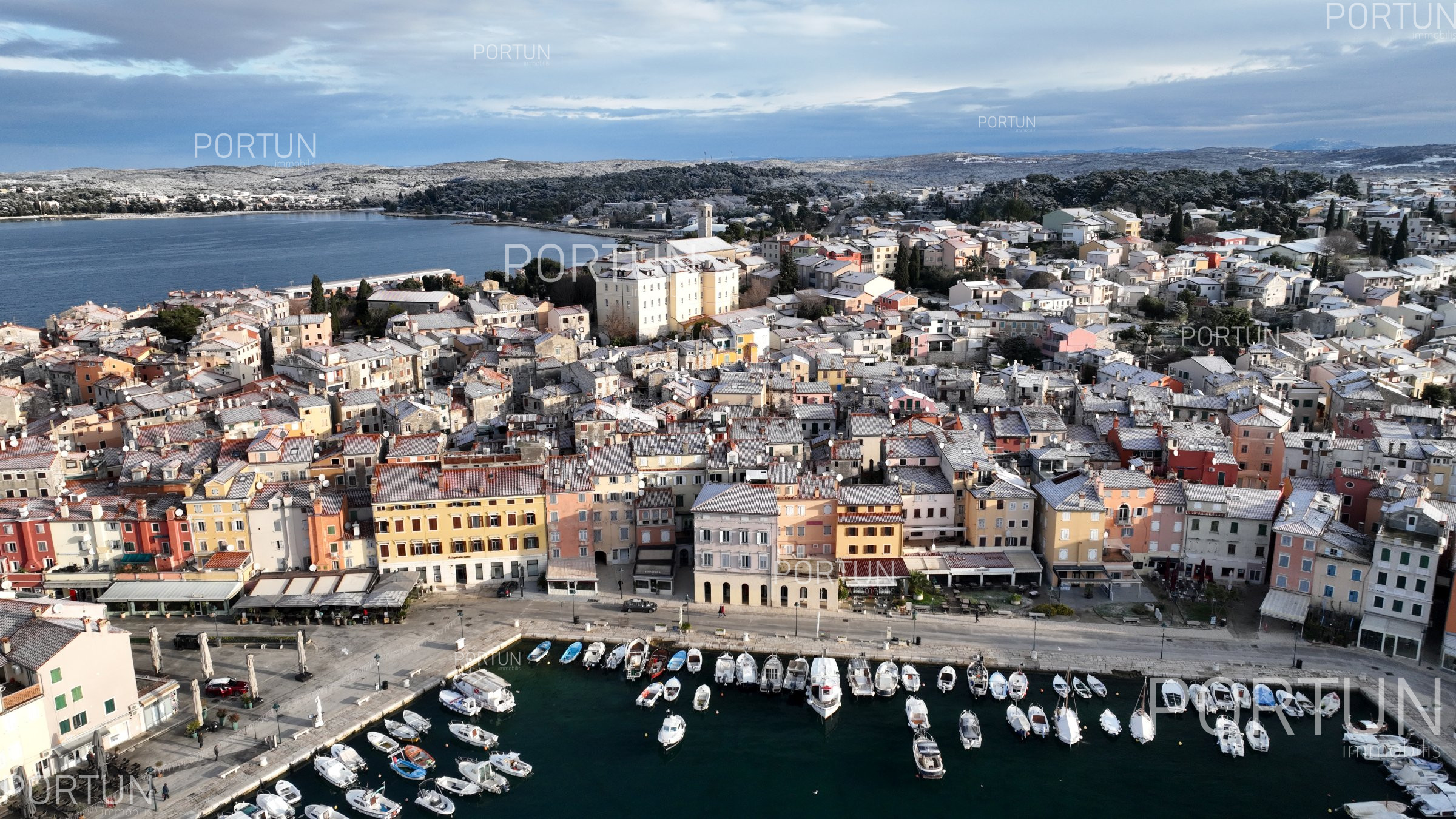
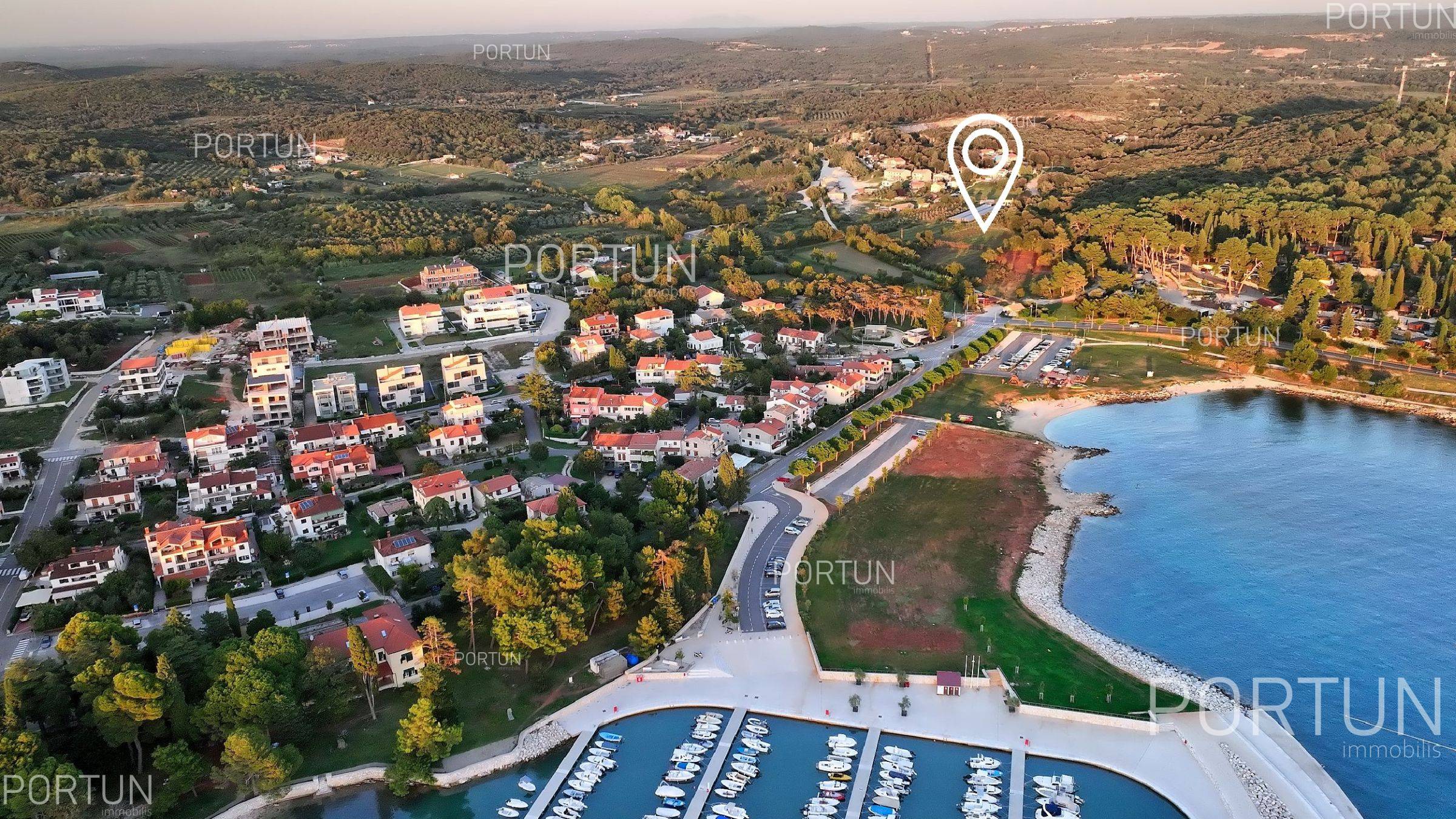
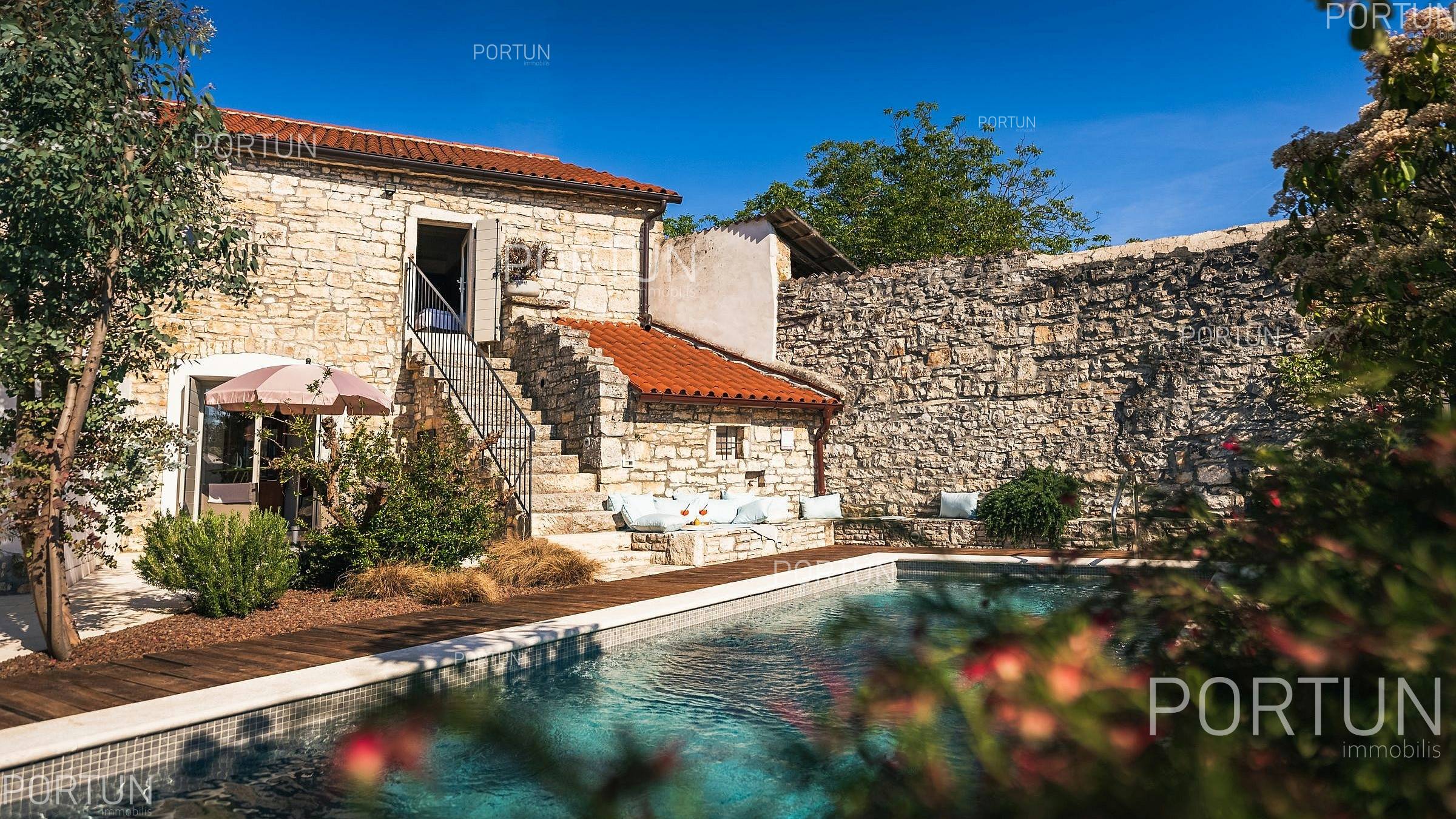
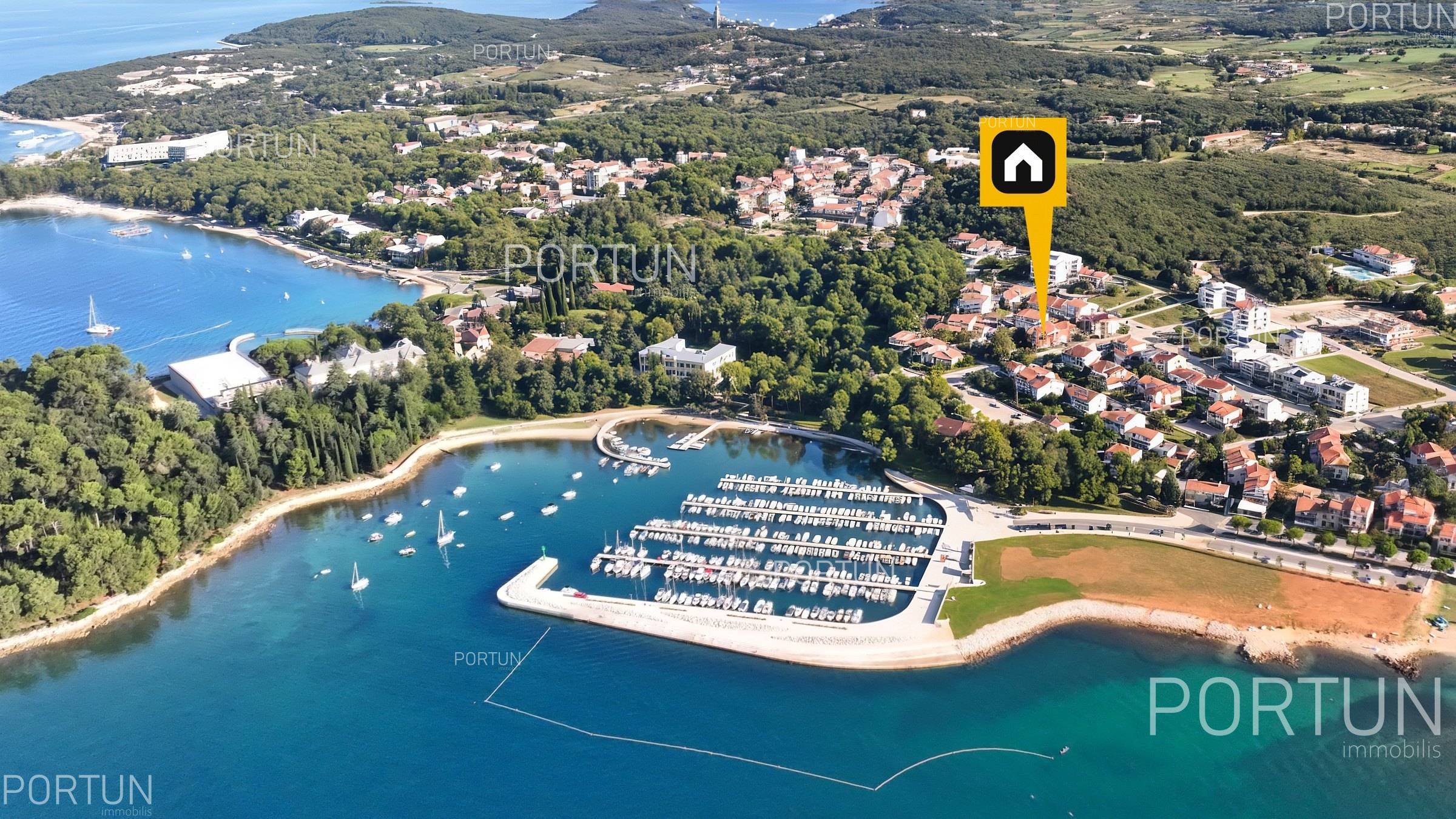
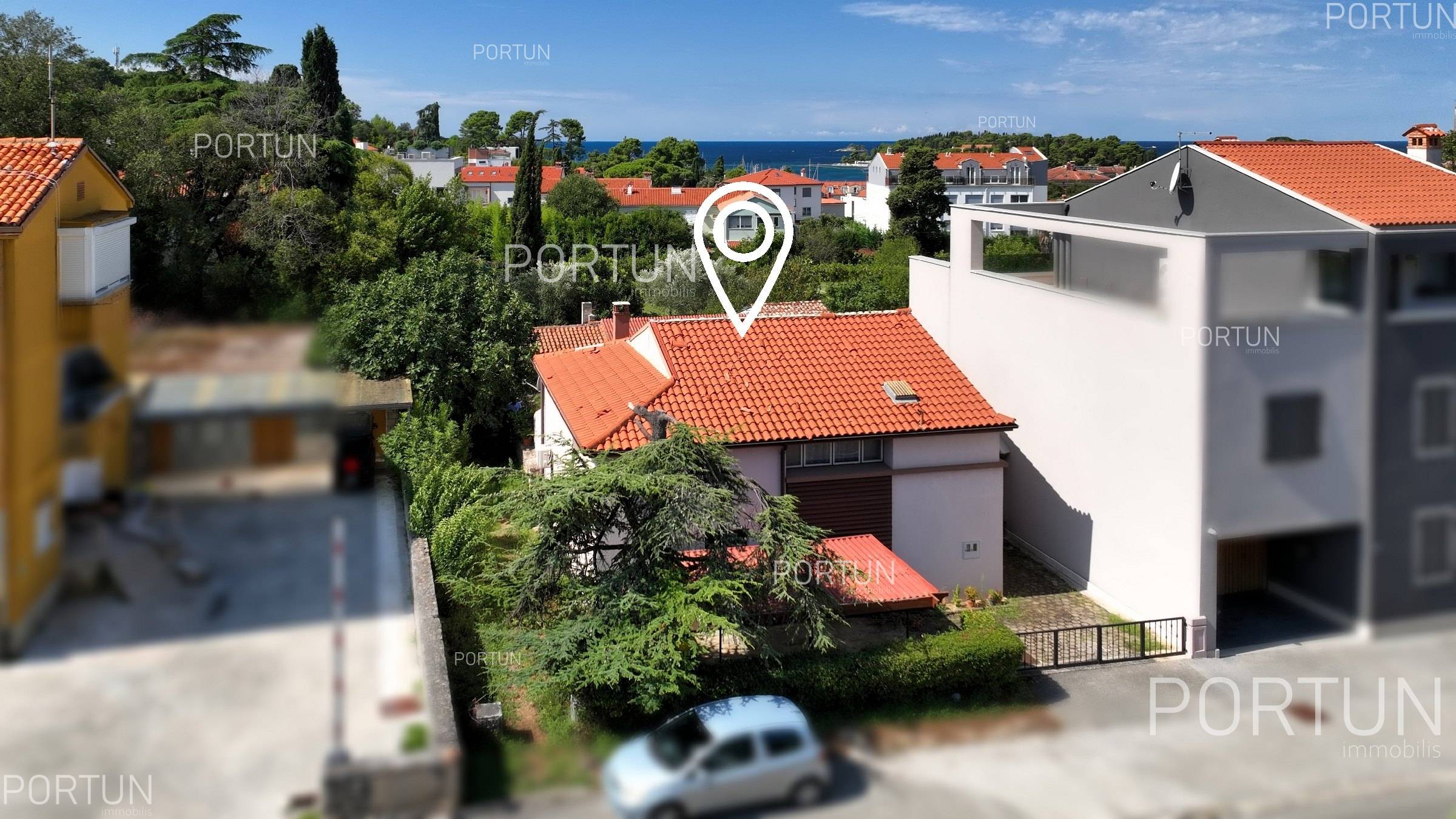
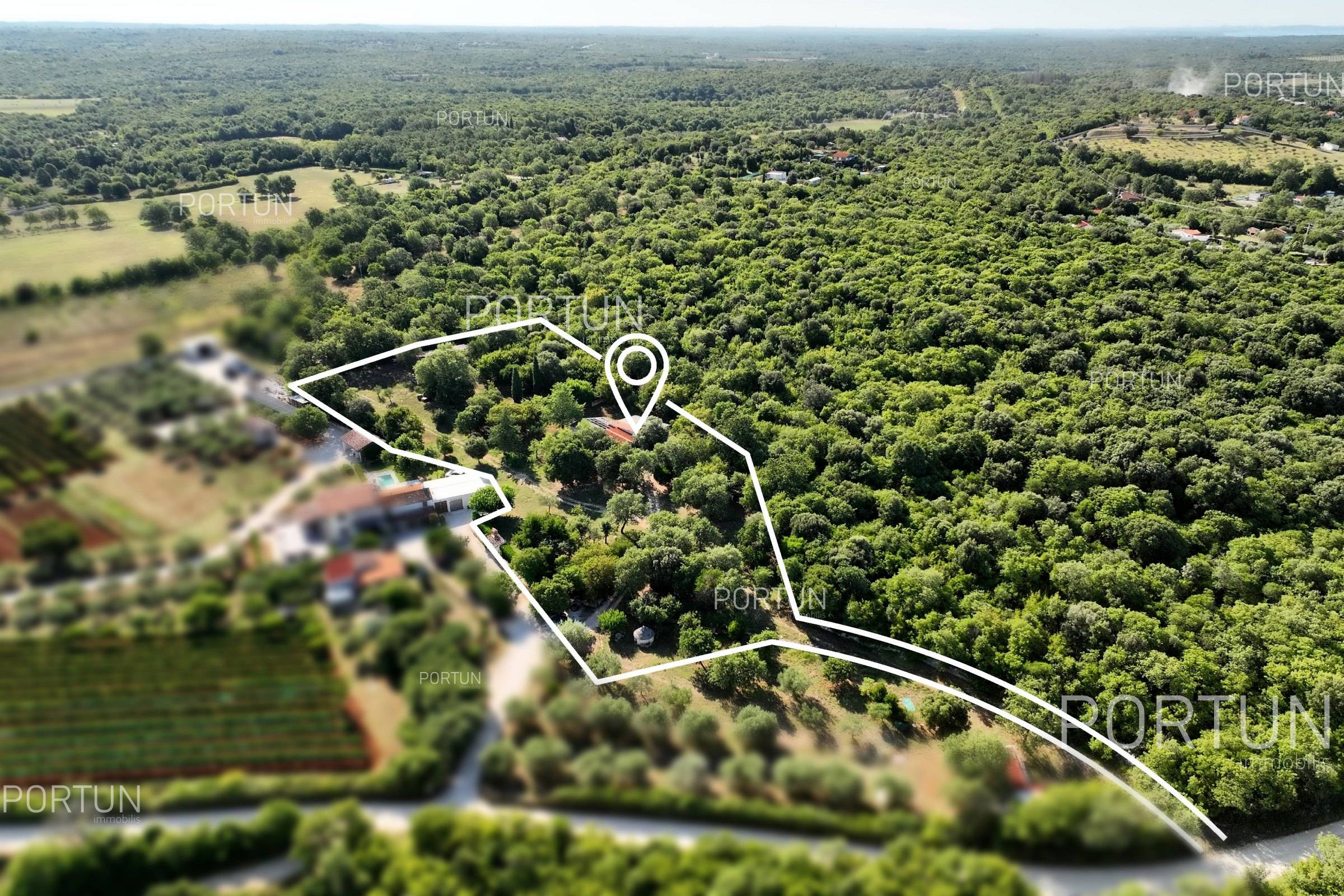
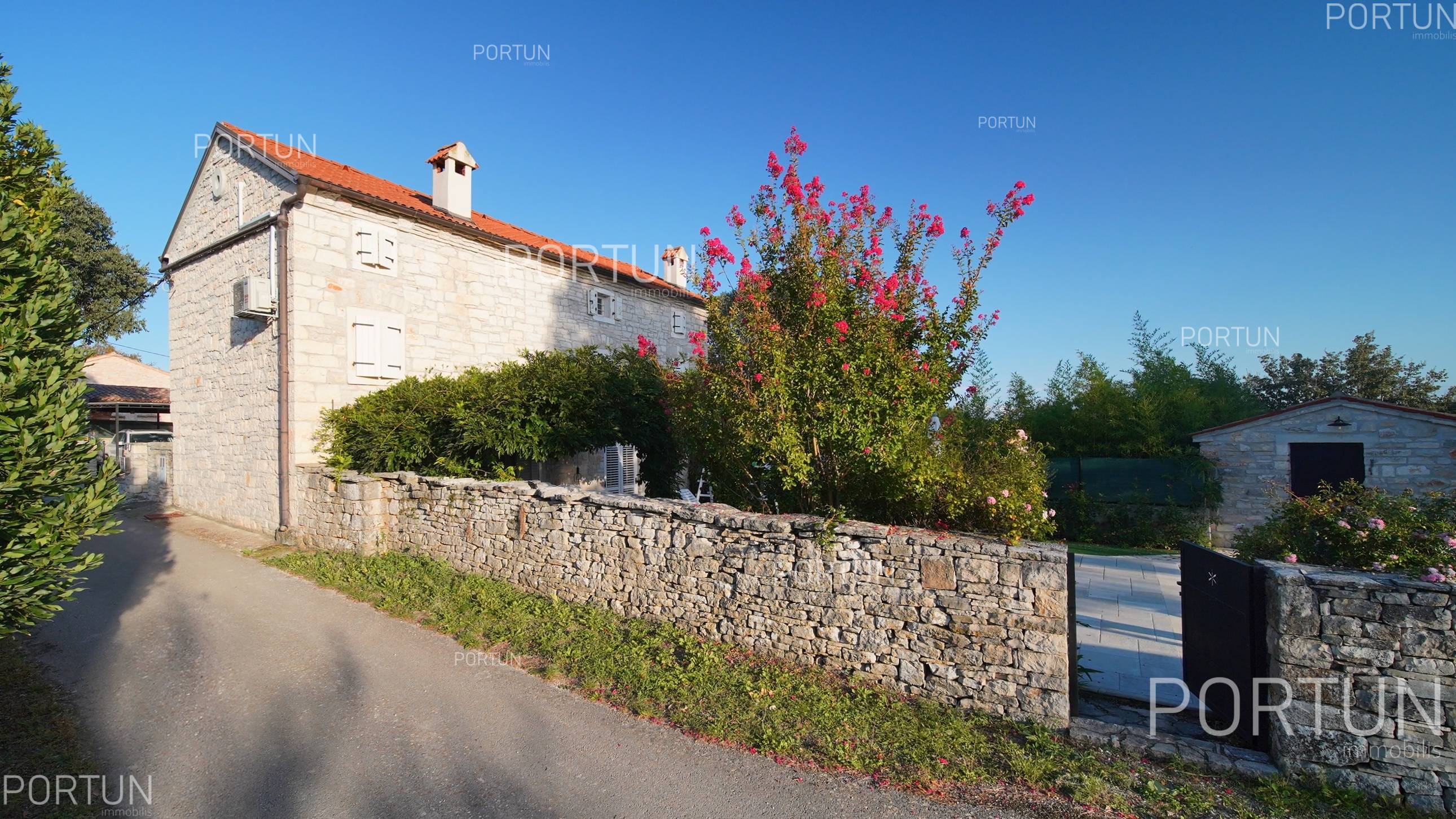
Foreign buyers are typically drawn to Istria for three main reasons: purchasing a second home, investing in holiday rentals, or securing long-term capital value. Coastal towns such as Rovinj, Poreč and Umag remain highly sought after, while inland Istria has gained popularity due to lower entry prices and growing demand for authentic, private properties.
However, buying property in Istria differs in several important ways from purchasing real estate in the UK or other Western European countries. Legal procedures, land registry practices and zoning regulations require careful attention. Understanding these specifics is essential before committing to a purchase.
Who Can Buy Property in Istria as a Foreigner
The first key distinction foreign buyers must understand is the difference between EU citizens and non-EU nationals. This distinction directly affects the purchasing process, legal requirements and timeframes.
Citizens of the European Union can generally buy apartments, houses and building land in Croatia under the same conditions as Croatian citizens. No special government approval is required, and ownership can be registered directly after signing the purchase agreement.
Non-EU buyers, however, are subject to additional rules. Their ability to acquire property depends on reciprocity between Croatia and their home country and often requires formal approval from Croatian authorities.
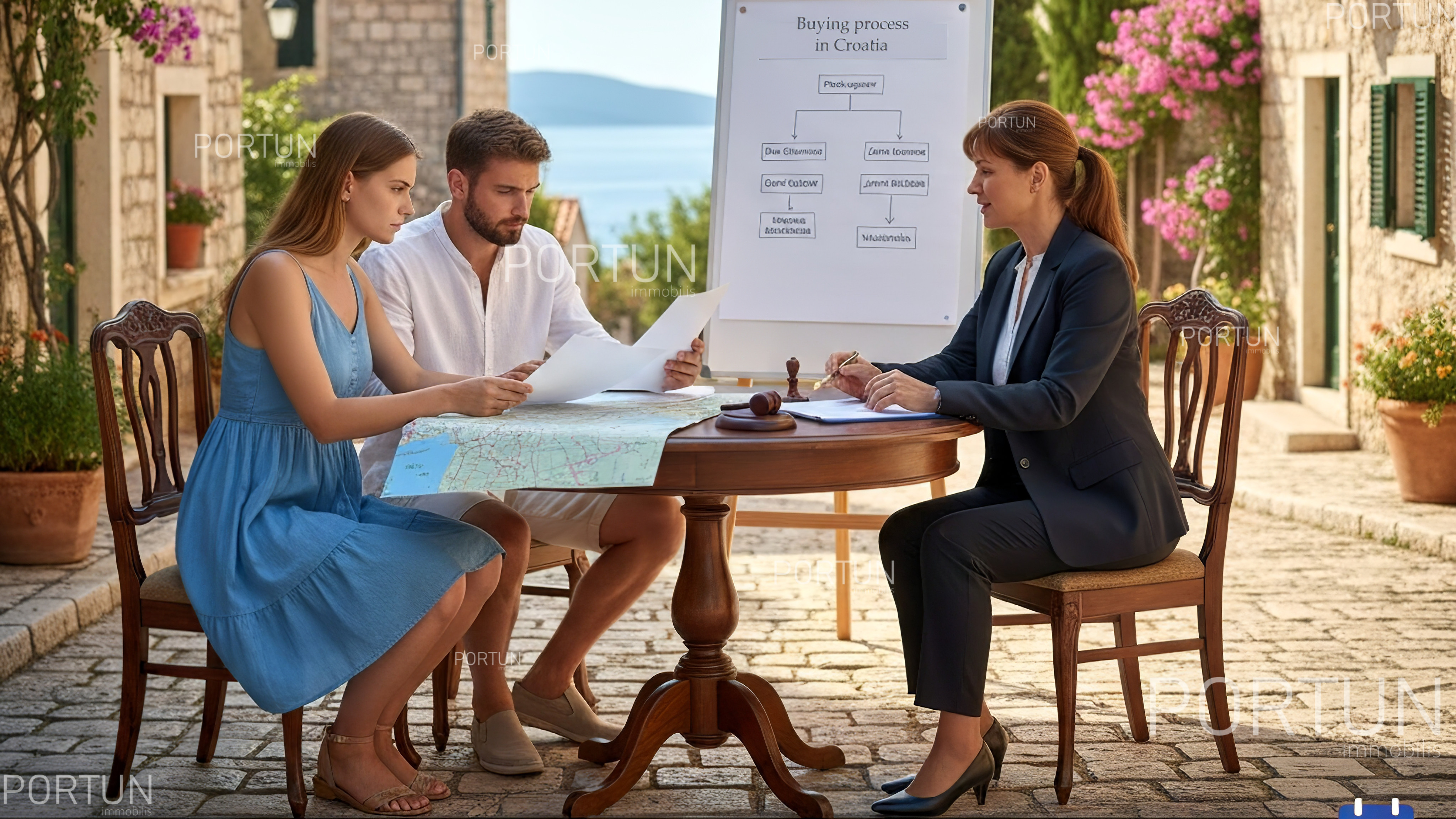
The Legal Process of Buying Property in Istria
The legal purchase process typically begins once a price and terms have been agreed. This is followed by either a preliminary agreement or a final purchase contract, depending on the circumstances.
The contract defines payment terms, deadlines, legal conditions and responsibilities of both parties. For foreign buyers, it is particularly important that contracts are clearly structured and legally sound.
After signing, tax obligations must be reported and ownership registered in the land registry. For non-EU buyers, this step may be delayed until approval is granted.
Land Registry and Ownership Verification
One of the most critical steps in buying property in Istria is verifying land registry records. Although land registers in Croatia are public, they are not always perfectly aligned with the physical or legal reality of the property.
Common issues include unresolved co-ownership, unregistered extensions or outdated entries. These problems are more frequent in older properties and coastal areas.
Foreign buyers unfamiliar with the Croatian system should never rely solely on listing information or verbal assurances.
Legal Status and Building Documentation
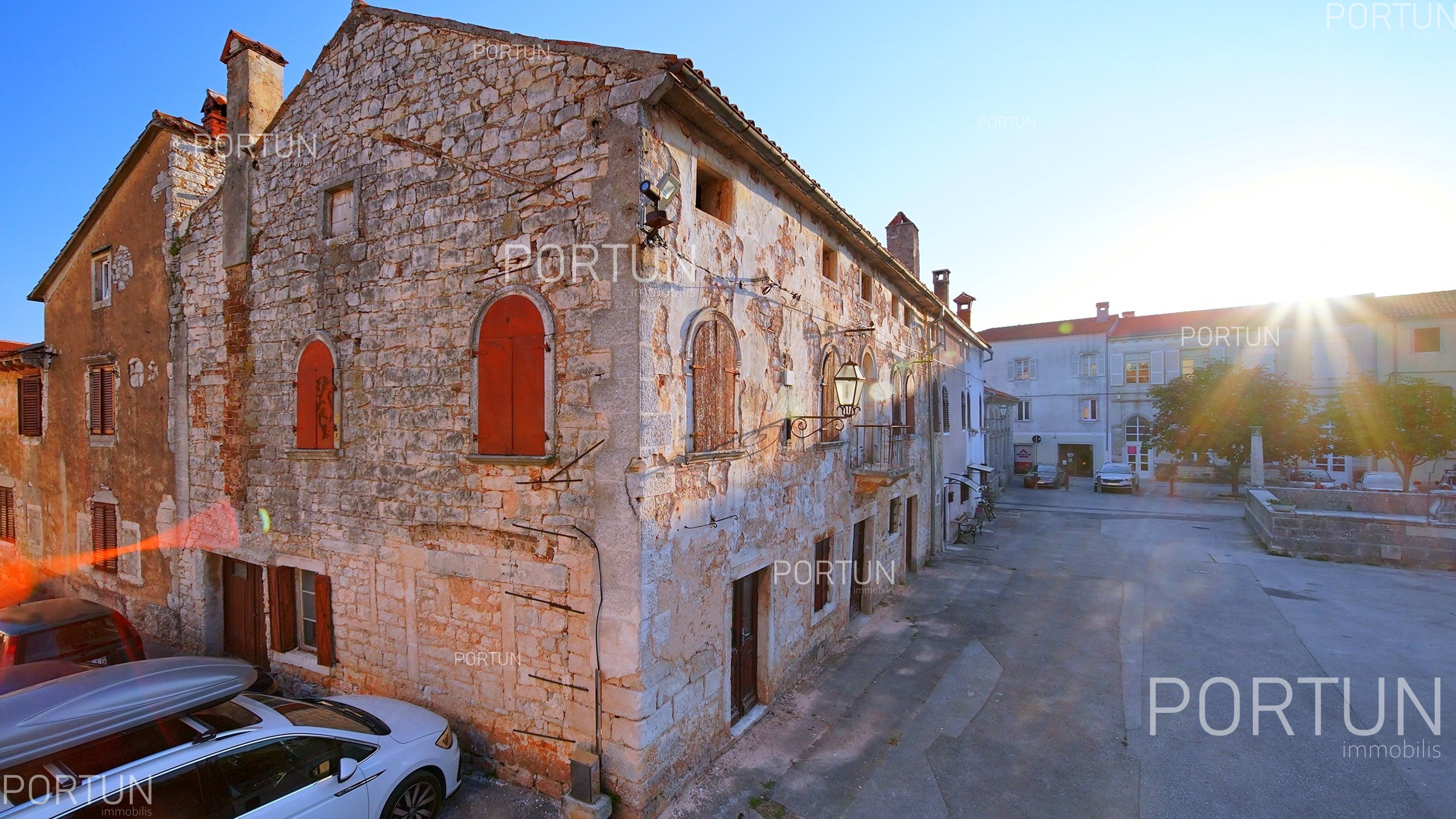
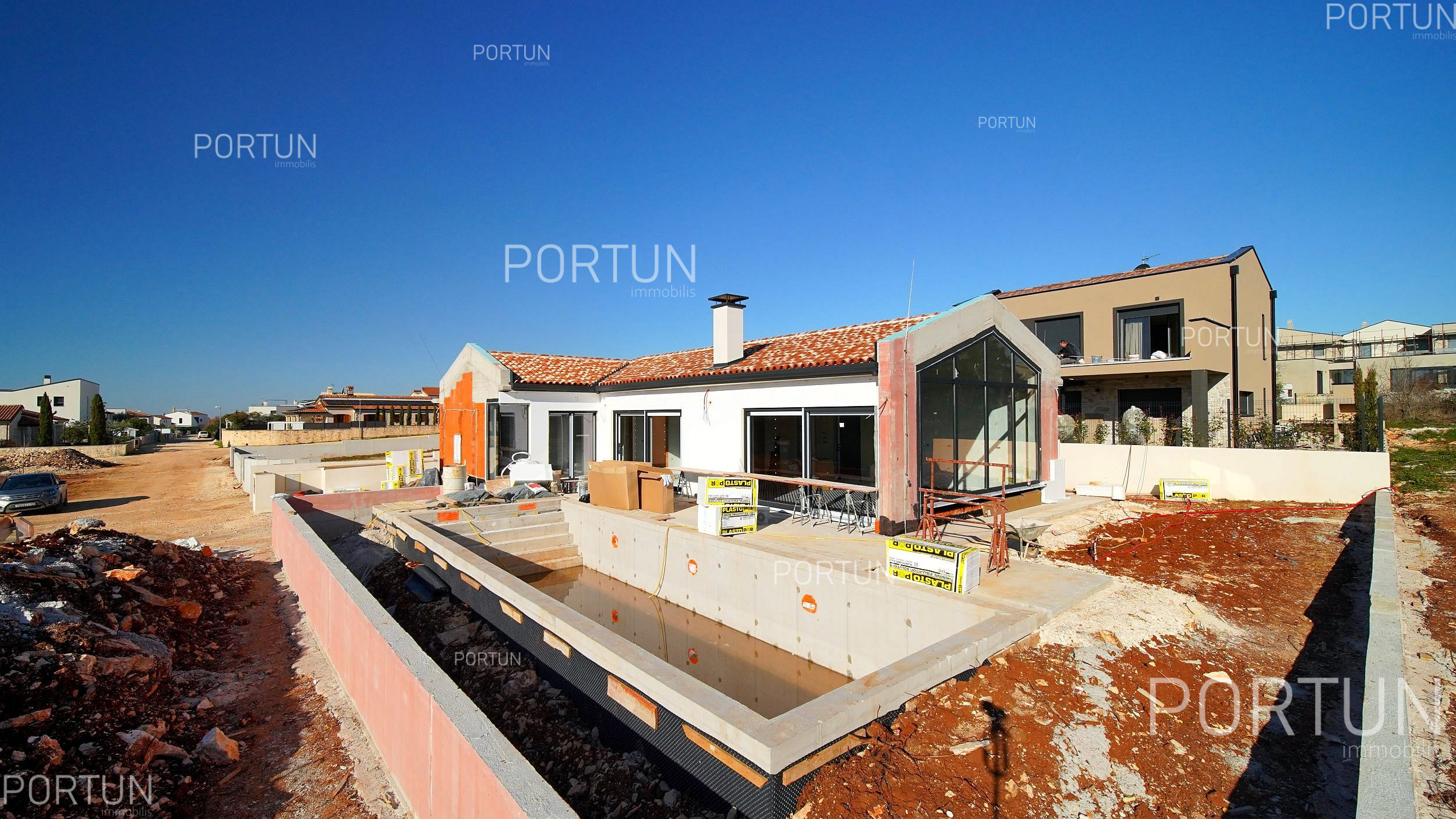
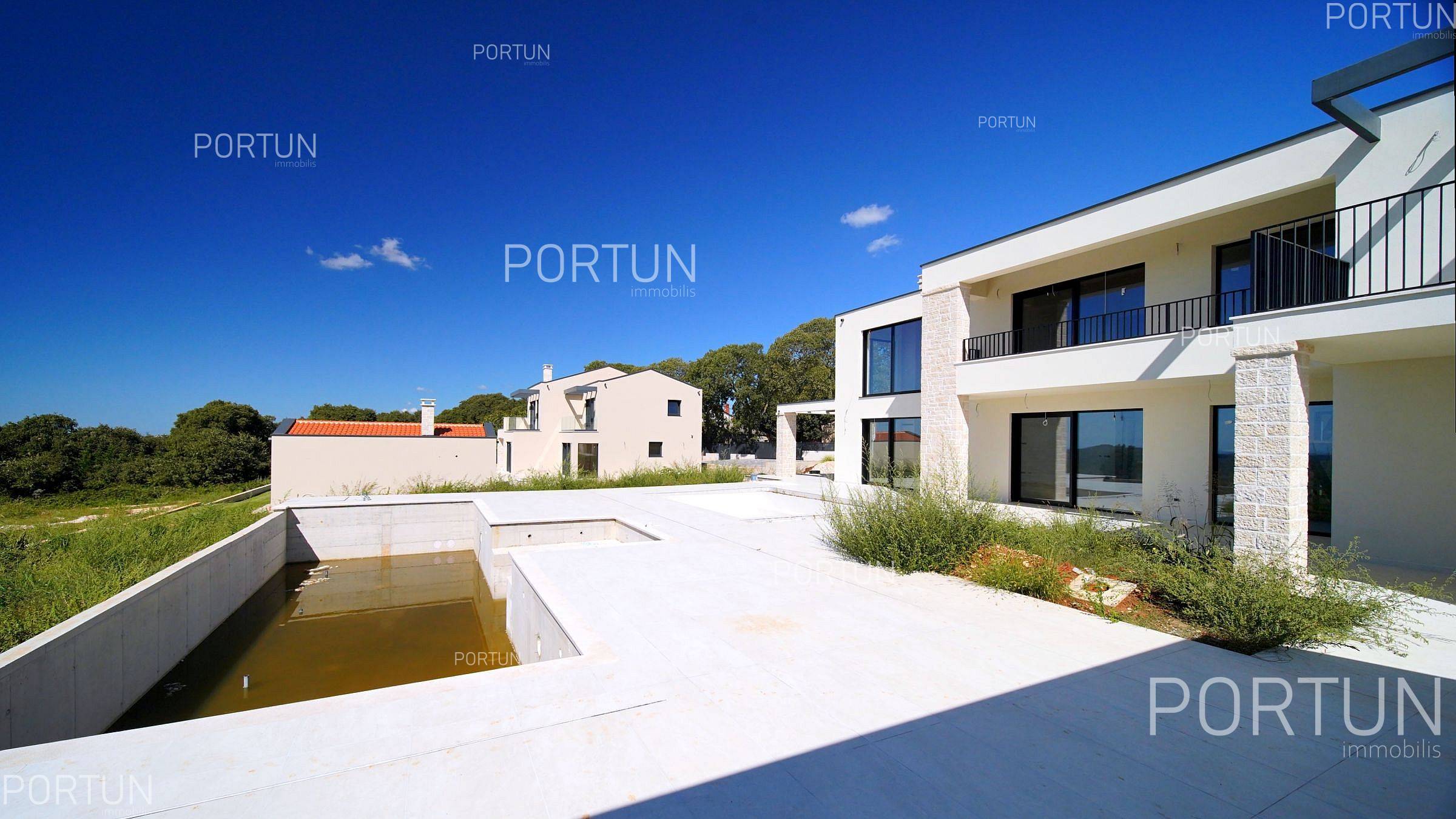
A property being occupied or rented does not automatically mean it is fully legal. Buyers must verify building permits, usage permits or legalisation documents.
Illegal extensions or partially legalised buildings can significantly affect future resale, financing or rental permissions.
This step is especially important for buyers planning renovation or rental use.
Building Land vs Agricultural Land
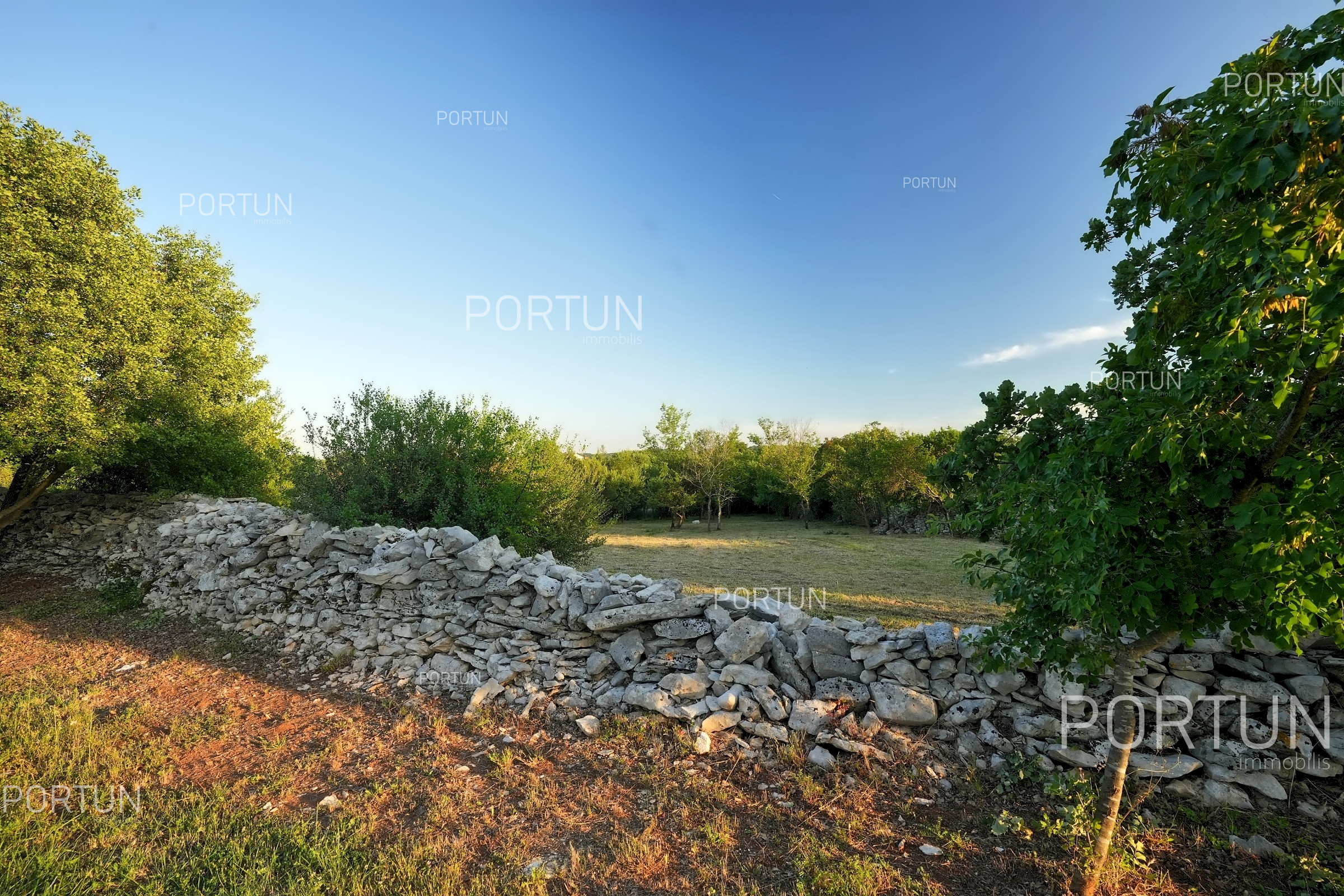
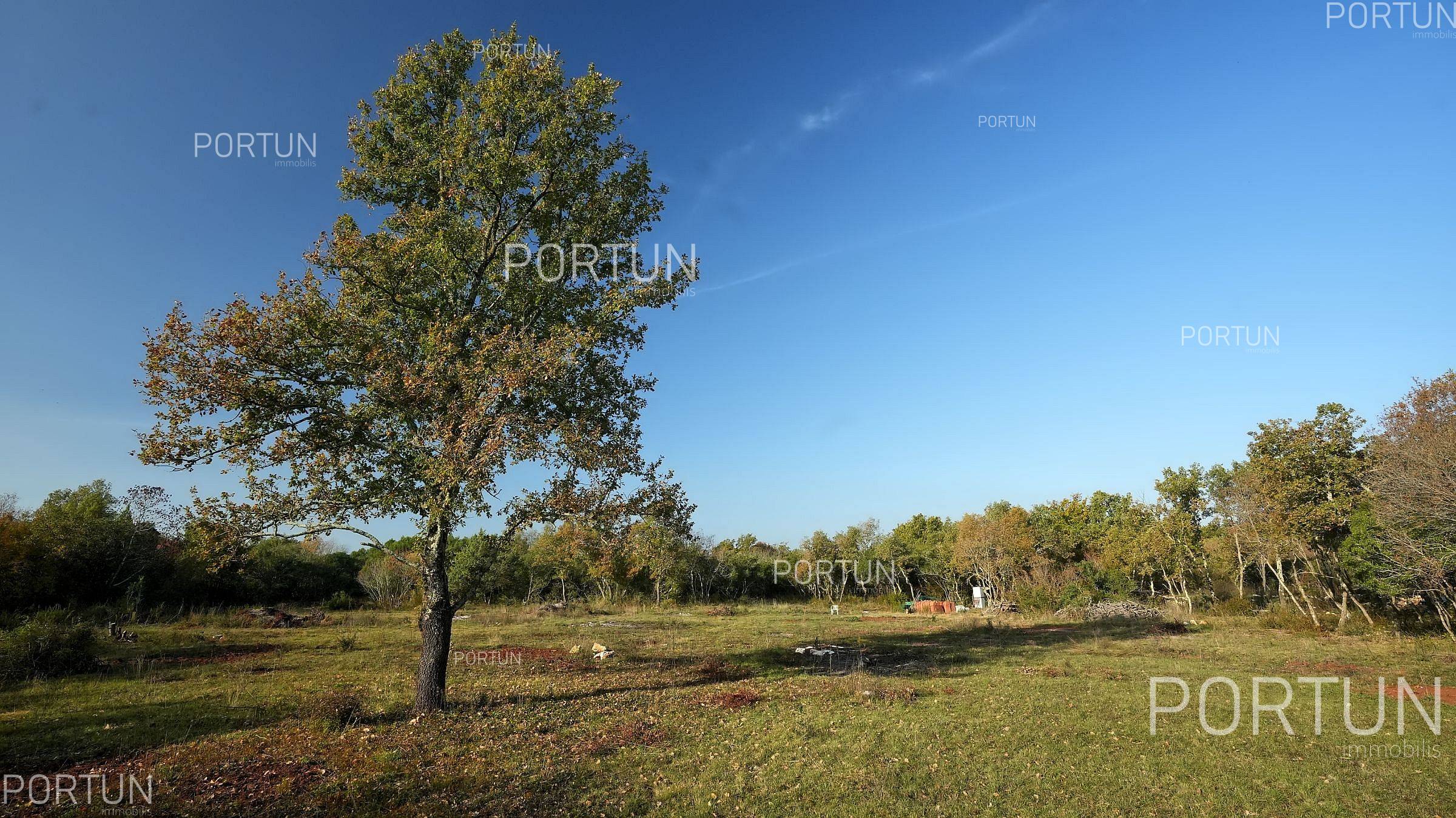
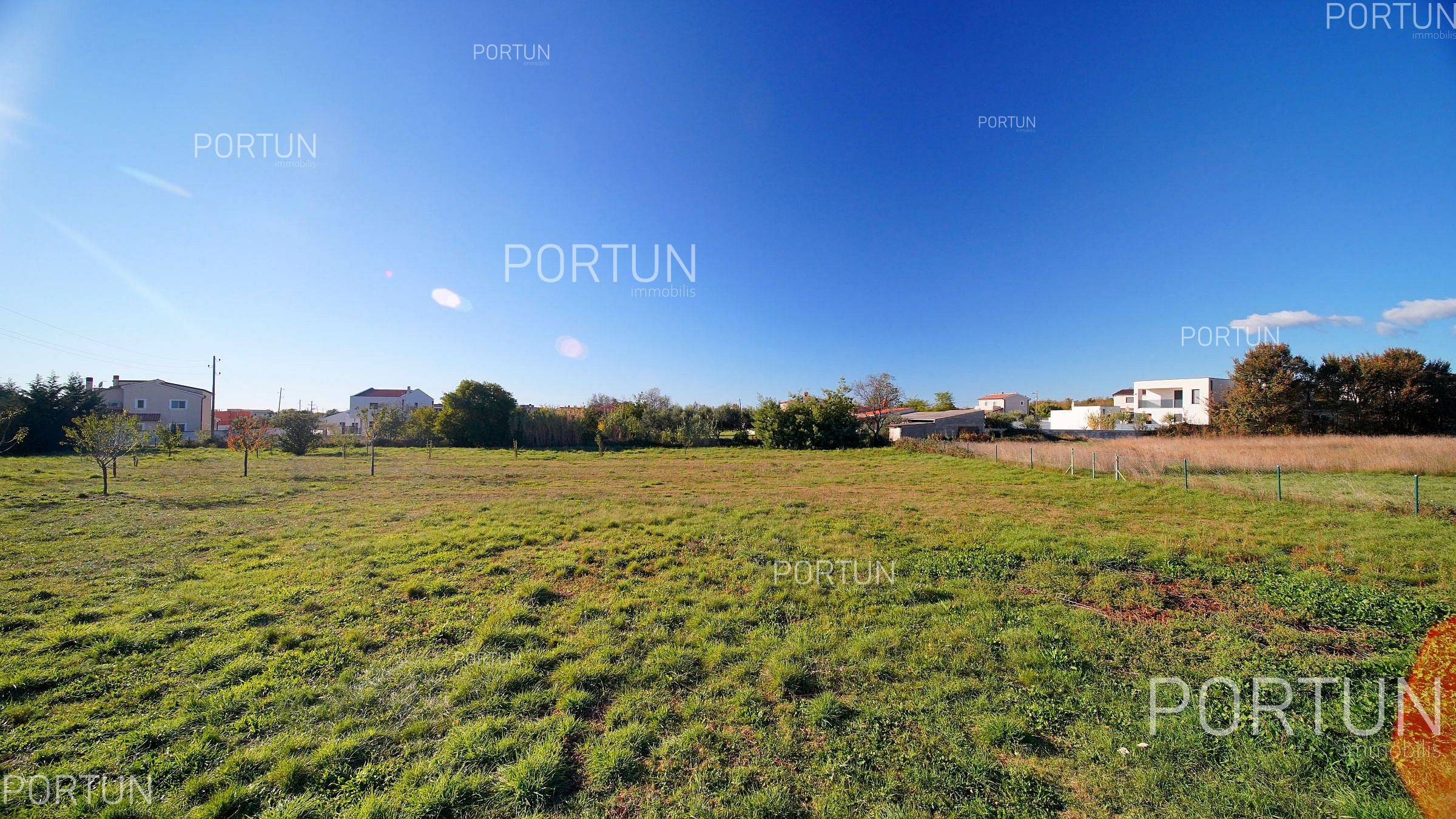
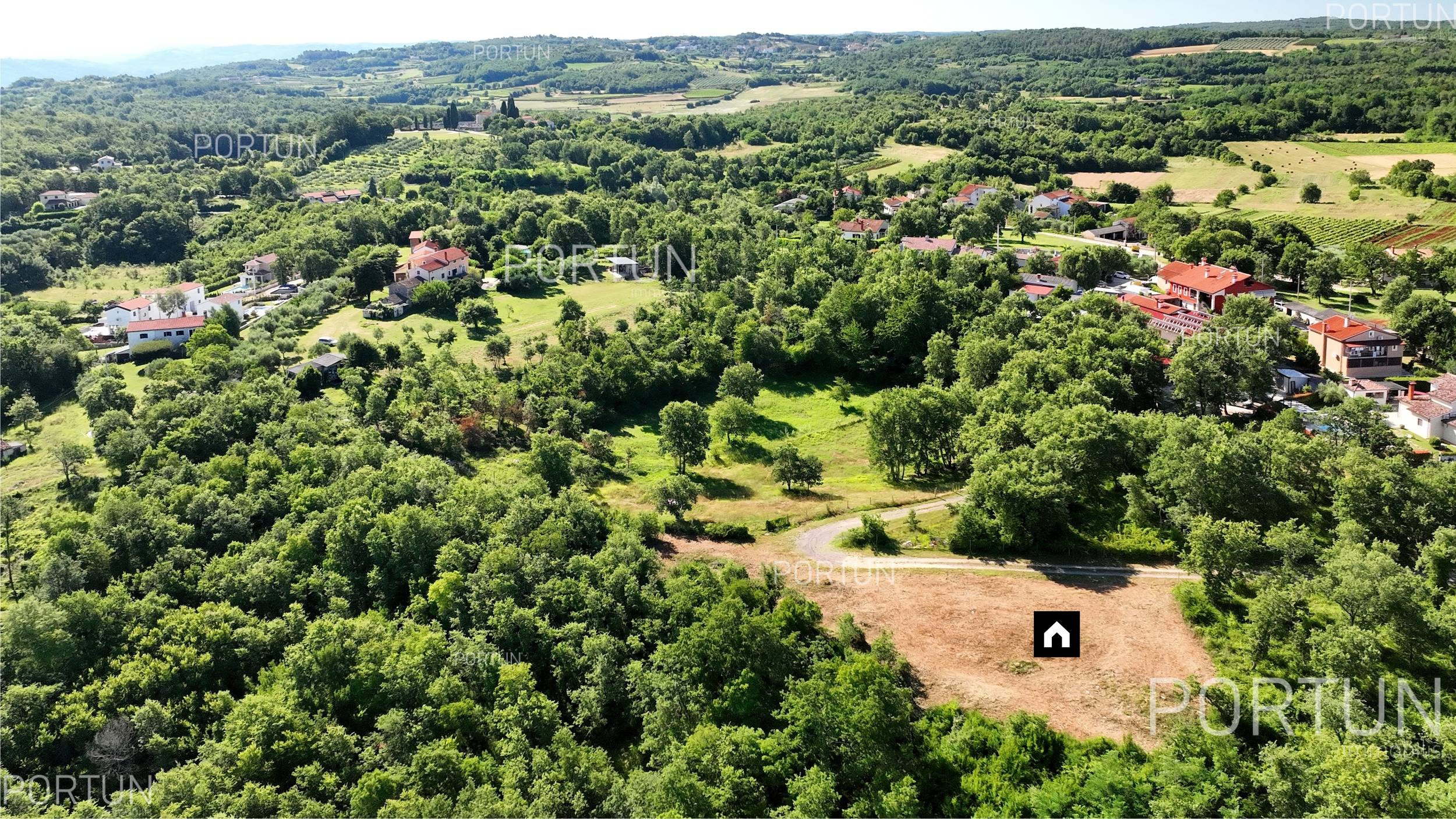
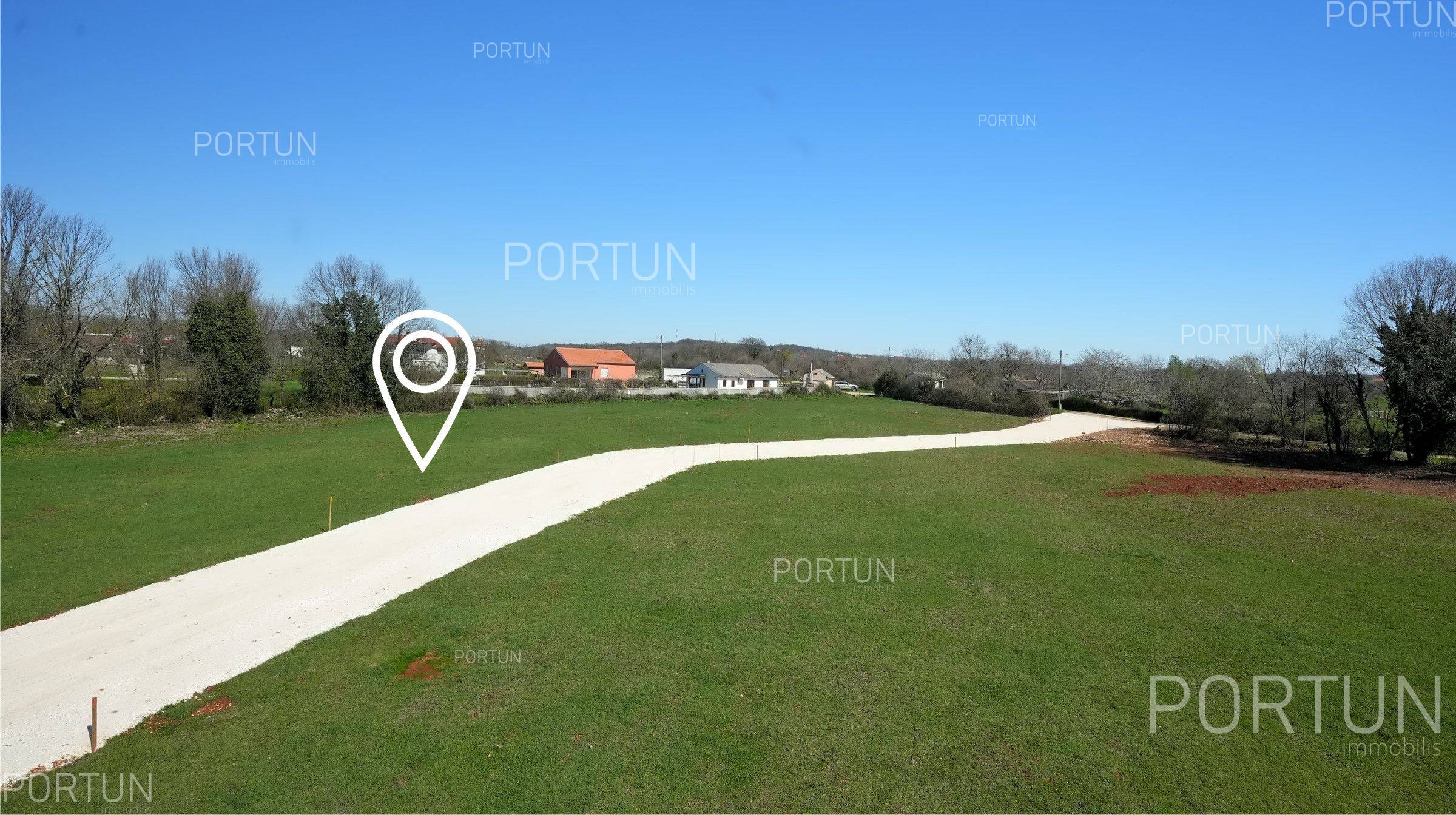
Foreign buyers often explore land purchases, but must clearly distinguish between building land and agricultural land.
Building land may be purchased under certain conditions, while agricultural land is subject to strict regulations. Even EU citizens face limitations, including state pre-emption rights.
Non-EU buyers are generally prohibited from purchasing agricultural land.
Taxes and Additional Purchase Costs
Buying property in Istria involves additional costs beyond the purchase price. These include property transfer tax or VAT, depending on the seller.
Other costs include notary fees, legal representation, court fees and certified translations.
Foreign buyers should budget several percent above the purchase price to cover these expenses.
Buying Property in Istria as an Investment
Istria offers strong potential for holiday rental investment, but returns depend heavily on location, property type and legal compliance.
Tourist rentals require registration and compliance with local regulations. Failure to meet requirements can result in penalties.
Realistic expectations are essential when evaluating investment returns.
Common Mistakes Foreign Buyers Make
The most frequent mistake is skipping proper legal due diligence. Relying solely on agents or sellers often leads to problems.
Another common misconception is assuming property ownership grants residency rights. These are separate legal matters.
Underestimating costs and timelines is also common.
How to Buy Property in Istria Safely as a Foreigner
A safe purchase requires preparation, legal verification and professional guidance. Understanding Croatian property law and local regulations is essential.
Foreign buyers who take a structured and informed approach generally encounter no major obstacles.
Istria remains an attractive property market, but only for buyers who understand and respect its legal framework.