Why Rovinj Remains Popular Despite High Property Prices
Rovinj is often described as one of the most expensive real estate markets in Croatia. For many buyers, this raises an obvious question: is Rovinj genuinely overpriced, or are higher prices simply the result of factors that are often overlooked? When viewed in a broader context, property prices in Rovinj are not driven by speculation, but by long-term structural conditions that make this market fundamentally different.
Limited supply as a structural foundation
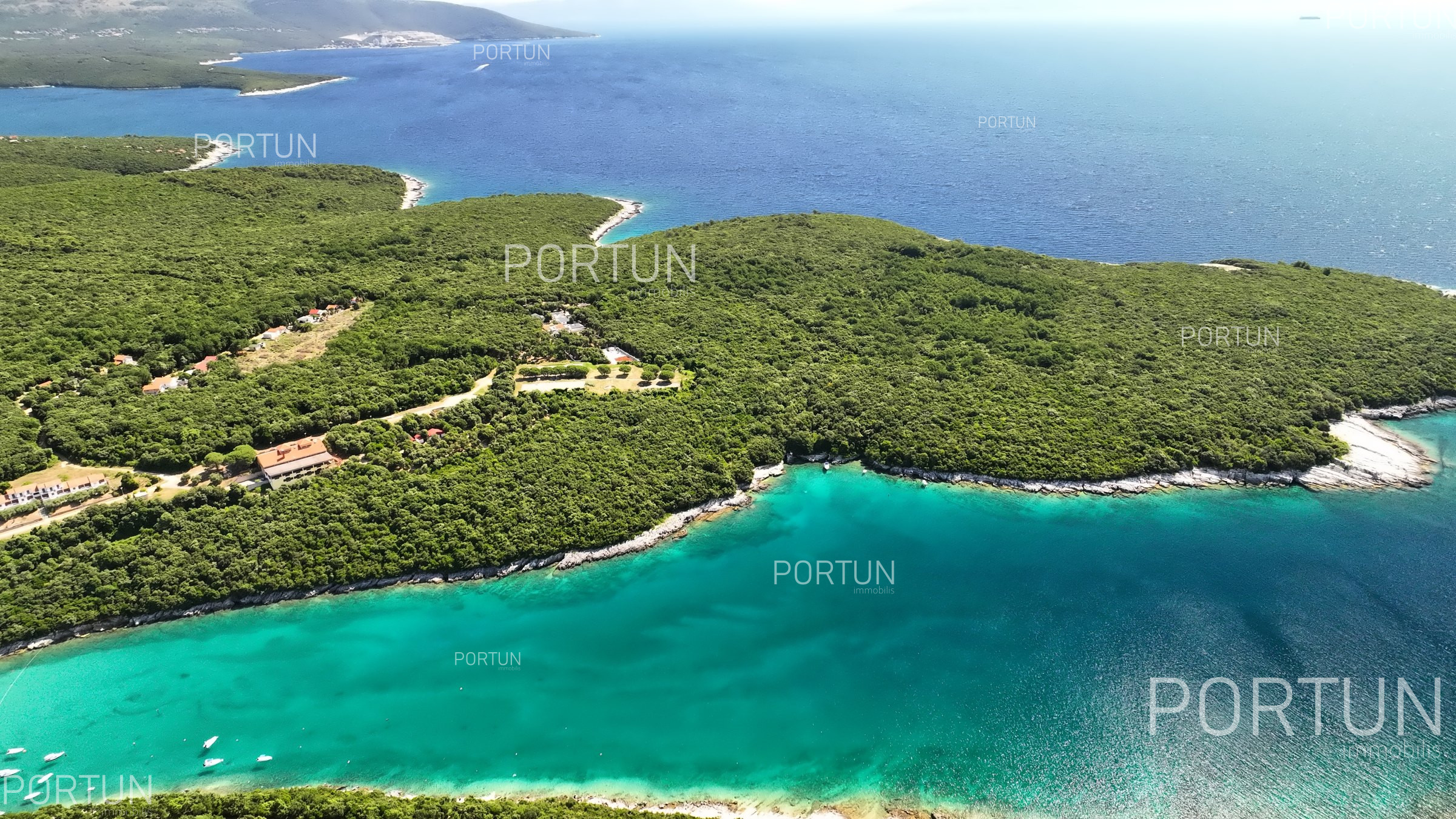
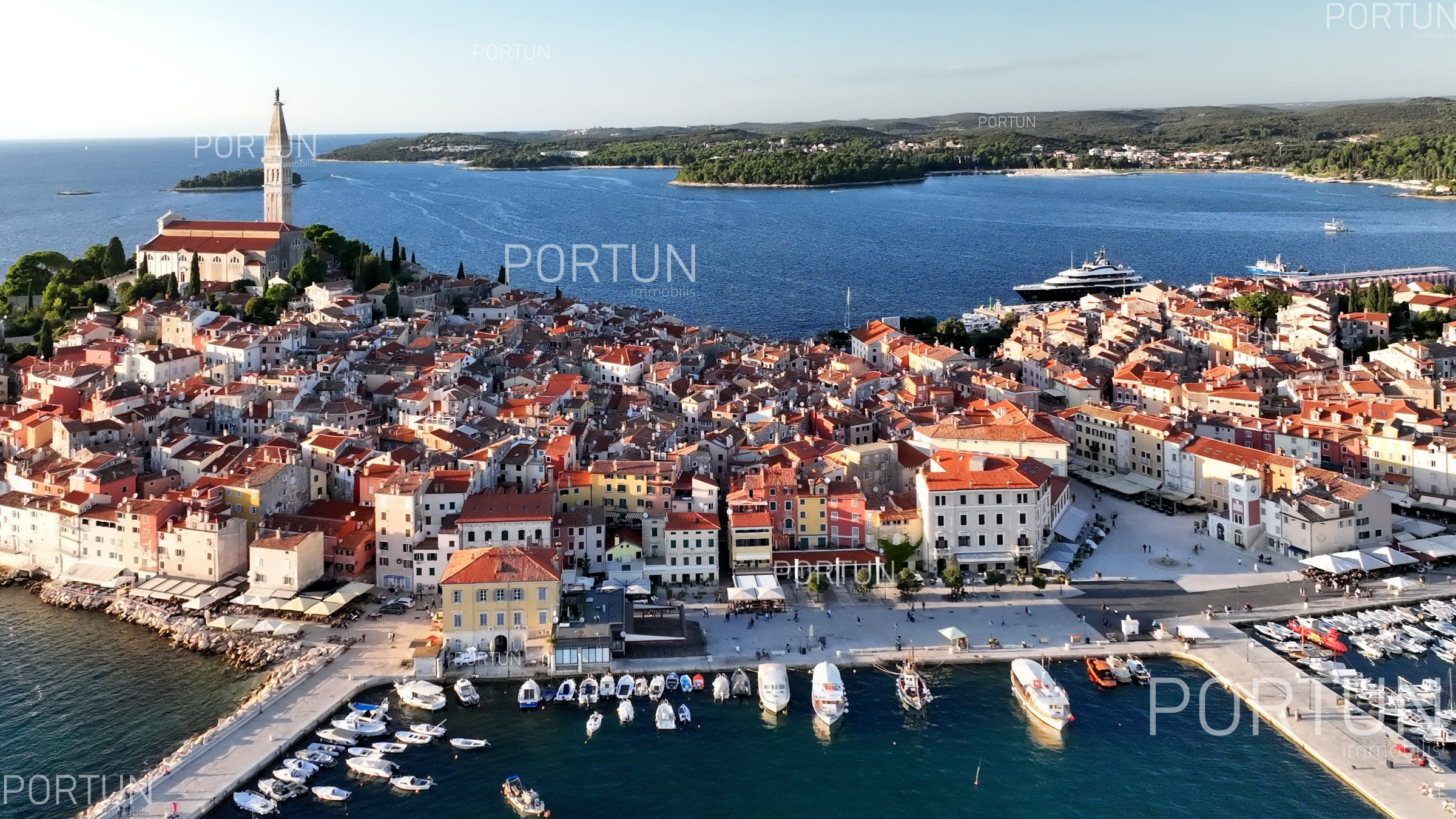
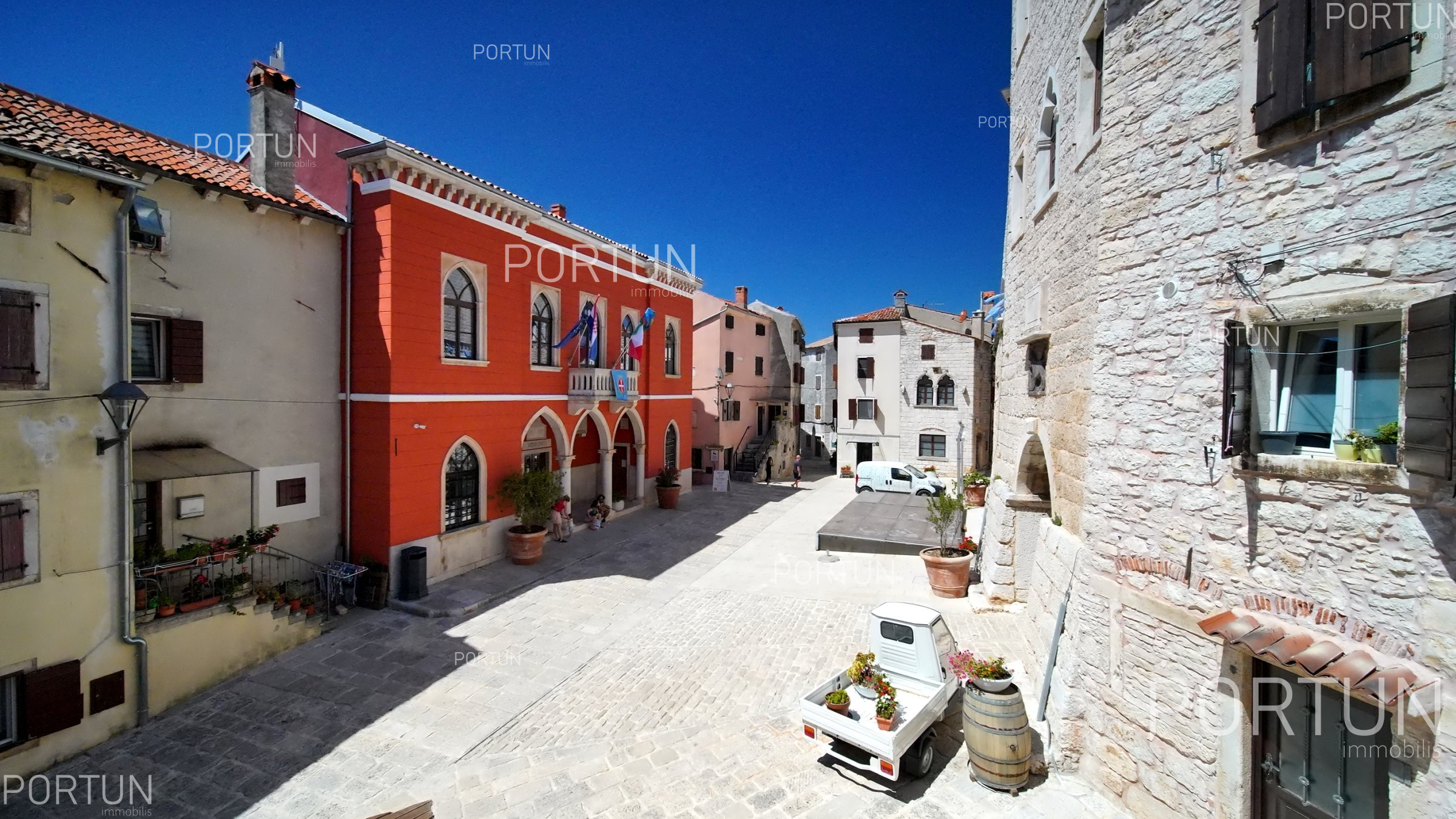
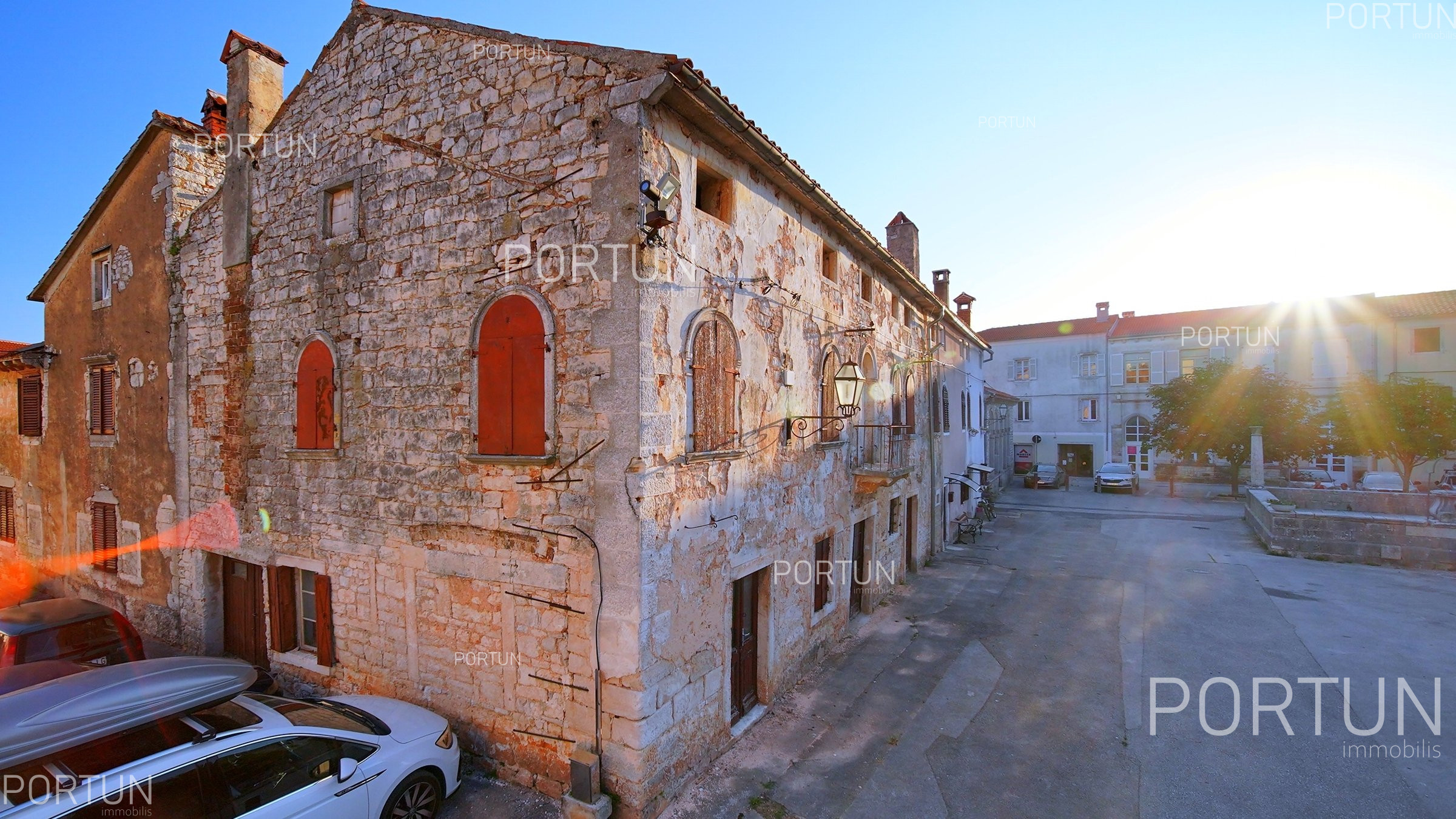
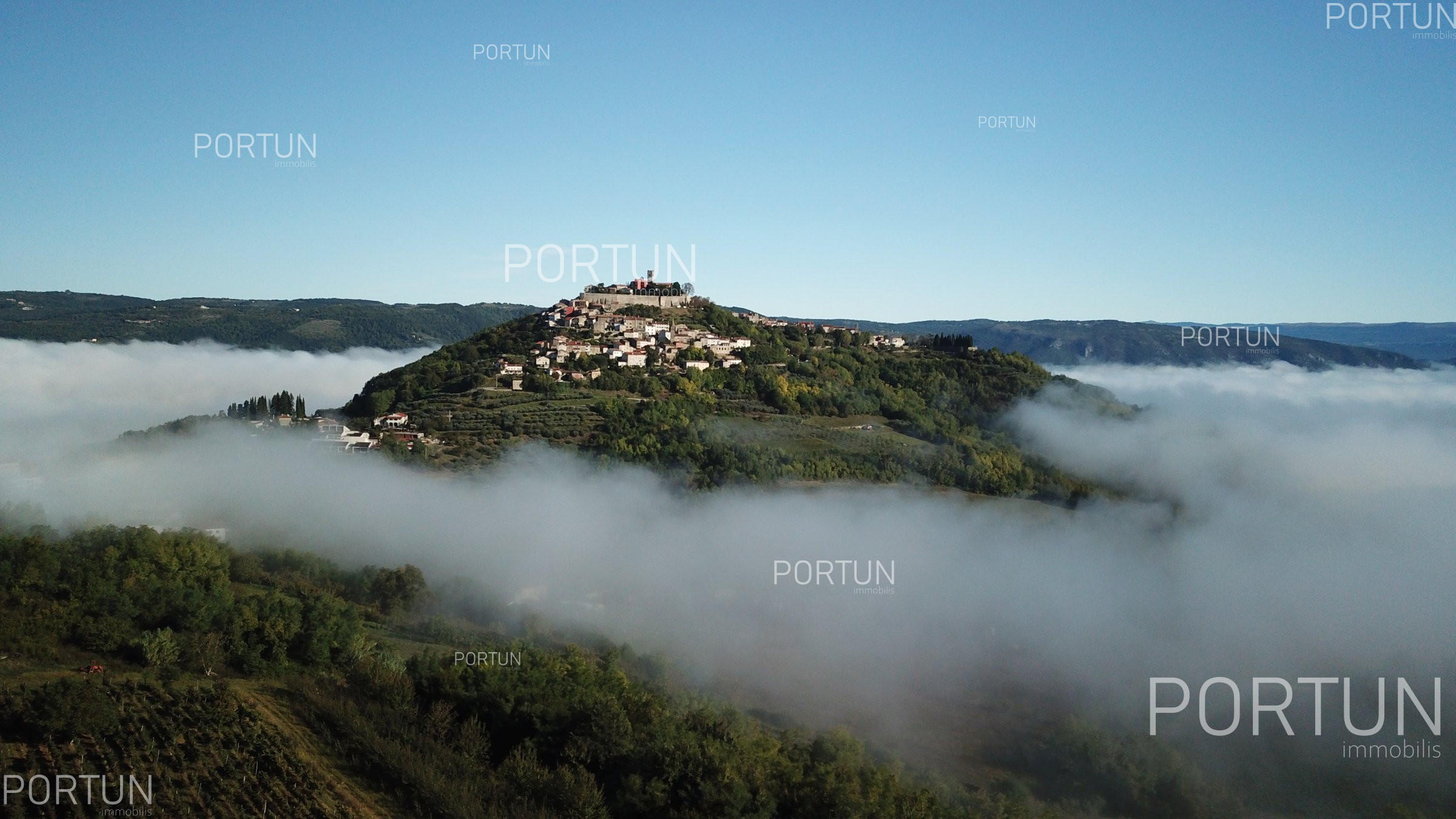
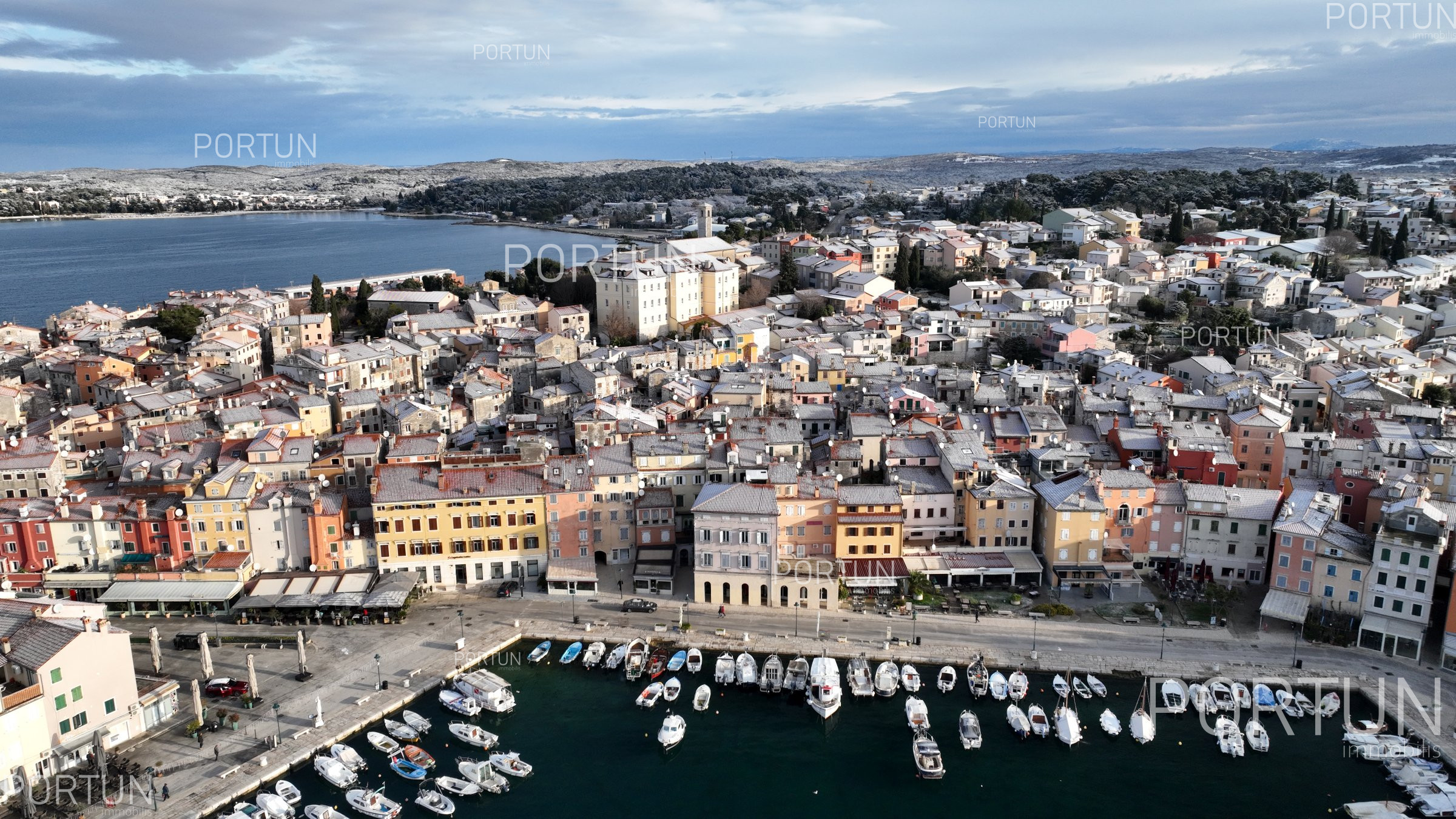
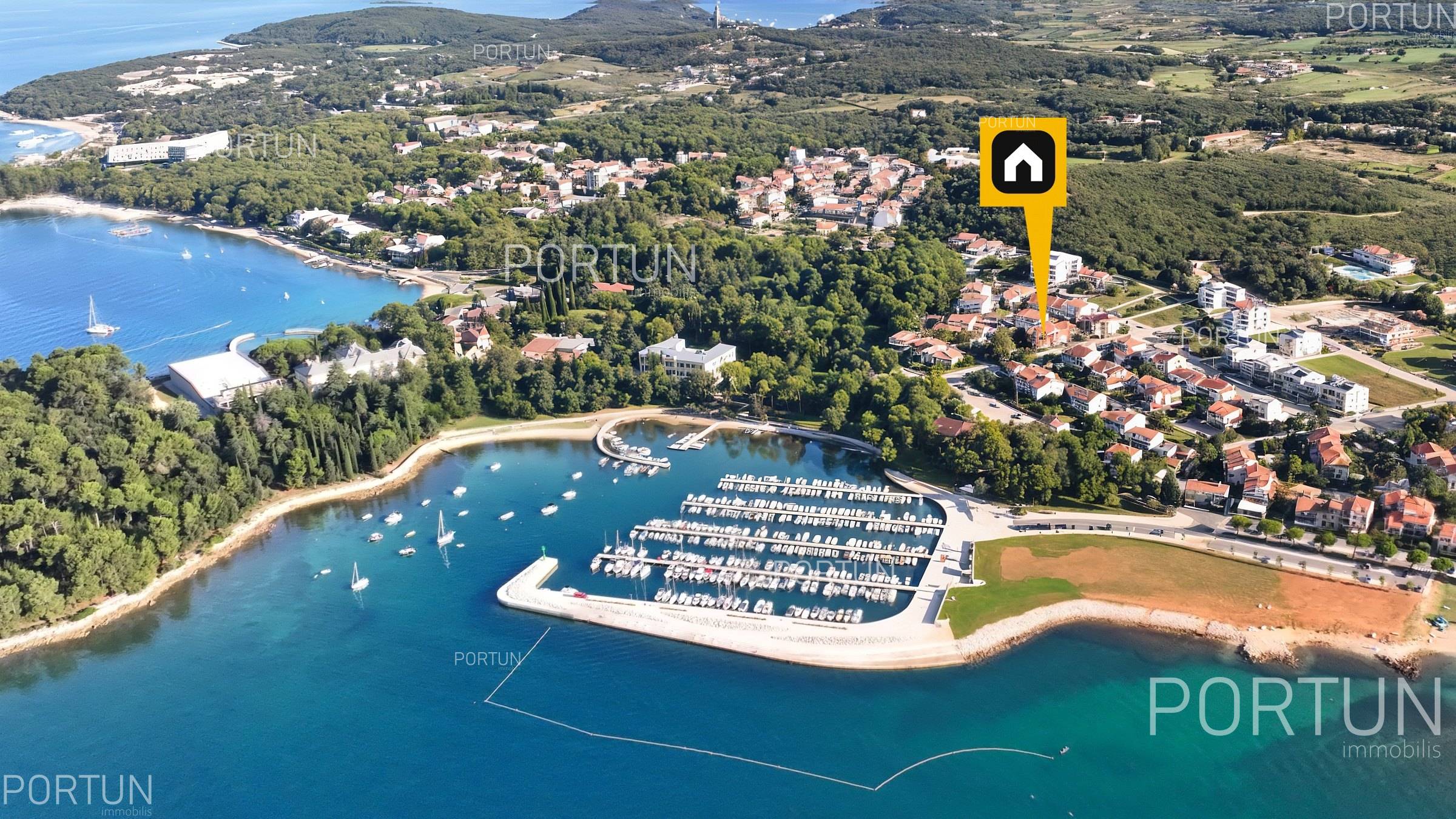
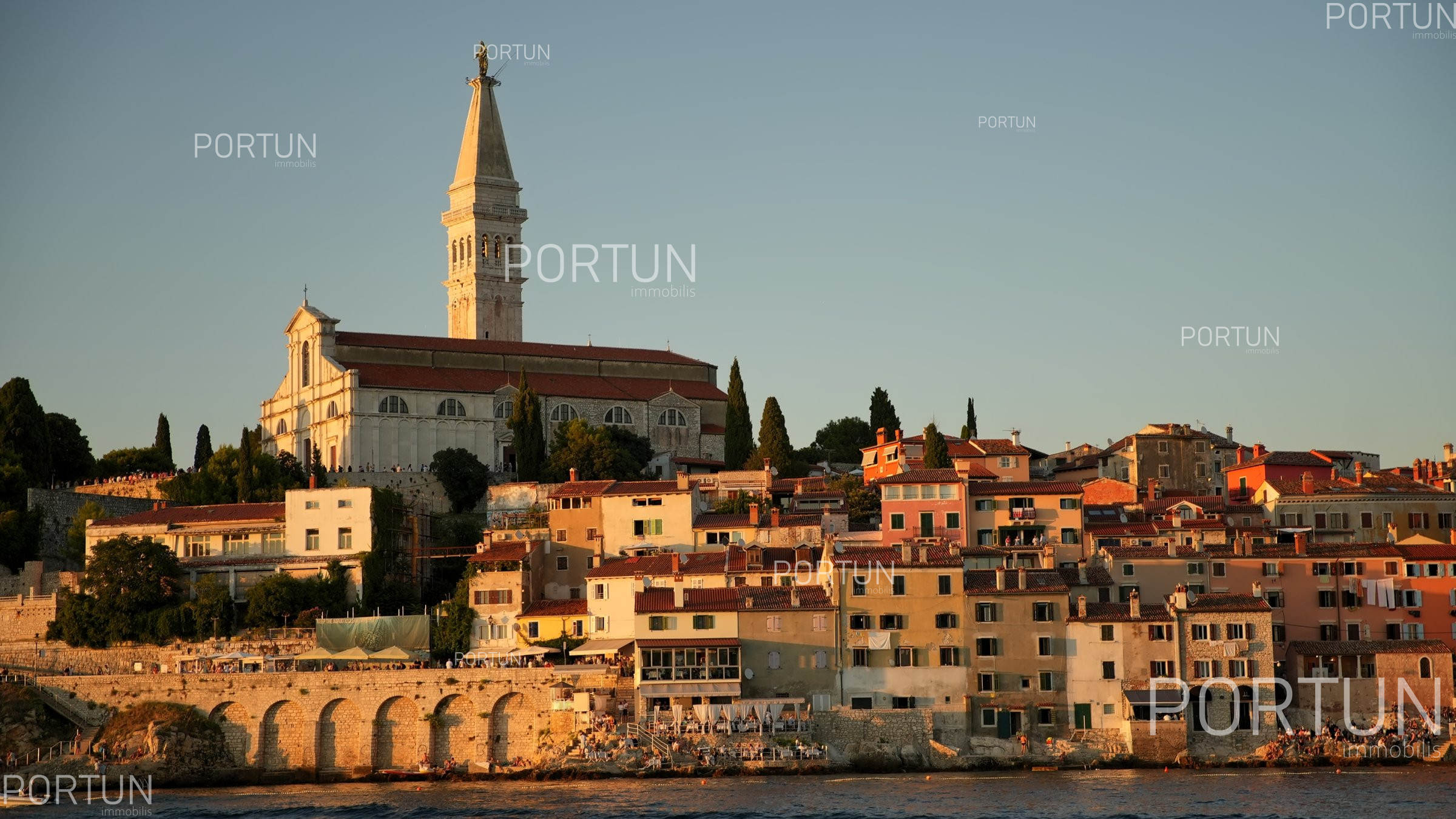
Rovinj is geographically and administratively constrained. The historic old town, the coastline and protected natural areas prevent large-scale expansion and mass development. Unlike cities that can continuously add new residential zones, Rovinj’s supply of housing is naturally limited.
This scarcity plays a crucial role in price stability. New properties do not enter the market in large numbers, and when they do, they are perceived as rare opportunities rather than interchangeable units. Over time, this limited supply reduces the risk of oversupply and helps protect property values even during slower market cycles.
Consistent international demand
Rovinj’s real estate market is not dependent solely on domestic buyers. For many years, demand has been driven by buyers from Germany, Austria, Italy and Slovenia, as well as other European countries. These buyers typically view Rovinj not as a short-term investment, but as a second home, a lifestyle choice, or a long-term store of value.
This international demand adds an important layer of resilience. When local demand softens, foreign buyers often remain active, evaluating Rovinj within a wider European framework rather than a local one. As a result, price corrections tend to be more moderate than in markets that rely heavily on a single buyer segment.
Apartment prices in Rovinj
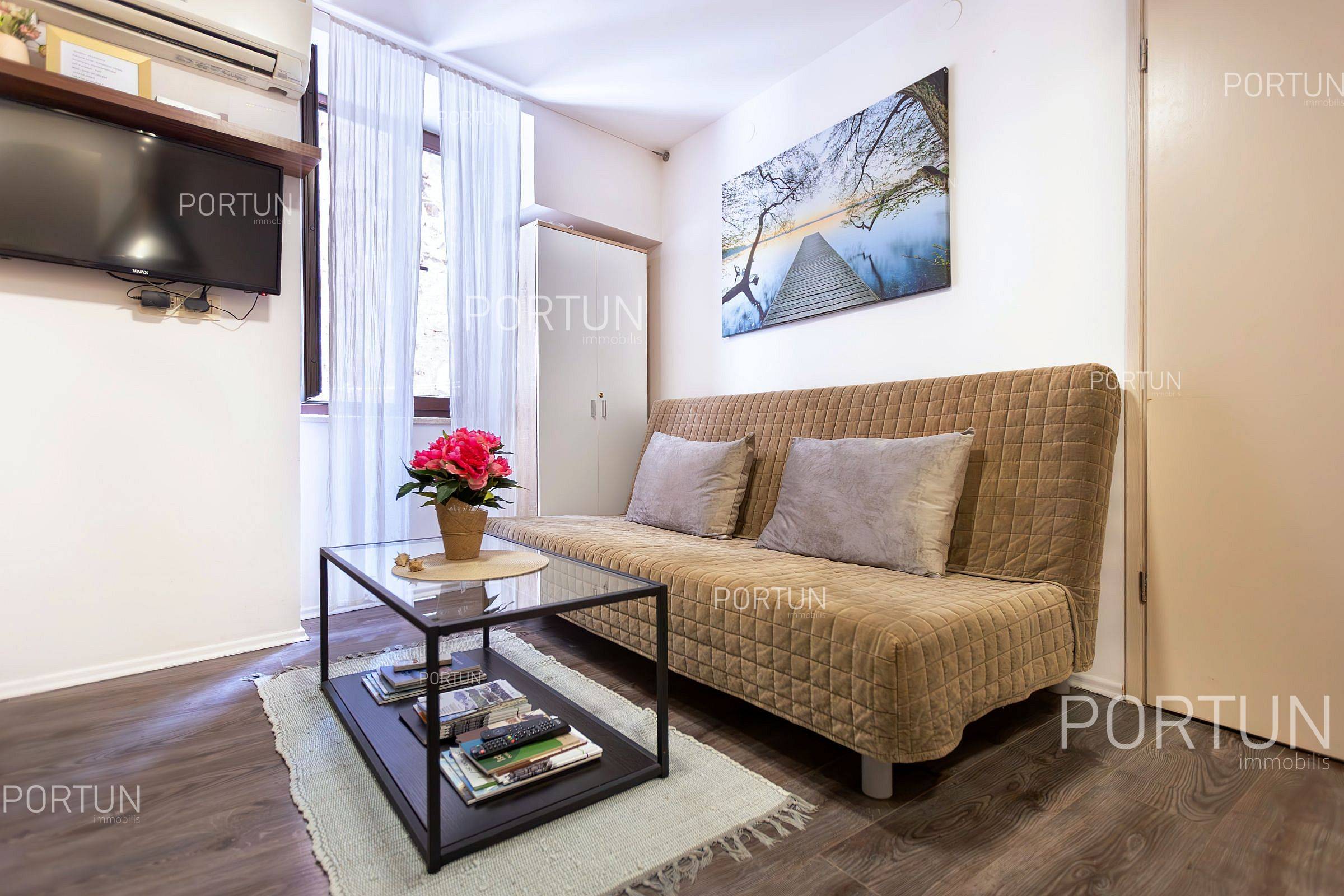
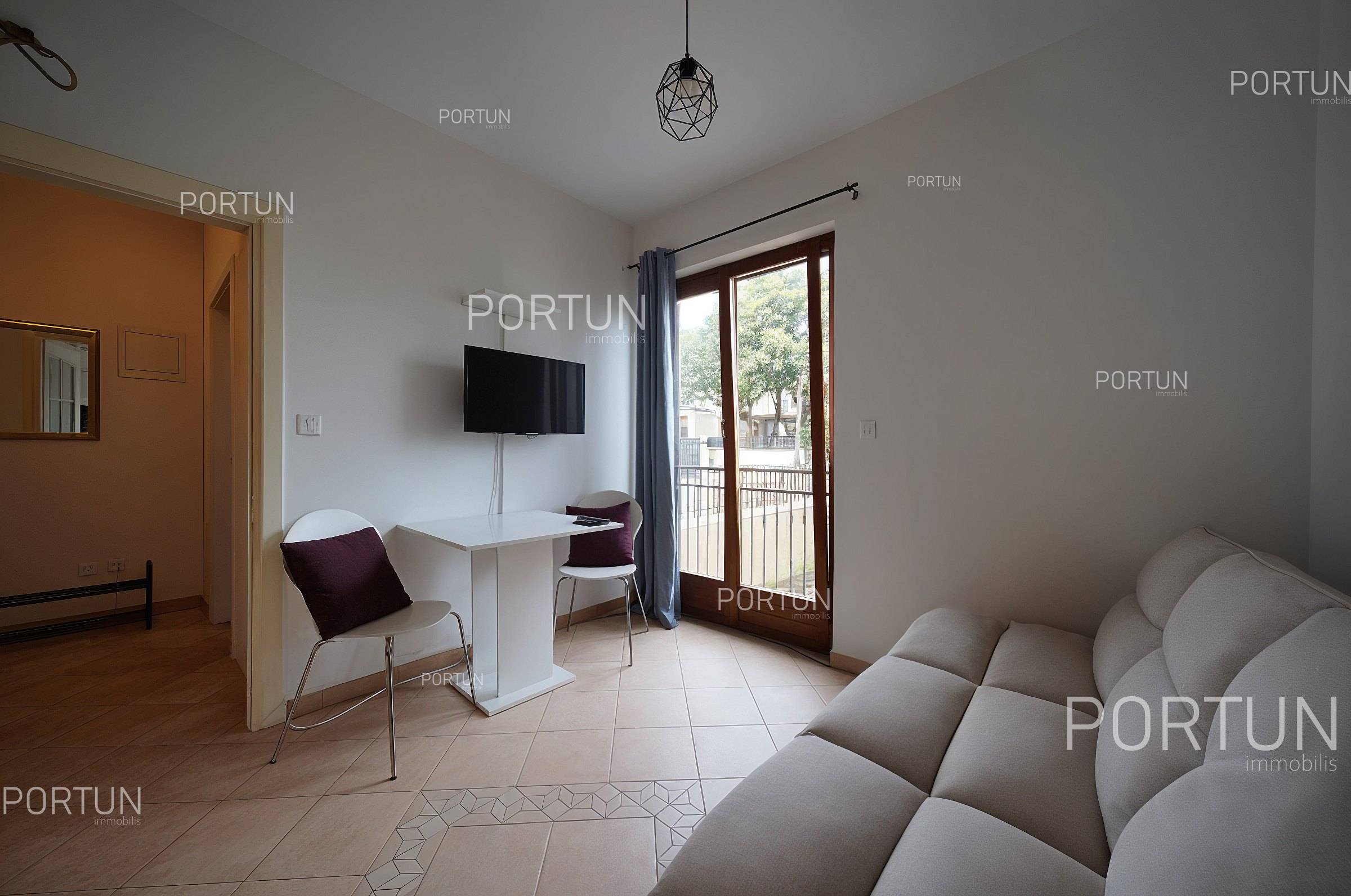
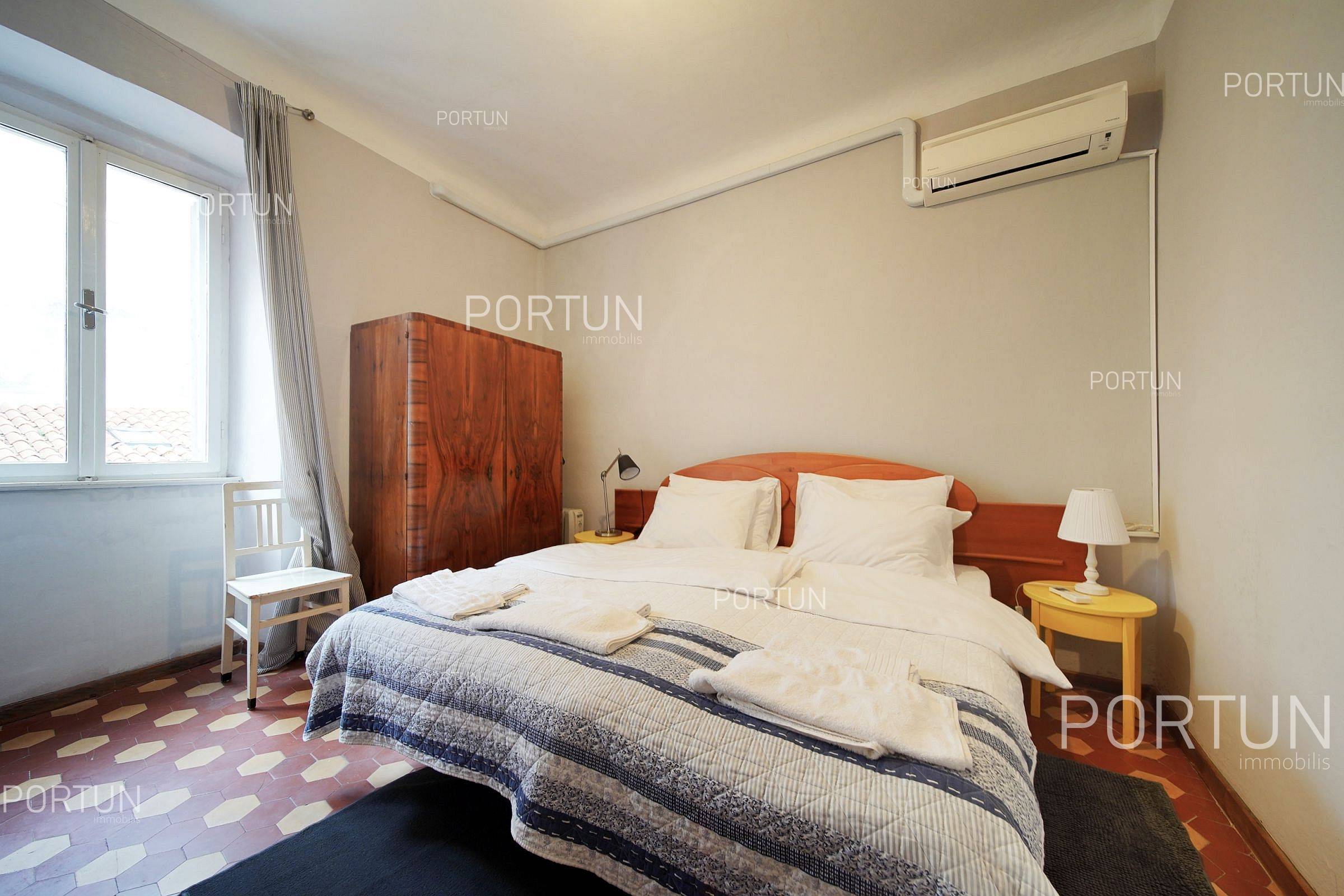
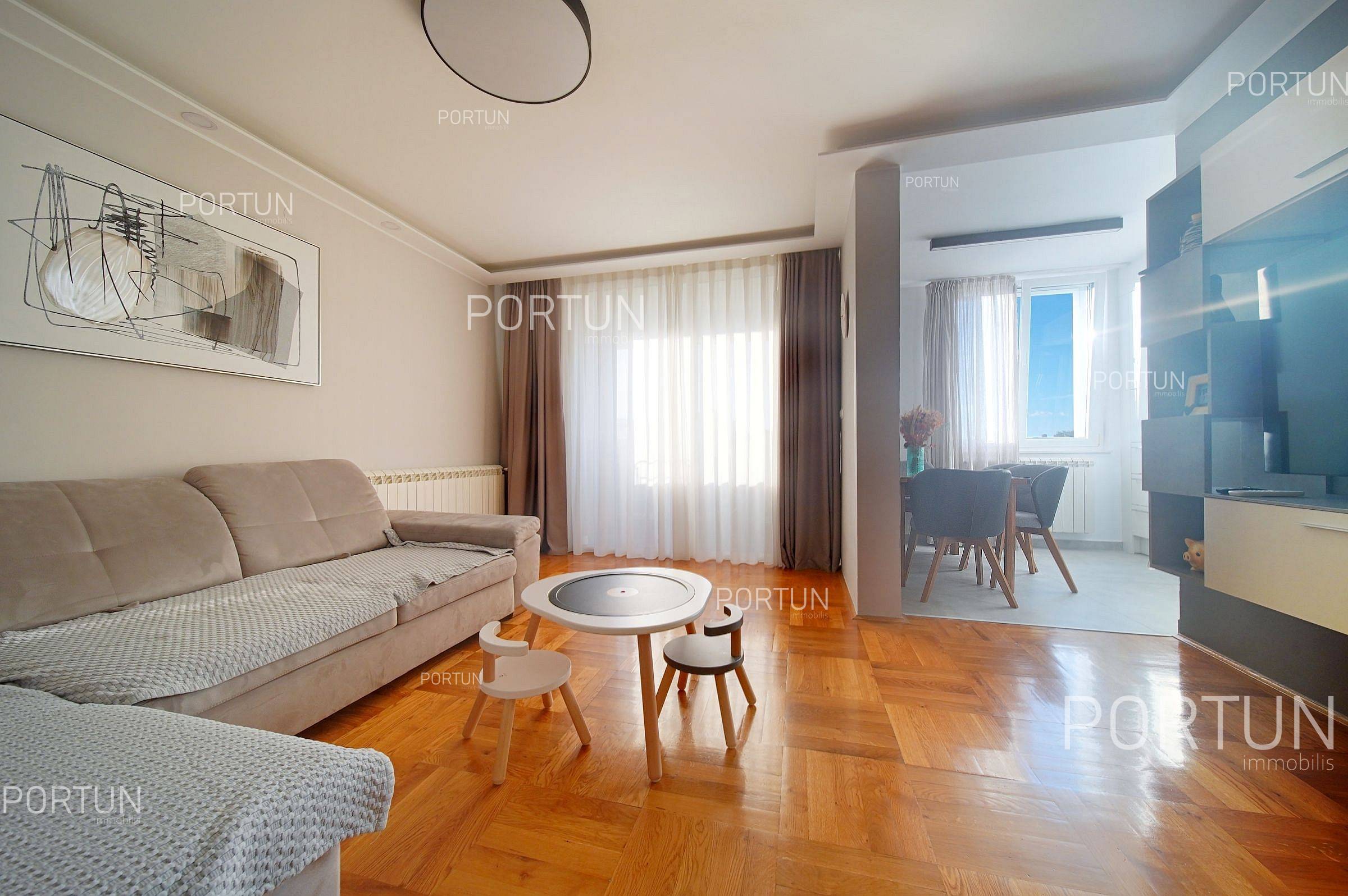
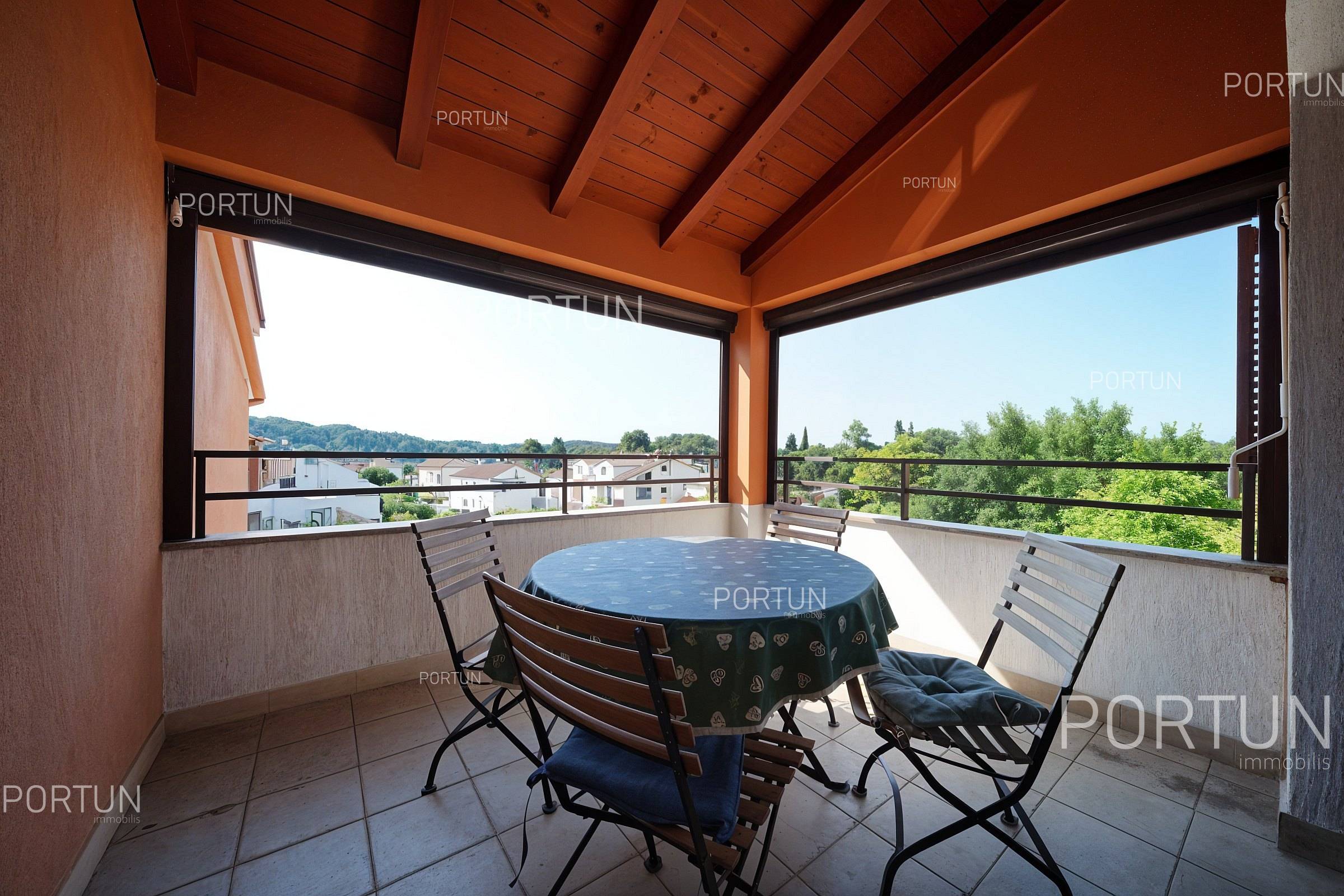
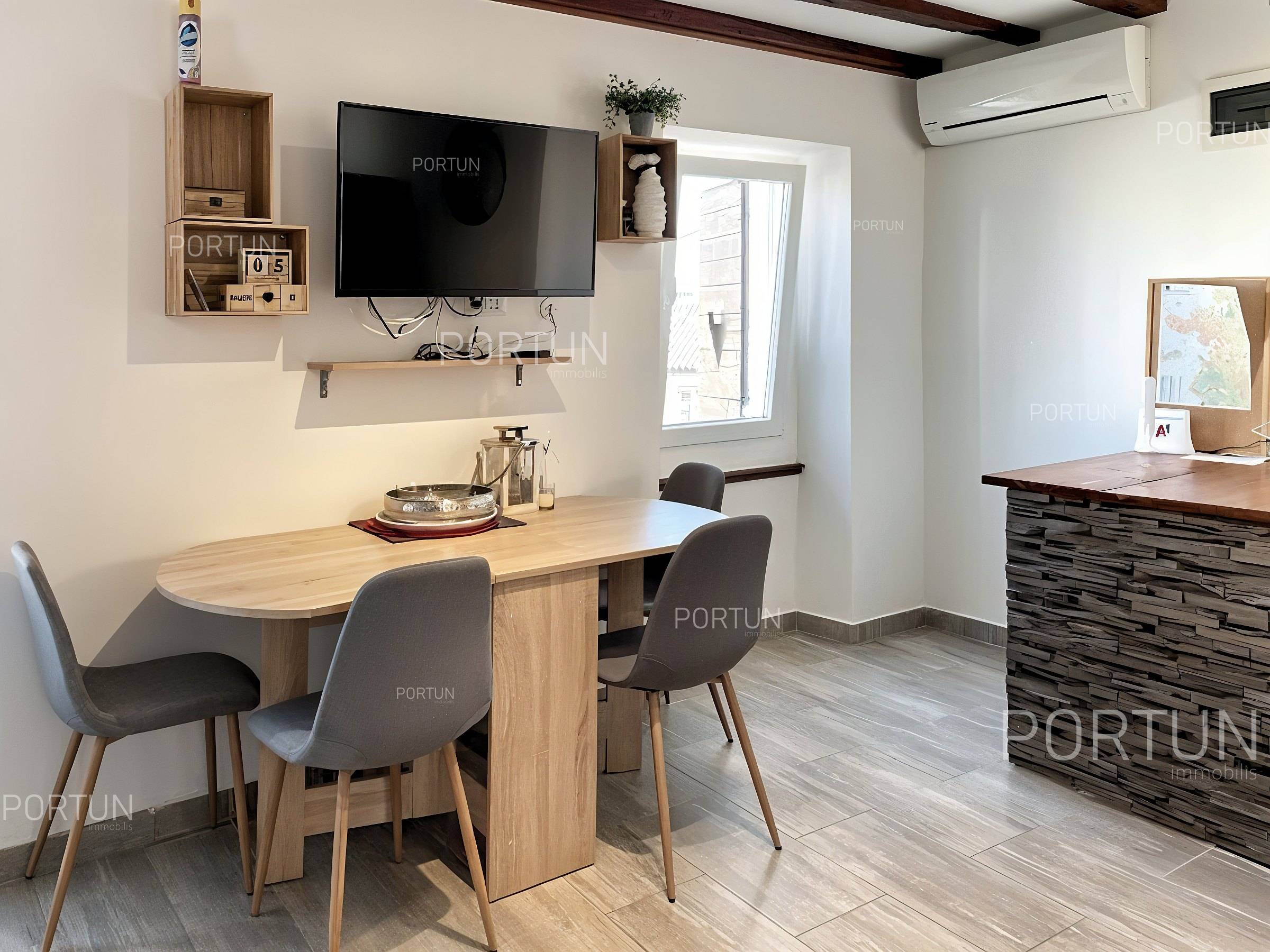
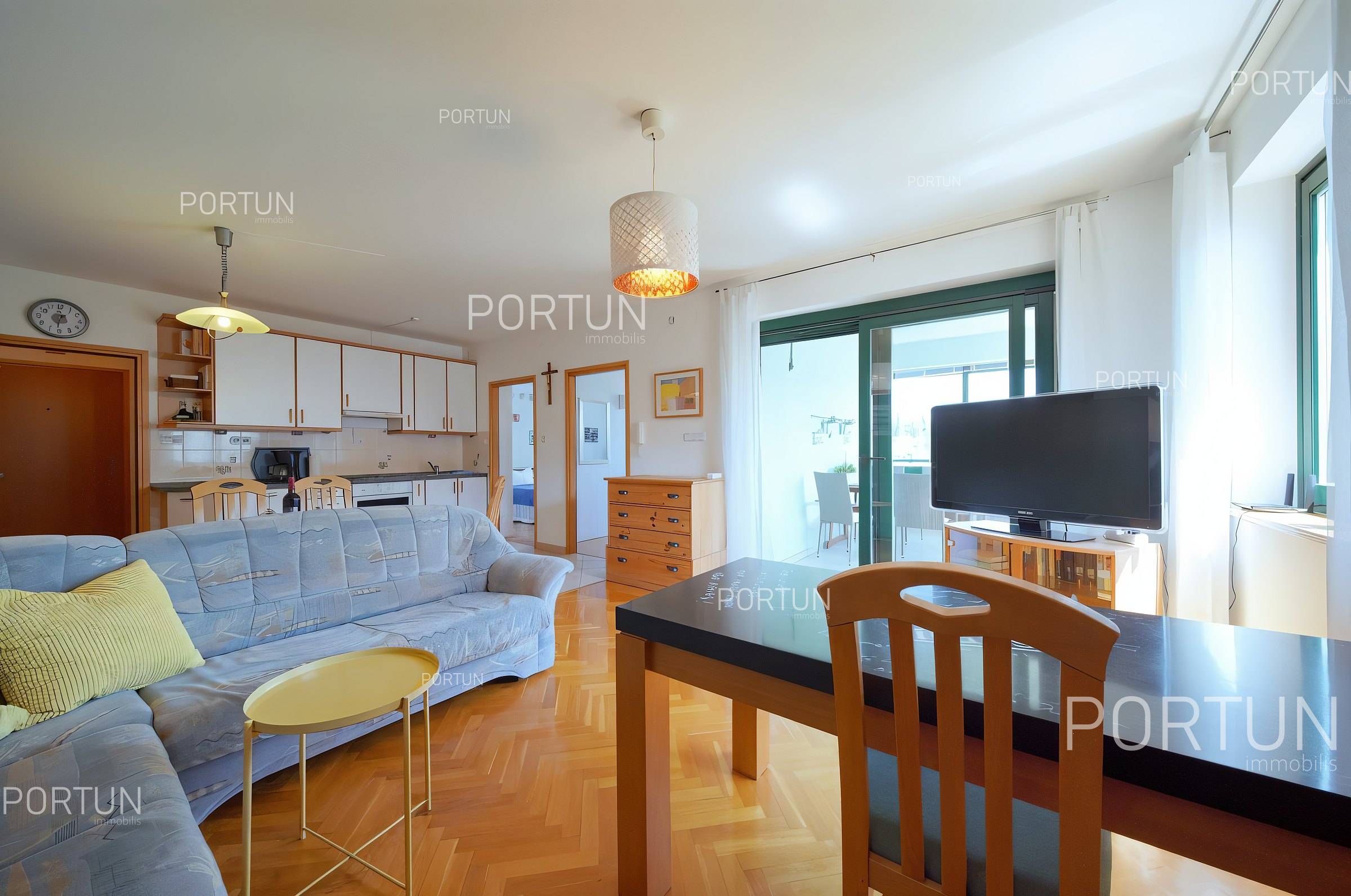
Current asking prices for apartments in Rovinj typically range between €4,000 and €4,700 per square metre, depending on location, proximity to the sea, building quality and overall condition. Apartments in the old town or directly by the waterfront often exceed these figures, while properties on the outskirts of the city may offer more moderate pricing.
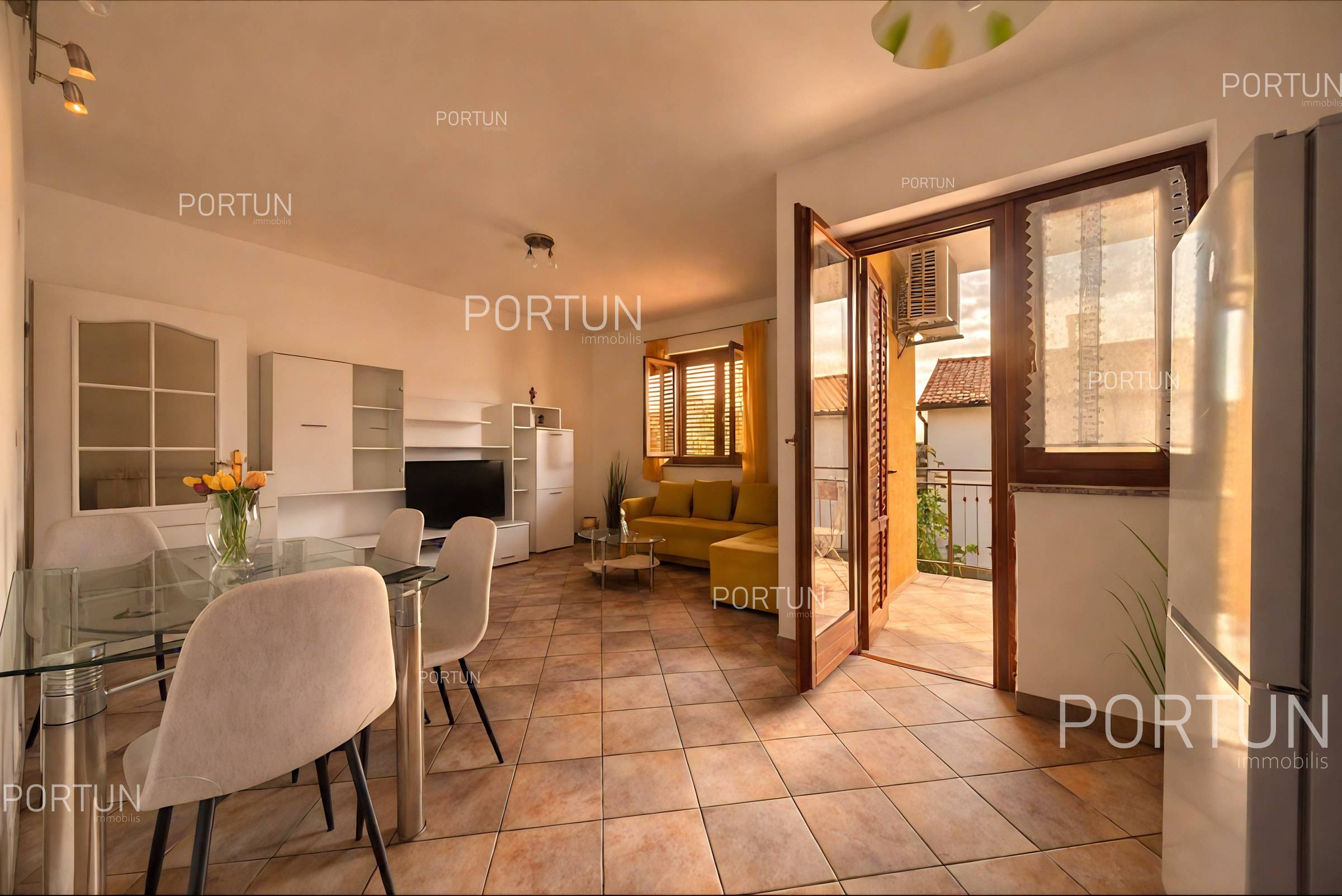
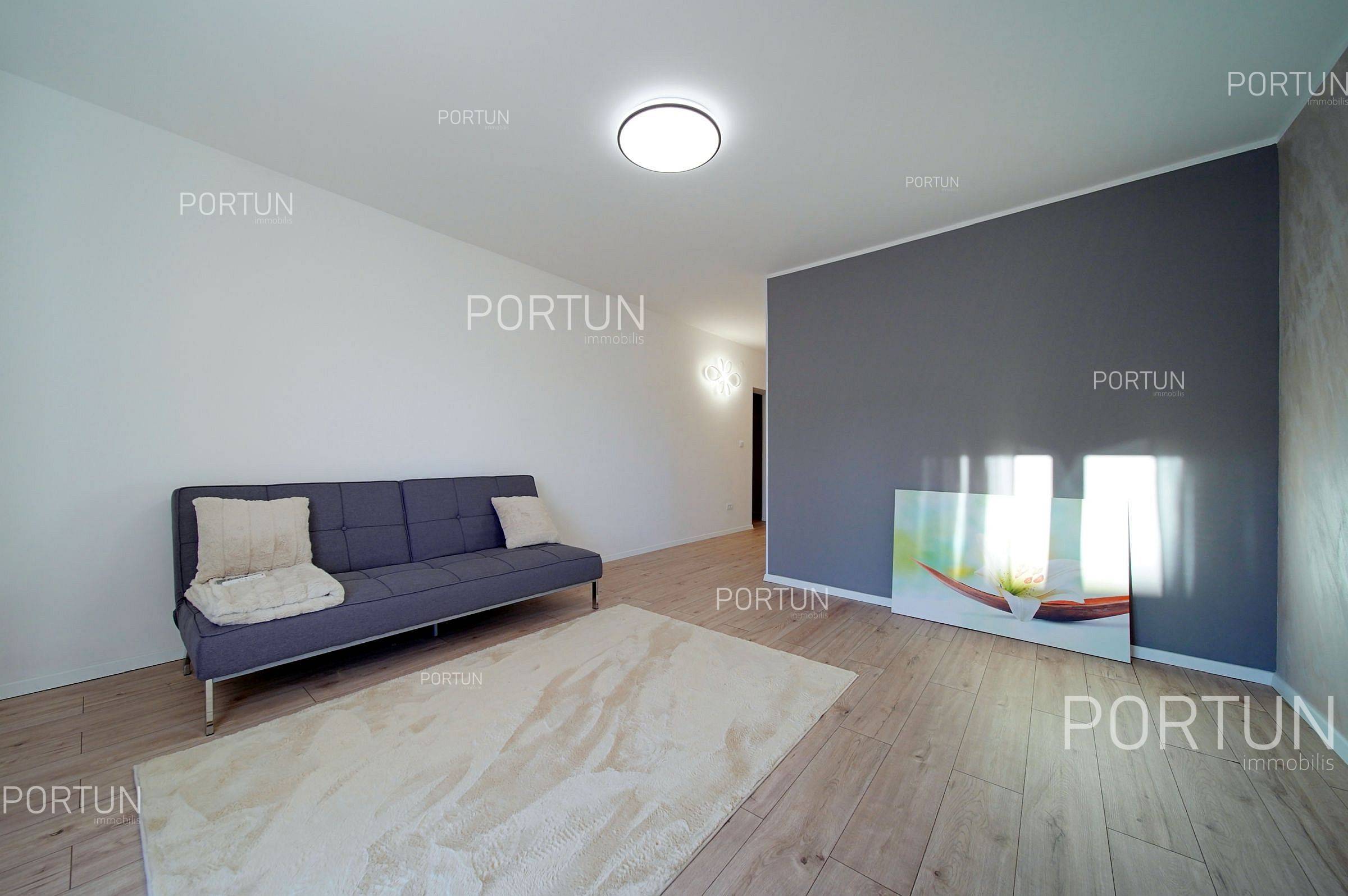
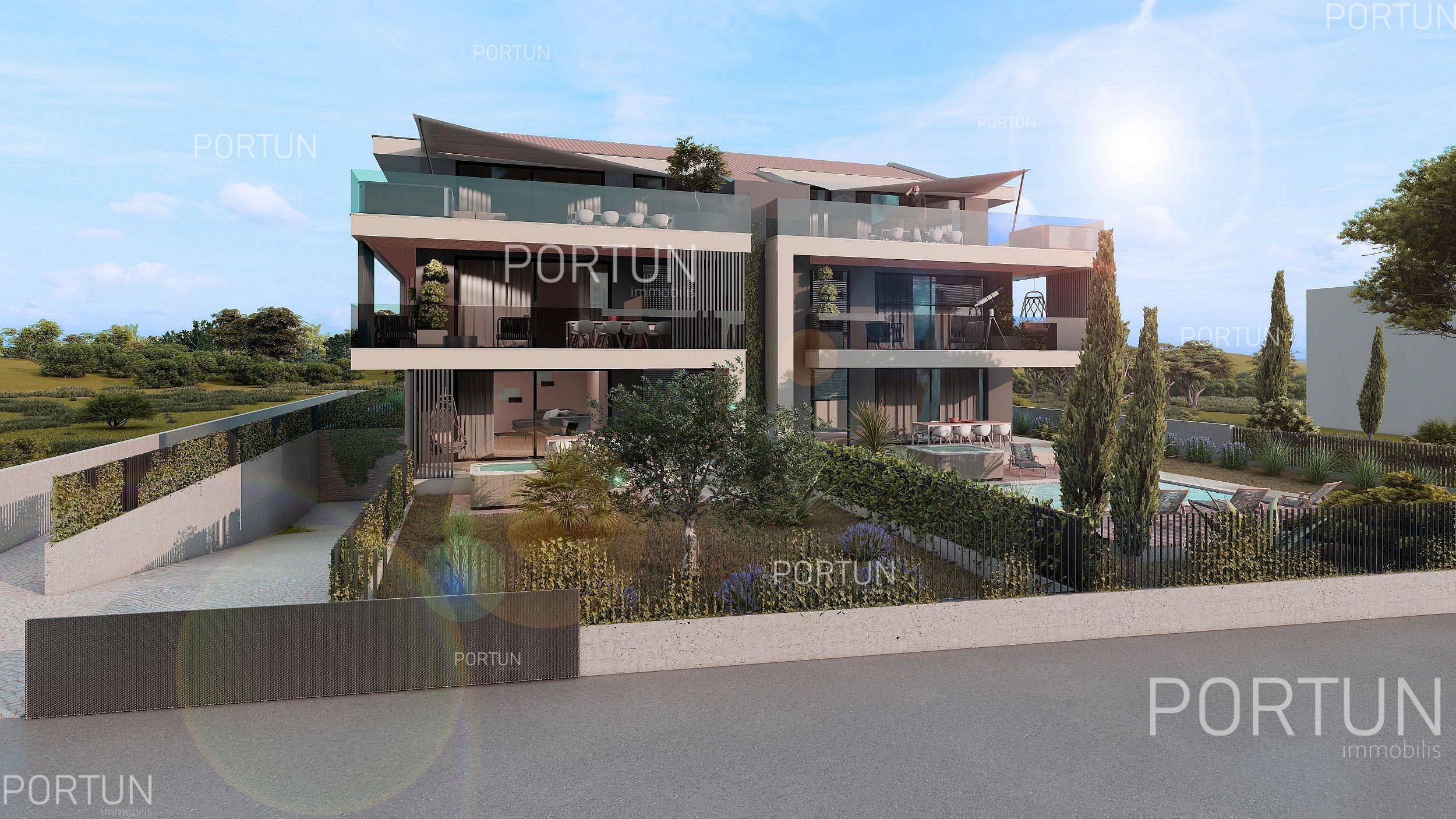
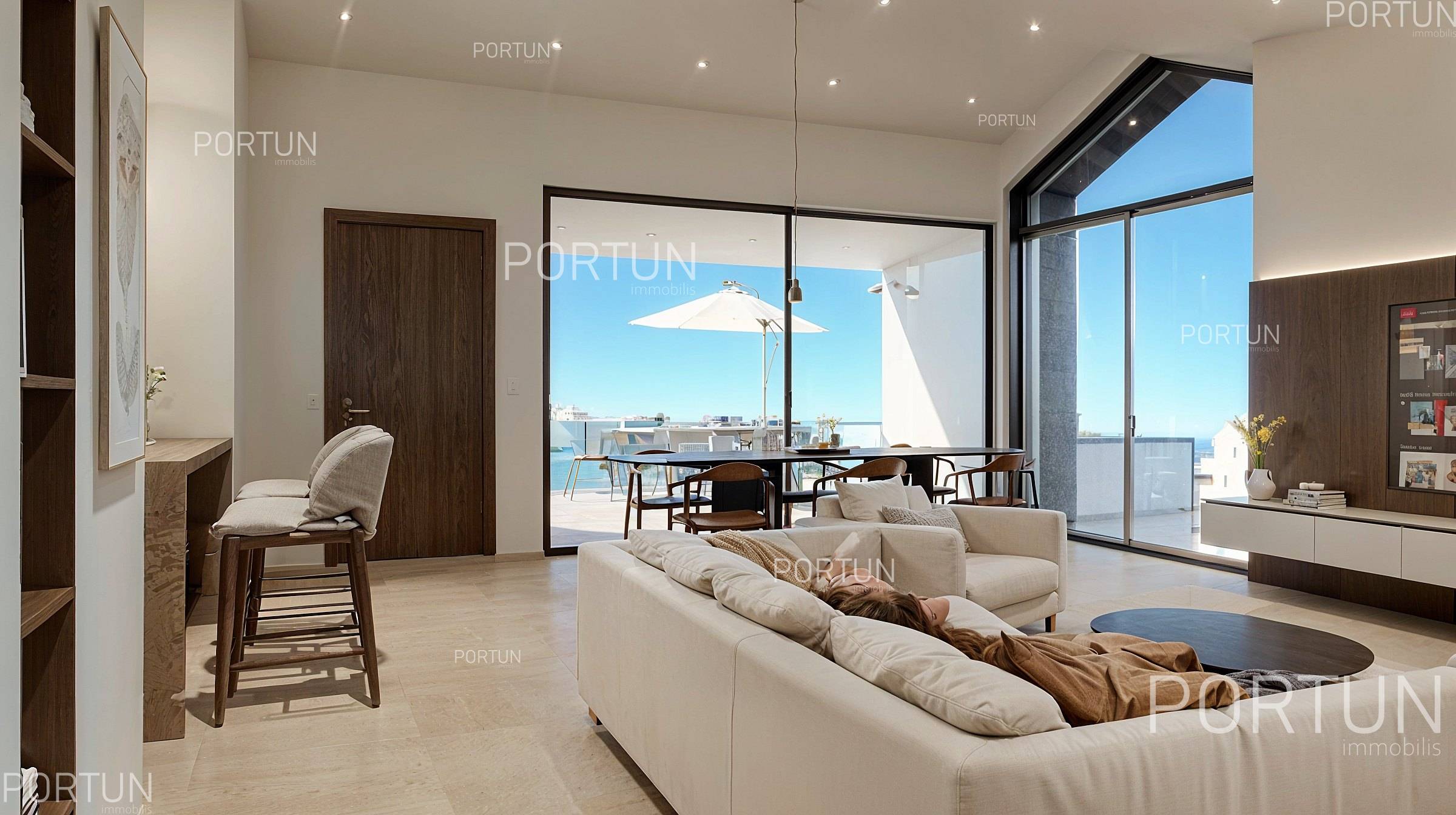
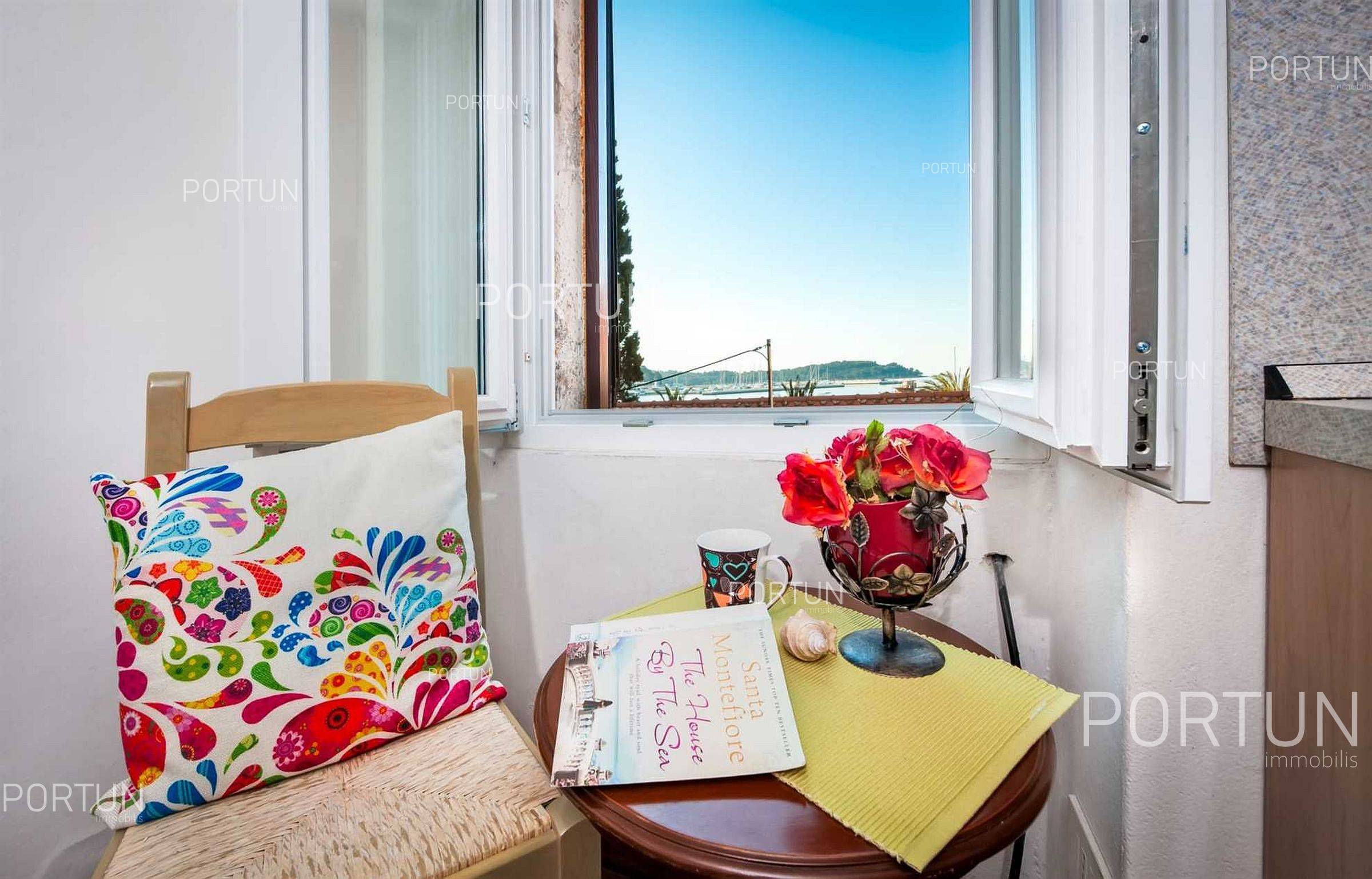
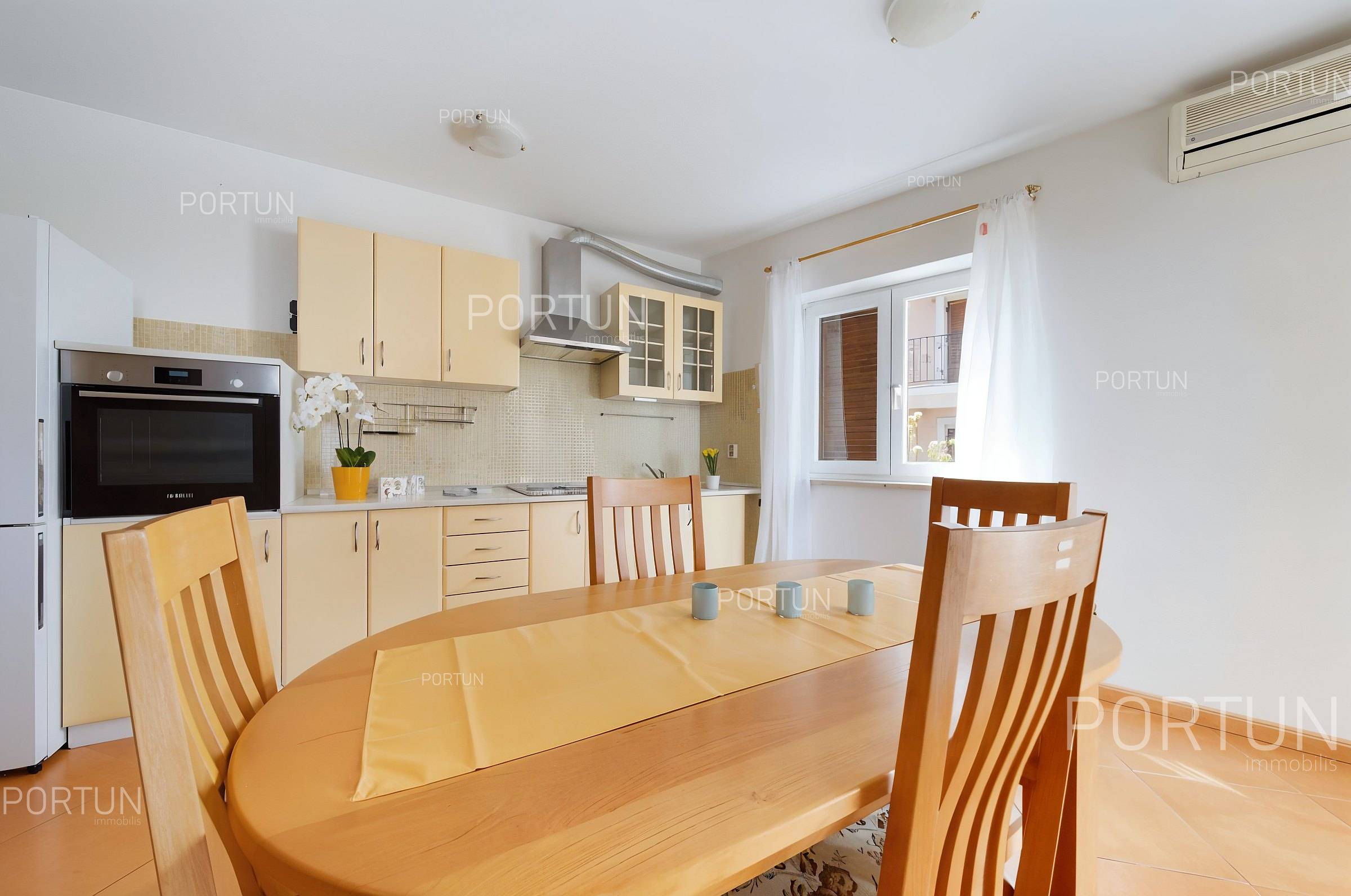
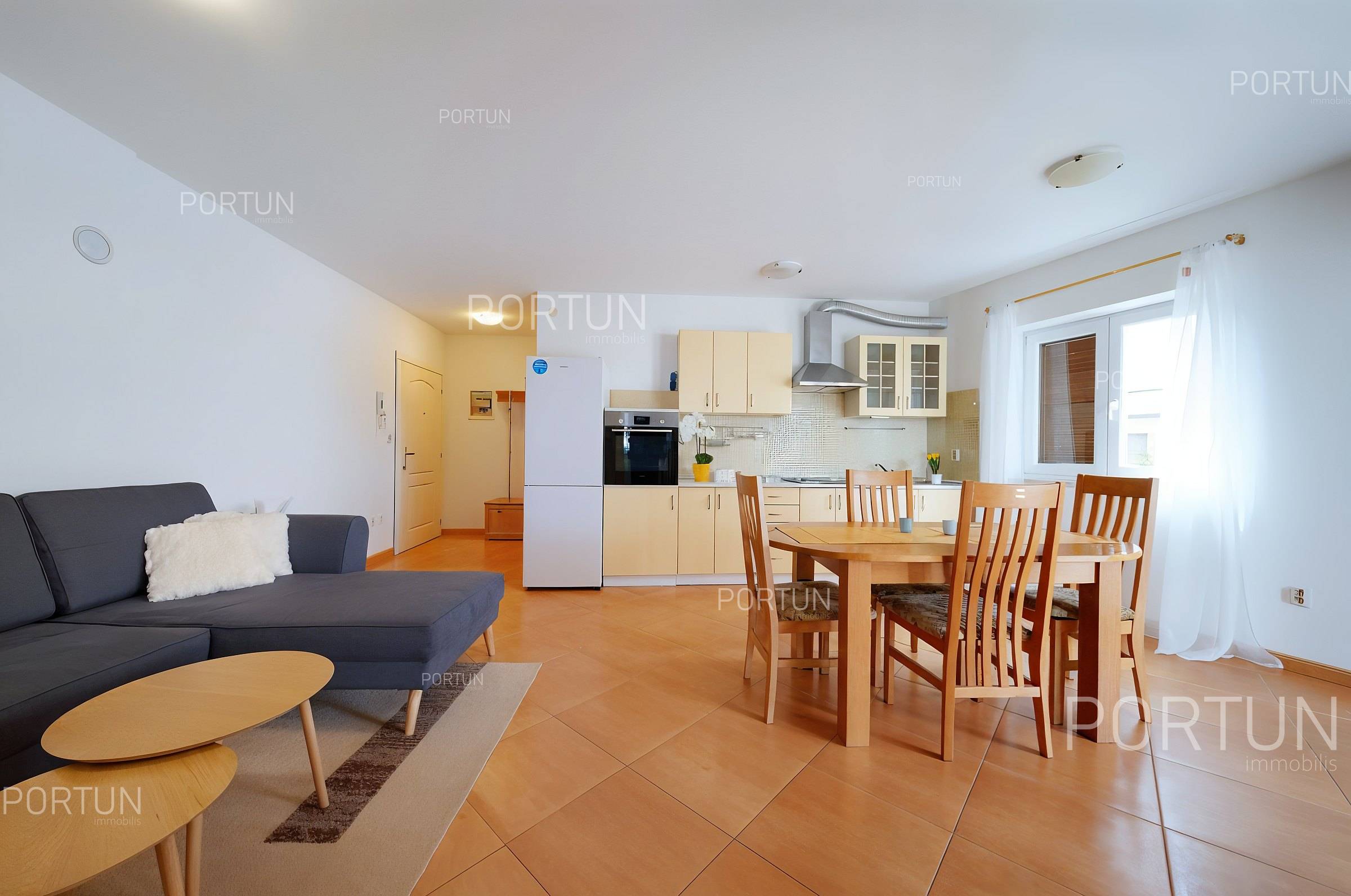
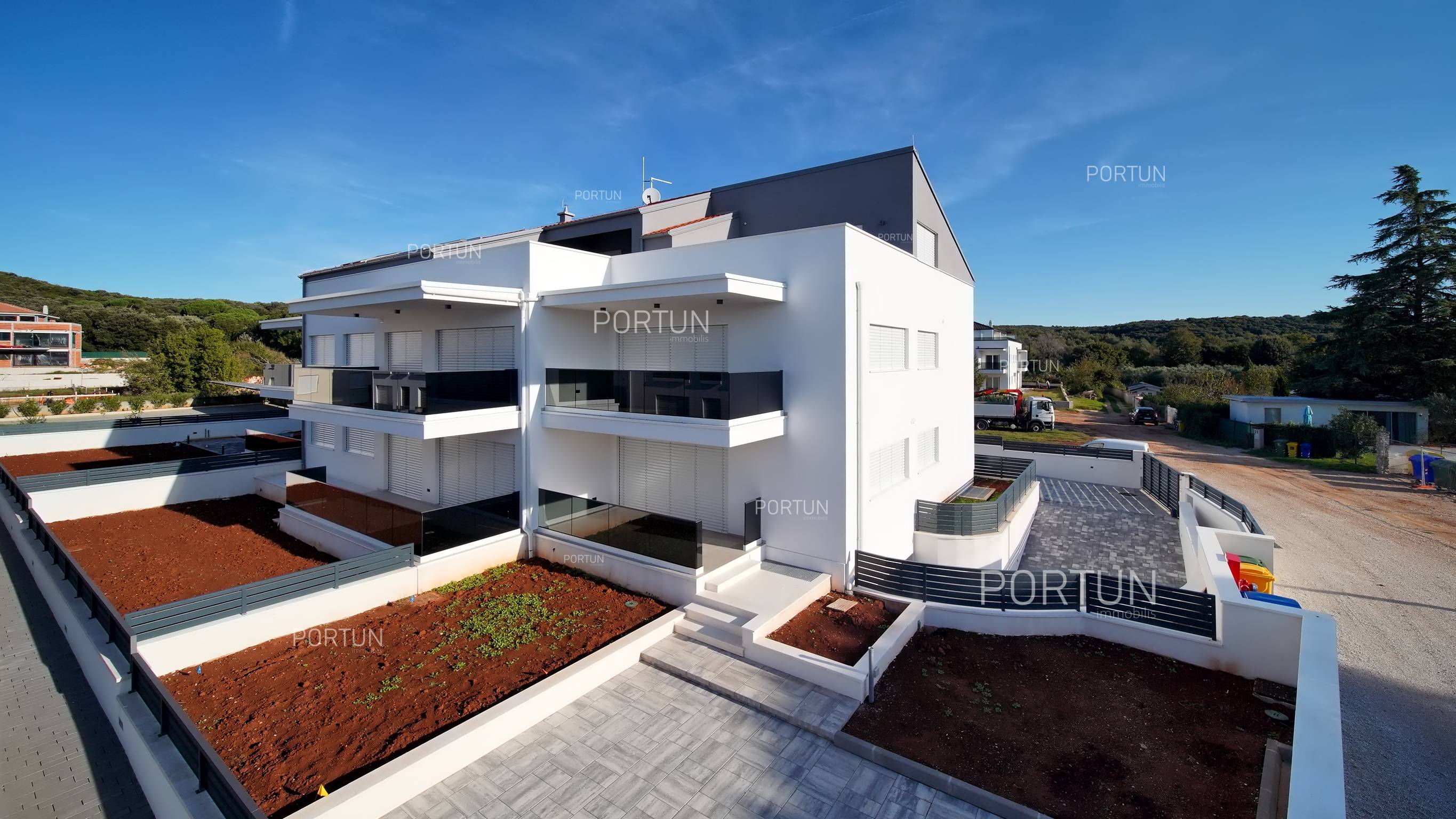
As a practical reference, an apartment of approximately 60 m² is commonly listed between €230,000 and €280,000. Newer buildings, better layouts, terraces, parking or sea views can easily push prices beyond €300,000, clearly positioning Rovinj in the upper segment of the Croatian market.
House prices and the value of rarity
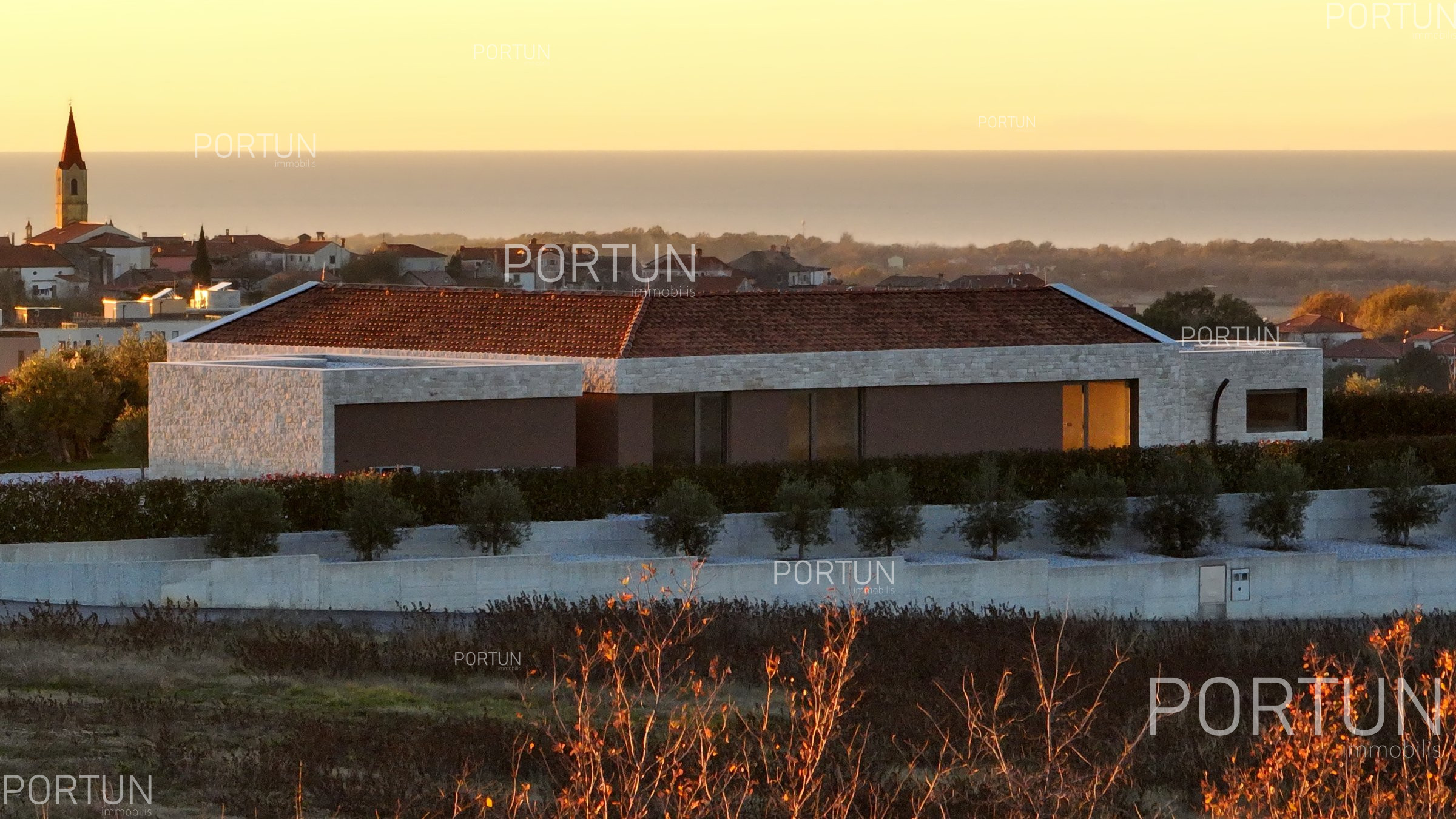
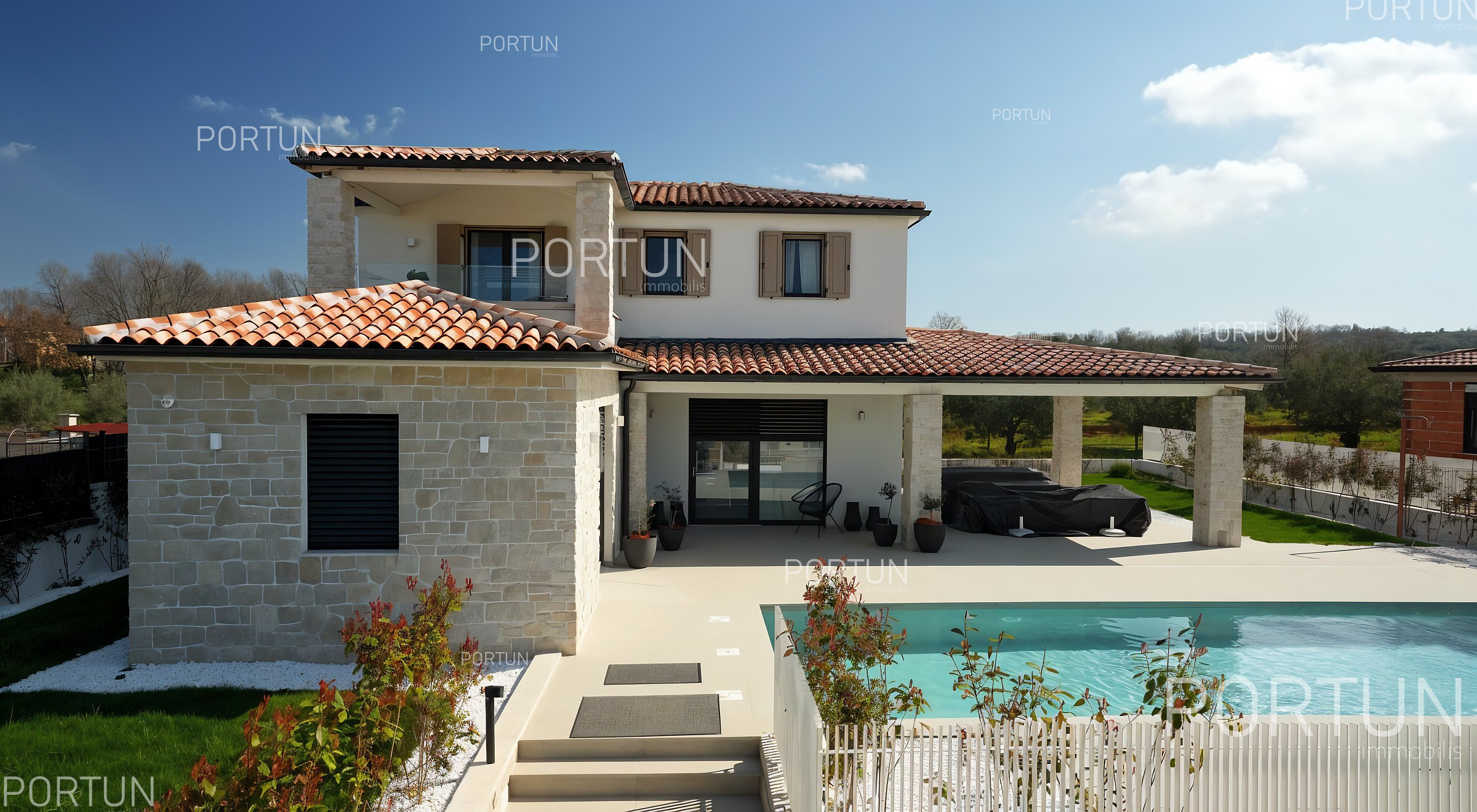
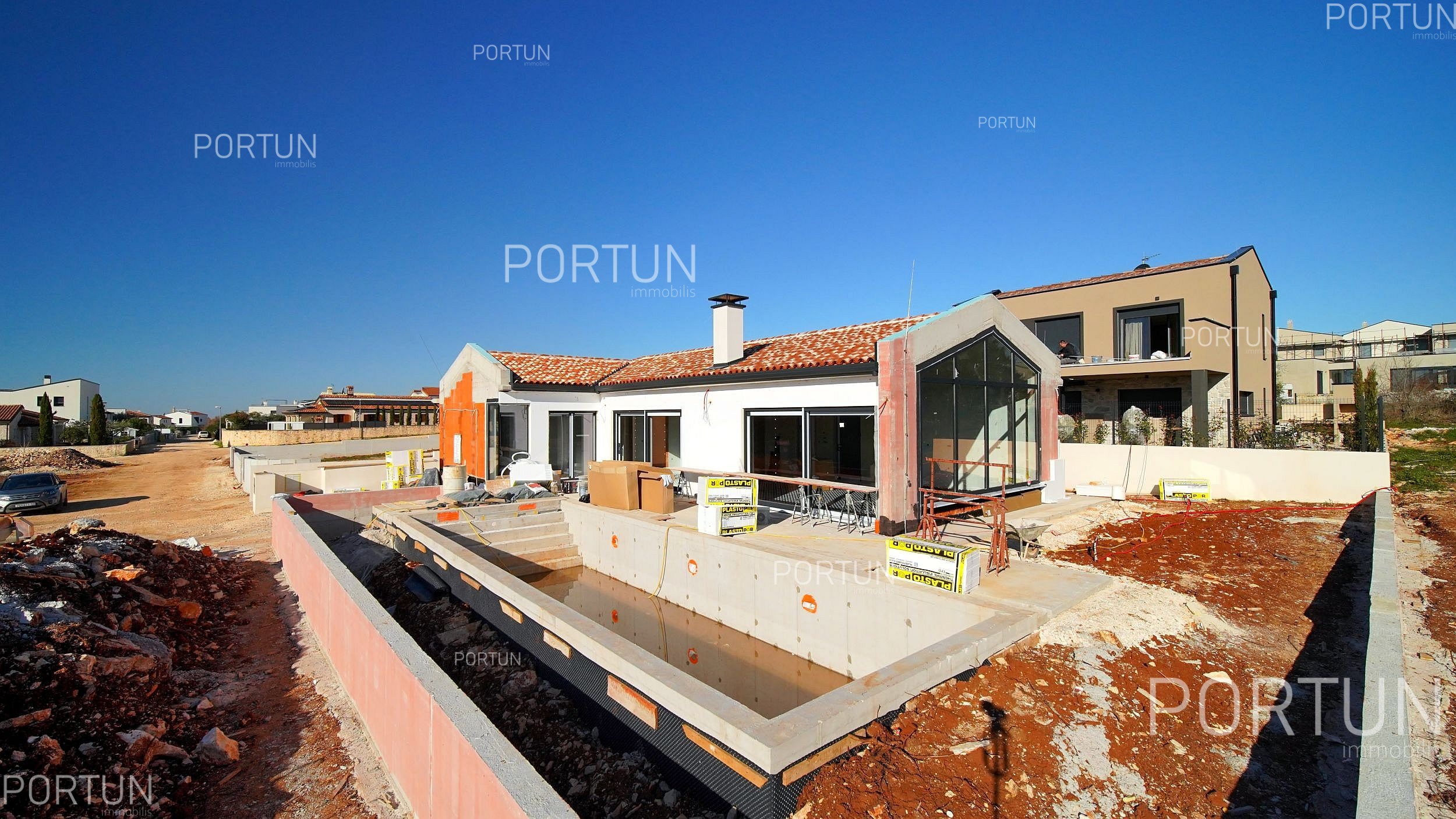
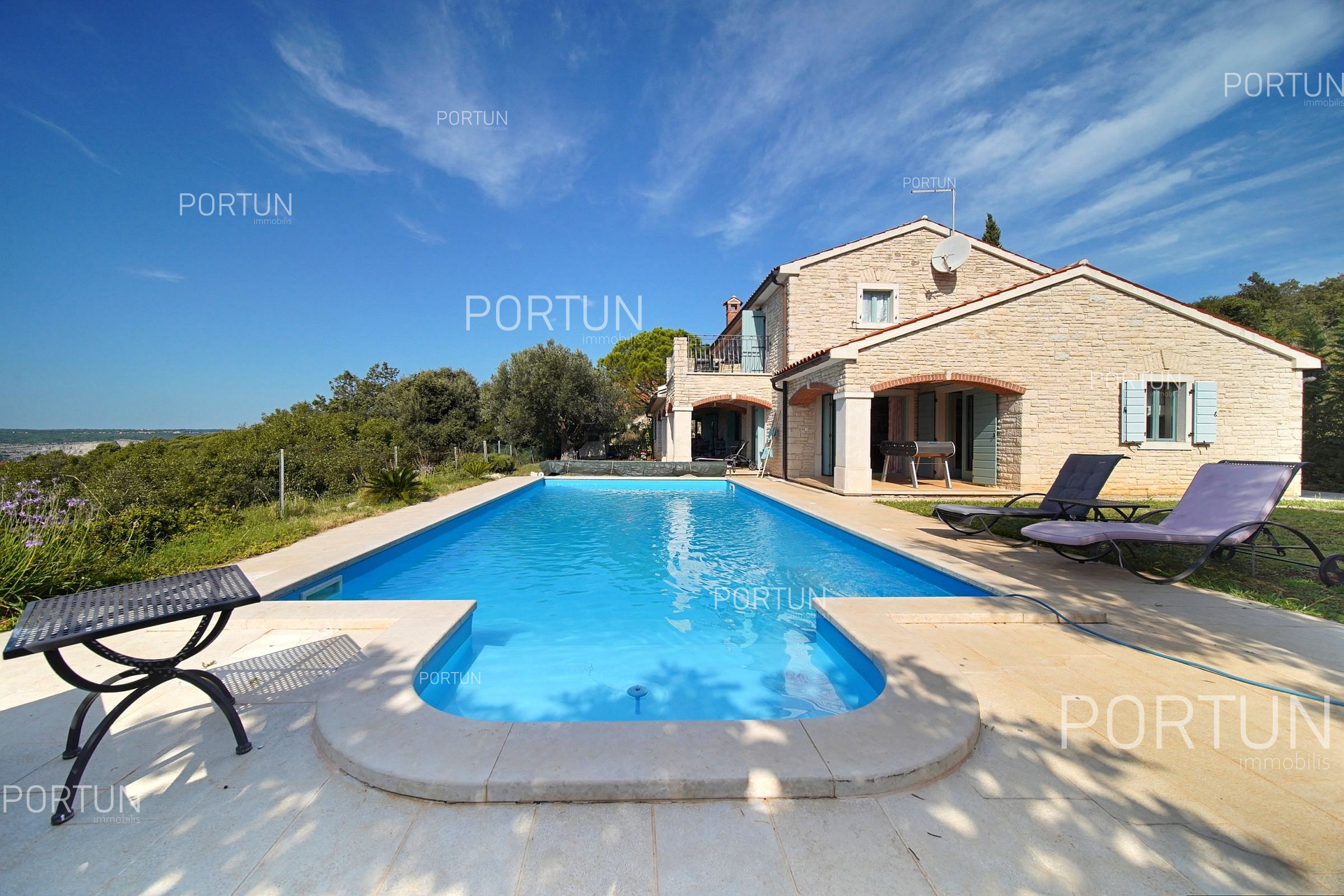
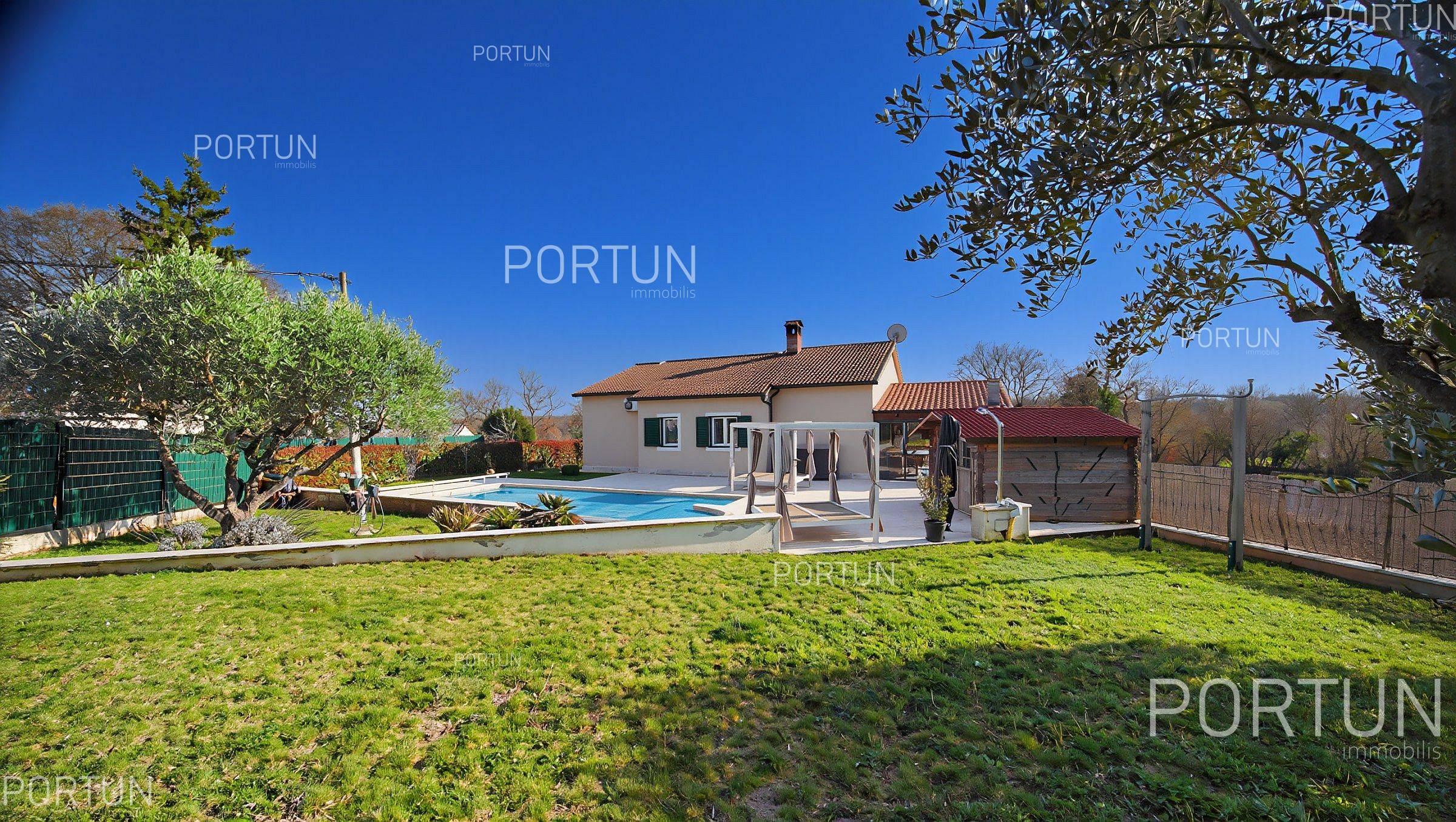
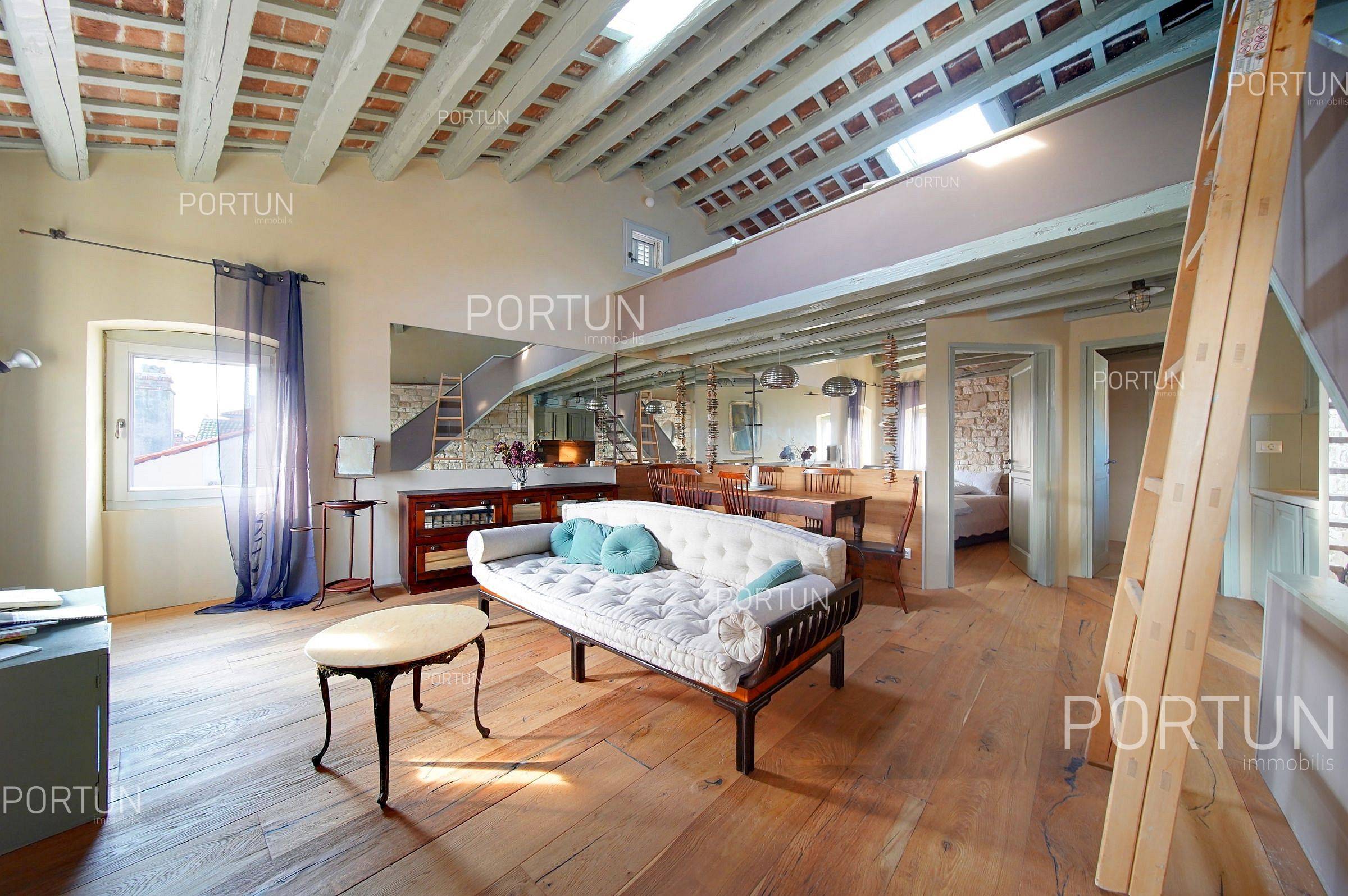
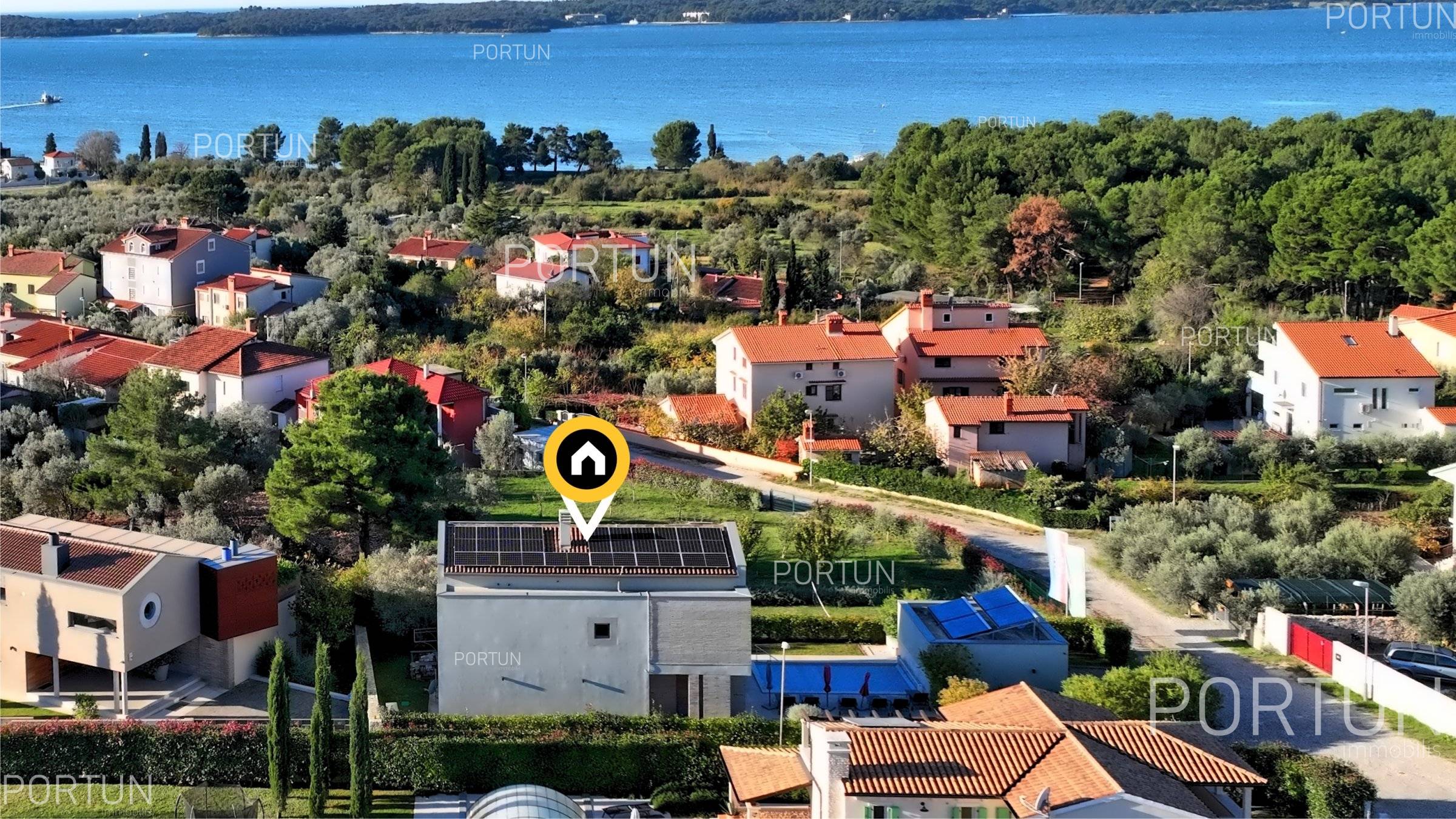
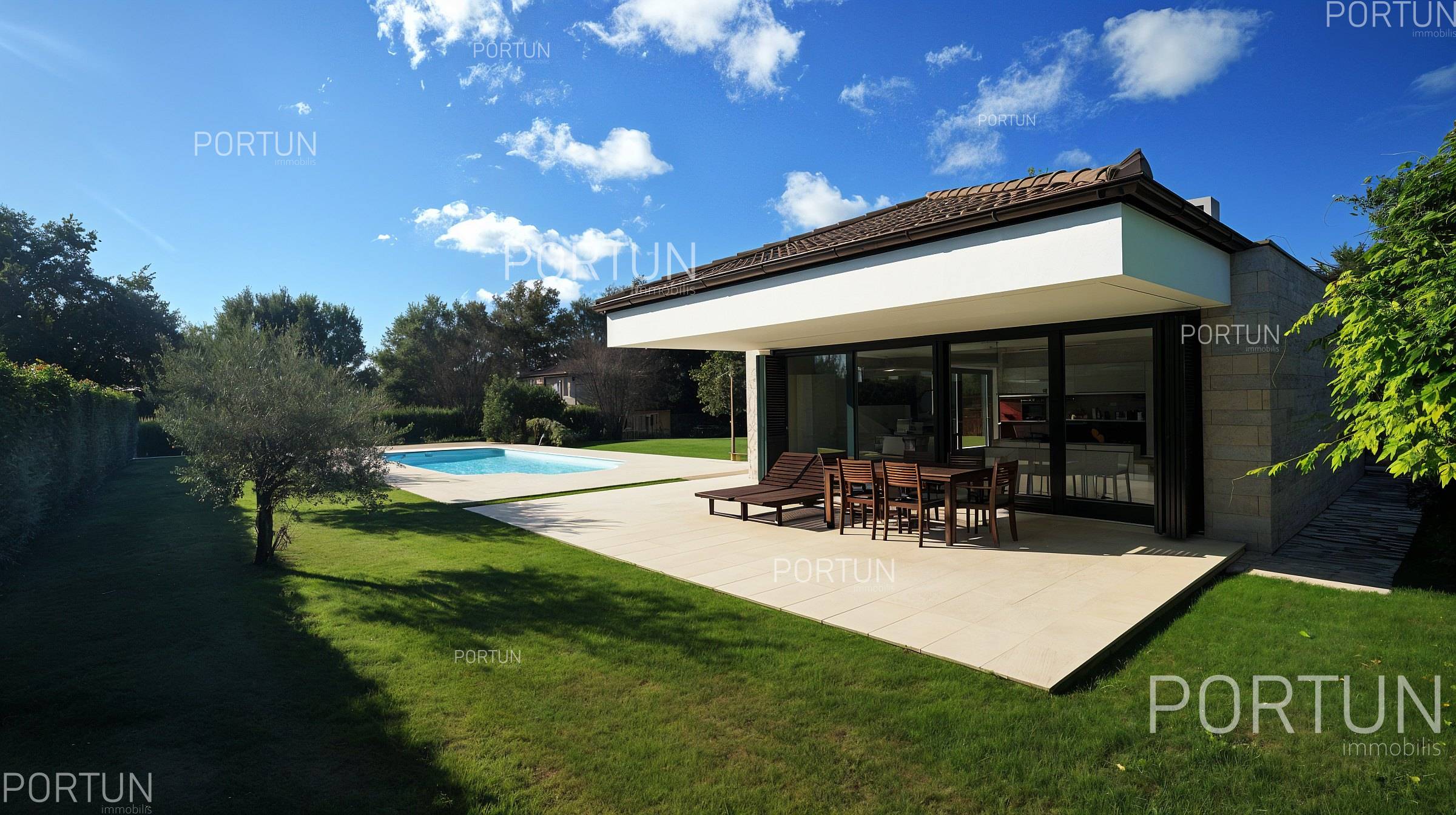
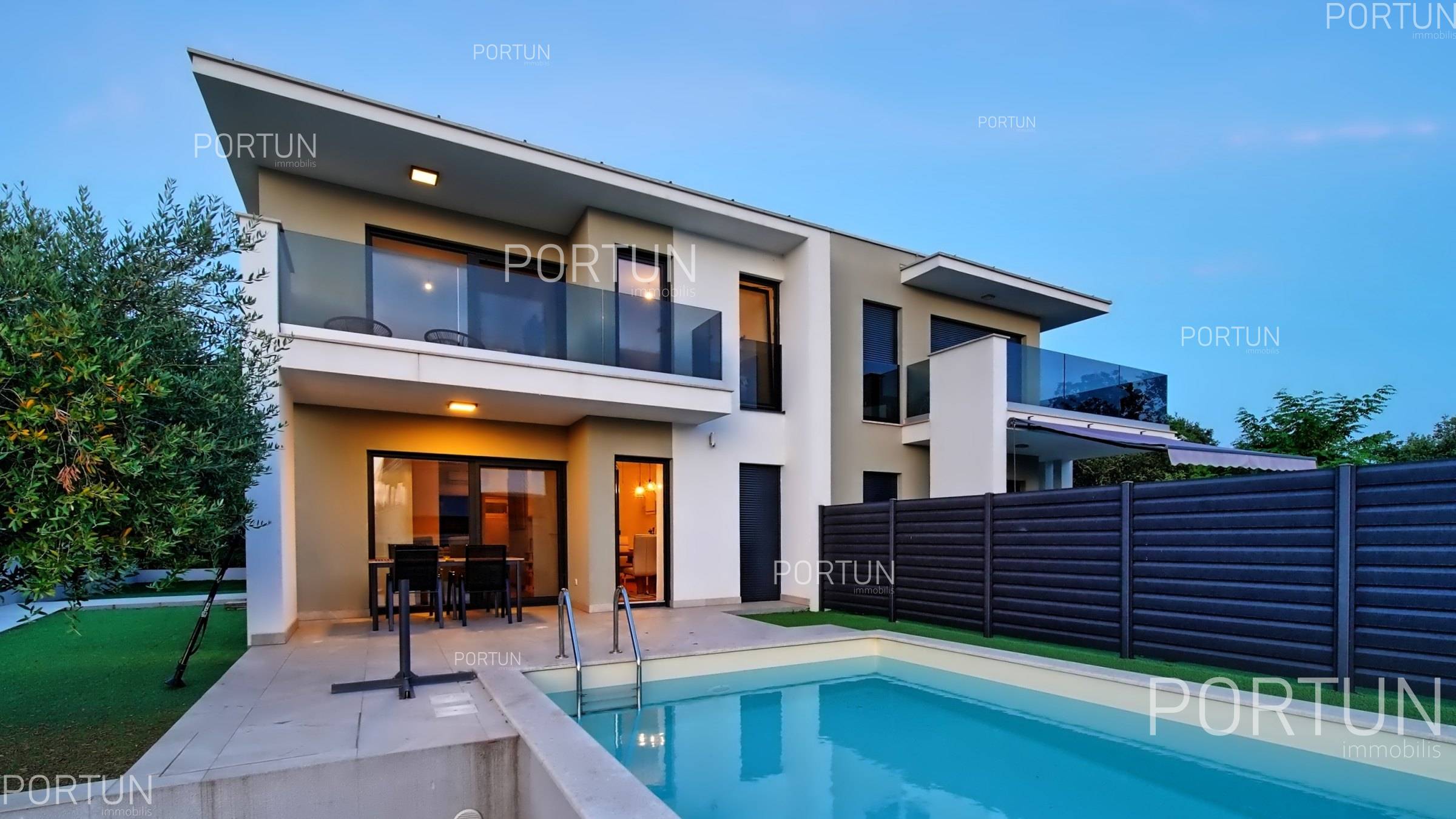
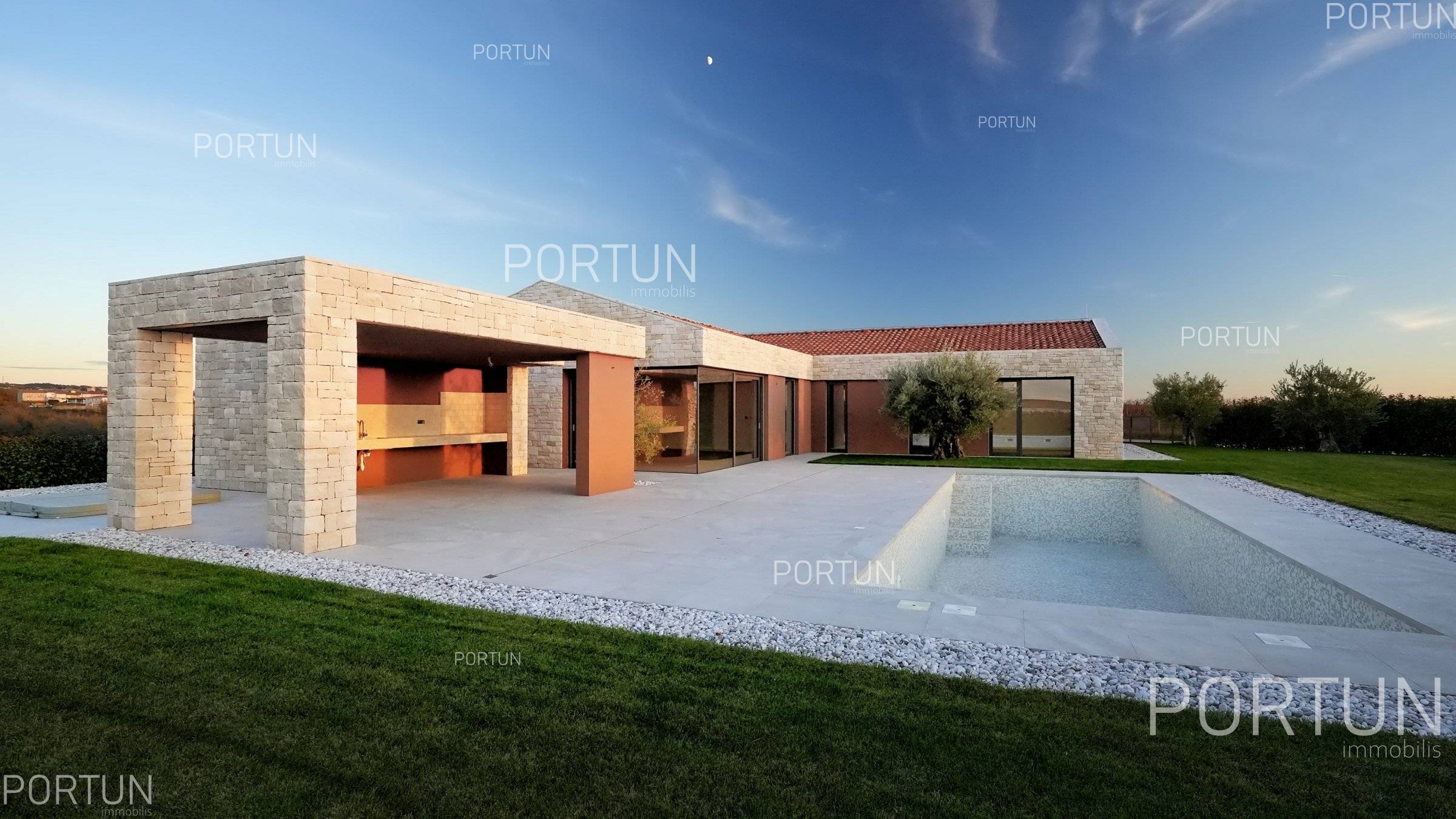
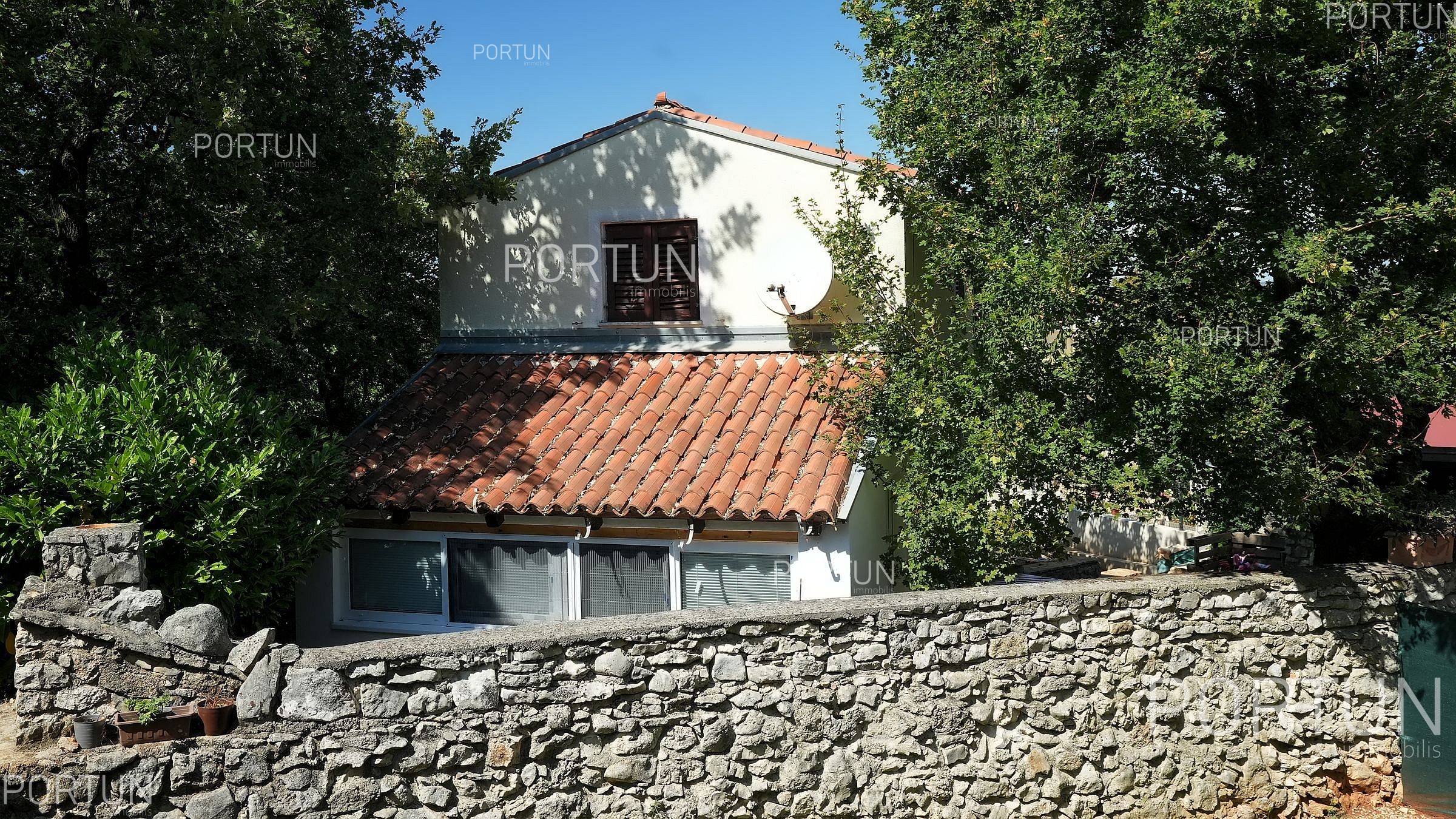
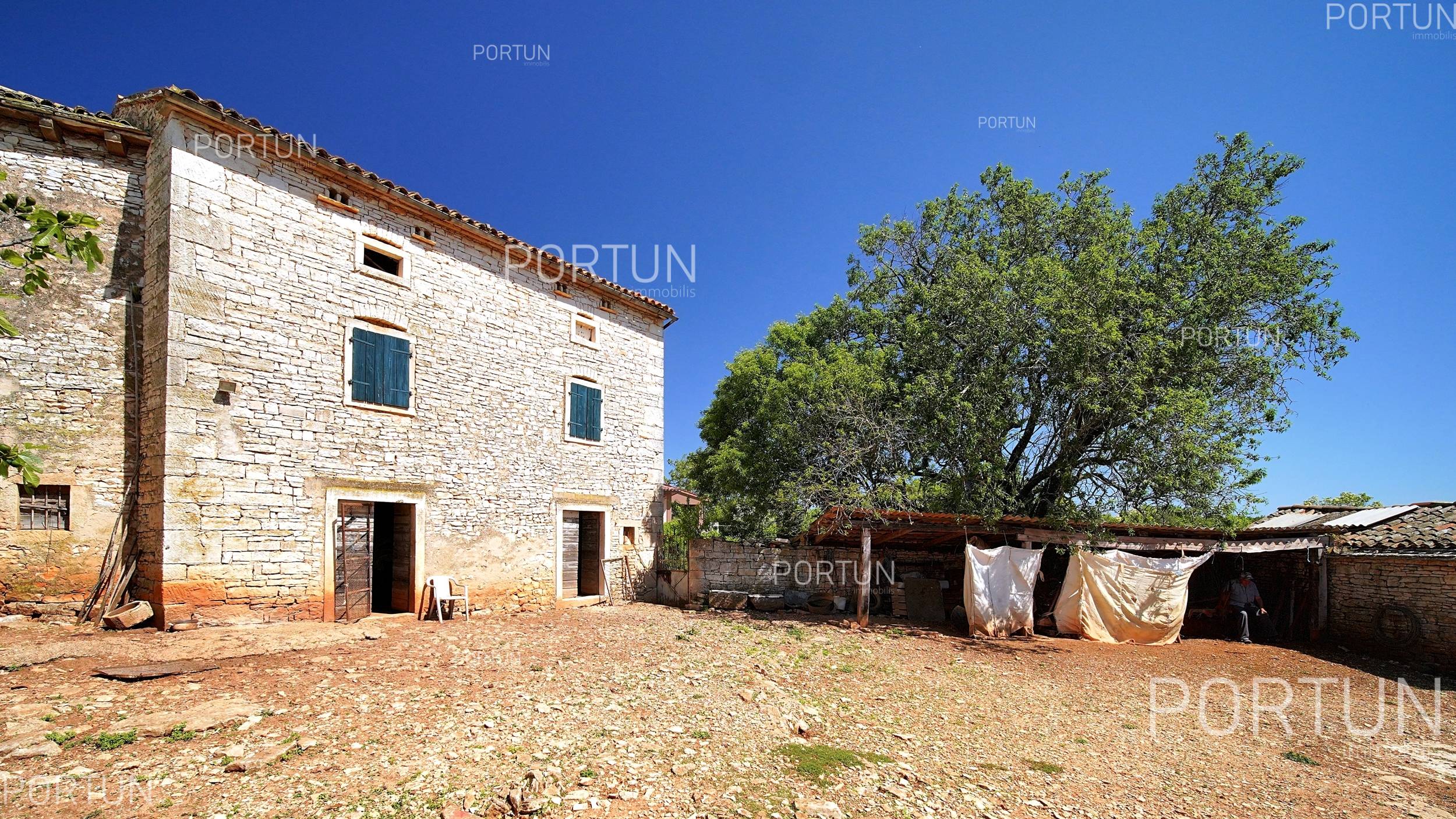
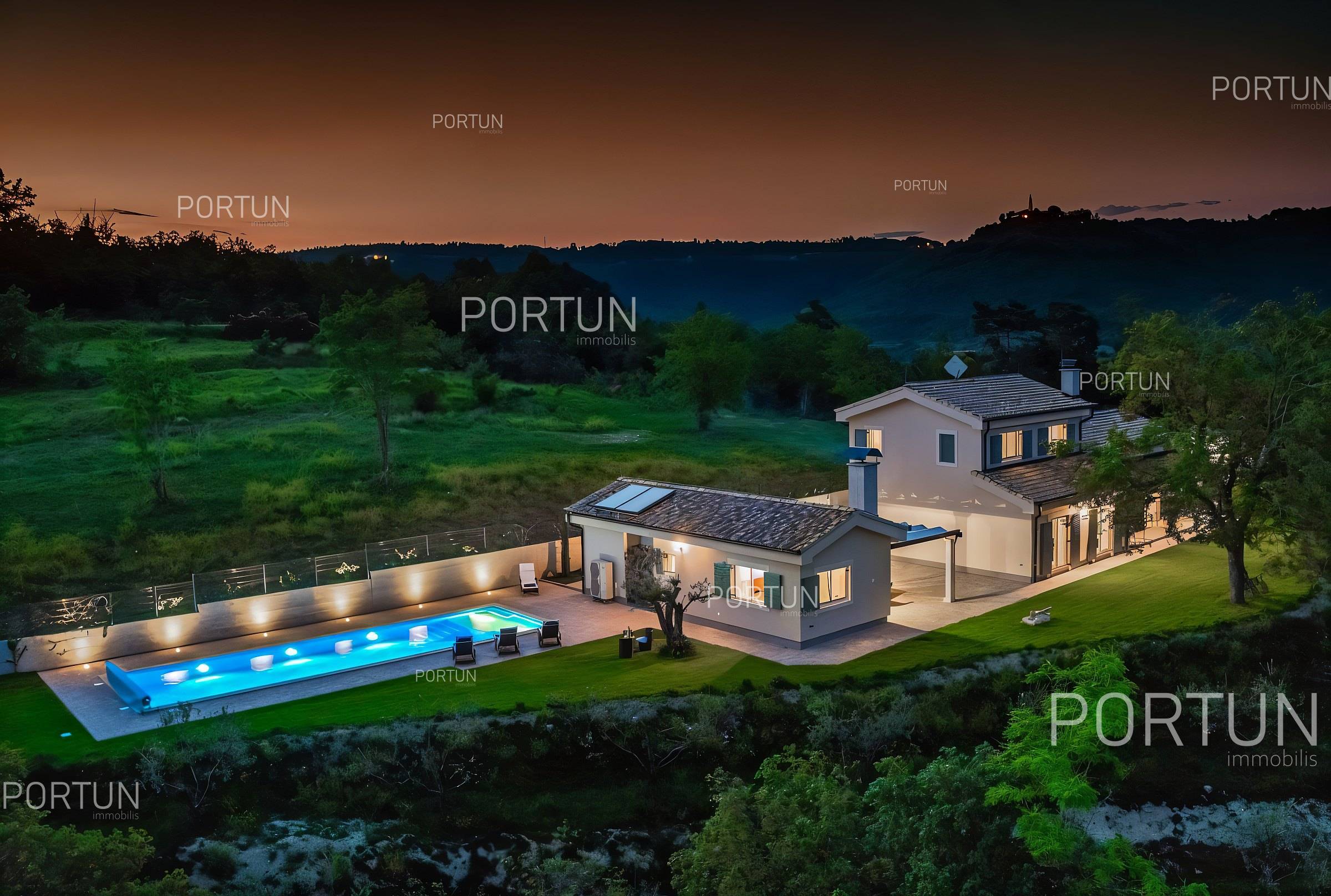
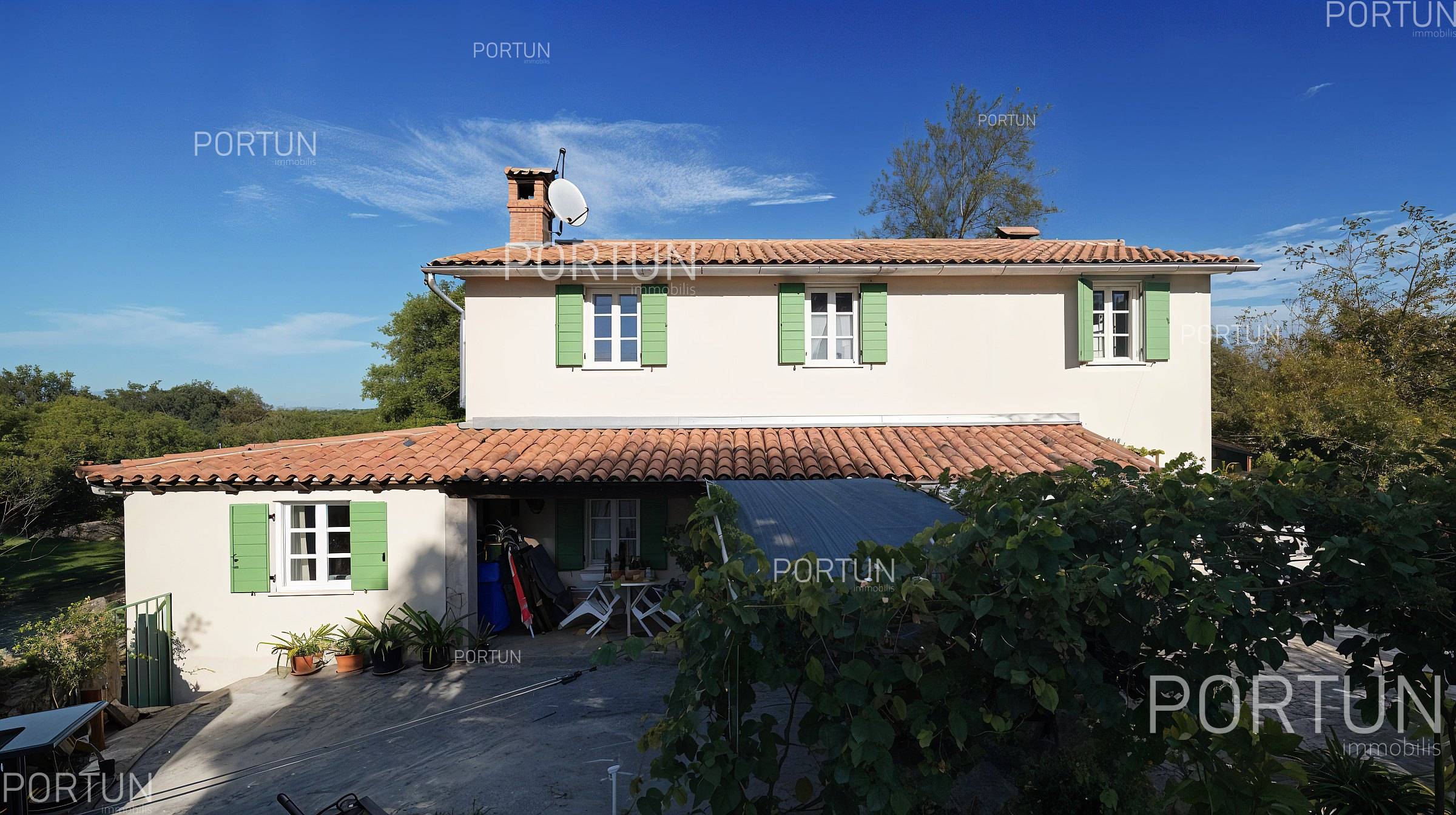
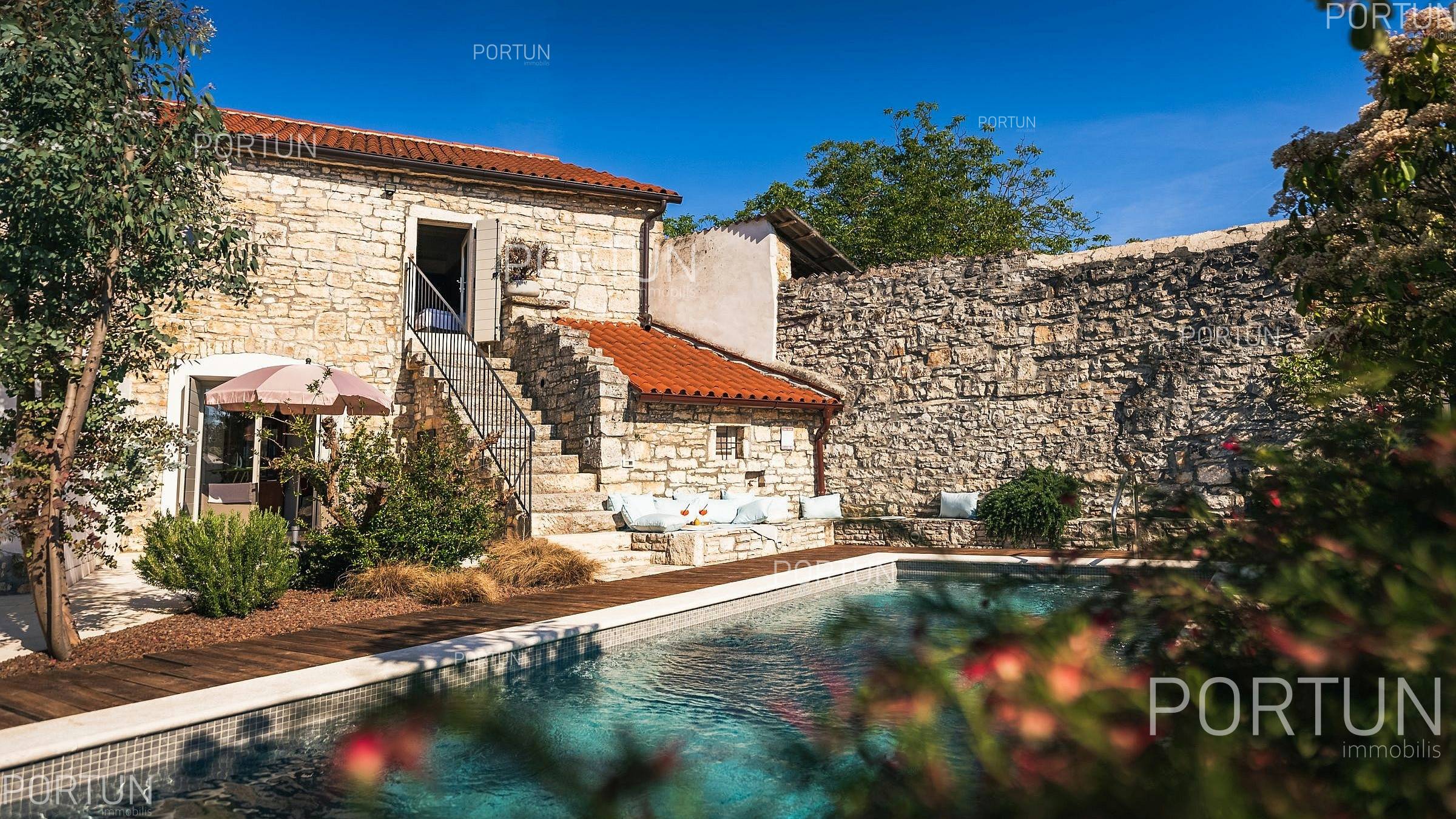
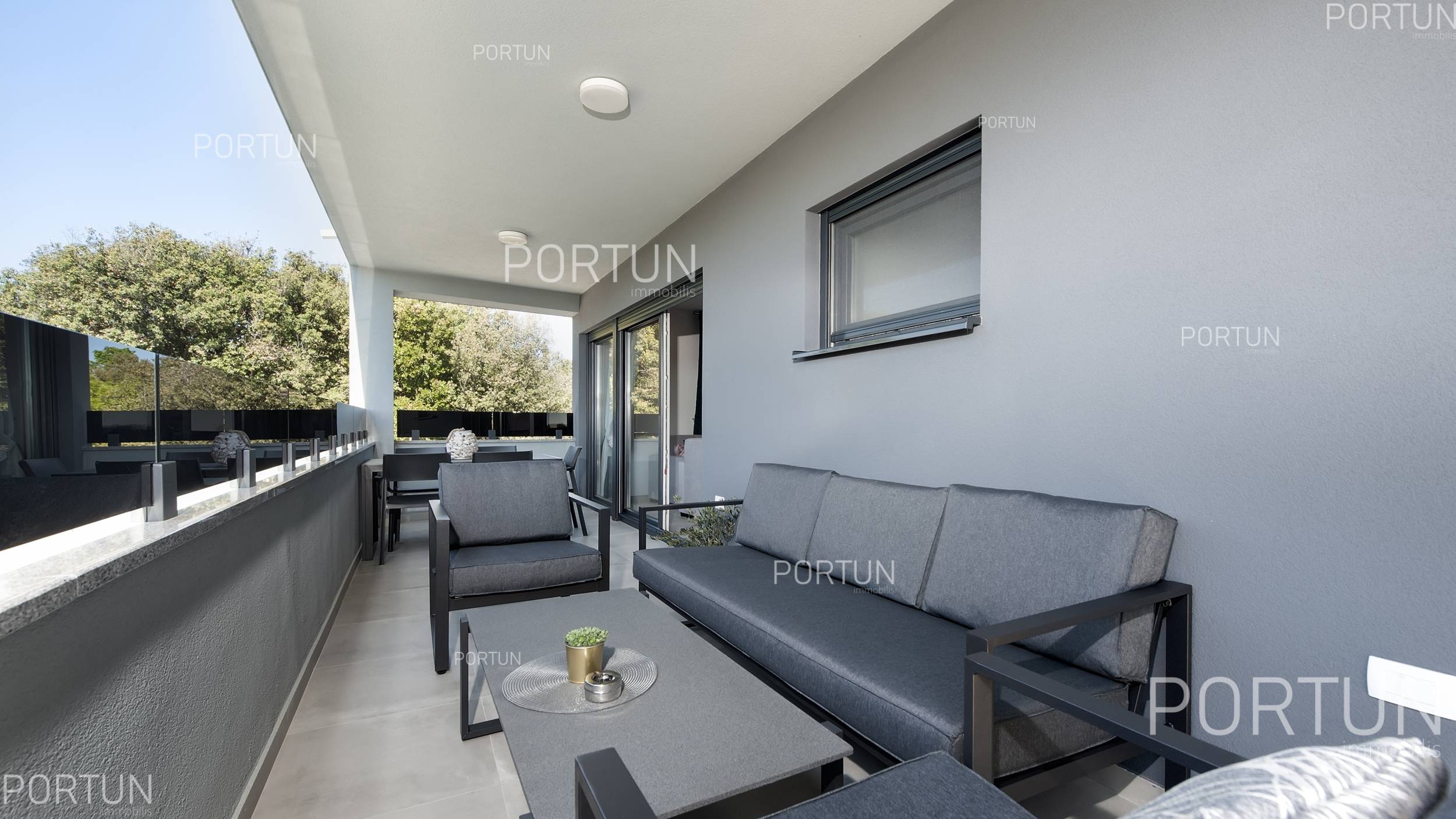
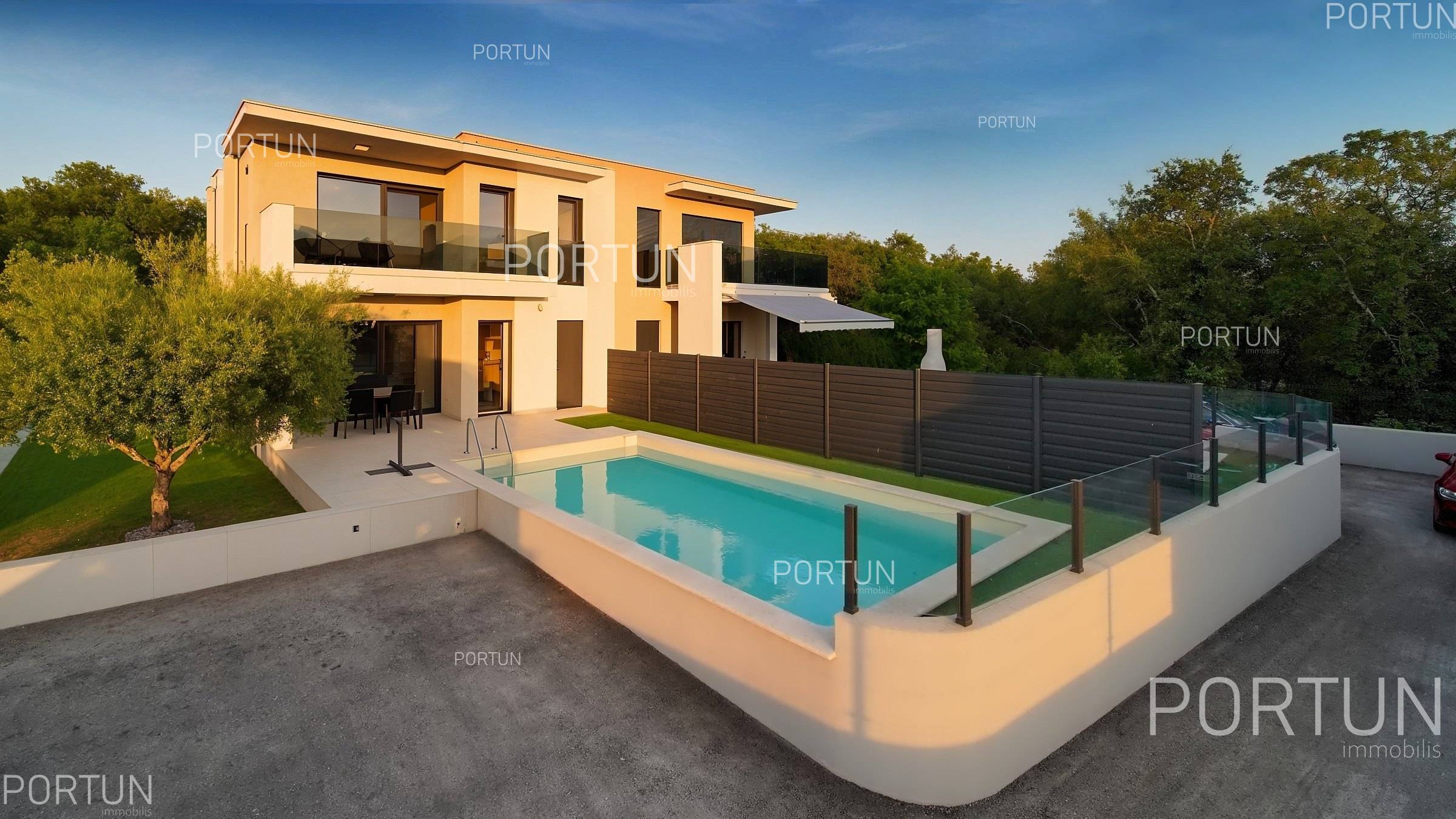
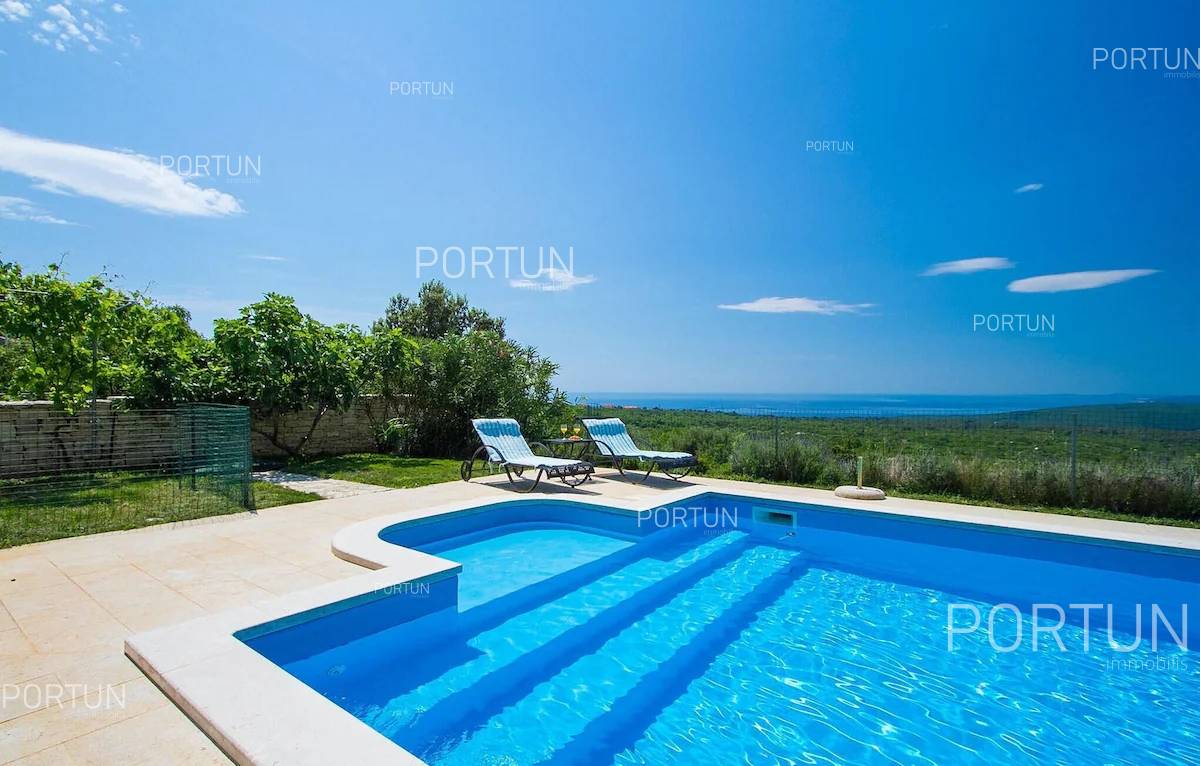
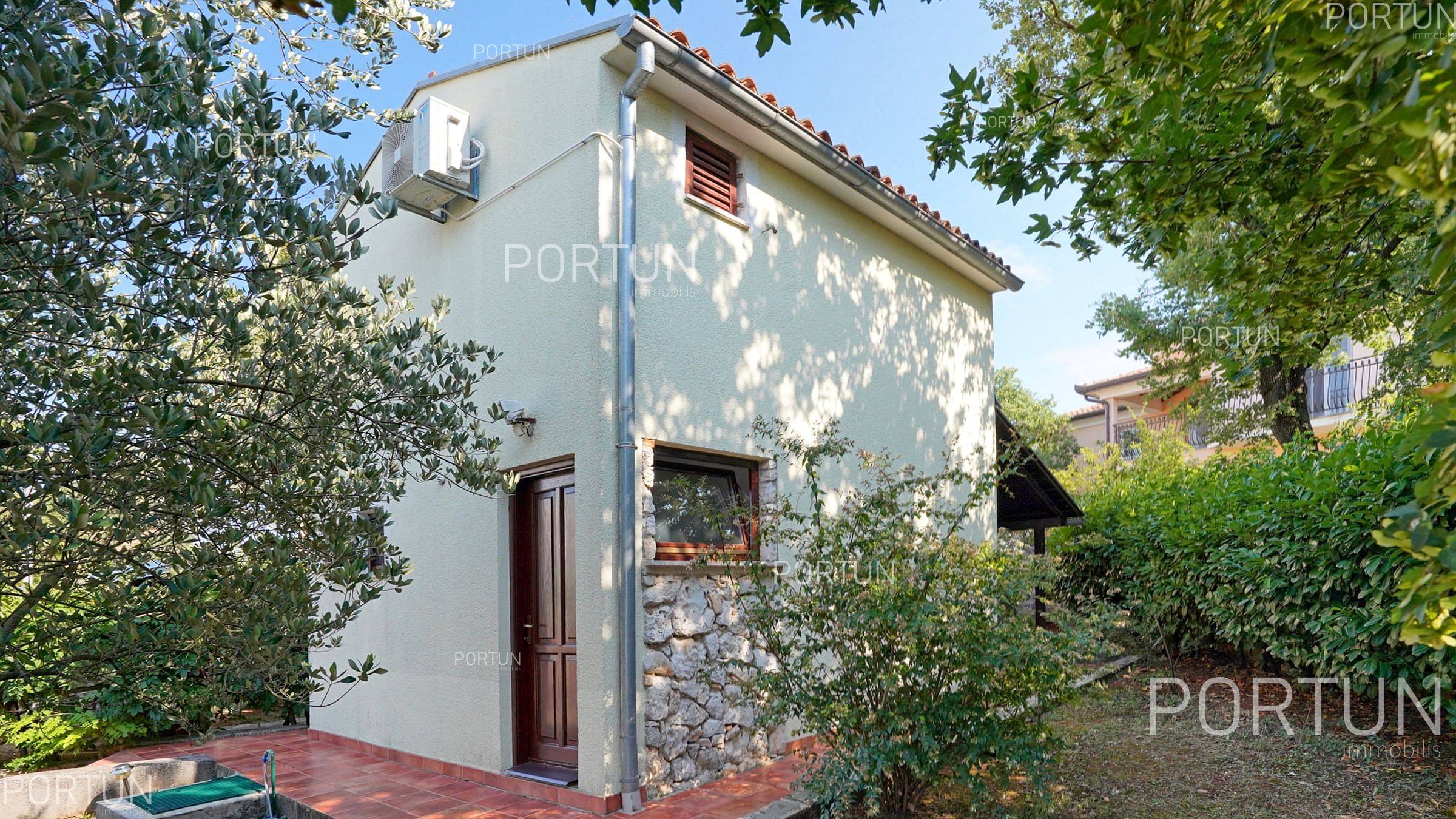
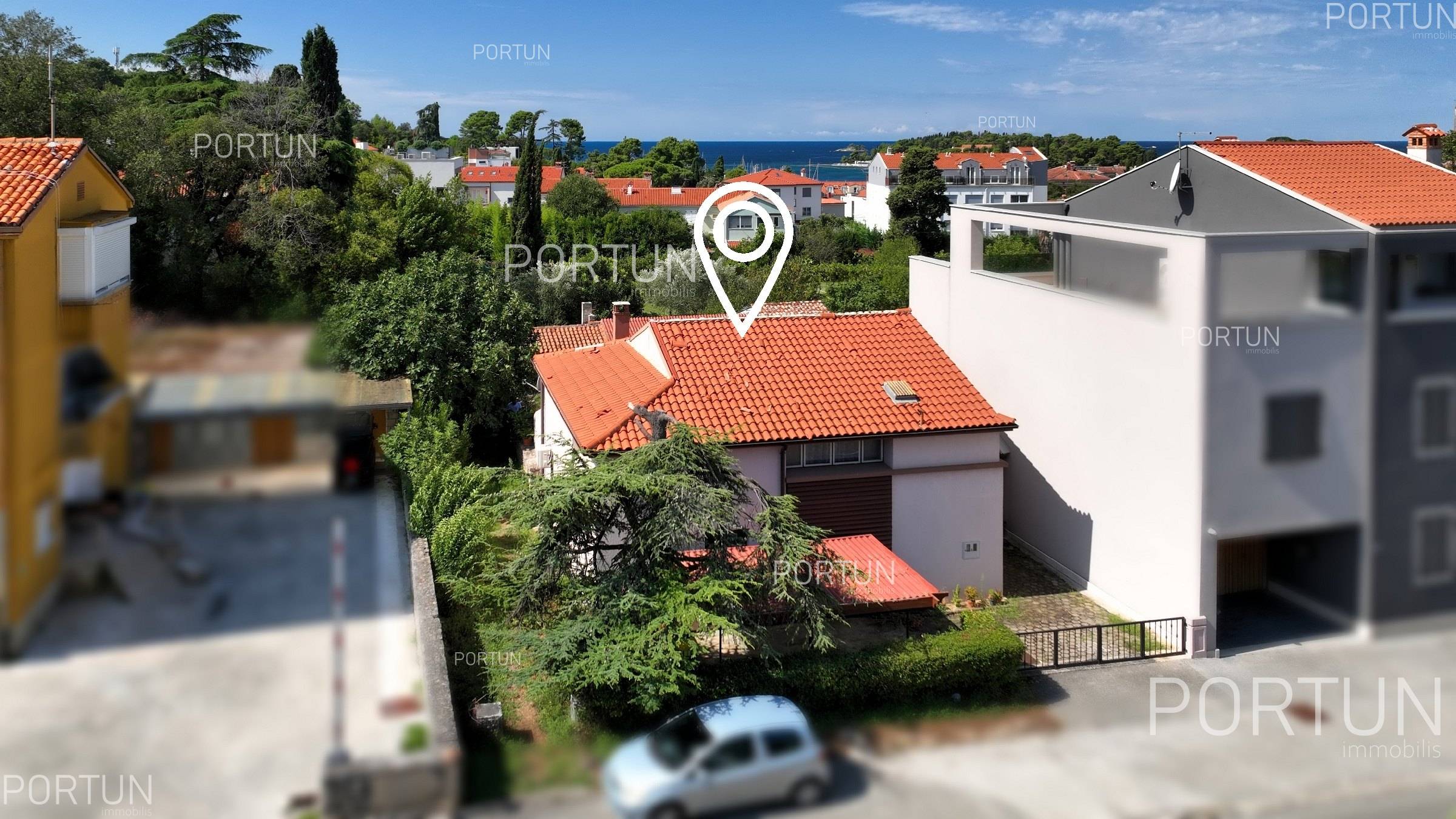
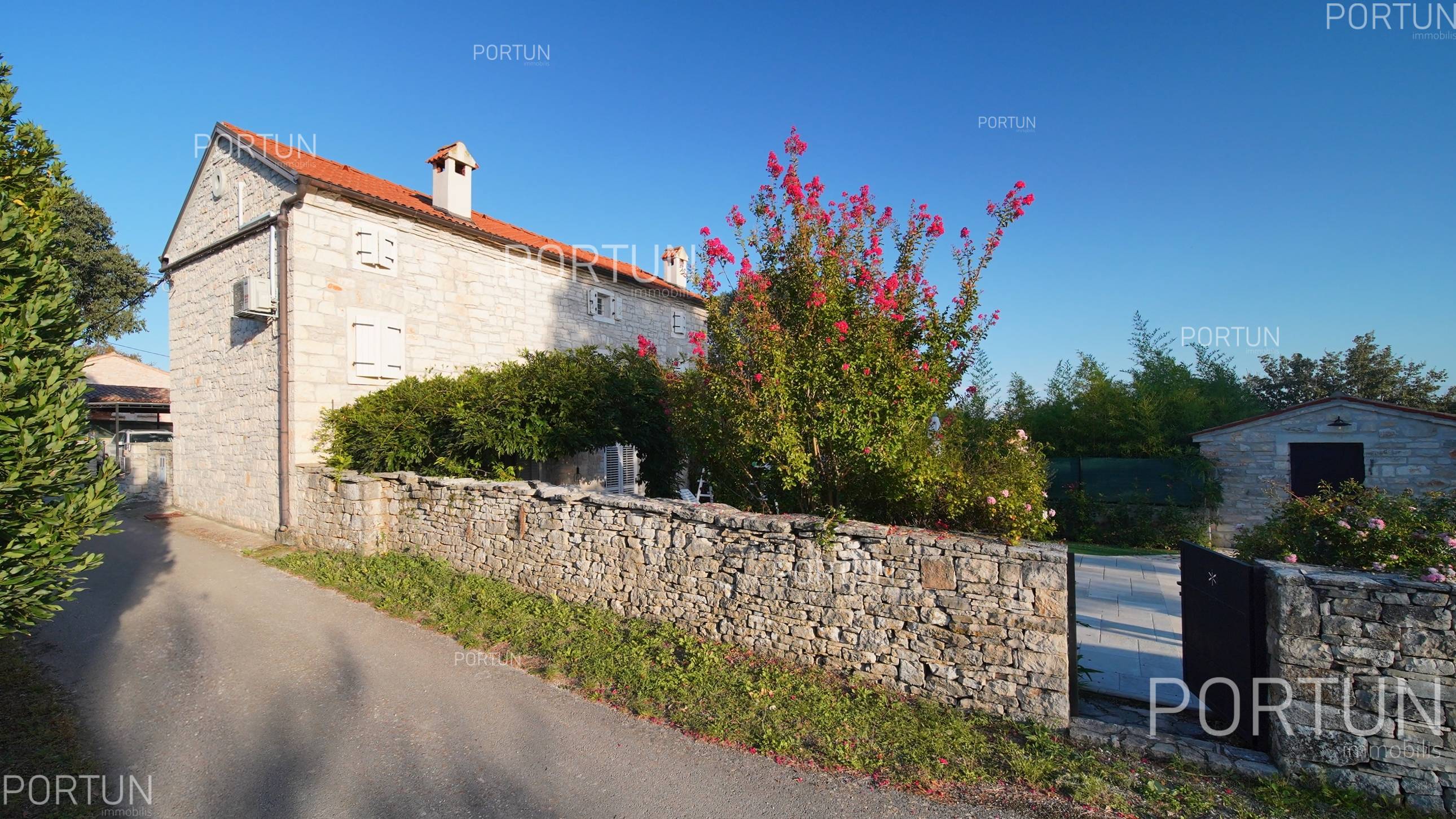
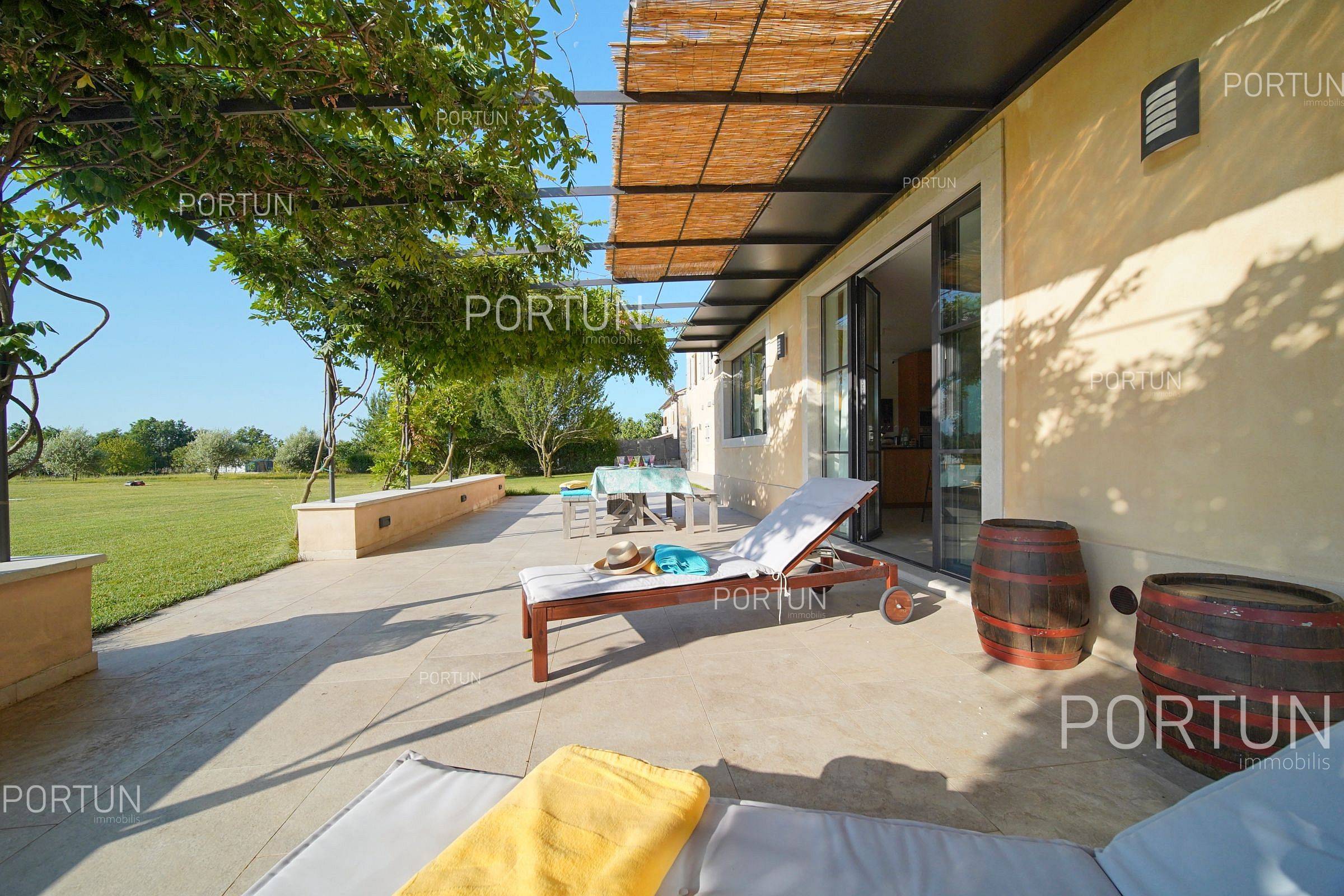
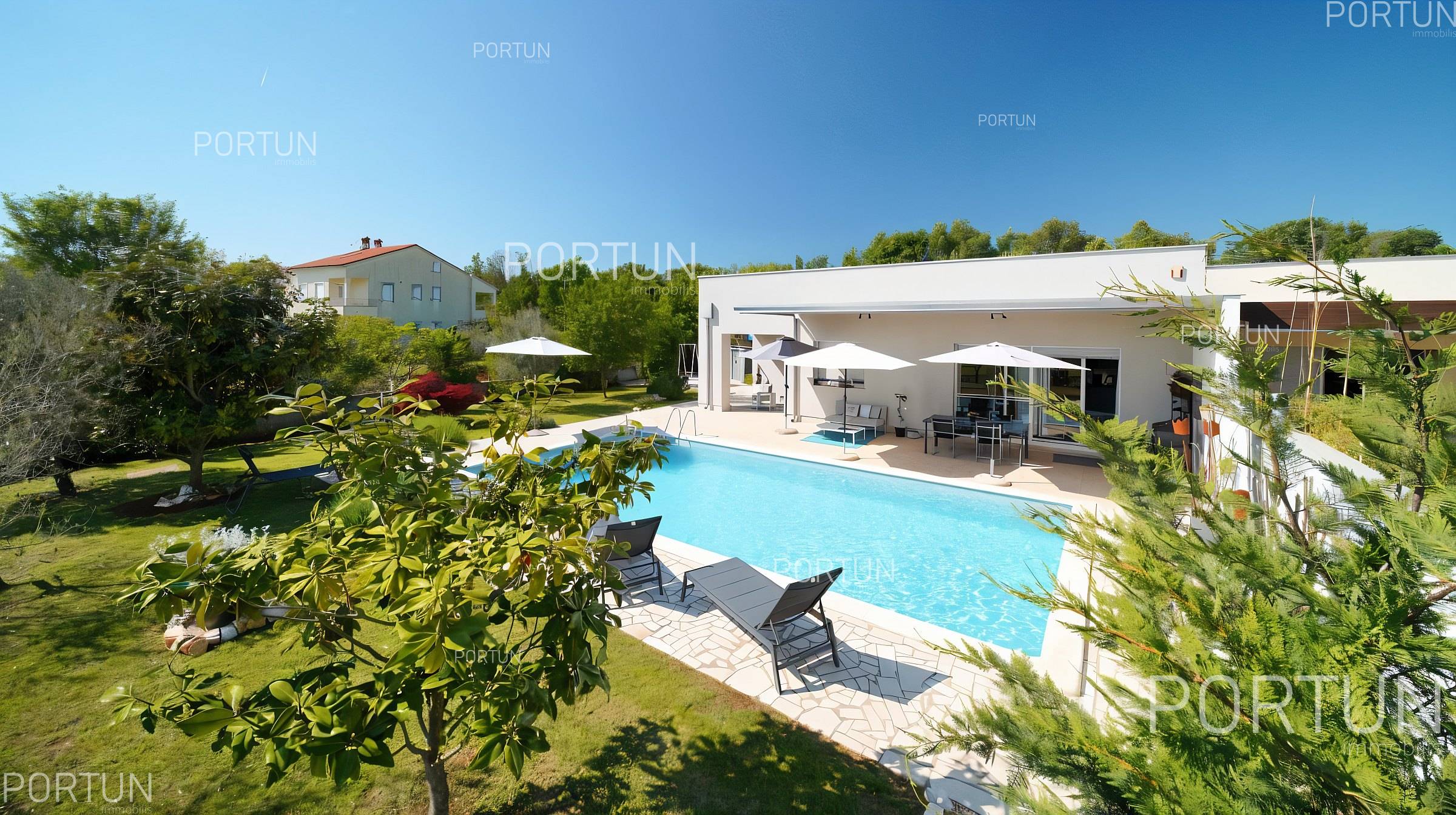
Houses in Rovinj are significantly rarer than apartments, which is directly reflected in their pricing. Smaller houses or properties requiring renovation typically start around €600,000. Well-maintained houses with gardens, pools or quieter residential locations frequently exceed €800,000.
Premium houses, especially those with sea views or close to the old town, often approach or surpass the one-million-euro mark. In these cases, price is influenced less by square footage alone and more by location, scarcity and long-term demand.
How does Rovinj compare to other destinations?
When prices in Rovinj are compared with other desirable locations, the picture becomes more balanced:
- Dubrovnik – often more expensive, with stronger seasonal fluctuations
- Split (city centre) – apartment prices frequently comparable to Rovinj
- Opatija – a premium market with similar or higher price ranges
- Poreč and Umag – generally lower prices, but with a different market profile
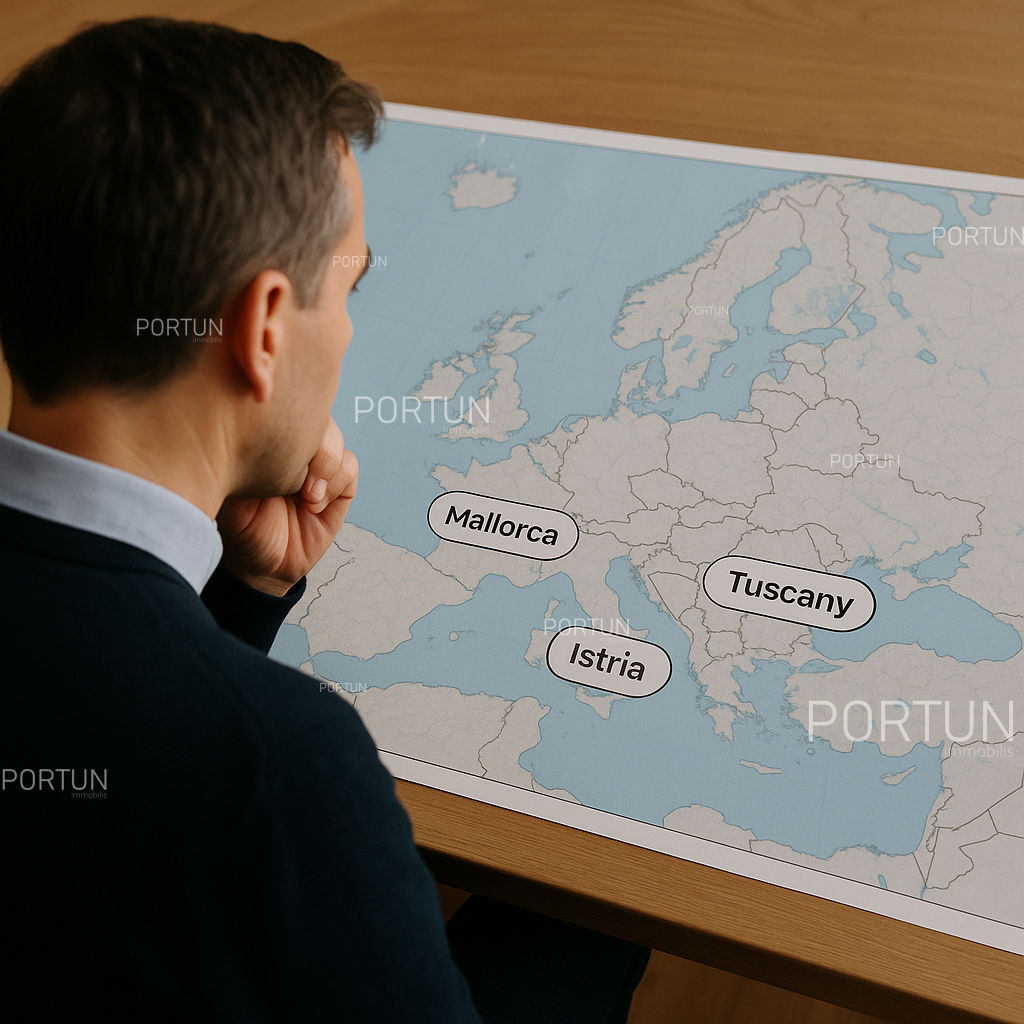
In a wider European context, Rovinj is still more affordable than many established Mediterranean destinations such as Mallorca, coastal Tuscany or parts of southern France, where comparable properties often come with higher density and heavier development.
Buyer psychology: price versus security
Buyers who choose Rovinj are rarely focused on finding the cheapest option. Their decisions are usually driven by security, liquidity and predictability. Properties in Rovinj tend to attract a broad international audience, making resale easier and reducing reliance on short-term market conditions.
For many buyers, a higher entry price is acceptable because it is balanced by lower long-term risk and greater market transparency. In this sense, Rovinj is often perceived as a “safe-haven” market rather than a speculative one.
Not “expensive”, but scarce
A key distinction of the Rovinj market is that supply cannot expand quickly to meet demand. There are no large-scale developments capable of reshaping the market overnight. This structural scarcity explains why prices tend to remain resilient and why significant long-term declines are relatively rare.
Who does Rovinj make sense for?
Rovinj may not be the right choice for buyers with limited budgets or those seeking short-term opportunities. However, for buyers looking for long-term value, location security, international liquidity and a high quality of life, property prices in Rovinj are often perceived as justified rather than excessive.