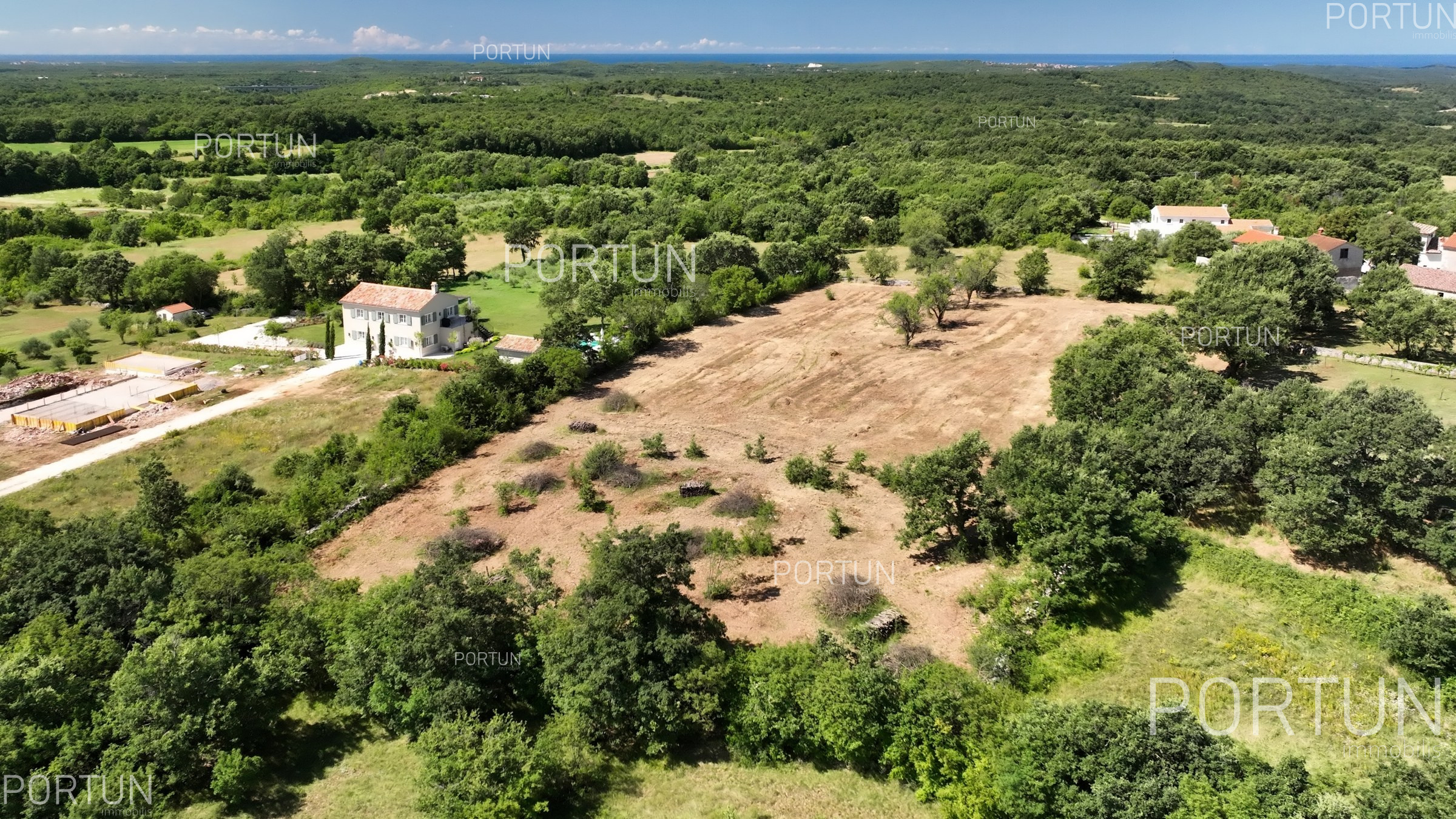
Introduction
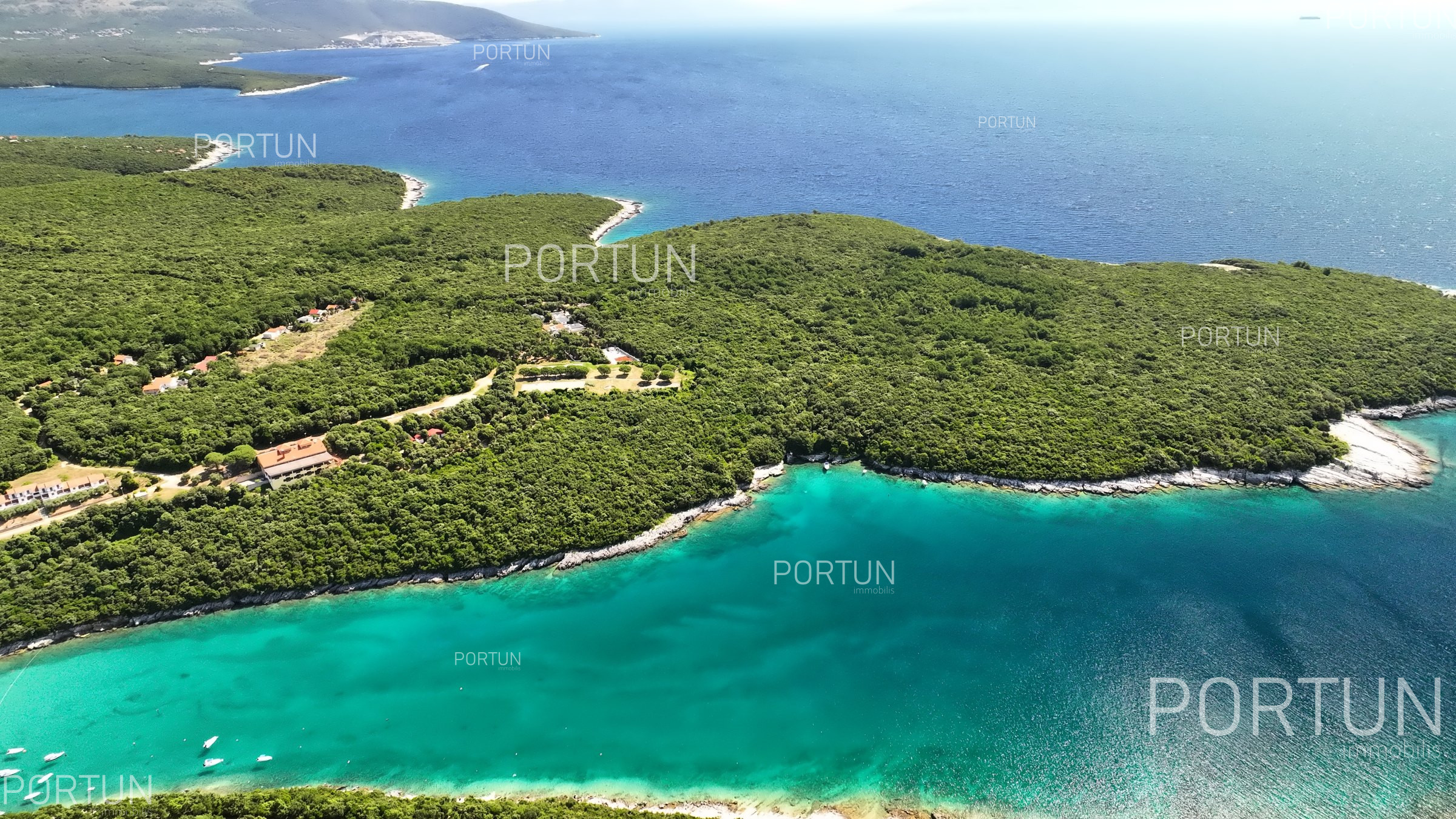
After purchasing land in Istria, many investors and future homeowners ask the same question: how much does construction actually cost? The answer is not straightforward because the total investment depends on various factors – from location and infrastructure to the project and choice of contractor. Istria is a unique market where construction prices can vary significantly, and the differences between estimates and actual costs often surprise buyers.
Besides construction itself, several additional costs arise before and during the process – from documentation and fees to landscaping. These "hidden costs" often make the difference between the planned and actual budget. This guide provides a realistic overview of all expenses so you can make an informed decision and avoid common mistakes.
Land price as a starting point
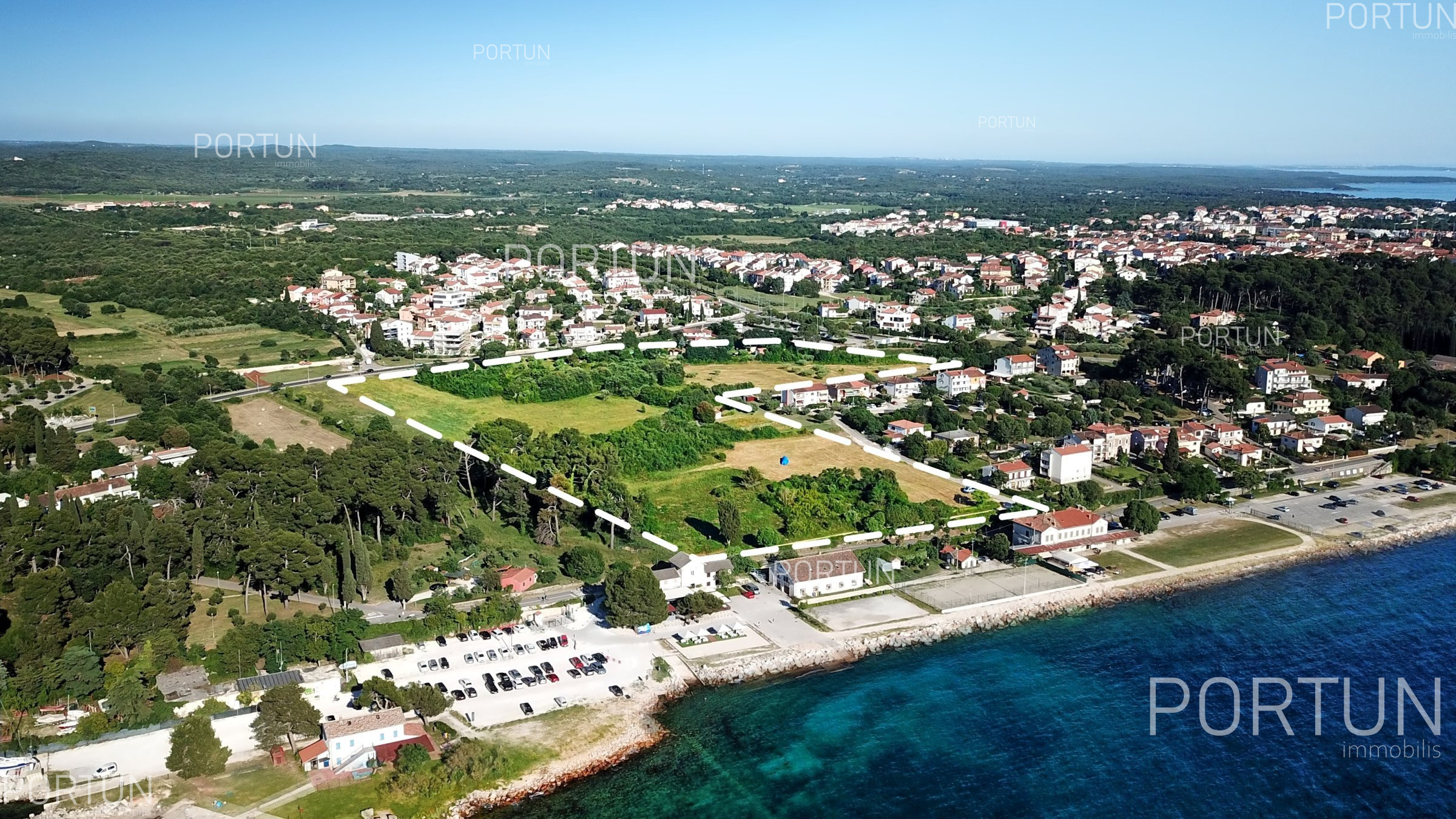
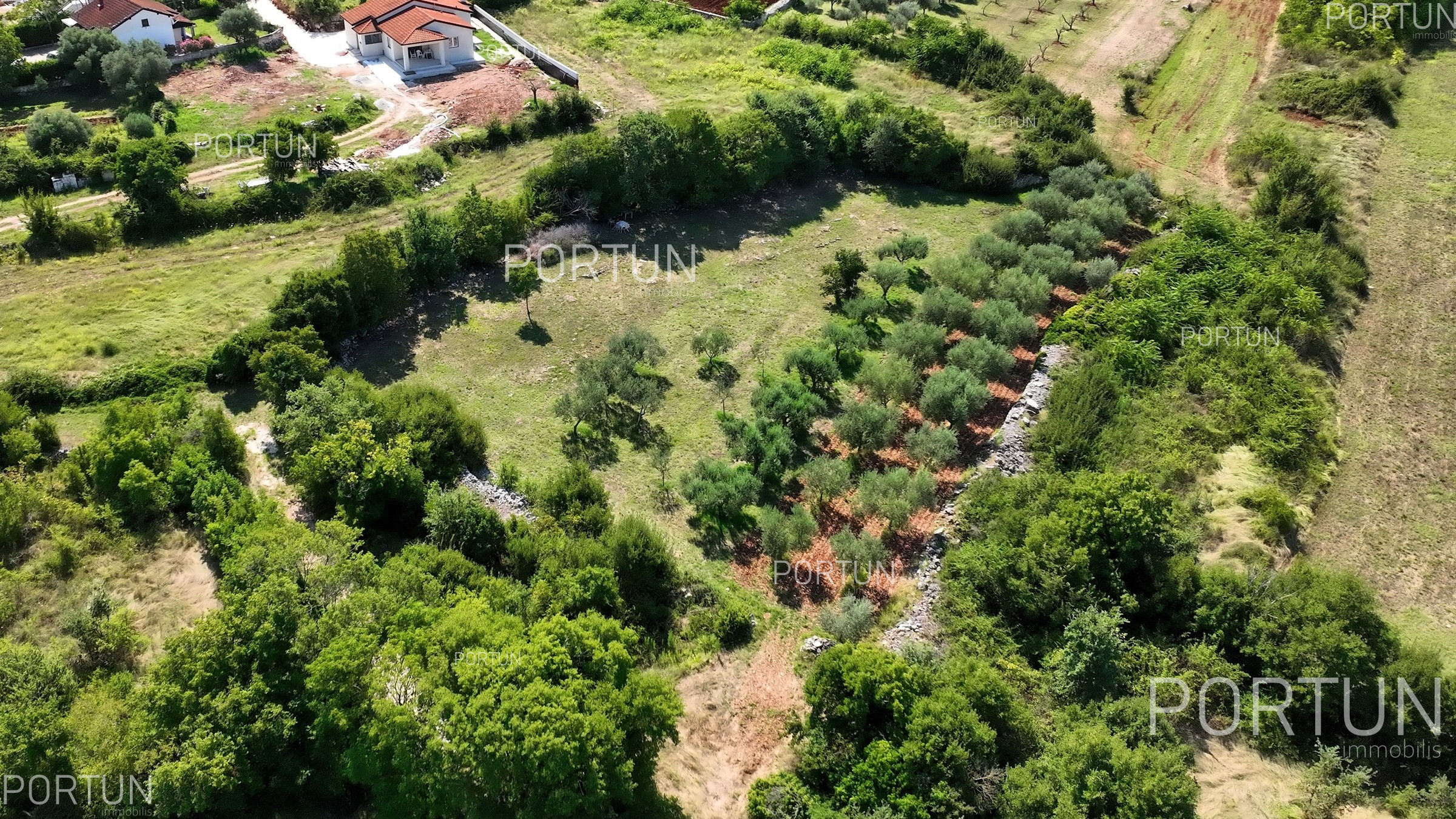
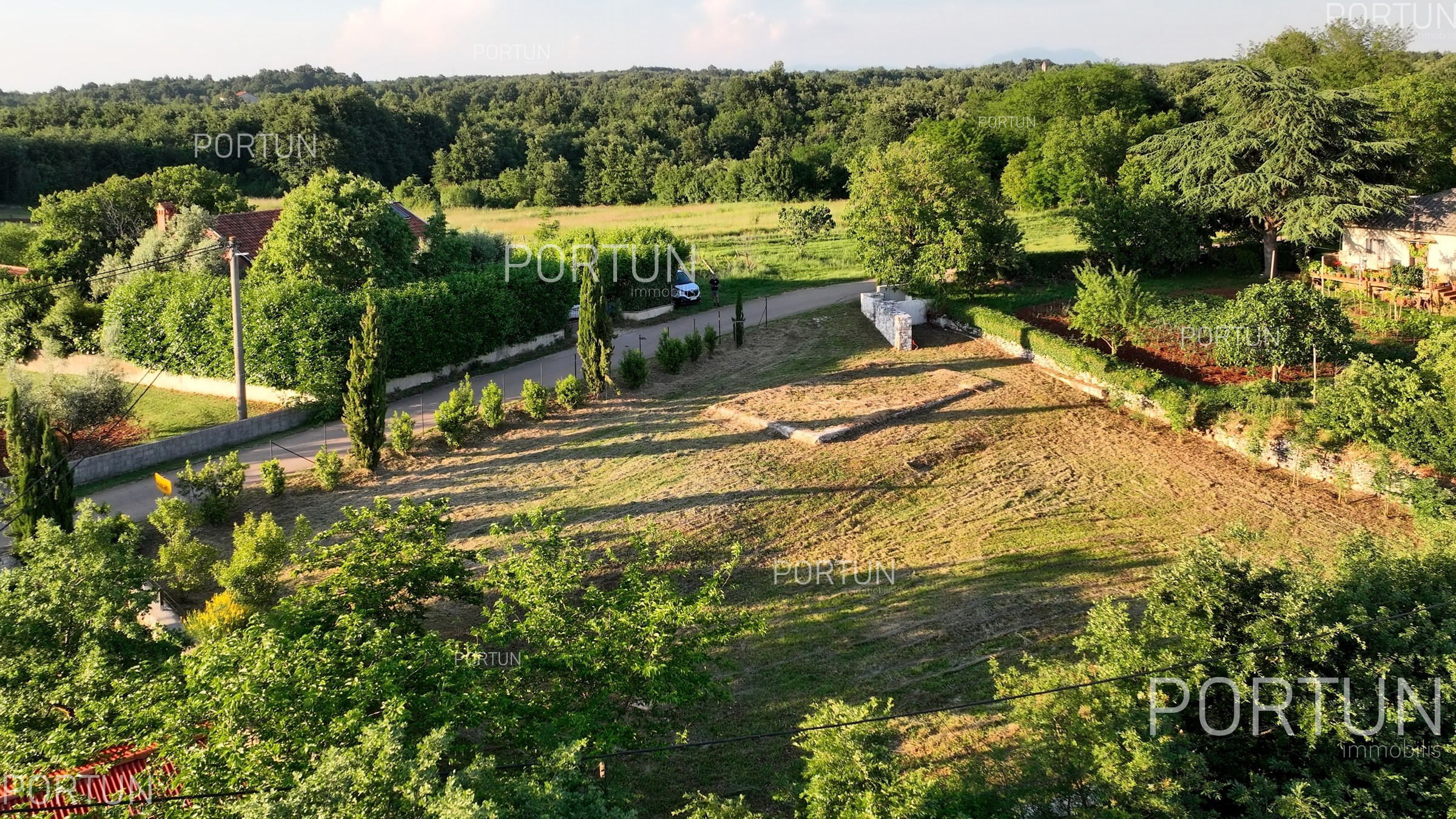
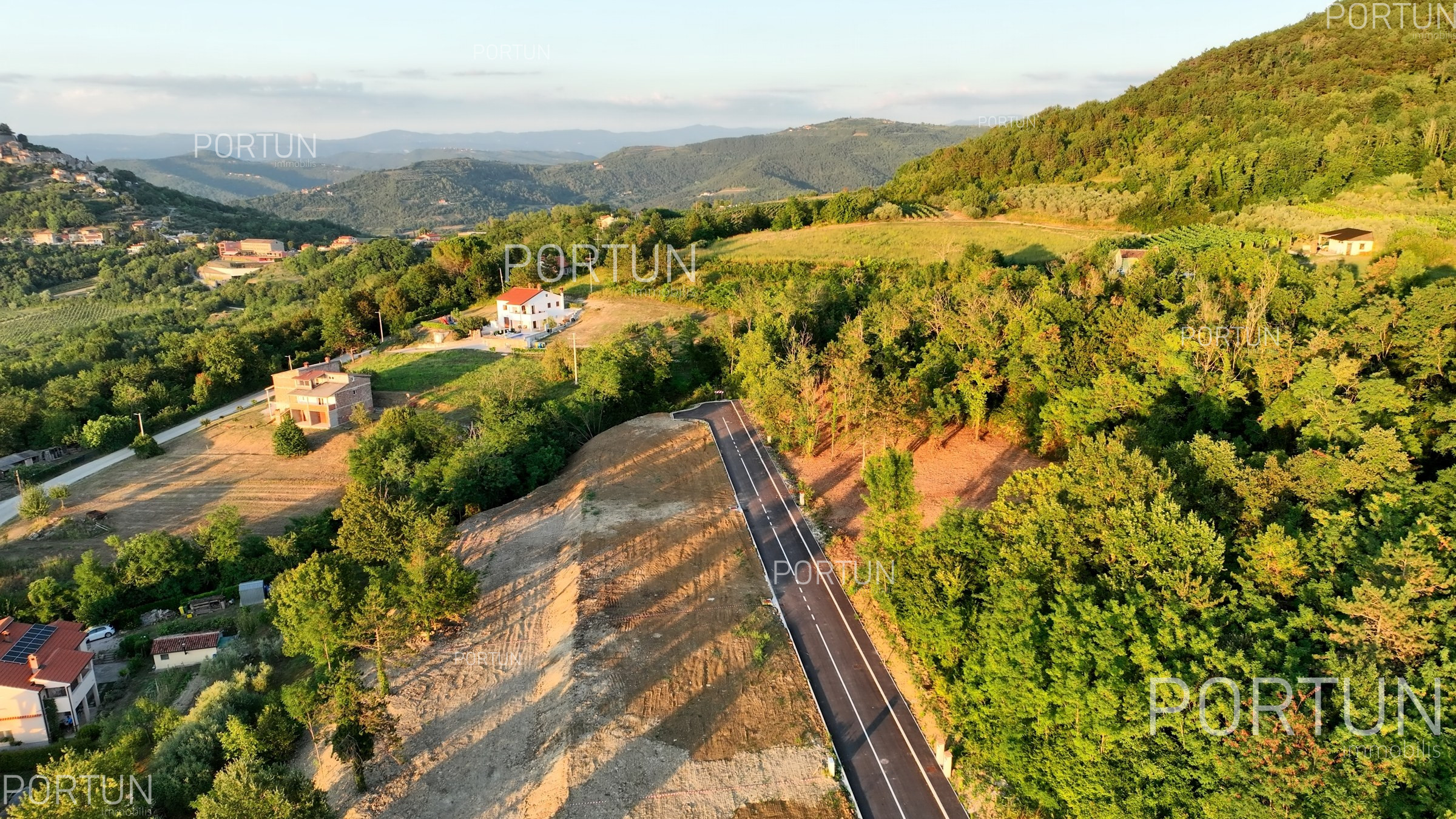
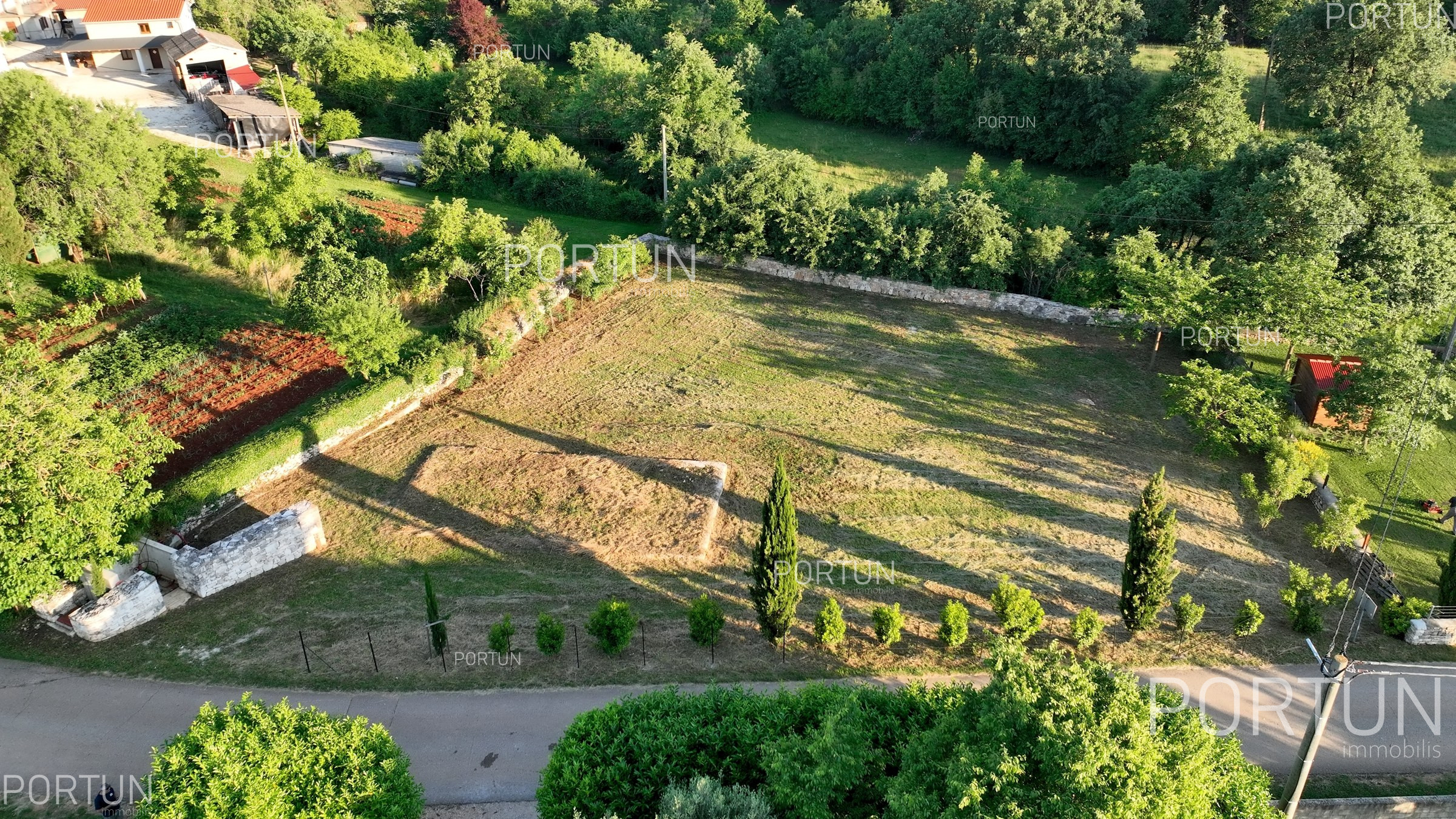
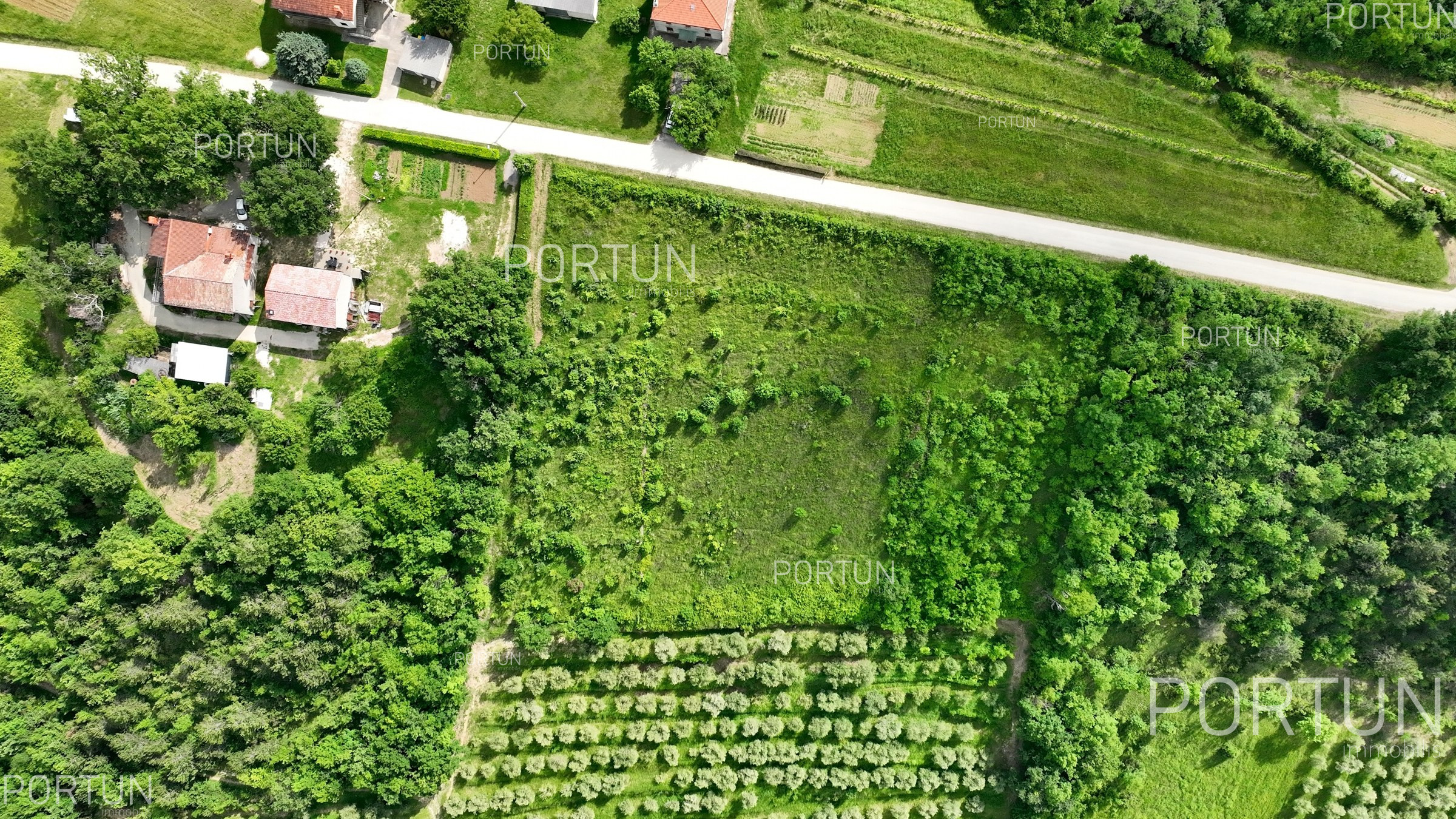
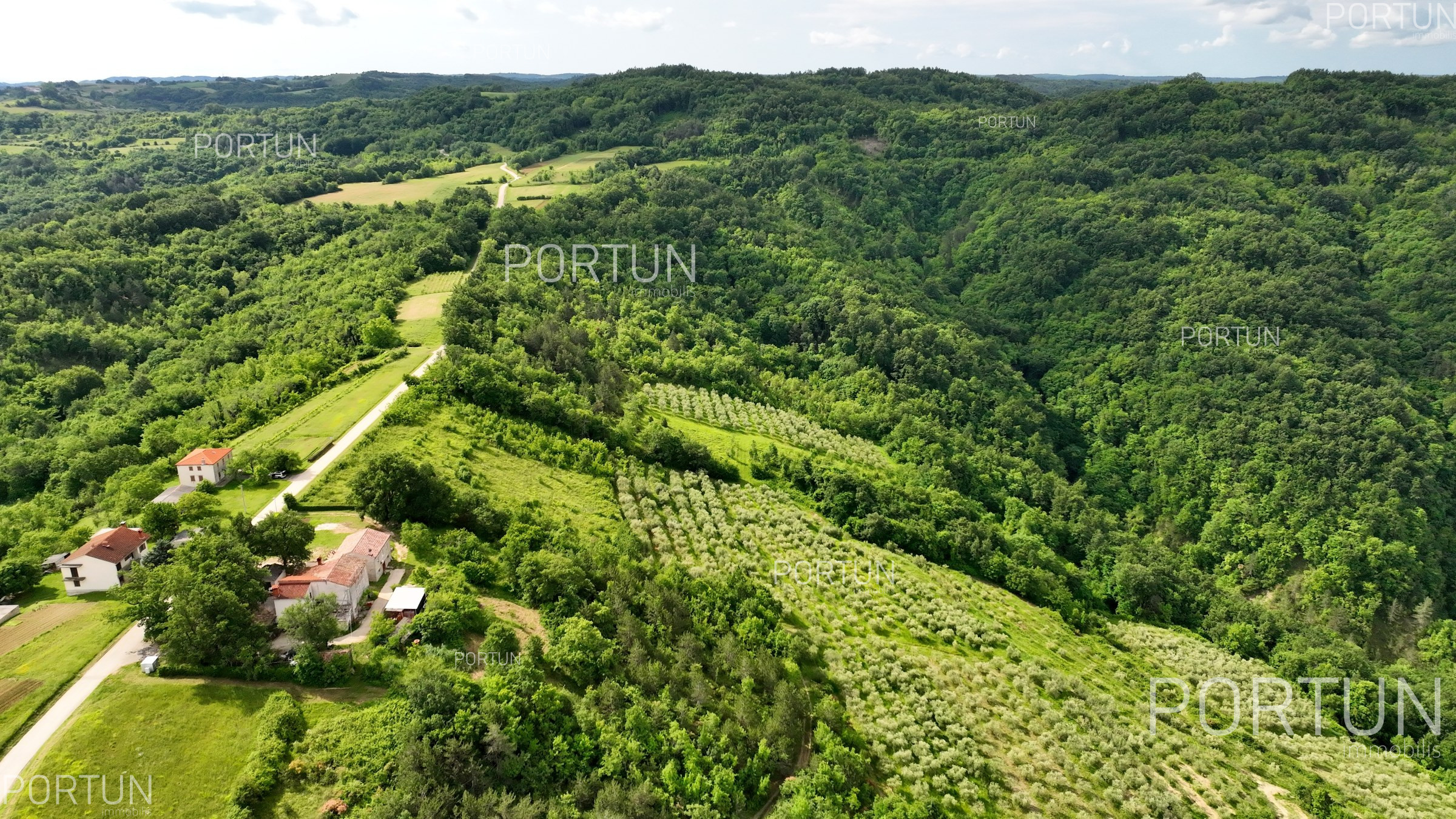
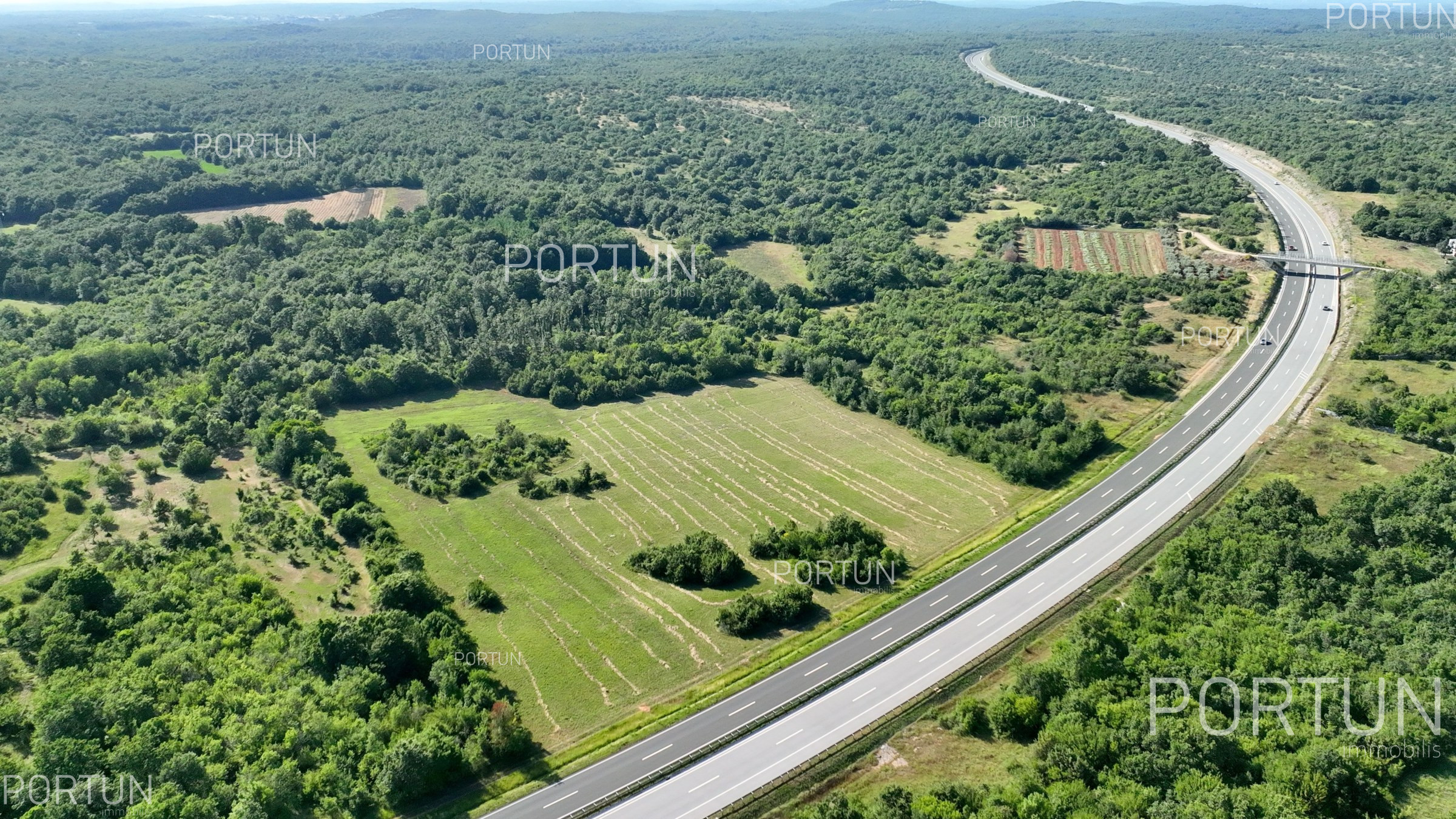
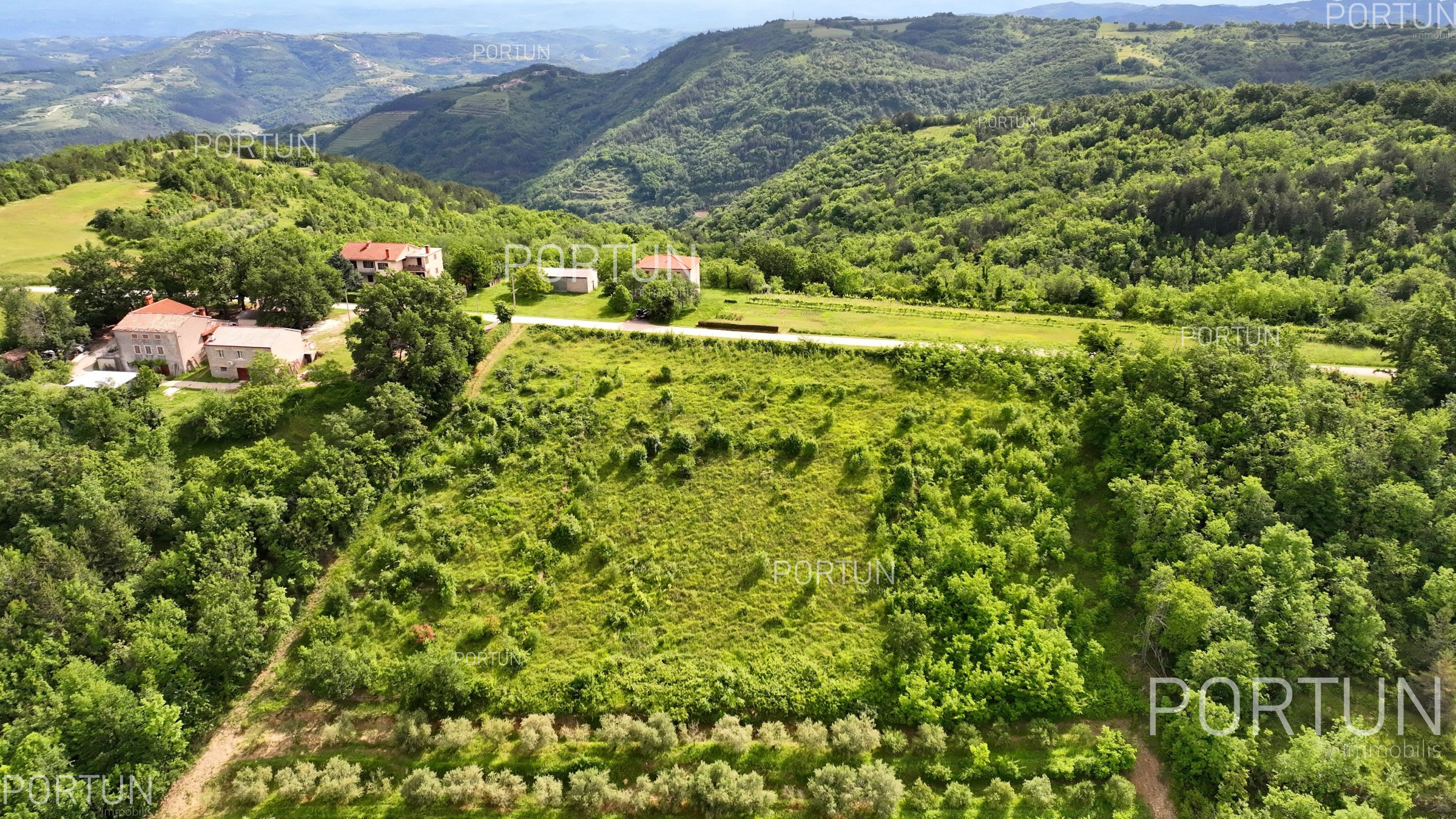
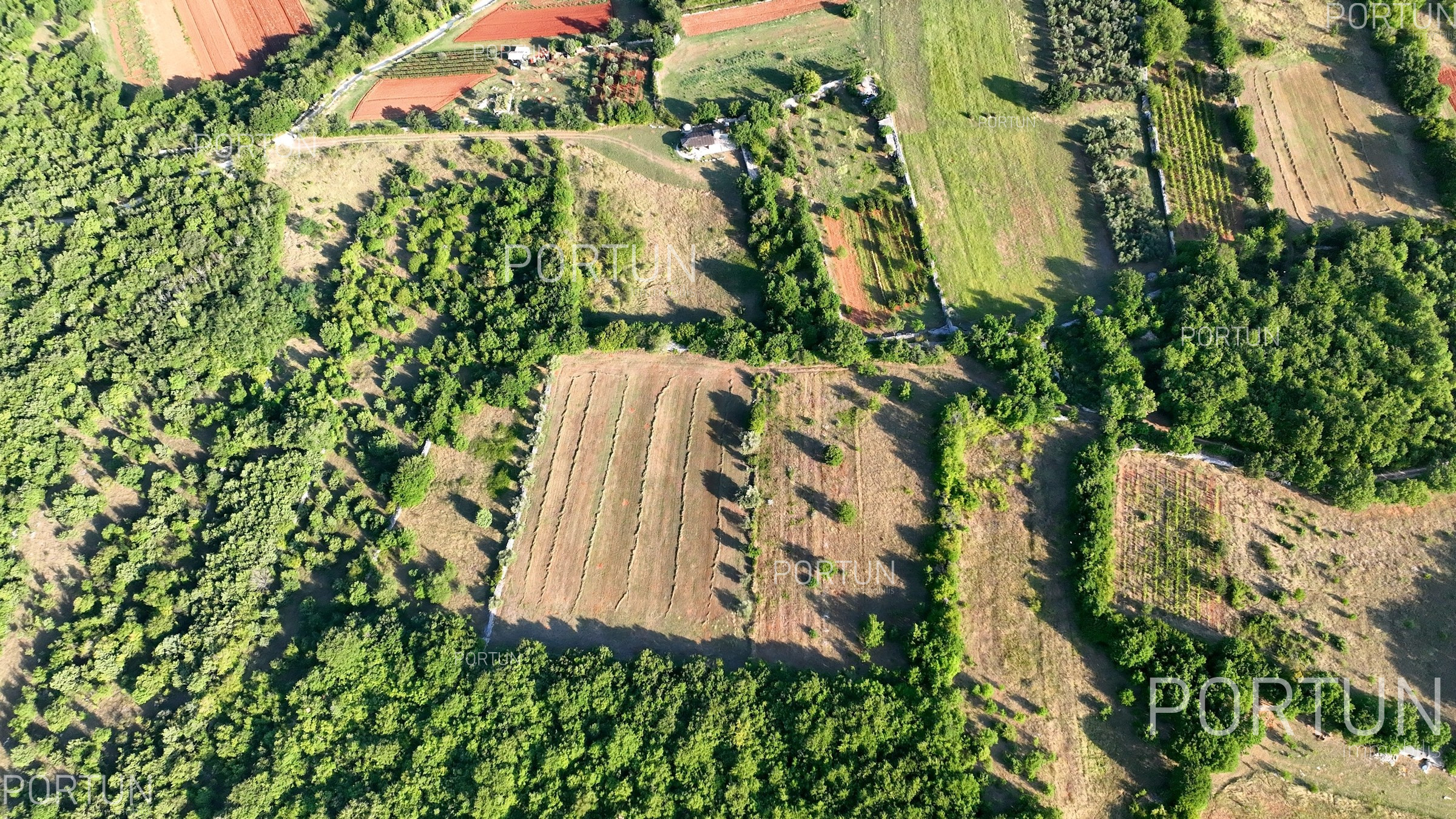
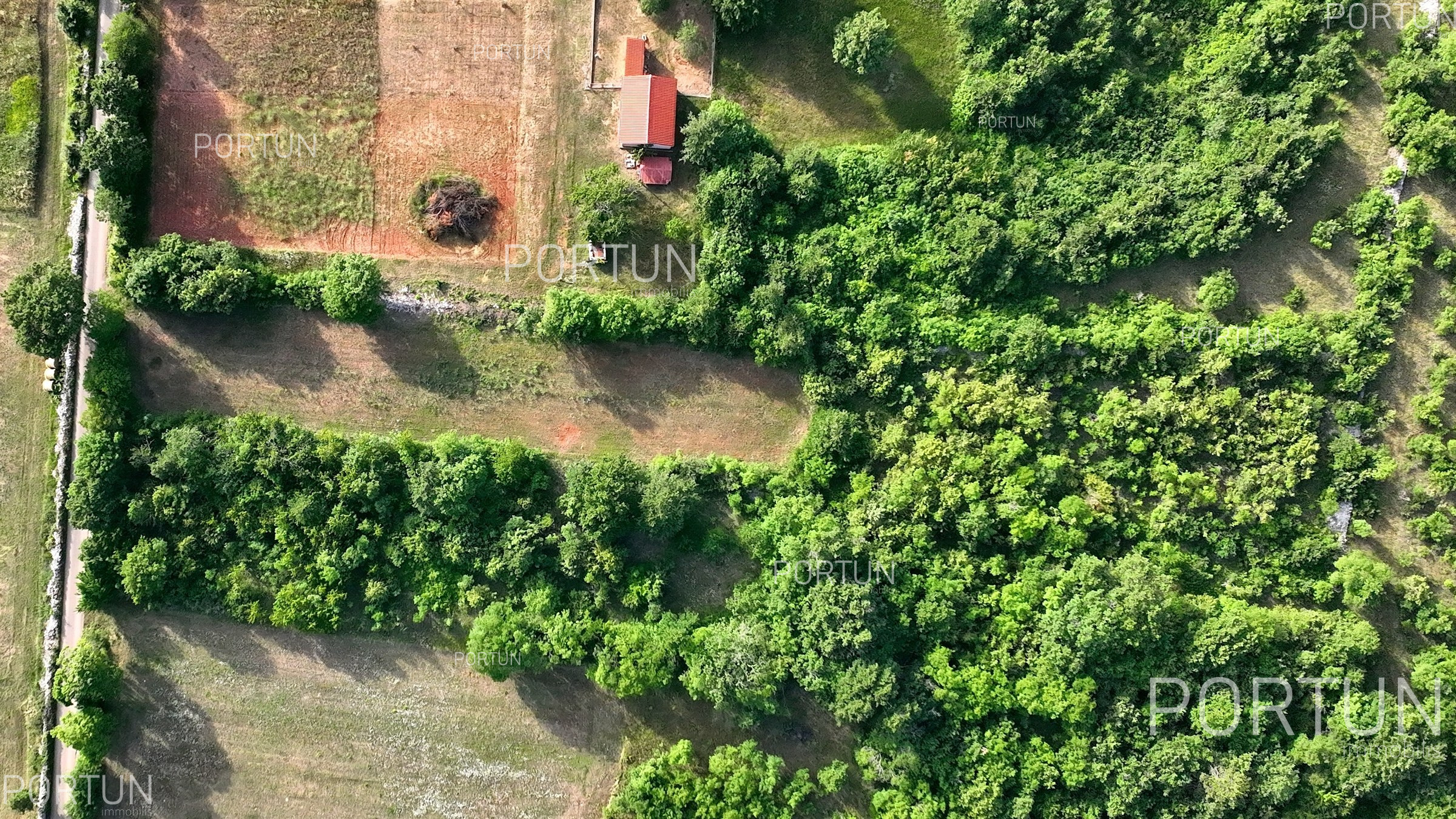
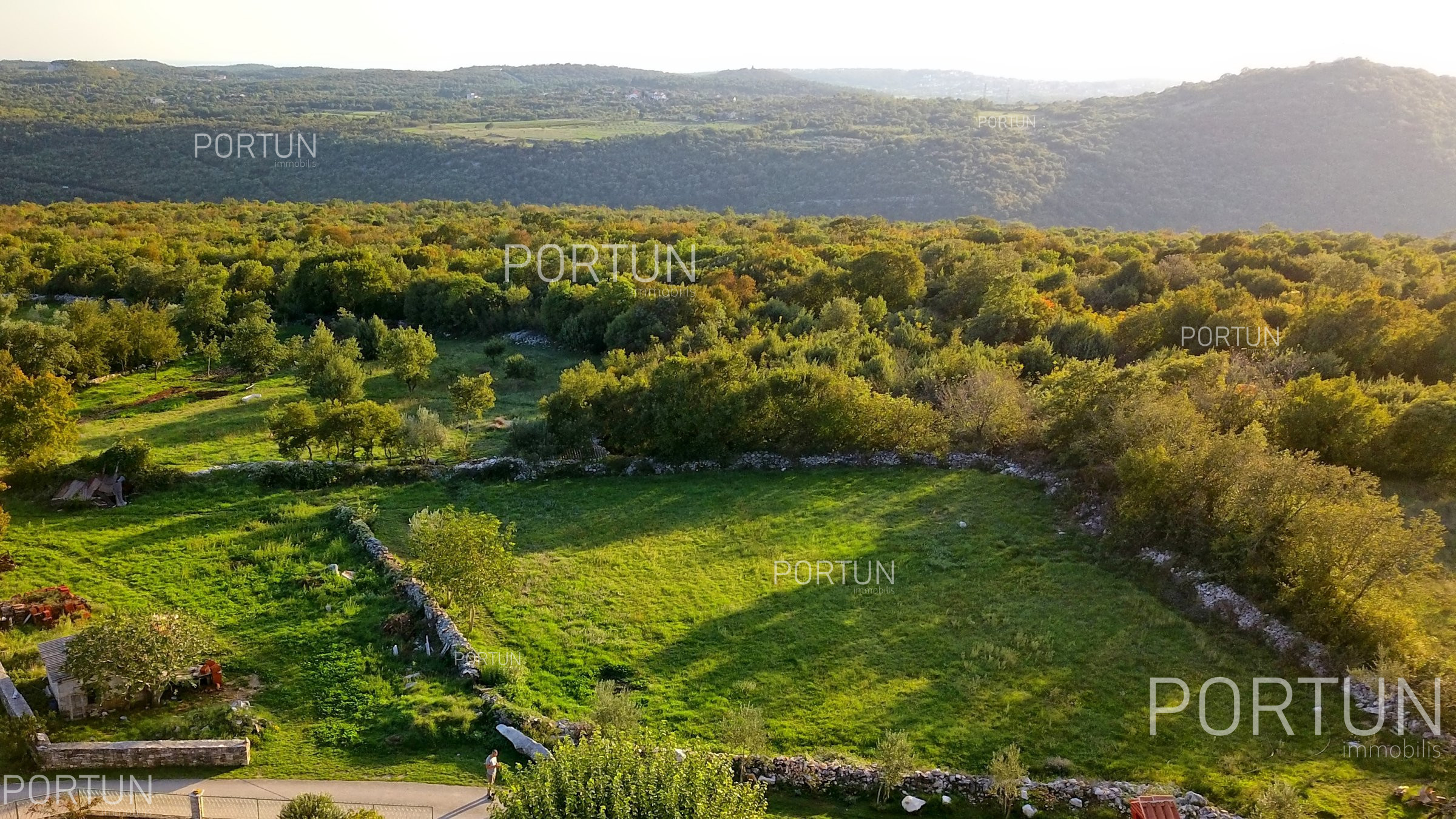
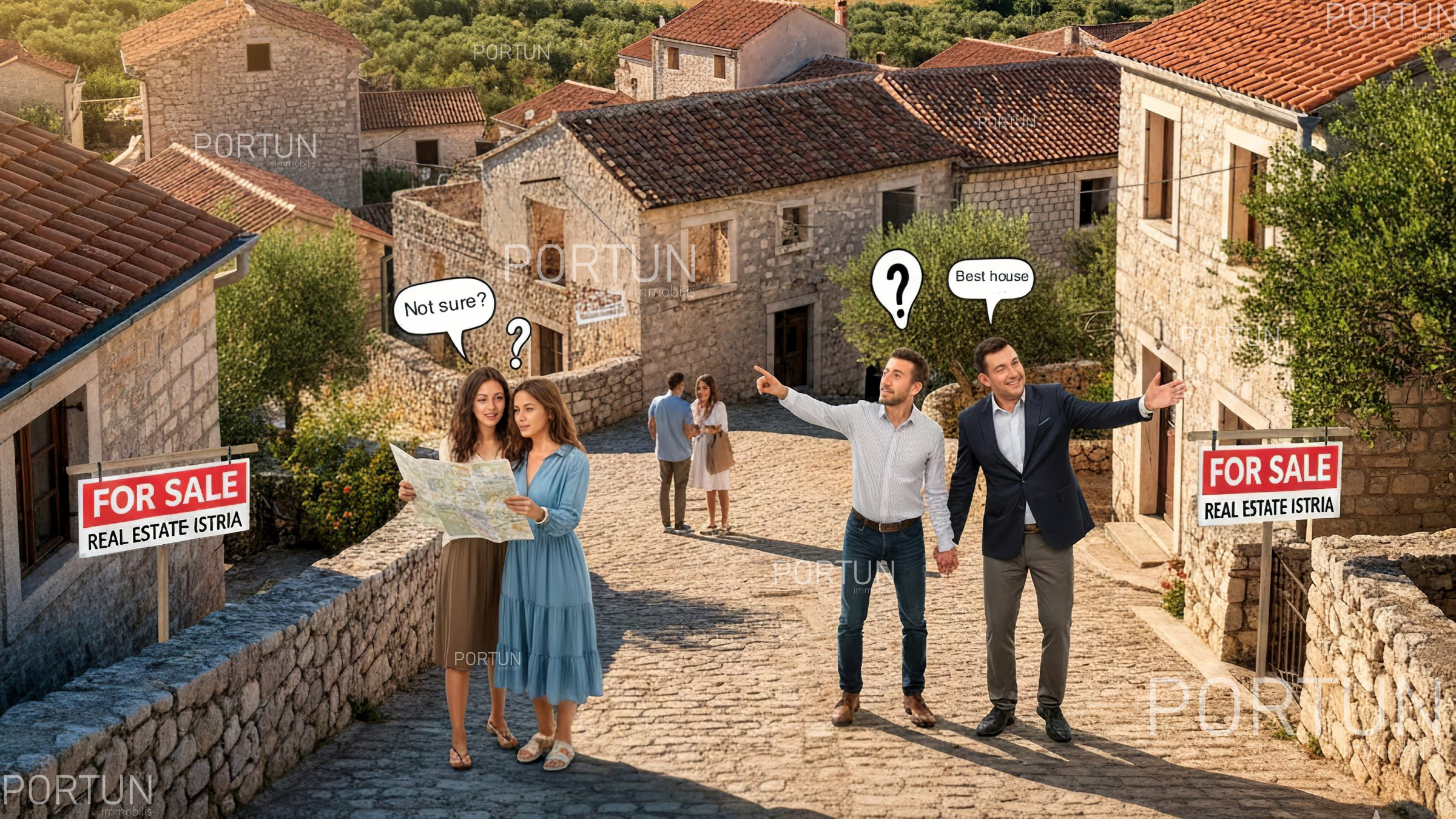
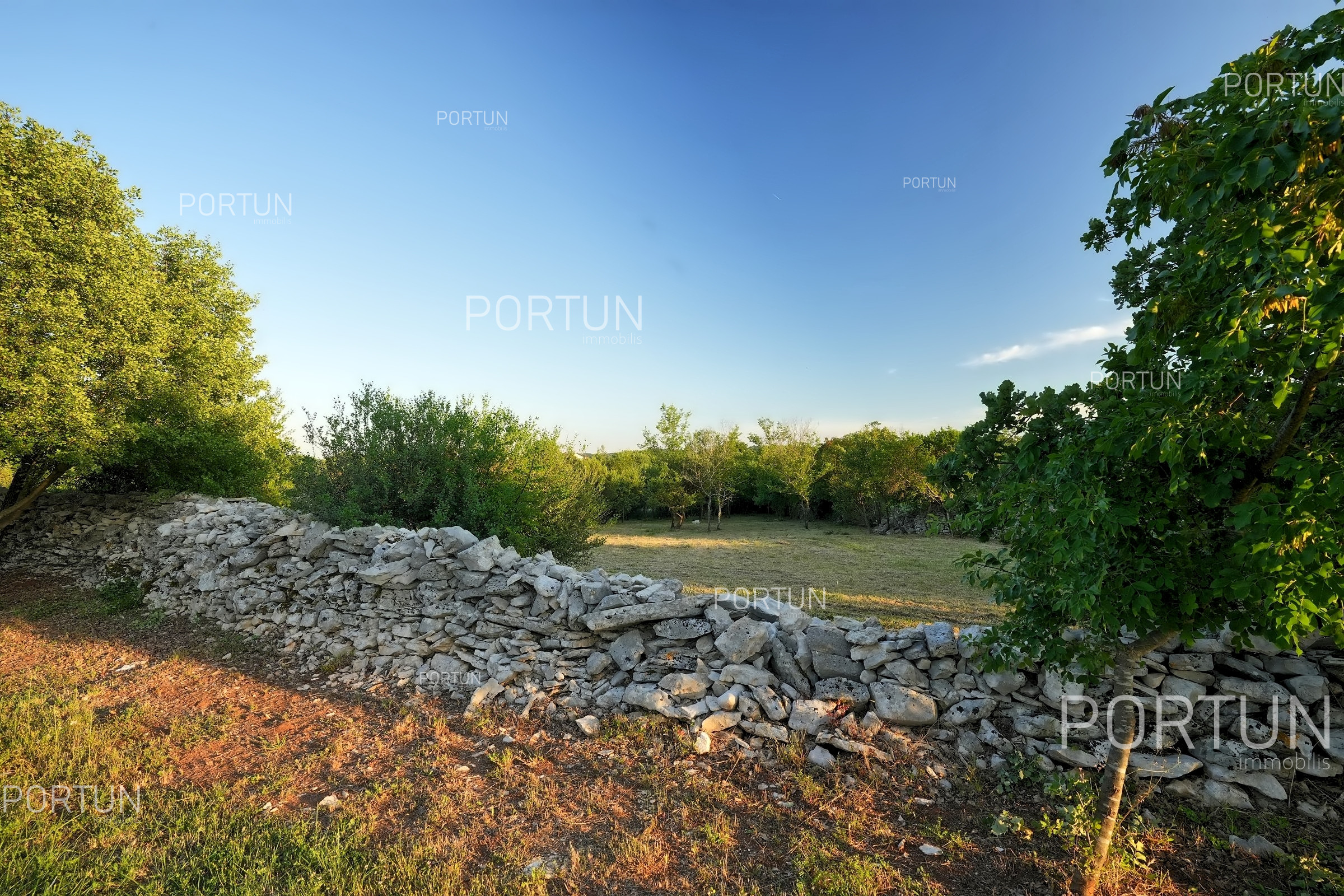
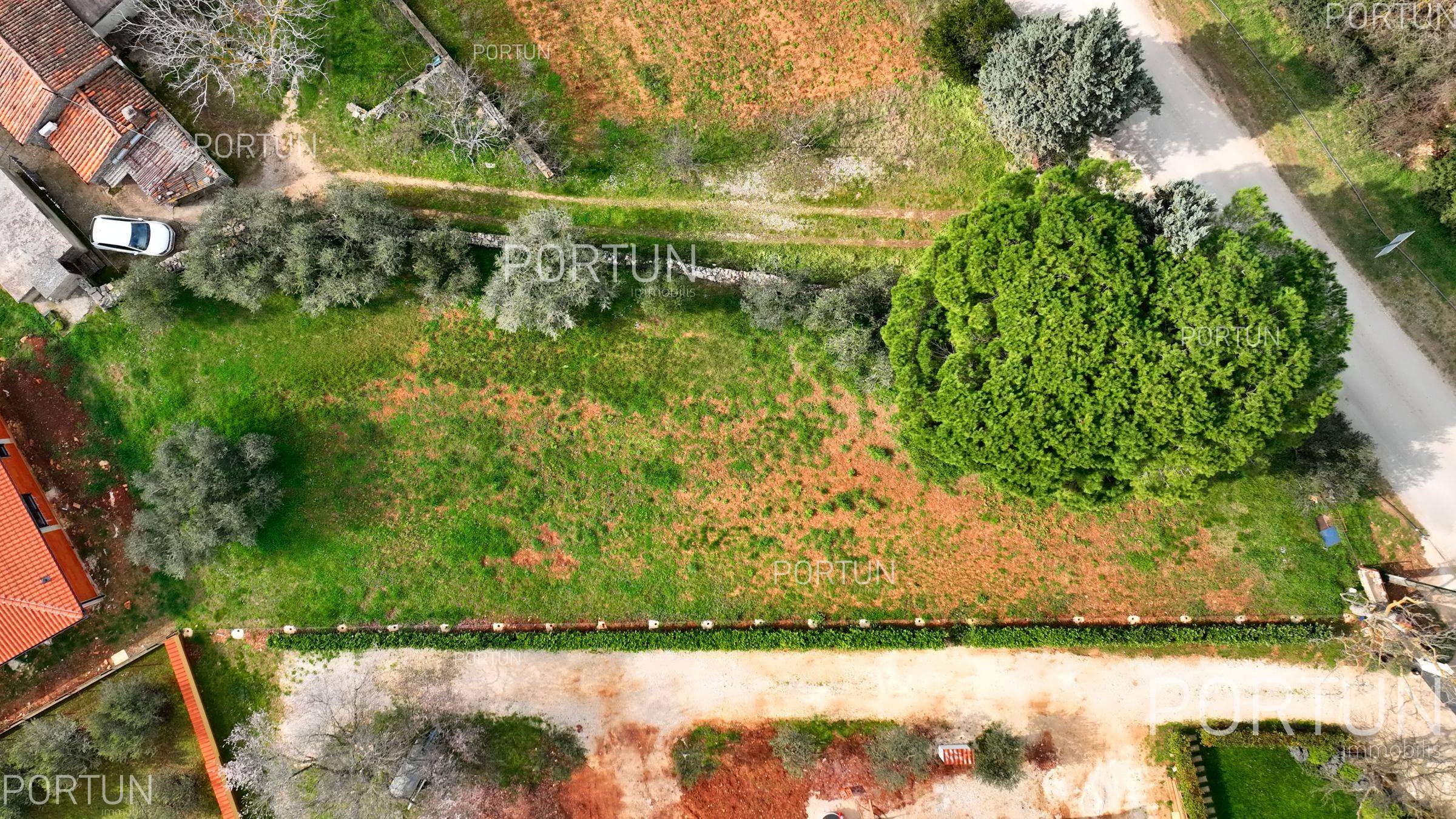
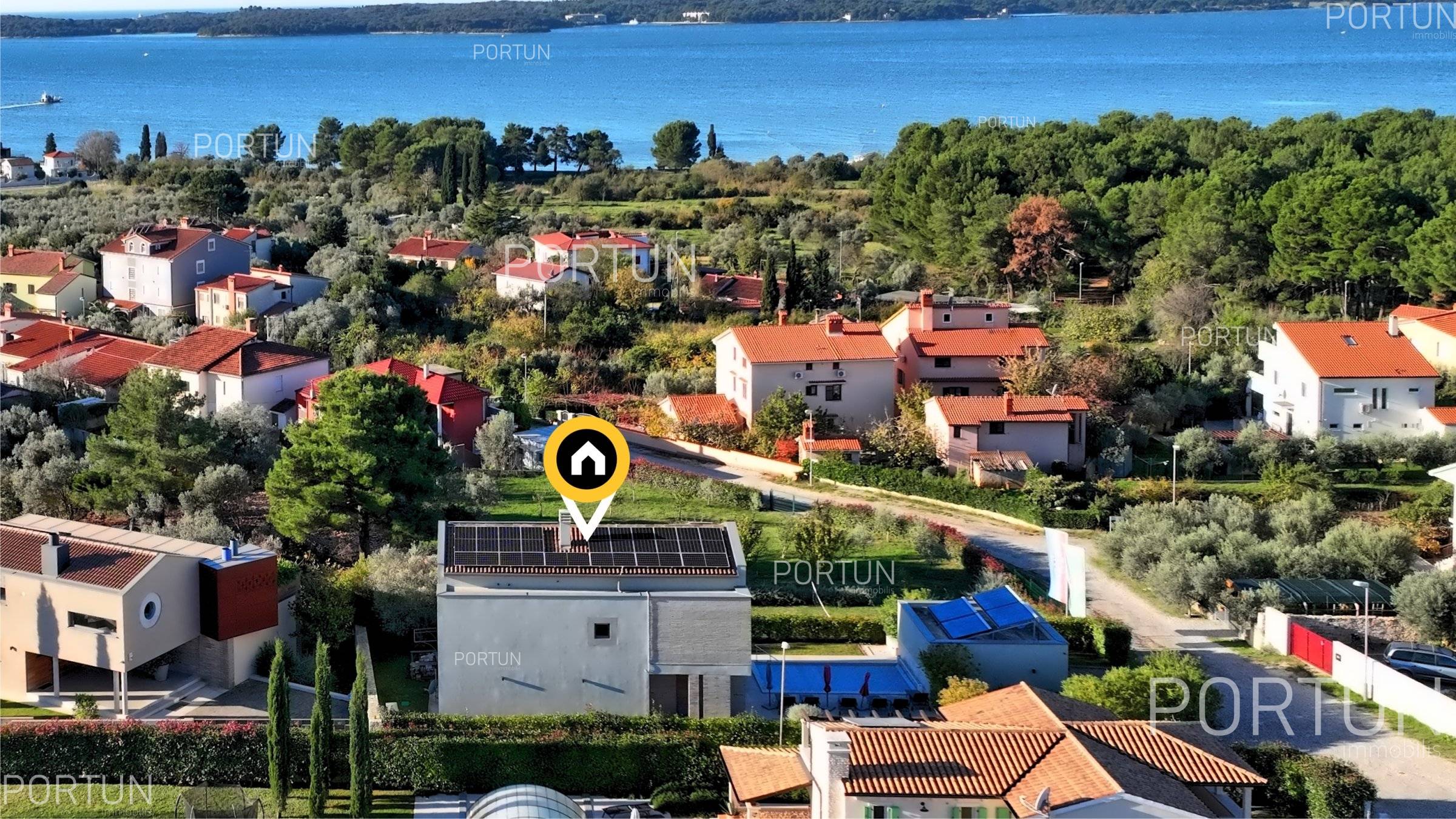
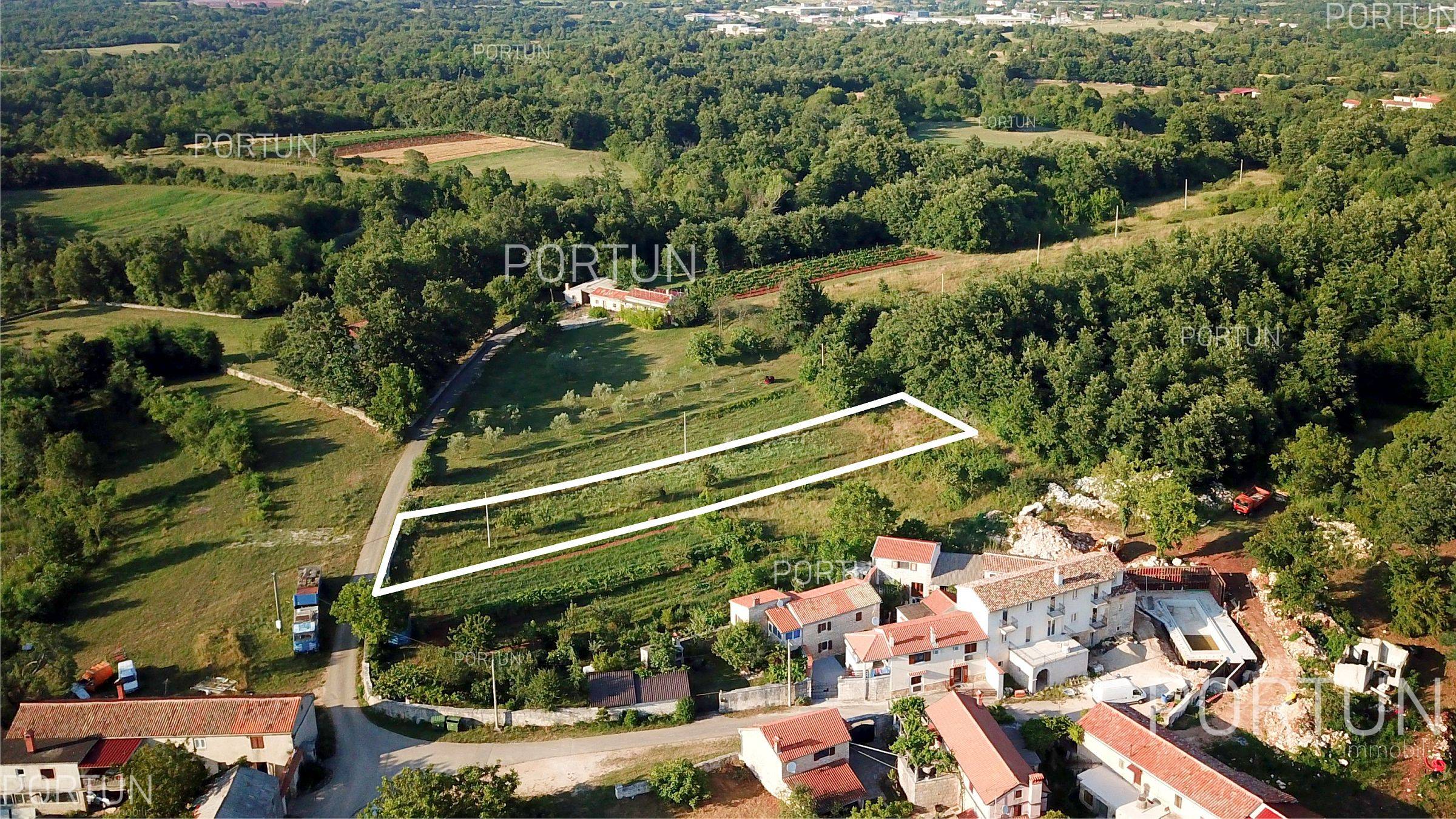
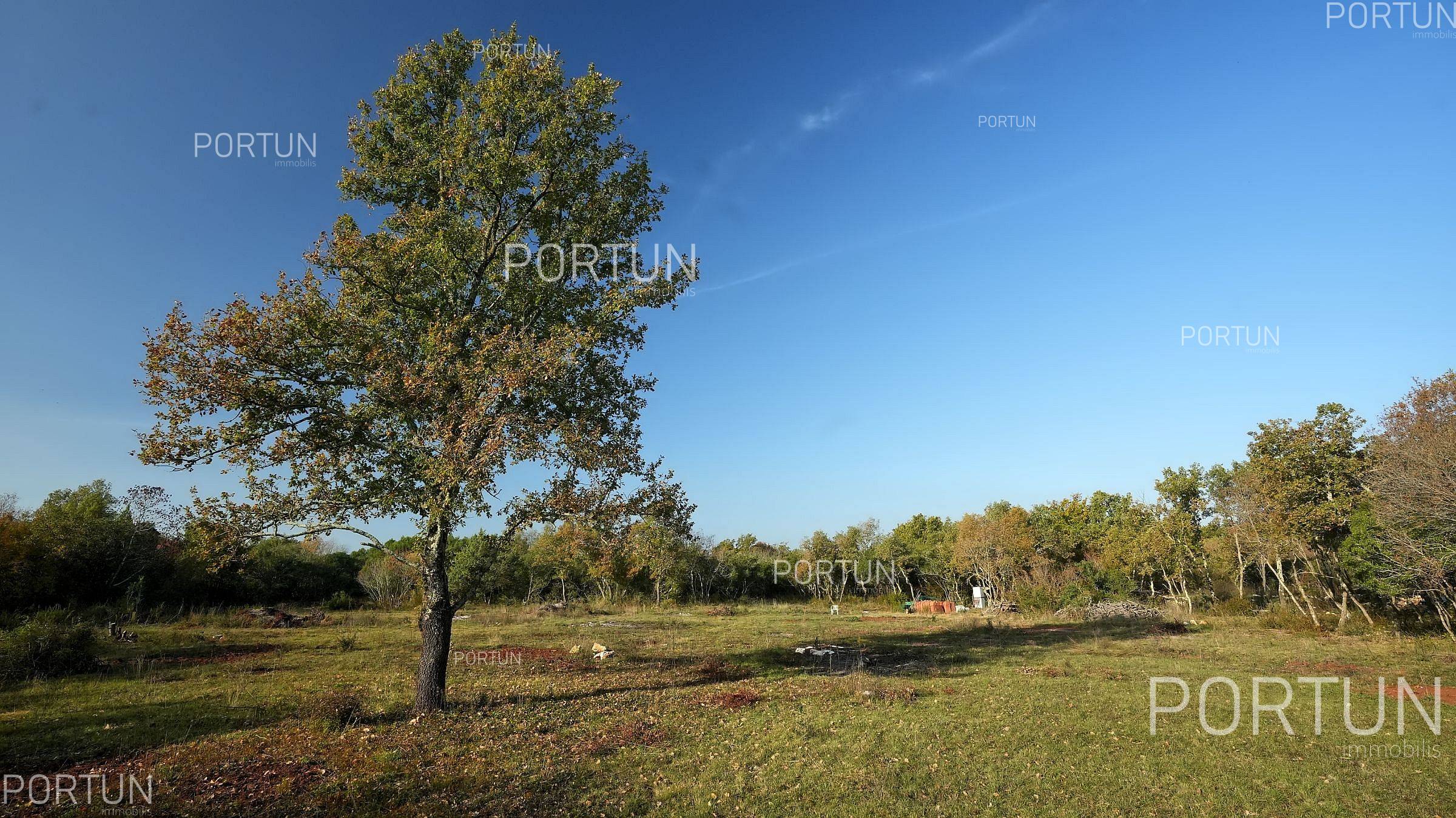
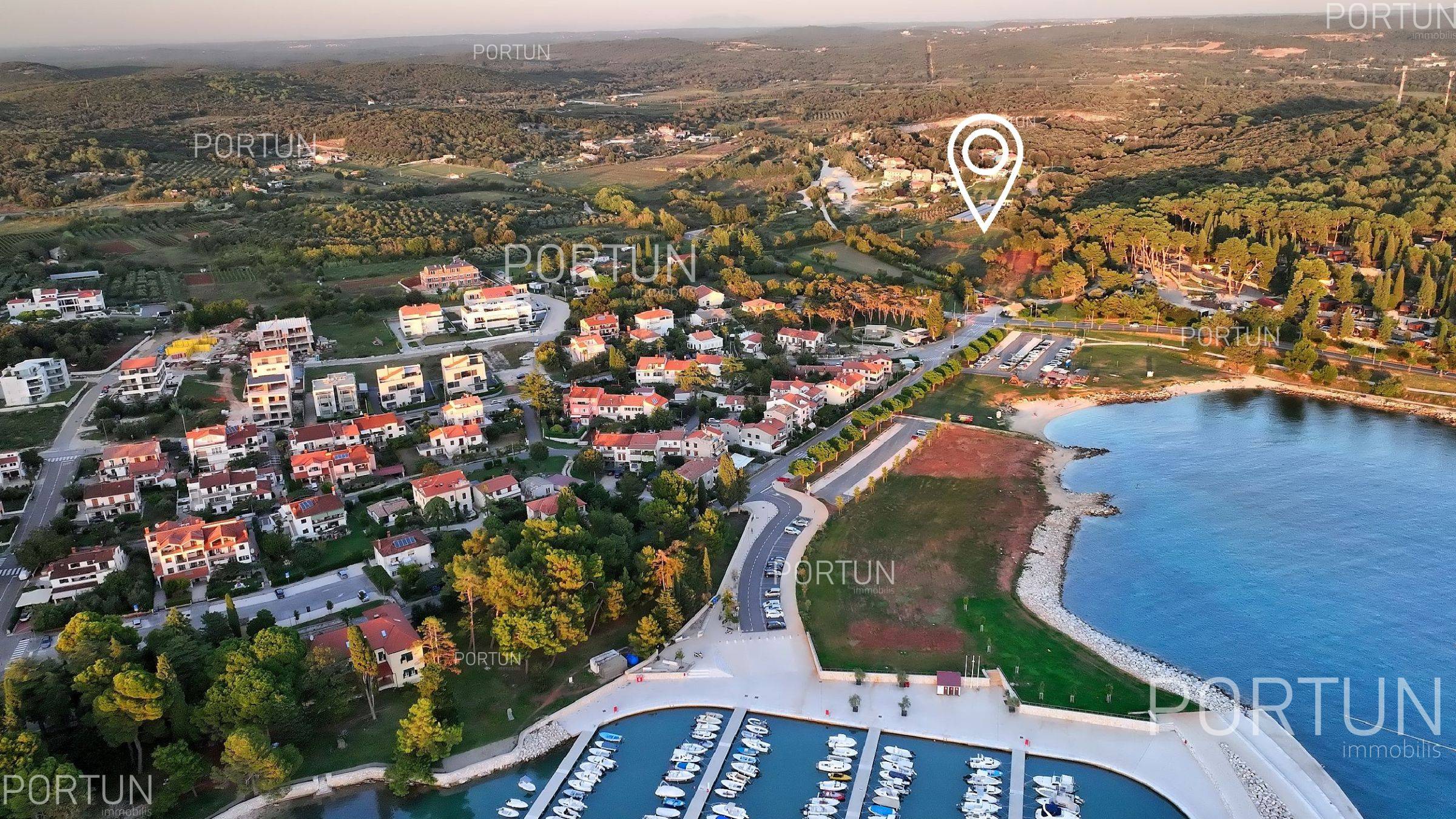
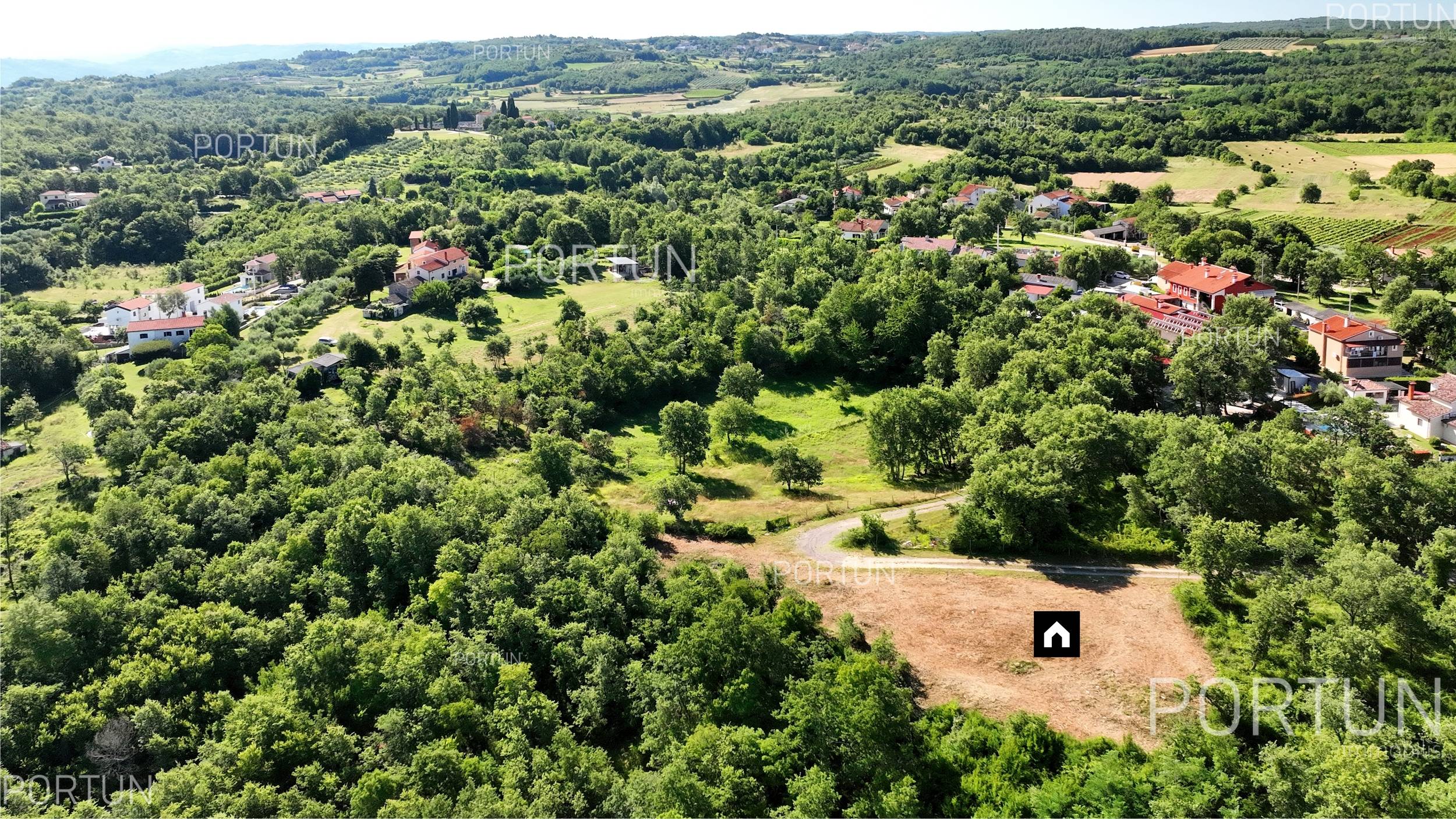
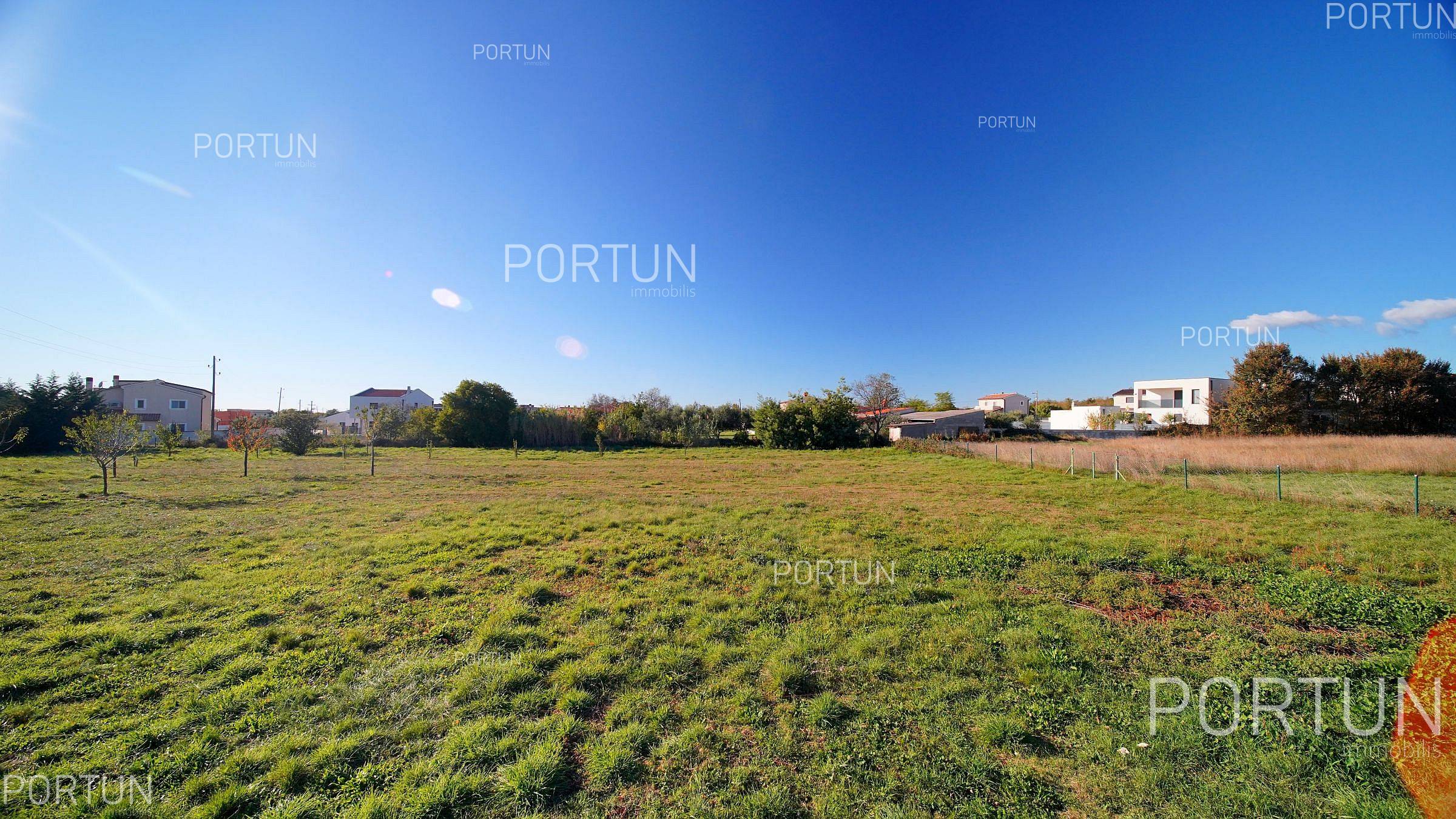
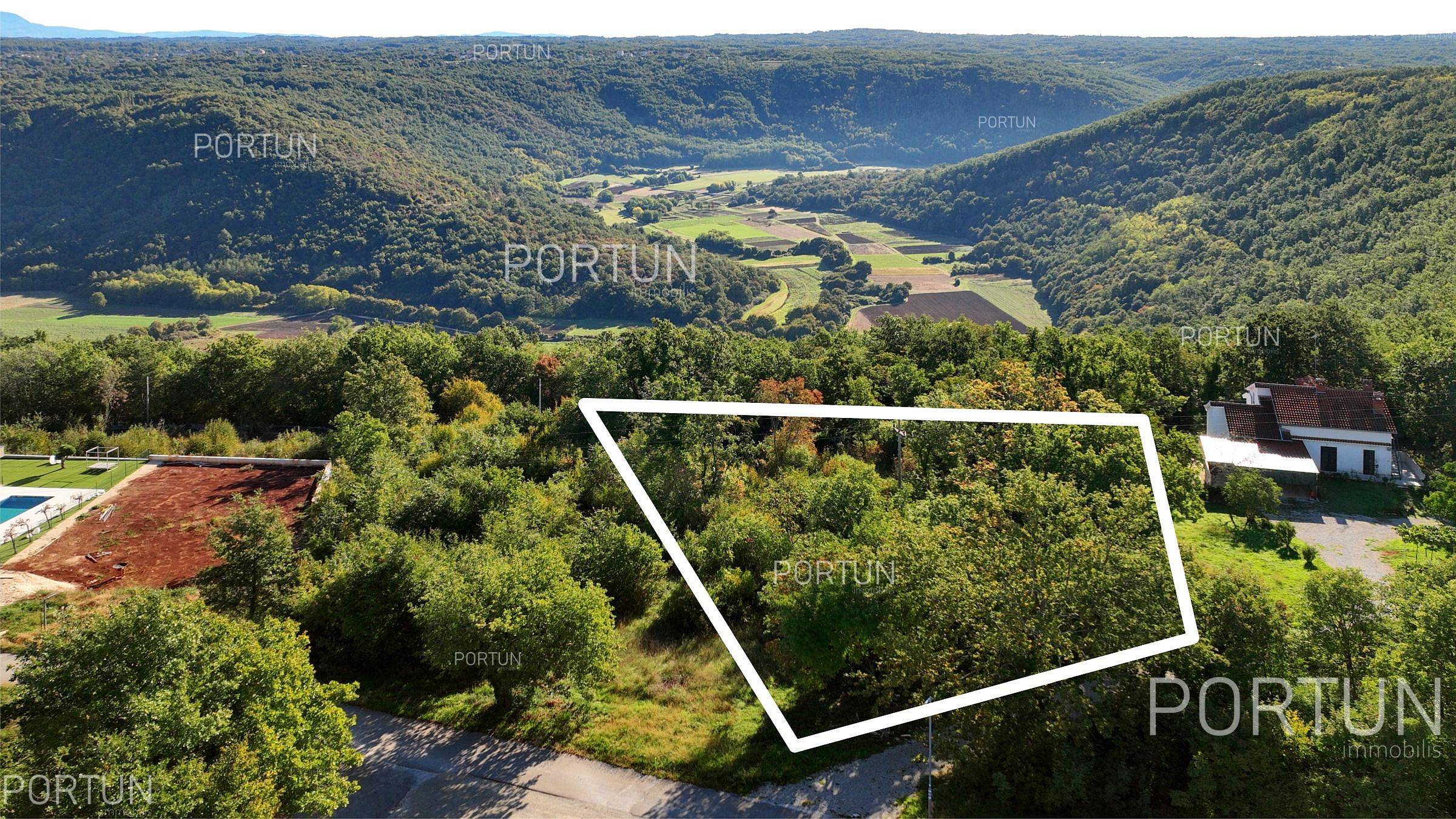
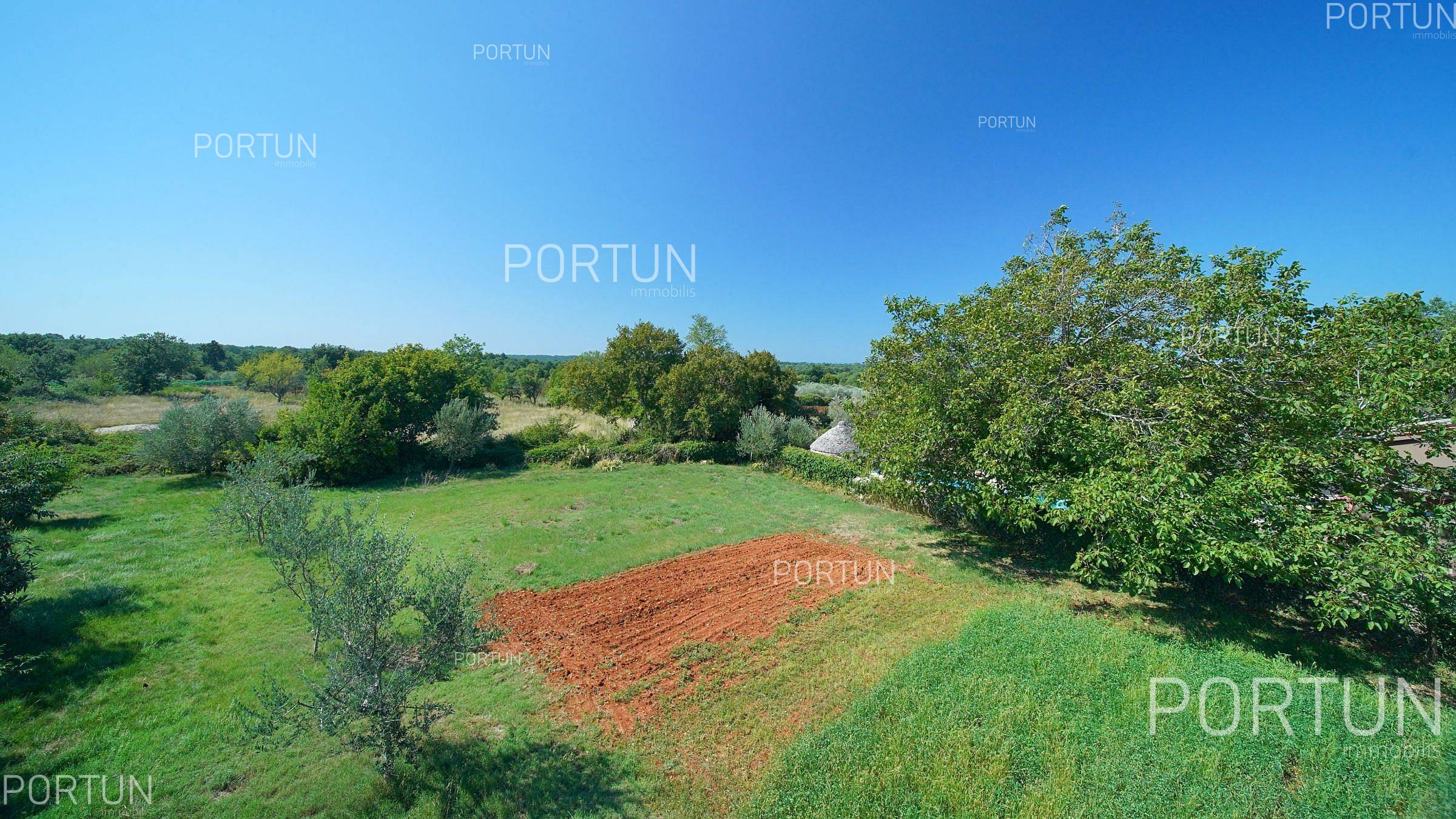
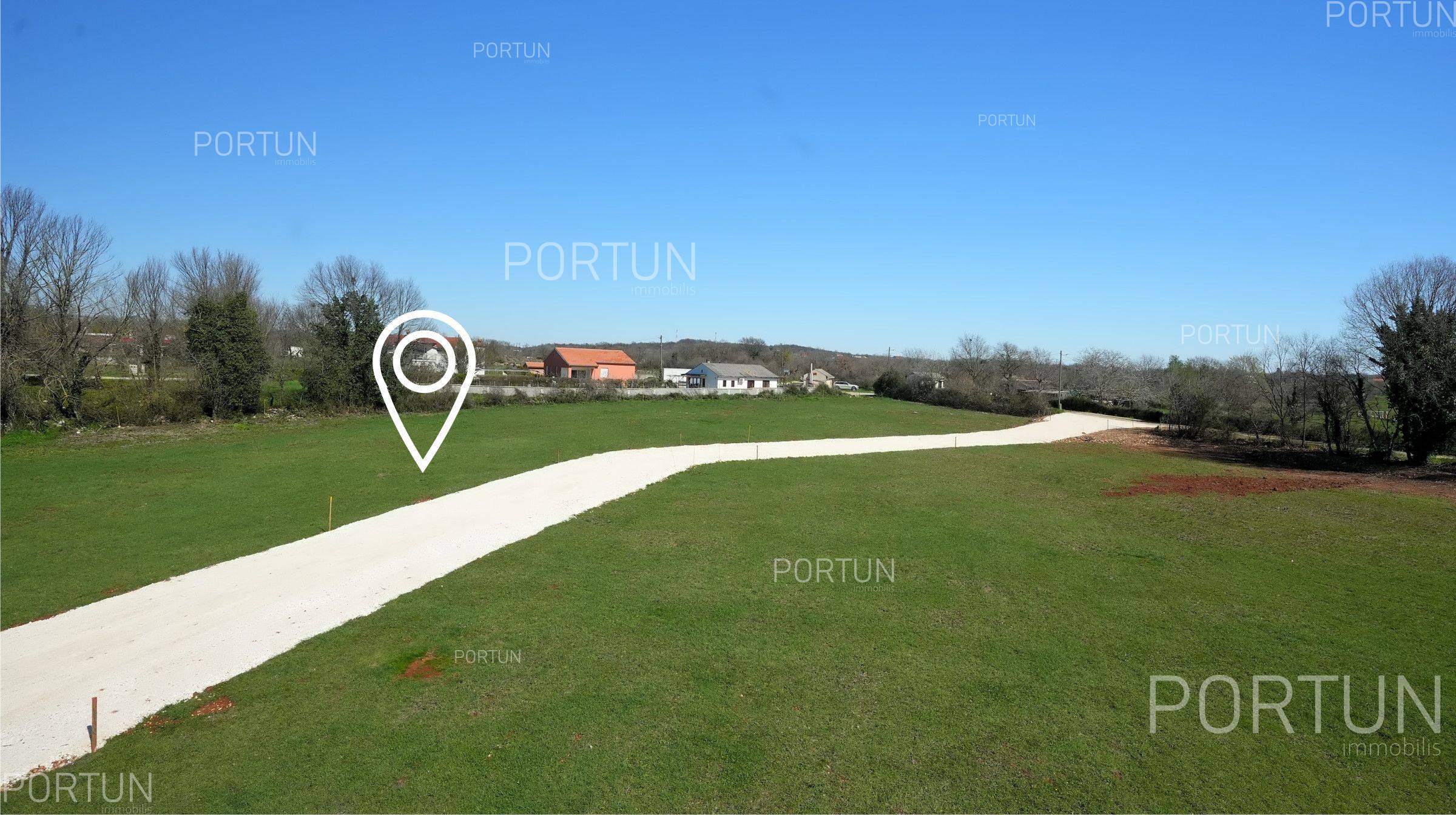
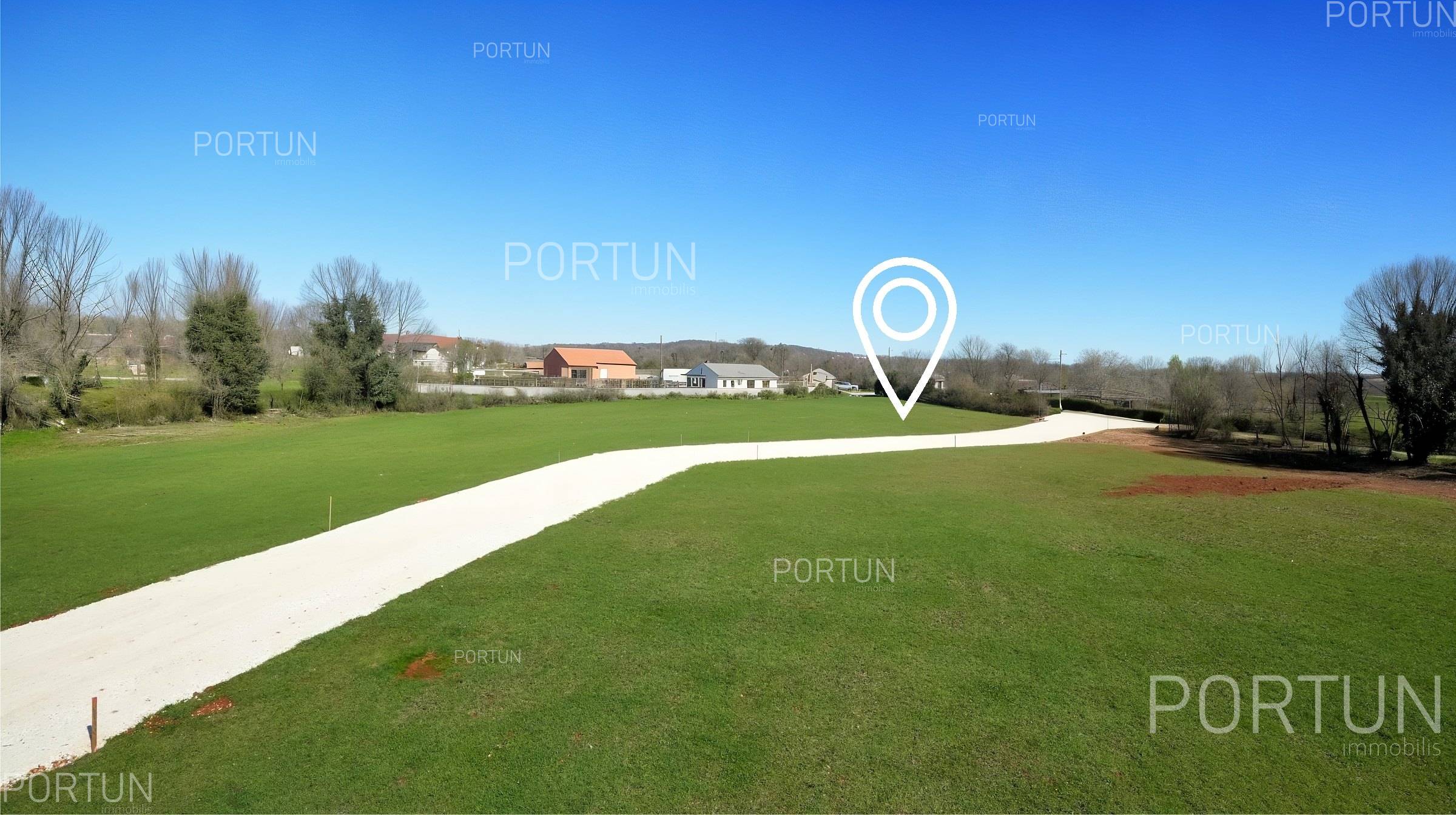
The first and most obvious cost is buying the land, but this is only the beginning of the investment. Prices of building plots in Istria vary depending on micro-location, infrastructure, and views. A plot near the sea or tourist hotspots can be several times more expensive than one inland.
It is important to emphasize that a lower land price does not necessarily mean a more affordable overall investment. A plot without access roads or utilities may require additional investments that significantly increase the total cost.
In practice, quality land with resolved access, water, and electricity is often more cost-effective in the long run, even if the initial price is higher.
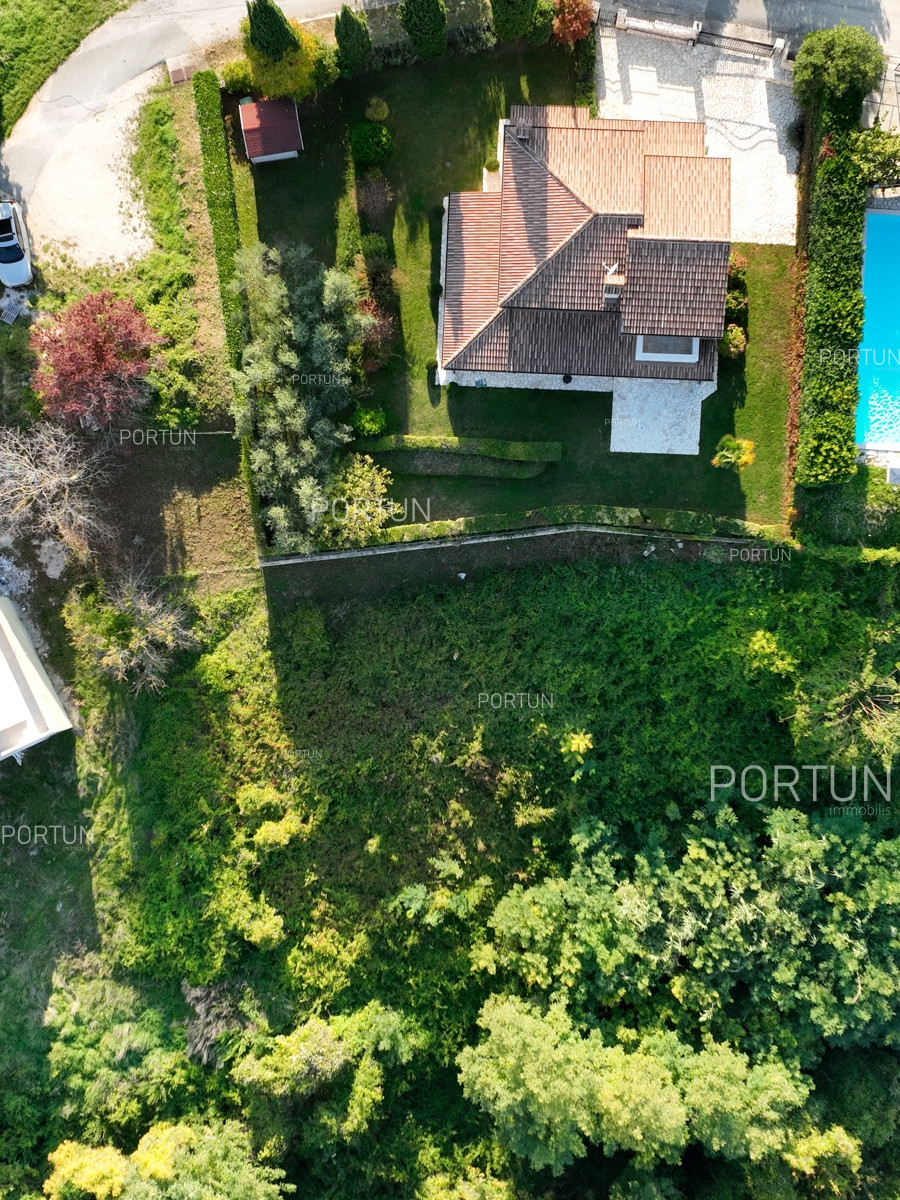
Project documentation and permits
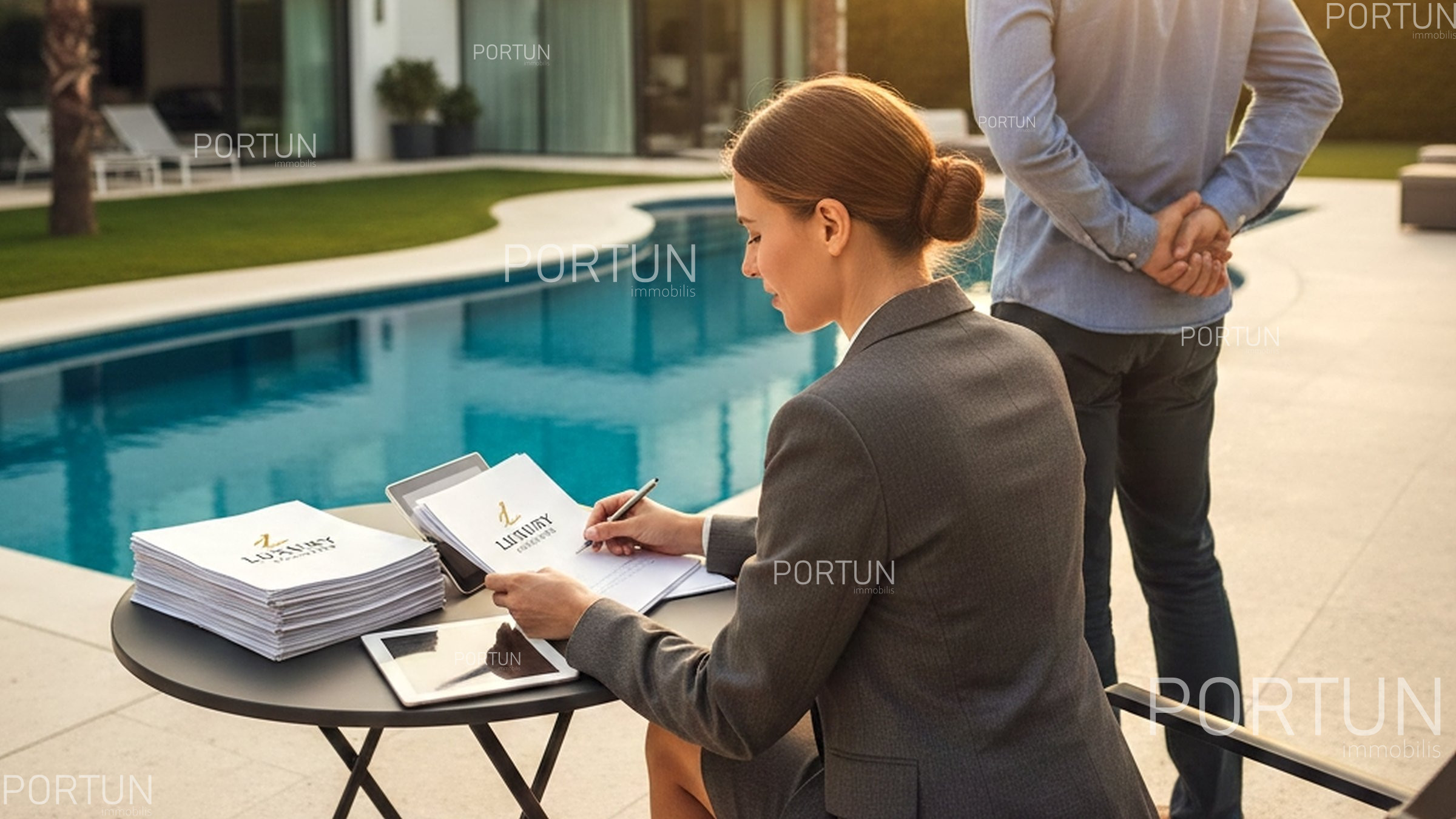
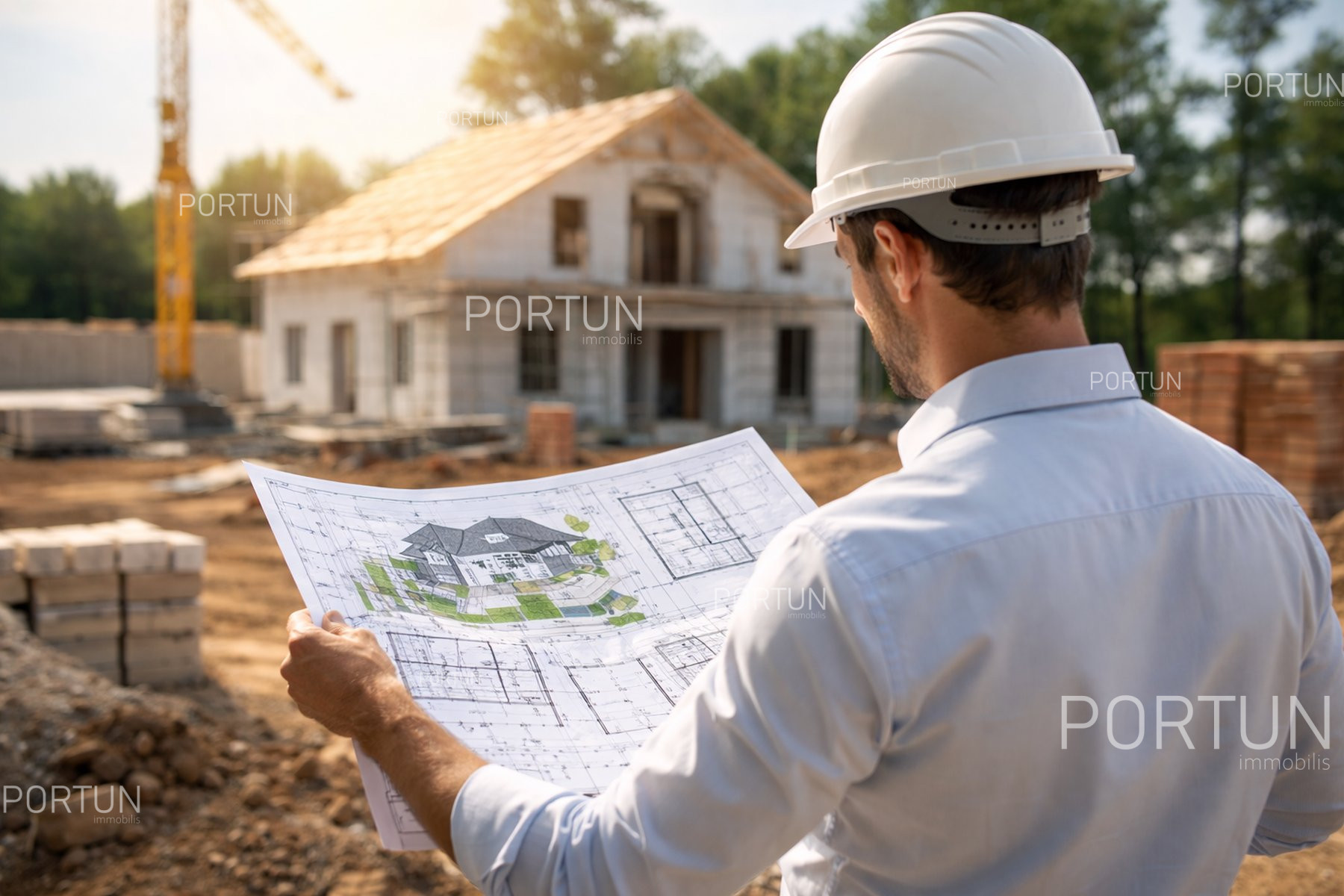
After purchasing the land, the next step is preparing project documentation. This includes the conceptual design, main project, and all necessary building permits. The design cost depends on the complexity of the building and the size of the house.
Along with the project, obtaining a building permit is required, which involves additional costs such as surveying, reports, and fees. This process can take several months or longer, depending on the municipality.
It is important to work with experienced architects and designers familiar with local conditions who can optimize the project according to the local spatial plan.
Utility fees and connections
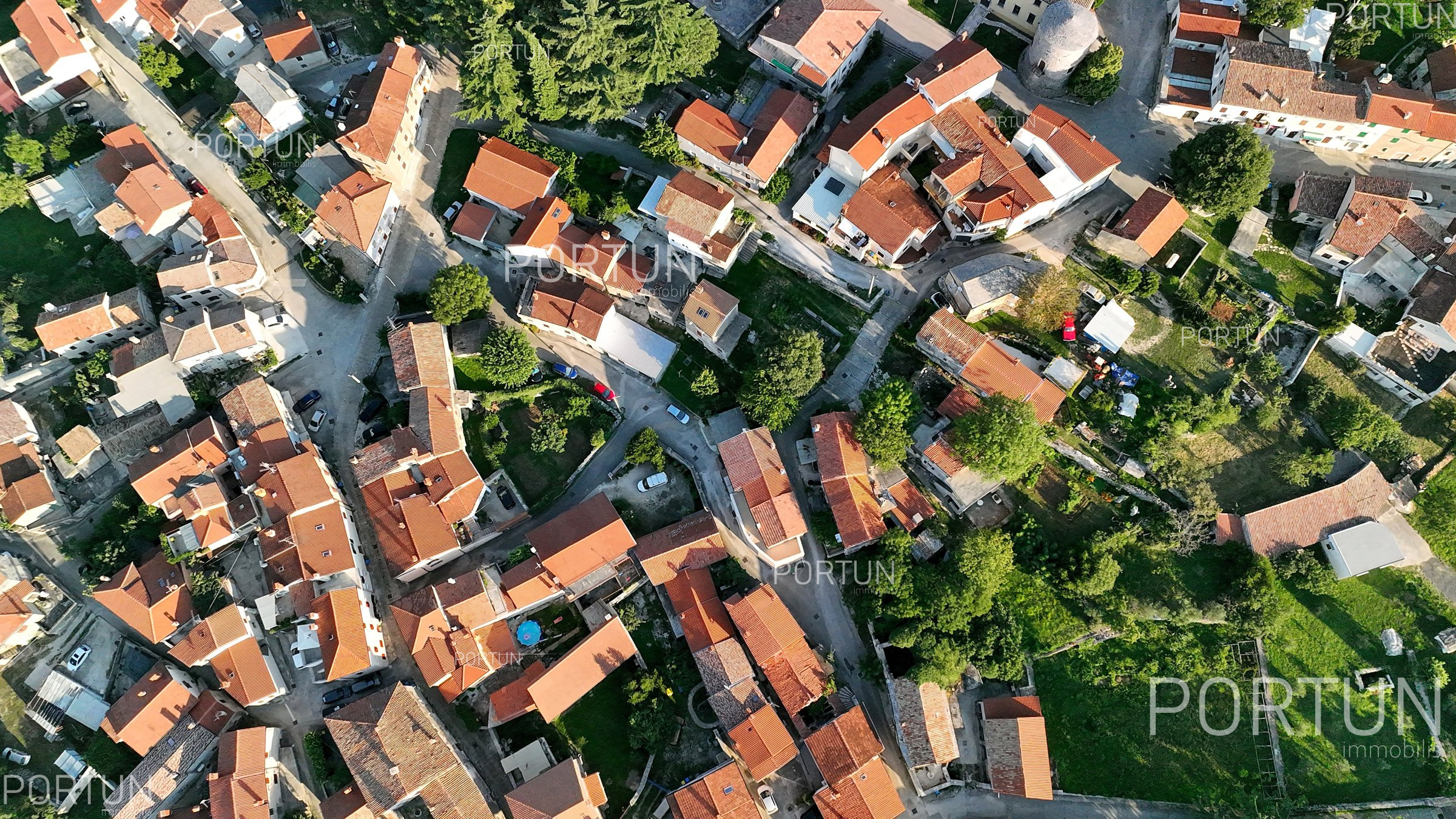
One of the key costs often underestimated is utility fees. These depend on the location and size of the building and can significantly impact the overall budget.
Additionally, fees for water, electricity, and possibly sewage connections must be paid. In some cases, especially in rural areas, further investment in infrastructure is necessary.
These costs are not always immediately visible when buying land, so it is important to check them in advance.
Structural construction (rough construction phase)
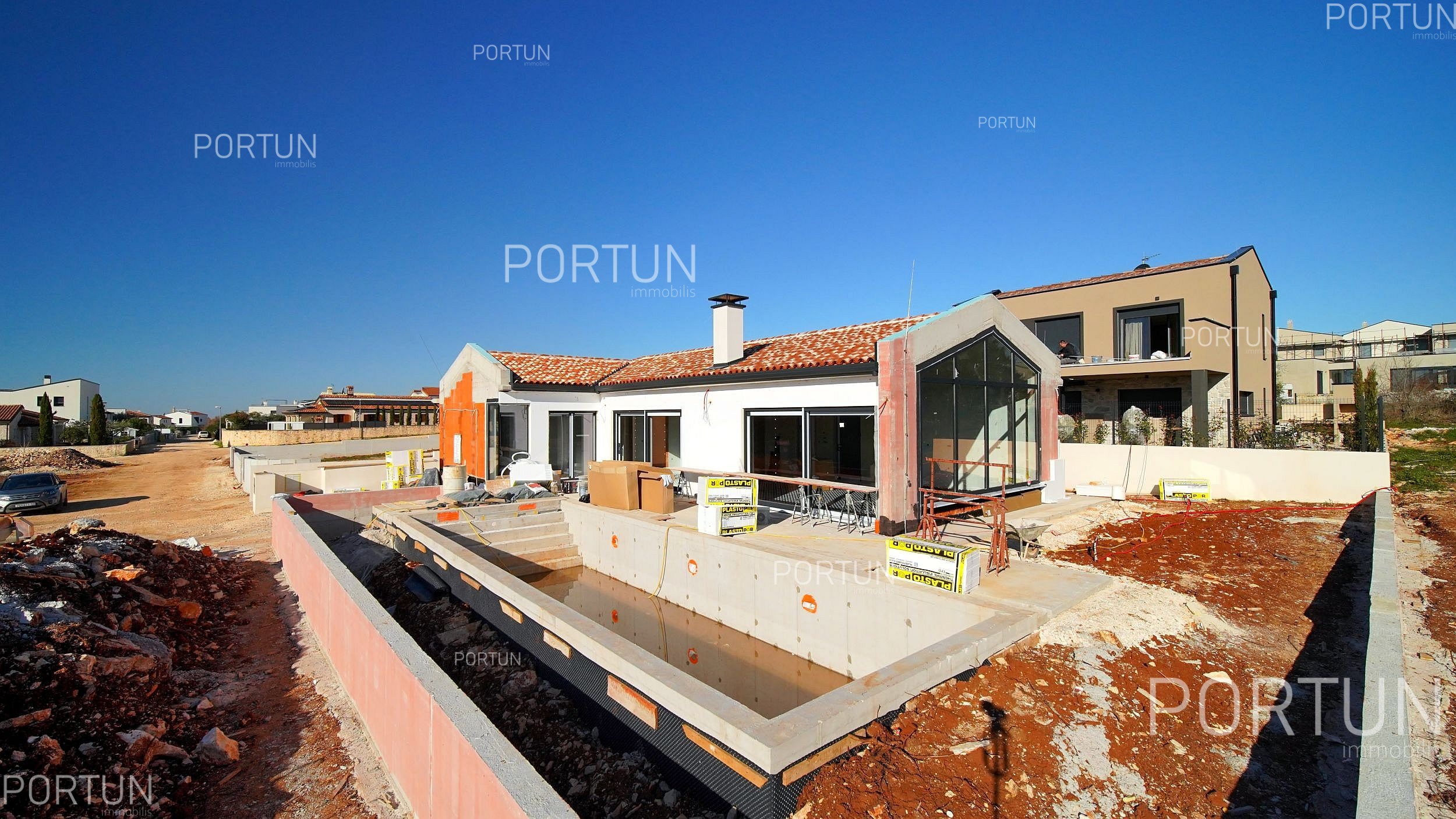
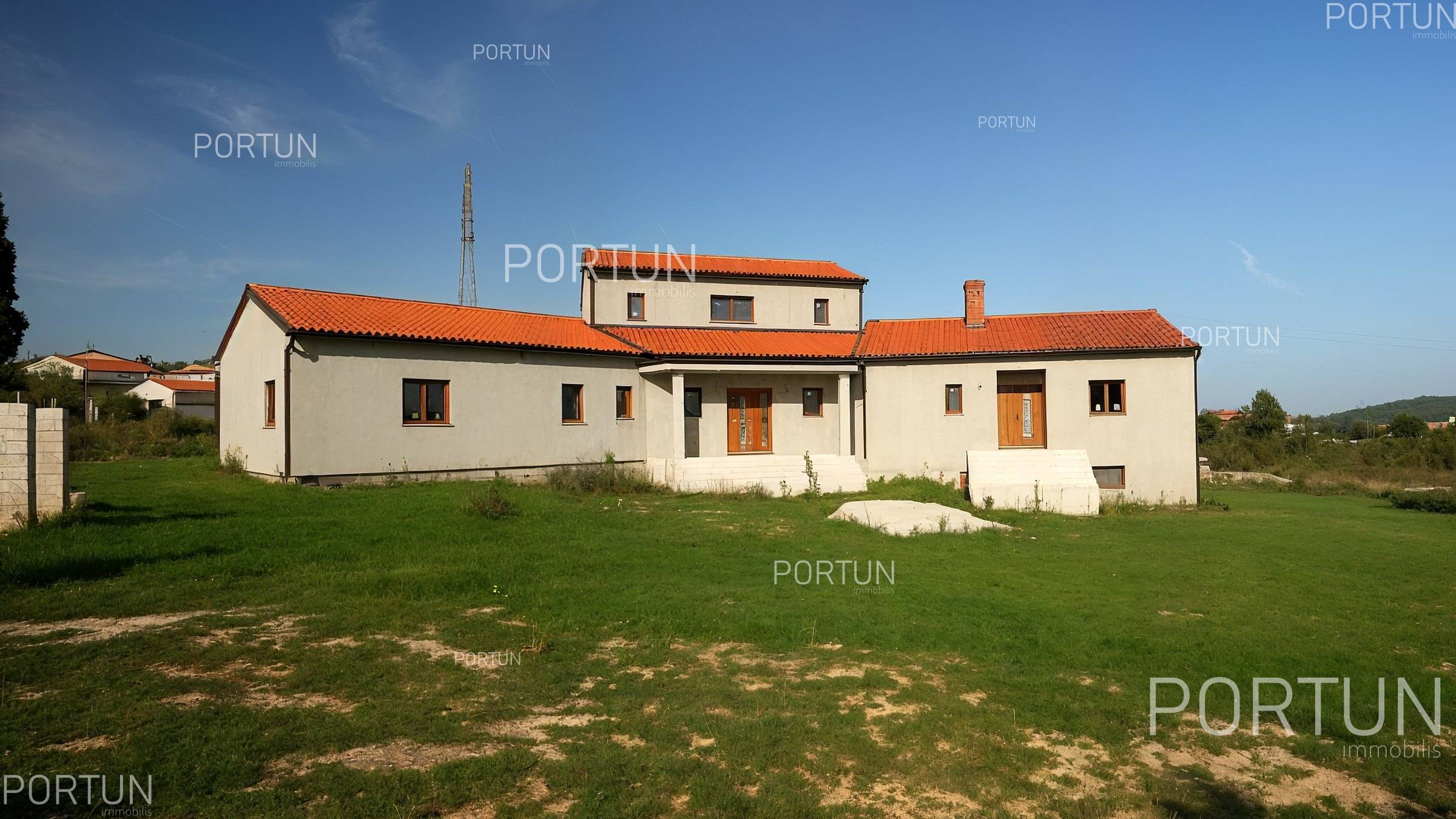
Structural construction includes the foundation, load-bearing walls, roof structure, and the basic framework of the building. This phase accounts for a significant portion of the total construction cost.
Prices depend on the type of materials, terrain configuration, and project complexity. Costs are lower on flat plots, while building on sloped terrain requires additional work.
On average, the rough construction phase can represent 30–40% of the total construction cost.
Finishing works and equipment
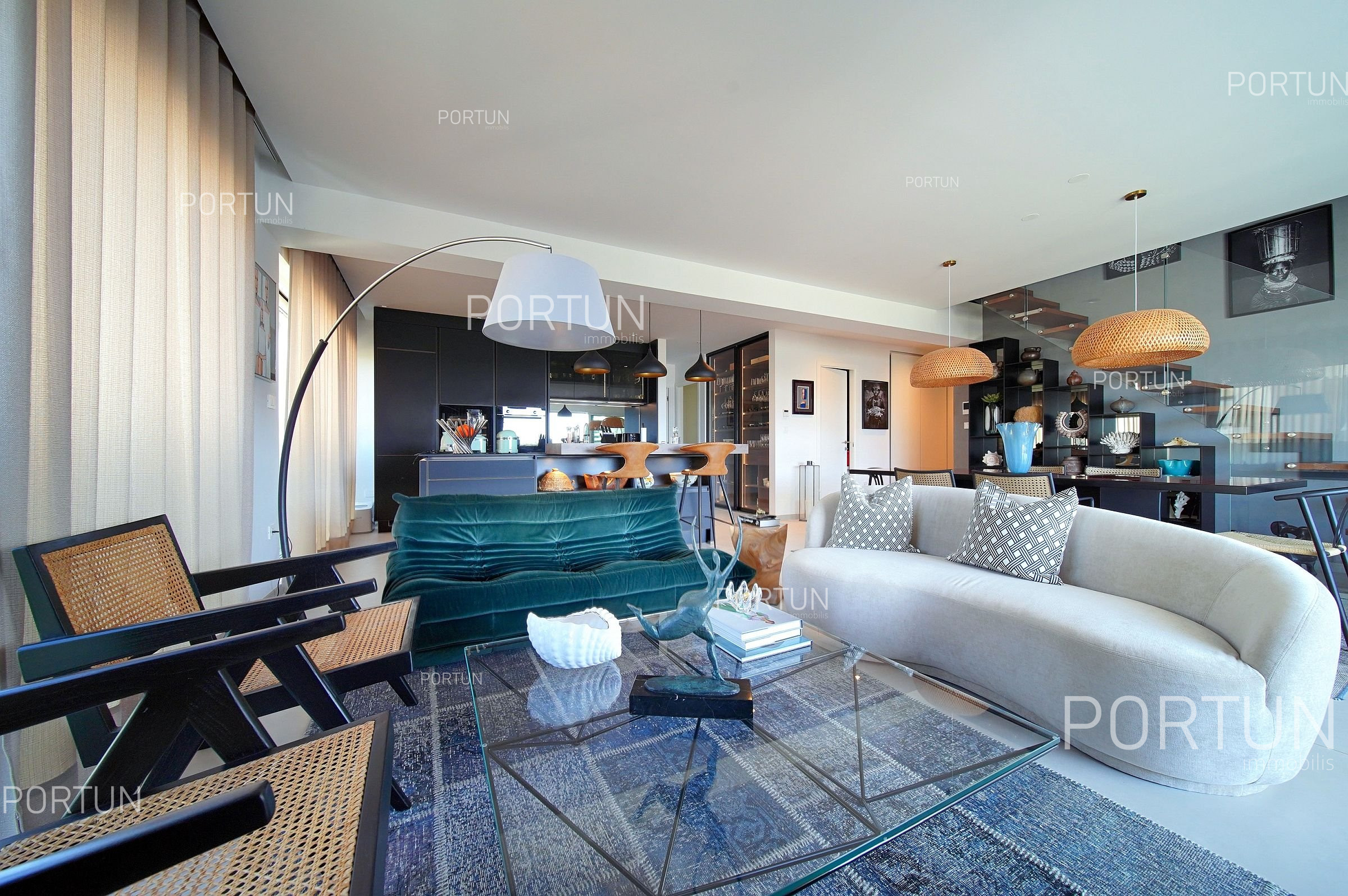
Finishing works include installations, flooring, tiles, carpentry, and all elements that make the house livable. This is where the biggest price differences occur, as material quality greatly affects the total amount.
Investors often underestimate this part, as costs can range from basic standards to luxury fittings.
Good preparation and a clearly defined budget are key to controlling costs.
Pool and landscaping
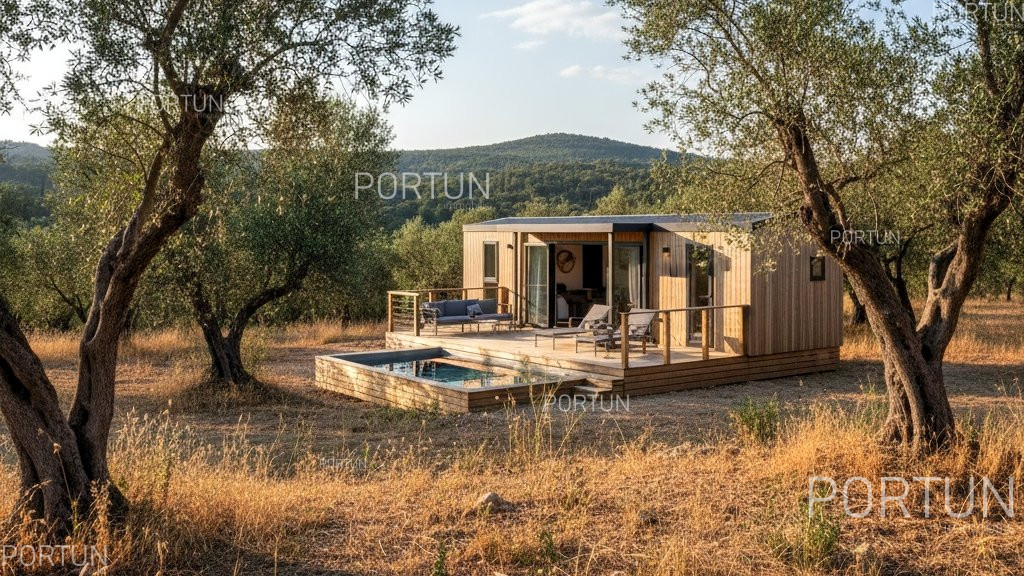
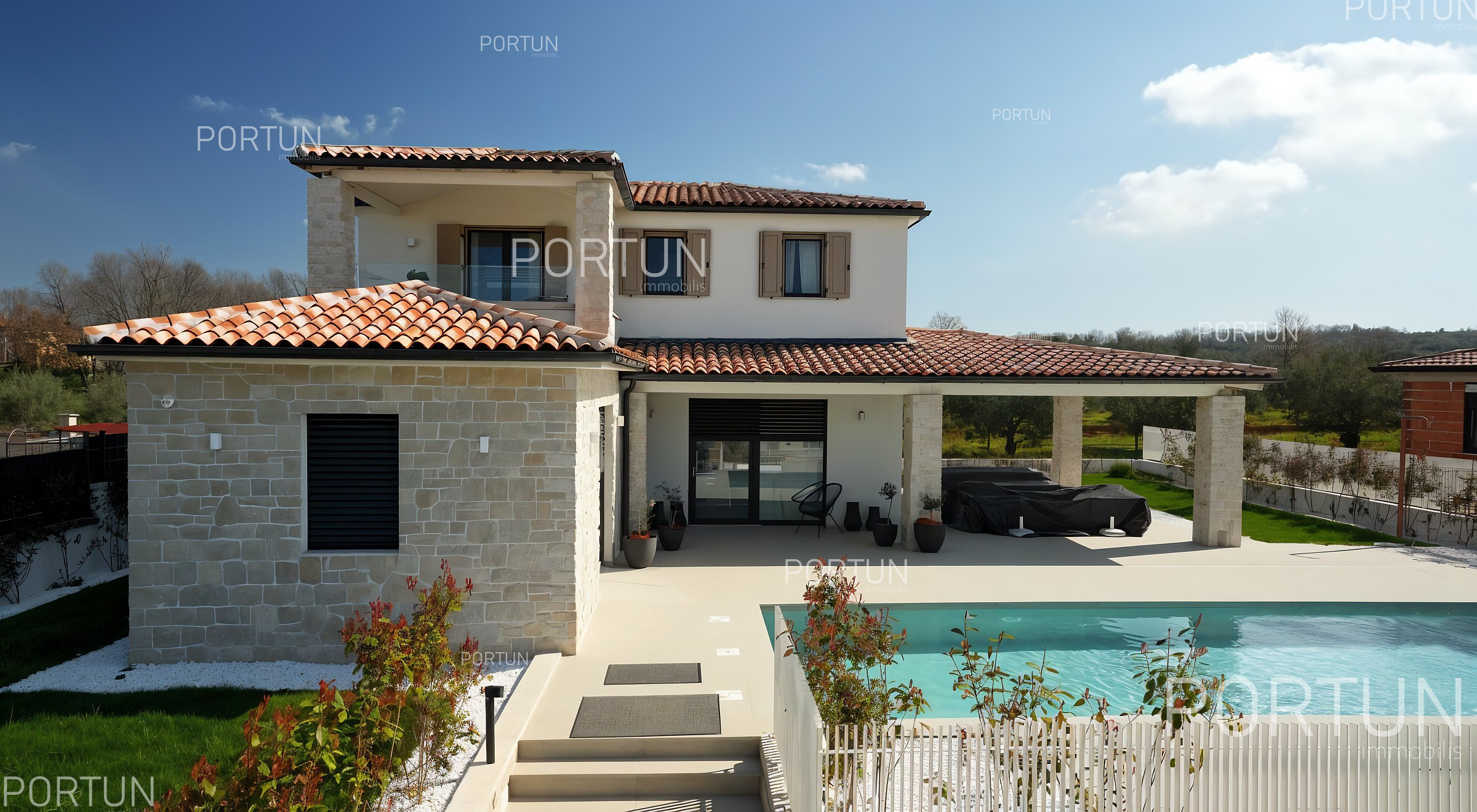
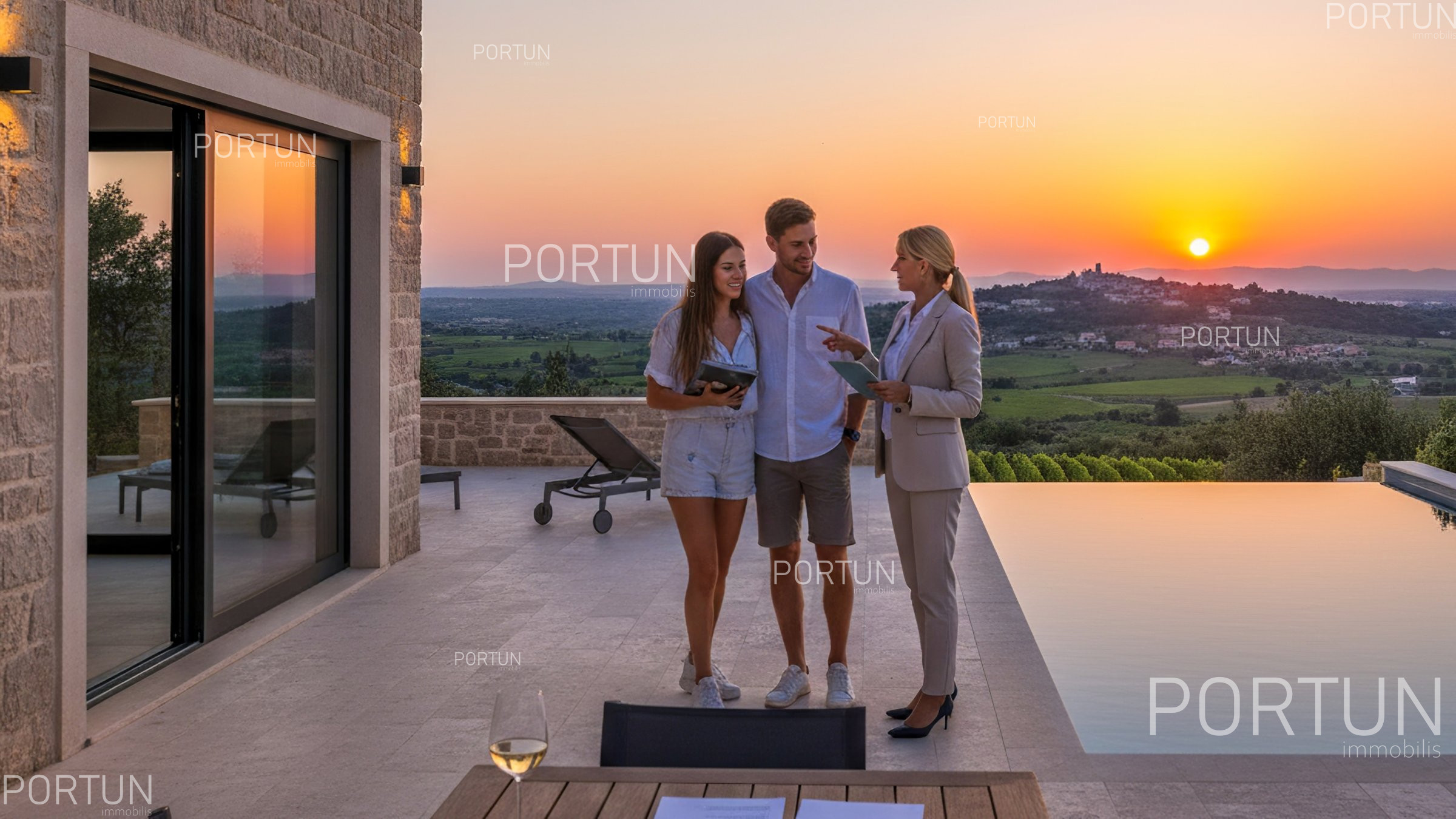
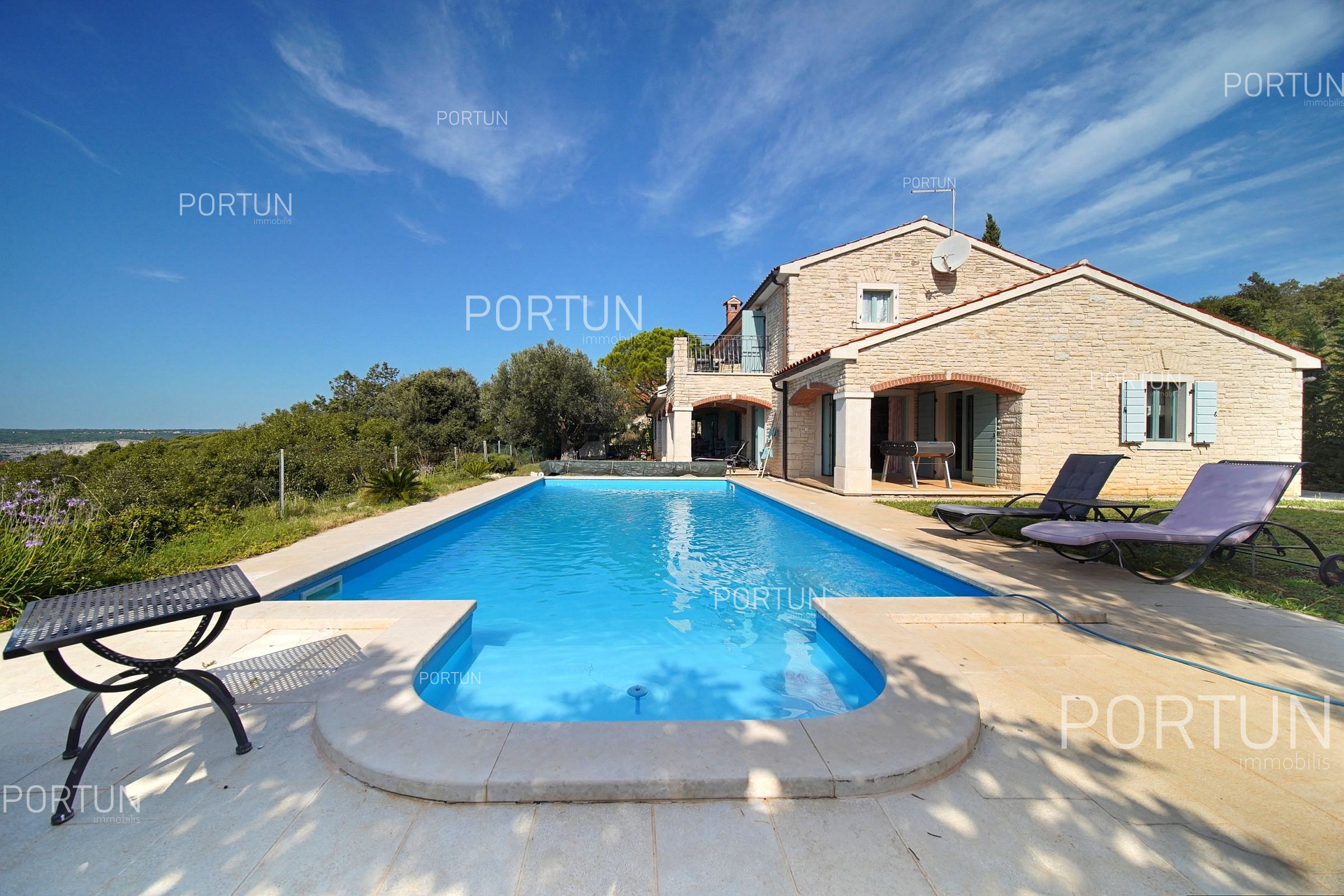
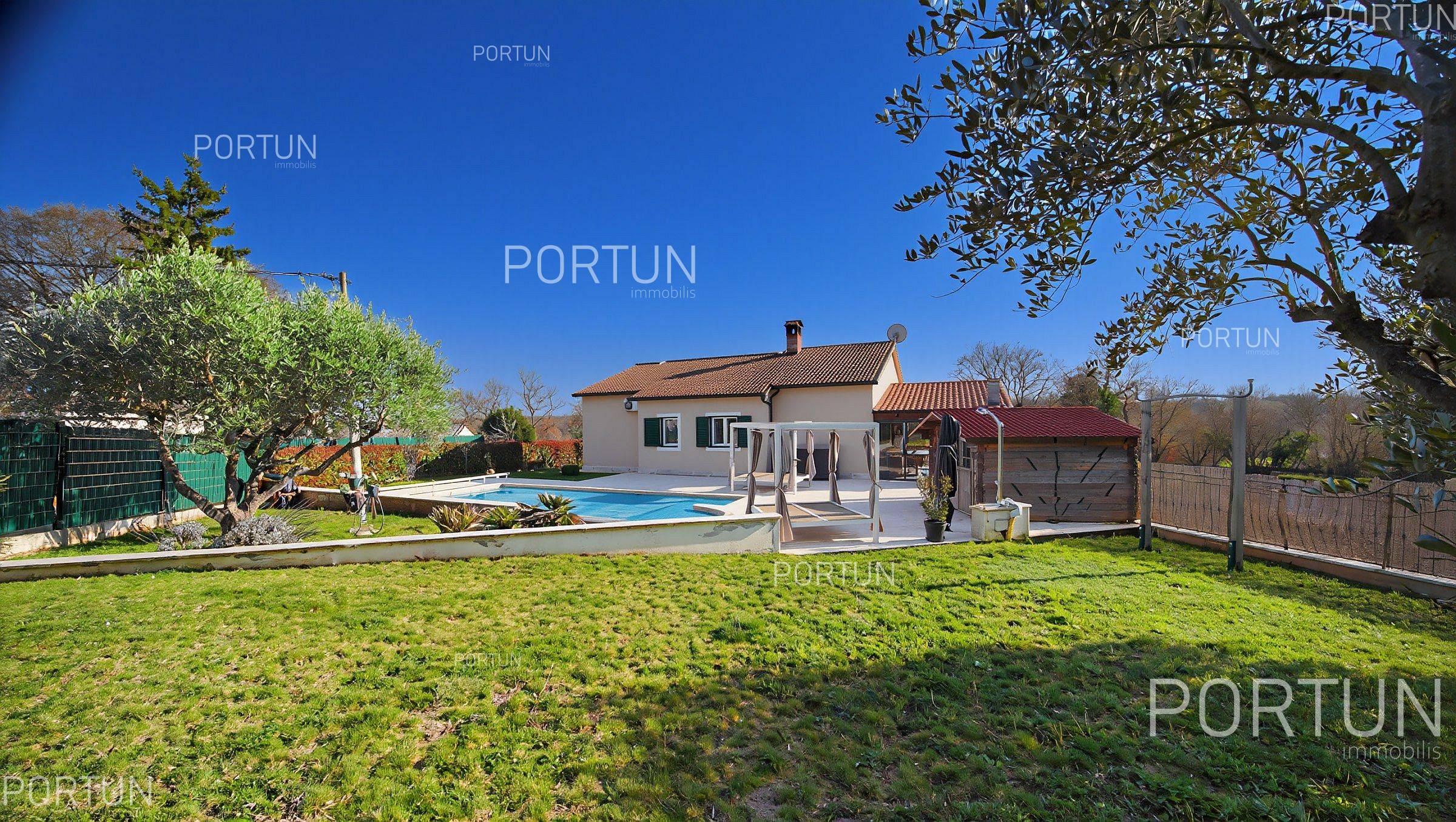
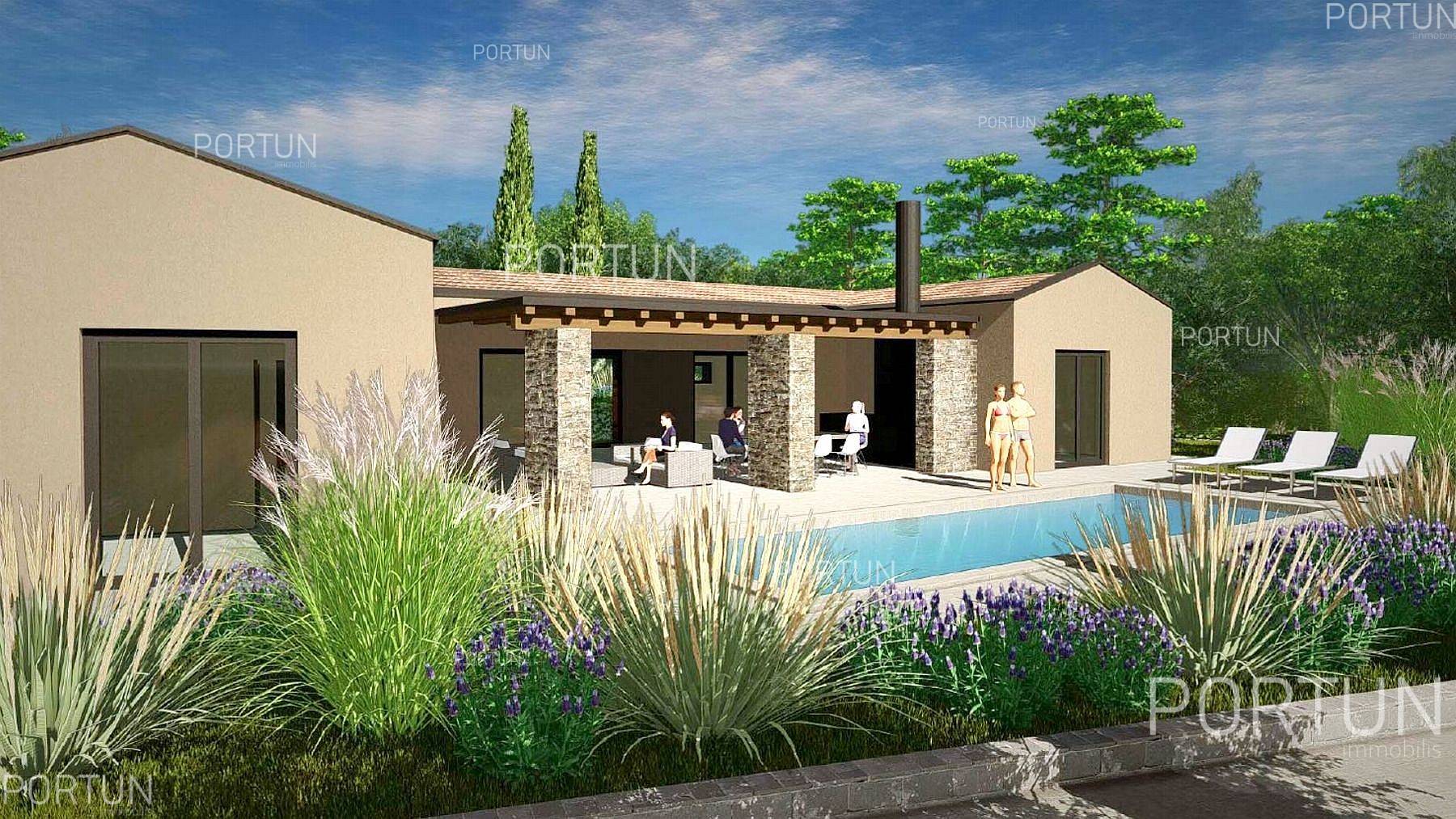
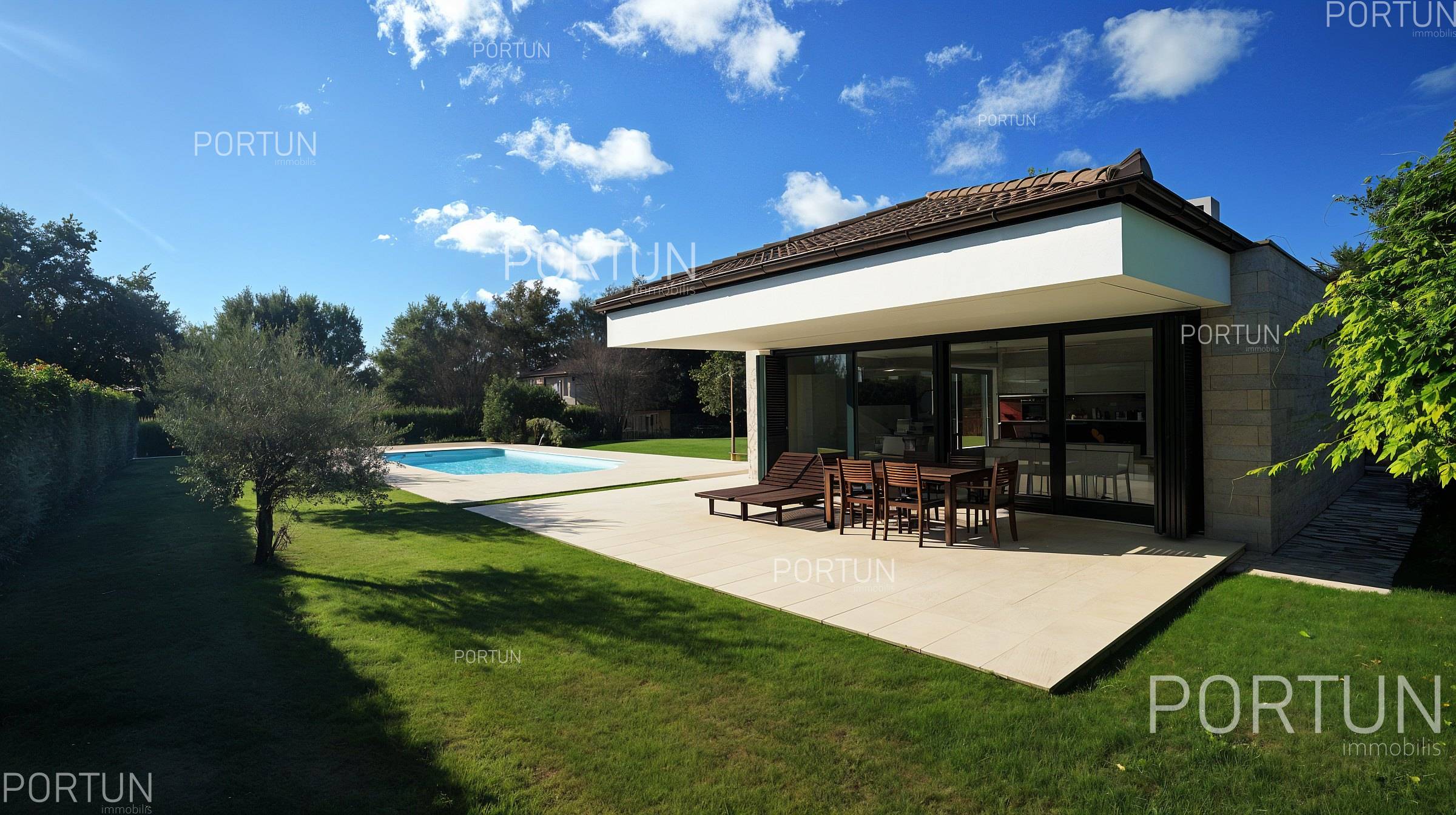
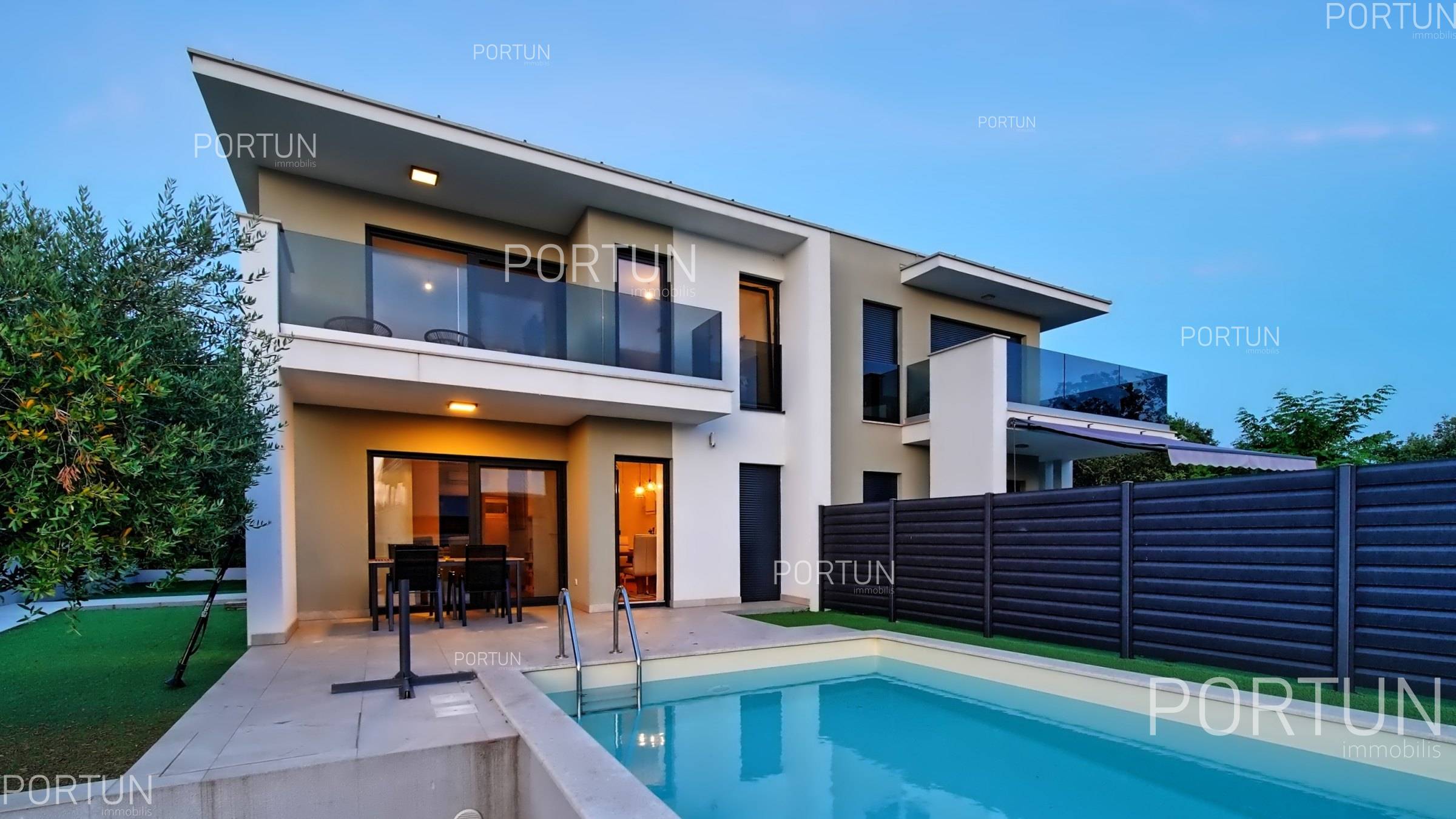
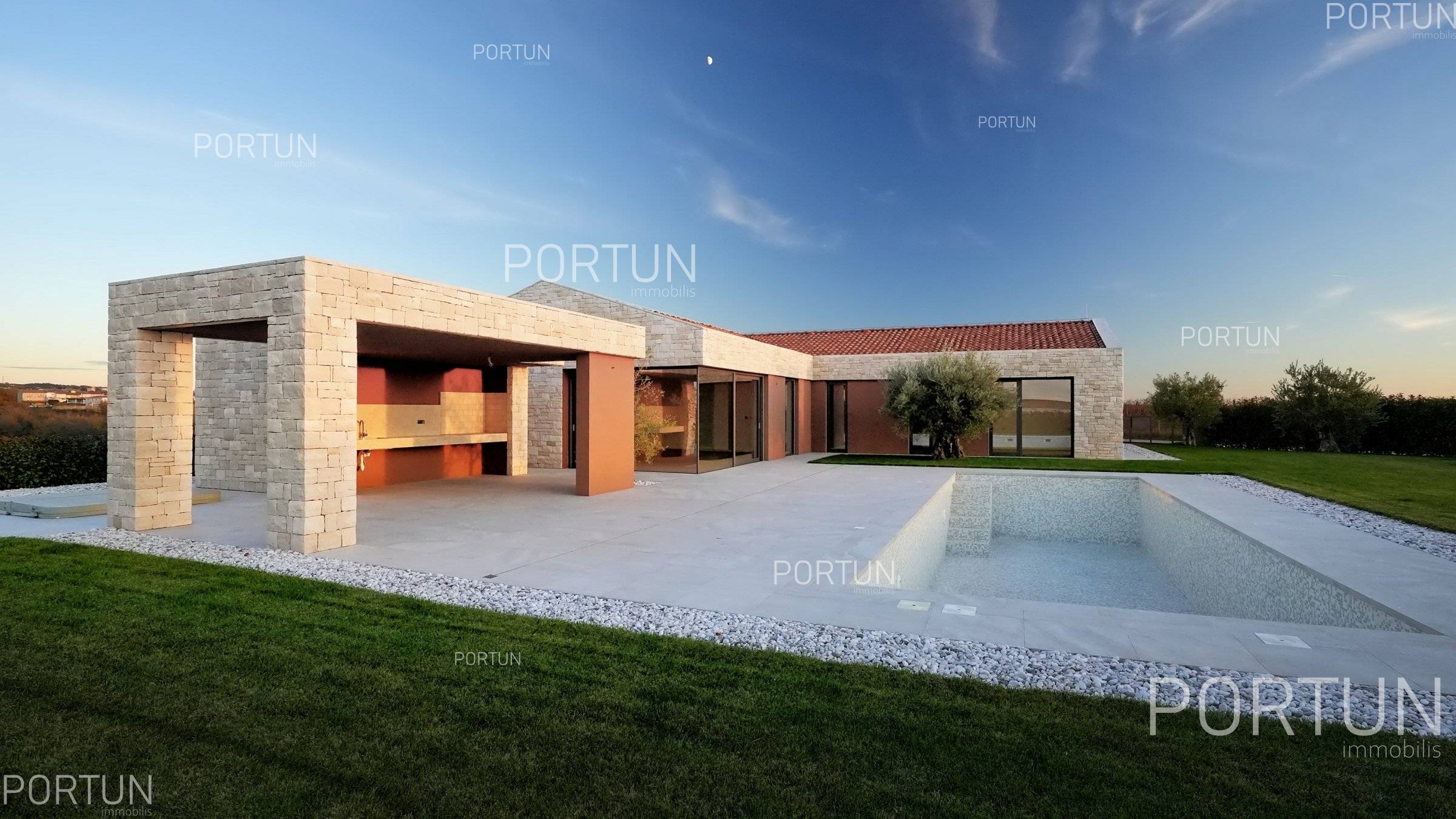
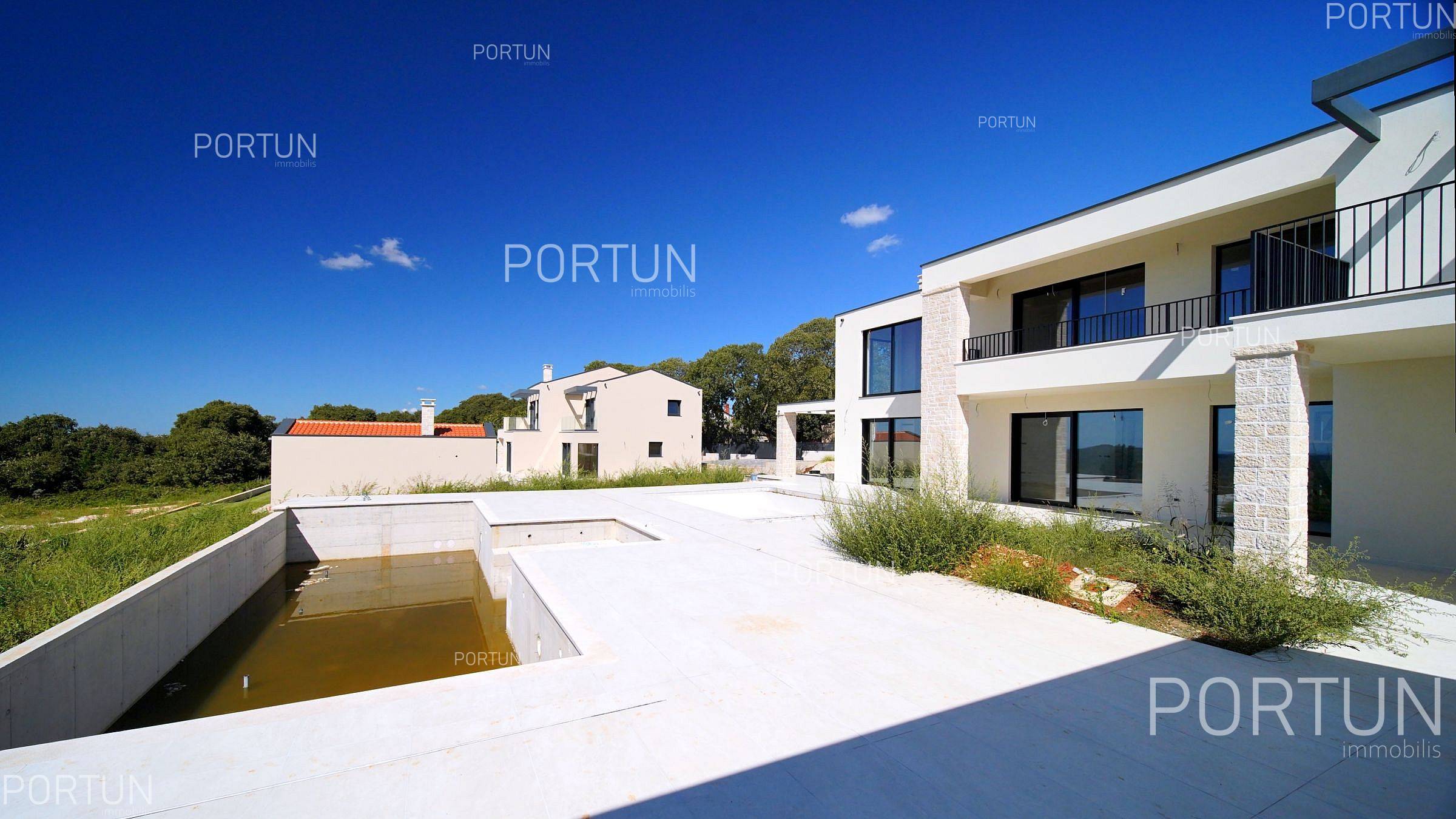
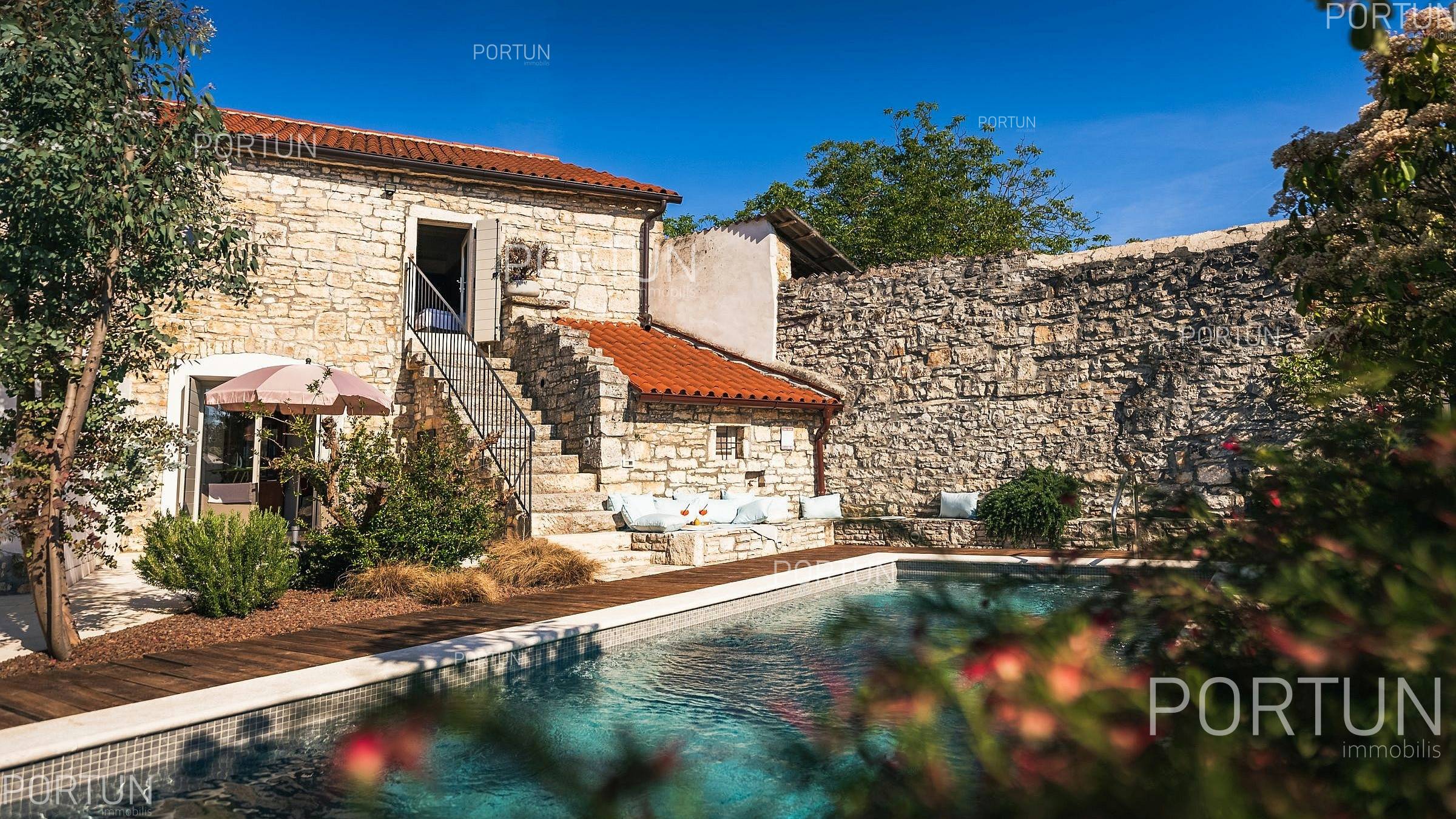
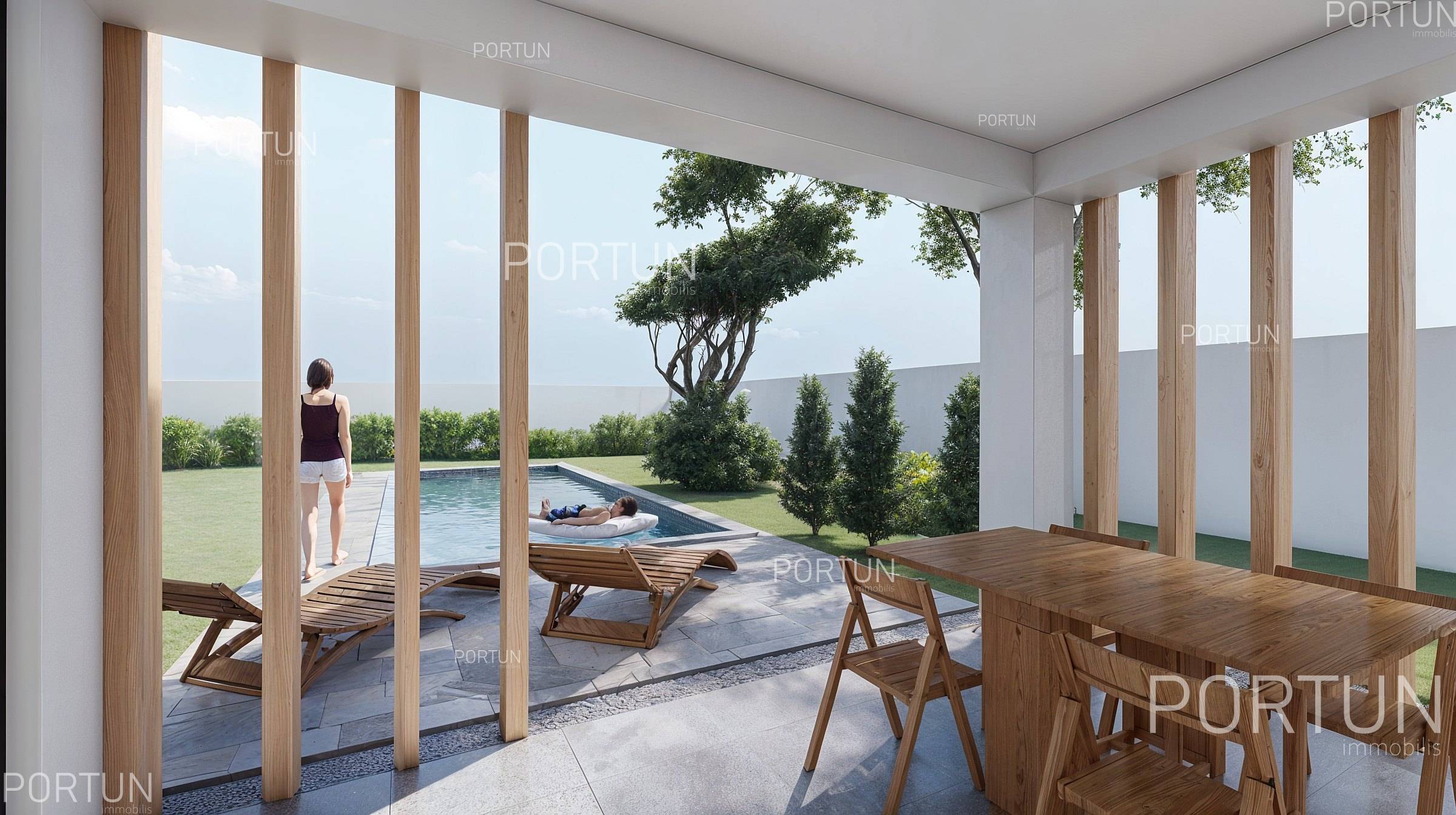
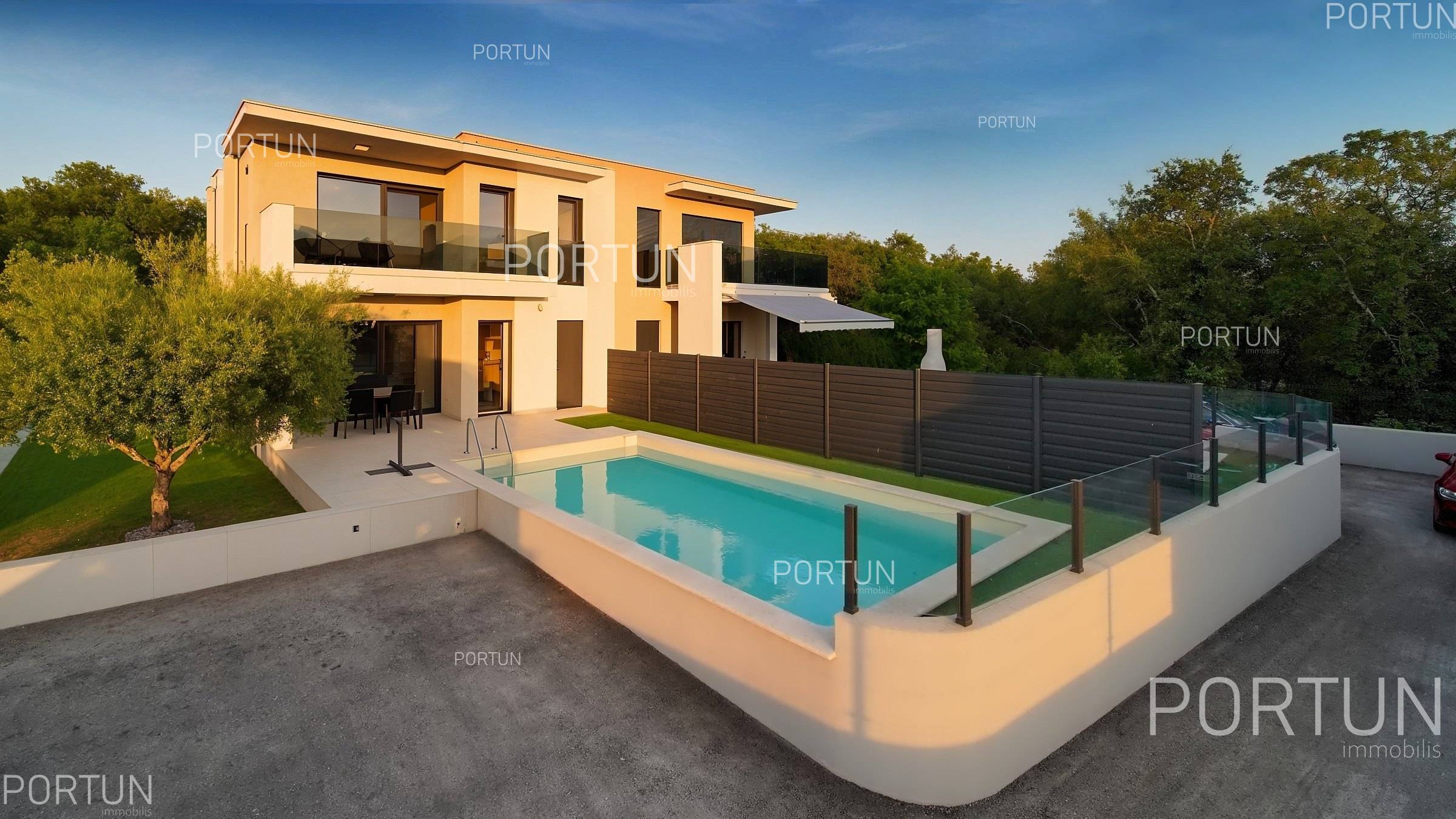
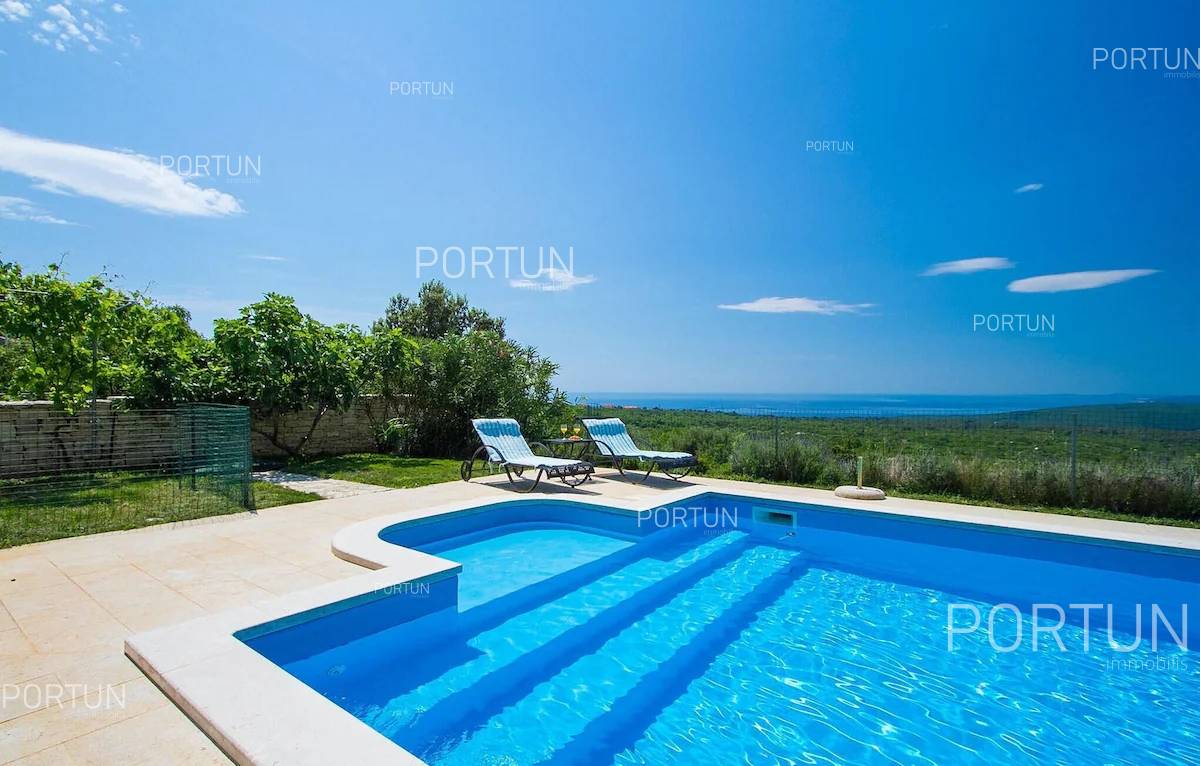
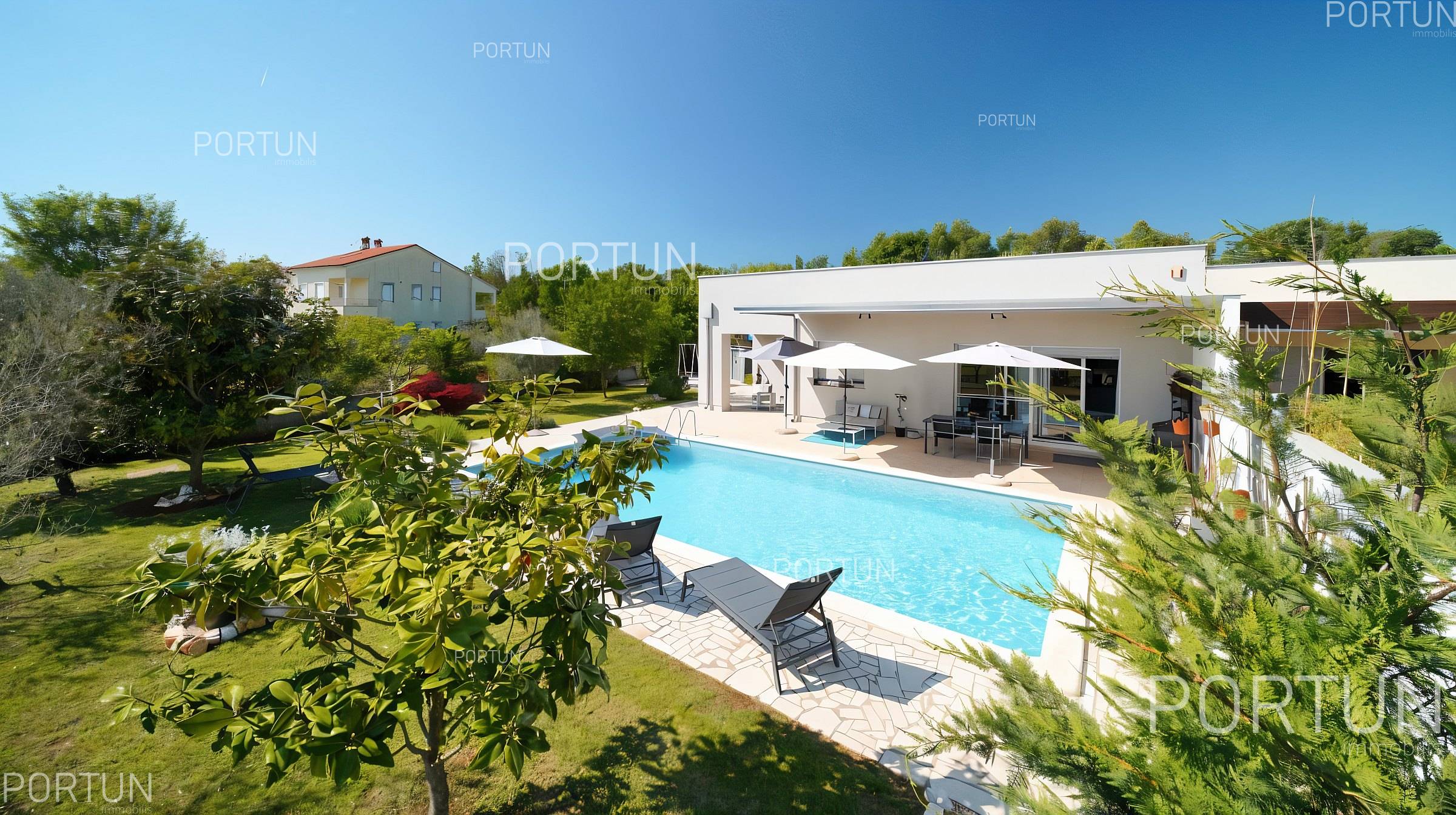
In Istria, a pool is almost standard for holiday homes. The cost of building a pool depends on its size, equipment, and additional features.
Along with the pool, landscaping must be planned – horticulture, driveways, fences, and lighting. These costs are often planned last but can significantly increase the total investment.
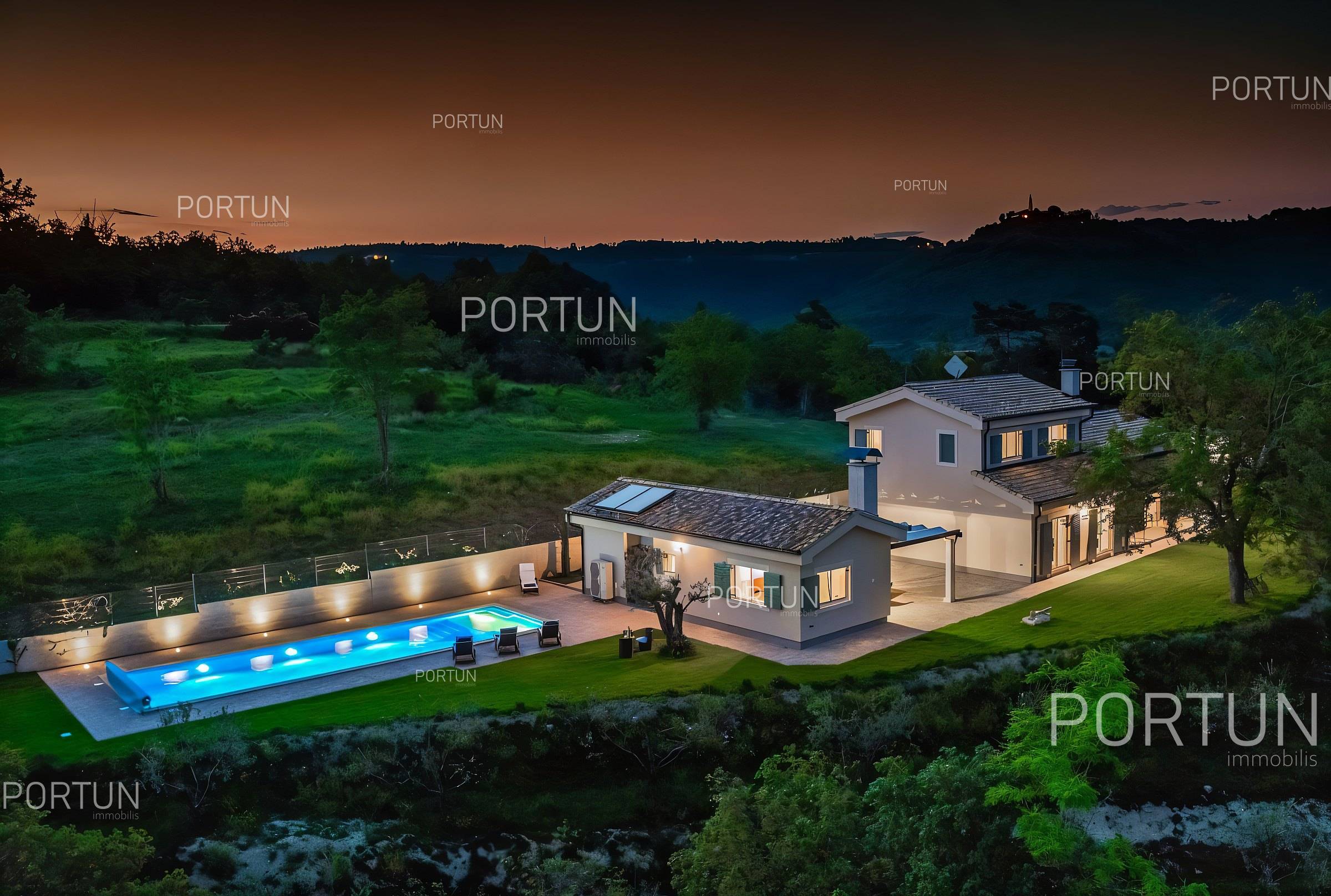
Well-maintained landscaping increases the property's value and its rental appeal.
Labor and contractor costs
Labor prices in the construction sector have been rising in recent years, and quality contractors are increasingly in demand. Choosing a reliable contractor is crucial for quality and timely completion.
A lower contractor price can be risky if it leads to poorer quality or delays.
It is recommended to work with proven teams and clearly defined contracts.
Construction time and financial risks
Construction time affects the total cost, especially if financing is through loans. Delays can increase costs and postpone the return on investment.
Planning and good organization are essential to reduce risks.
It is important to allocate a contingency budget for unforeseen situations.
Realistic total cost estimate
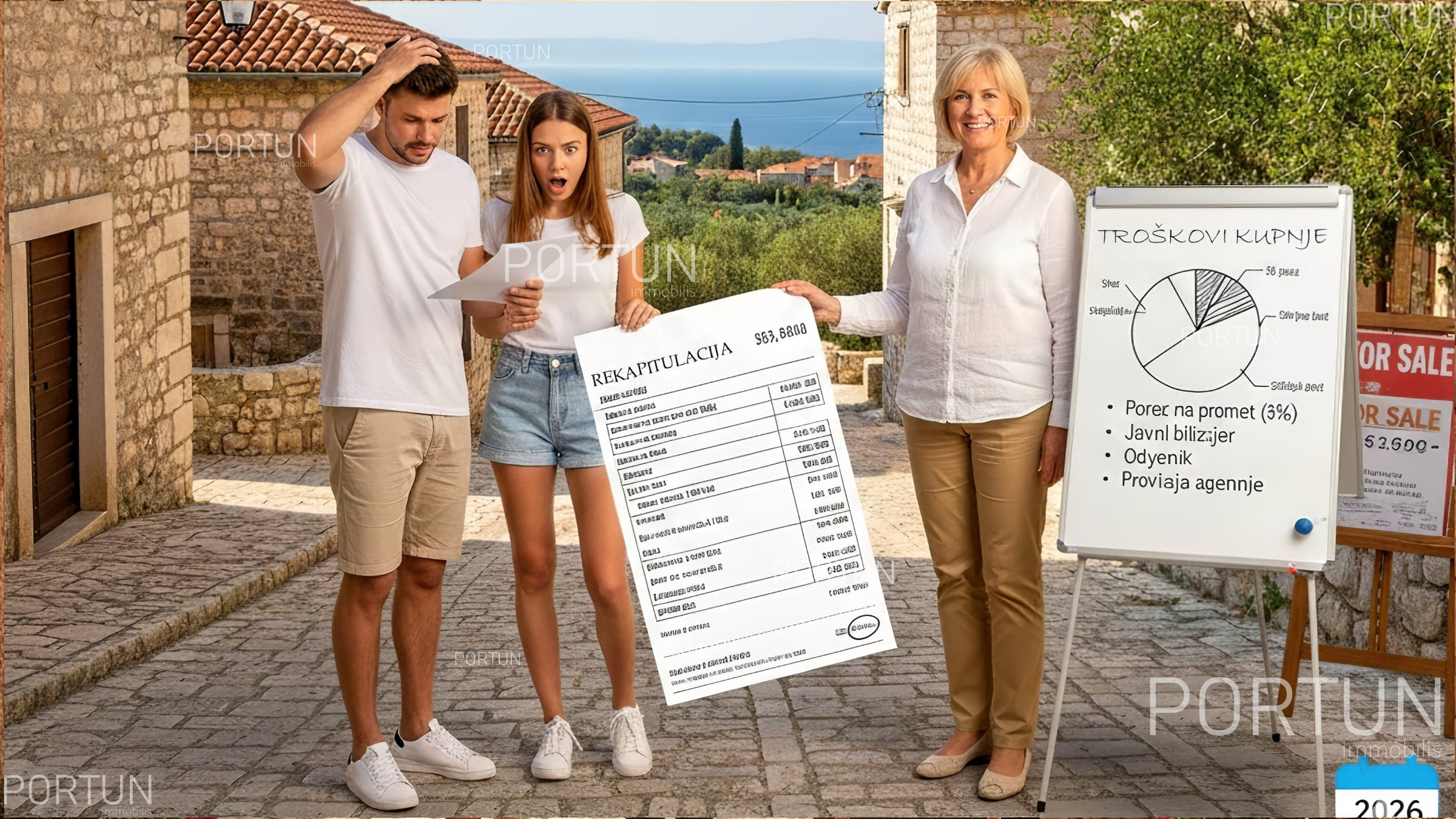
When all costs are added up – land, documentation, fees, construction, and landscaping – the total investment can be significantly higher than the initial estimate.
In practice, the cost of building a house in Istria often varies widely depending on the standard and location.
A realistic estimate and consultation with local experts are key to a successful investment.
Conclusion
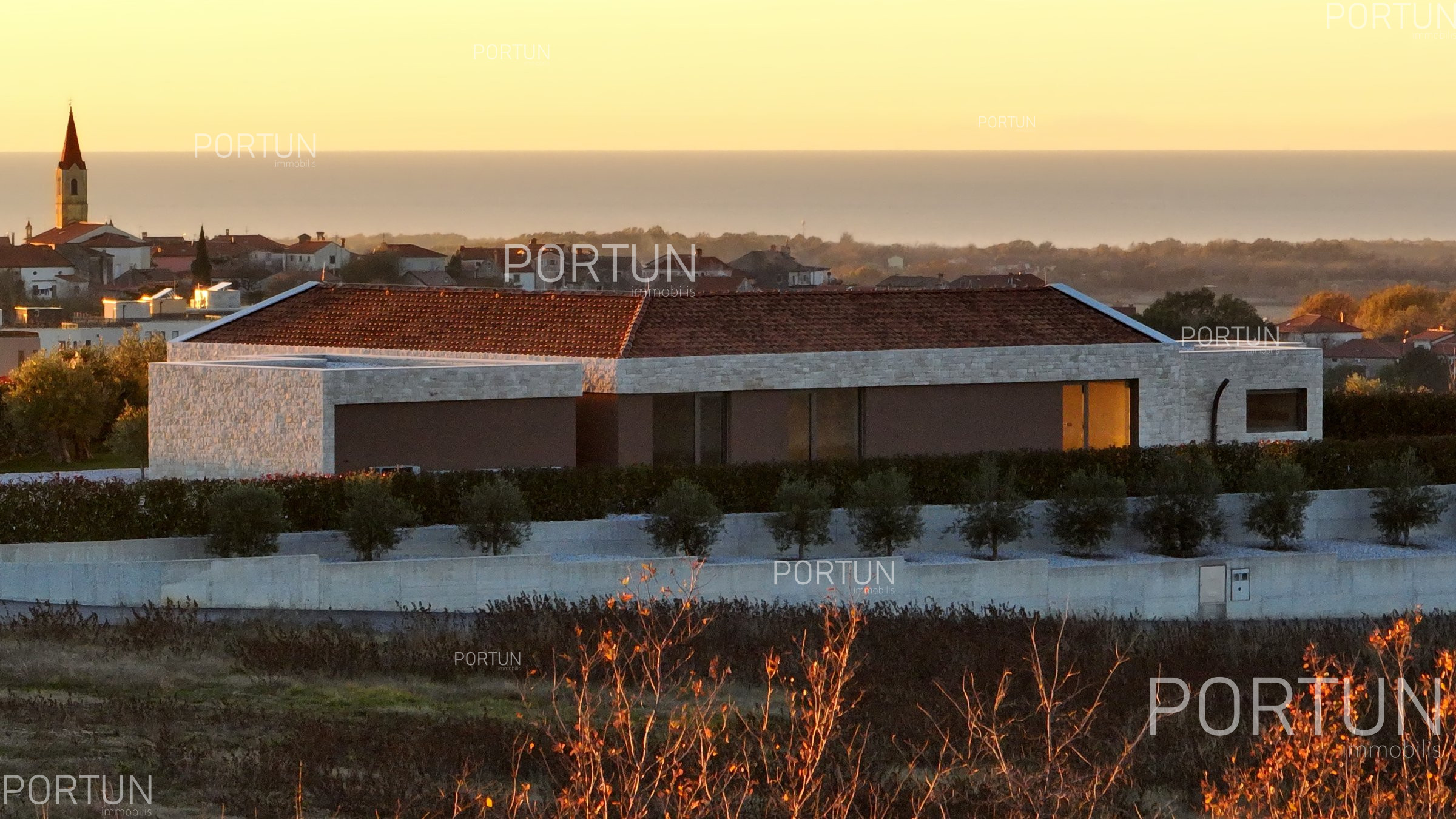
Building a house in Istria after purchasing land is a complex process with numerous costs that must be carefully planned. Although the investment can be substantial, with good preparation and professional support, it is possible to achieve a quality project with long-term value.
The key to success lies in realistic expectations, detailed analysis, and timely decision-making.
Related guides and useful articles
Topic guides for buying and verifying building land in Istria
Additional articles to help you understand construction requirements and plan realistic costs.
Tags
house construction, construction costs, Istria, land purchase, building land, building conditions, zoning plan, project documentation, utility fees, infrastructure, connections, building permit, construction budget, investment, construction planning