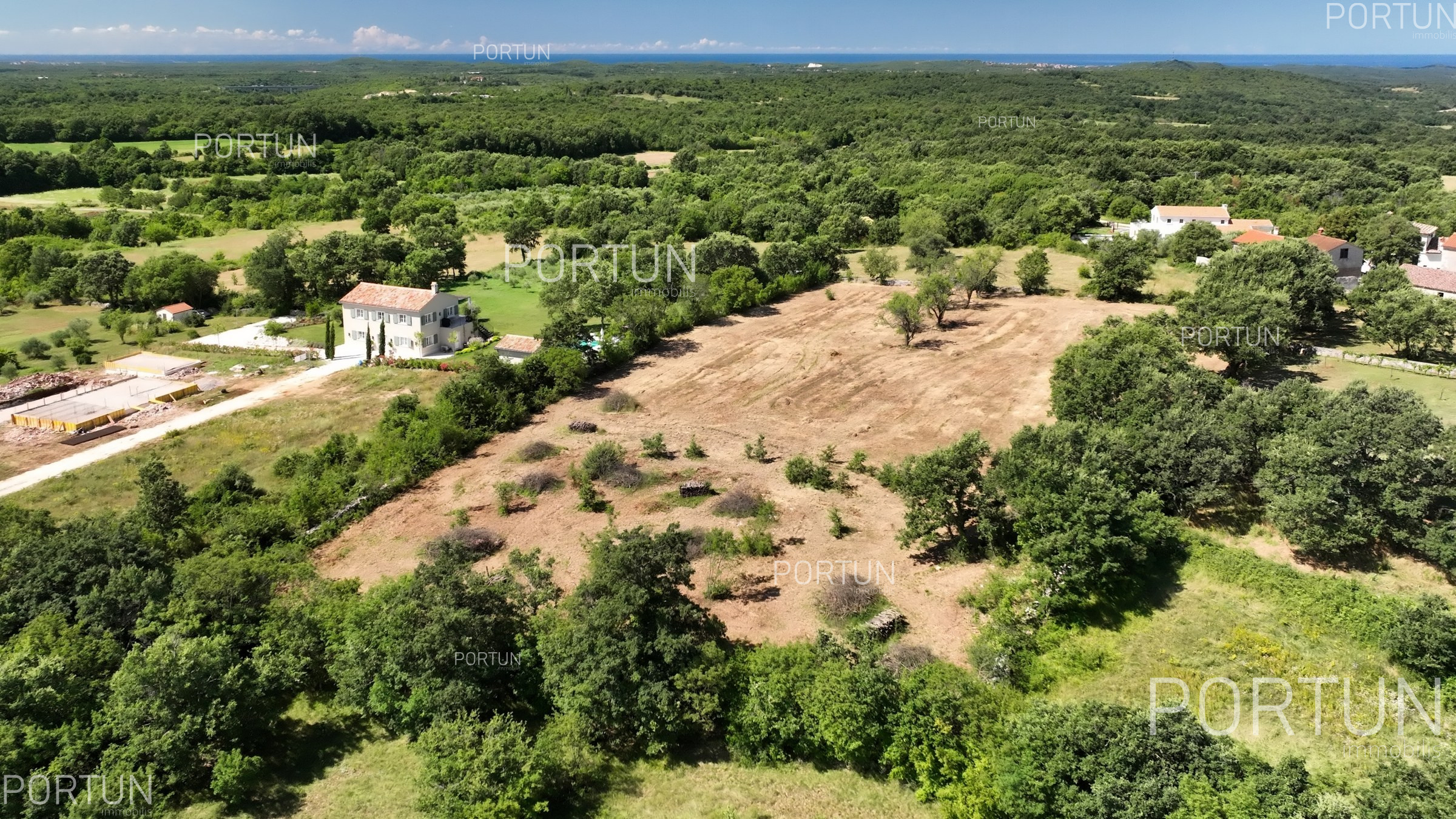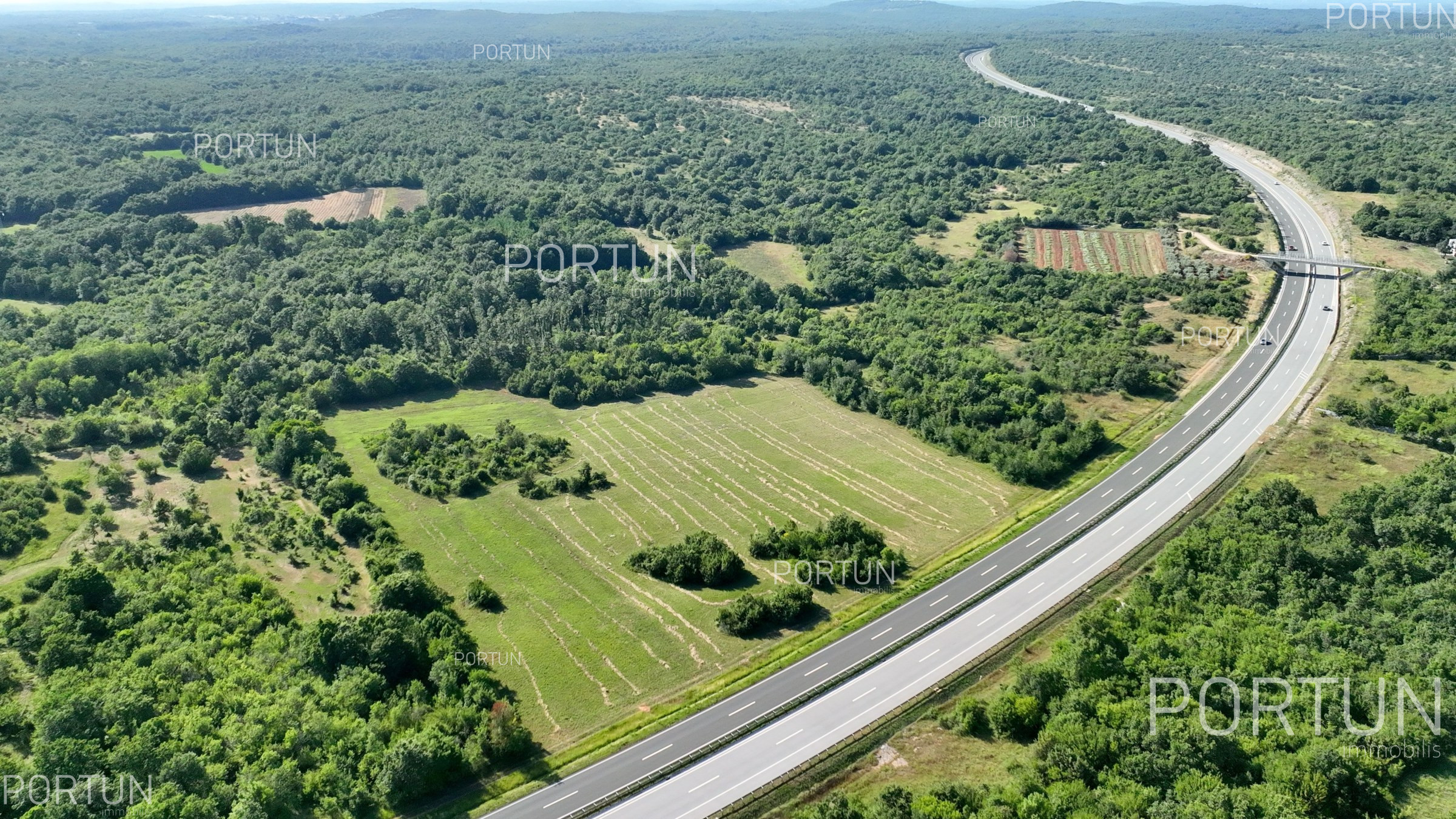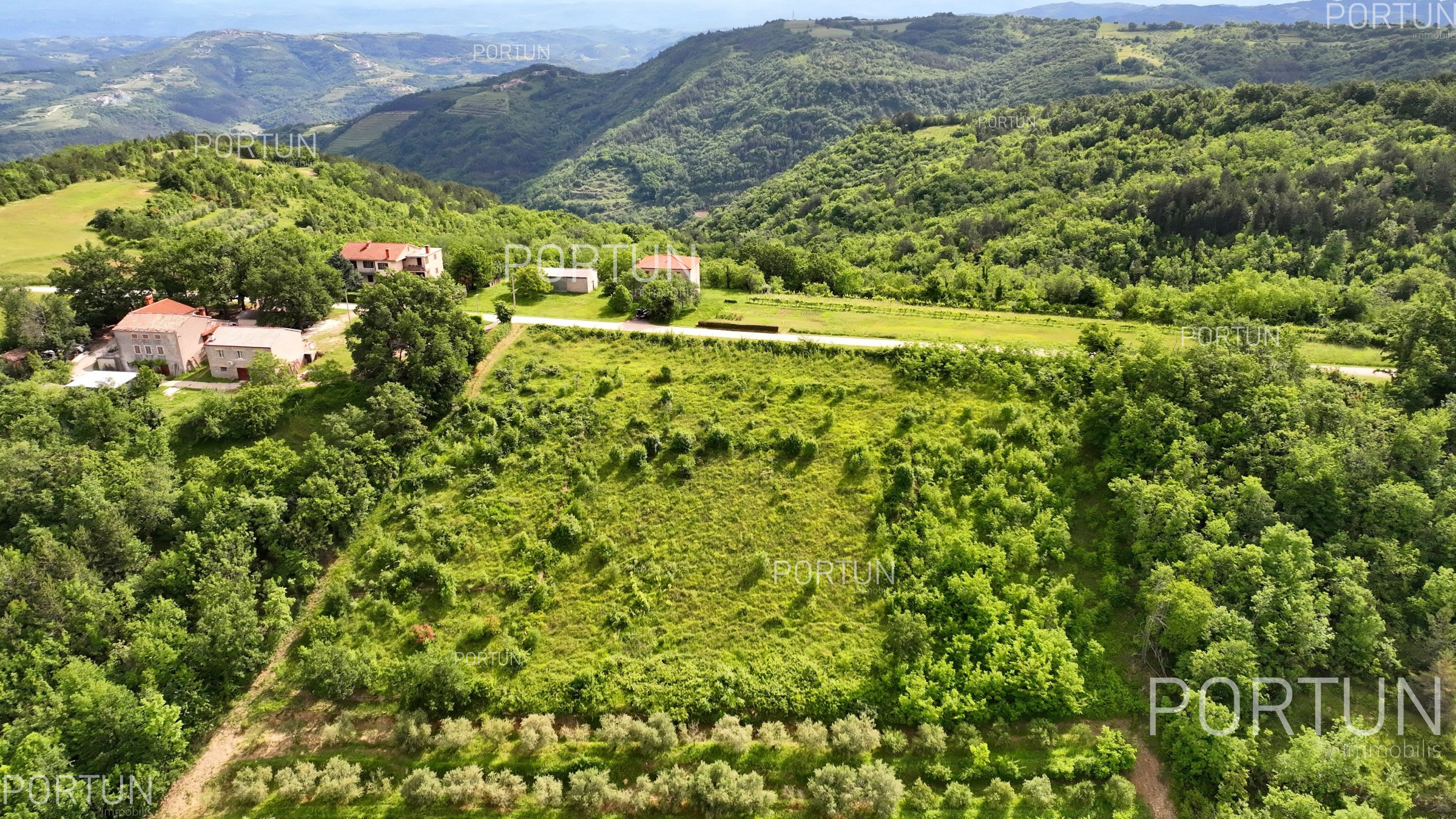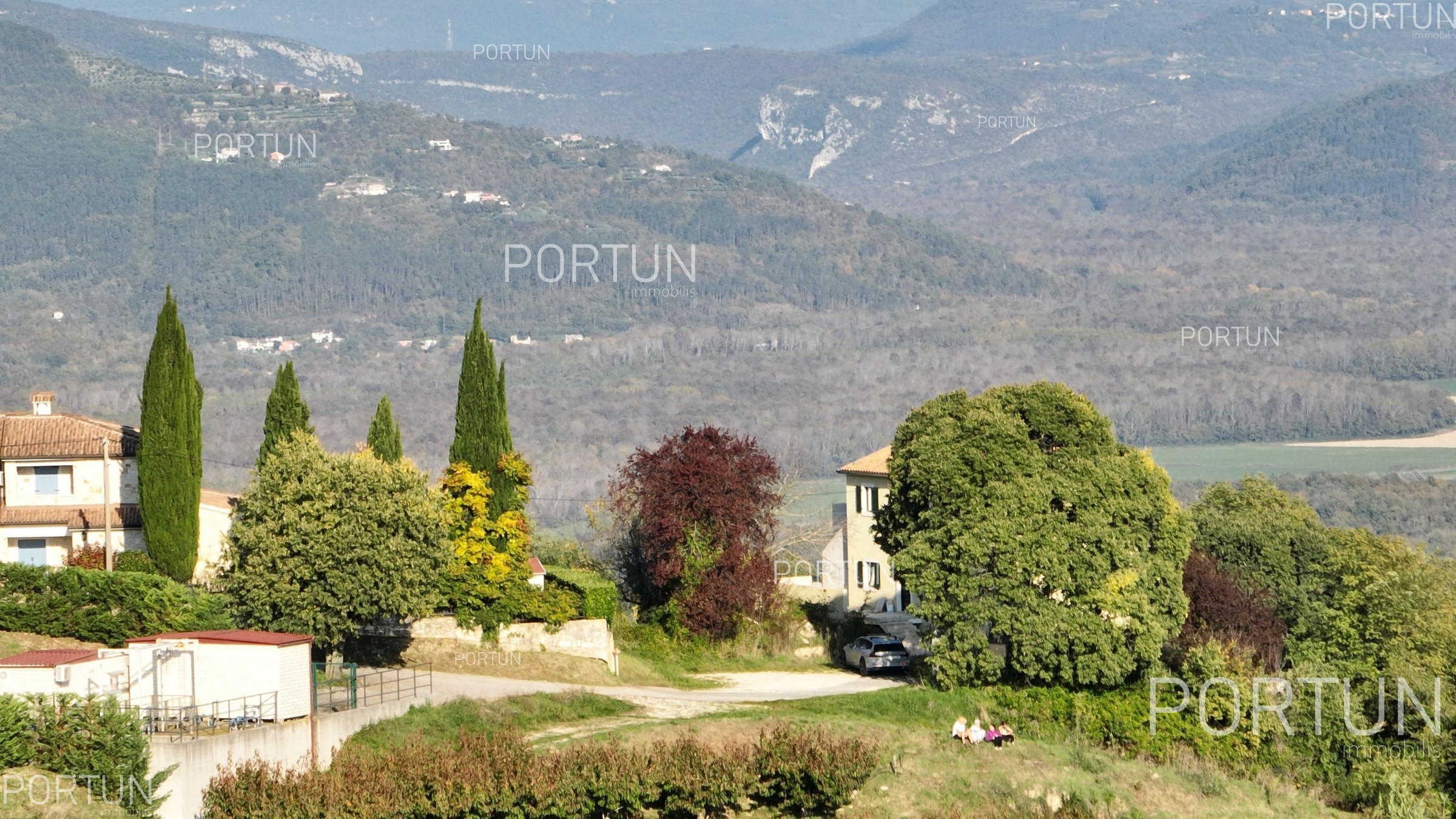
Introduction
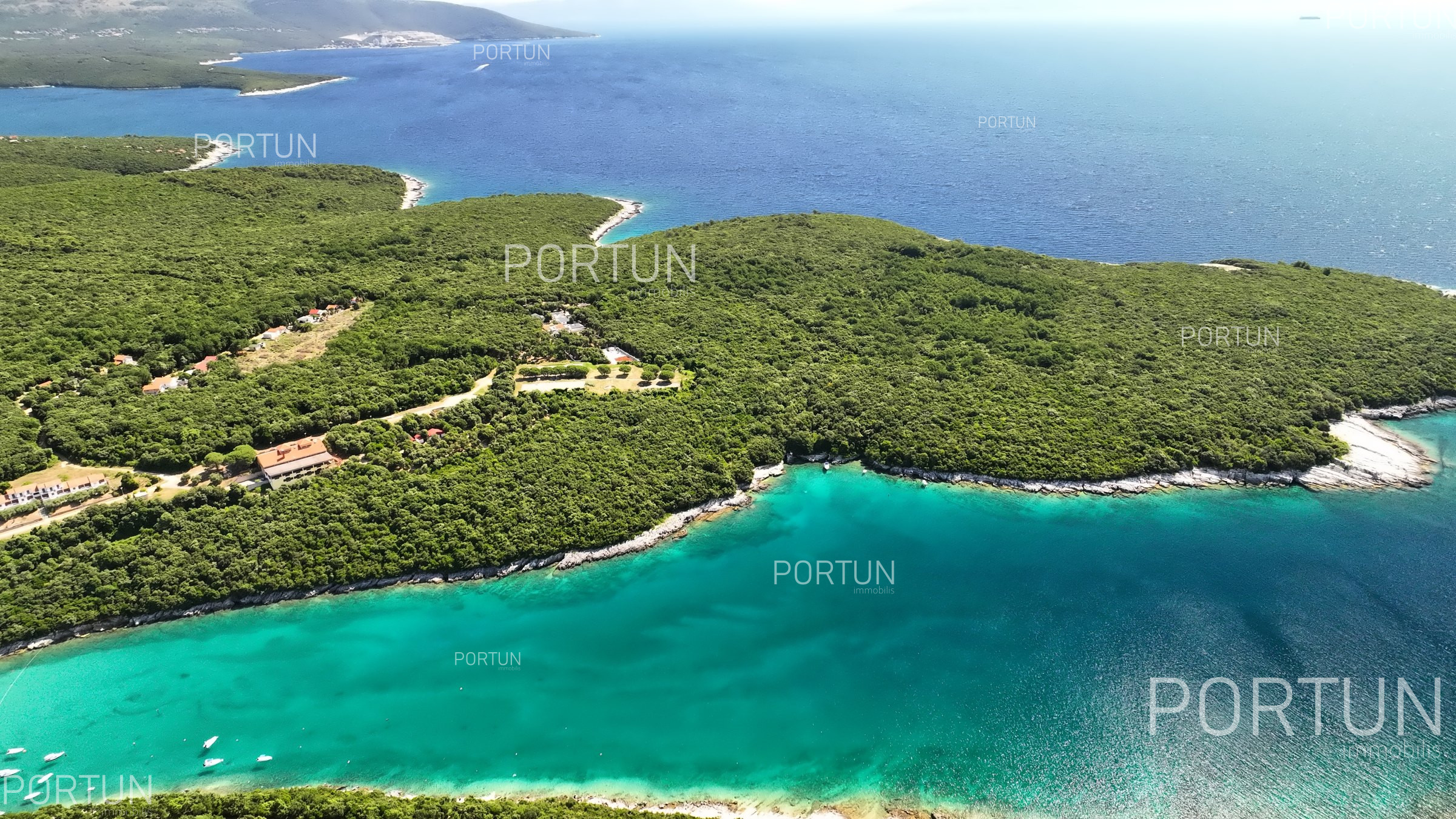
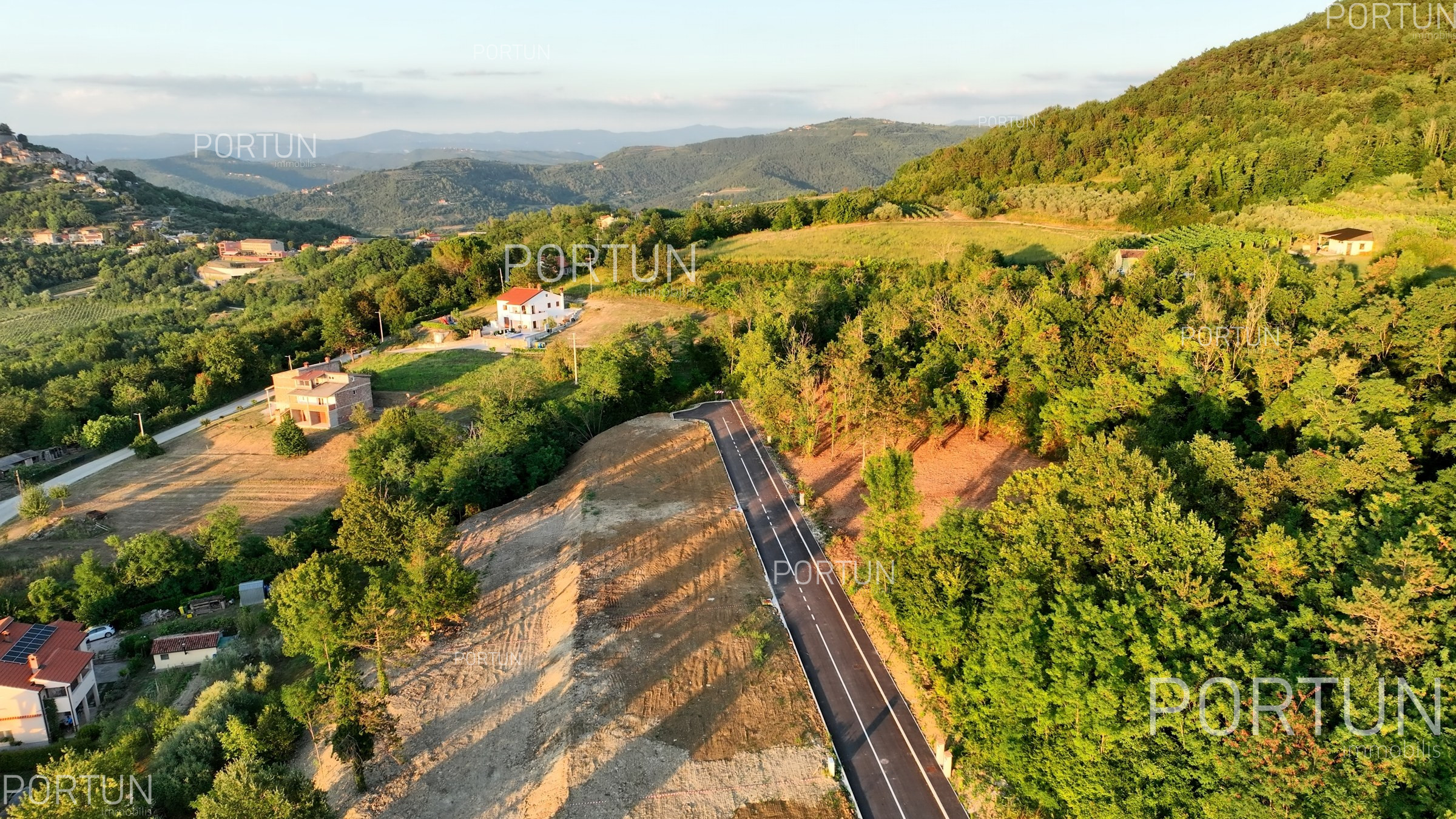
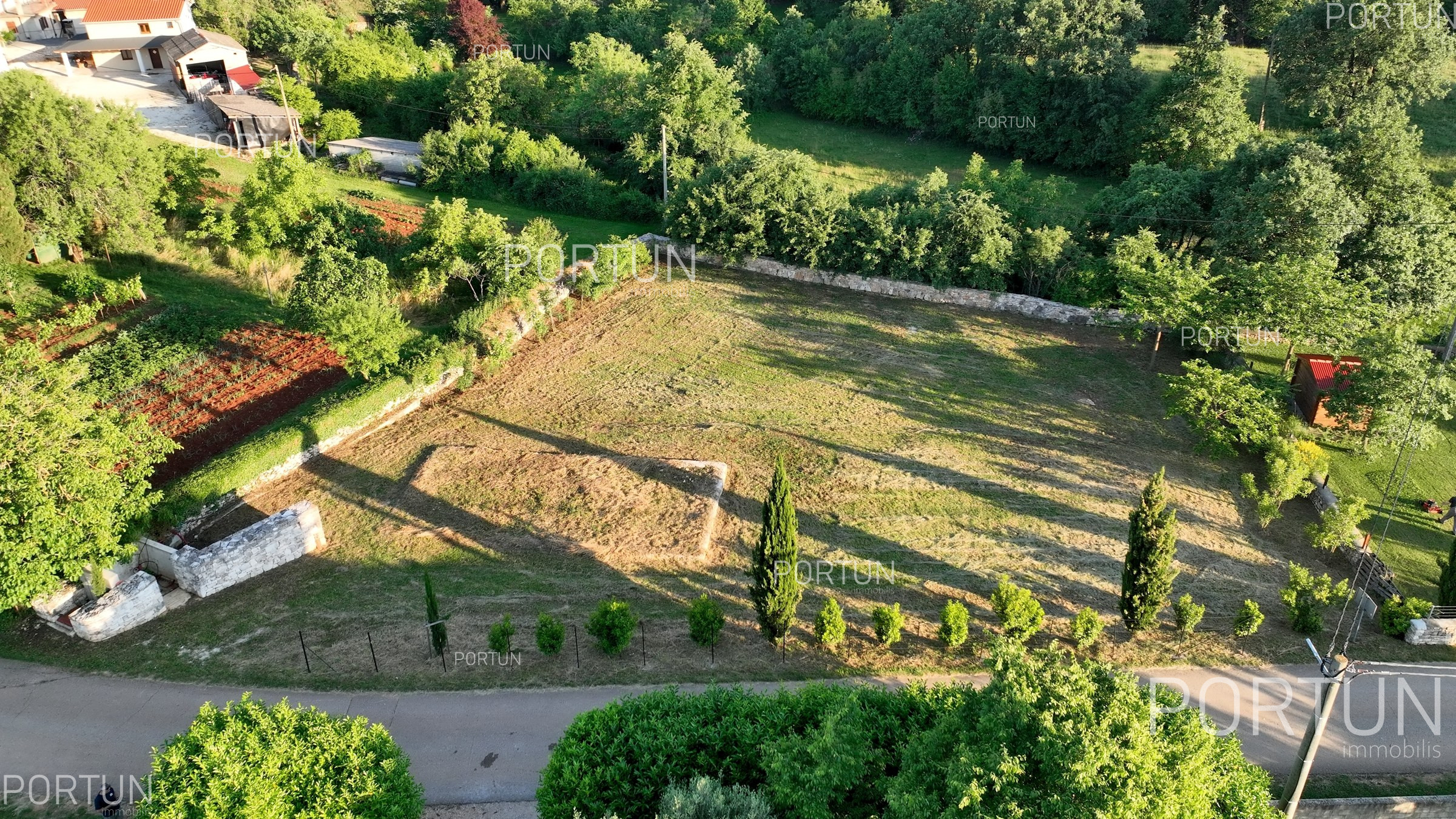
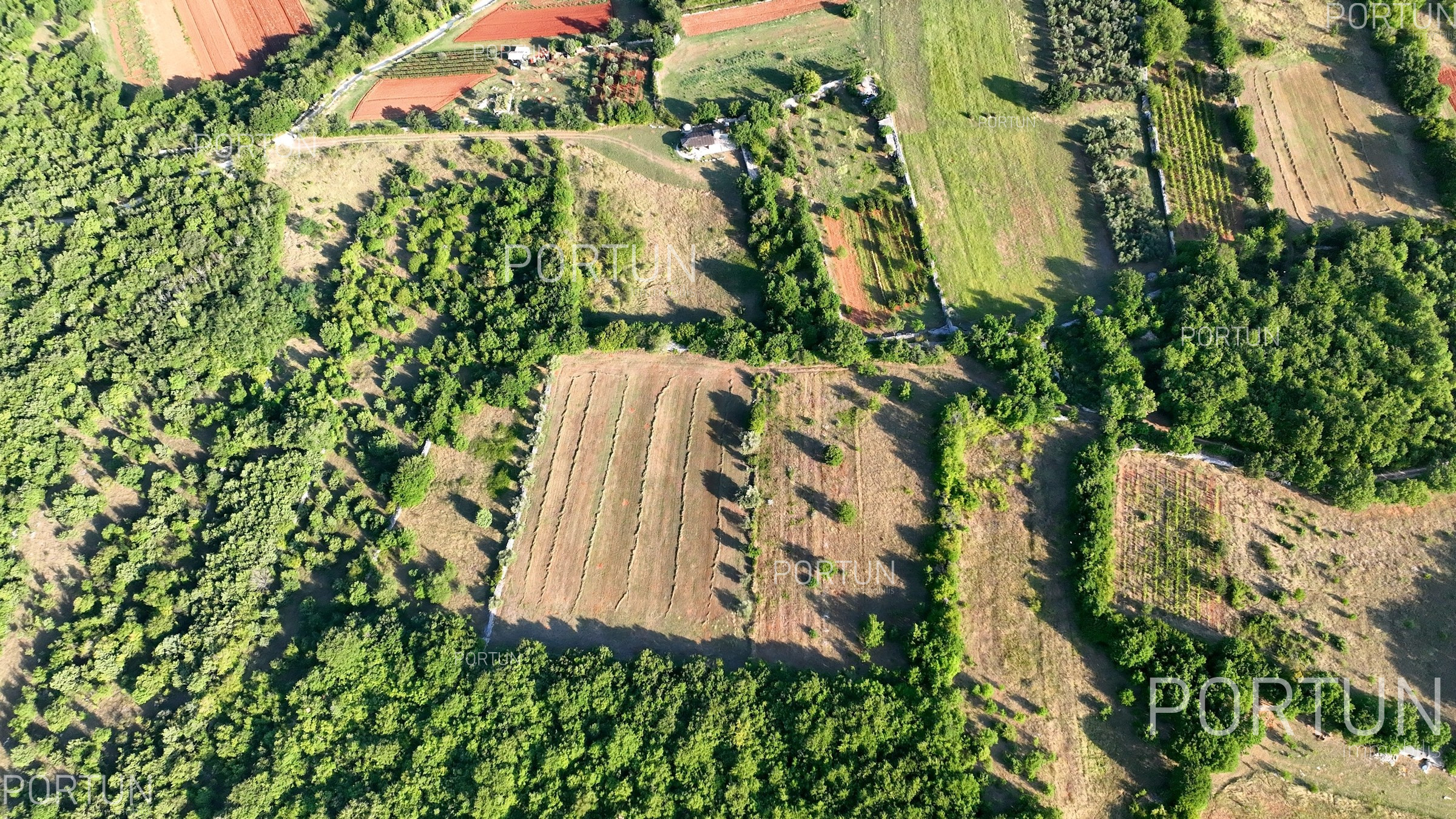
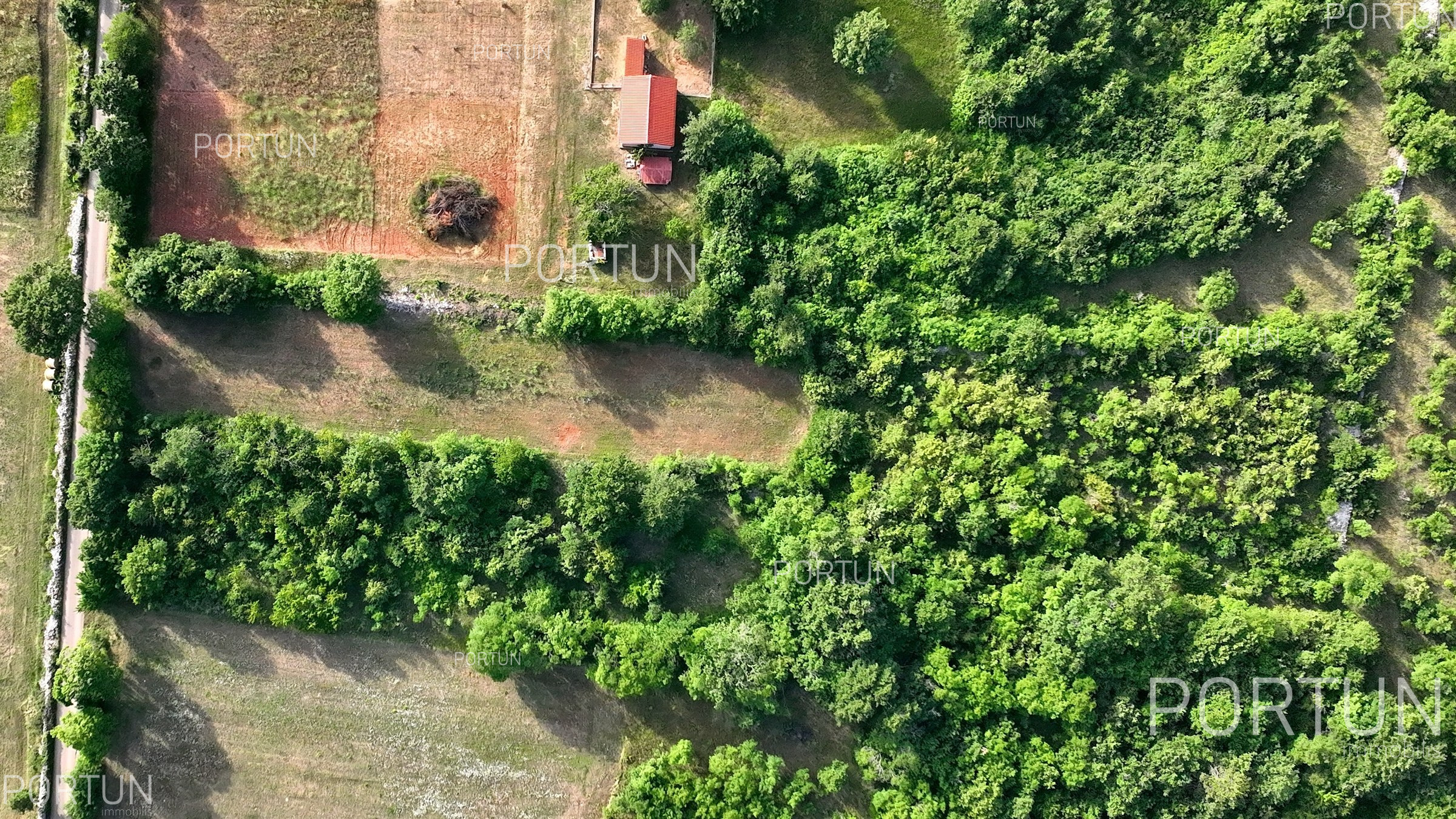
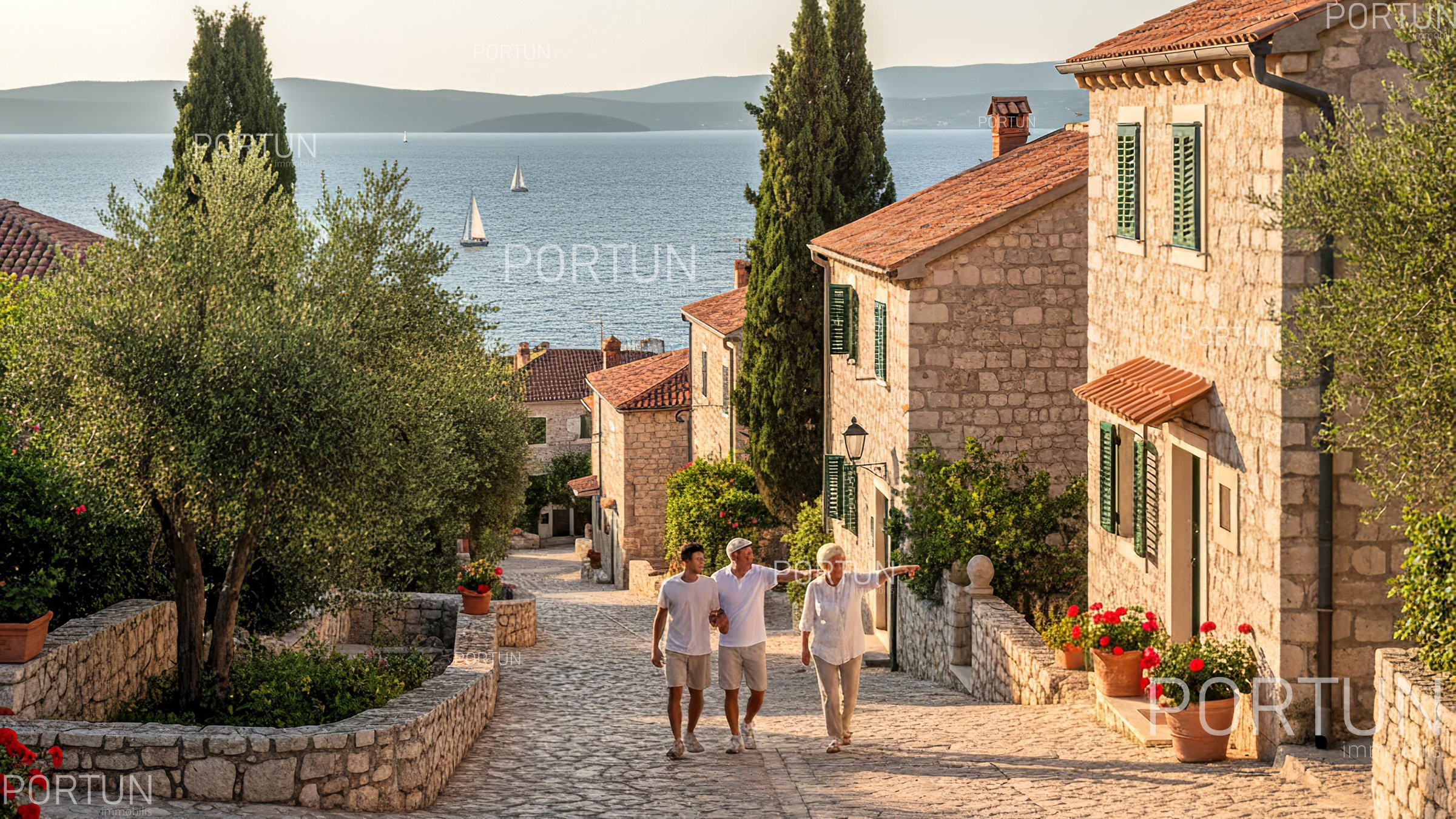
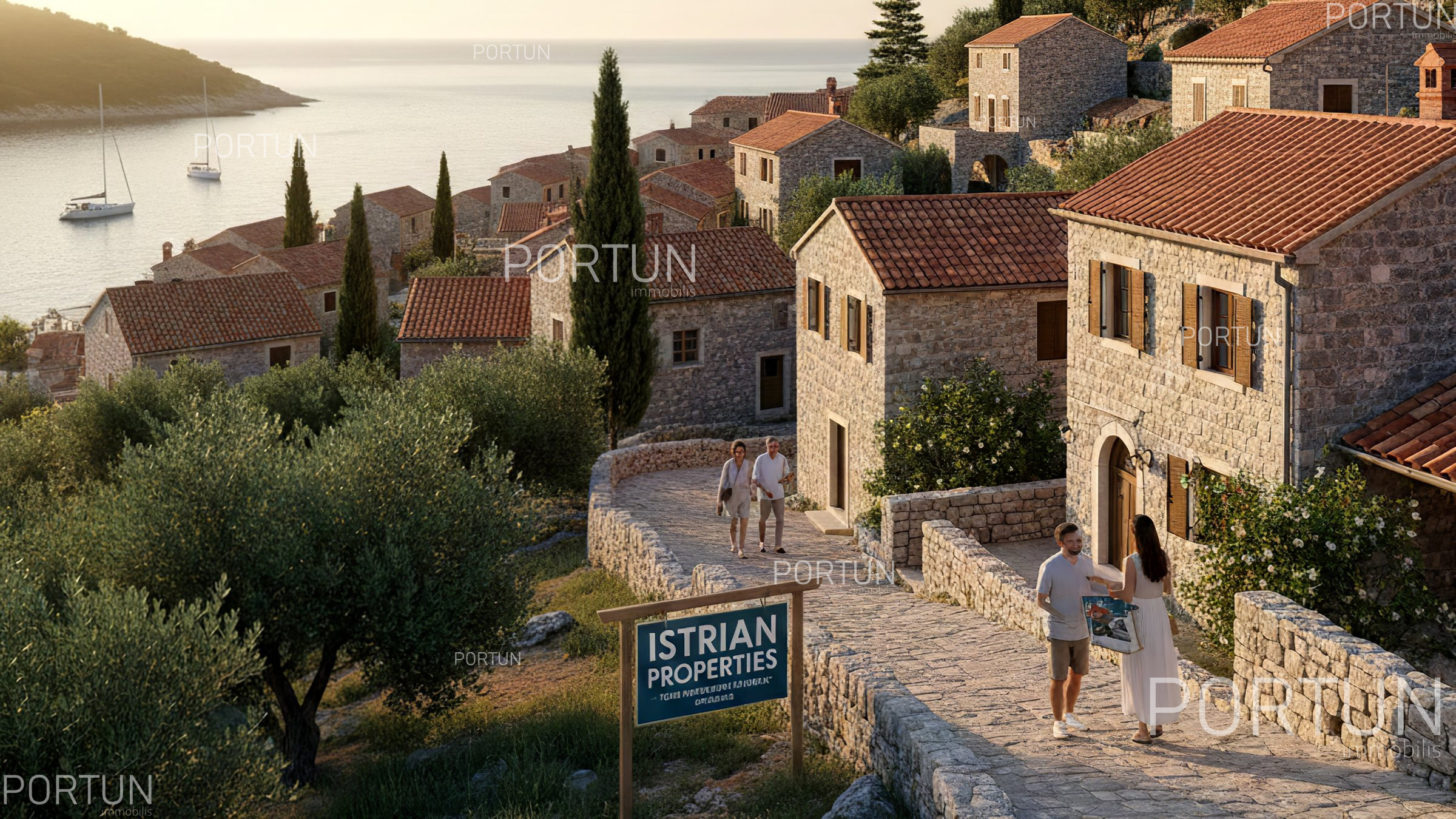
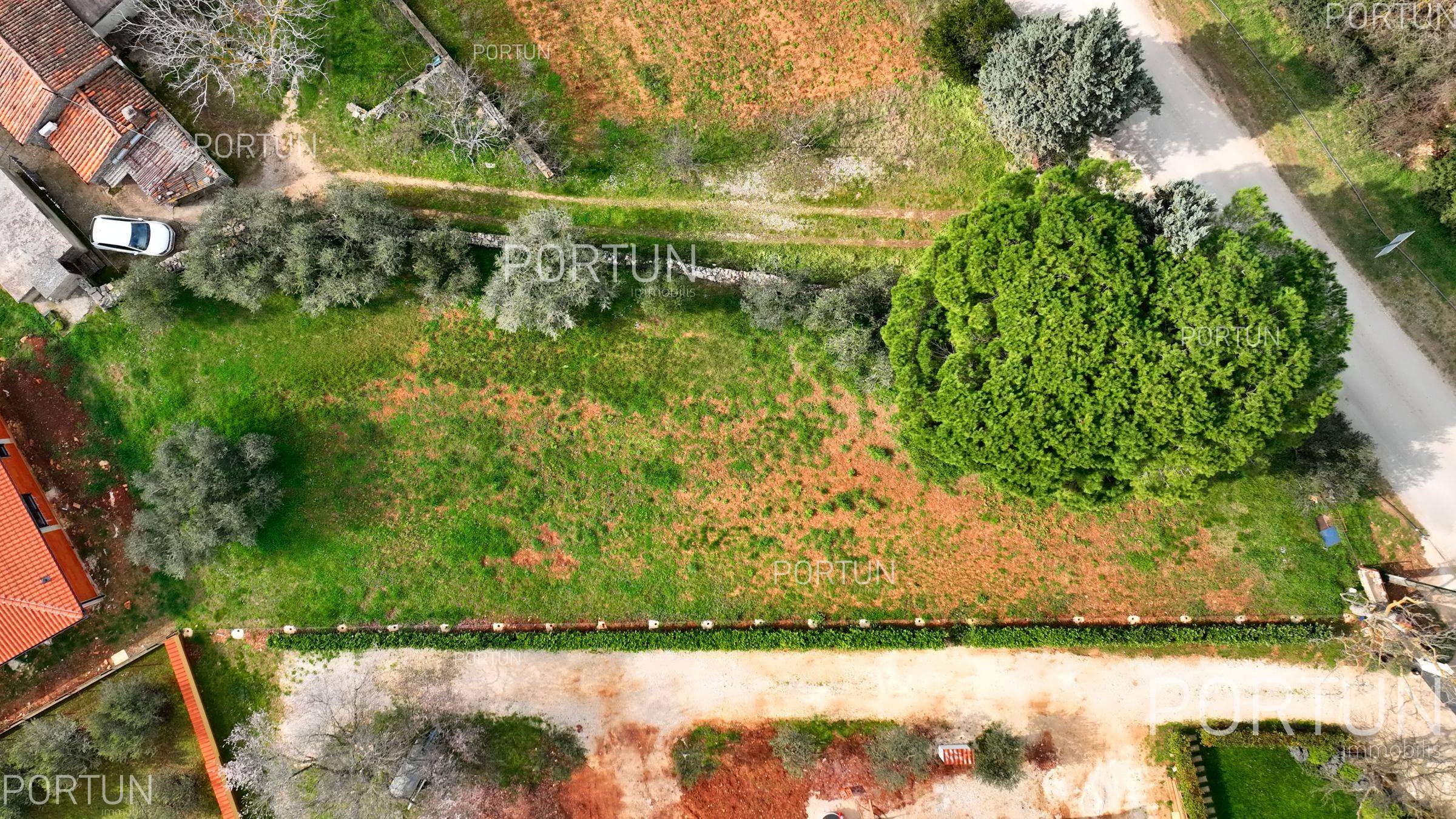
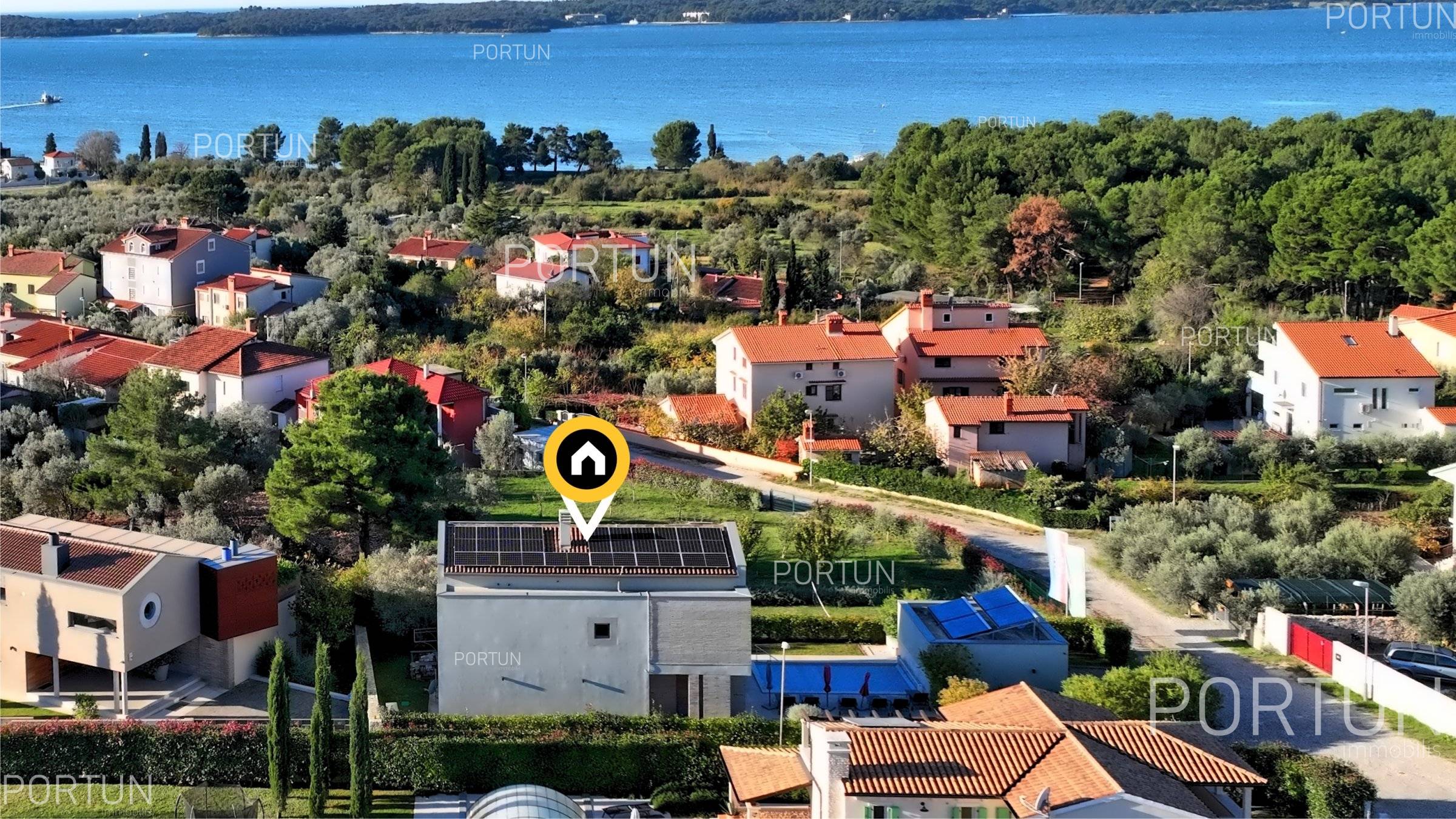
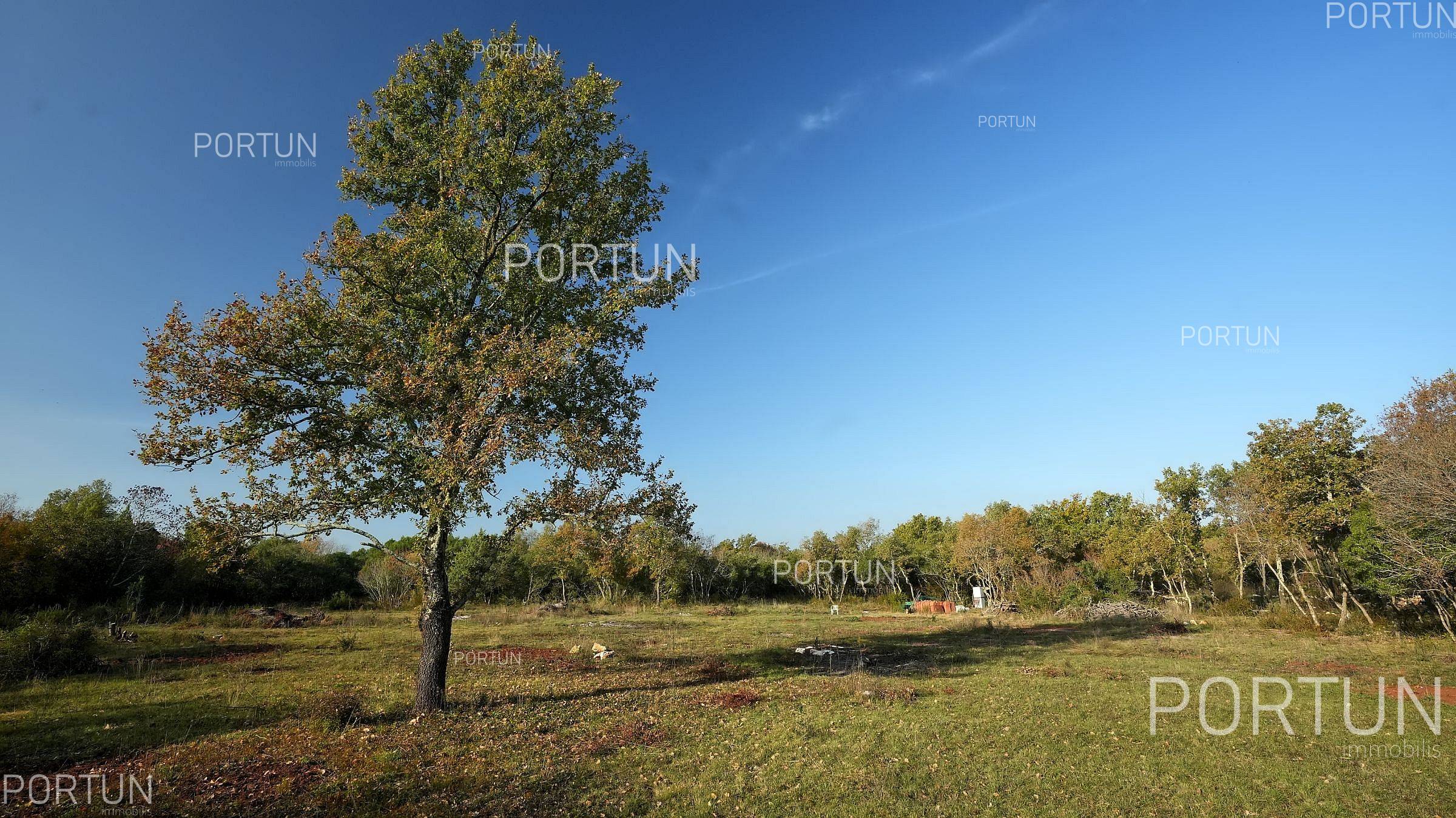
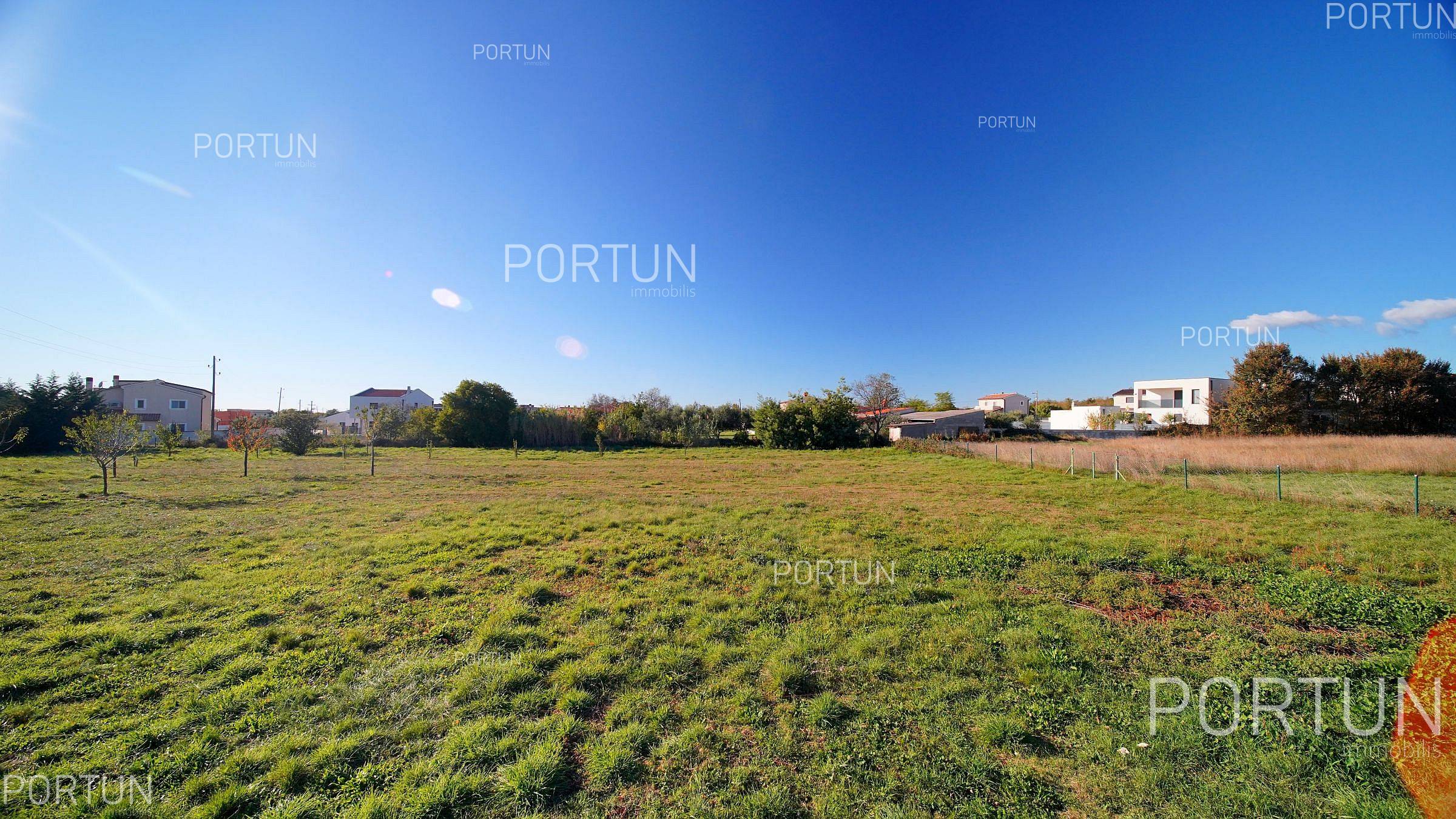
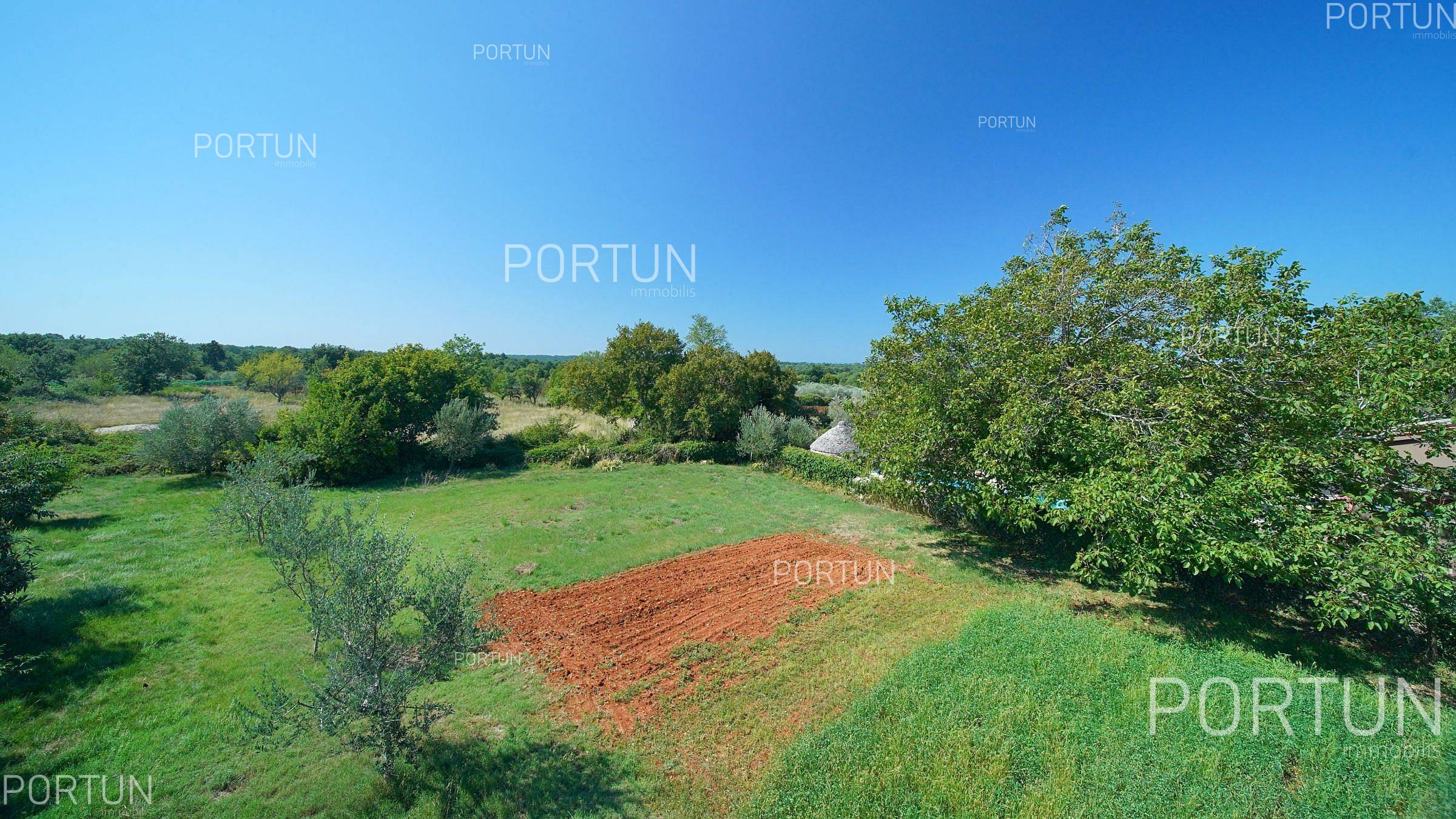
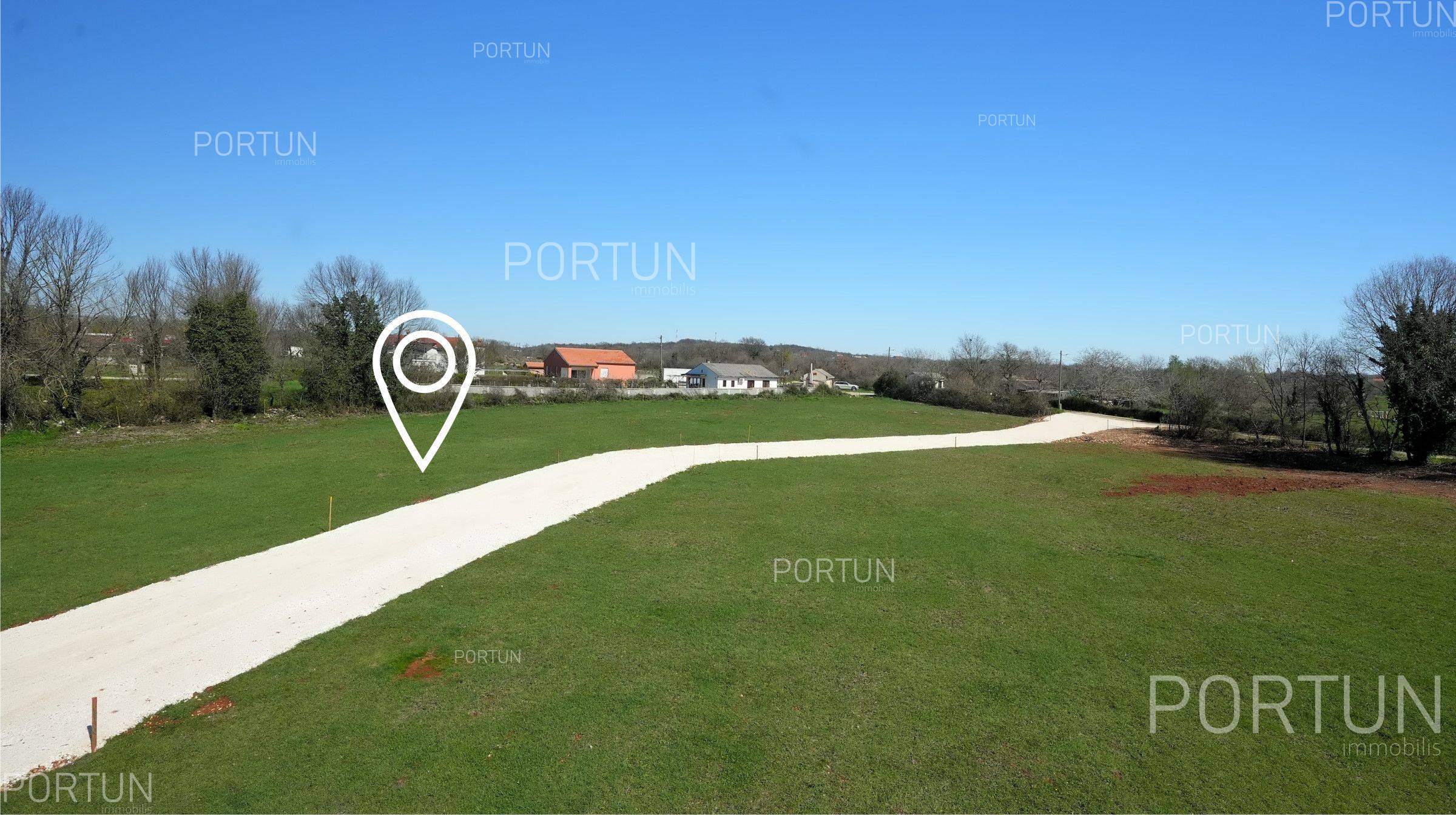
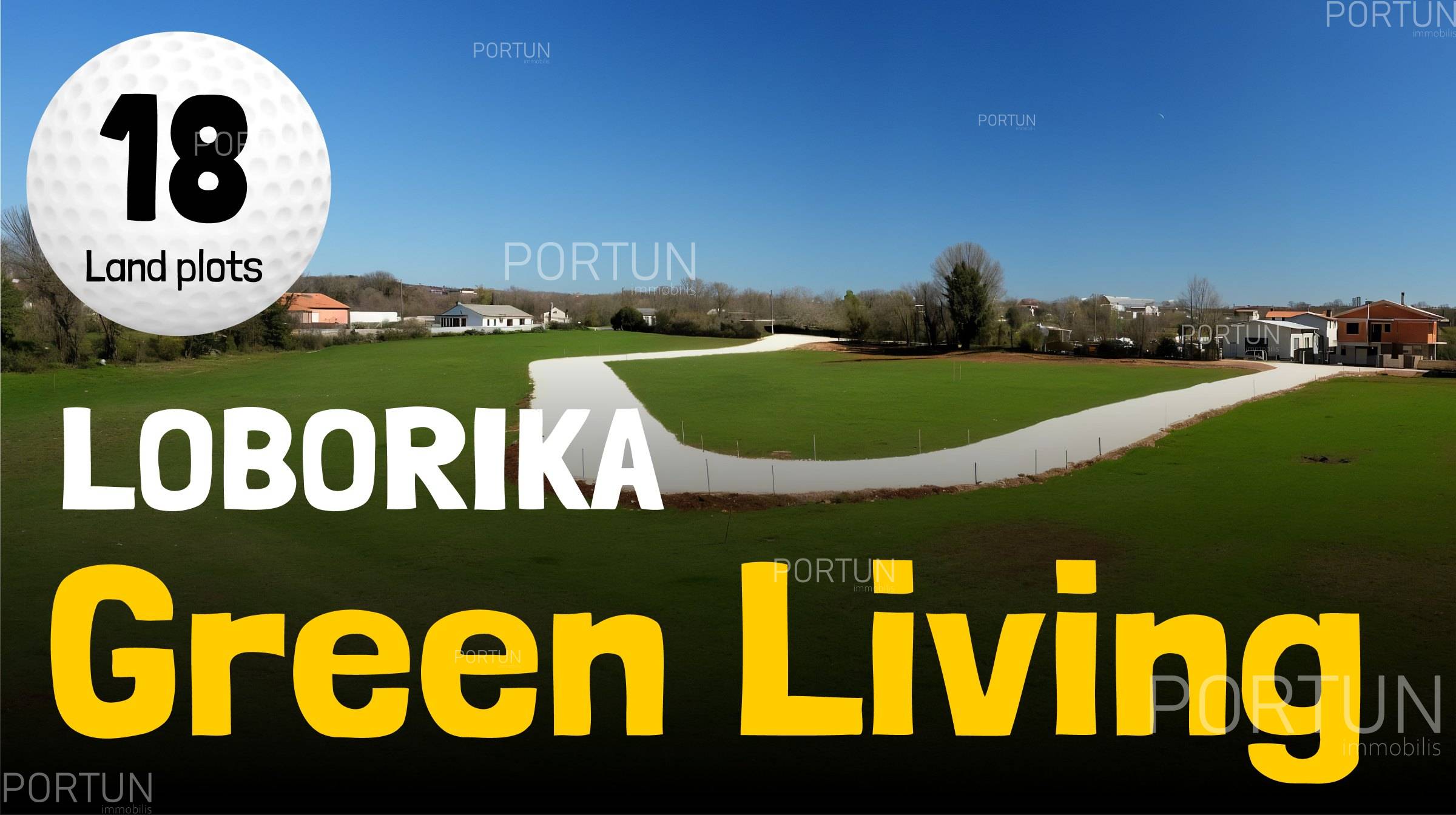
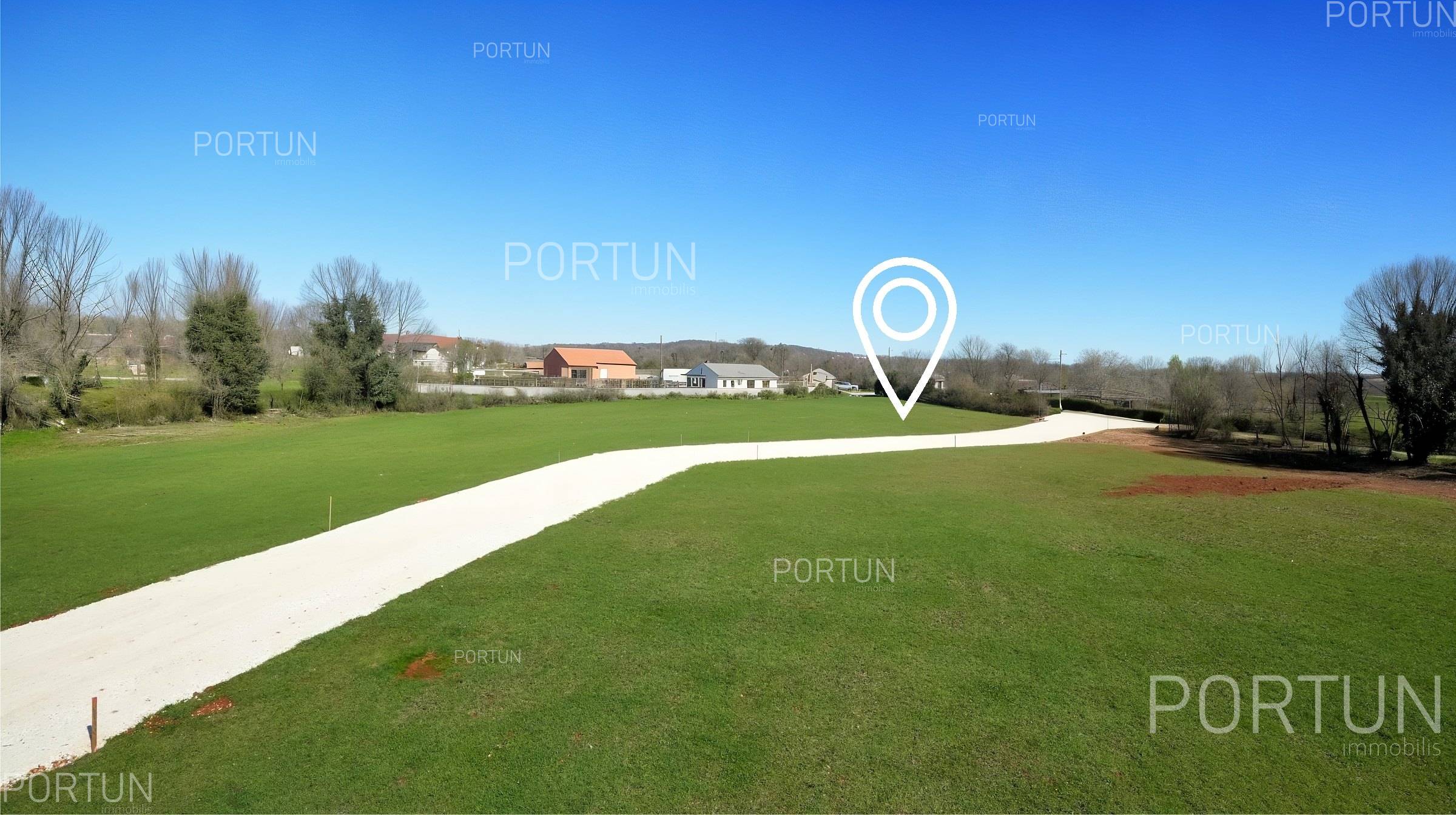
Buying land in Istria has attracted an increasing number of domestic and foreign buyers in recent years. The reason is simple: limited availability of quality locations, stable demand, and long-term growth potential. Unlike apartments or houses, land offers greater flexibility – from building a private home to investment projects like rental villas.
However, investing in land requires understanding local specifics. zoning plans, infrastructure, and the legal status of the plot can significantly affect the investment's value. In this article, we analyze key advantages, risks, and realistic expectations to help you make an informed decision.
The land market in Istria today
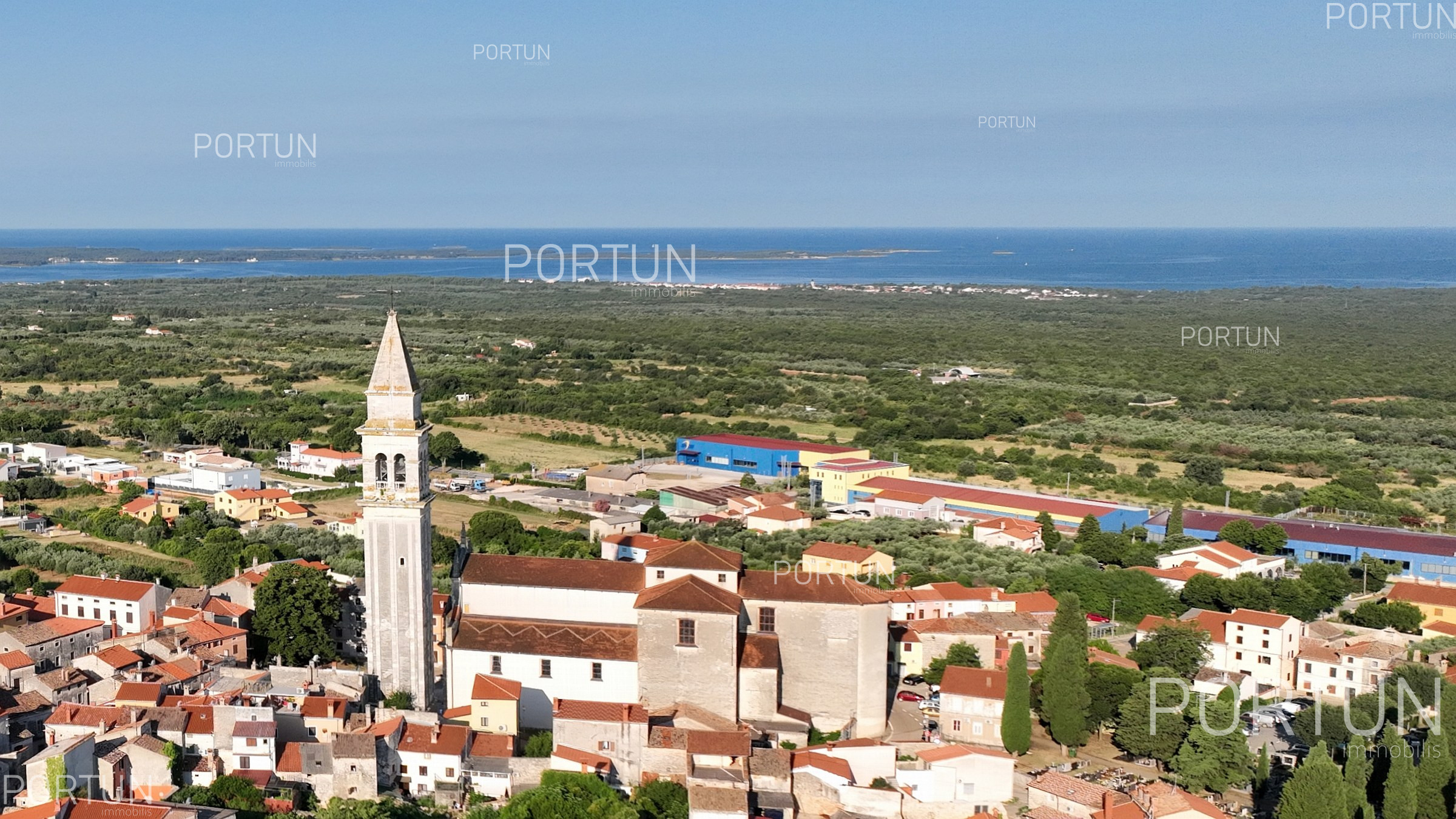
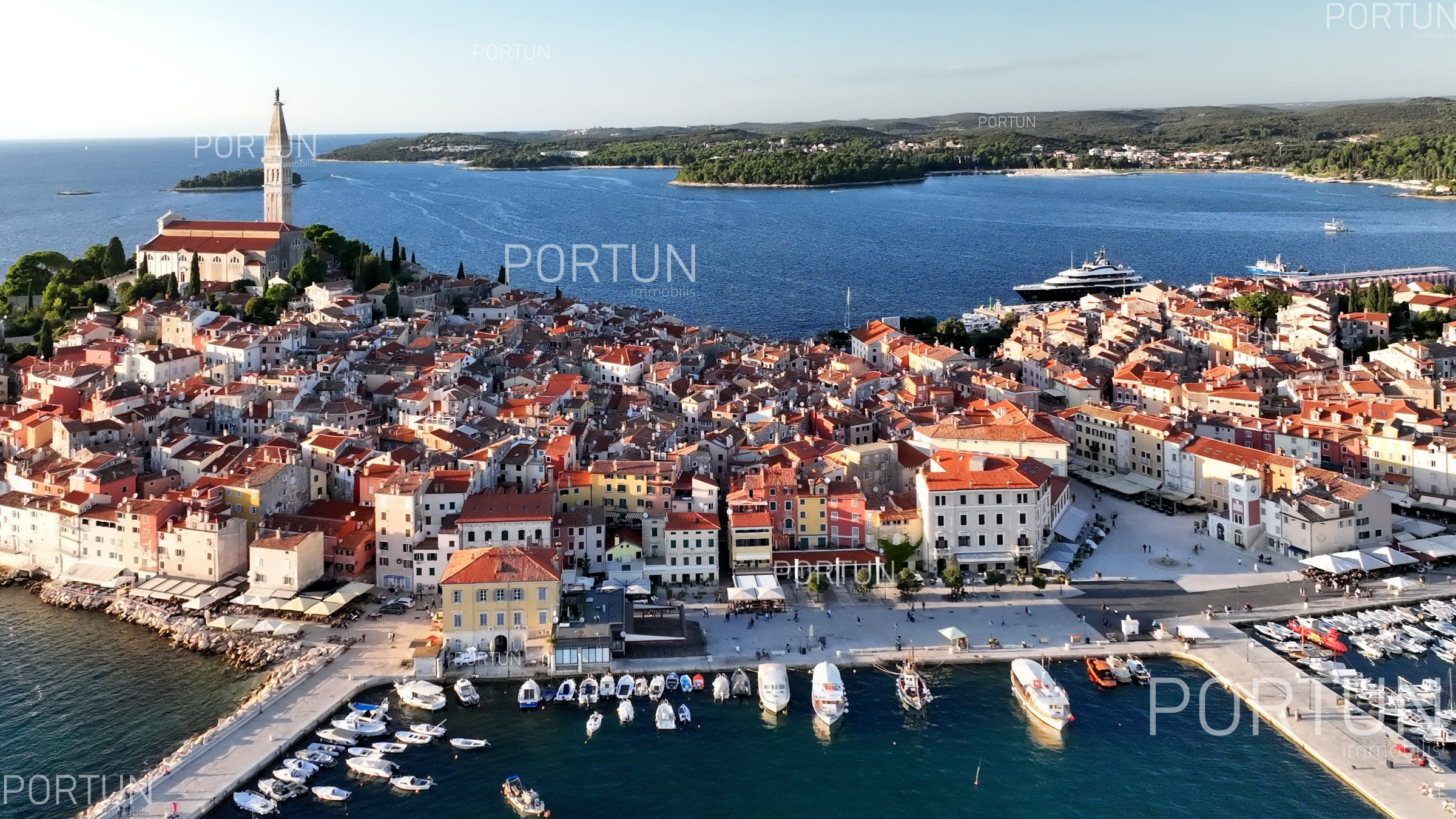
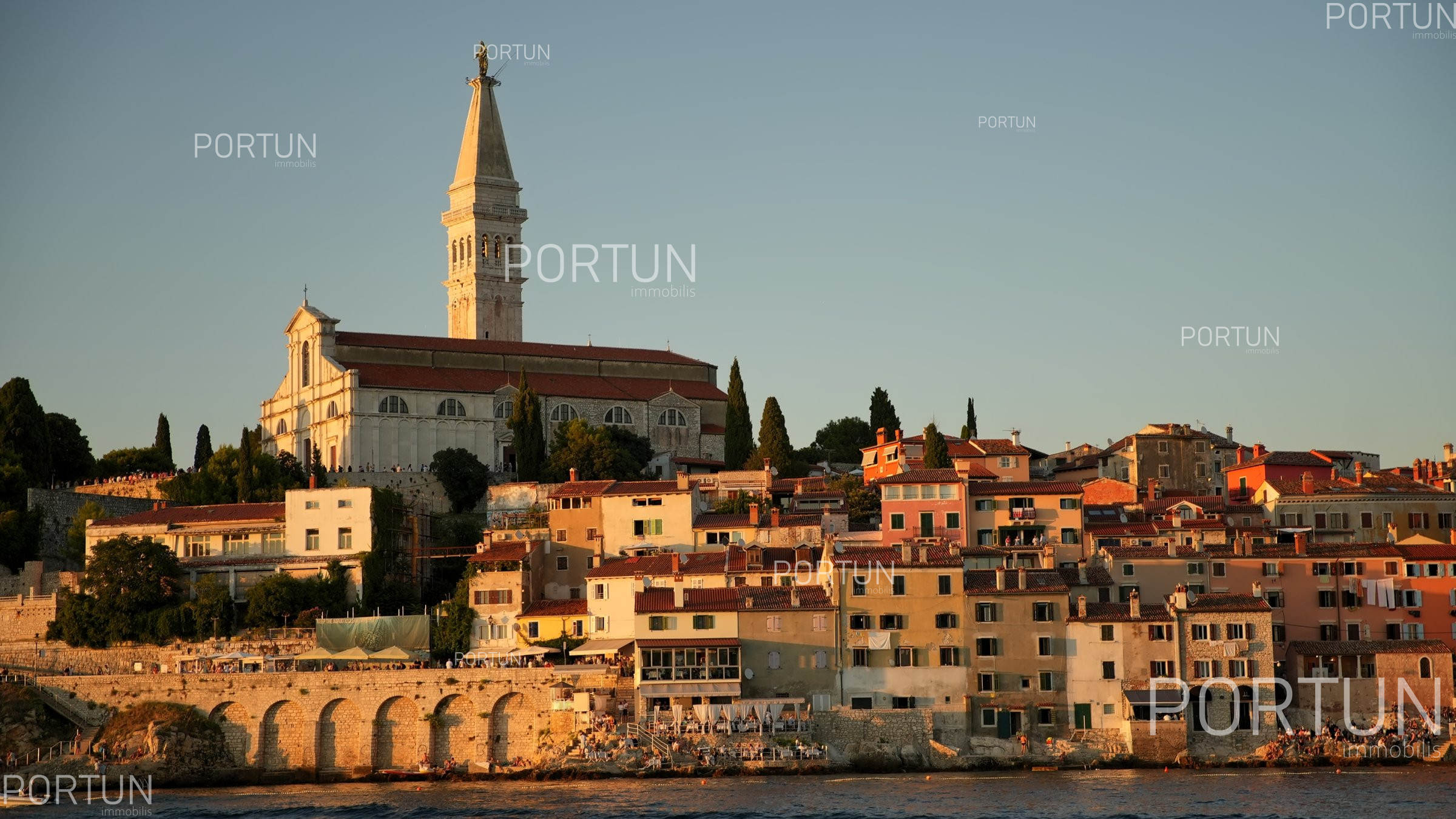
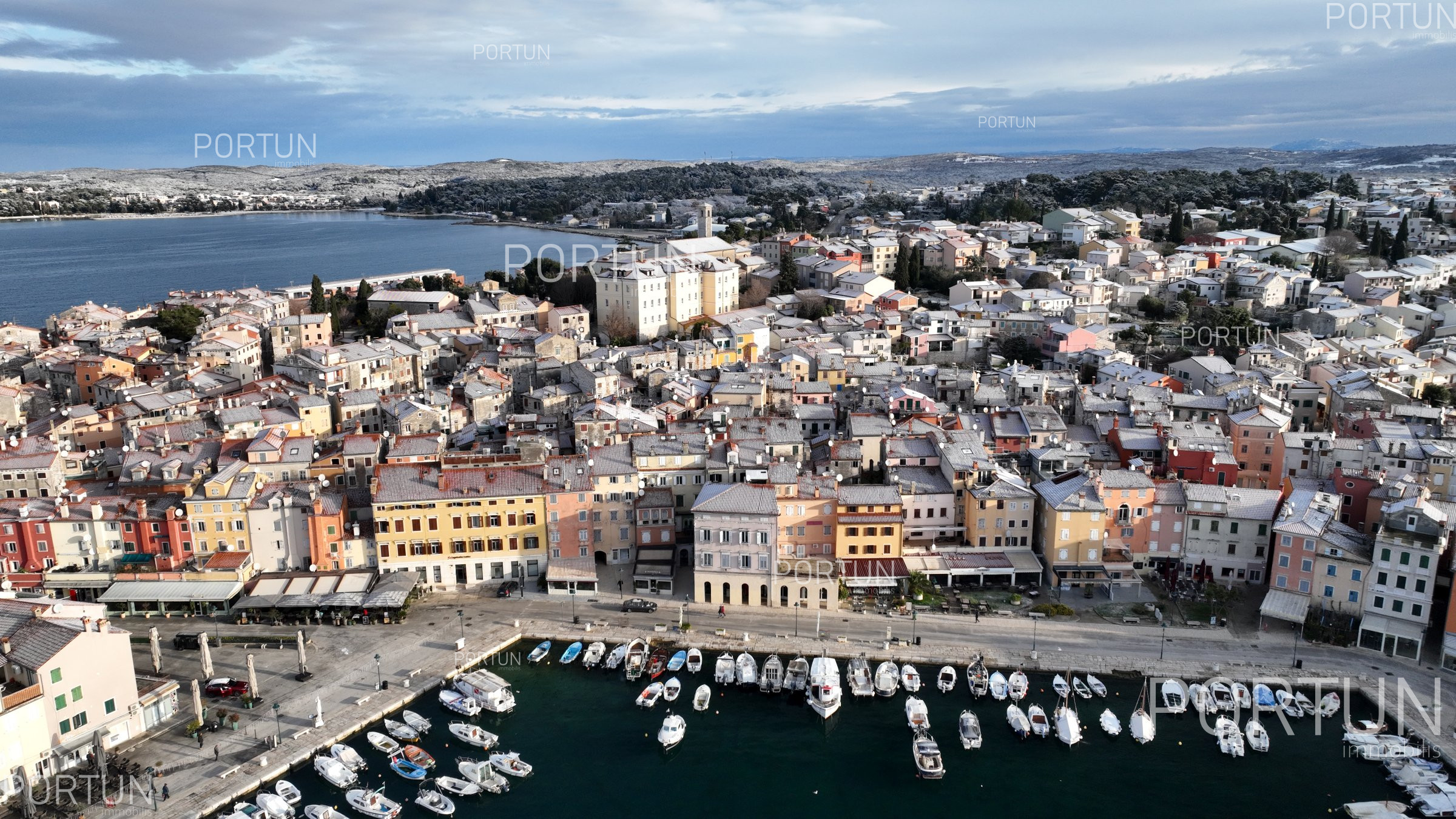
The land market in Istria develops differently from the finished property market. The supply of quality building plots is limited, especially in attractive areas like Rovinj, Poreč, or the interior with good infrastructure access. This scarcity creates a stable basis for price growth.
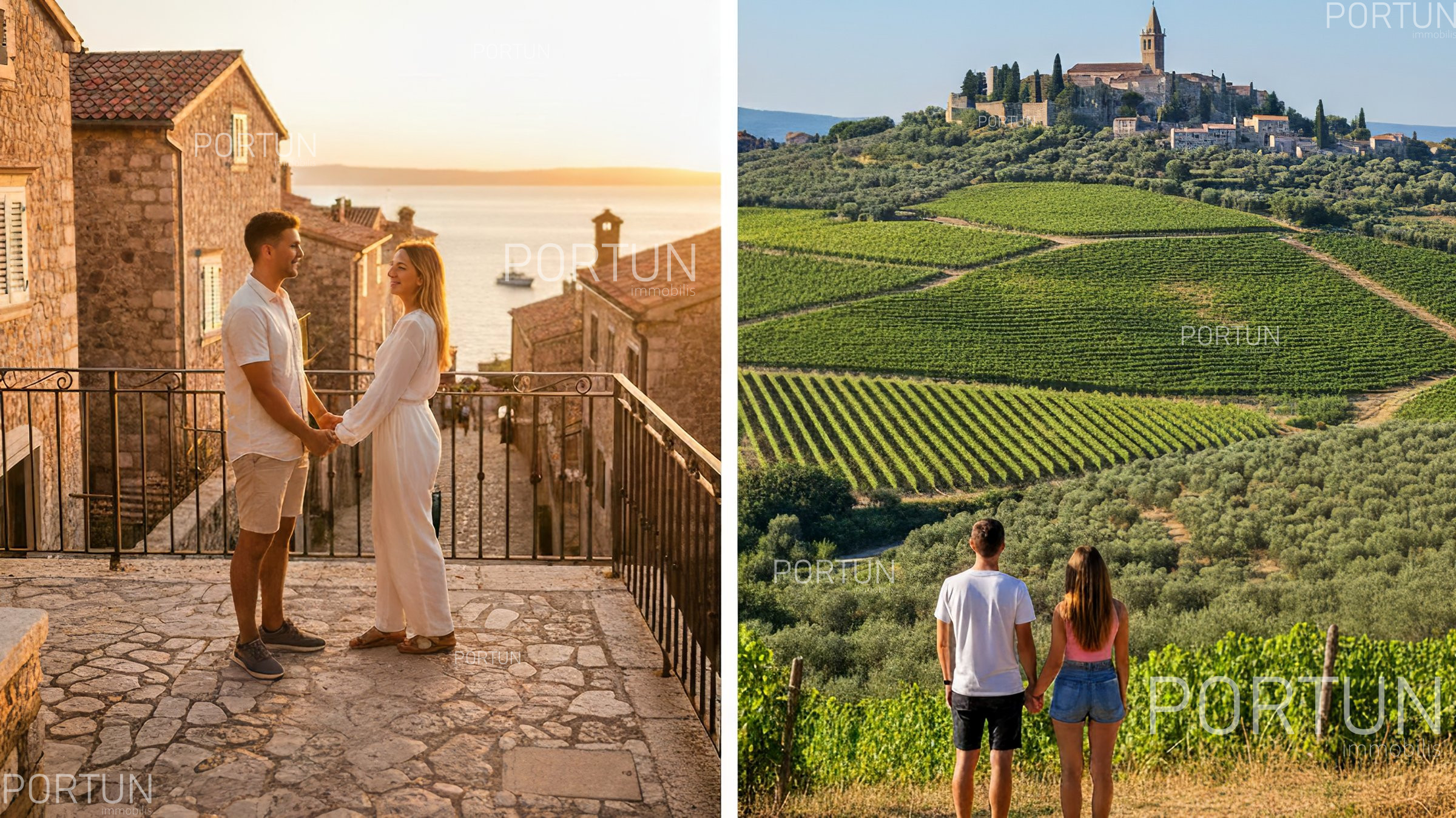
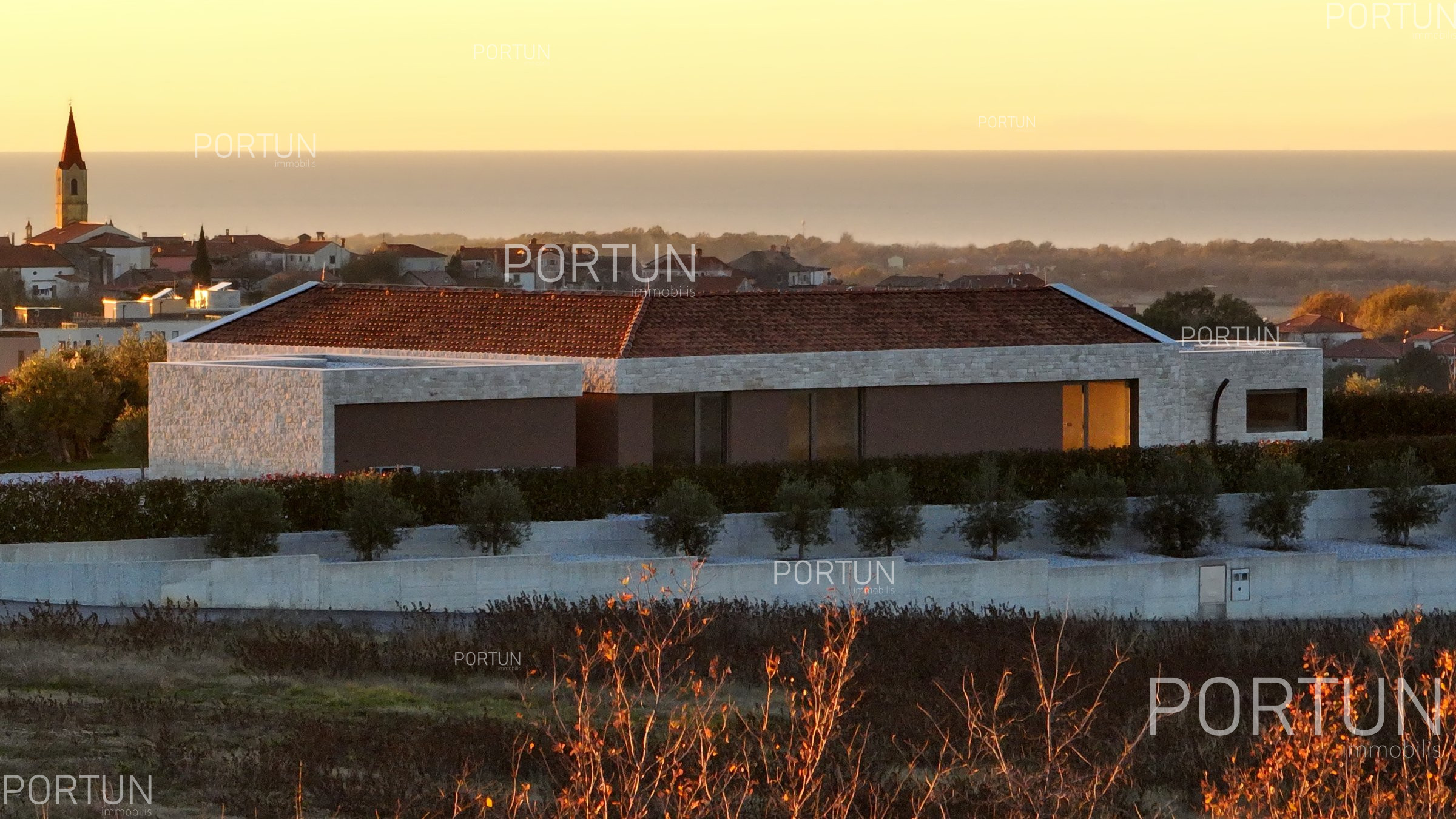
In recent years, there has been a noticeable increase in interest from foreign buyers, especially from Germany, Austria, and Slovenia. They often look for land to build holiday homes, which further raises demand. At the same time, local investors increasingly recognize the potential of smaller projects – building one or two houses for resale or rental.
It is important to understand that prices are not uniform. Differences between coastal and inland parts of Istria can be significant, but the interior also shows continuous growth, especially in micro-locations offering peace, nature, and good transport connections.
Advantages of investing in land
One of the main advantages of investing in land is flexibility. The buyer can define the project, adjust the budget, and develop the investment in phases. Unlike buying a finished property, where options are limited, land allows greater control over the final outcome.
An additional advantage is long-term value growth. Quality locations rarely lose value, and in many cases, prices rise precisely due to limited supply. Plots within building zones with resolved access and infrastructure are especially sought after.
For investors, land also represents an opportunity to develop projects with higher margins. Building and selling a new property often brings higher profits than reselling existing buildings, provided the project is well planned.
Risks to consider
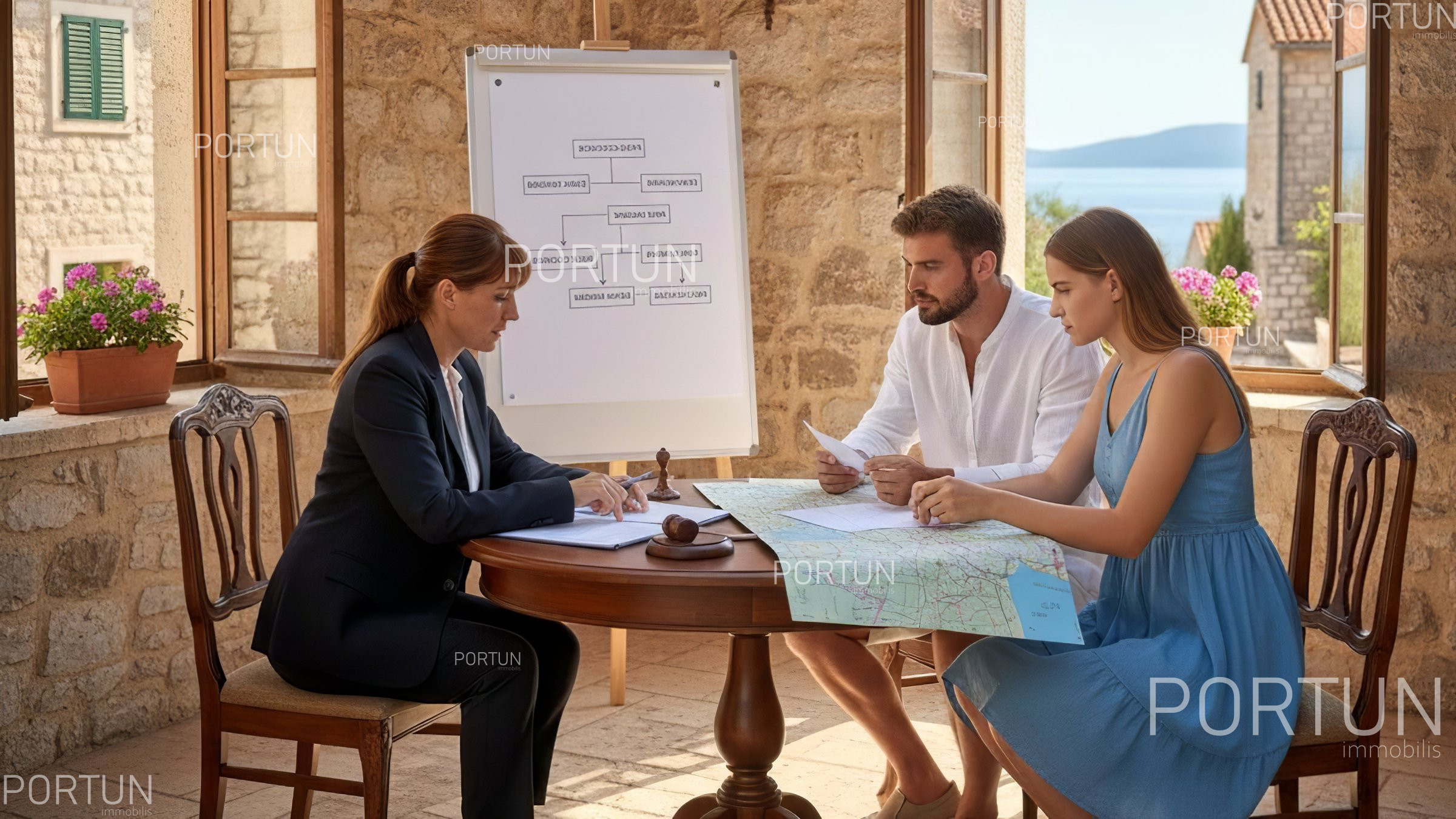
Although land has many advantages, there are also risks. The most common issue is the legal status – discrepancies between land registers and cadastre or unresolved ownership relations. Such cases can significantly delay or prevent project realization.
Another important factor is zoning plans. Not every plot within a building zone has the same value. Building conditions, maximum buildability, and purpose can vary from municipality to municipality.
There are also infrastructure challenges. Access roads, water, electricity, and sewage are often unresolved, which can increase total investment costs. Therefore, it is crucial to thoroughly analyze all technical and legal aspects before purchase.
Location as a key factor
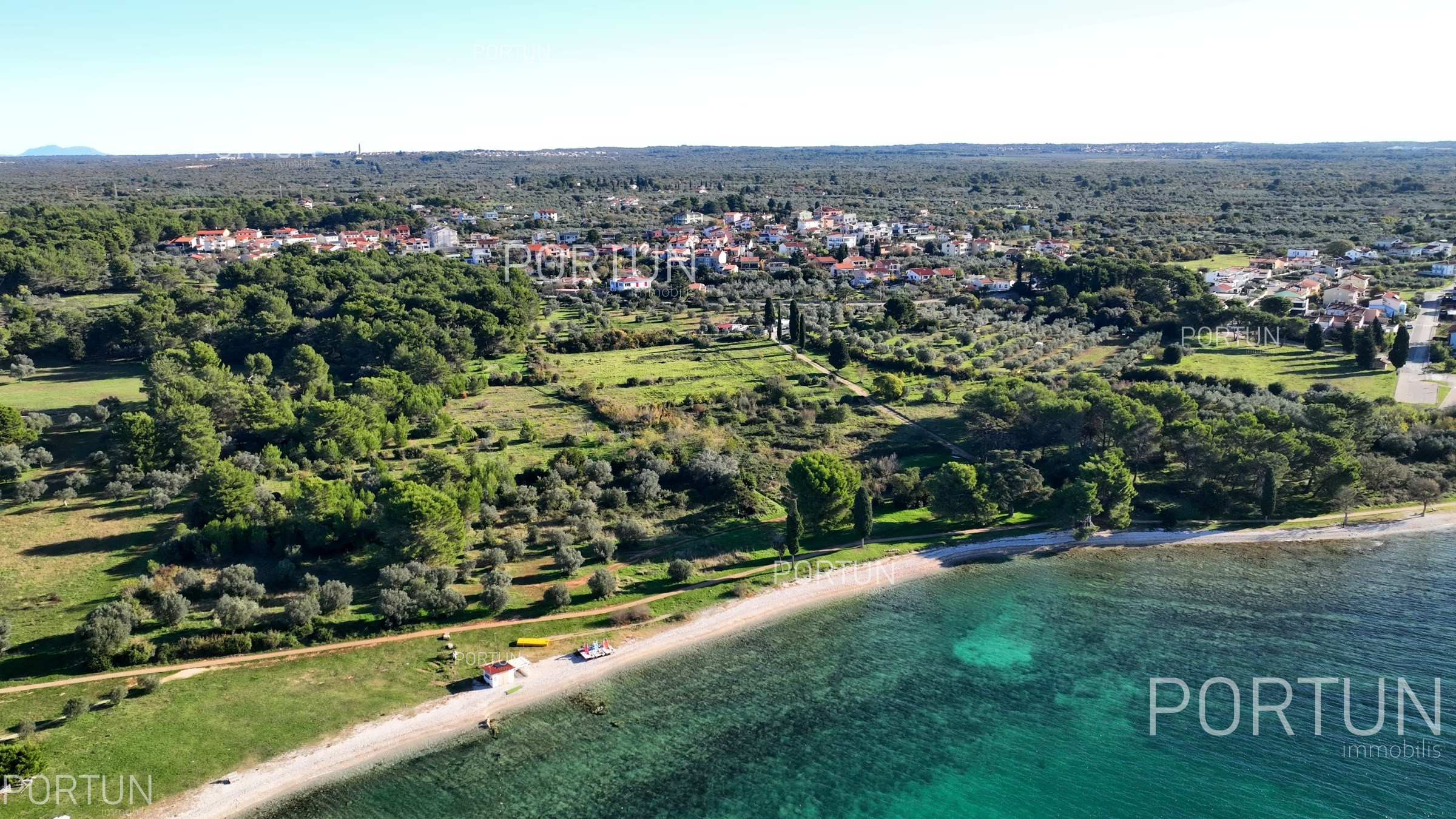
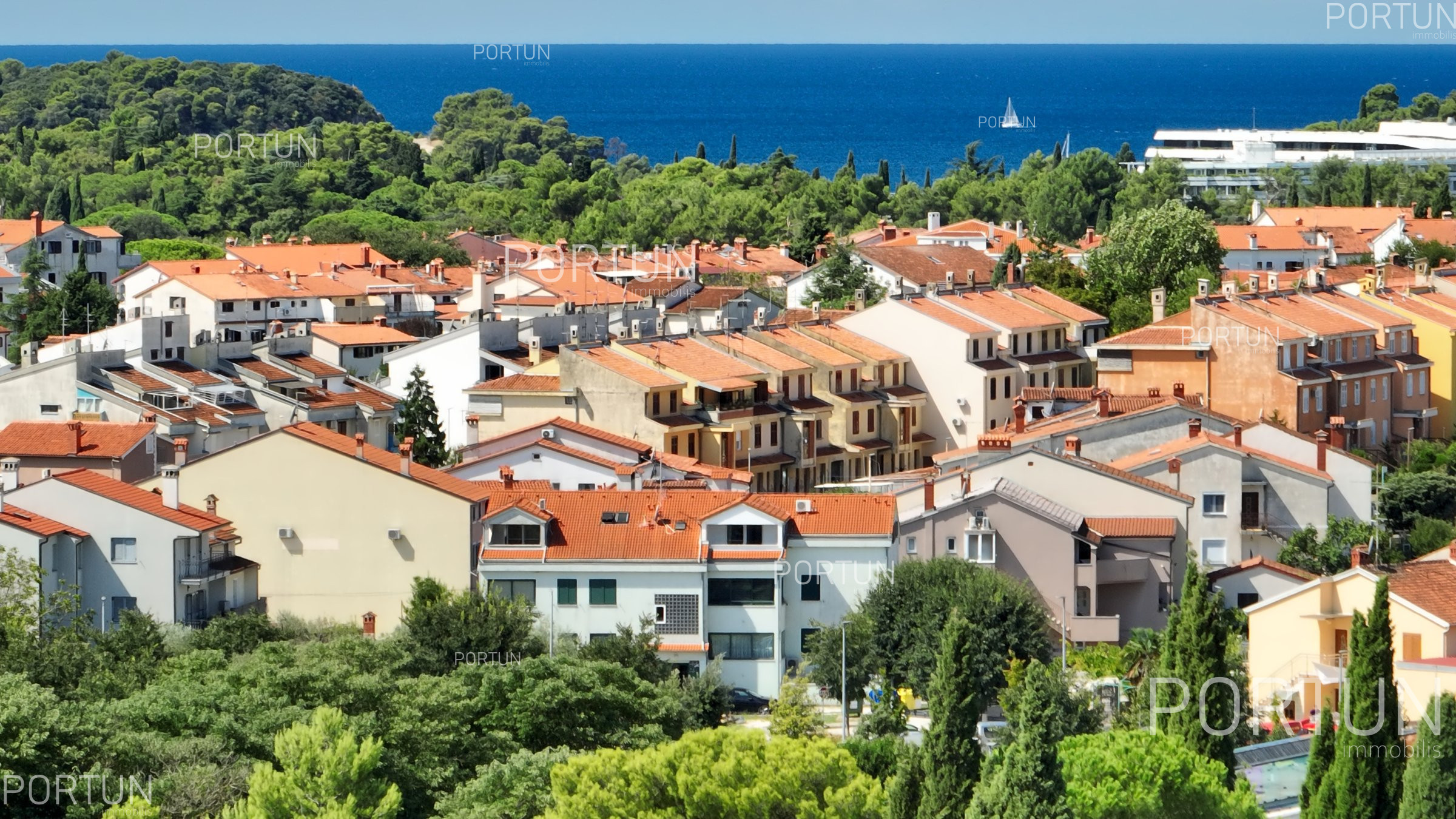
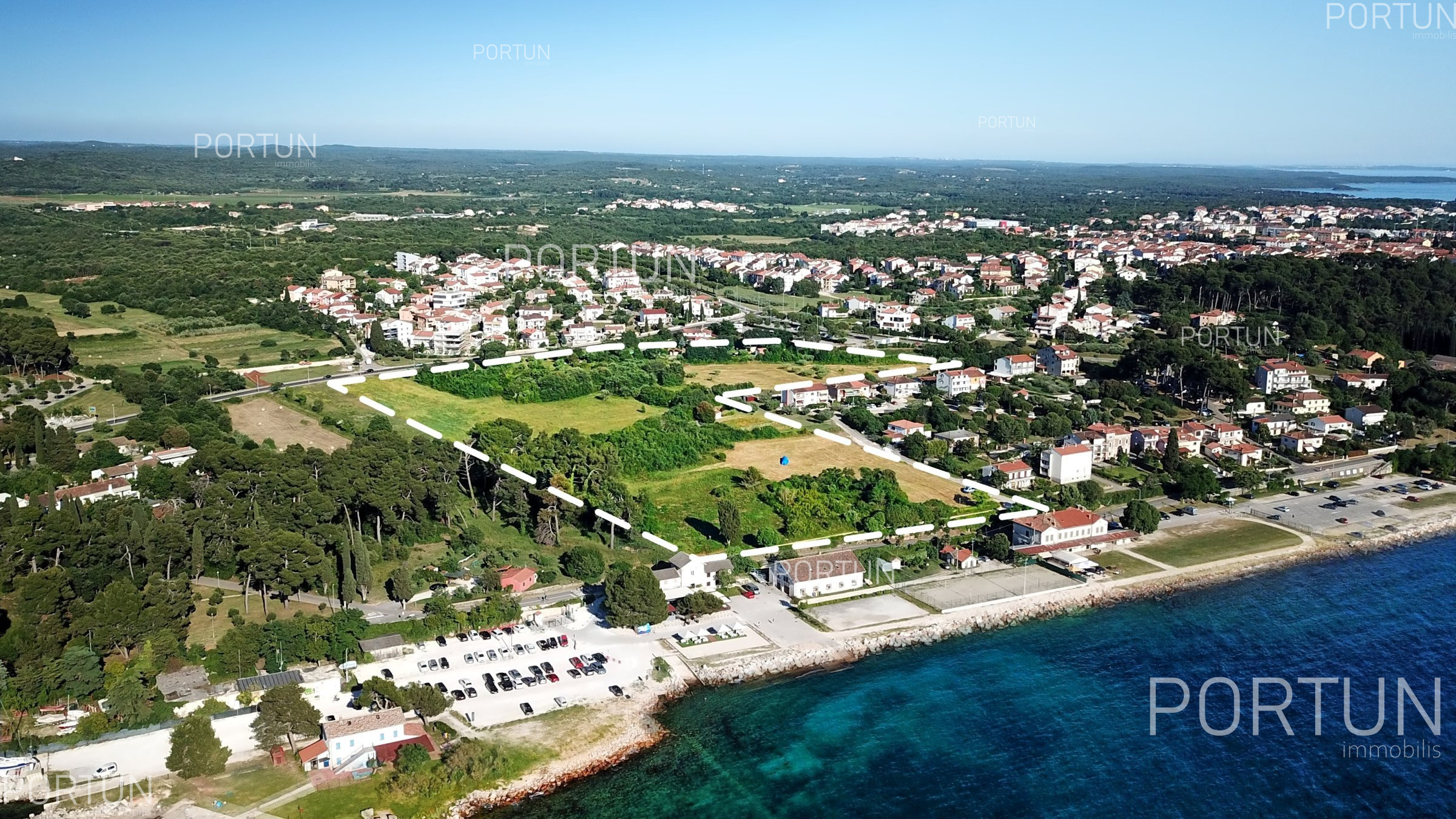
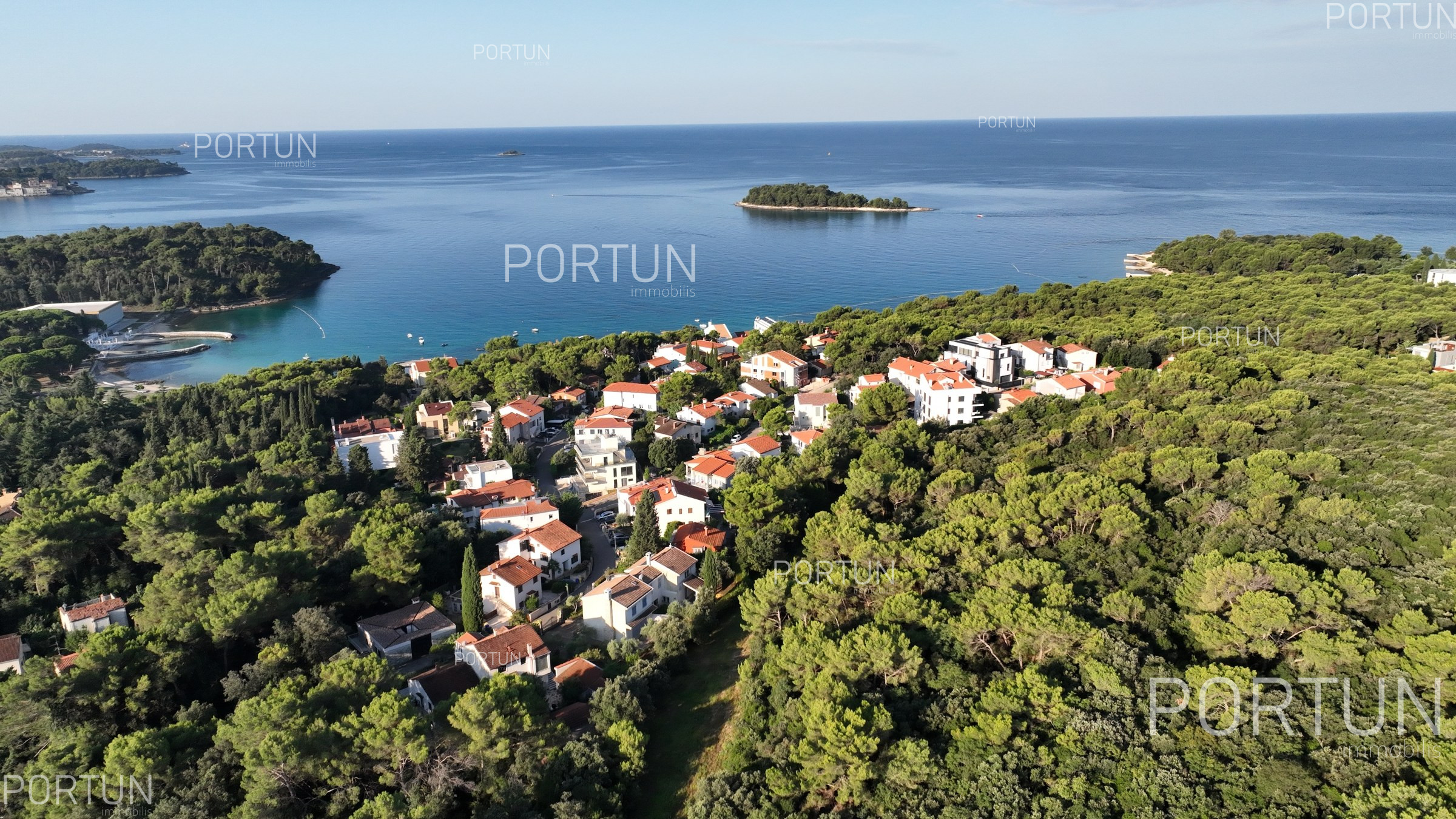
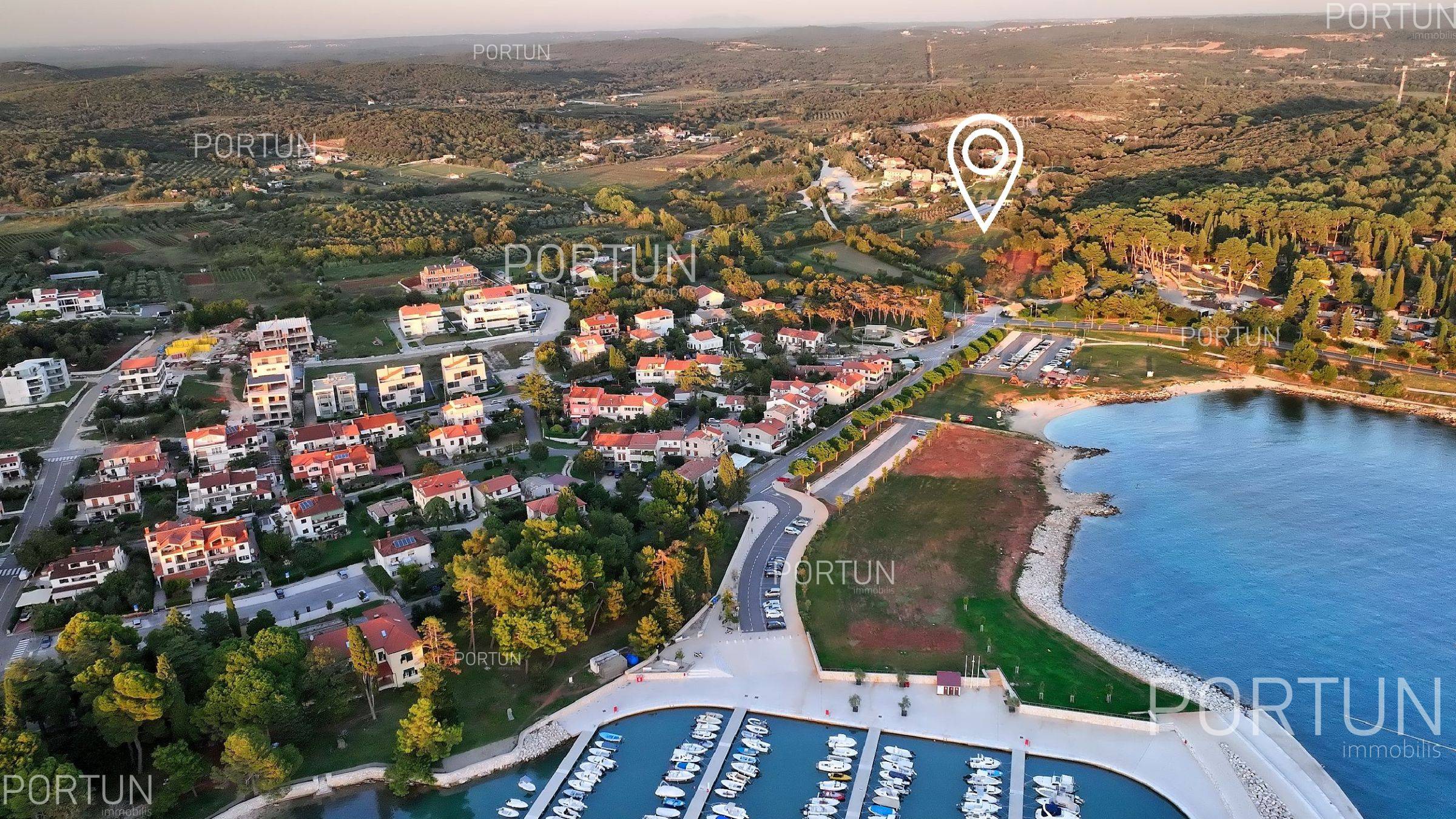
Location is one of the most important elements when assessing land value. In Istria, there are significant differences between coastal areas and the interior, as well as within individual micro-locations. Proximity to the sea, infrastructure, and tourist amenities greatly affects the price.
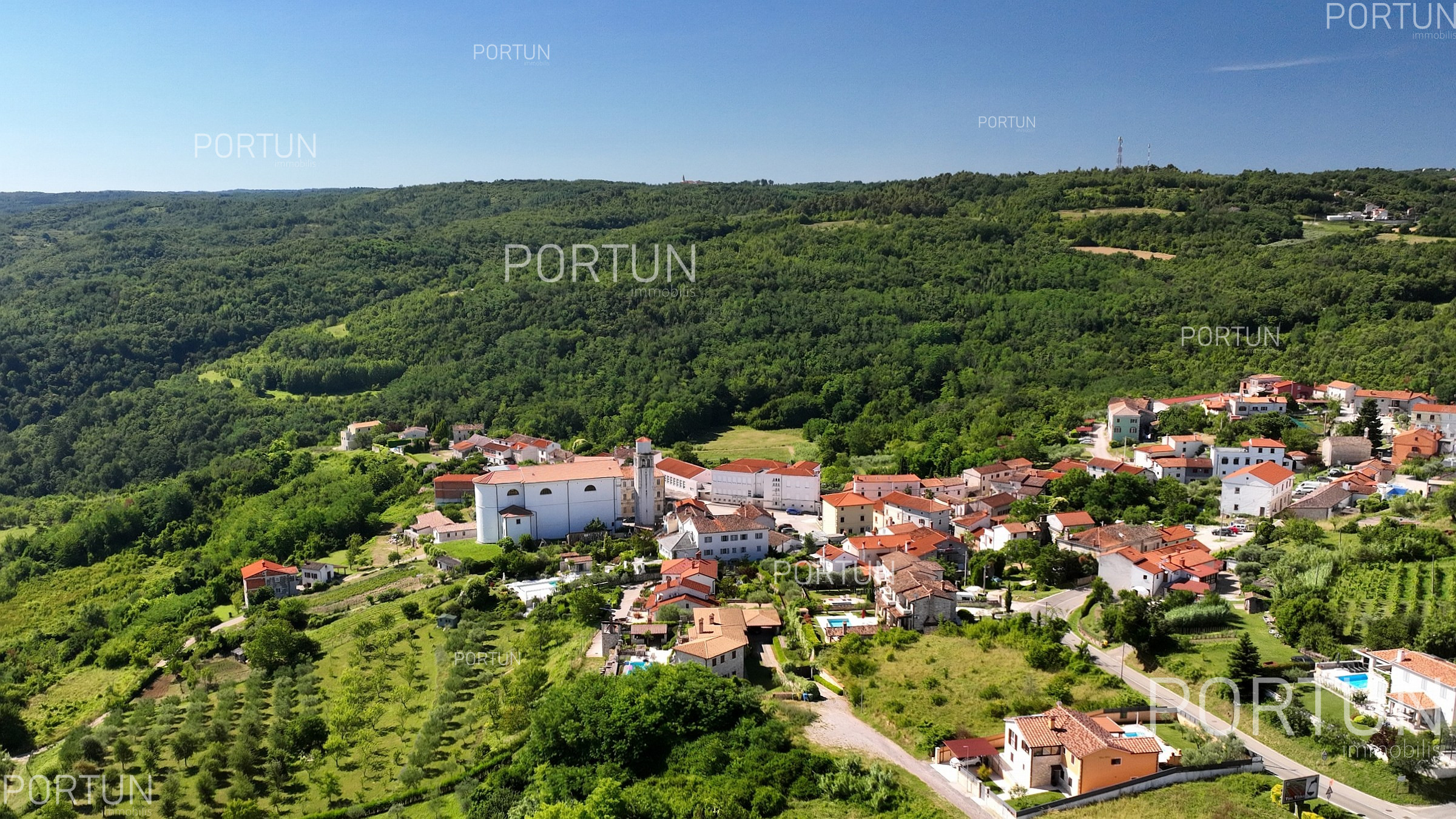
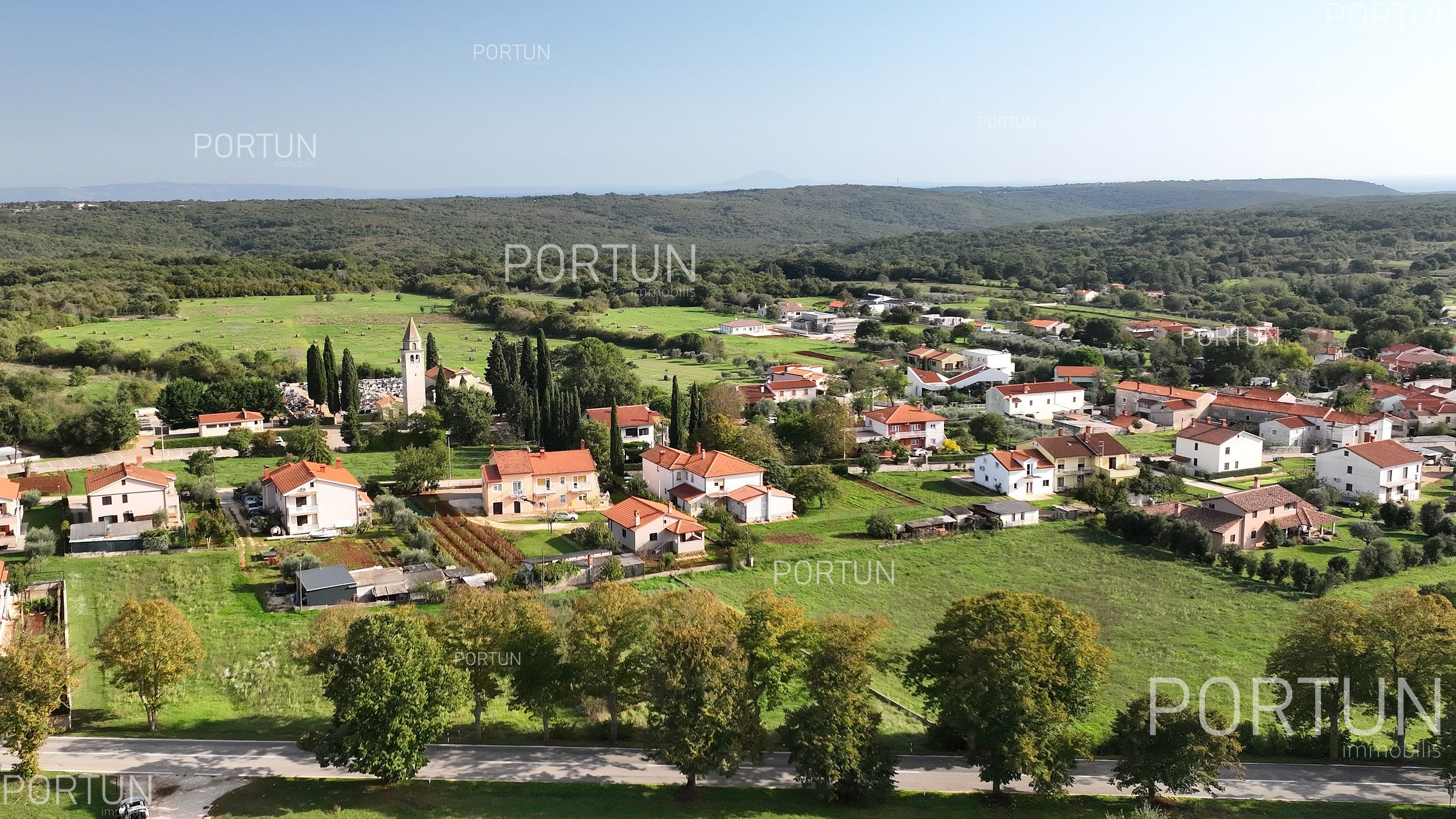
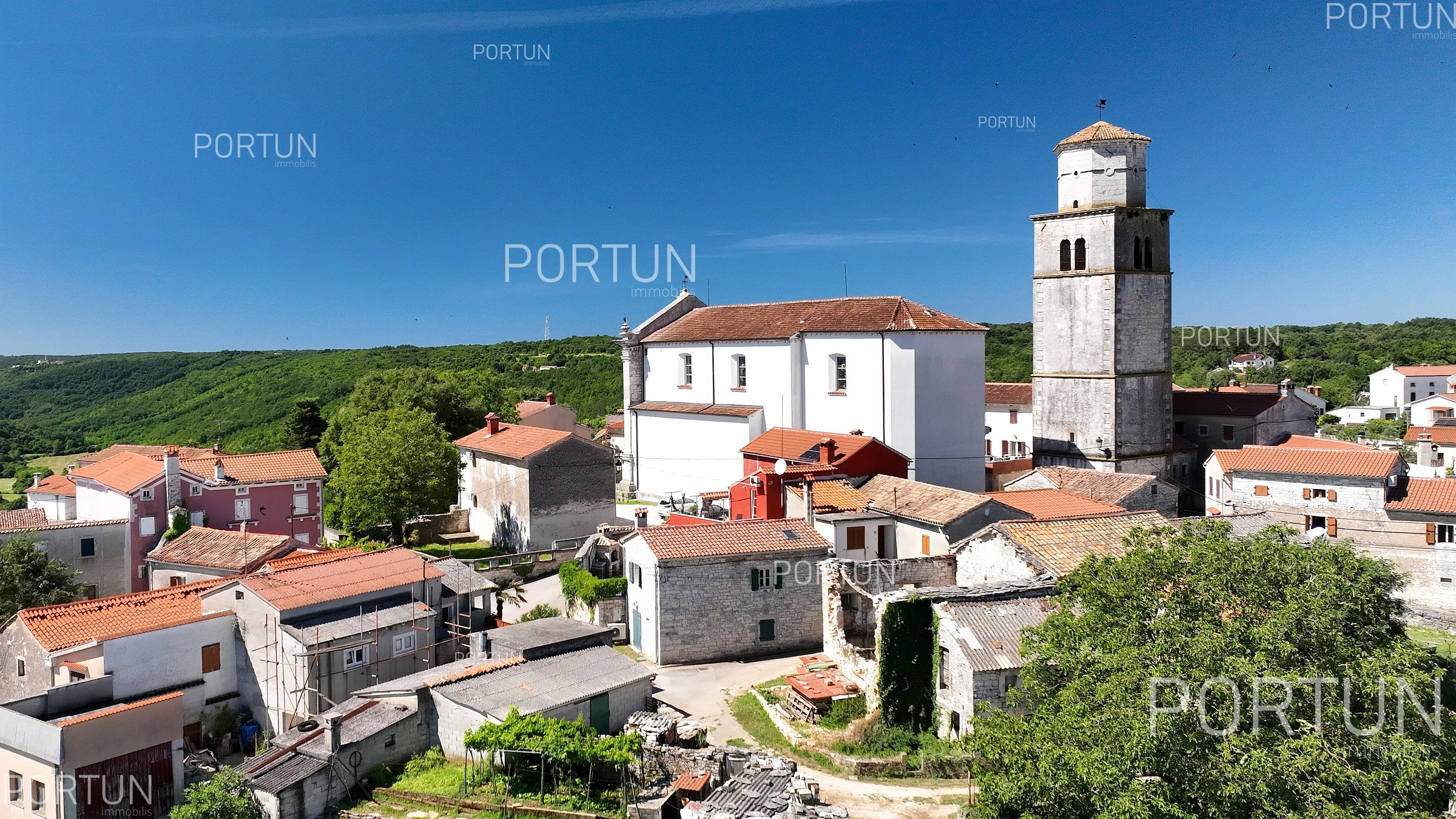
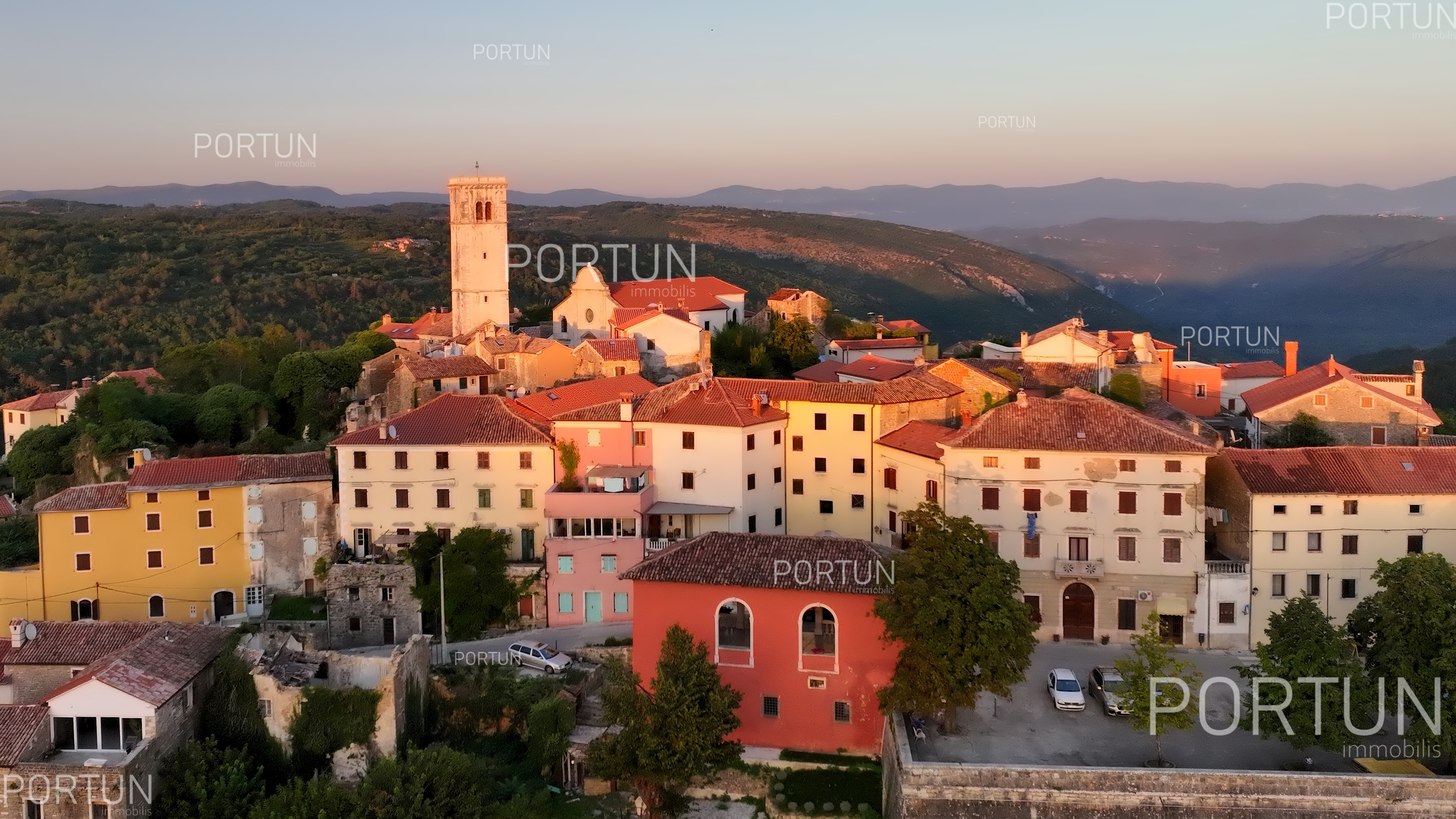
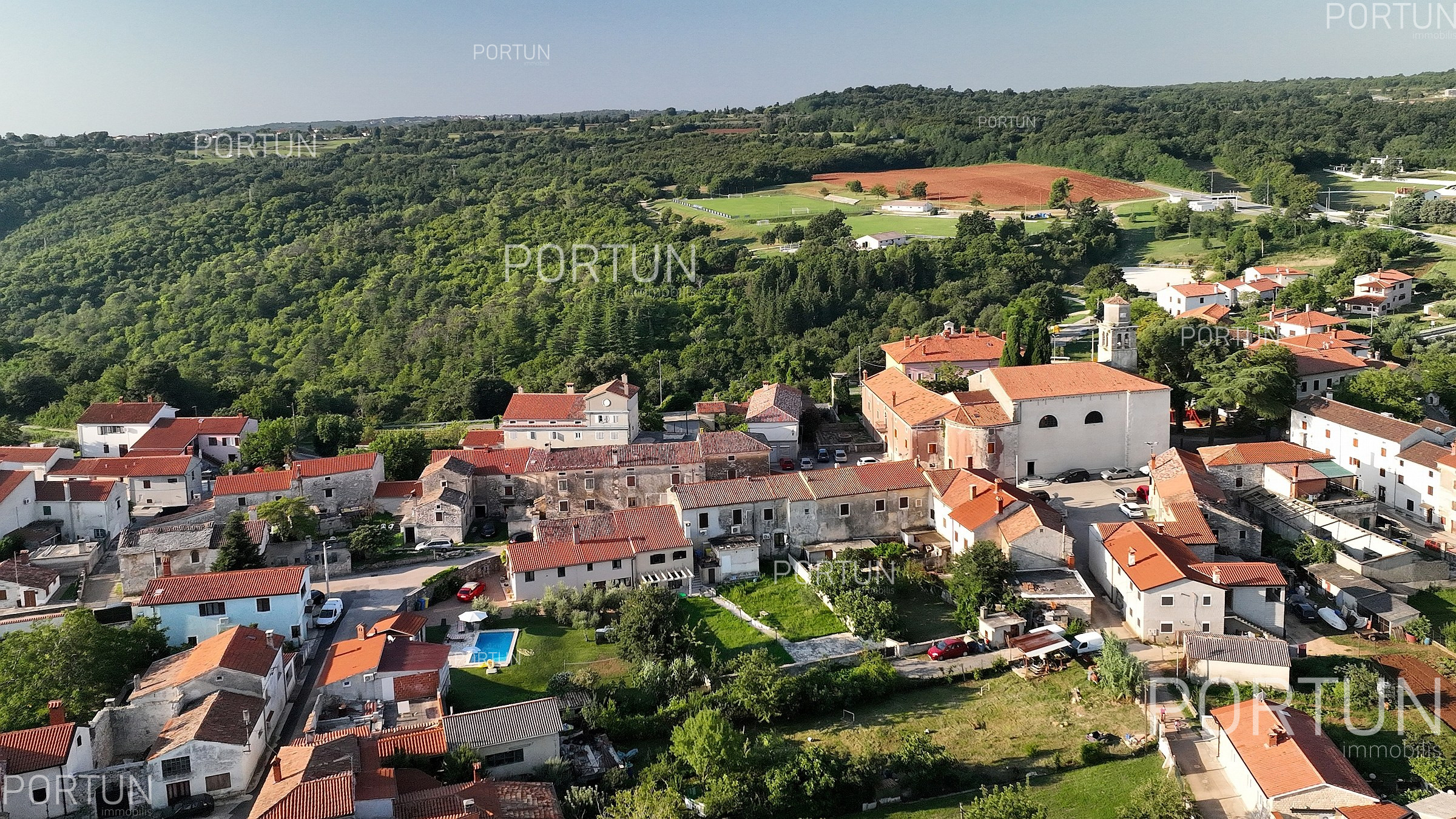
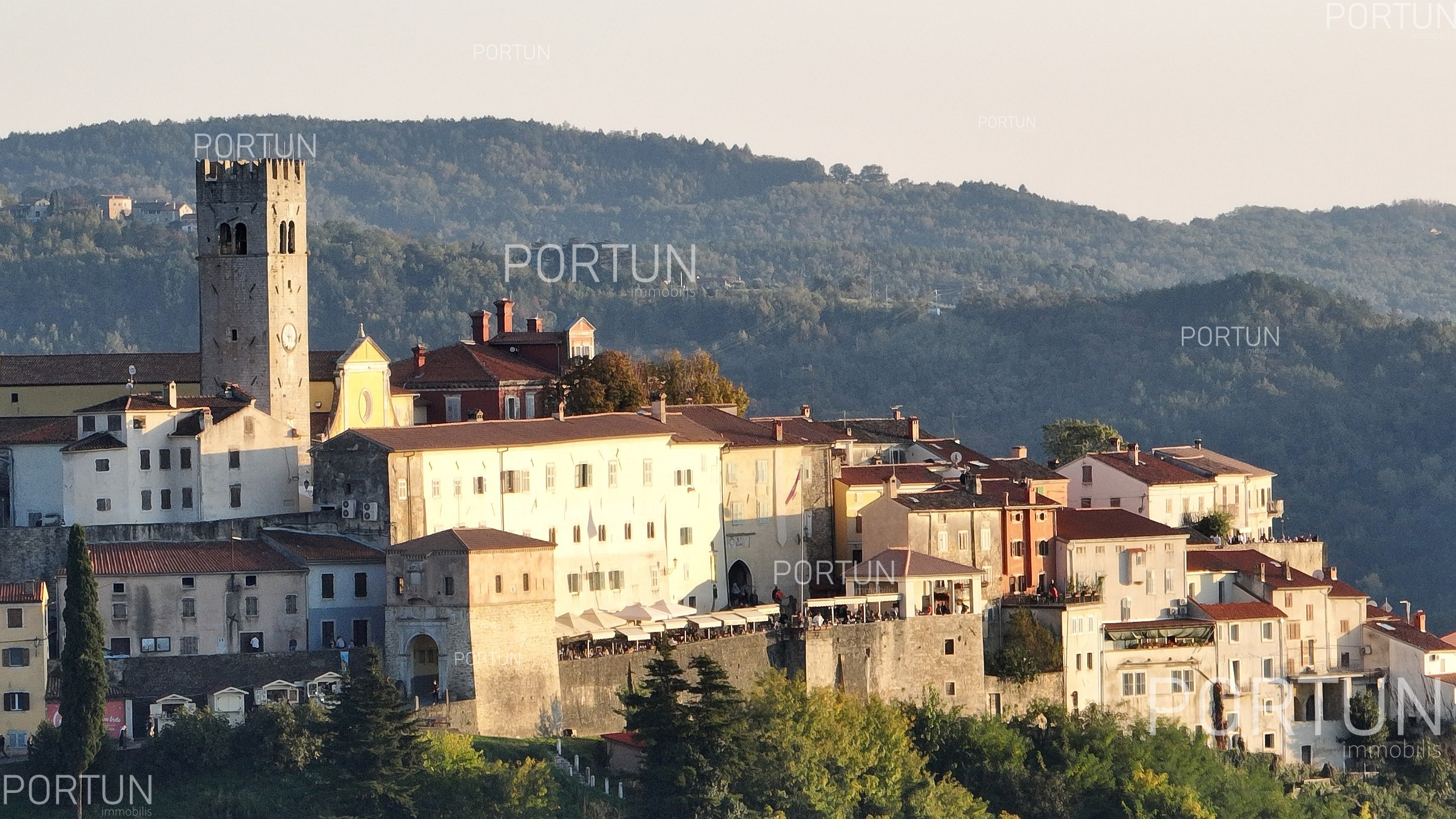
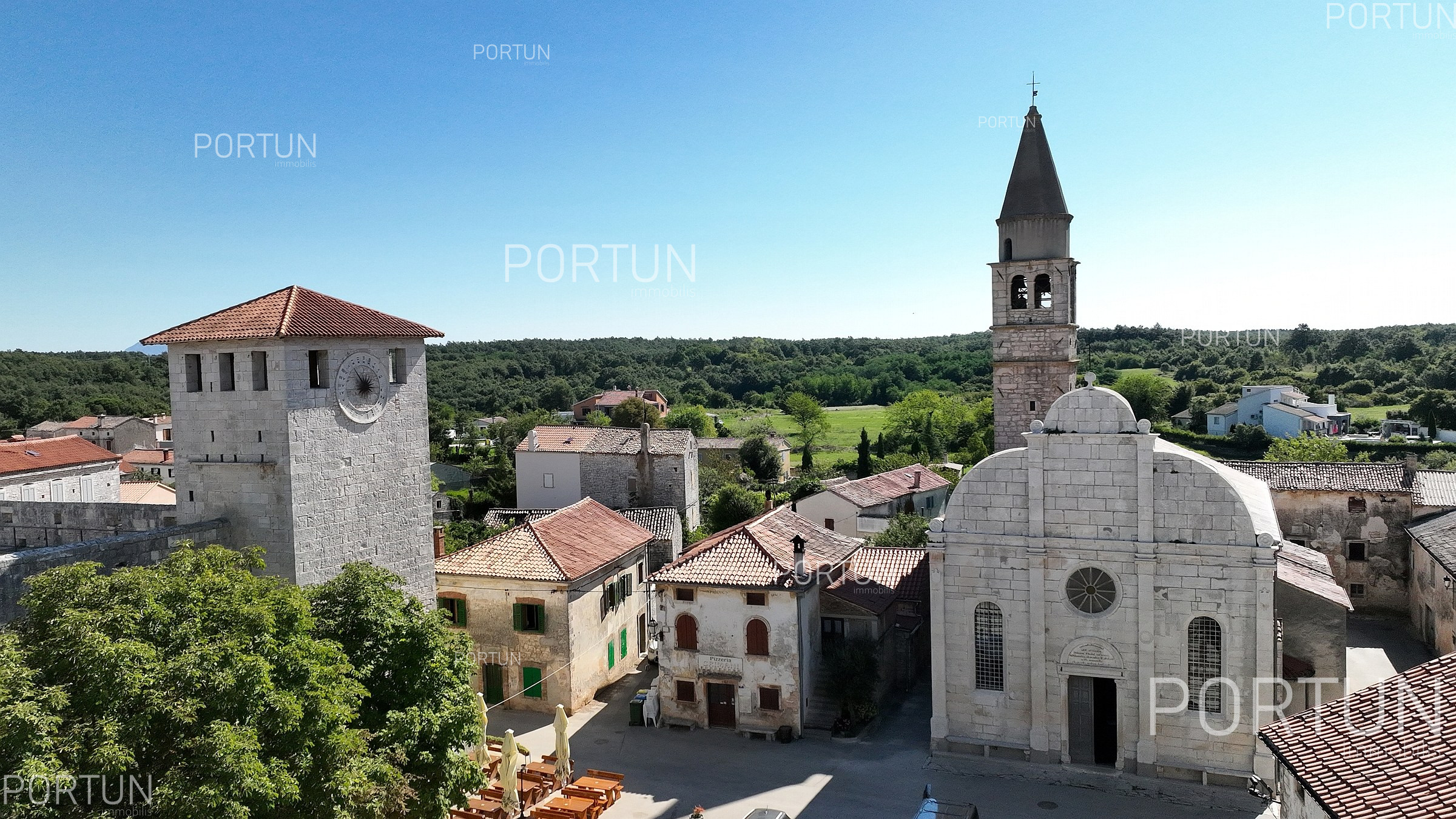
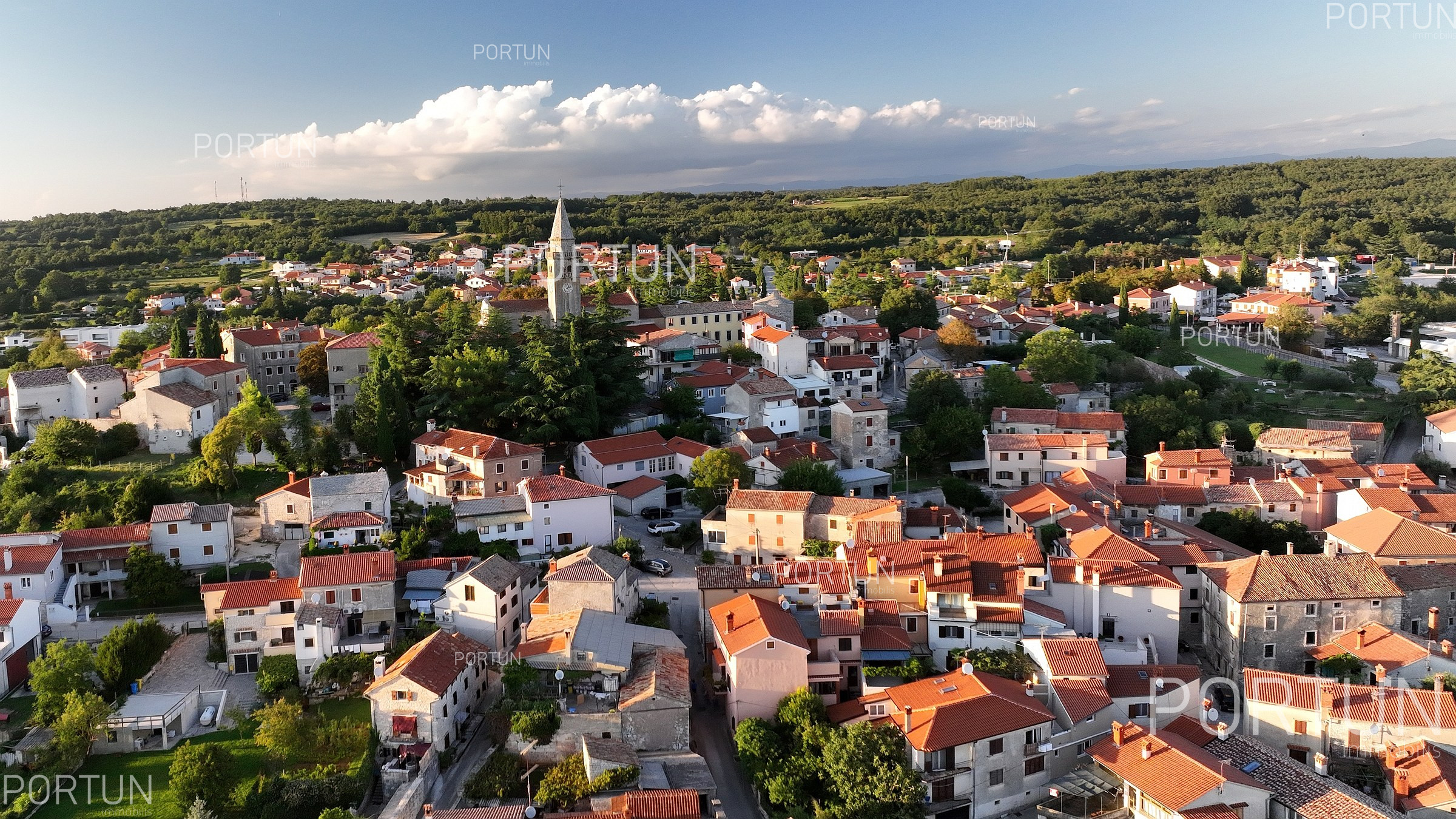
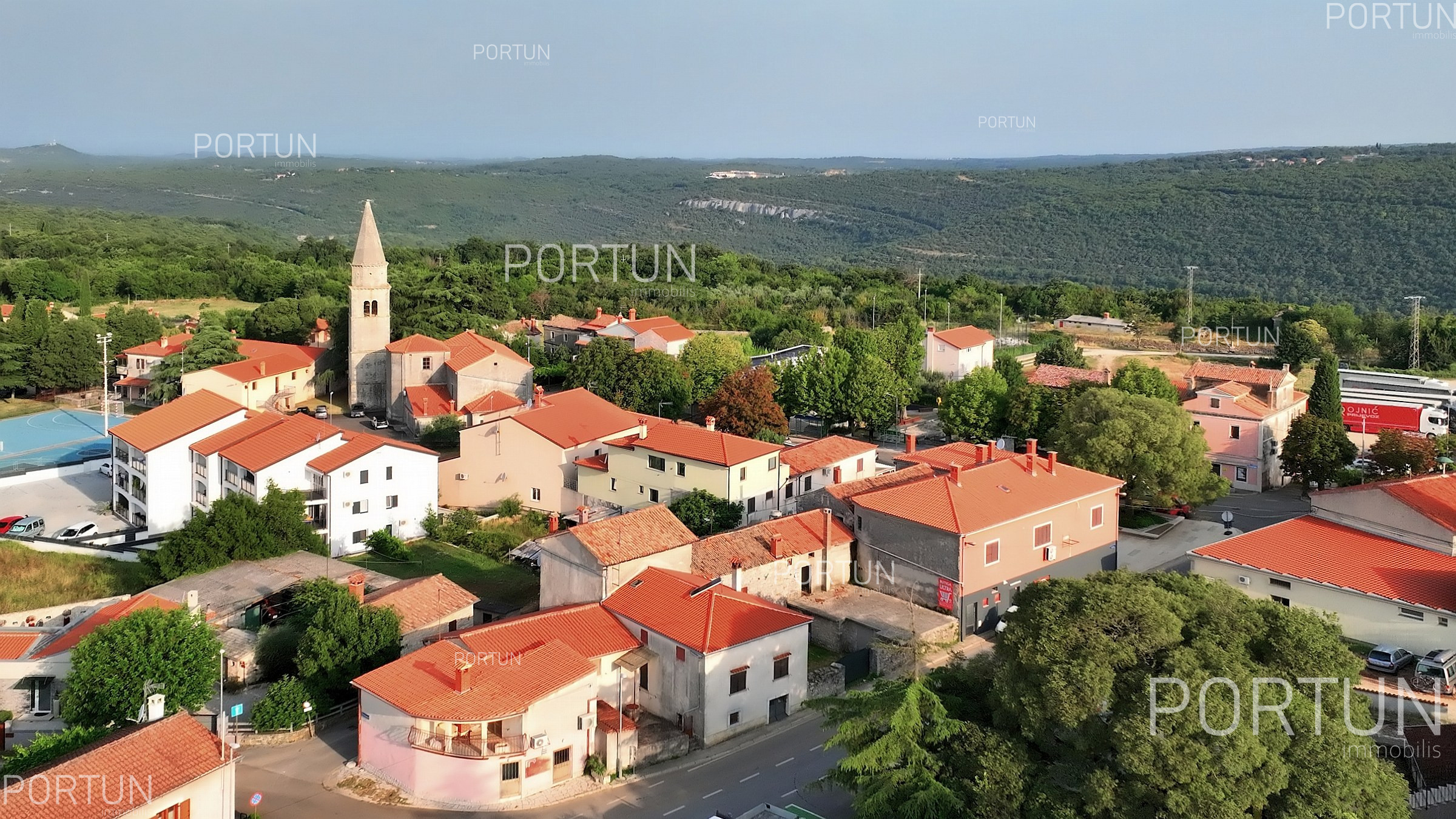
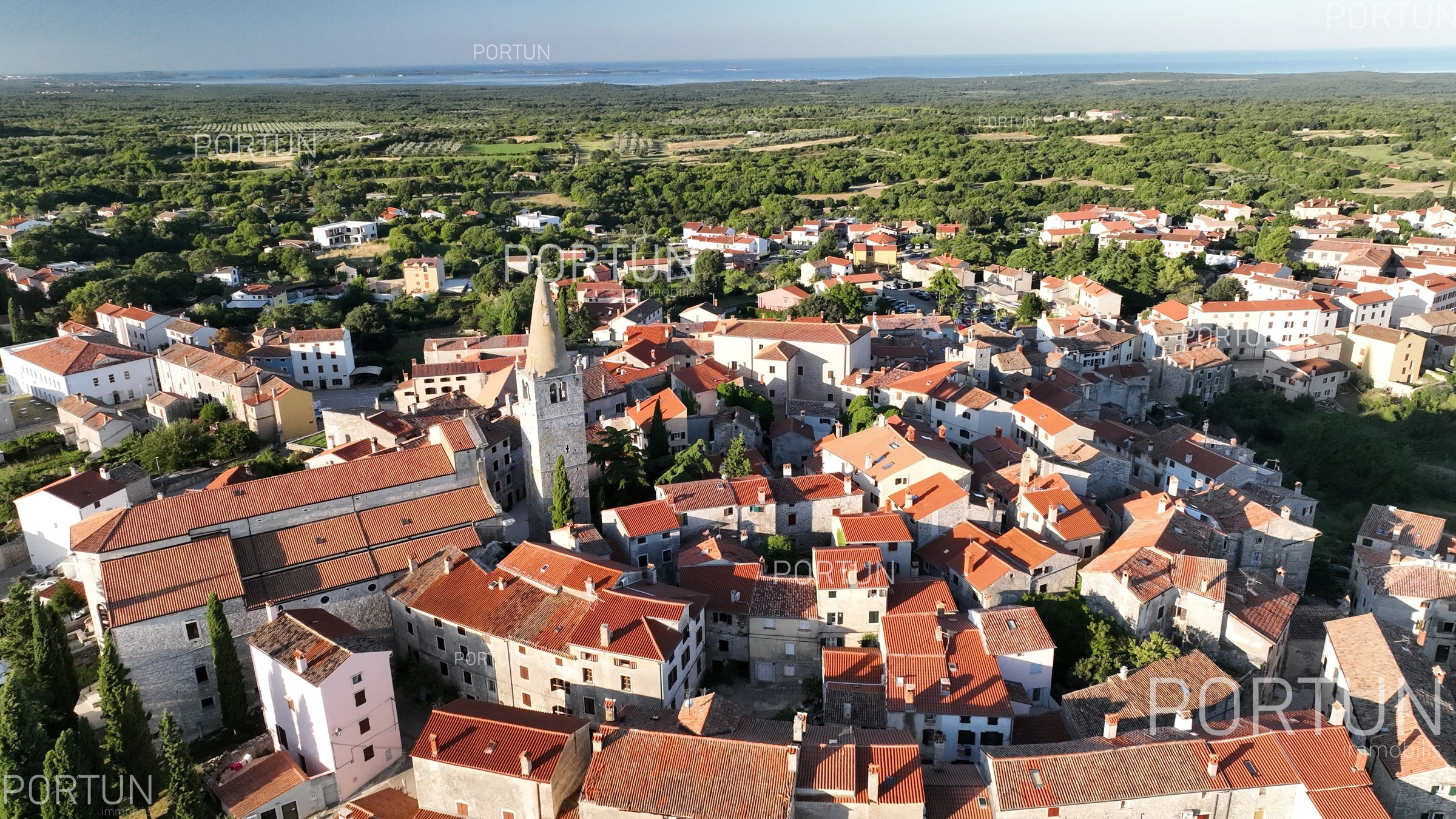
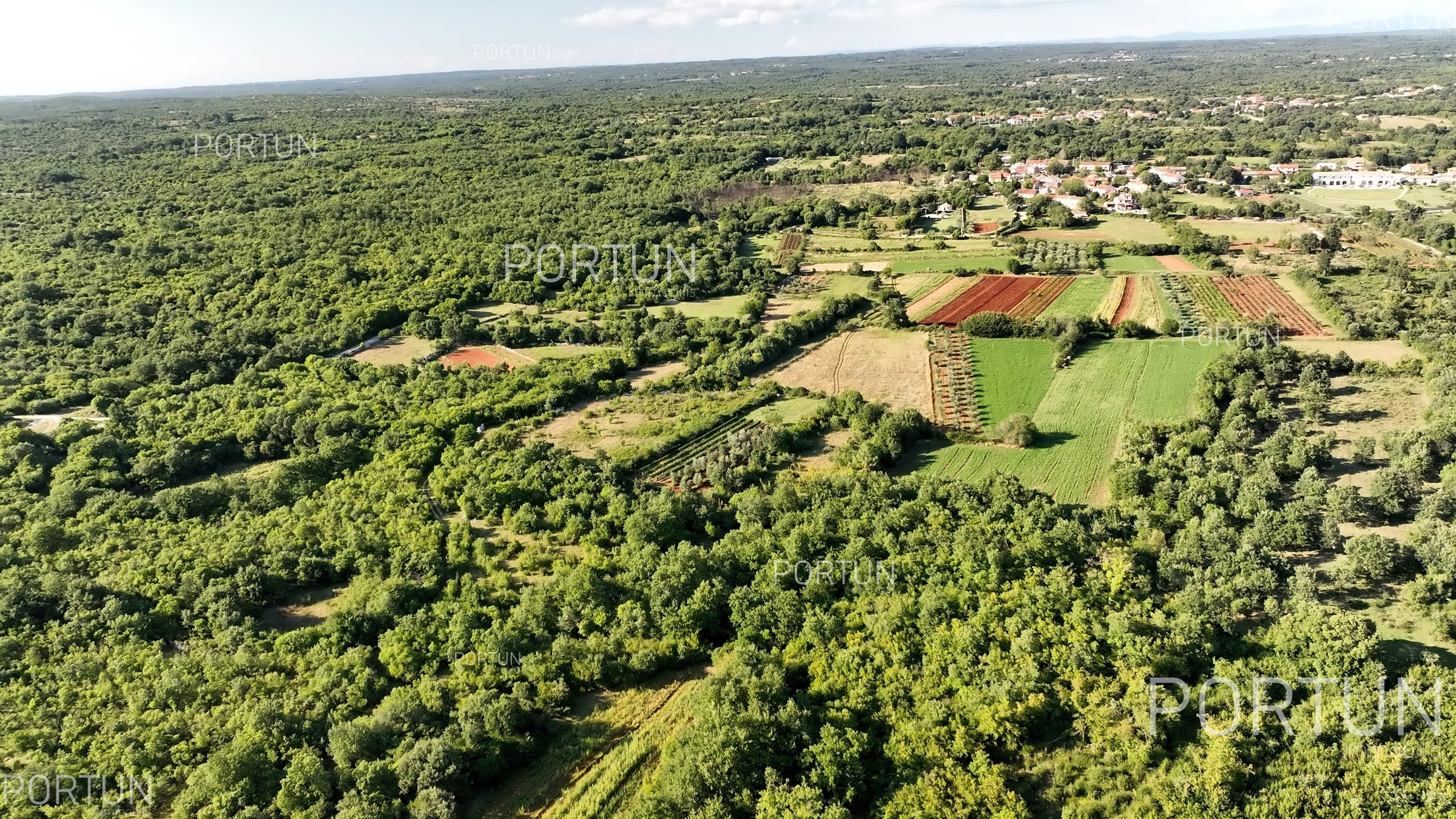
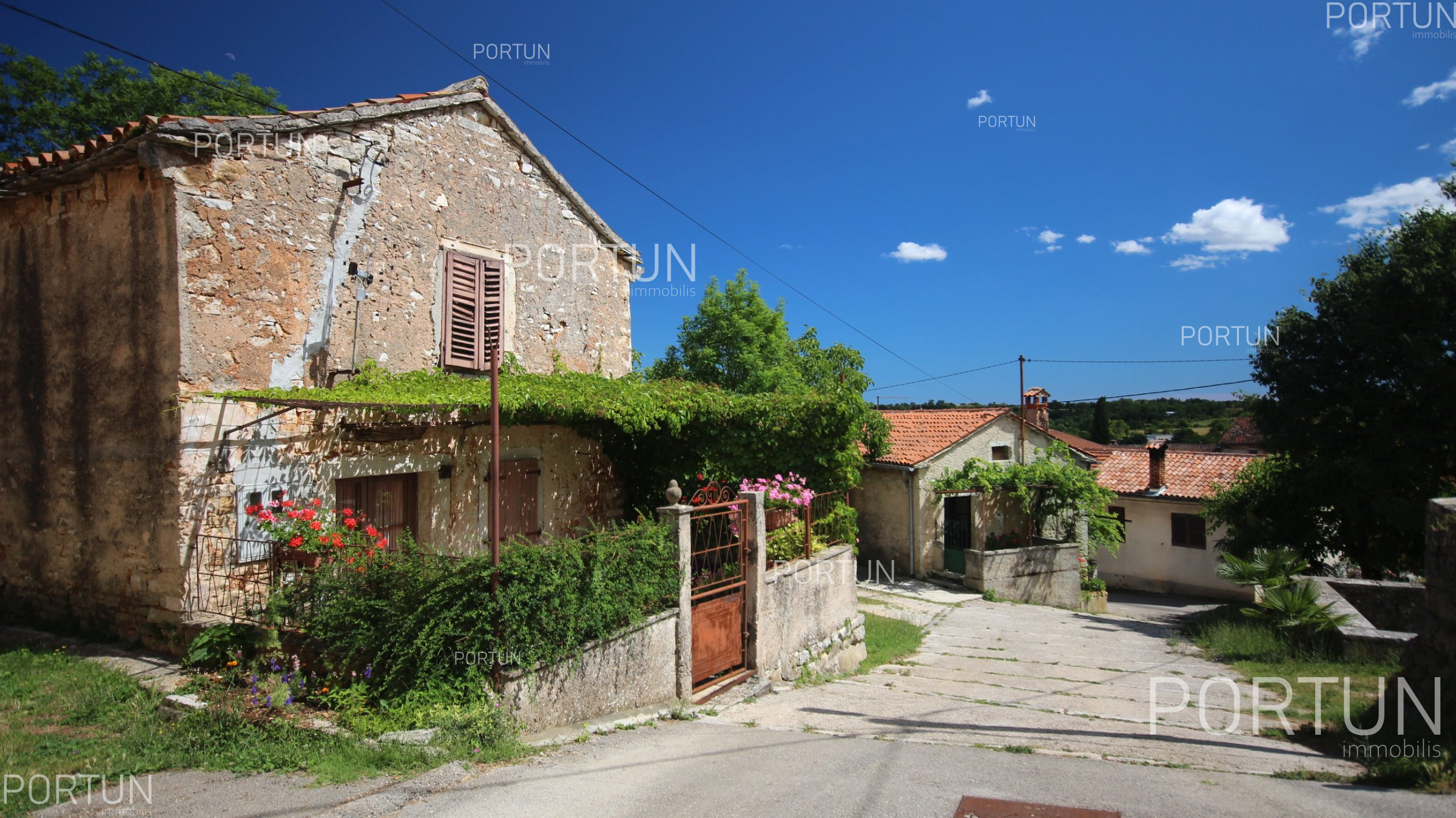
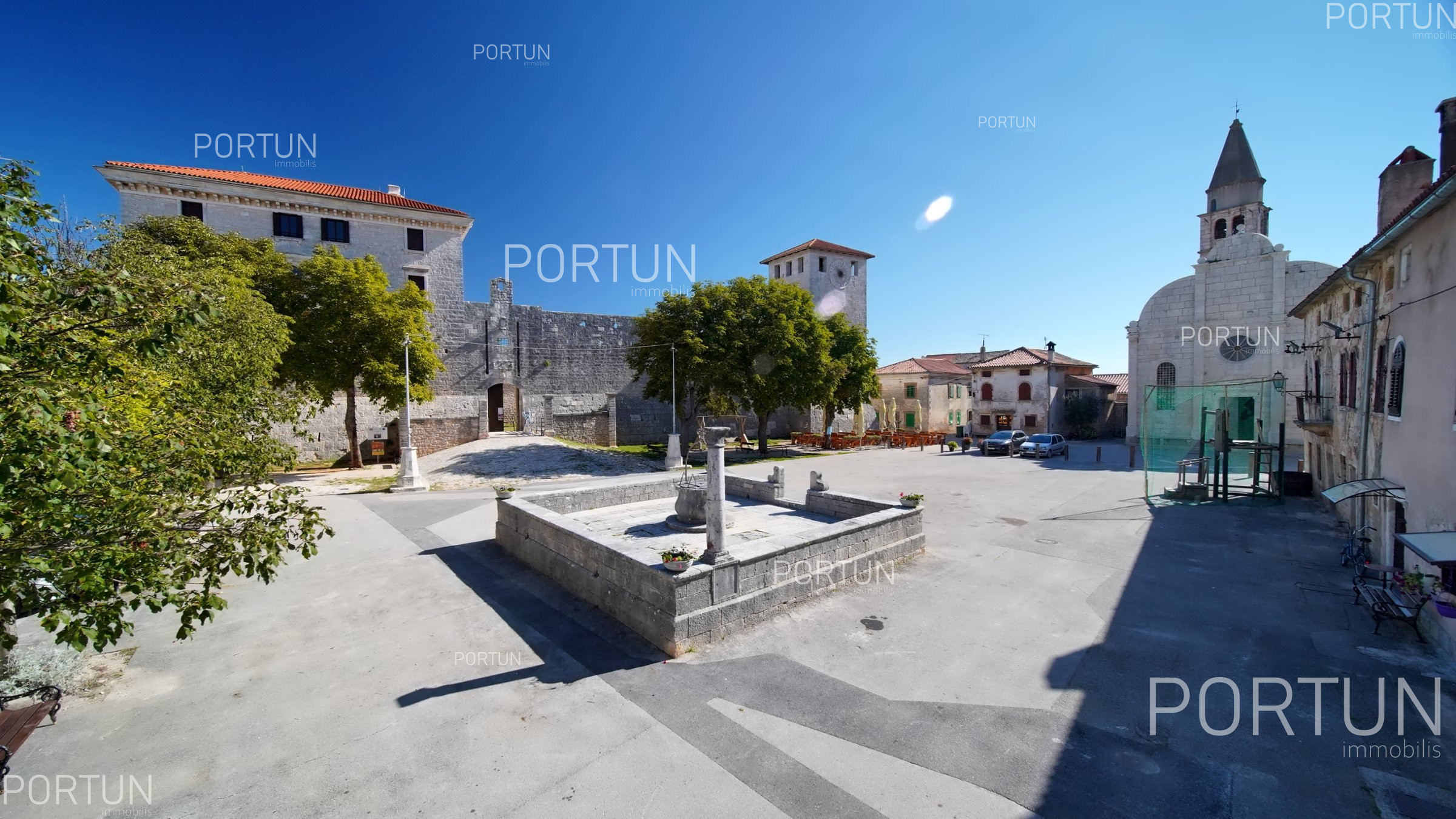
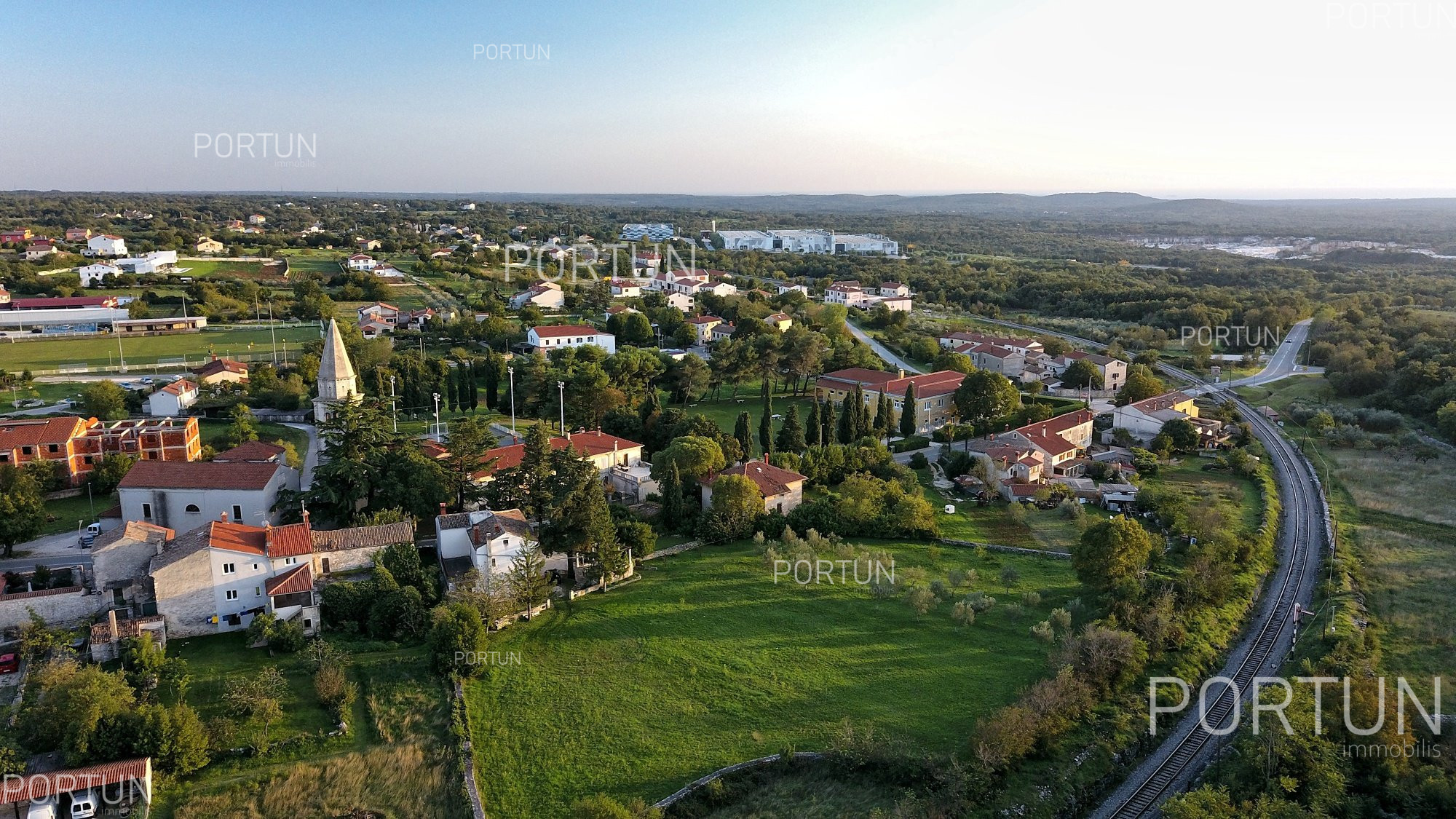
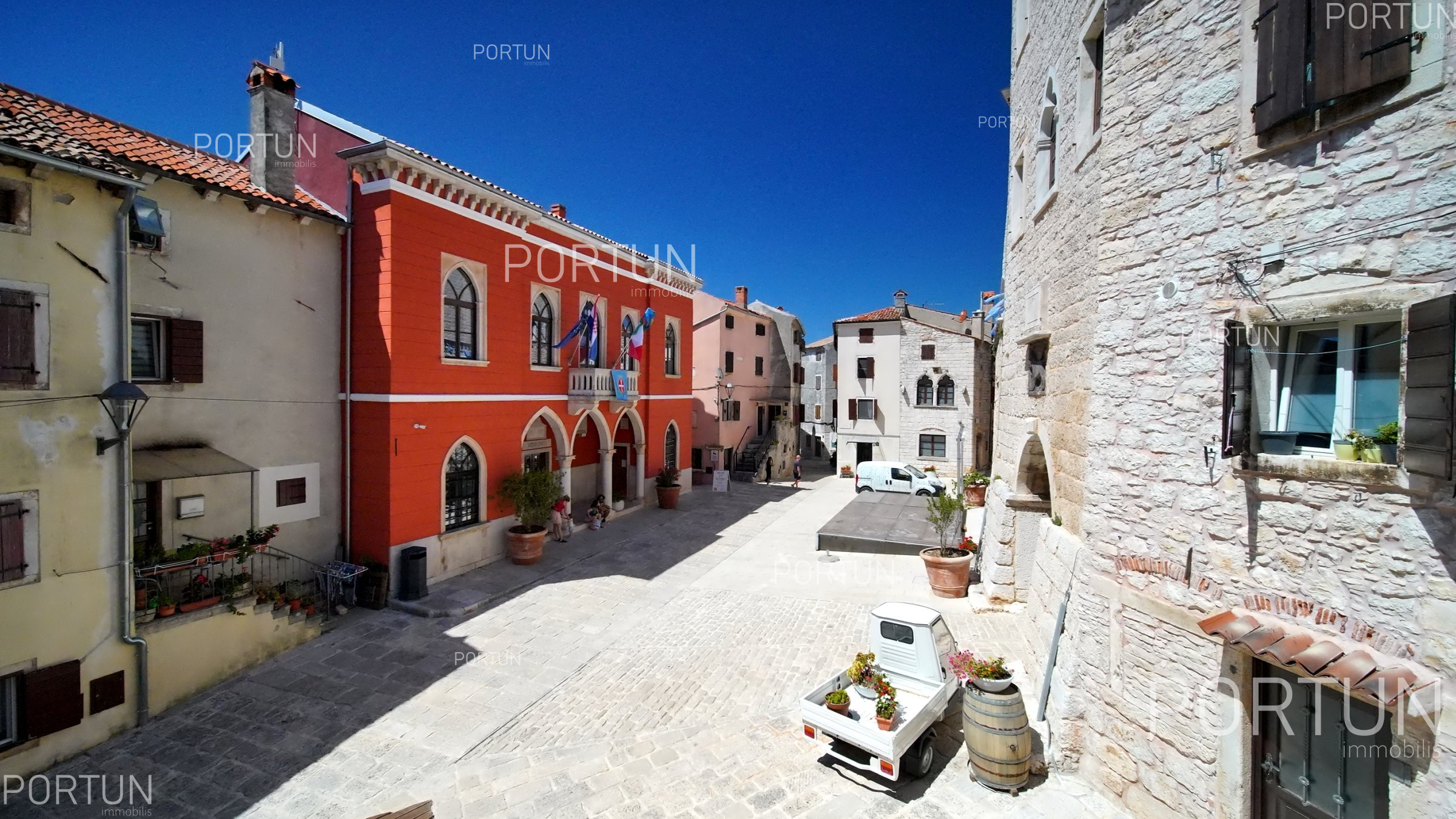
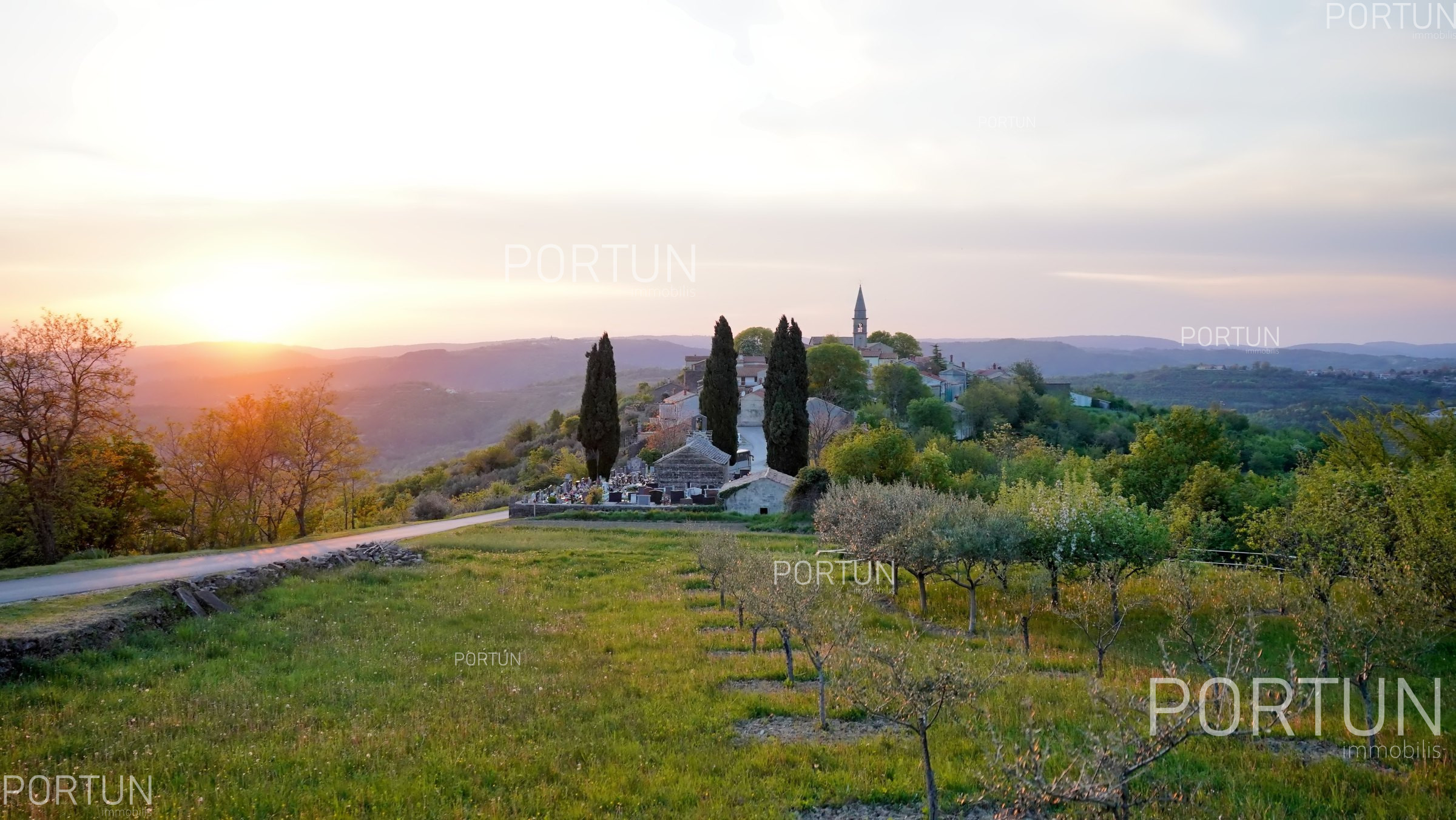
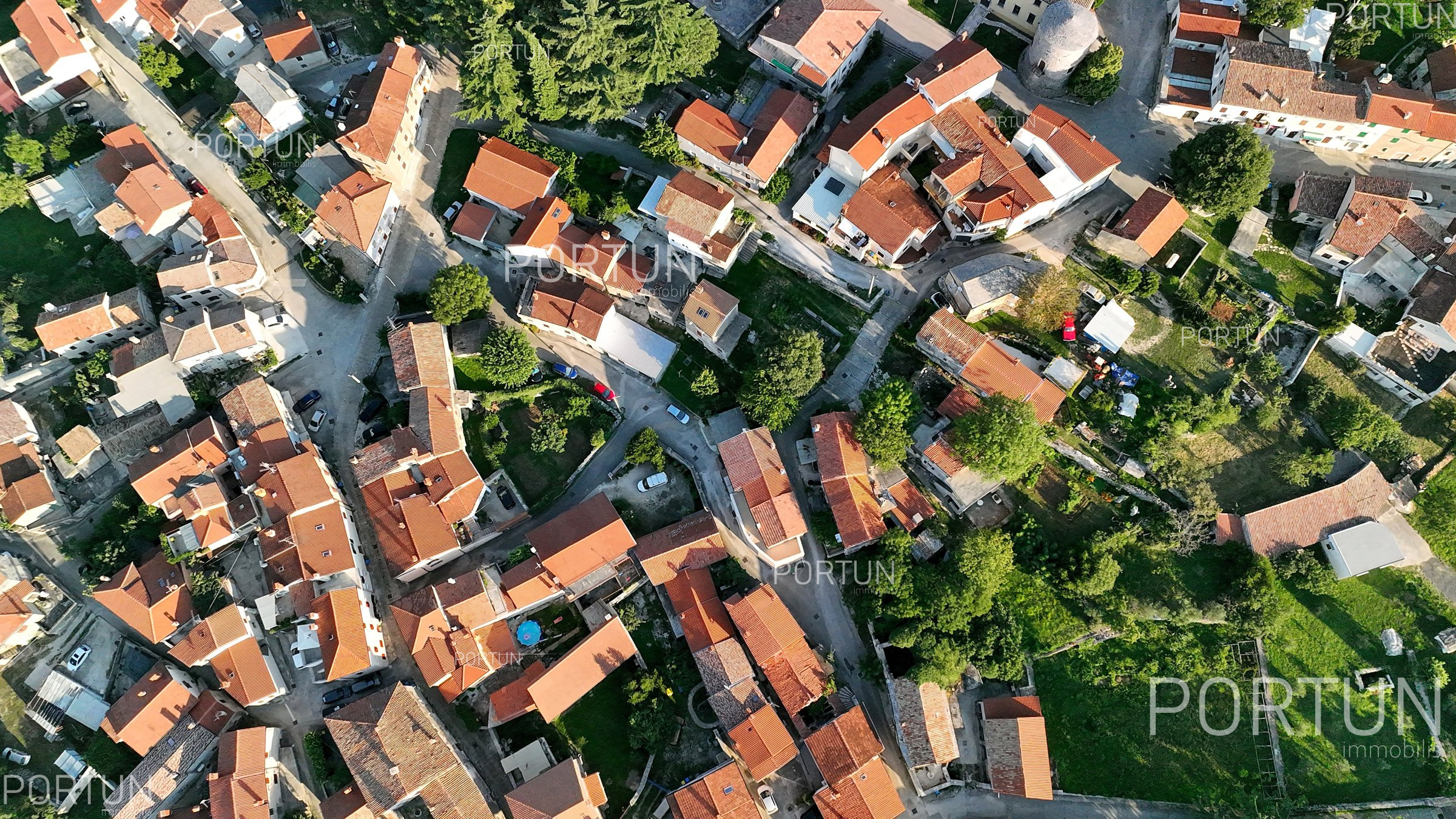
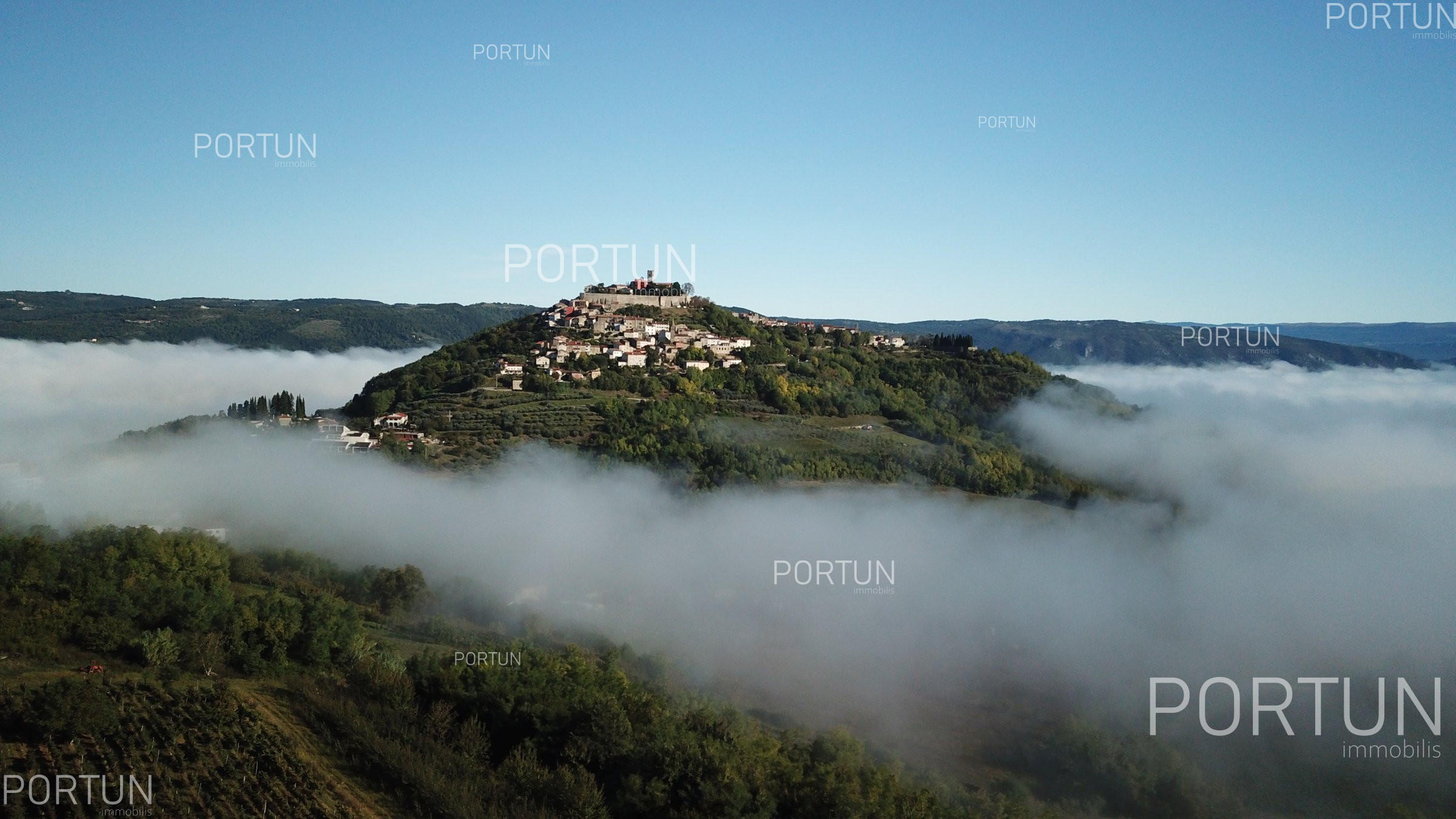
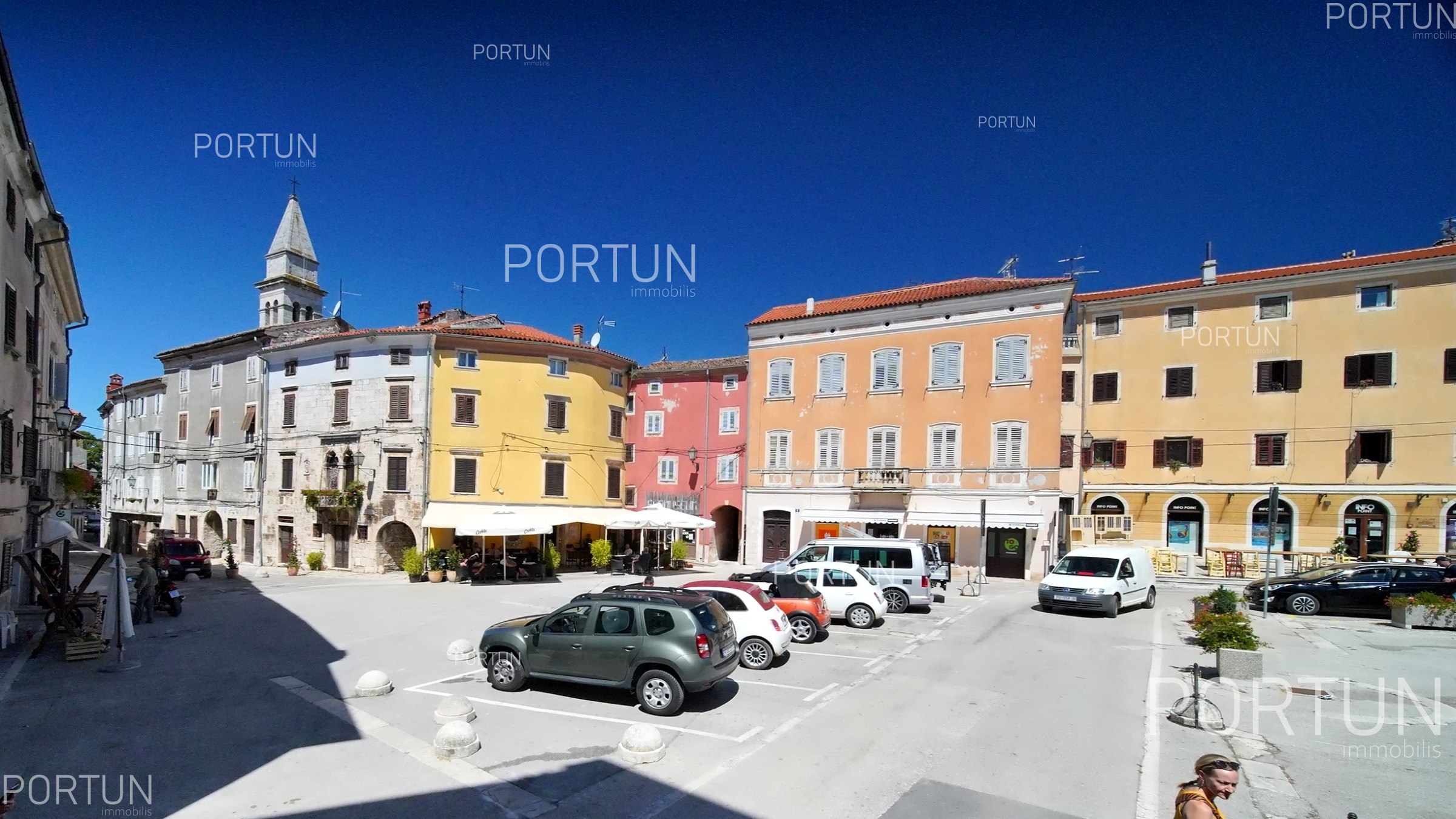
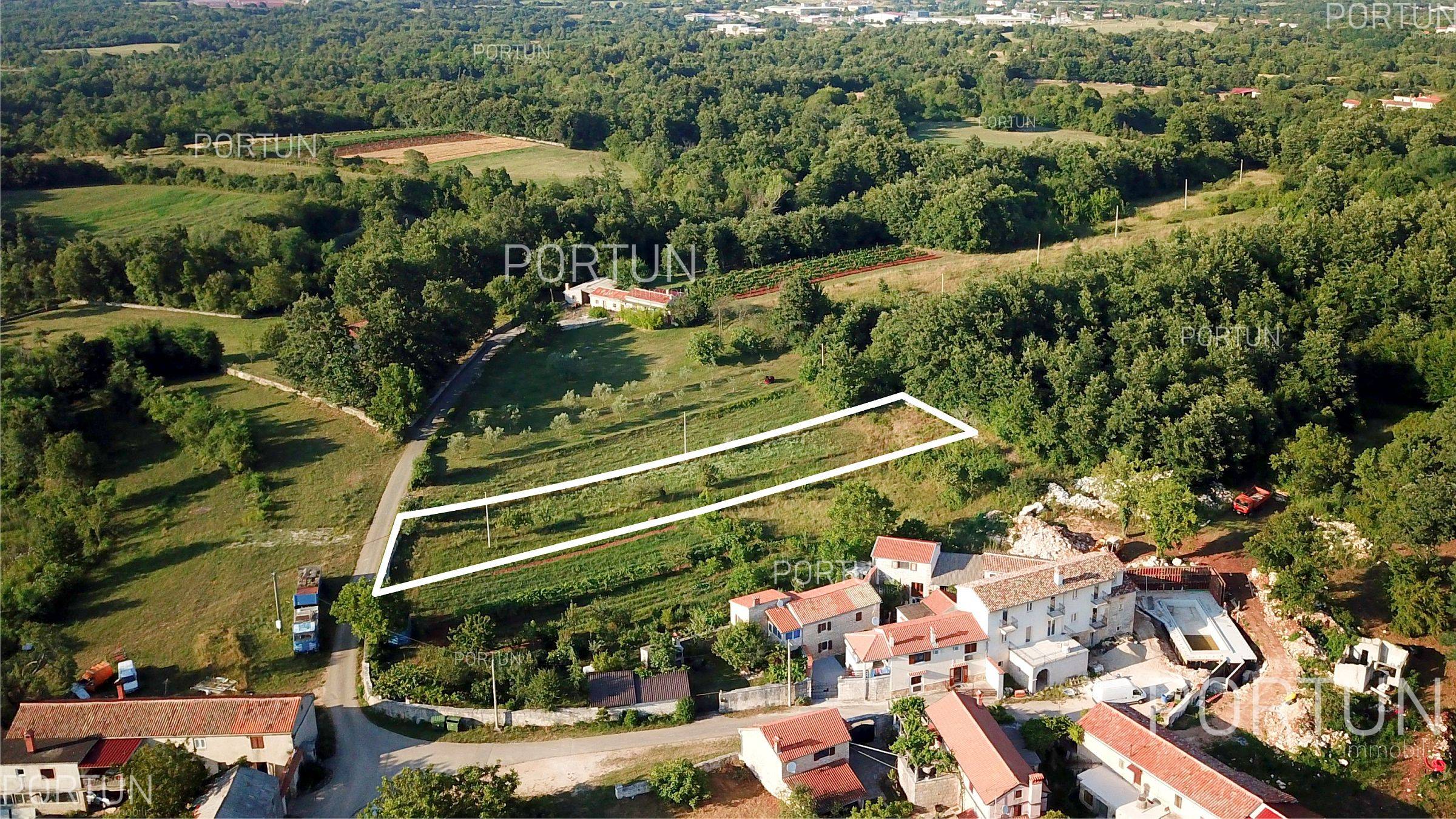
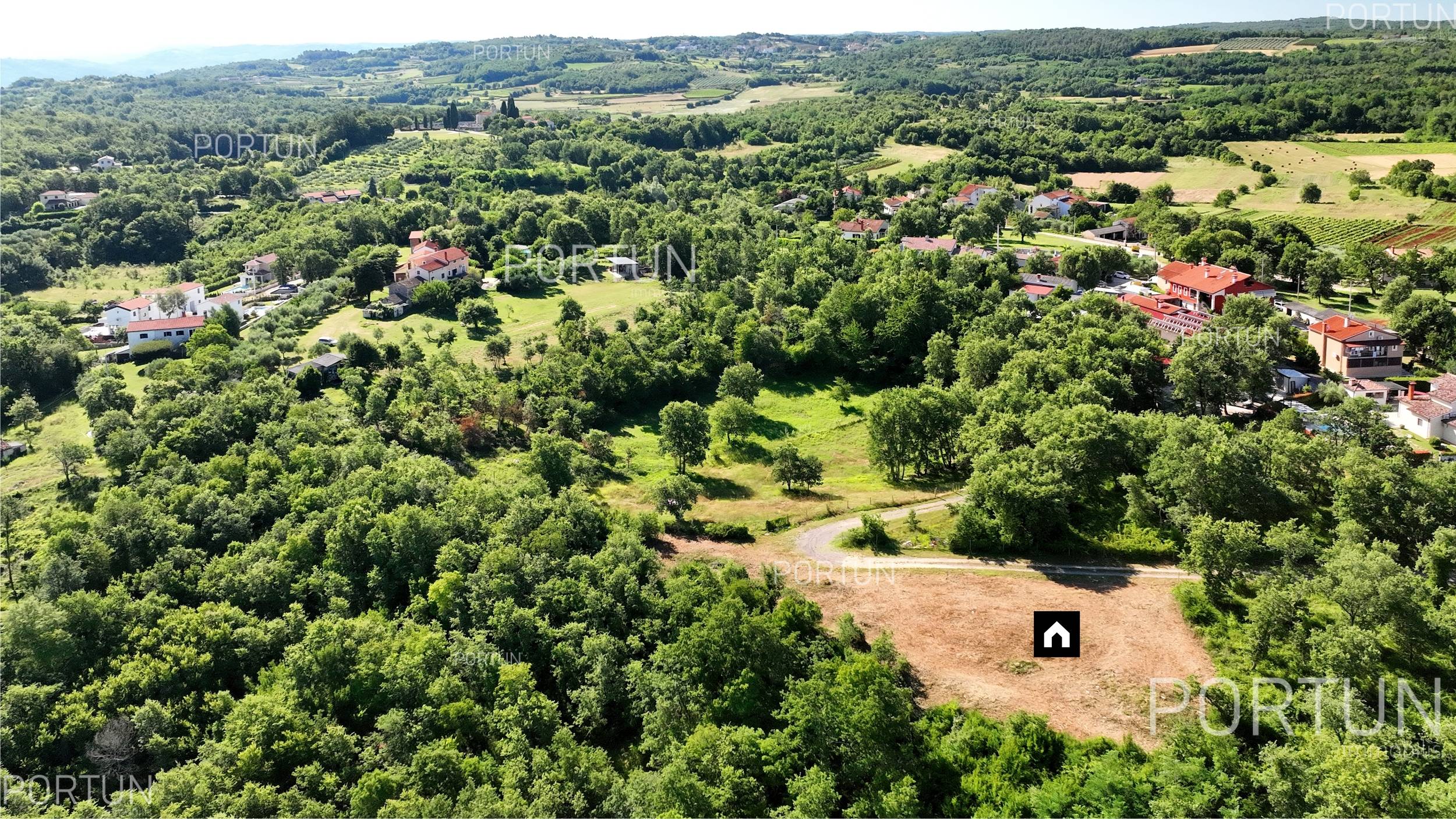
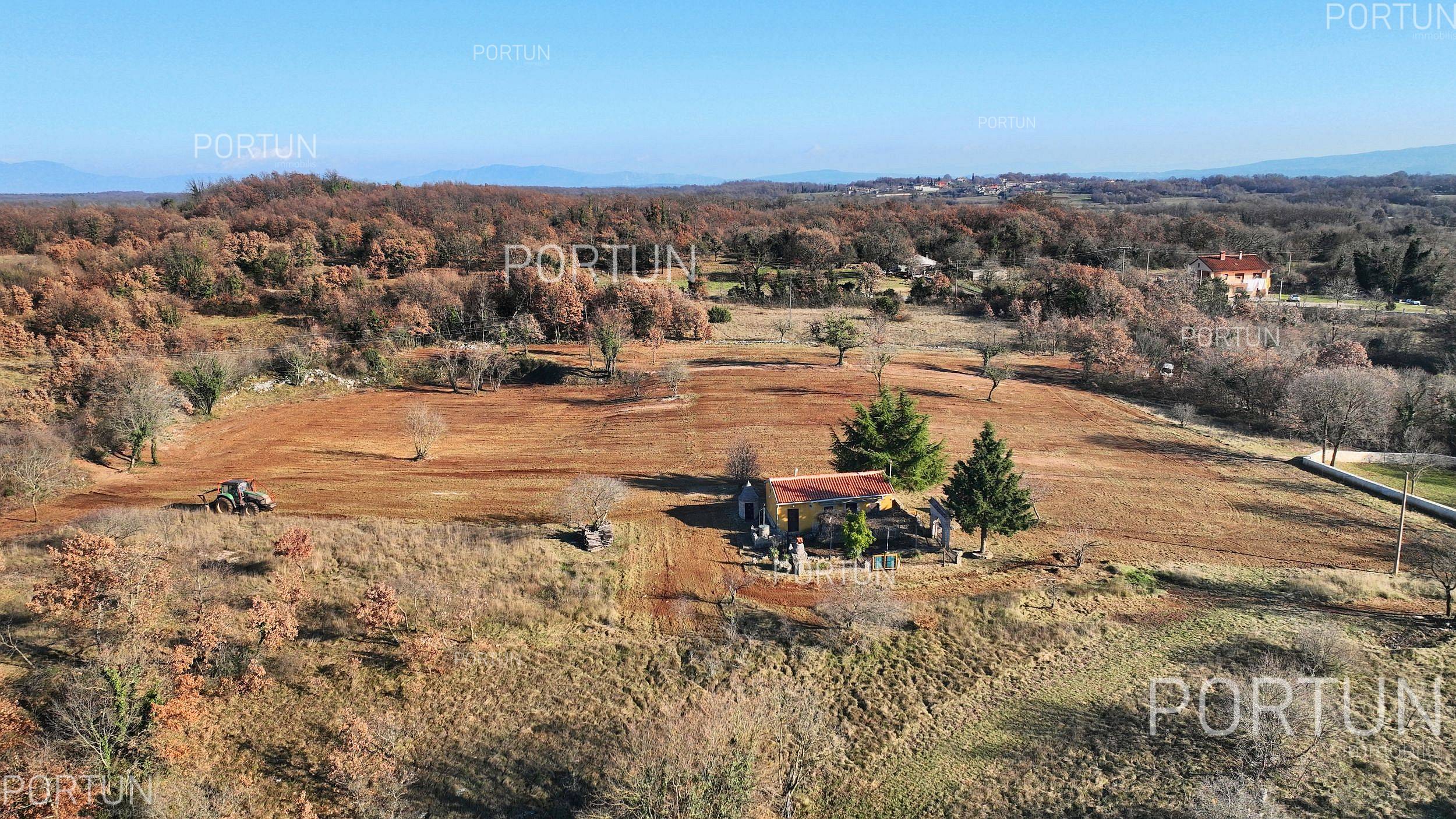
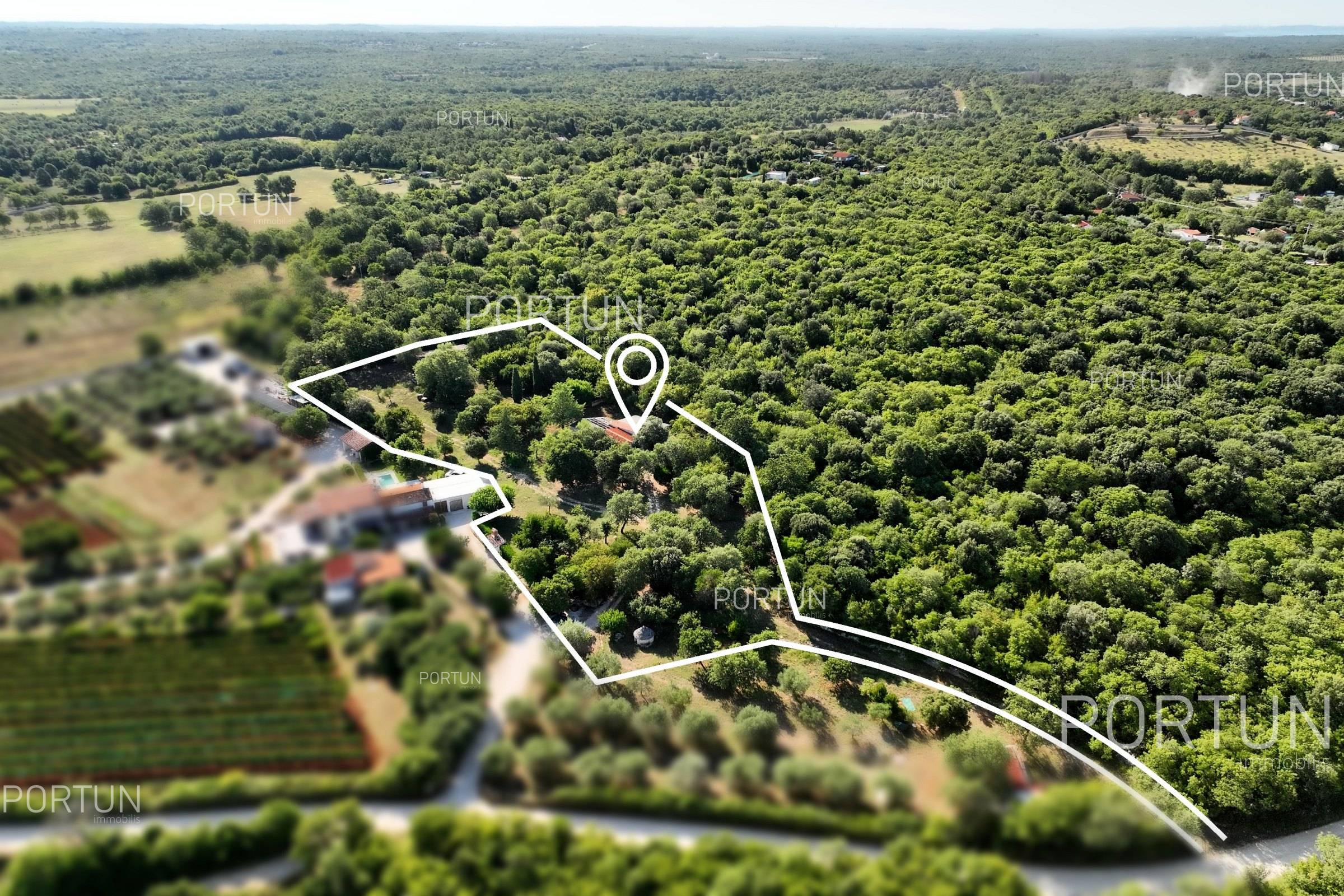
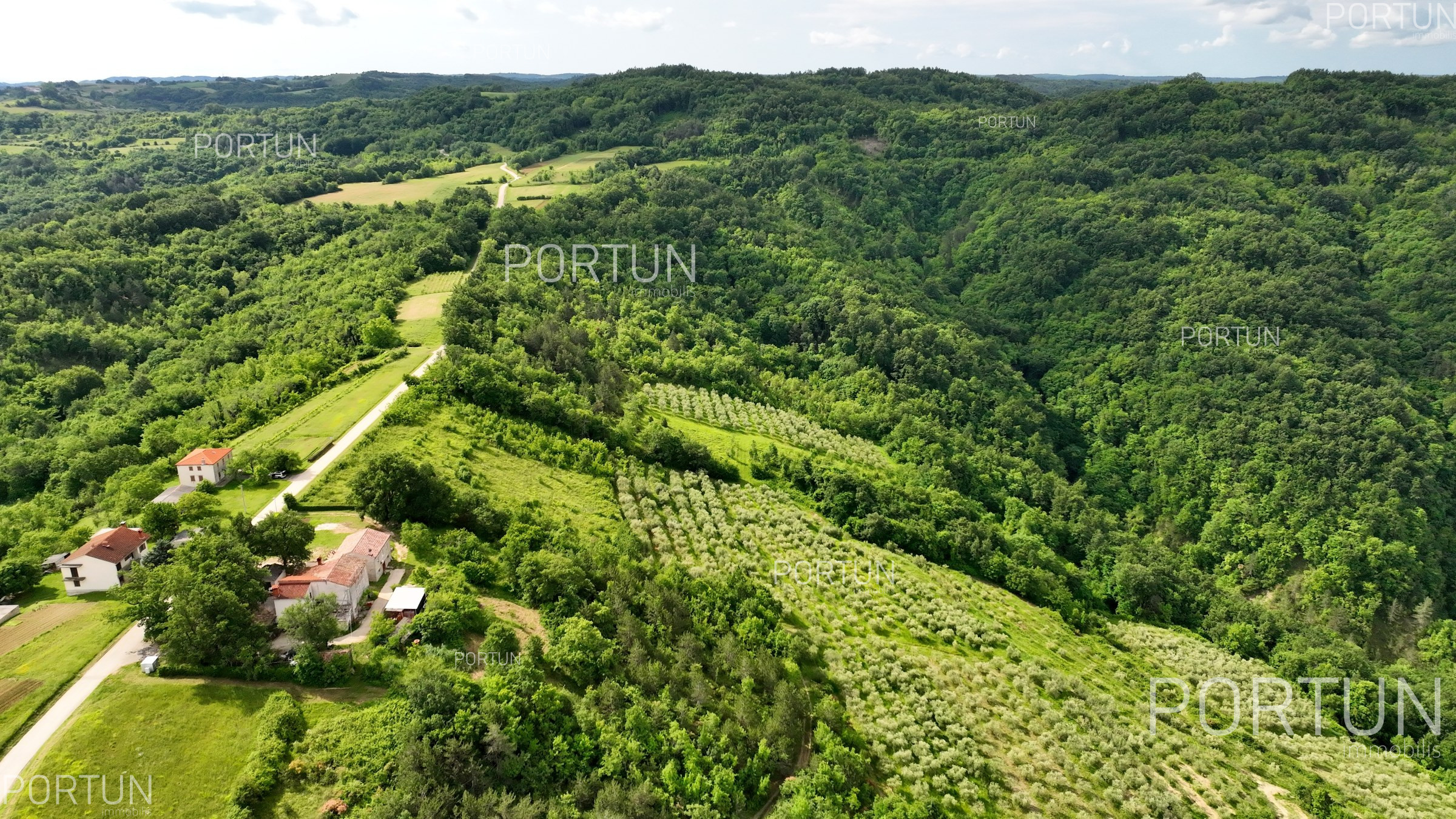
However, the interior of Istria has gained popularity in recent years. Peace, nature, and authenticity are increasingly sought after, especially among buyers looking for holiday homes. Locations like Žminj, Kanfanar, or the surroundings of Pazin offer a good balance of price and potential.
It is important to analyze long-term development plans for the area. New infrastructure, roads, or tourist projects can significantly increase land value in the future.
Building land vs. agricultural land
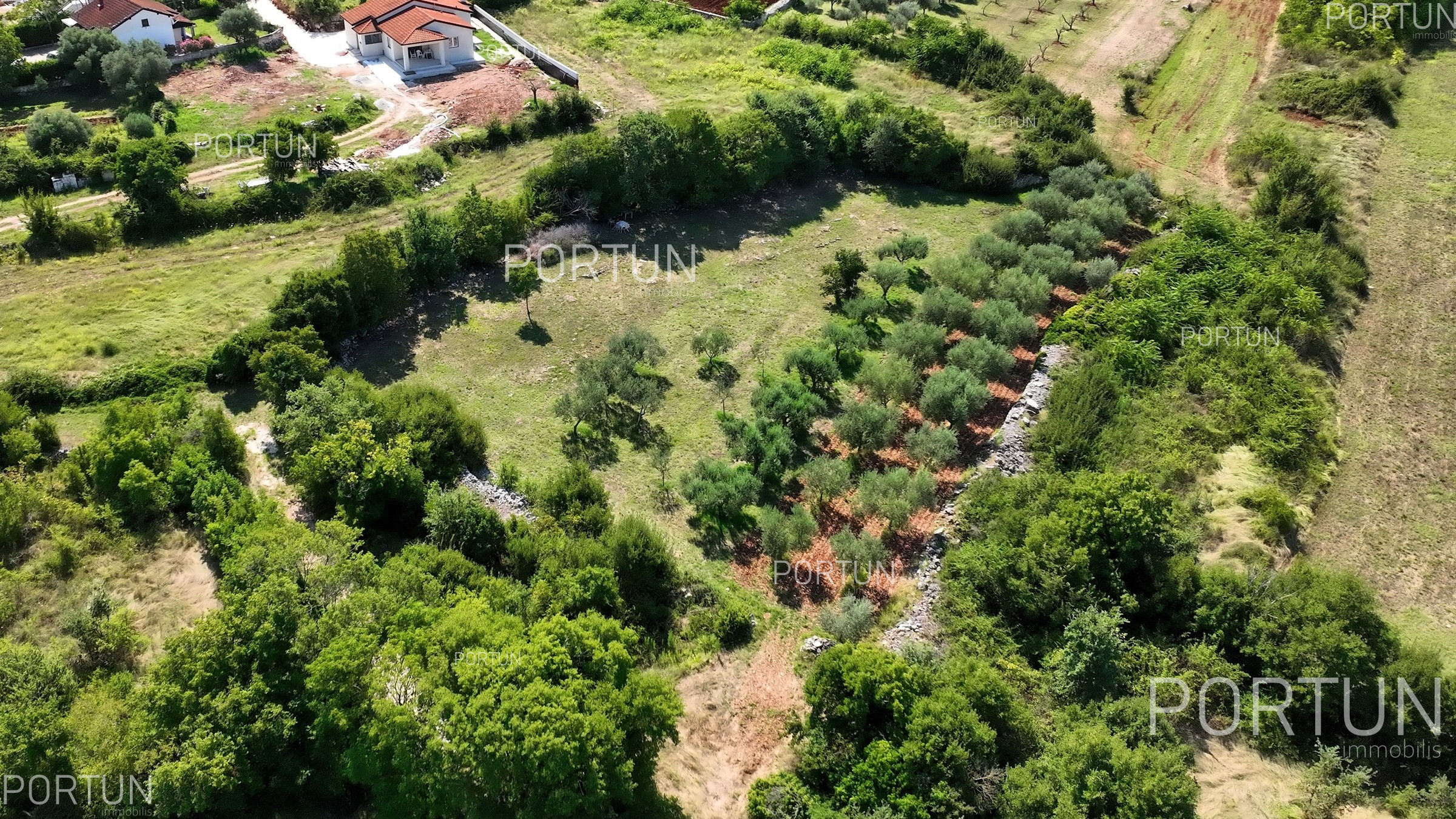
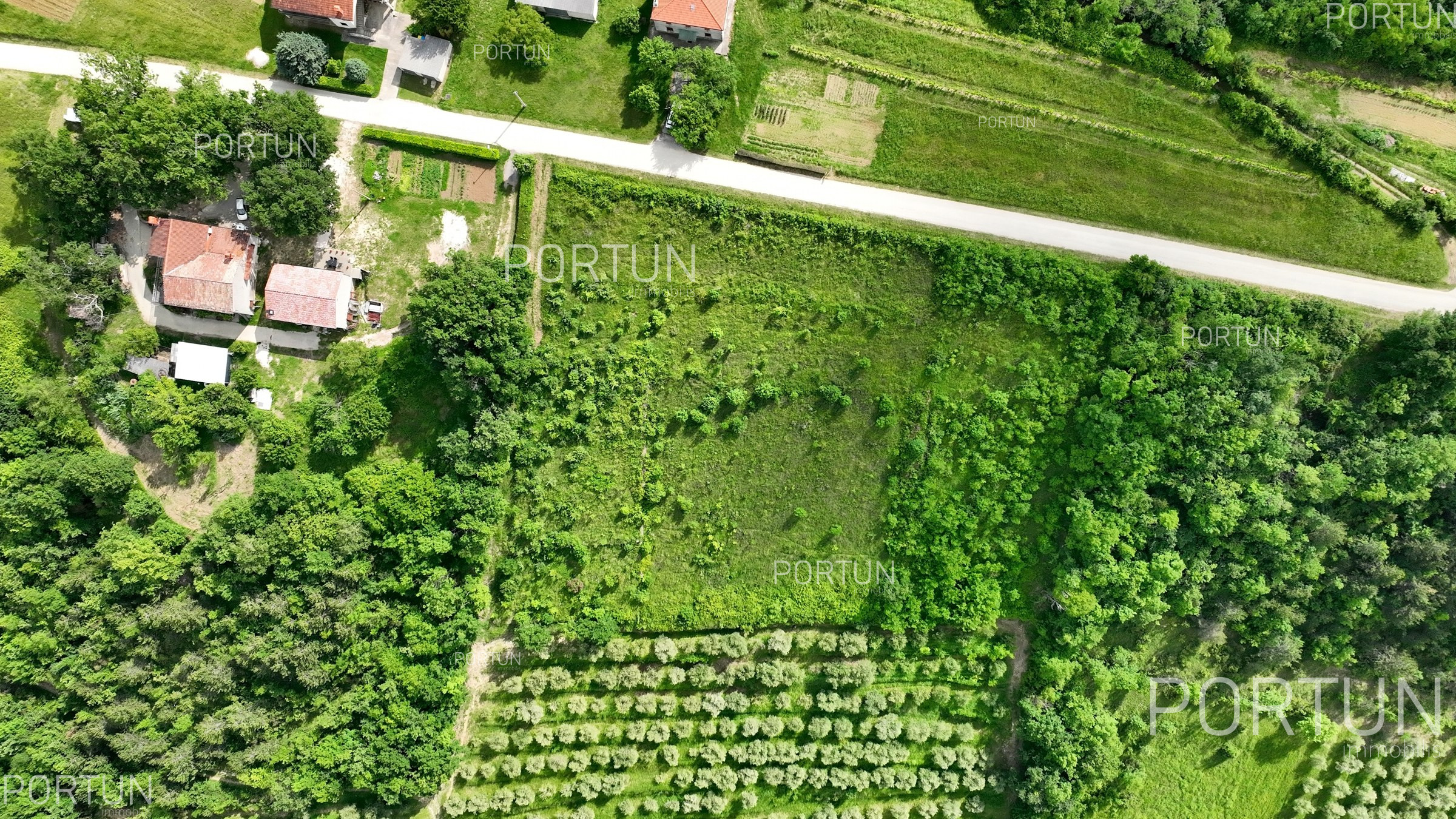
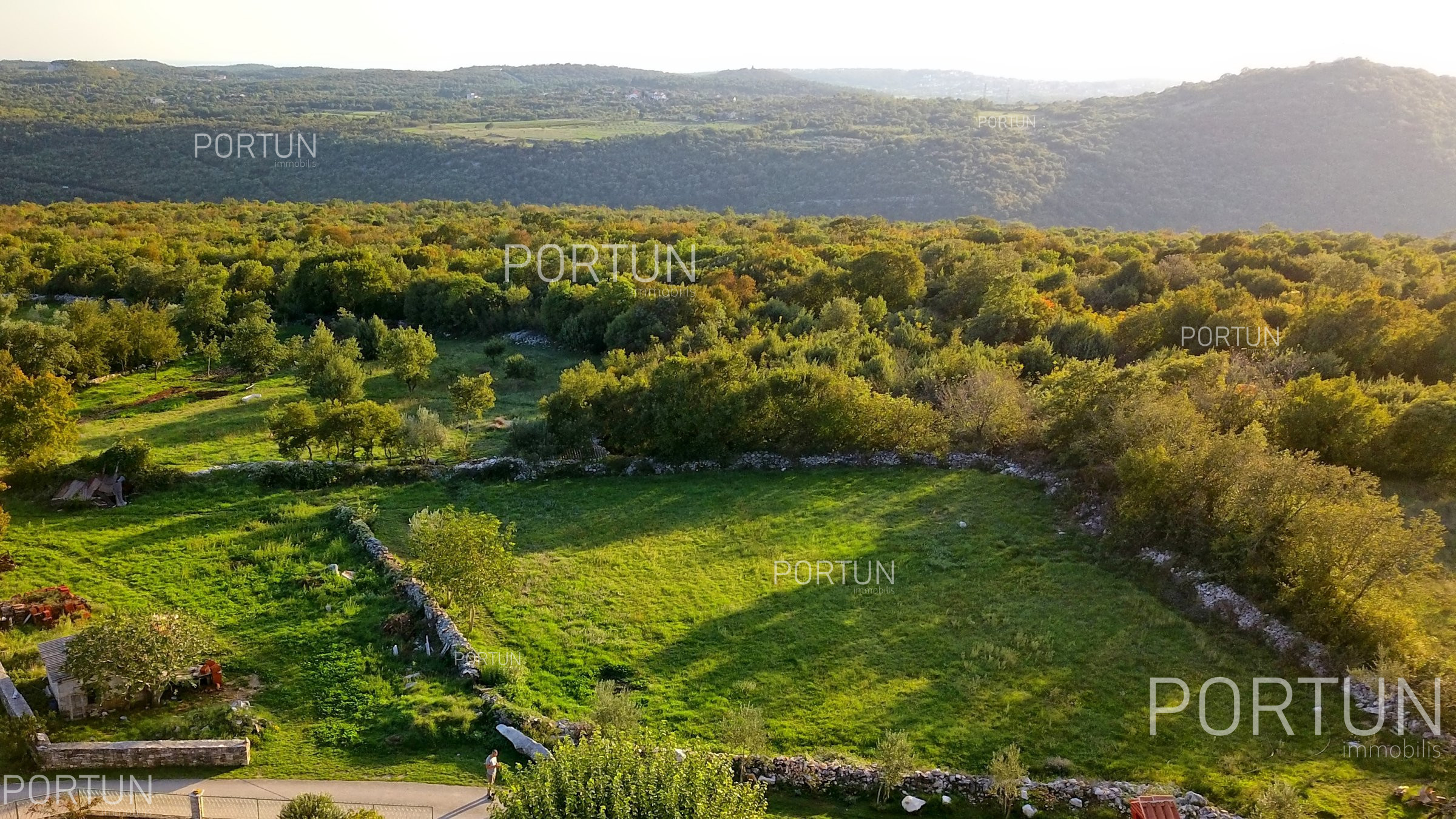
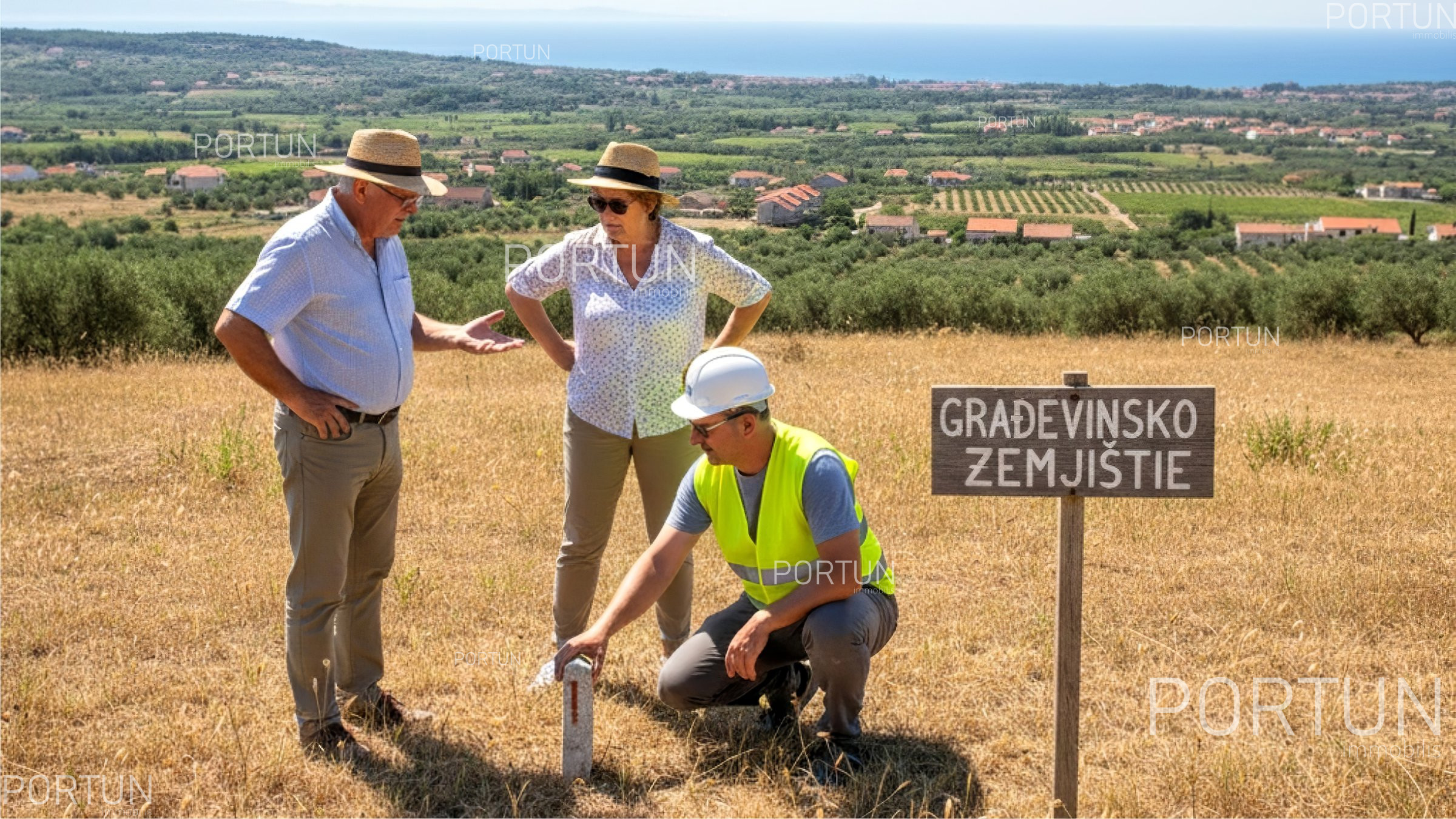
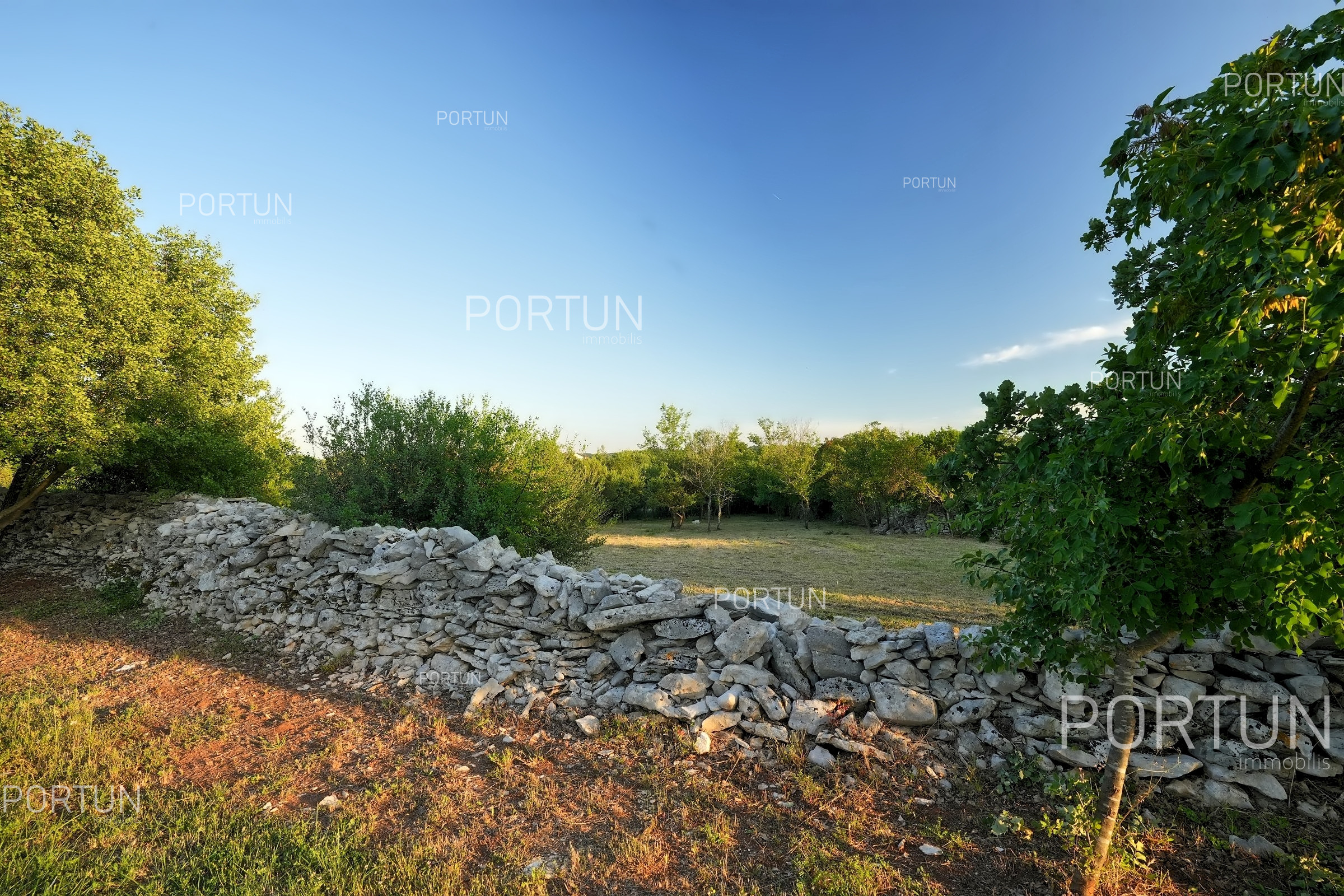
The difference between building and agricultural land is crucial for investors. Building land allows construction and has higher market value, while agricultural land is limited in use.
Although agricultural land is cheaper, conversion to building land is often a lengthy and uncertain process. Therefore, most investors prefer plots within building zones with clearly defined building conditions.
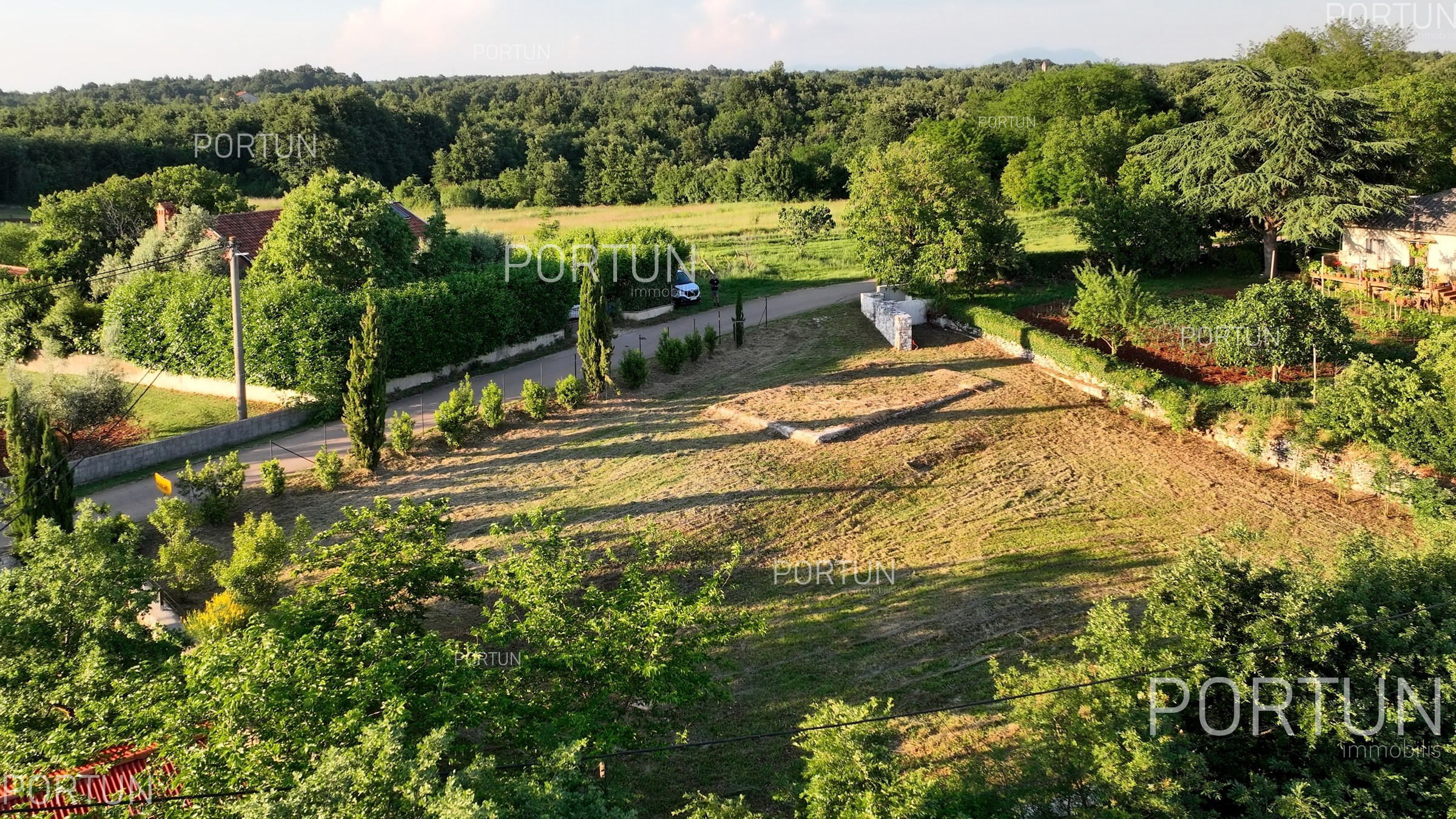
In practice, the most sought-after lands are those that allow building one or two houses, as they offer an optimal balance between investment and potential return.
Construction costs and hidden expenses
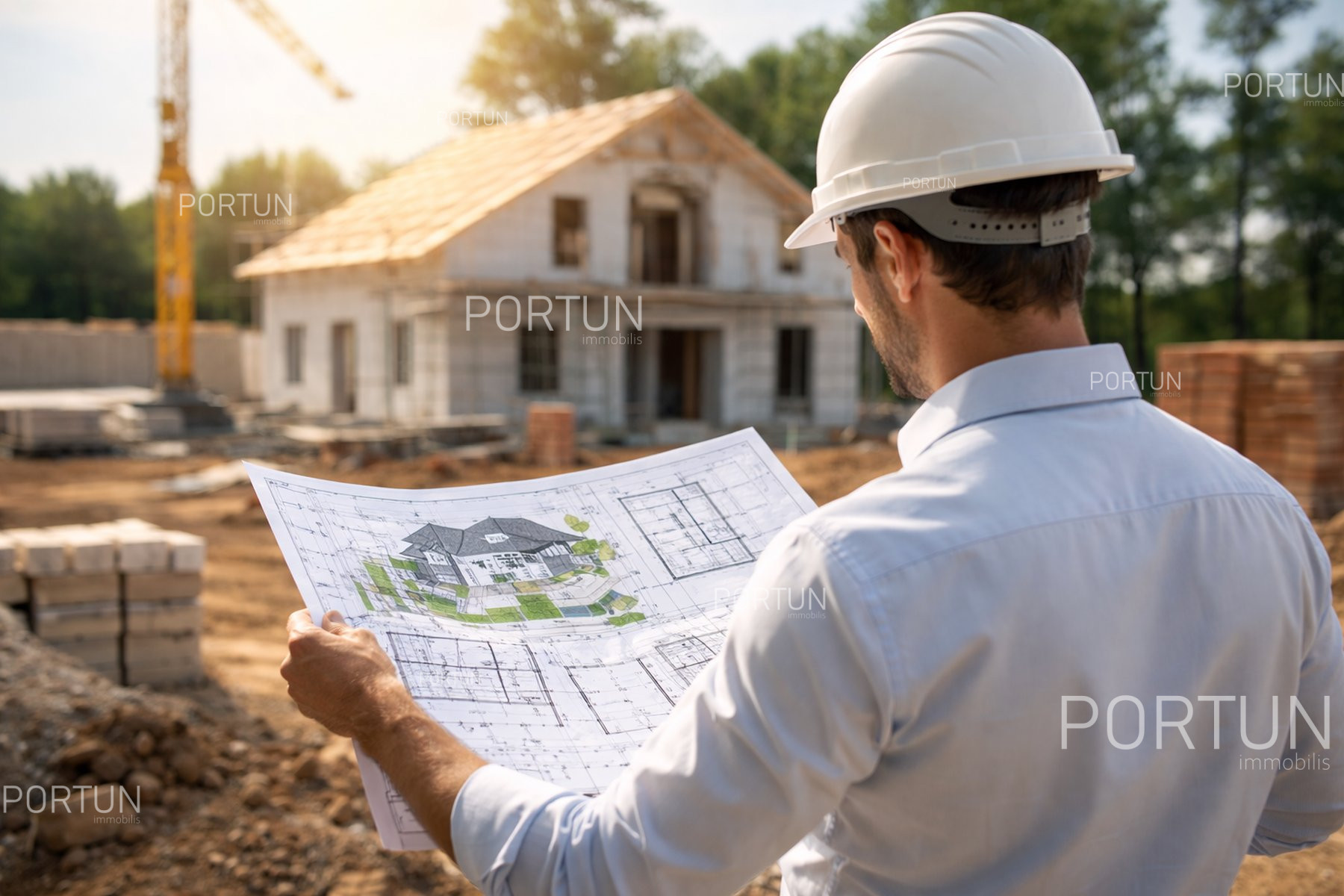
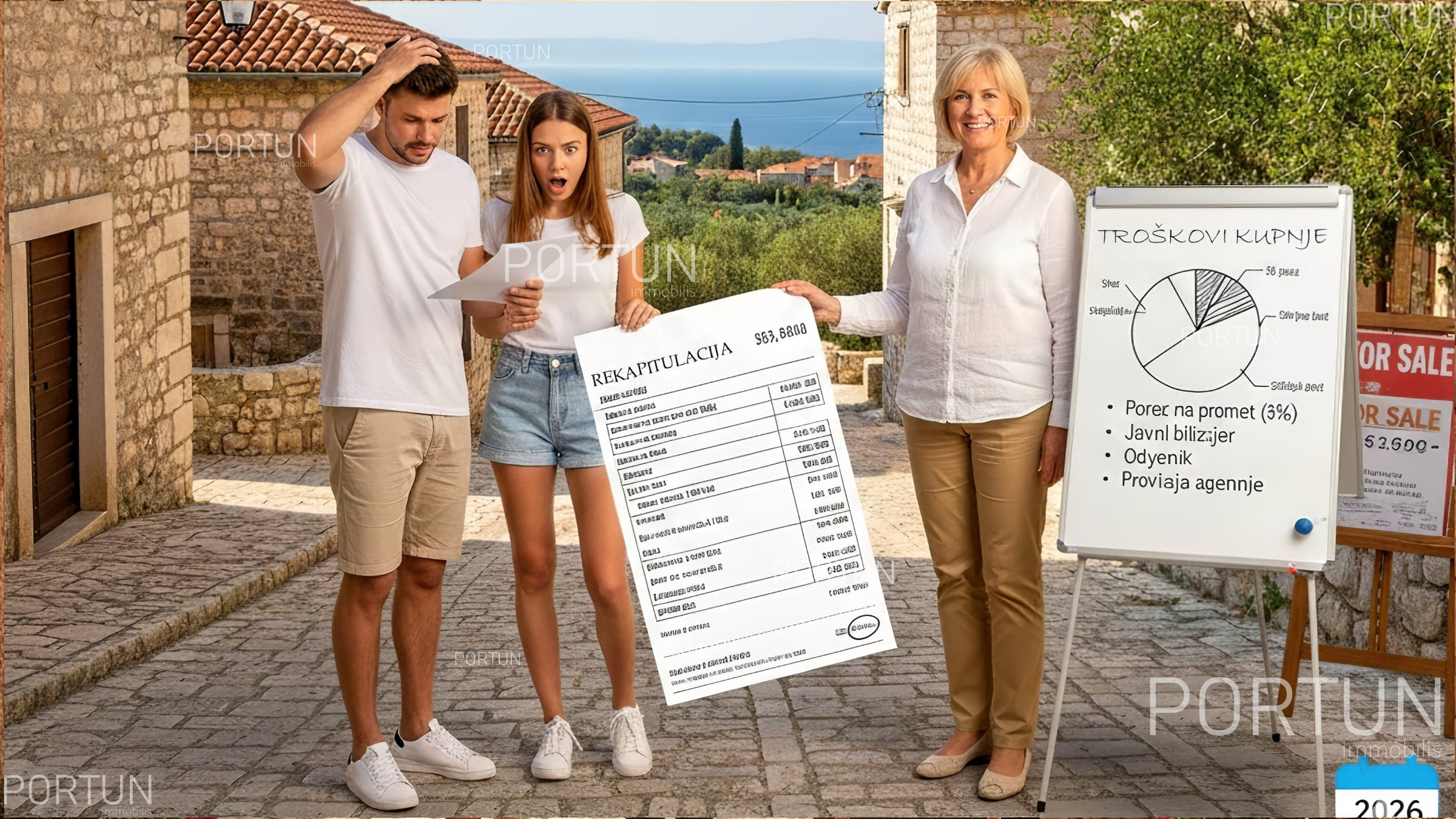
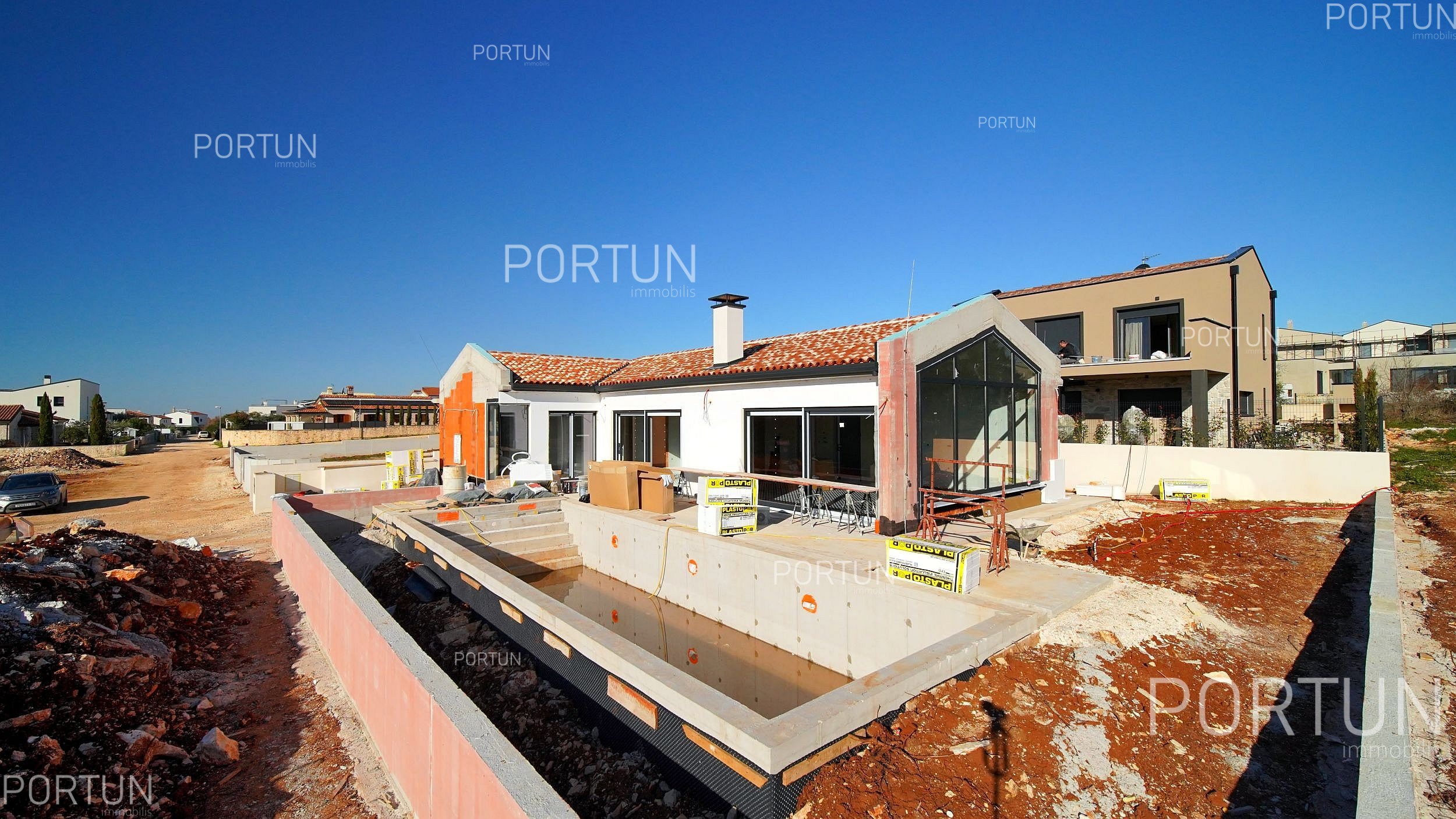
Buying land is only the first step. Construction costs, utility contributions, connections, and project documentation can significantly increase the total investment.
It is important to define the budget in advance and include all potential costs. Unplanned expenses are often the reason projects are delayed or become financially unviable.
Good practice is to collaborate with local experts who know the market and can realistically assess all costs before starting the project.
Potential for tourist rental
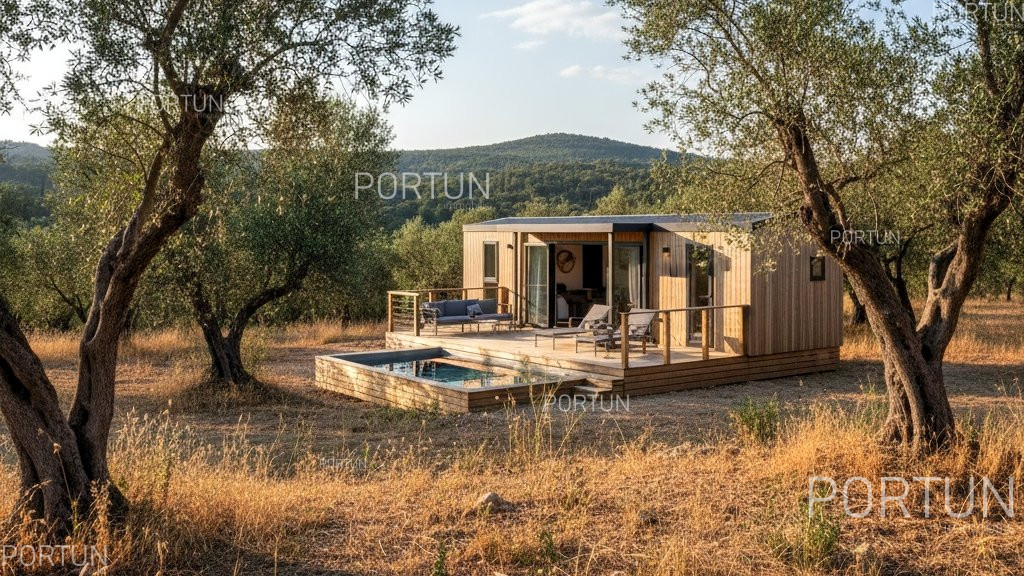
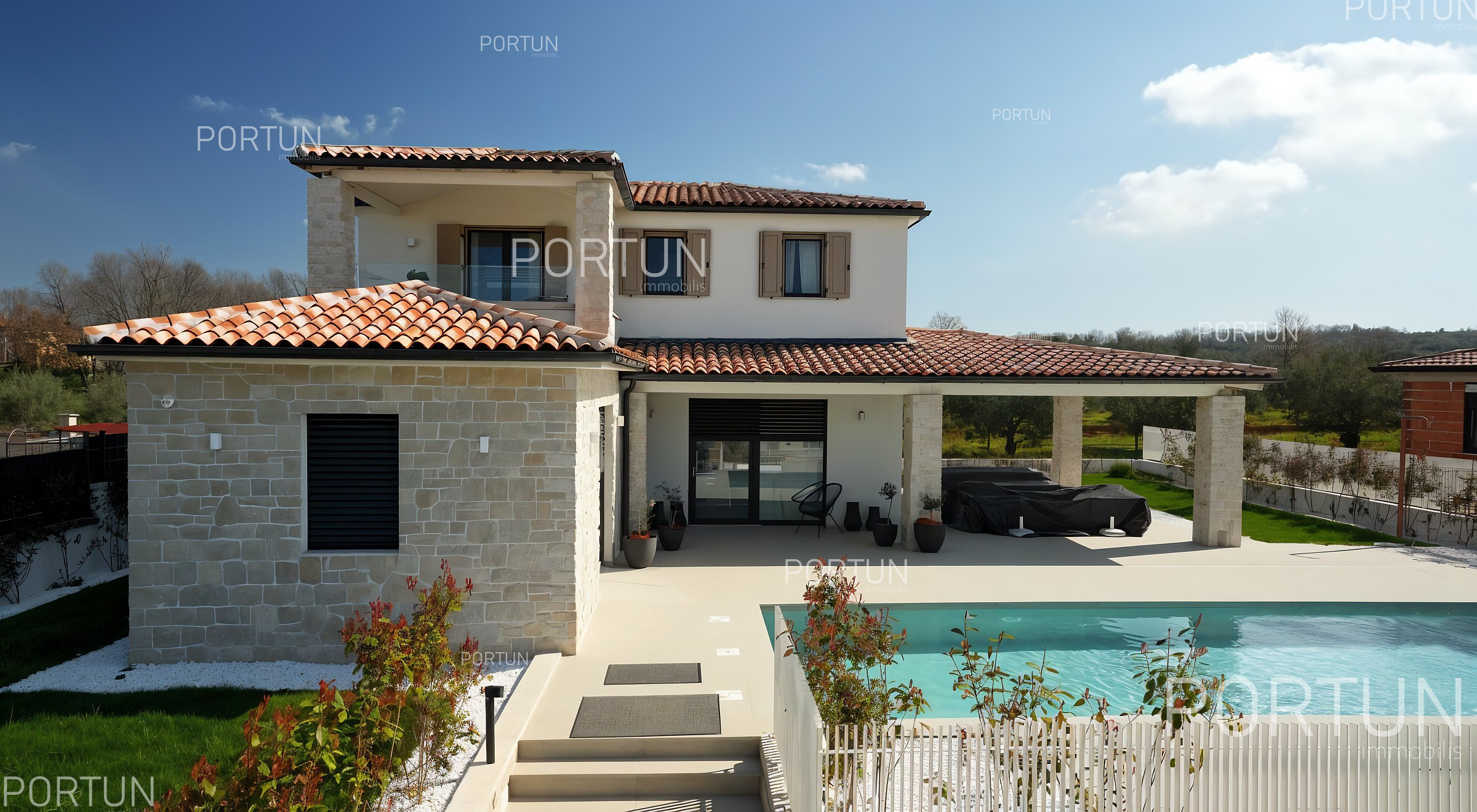
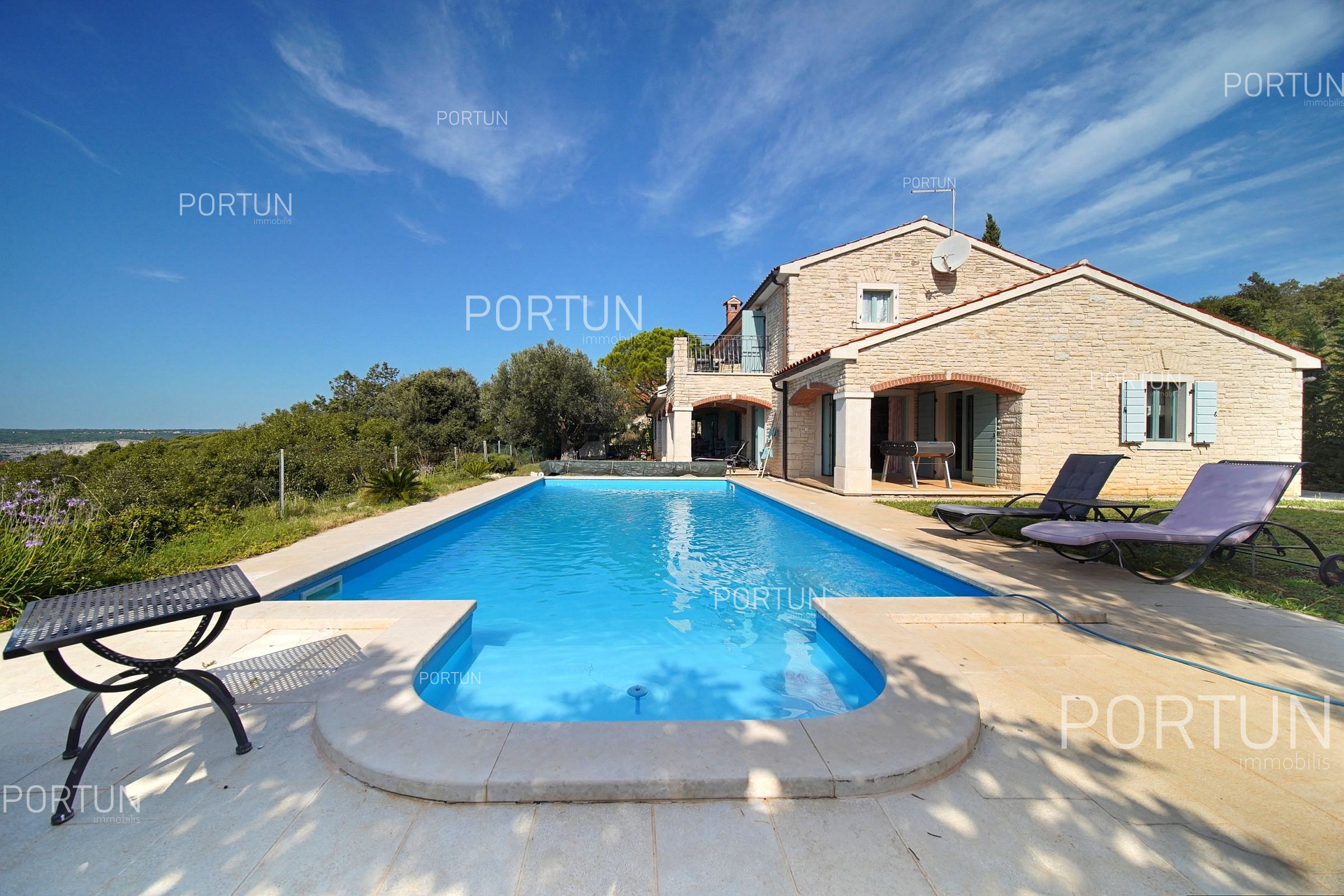
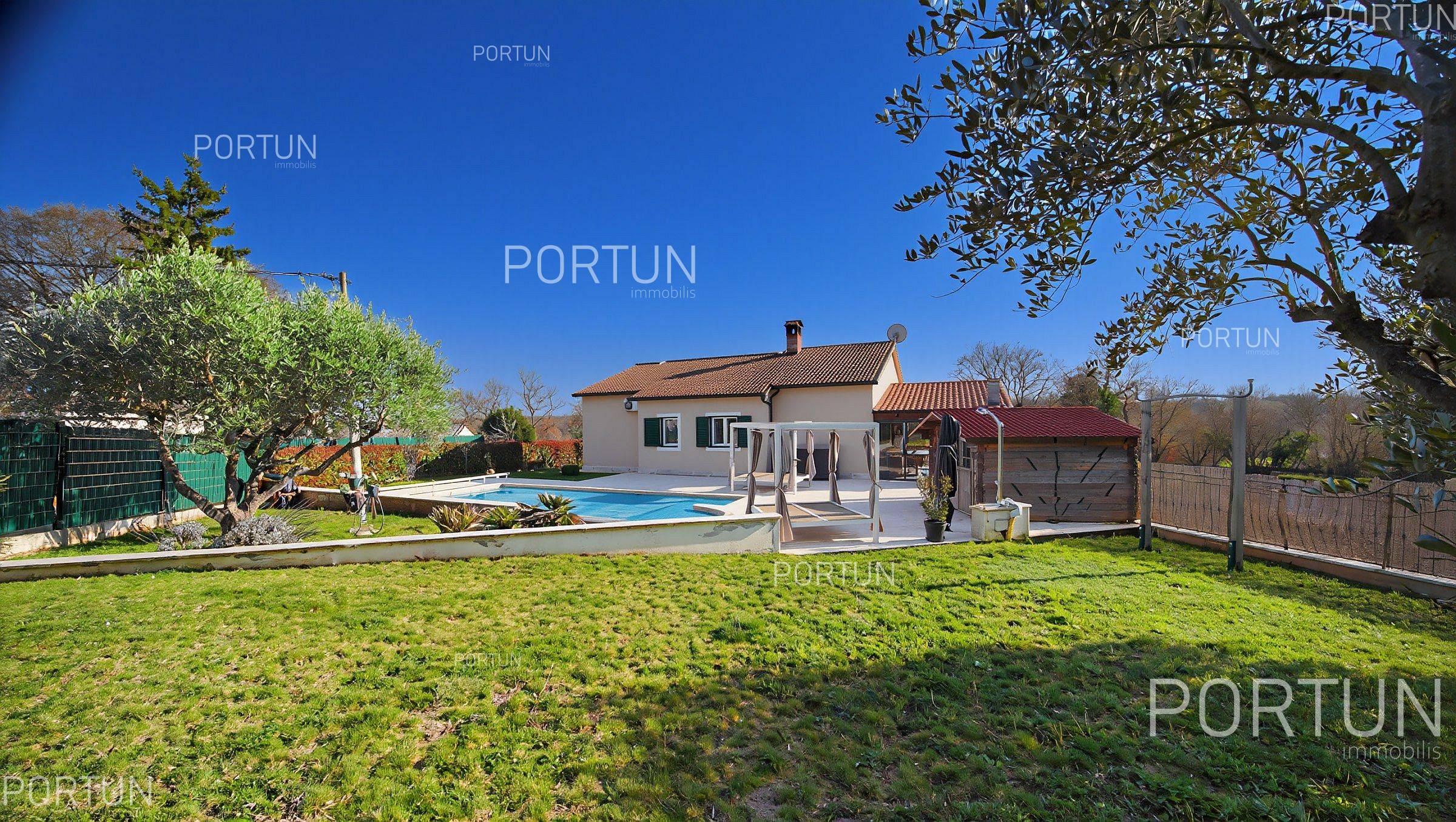
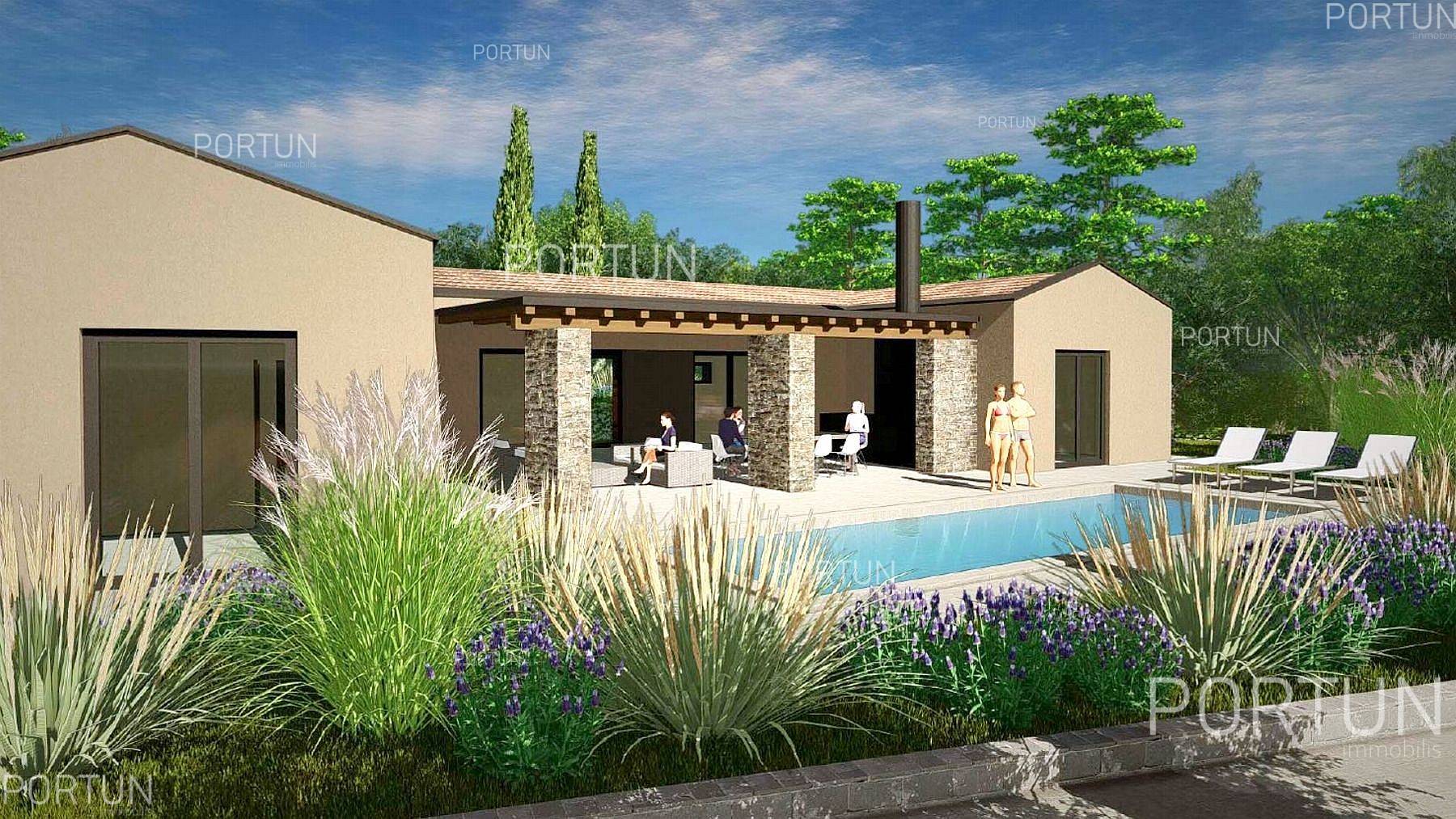
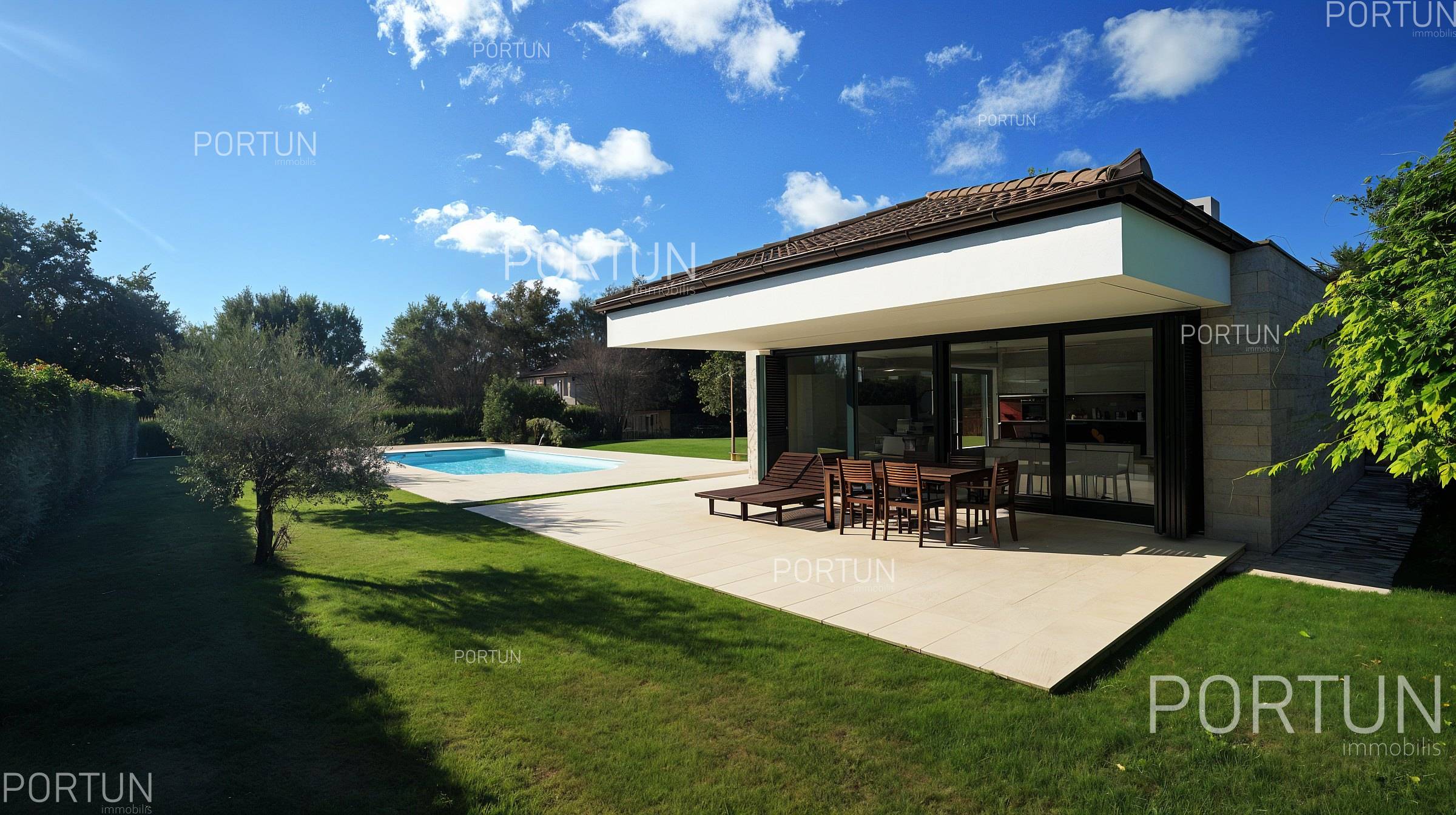
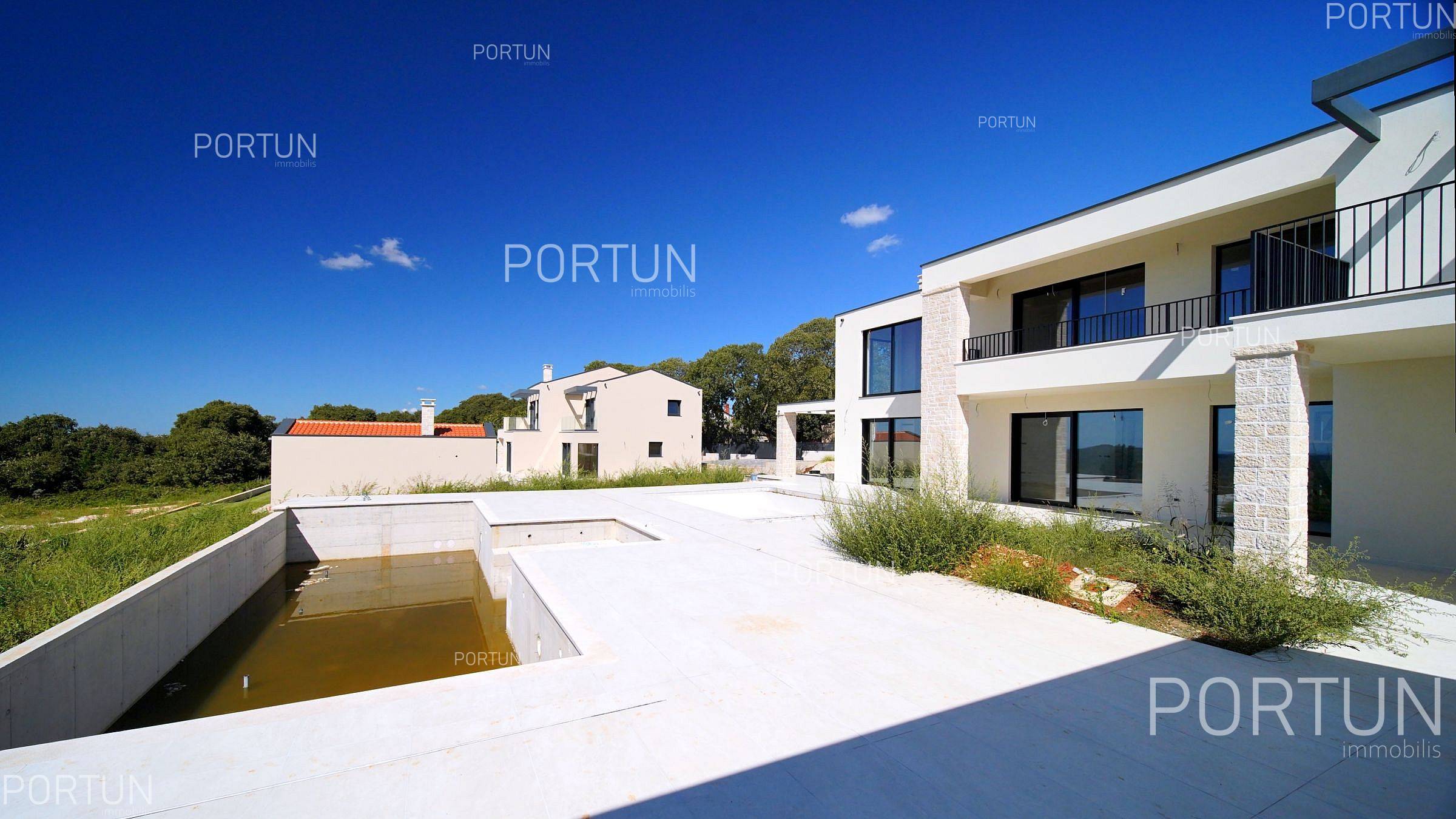
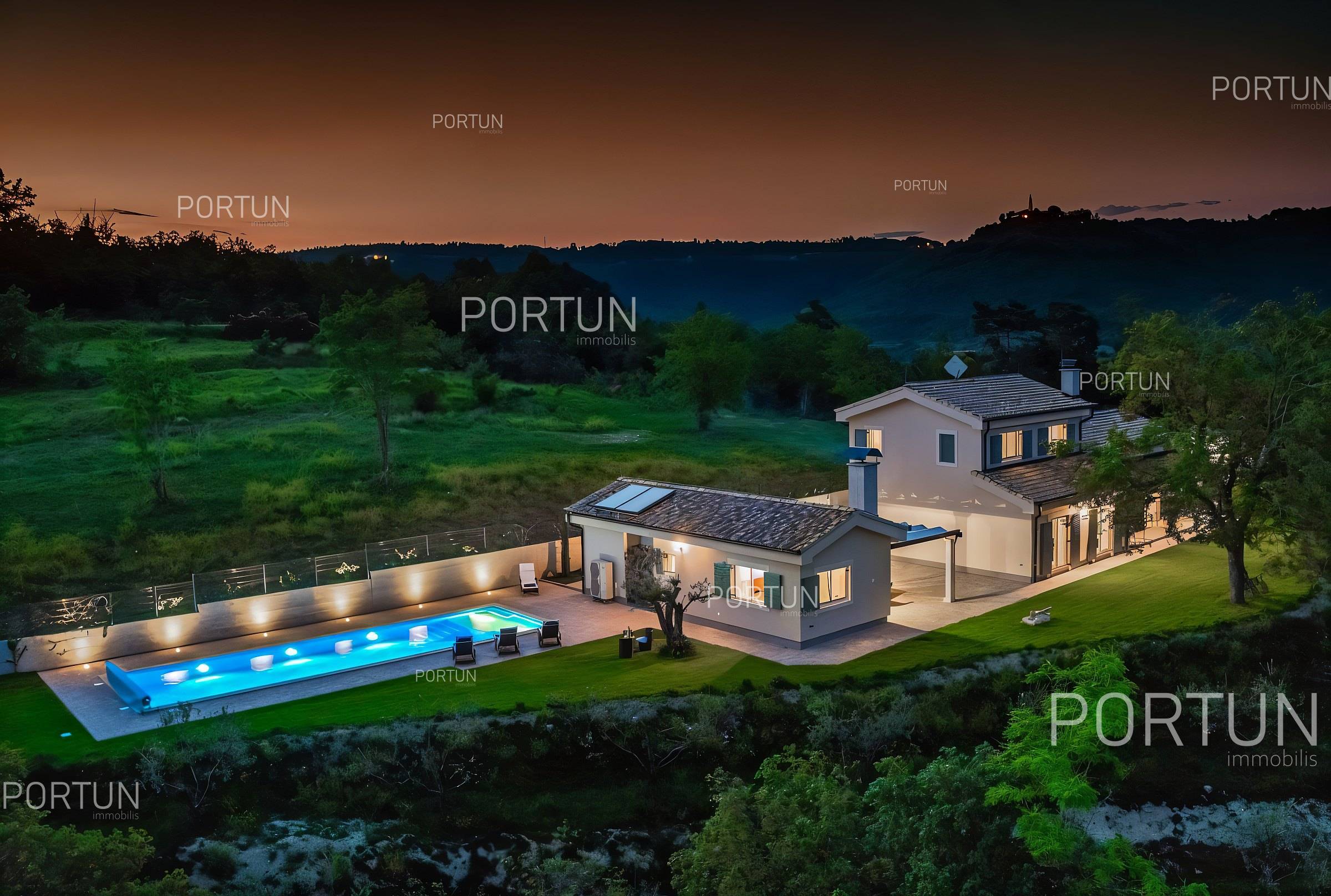
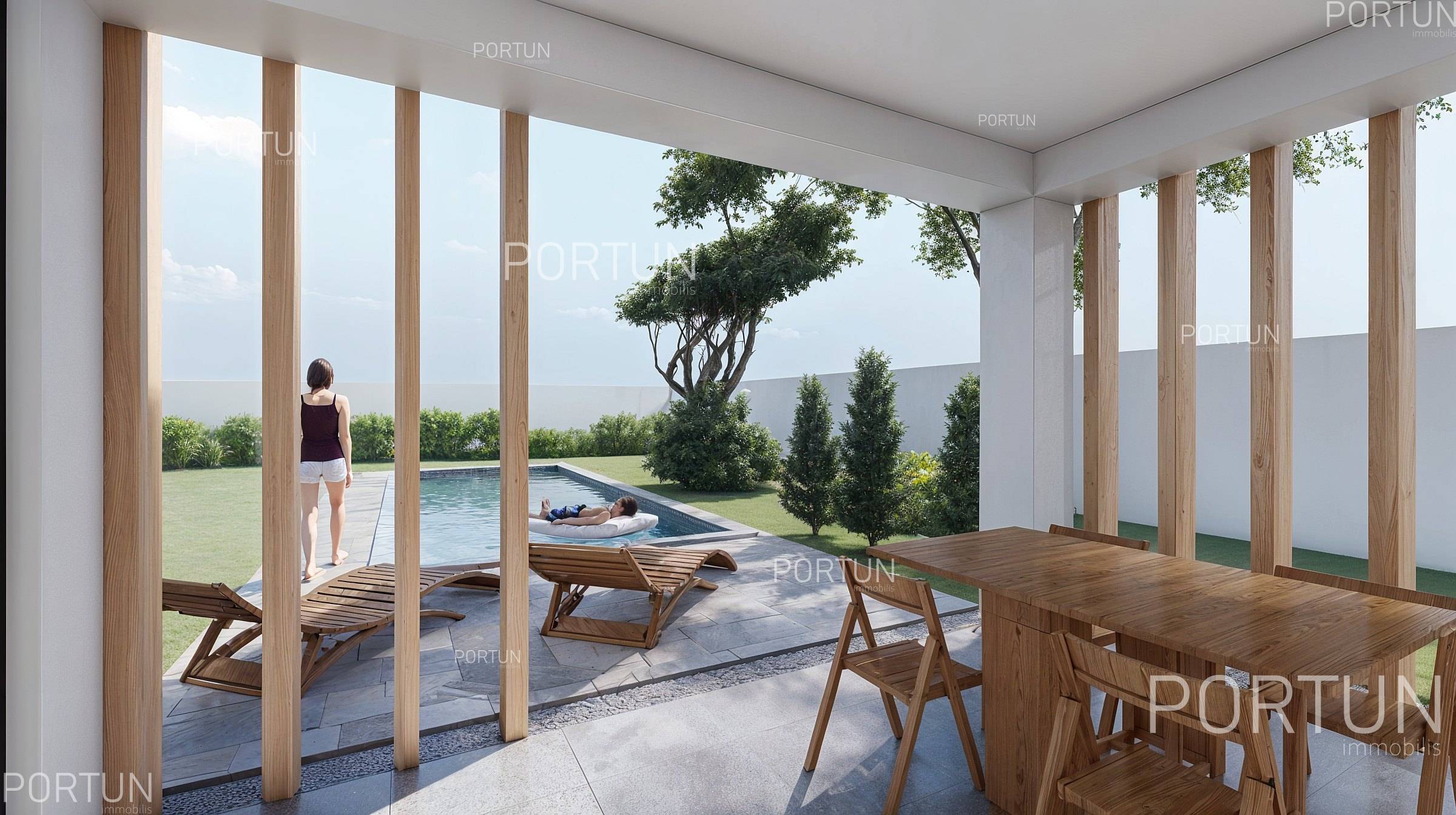
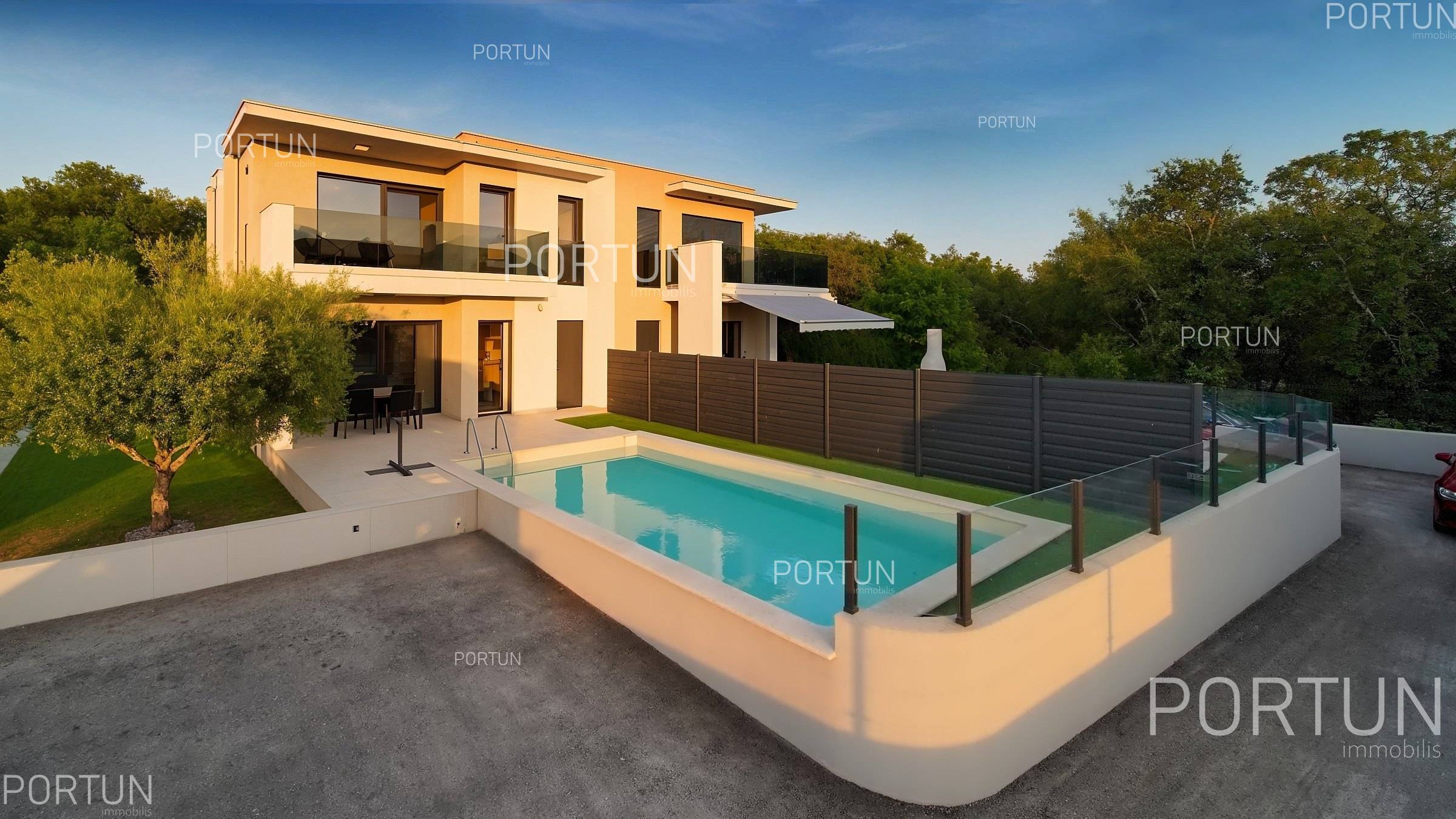
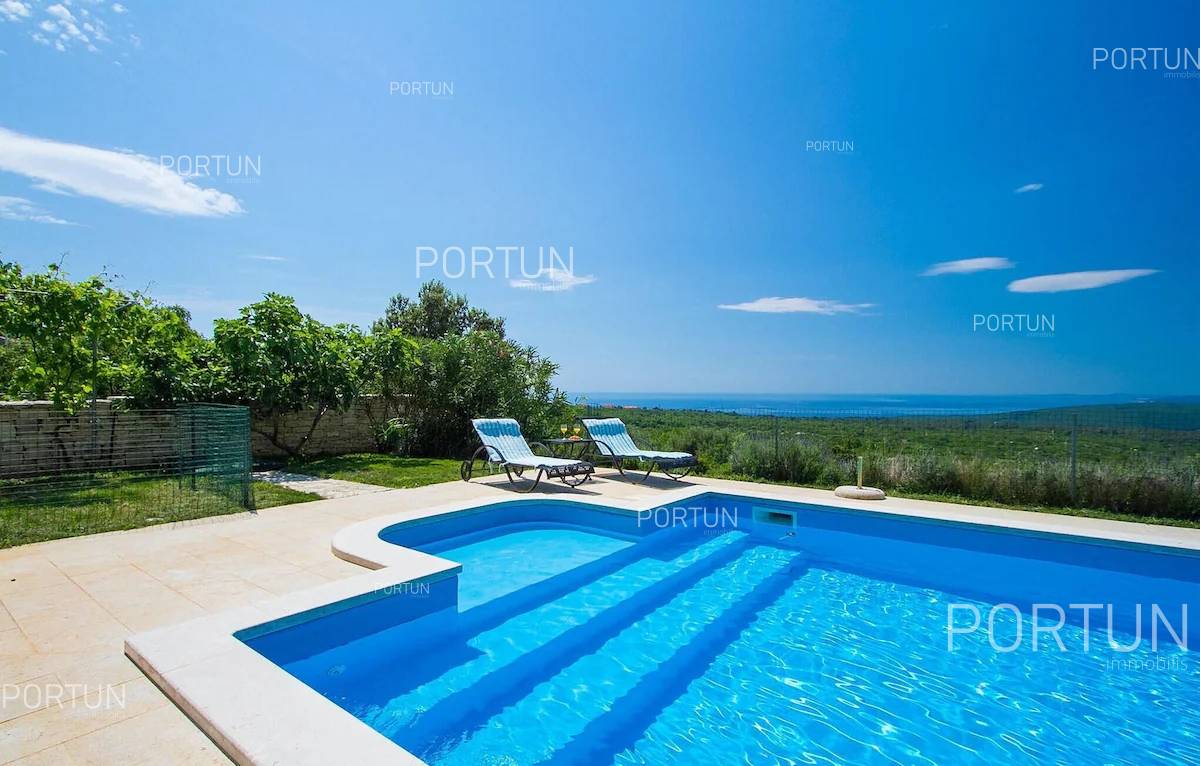
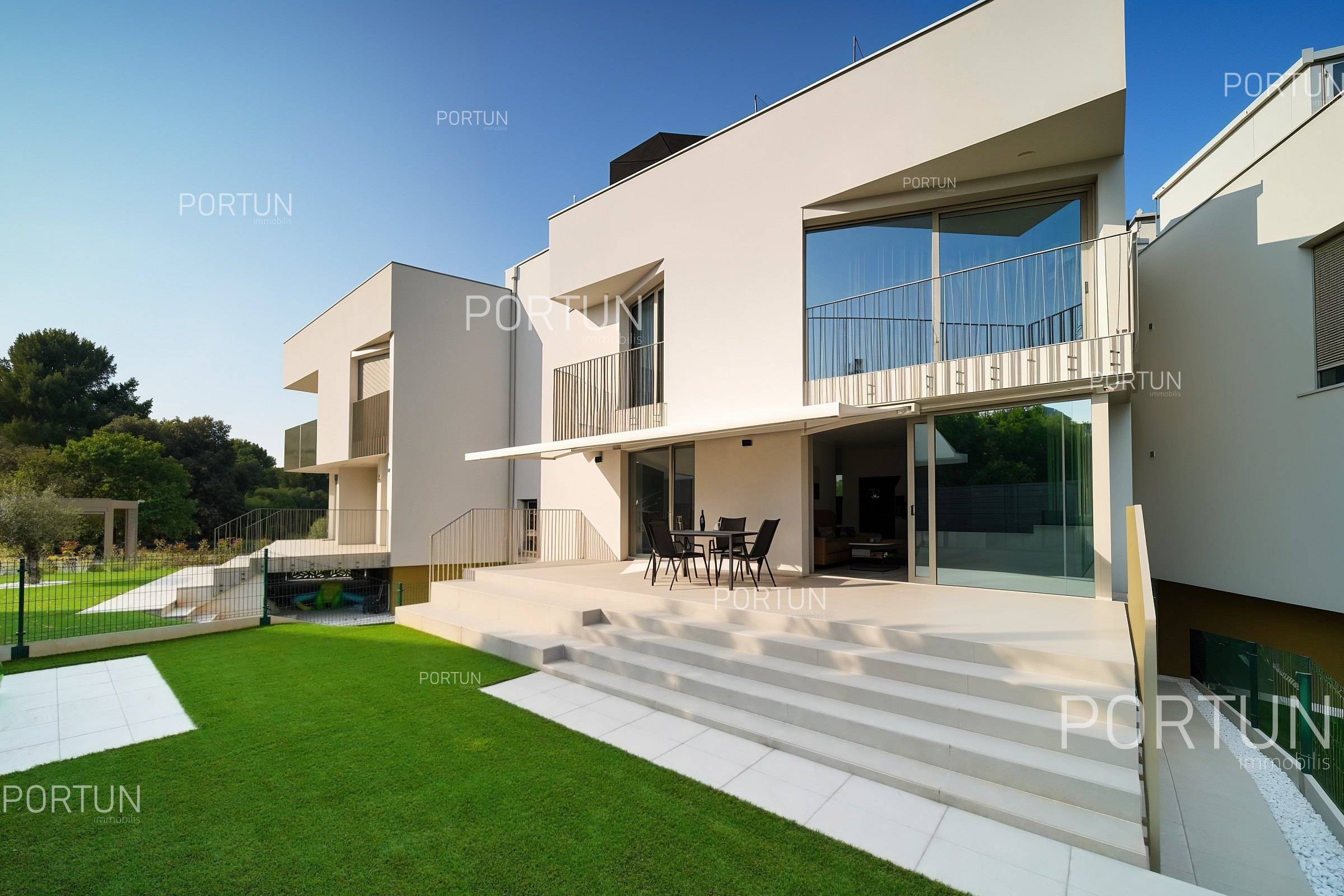
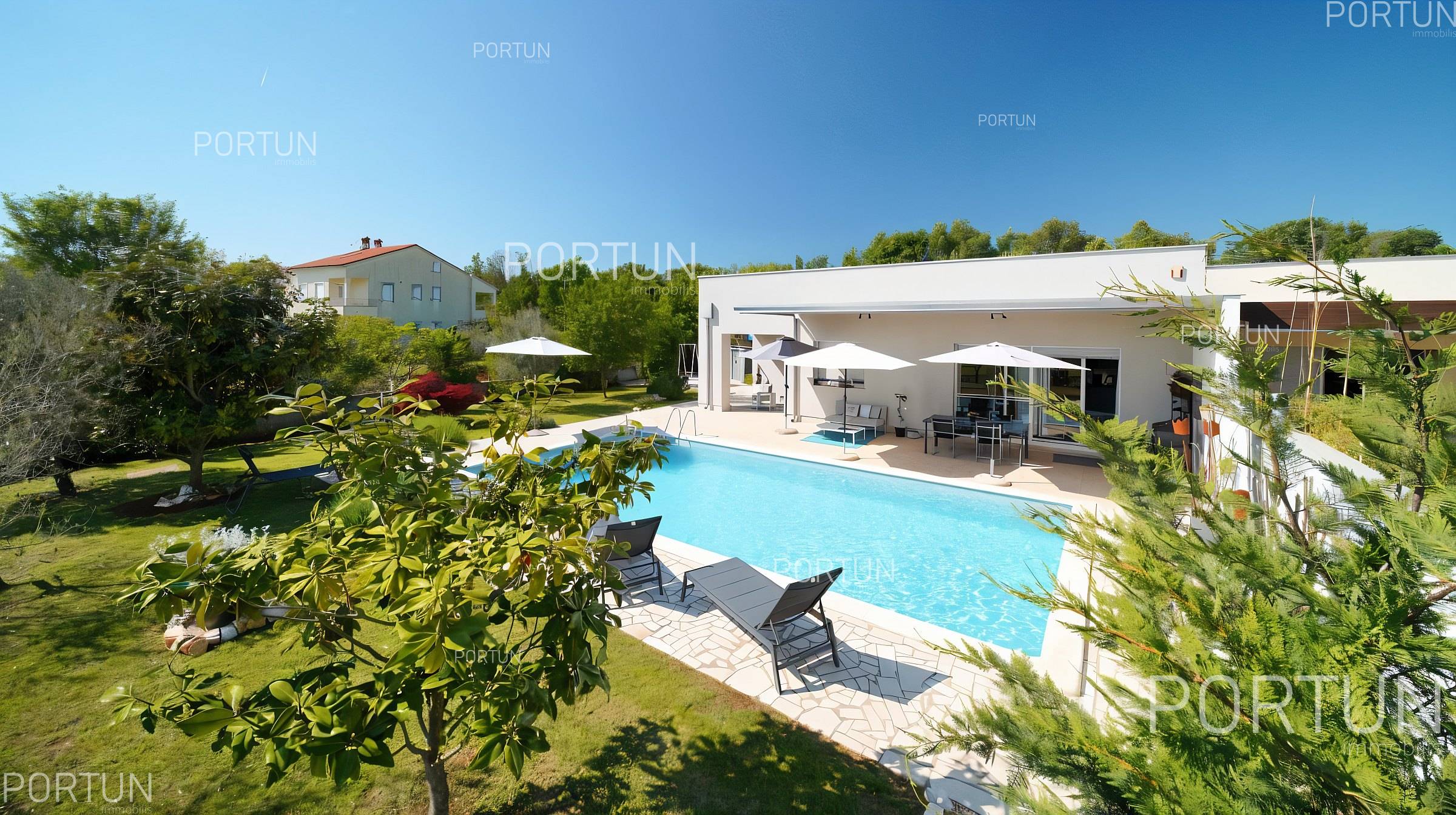
Istria is one of the most developed tourist regions in Croatia, making land attractive for developing rental properties. Houses with pools in quiet locations are especially sought after by foreign guests.
Return on investment depends on location, construction quality, and property management. A well-positioned house can generate stable income during the tourist season.
However, it is important to consider seasonality and maintenance costs, which affect overall profitability.
Long-term value and investment security
Land is often considered a safe form of investment because it does not require maintenance like a finished property. Its value primarily depends on location and zoning plans.
In Istria, where space is limited, quality plots retain or increase their value long-term. This makes them an attractive choice for buyers thinking long-term.
It is important to invest thoughtfully and choose locations with development potential.
Who is this investment for
Buying land is not for everyone. It suits buyers who have clearly defined goals – whether building their own home or an investment project.
For buyers seeking quick returns, land may be less attractive compared to finished properties. However, for those thinking long-term, it represents a stable and flexible investment.
Understanding your goals and adapting your investment strategy is key.
Conclusion
Buying land in Istria can be a very good investment, but only with proper preparation and market understanding. The key to success lies in choosing the location, verifying the legal status, and realistically assessing costs.
For investors seeking long-term value and the possibility to develop their own project, land offers many advantages. However, like any investment, it requires careful planning and professional support.
Related guides and useful articles
Topic guides for buying land in Istria
A short selection of articles that help you assess feasibility, costs and infrastructure before making an investment decision.
Tags
buying land, Istria, investment, building land, agricultural land, zoning, spatial plan, building conditions, infrastructure, utility connections, construction costs, subdivision, location, permits, risks