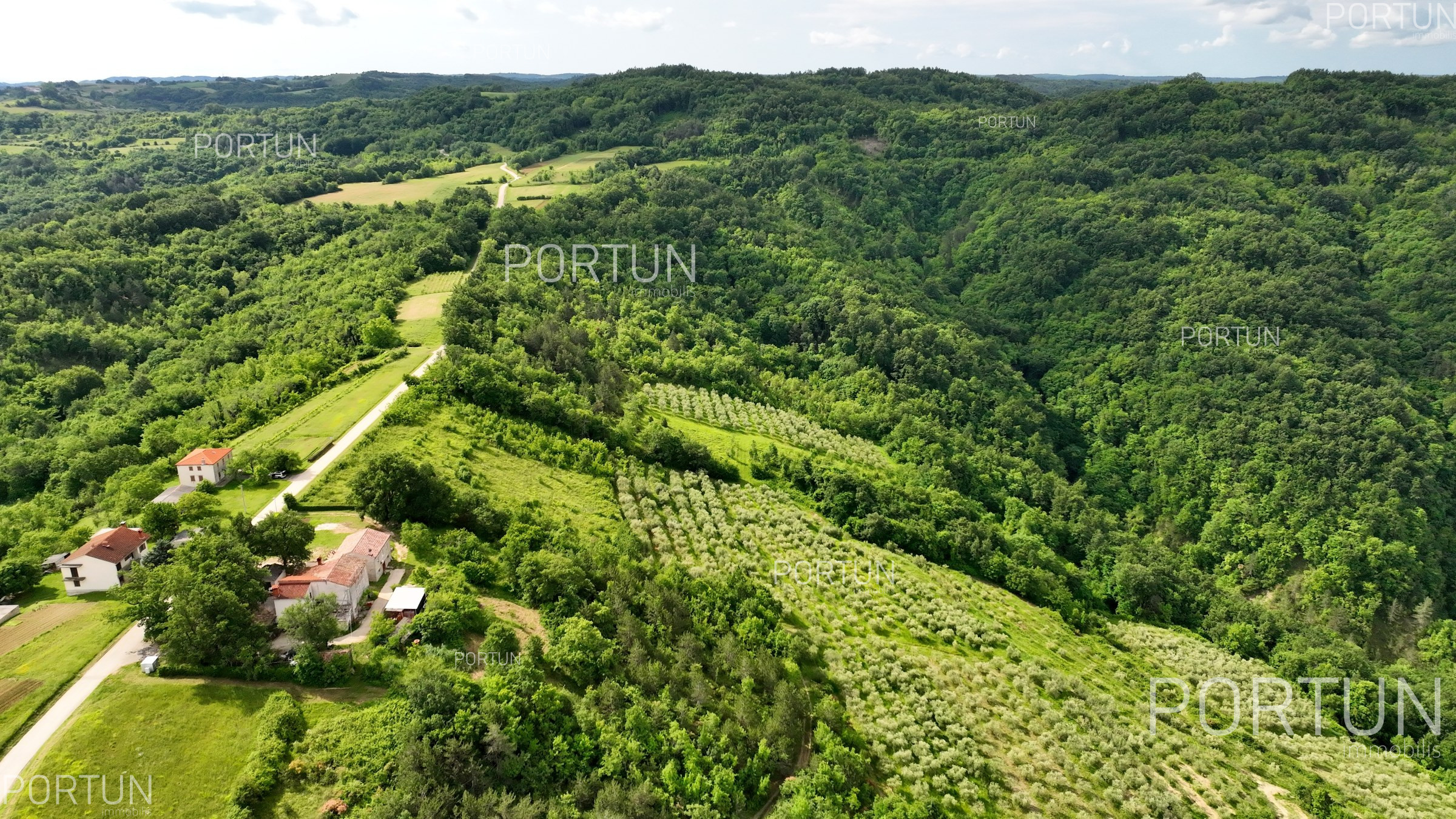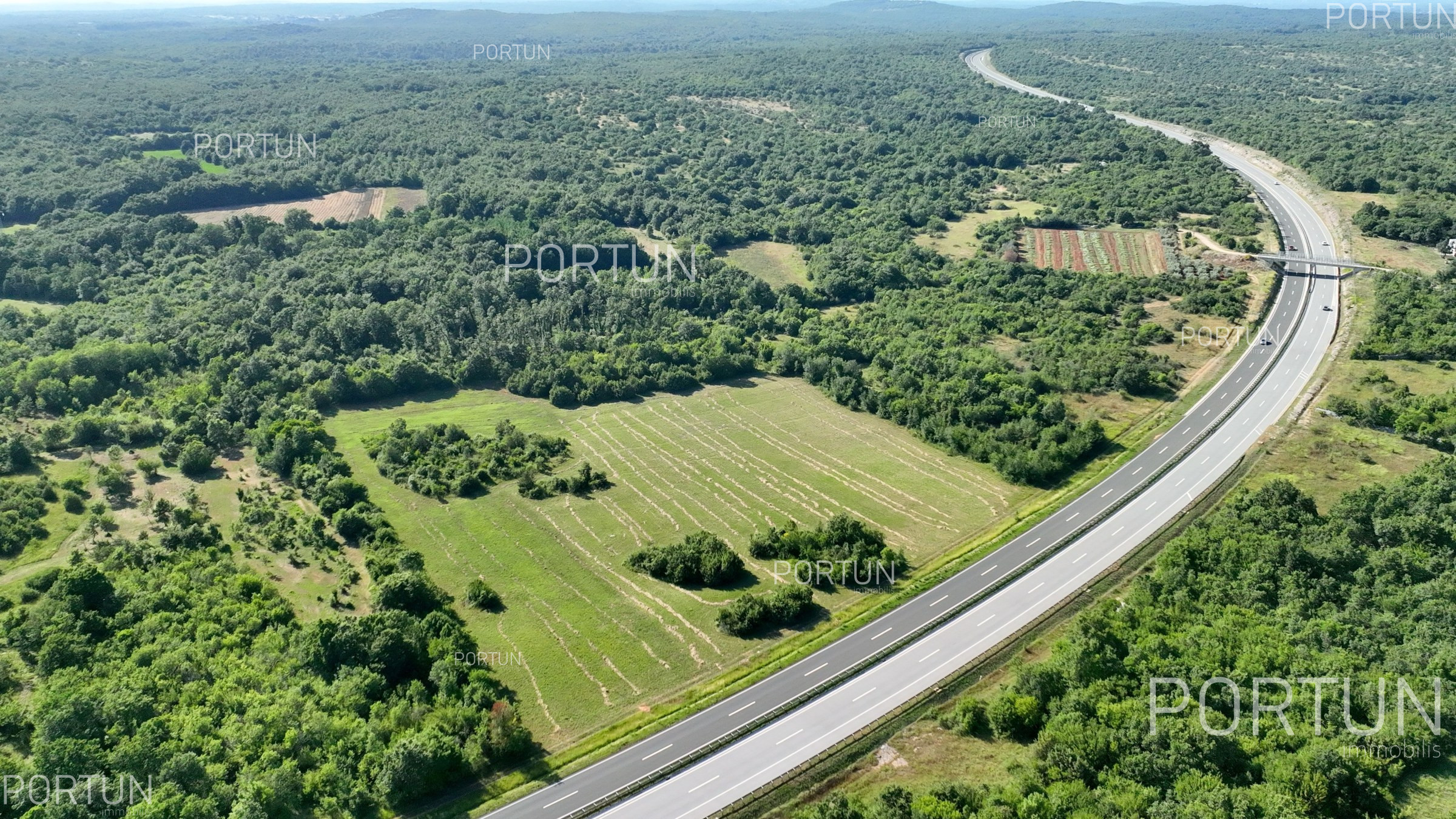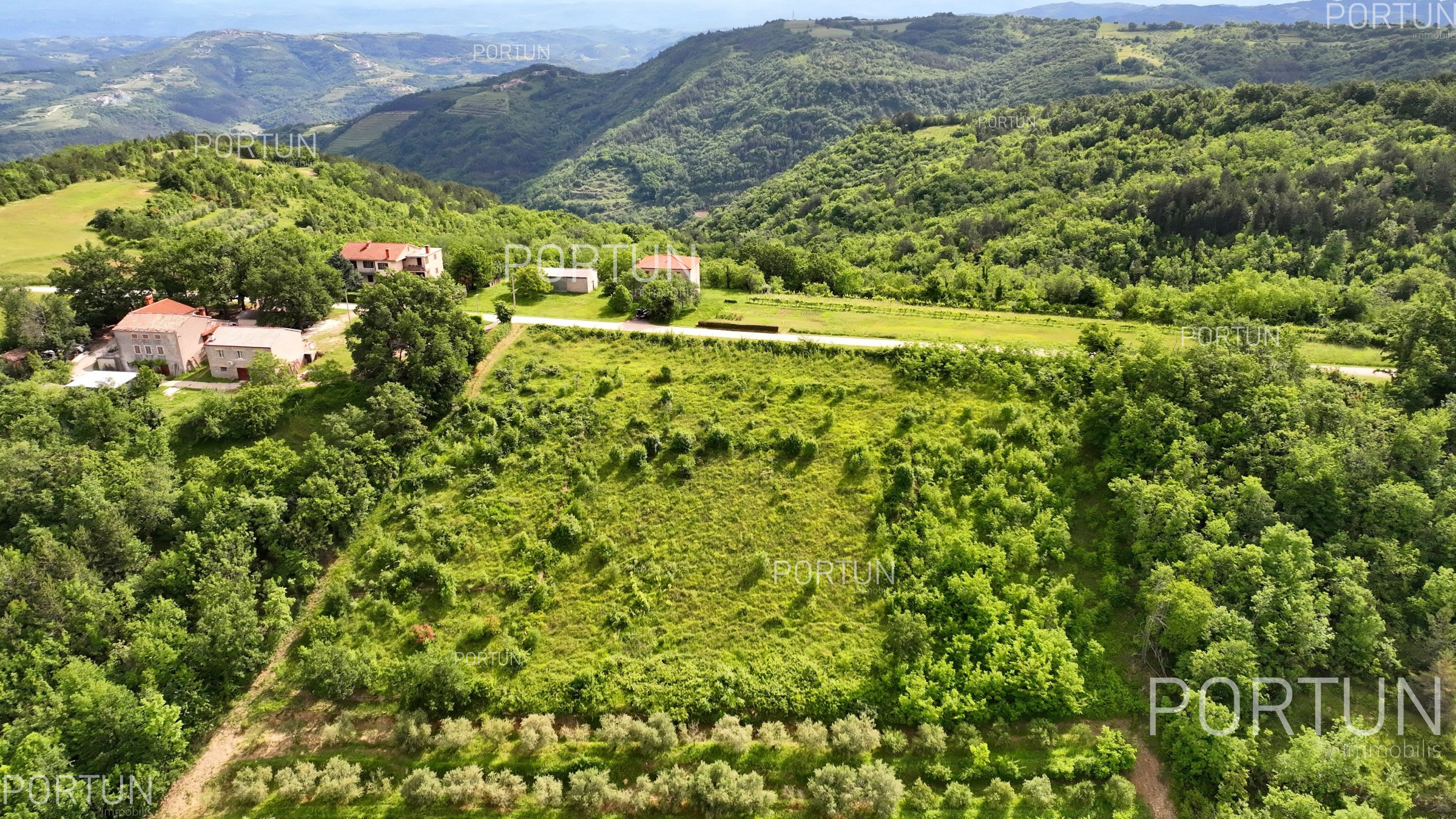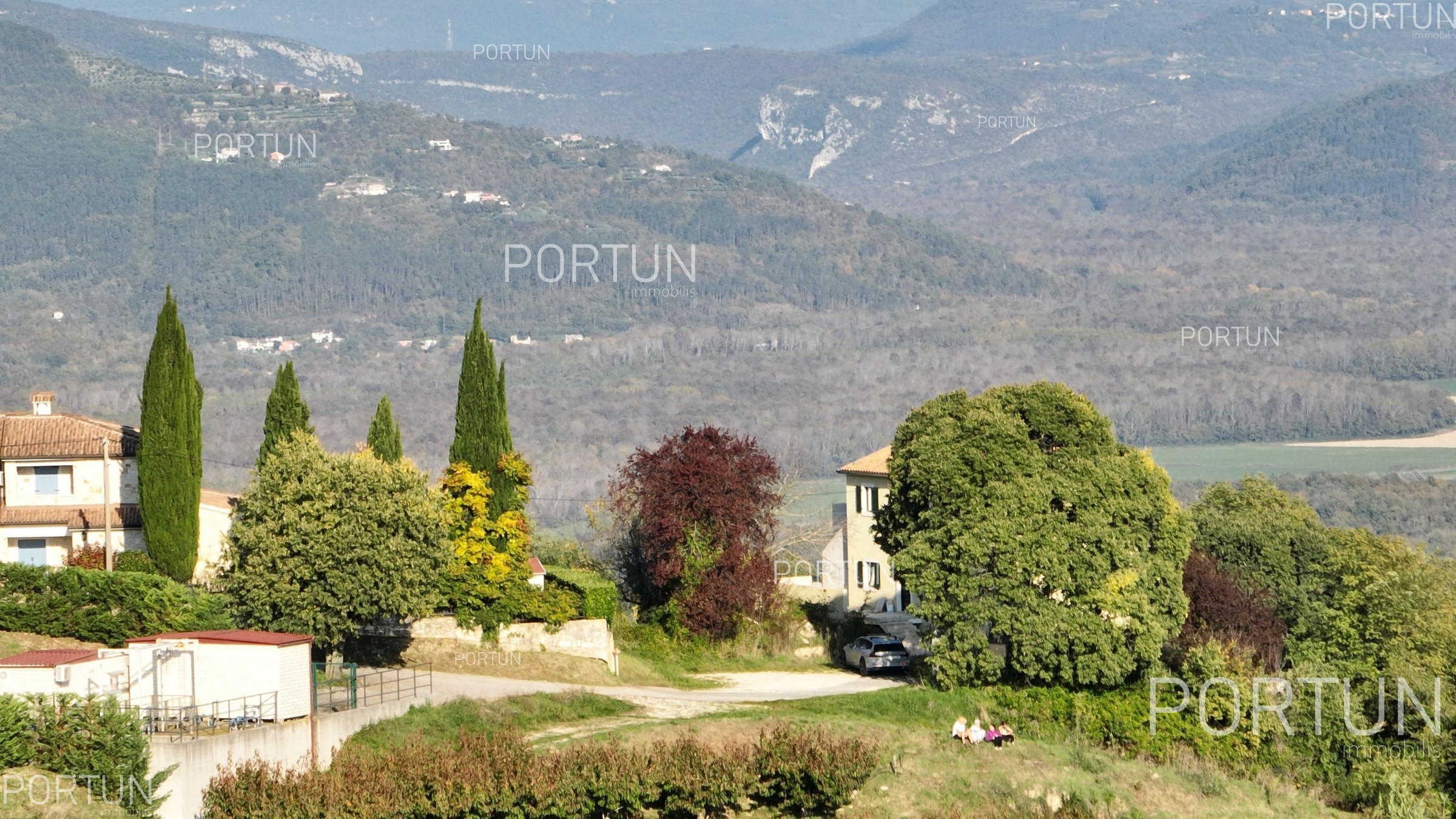
Introduction
Purchasing building land in Istria represents the first step for many towards building their own home, holiday house, or long-term investment. Unlike buying a finished property, land requires additional understanding of spatial planning rules, infrastructure, construction possibilities, and realistic costs incurred before construction itself. Because of this, some buyers underestimate the complexity of the process, which can later lead to unplanned expenses or project limitations.
Istria is a unique market because, within a relatively small area, zones of strict spatial protection, tourist zones, agricultural land, and building zones with different construction conditions alternate. What is allowed in one municipality may not be possible in another, even if the parcels are only a few kilometers apart. Therefore, it is necessary to understand the basic concepts, documentation, and steps preceding the purchase before making a decision.
This guide explains how to identify quality building land in Istria, what to pay attention to before buying, and how to avoid the most common mistakes buyers make in practice.
What is considered building land in Istria
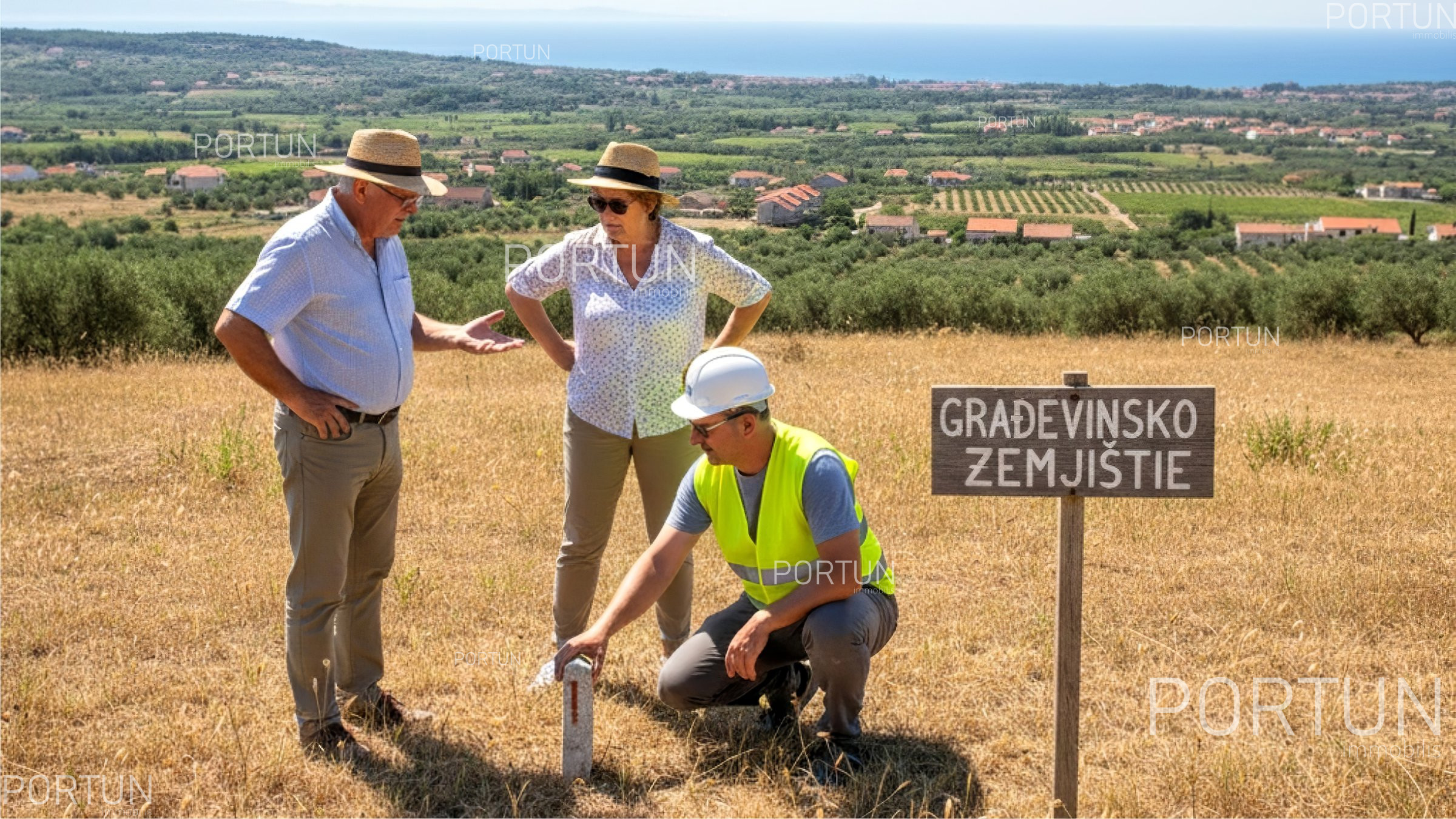
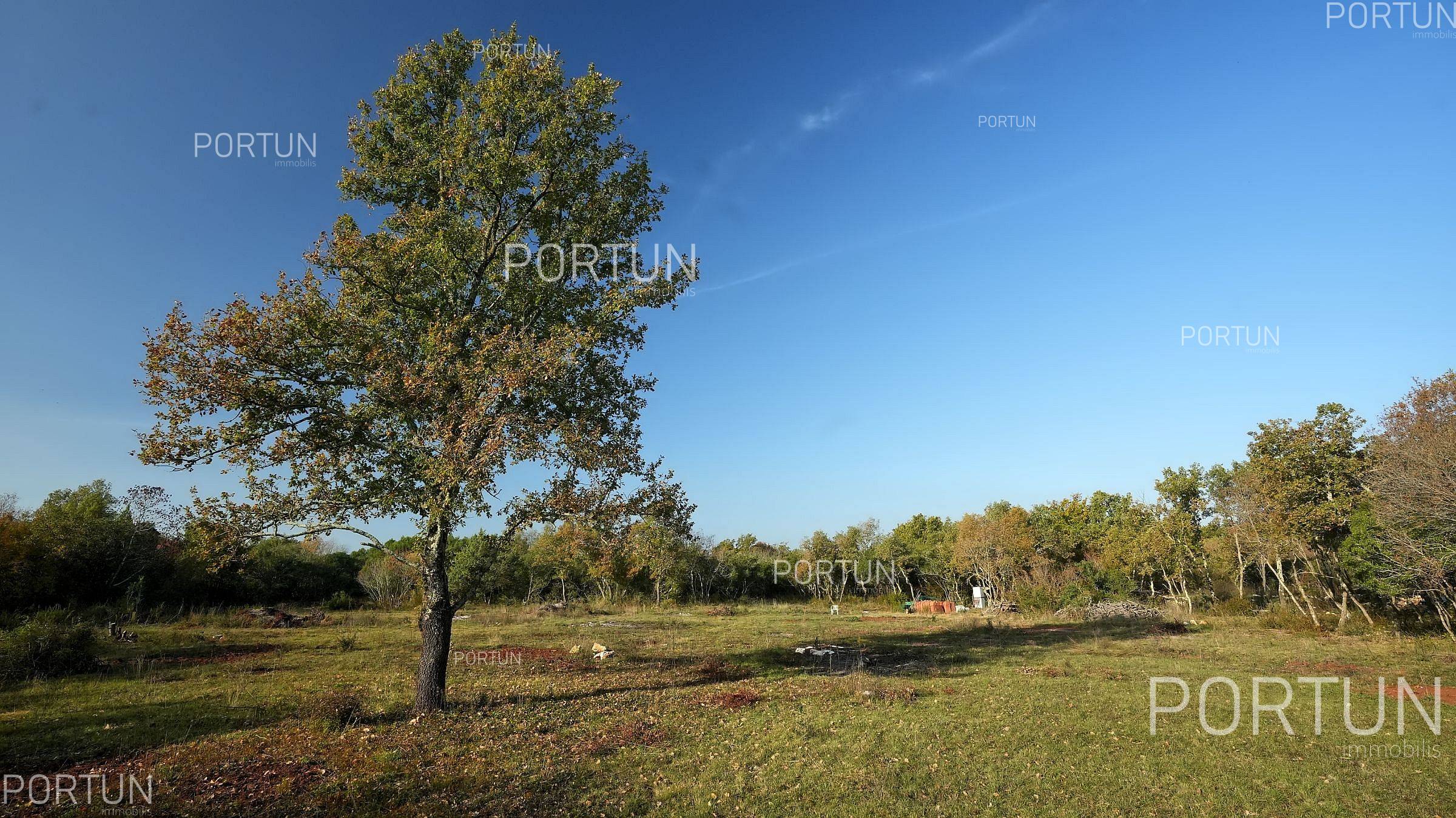
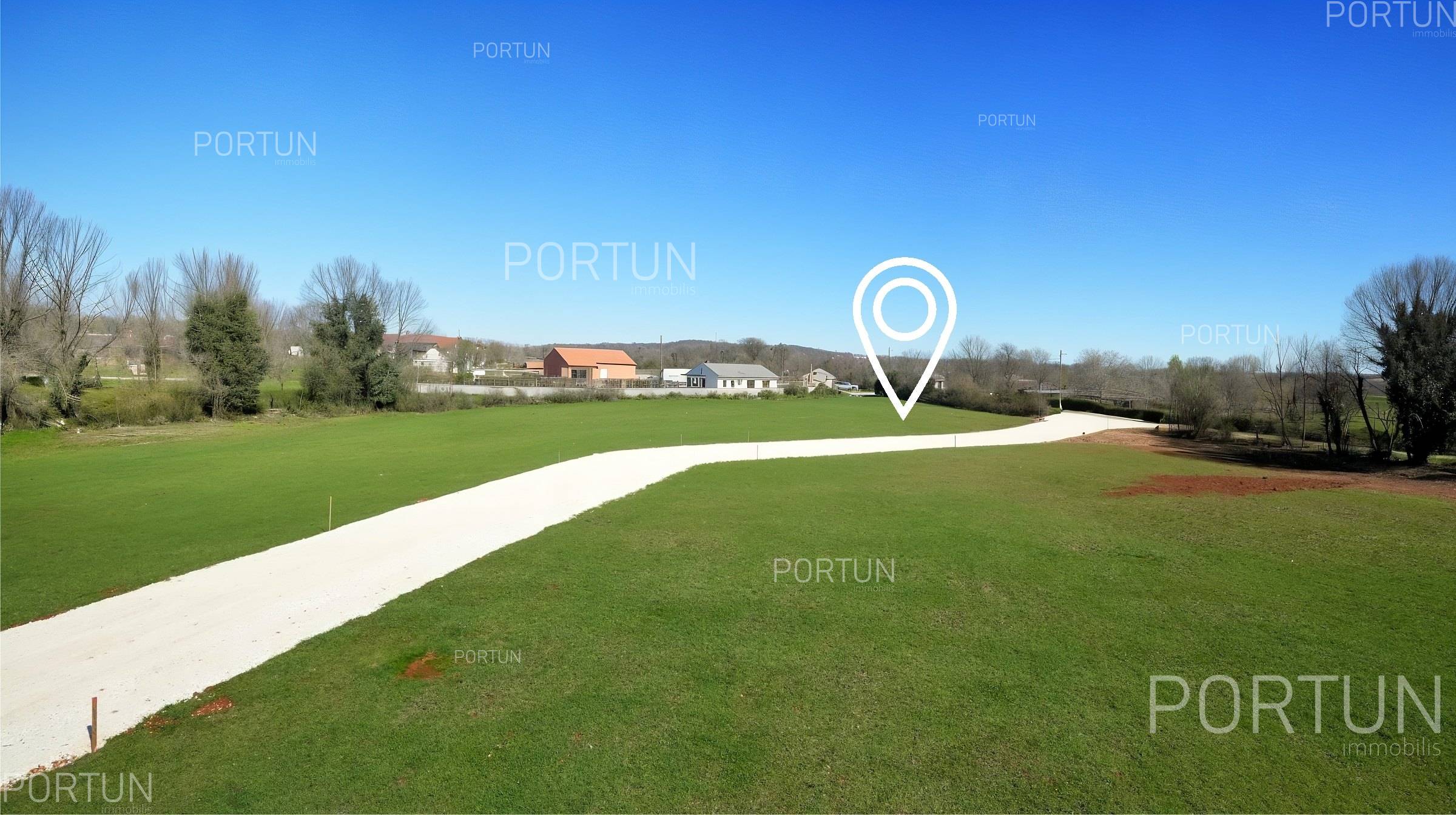
Building land is a parcel that, according to the valid spatial plan, is located within the building area of a settlement or a designated building zone. This means that construction is generally allowed on such a parcel, but under conditions defined by the municipality or city spatial plan. It is important to understand that the designation of building land does not automatically mean that any type of building can be constructed.
The spatial plan defines the maximum built-up area of the parcel, building height, number of floors, distance from boundaries, roof shape, and other urban planning parameters. In some zones, the construction of a family house is allowed, while in others, holiday homes with pools or tourist facilities are possible.
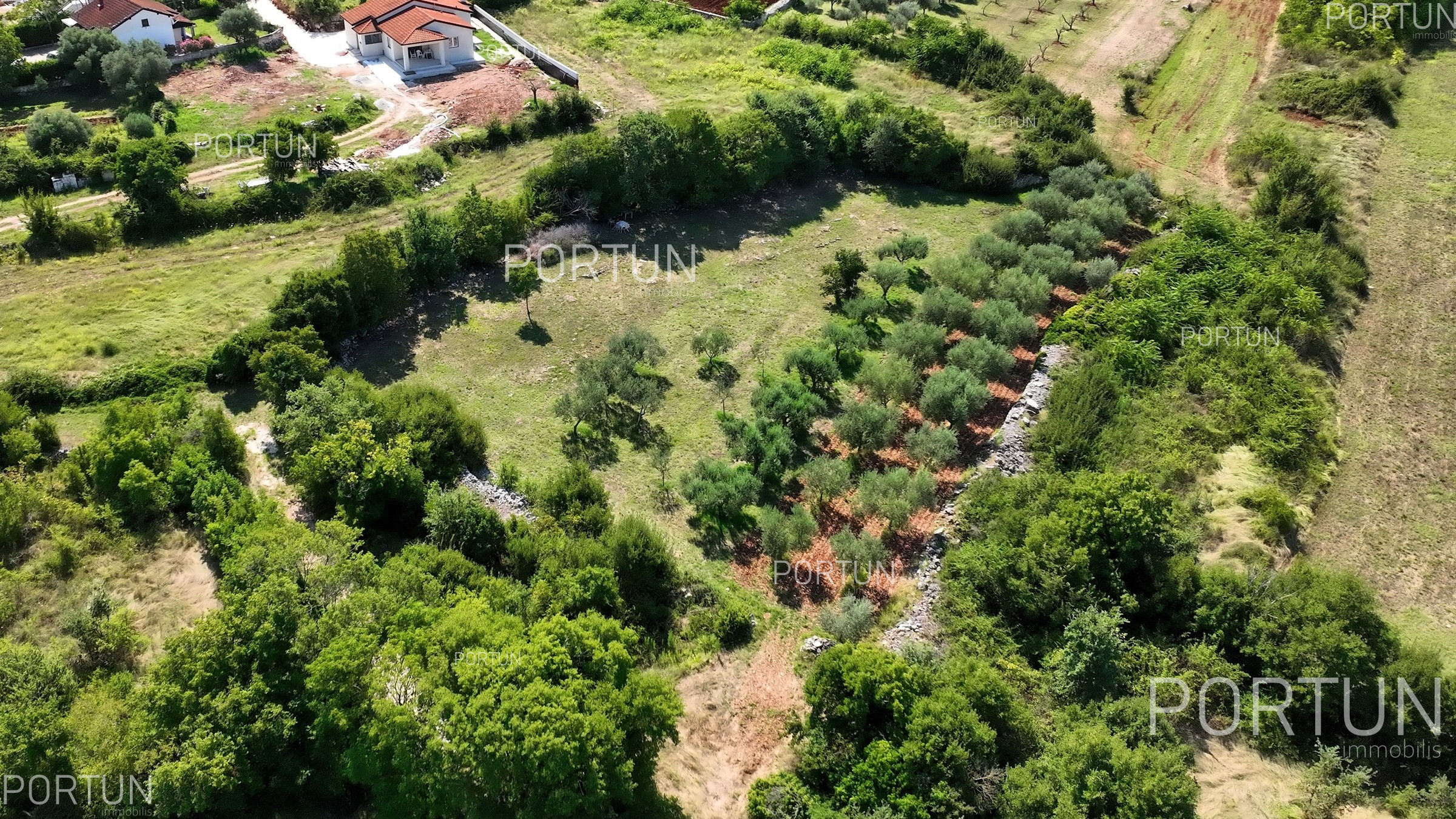
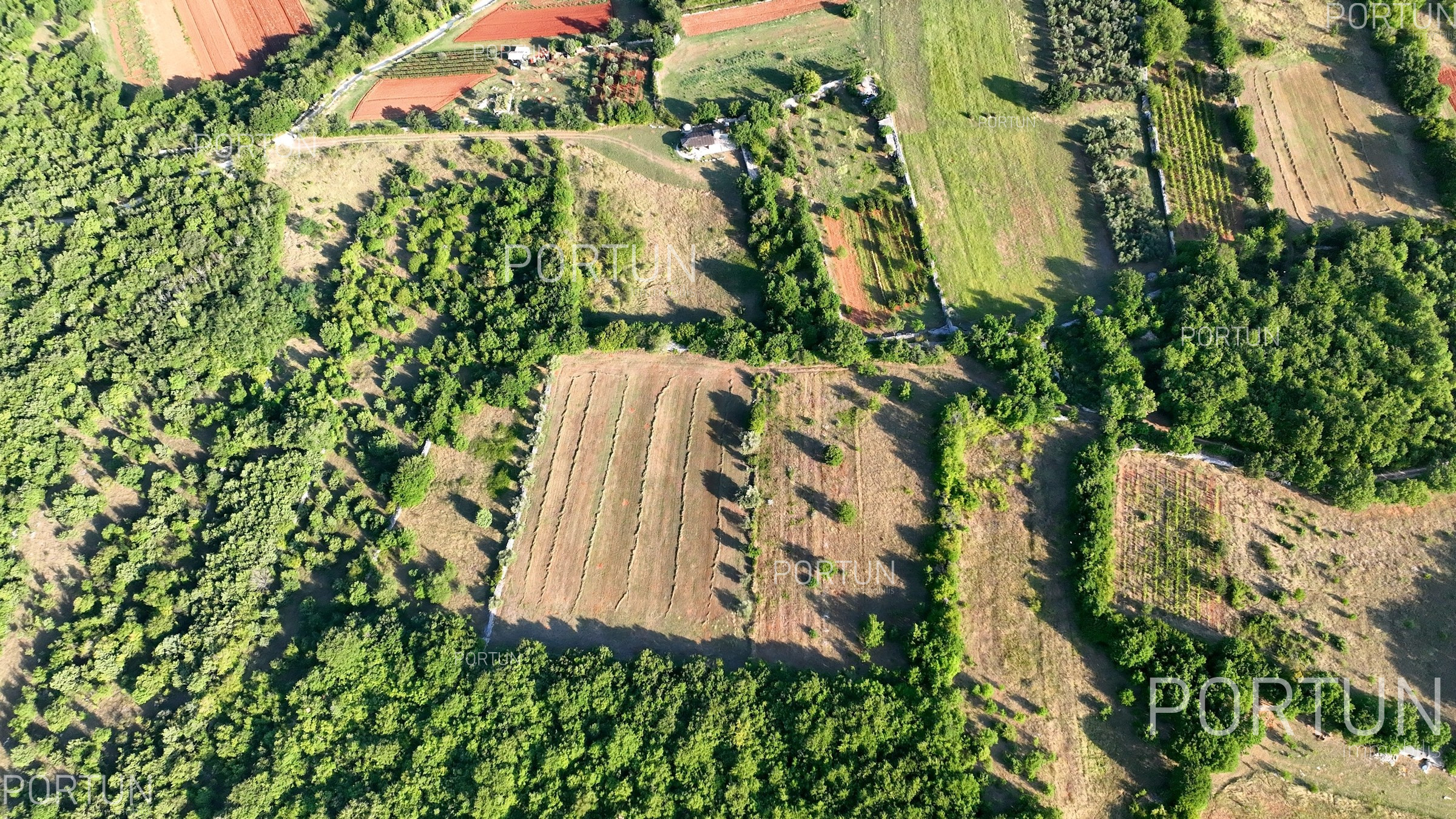
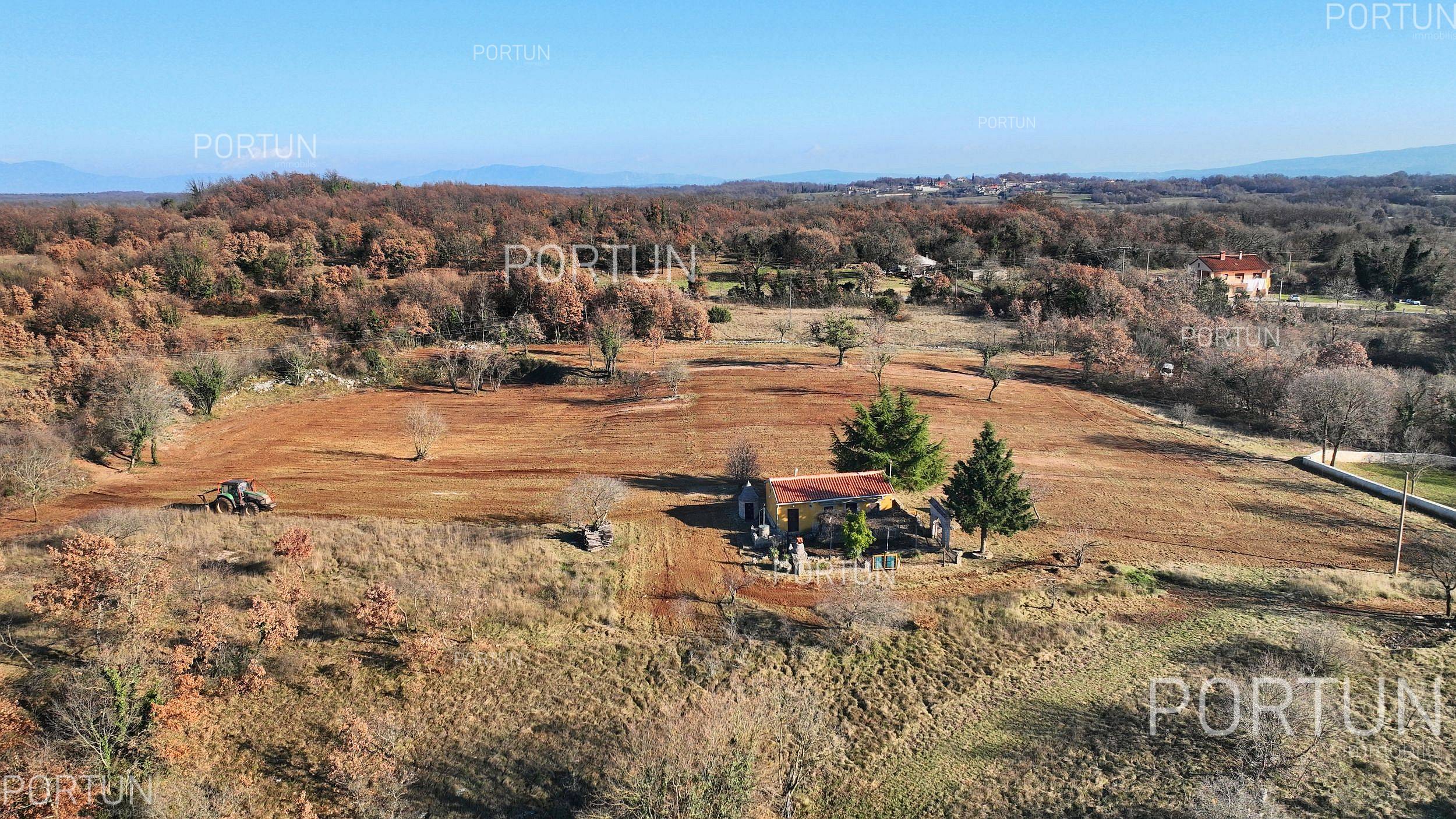
In Istria, it is common for part of a parcel to fall within a building zone while another part remains agricultural. Such parcels require additional analysis because the actual usability of the land may be significantly less than the total area. Before purchasing, it is always necessary to check the graphical part of the spatial plan and the exact purpose of the zone.
Location as a key investment decision
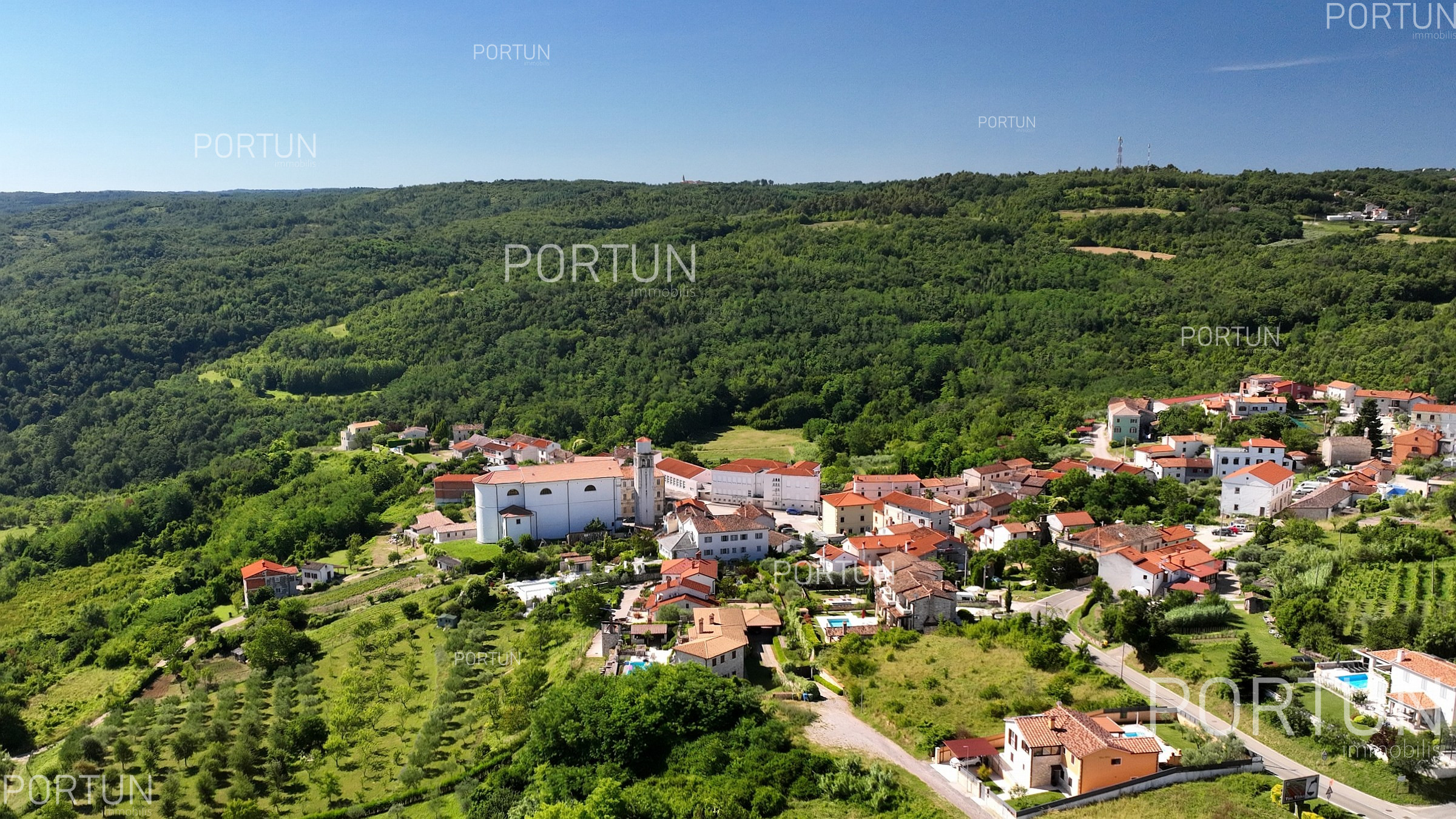
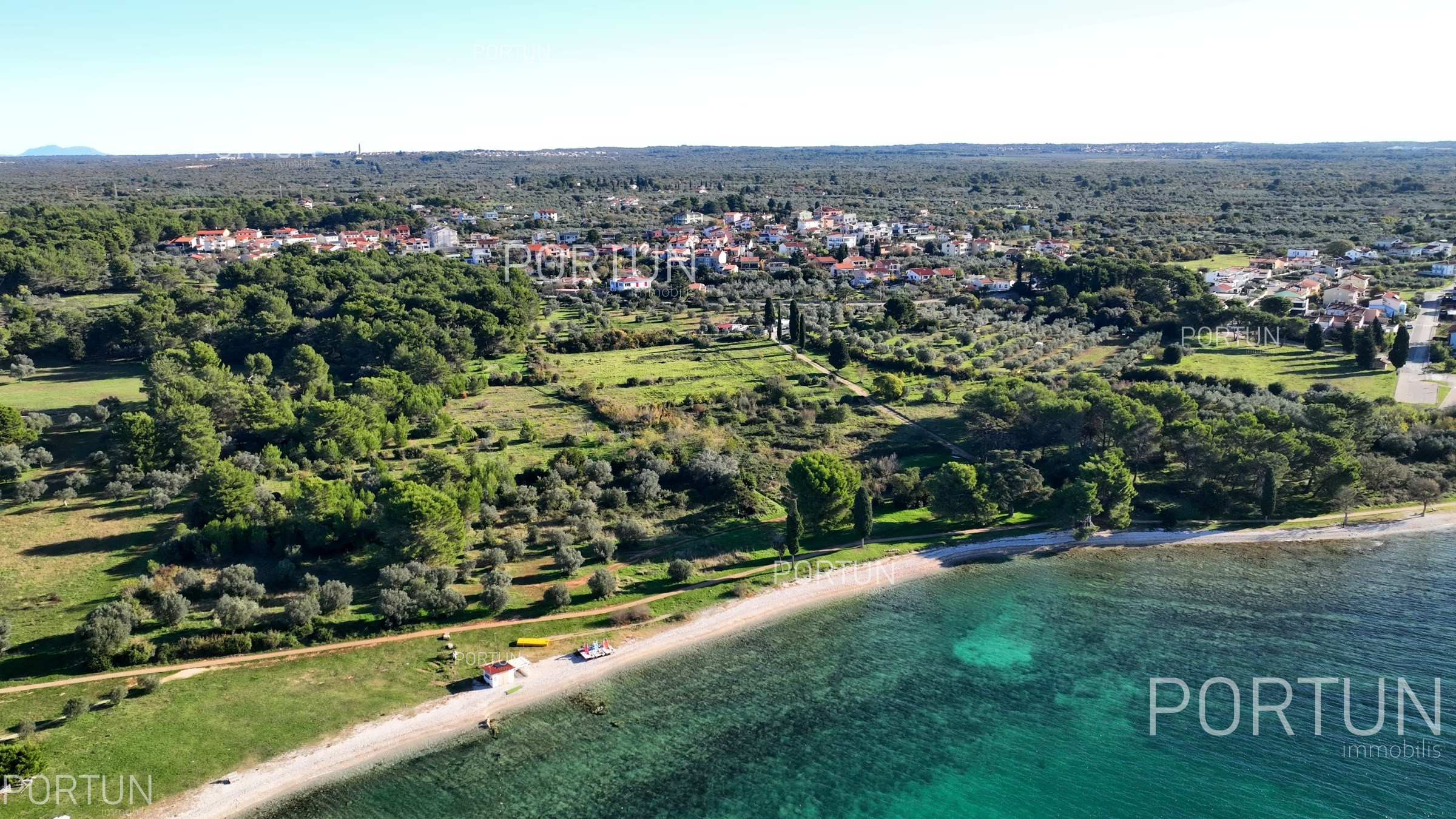
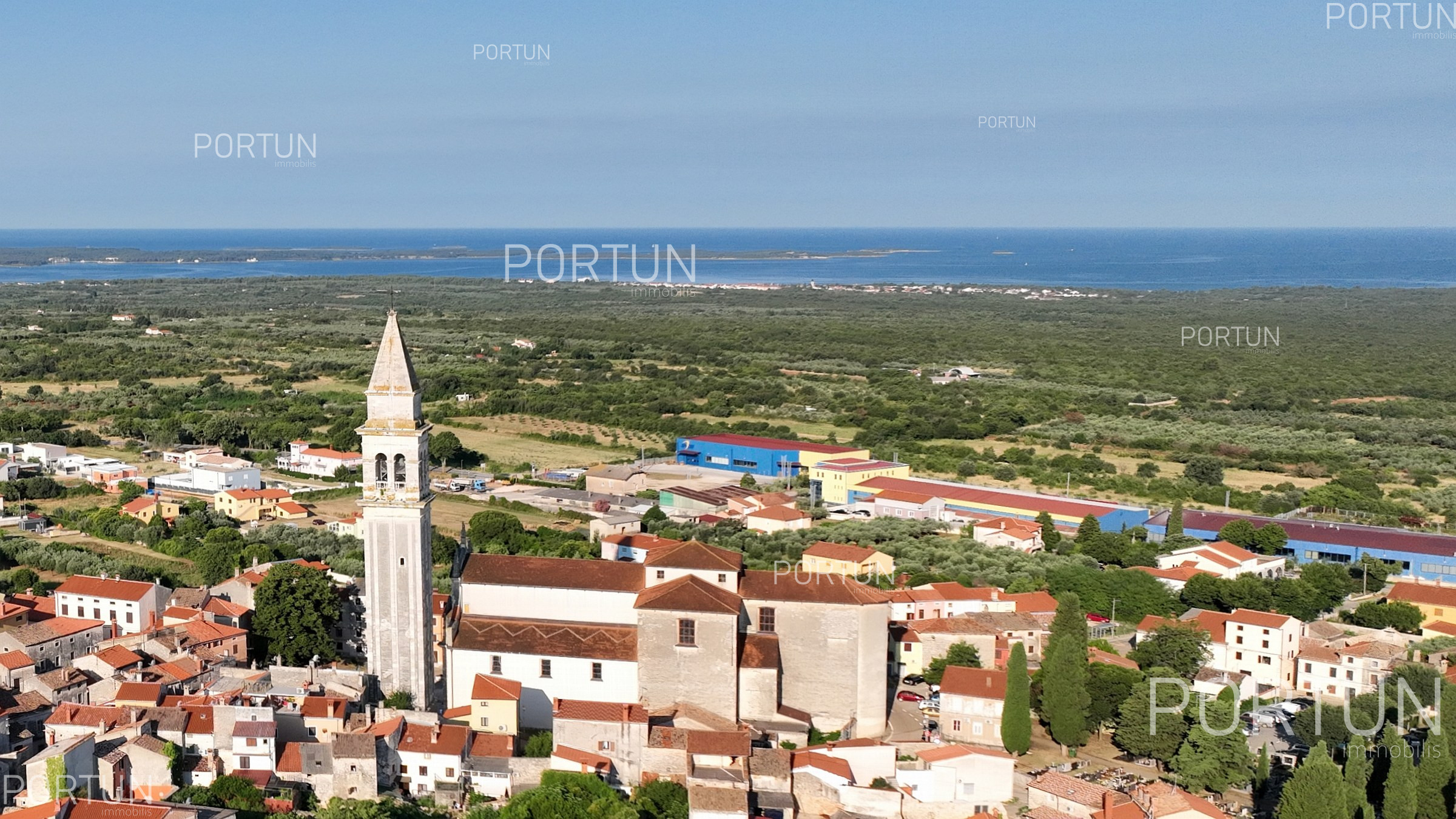
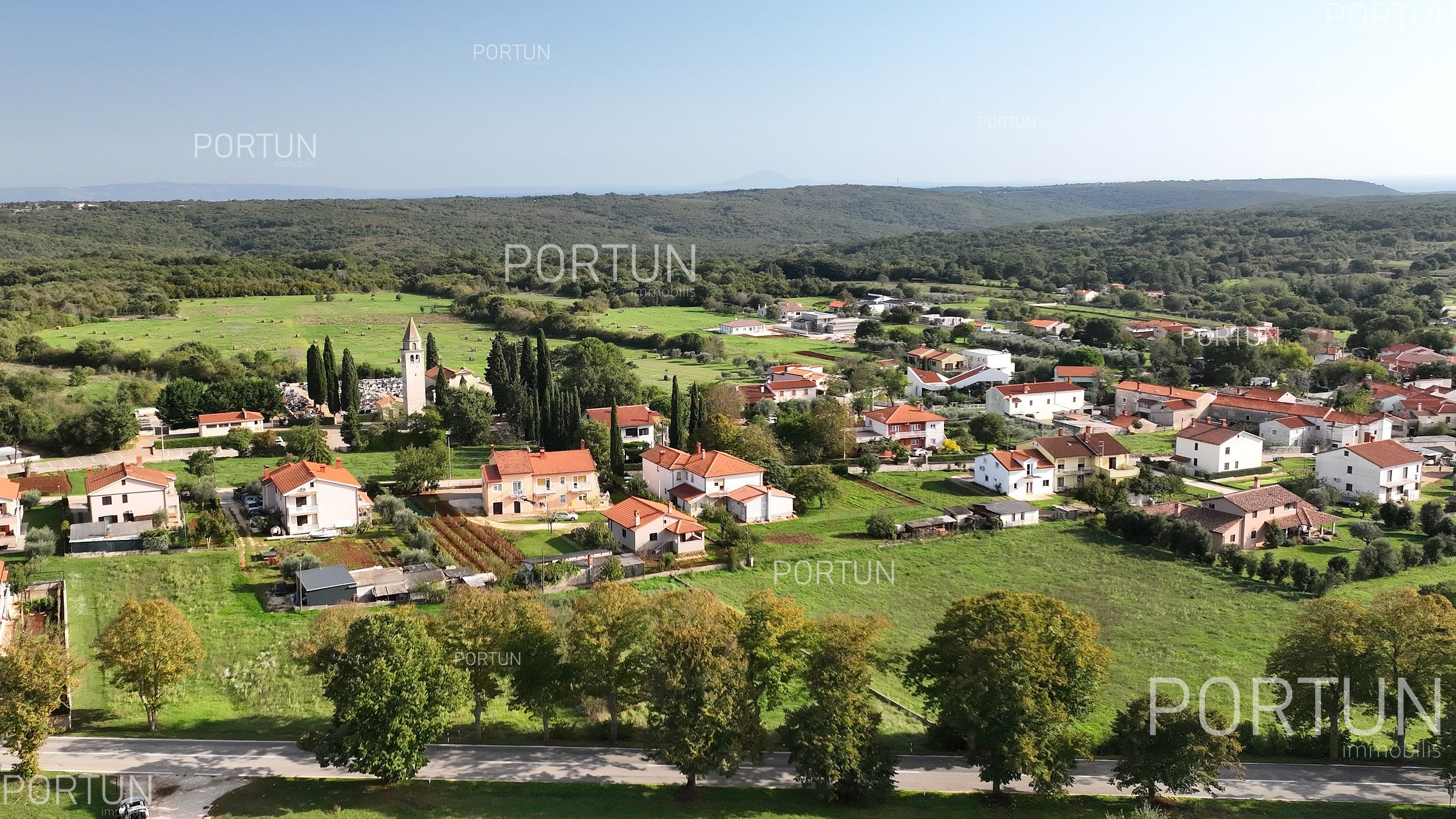
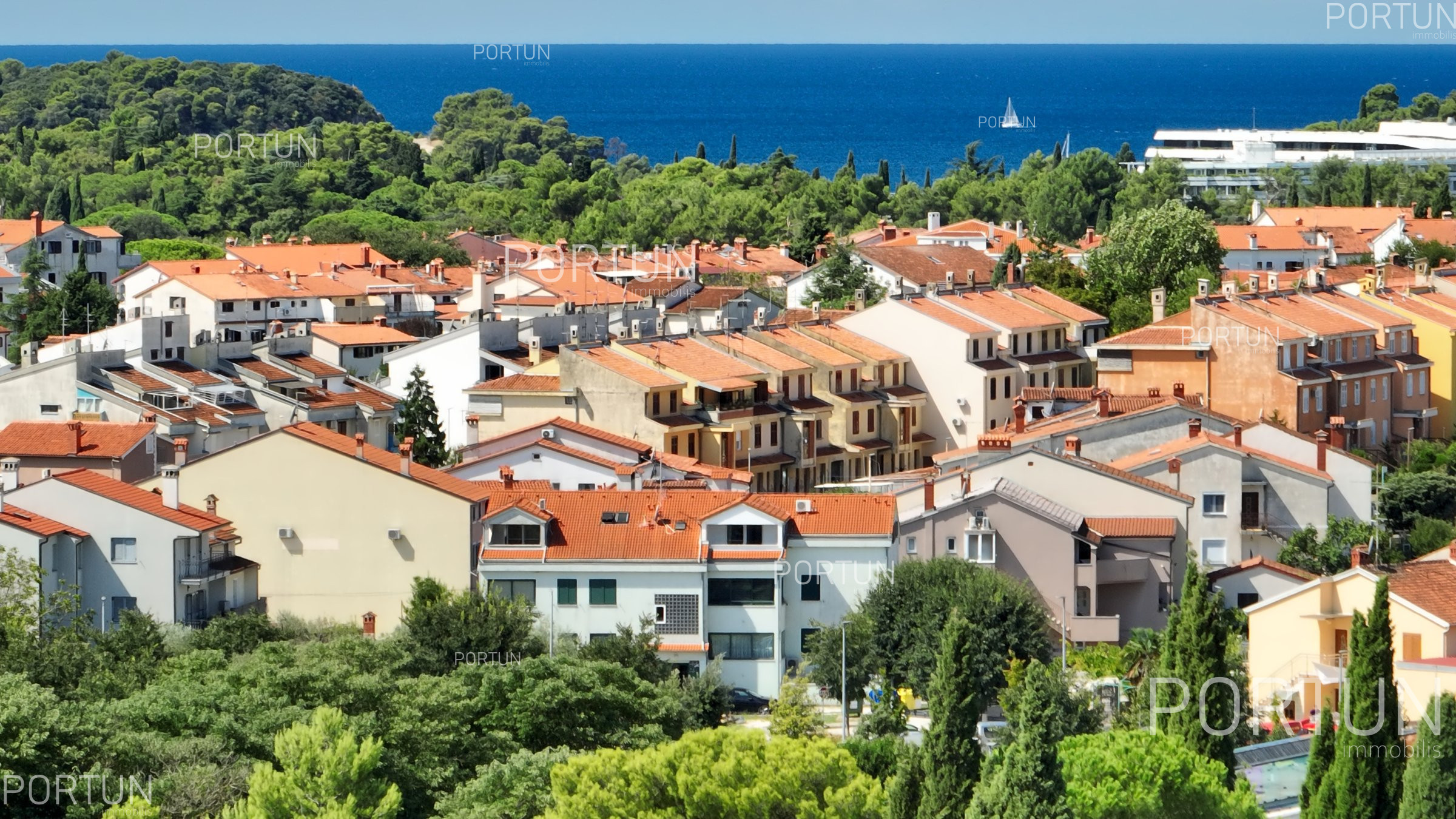
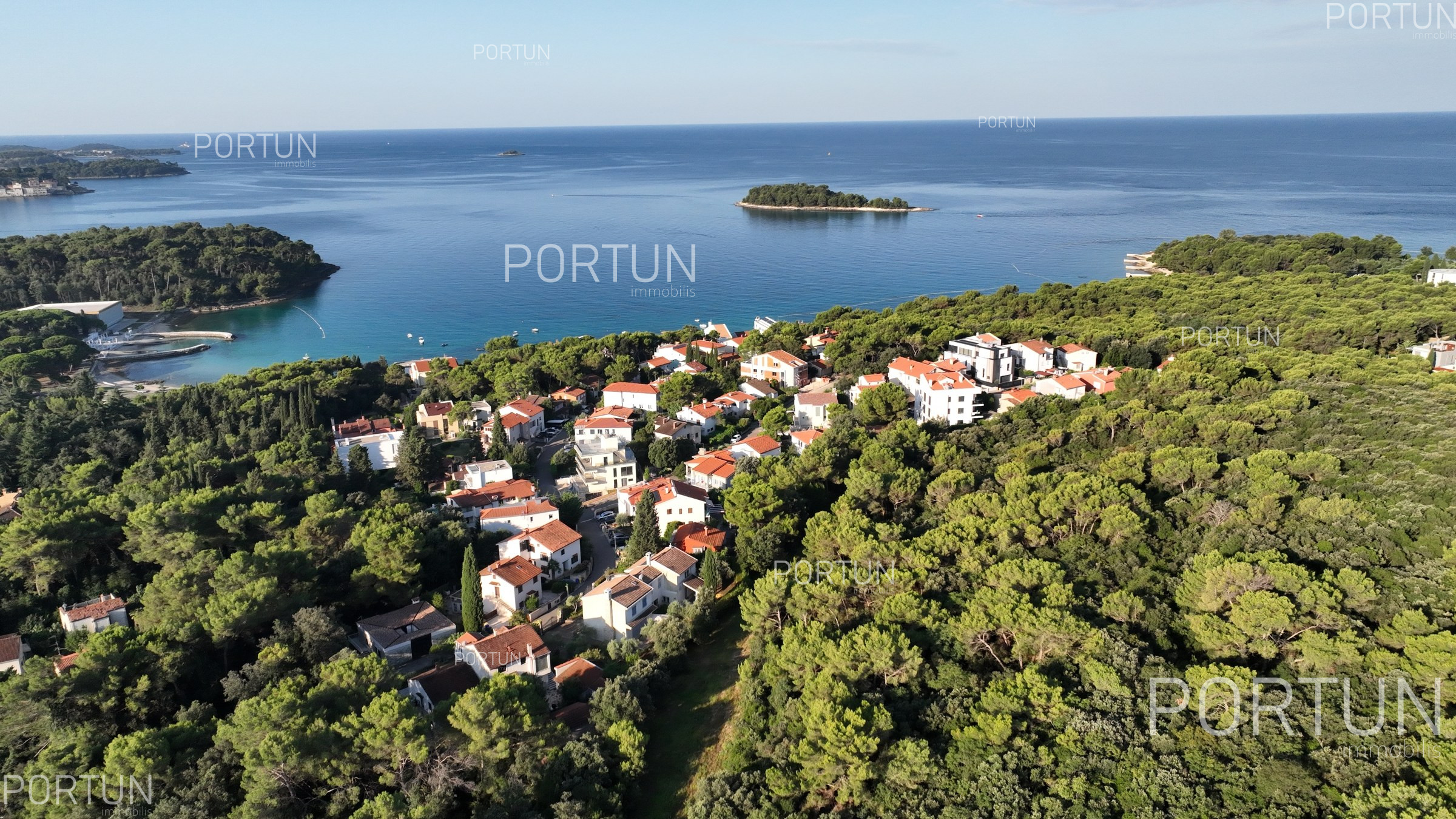
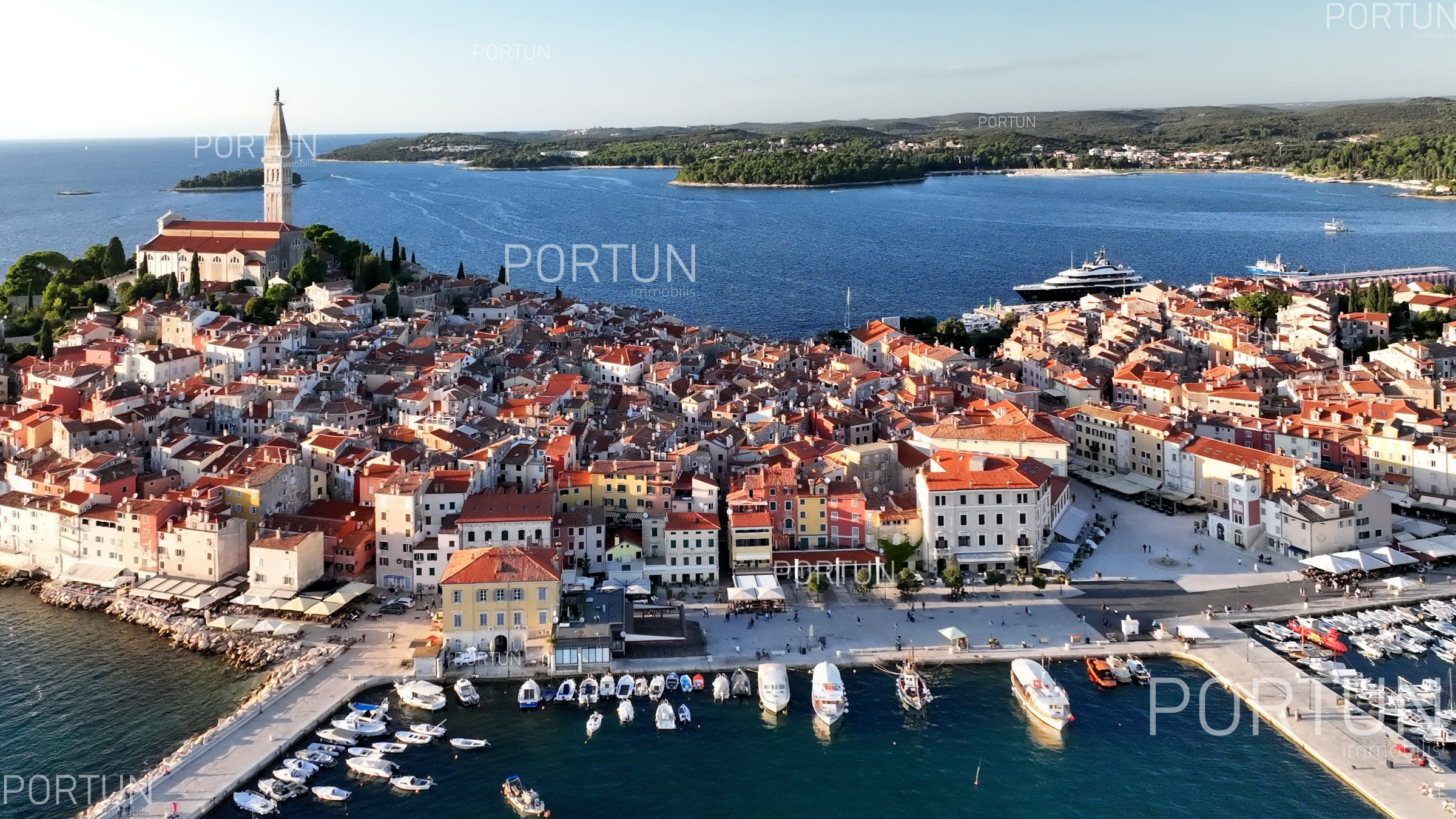
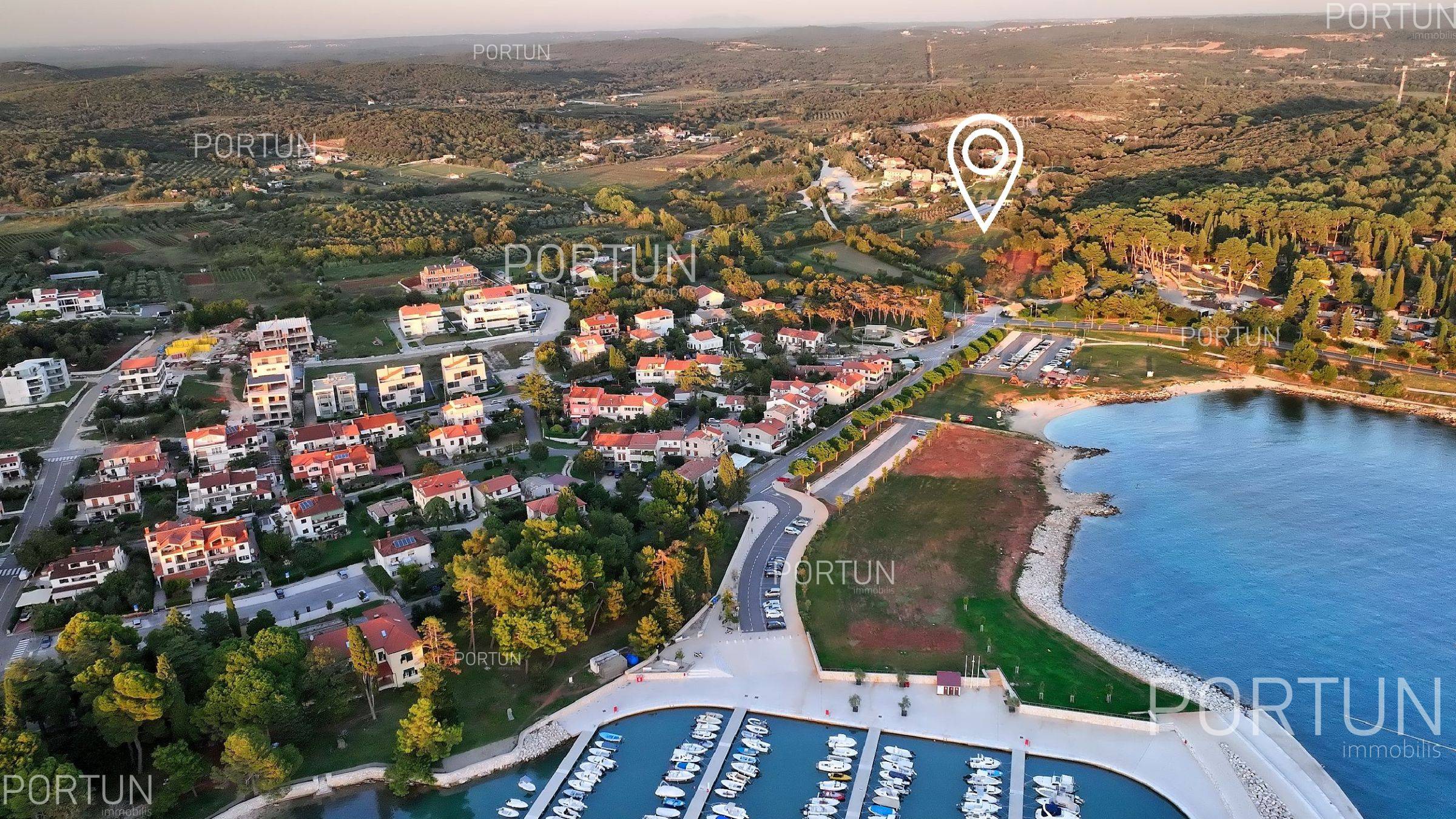
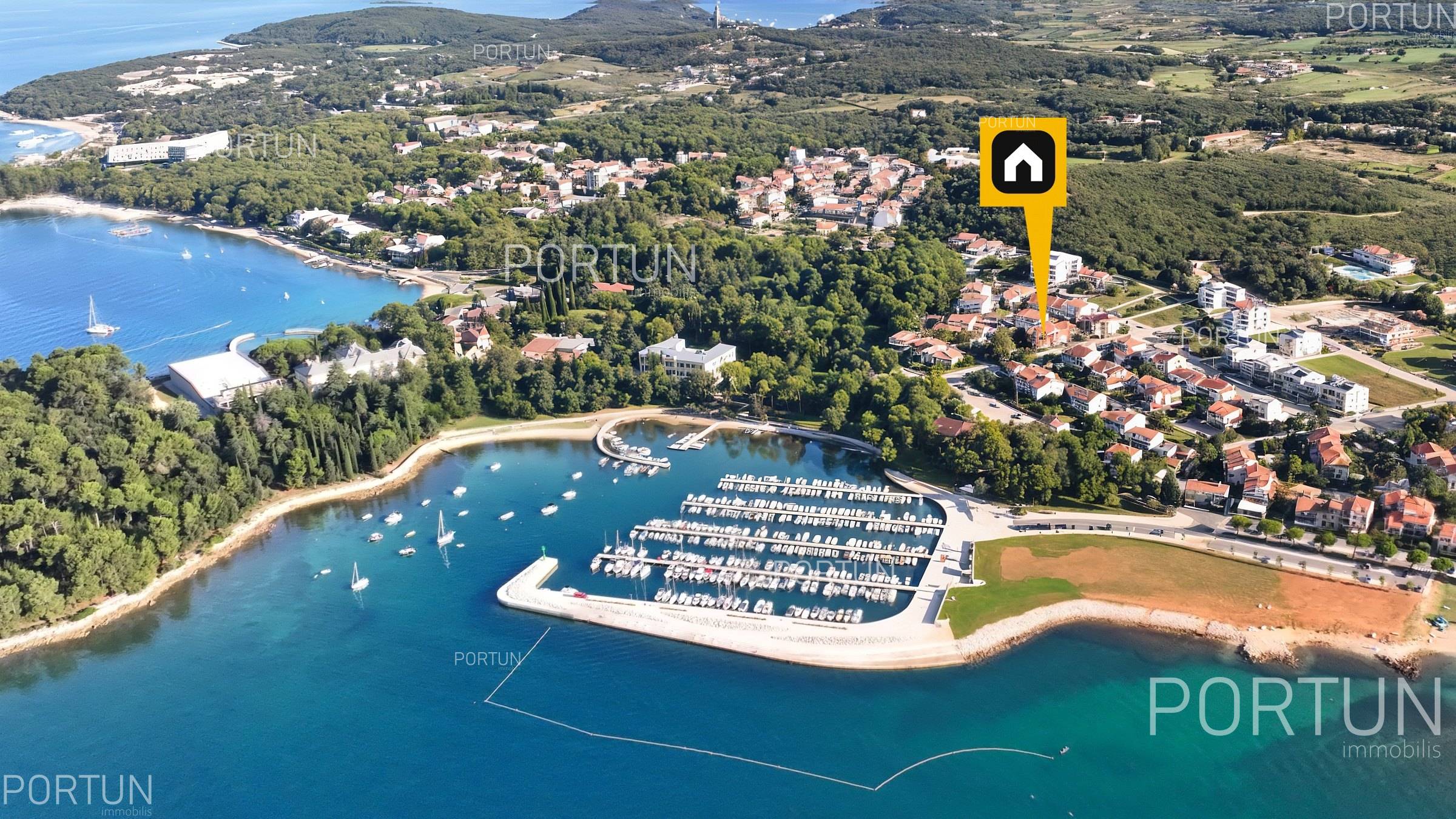
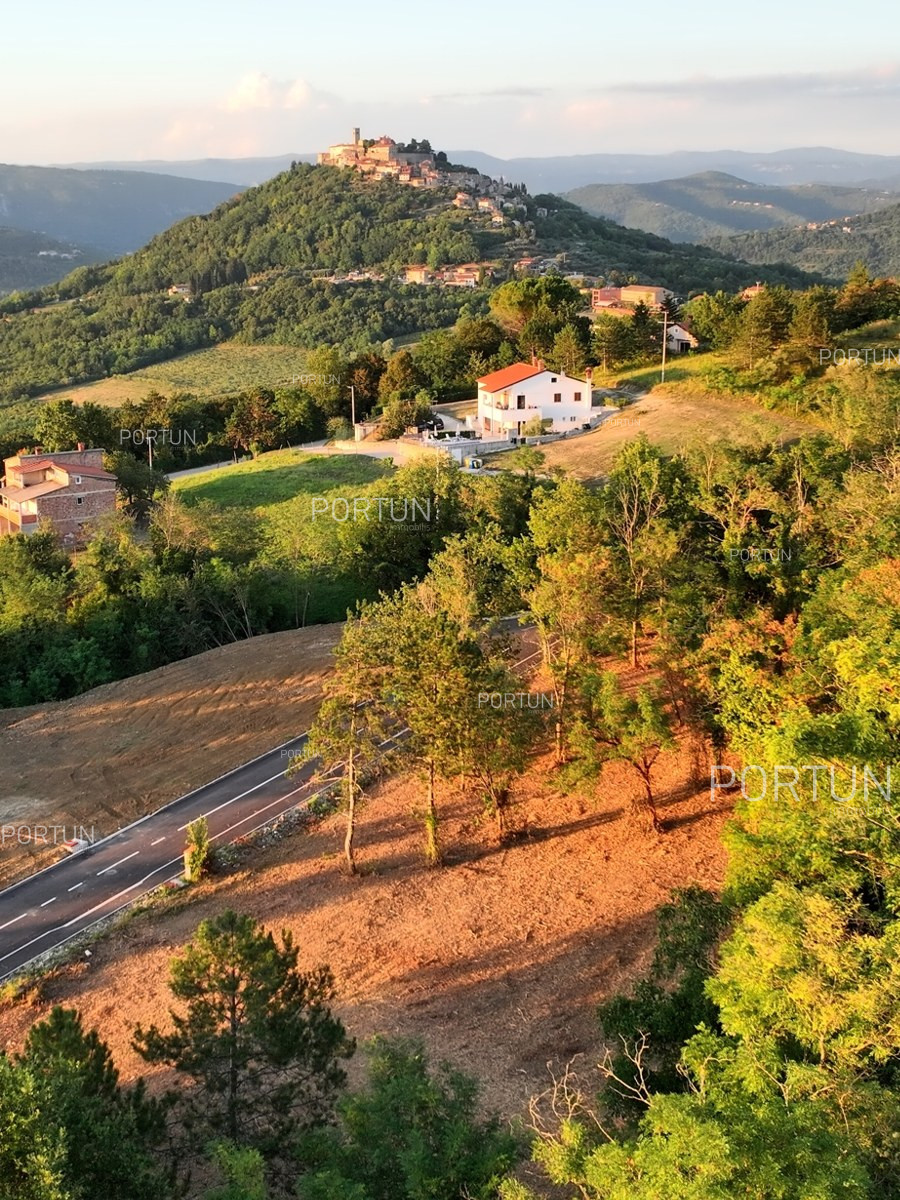
Location is one of the most important factors when buying land because it directly affects the value of the future property. In Istria, there is a clear distinction between the coastal belt, tourist-developed areas, and the interior of the peninsula. Each of these zones has its advantages but also different buyer expectations.
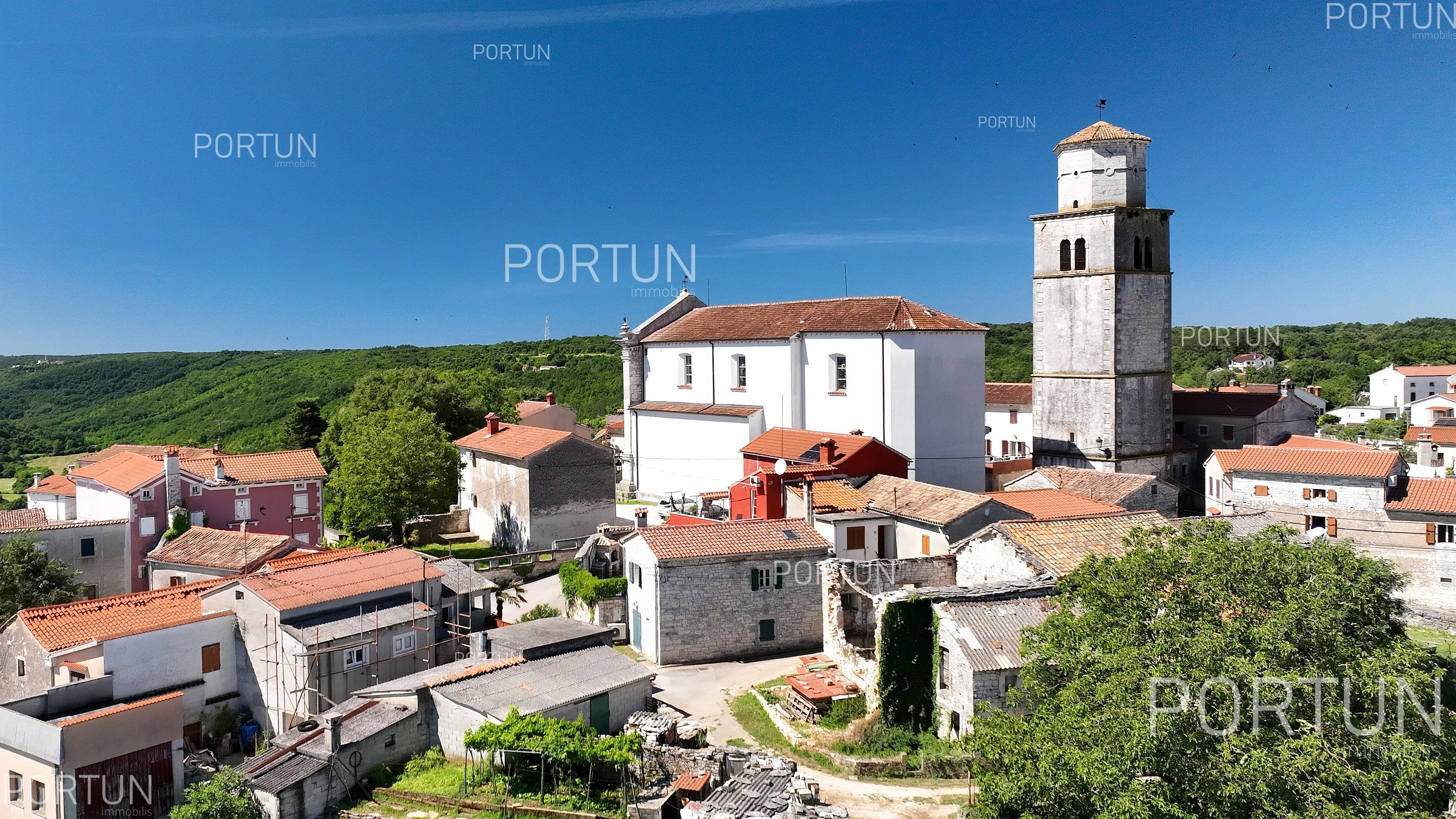
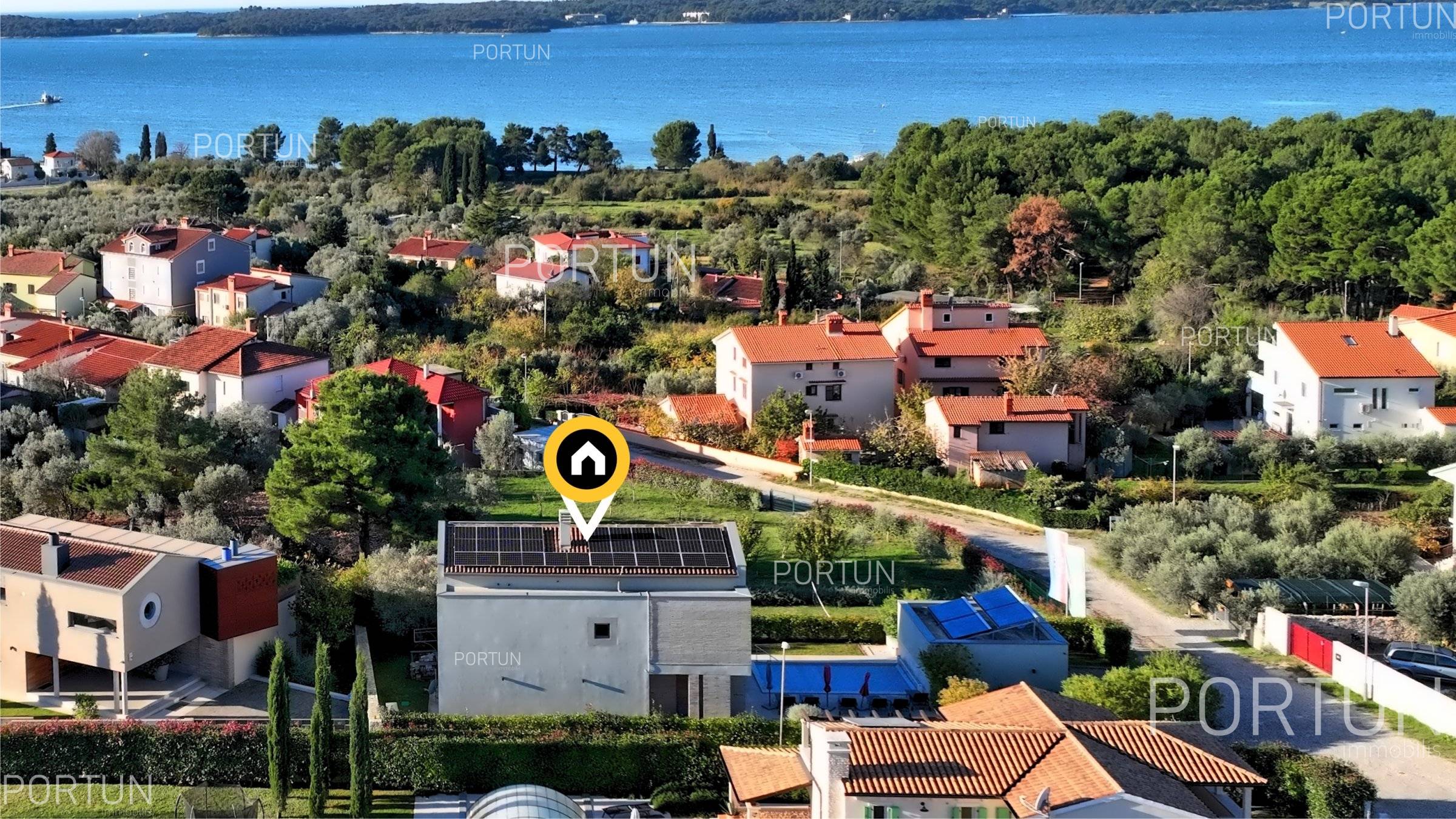
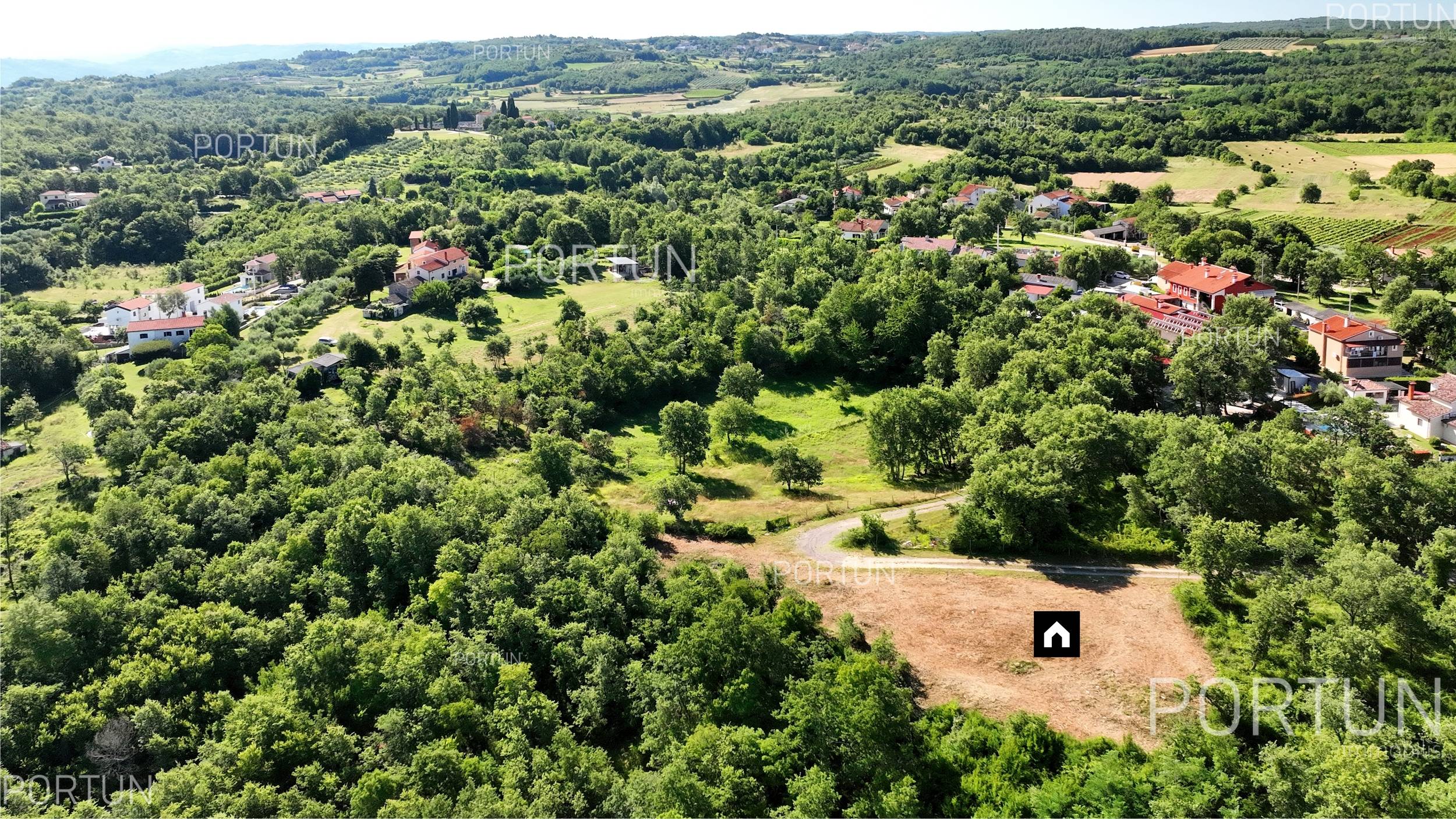
Parcels near the sea often have a higher starting price but also a more stable long-term value. On the other hand, land in the interior of Istria offers greater privacy, larger areas, and often lower prices per square meter. In recent years, interest has grown in quieter locations 10 to 20 minutes' drive from the coast.
It is important to think long-term – not only about the current surroundings but also about possible future construction nearby. A view that exists today may not be permanently guaranteed if there is undeveloped building land in front of the parcel.
Checking the spatial plan and construction conditions
One of the most important steps before purchase is checking the urban planning conditions. The spatial plan determines what can be built on the parcel, the maximum gross floor area of the building, and how much of the land can be built upon. These data directly affect the profitability of the investment.
In practice, it often happens that buyers assume that more buildings can be constructed on a larger parcel, although the spatial plan does not allow it. Also, some zones have restrictions related to roof shape, building height, or the maximum number of residential units.
The safest approach is to request information about the location or consult an architect before buying. This avoids situations where the purchased land does not match the planned purpose.
Access road and infrastructure
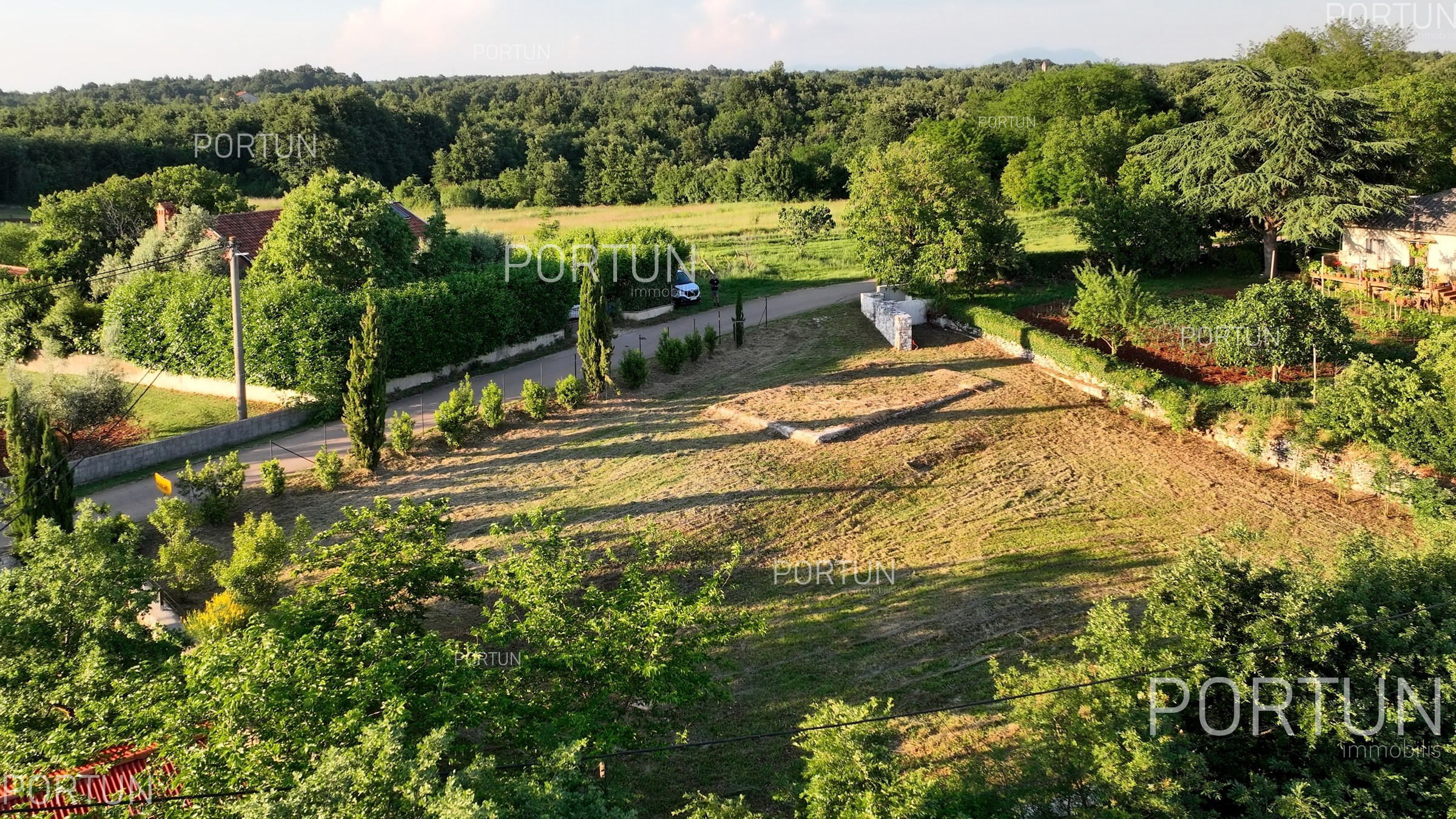
The access road is one of the most often underestimated elements when buying land. The parcel must have legal access to a public road, which must be clearly recorded in land registers or through easement rights. Without resolved access, obtaining a building permit may be impossible.
Besides access, it is necessary to check the availability of infrastructure – water, electricity, sewage, and telecommunications. If connections are not nearby, the cost of bringing them to the site can significantly increase the total investment.
In some parts of Istria, septic tanks are still common instead of sewage systems, which can affect design and future maintenance costs.
Legal status and land ownership
Legal verification of the land is as important as urban planning analysis. It is necessary to check ownership, any encumbrances, right of way, or other entries that may limit the use of the parcel. The land registry excerpt must be consistent with the cadastral status.
In Istria, situations of unresolved property-legal relations occasionally occur, especially with older parcels inherited through generations. Such situations can prolong the purchase process or later complicate obtaining permits.
It is advisable that legal verification is carried out by a lawyer or expert before signing the preliminary contract to avoid later problems.
Costs incurred before construction
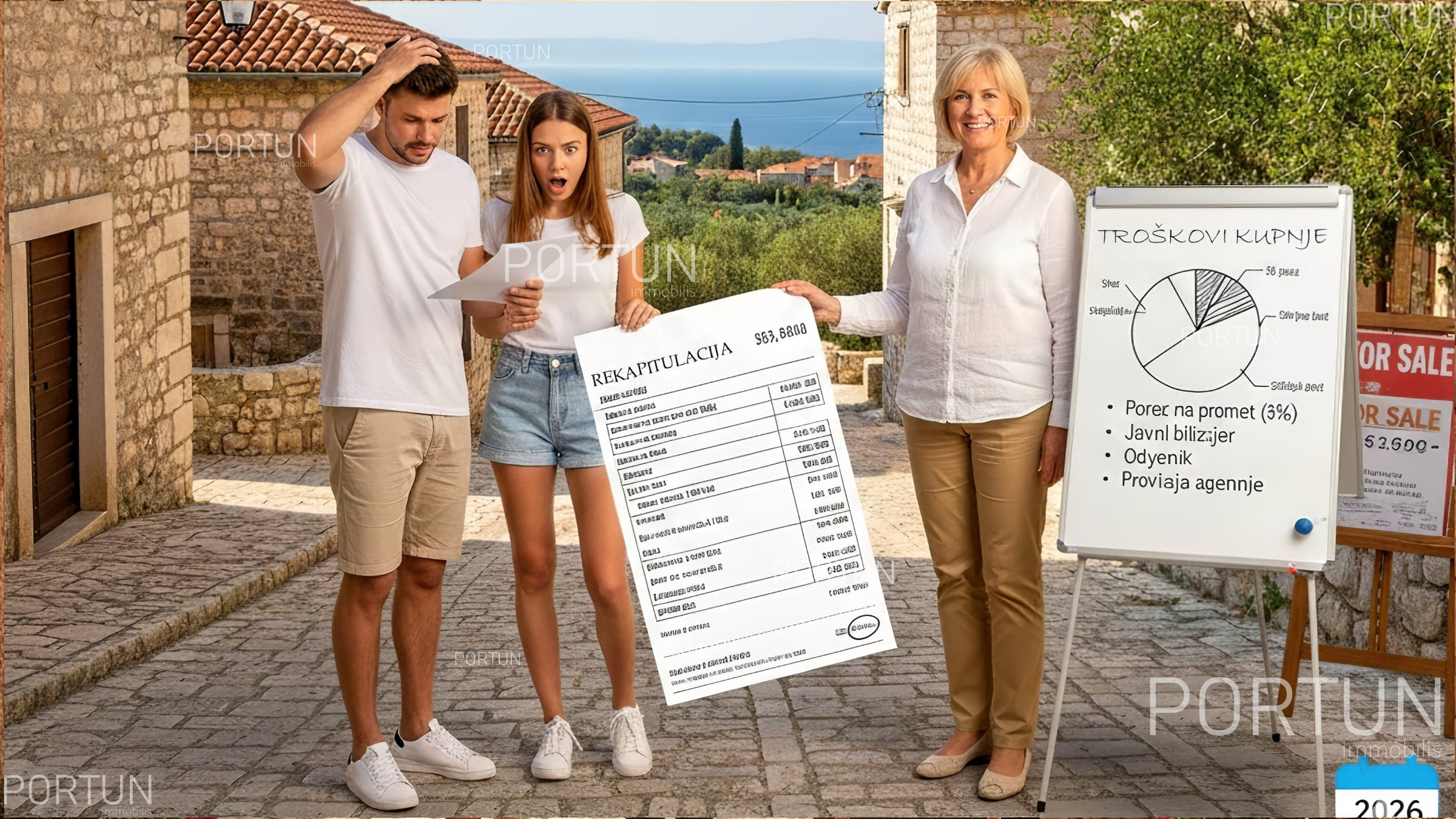
The purchase price of the land is only part of the total investment. Buyers often overlook additional costs such as real estate transfer tax, surveying services, preparation of conceptual and main projects, and utility and water contributions.
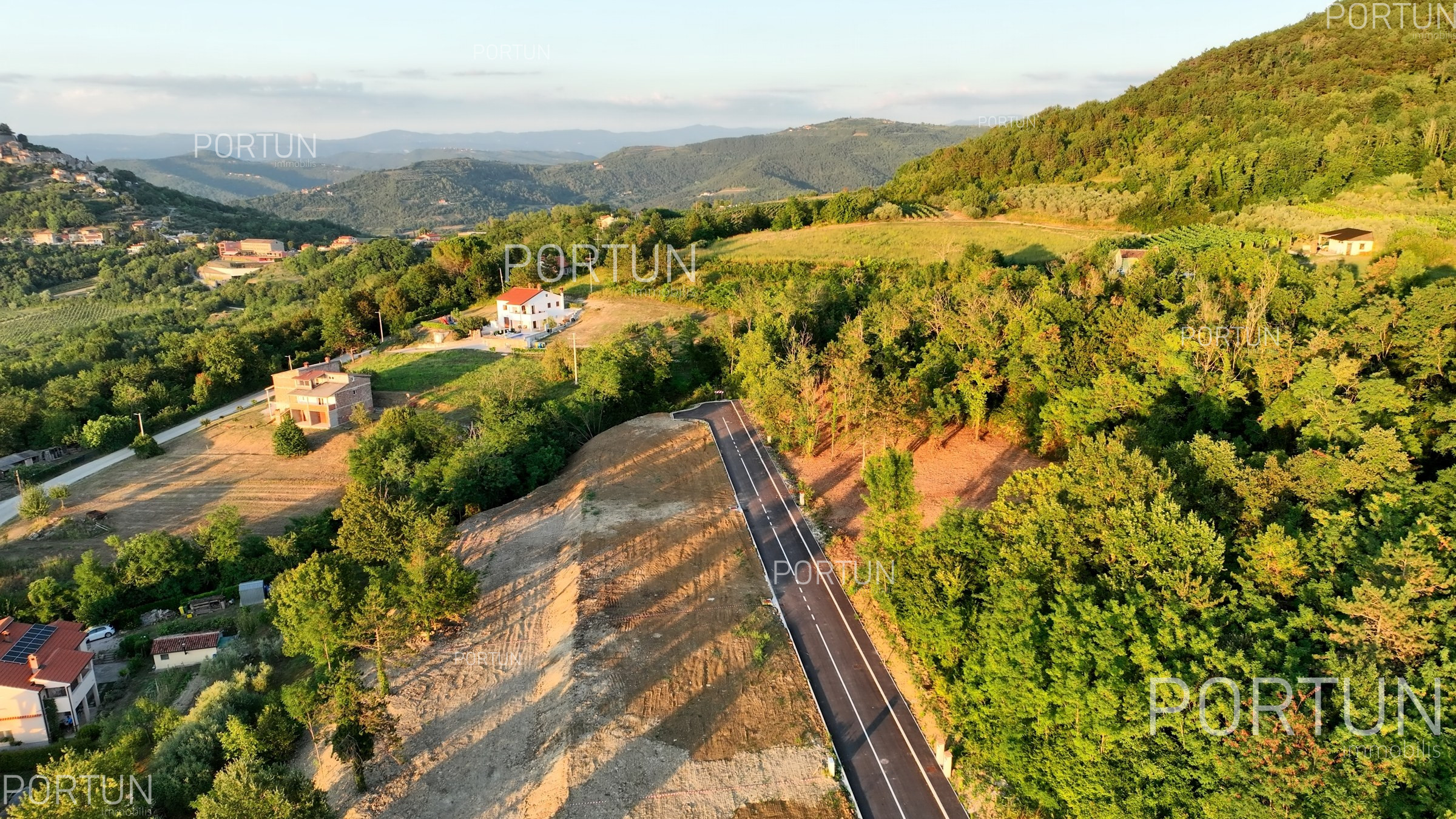
The amount of the utility contribution varies from municipality to municipality and can significantly affect the overall budget. Also, costs of site preparation, excavation, or retaining walls can be higher on sloped parcels.
A realistic assessment of all costs in advance enables making a quality investment decision and prevents construction interruptions due to lack of funds.
Parcel size and shape
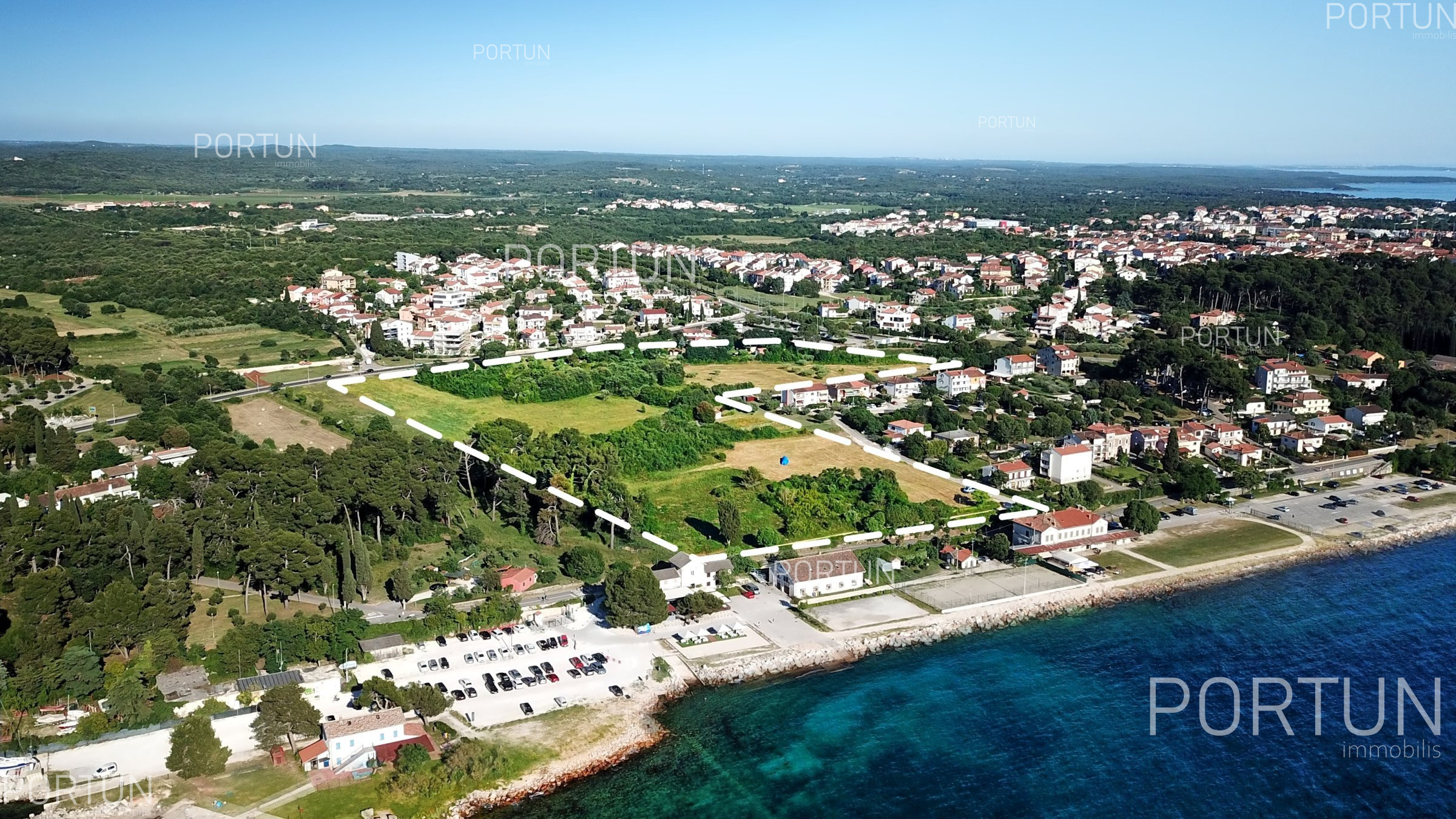
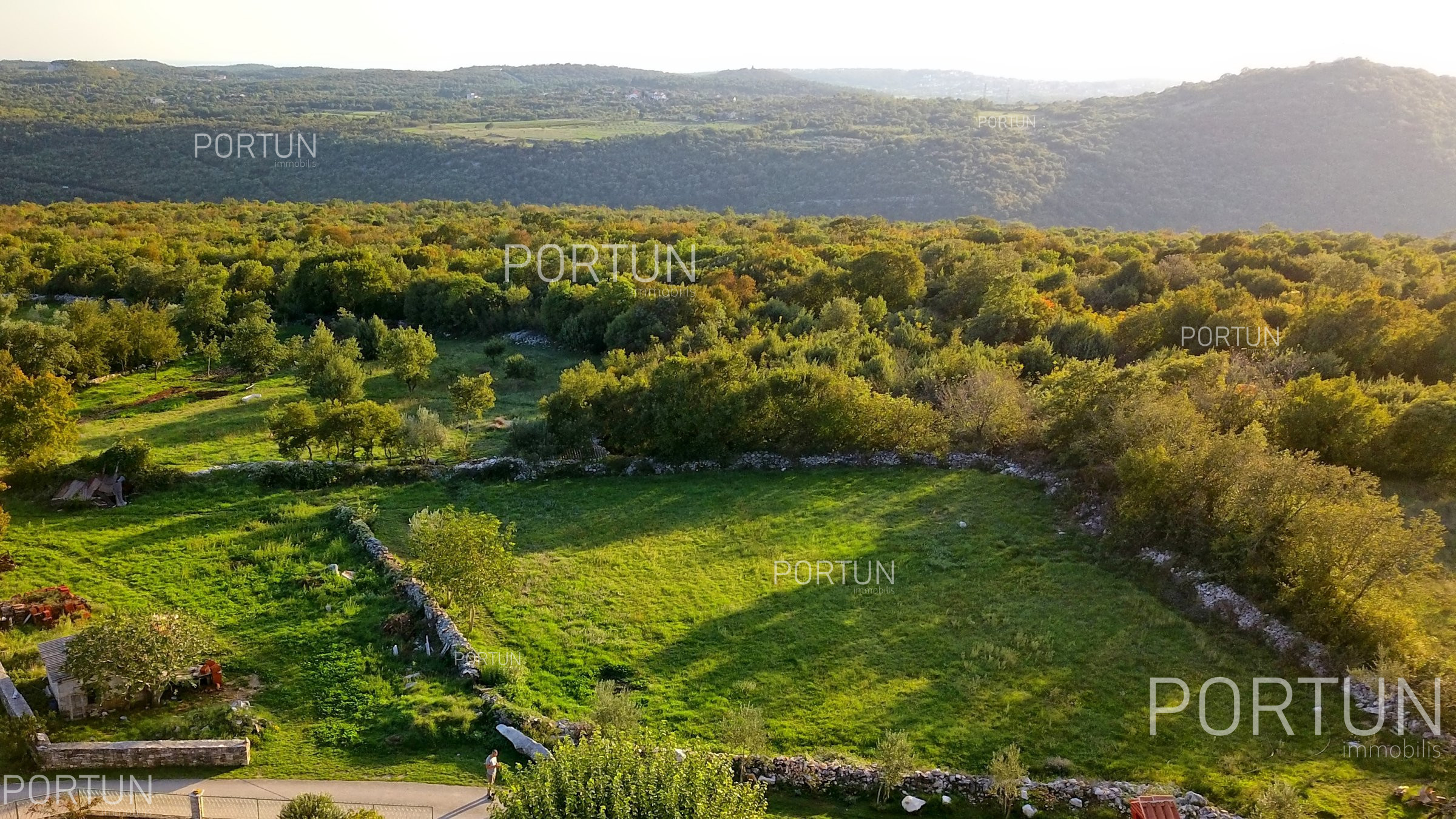
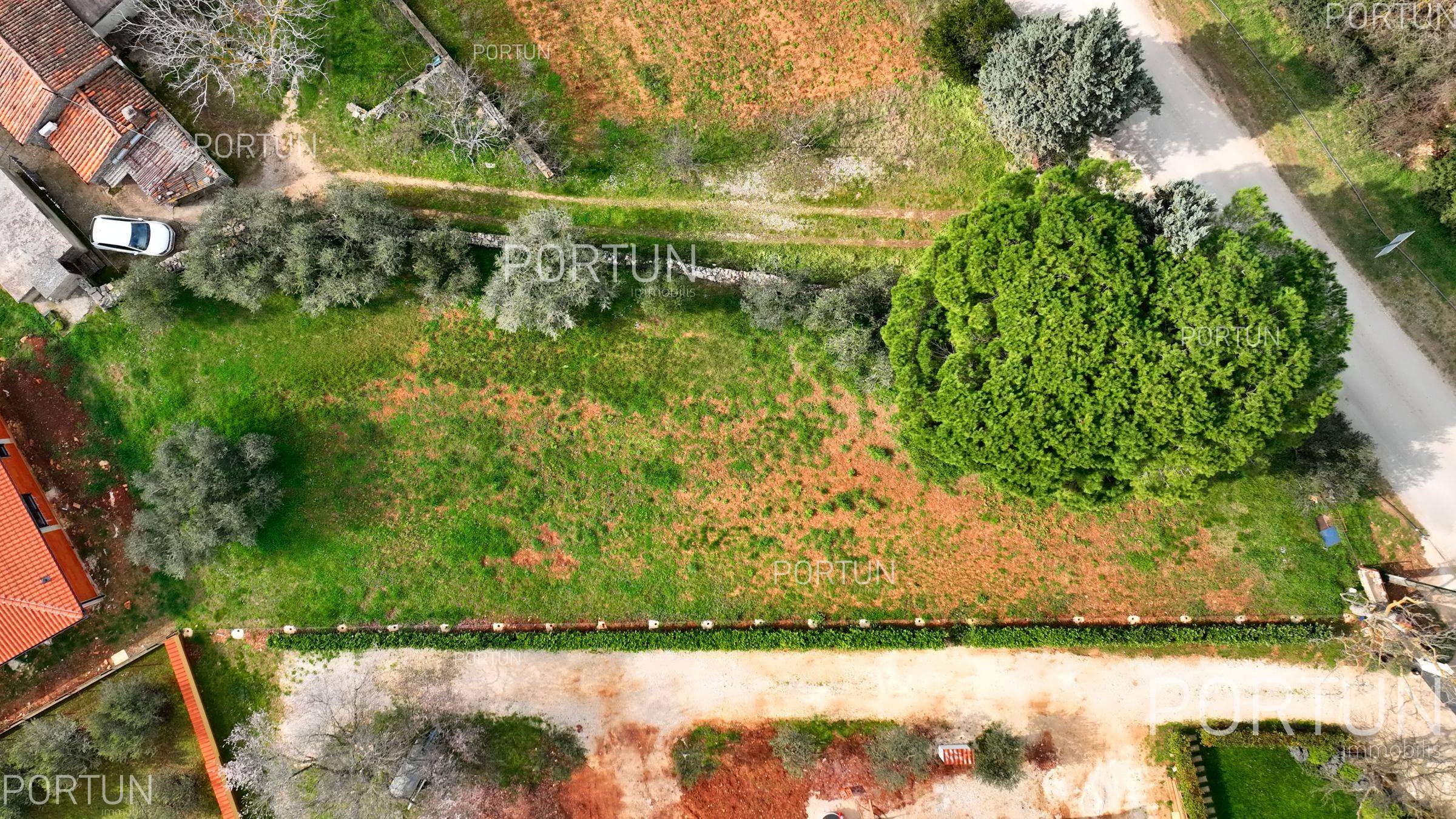
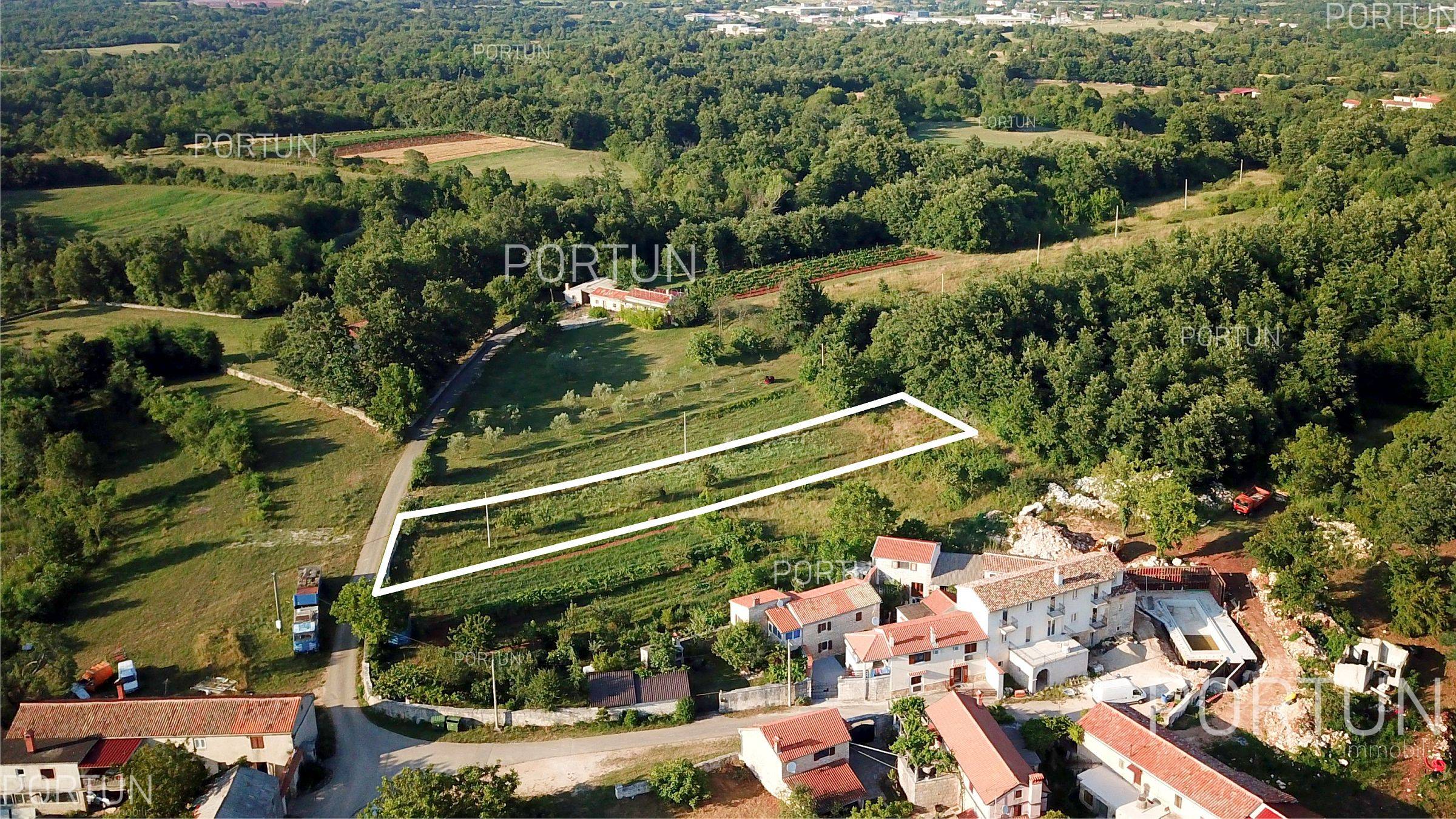
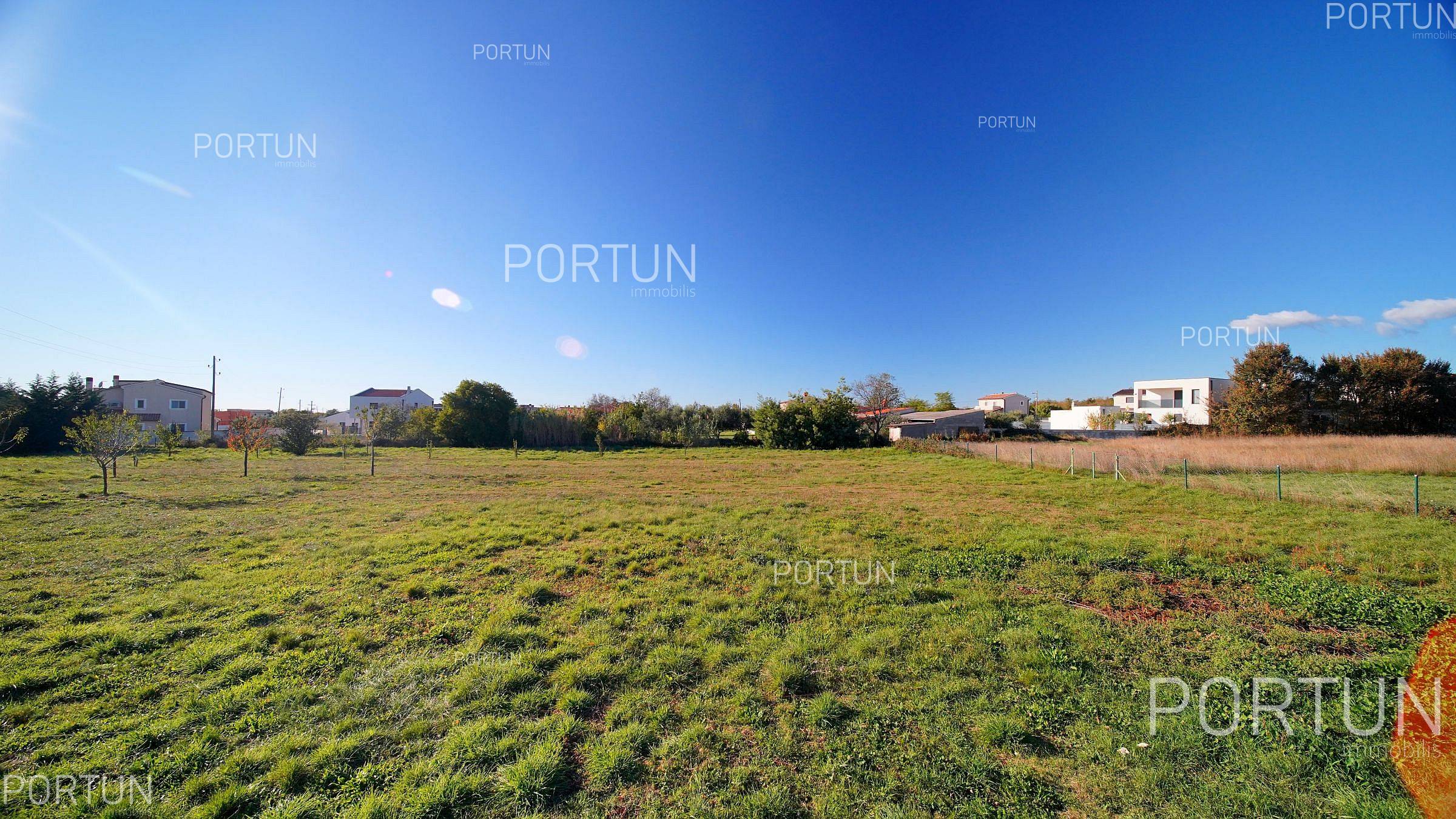
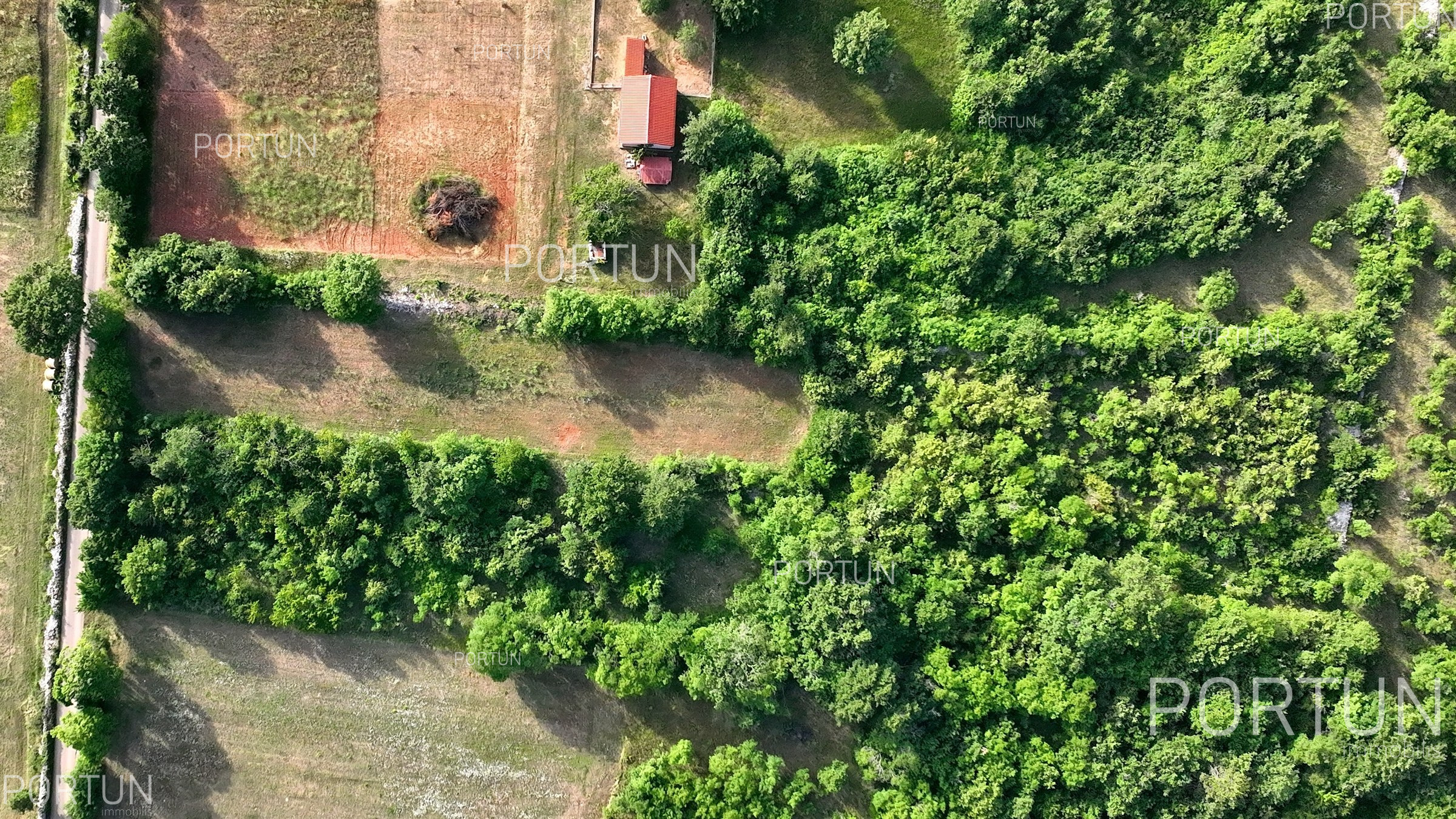
Besides the total area, the shape and configuration of the land are important. Narrow or irregular parcels can limit house design due to minimum distances from neighboring parcels. Ideal parcels are those with a regular shape that allow flexible positioning of the building.
The slope of the terrain also plays an important role. A gentle slope can provide an attractive view, but steep terrain increases construction costs. Before buying, it is good to consider how the house will fit into the terrain and what vehicle access will be like.
In tourist zones, larger parcels are often sought for privacy and landscaping possibilities, while in settlements, smaller, more urban parcels are common.
Land purpose: personal residence or investment
The reason for purchasing land largely determines the selection criteria. If the goal is to build a house for personal residence, a quiet location, infrastructure, and proximity to everyday amenities are important. For investment construction, the emphasis is on location attractiveness and future market demand.
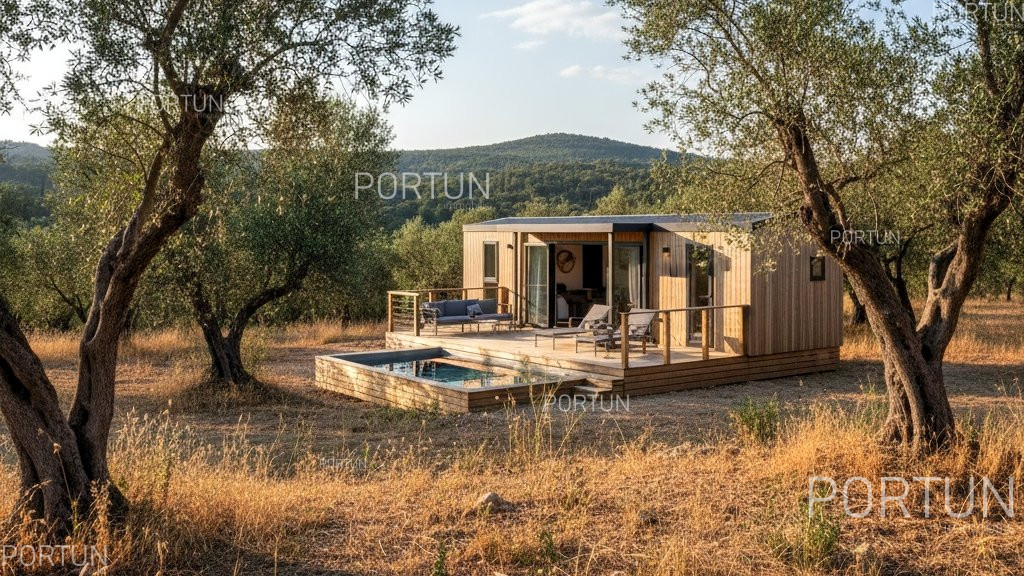
In Istria, buying land to build holiday homes intended for tourist rental is common. In that case, it is necessary to analyze the availability of amenities, transport connections, and the long-term sustainability of tourist demand.
In the long run, a quality location and realistically planned project have a greater impact on value than the size of the building itself.
Most common buyer mistakes
The most common mistake is buying land without a detailed check of construction possibilities. Buyers often rely on verbal information or assumptions instead of official documentation. Another frequent mistake is underestimating total costs before starting construction.
Also, buyers sometimes neglect future development of the surroundings, which can affect privacy or the view from the parcel. A quick decision without expert verification can lead to long-term project limitations.
Experience shows it is better to invest more time in analysis before purchase than to later adjust the project to terrain or regulatory constraints.
Conclusion: how to make a safe decision
Buying building land in Istria can be a quality long-term decision if the process is approached systematically and informed. Understanding the spatial plan, legal status, infrastructure, and realistic costs are key elements that determine project success.
The most important thing is to align expectations with the real possibilities of the parcel and plan construction according to local conditions. When all elements are checked in advance, the land becomes a stable foundation for a future home or an investment that retains value in the long term.
Related guides and useful articles
Topic guides for buying building land in Istria
Selected articles covering the key checks, risks and real costs before you commit.
- Most common mistakes when buying land in Istria
- How to check if you can build on land in Istria
- Hidden risks when buying land in Istria
- Building or agricultural land – what buyers often misunderstand
- Is buying land in Istria a good investment?
- The real cost of building a house in Istria after buying land
- How to recognize good land before others do
- Land without infrastructure – is it worth it?
- Buying larger land for subdivision in Istria
- Land urbanization in Croatia – myths and reality
- Can you build a pool next to a house on any plot?
- Mobile homes – quick profit or a legal maze? What your land must have
Local guides – buying land by area
Local specifics matter: planning rules, infrastructure and constraints can differ significantly between municipalities.
- Guide to buying land in Rovinj
- Guide to smart land buying in Bale
- What to check before buying land in Kanfanar
- Is buying land in Žminj a good investment?
- How to find good land in the Svetvinčenat area
- Buying land in the Motovun area – what you need to know
- Guide to buying land in the Barban area
- Safe land purchase in the Sveti Lovreč area
- Is buying land in the Tinjan area a good investment?
- Smart land purchase in the Marčana area
- Buying land in the Vodnjan area? Have you checked everything?
- How to find good land in the Fažana area
- Guide to smart land buying in the Vižinada area