Introduction
Buying land in Istria is often seen as a simple first step towards building a house or a long-term investment. However, unlike purchasing a finished property, land carries specific risks that are not always visible at first glance. For this reason, buyers, especially those coming from other parts of Croatia or abroad, often underestimate the importance of a thorough check before the purchase itself.
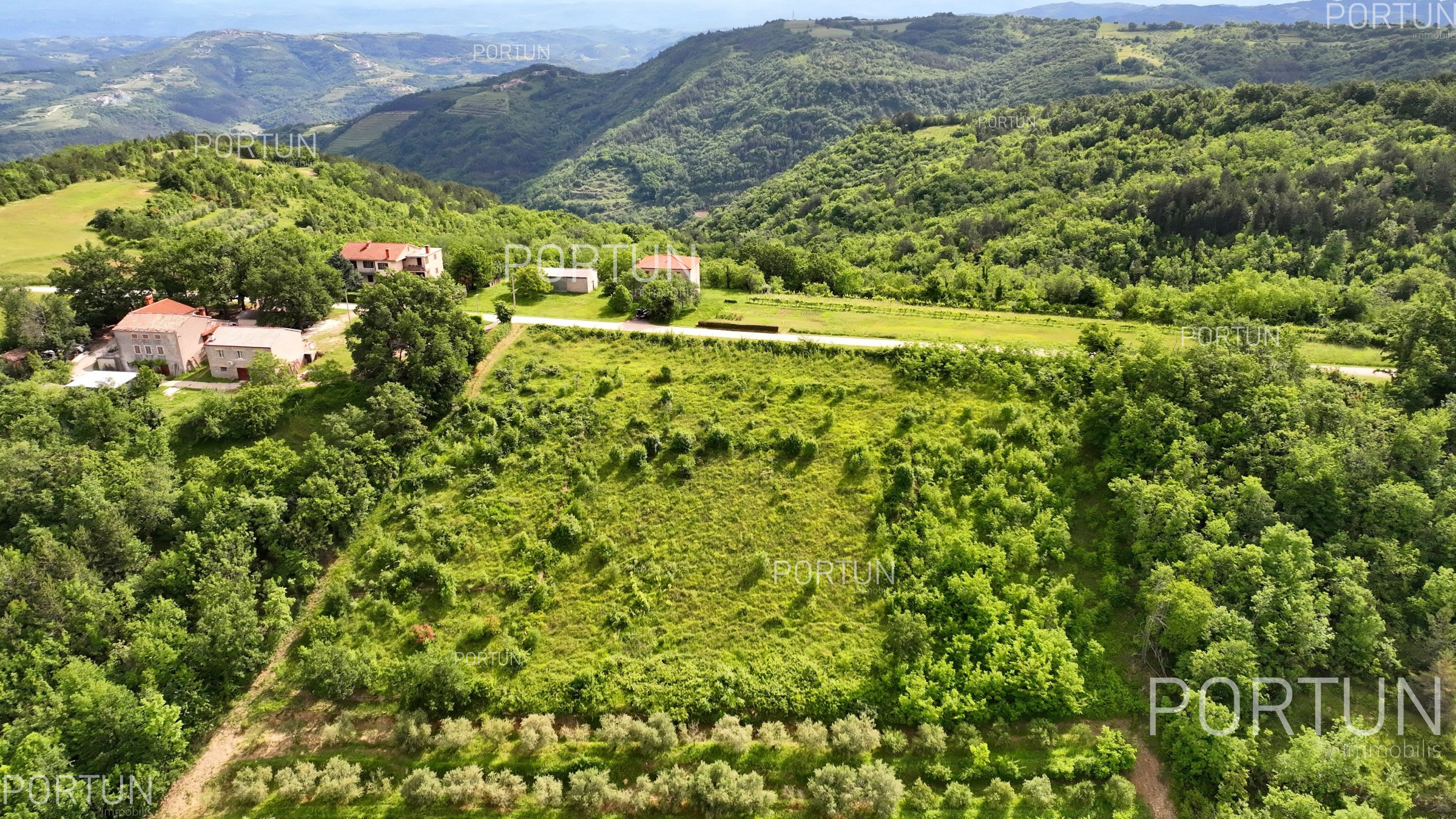
Istria is a spatially and urbanistically diverse region. Differences between coastal and inland areas, varying building conditions by municipalities, and a combination of construction and agricultural zones can significantly affect building possibilities. What appears as an attractive plot in an advertisement sometimes has restrictions in practice that complicate or increase the cost of project realization.
This guide covers the most common mistakes buyers make when purchasing land in Istria, aiming to make the buying process safer and more predictable. Timely information is often the key difference between a good decision and a long-term problem.
Buying without checking the spatial plan
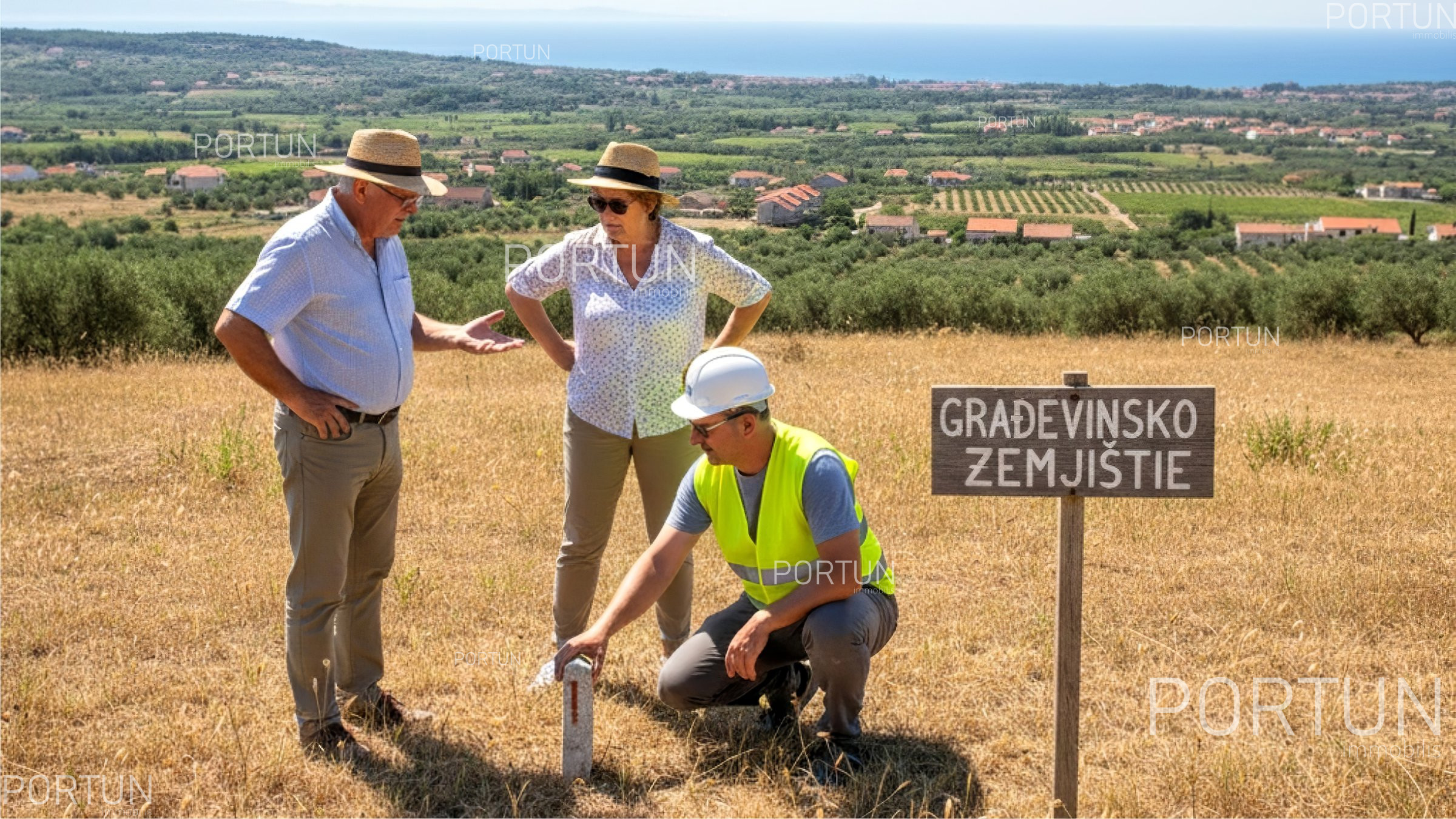
One of the most common mistakes is assuming that any building can be constructed on every construction plot. In reality, the spatial plan of the municipality or city clearly defines building conditions, including maximum coverage, building height, number of floors, and the purpose of the building.
Buyers sometimes count on the possibility of building two houses or a property for tourist rental, even though the plan does not allow it. Also, certain zones have special design conditions, such as roof slope or distance from neighboring plots. Ignoring these rules can result in a project that cannot be realized.
Before purchasing, it is necessary to check the graphical and textual parts of the spatial plan and, if possible, consult an architect to confirm that the land corresponds to the planned purpose.
Incomplete verification of access road
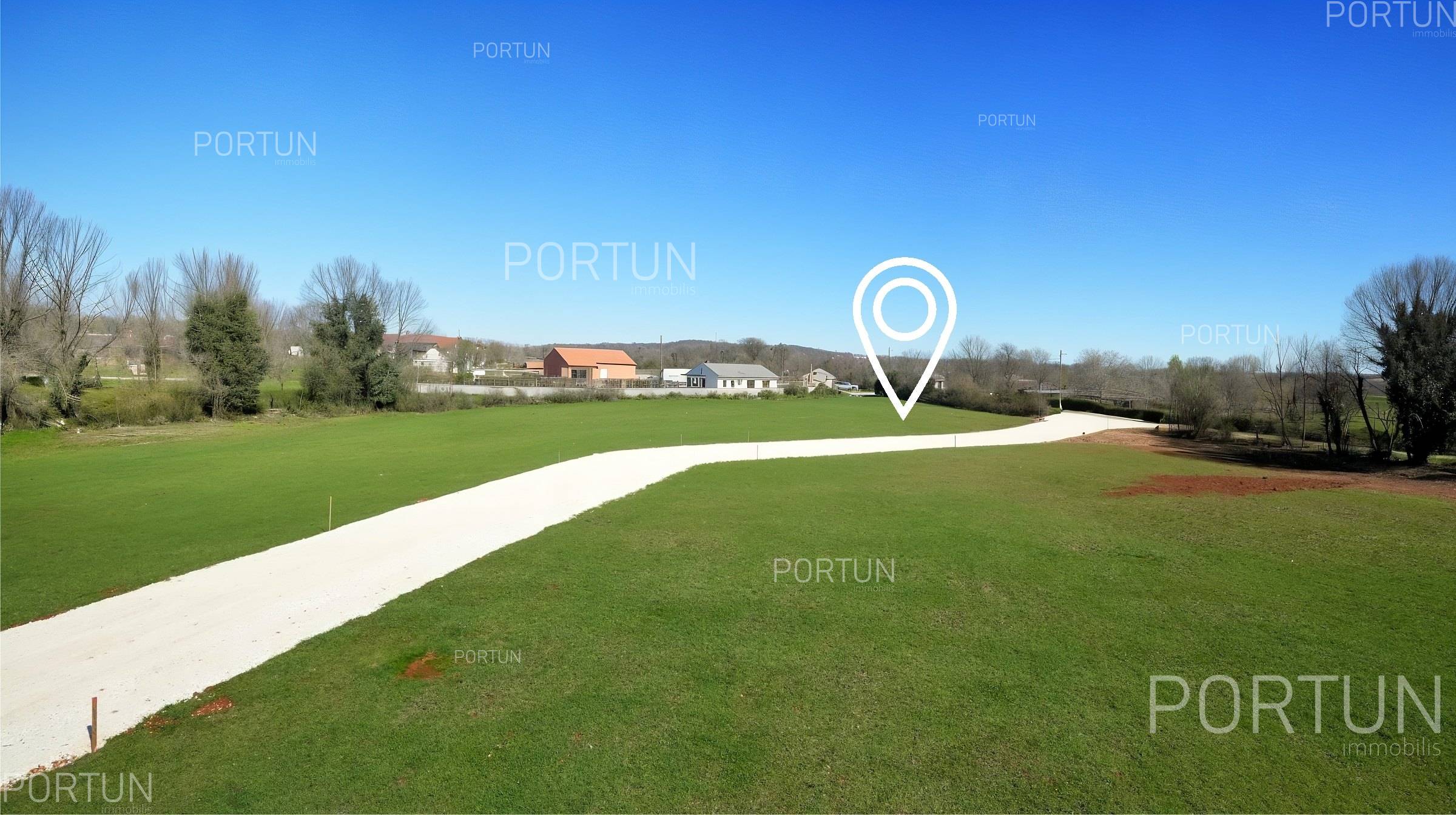
A plot without secured legal access to a public road represents a serious problem. In practice, it happens that the land has physical access, but it is not legally resolved through land registers or easement rights. Such situations can prevent obtaining a building permit.
Especially in older parts of Istria, there are gravel roads used for decades but not formally registered as public. Buyers often assume that the existing road is sufficient, which can later lead to disputes with neighbors.
Before purchase, it is necessary to check cadastral plans and land registry status to confirm that the plot has secured access in a legal sense.
Neglecting infrastructure and connections
Another common mistake is buying land without checking the availability of basic infrastructure. Electricity, water, sewage, and telecommunications are not always located next to the plot, especially in smaller settlements or on the edges of construction zones.
Bringing connections can represent a significant additional cost that buyers did not anticipate in the initial budget. In some cases, it is necessary to obtain additional permits or finance the extension of infrastructure.
A realistic assessment of the distance to connections and the costs of bringing them is an important part of financial planning before making a final decision.
Unresolved ownership relations
The legal status of the land is often checked only superficially, which can lead to problems after purchase. The plot may have multiple co-owners, encumbrances, burdens, or unresolved property-legal relations that slow down or prevent further steps.
In Istria, situations are common where land passes through several generations of inheritance, and ownership is not fully aligned with the cadastre. Such situations require additional time and costs to resolve documentation.
Before signing the contract, it is advisable to conduct a detailed legal analysis to avoid complications in later project phases.
Incorrect assessment of the actual usability of the plot
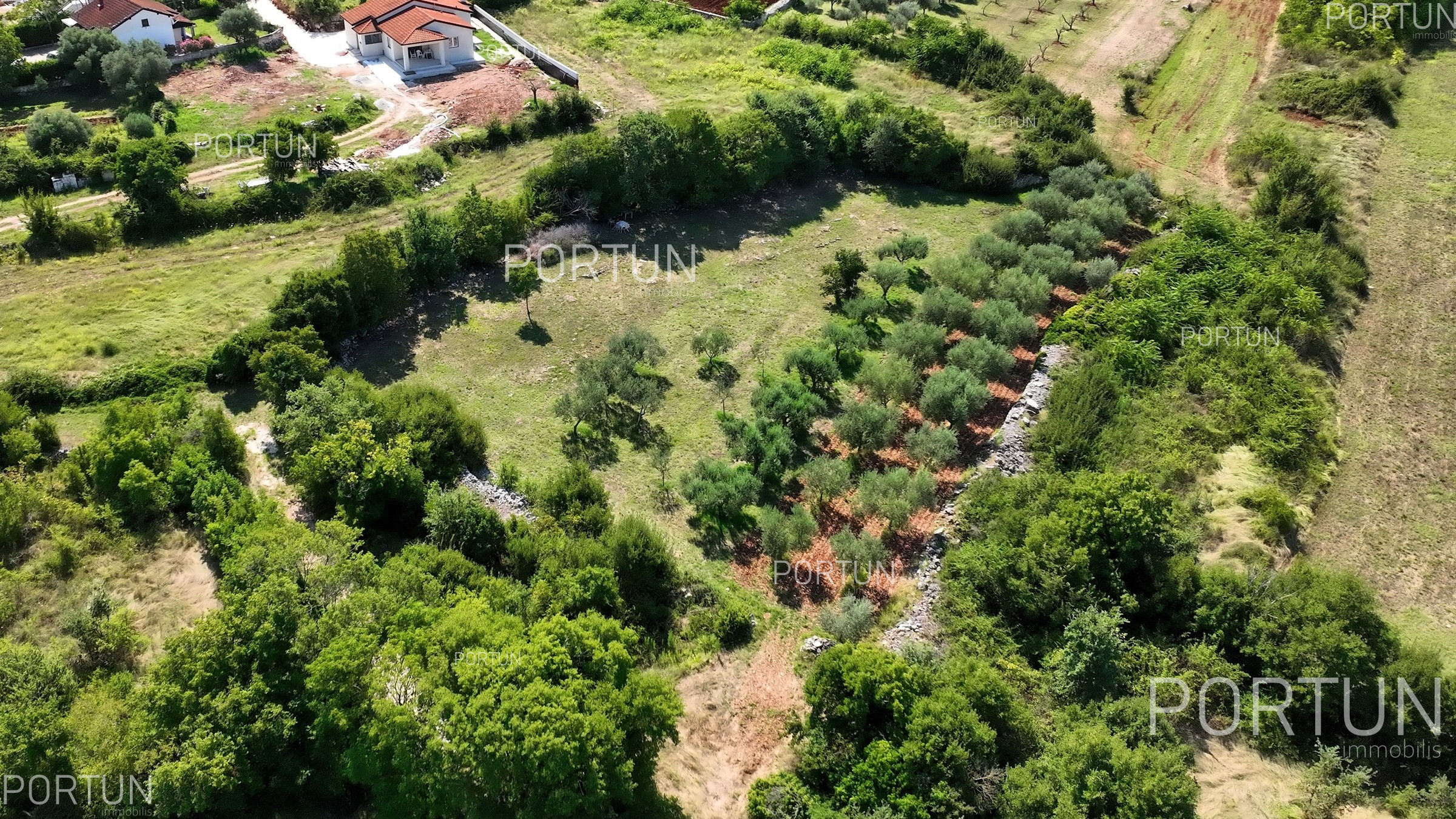
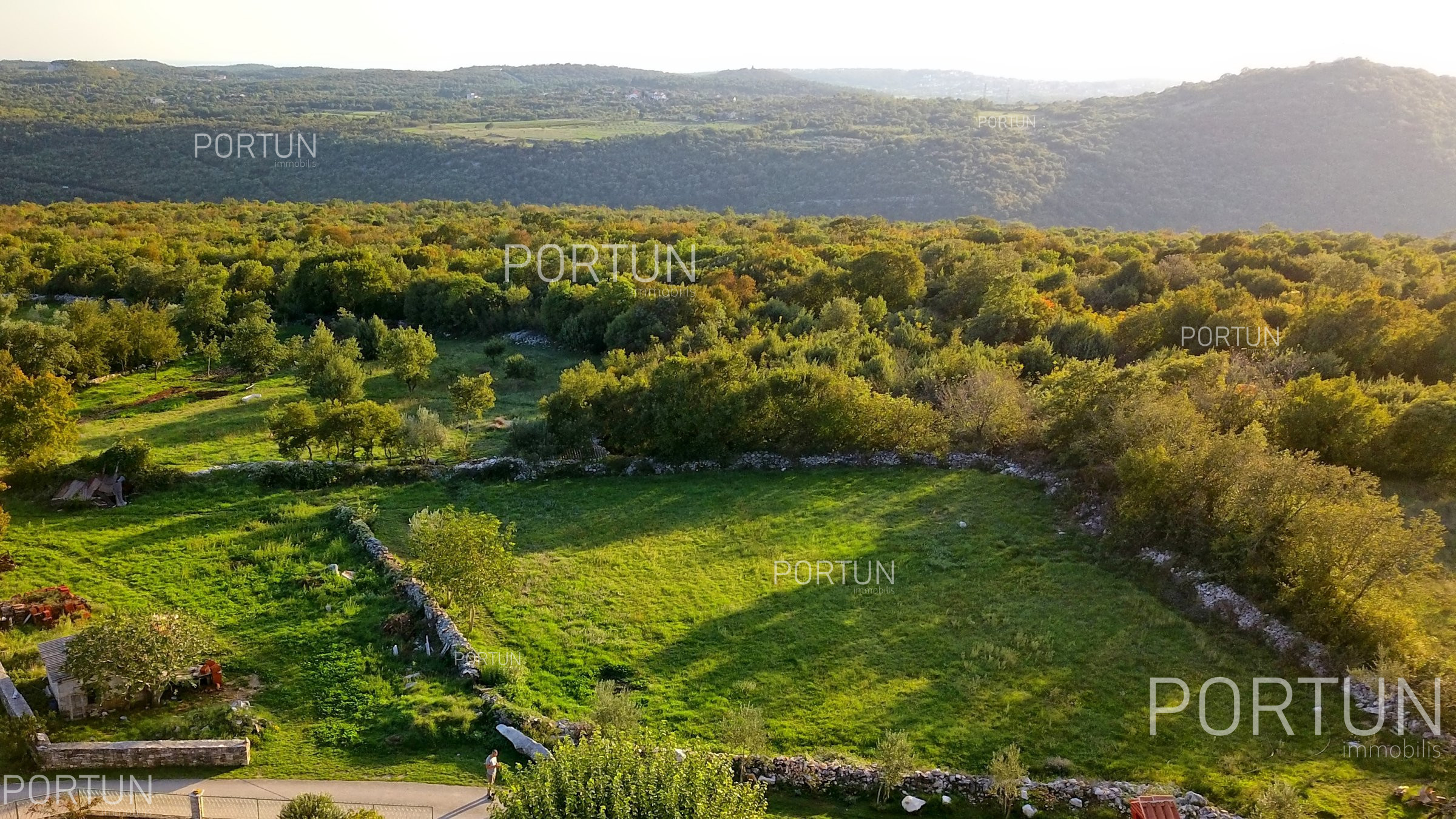
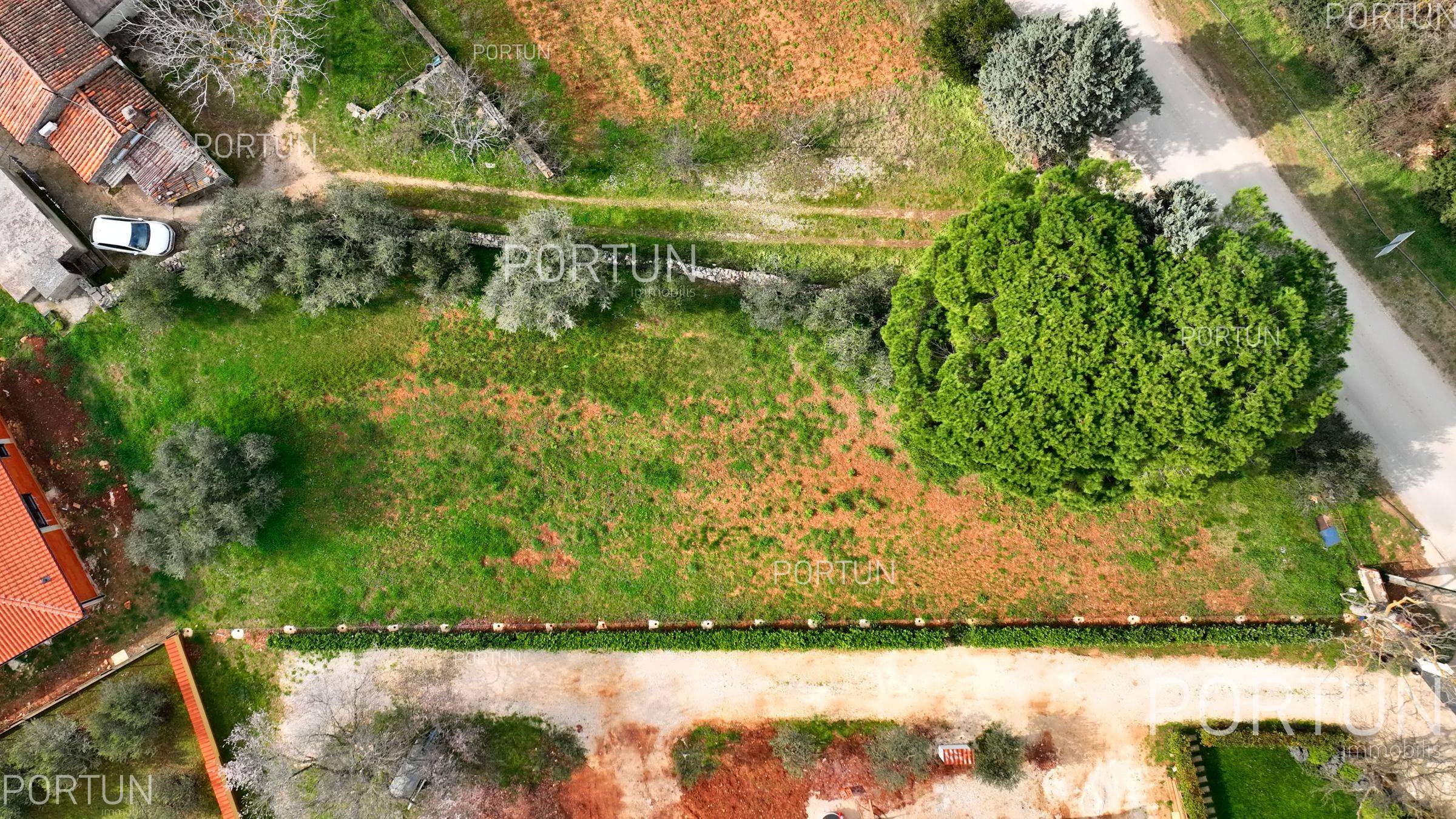
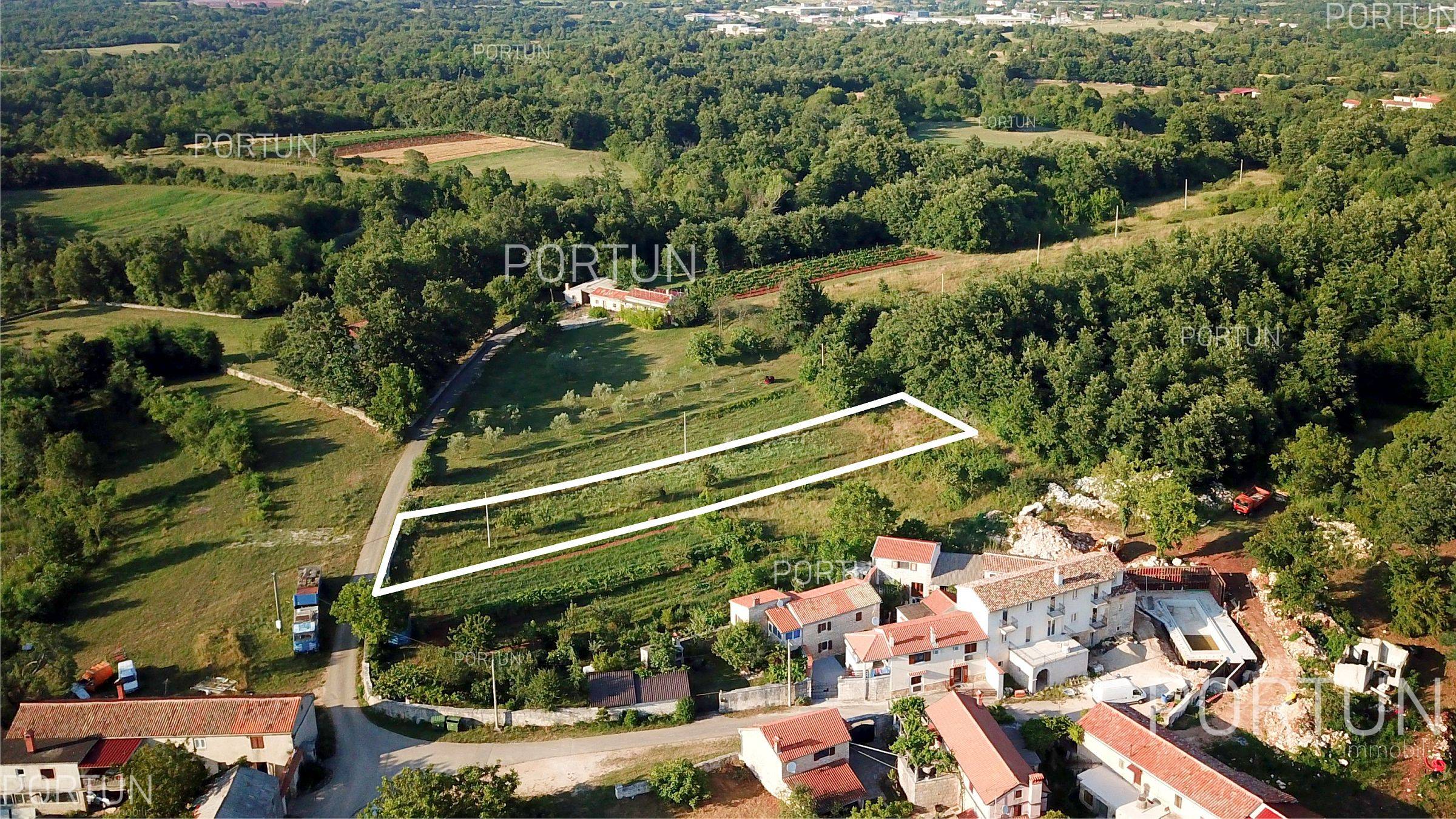
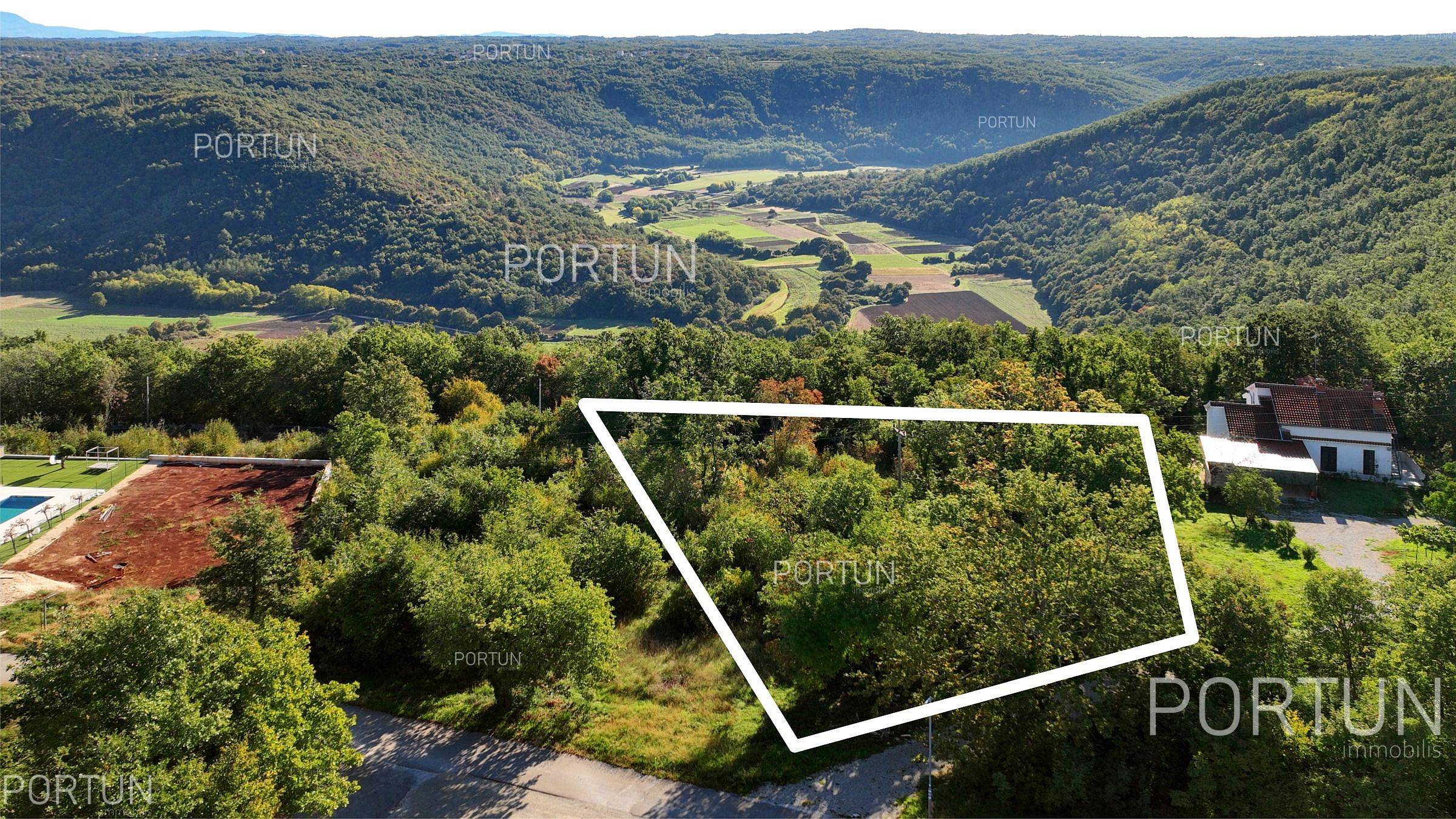
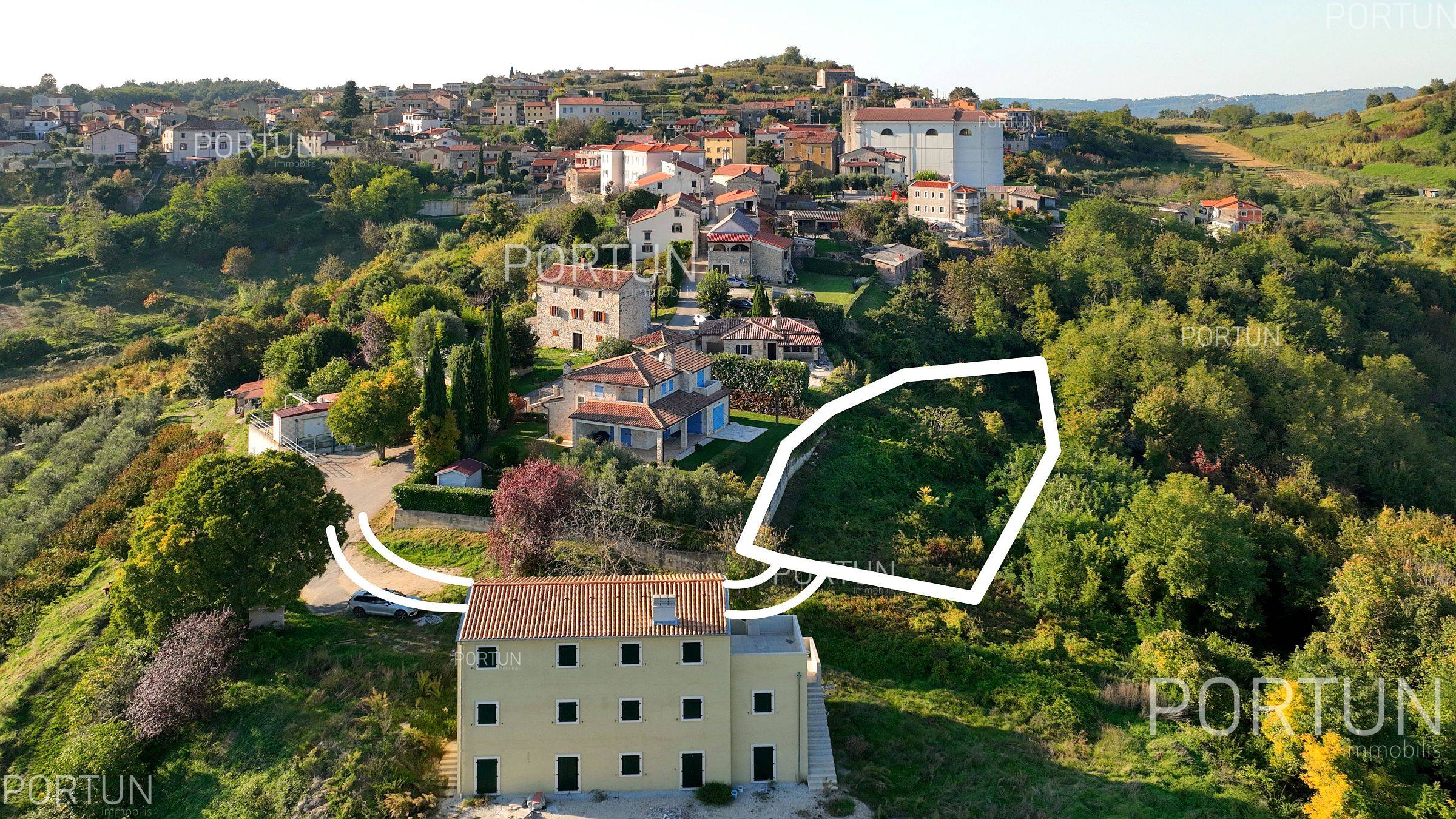
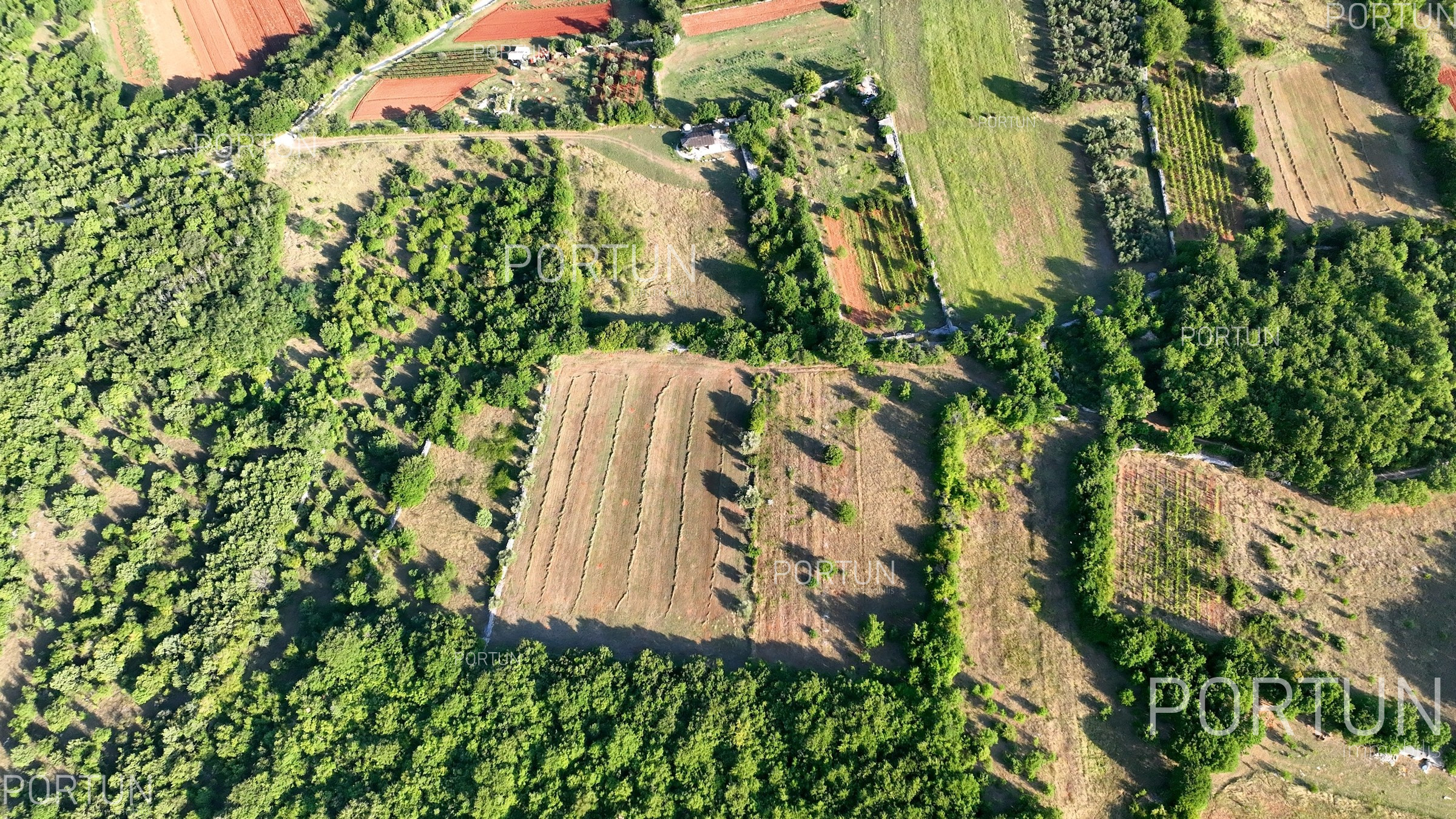
The total area of the land does not always mean equal building possibilities. Part of the plot may be within the construction zone, while the rest may have agricultural or protective use. Buyers often look at total square meters rather than the actual area where building is allowed.
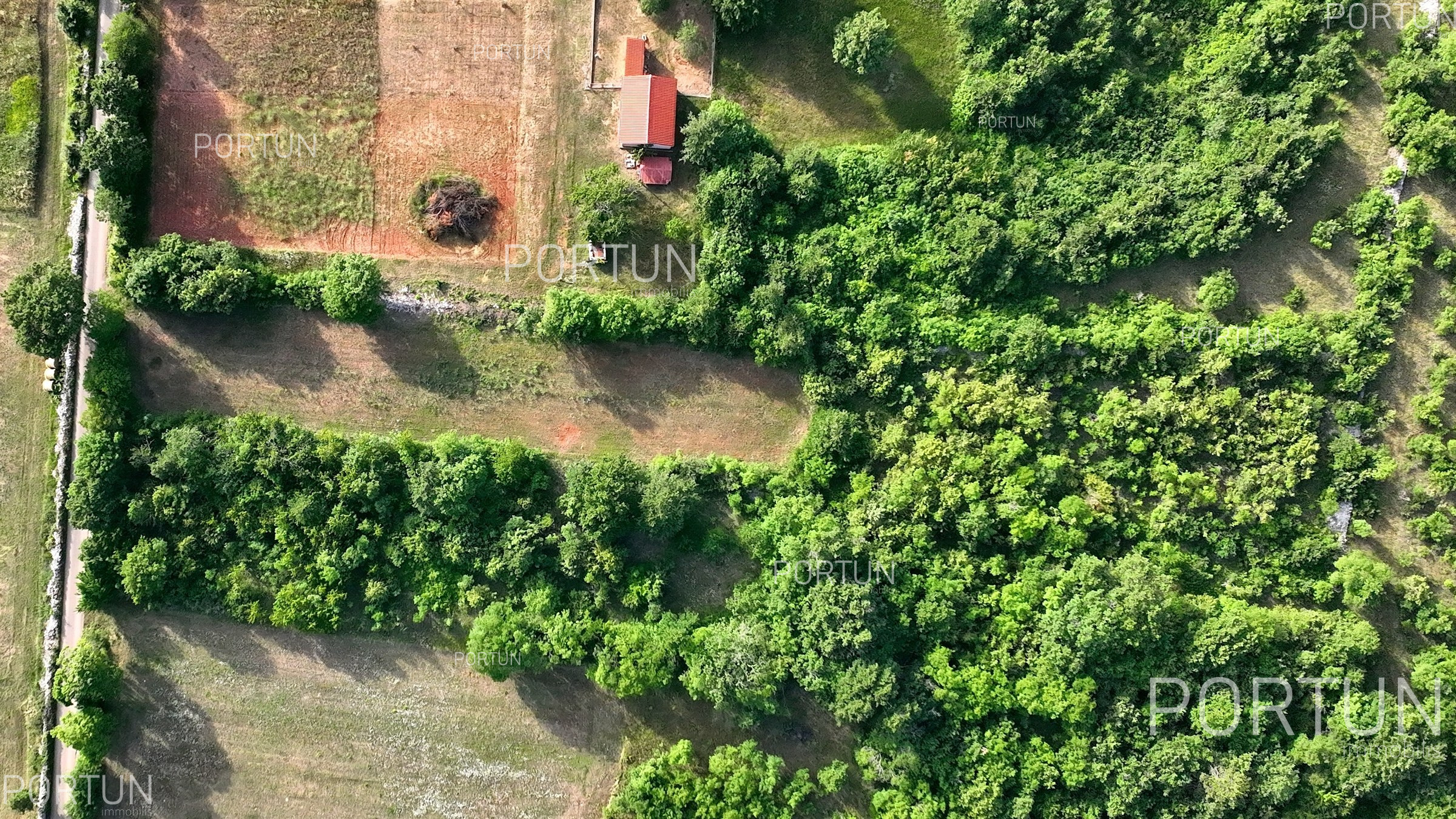
Also, the shape of the plot and terrain configuration can limit the positioning of the building. Narrow or irregular plots complicate design due to minimum distances from boundaries.
Before purchase, it is necessary to analyze the actual buildable area, not just the total size of the land.
Underestimating total costs before construction
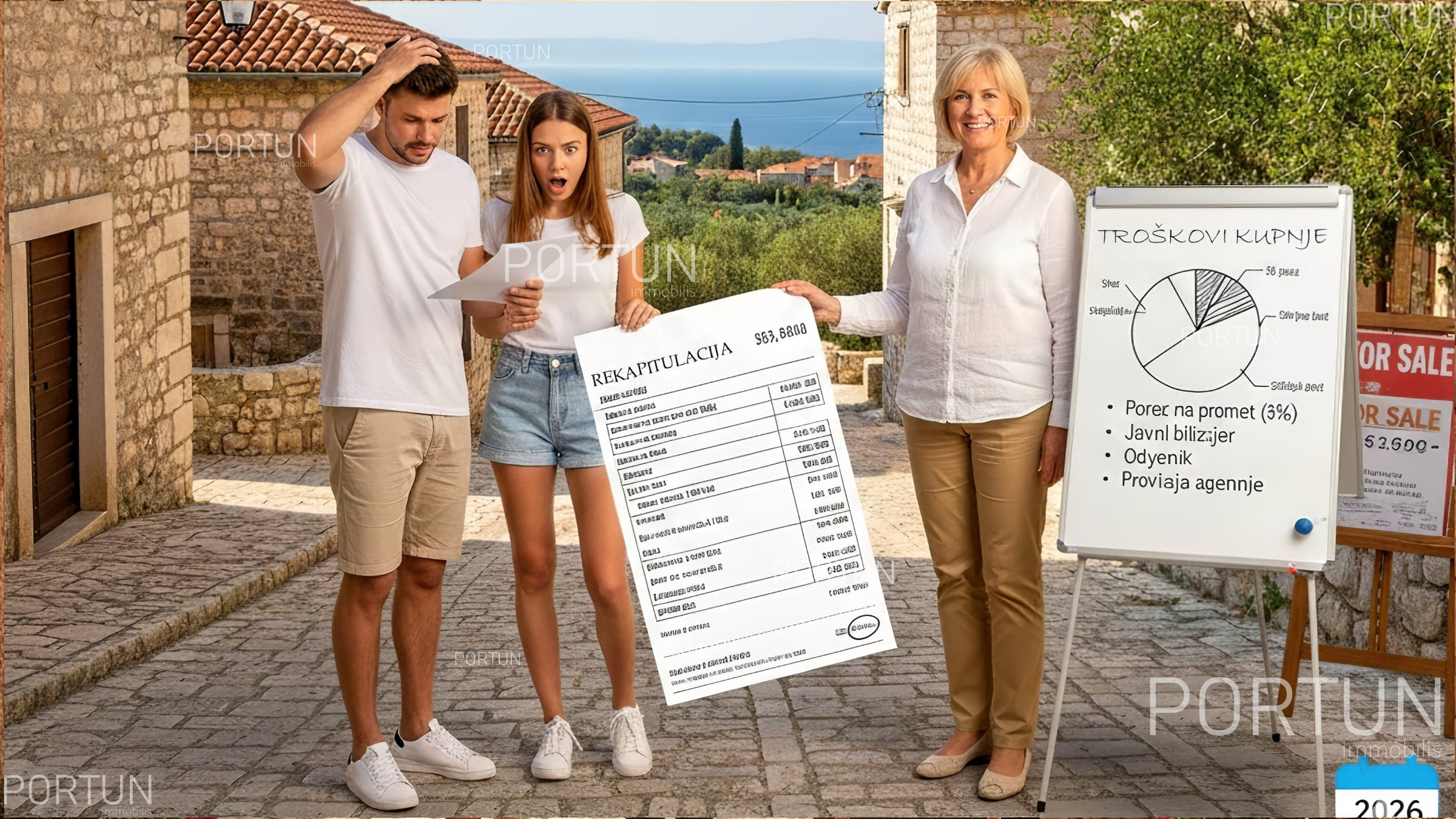
The purchase price of the land is often only the beginning of the investment. Along with real estate transfer tax, it is necessary to account for surveying services, design, utility and water contributions, and site preparation.
On plots with slopes or difficult access, excavation and retaining wall costs can significantly increase the overall budget. Buyers planning construction without a detailed financial plan often face unexpected delays.
A realistic assessment of all project phases enables more stable planning and reduces the risk of construction interruptions.
Ignoring future construction in the surroundings
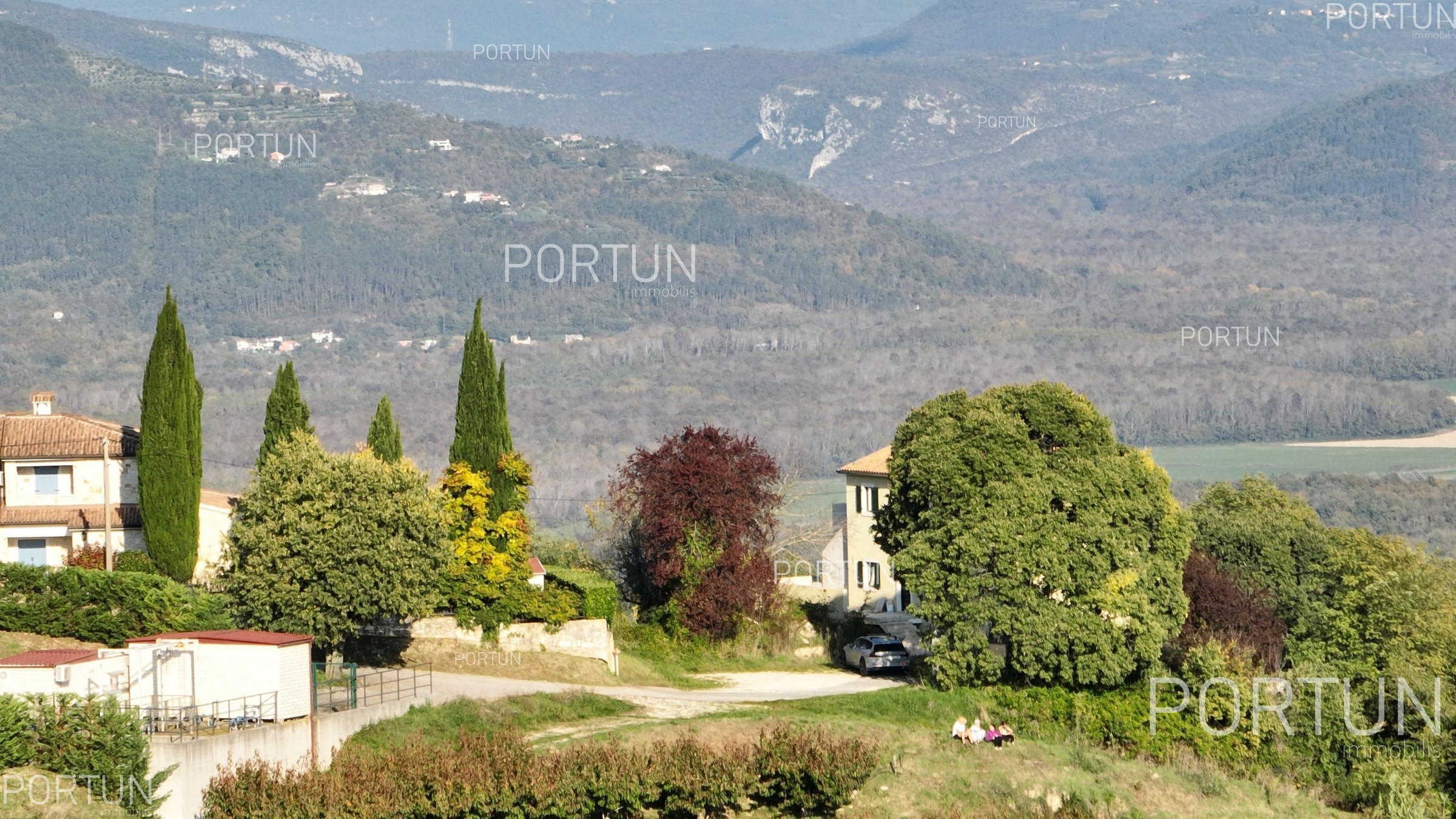
View and privacy are often key reasons for buying land, but buyers sometimes do not check what can be built on neighboring plots. If there is an undeveloped construction zone in front of the land, there is a real possibility of future construction.
This can change the character of the location and reduce the property's attractiveness in the future. In tourist-attractive areas of Istria, this is a common situation as construction zones gradually fill up.
Analyzing surrounding plots and the spatial plan helps assess the long-term value of the location.
Decision made without expert assessment
Buying land is often an emotional decision, especially when the plot has a nice view or good location. However, without expert assessment of urbanistic, legal, and technical conditions, buyers take unnecessary risks.
Cooperating with an architect, agent, and lawyer before purchase allows consideration of all aspects of the investment. This avoids situations where the project needs significant changes after buying the land.
Expert analysis does not increase the investment cost but usually prevents later financial losses.
Conclusion: informed purchase as the best protection
Most mistakes when buying land in Istria do not arise from the seller's bad intentions but from lack of information or a hasty buyer decision. Land is the foundation of every future construction and therefore requires thorough checking before purchase.
Understanding the spatial plan, infrastructure, legal status, and actual costs enables making a safer decision. When all elements are clearly defined, the land becomes a stable base for a project that retains value and functionality in the long term.
Related guides and useful articles
Thematic guides for buying building land in Istria
For a broader understanding of the purchase process and necessary checks, see the main guide.
Building land offer in Istria
If you are looking for plots intended for construction, browse building land suitable for one or two houses in Istria as well as building plots with valid permits in top locations.
Tags
buying land, building land, Istria, land purchase checks, common mistakes, ownership, land registry, cadastre, zoning plan, building conditions, access road, infrastructure, utilities, building permit, land purchase risks