Introduction
Buying land without infrastructure may initially seem like a good deal. The lower price compared to fully equipped plots often attracts buyers looking to optimize their budget or seeking a larger area for the same amount. However, this decision carries specific challenges that need to be understood before purchase.
In Istria, where differences between micro-locations are significant, infrastructure plays a key role in assessing the true value of land. Access roads, water, electricity, and sewage are not just technical details – they directly affect the possibility of construction, costs, and project timelines. This article analyzes when buying a plot without infrastructure is worthwhile and when it poses a risk.
What does a plot without infrastructure mean
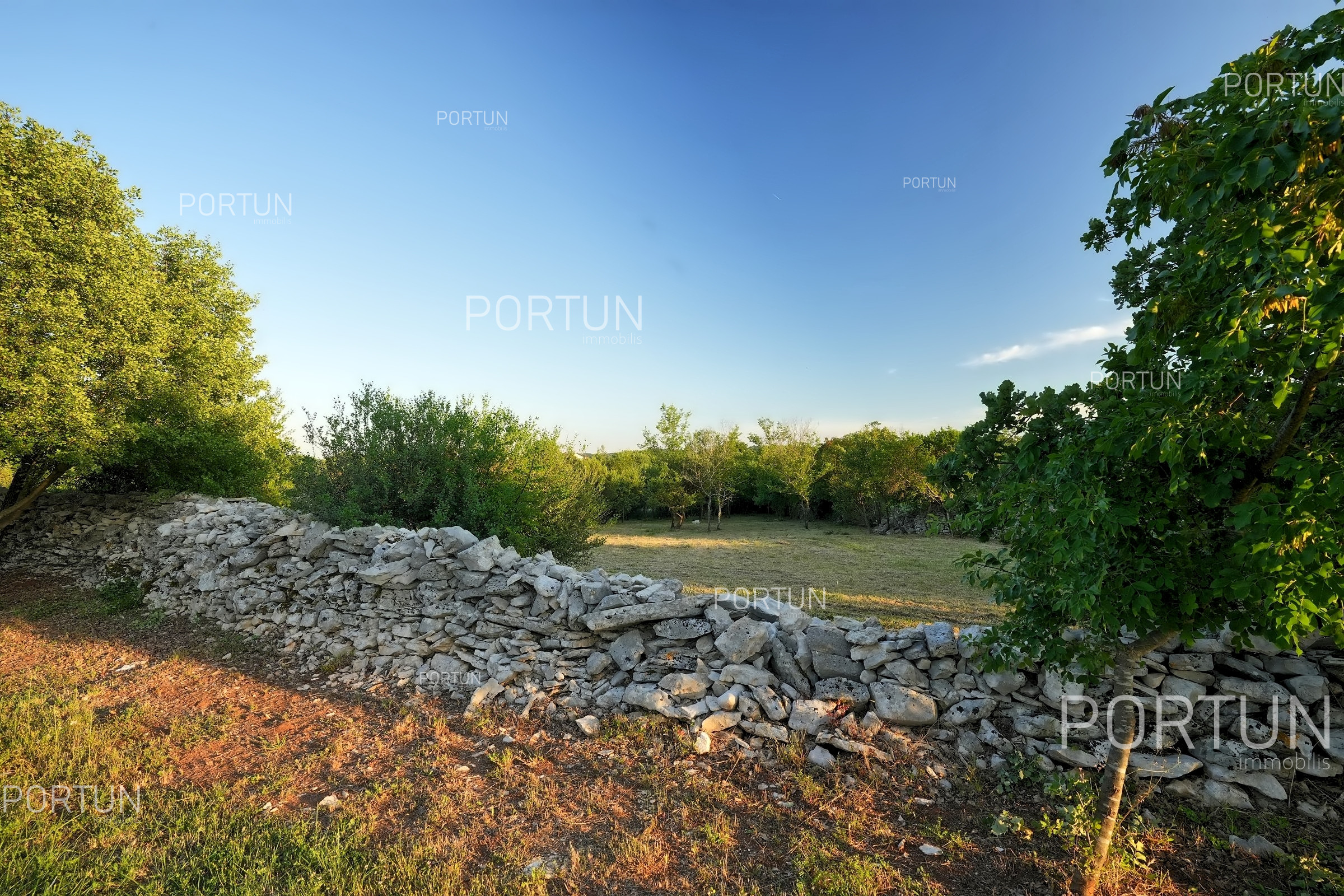
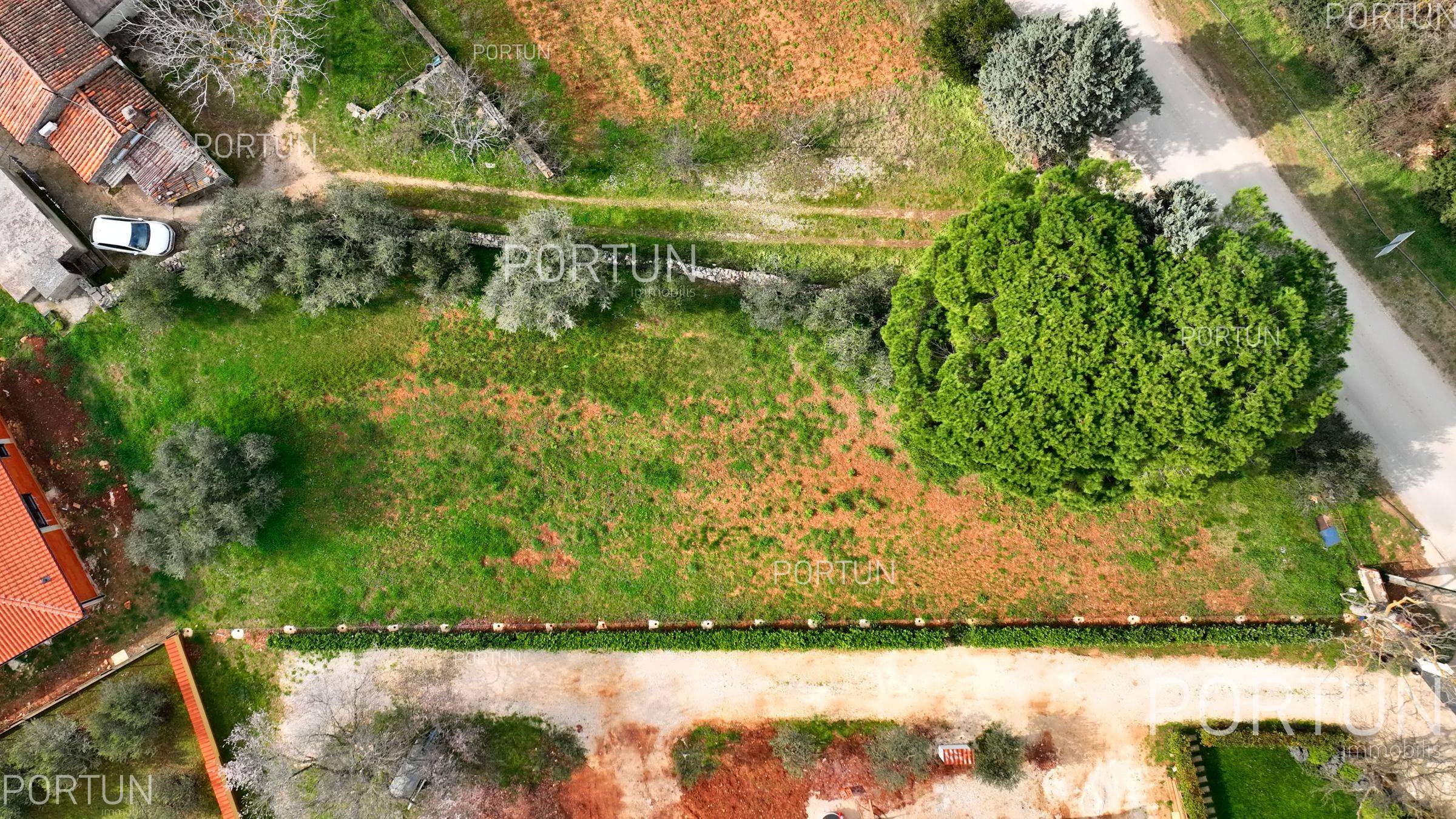
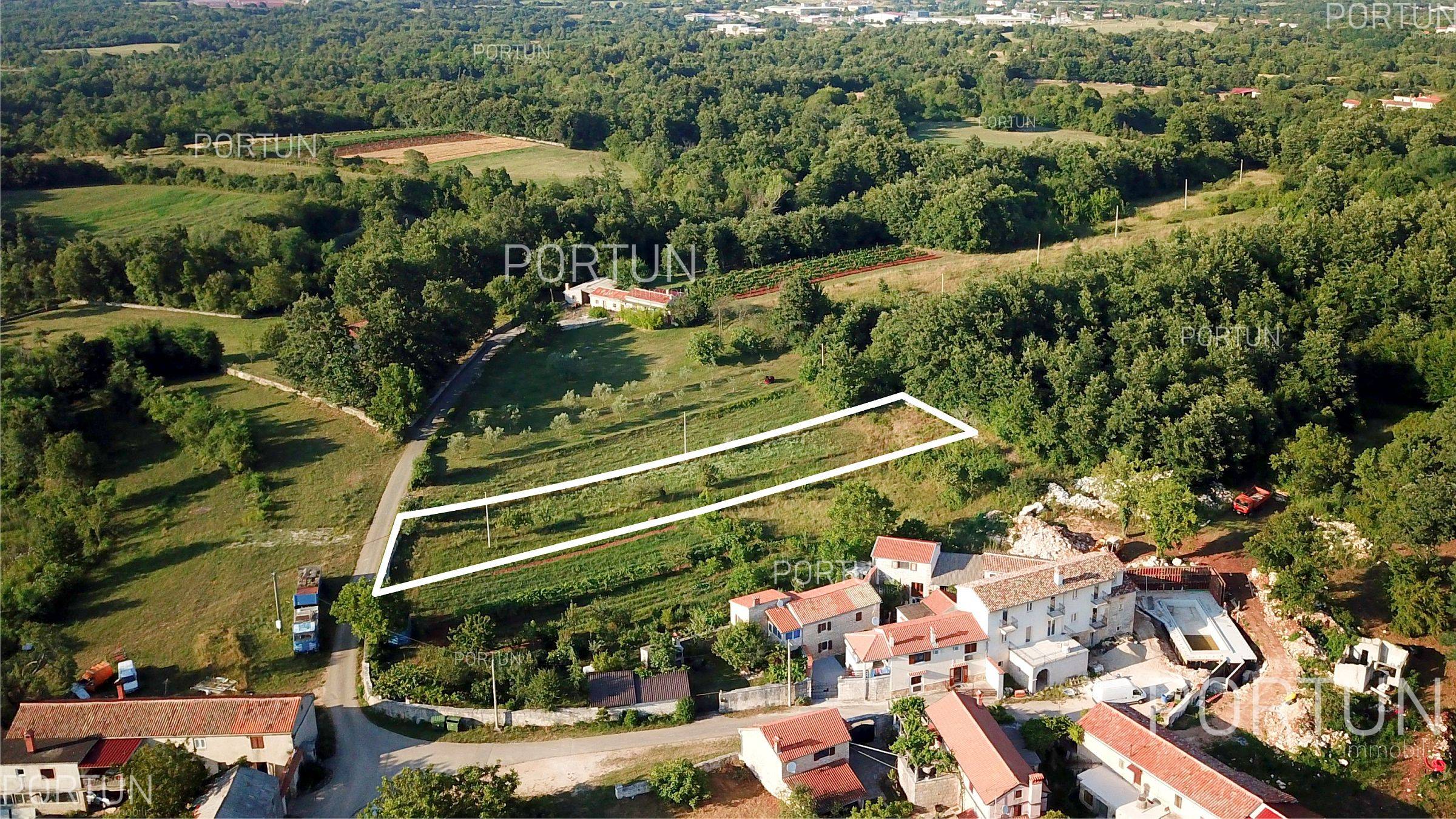
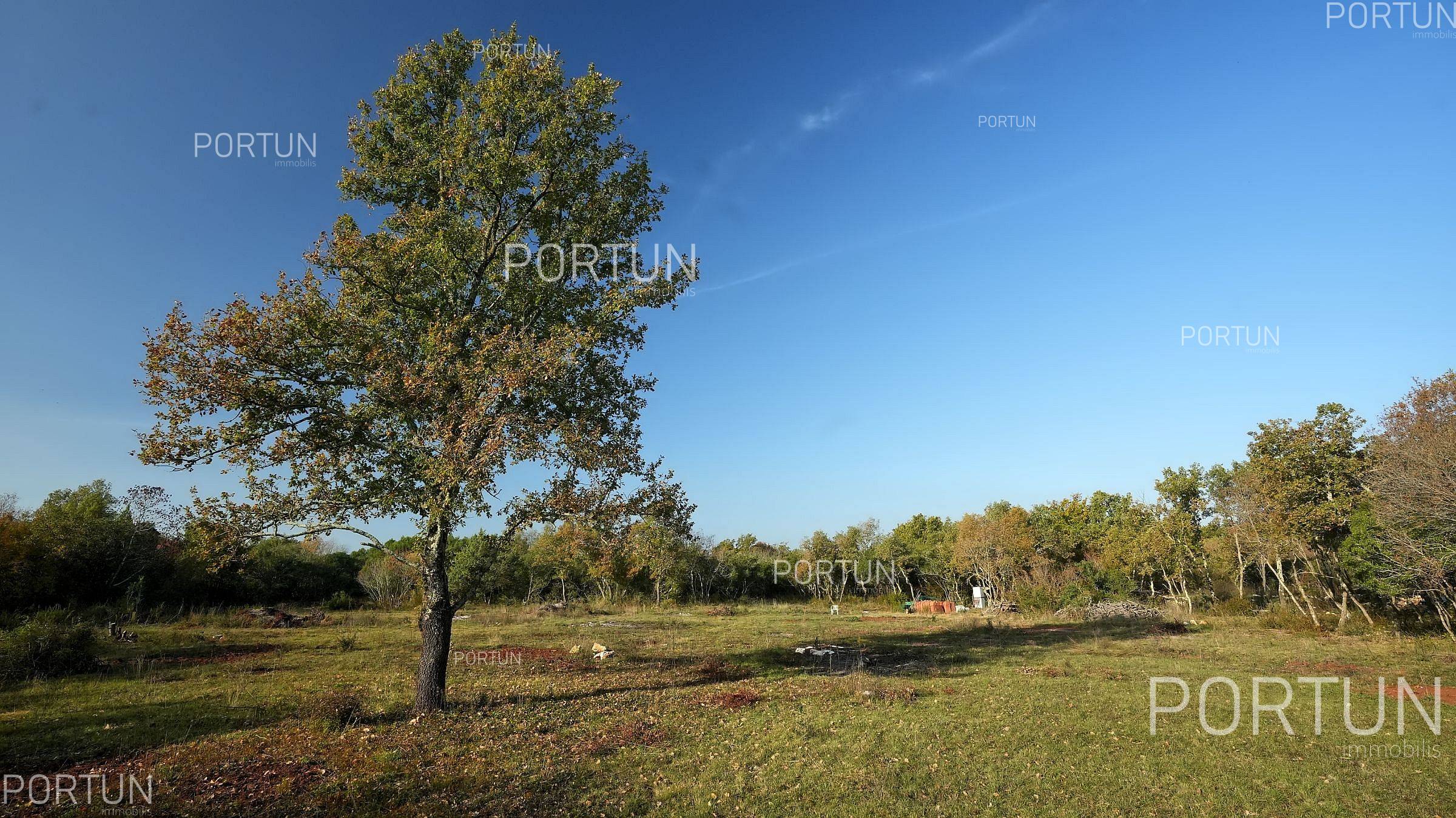
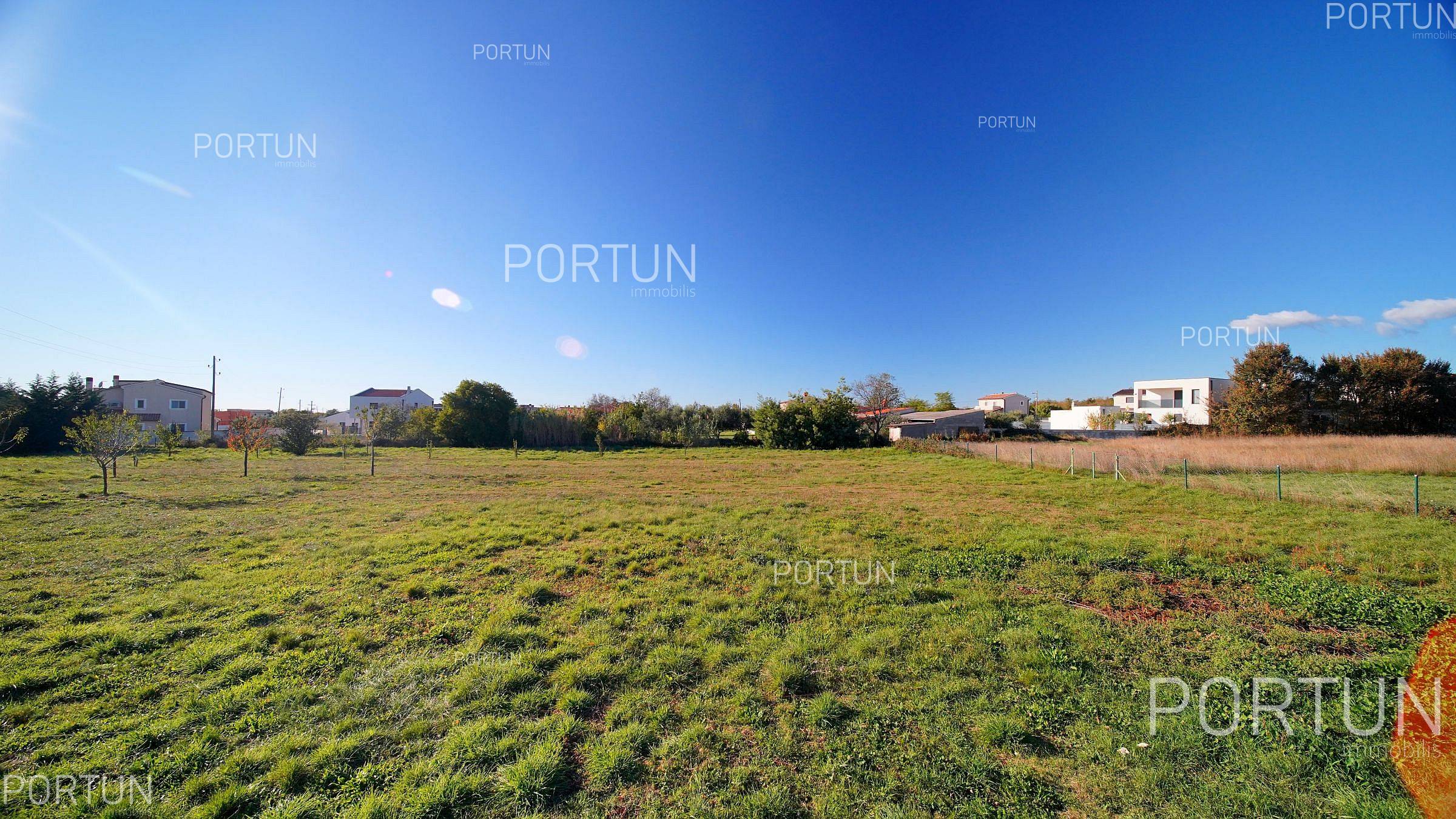
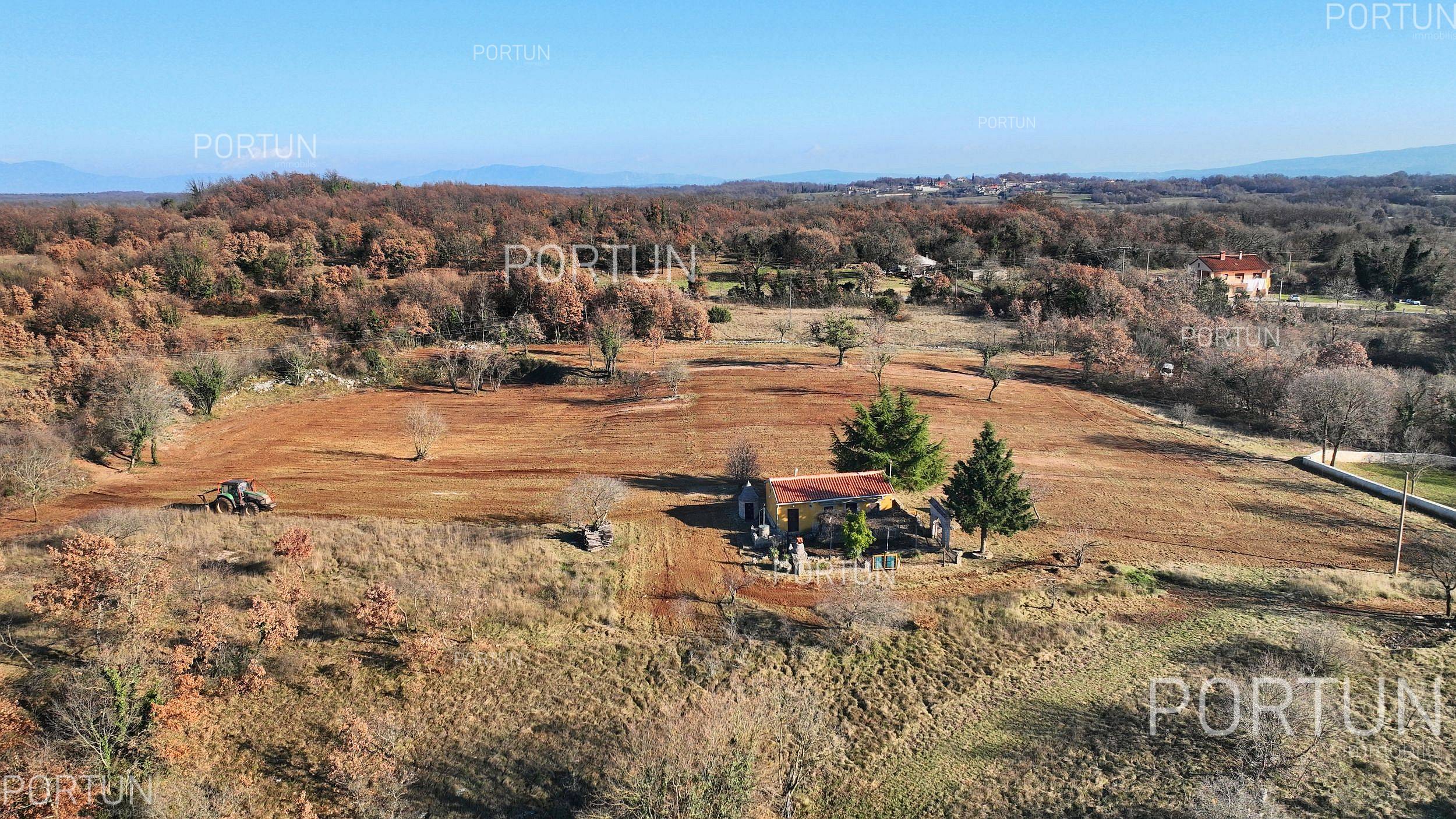
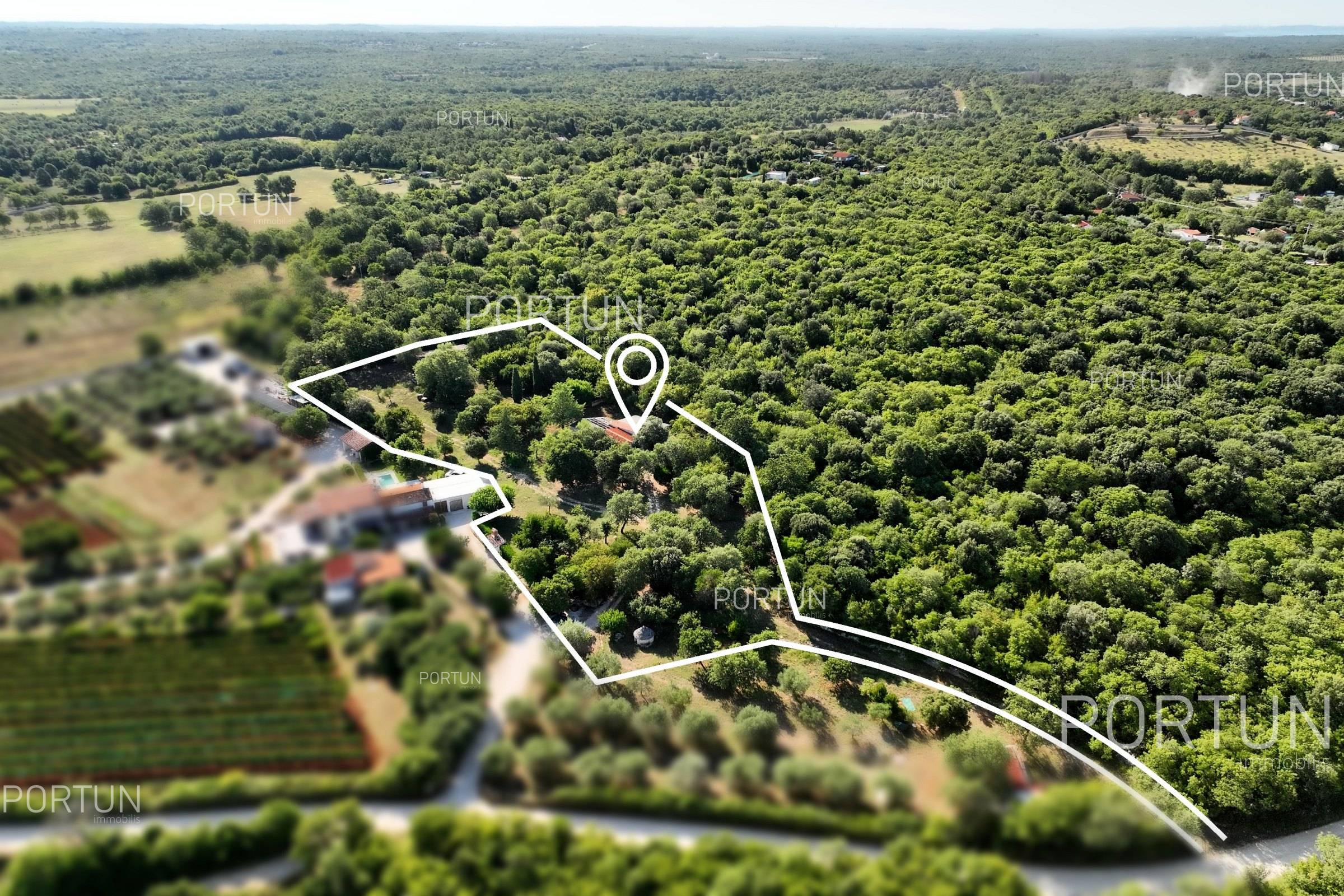
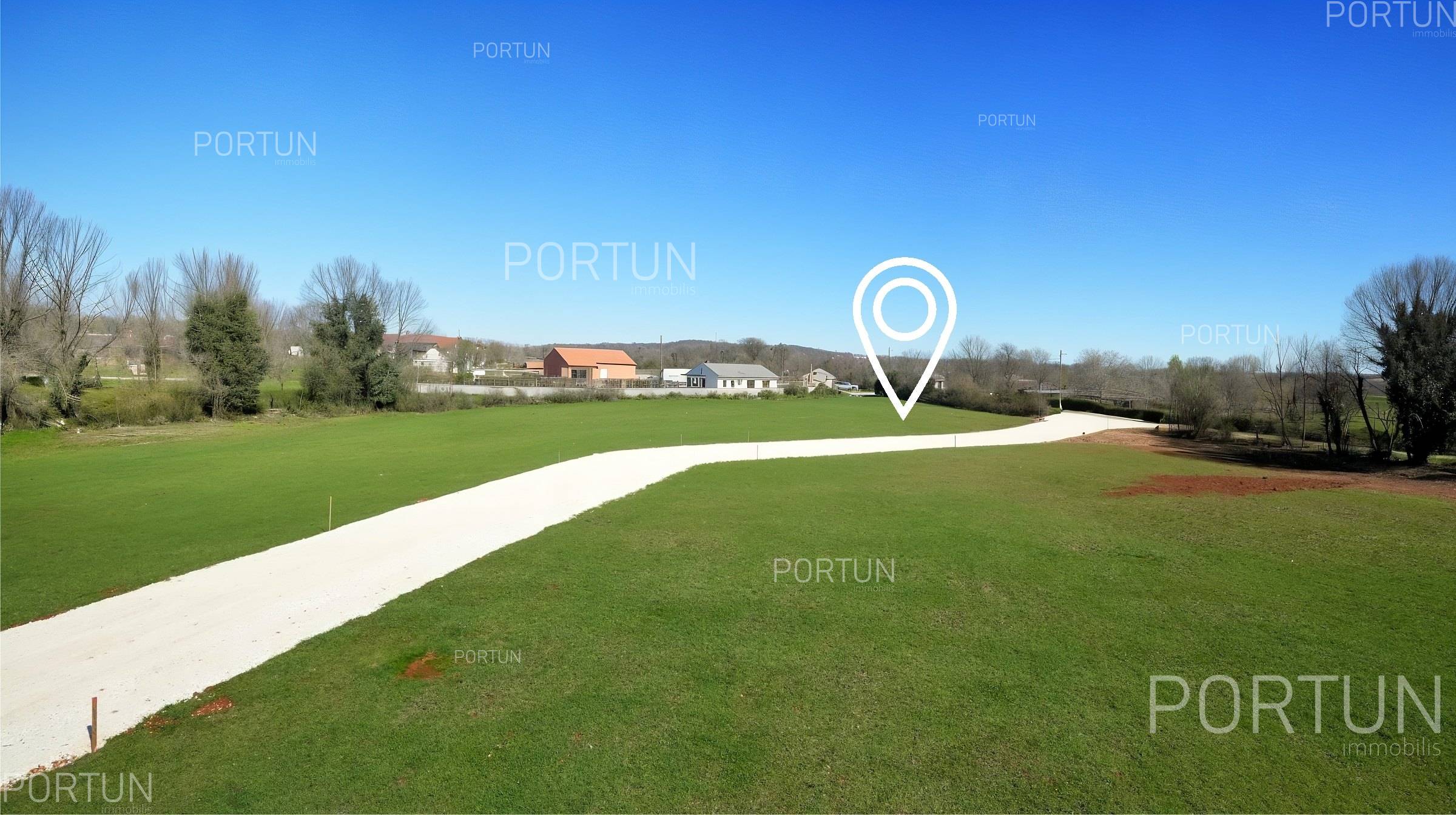
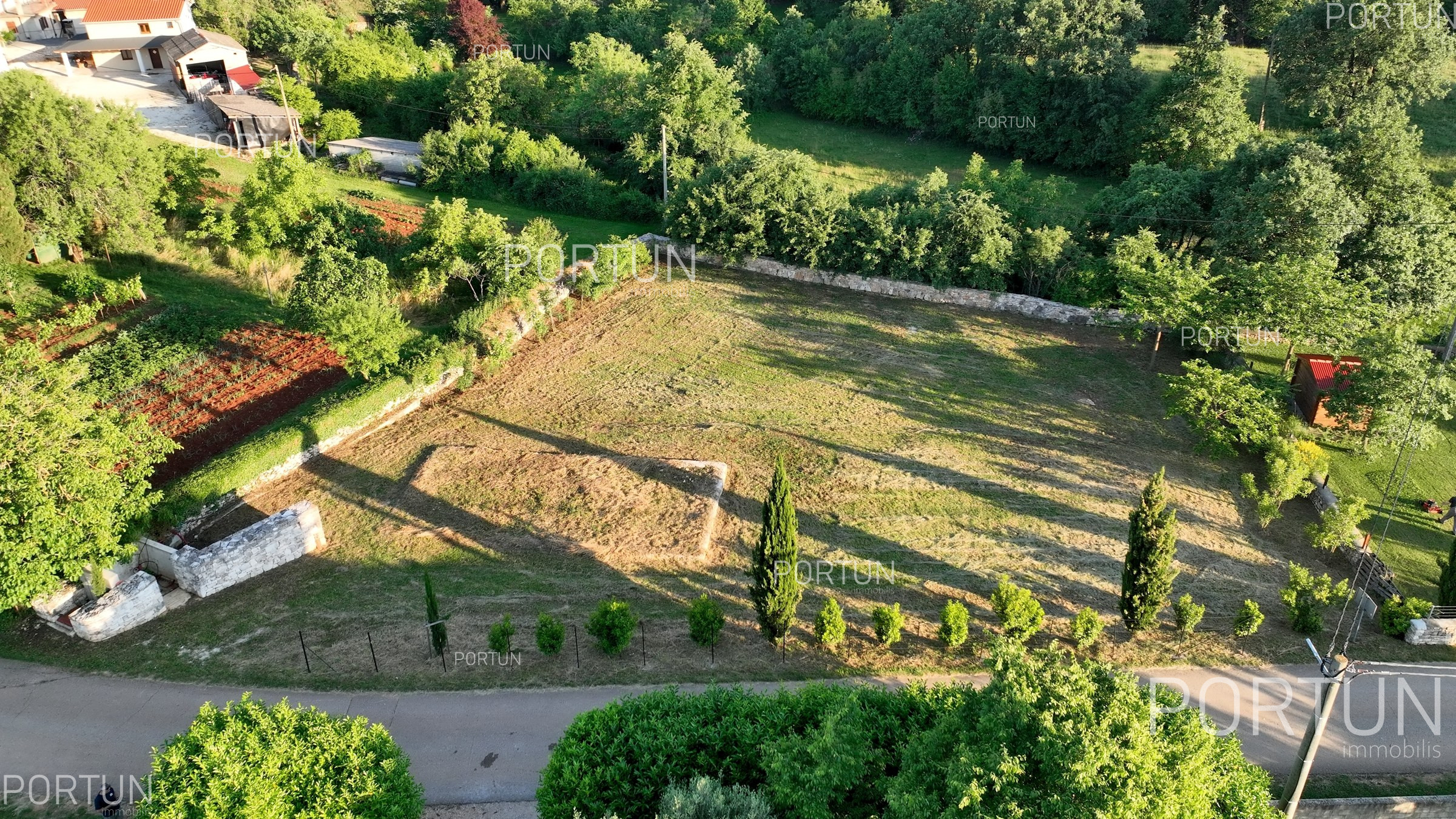
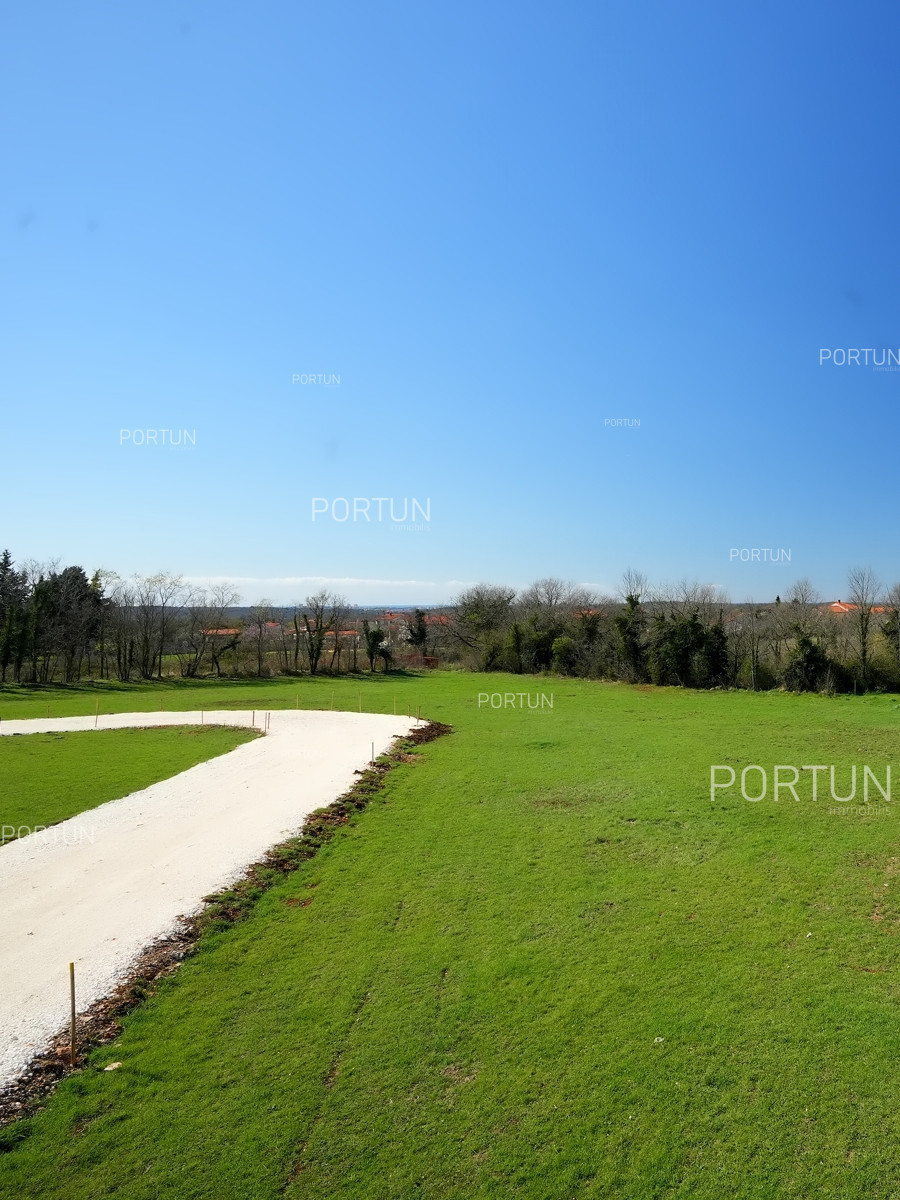
A plot without infrastructure usually means land that lacks connections to basic utility systems – water, electricity, and sewage. In some cases, there is also no access road, which further complicates the situation.
It is important to distinguish between a complete absence of infrastructure and partial availability. For example, if connections are nearby, bringing them to the plot can be relatively simple and financially feasible. However, if infrastructure is farther away, costs can increase significantly.
Buyers often underestimate this aspect because they focus on the initial land price, overlooking the total cost of project realization.
Why such plots are cheaper
The lower price of land without infrastructure results from increased risk and additional investments the buyer must undertake. Sellers often adjust the price to compensate for these shortcomings.
For experienced investors, this can represent an opportunity. If infrastructure costs are realistically assessed and controlled, the total investment can be more favorable than buying a more expensive, fully equipped plot.
However, without detailed analysis, such a purchase can lead to unexpected costs that negate the initial savings.
Cost of bringing infrastructure
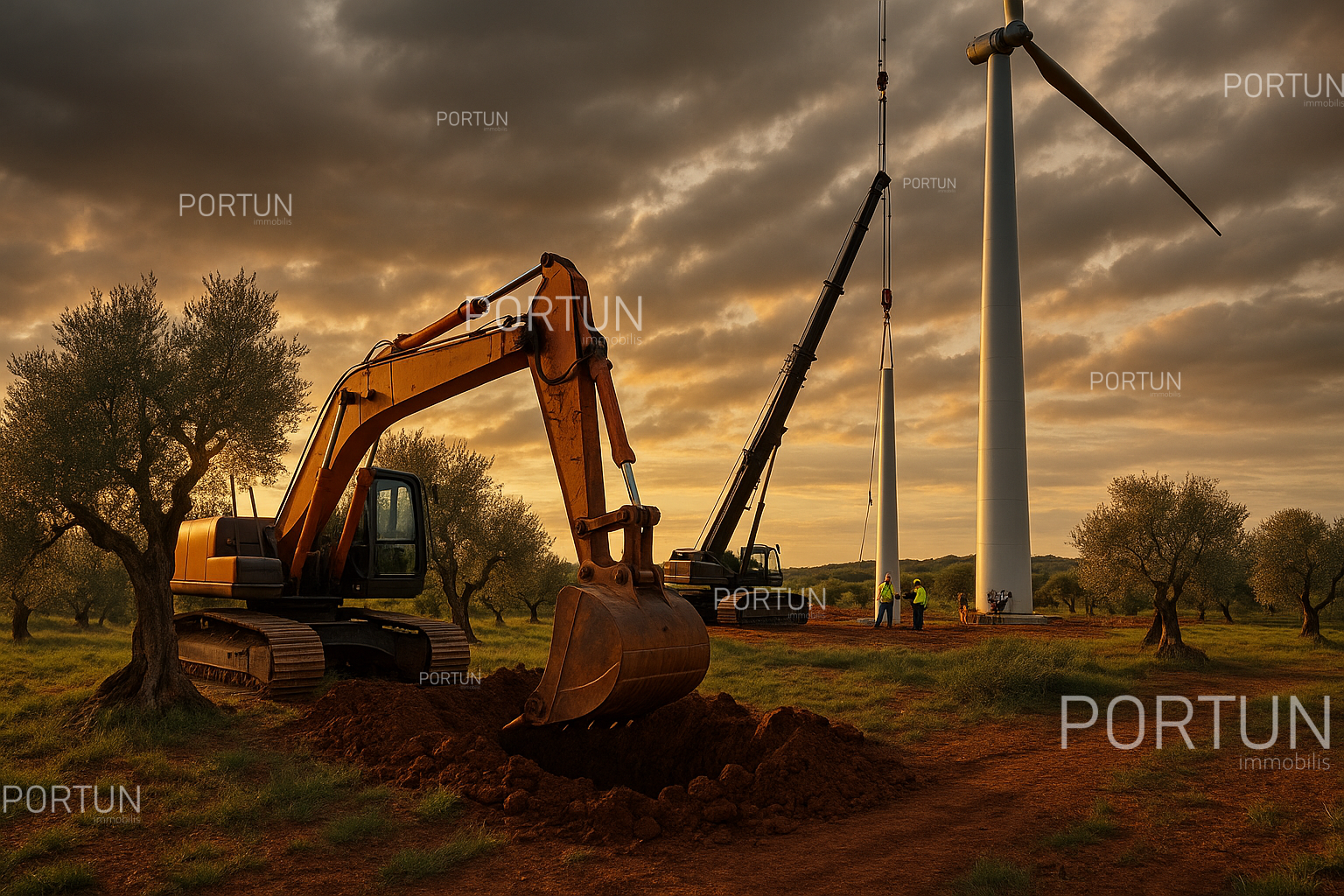
Bringing infrastructure is one of the key factors in evaluating profitability. Costs may include excavation, pipes, cables, connection fees, and design.
It is especially important to check the distance to existing connections and the conditions set by local utility companies. In some cases, participation in infrastructure construction is required, which further increases costs.
Without precise cost estimates, making an informed decision is difficult.
Time as an investment factor
Besides the financial aspect, it is important to consider the time needed to bring infrastructure. The process can take months or even longer.
For buyers planning quick construction, this can be a serious problem. Delays affect the entire project, including costs and potential return on investment.
Therefore, it is important to plan ahead and have realistic expectations.
Legal and technical conditions
Plots without infrastructure often come with additional legal and technical challenges. Access roads must be resolved, and building conditions clearly defined.
In some cases, a plot may formally have access, but in practice, that access is not adequate for construction.
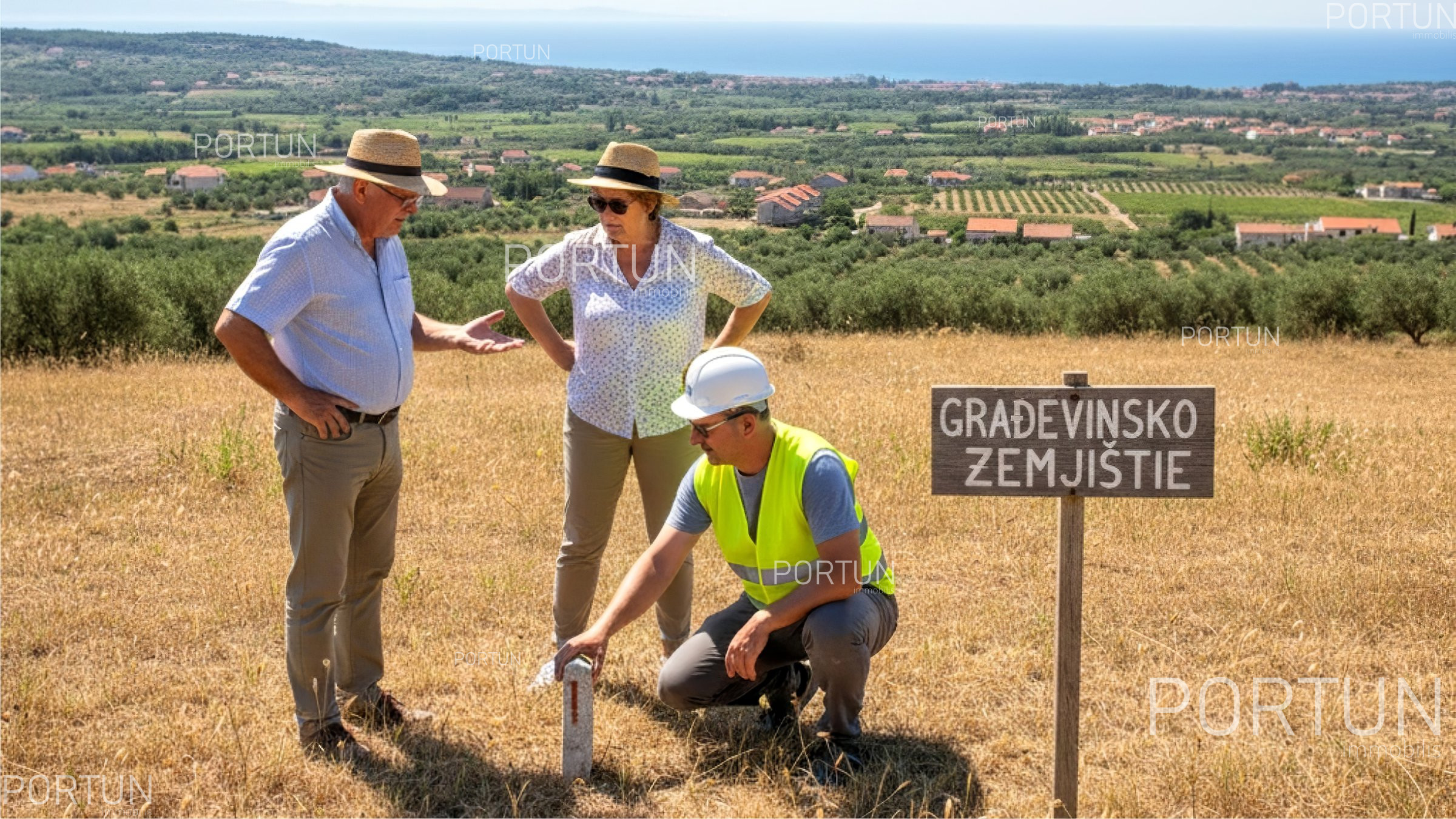
Checking documentation and the site condition are crucial steps before making a decision.
Alternative solutions
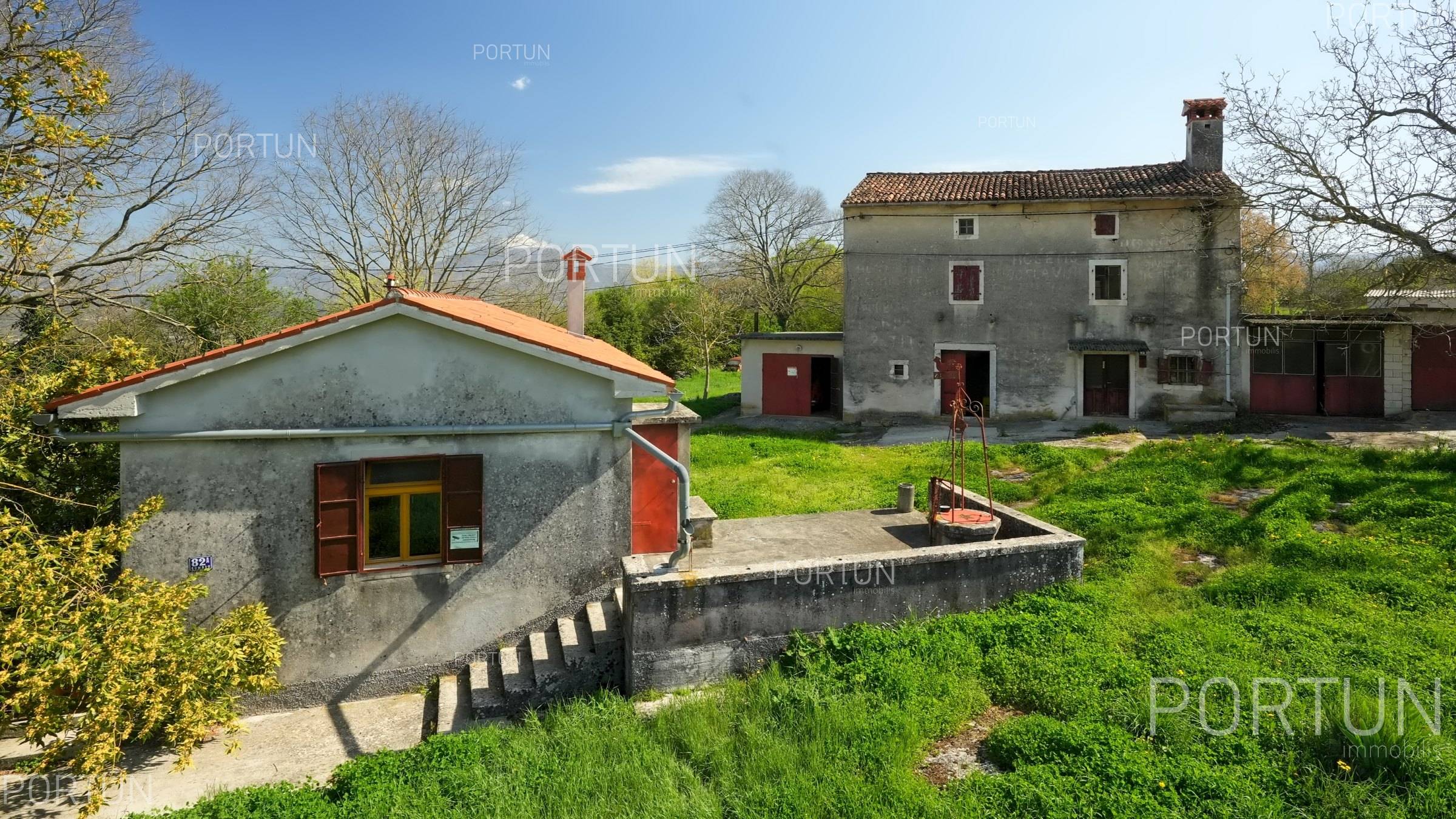
In situations where there is no public infrastructure, alternative solutions such as water wells or rainwater tanks can be used. These solutions can be temporary or permanent, depending on the location.
Although they may reduce initial costs, they require maintenance in the long term and may have limitations.
It is important to assess their cost-effectiveness compared to conventional connections.
Impact on property value
Land without infrastructure has a lower market value and less liquidity. Buyers are more cautious, and sales can take longer.
After infrastructure is brought in, the plot’s value usually increases, which can represent an investment opportunity.
However, this increase should be considered in the context of total investments.
Who benefits from this type of investment
Plots without infrastructure are best suited for investors with experience who are ready to manage more complex projects.
For buyers seeking simple and quick realization, this option can be risky.
Aligning expectations with realistic possibilities is key.
Common buyer mistakes
The most common mistake is underestimating the costs and time needed to bring infrastructure. Buyers often focus only on the initial land price.
Another mistake is insufficient verification of legal status and technical conditions.
Detailed analysis and consulting experts can prevent these issues.
Conclusion
Buying a plot without infrastructure can be a good investment, but only with thorough preparation and realistic assessment of all costs and risks. In some cases, it offers savings and potential value growth, while in others it can lead to additional complications.
The key to success lies in being informed, planning carefully, and working with experienced professionals familiar with the local market.
Related guides and useful articles
Topic guides for buying and planning building land in Istria
If a plot lacks infrastructure, it is essential to understand zoning limits and the real cost of preparing the land.
Tags
land without infrastructure, infrastructure, utility connections, electricity, water supply, sewage system, access road, connection costs, municipal fees, land preparation, building land, zoning plan, urbanization, building restrictions, investment, purchase risks