Introduction
Land urbanization is one of the most frequently discussed topics among buyers and investors in Istria. Many assume that a certain plot will "sooner or later be urbanized" and base their investment decisions on this idea. This is where the difference between perception and reality arises. Urbanization is not an automatic process nor does it happen at the individual owner's request.
In practice, it is a complex administrative and planning process that depends on the long-term development strategies of municipalities and cities. Wrong expectations often lead to disappointment and sometimes financial losses. In this article, we separate myths from facts and explain how to realistically view the possibility of land urbanization in Istria.
What land urbanization actually means
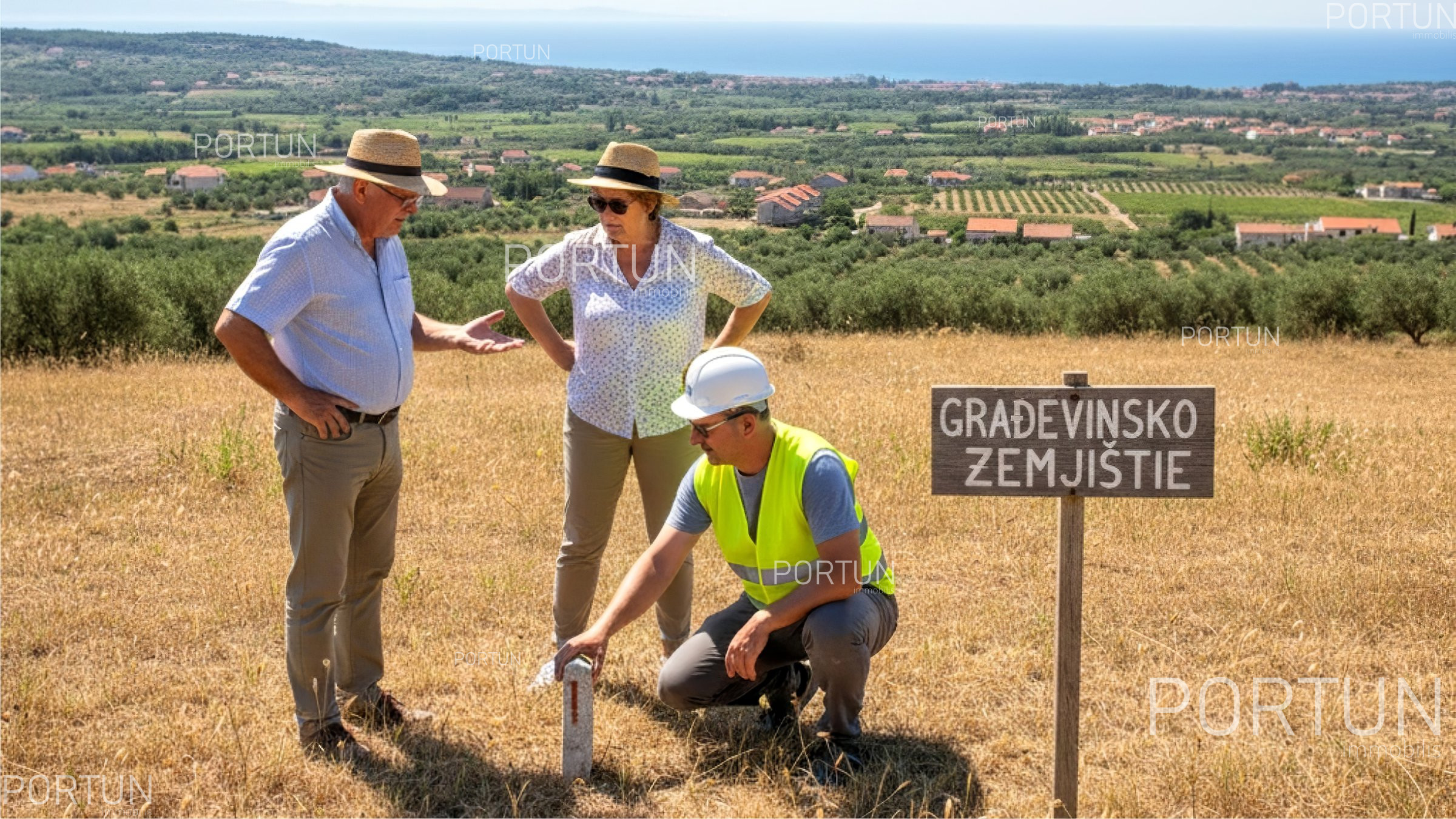
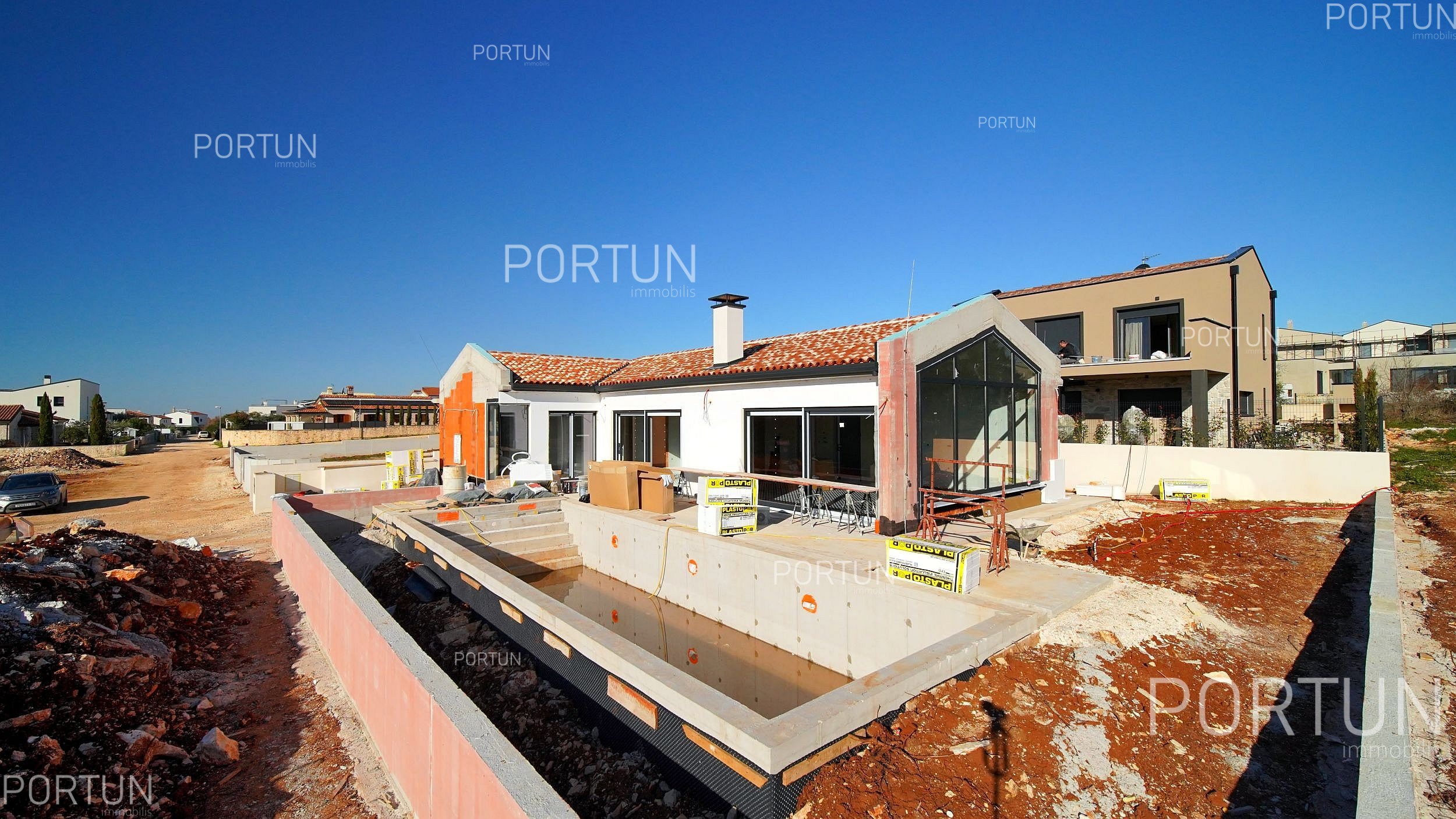
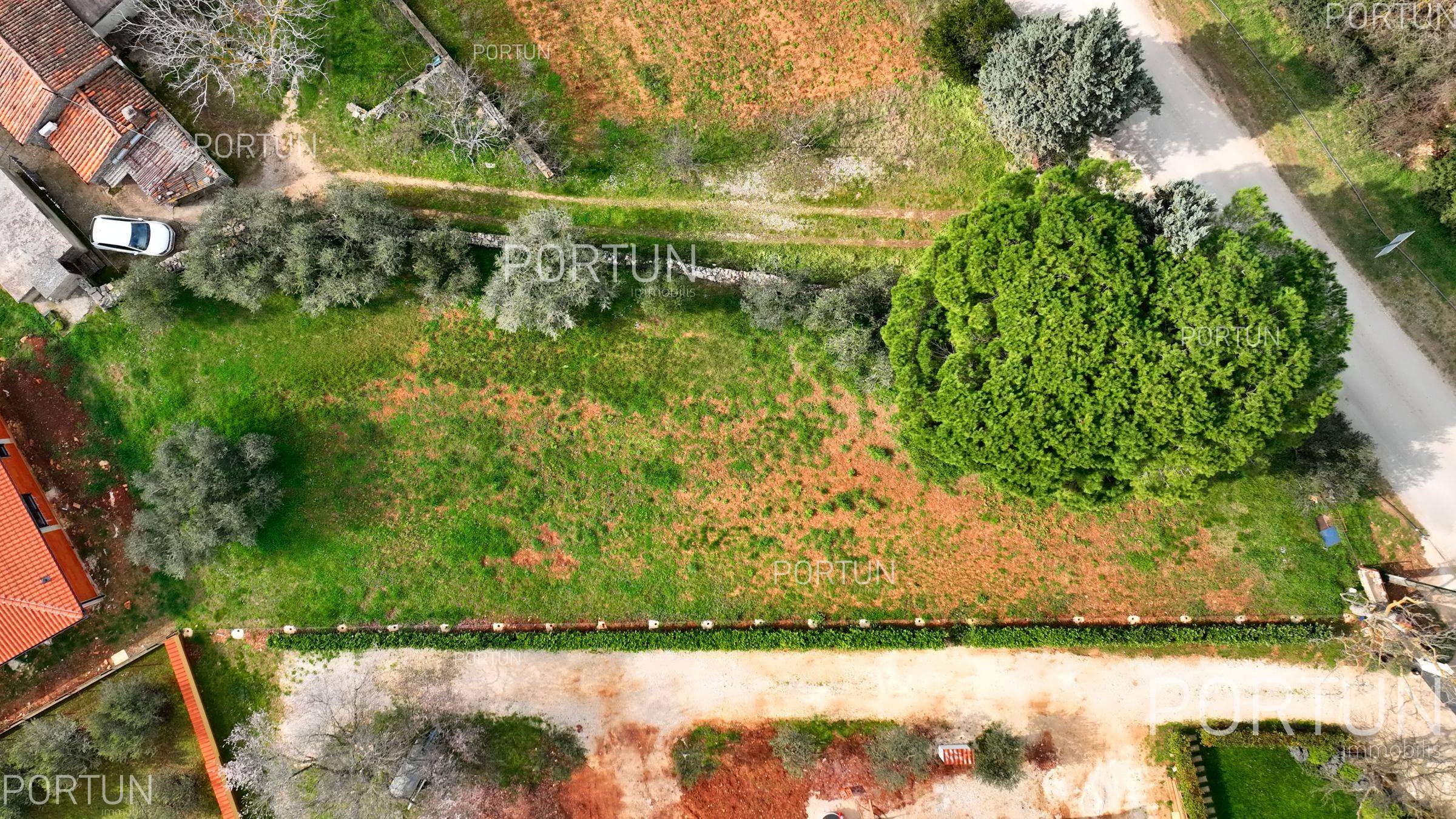
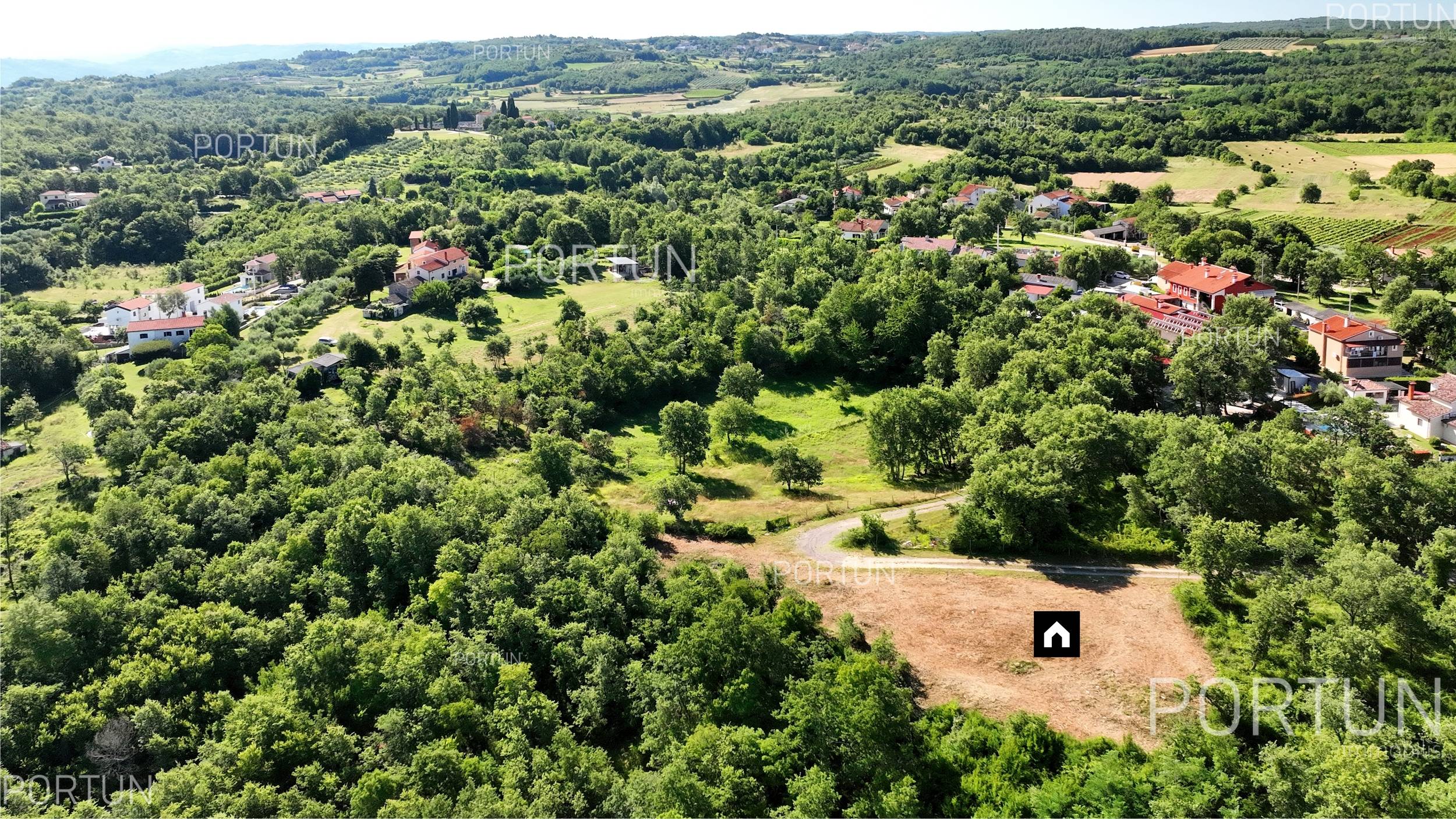
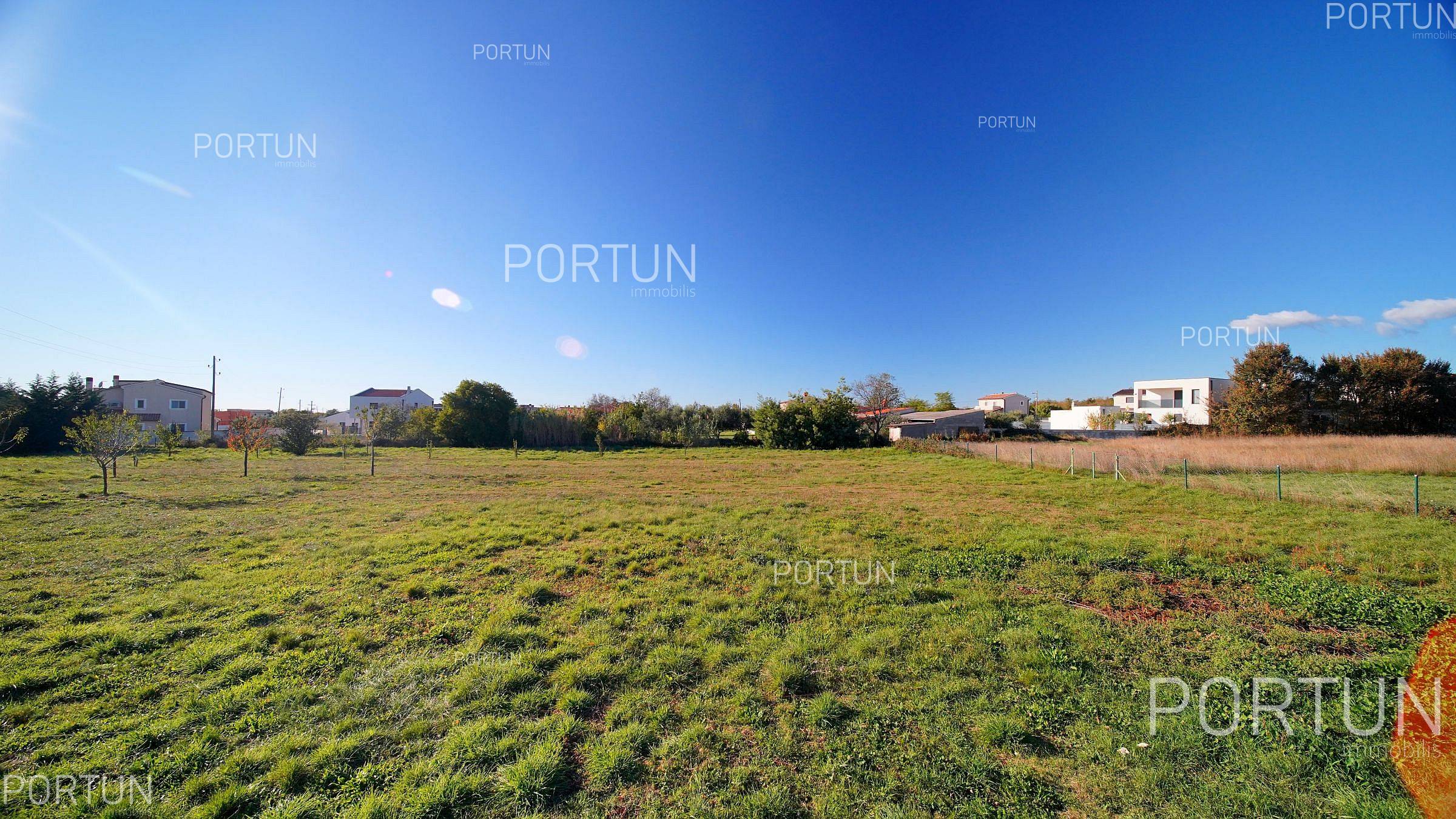
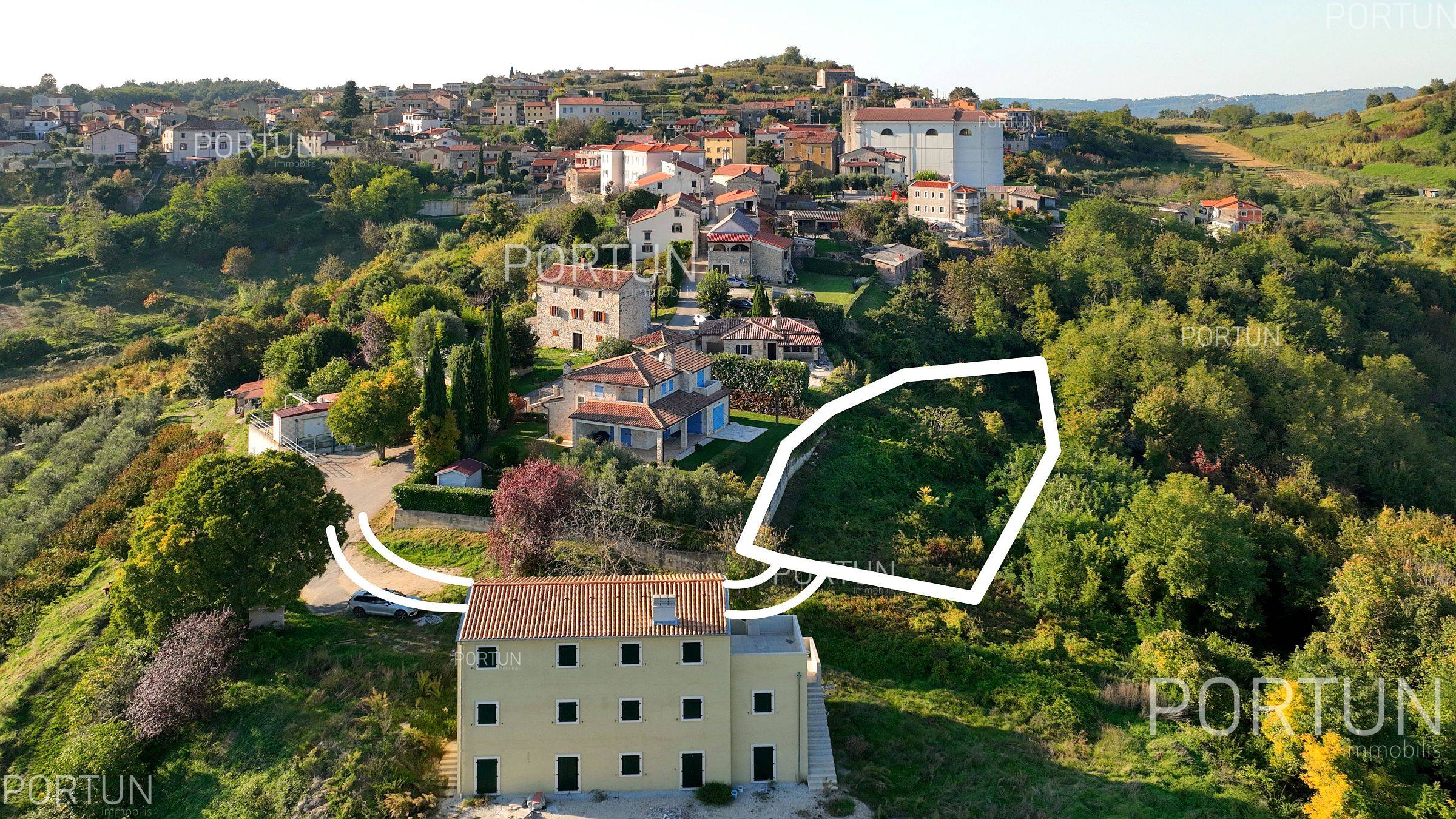
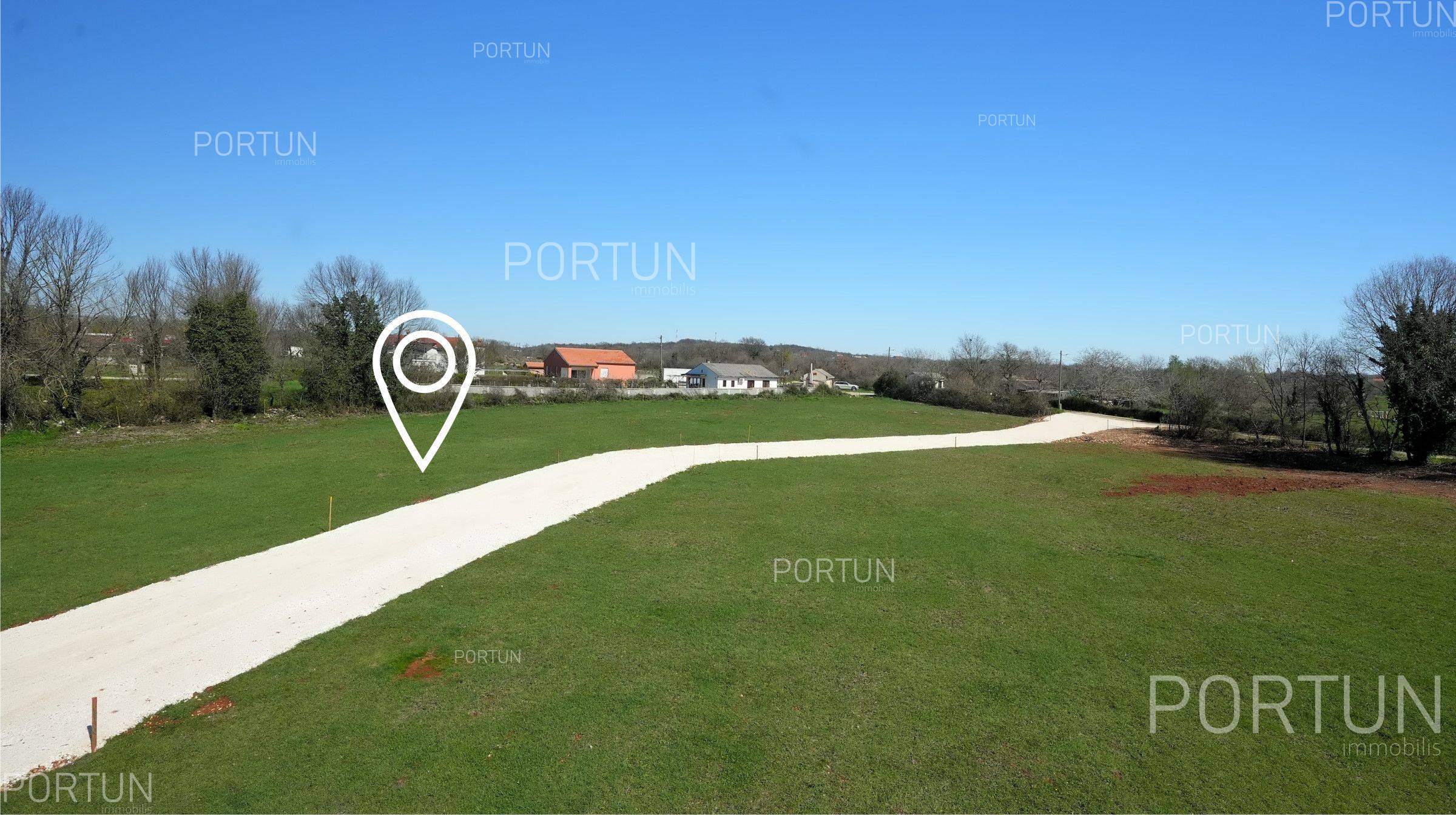
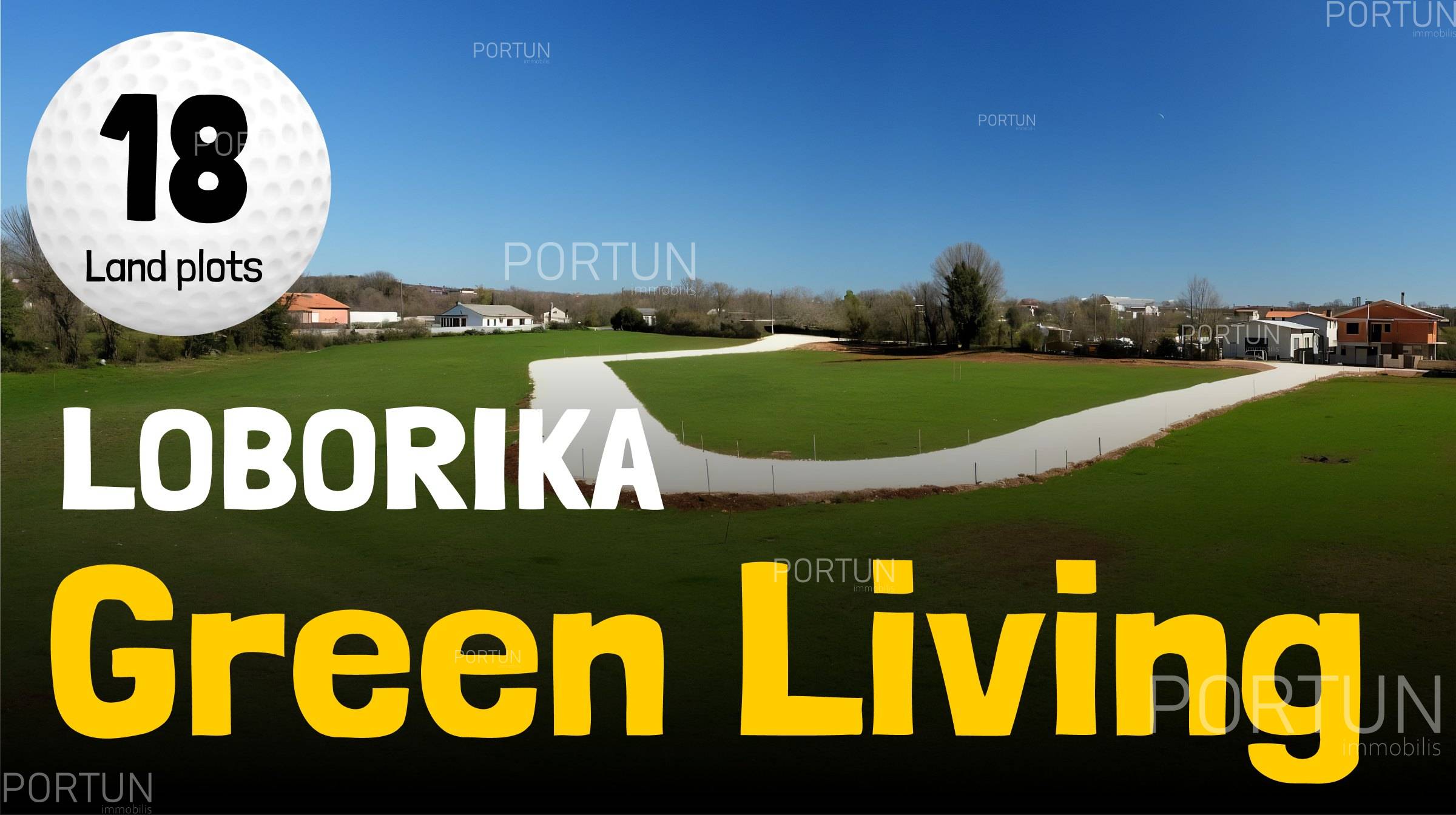
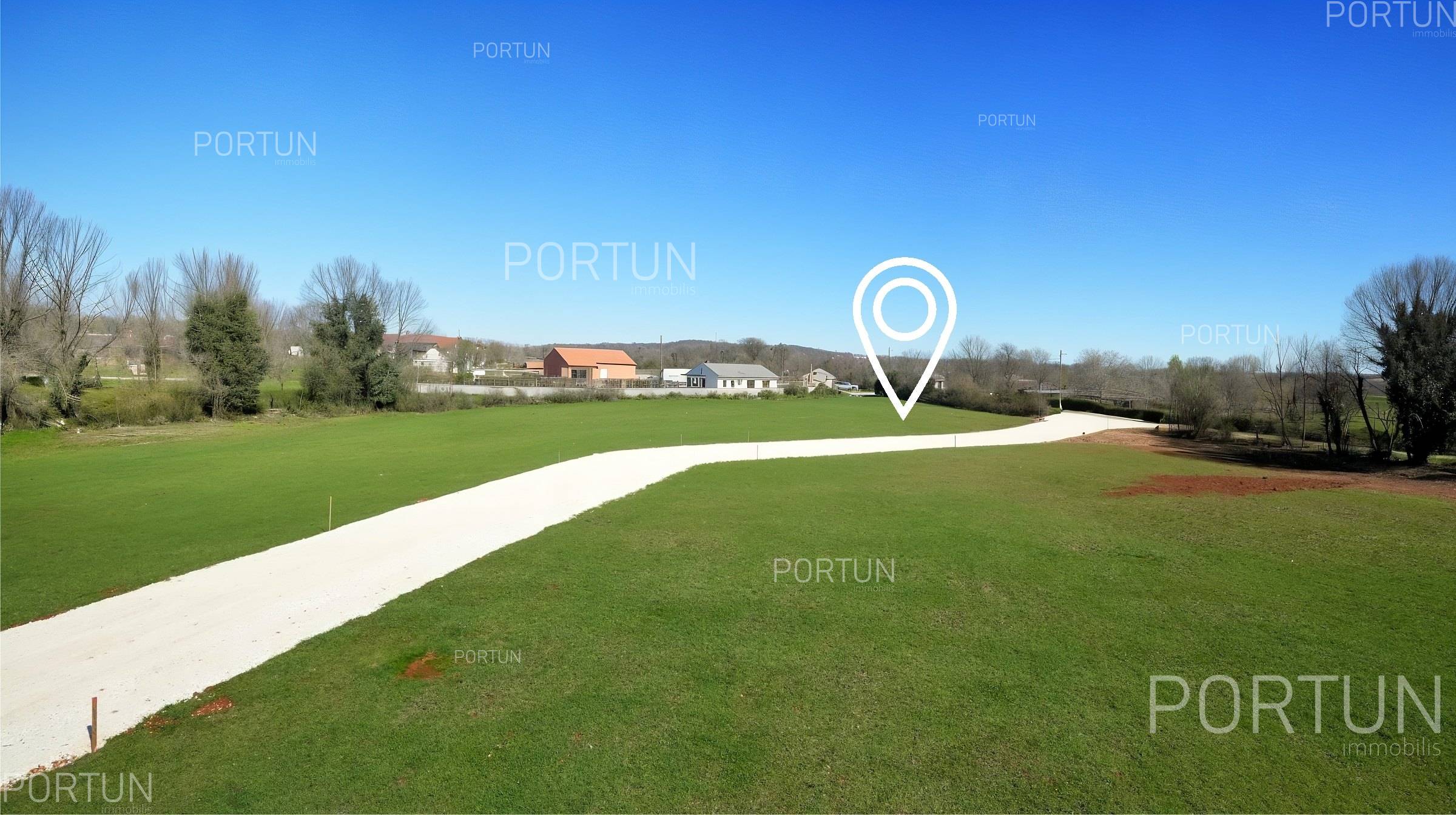
Land urbanization means changing the purpose from agricultural or other undeveloped land to a construction area. This means the plot enters a zone where building is permitted, according to spatial plans.
This process is not carried out by individuals but by local government units through amendments and supplements to spatial plans. Urbanization is planned long-term, taking into account infrastructure development, demographic needs, and spatial sustainability.
It is important to understand that even when there is interest from owners or investors, the final decision depends on public institutions and planning documents.
The most common myth: "Every piece of land will become buildable"
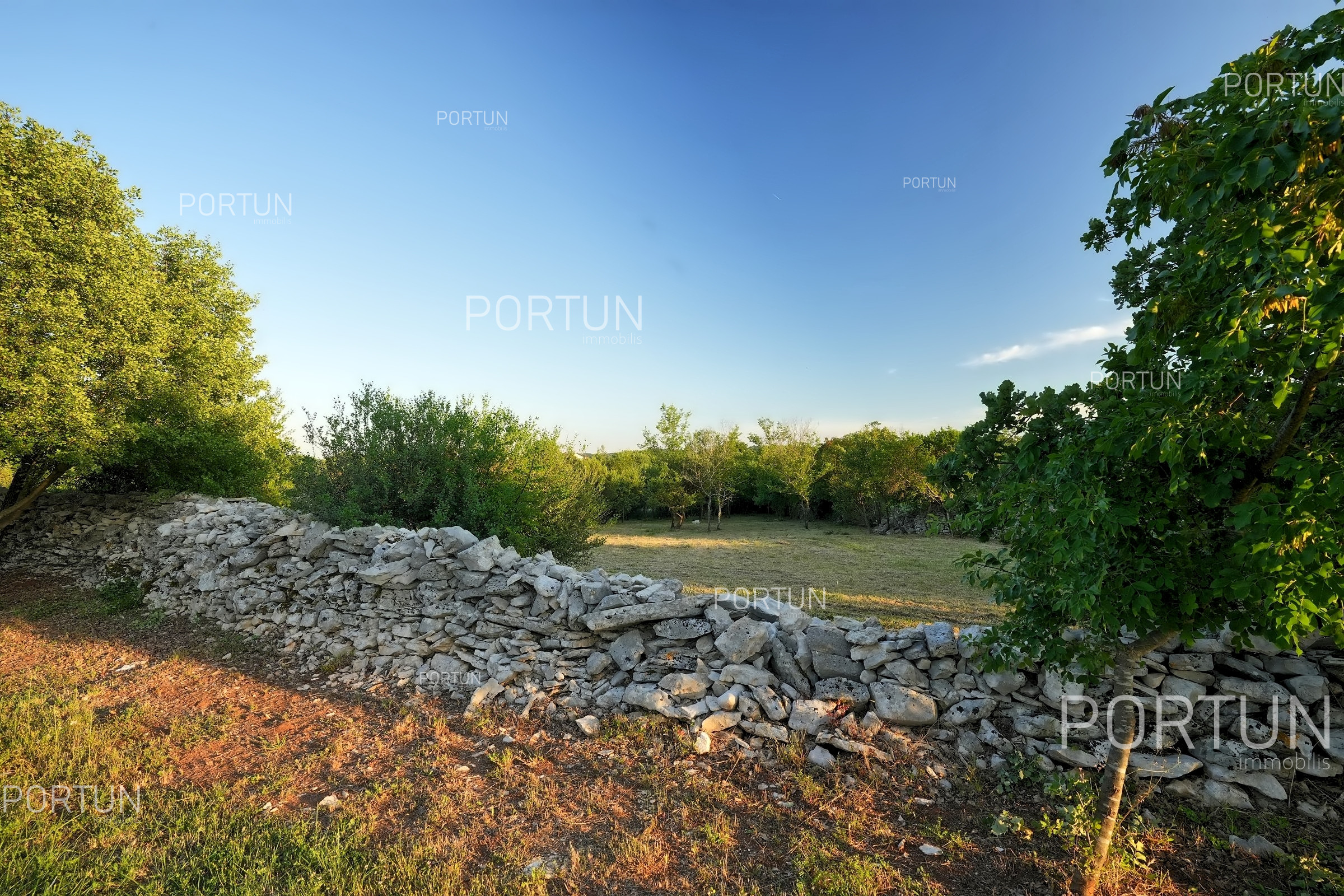
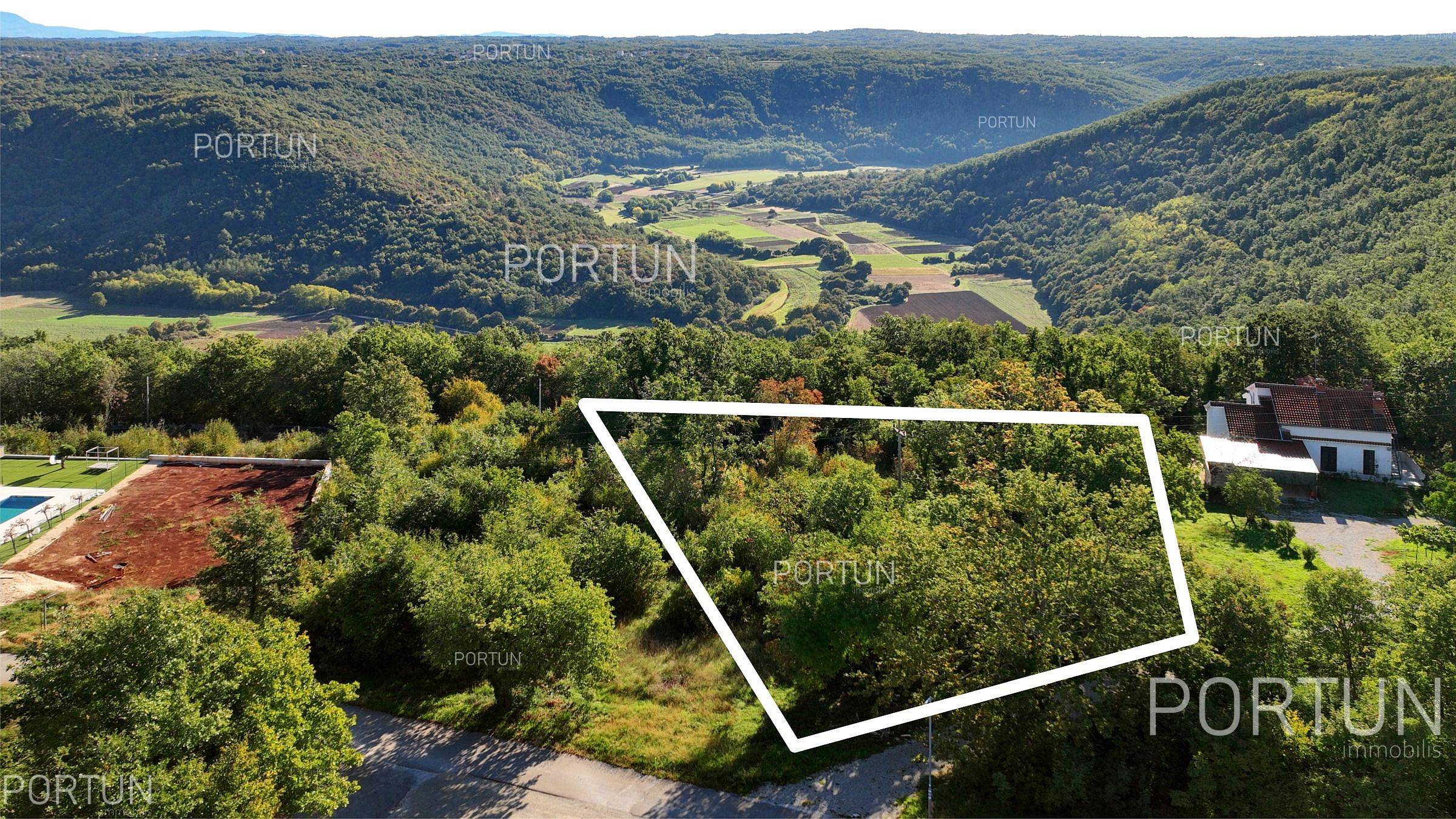
One of the most widespread myths is that most land will eventually be urbanized. In reality, spatial plans have clearly defined boundaries of construction zones that are not expanded arbitrarily.
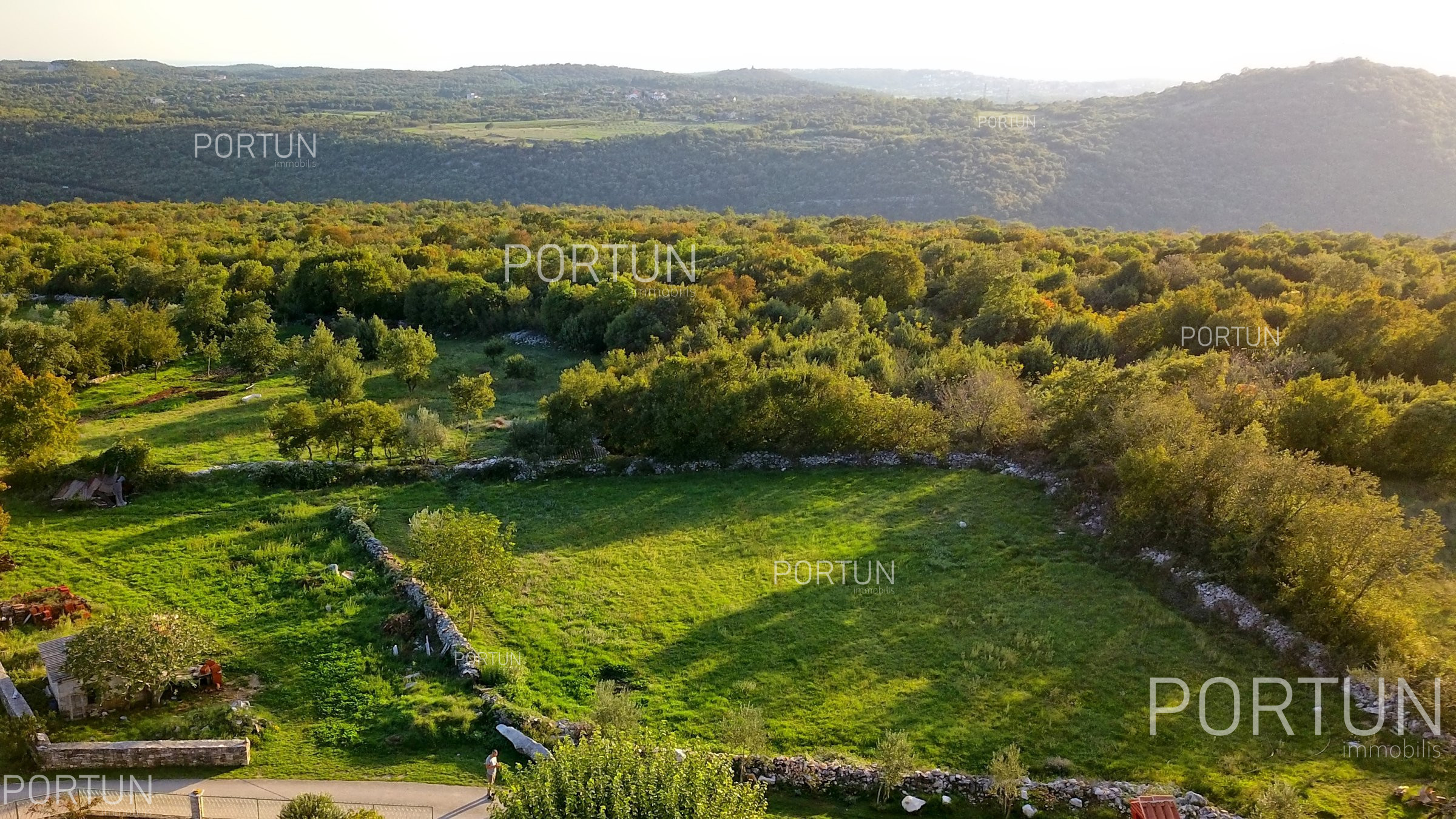
In Istria, due to limited space and the need to preserve the landscape, the expansion of construction zones is often restrictive. Agricultural and protected areas play an important role and are not intended for building.
Investing in land with the expectation of urbanization without concrete information carries high risk.
How urbanization decisions are made
Urbanization decisions are made through amendments to municipal and city spatial plans. The process includes expert analyses, public discussions, and adoption of plans by competent authorities.
These changes happen rarely and are planned years in advance. Priority is given to areas with development potential and where there is a need for settlement expansion.
Individual owner requests are rarely decisive unless they fit into a broader development strategy.
The difference between real potential and speculation
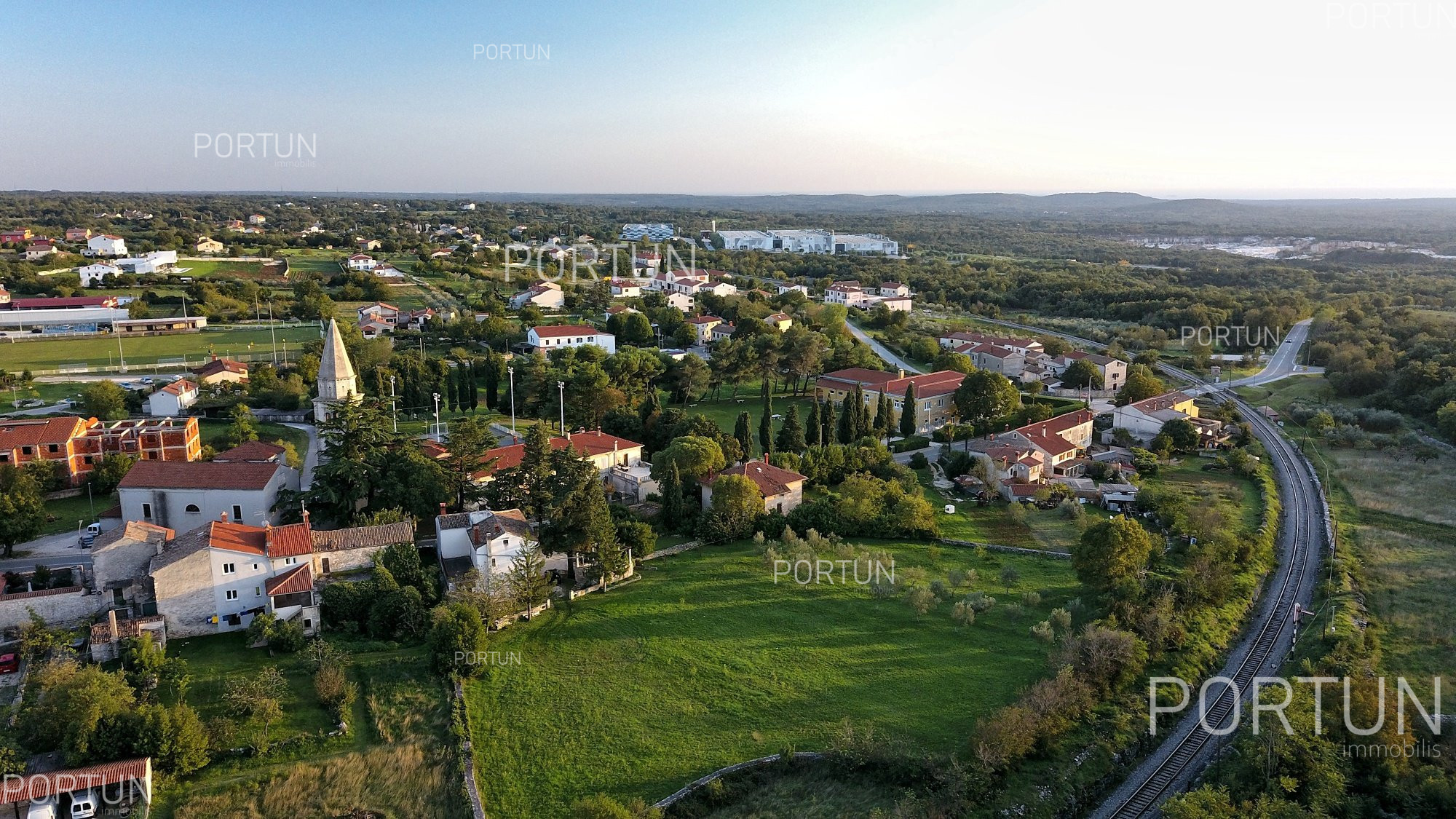
There is a difference between land with real urbanization potential and land bought purely on speculation. The former includes locations adjacent to existing construction zones or with planned infrastructure.
Speculative investments often rely on unverified information or assumptions. Such an approach can result in long waiting periods without concrete results.
It is crucial to analyze official documents and consult experts before making a decision.
The role of infrastructure in urbanization
Infrastructure plays a key role in the urbanization process. Without access roads, water, electricity, and other utilities, urbanization is difficult to achieve.
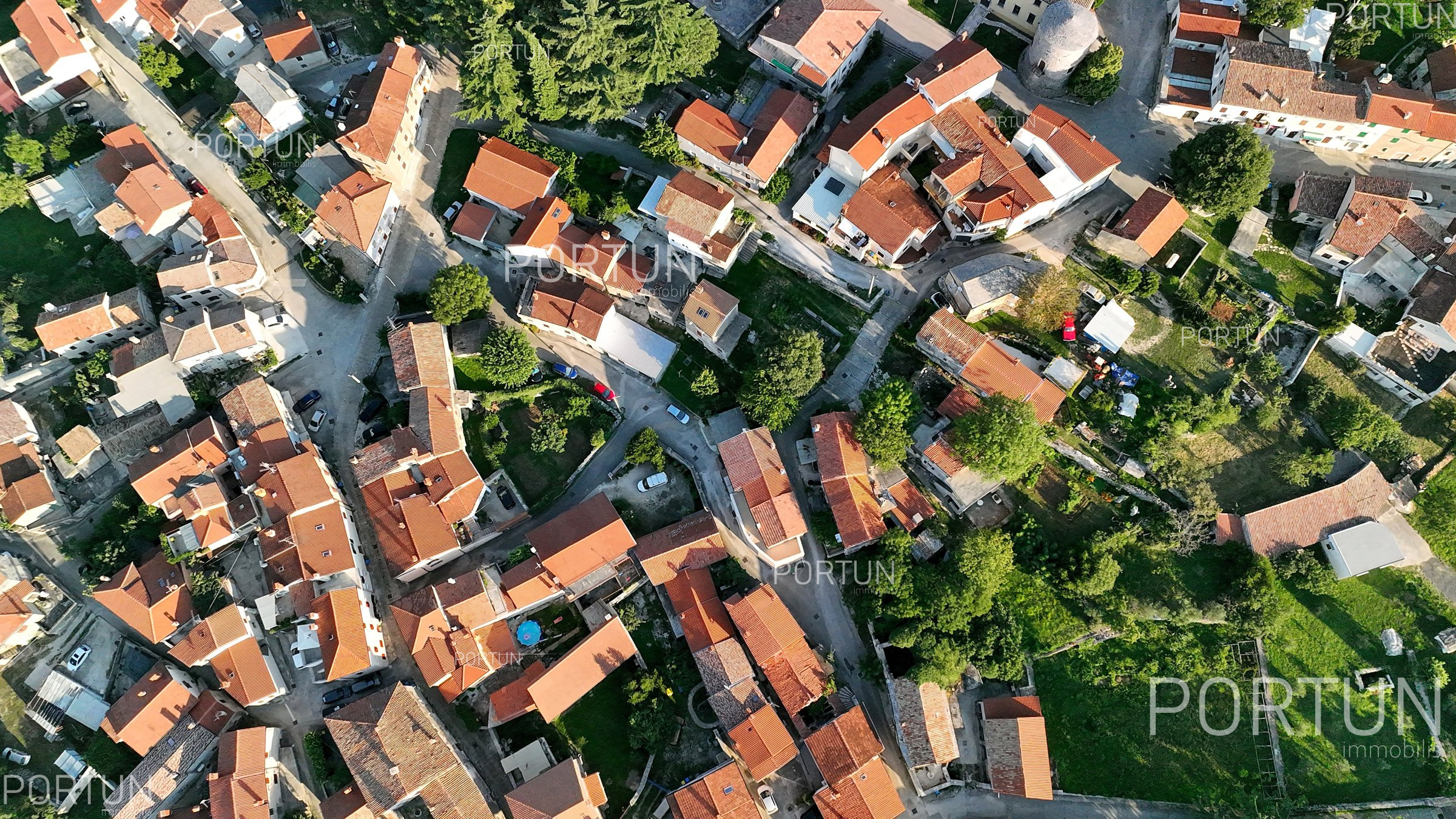
Areas that already have developed infrastructure have a higher chance of being included in construction zones.
This is one reason why land near existing settlements has greater value and potential.
How long does the urbanization process take
The urbanization process can take years, sometimes decades. It depends on development plans, administrative procedures, and local community priorities.
For investors seeking quick returns, this timeframe is often unacceptable.
Therefore, it is important to have realistic expectations and understand that urbanization is not a short-term strategy.
How to check the possibility of urbanization
The first step is to review the spatial plan of the municipality or city. These documents are publicly available and provide information about land use and planned changes.
Additionally, it is possible to consult urban planners or officials in relevant institutions.
This check allows for an informed decision and reduces risk.
Who benefits from investing in such land
Investing in land with urbanization potential is best suited for investors with a long-term strategy who are willing to wait.
For buyers who want to build in the short term, such land is not suitable.
It is important to align the investment horizon with realistic possibilities.
Most common buyer mistakes
The most common mistake is relying on unofficial information or promises without legal basis. Buyers often overlook official documents.
Another mistake is expecting quick changes in spatial plans.
Detailed analysis and consulting professionals are key to avoiding risks.
Conclusion
Land urbanization in Istria is not a myth, but it is neither a simple nor a quick process. The difference between a successful and a poor investment lies in understanding realistic possibilities and limitations.
For investors who approach the market informed and strategically, opportunities can be found. However, relying on assumptions and unrealistic expectations often leads in the opposite direction.
Related guides and useful articles
Topic guides for buying and verifying building land in Istria
To realistically assess land urbanization, it is essential to understand spatial planning rules and verify construction conditions for a specific plot.
Tags
land urbanization, land rezoning, spatial plan, zoning plan, building conditions, building land, agricultural land, permits, legality, building restrictions, infrastructure, municipal fees, procedure, purchase risks, urbanization myths