Introduction
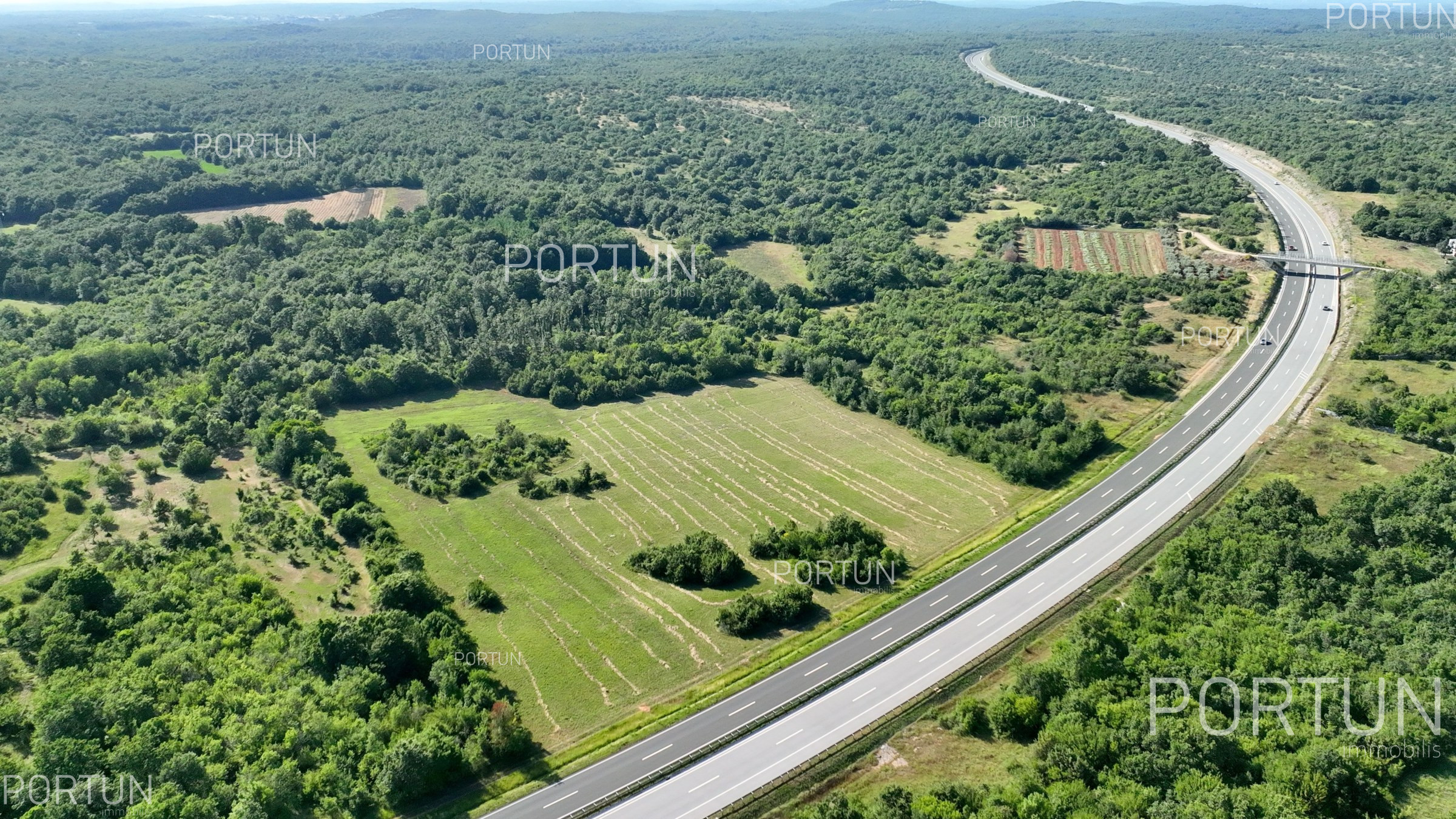
Buying land in Istria often starts with a simple question – is it building land or agricultural land? Although the difference seems clear at first glance, this is where buyers most often make mistakes in practice. The listing may contain basic information, but the actual possibility of construction, the long-term value of the land, and the investment potential depend on a range of urban planning and legal factors that are not always immediately visible.
Especially buyers coming from abroad or urban areas often assume that land rezoning is possible or that the building zone will expand over time. Such assumptions can lead to wrong investment decisions because spatial plans change rarely and under clearly defined conditions.
This guide explains the key differences between building and agricultural land in Istria, what buyers commonly misunderstand, and how to make a decision aligned with the real possibilities of the land and its planned use.
What building land actually means
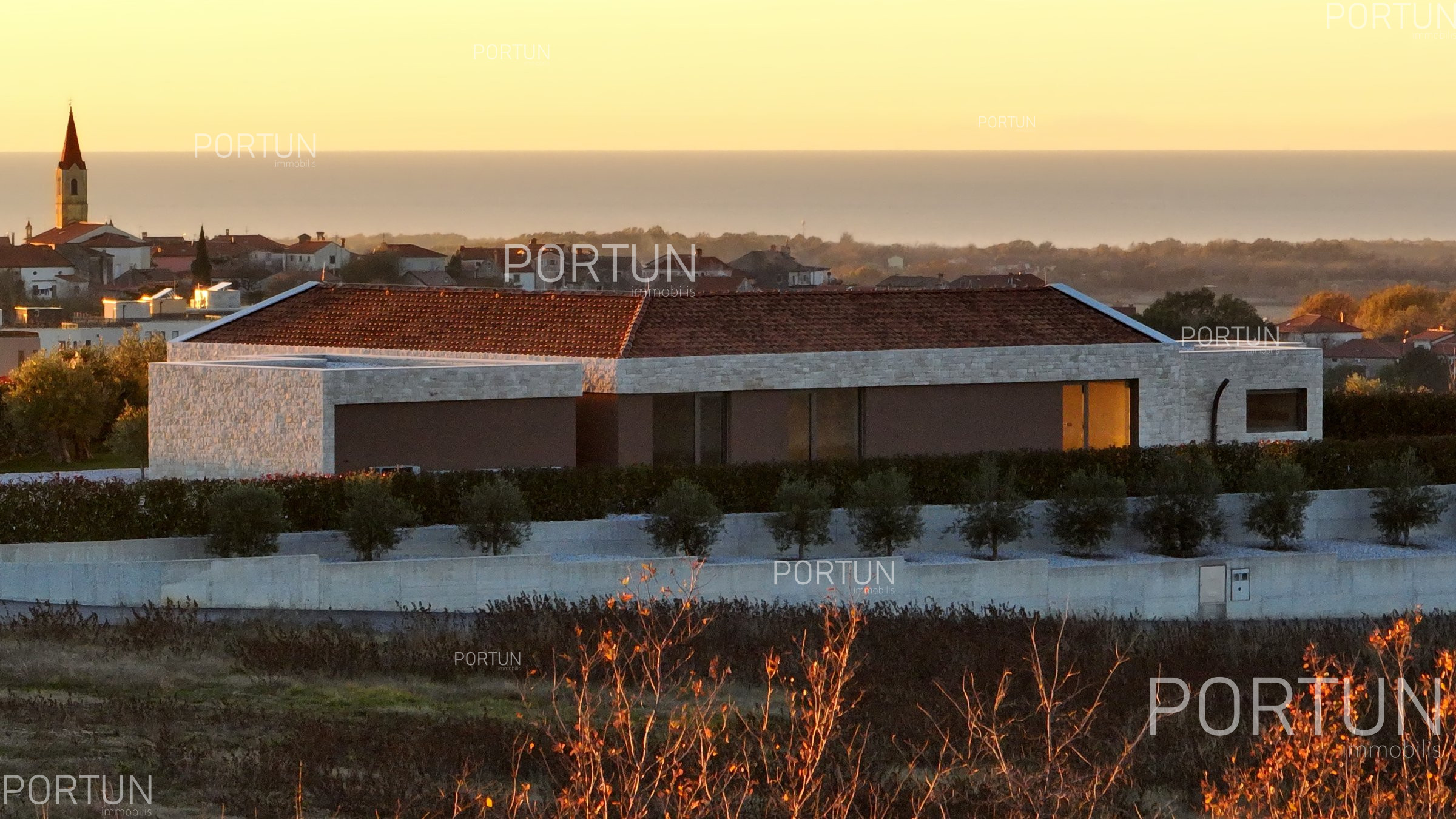
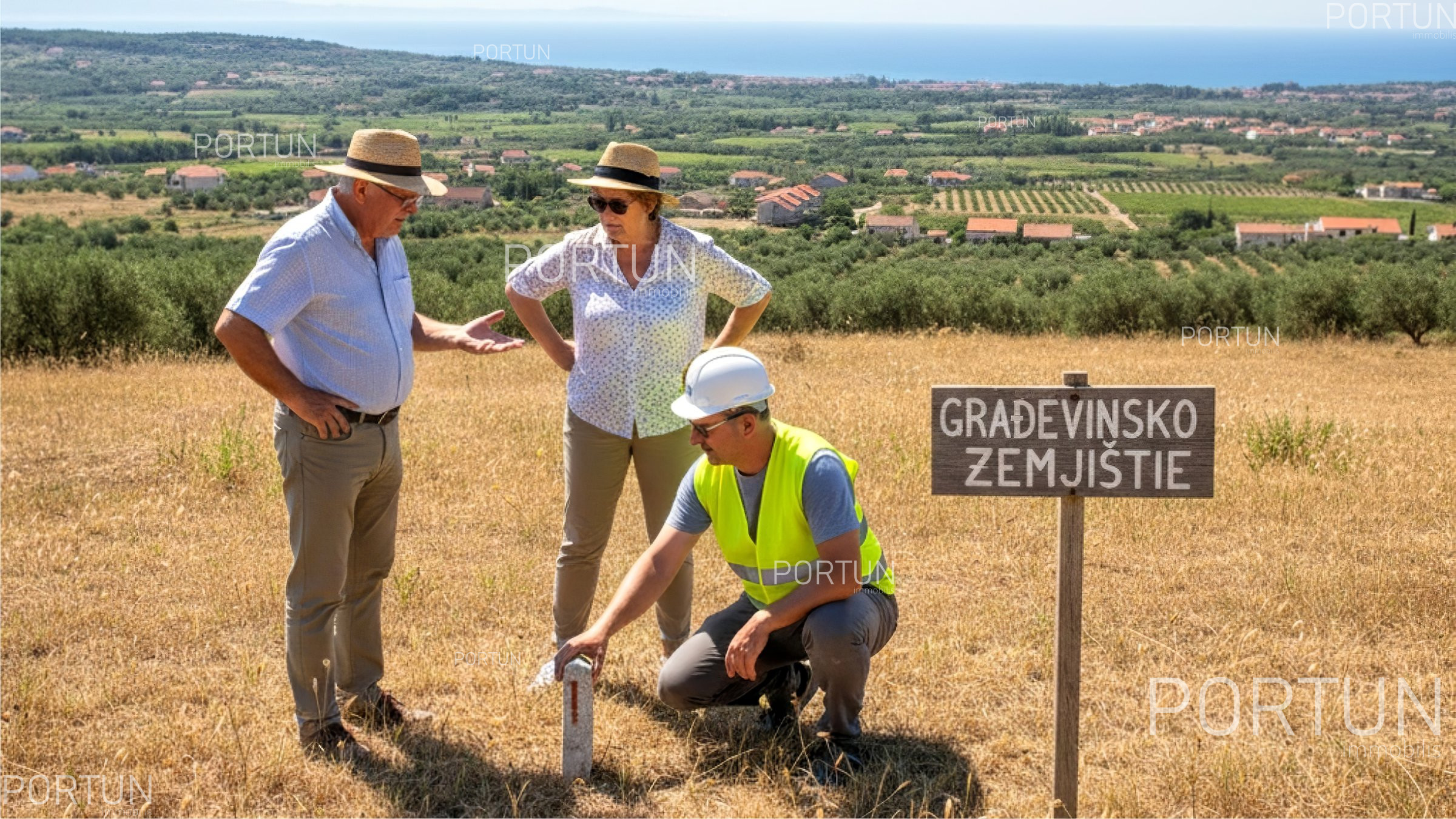
Building land is a plot that, according to the valid spatial plan, lies within the building area of a settlement or a designated building zone. This means that construction is generally allowed on such land, but under clearly defined conditions. It is important to understand that the designation of building land does not mean complete freedom to build.
The spatial plan determines the maximum building density, building height, number of floors, distance from neighboring plots, and the purpose of the building. In some zones, only family houses are allowed, while in others holiday homes or tourist facilities may be permitted.
Buyers often mistakenly assume that multiple buildings can be constructed on a larger plot, although urban planning conditions do not allow this. Therefore, before purchasing, it is necessary to check not only the land status but also the specific building conditions.
Agricultural land and its actual purpose
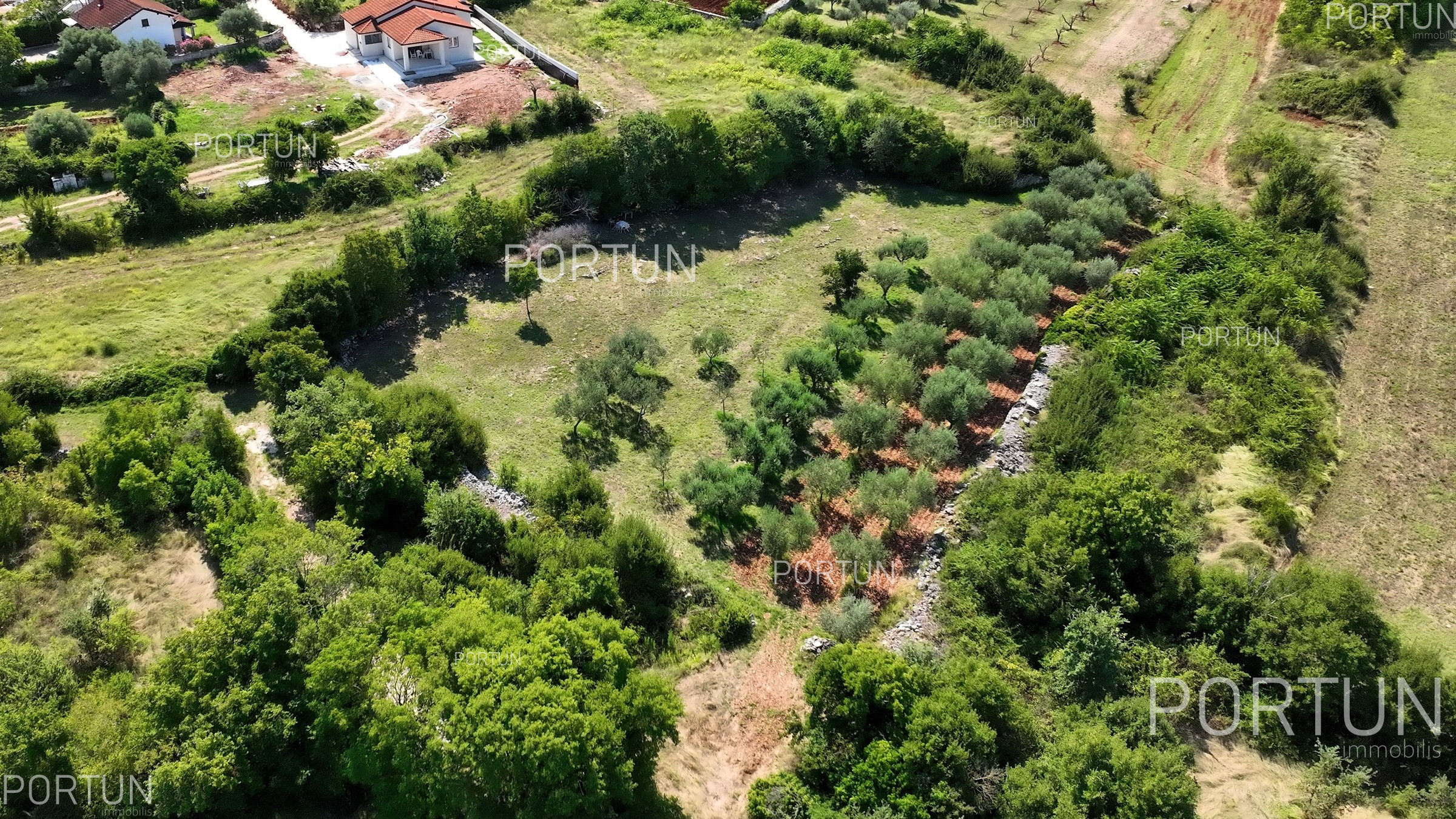
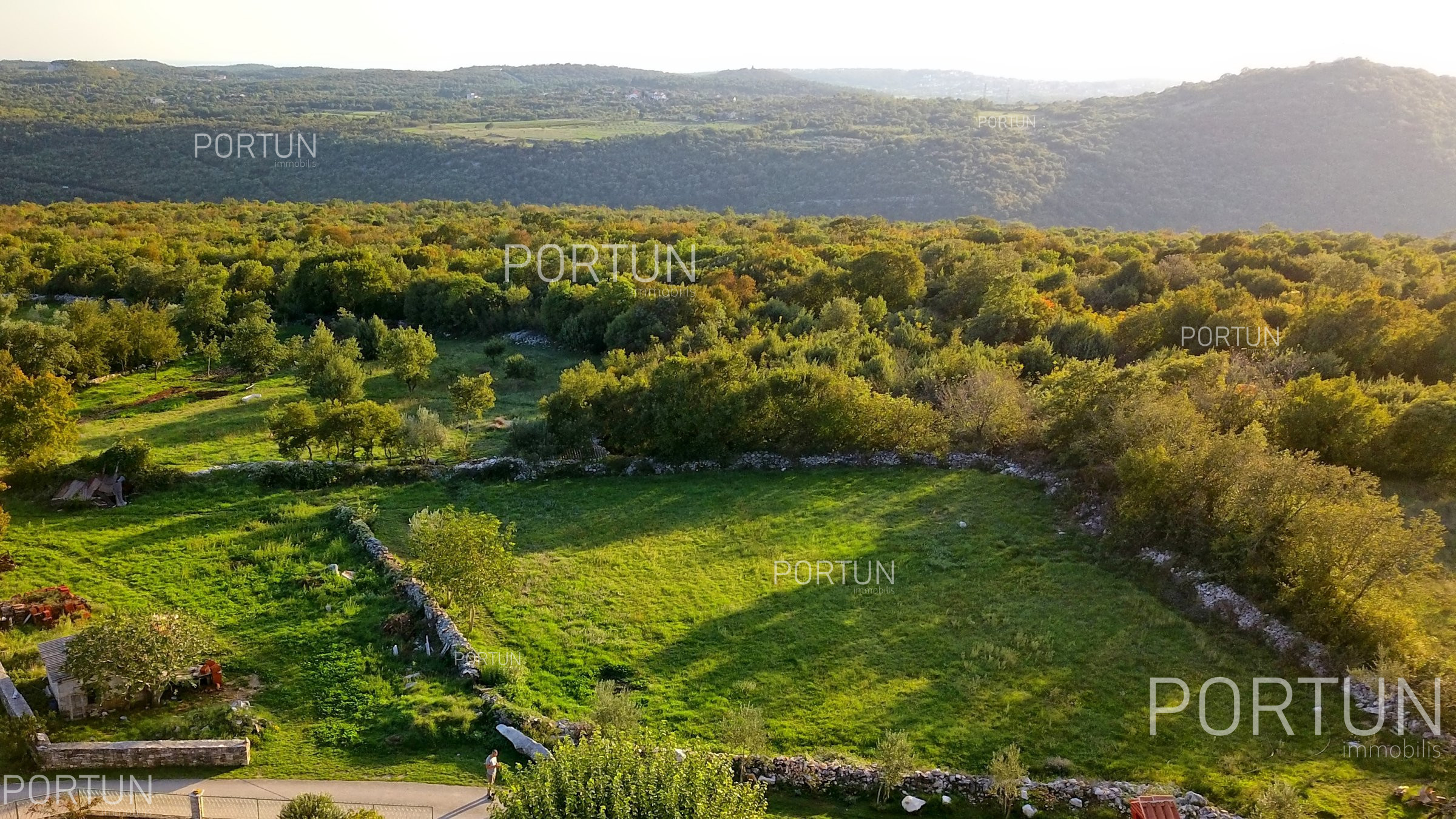
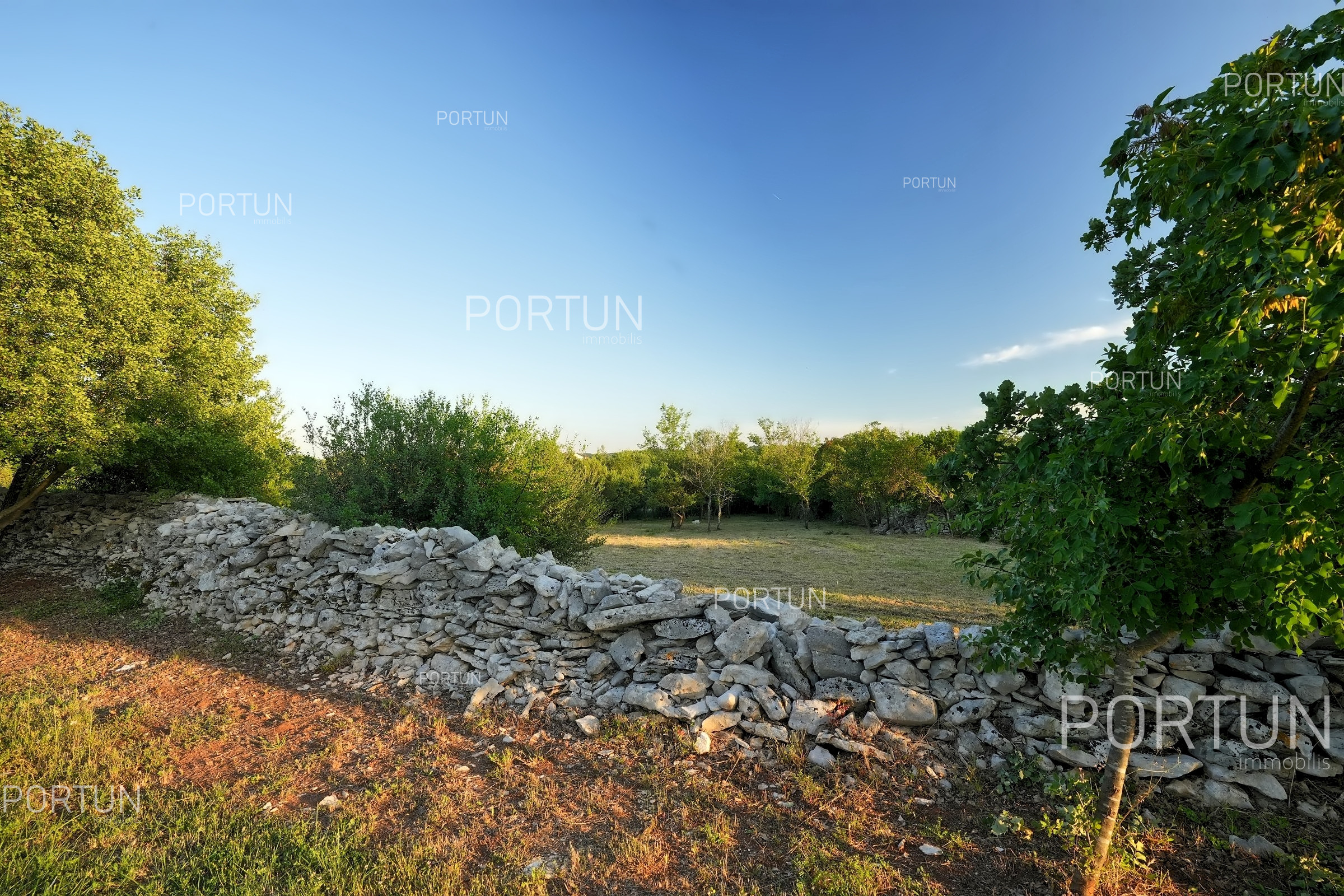
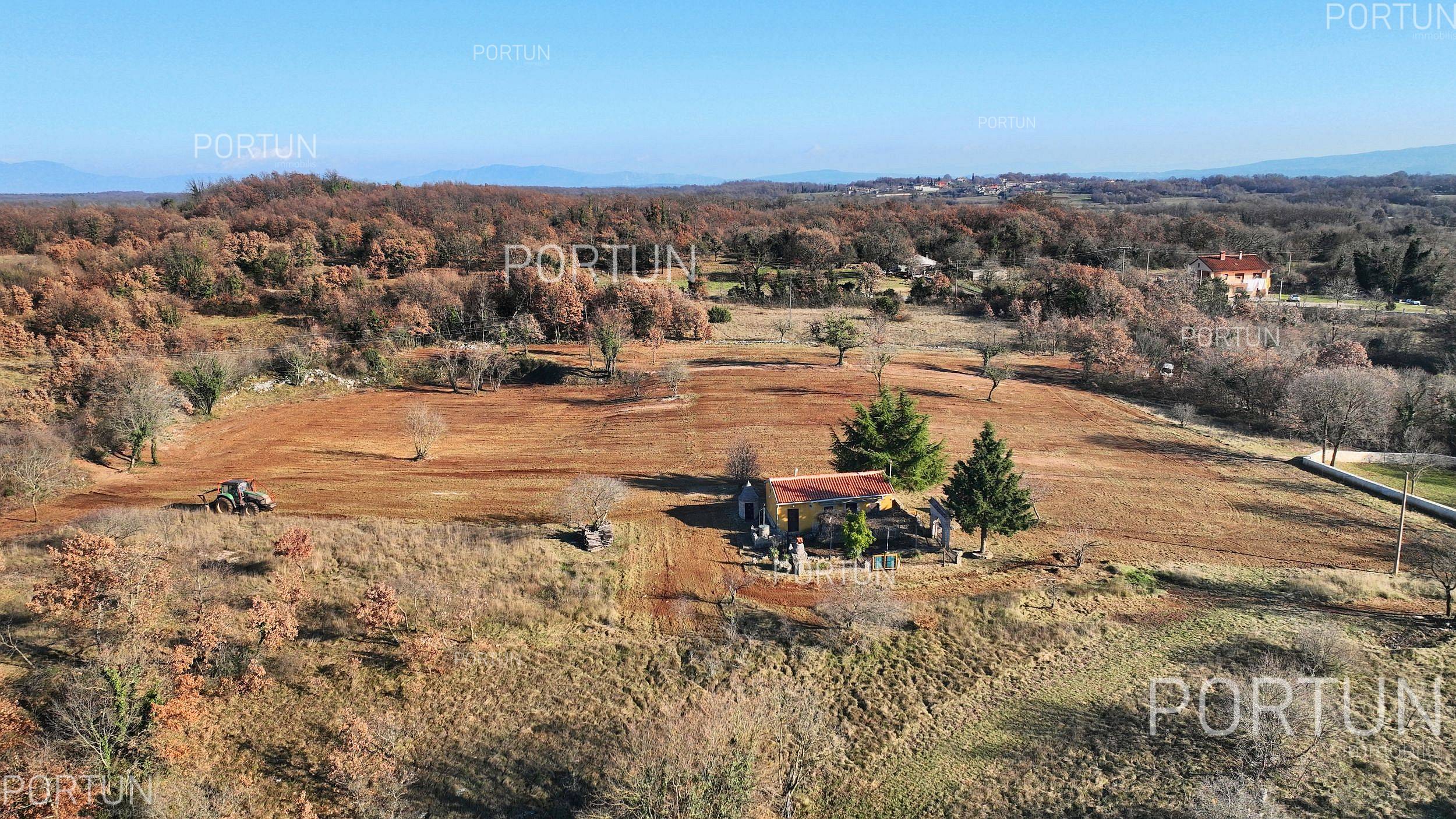
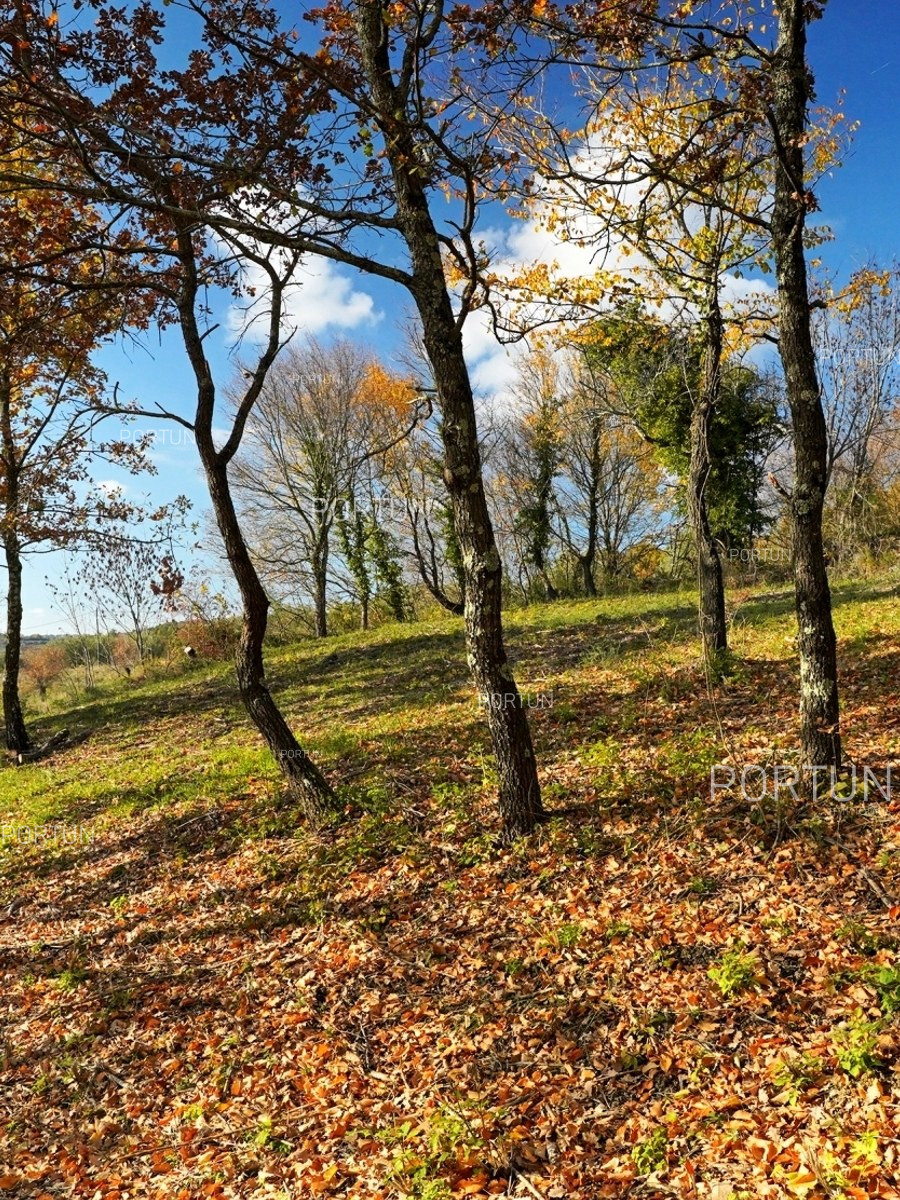
Agricultural land is intended exclusively for agricultural production, olive groves, vineyards, or other forms of land use related to farming. Residential construction is generally not permitted on such land.
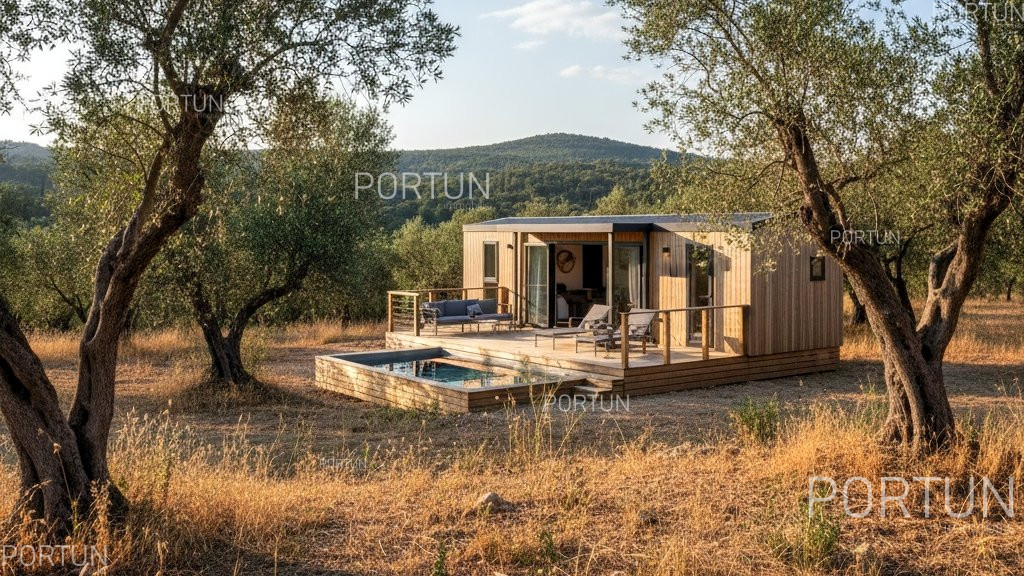
In practice, buyers often believe it is possible to place a prefabricated house, mobile unit, or later obtain rezoning. However, the law clearly states that agricultural land cannot be used for housing without changing the spatial plan, which is a lengthy and uncertain process.
There are exceptions related to agricultural buildings or facilities serving agricultural functions, but these have strict conditions and cannot be used as standard residential buildings.
The myth of land rezoning
One of the most common misconceptions in the market is the belief that agricultural land will eventually be urbanized. Although spatial plans occasionally change, rezoning is the exception, not the rule.
Municipalities and cities plan spatial development long-term, considering infrastructure, land protection, and demographic needs. Most agricultural land remains outside building zones for decades.
Buying land solely with the intention of future rezoning represents a high investment risk because the buyer has no control over this process.
Price difference and why it exists
Building land generally has a significantly higher price than agricultural land precisely because of the possibility of construction. The price difference is not only market-driven but reflects the actual utility value of the land.
Buyers sometimes consider agricultural land a cheaper option because the initial price is lower. However, without the possibility of construction, its function remains limited, which also affects future liquidity when selling.
It is important to understand that a lower price often means much less flexibility in land use.
Partially building land – a common trap
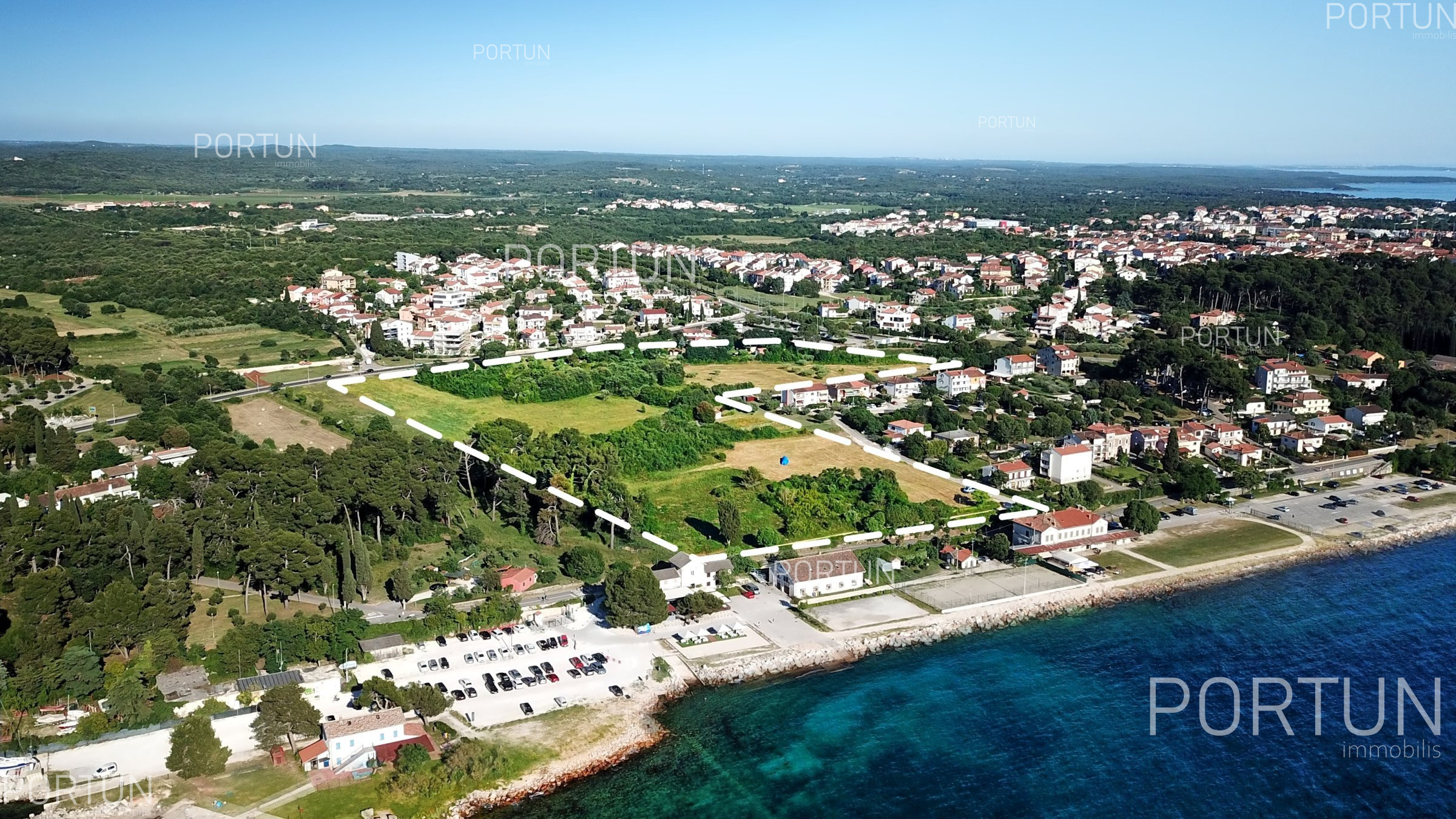
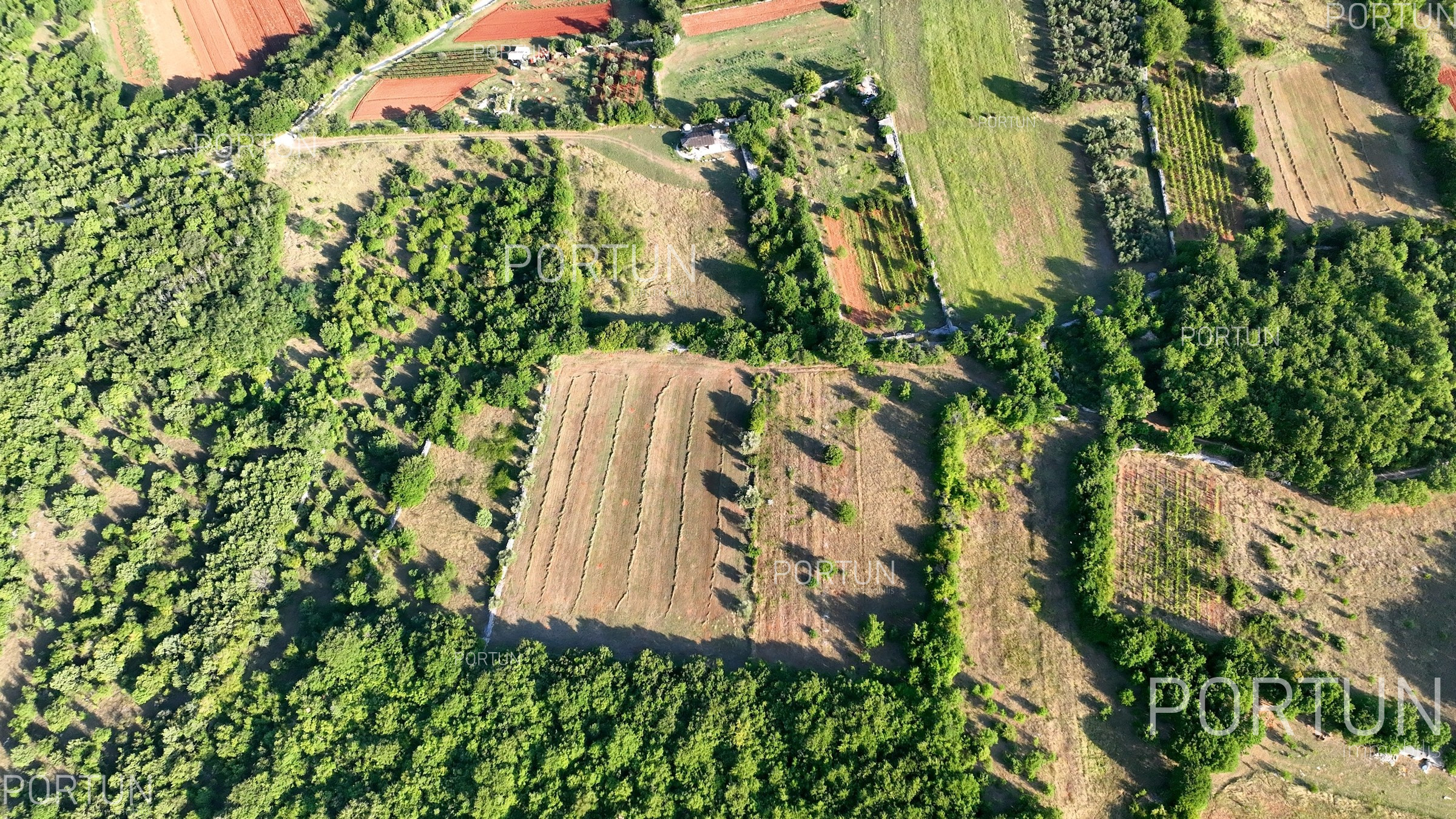
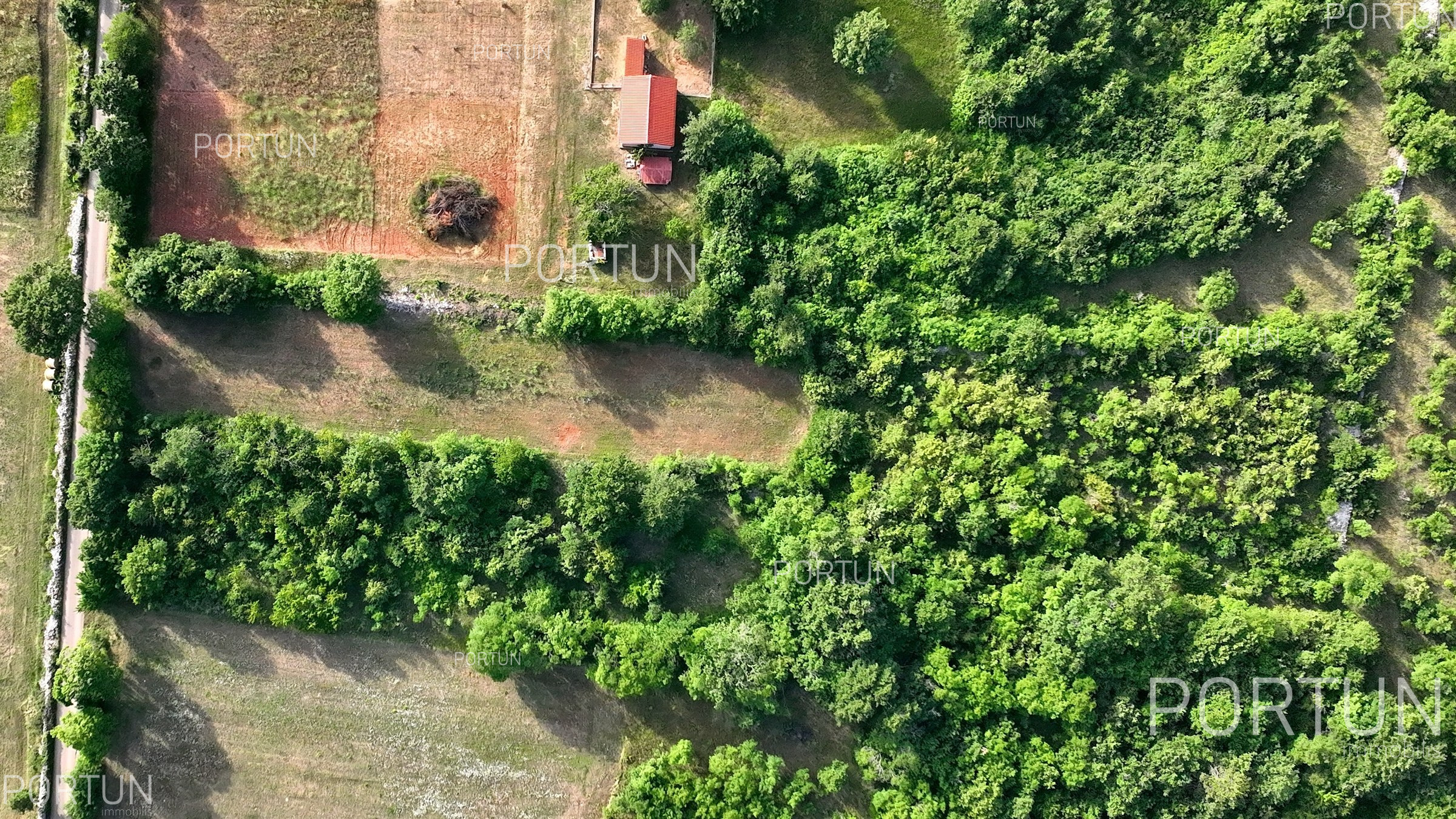
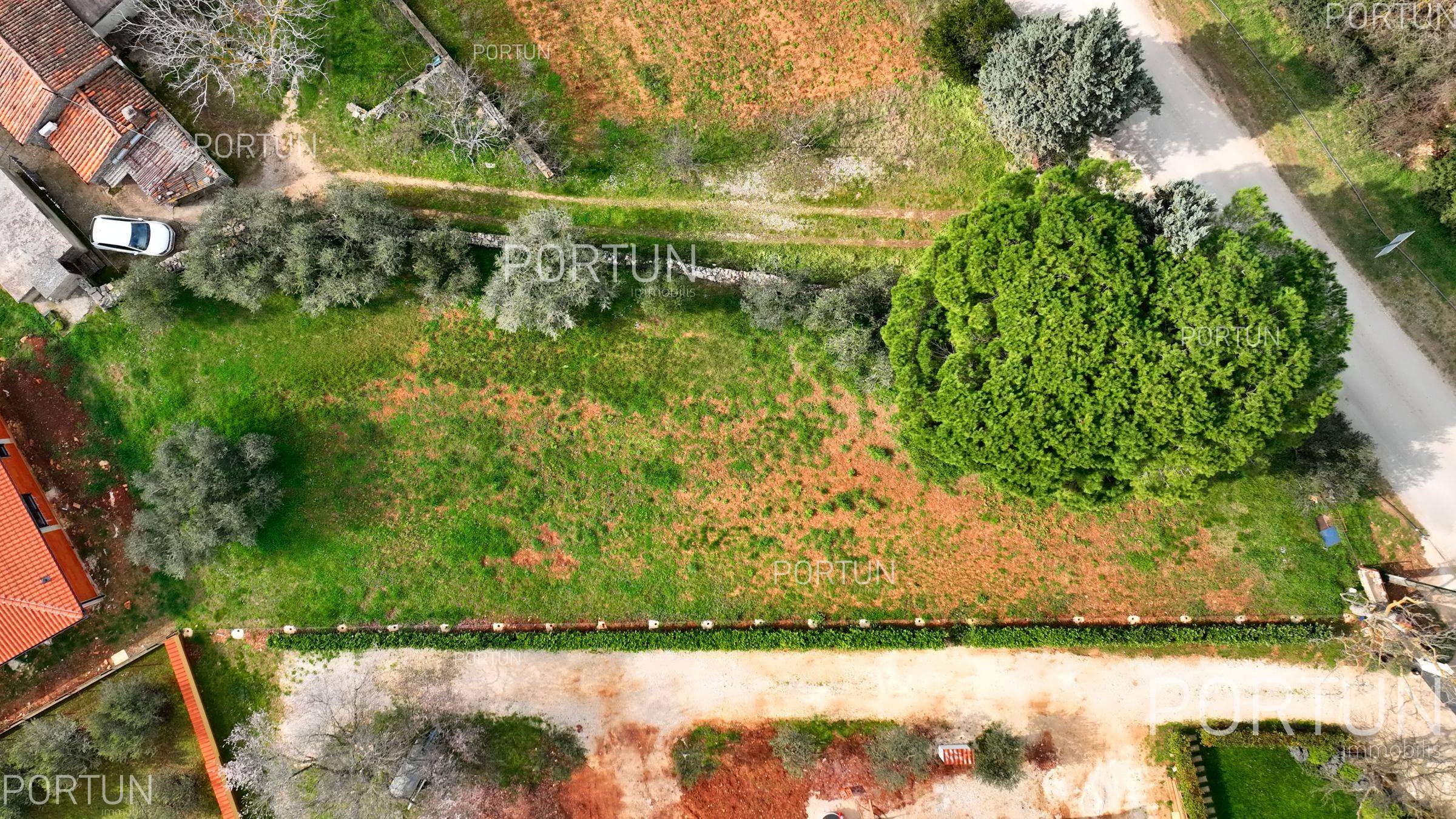
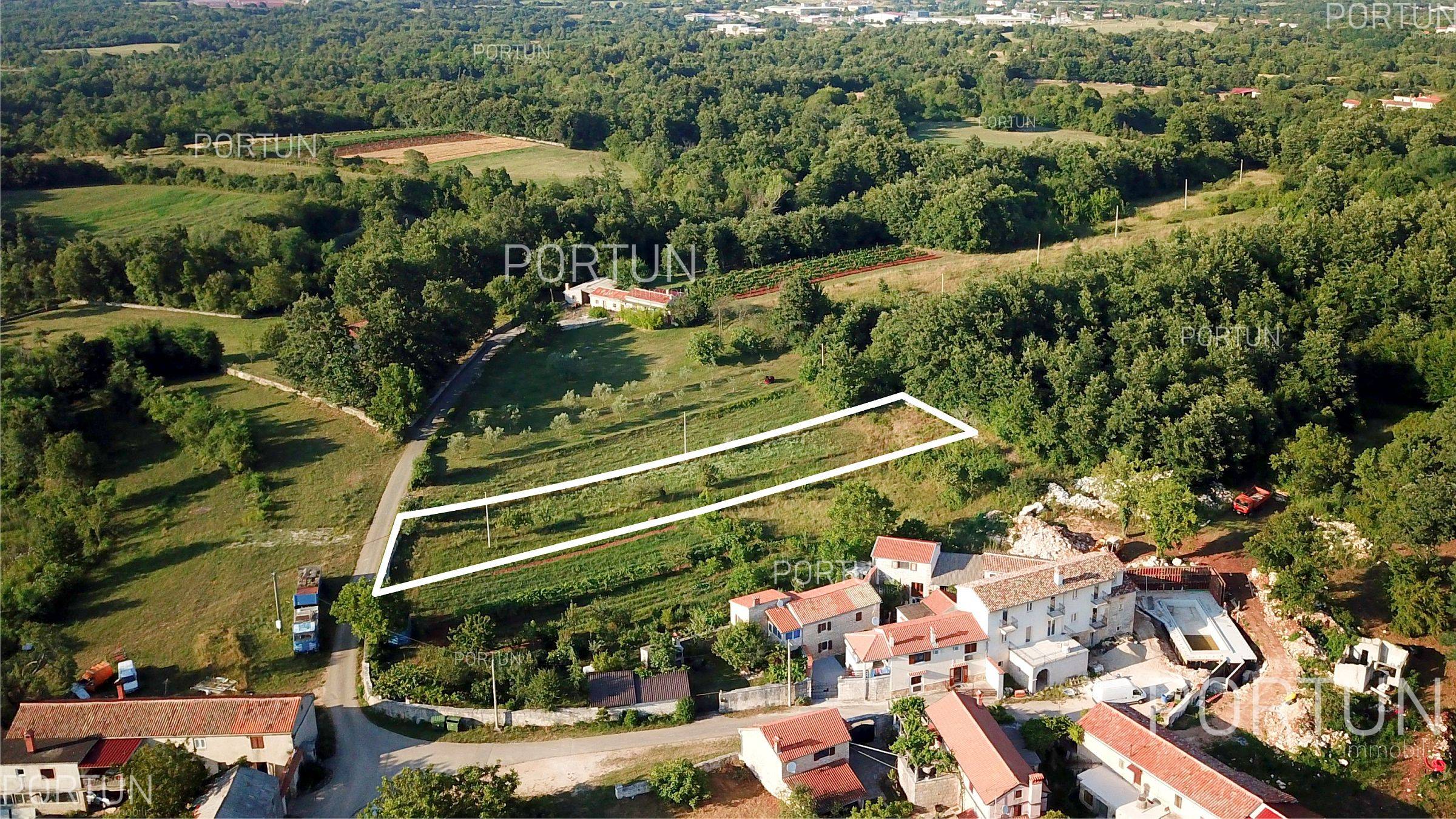
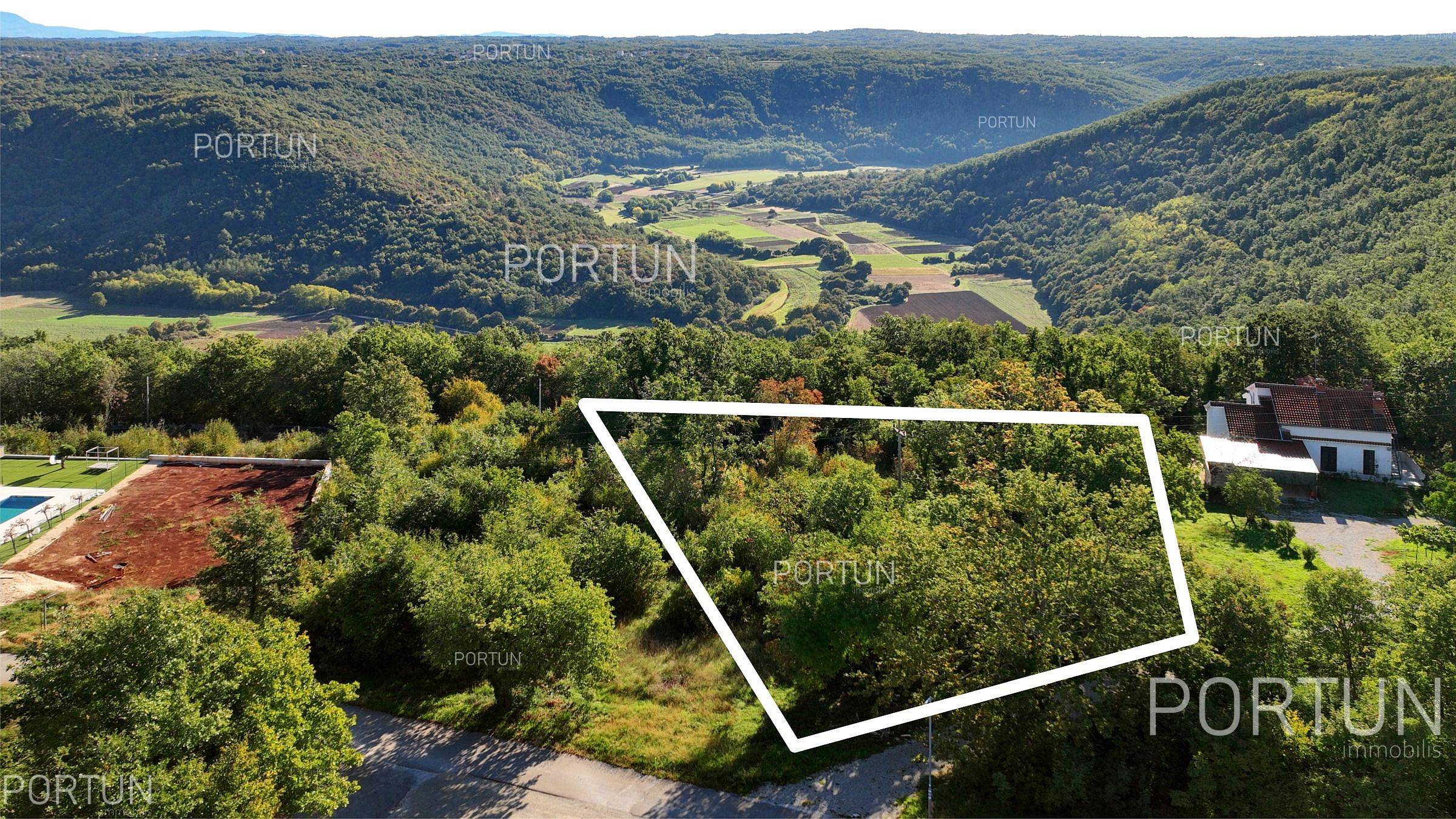
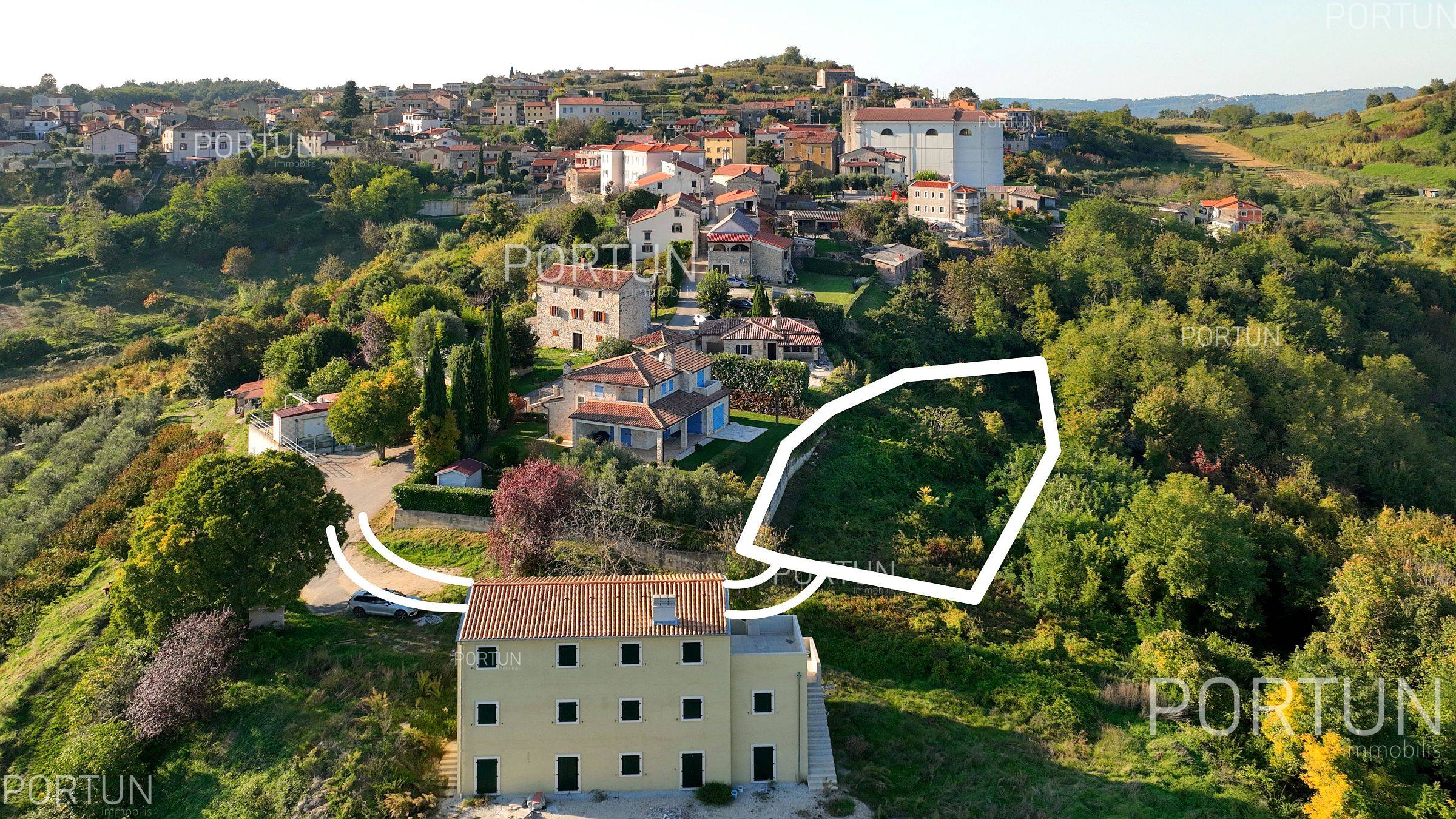
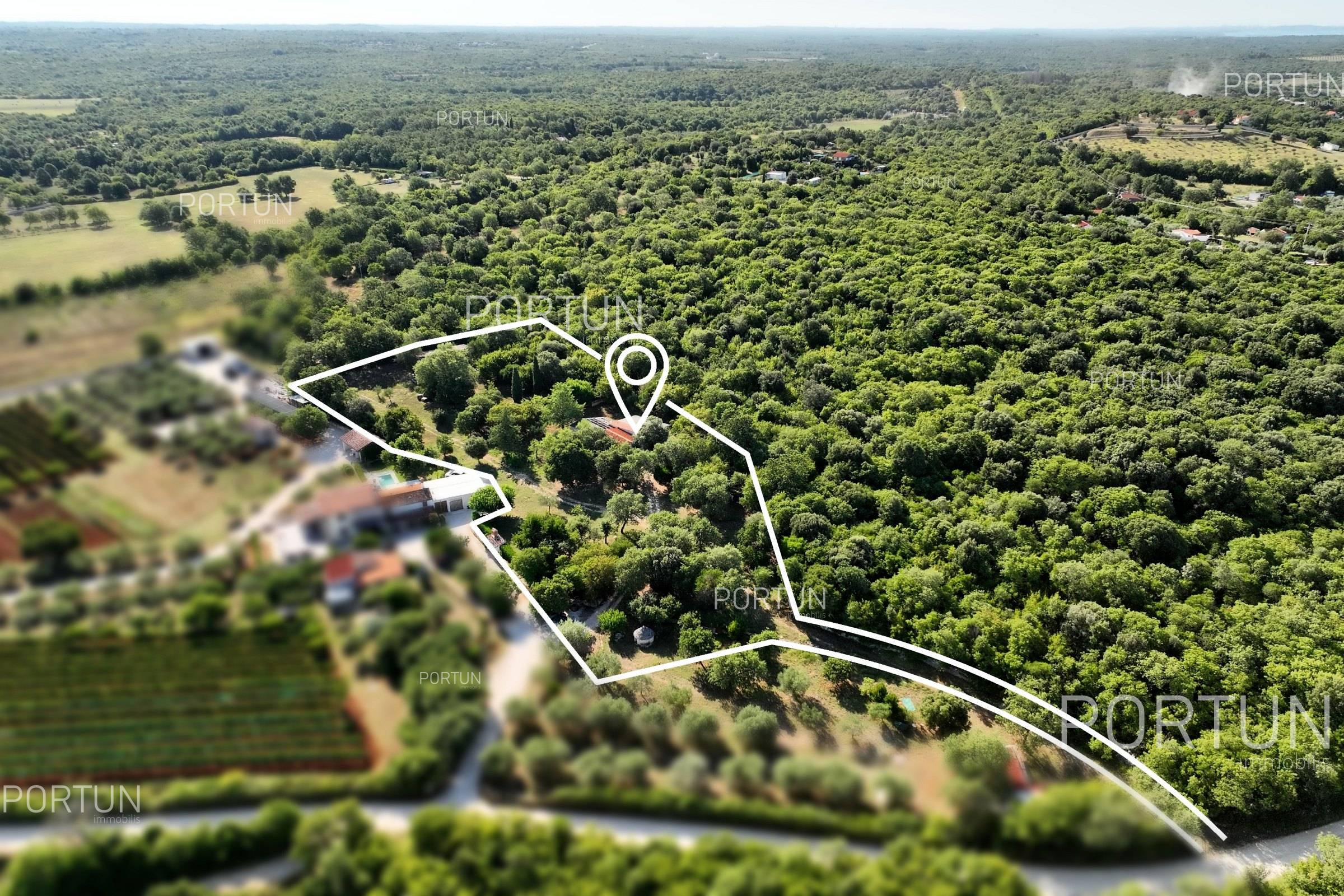
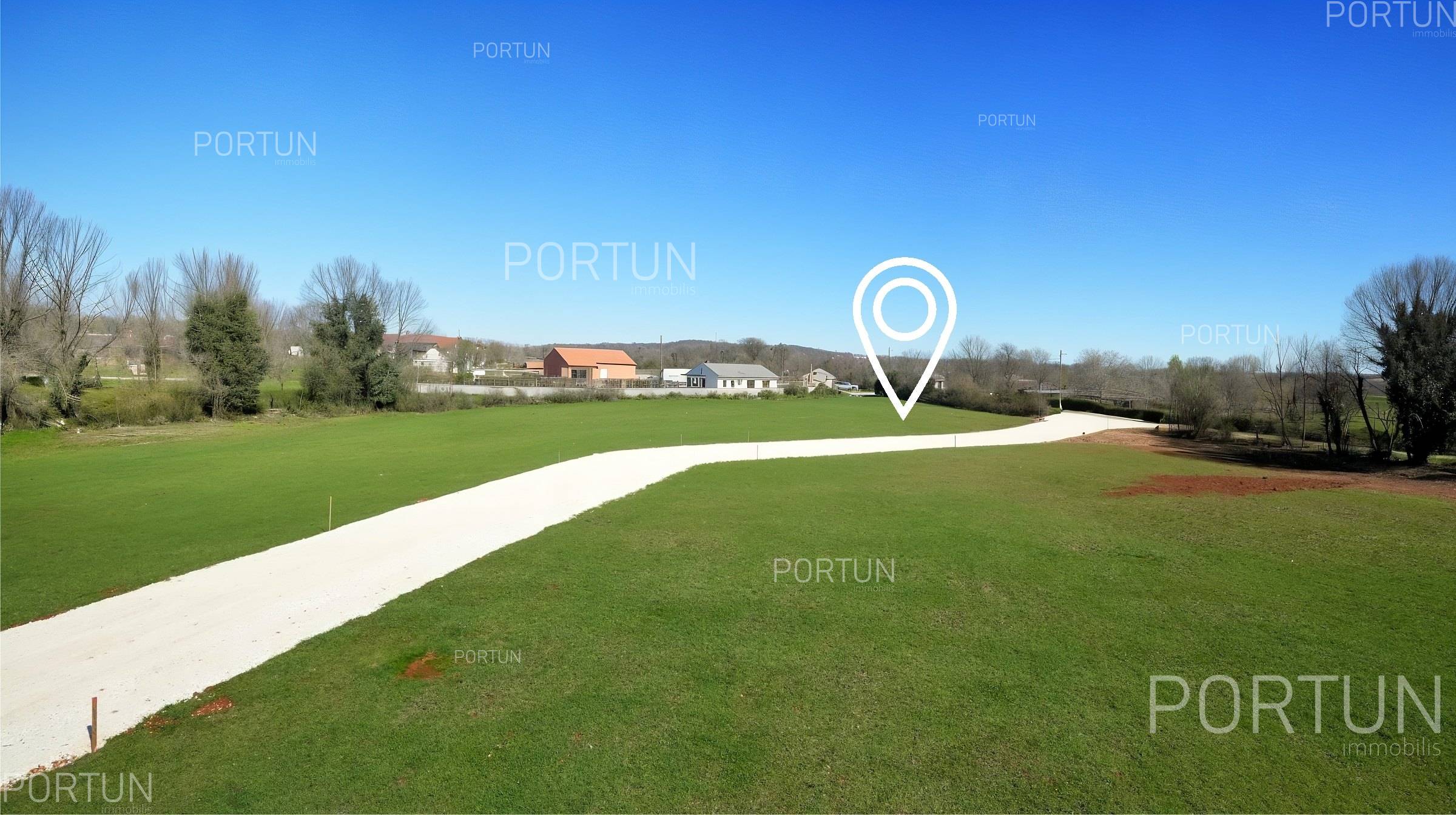
In Istria, plots that are only partially within the building zone are common. Listings often emphasize the total land area, while the actual buildable area is smaller.
Such plots can be very interesting but require precise analysis because the location of the building part determines the possibility of placing a building. If the building zone is narrow or irregularly shaped, design options may be limited.
Before purchasing, it is necessary to clearly determine how much of the plot is actually designated for construction.
Infrastructure as a key difference
Building land is usually located in areas where basic infrastructure exists or is planned. Agricultural land often lacks access to water, electricity, or roads.
Even when infrastructure is relatively close, connecting it can be technically or financially demanding. Buyers planning long-term land use should consider these factors as well.
The presence of infrastructure is one reason why building land has a higher market value.
Investment potential and long-term value
Building land generally has a more stable investment potential because it allows construction and attracts a wider range of future buyers. Agricultural land may have value for specific uses, but the buyer market is much narrower.
In tourist areas of Istria, demand for building land remains stable due to interest in holiday home construction. On the other hand, agricultural land depends more on local demand and agricultural production.
Understanding the purchase purpose is crucial for properly assessing long-term value.
How to avoid common misunderstandings when buying
The safest way to avoid mistakes is to check the spatial plan before buying. The land status must be clearly defined, and construction possibilities confirmed through official documentation.
In practice, consulting an architect or expert who can assess the actual potential of the land is recommended. This avoids situations where buyer expectations do not match real possibilities.
Buying land should be the result of an informed decision, not assumptions or verbal information.
Conclusion: understanding land use as the foundation of a good decision
The difference between building and agricultural land is not just administrative but determines the way the land can be used, its investment potential, and the long-term value of the property. Most mistakes occur when buyers make decisions without fully understanding these differences.
When goals are clearly defined and spatial planning conditions checked before purchase, the land becomes a secure foundation for a future project. An informed approach enables risk avoidance and making a decision that is sustainable in the long term.
Related guides and useful articles
Guides for buying building land in Istria
To better understand land use and building conditions, it is useful to compare spatial plans and documentation.
Land offer in Istria
To compare different land types, explore building land for one or two houses, mixed-use land in Istria, and large agricultural and forest land in Istria.
Tags
building land, agricultural land, land use, building zone, spatial plan, building conditions, construction limits, mixed-use land, land registry, pre-purchase checks