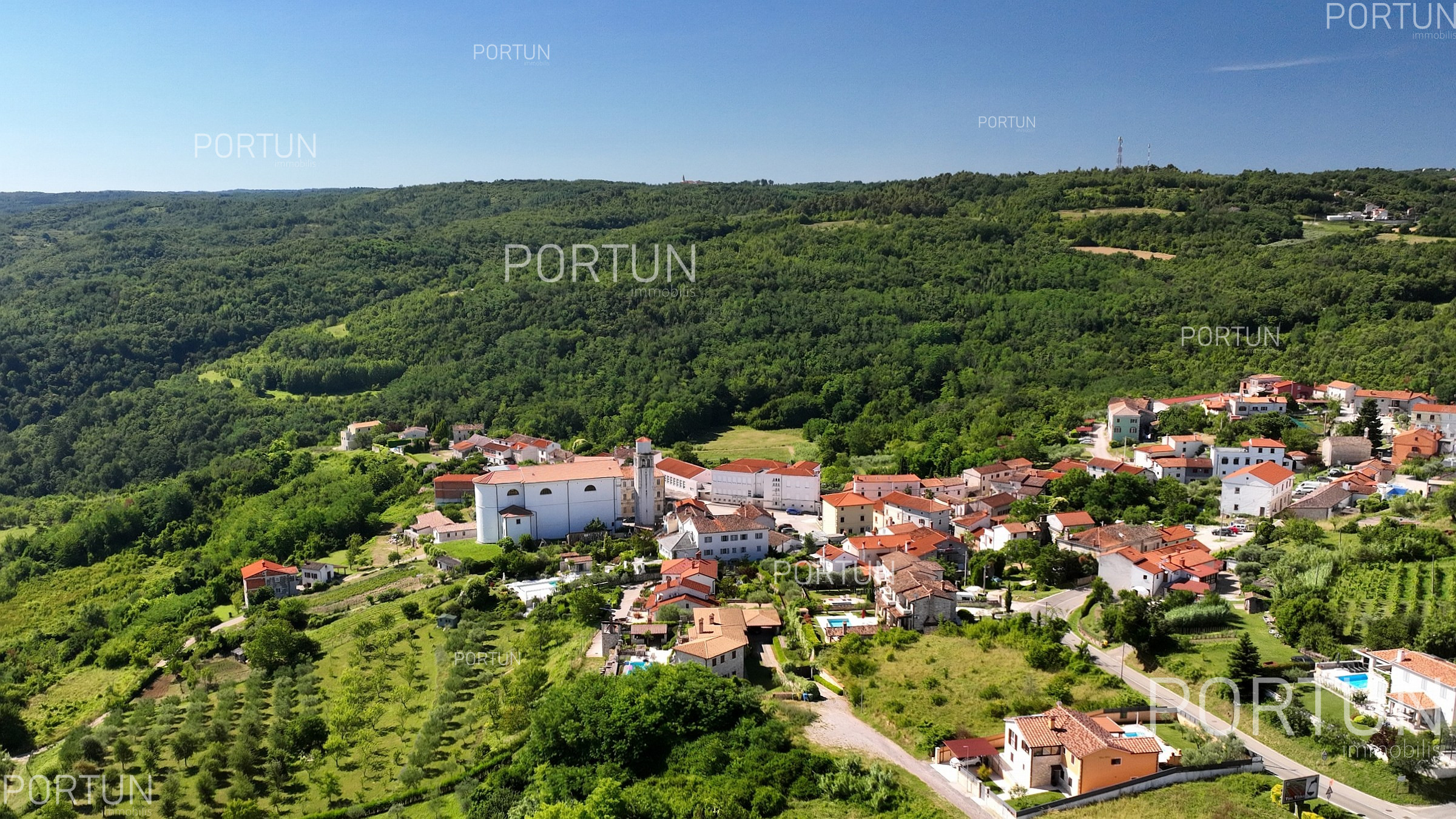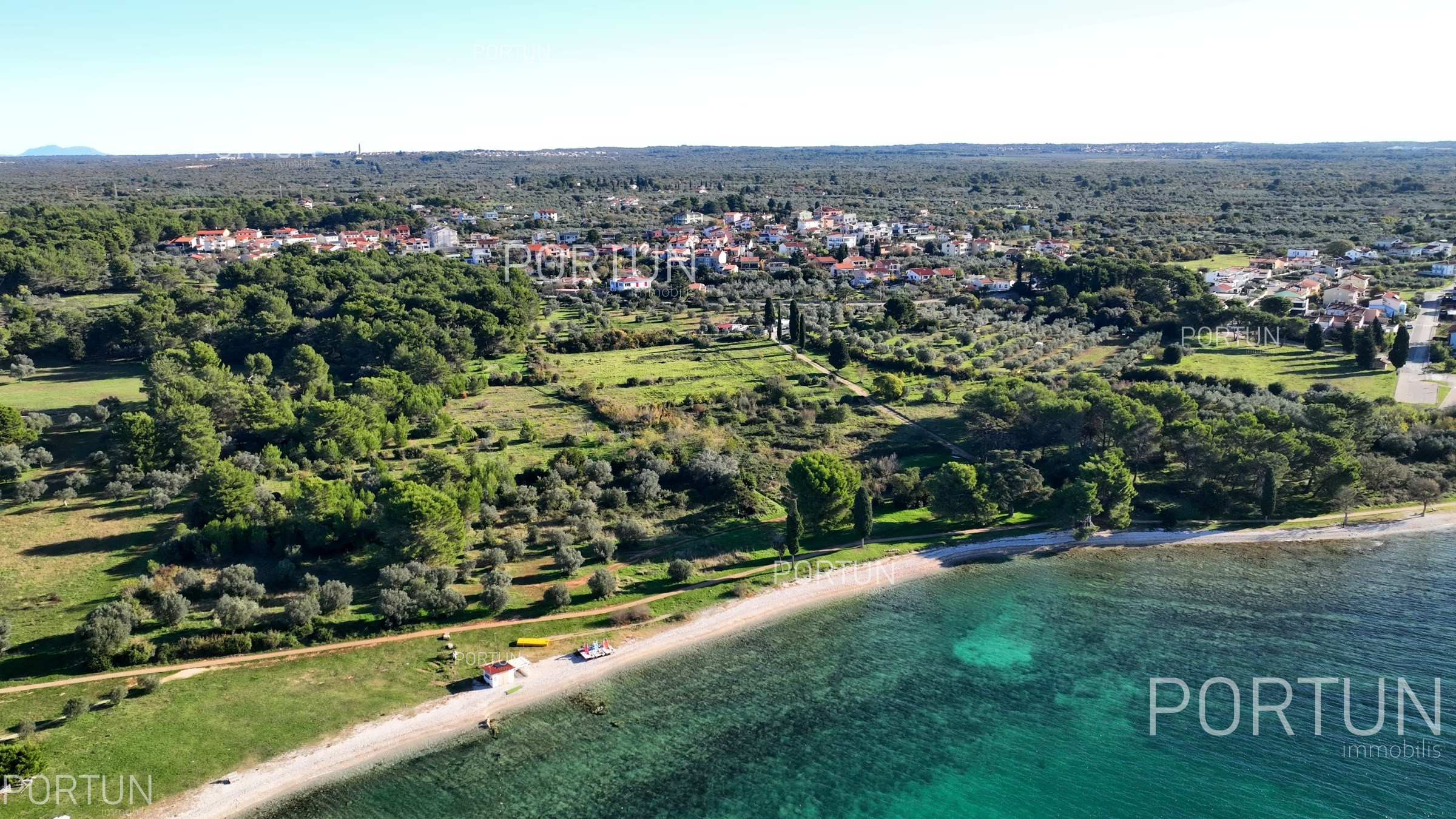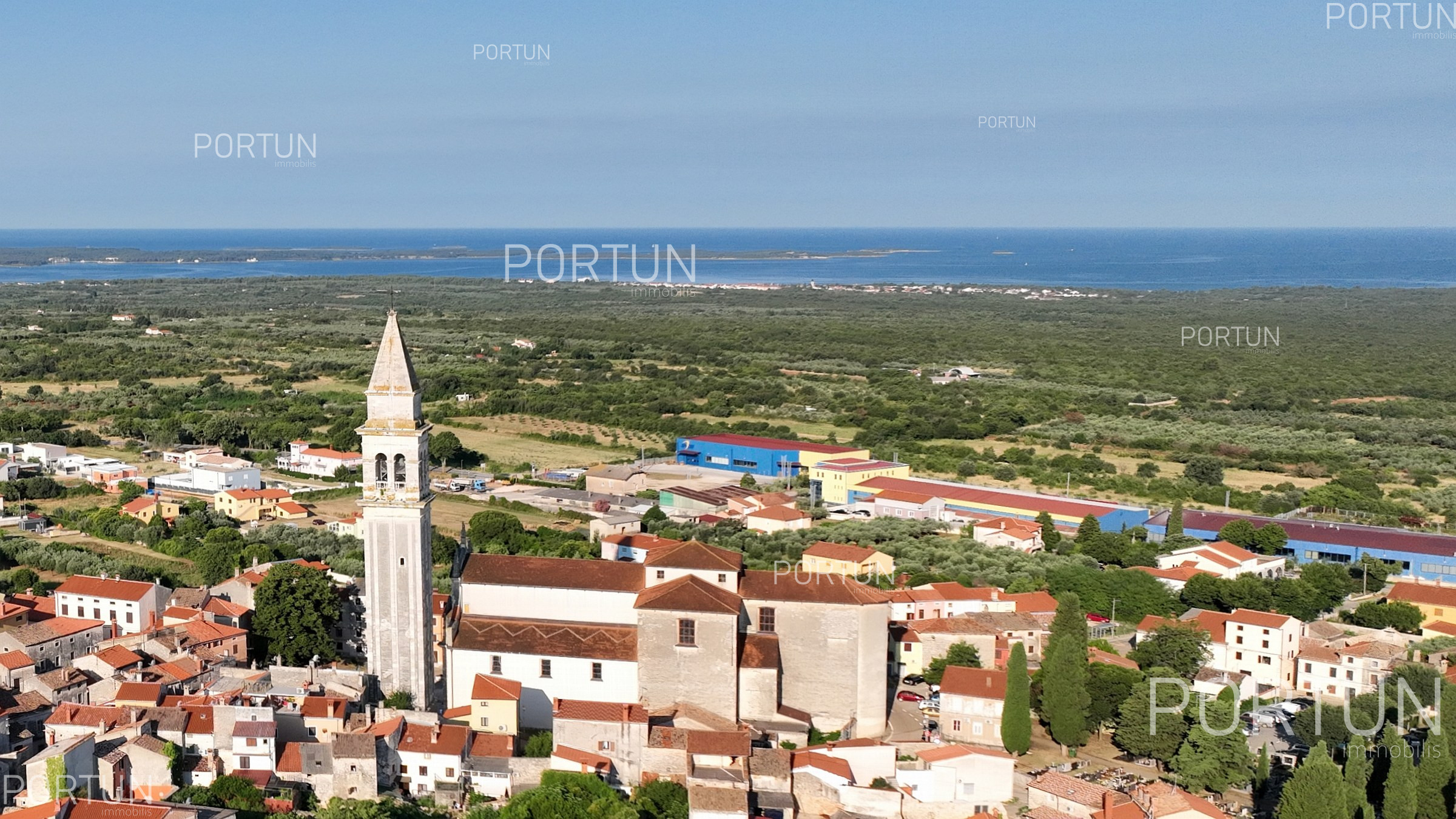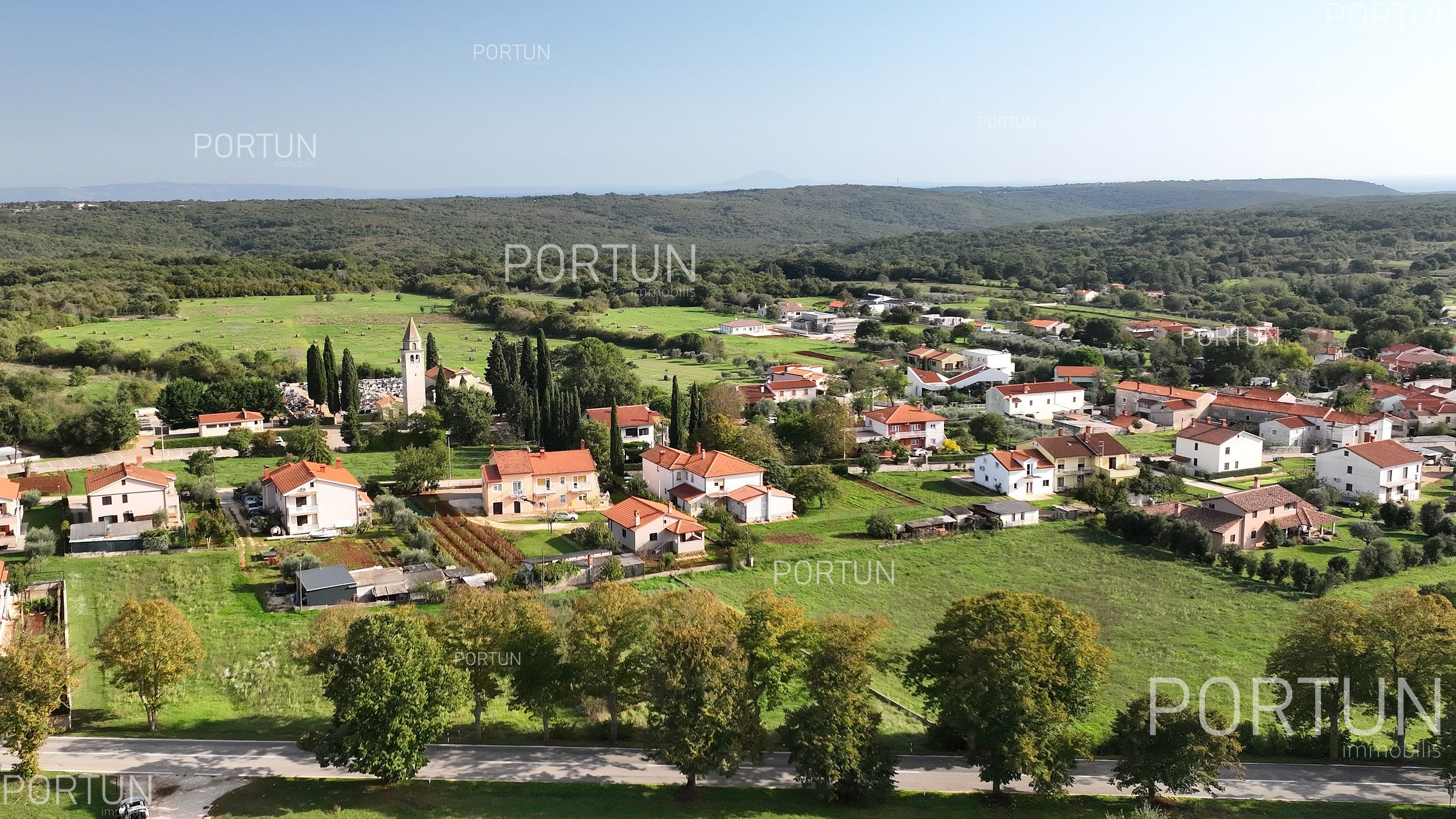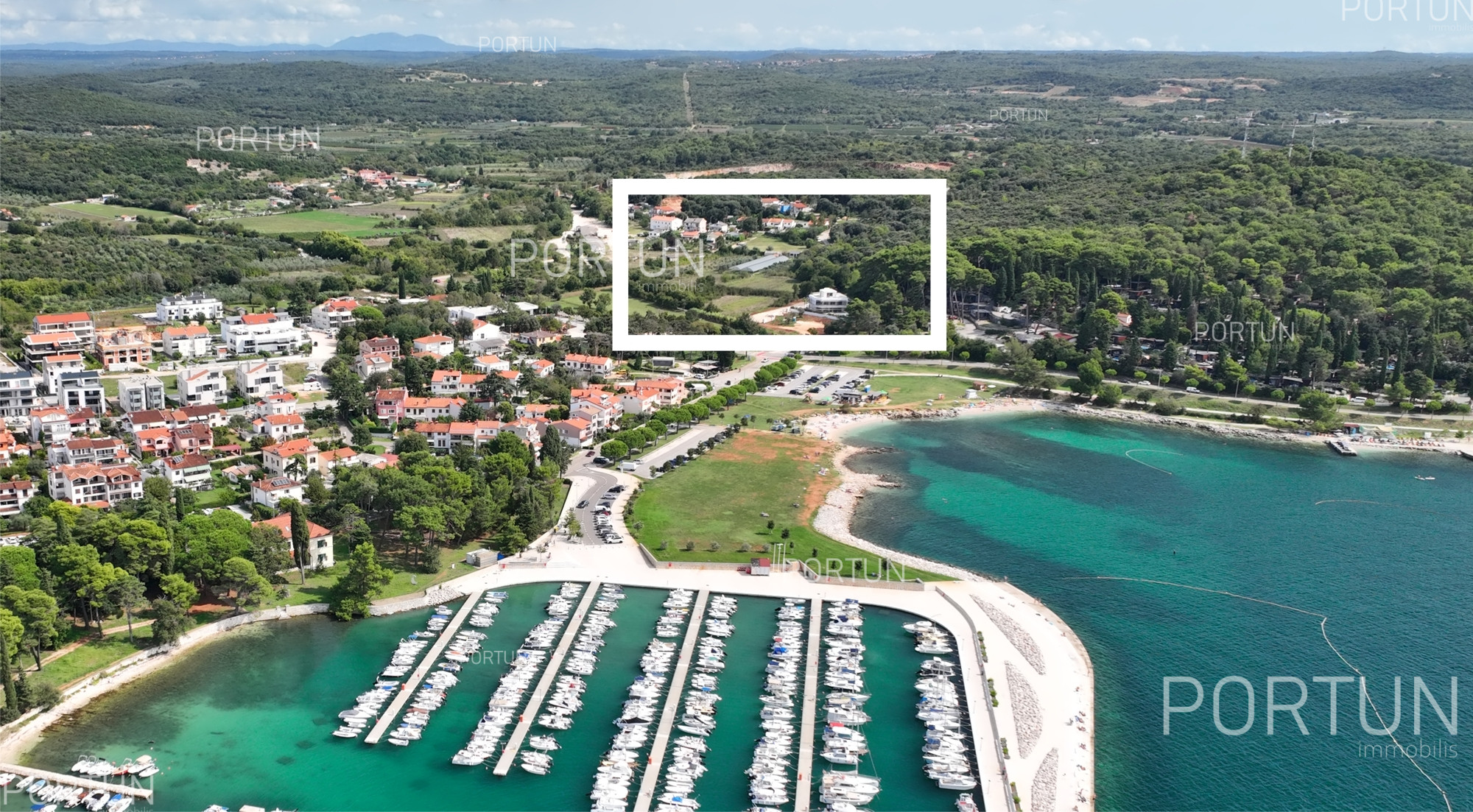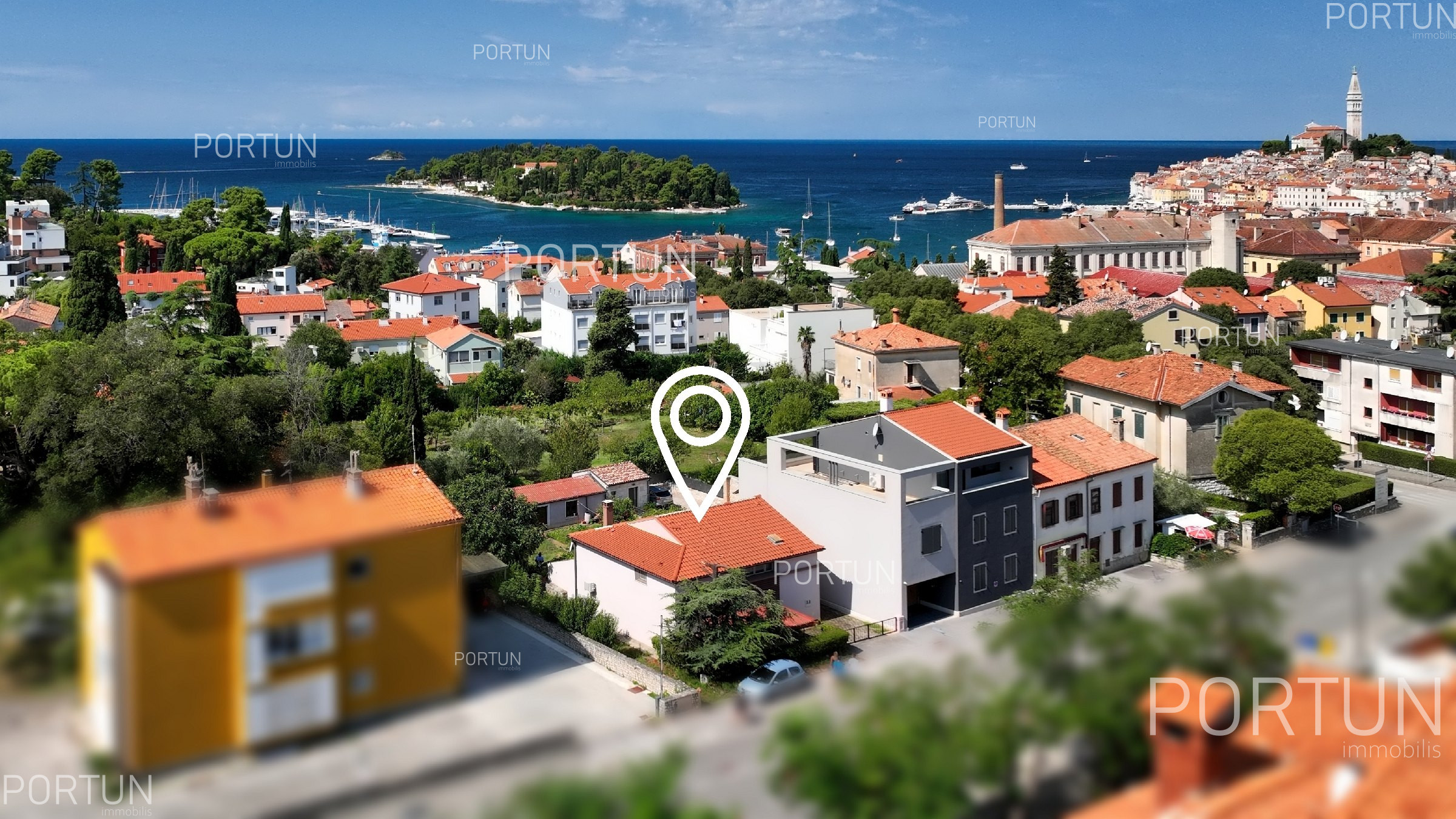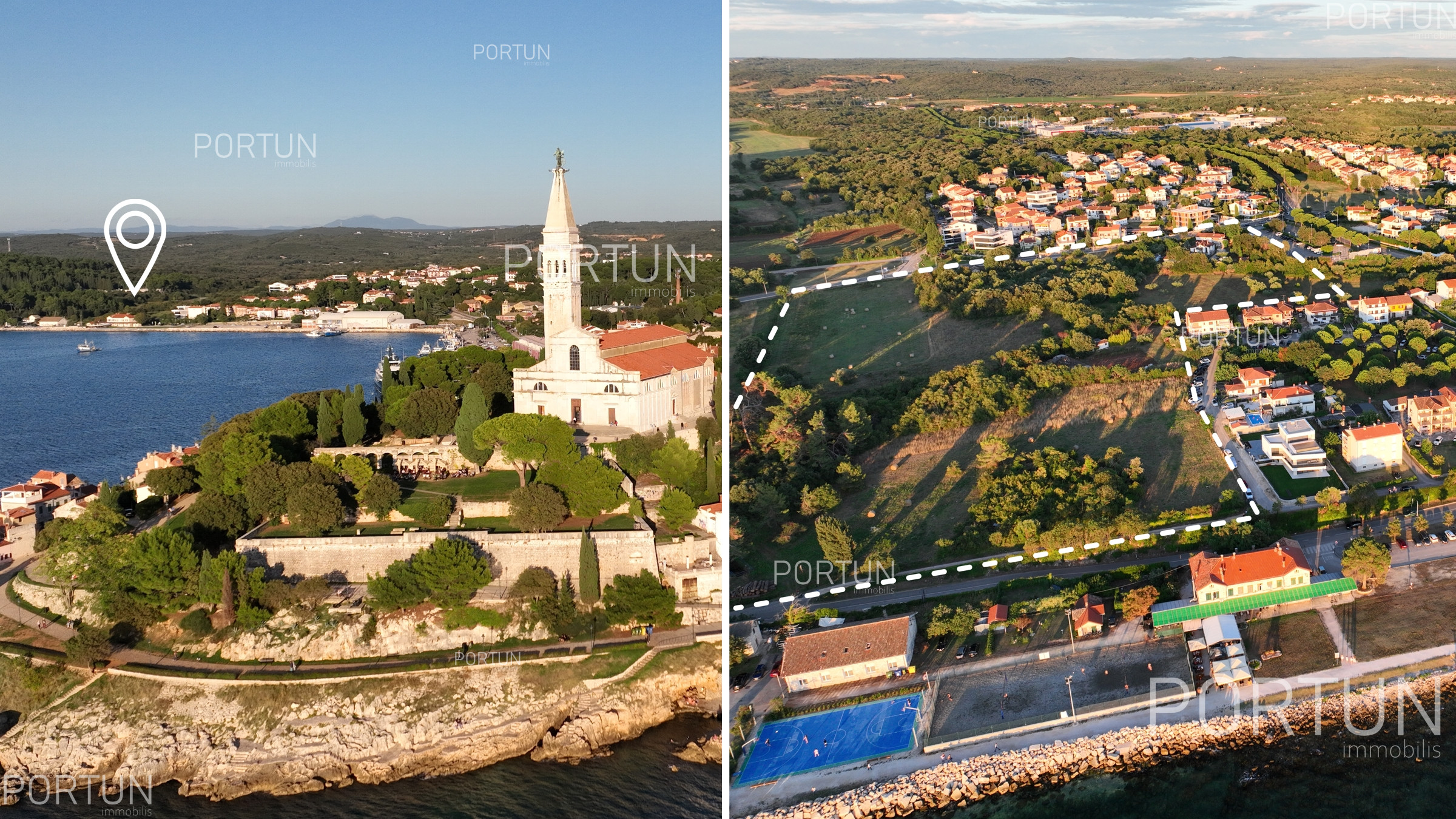
Introduction
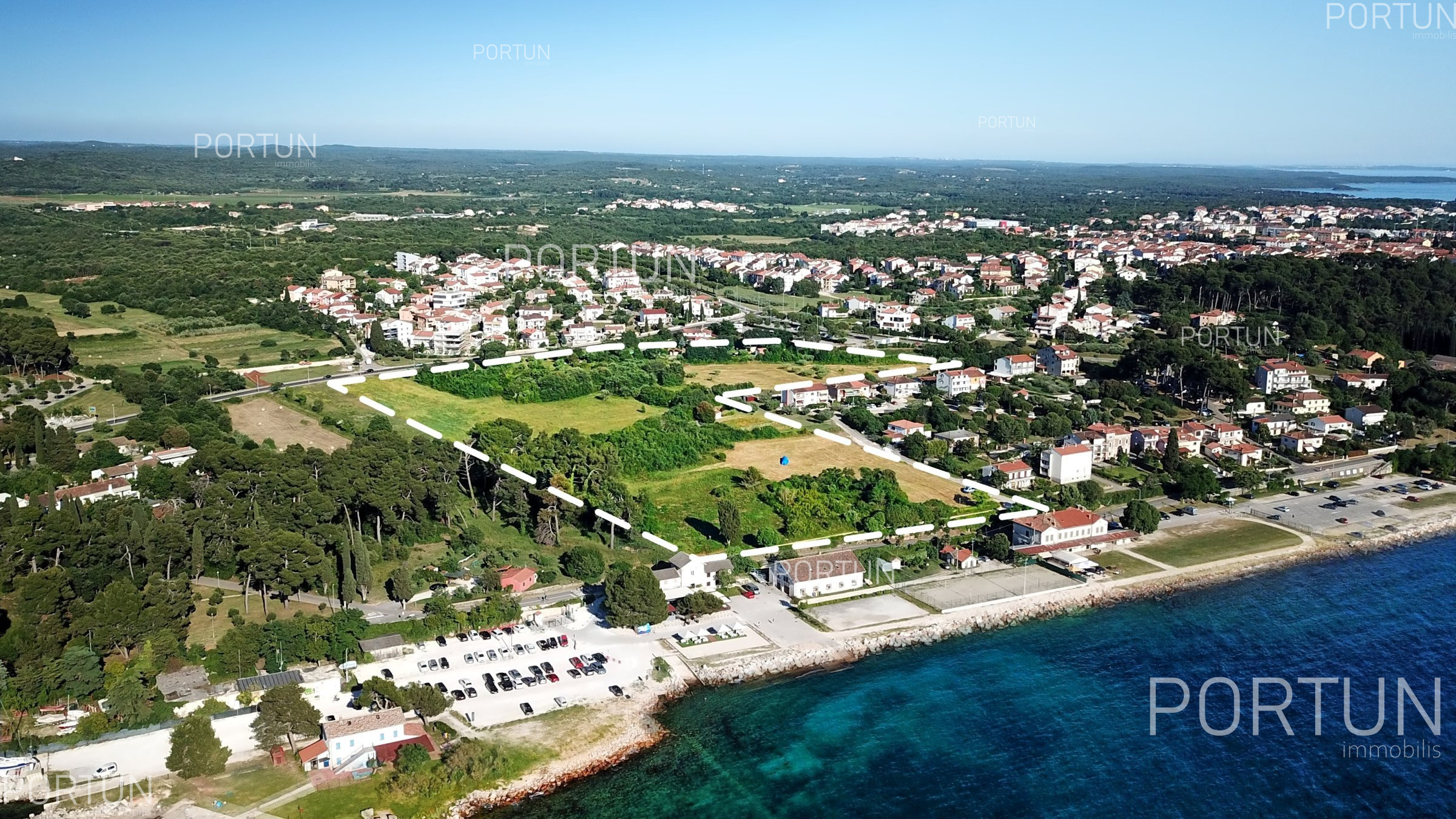
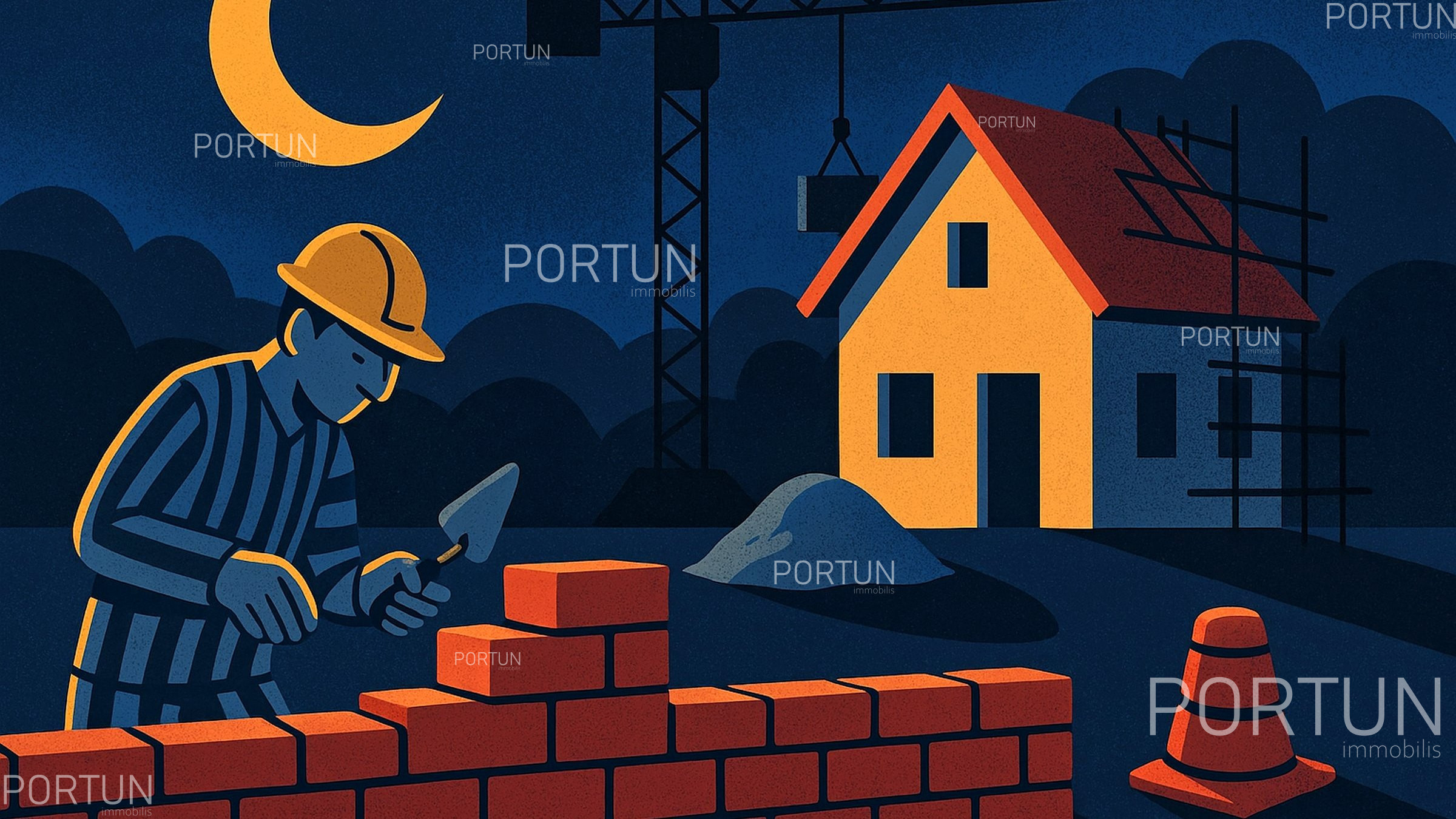
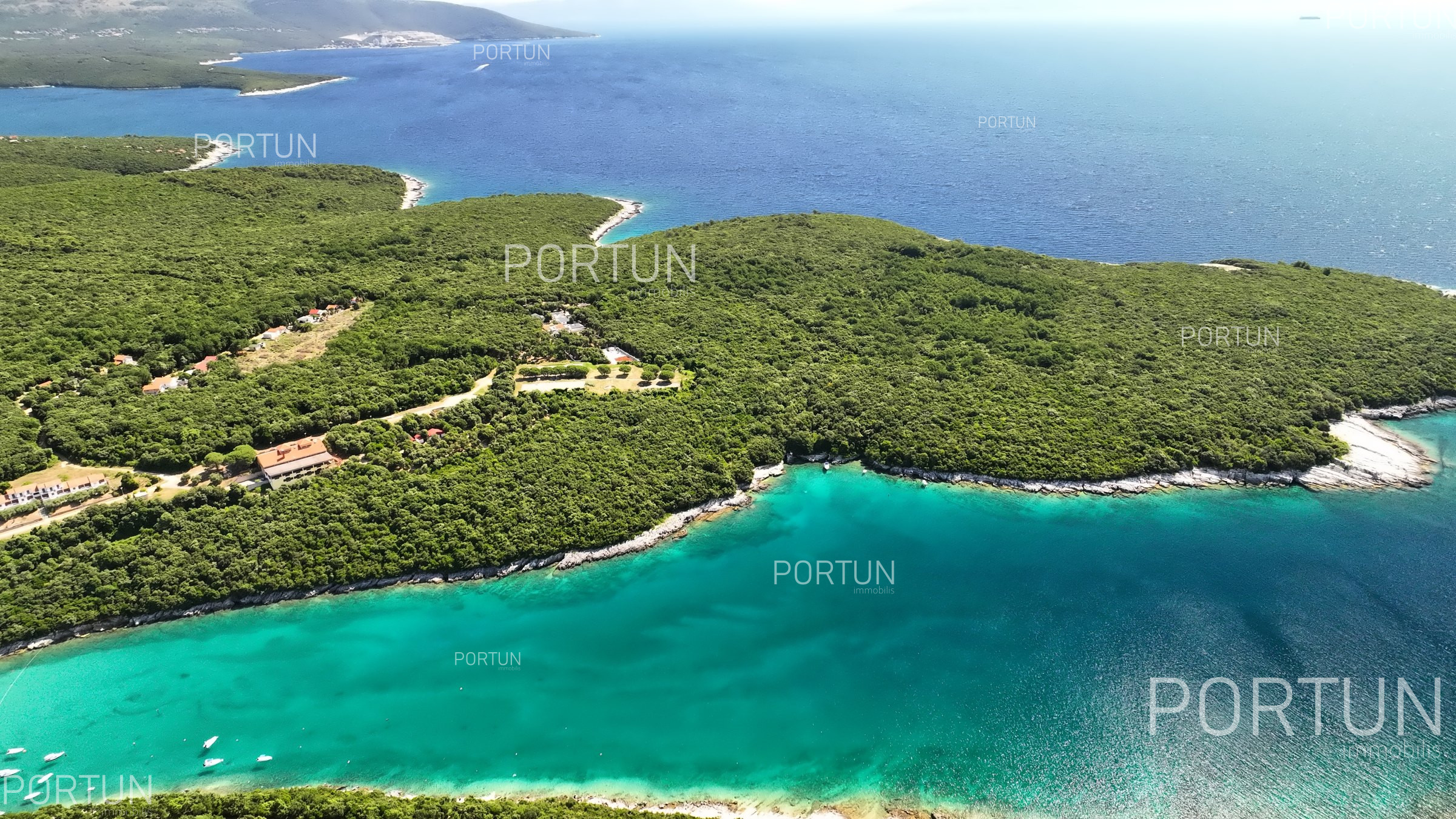
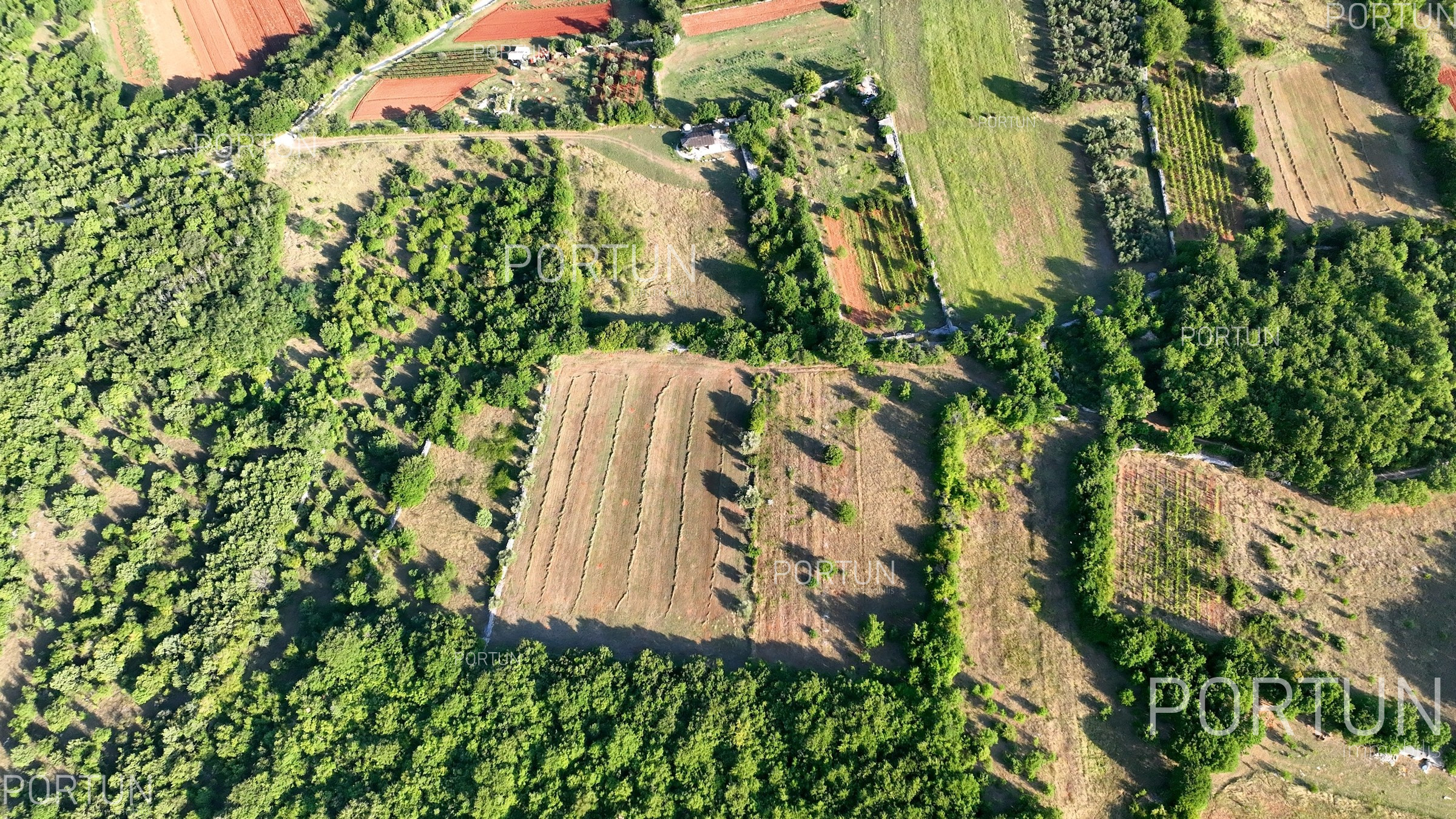
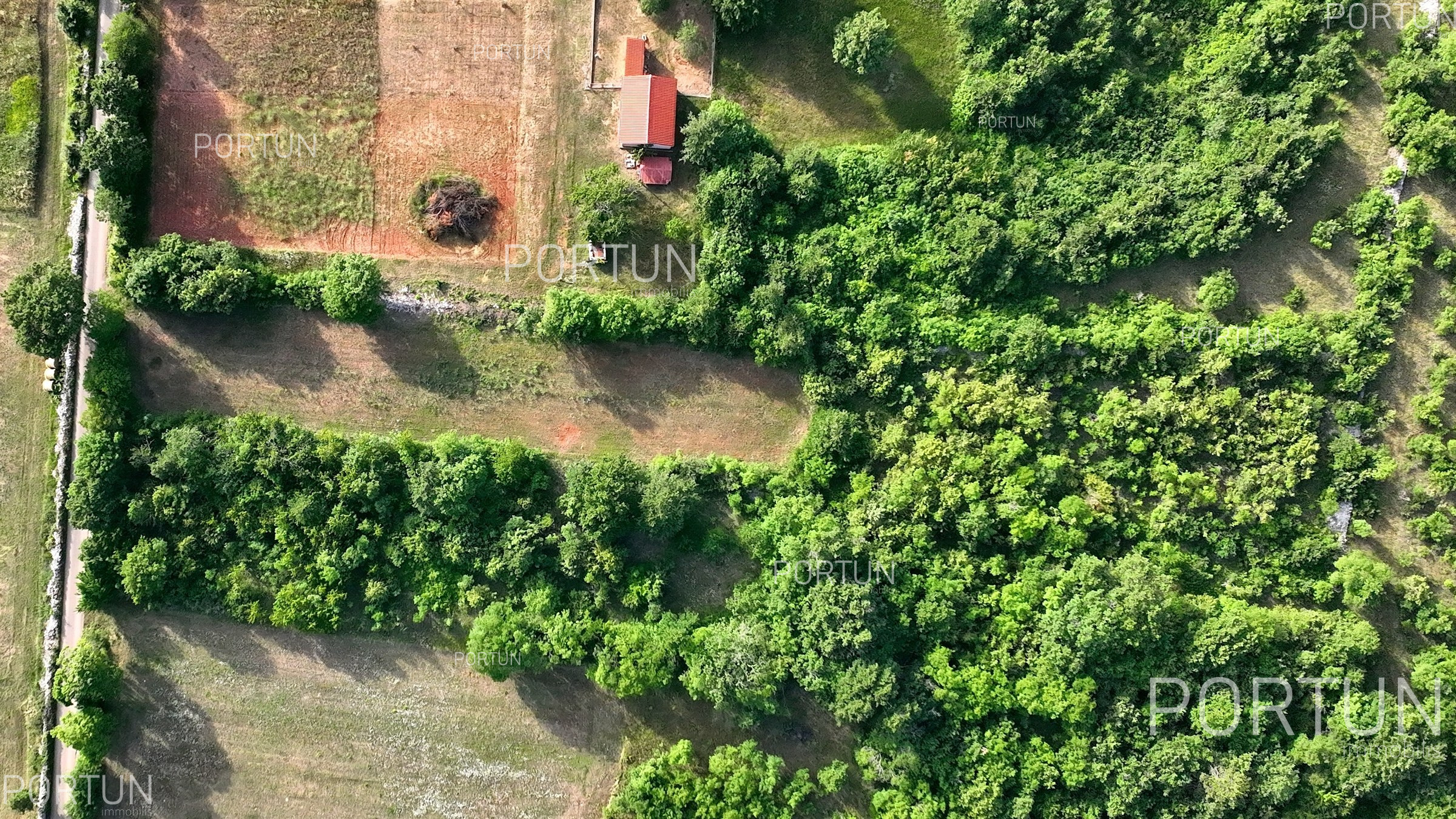
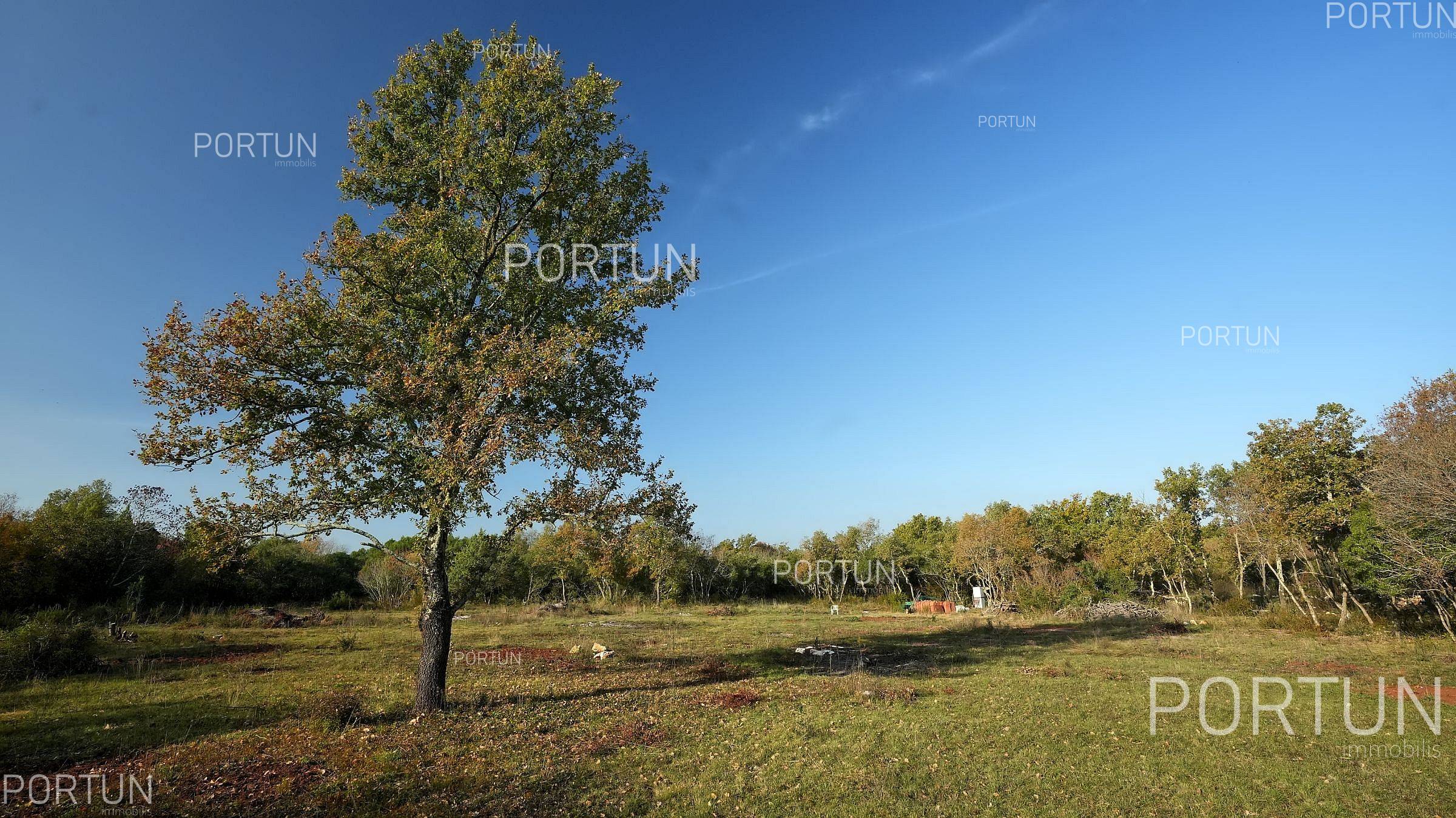
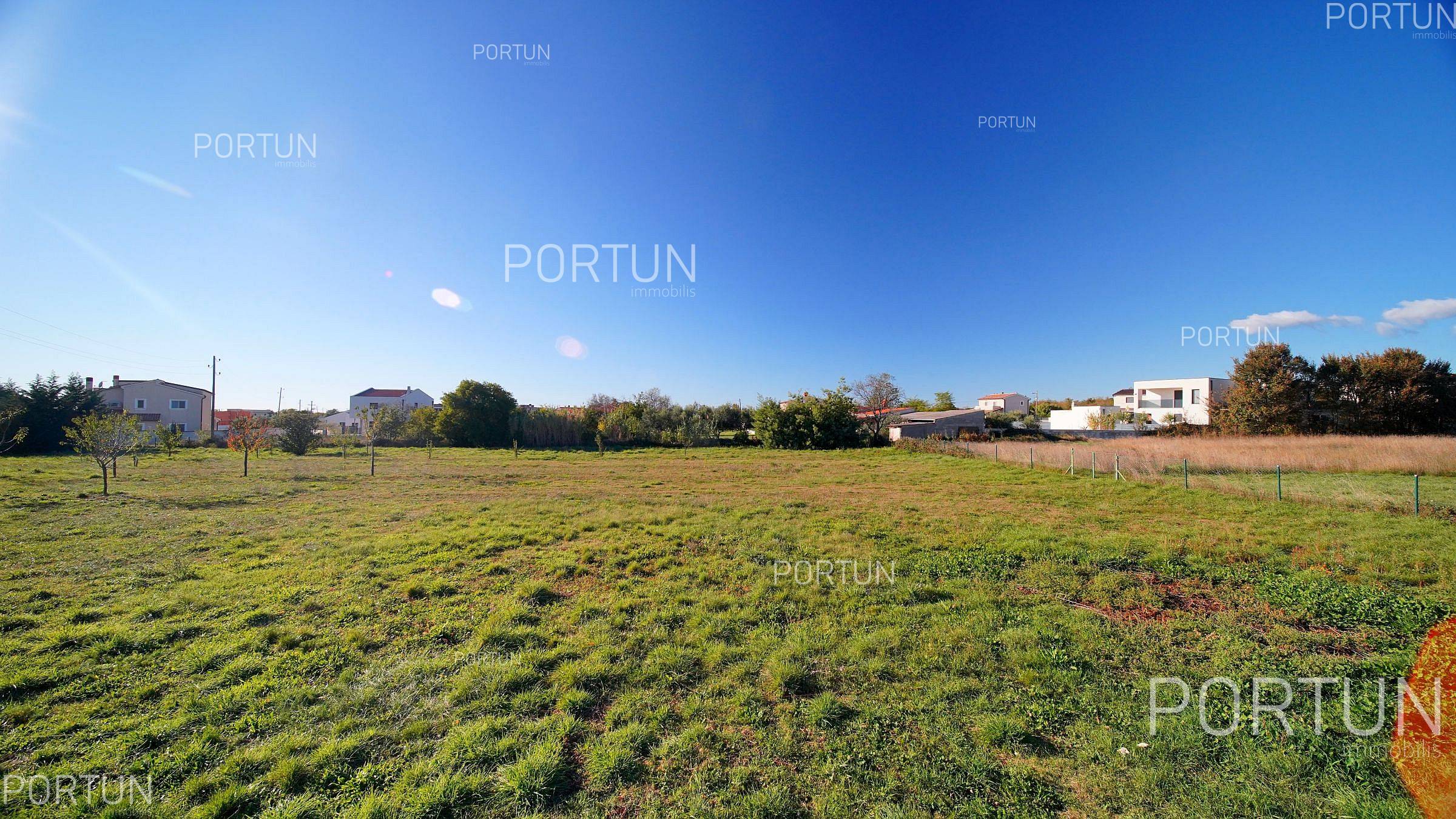
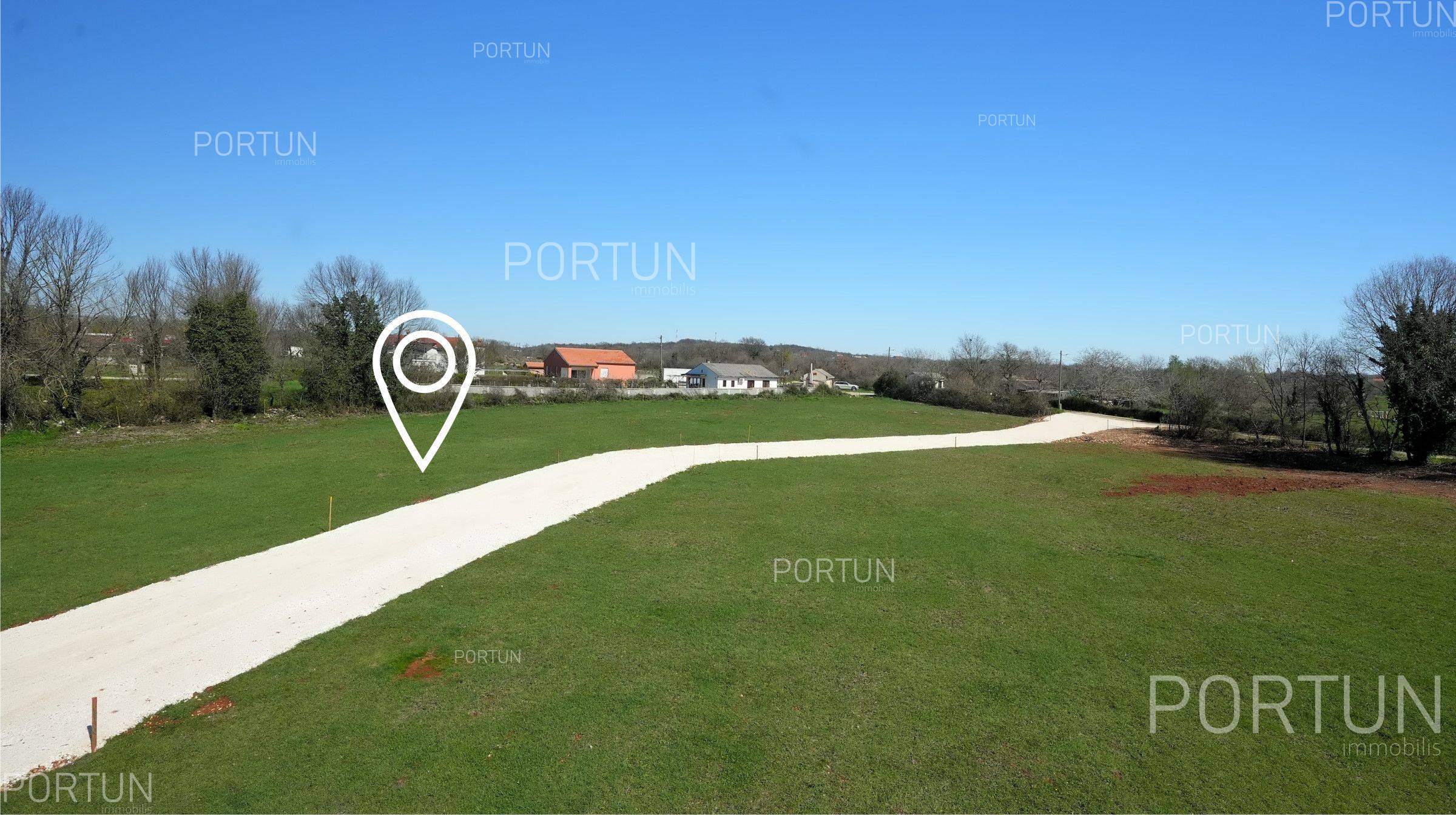
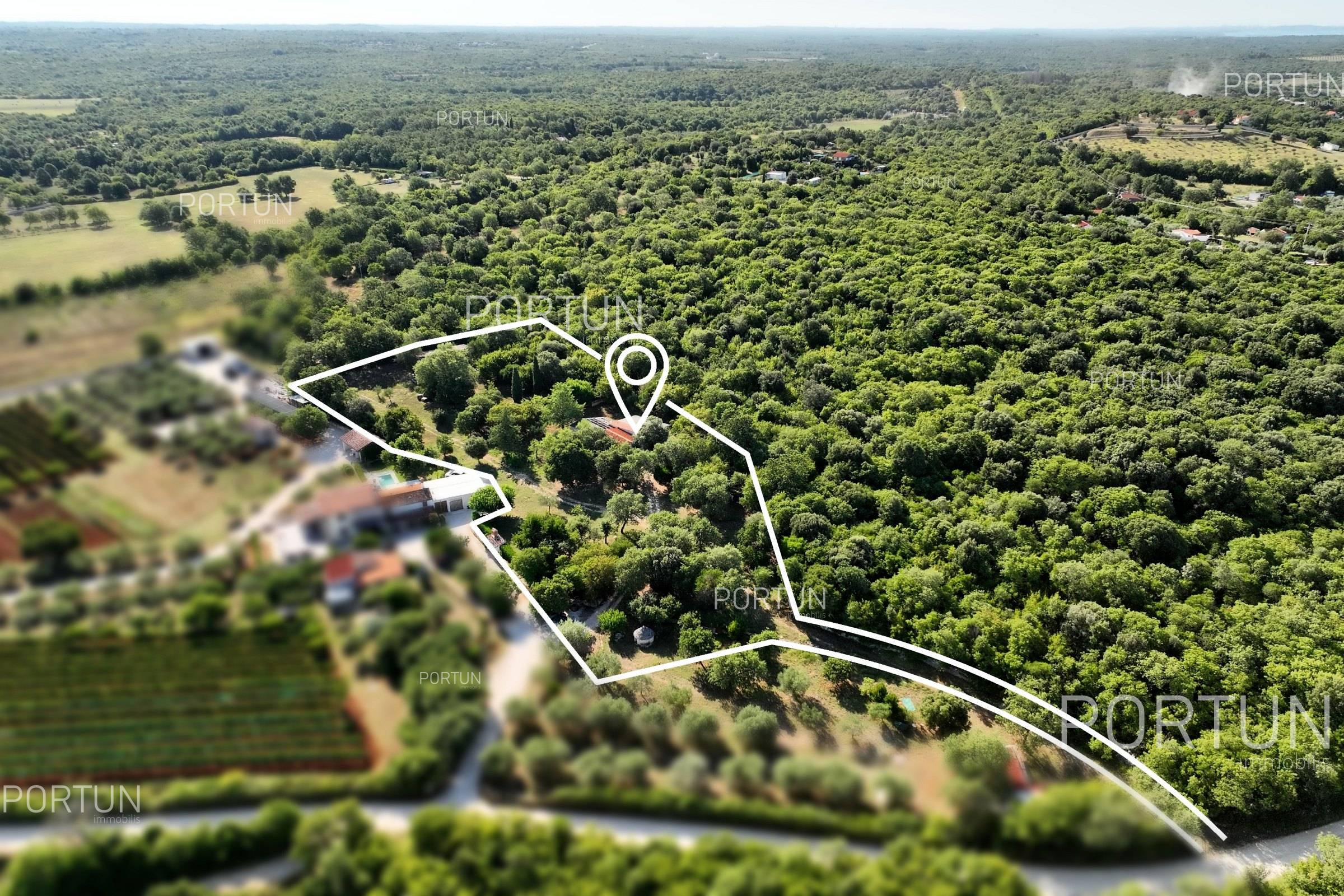
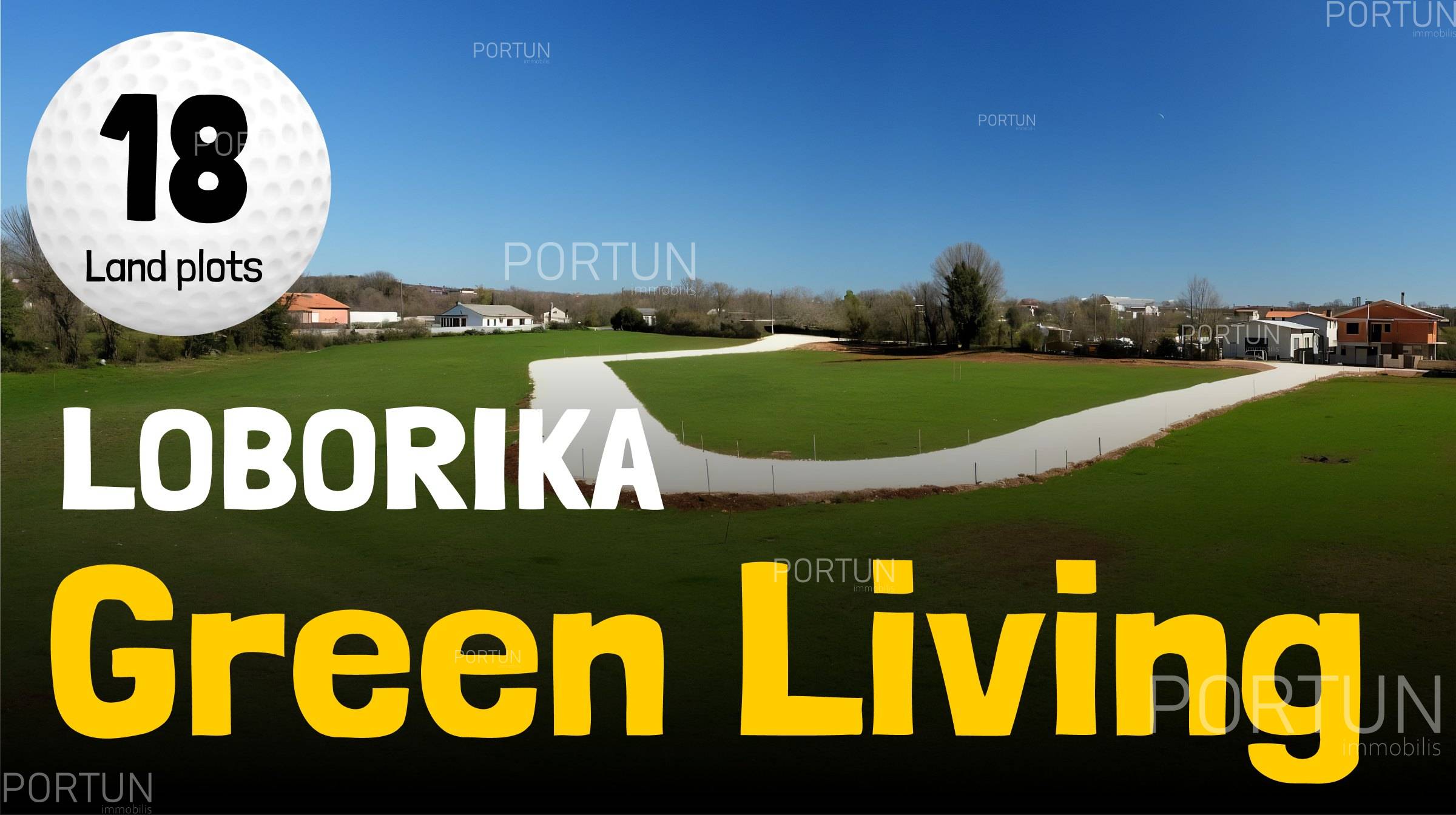
Purchasing larger land plots for subdivision in Istria is becoming an increasingly popular investment model among both domestic and foreign investors. The reason is clear – a well-chosen location and carefully planned subdivision can significantly increase the overall land value. Instead of one large plot, the investor obtains several smaller, market-attractive parcels that are easier to sell.
However, this investment model requires detailed knowledge of local spatial planning documentation, legal procedures, and market trends. Subdivision is not just a technical process but a strategic decision that affects the final profitability of the investment. Below, we present key steps, advantages, and risks to consider before starting such a project.
What is subdivision and how does it work
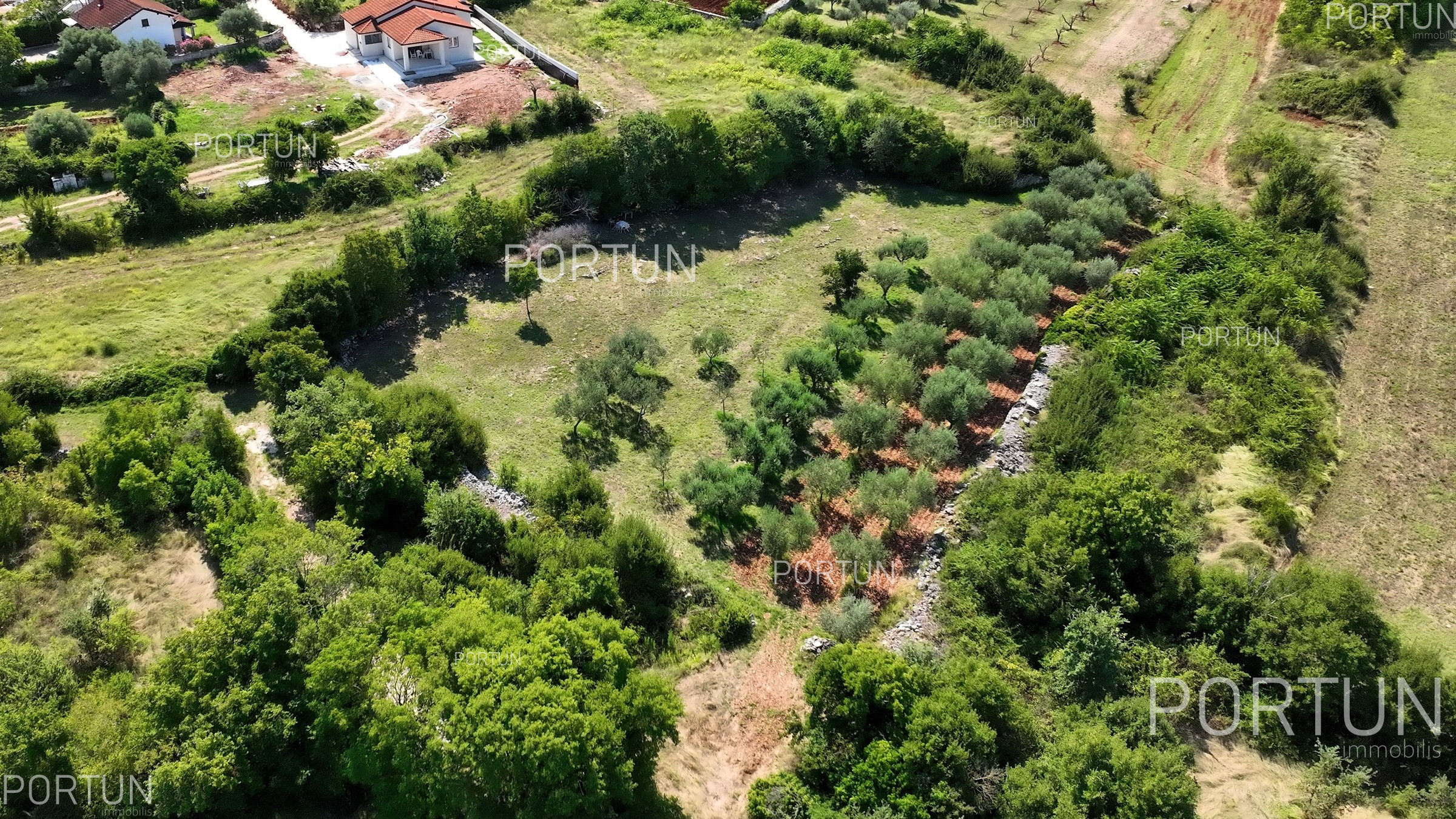
Subdivision is the process of dividing one cadastral plot into several smaller parcels. The goal is to create new, independent building plots that have access to infrastructure and meet the conditions of the spatial plan.
The process involves preparing a geodetic report, coordinating with the cadastre and land registry, and possibly obtaining additional permits. In practice, the duration depends on the project’s complexity and administrative procedures.
It is important to emphasize that not every piece of land is suitable for subdivision. Minimum parcel sizes, access roads, and building conditions are defined by local spatial plans.
Choosing the right location
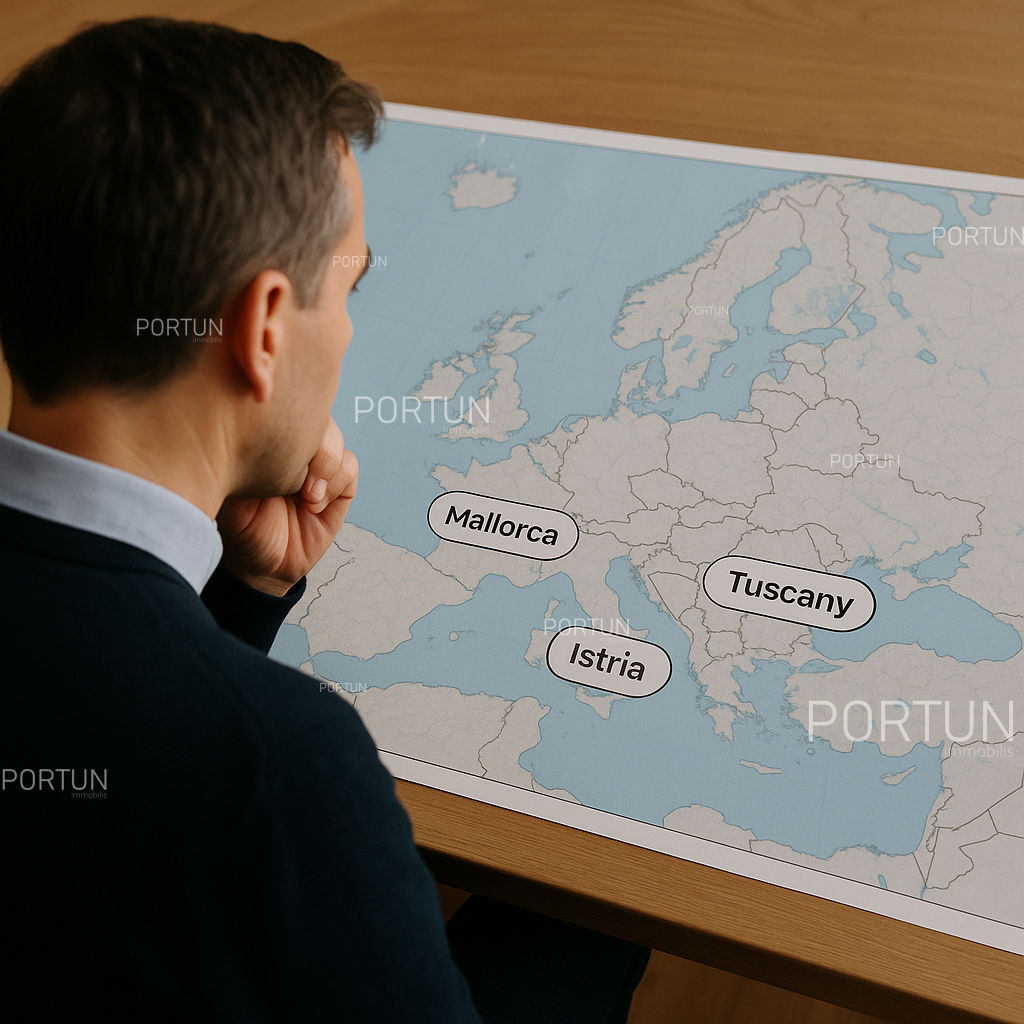
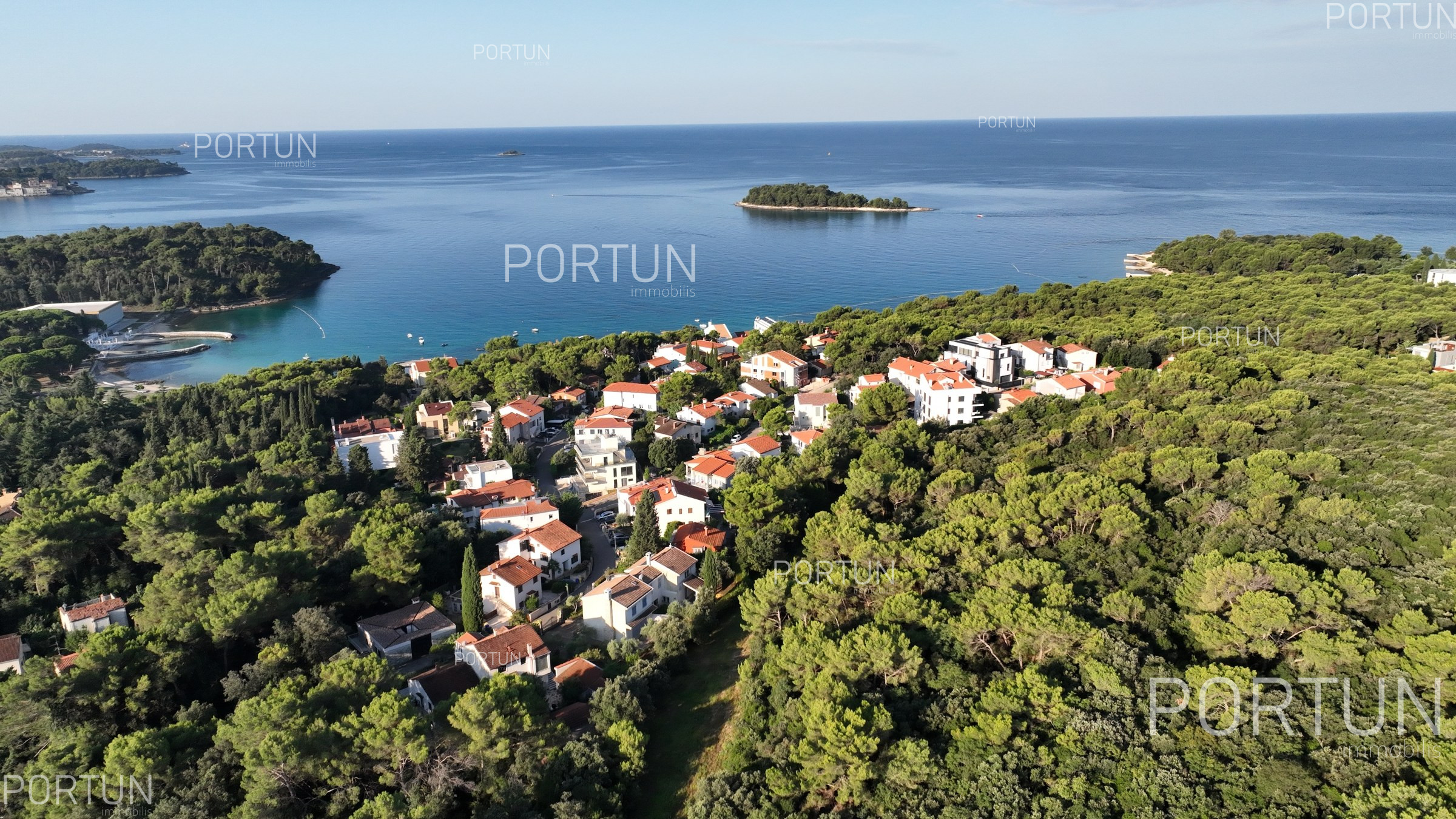
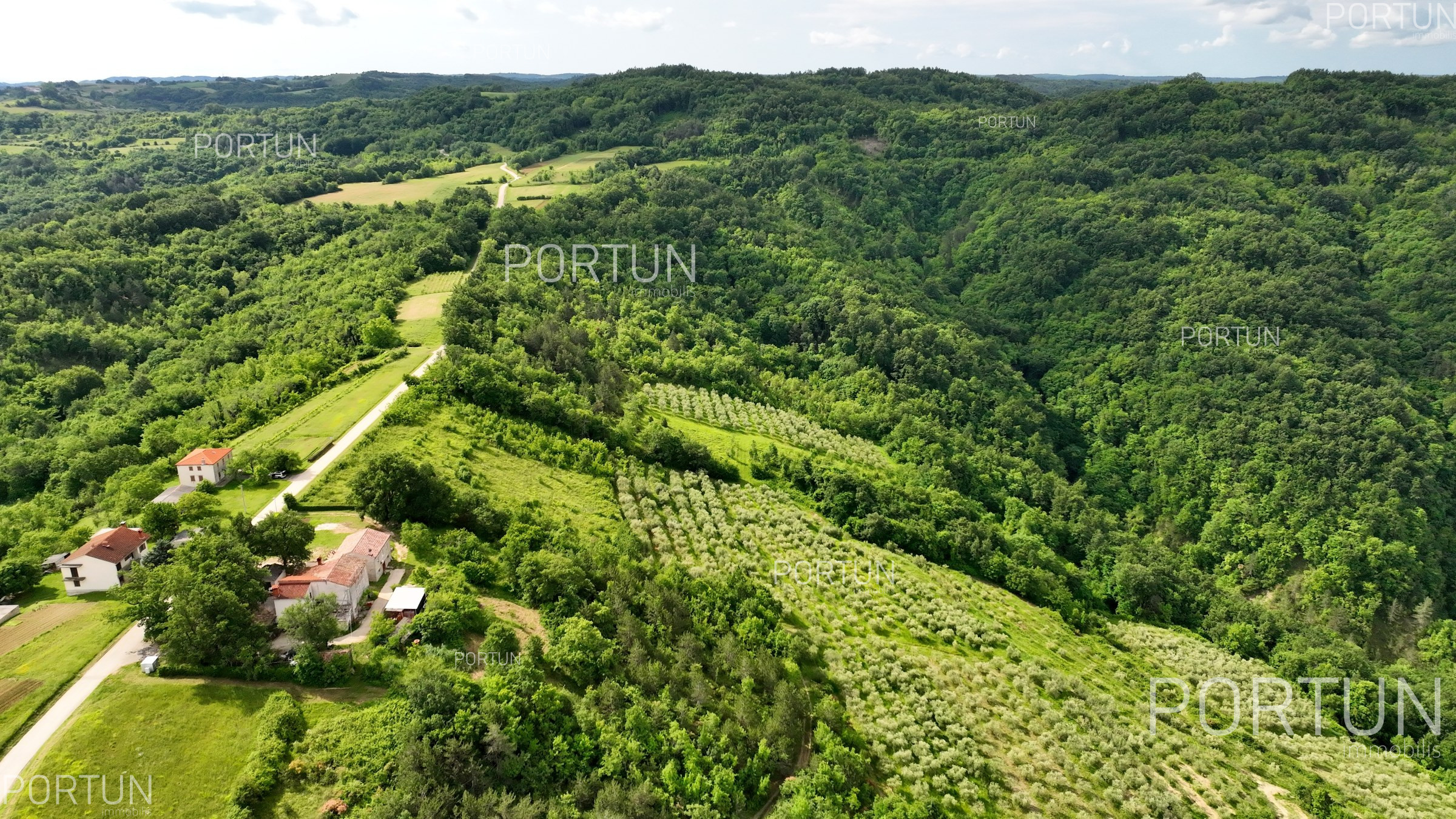
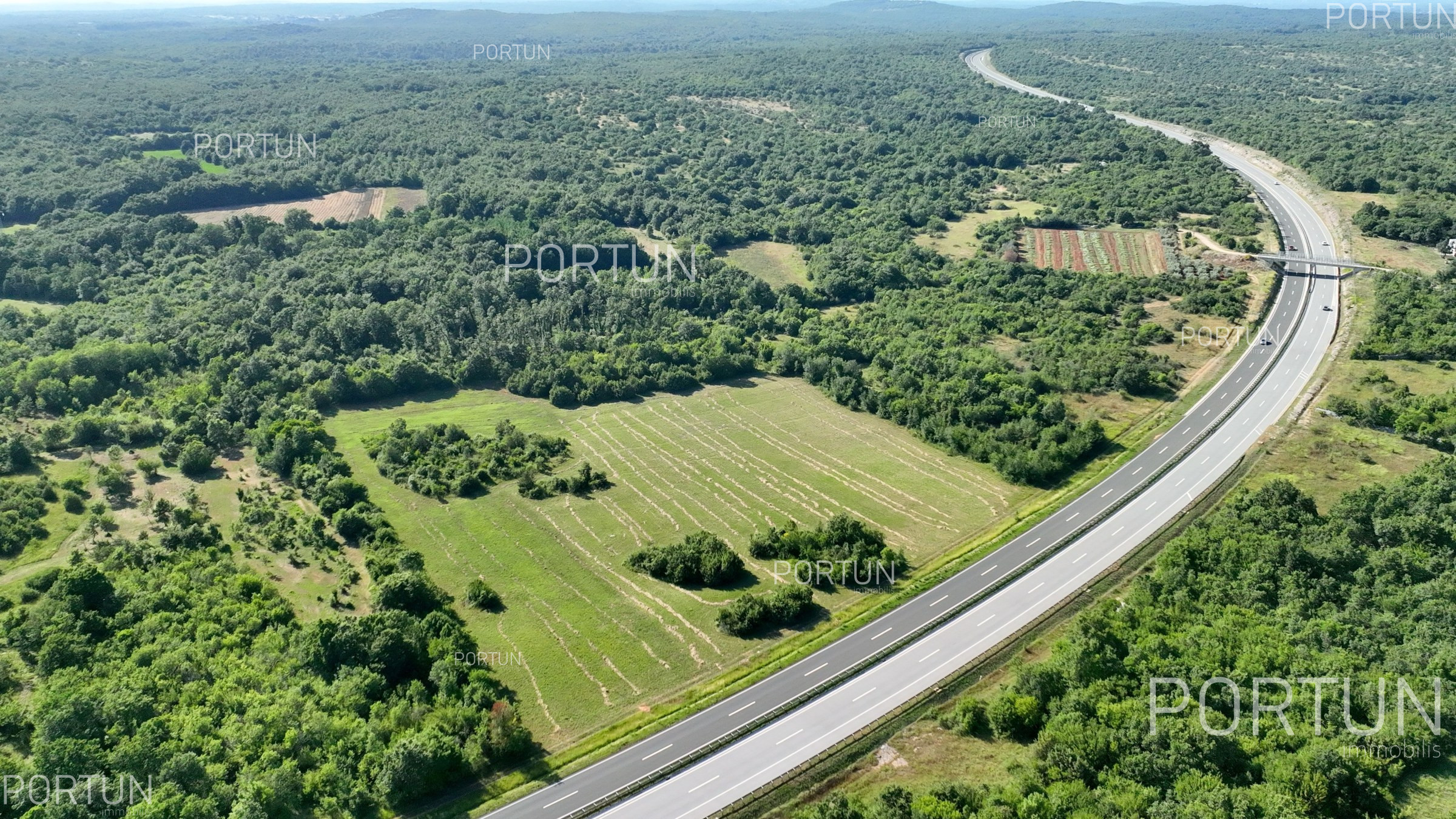
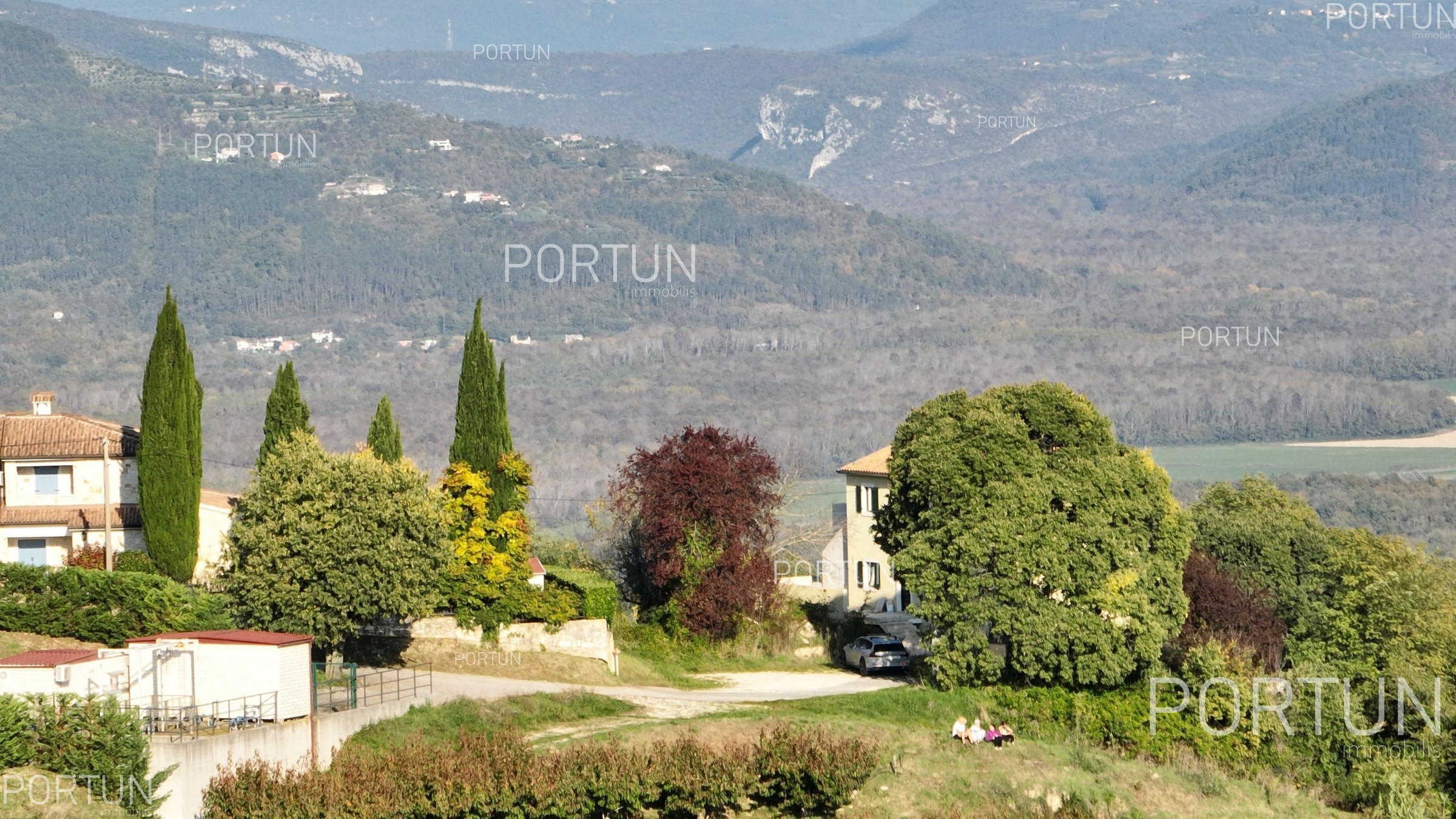
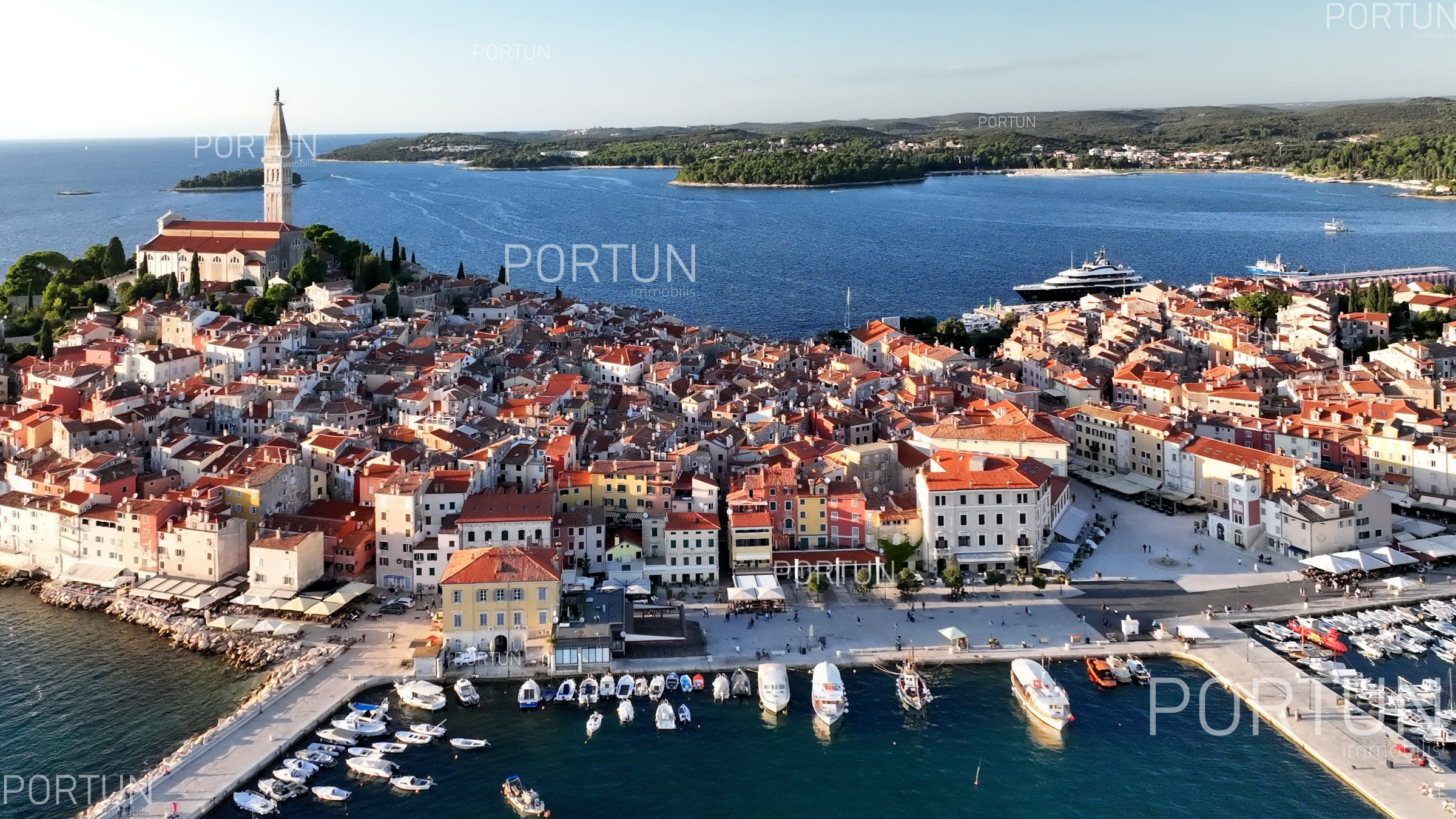
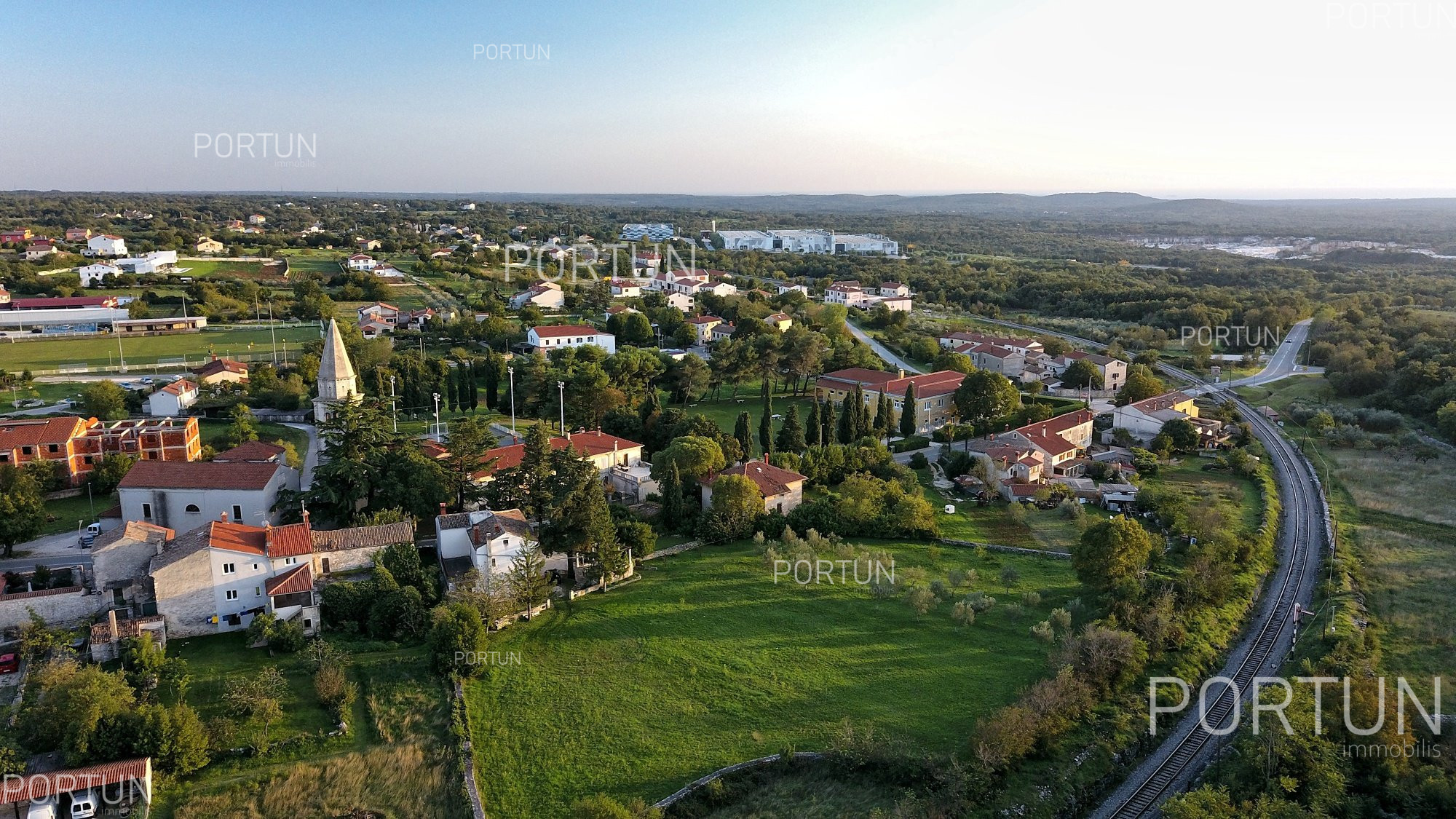
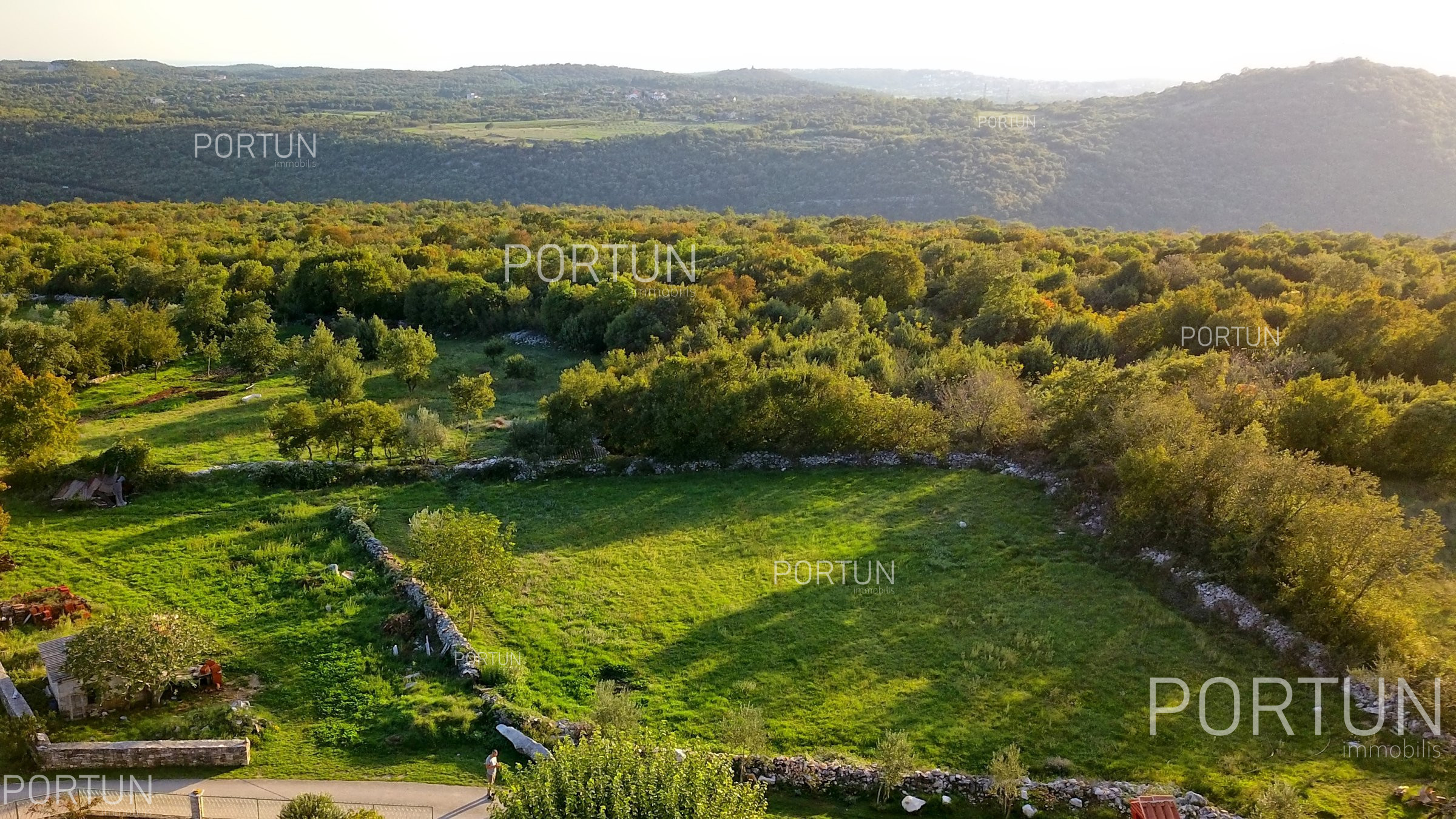
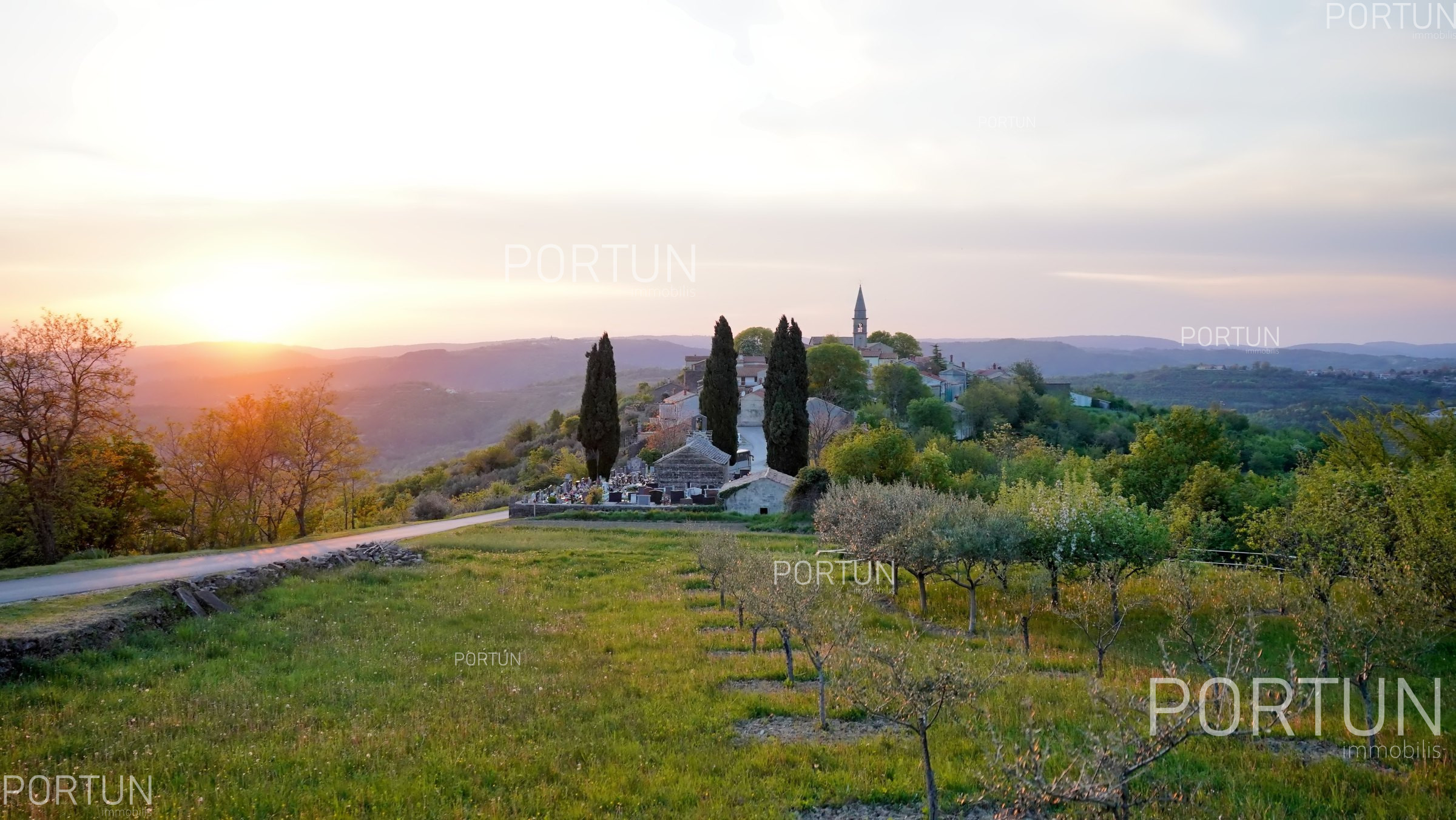
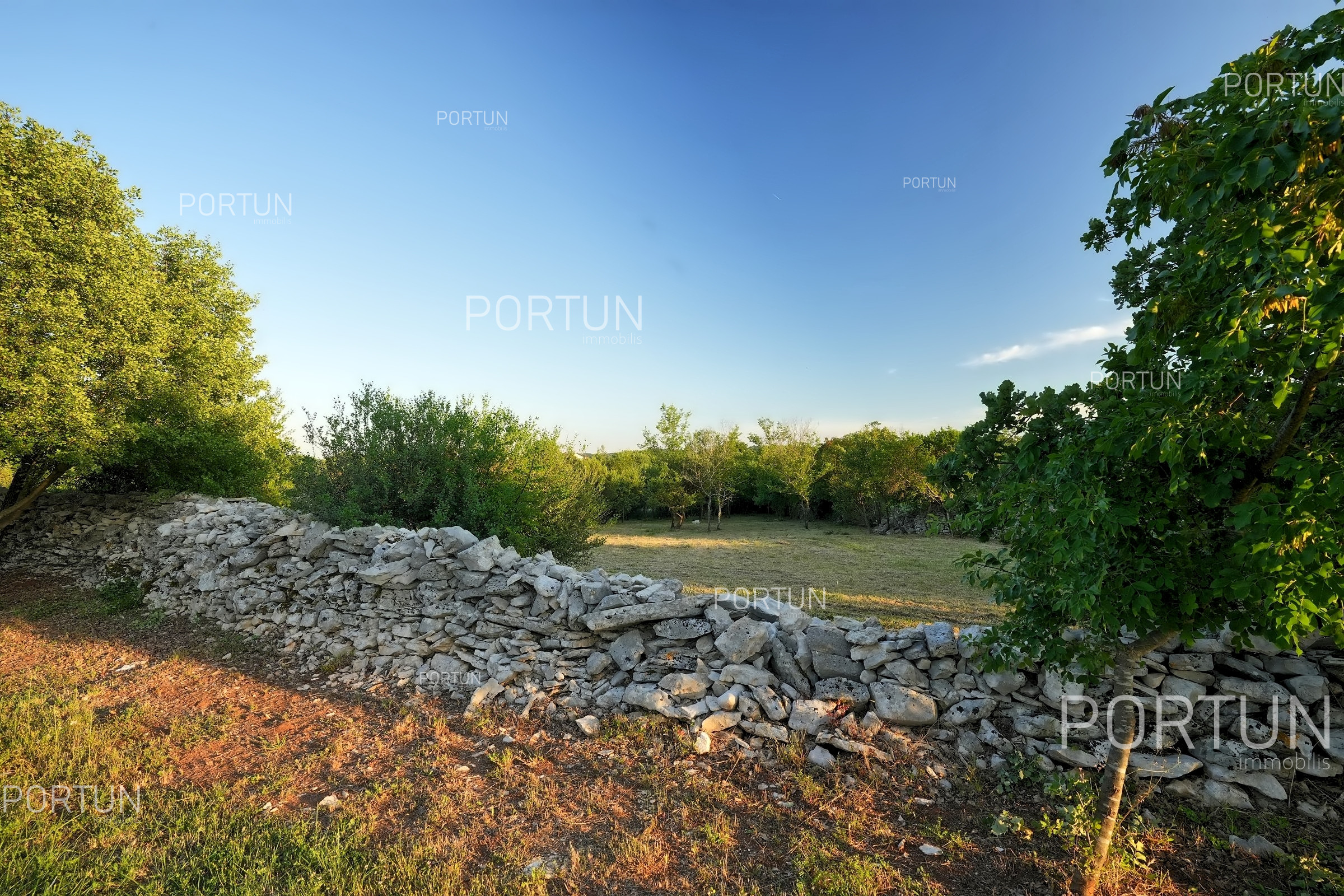
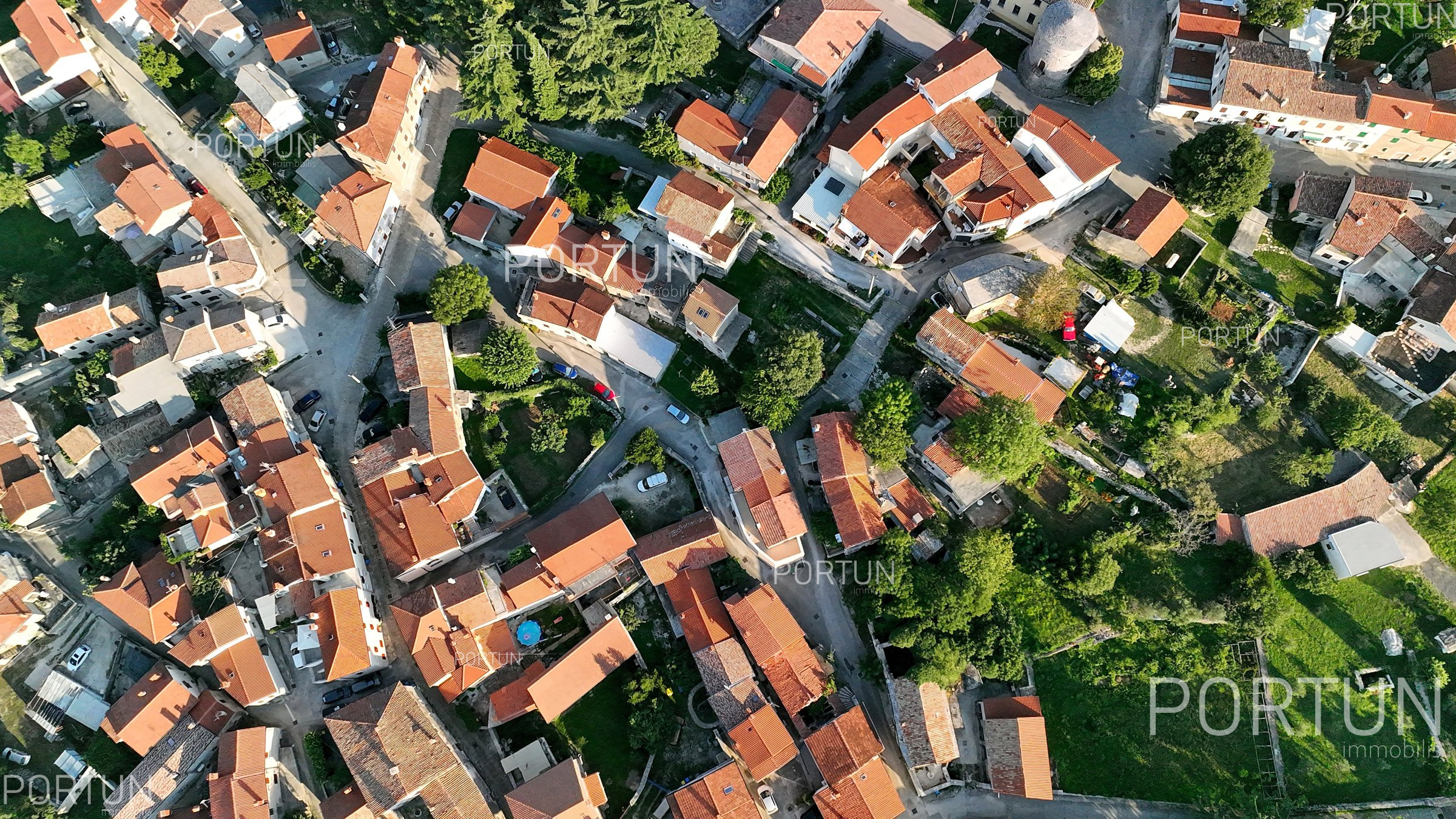
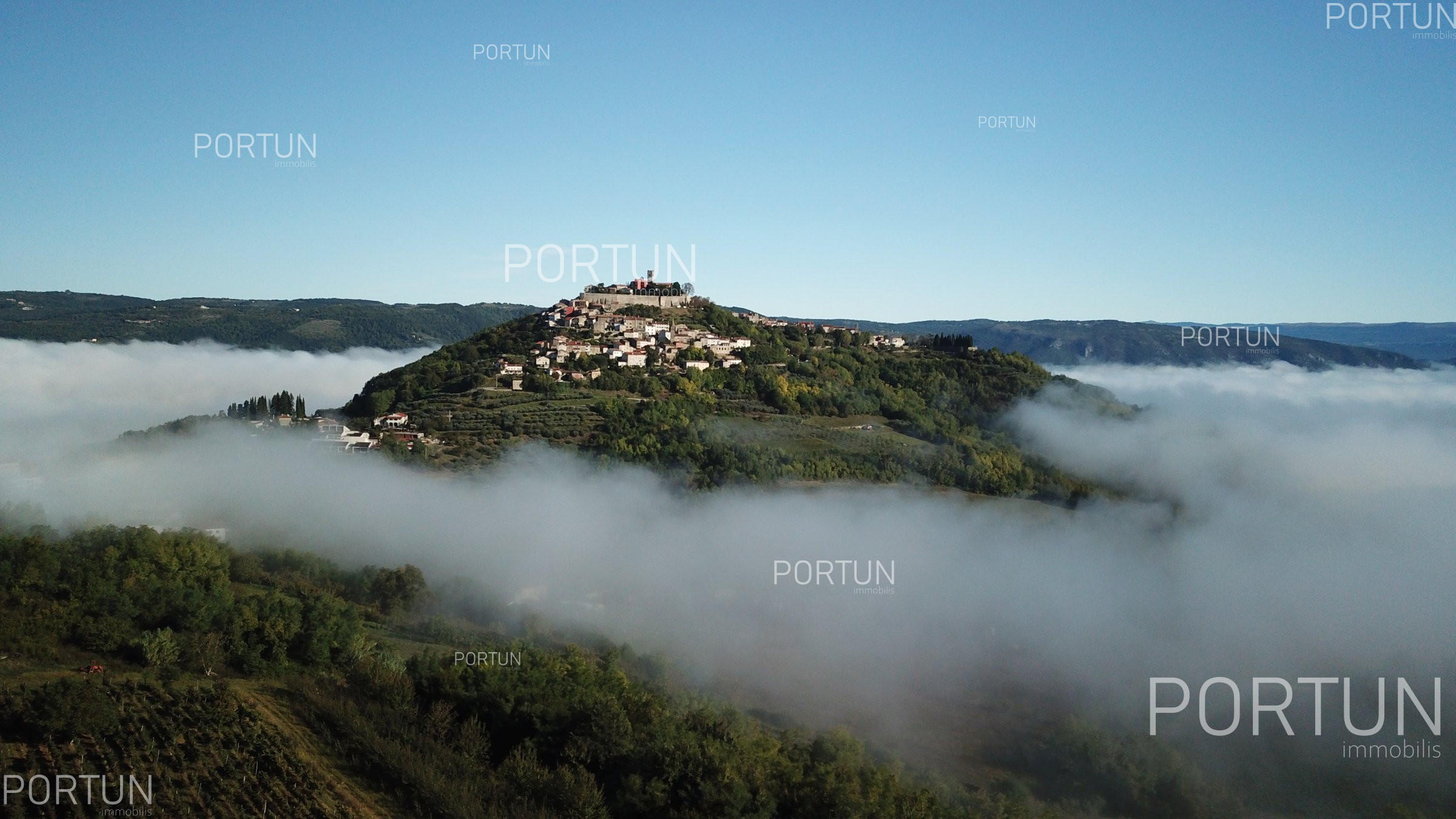
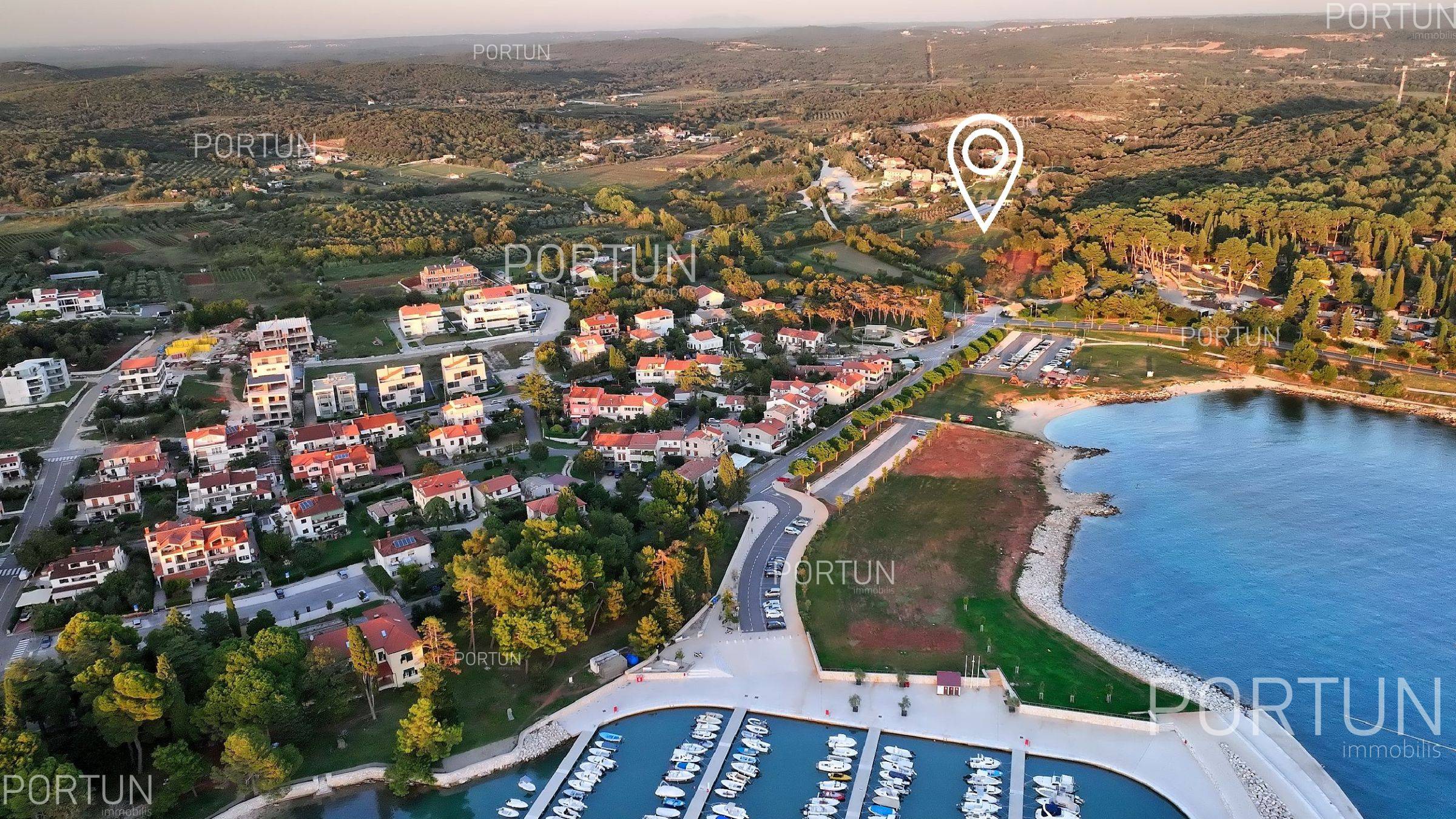
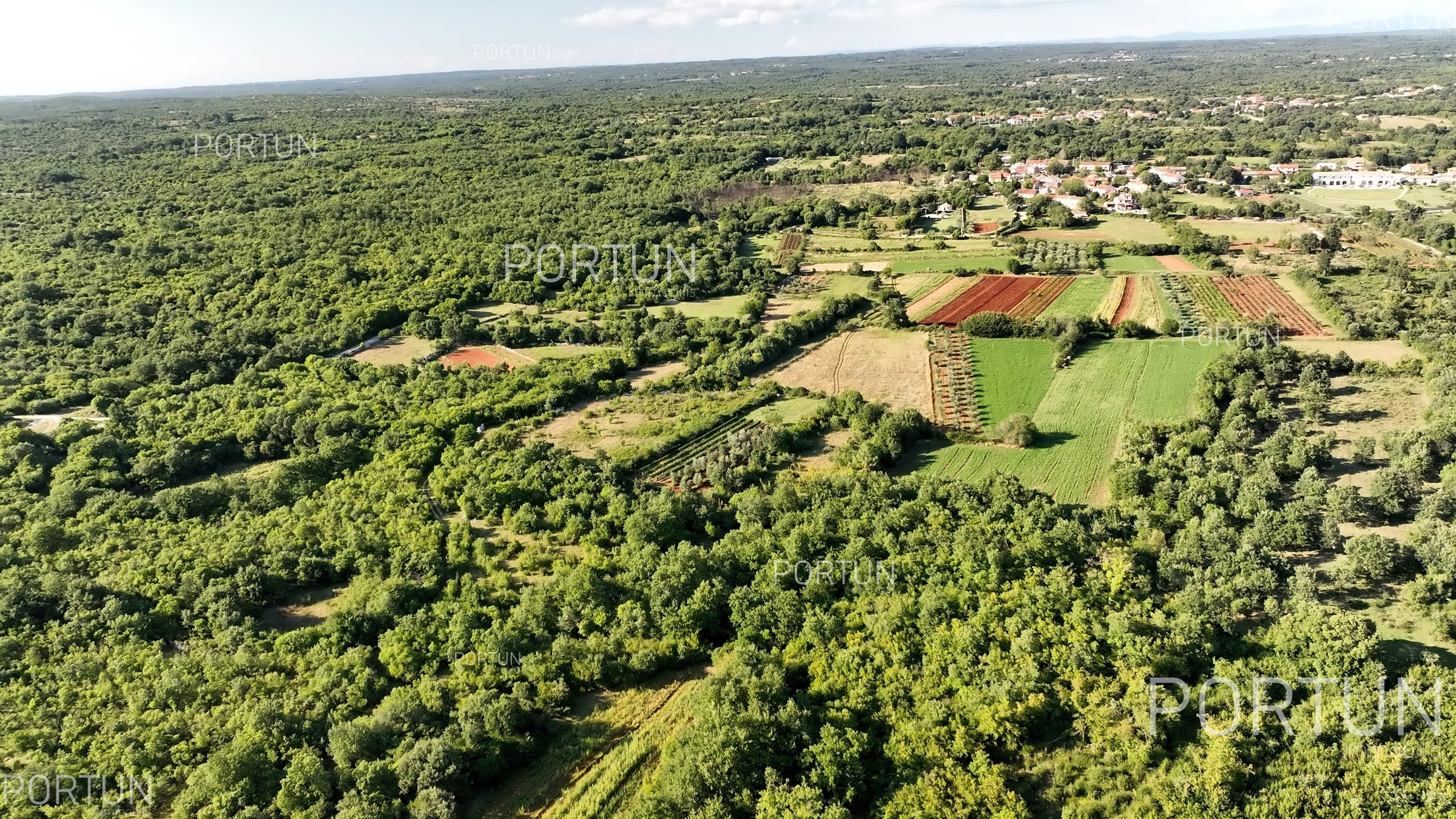
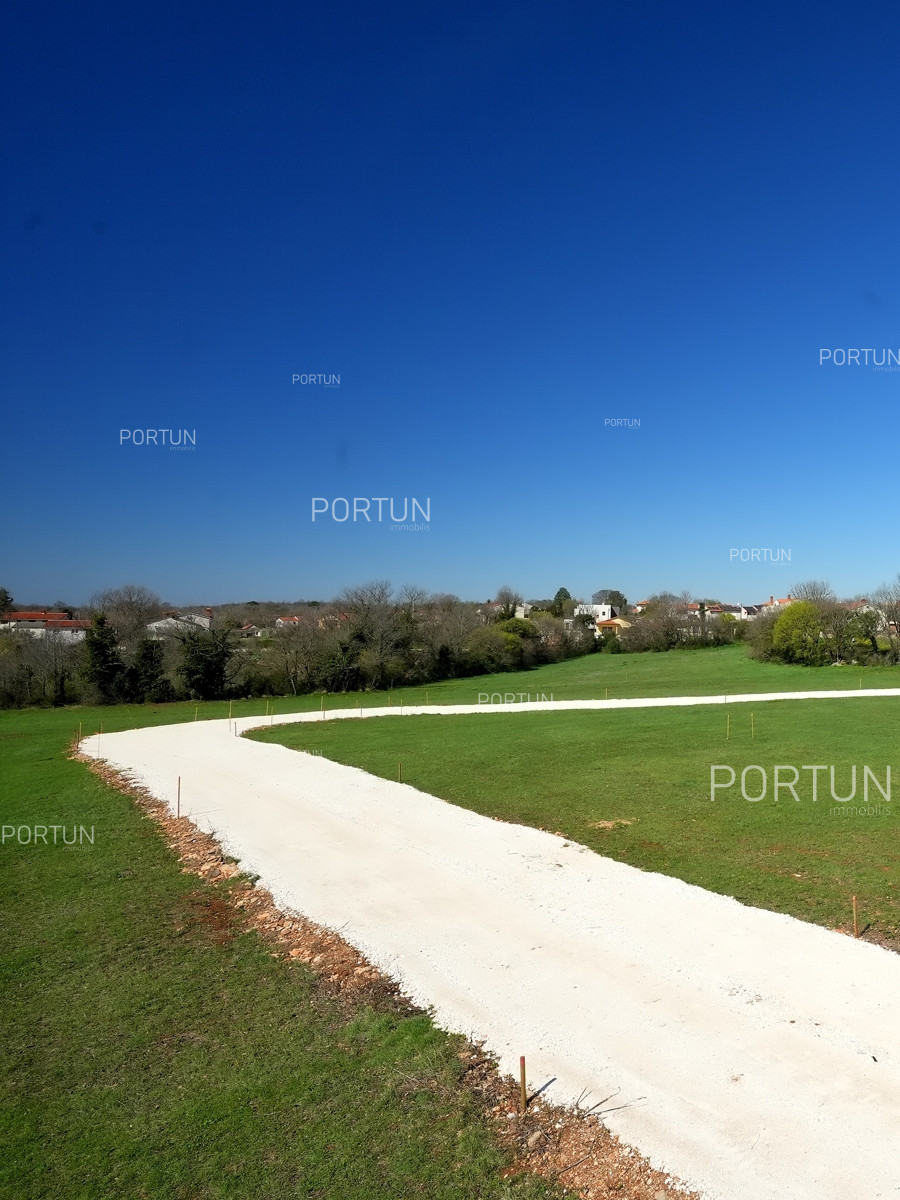
Location is key to successful subdivision. The greatest potential lies in land near settlements with existing infrastructure and good transport connections. In Istria, micro-locations offering peace, nature, and at the same time good access to larger cities are especially sought after.
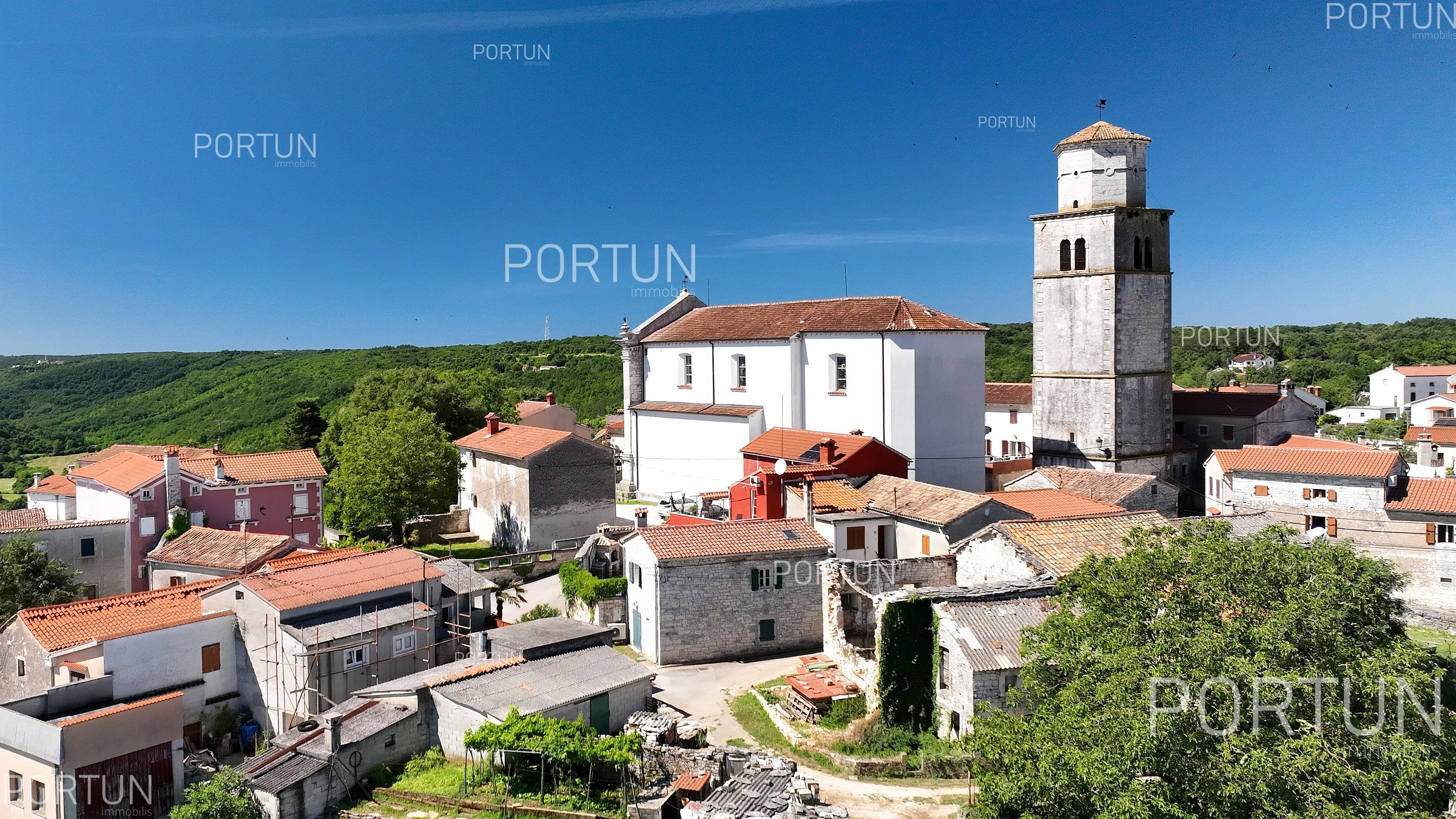
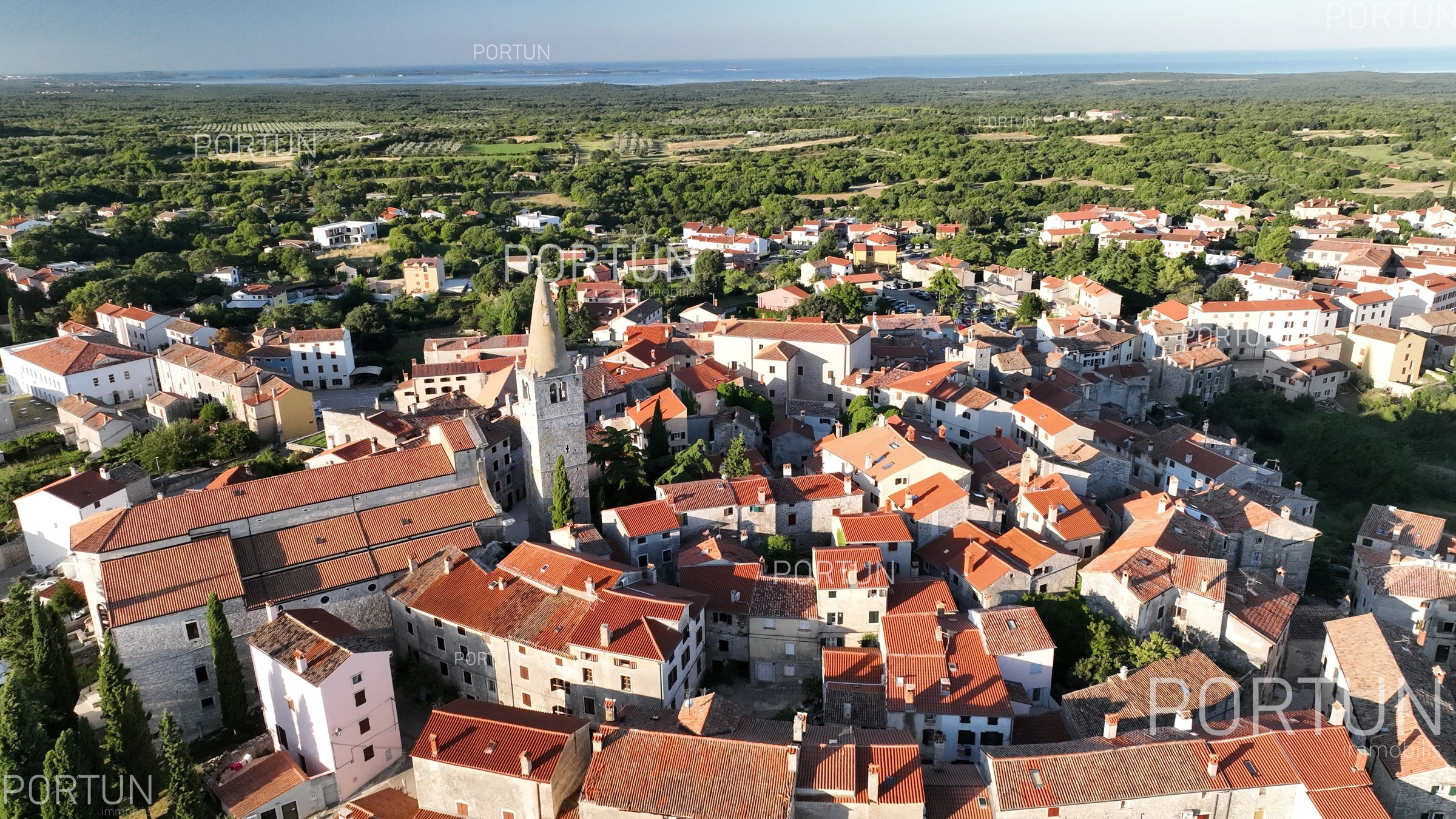
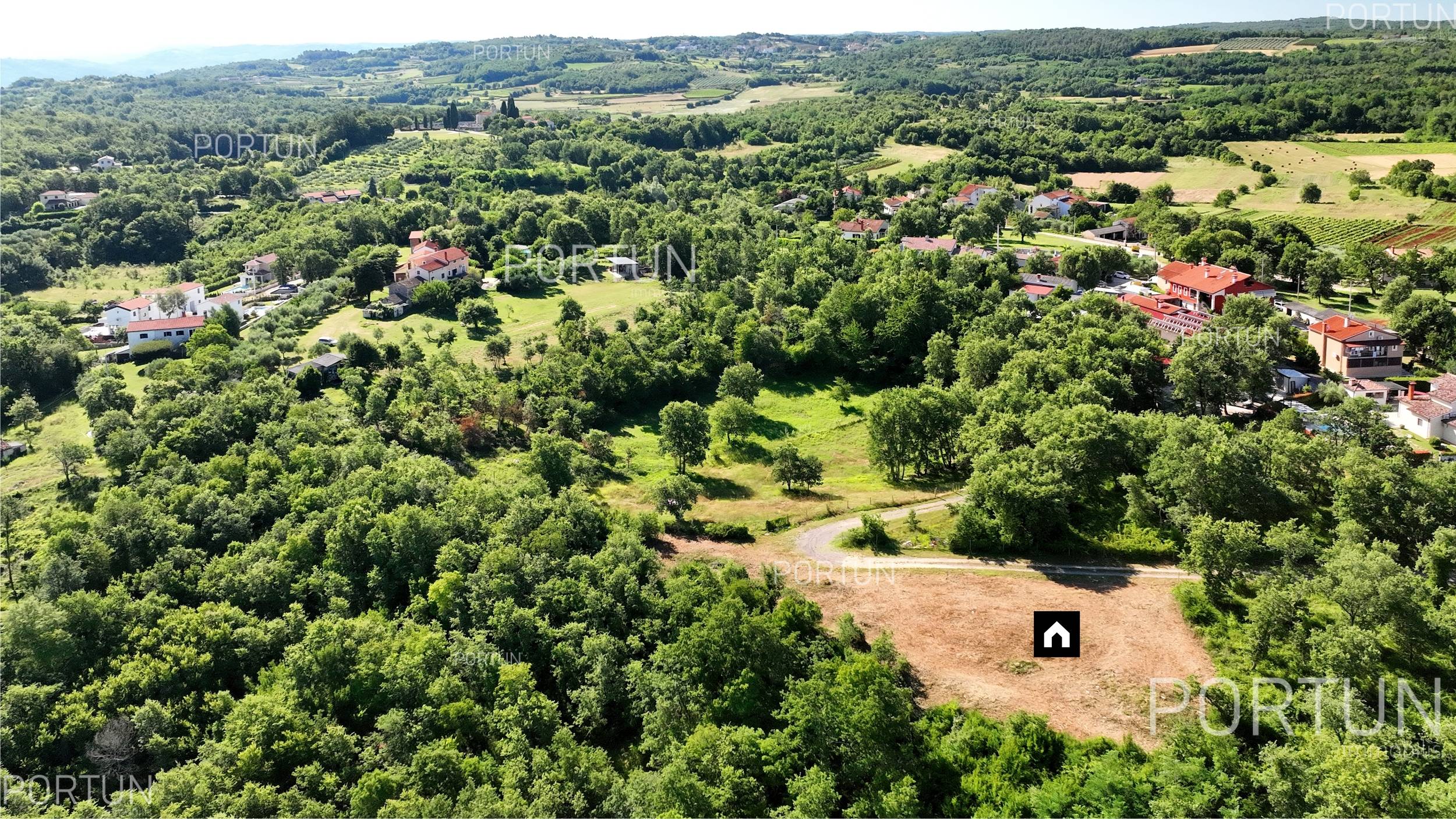
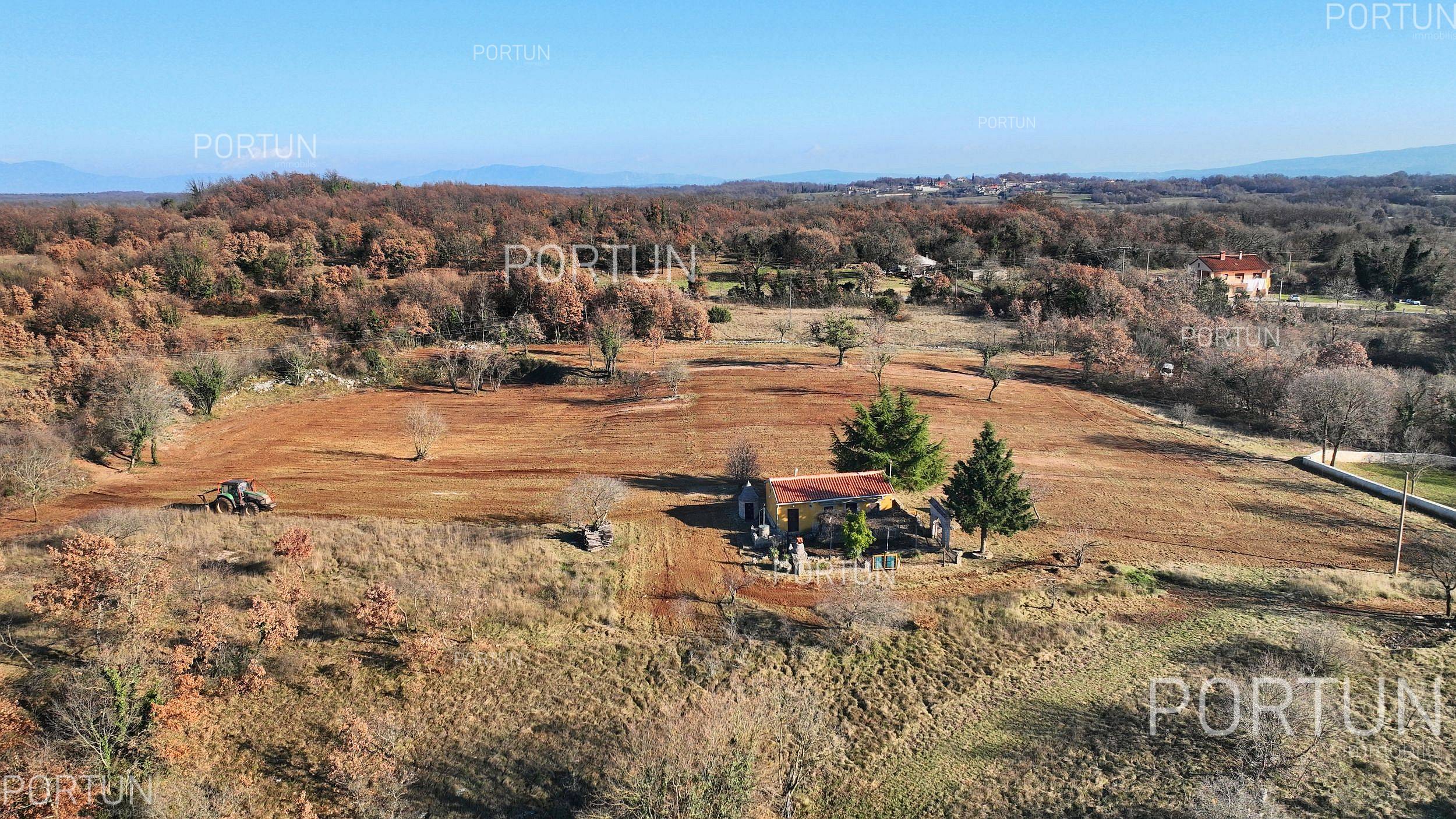
The interior of Istria, such as the areas around Žminj, Kanfanar, or near Pazin, often offers an optimal balance of price and potential. Such locations attract buyers looking for holiday homes or long-term investments.
It is important to analyze future area development, as new infrastructure or tourism projects can significantly increase parcel values.
Spatial plan and building conditions
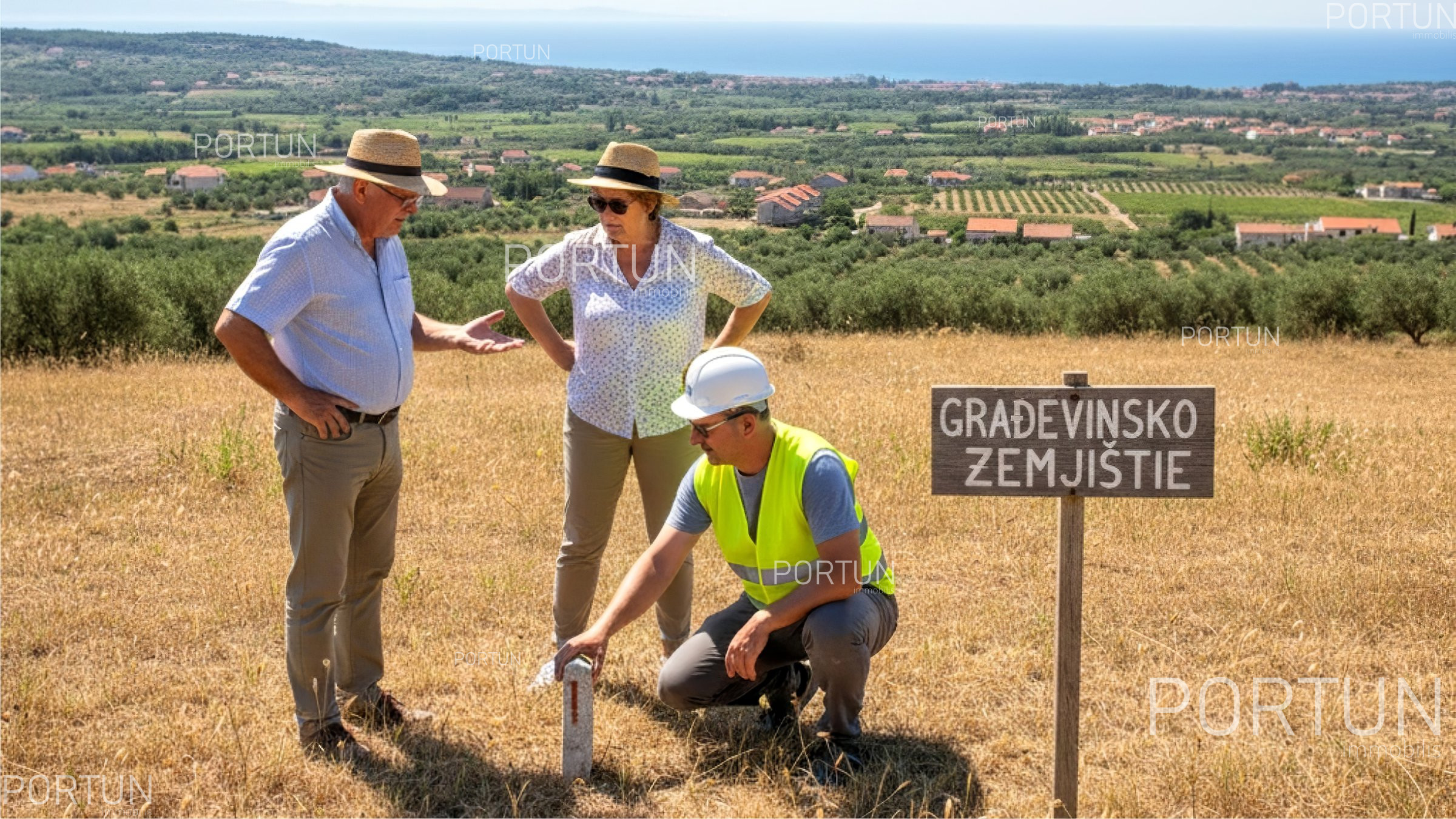
Before purchasing land, it is essential to thoroughly study the spatial plan. It defines minimum parcel sizes, maximum building coverage, building heights, and other conditions.
Without this analysis, there is a risk that the planned subdivision is not feasible or results in parcels that are not market-attractive.
Collaboration with architects and urban planners can help optimize parcel layouts and maximize land use.
Access roads and infrastructure
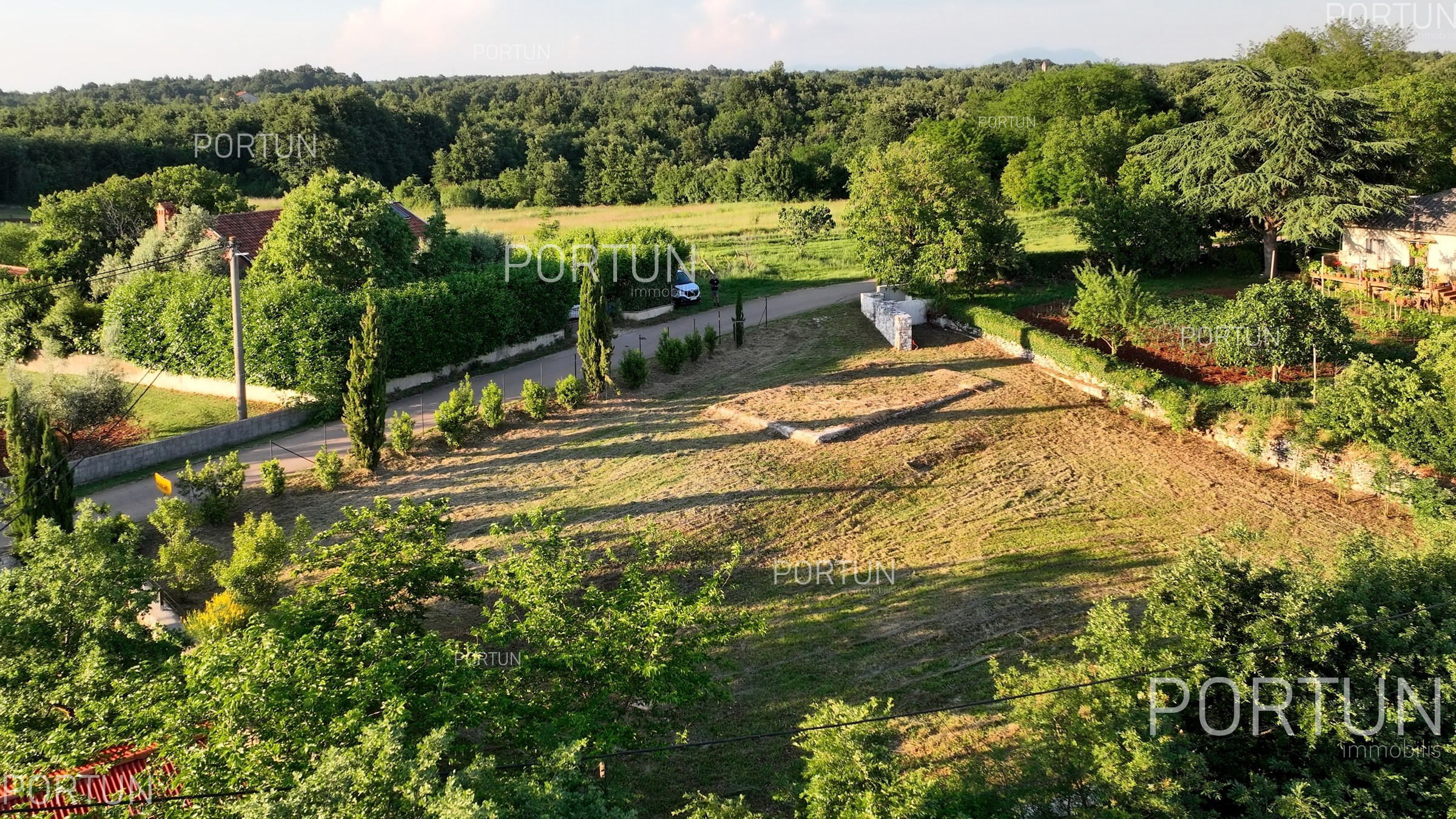
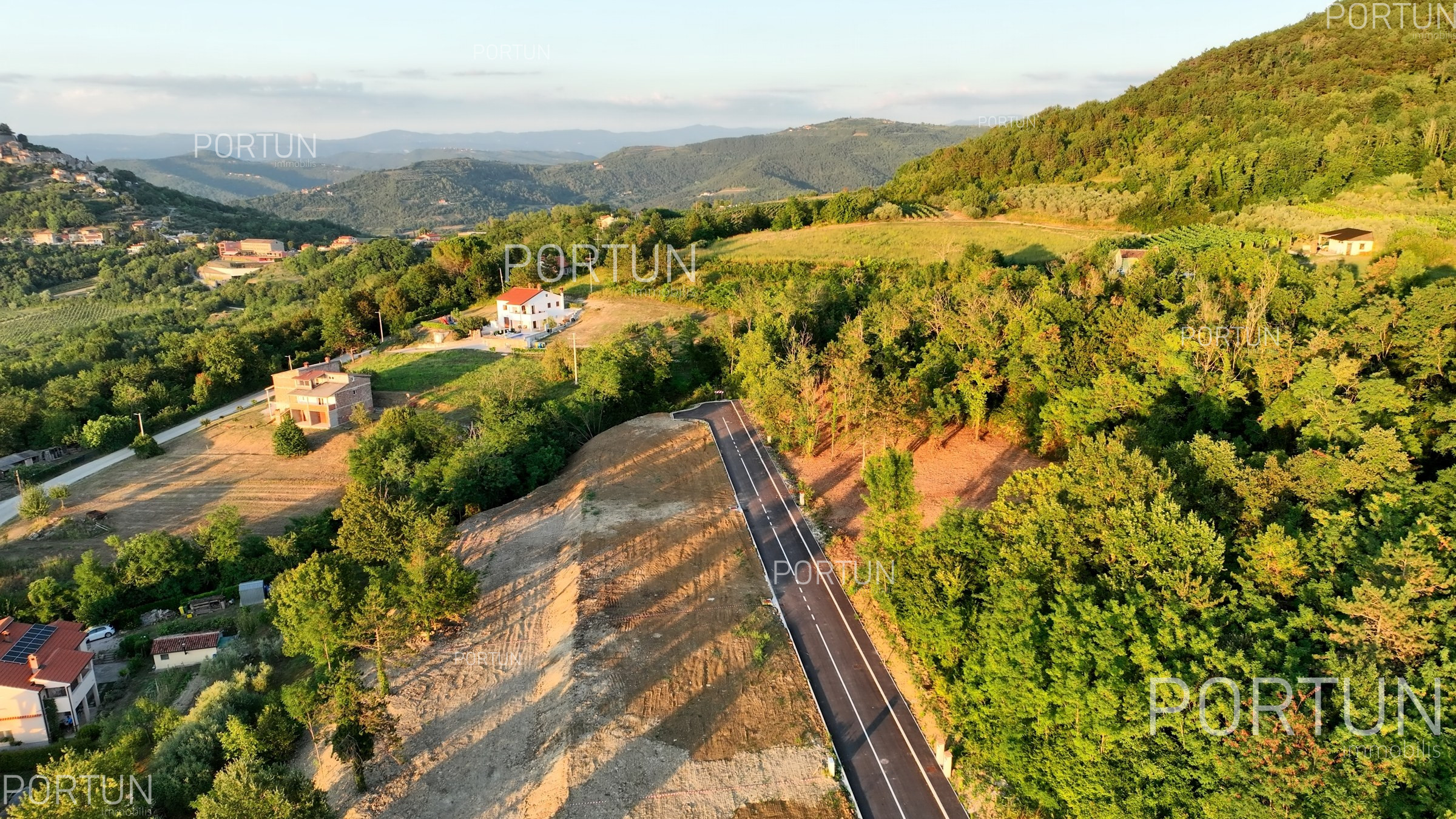
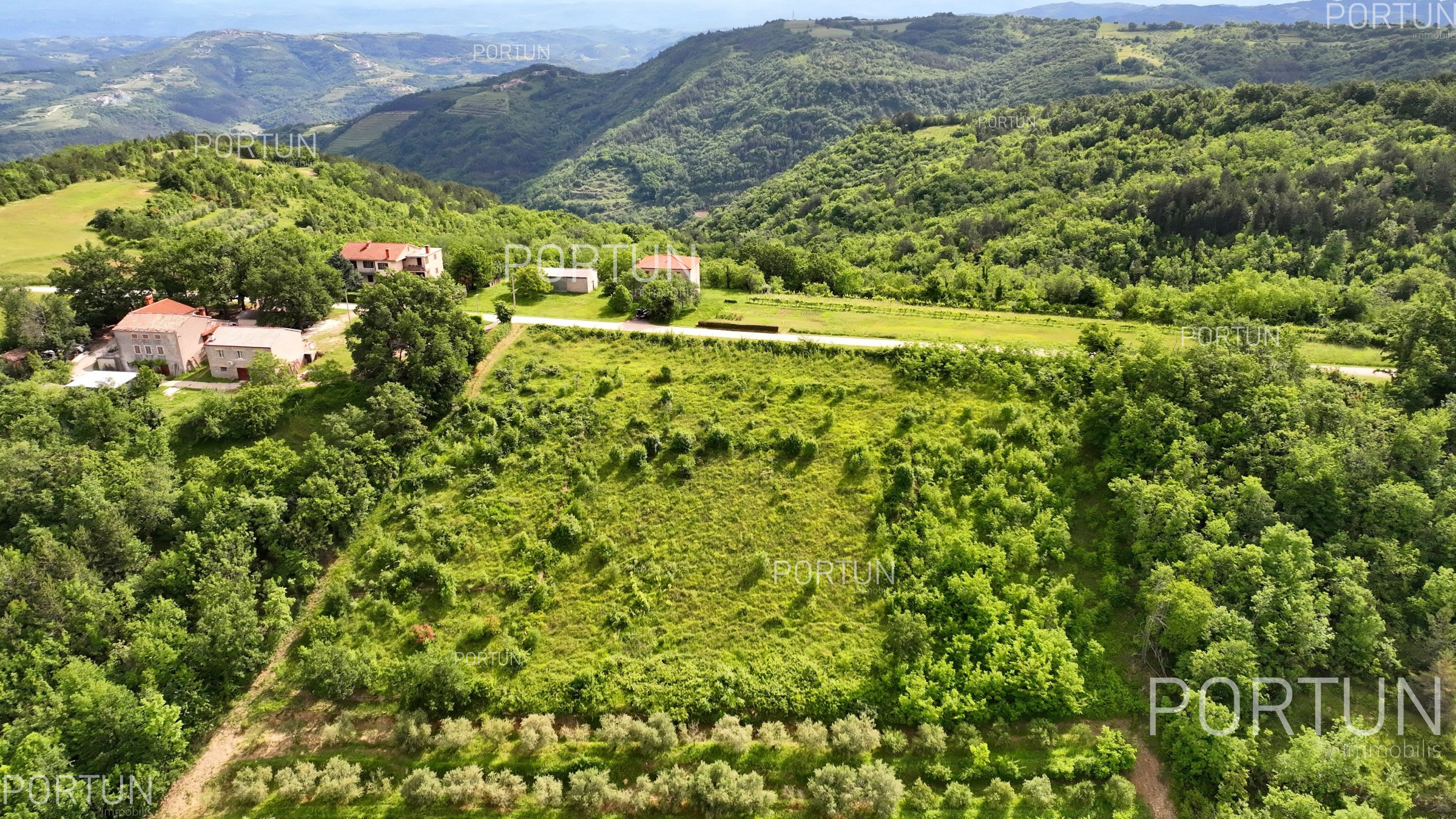
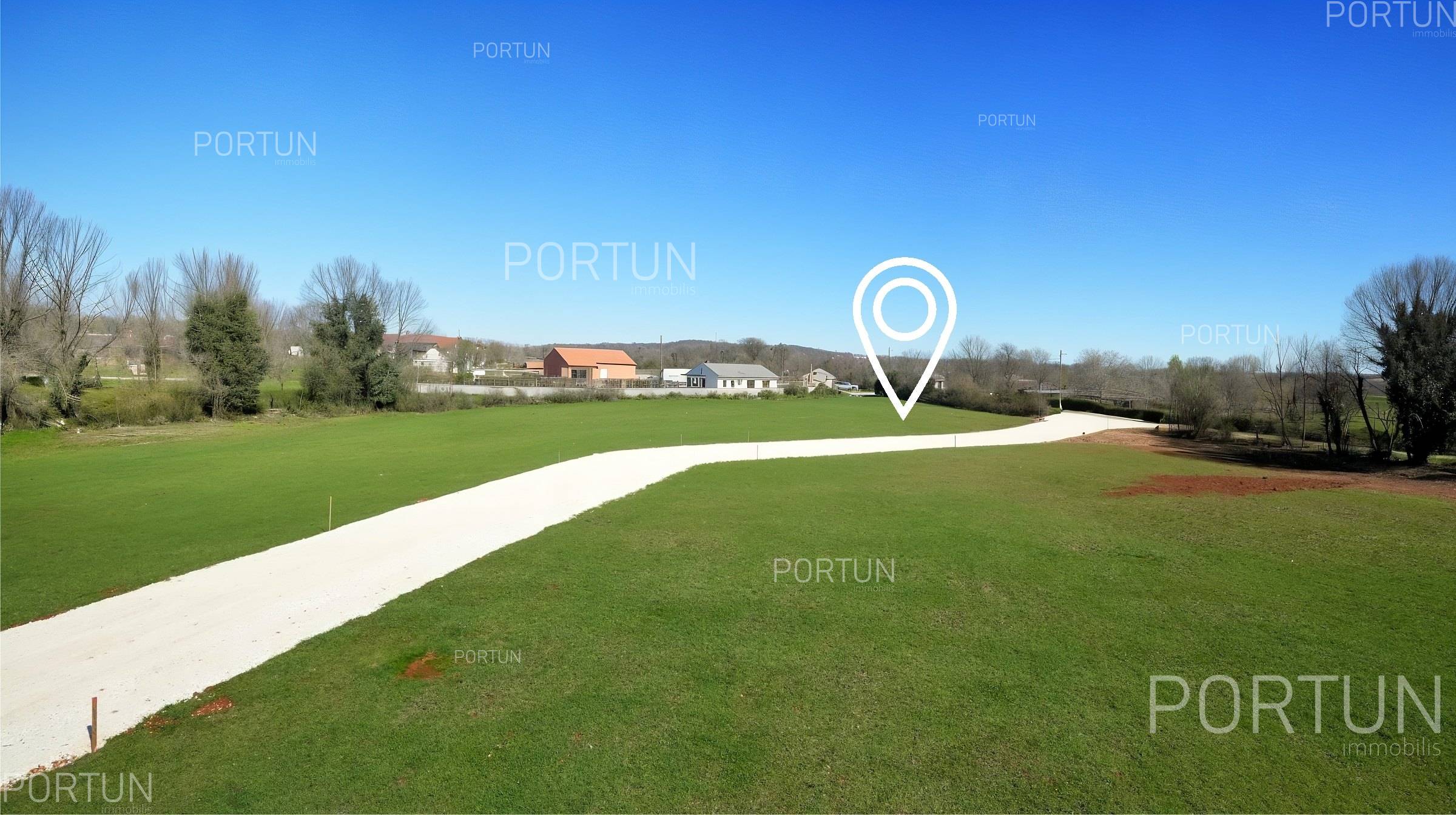
Every new parcel must have secured access roads and the possibility to connect to infrastructure. This is one of the most important technical conditions for successful subdivision.
In some cases, planning and building new roads is necessary, which increases project costs.
Well-planned infrastructure increases the value of each individual parcel and facilitates sales.
Subdivision costs
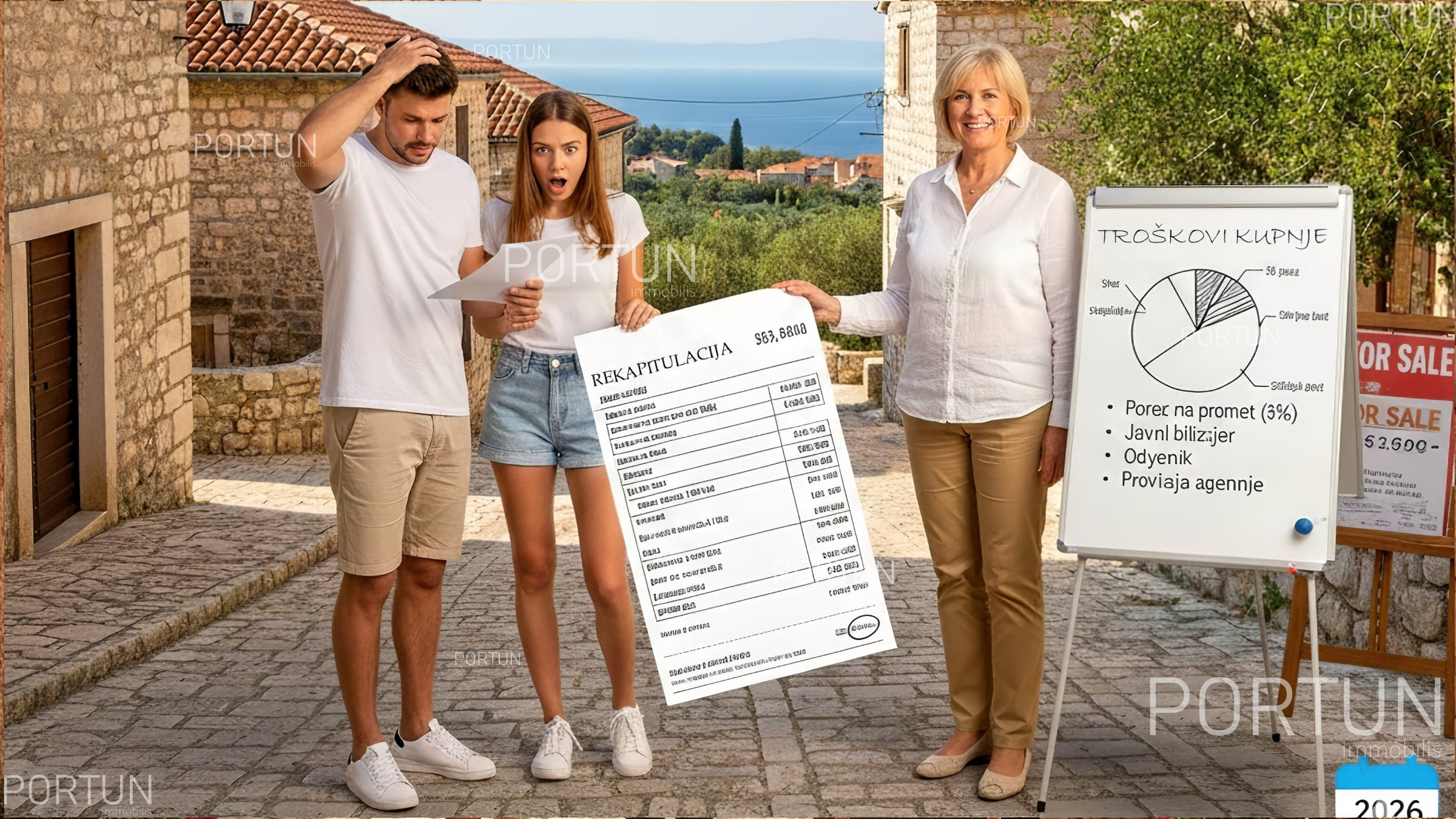
Subdivision costs include geodetic services, report preparation, administrative fees, and possible infrastructure works. The total amount depends on the size and complexity of the project.
It is important to define the budget in advance and include all costs to avoid unpleasant surprises.
In practice, subdivision costs are often lower compared to the potential increase in land value.
Parcel sales strategy
After subdivision, defining a sales strategy is crucial. Smaller parcels are accessible to a larger number of buyers, which increases liquidity.
It is important to adjust prices to the market and target buyer groups. Overpricing can slow sales, while underpricing reduces profit.
Professional presentation and marketing play an important role in the project’s success.
Risks and challenges
Like any investment, subdivision carries certain risks. Administrative processes can take time, and infrastructure costs may be higher than expected.
Market changes can also affect demand and parcel prices.
Having a backup plan and realistic expectations is essential.
Taxes and legal aspects
When buying and selling land, tax obligations must be considered. Depending on the project structure, different tax regimes may apply.
Legal security is key to successful project implementation. Proper documentation and clear ownership reduce risk.
Collaboration with legal experts is recommended at all project stages.
Who is this project suitable for
Subdivision is most suitable for investors with experience and market understanding. For beginners, it can be challenging due to the process complexity.
However, with good preparation and expert support, it is possible to successfully complete the project and achieve a significant return on investment.
Having a clear strategy and long-term vision is important.
Conclusion
Purchasing larger land for subdivision in Istria can be a very profitable investment but requires careful planning and detailed analysis. The key to success lies in location choice, understanding the spatial plan, and cost control.
For investors willing to invest time and resources, subdivision offers an opportunity to increase value and secure a stable return.
Related guides and useful articles
Topic guides for buying and evaluating land in Istria
When purchasing larger plots for subdivision, it is essential to combine zoning regulations with a realistic assessment of land quality and market potential.
Tags
land subdivision, buying larger plots, Istria, building land, zoning conditions, spatial plan, plot width, access road, infrastructure, utility connections, development costs, geodetic report, conceptual design, investment, market potential, purchase risks