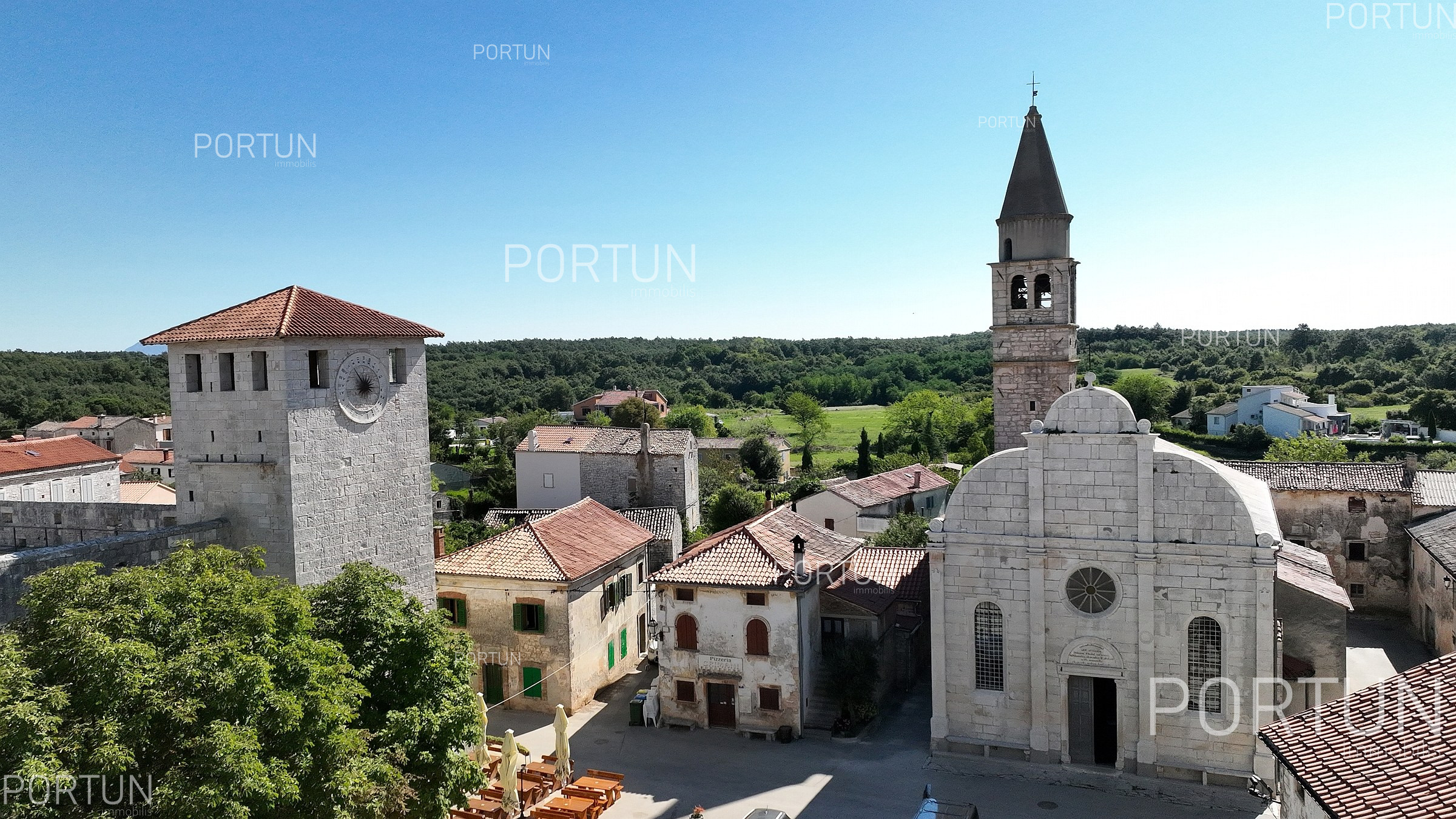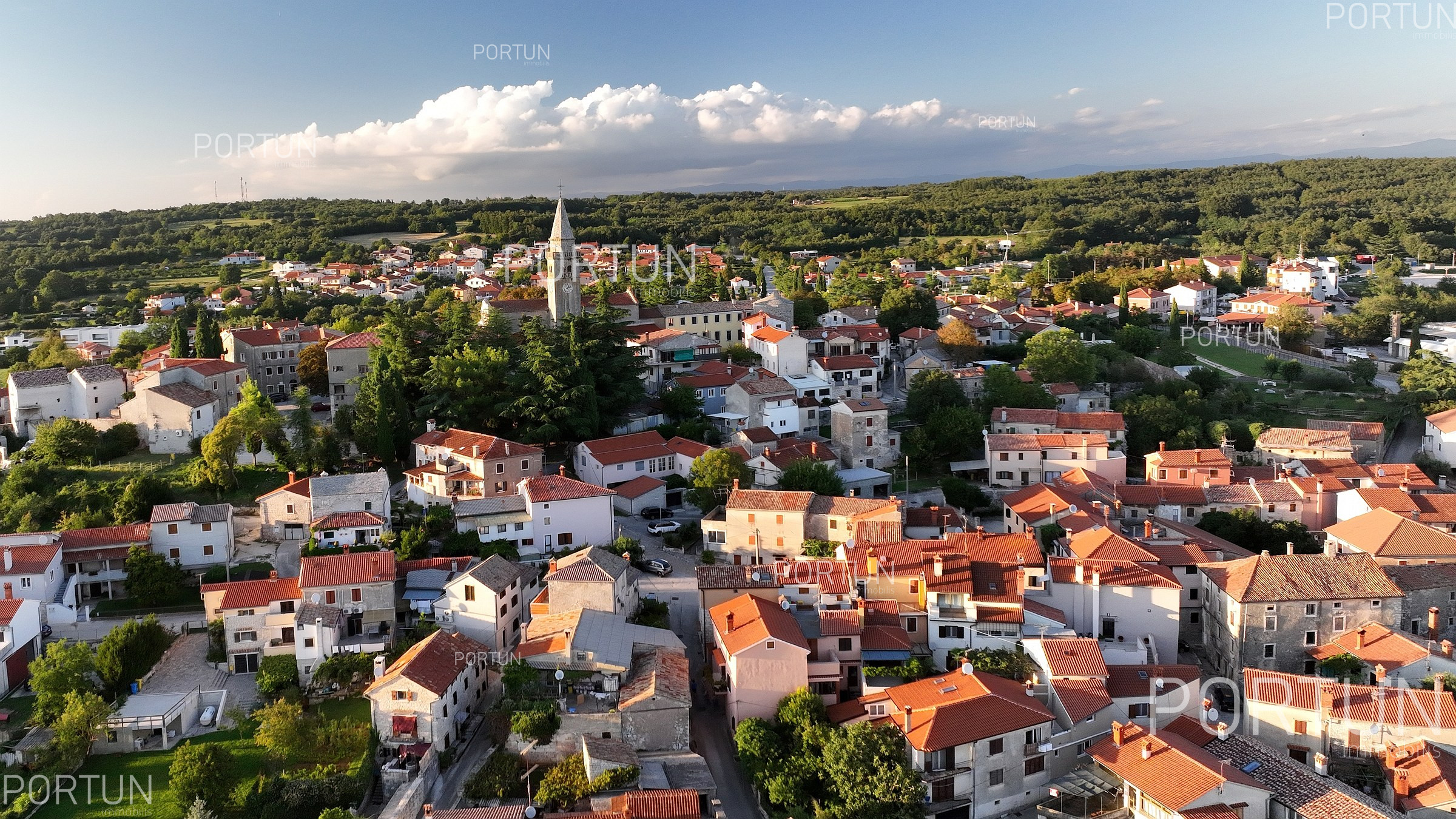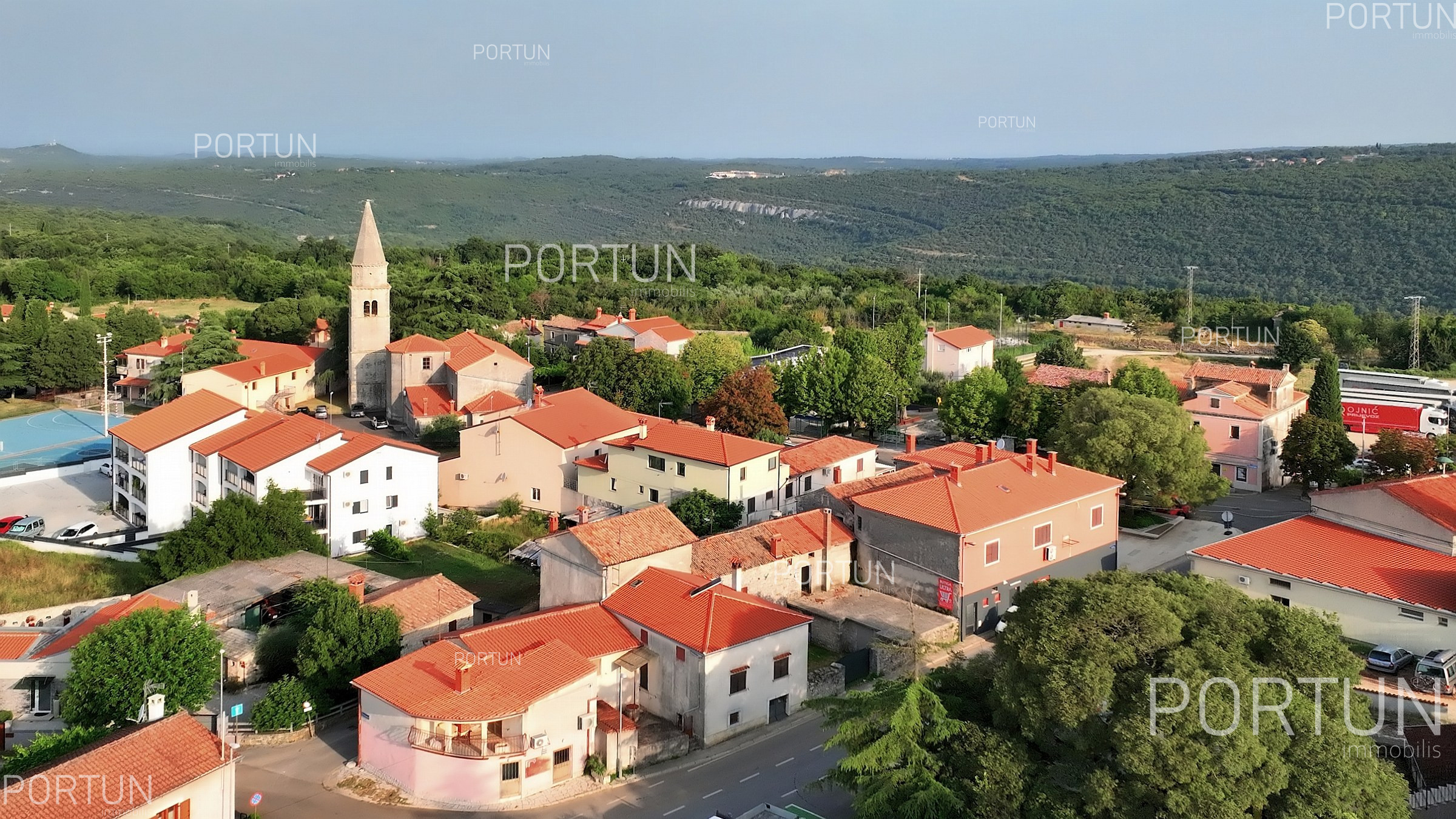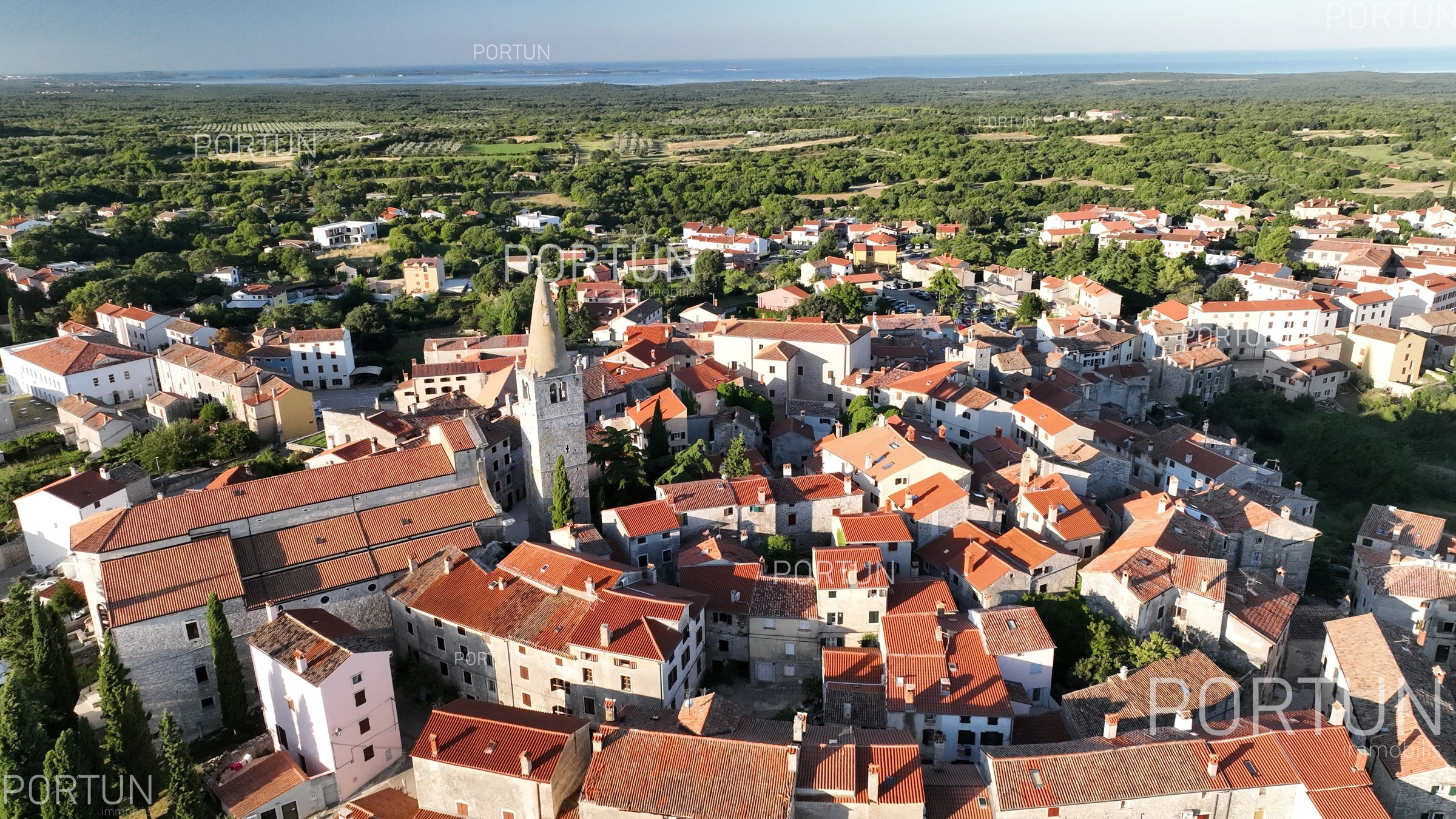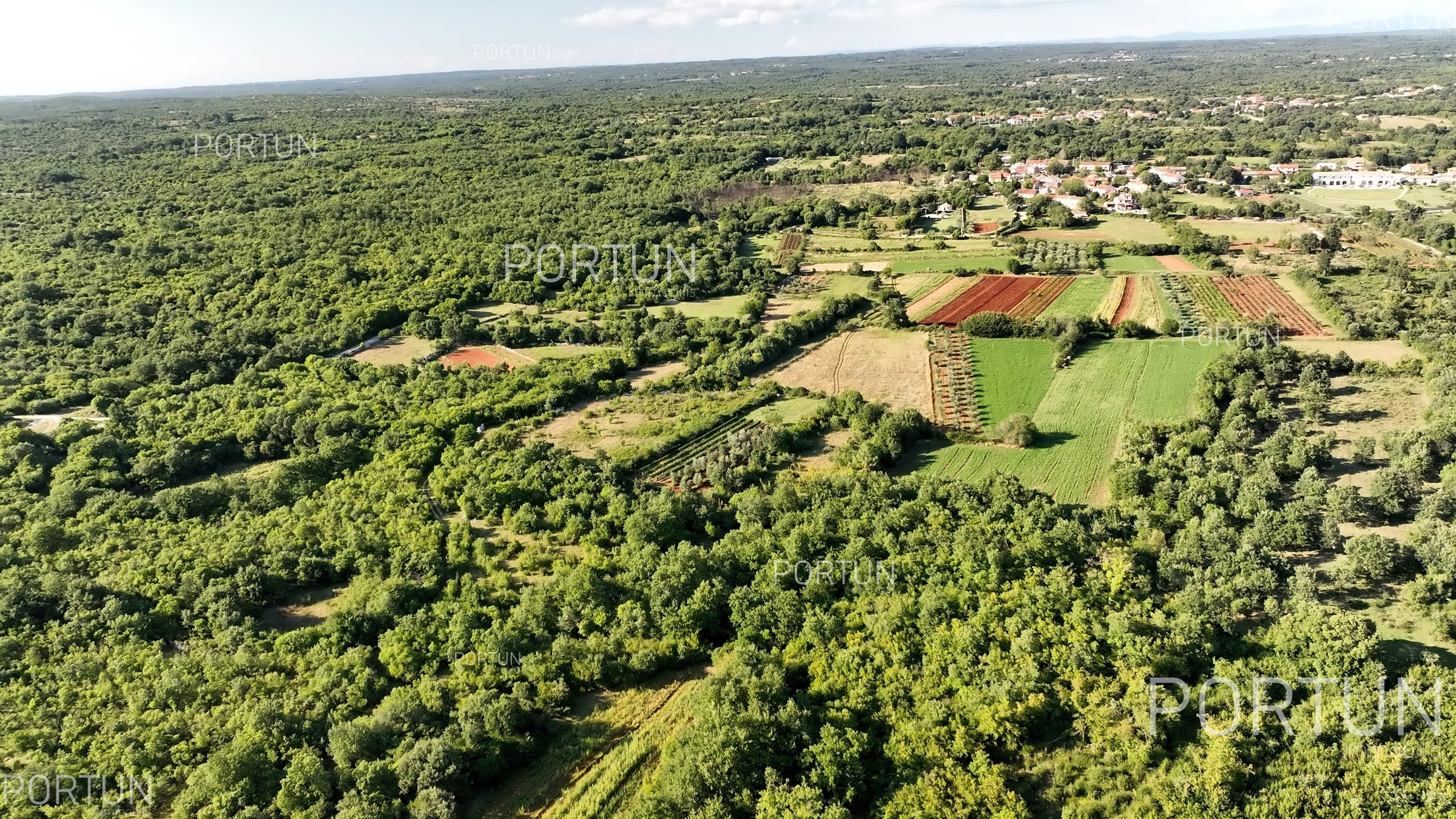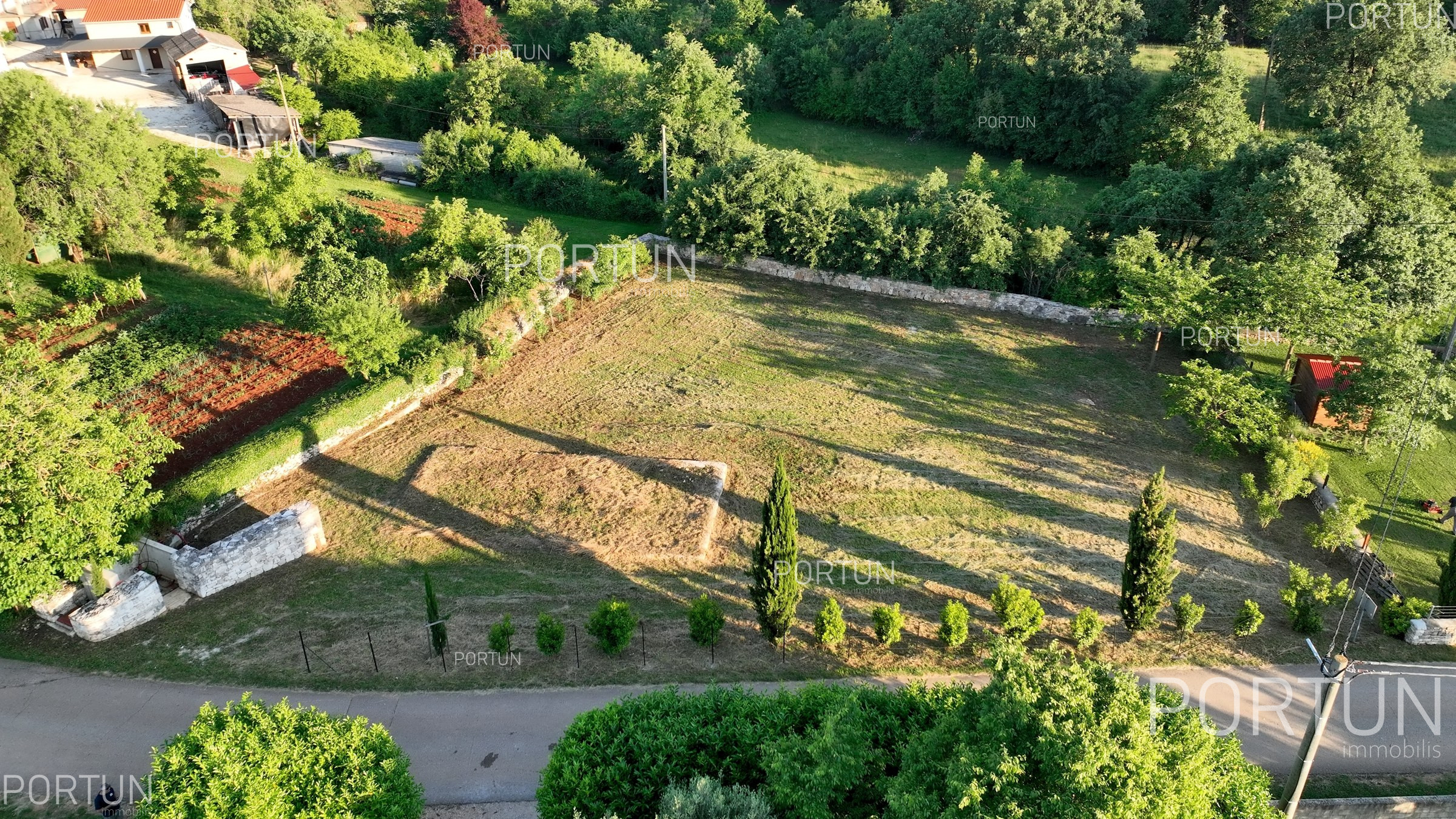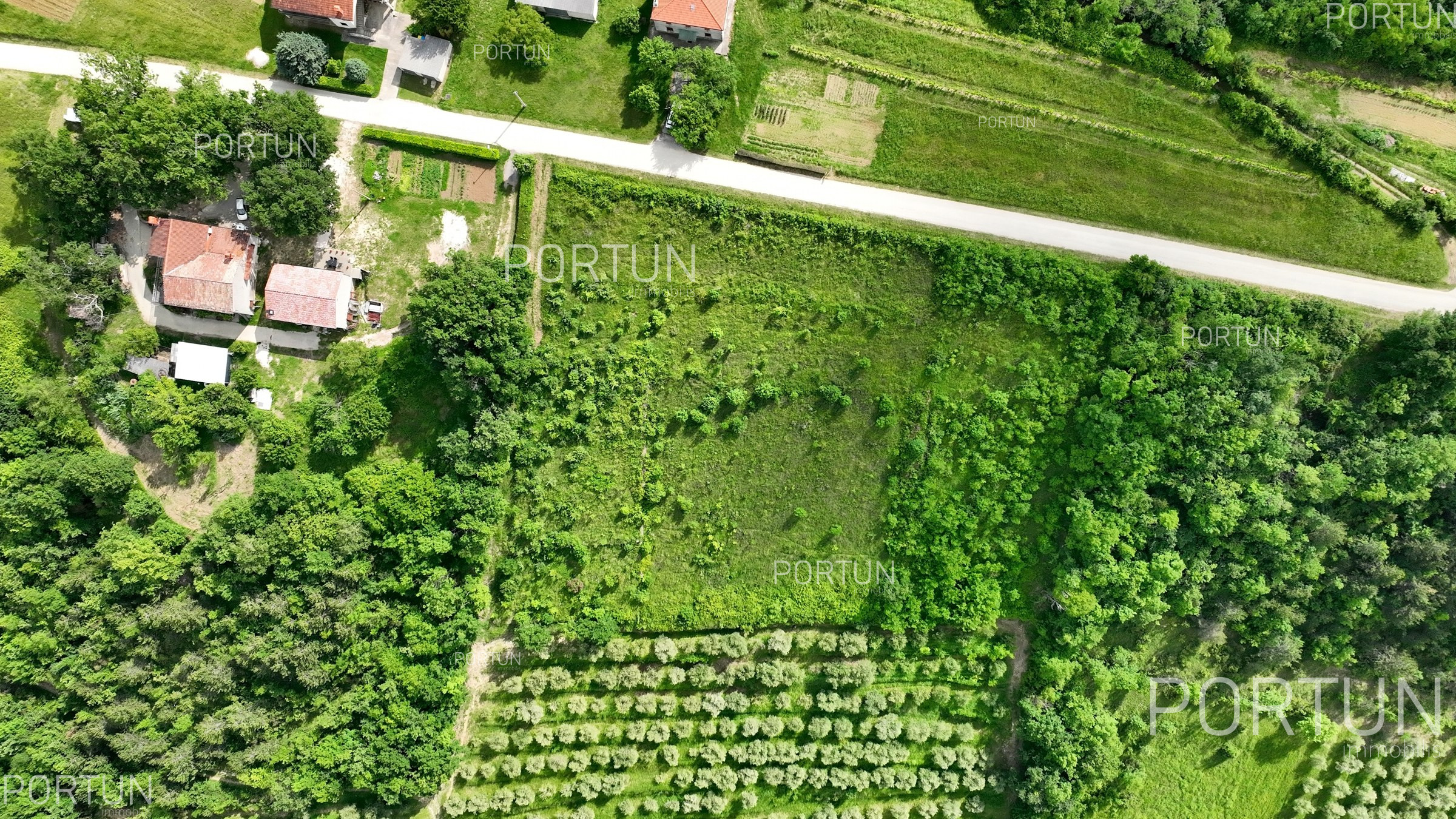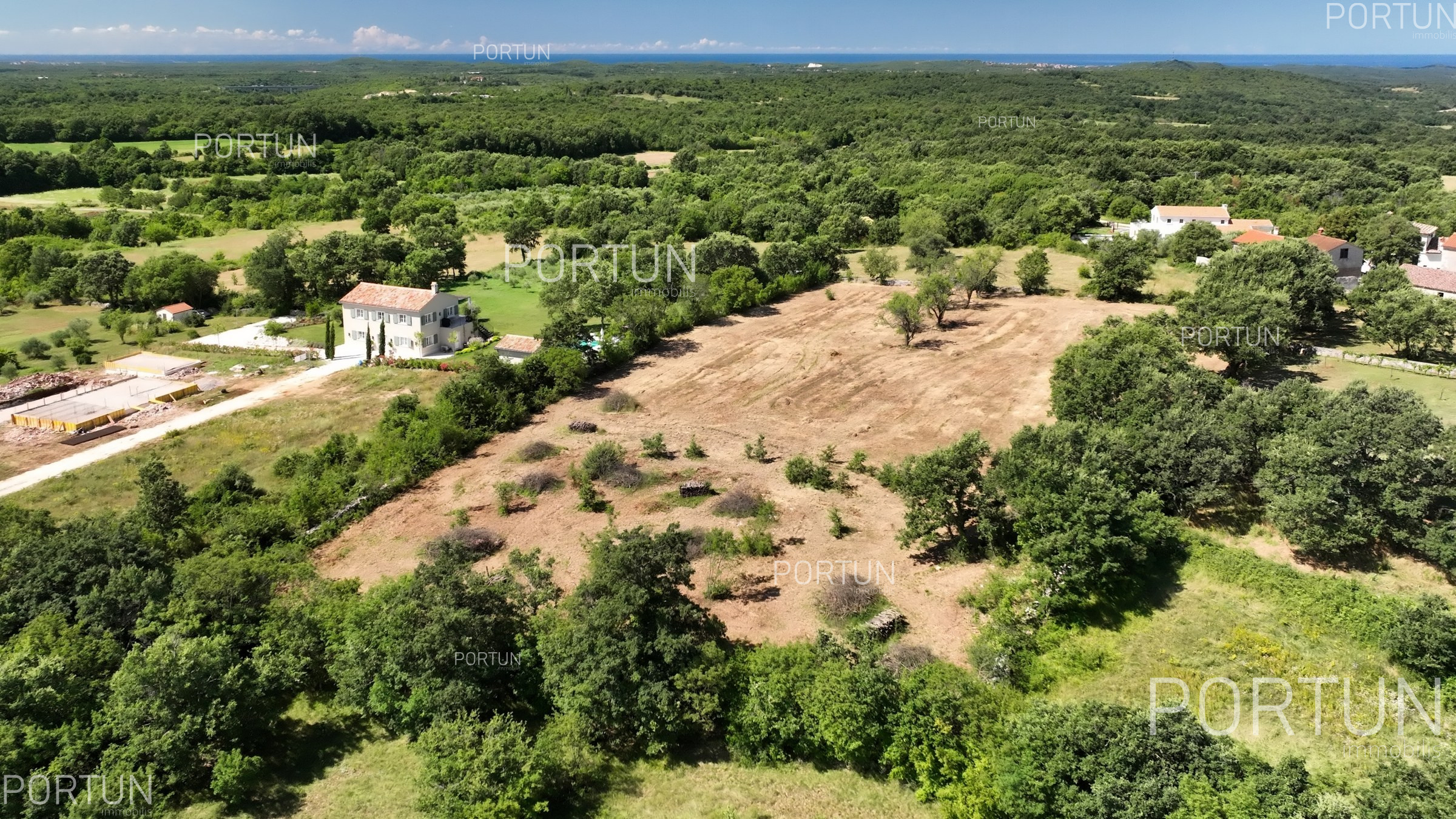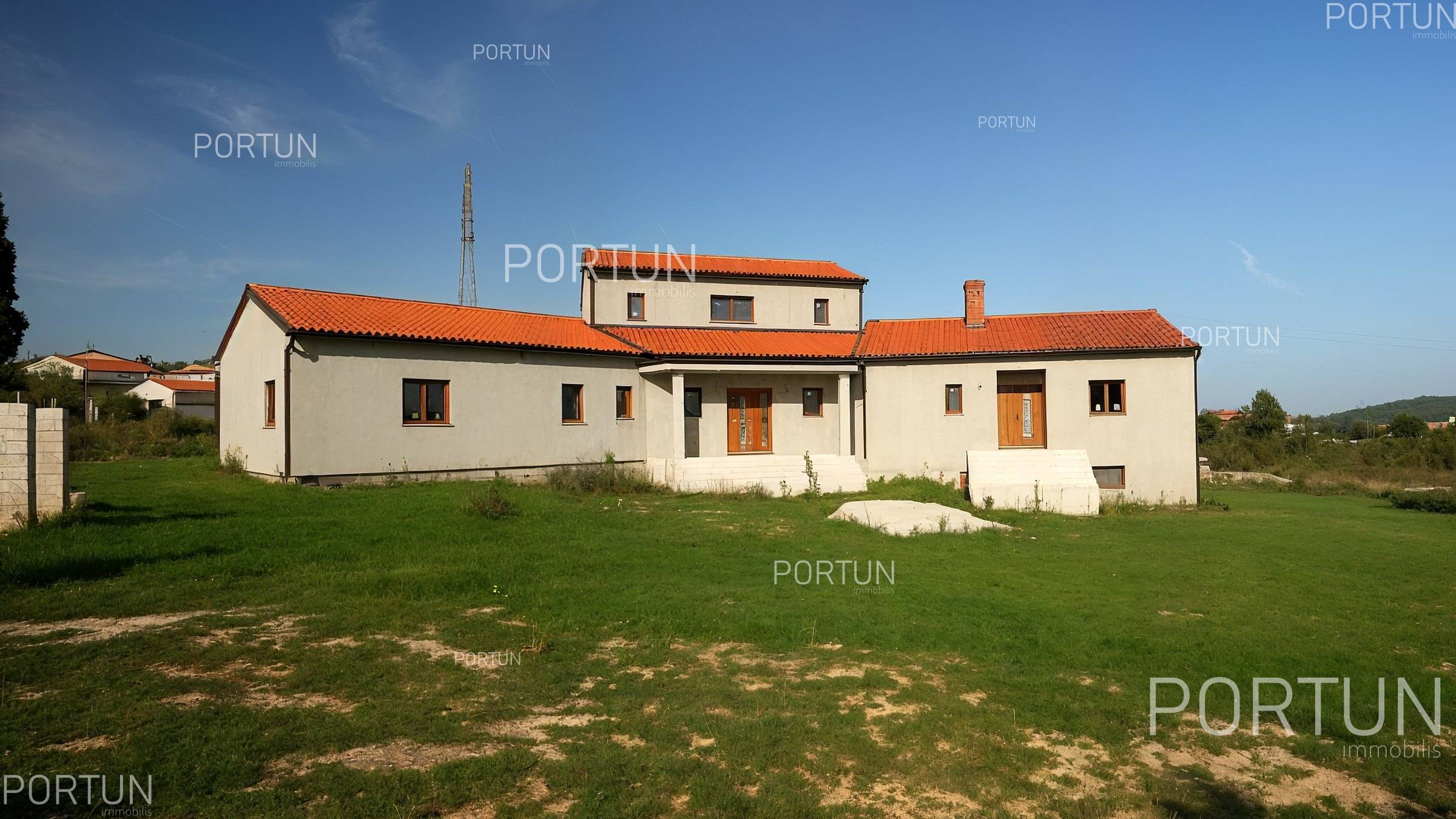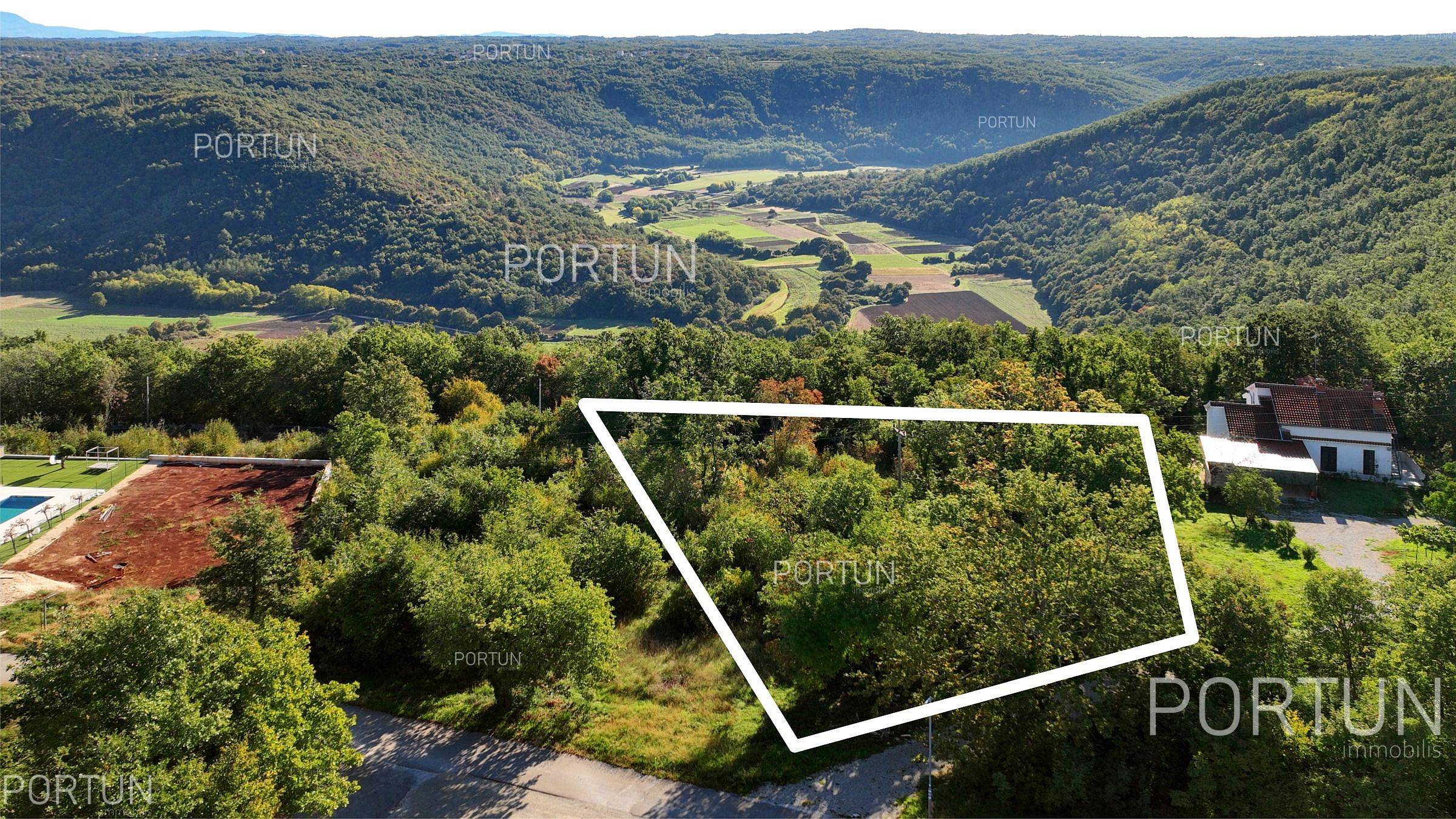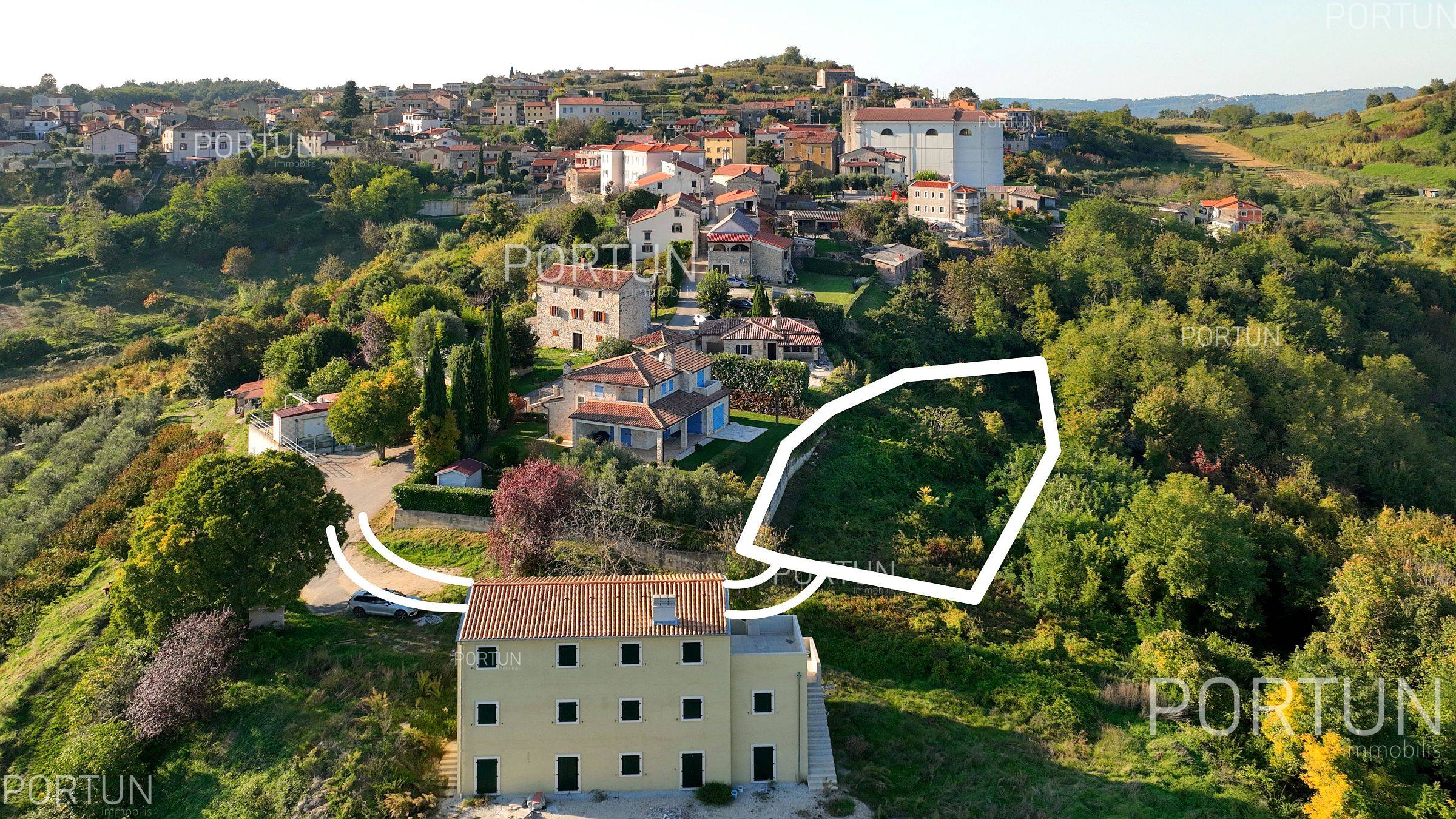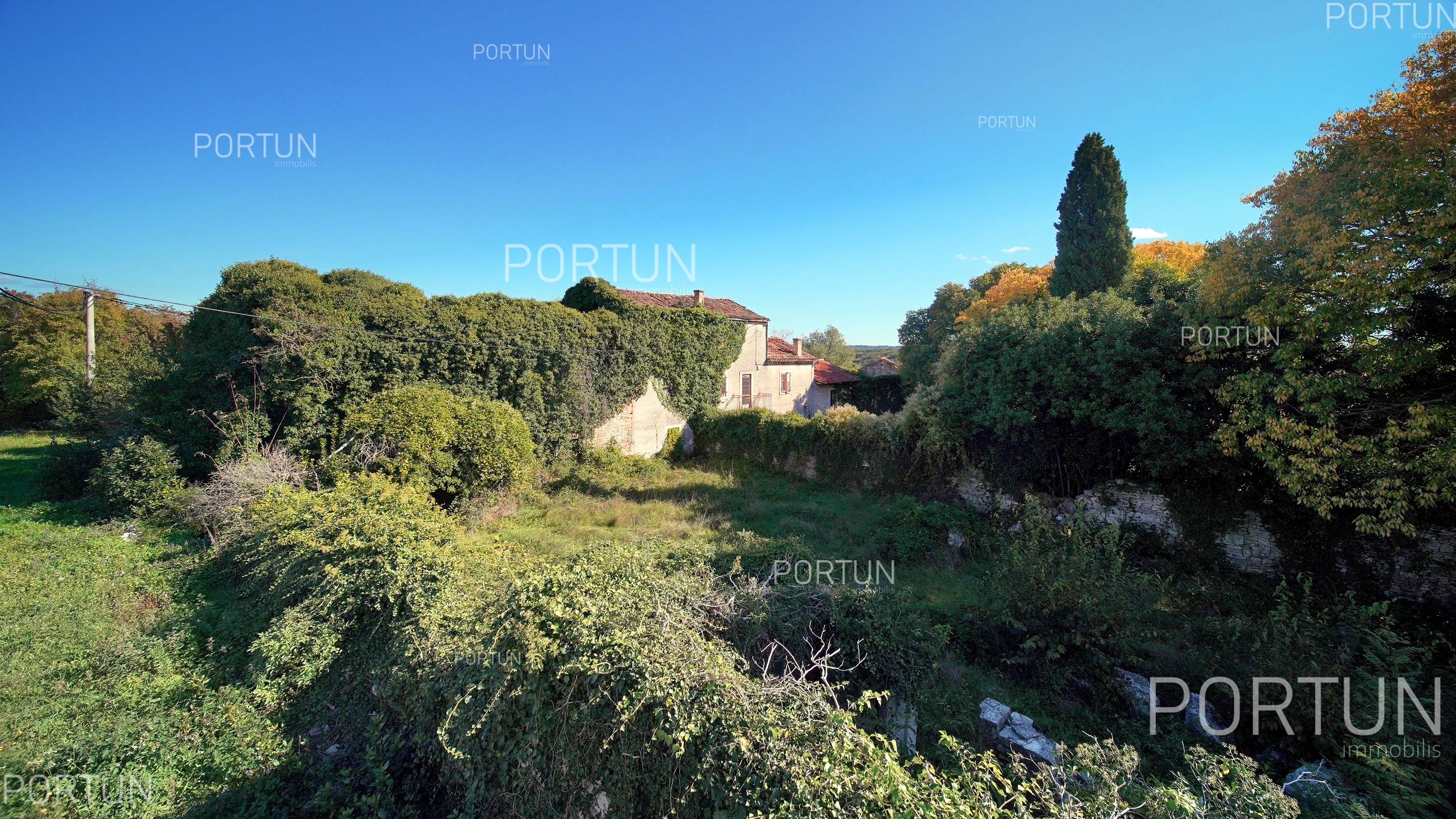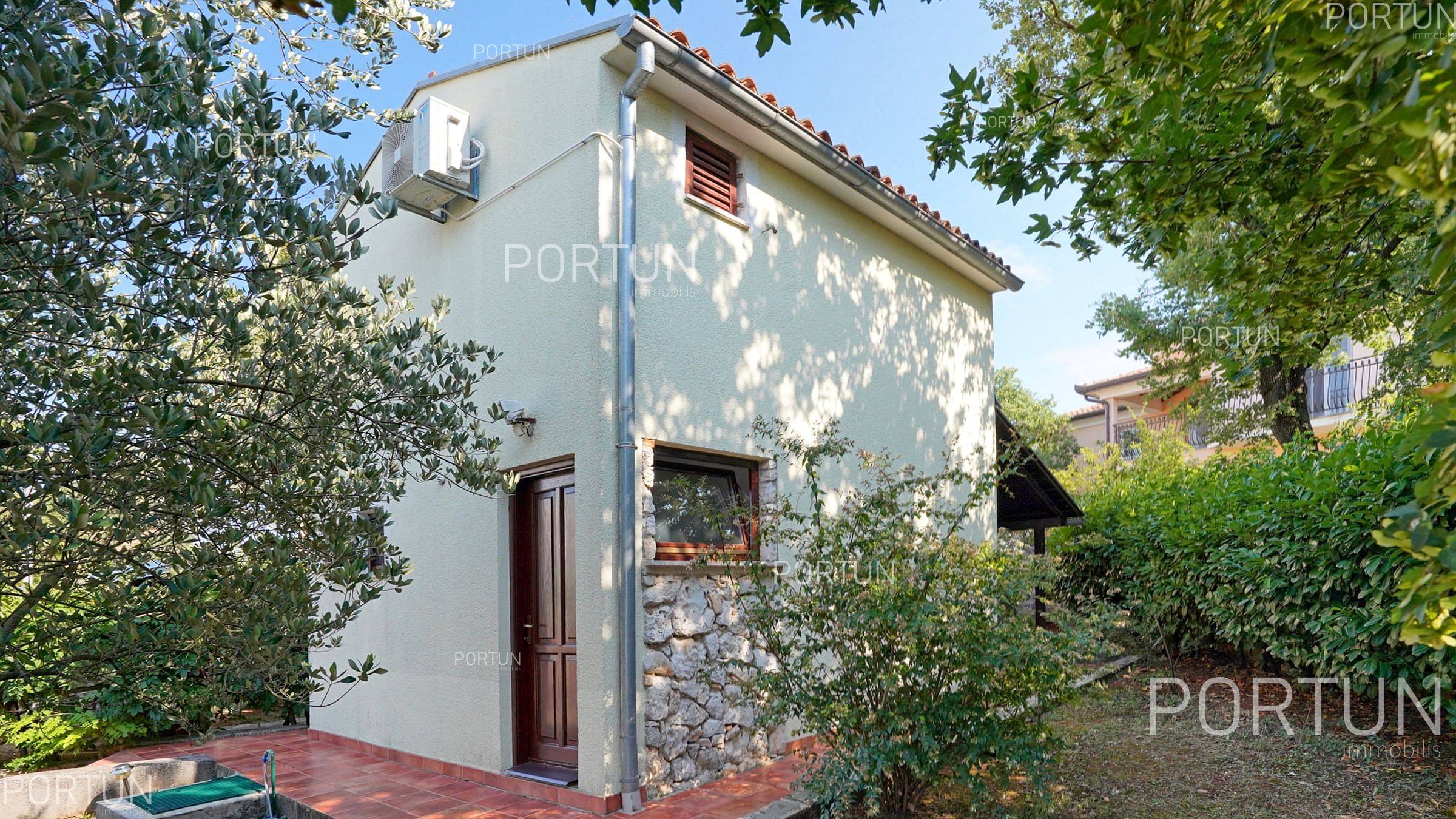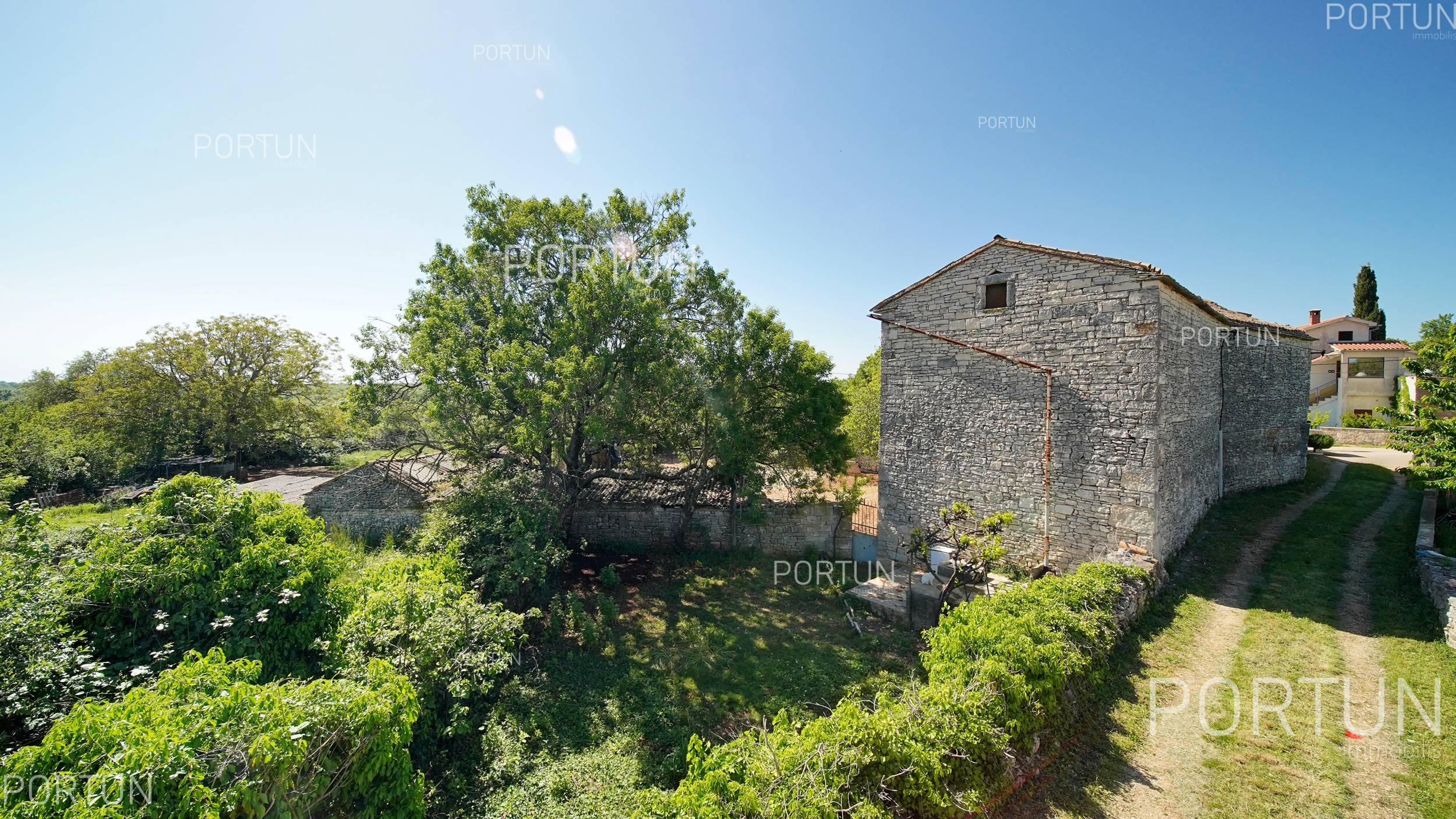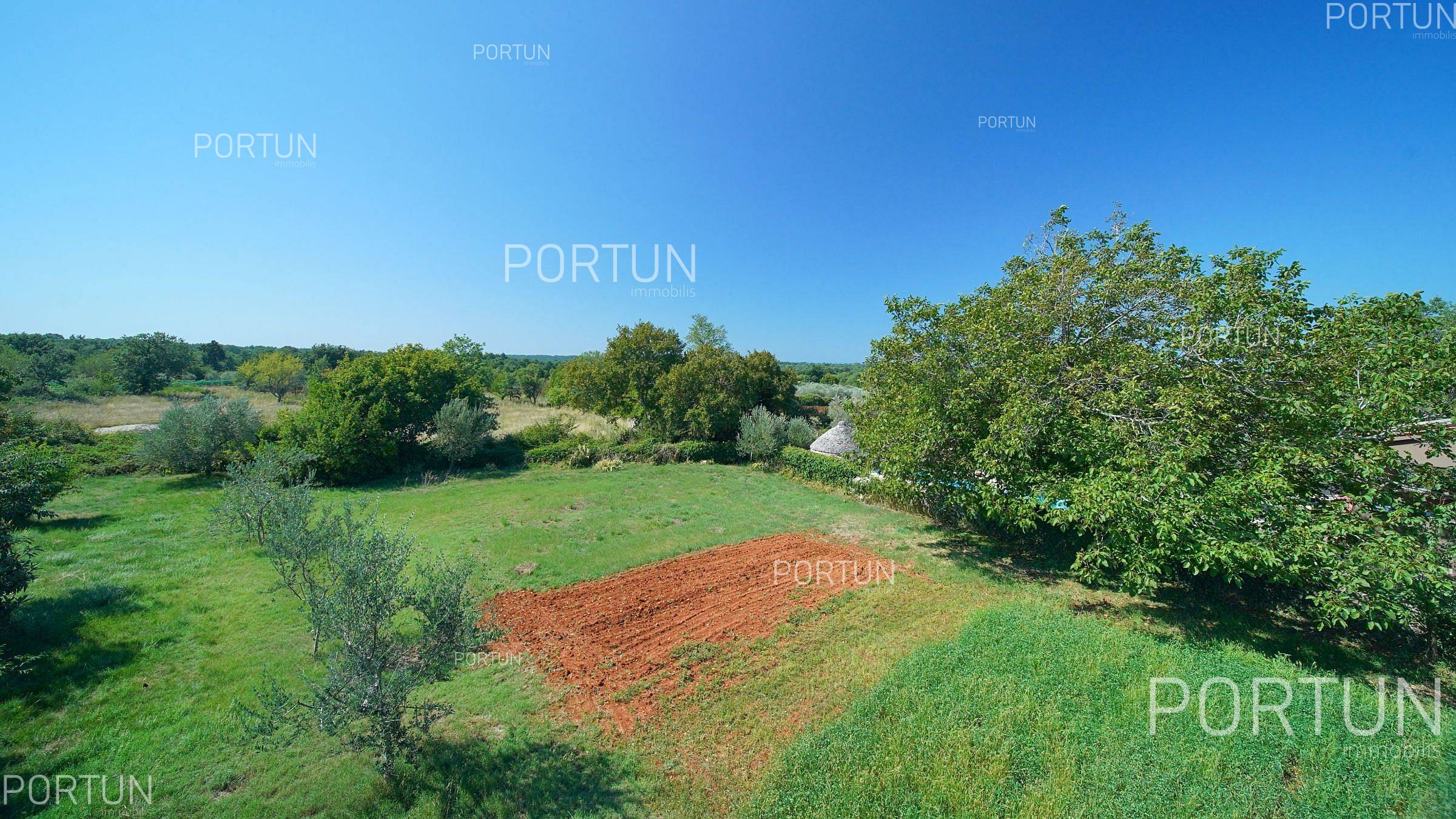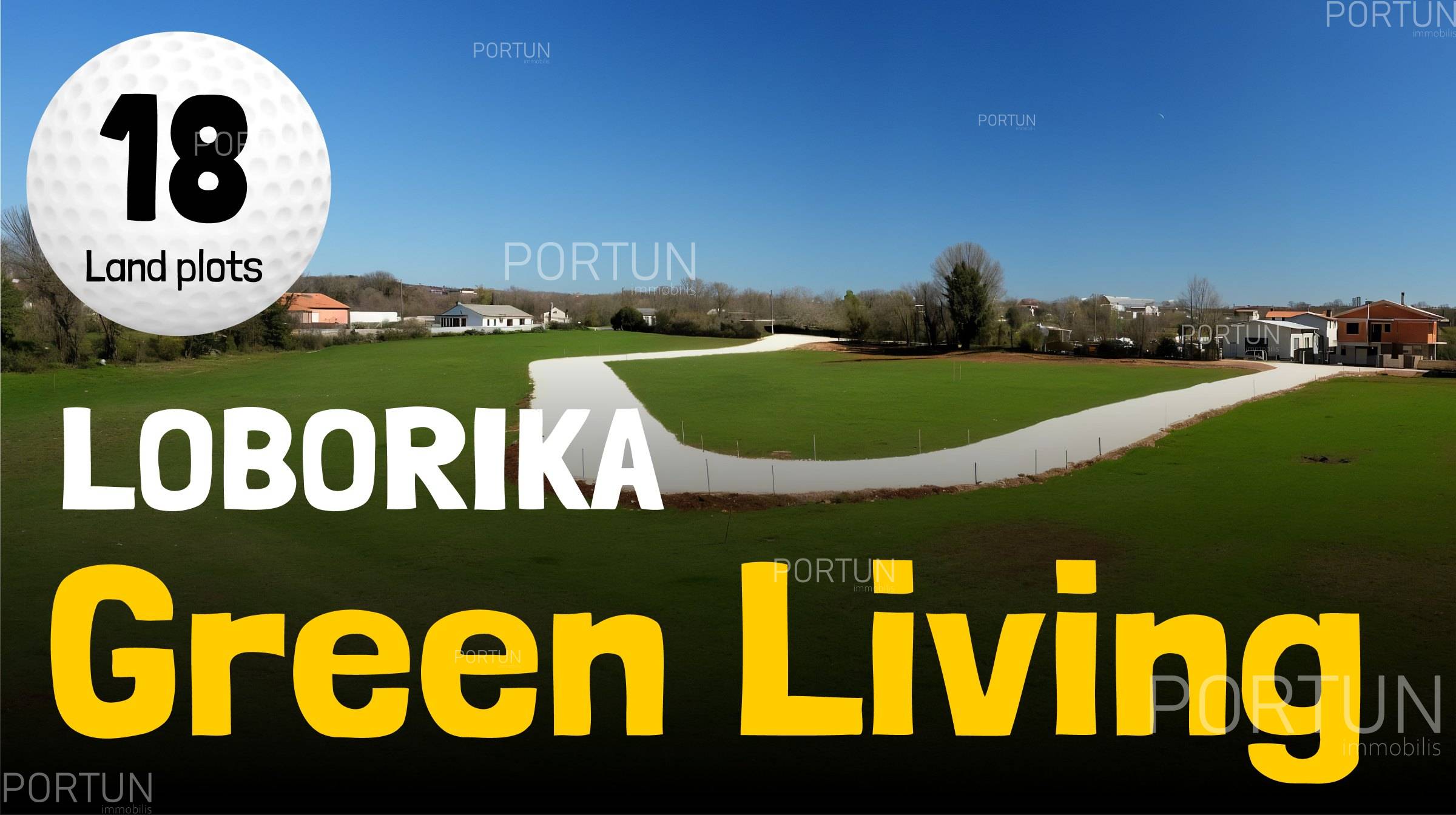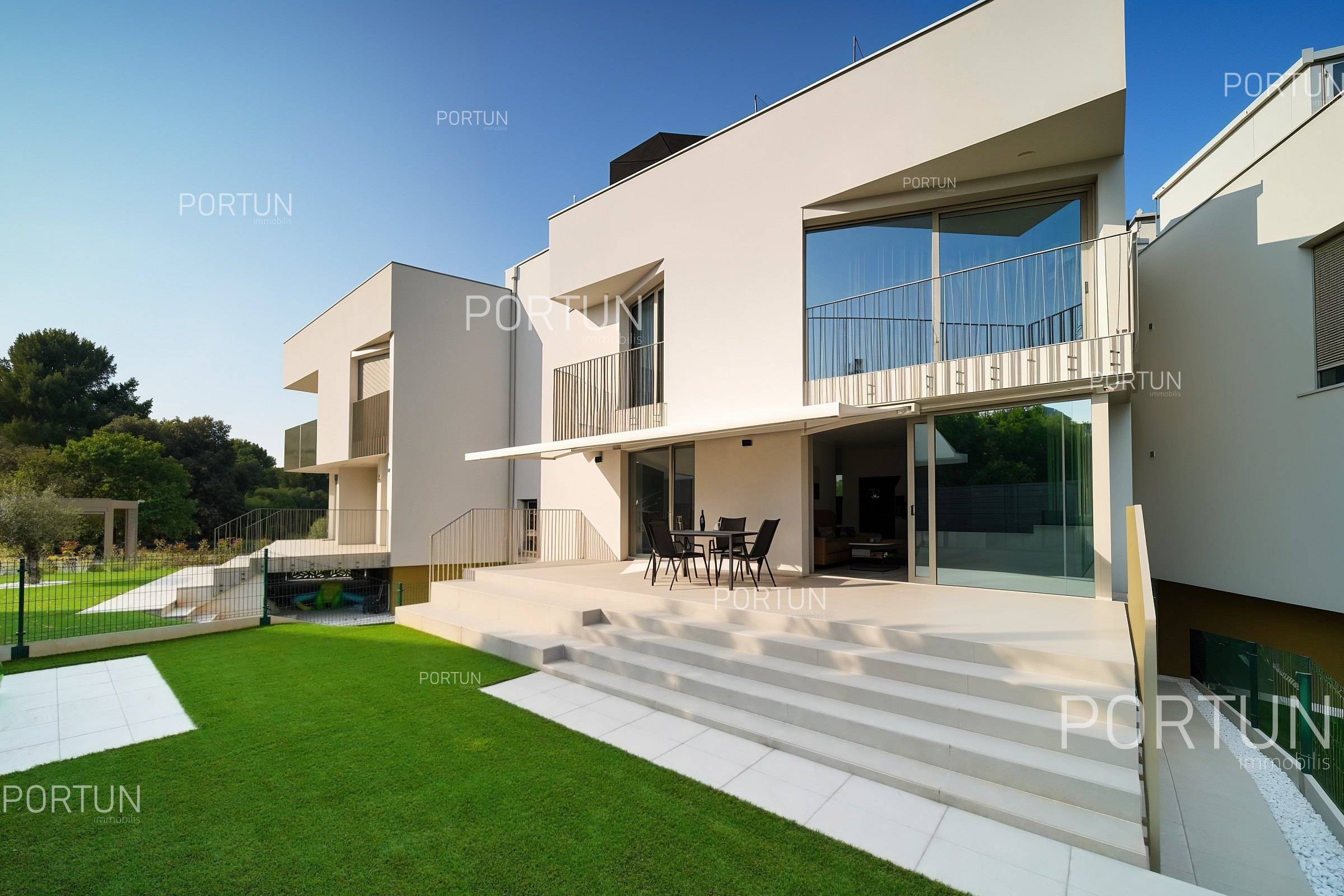
Introduction
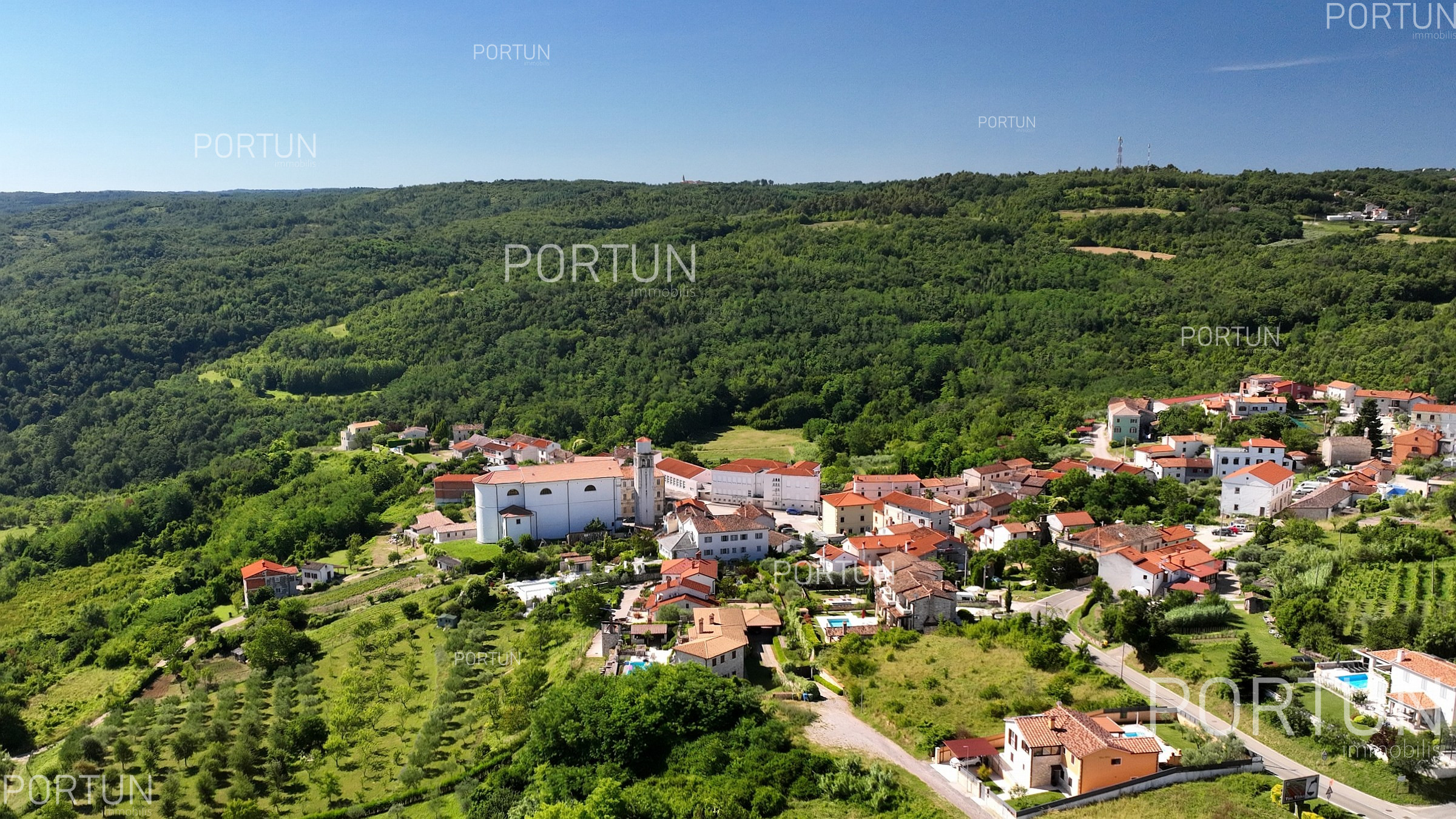
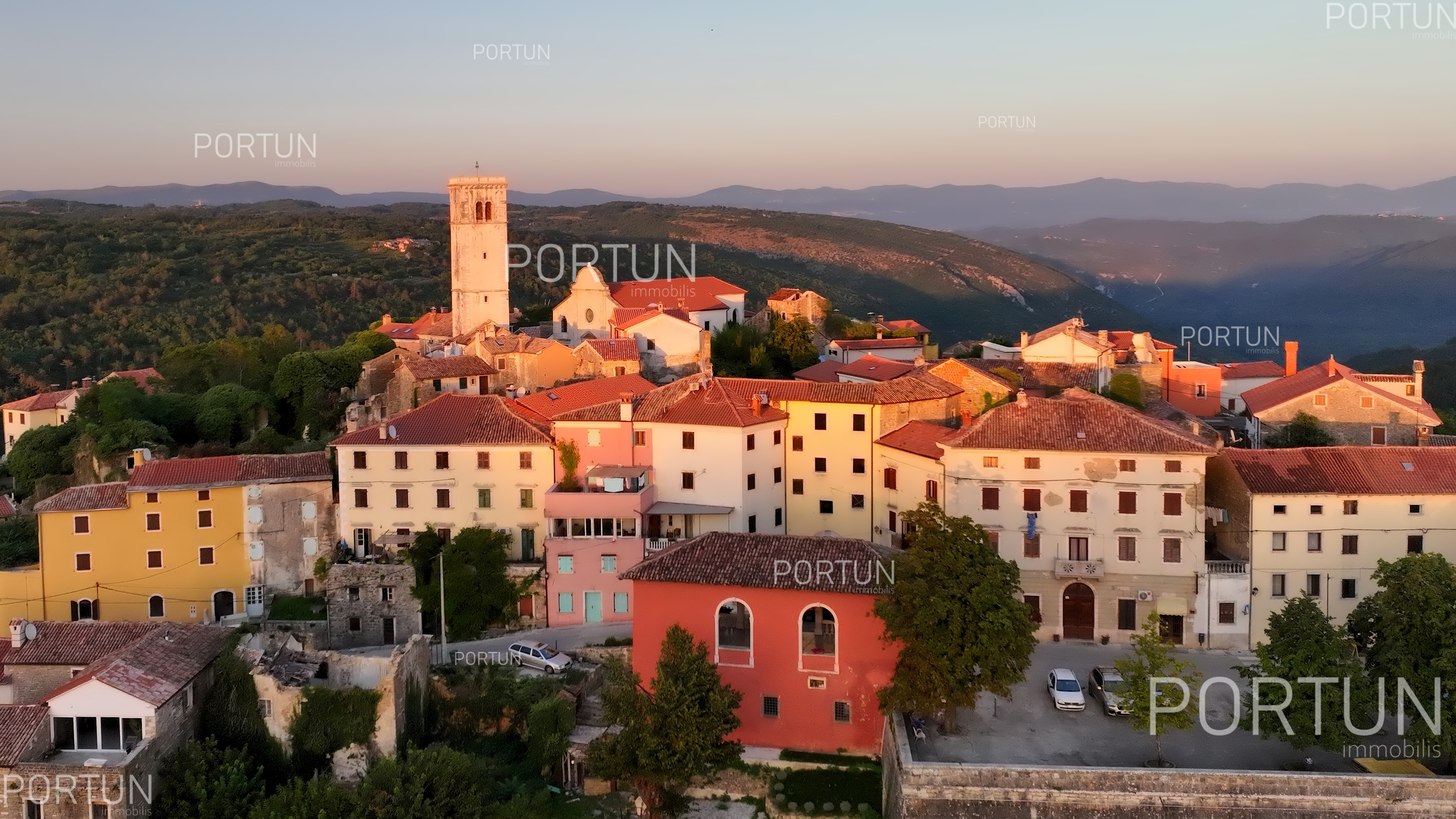
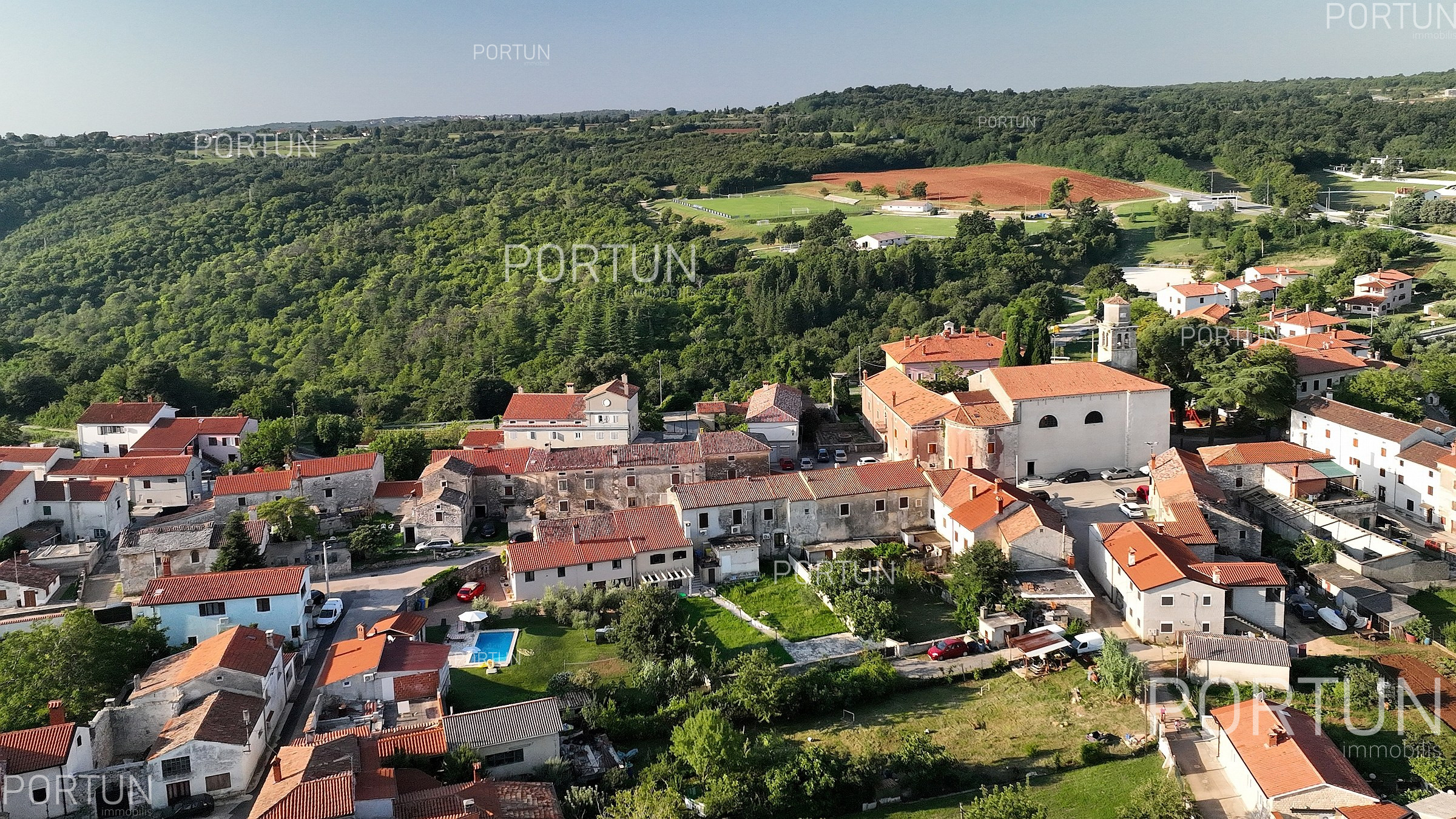
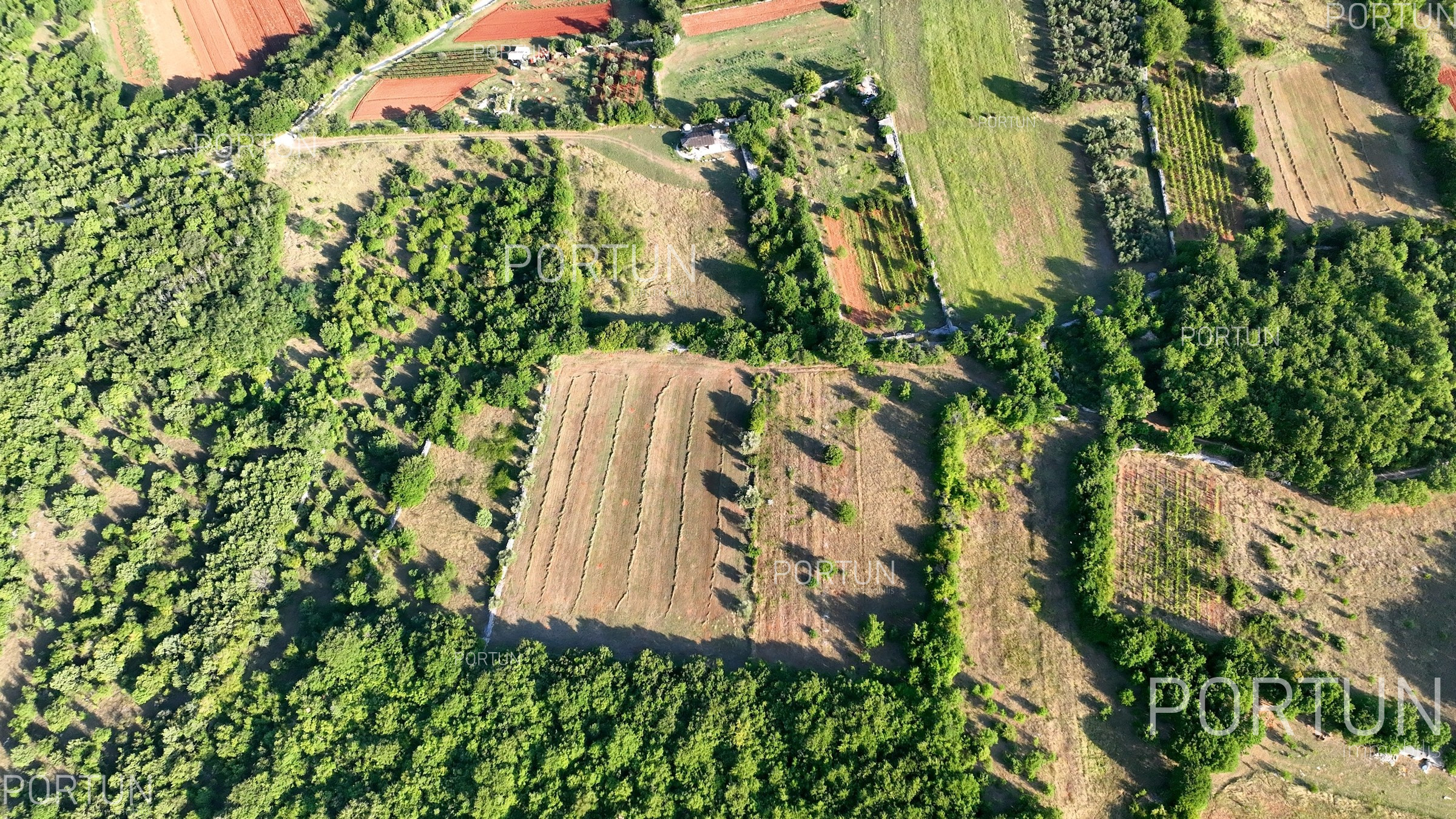
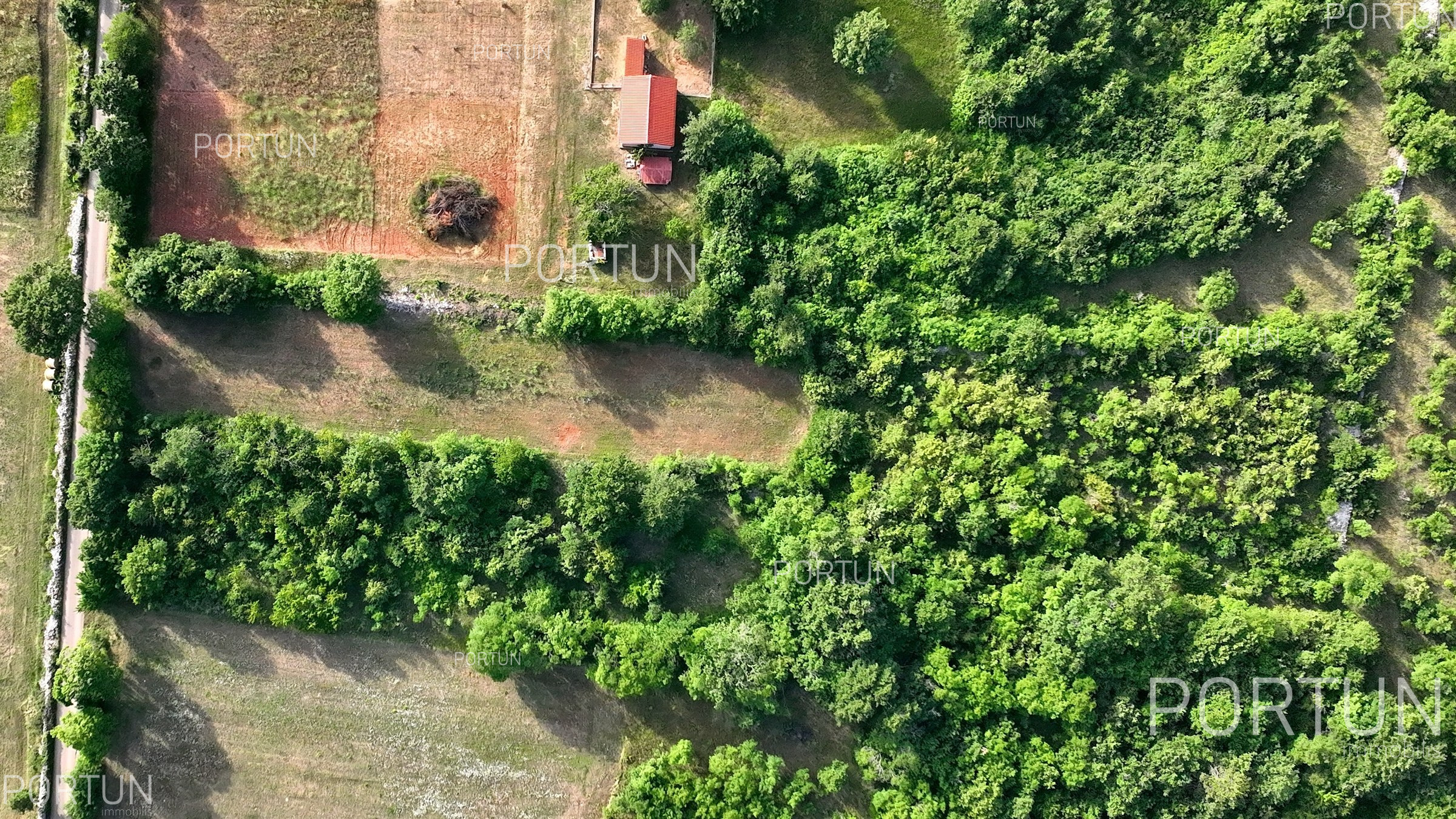
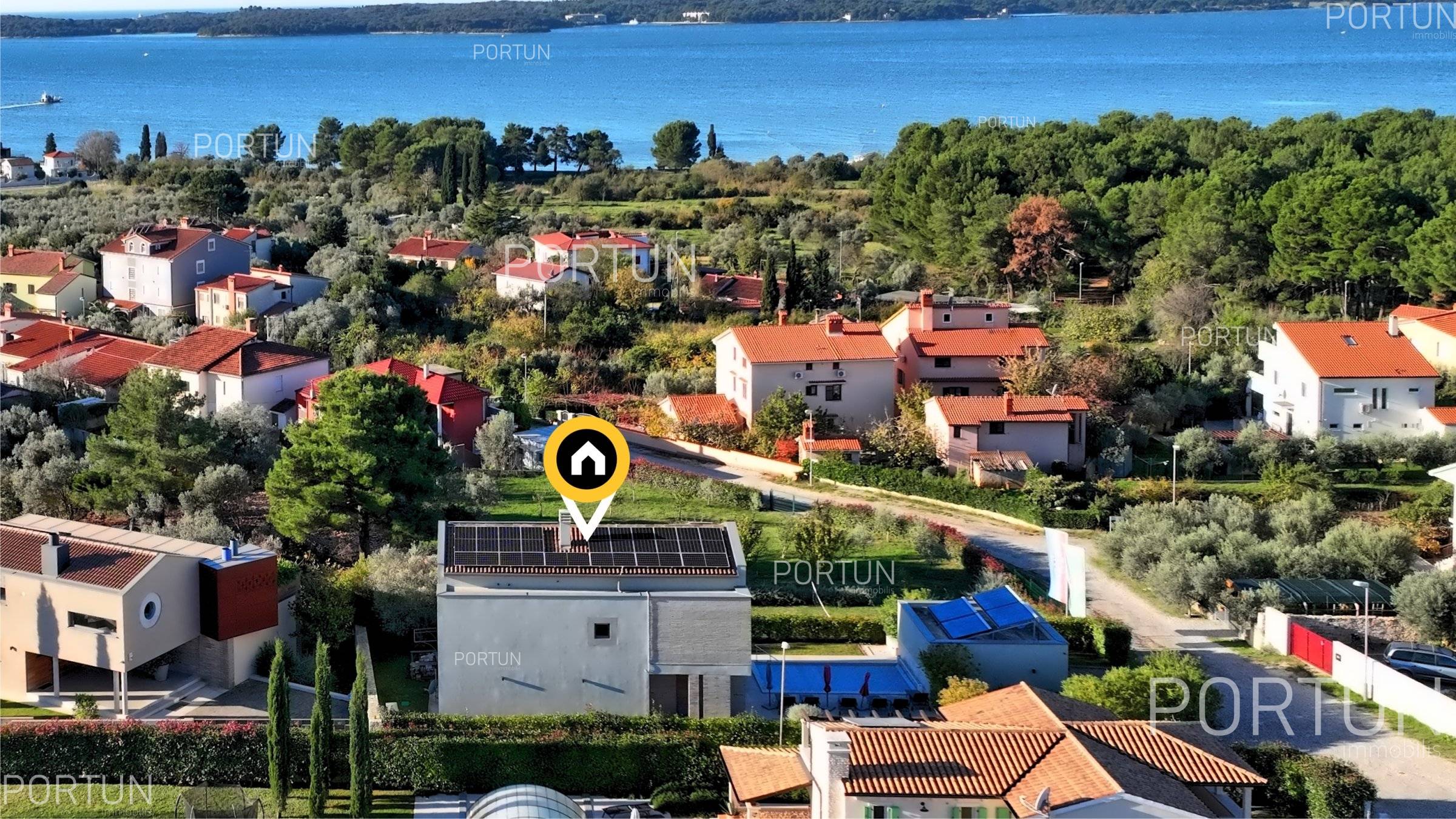
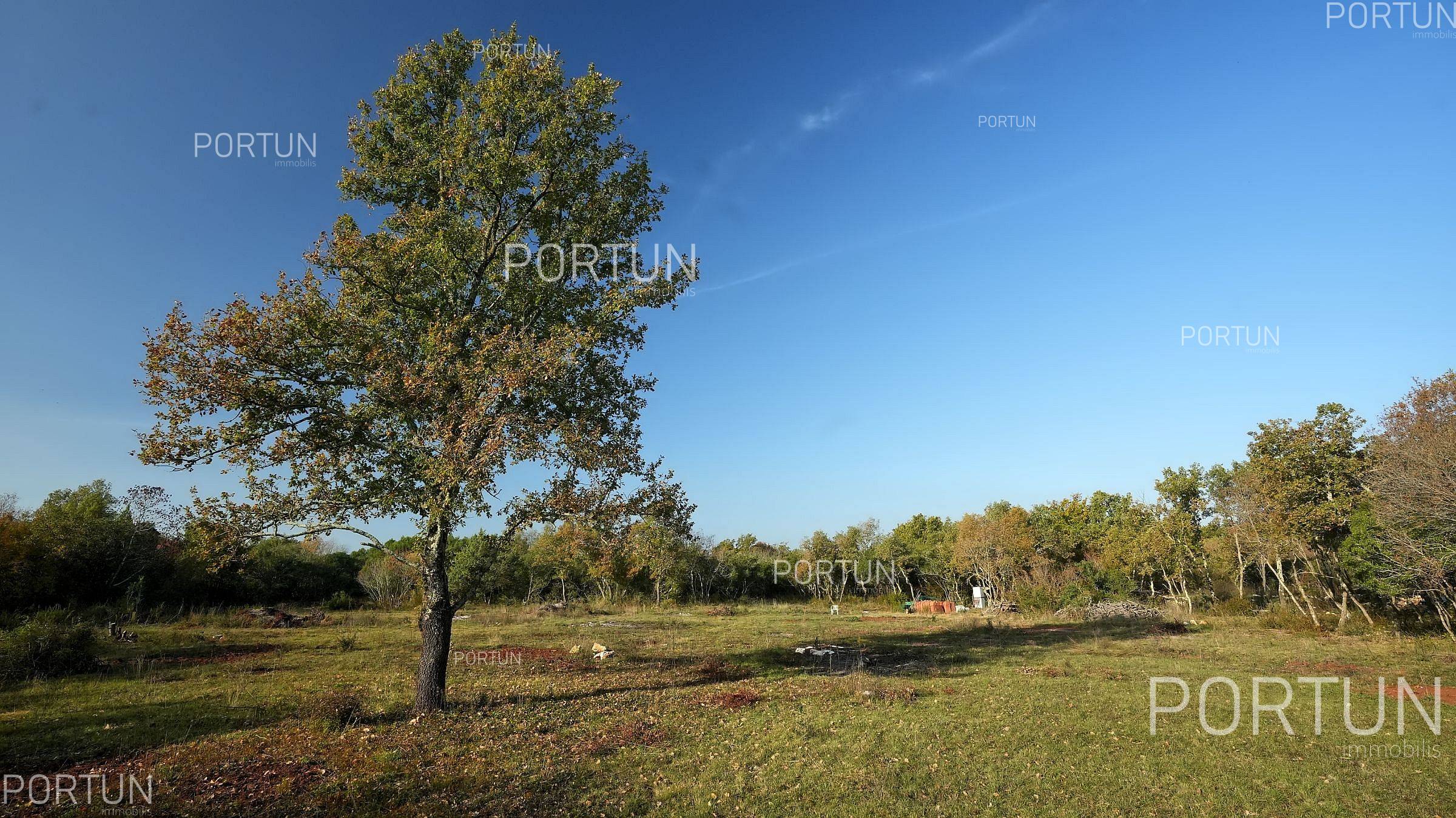
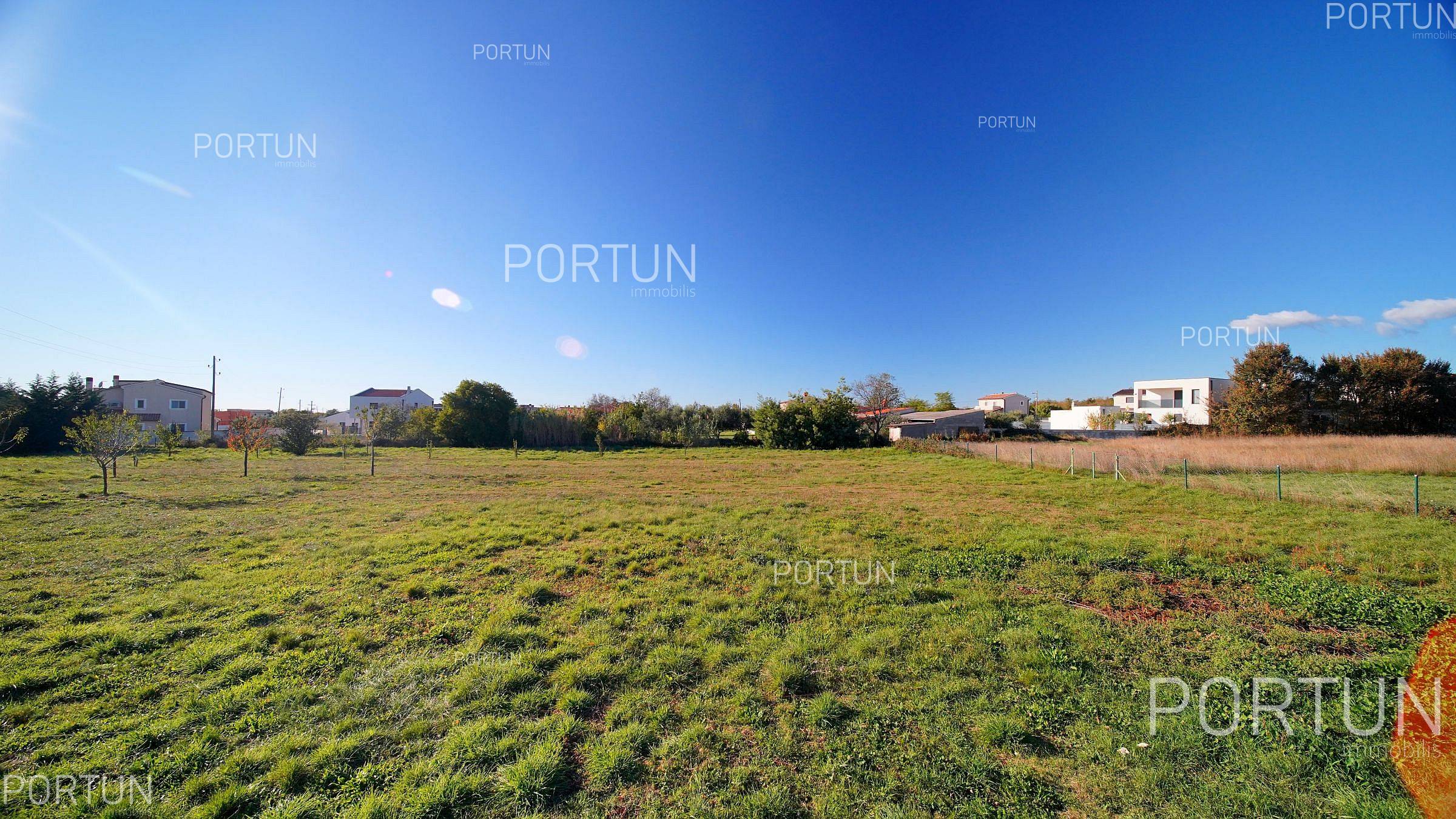
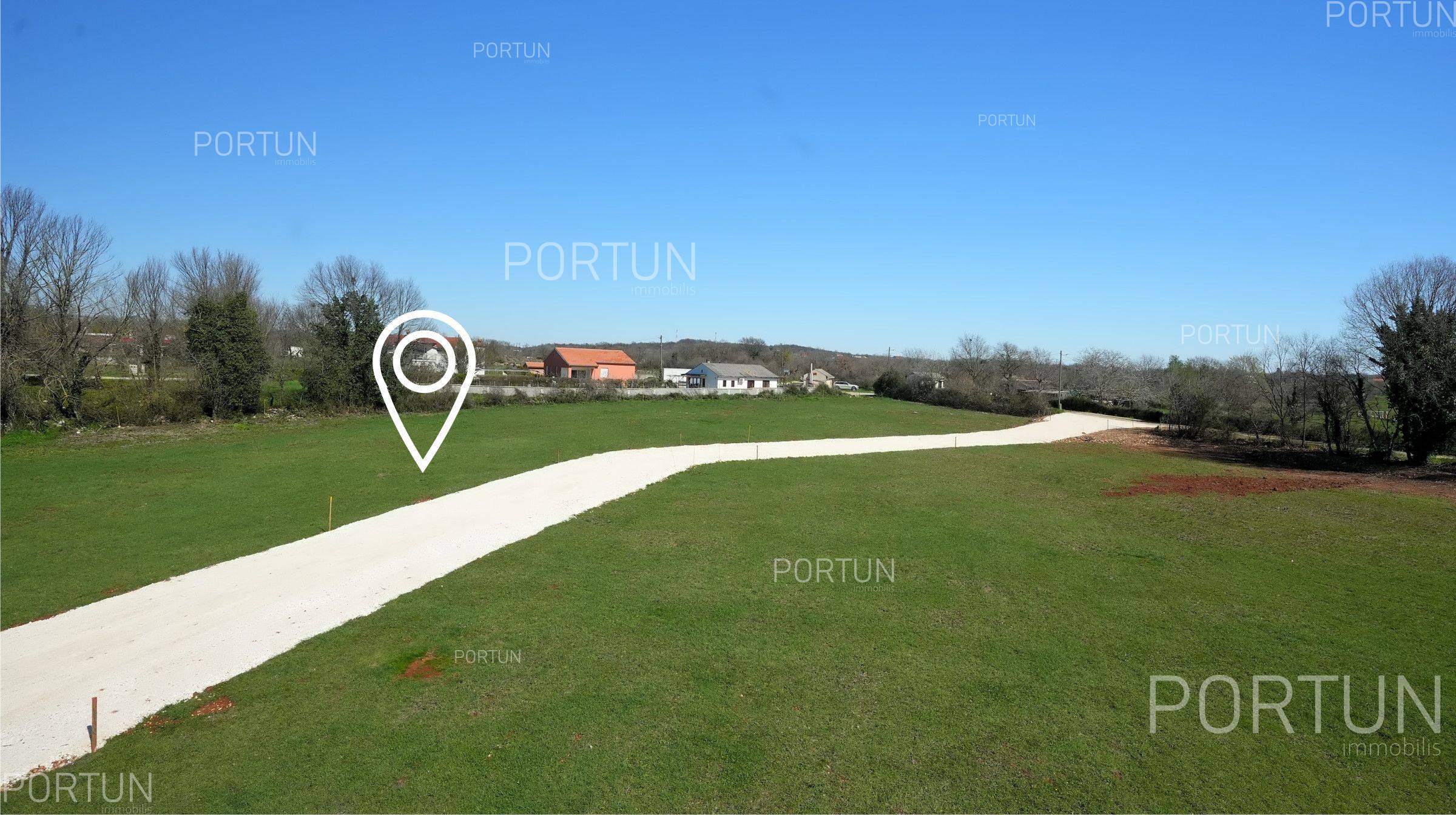
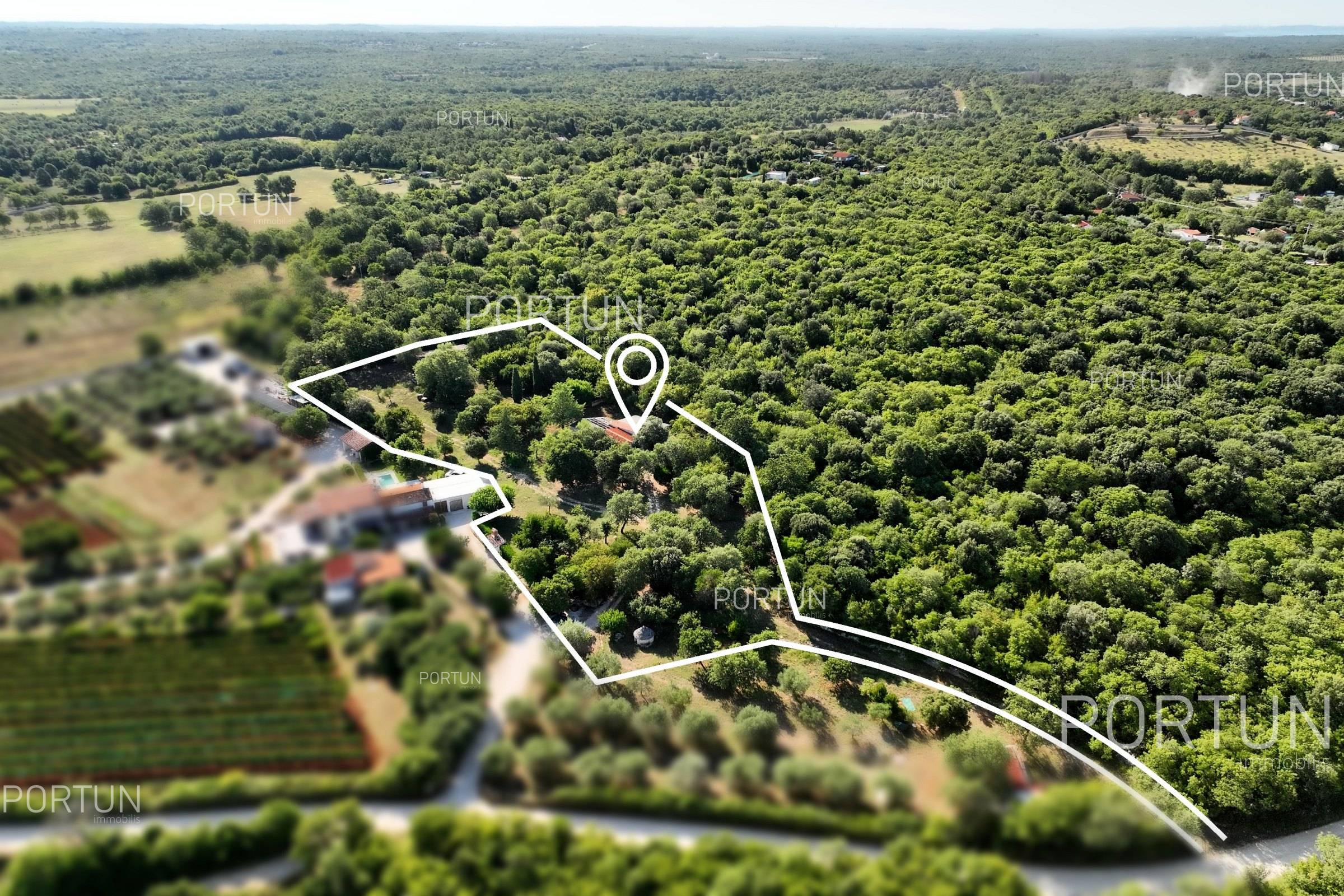
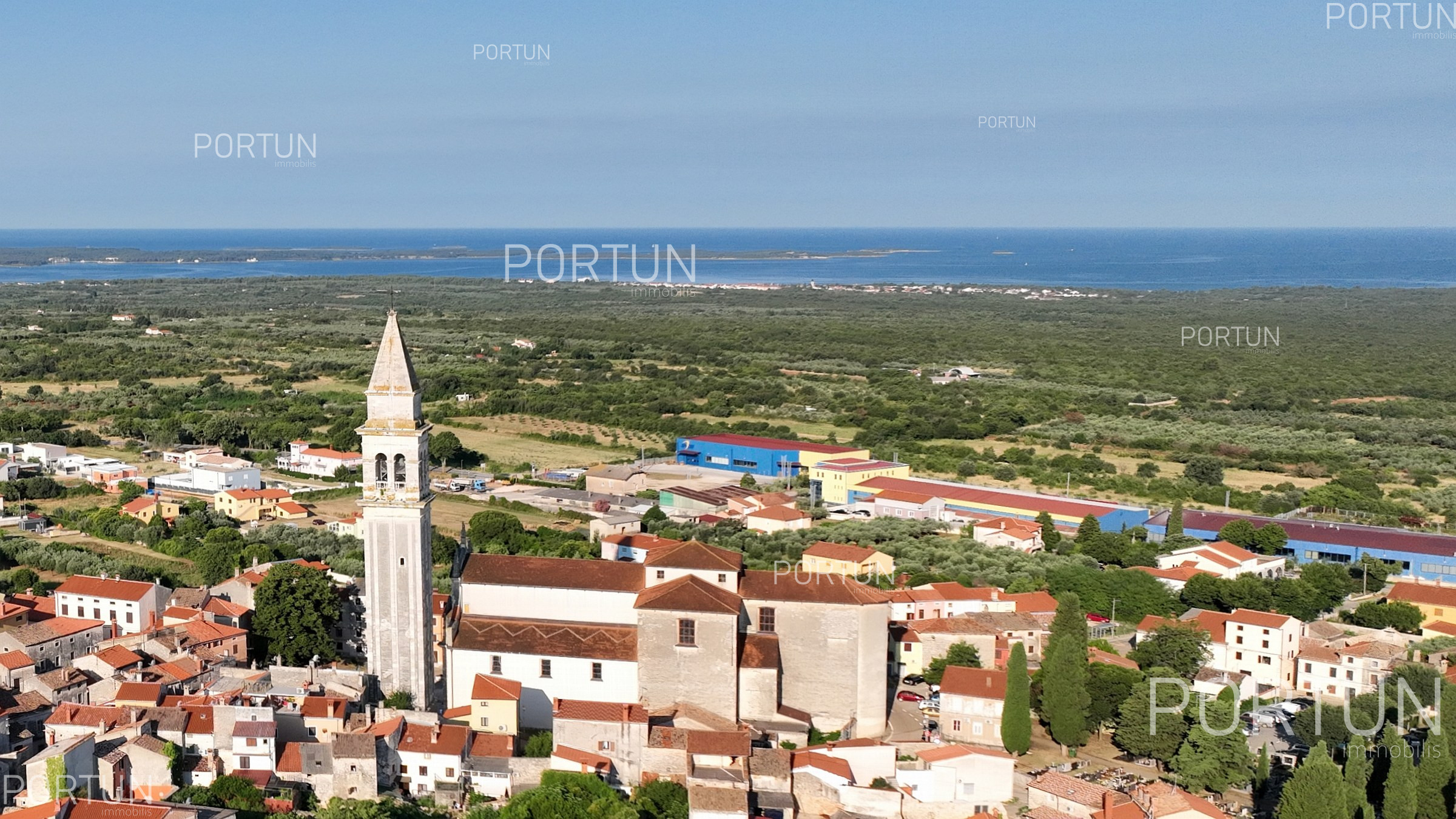
The Vodnjan area is one of the more interesting land markets in southern Istria, especially for buyers seeking a combination of proximity to the sea, access to larger cities, and a quieter environment. The closeness to Pula and Fažana, good transport connections, and a diverse offer make Vodnjan attractive to various buyer profiles – from private individuals to investors.
However, purchasing land in this area requires a careful approach. Differences between micro-locations, infrastructure, and building conditions can significantly affect the final investment value. That is why it is important to ask the right question: have you really checked everything before buying? In this guide, we present key steps to help you make a safe and informed decision.
Why Vodnjan is Increasingly in Demand
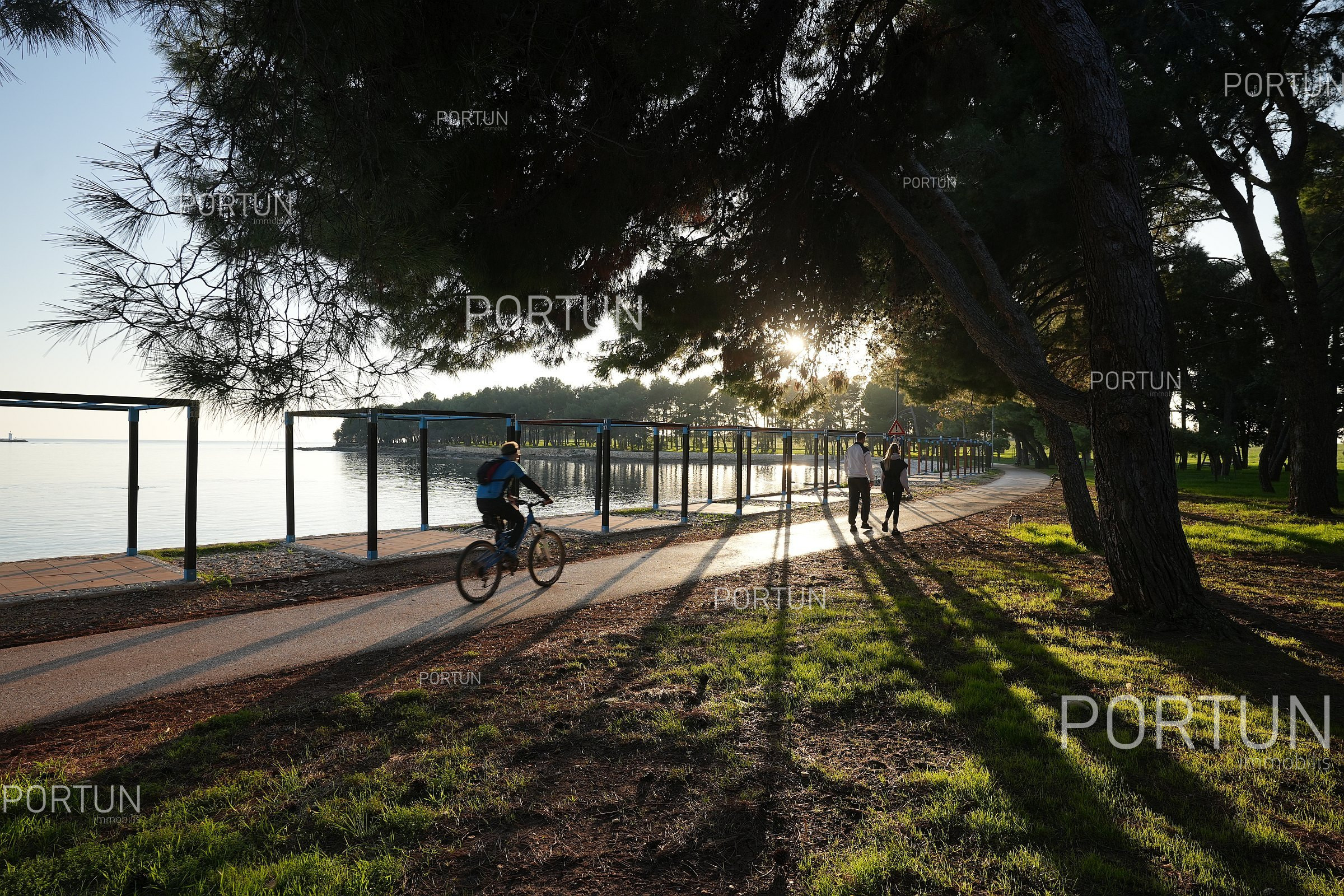
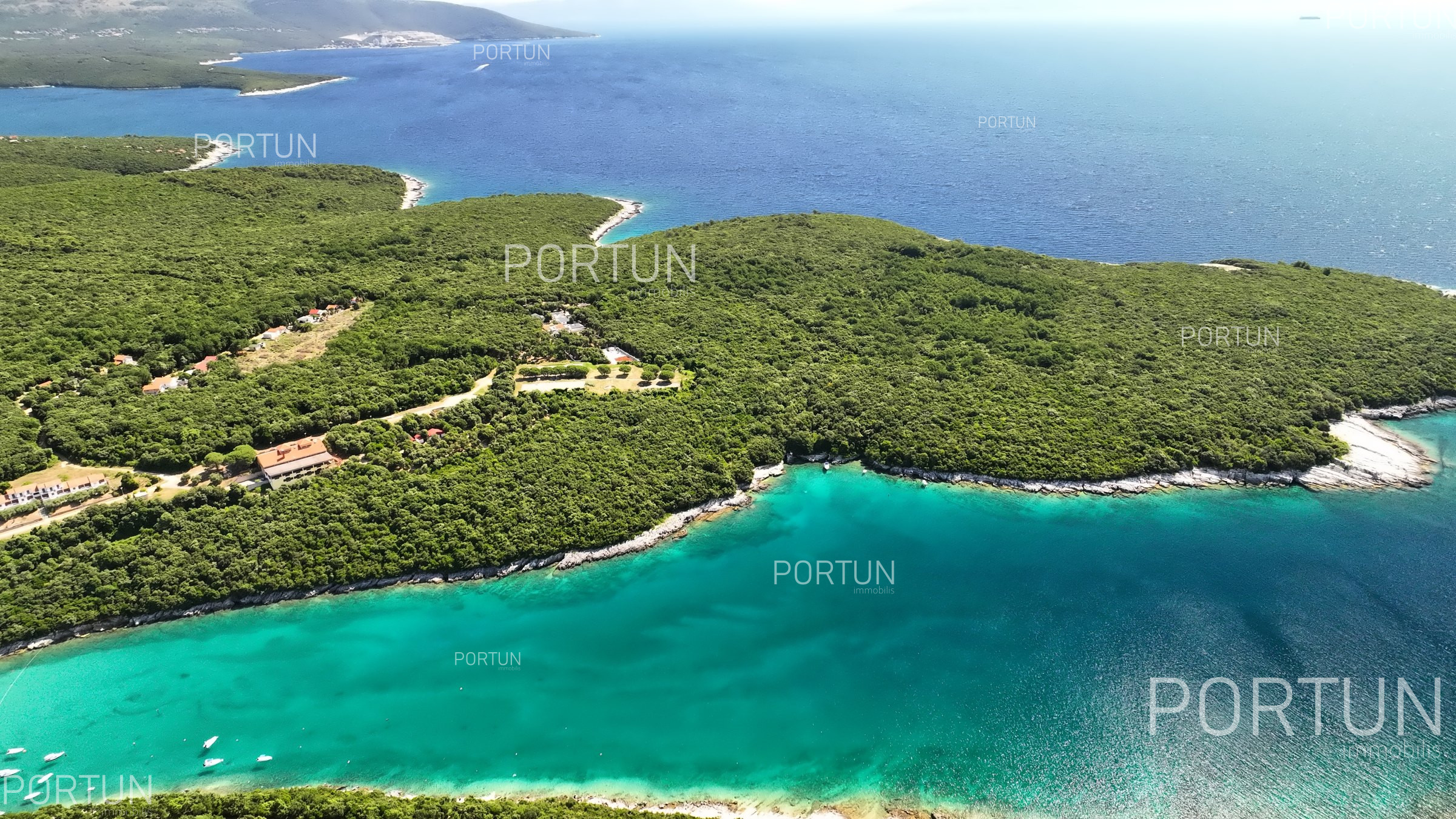
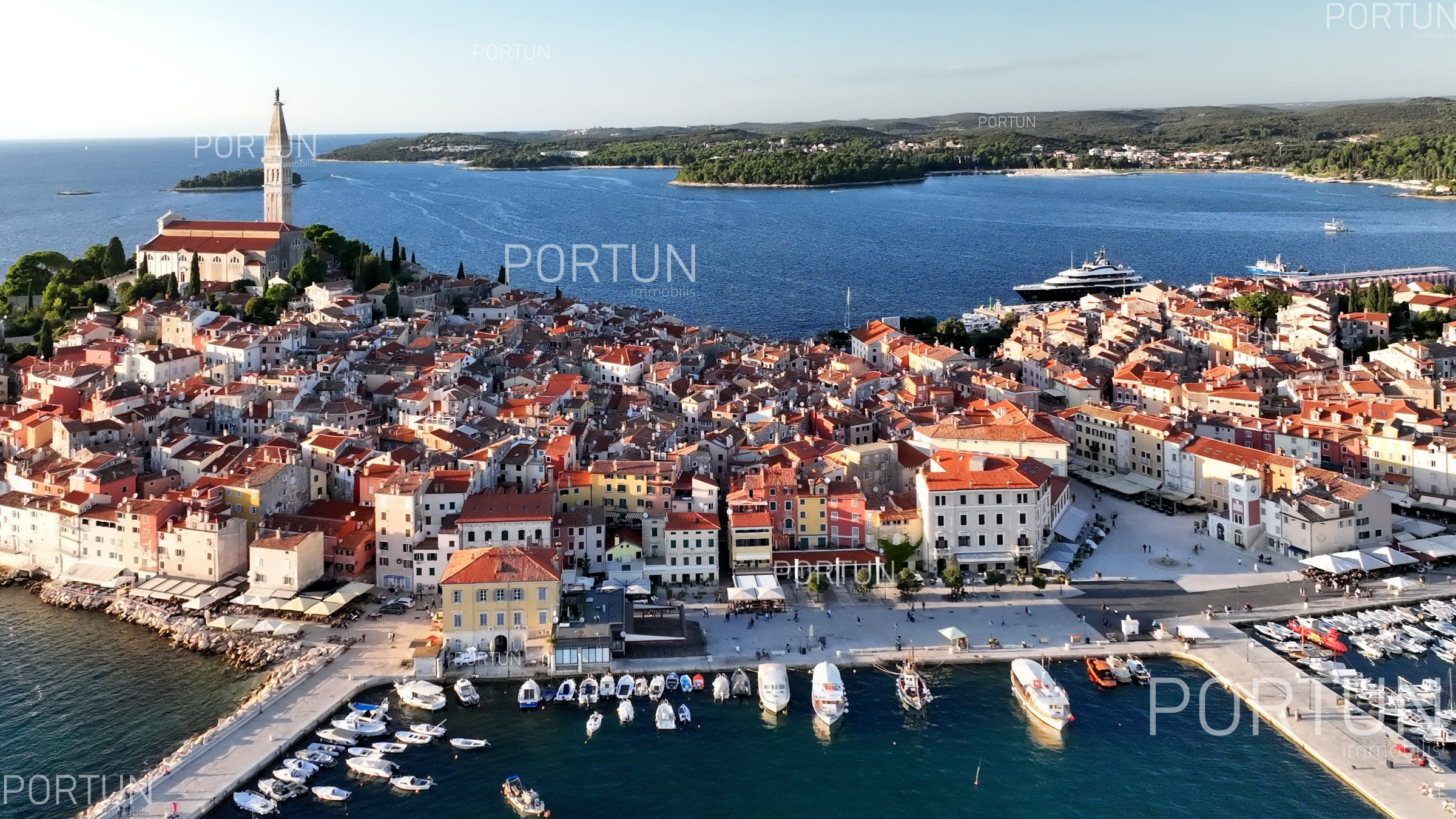
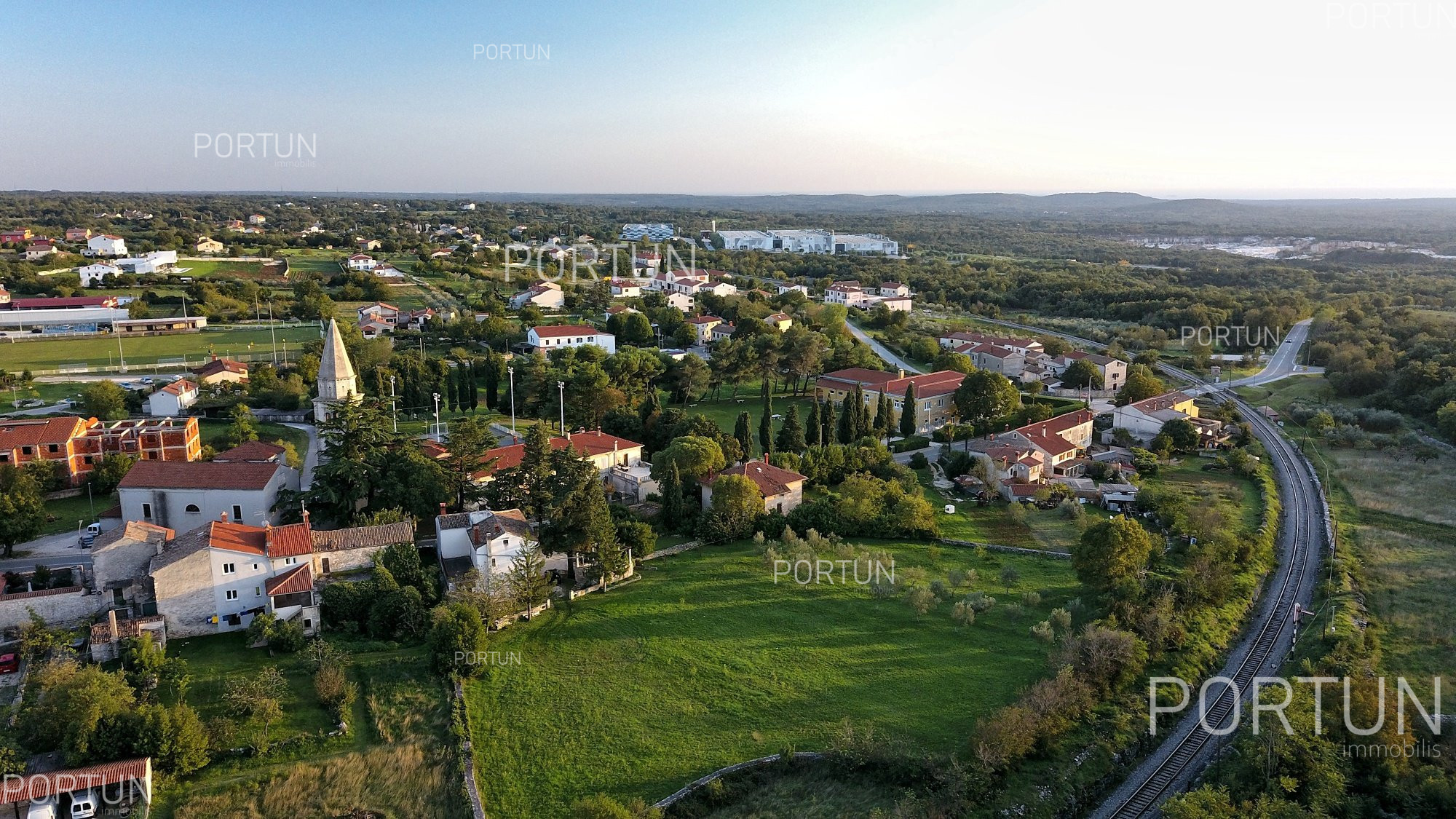
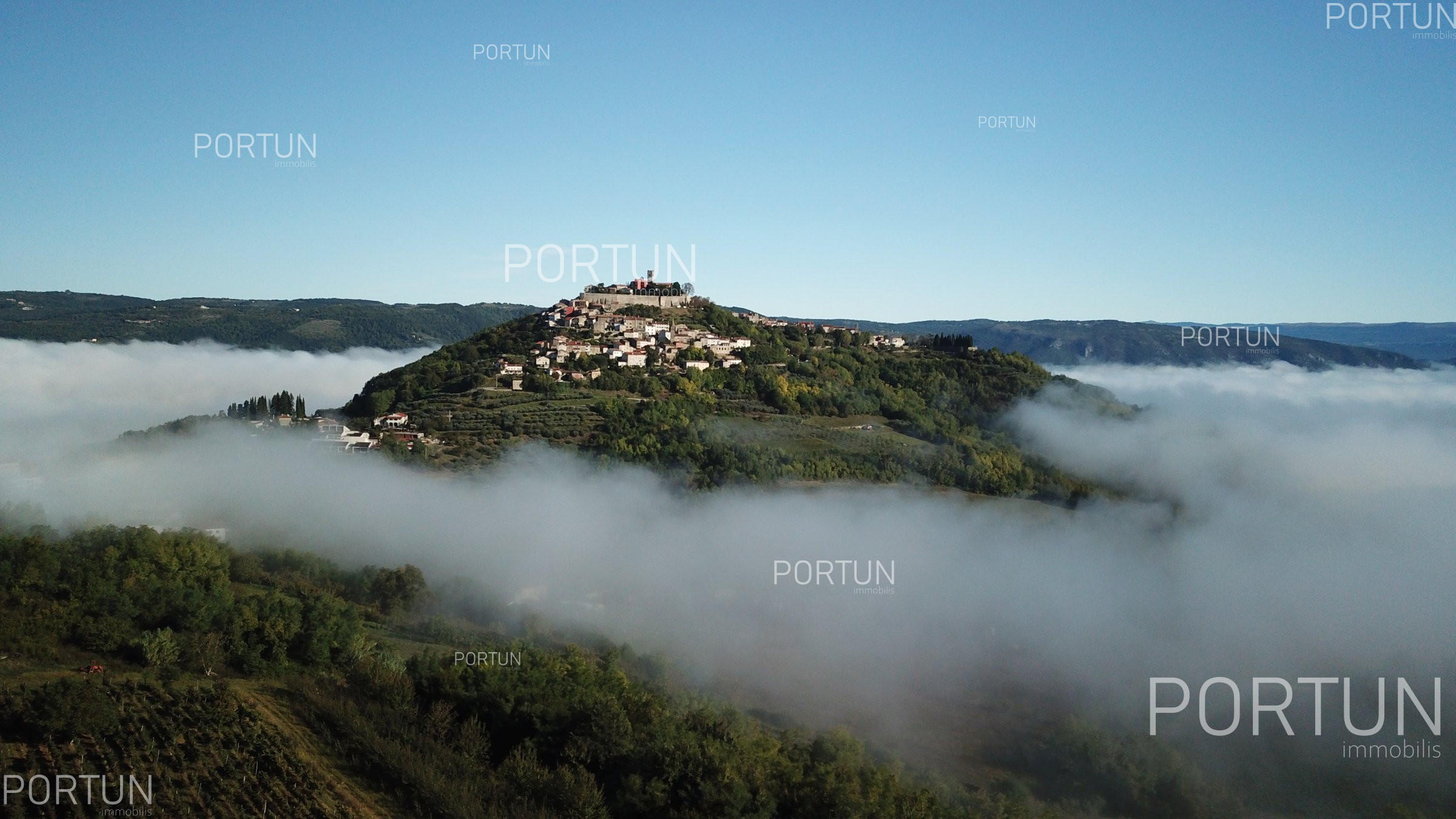
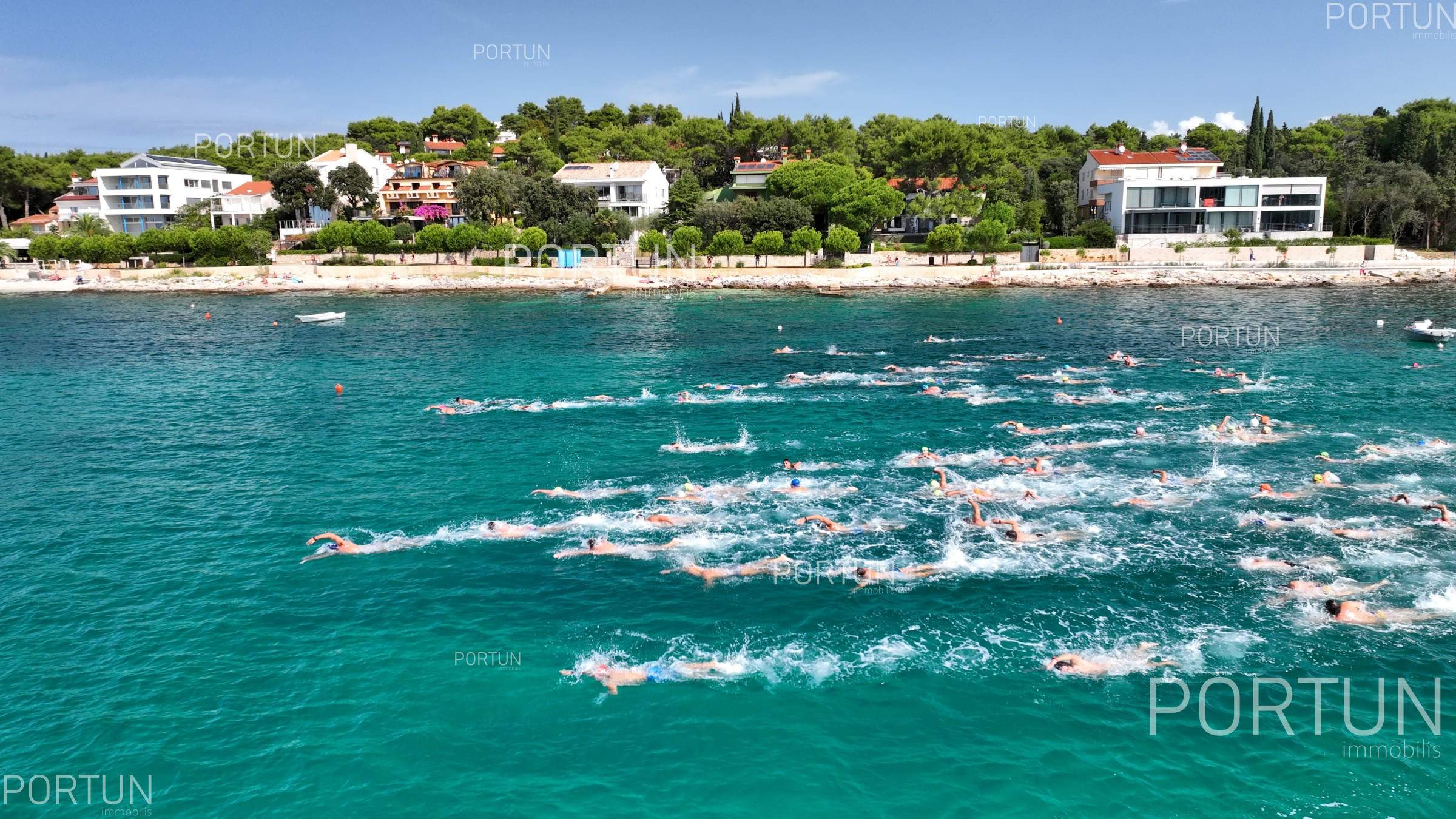
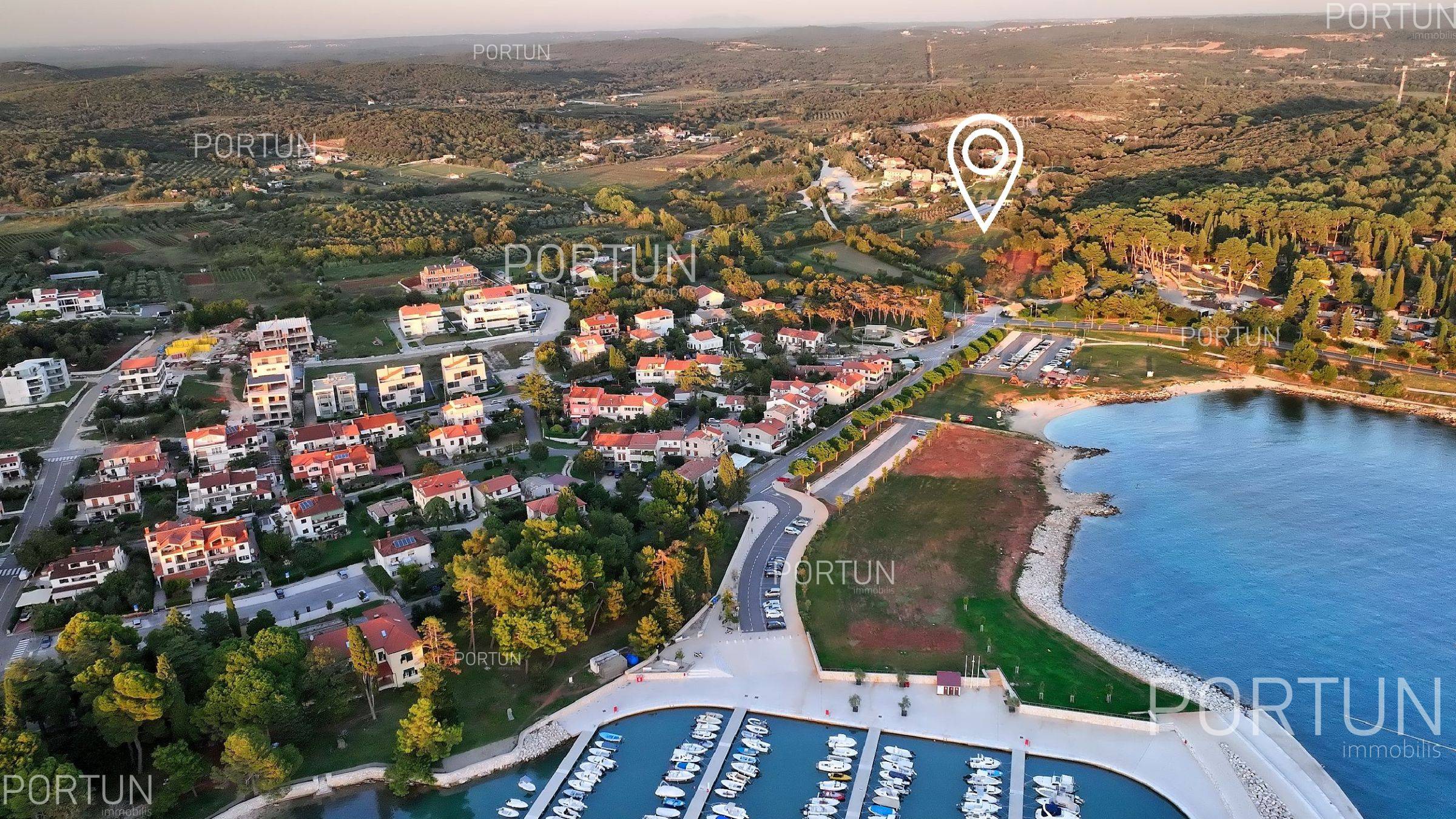
Vodnjan has several key advantages. Its proximity to Pula allows quick access to all amenities, while closeness to the sea and places like Fažana further increases its appeal.
Unlike coastal towns, Vodnjan offers more space and somewhat lower land prices, which is important for investors.
This combination makes it an interesting market with growth potential.
Micro-location – Key Zones of Vodnjan
Within the Vodnjan area, there are significant differences between individual settlements that directly affect the value and potential of the land. Choosing the right micro-location is often more important than the size or price of the plot.
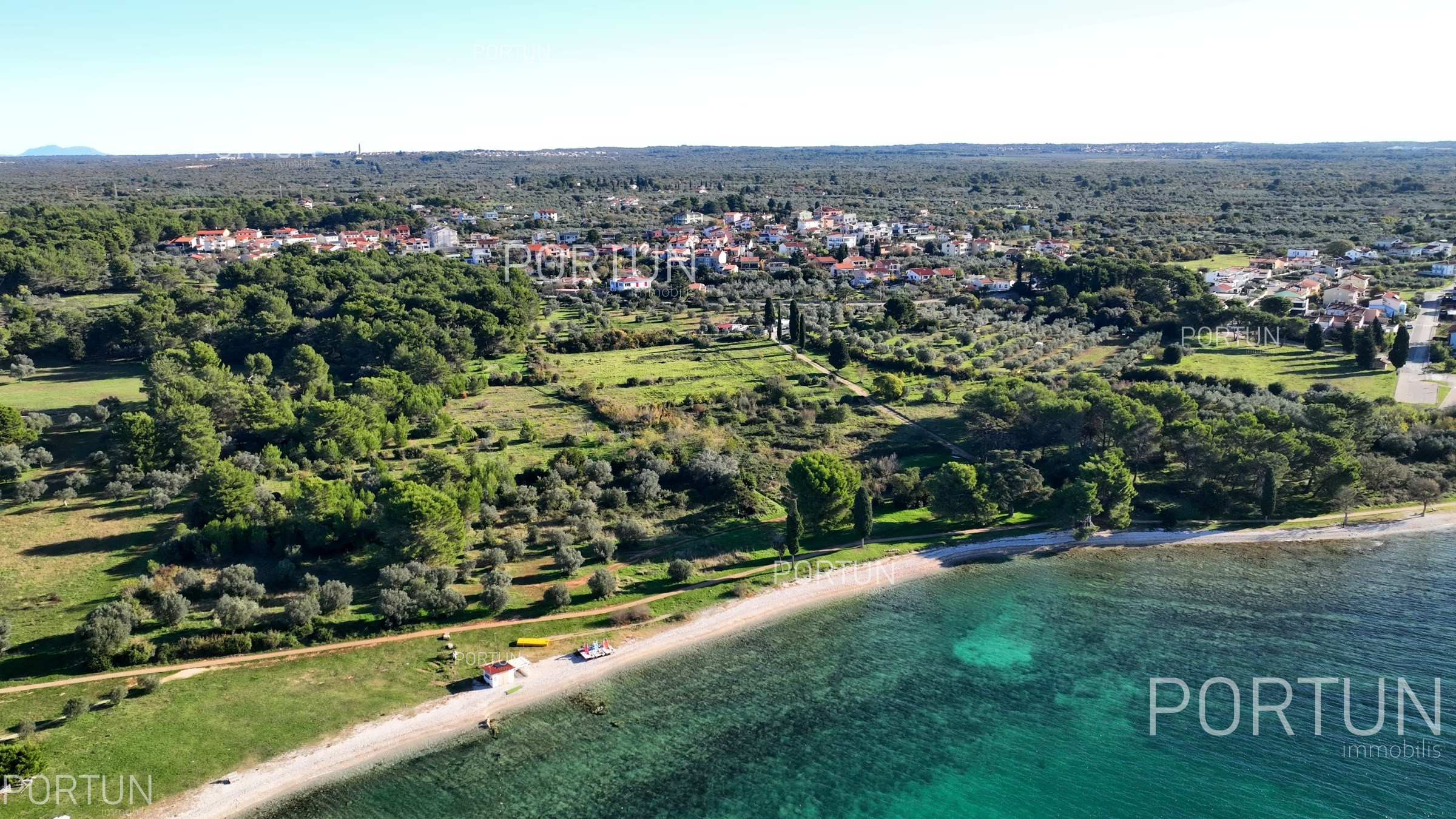
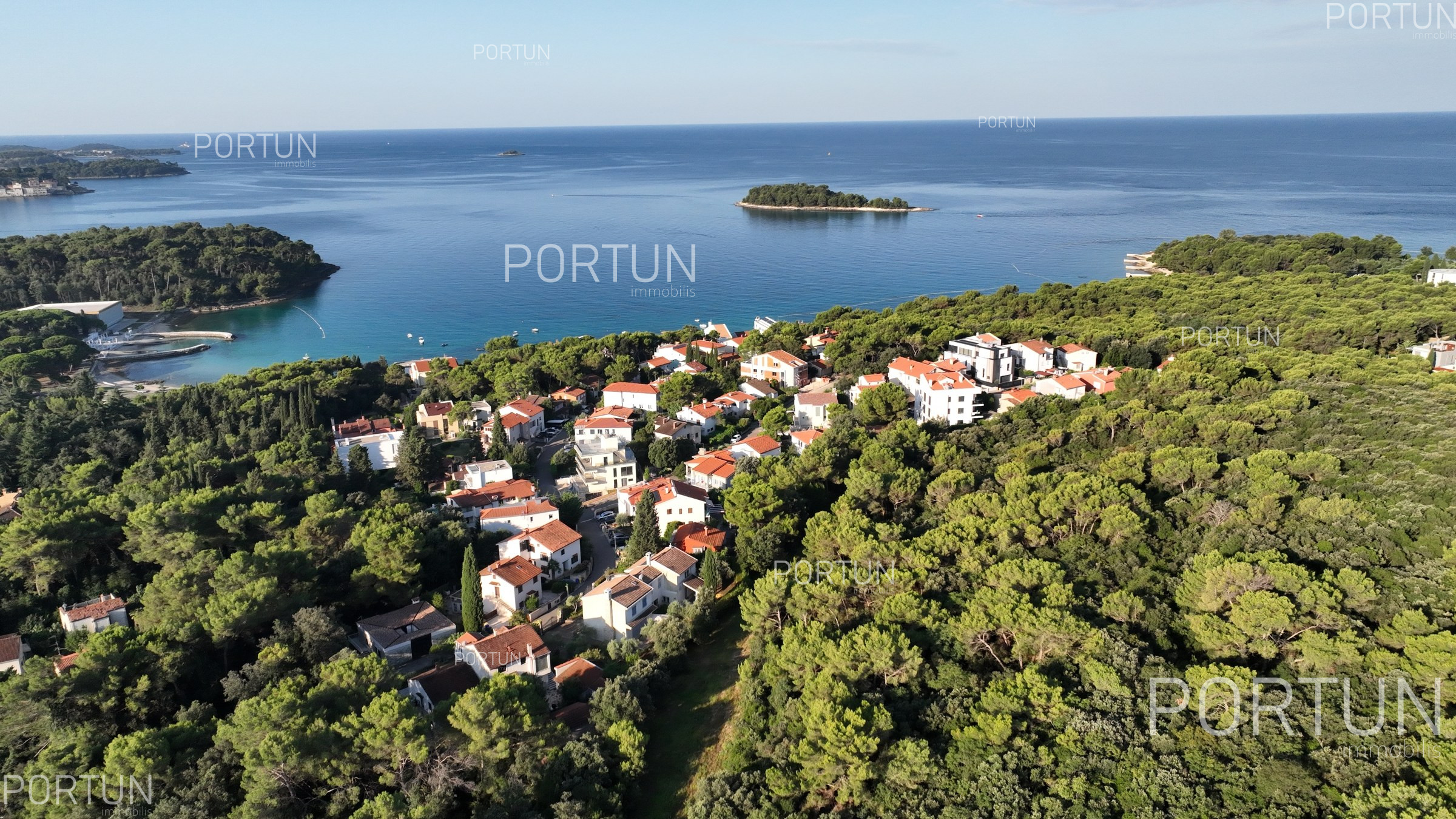
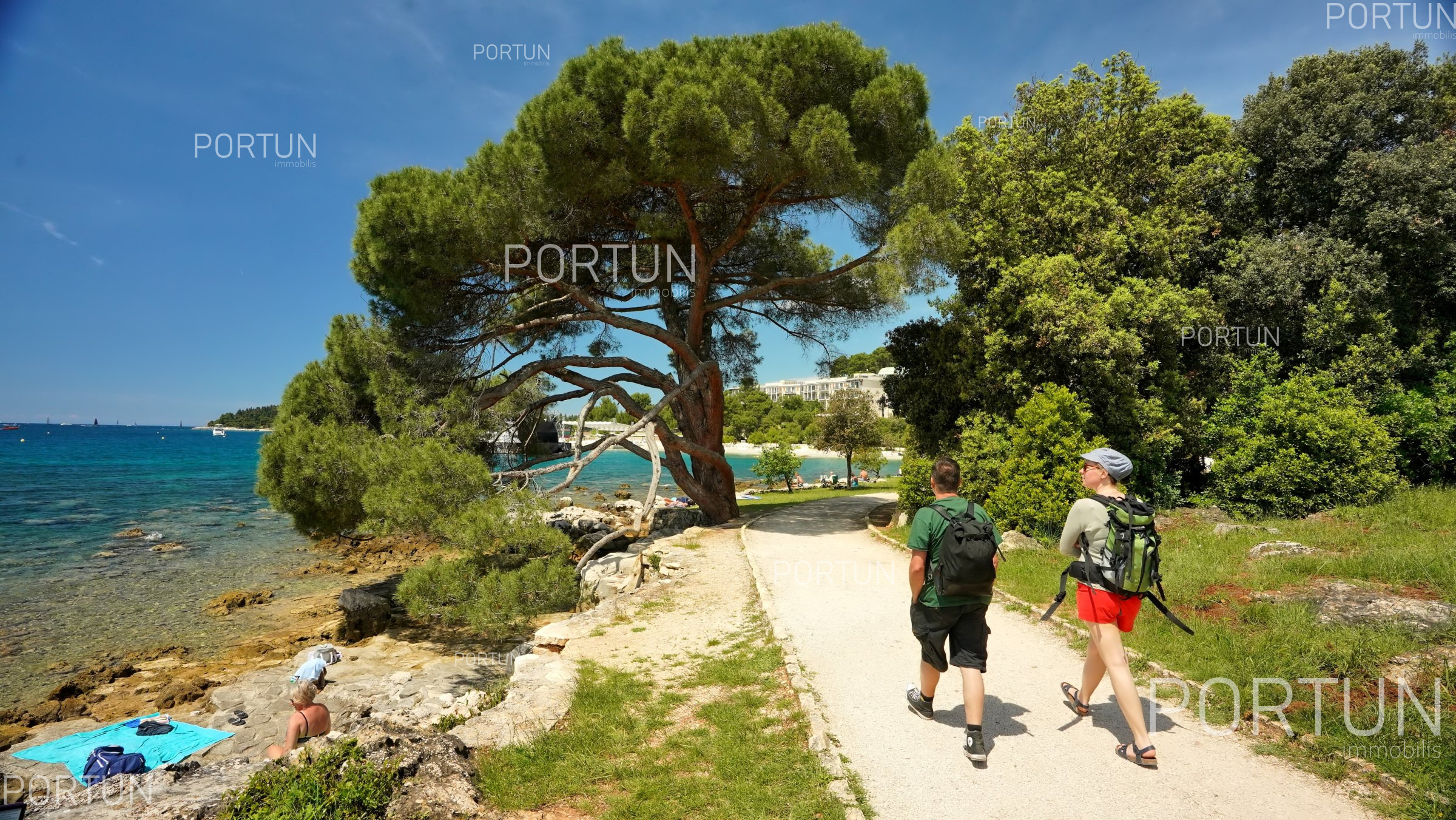
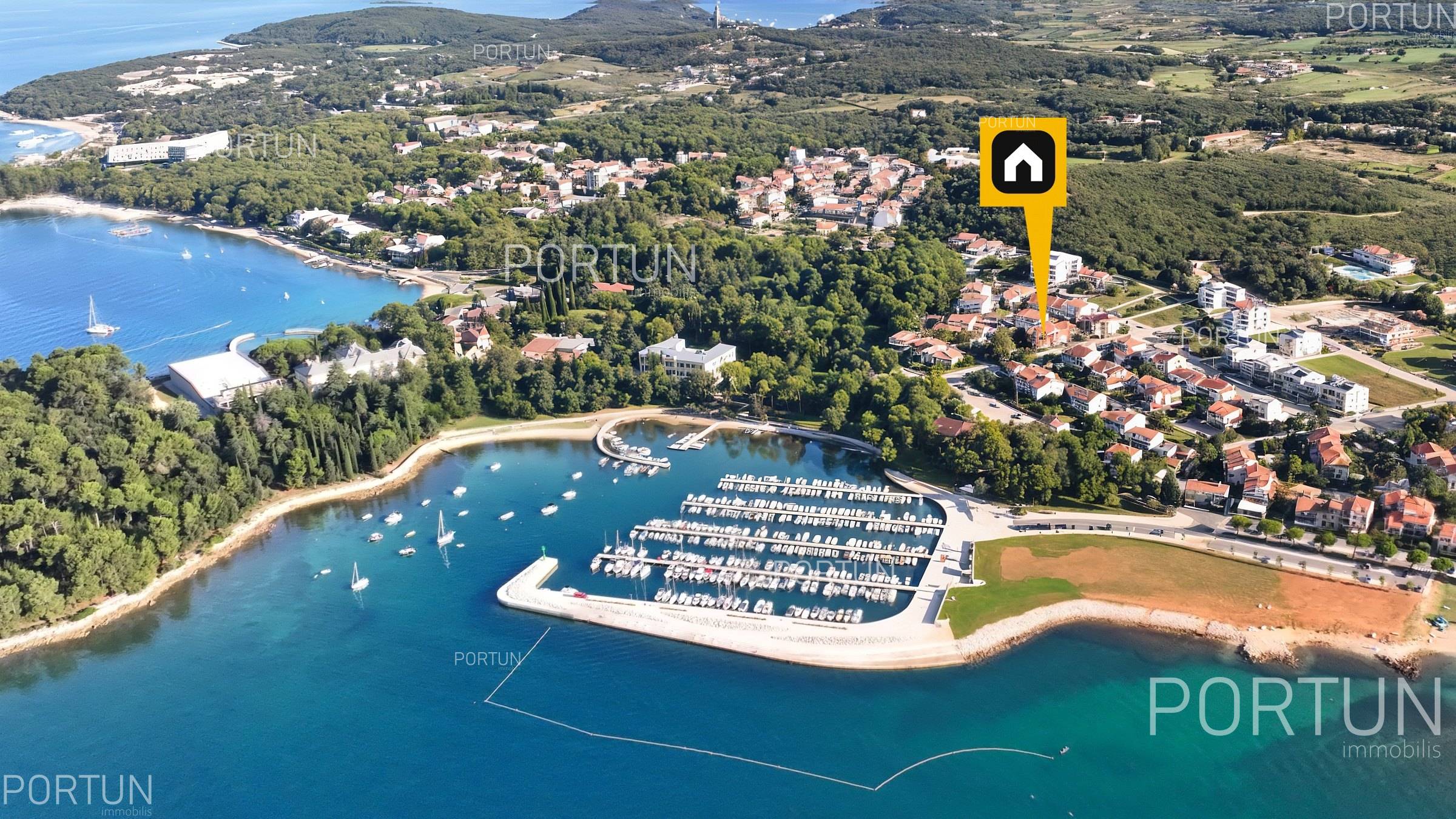
The most attractive part is certainly Peroj, which stands out for its proximity to the sea and well-maintained beaches. Plots in this area have strong investment potential, especially for tourist projects and holiday homes, but are also among the most sought-after on the market.
Galižana offers an excellent balance between price and location. It is closer to Pula, has good infrastructure, and is increasingly becoming the choice for buyers seeking city accessibility with a quieter environment.
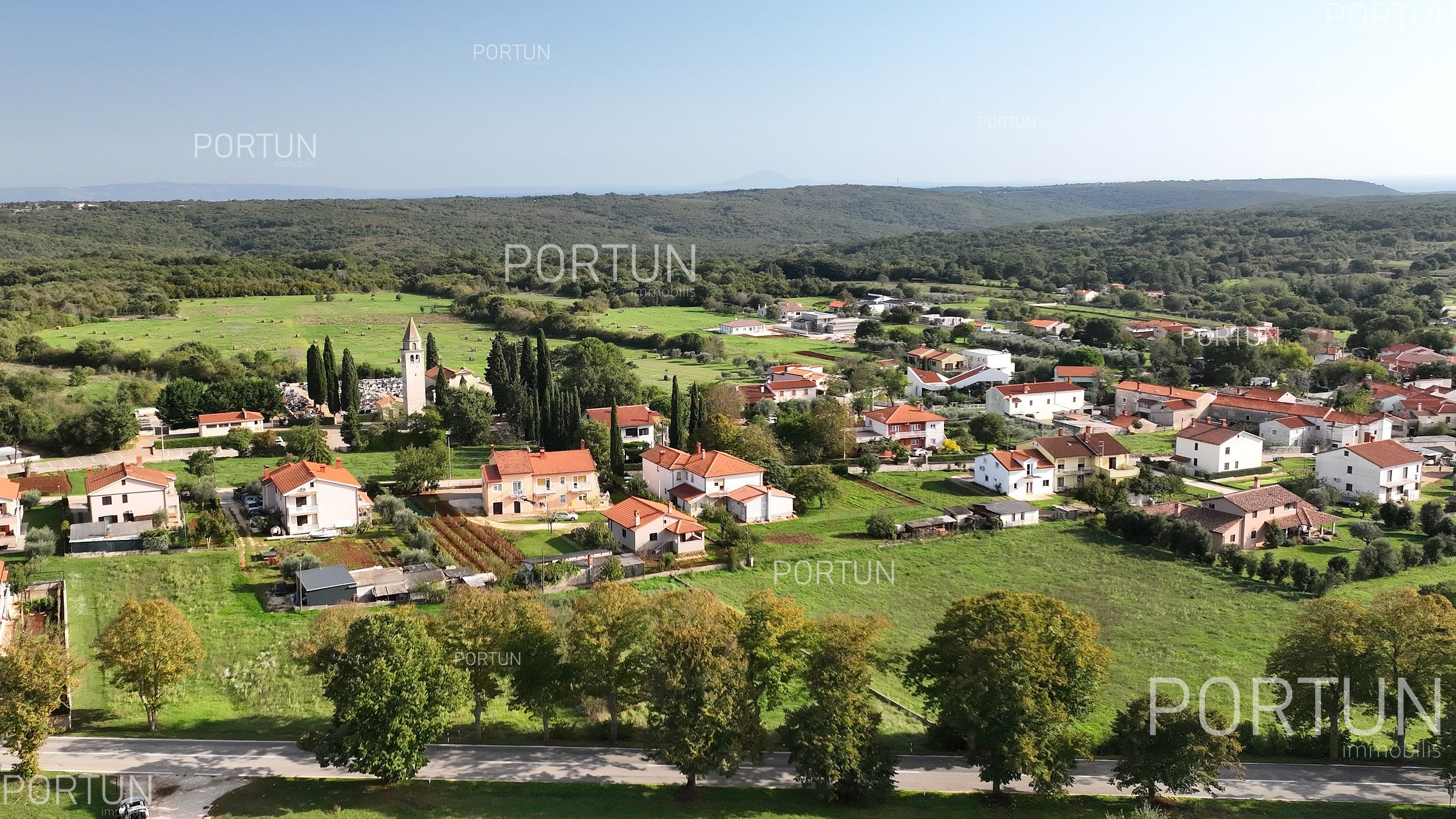
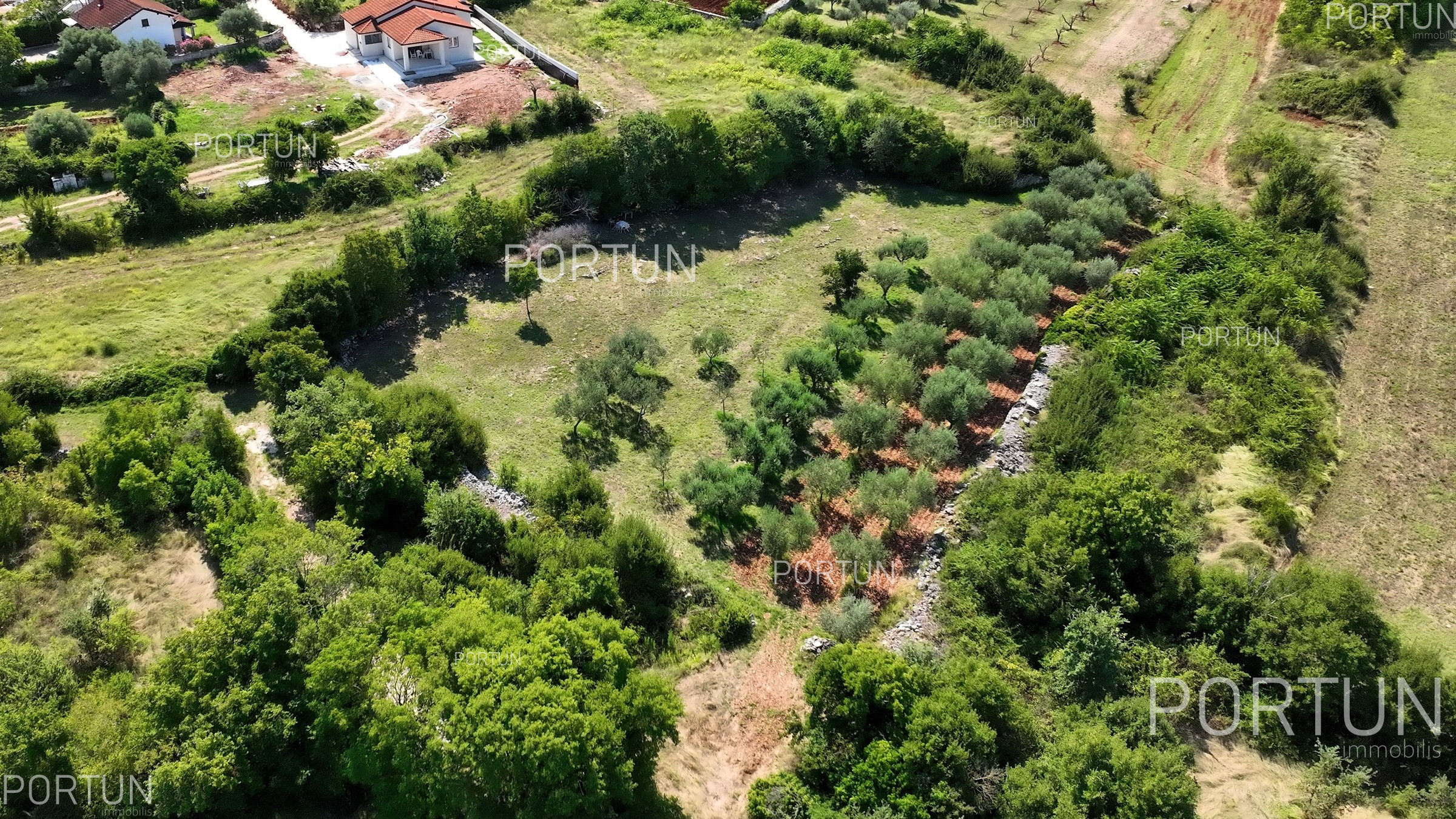
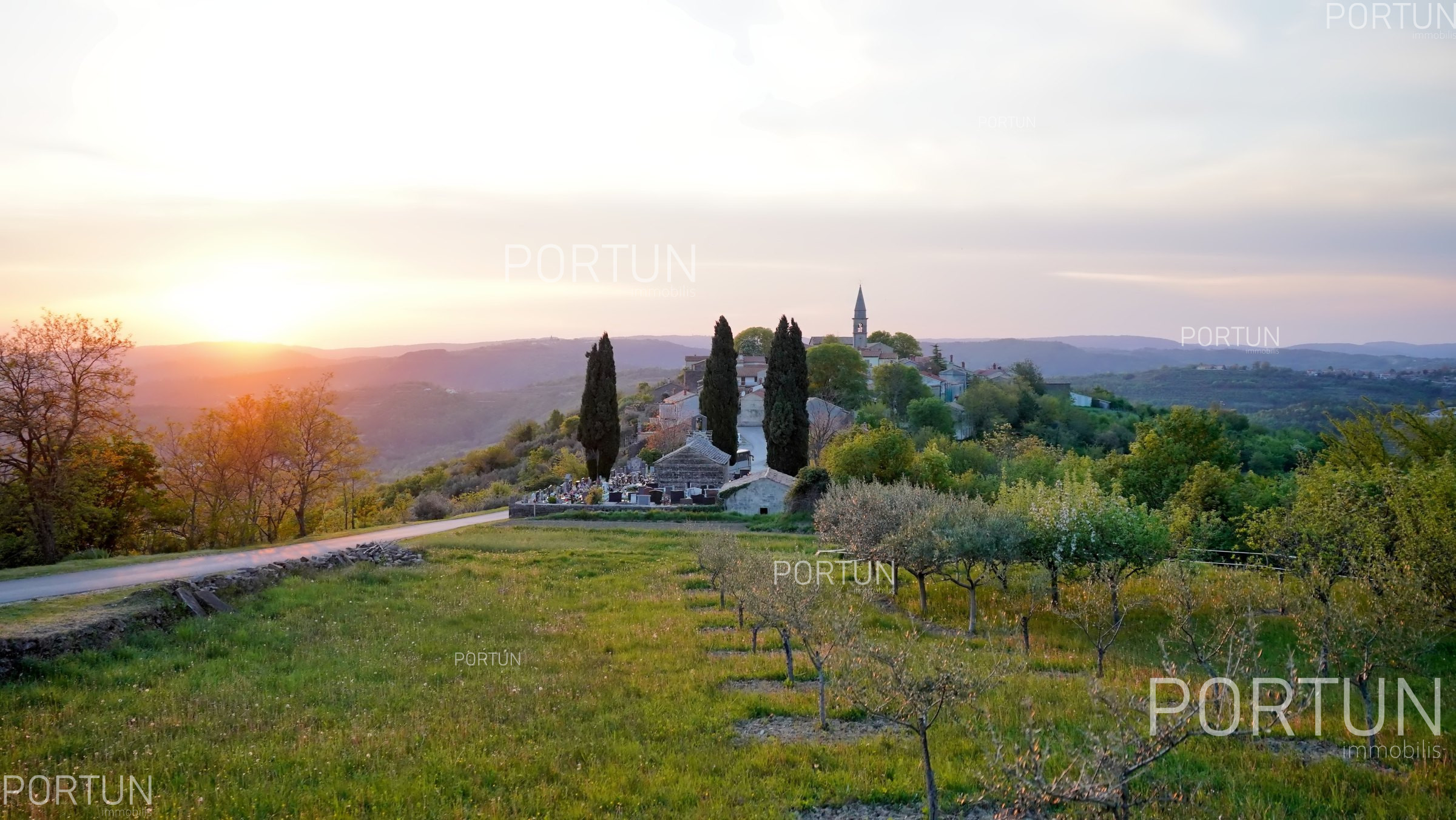
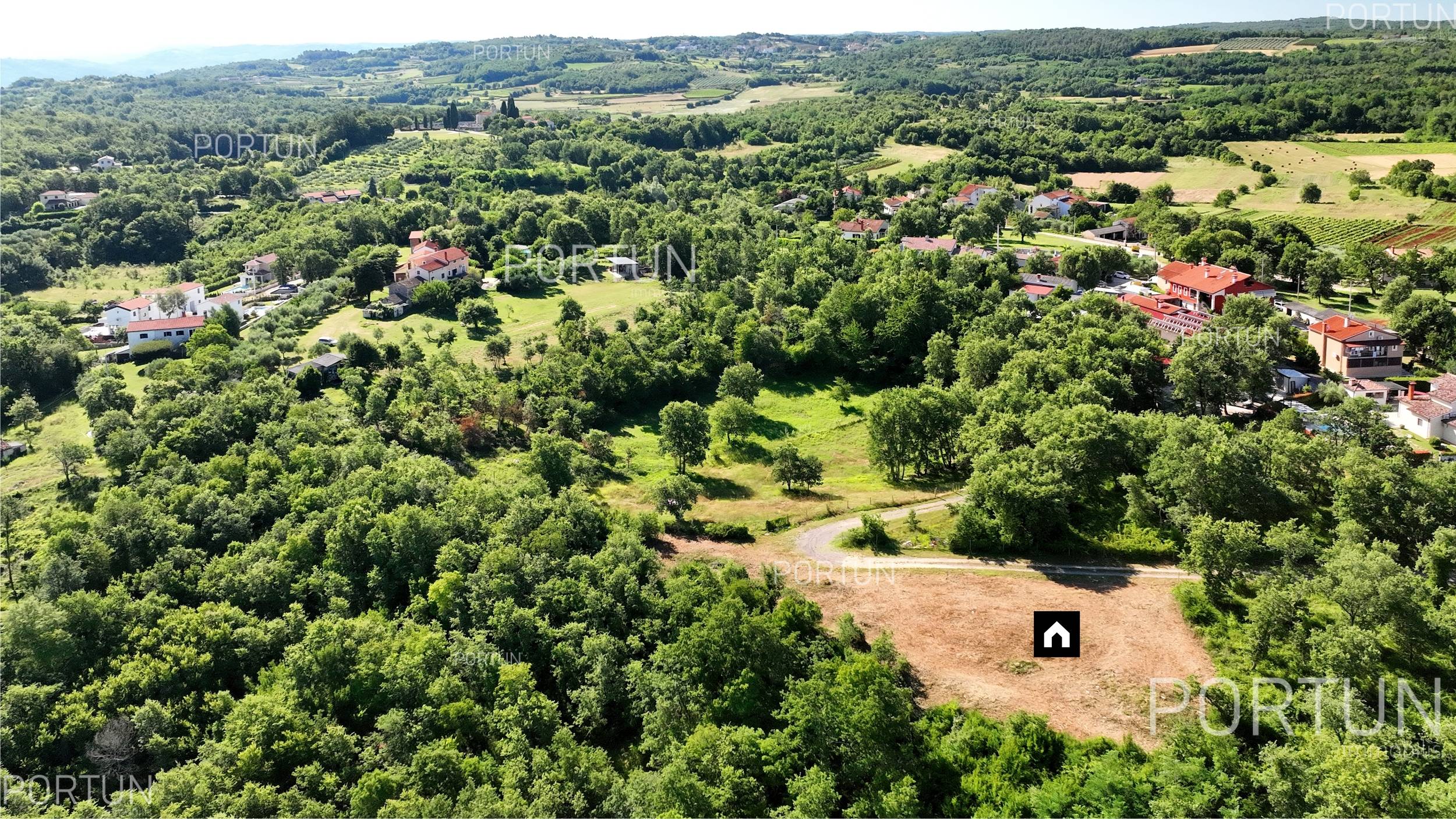
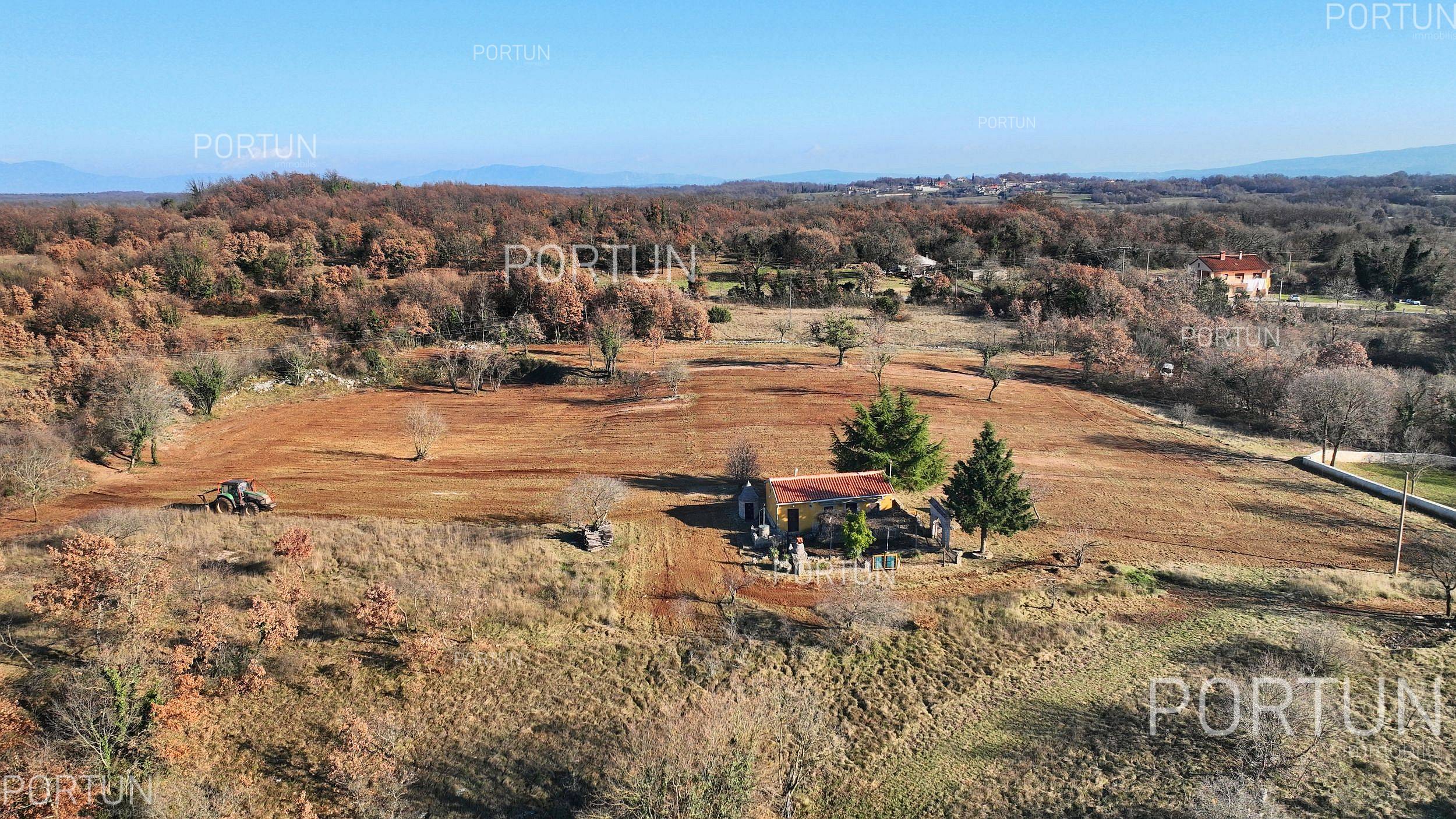
Gajana, on the other hand, is quieter and less developed, which means more space and privacy. For this reason, it is becoming attractive to buyers looking for larger plots and an authentic Istrian atmosphere.
Understanding the differences between these micro-locations is crucial for making a quality decision and assessing the long-term potential of the land.
Local Spatial Plan and Building Conditions
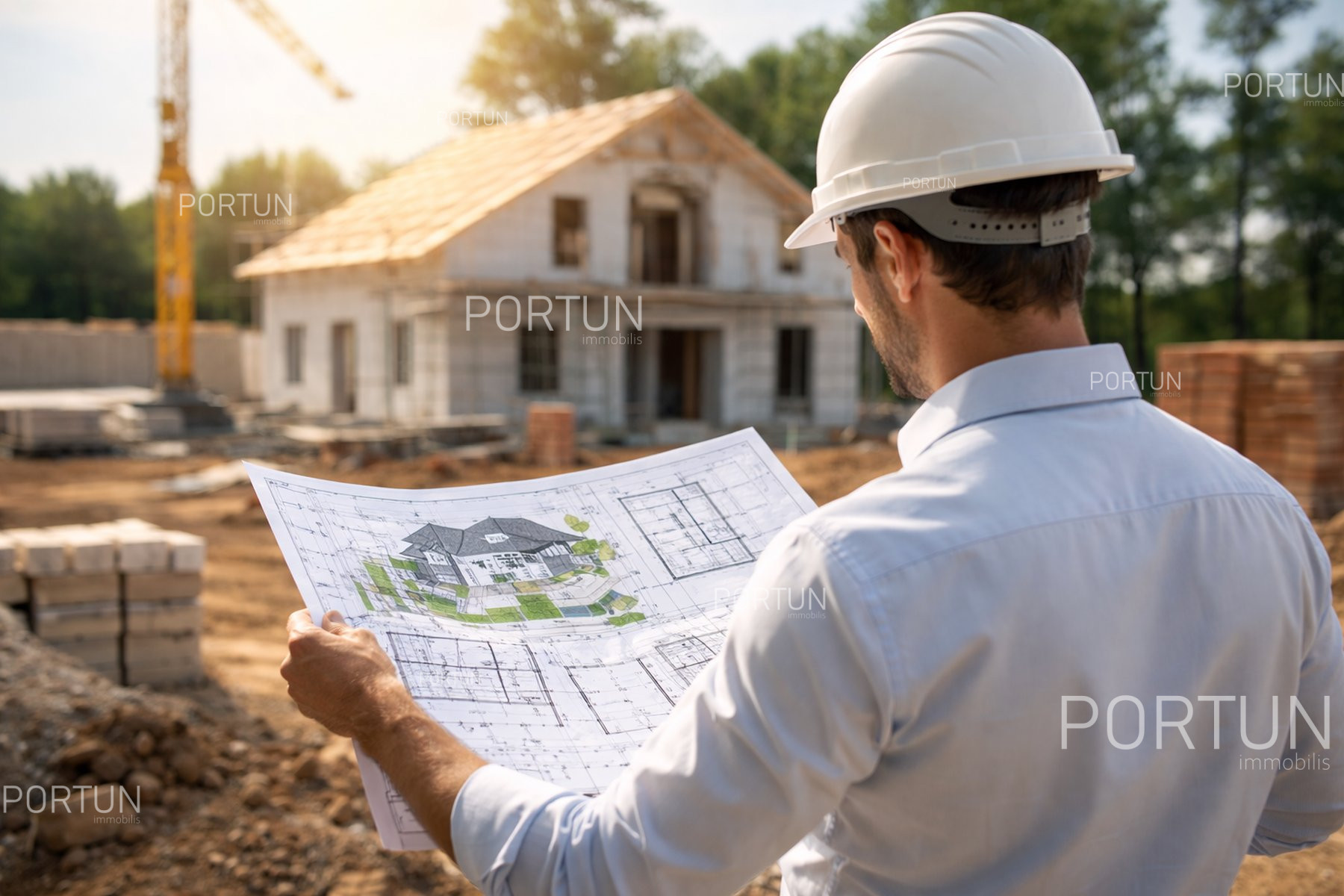
The local spatial plan of Vodnjan defines what can be built on a specific plot. Minimum land size, building coefficients, and building height are key parameters.
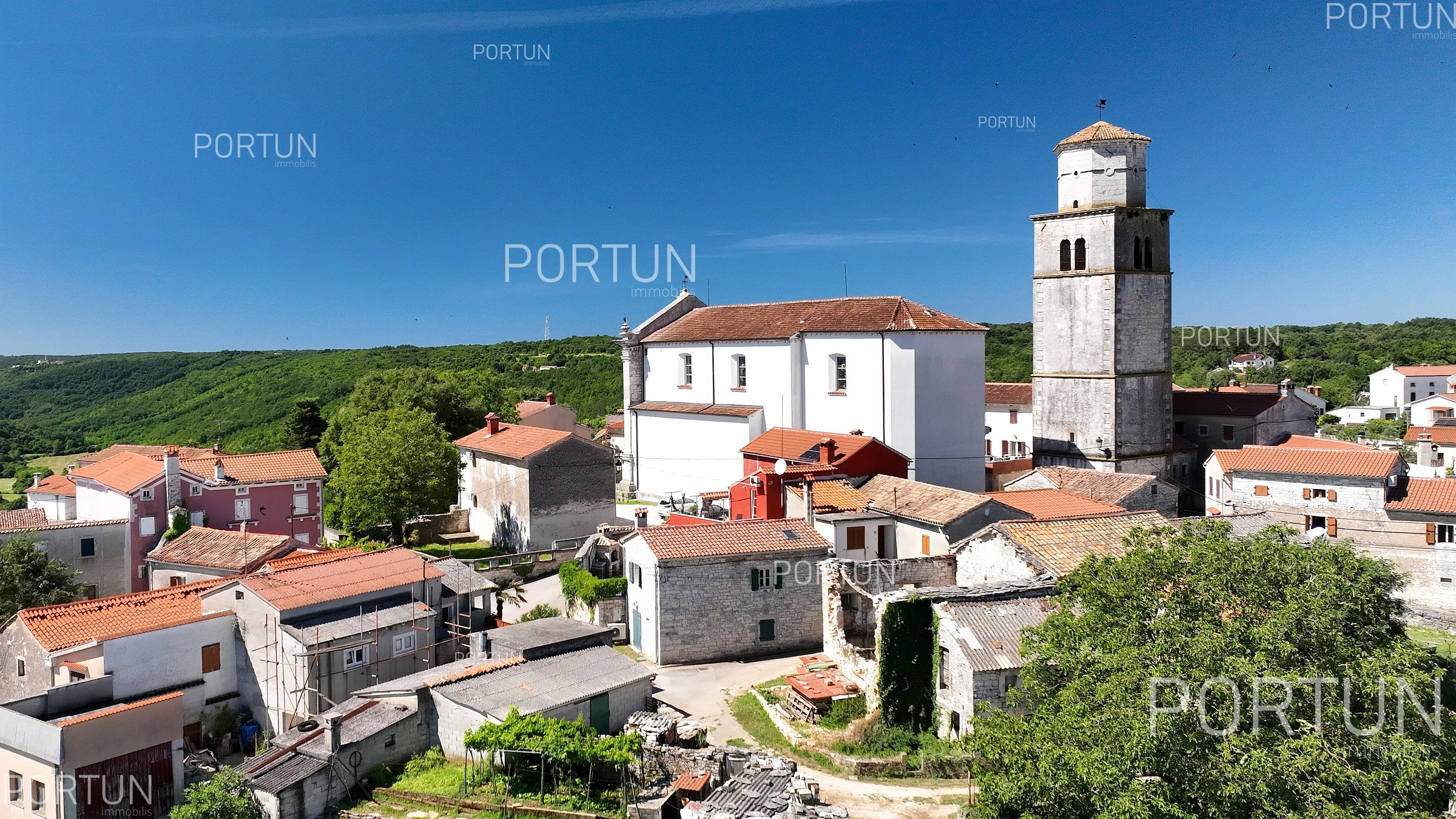
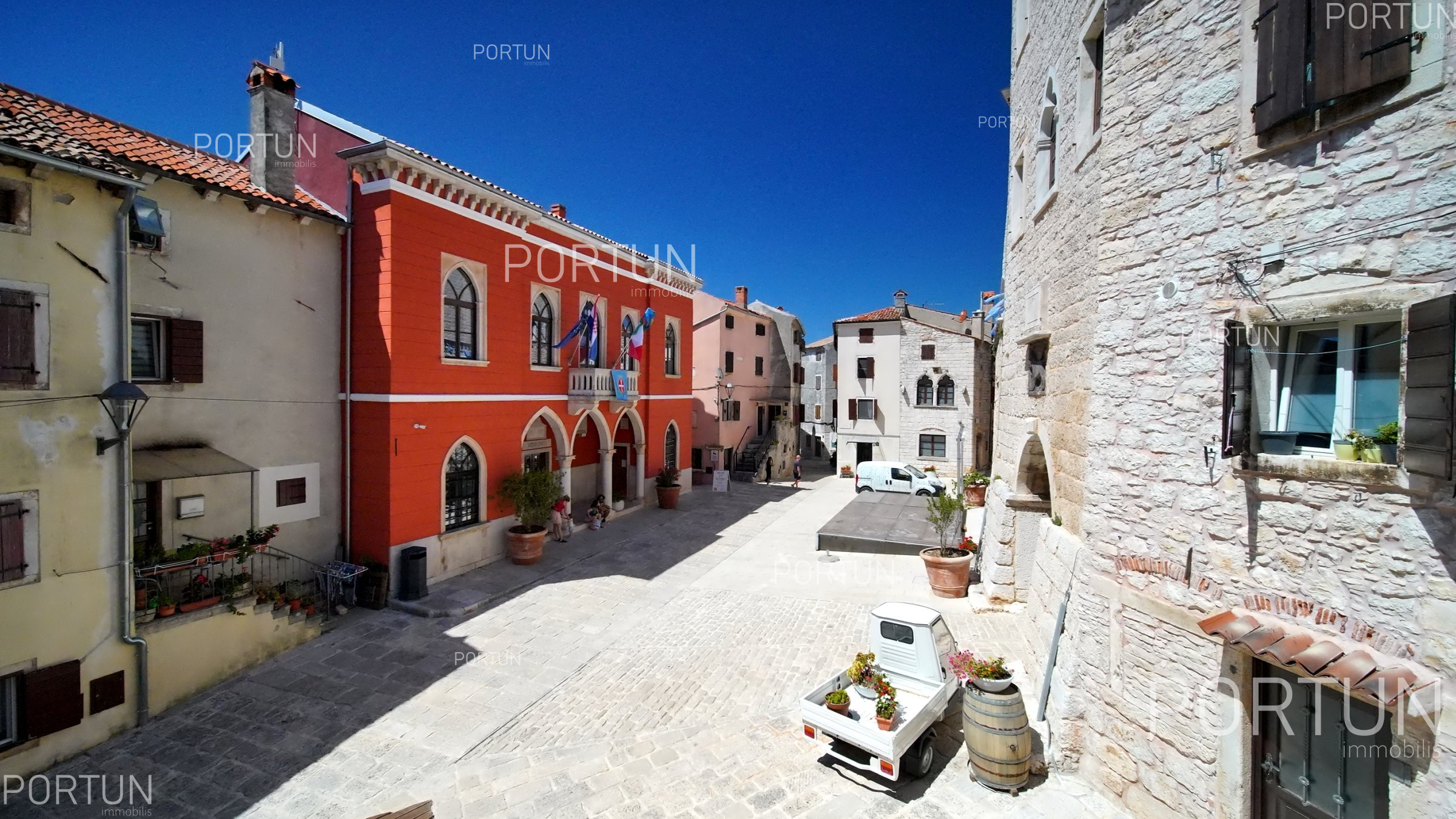
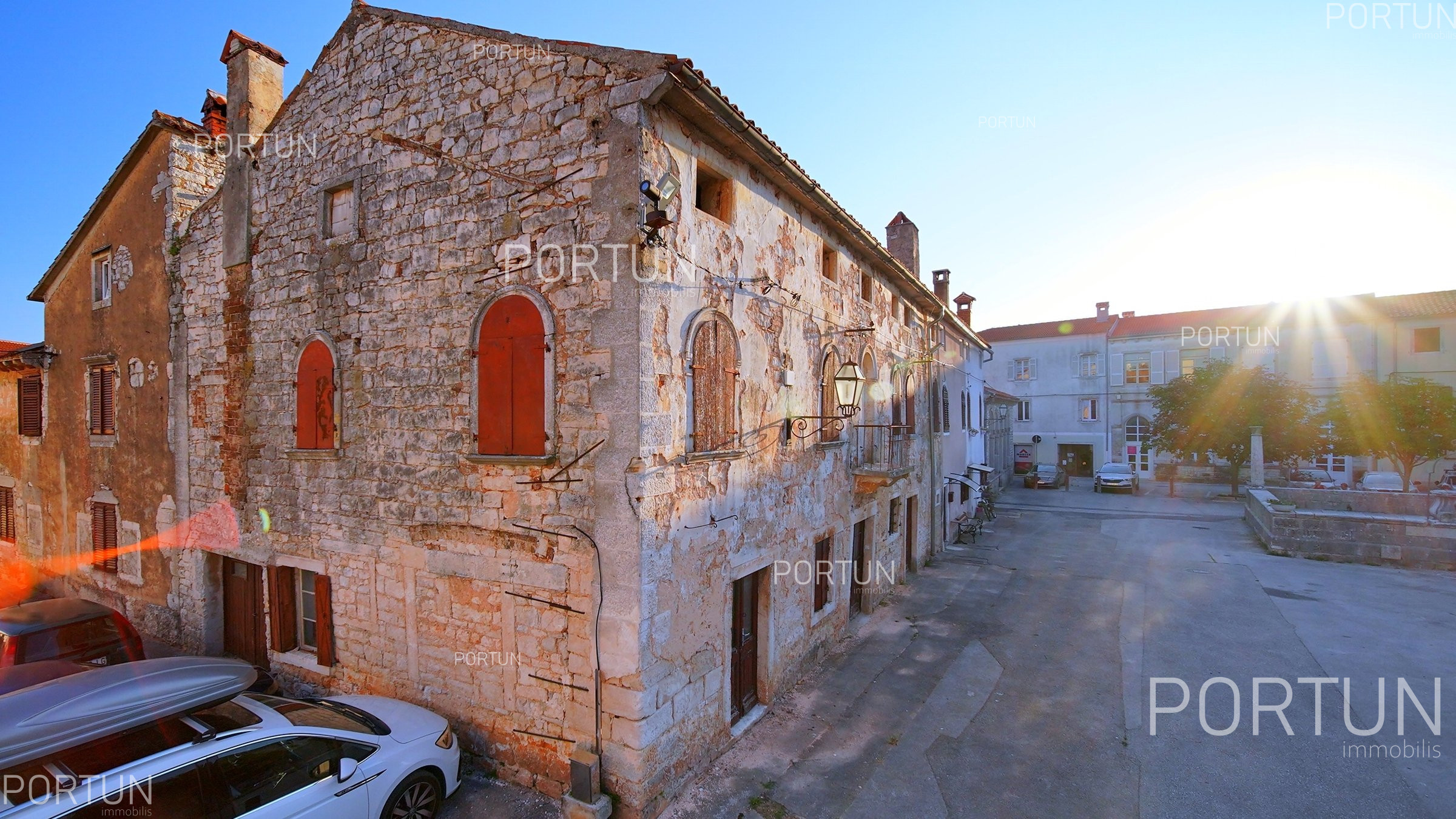
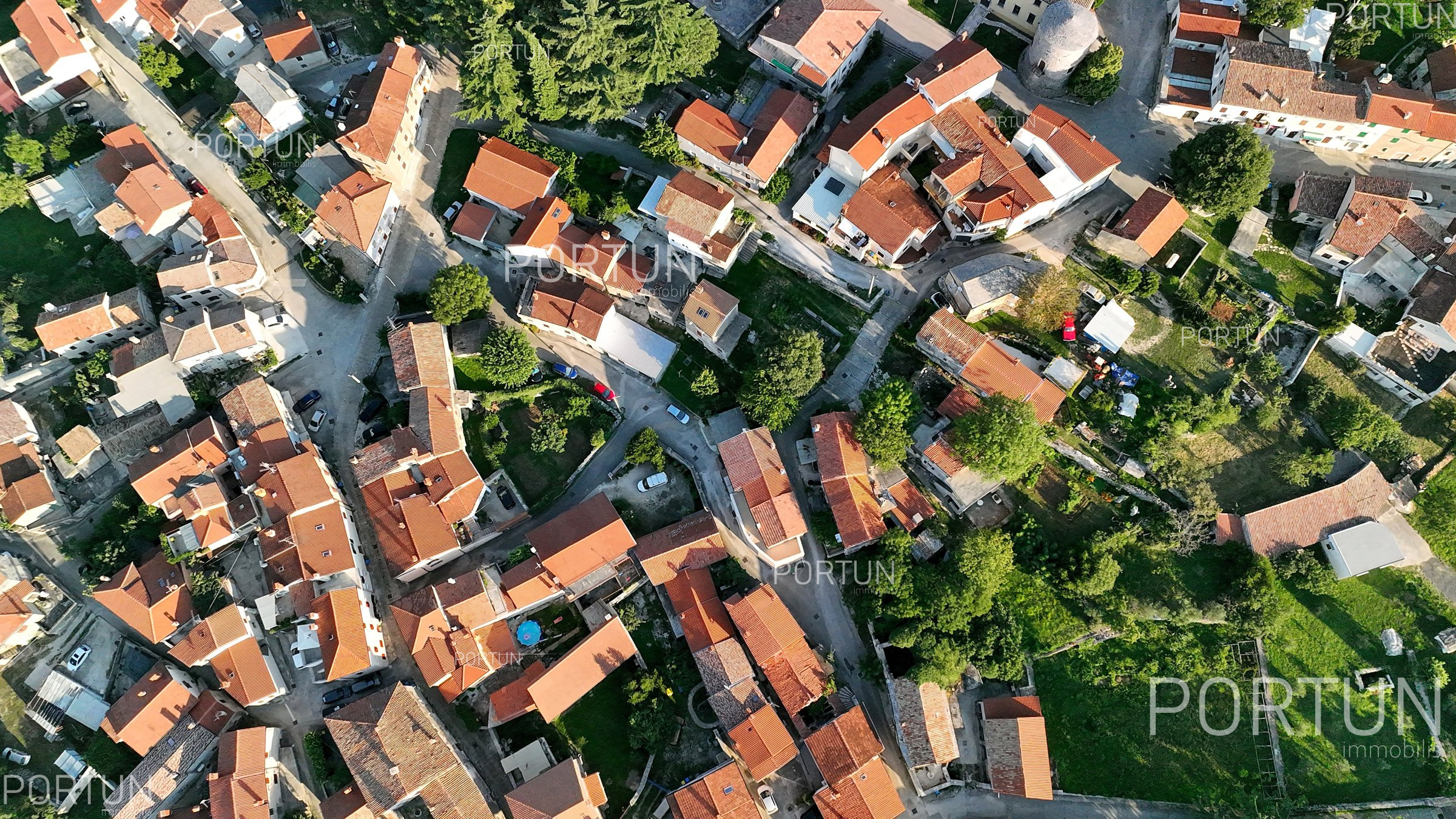
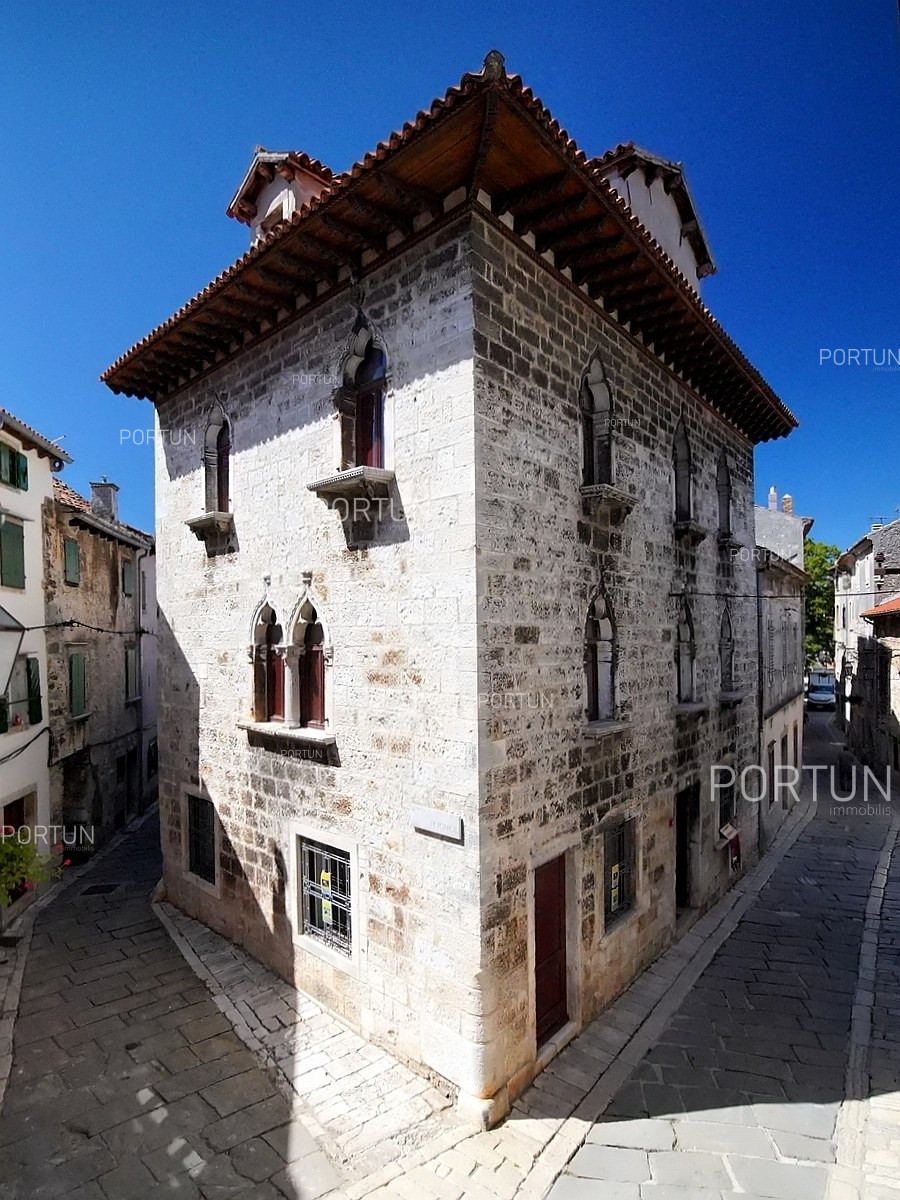
Some zones have additional restrictions, especially near protected areas or the old town core.
Without a detailed plan check, there is a risk that the land may not suit the planned project.
Building Land – Status Verification
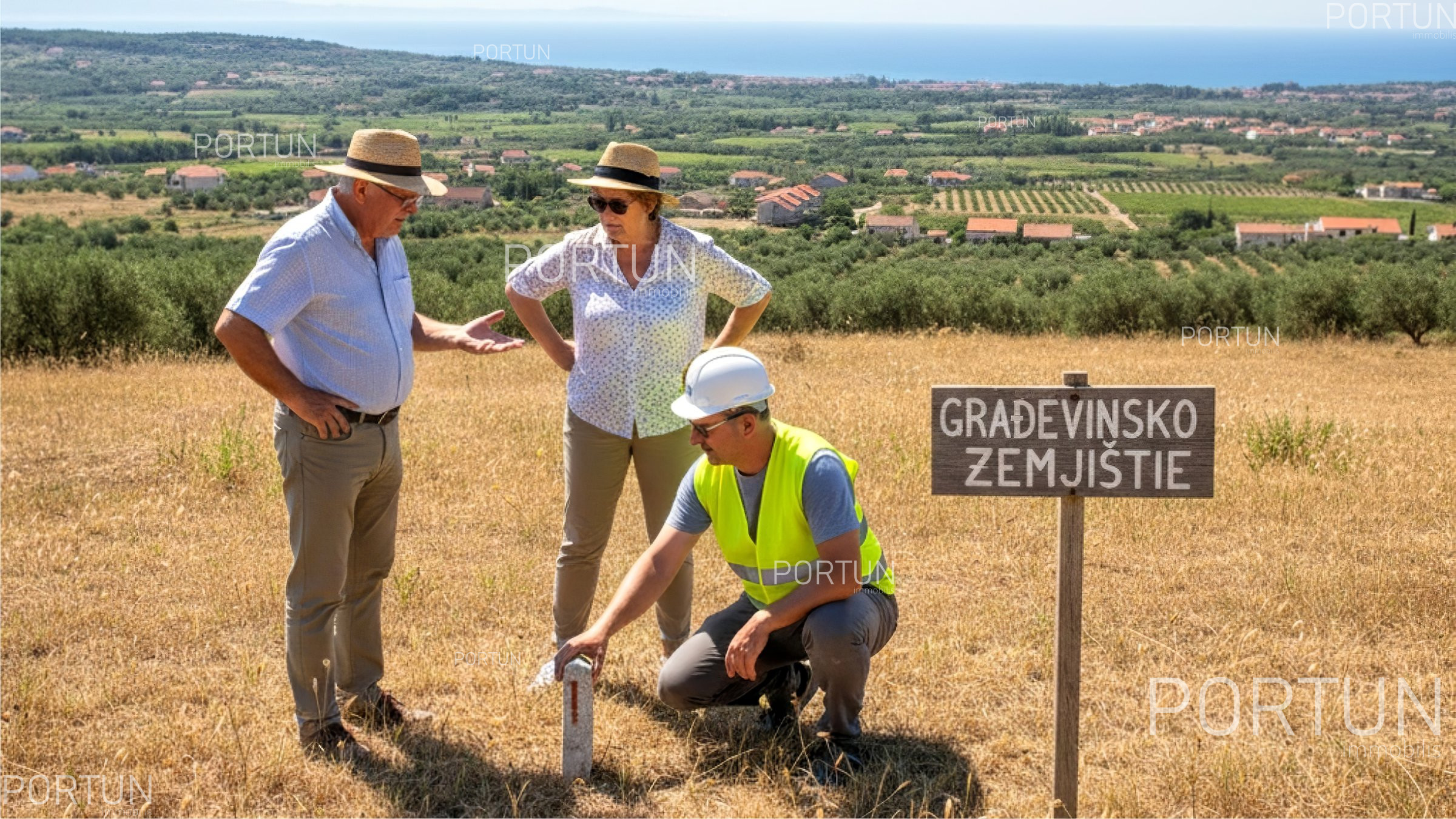
It is not enough for the land to be marked as building land in the listing. It is necessary to verify whether the plot is within the boundaries of the designated building area.
Additionally, it is important to check for any extra conditions or restrictions.
This verification is a fundamental step before purchase.
Infrastructure and Access Road
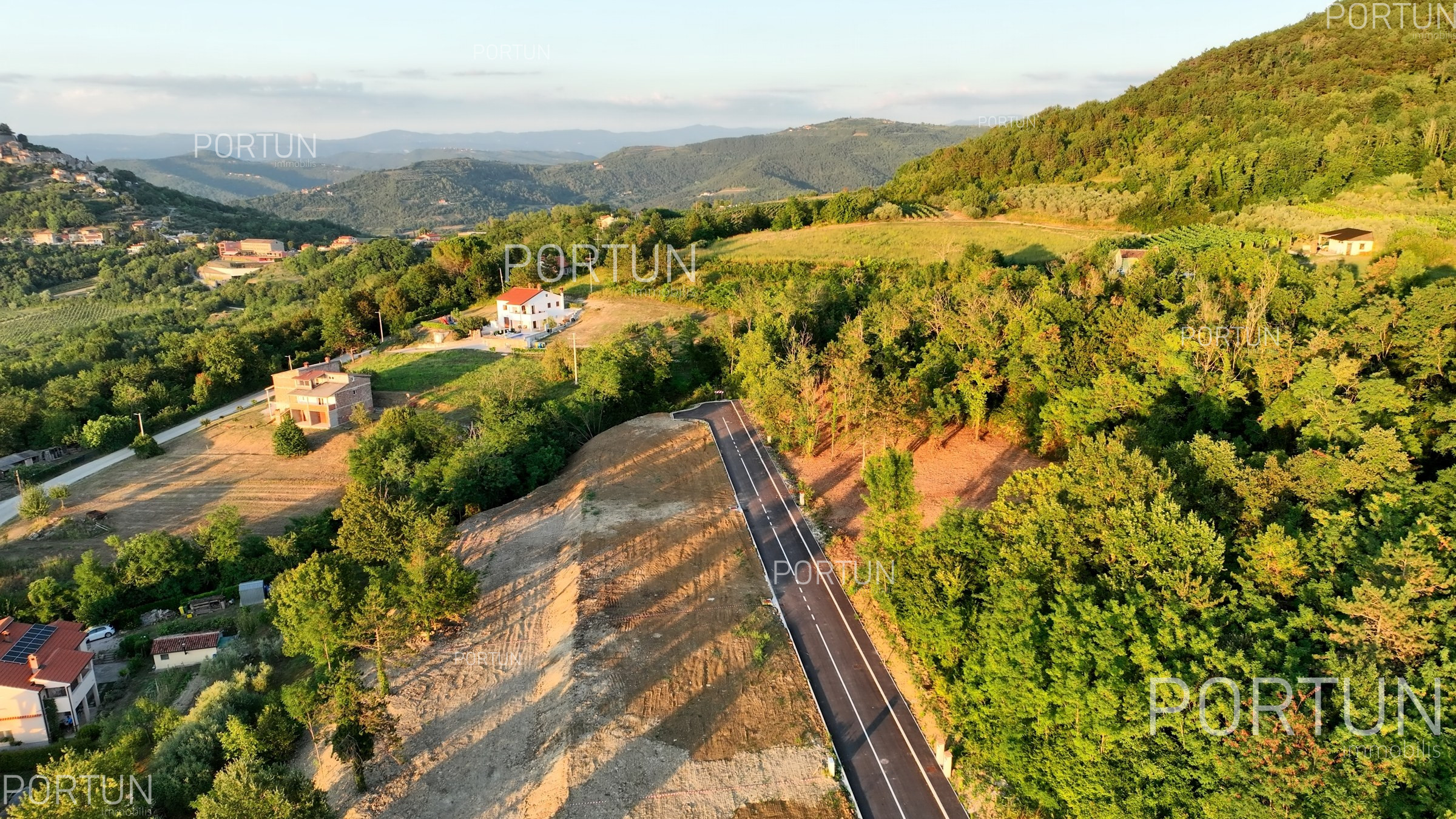
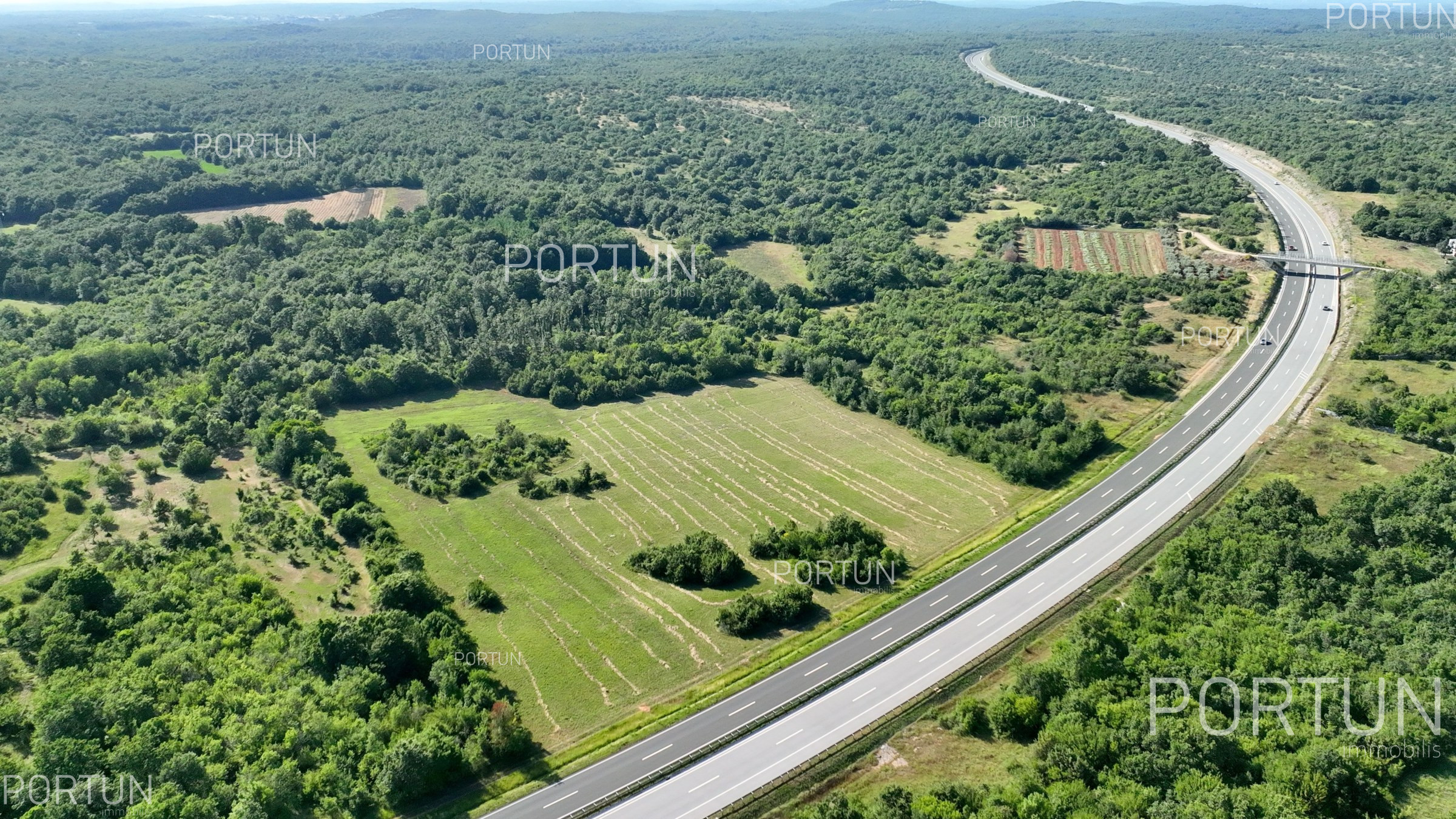
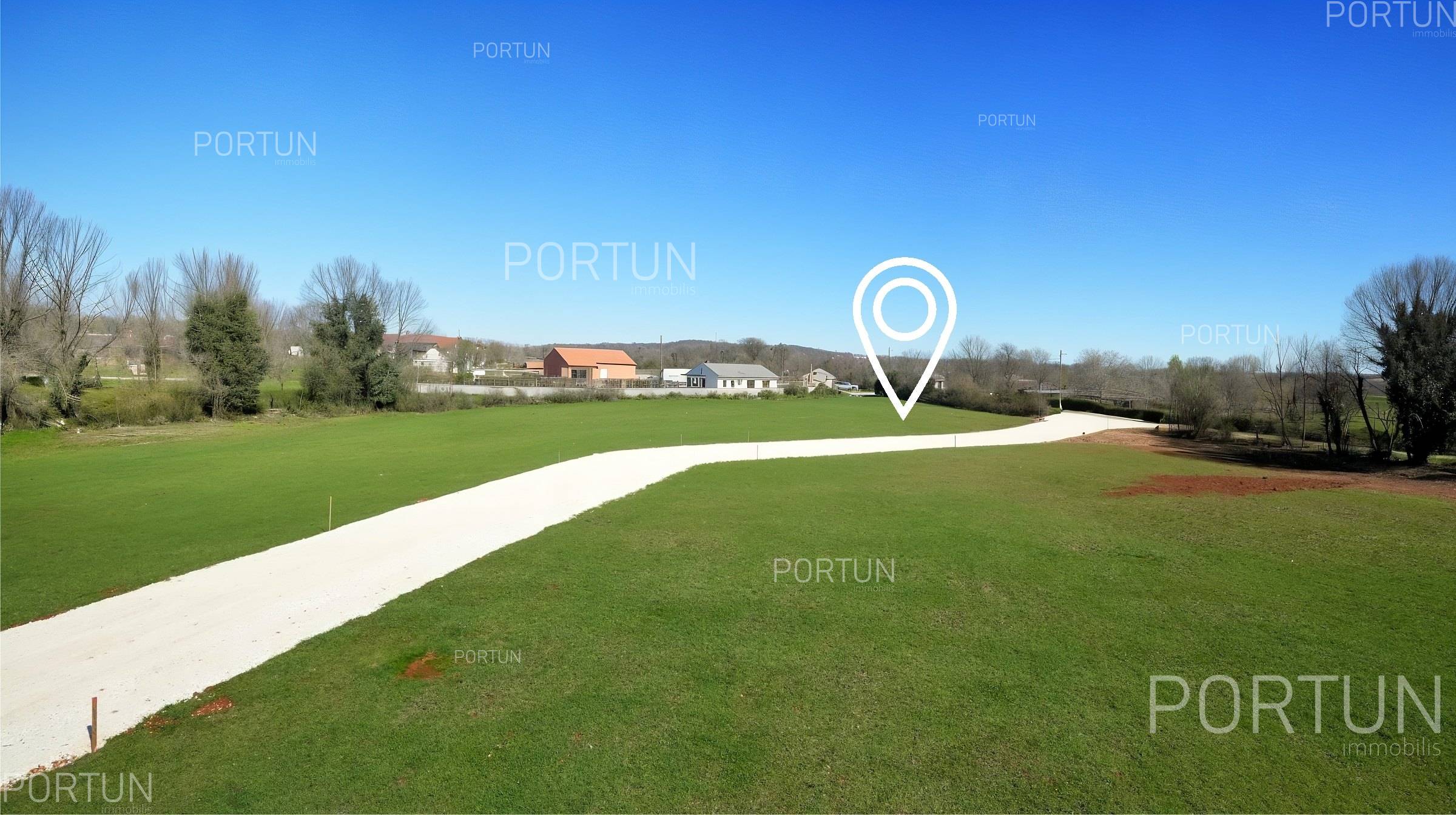
Access road, water, and electricity are key elements that determine the land’s value. A plot without infrastructure may require additional investments.
In some parts of Vodnjan, infrastructure is not yet fully developed.
Checking the actual situation on site is essential before making a decision.
Plot Shape and Terrain Configuration
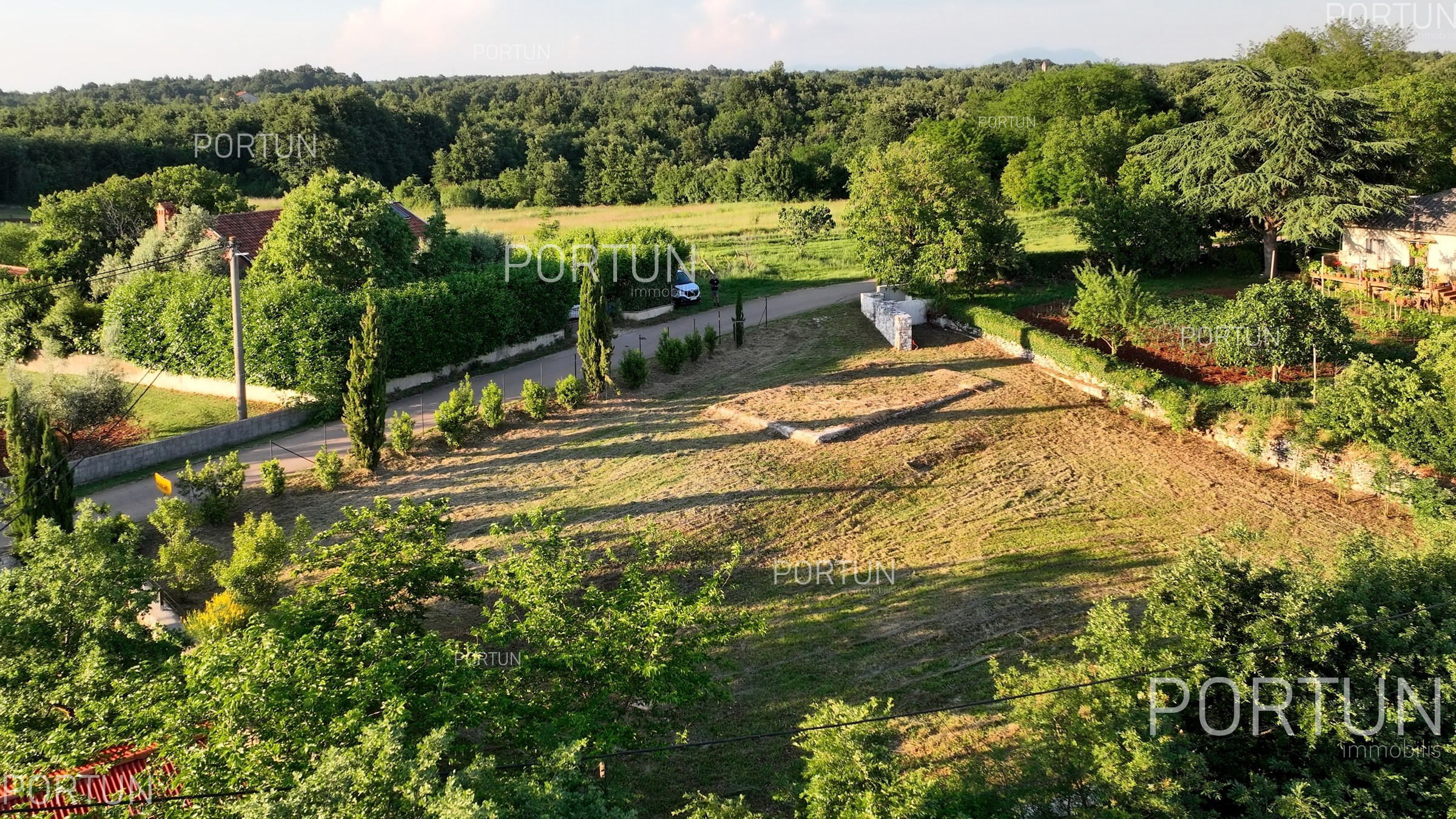
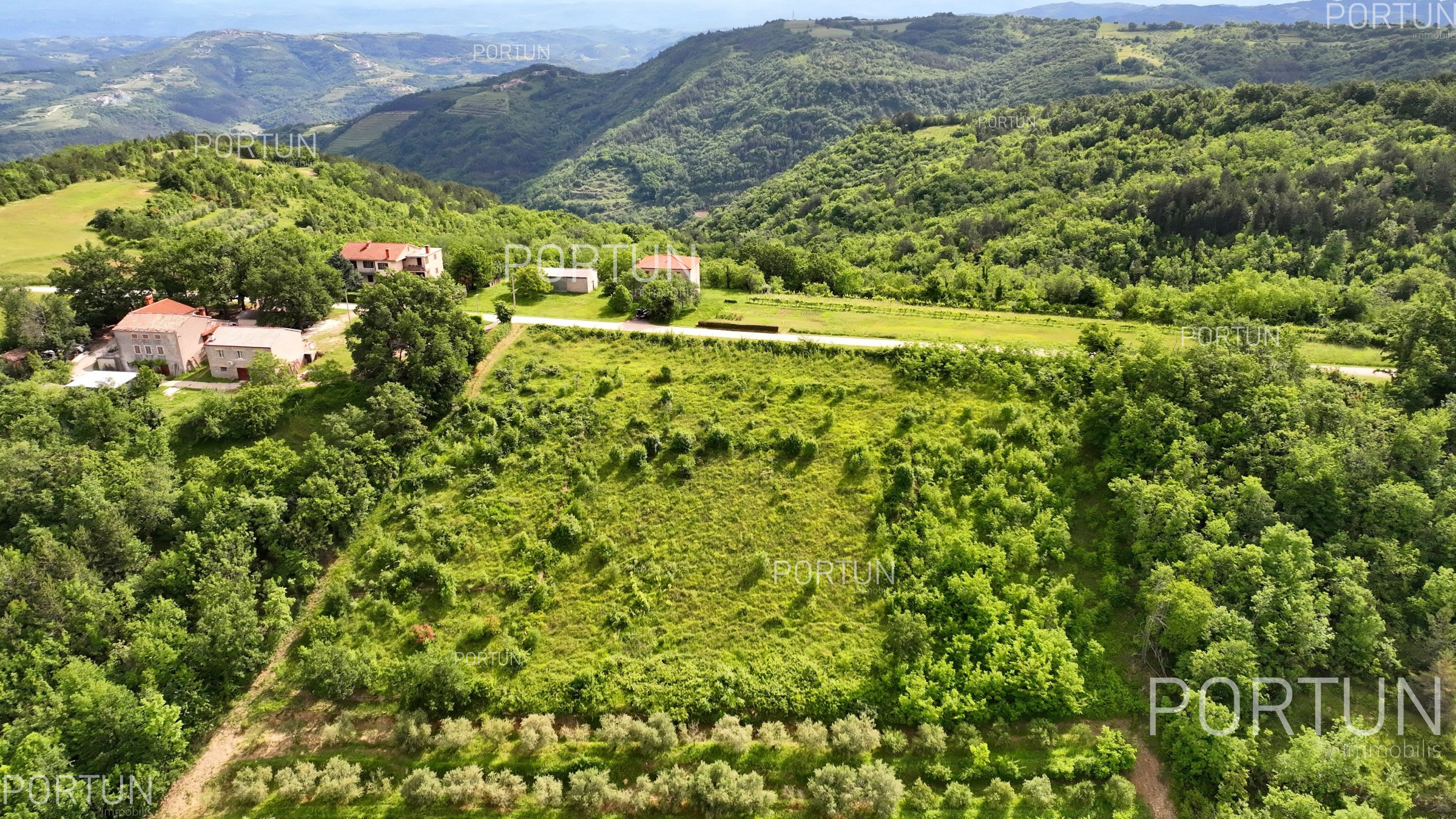
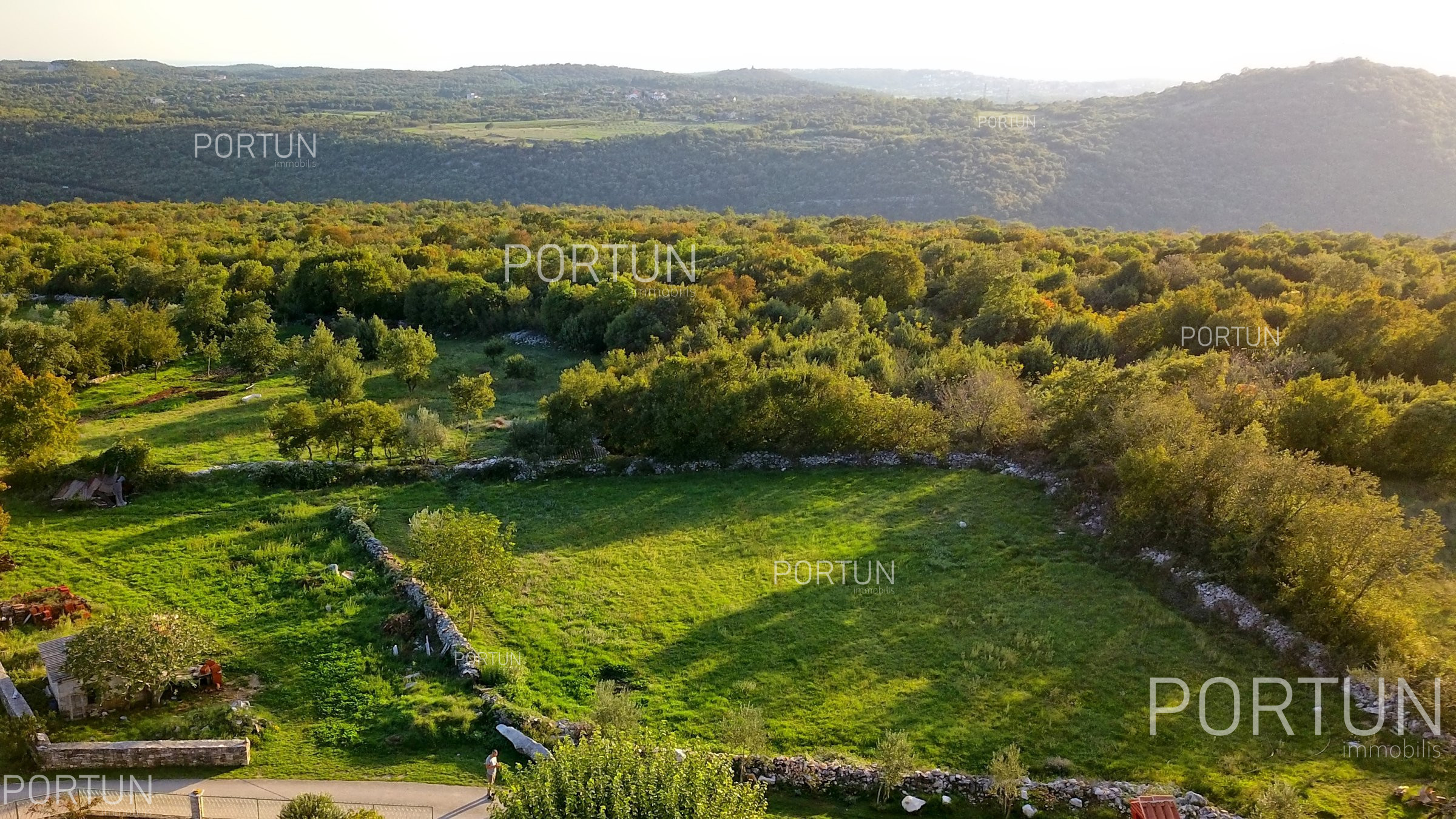
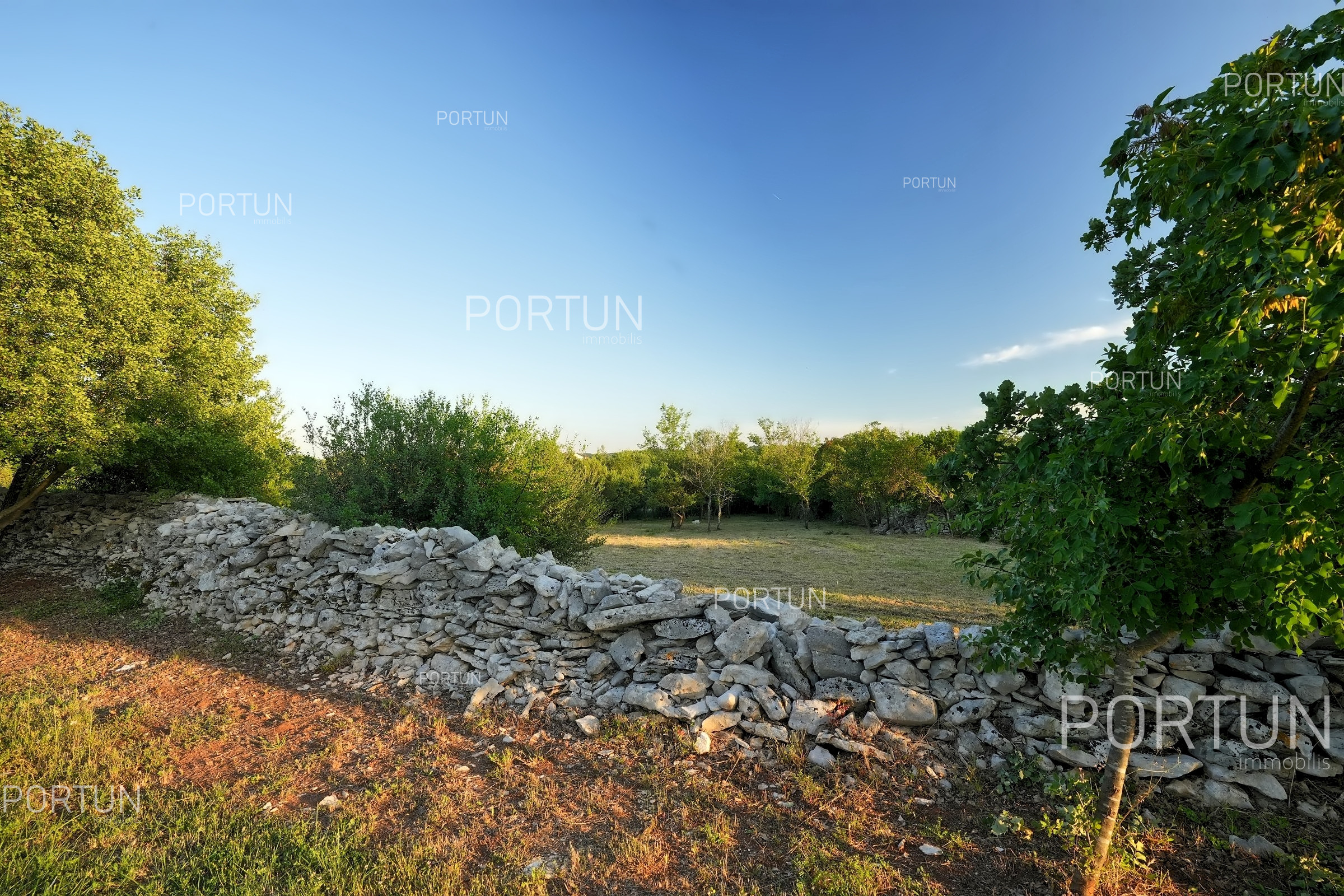
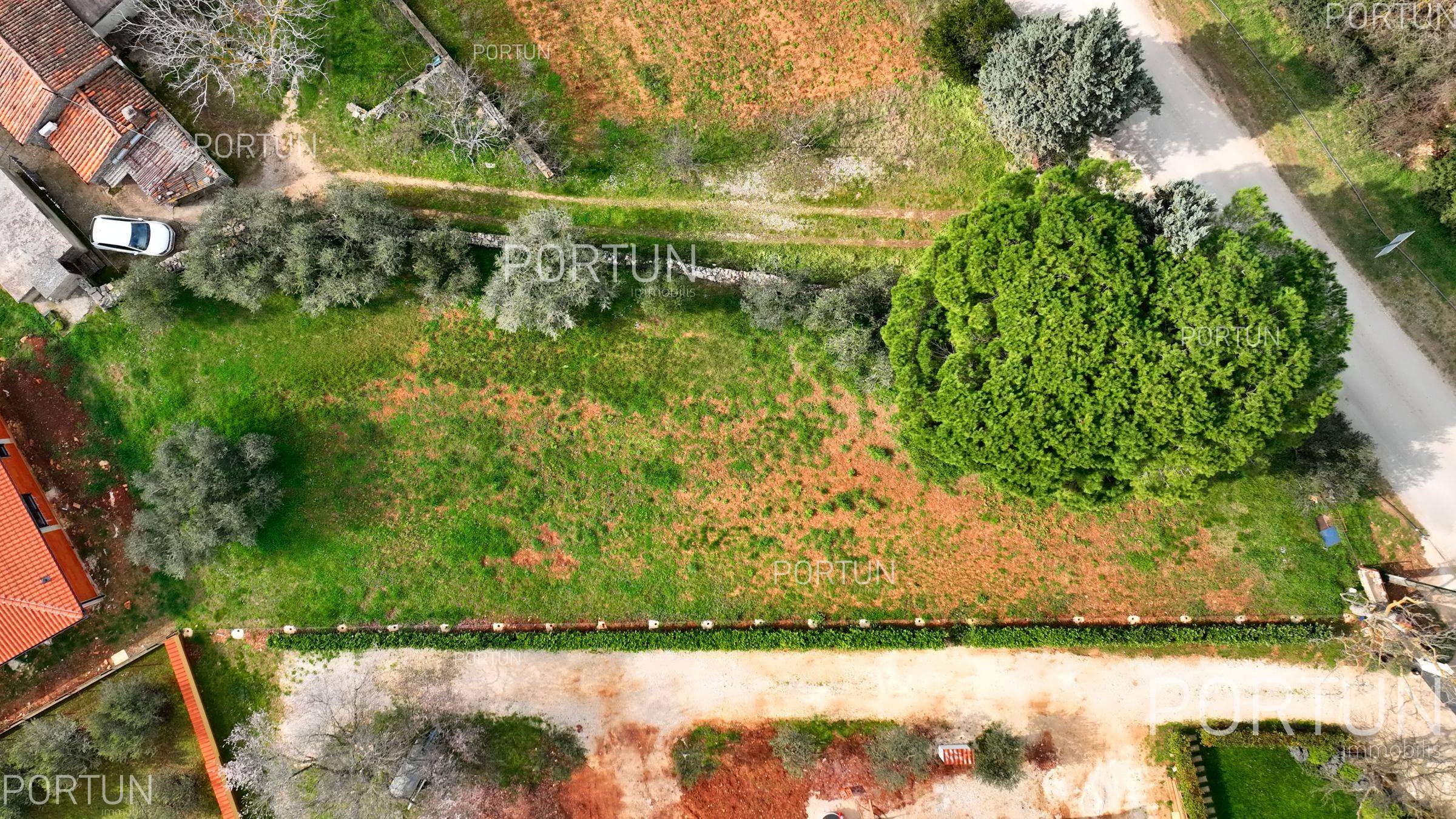
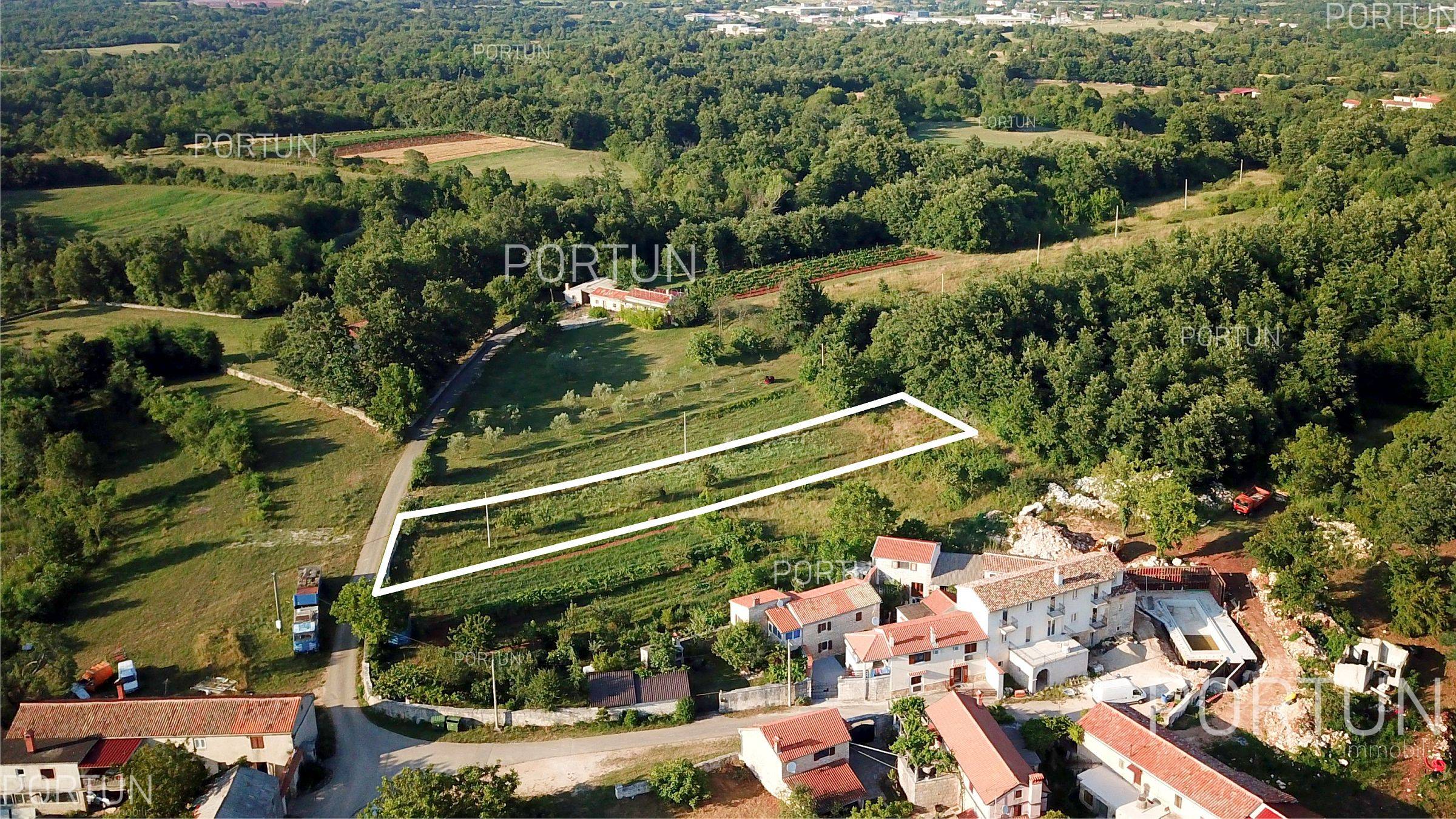
The shape of the land affects building possibilities. Regular plots are easier to utilize and plan.
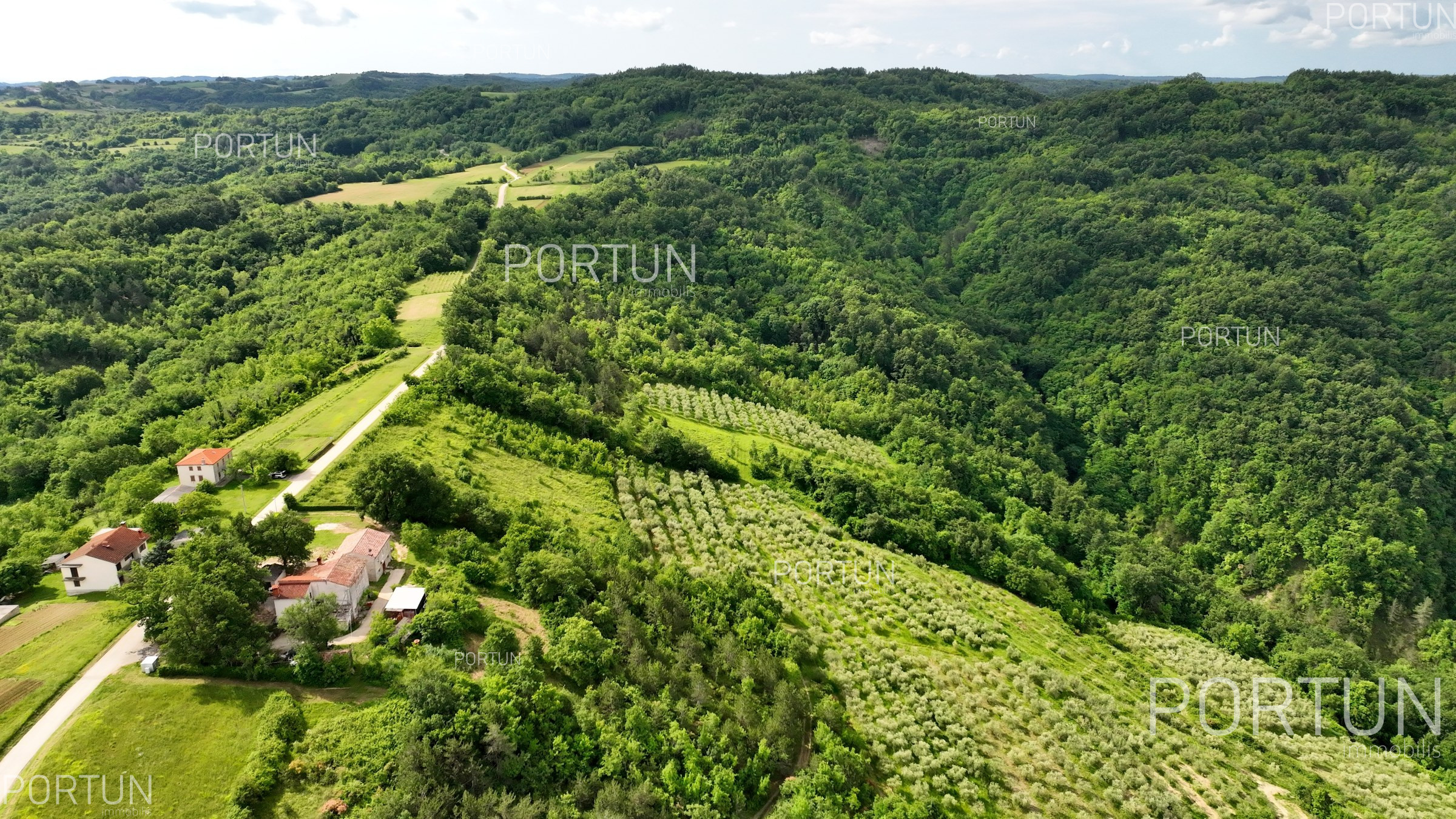
Terrain configuration also plays an important role. Flat plots are more favorable, while sloped terrain can increase costs.
A good plot allows optimal use of space.
Plot Size and Additional Amenities
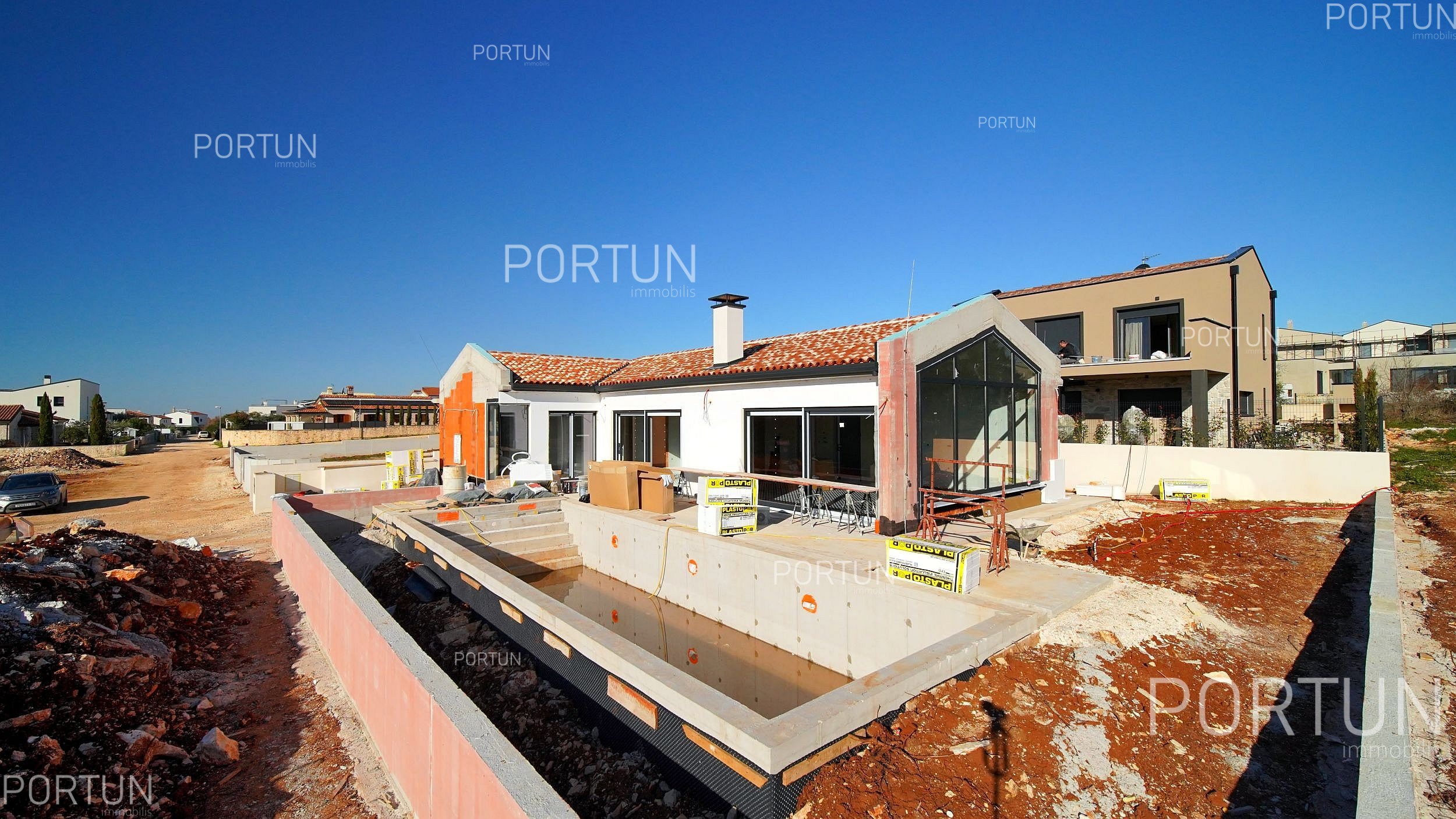
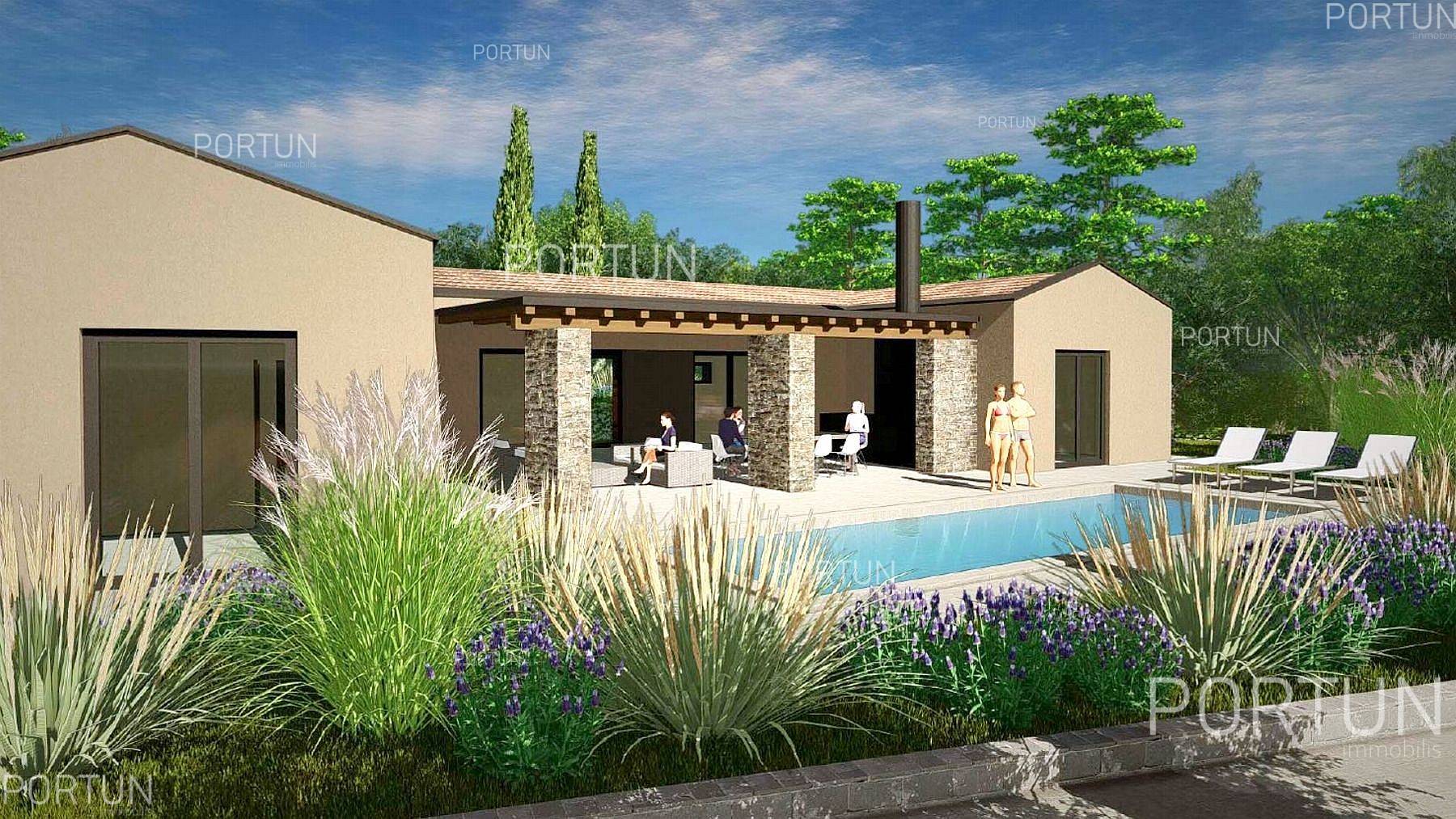
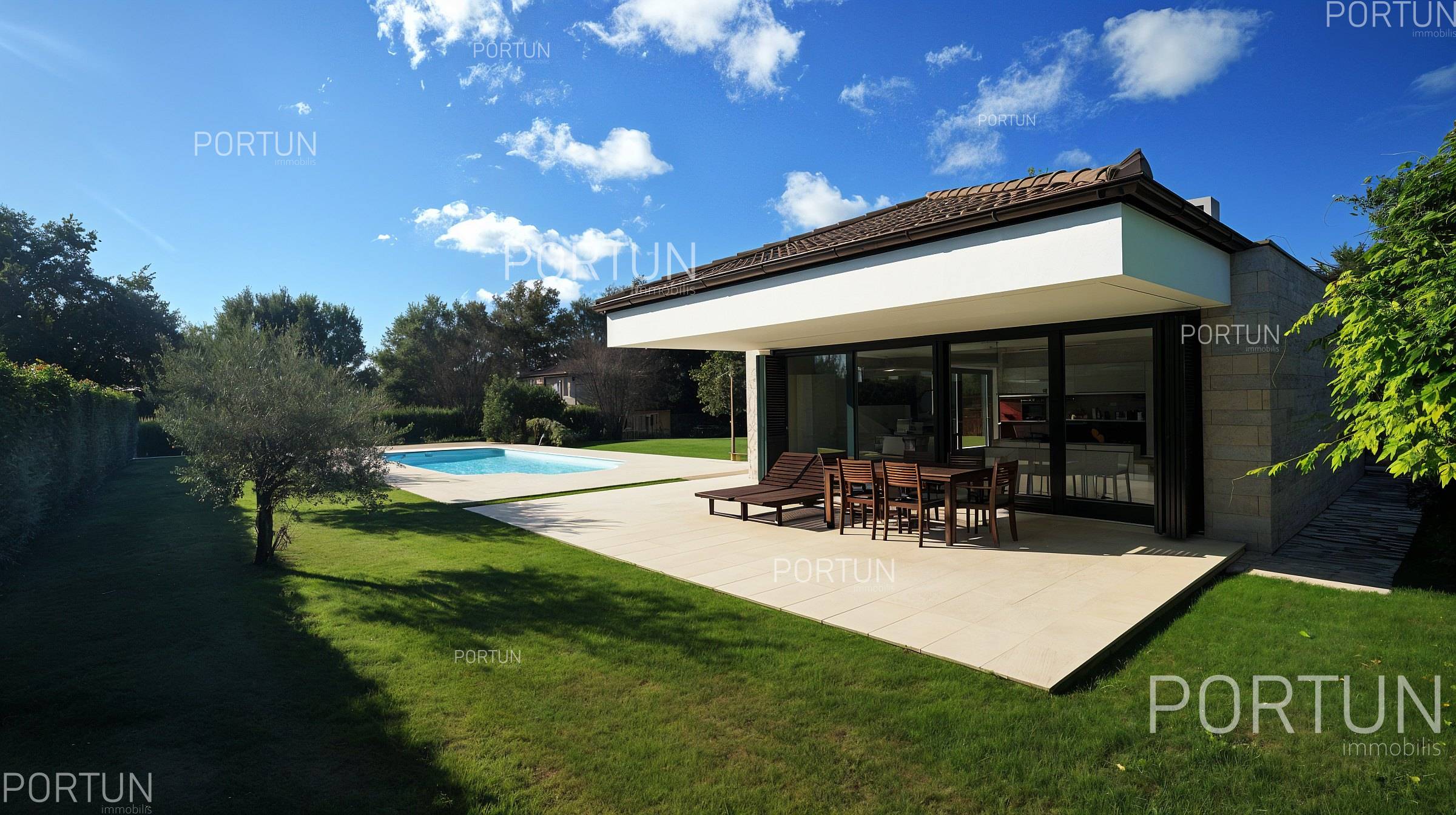
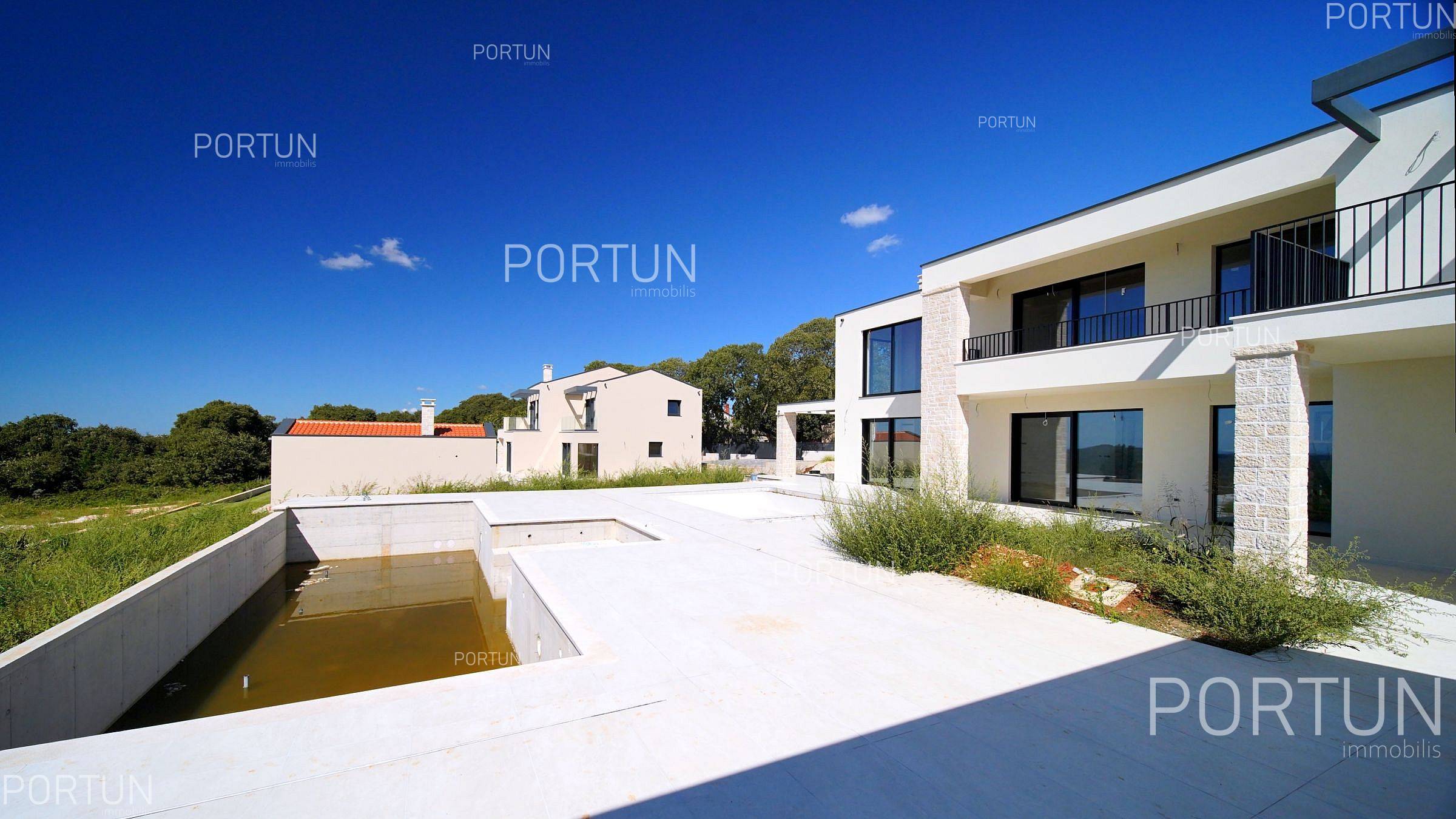
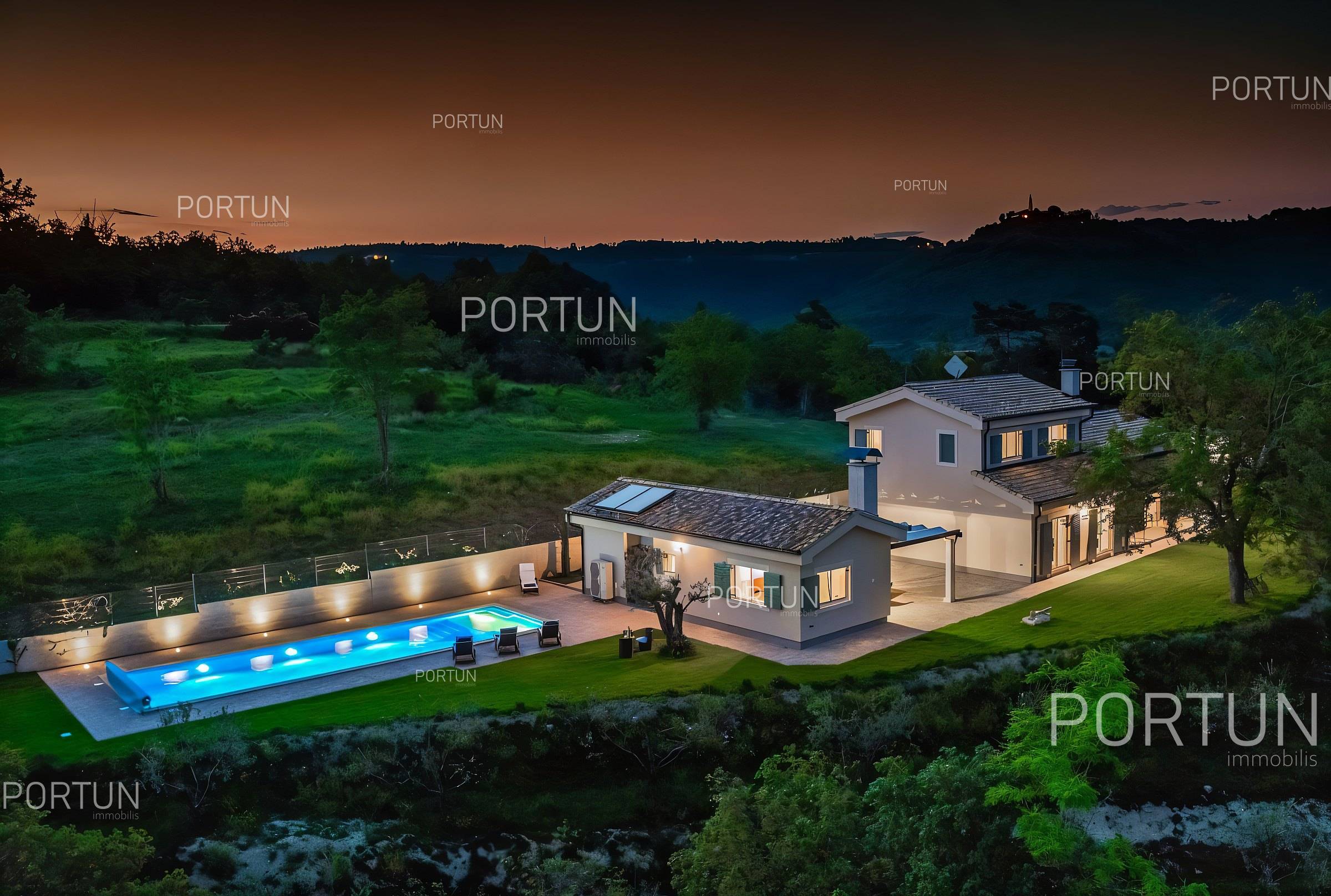
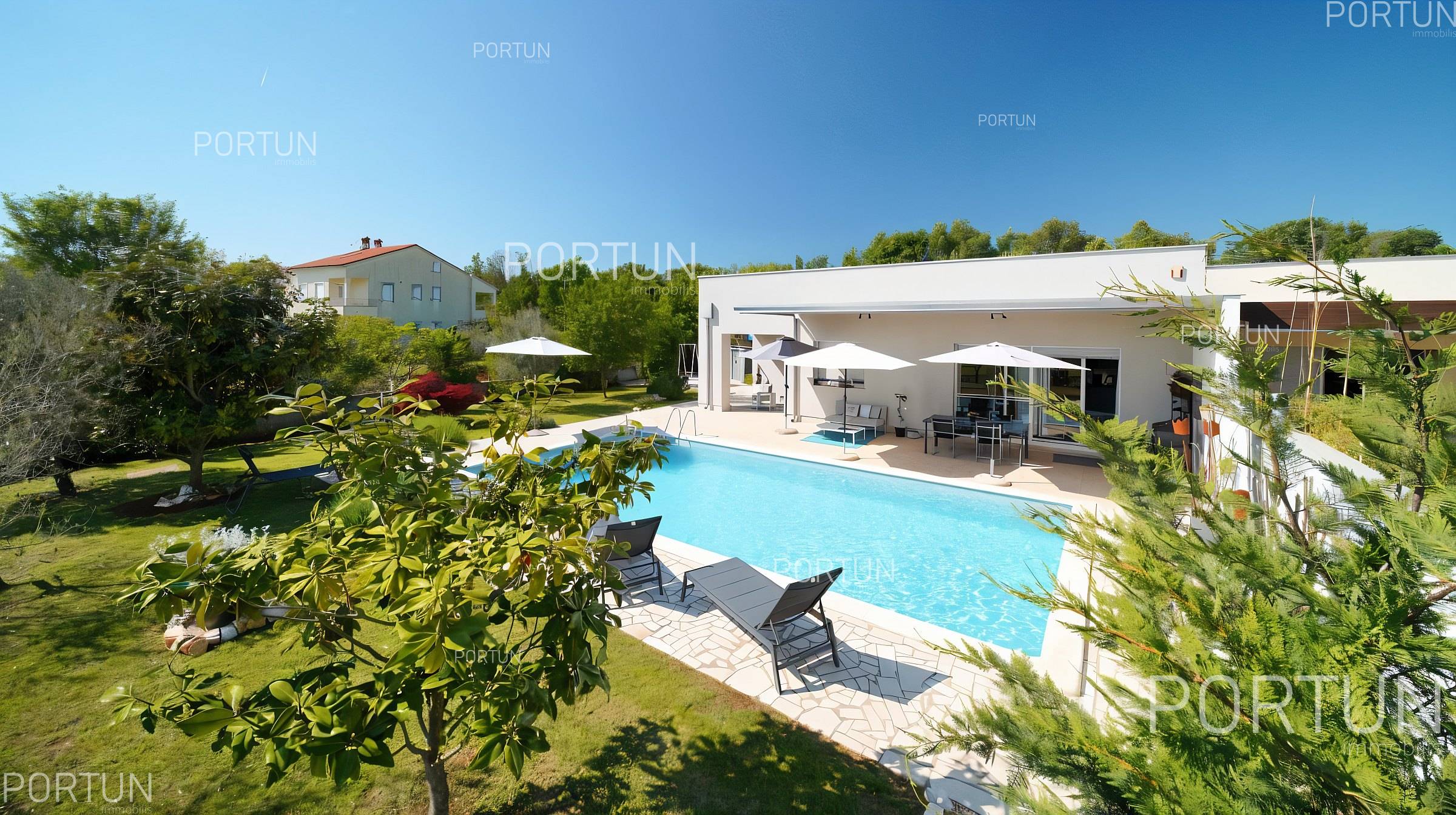
The size of the land influences the possibility of building additional amenities such as a pool, garage, or auxiliary buildings.
In some cases, there are minimum size requirements for certain interventions.
Planning ahead is crucial to avoid restrictions.
Legal Status and Documentation
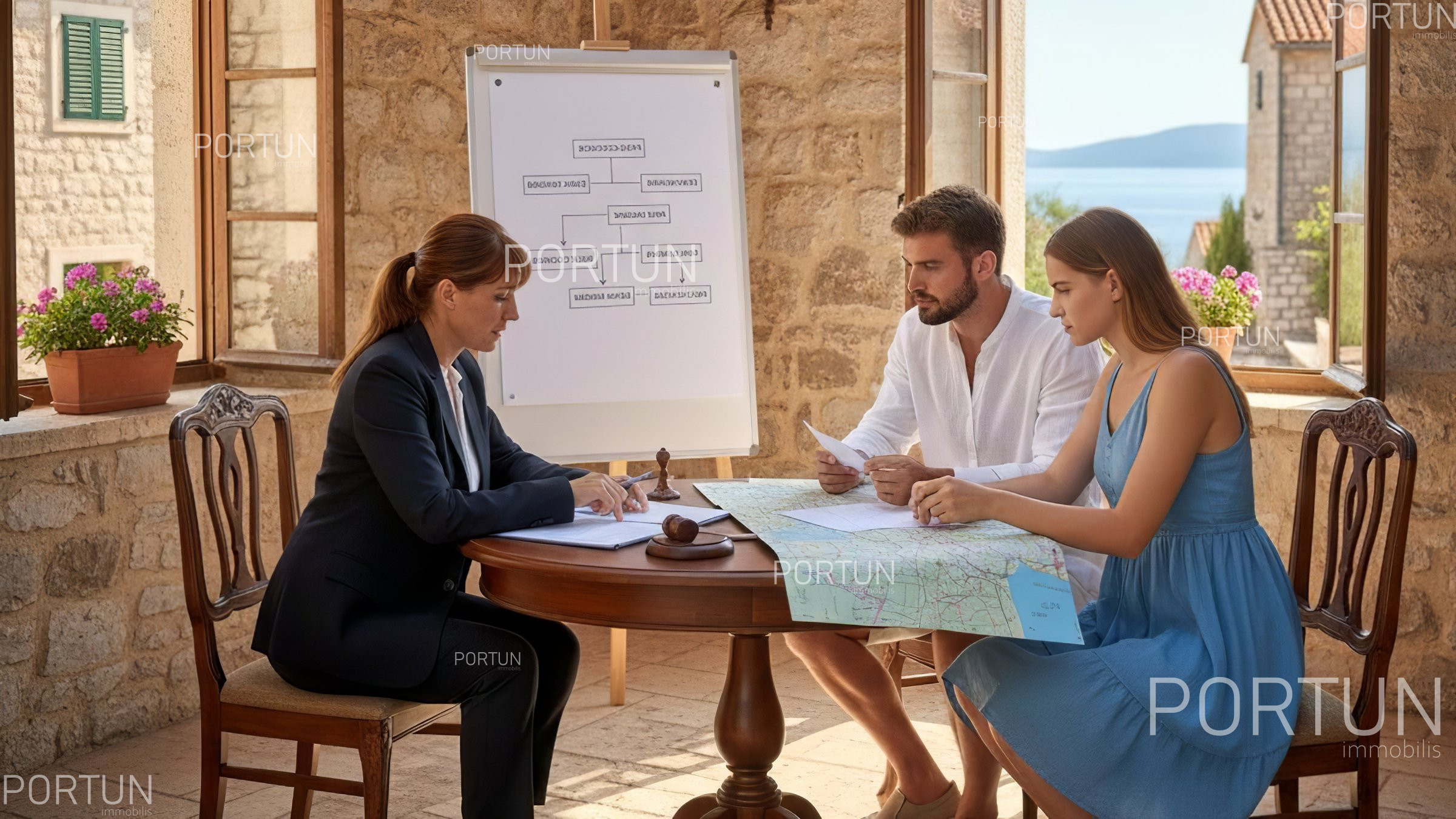
A secure purchase requires proper documentation – clear ownership, free of encumbrances and disputes, and alignment between the cadastre and land registry.
Documentation issues can lead to delays and extra costs.
It is recommended to engage a legal expert before buying.
Costs Beyond the Purchase Price
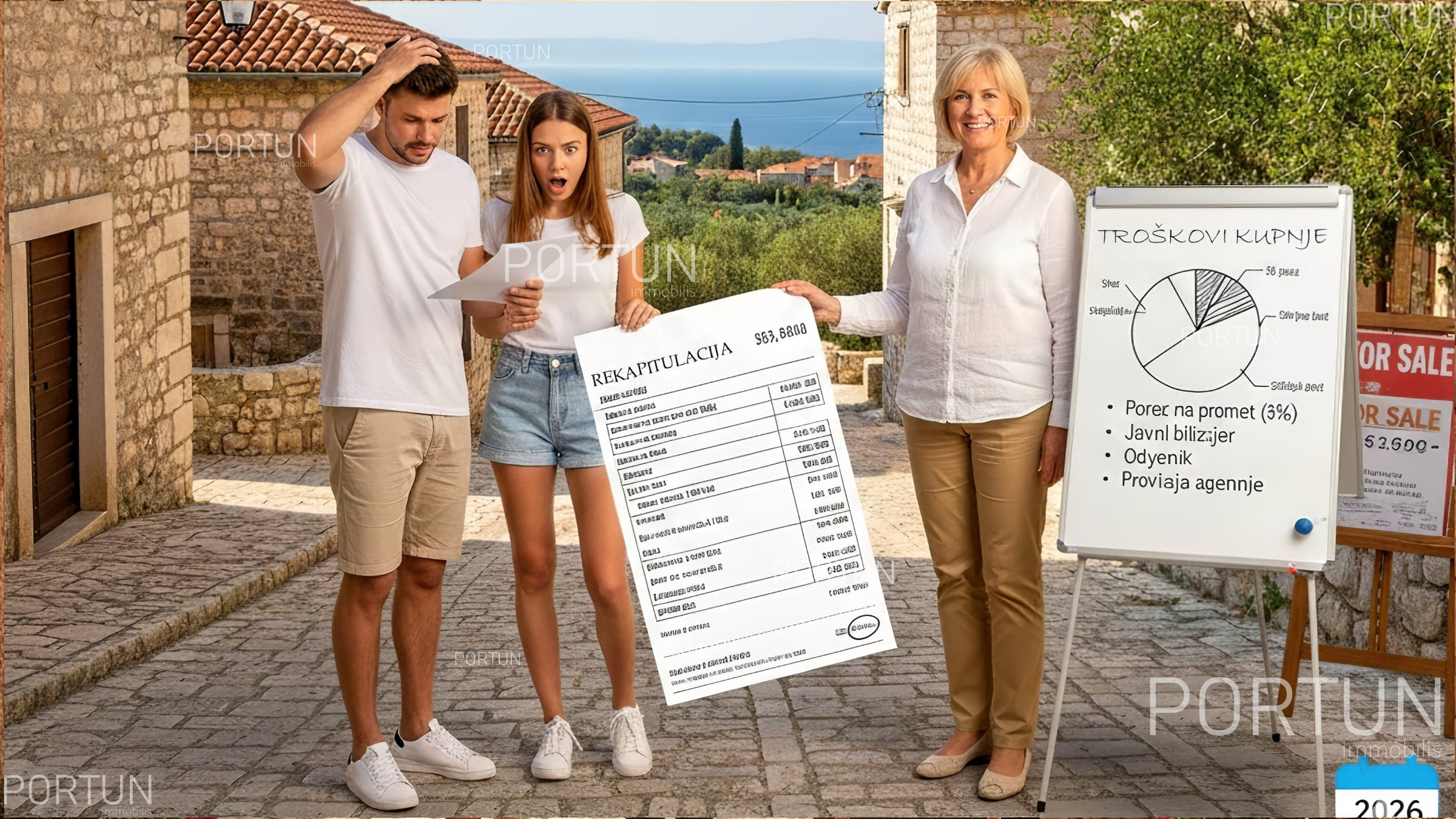
Besides the land price, additional costs must be considered – property transfer tax, design fees, utility contributions, and connections.
These costs can significantly increase the total investment.
A realistic budget assessment is key to a successful project.
Rental and Investment Potential
Vodnjan has good tourist potential due to its proximity to the sea and Pula. Holiday homes in this area achieve stable occupancy.
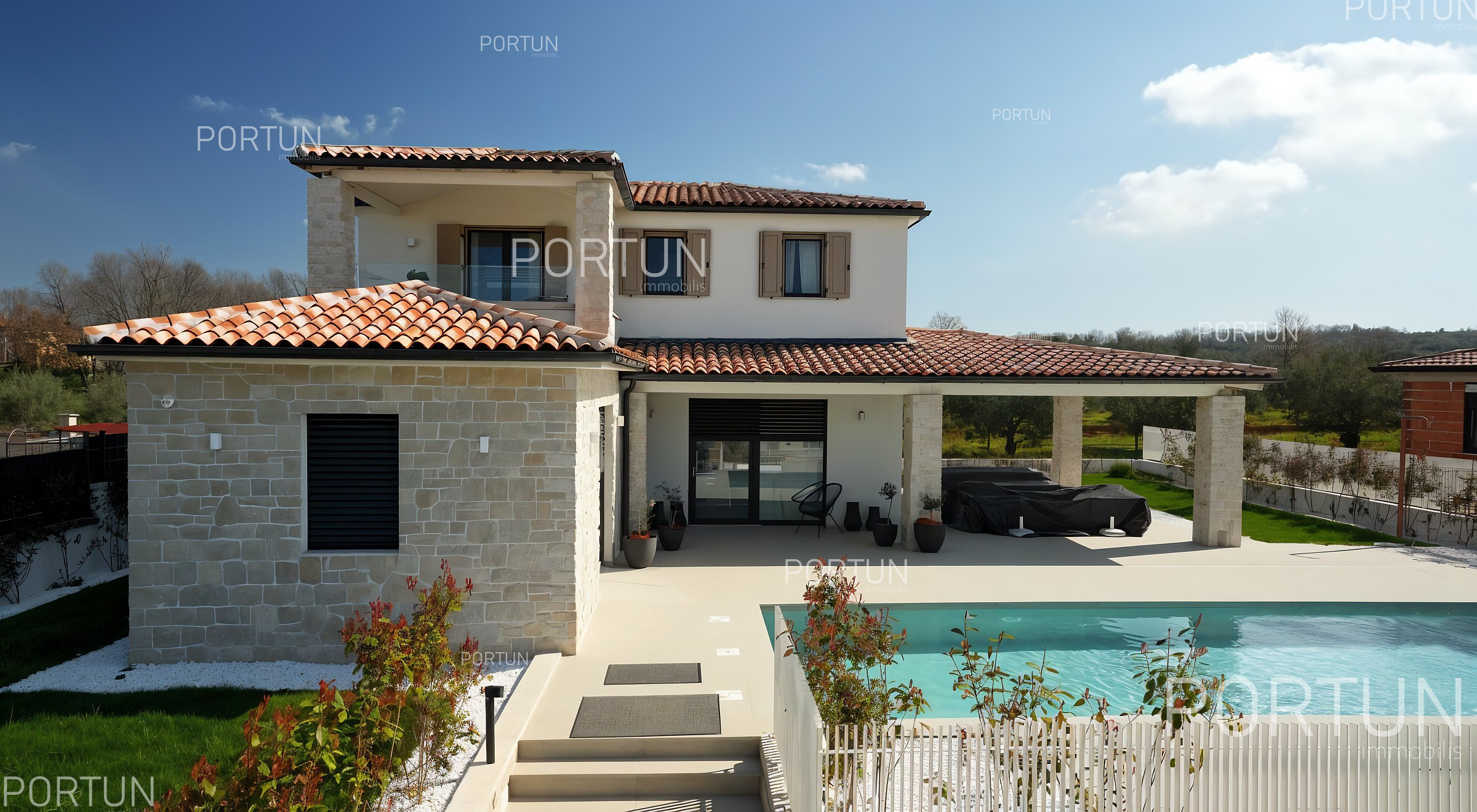
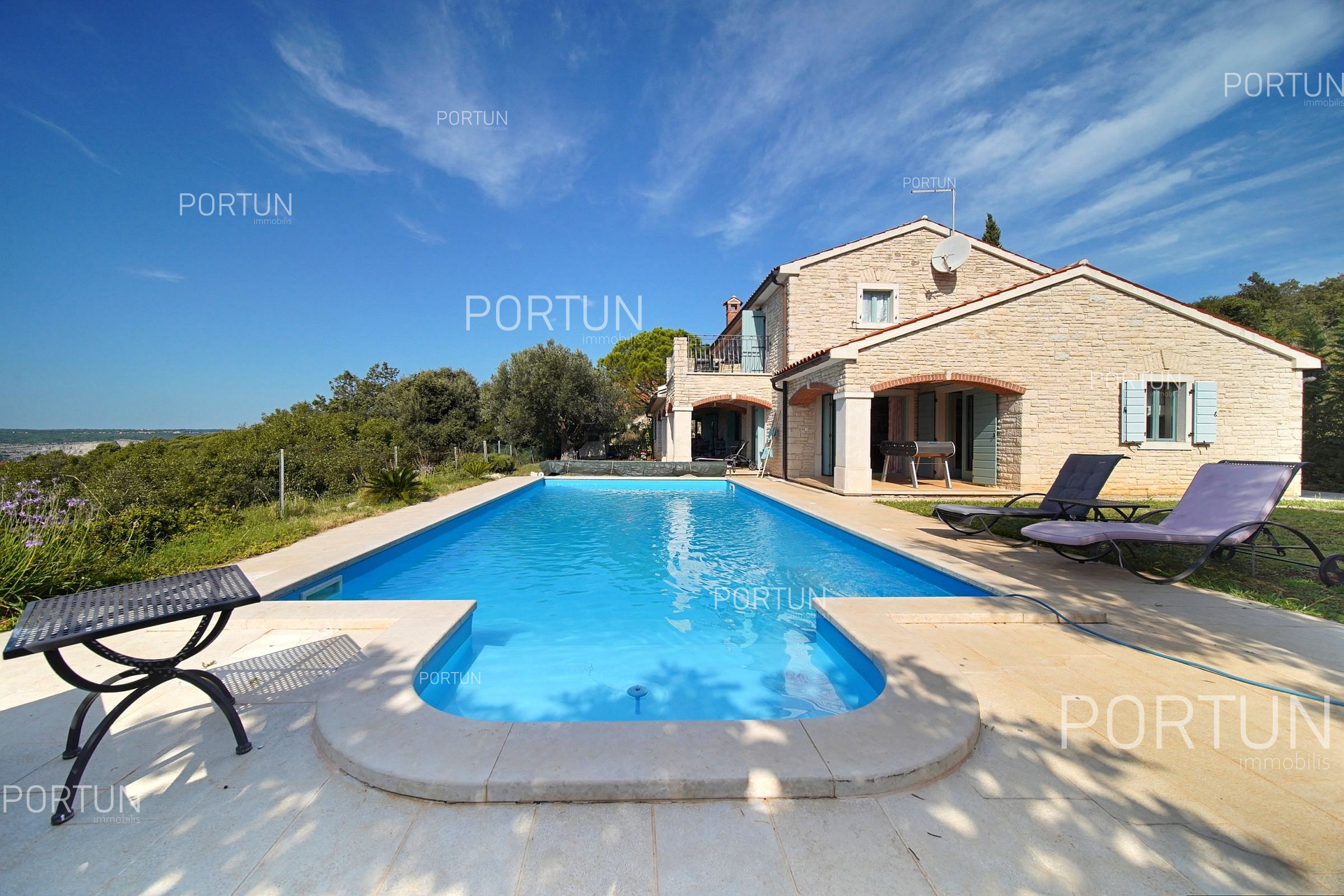
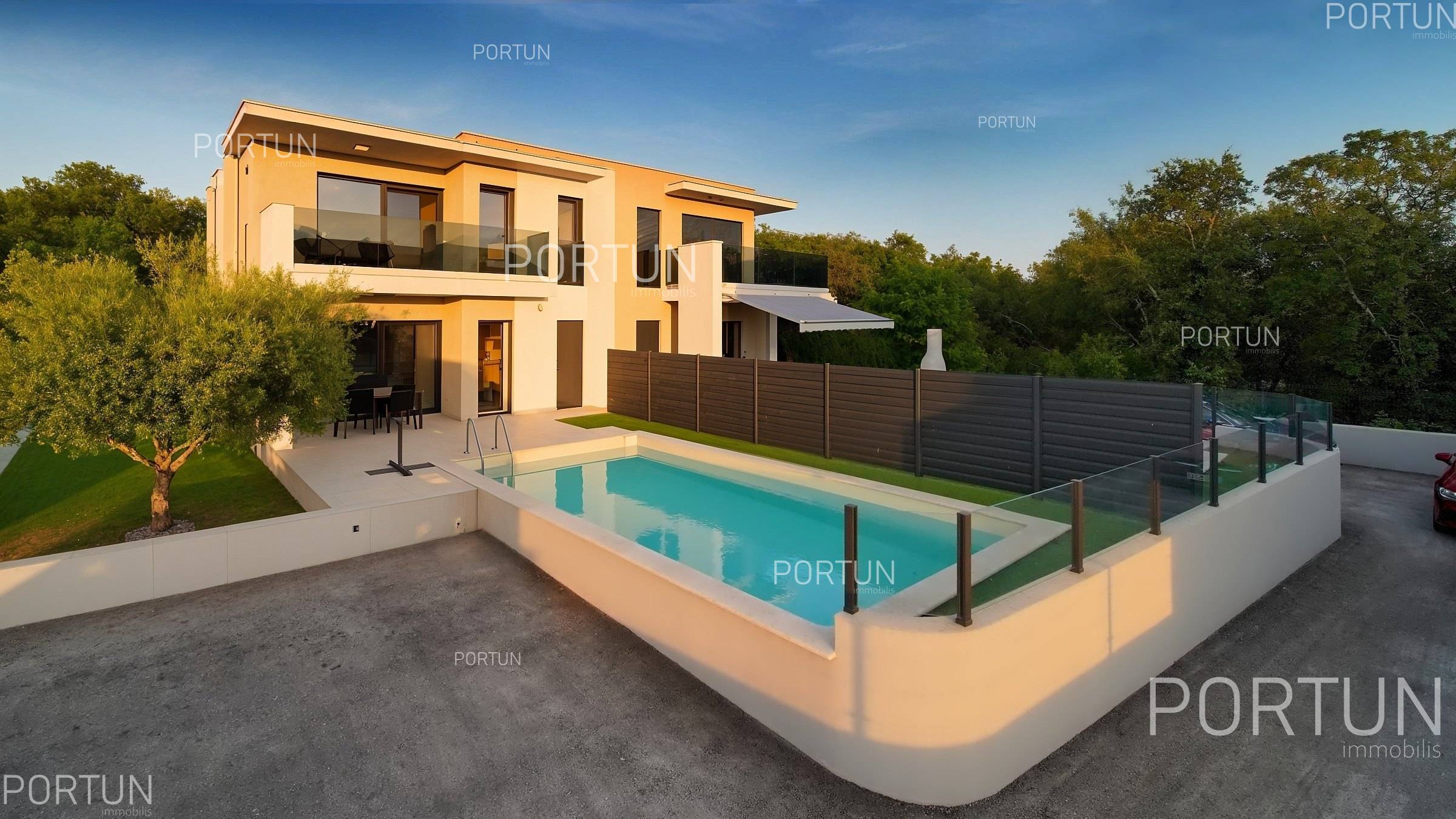
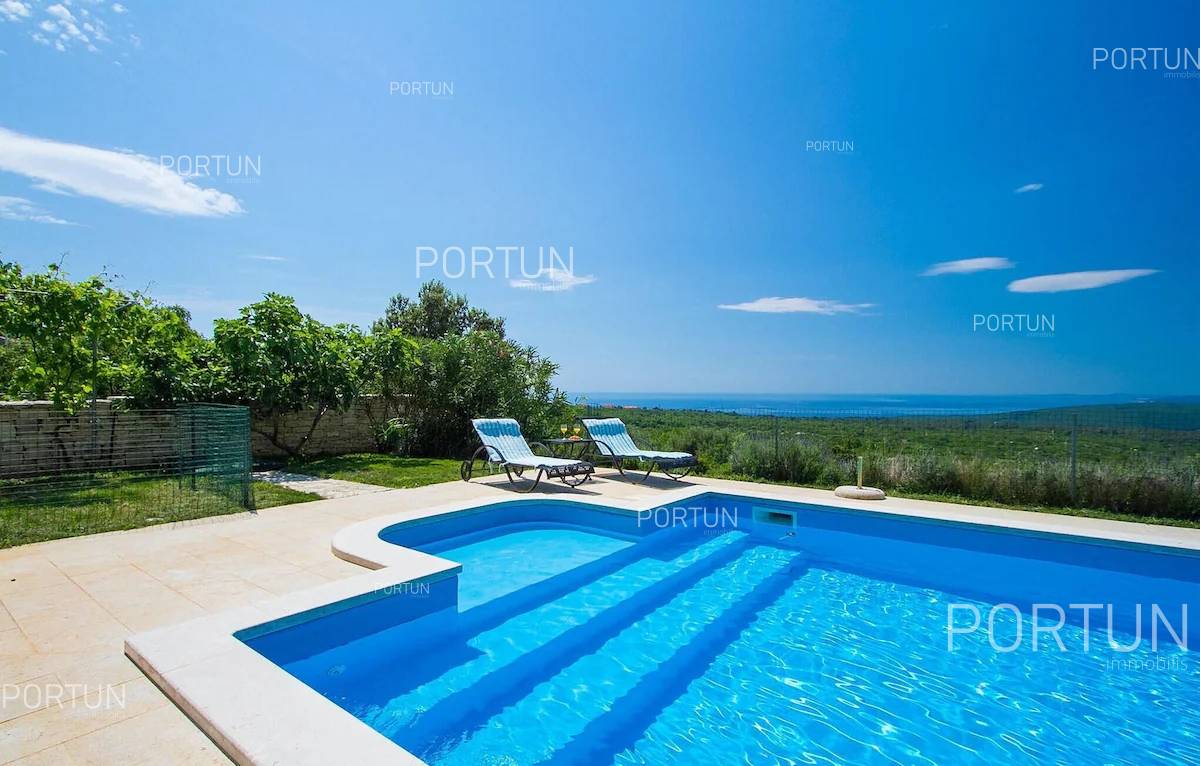
Plots that allow building houses with pools are especially attractive to investors.
It is important to plan the project according to the market.
Common Buyer Mistakes
The most common mistake is buying land without checking infrastructure and documentation. Buyers often make decisions based on price or location.
Another mistake is neglecting the spatial plan and building conditions.
A thorough analysis is essential to avoid problems.
Conclusion
Buying land in the Vodnjan area can be a quality investment, but only with careful preparation. Location, infrastructure, legal status, and building conditions are key factors that determine the real value of the land.
If you have checked everything and made an informed decision, land in Vodnjan can be a safe and long-term profitable investment.
Related guides and useful articles
Topic guides for buying building land and planning construction in Istria
Buying land in Vodnjan requires understanding zoning regulations as well as a realistic estimate of total construction costs.
- Guide to buying building land in Istria
- The real cost of building a house in Istria after buying land
Land offer in the Vodnjan area
Current listings and available locations can be found on the page Land for sale Vodnjan, organised by land type and micro-location.
Tags
Vodnjan, land purchase, building land, construction costs, building planning, zoning plan, utility contributions, infrastructure, ownership, investment, Istria