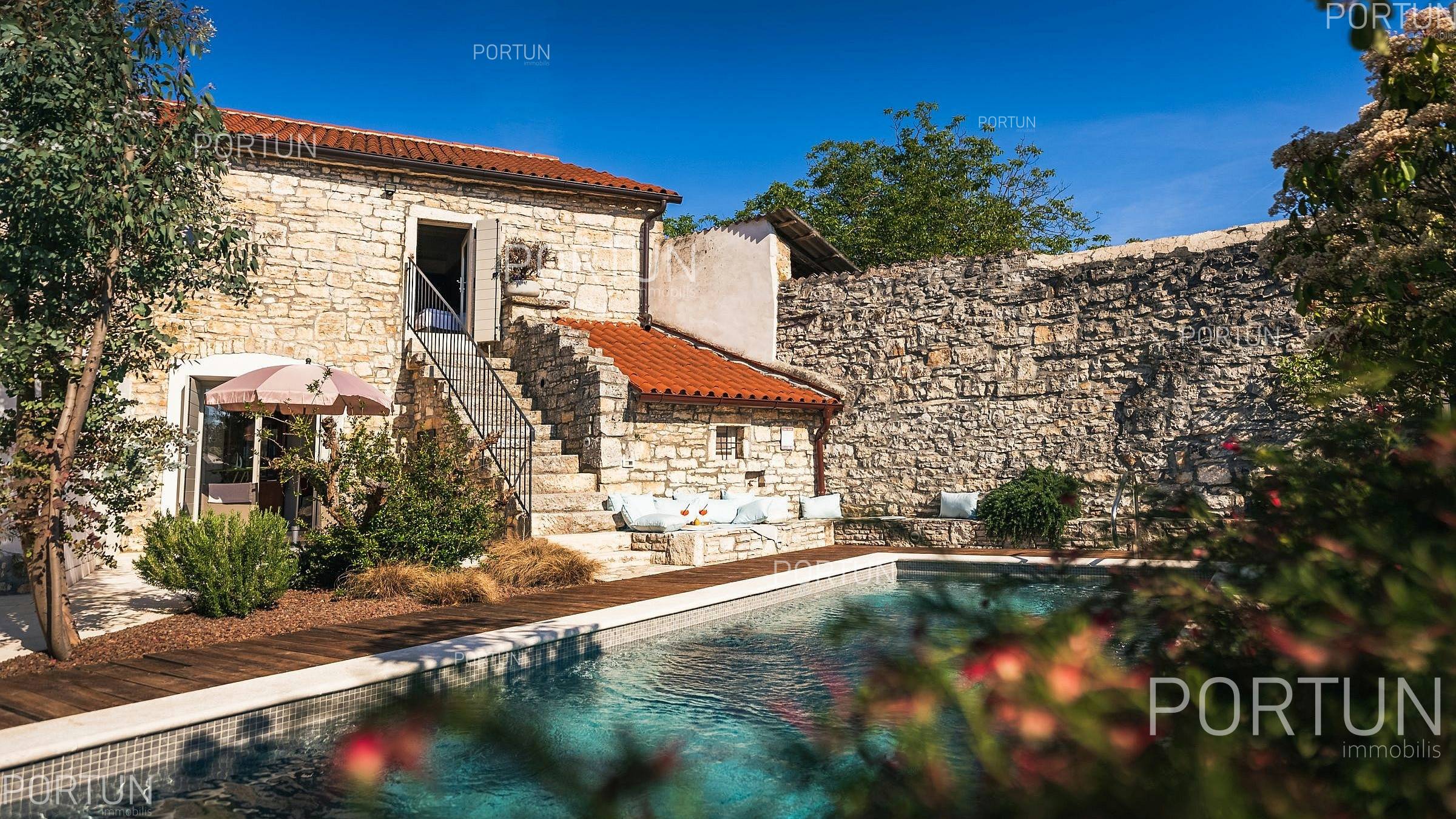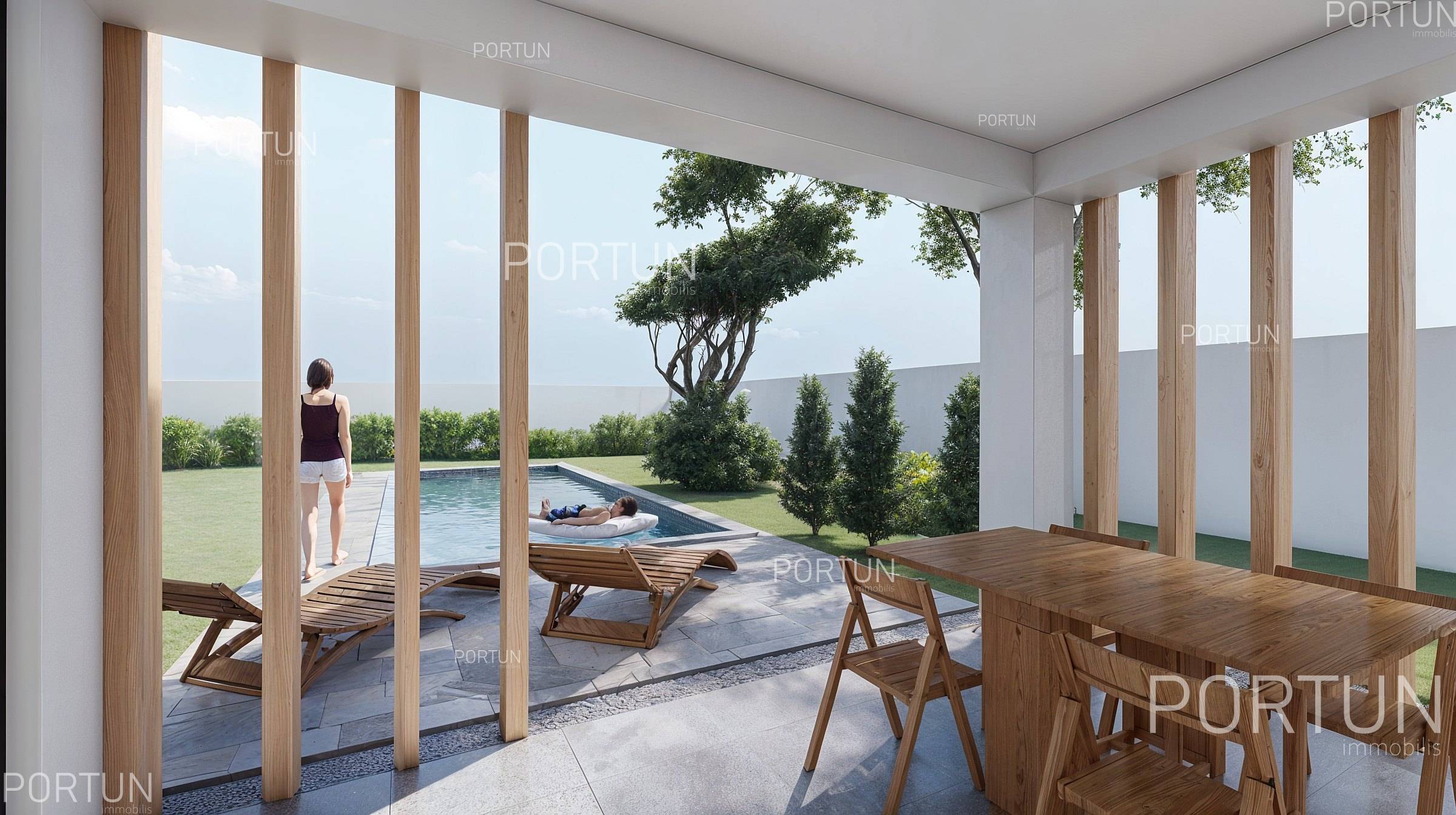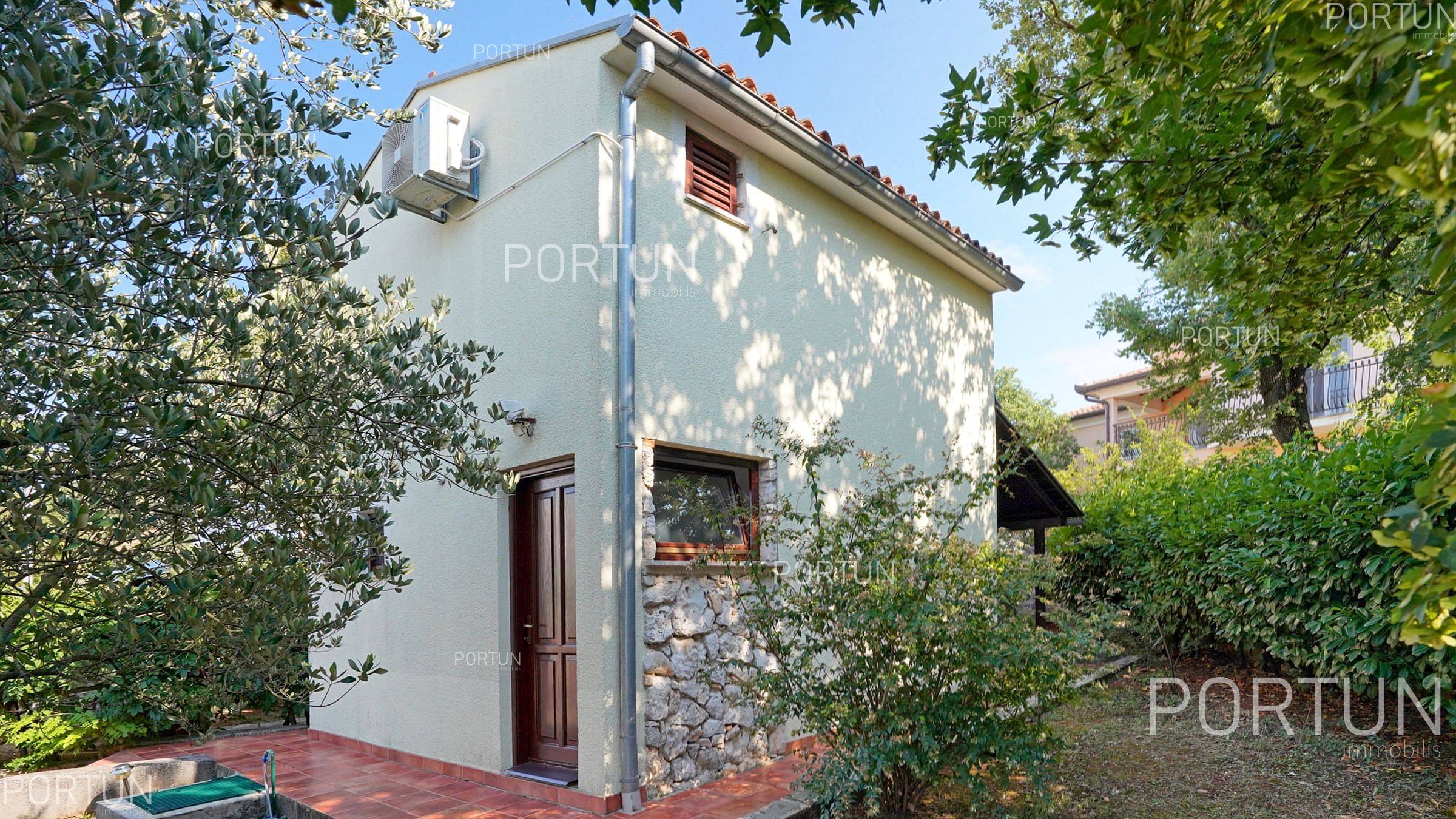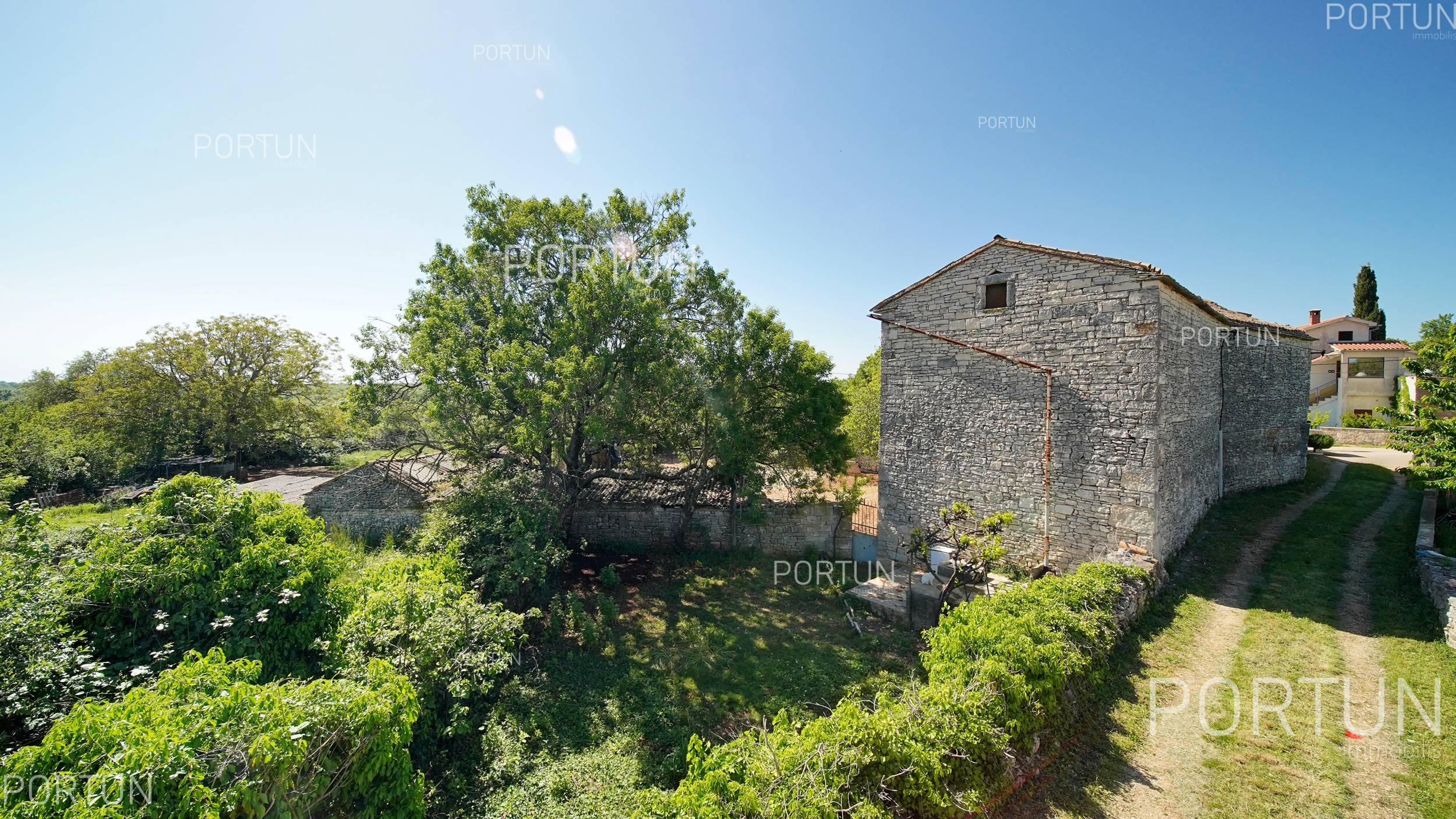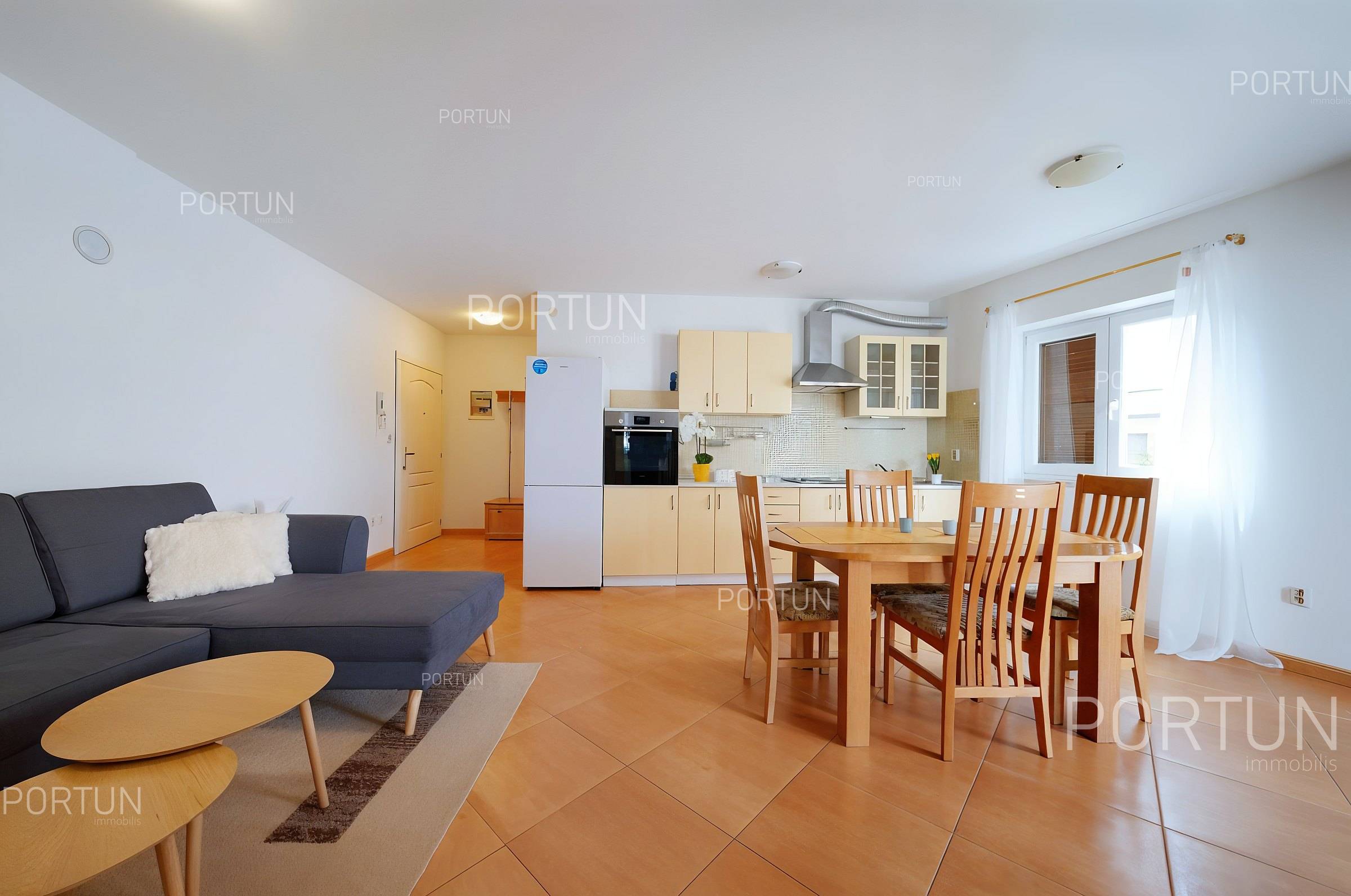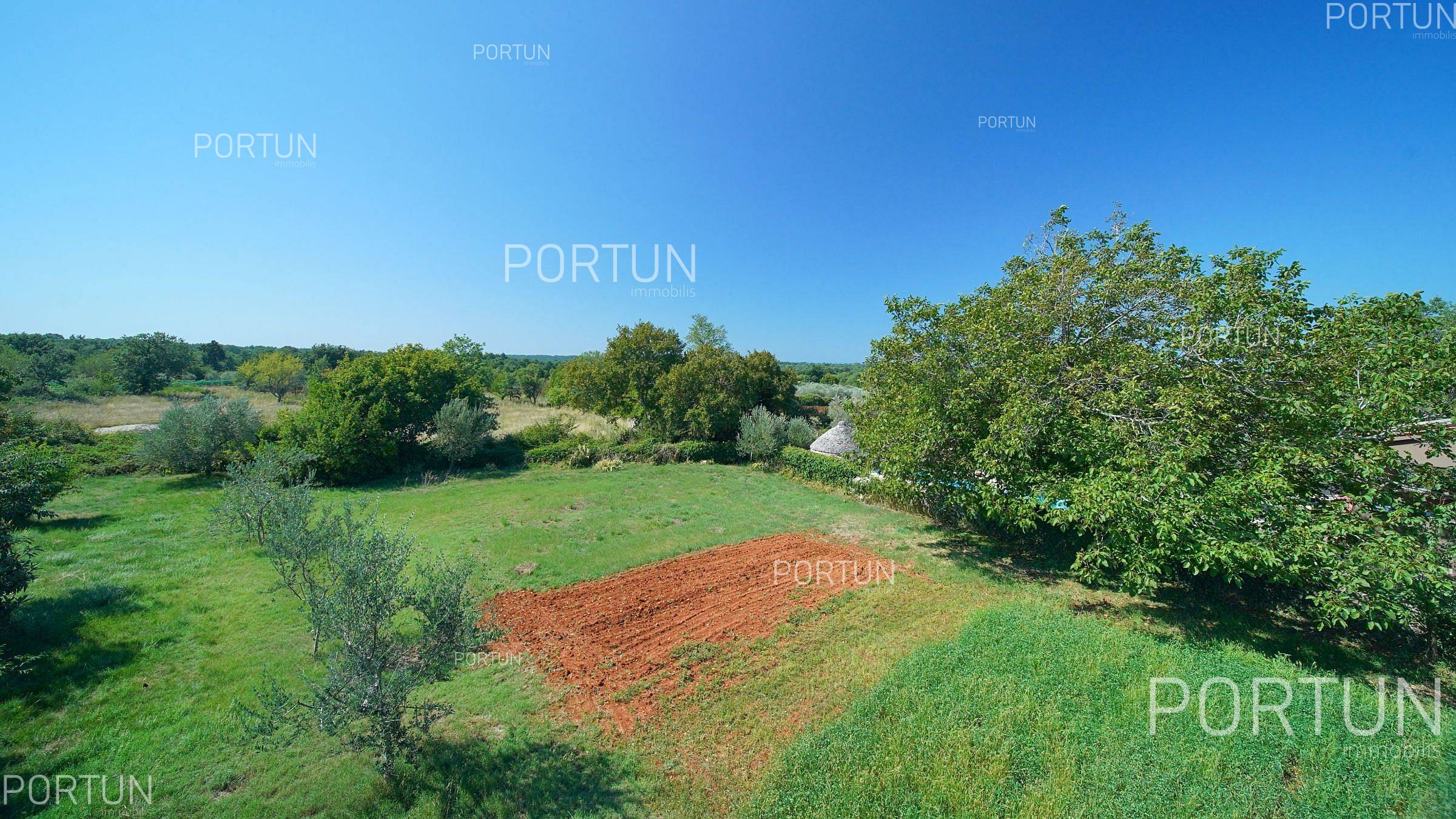
Introduction
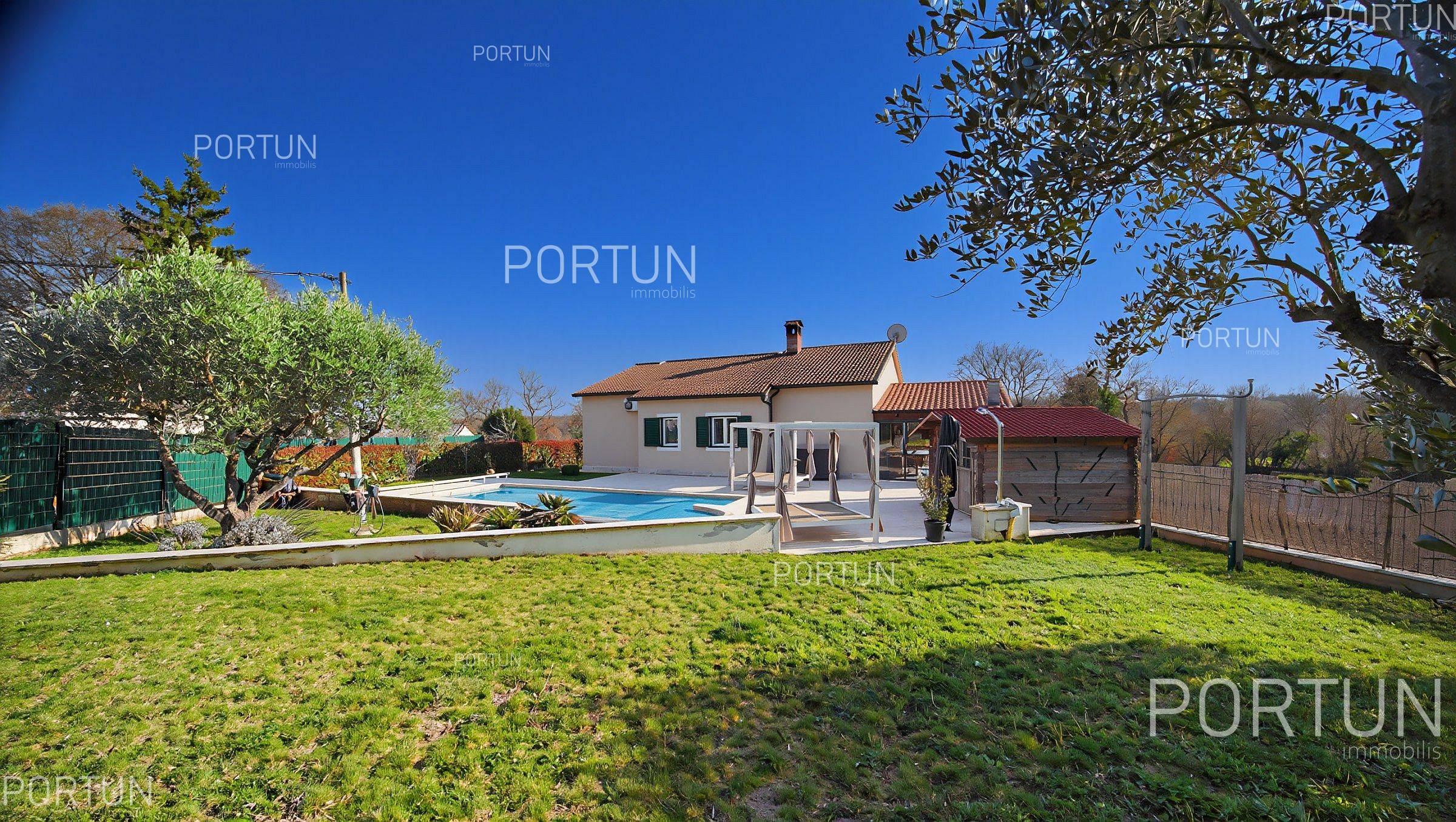
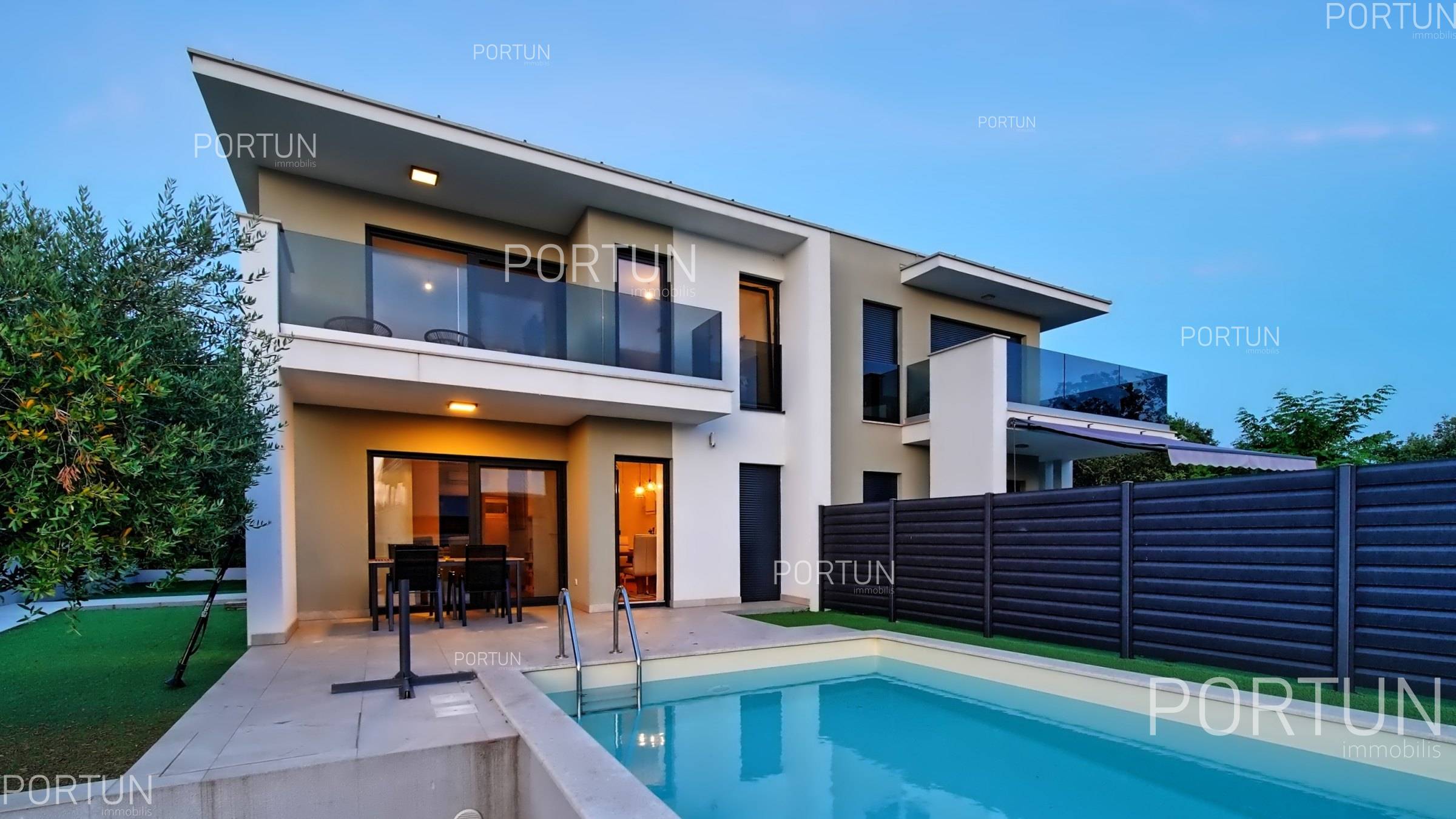
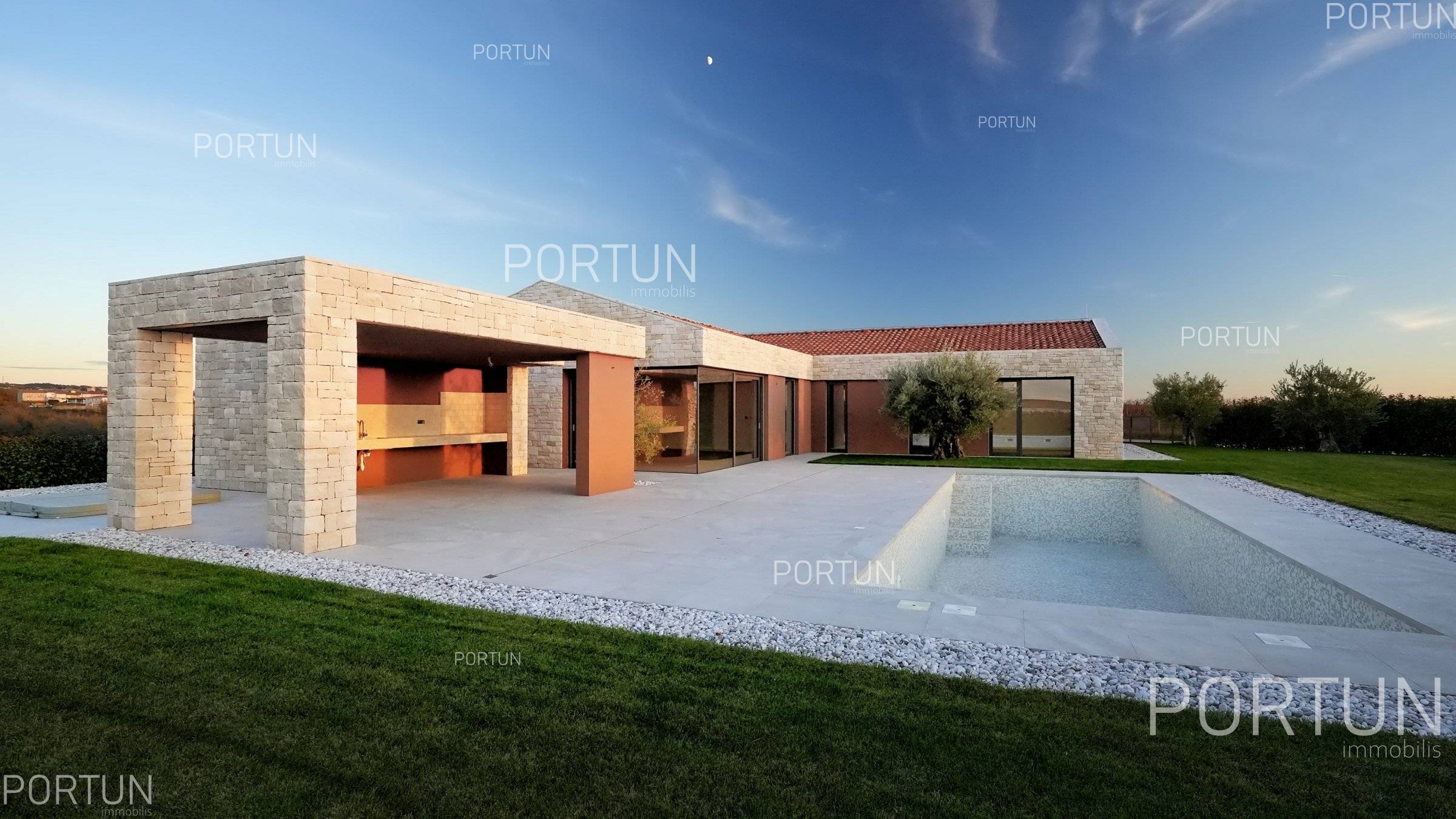
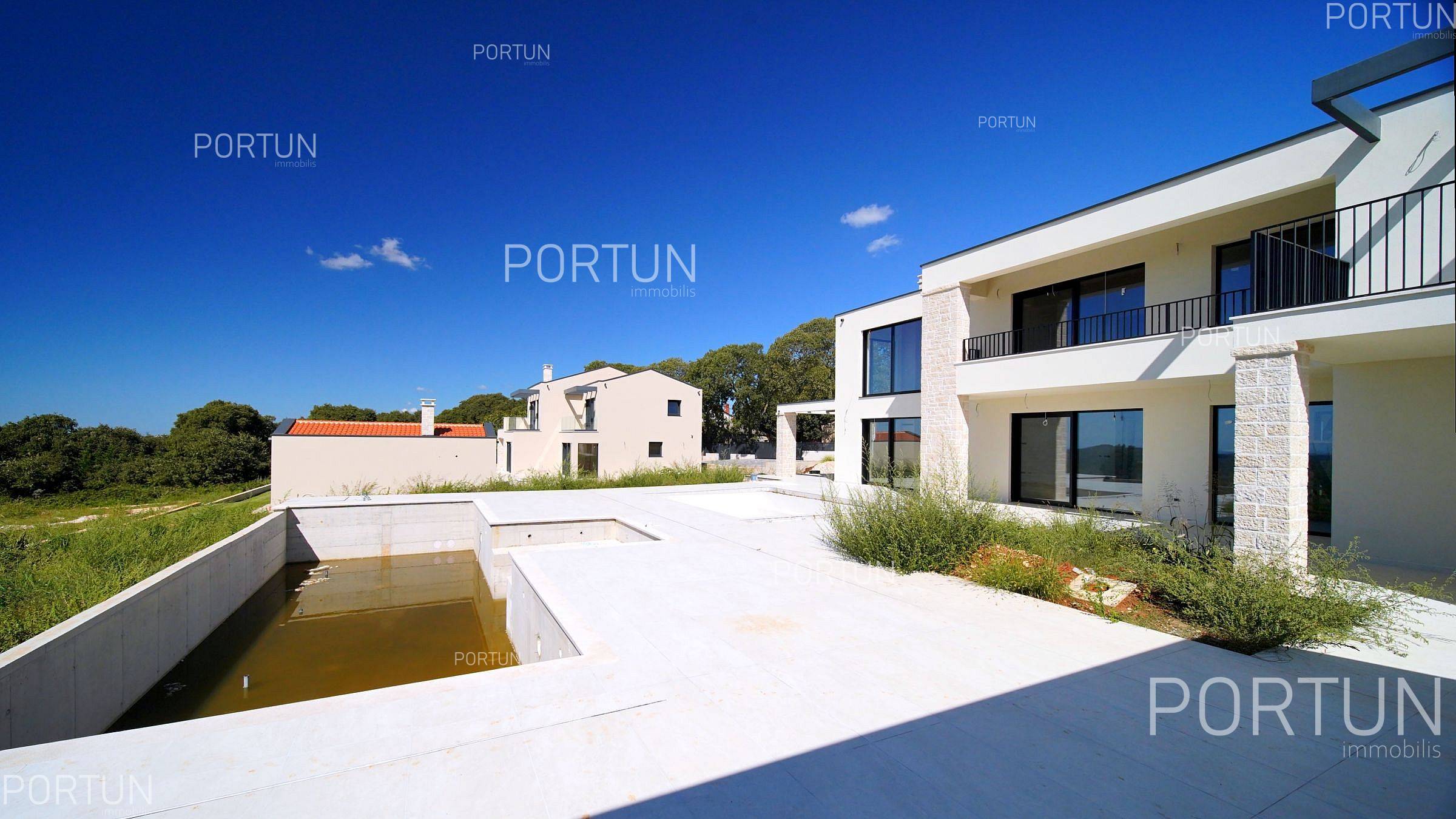
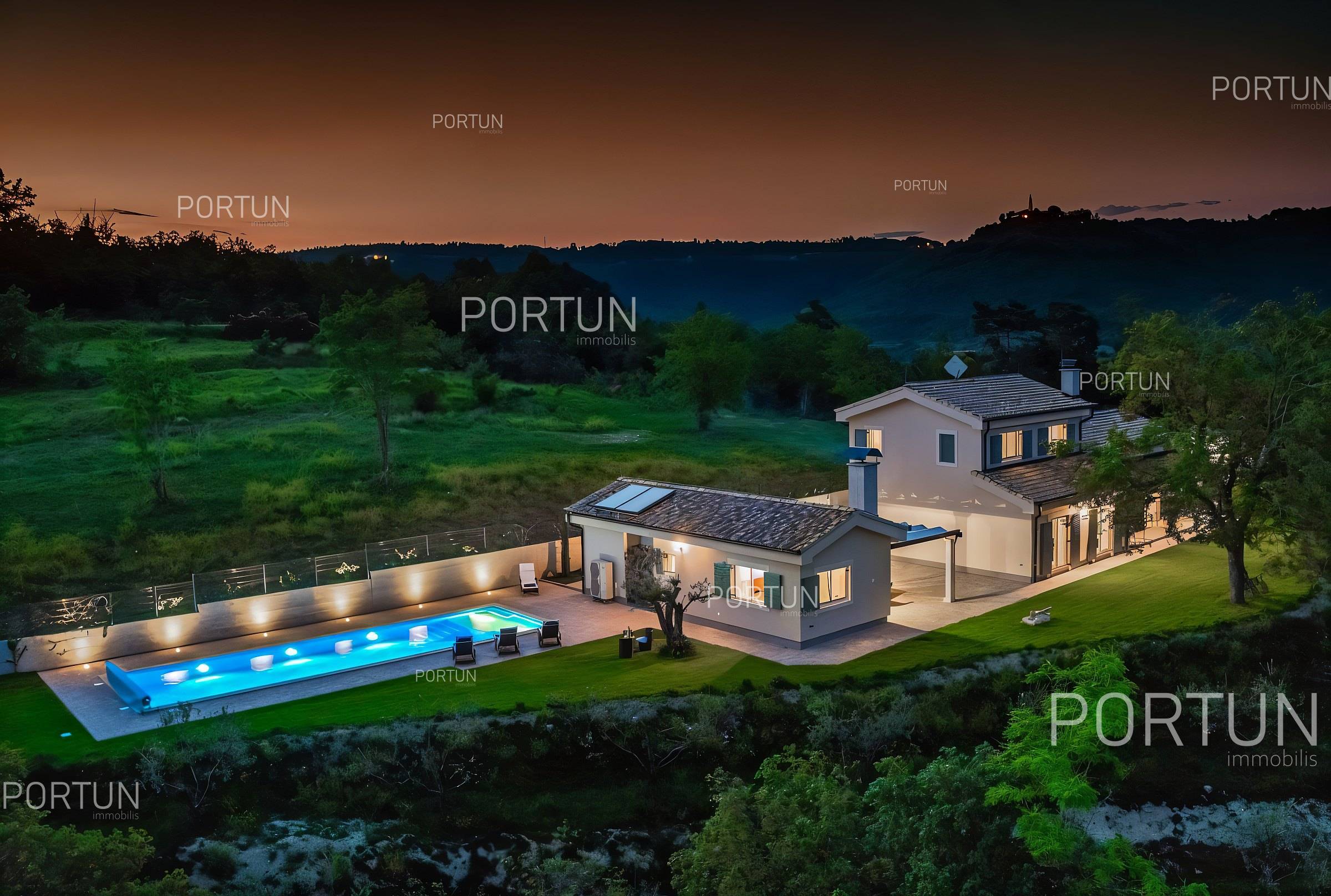
One of the most common questions from buyers of land and houses in Istria is: can a pool be built on that plot? At first glance, the answer seems simple – if there is a house and enough space, a pool is assumed. However, the reality is much more complex. Pool construction is regulated by spatial plans, local regulations, and technical requirements that vary from municipality to municipality.
Because of these differences, investors are often surprised to learn that a pool is not always allowed or that there are restrictions related to the size of the plot, location, or the zone where the property is situated. In this article, we explain when pool construction is possible, where restrictions apply, and how to check conditions in advance before buying land or planning a project.
What the law says about pool construction
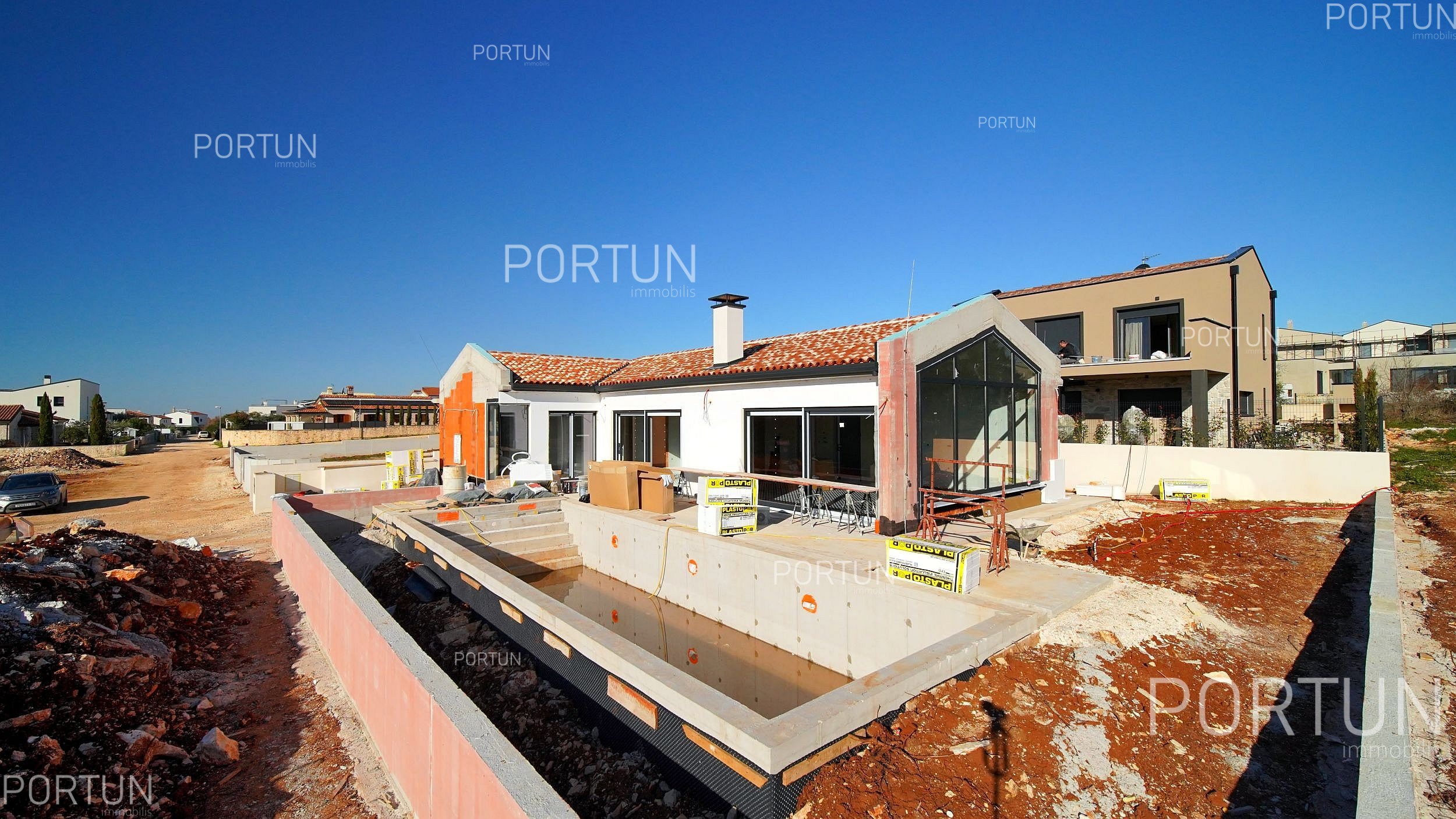
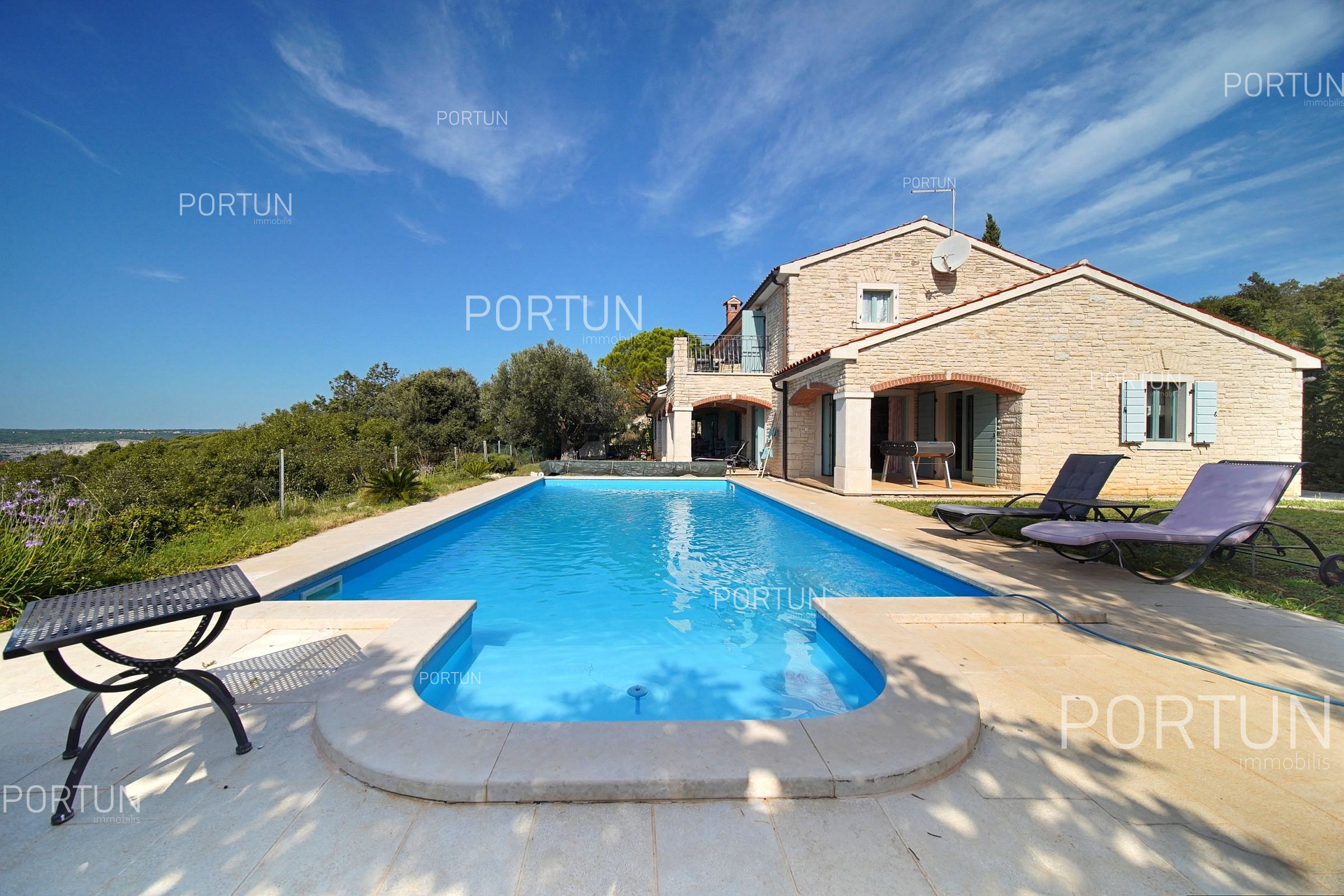
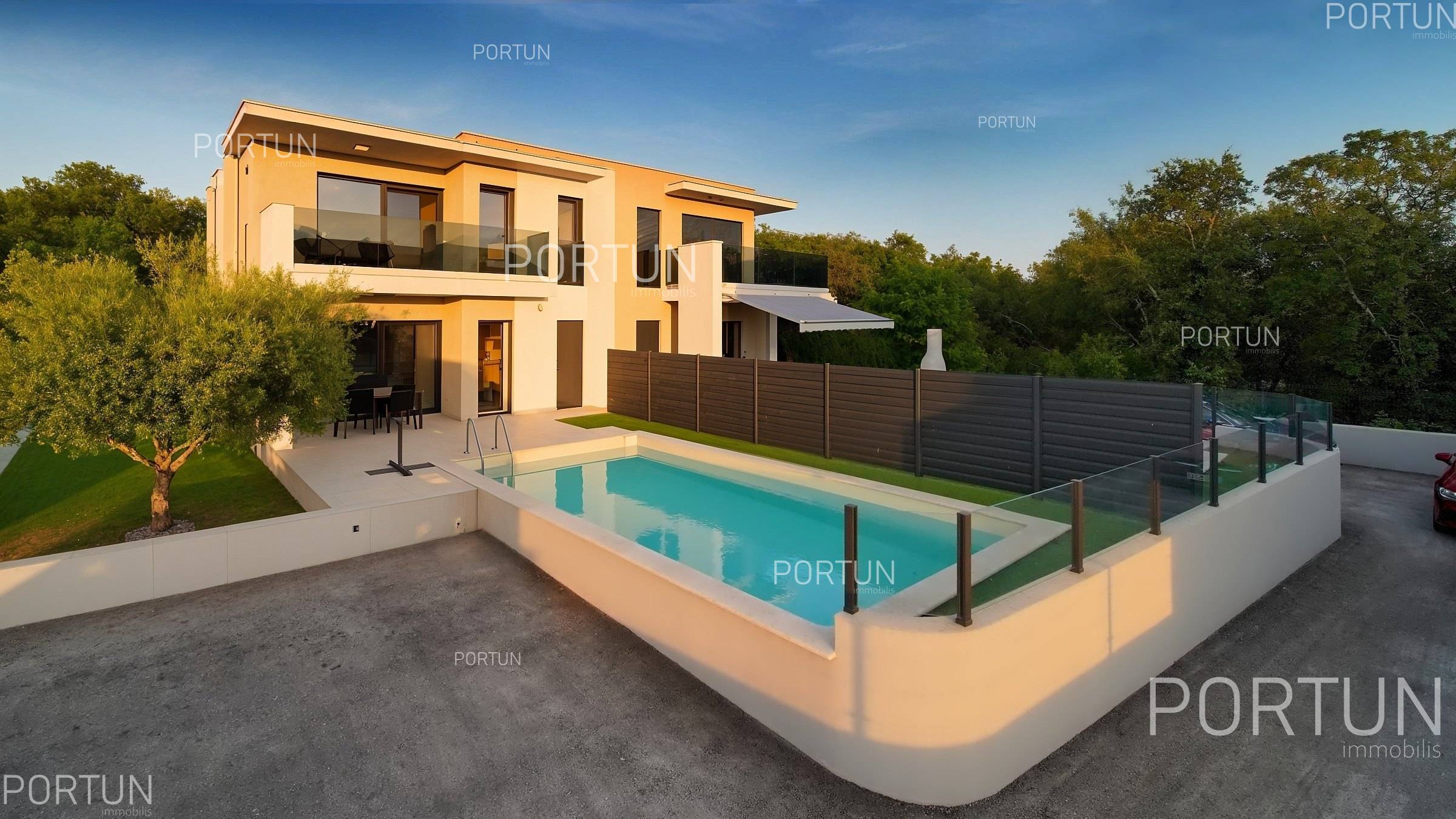
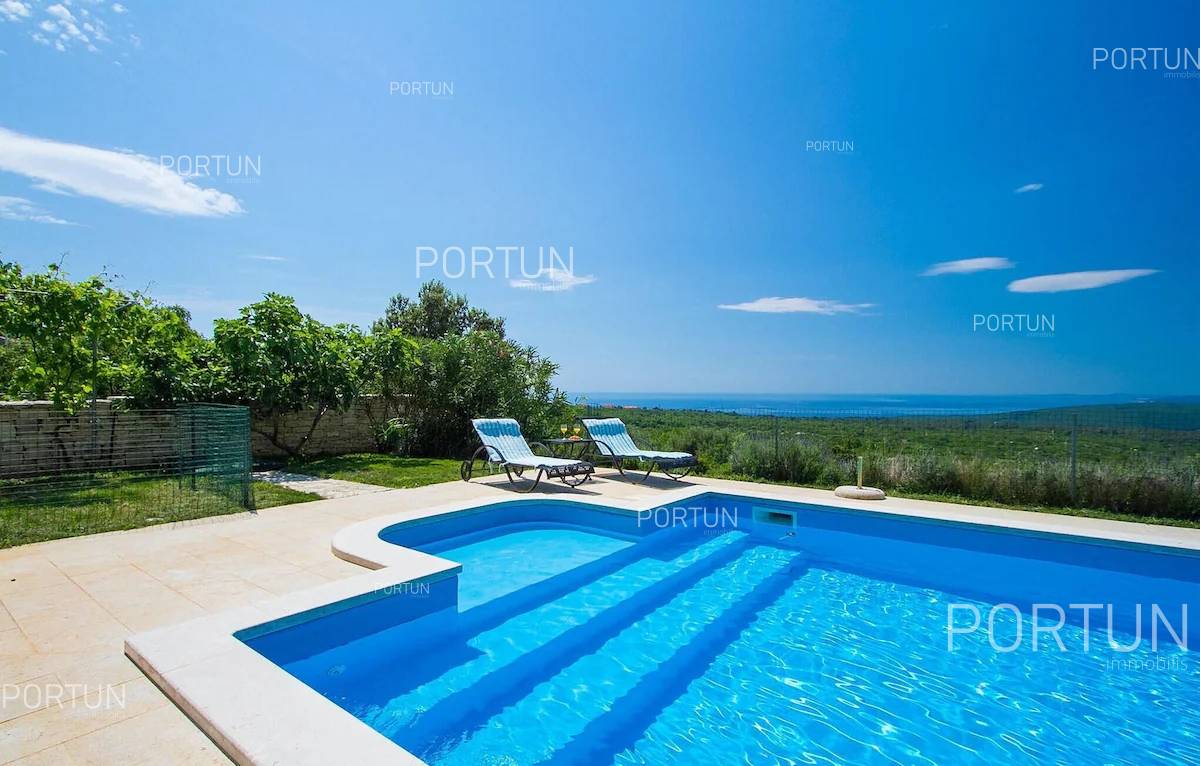
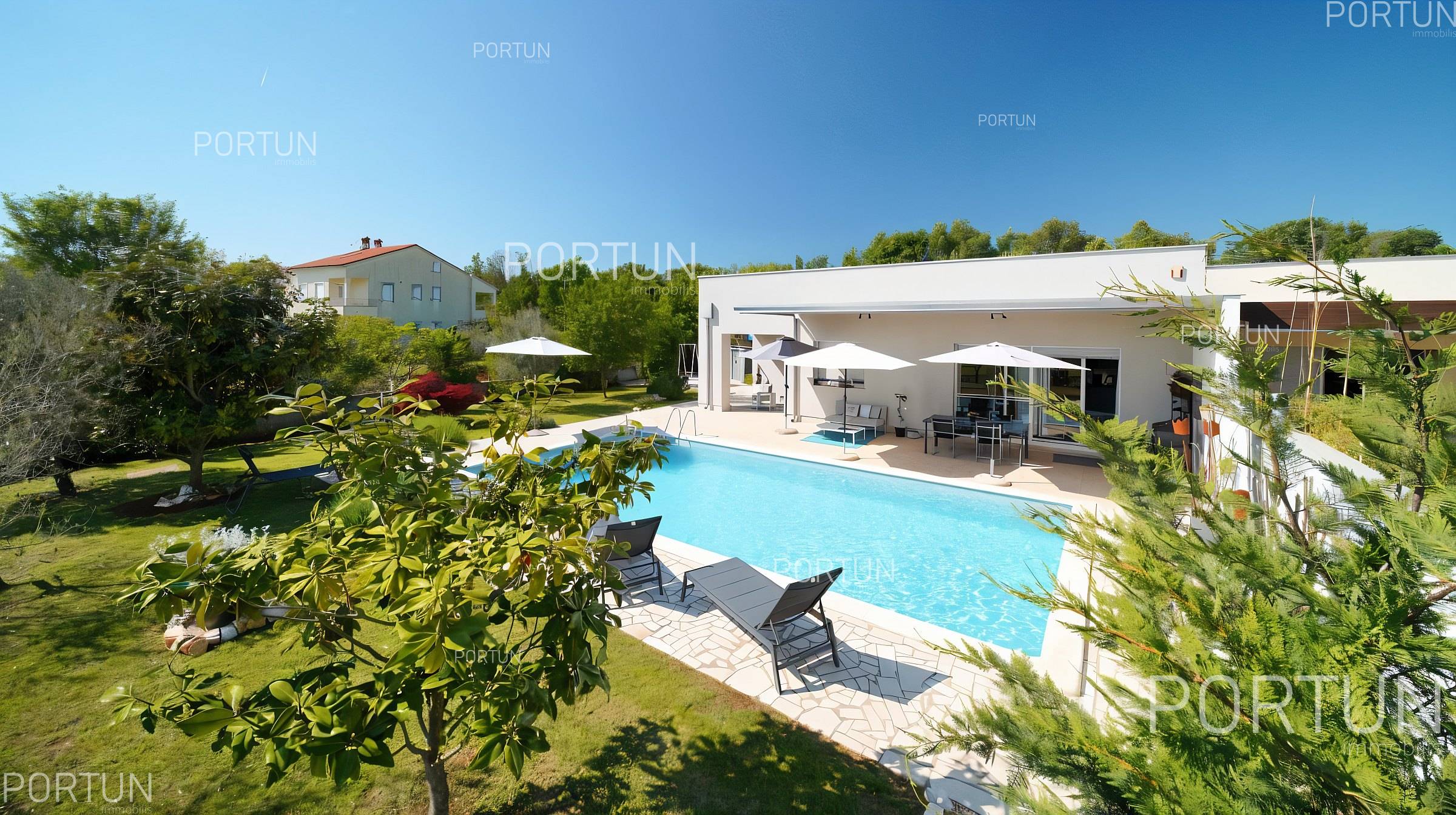
According to current regulations, a pool is considered an auxiliary structure built as part of an existing or planned house. However, this does not mean it is automatically permitted on every plot.
The basic conditions are defined by spatial plans and building regulations. They determine the maximum buildable area of the plot, distances from boundaries, and other technical parameters.
In practice, every pool project must comply with the main building project and local construction conditions.
The role of the spatial plan
The municipality or city spatial plan is a key document that defines what is allowed on a particular plot. In some zones, pools are common and expected, while in others they are restricted or even prohibited.
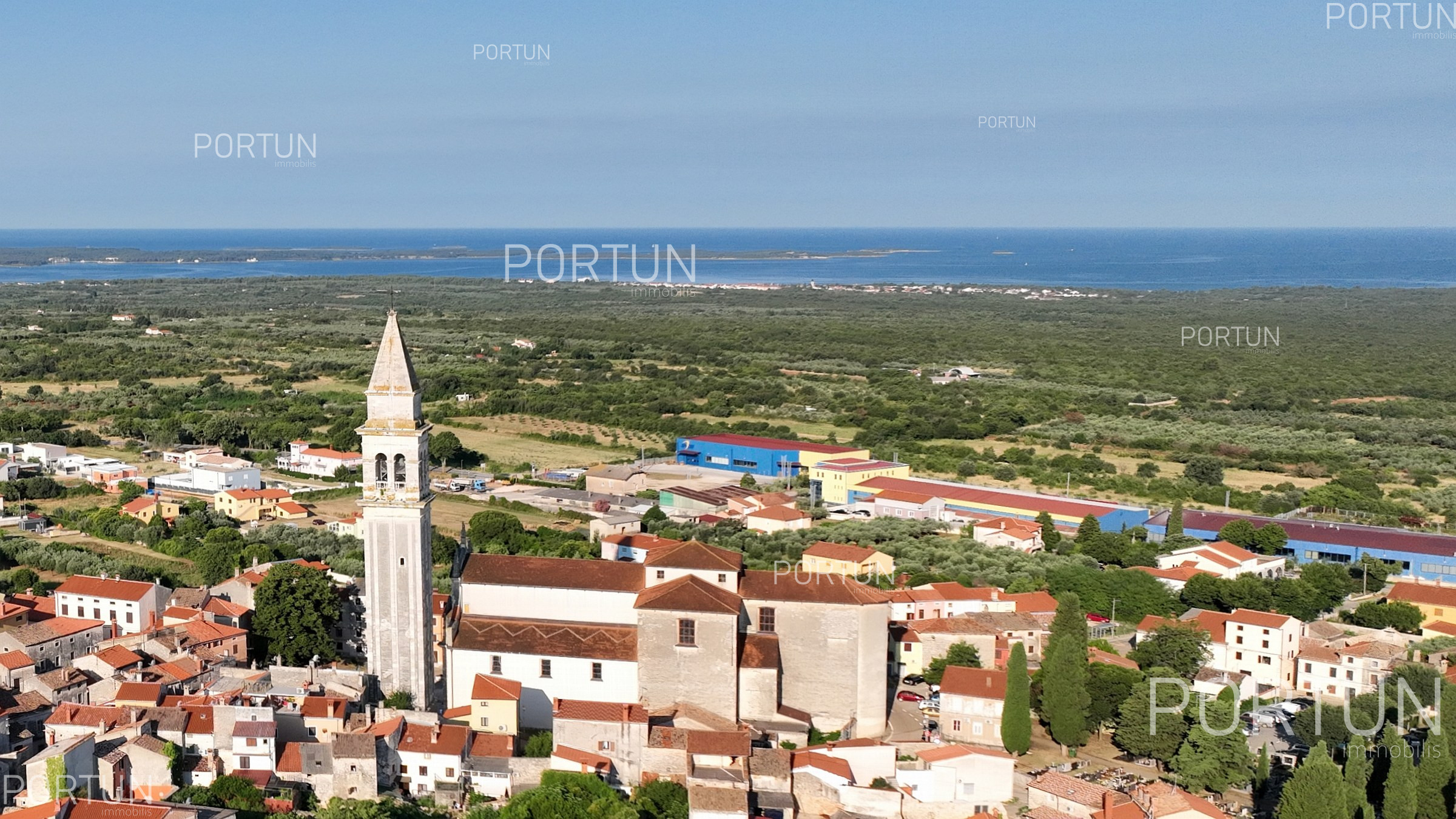
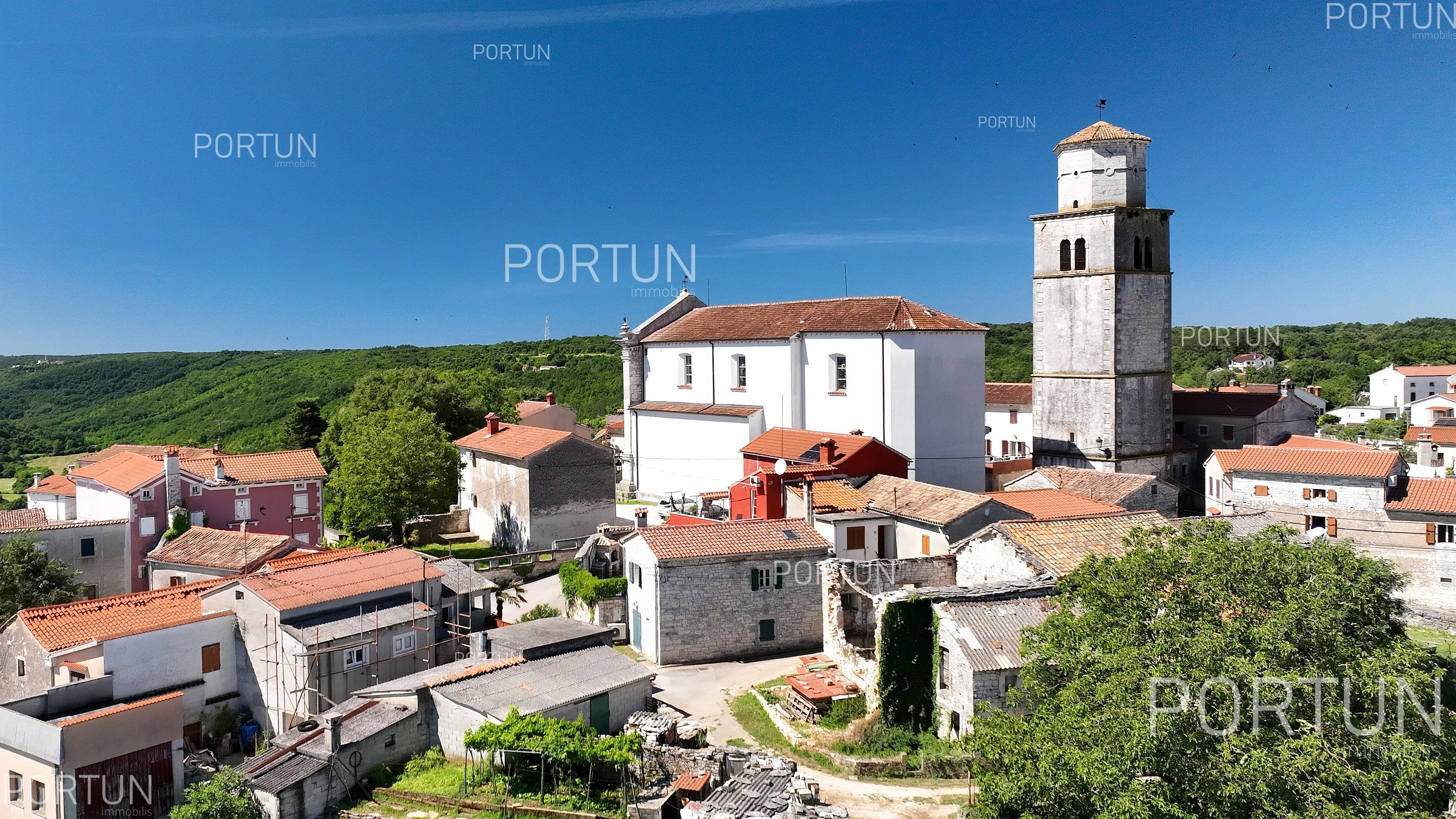
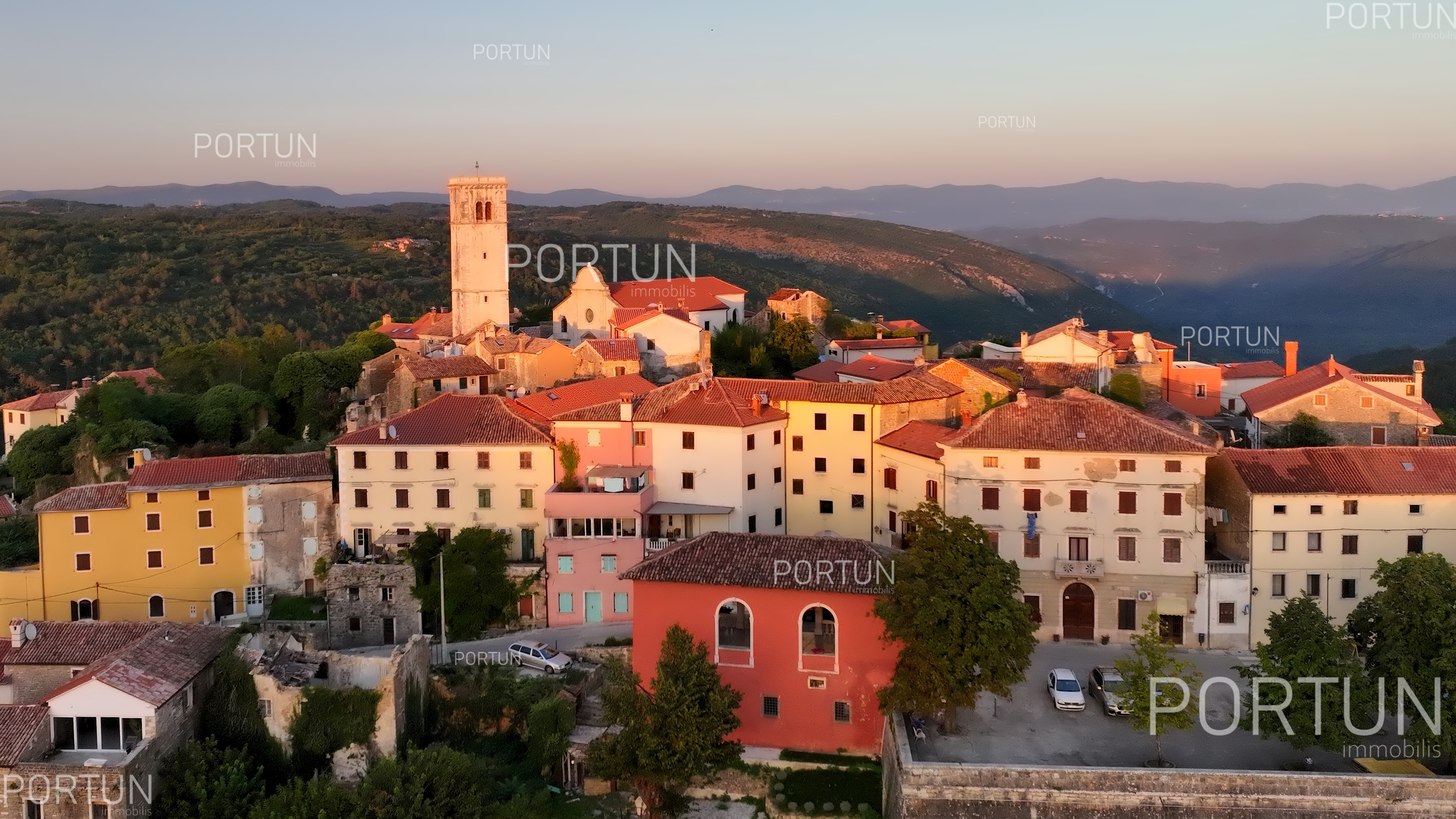
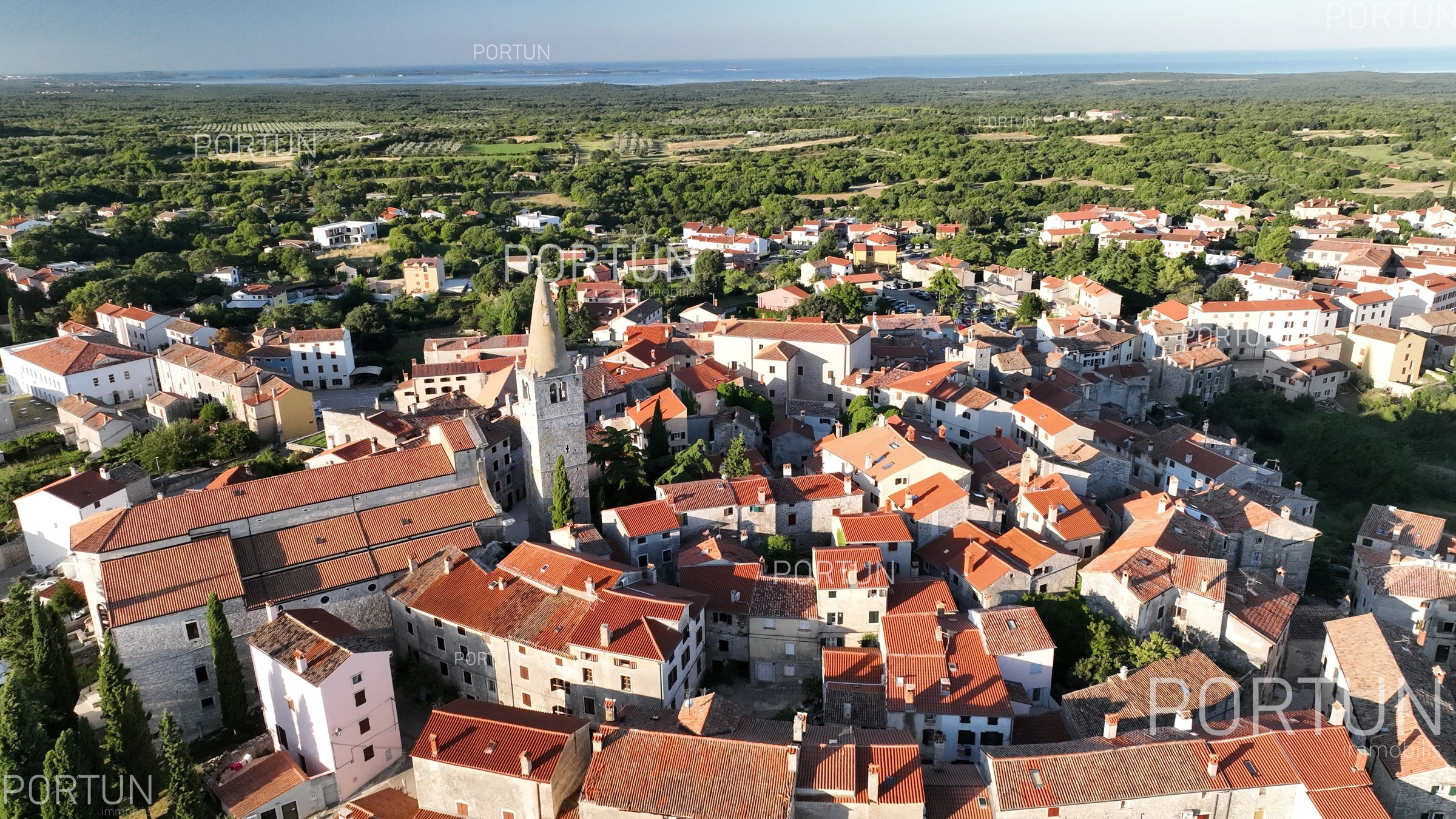
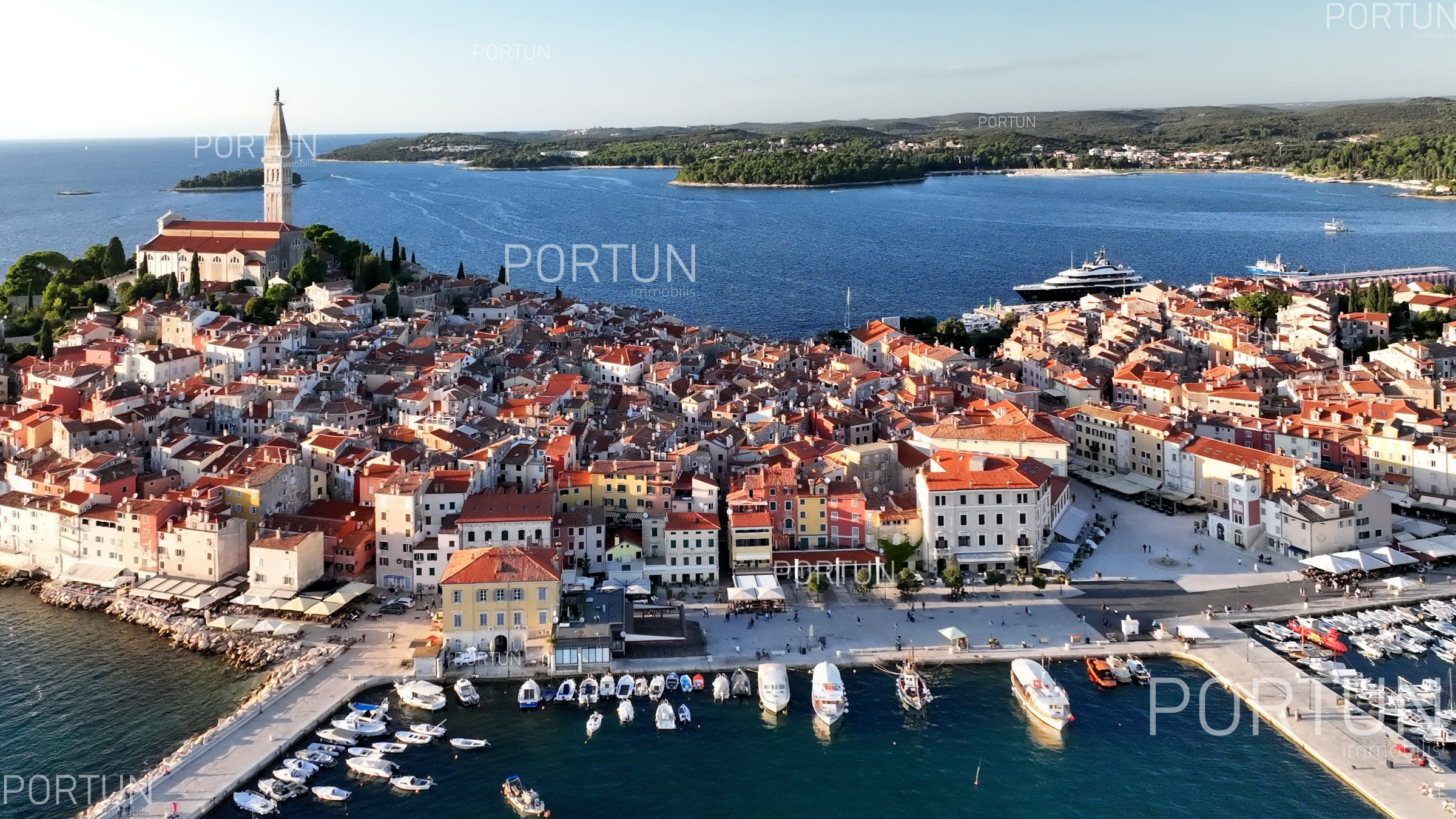
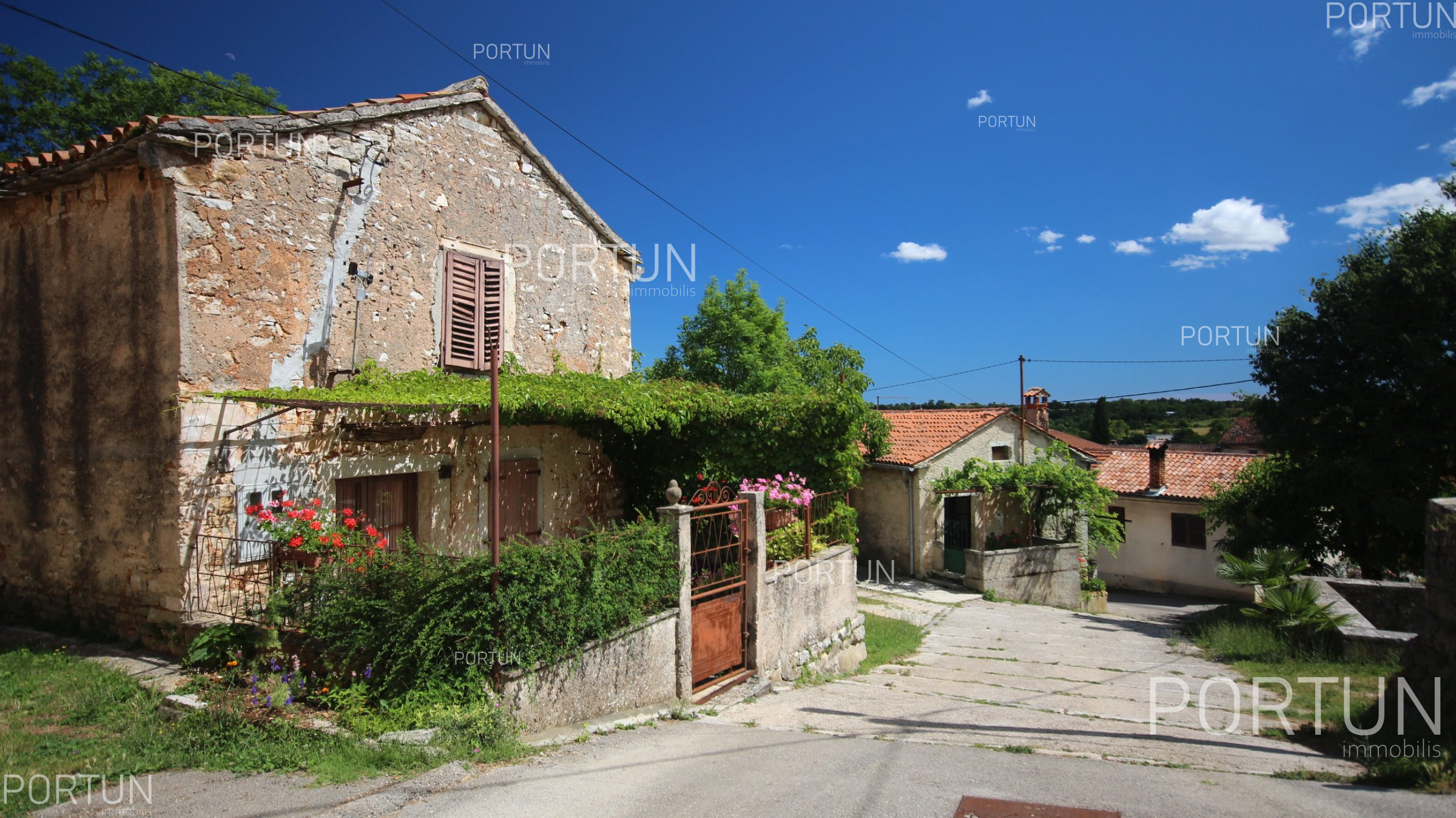
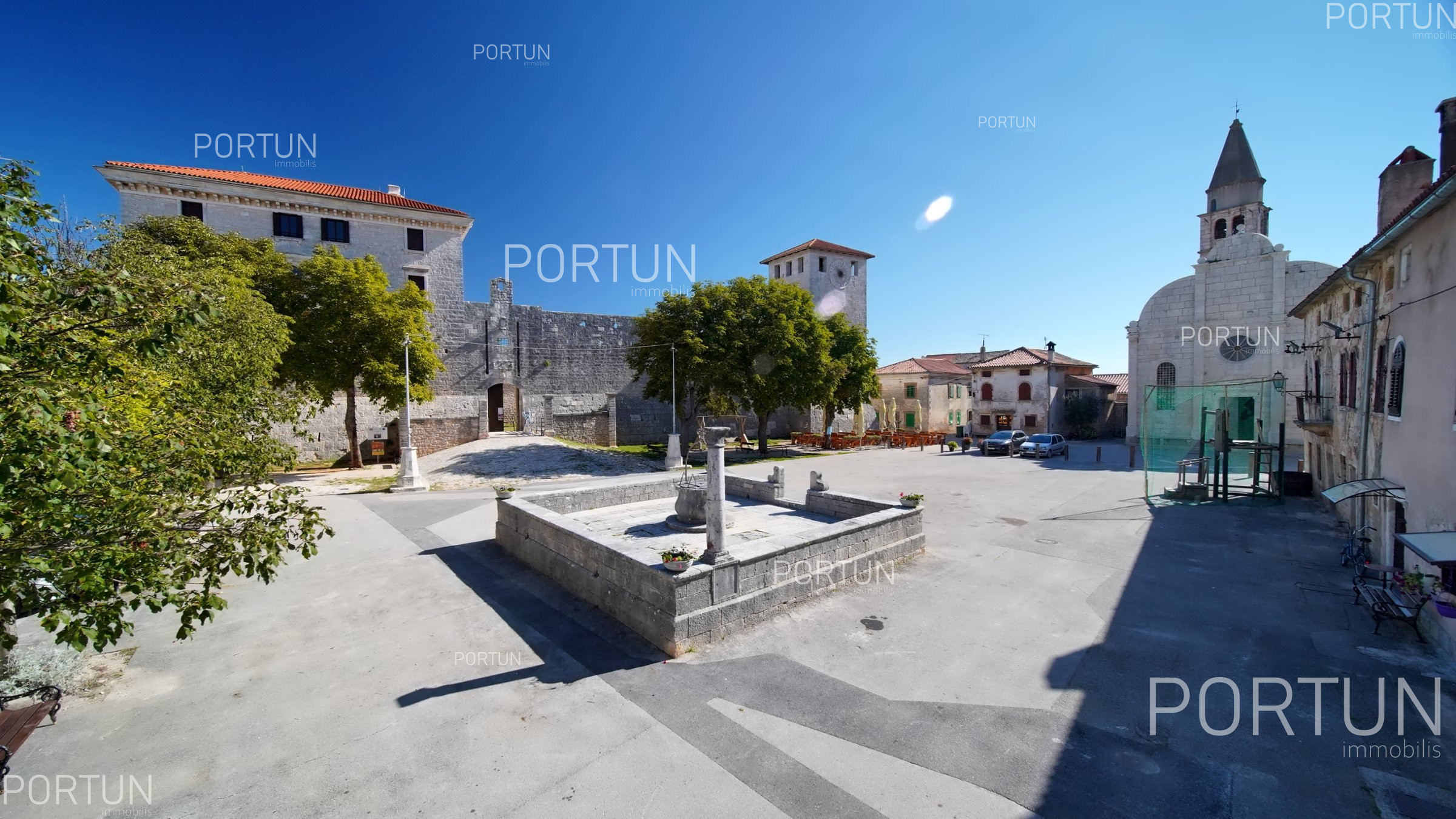
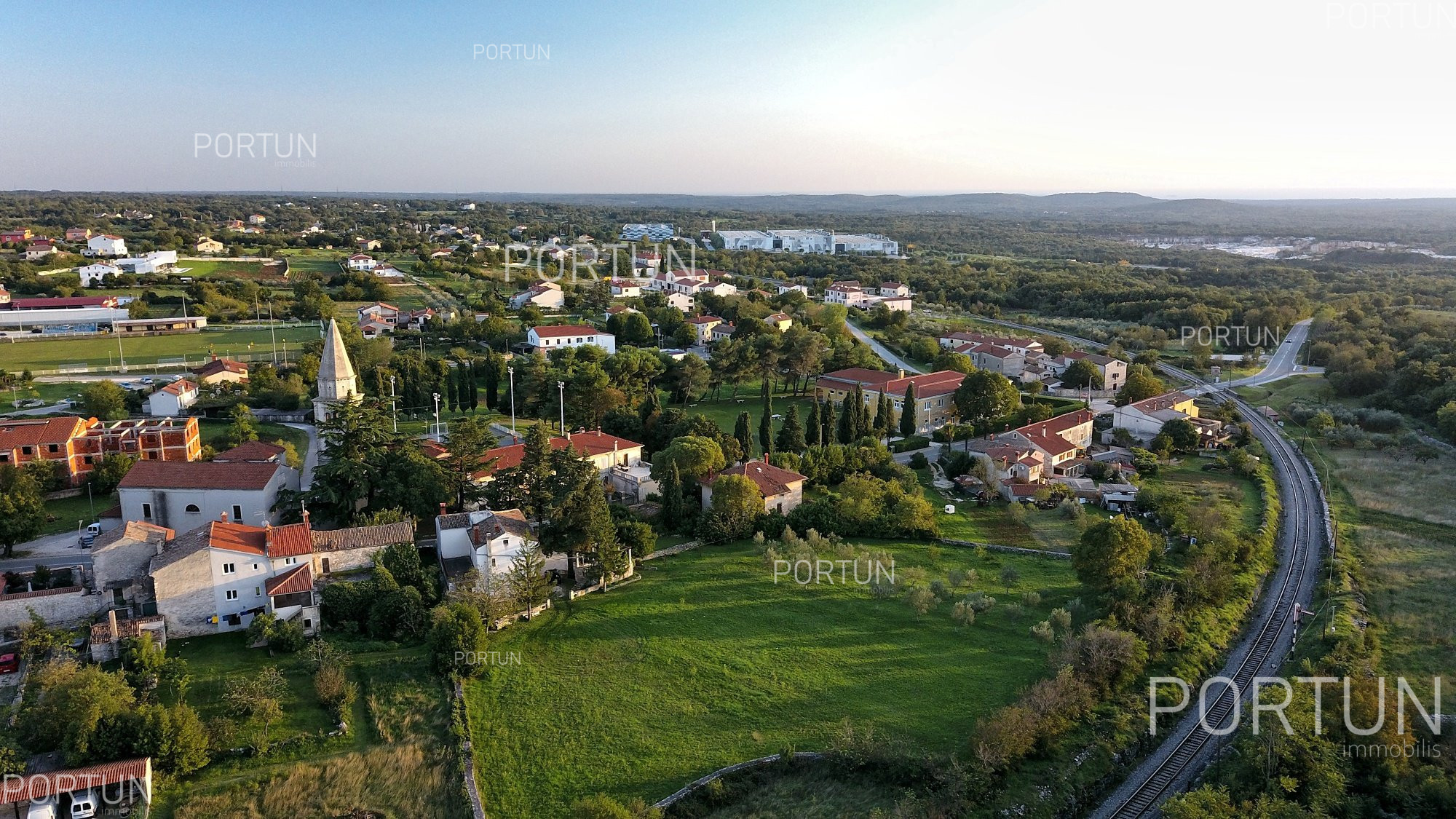
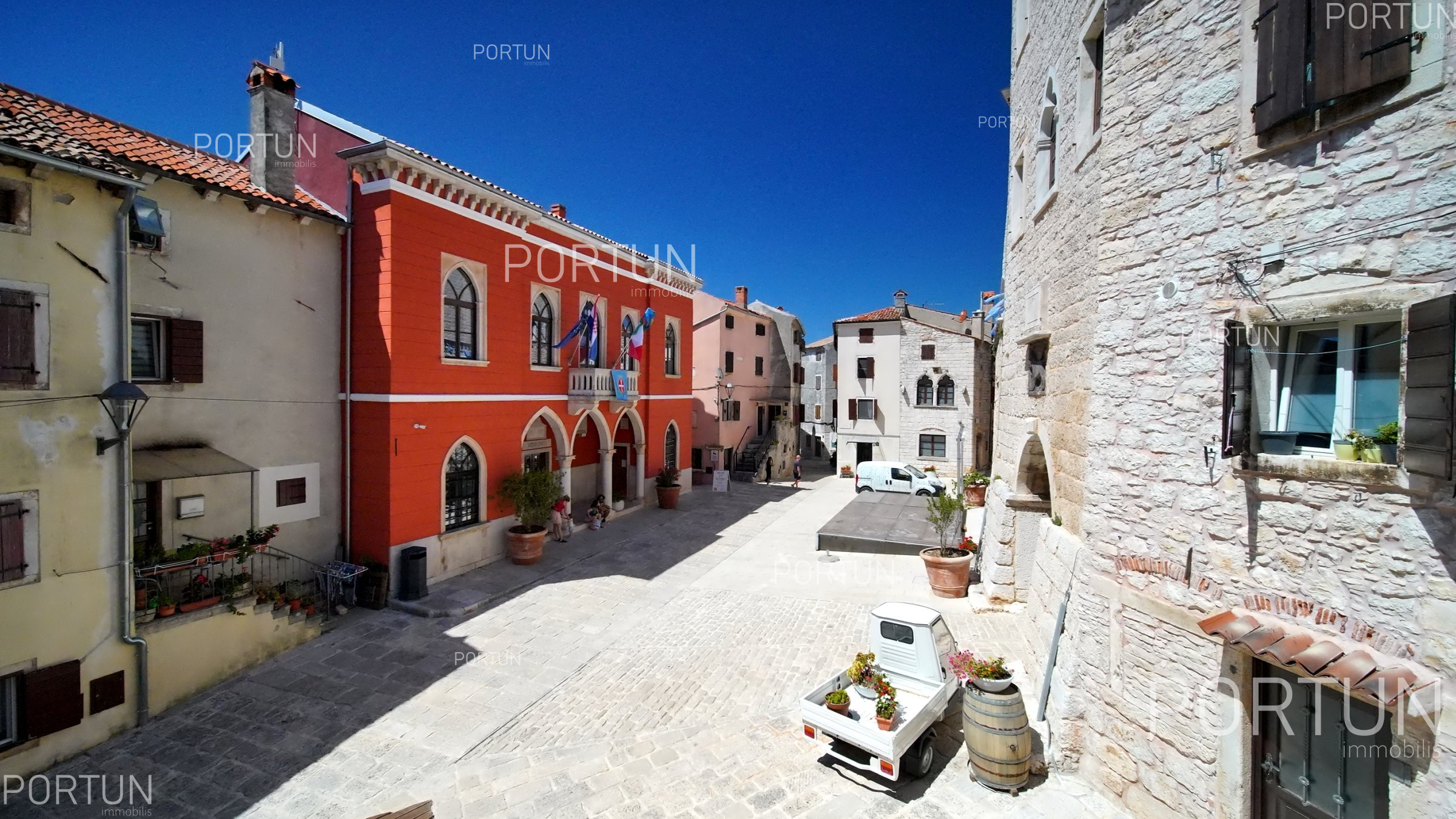
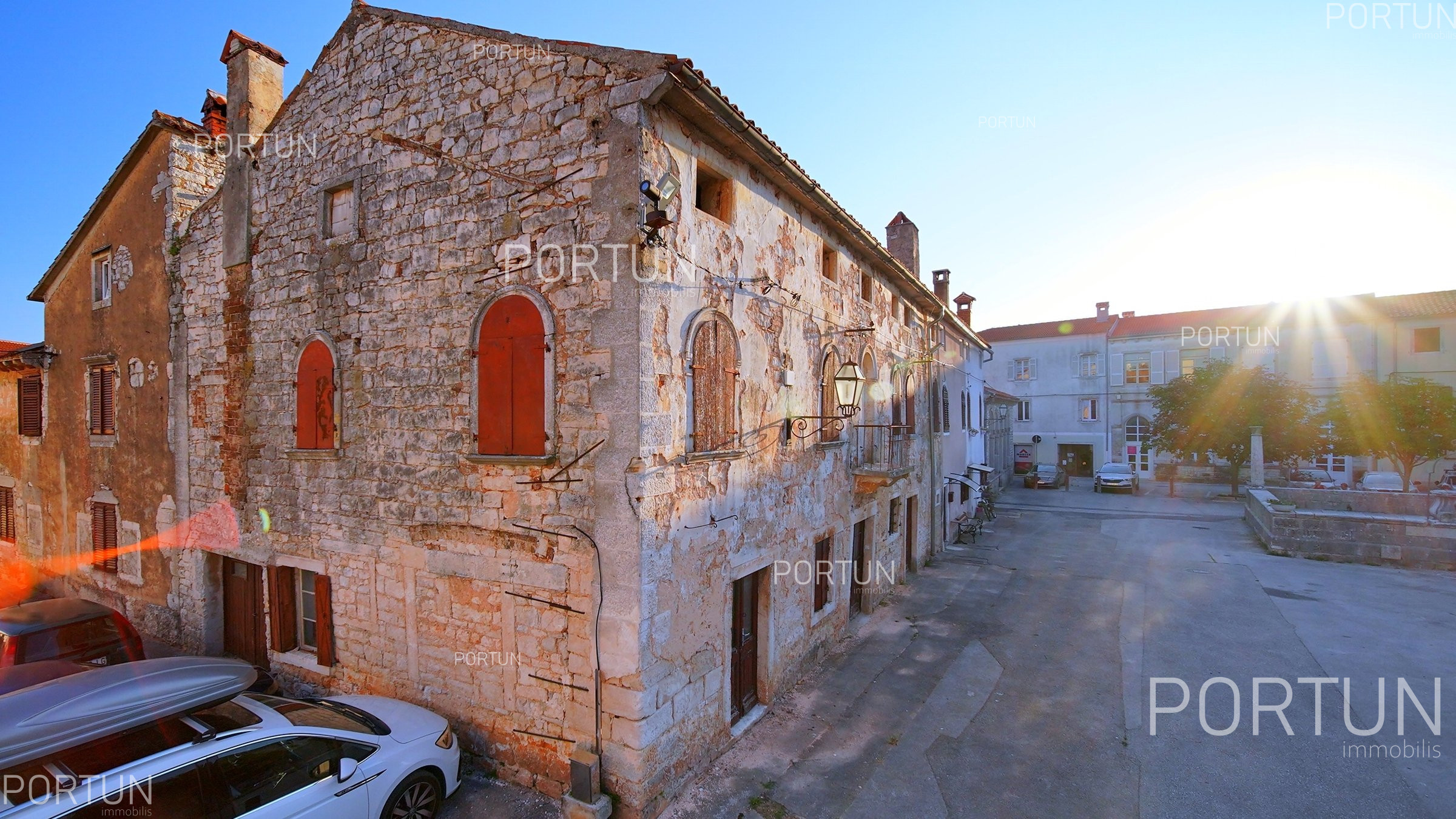
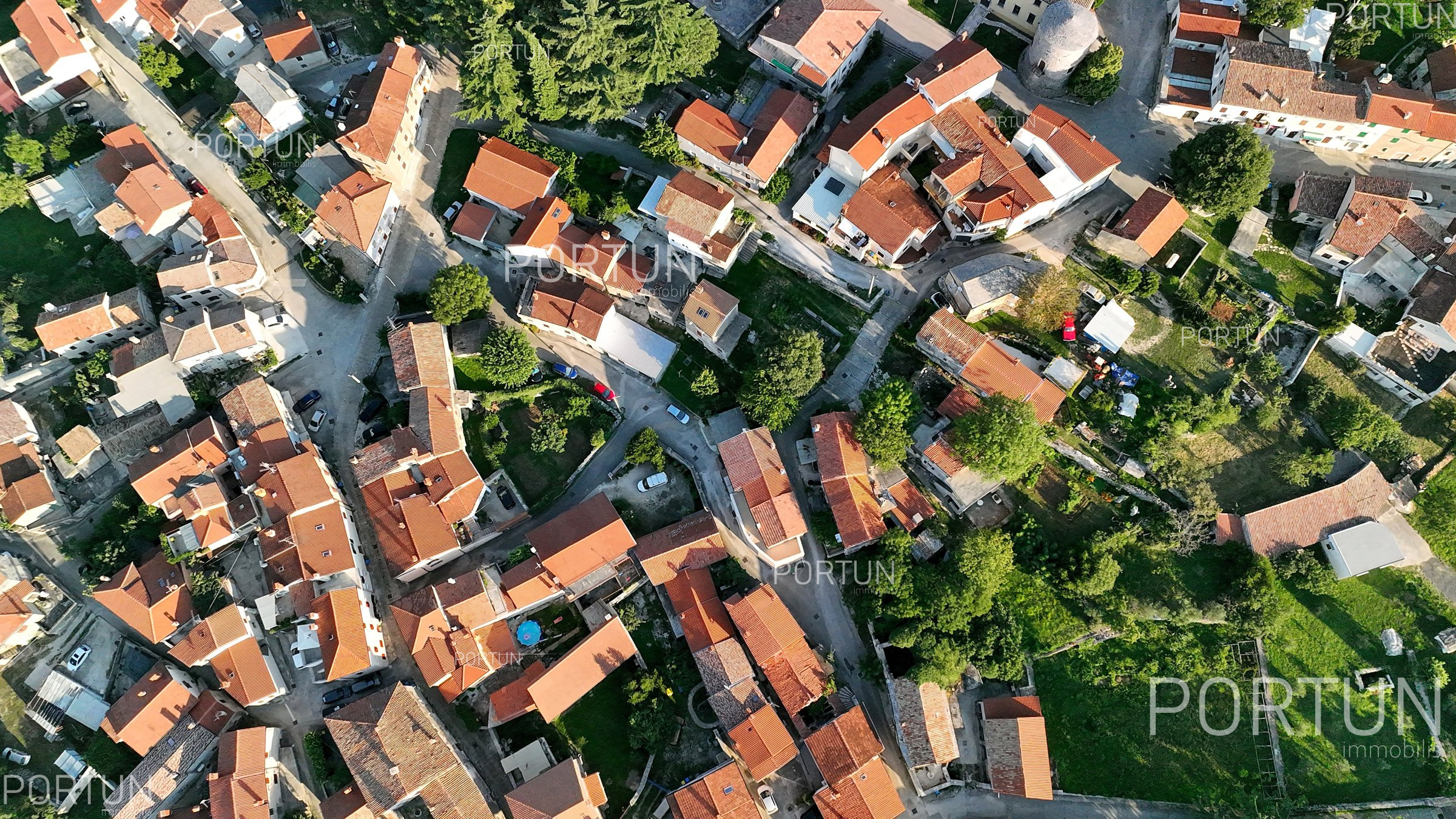
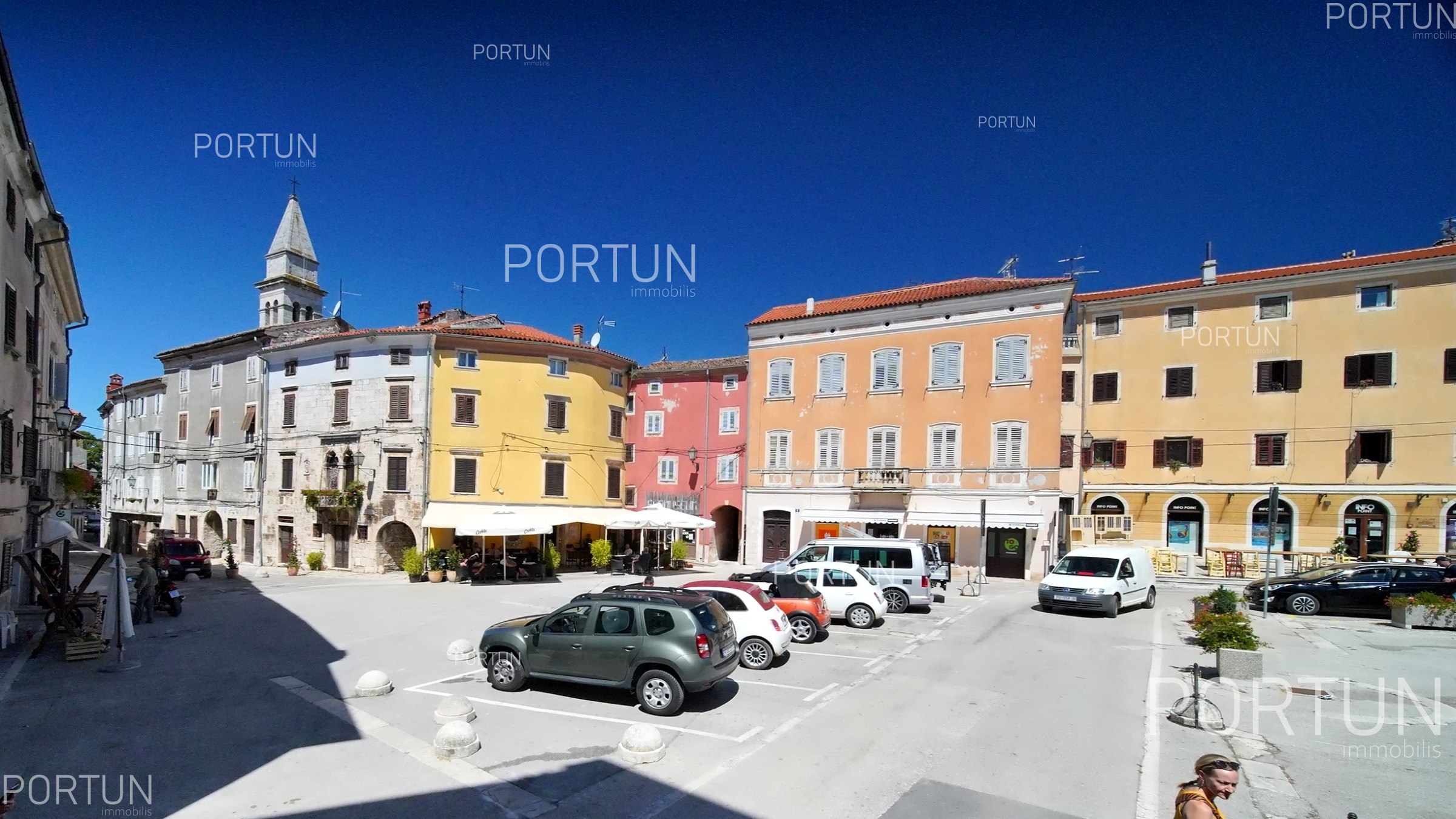
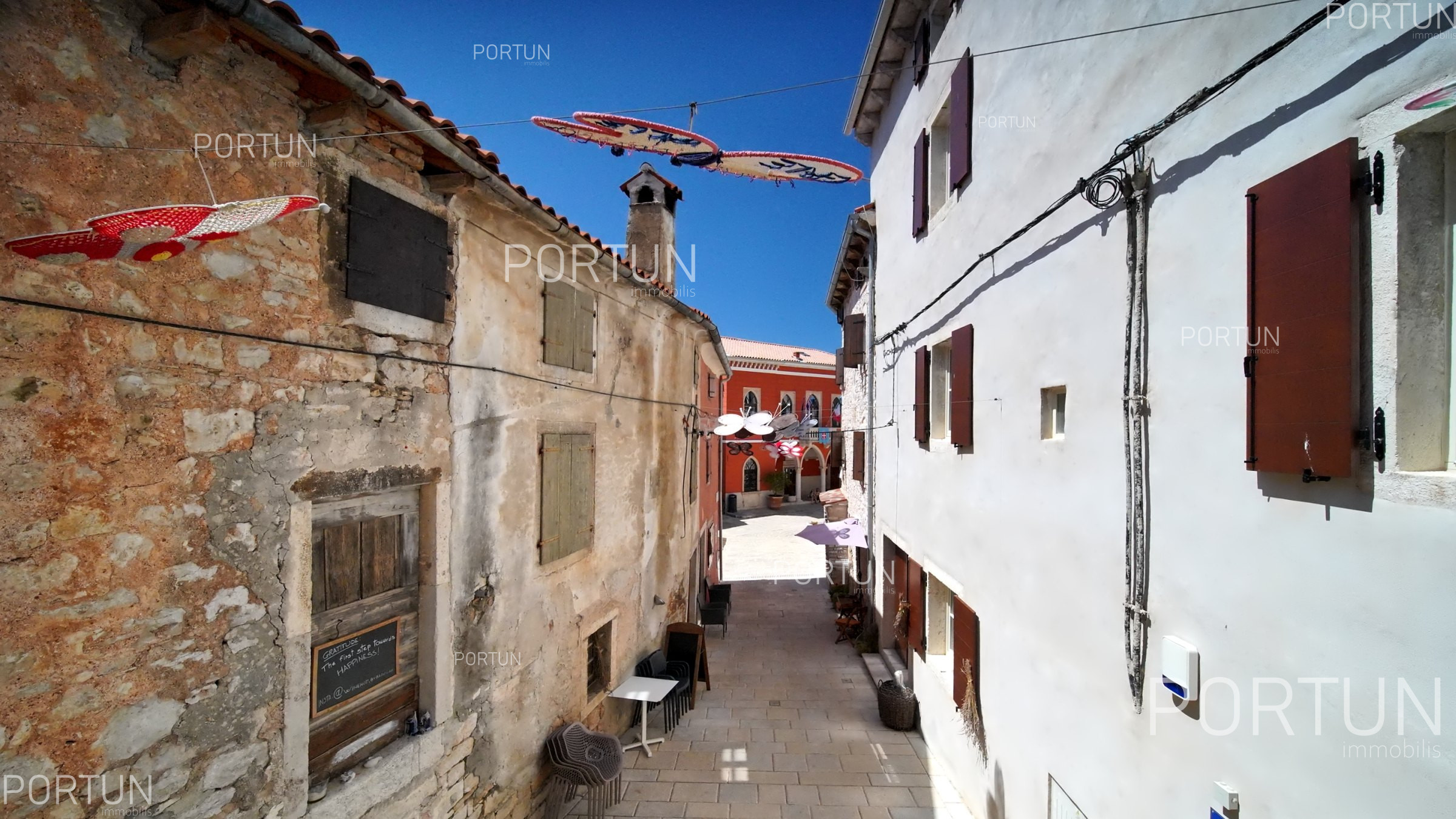
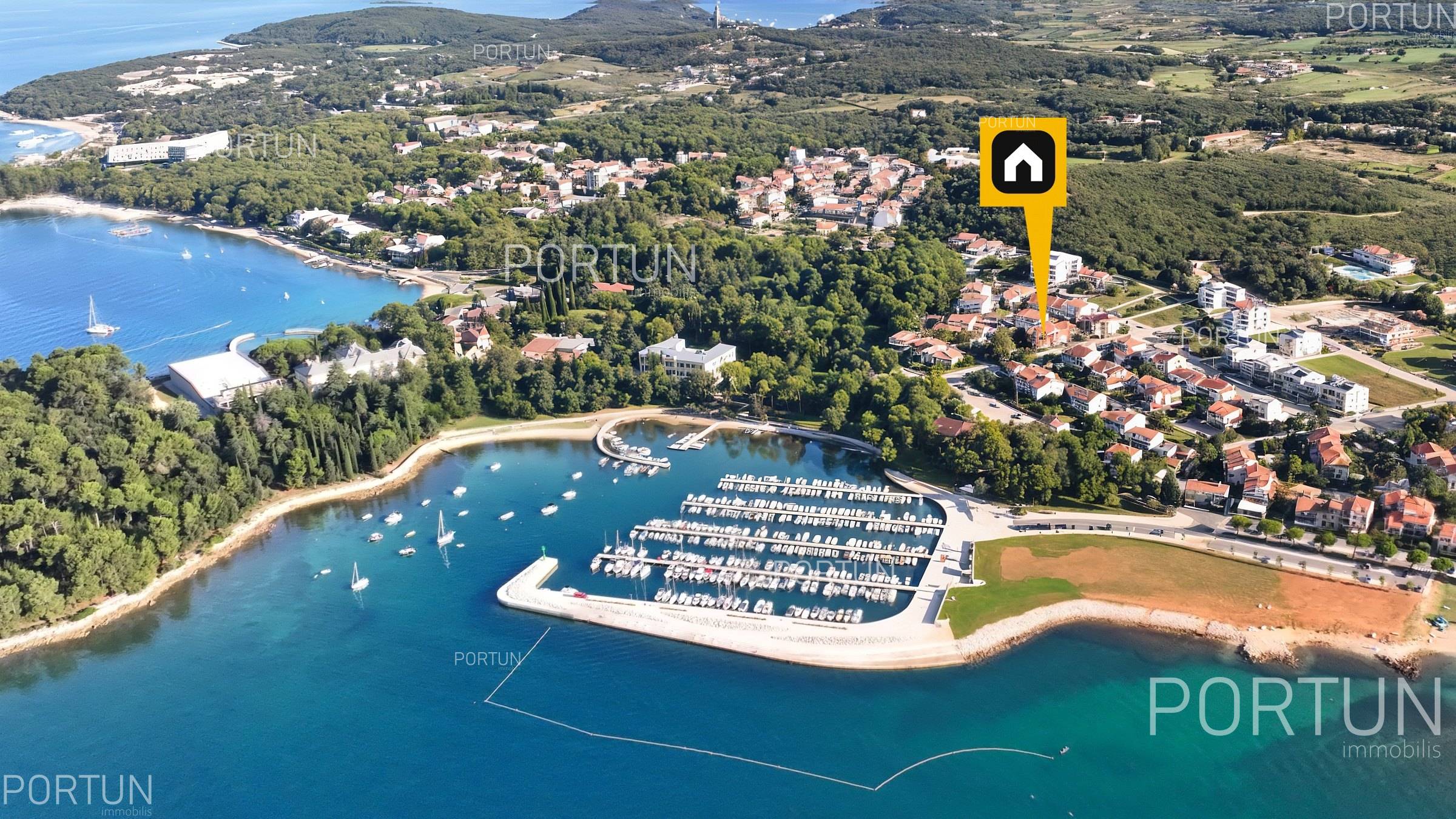
It is especially important to pay attention to old town centers and protected areas. For example, in the center of Bale, there are restrictions that may affect the possibility of building a pool.
Without reviewing the spatial plan, it is impossible to say with certainty what is permitted.
Restrictions related to plot size
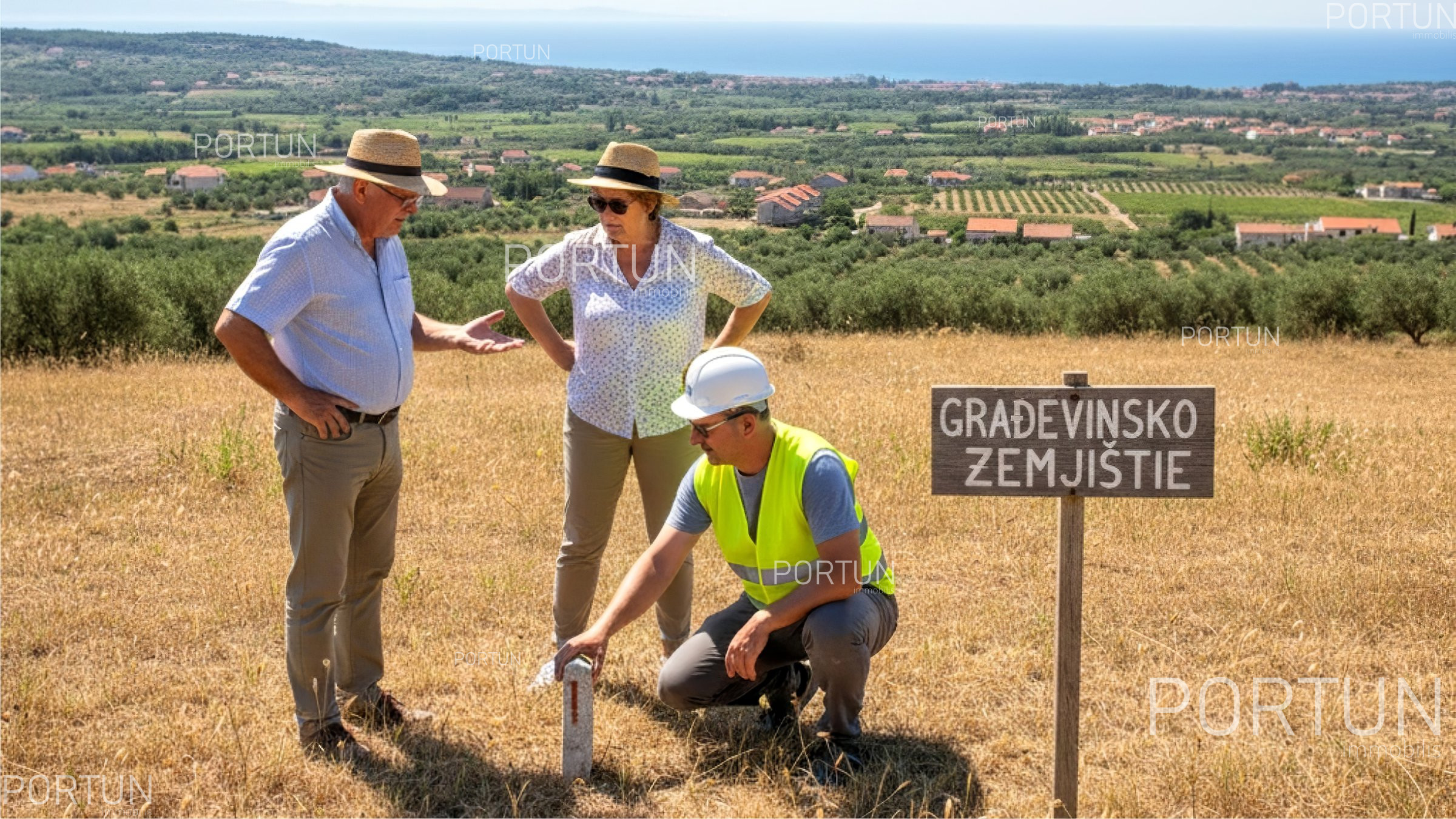
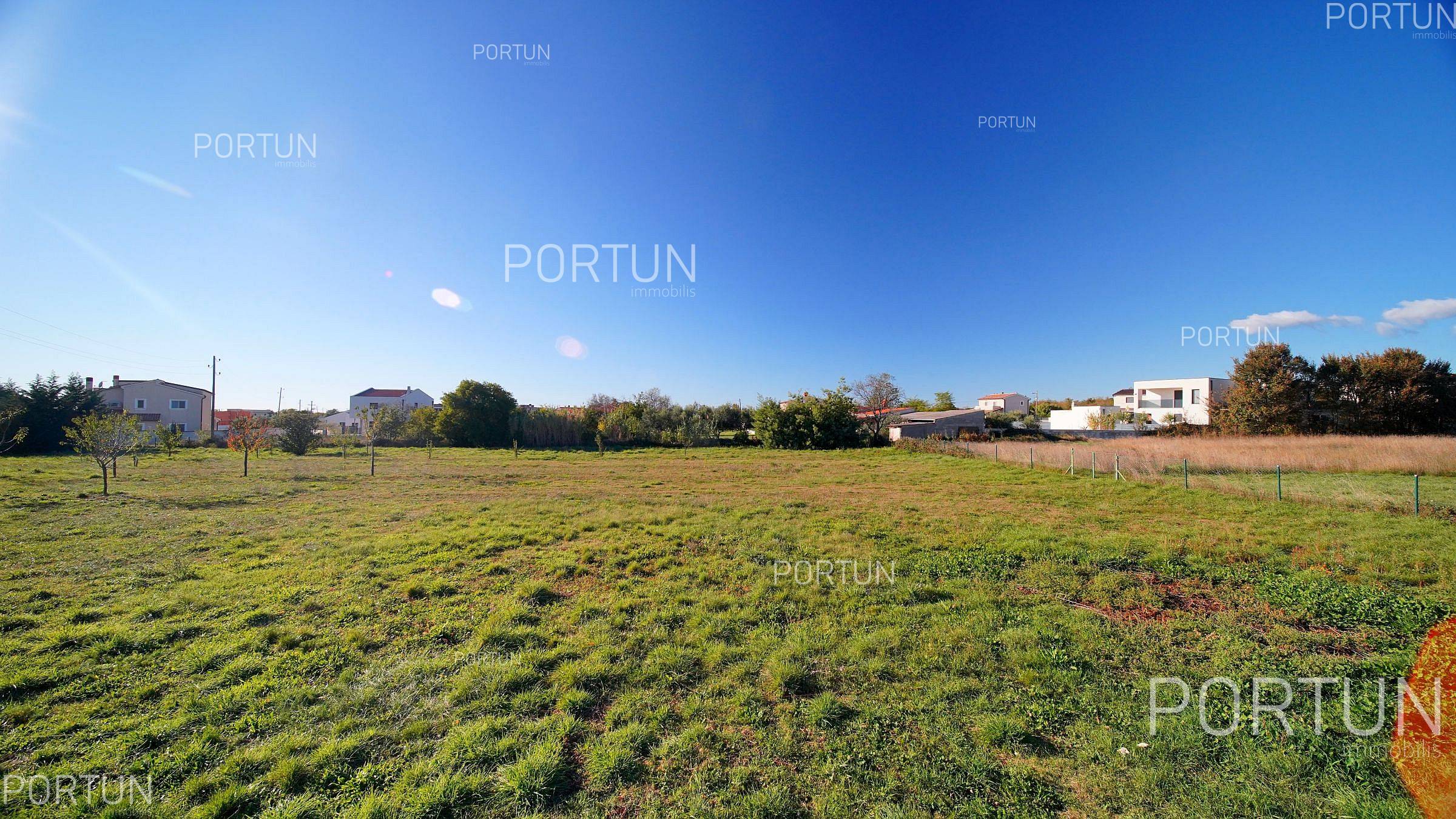
One of the key restrictions concerns the size of the land. In some municipalities, such as Žminj, conditions are increasingly mentioned where pool construction is only possible on plots larger than a certain area, for example, 1000 m2.
These rules aim to prevent overcrowded development and preserve the quality of the space.
For buyers, this means that a smaller plot, although suitable for building a house, may not allow for a pool to be built.
Building coefficient and plot occupancy
The building coefficient (kig) defines how much of the plot area can be built on. The pool counts towards this calculation, which means it can limit the possibility of additional construction.
If the plot is already maximally utilized by the house and other structures, additional features like a pool may not be allowed.
This is a common reason why pools cannot be built on smaller or already developed plots.
Distance from boundaries and technical conditions
The pool must meet certain distances from neighboring plots and buildings. These conditions are defined by local regulations and can vary.
On smaller plots, it is often not possible to meet all requirements, which further limits the possibility of construction.
Additionally, technical conditions such as drainage and maintenance access must be ensured.
Special regimes and protected areas
In old town centers, culturally protected zones, or areas with special designations, the rules are much stricter. Pool construction may be completely prohibited or subject to special permits.
Examples include historic centers like Bale, where preserving the environment is a priority.
In such zones, even if there is space, a pool may not be allowed.
Existing houses and pool legality
For existing houses, it is important to check whether the pool is legal and registered in the documentation. Illegally built pools can cause problems during sale or legalization.
Buyers often assume that everything they see on site is legal, which is not always the case.
Checking documentation is crucial before purchase.
How to check possibilities in advance
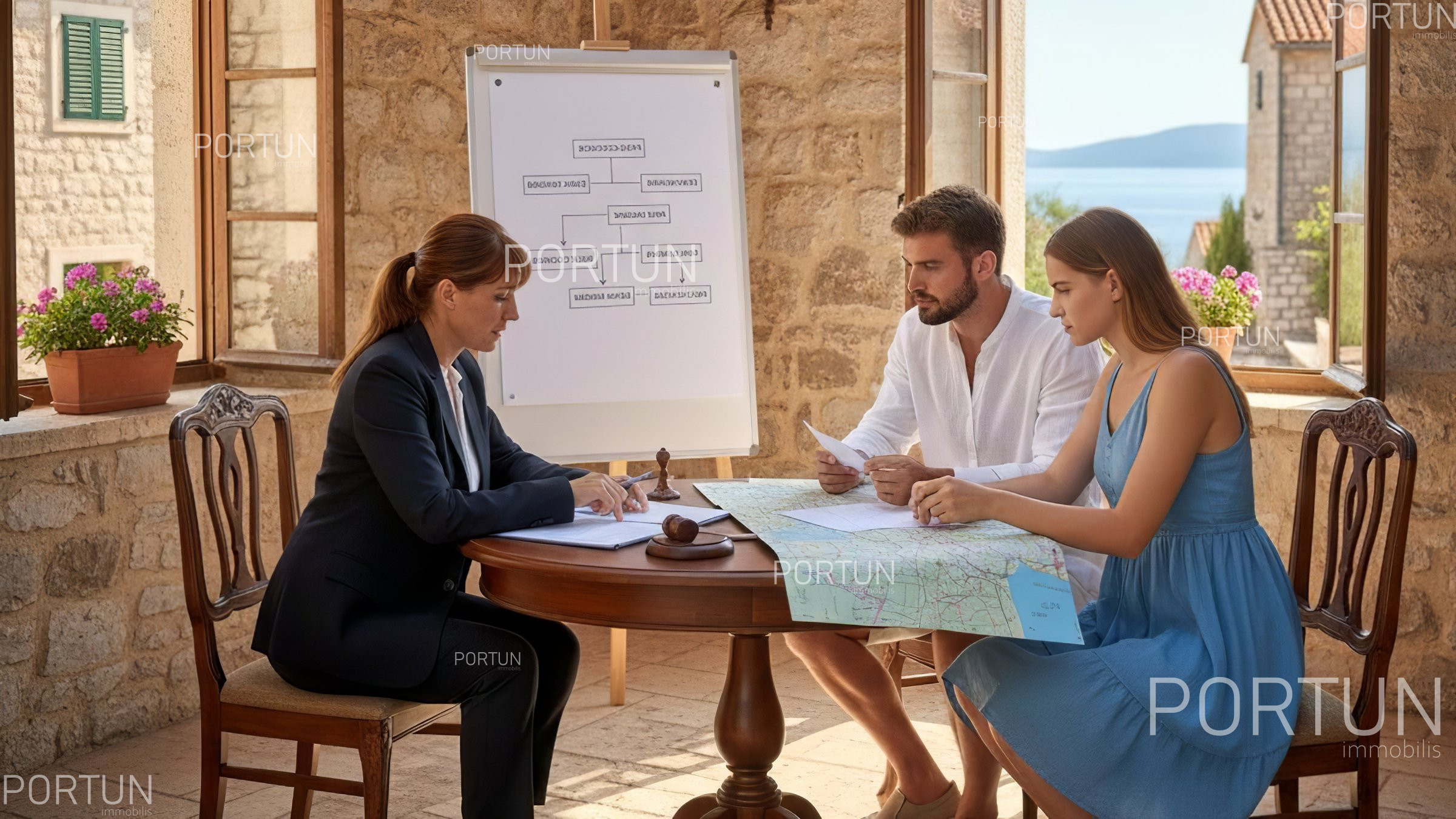
Before buying land or planning construction, it is recommended to consult an architect or urban planner. They can analyze the spatial plan and provide an accurate answer.
It is also useful to request a location information report from the competent office.
This check can prevent costly mistakes and disappointments.
Impact on property value
A pool significantly increases the attractiveness of a property, especially in the tourist market. However, if it is not allowed, it can reduce buyer interest.
Investors planning rentals often consider this factor already at the land purchase stage.
The possibility of building a pool can have a direct impact on return on investment.
Conclusion
Building a pool in Istria is not a universal right but a possibility that depends on several factors – from the spatial plan and plot size to technical conditions and location. Examples like the center of Bale or new rules in Žminj clearly show that restrictions exist and must be taken seriously.
The key to a successful investment is being well informed. Before buying land or planning a project, all conditions must be checked to avoid unpleasant surprises and make the right decision.
Related guides and useful articles
Topic guides for buying and verifying building land in Istria
Before planning a swimming pool, it is important to verify building conditions, zoning restrictions and feasibility for the specific plot.
Tags
swimming pool next to house, pool construction, building conditions, zoning plan, distance from boundaries, building coefficient, building land, permits, project documentation, legality, infrastructure, utility connections, drainage, technical requirements, plot verification, Istria