Introduction
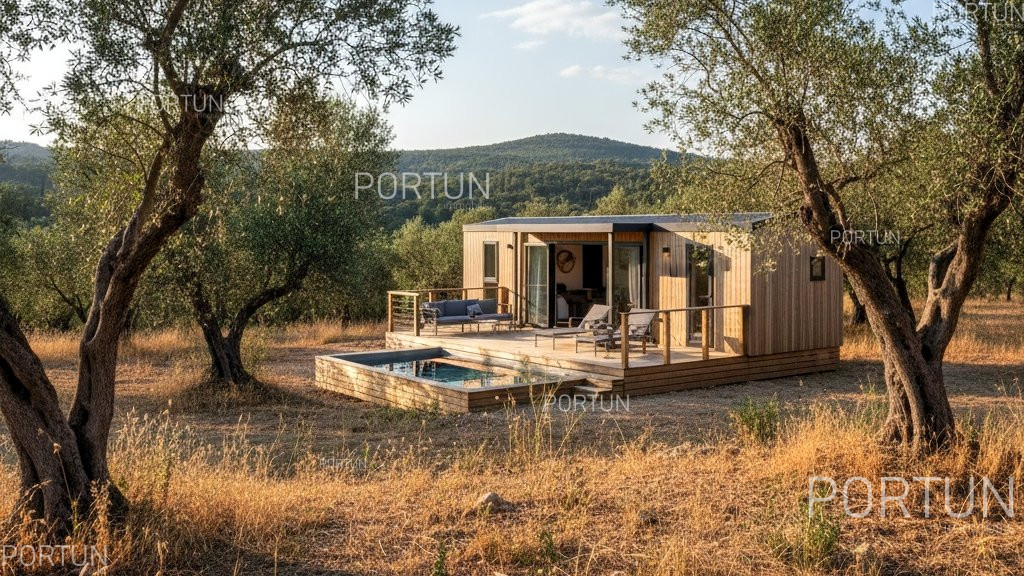
Mobile homes have become an extremely popular form of investment in Istria in recent years. At first glance, they seem like an ideal solution – lower initial cost, quick setup, and the possibility of tourist rental almost immediately after installation. This combination attracts many investors looking for a faster return compared to traditional construction.
However, behind this simple idea often lies a complex legal framework. The question "can I place a mobile home on my land" has no universal answer. It all depends on the land use, local spatial plan, and regulations. In this article, we explain when mobile homes make sense as an investment and when they can become a source of problems and additional costs.
What mobile homes mean legally
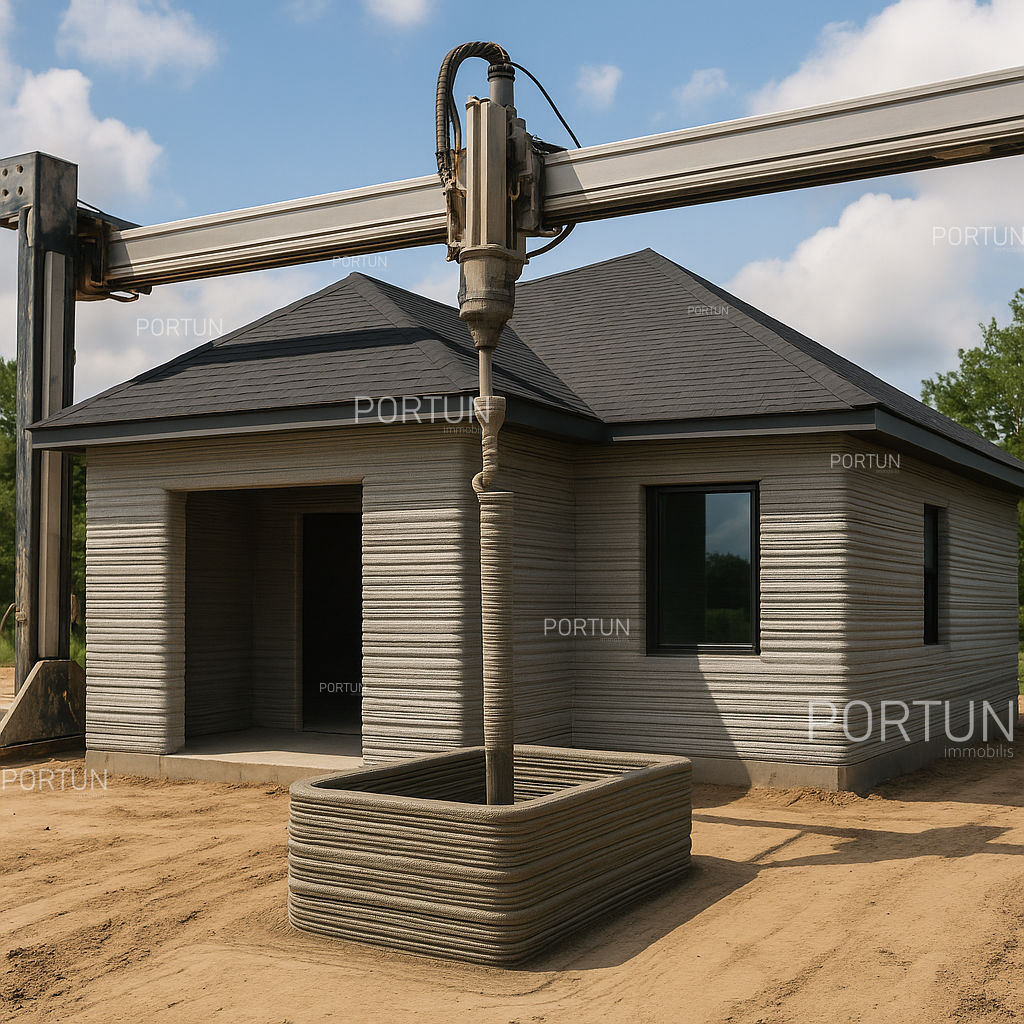
Although the name suggests mobility, in practice mobile homes are often treated as buildings if they are permanently placed and connected to infrastructure. This means they are subject to certain construction and land use rules.
The key difference is whether they are placed temporarily or permanently. Temporary structures may have more lenient conditions, but once used for permanent residence or tourist rental, the rules become stricter.
Because of this, many investors enter projects with wrong assumptions, which later leads to complications.
On which lands are they allowed
The most important factor is the land use designation. Mobile homes are generally allowed in tourist zones, campsites, and areas designated for hospitality-tourism purposes.
On typical building plots intended for residential construction, the situation is much more complex. In many cases, placing a mobile home as a substitute for a house is not permitted.
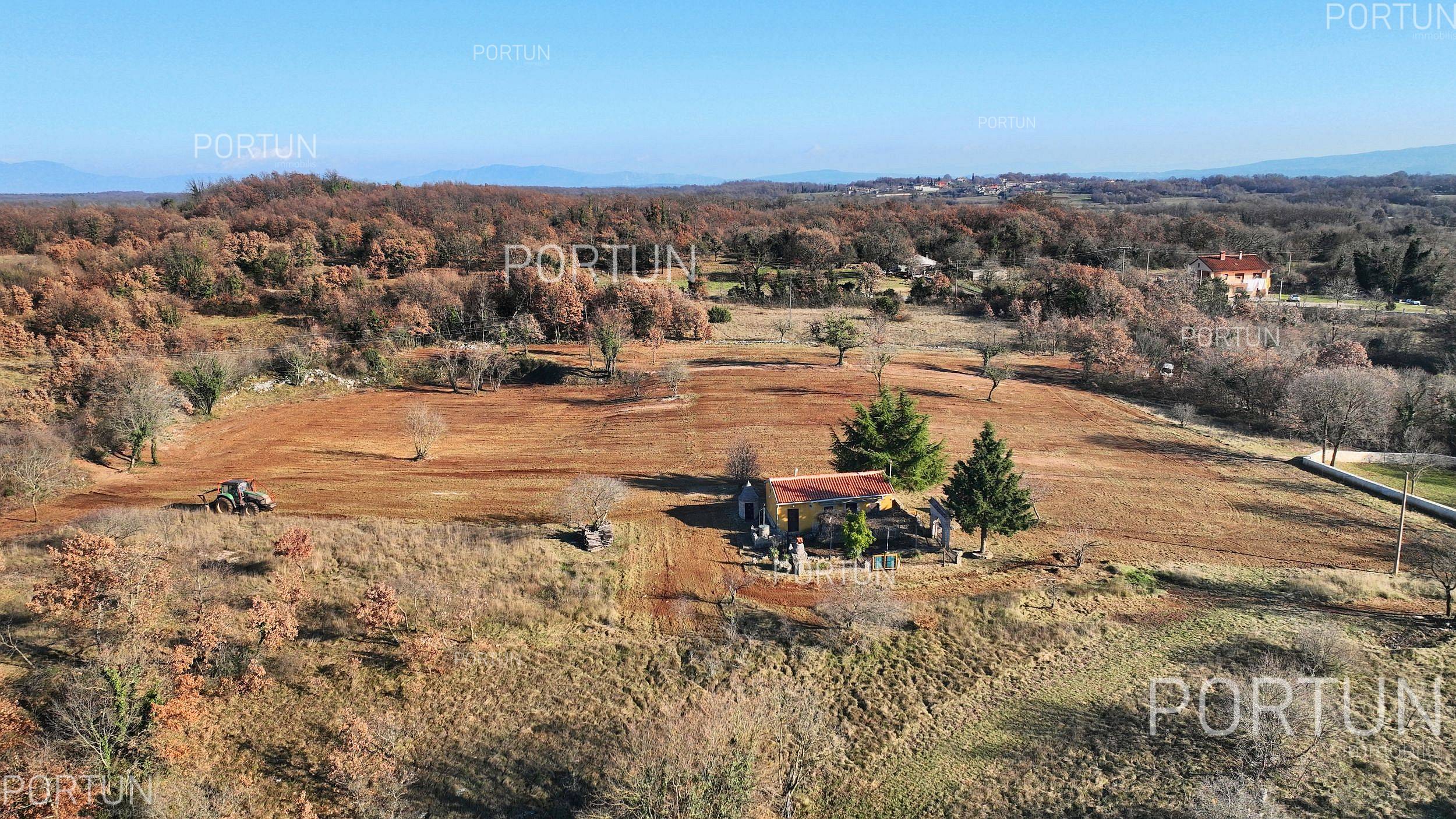
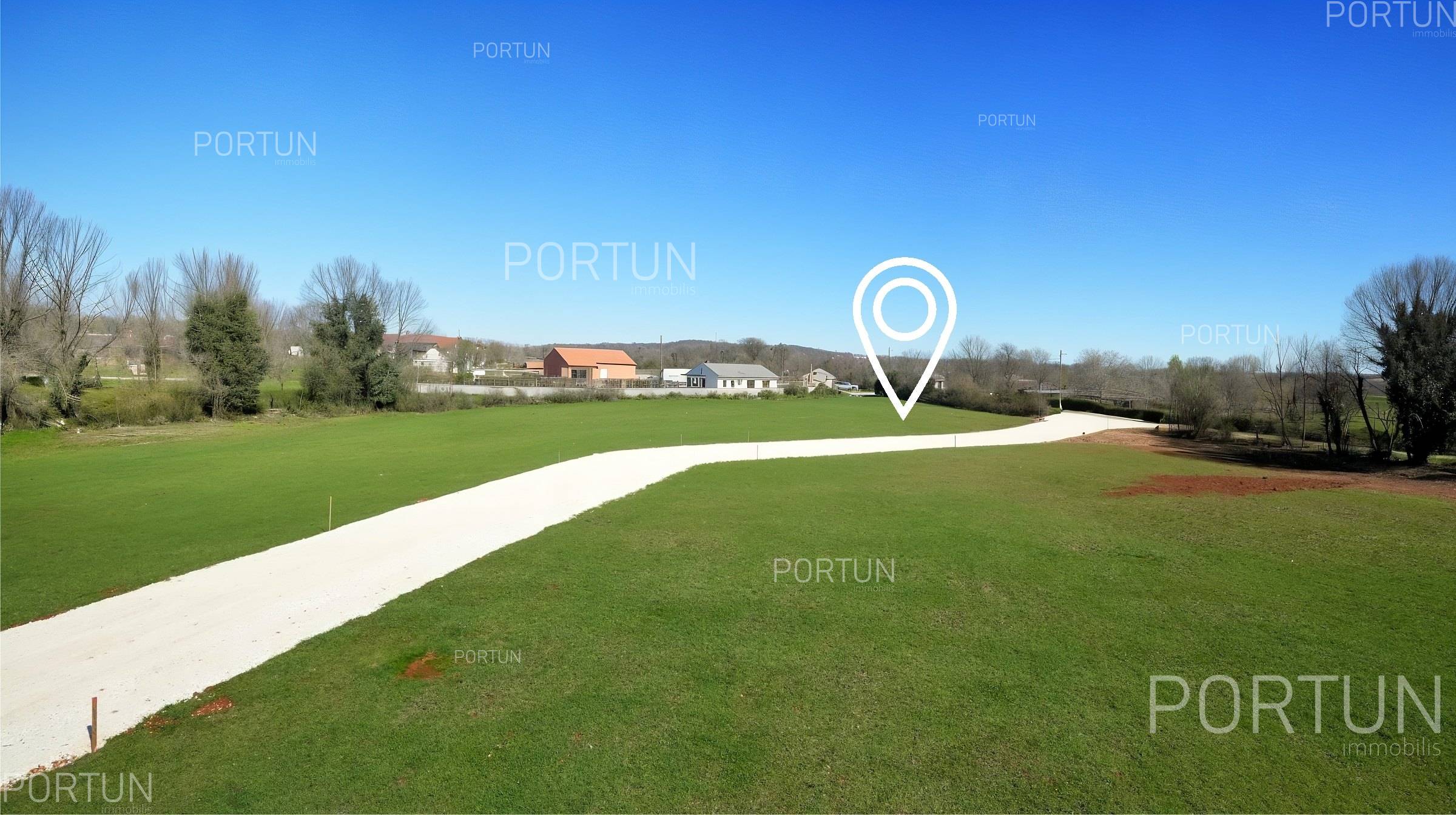
On agricultural land, possibilities are further limited except in specific cases clearly defined by laws and regulations.
Spatial plan as a key document
The municipal or city spatial plan defines what is allowed on a given plot. Without analyzing it, making the right decision is impossible.
In some municipalities, there are zones where mobile homes are clearly regulated, while in others they fall completely outside permitted construction frameworks.
Therefore, the first step is always to check the spatial plan and consult local experts.
Infrastructure – a necessary prerequisite
Setting up a mobile home requires basic connections – water, electricity, and sewage. Without these, the unit cannot function for tourist purposes.
Infrastructure often represents a higher cost than the mobile home itself. Bringing connections to remote plots can significantly increase the investment.
Investors who overlook this aspect often face unexpected expenses.
Tourist rental and legal conditions
If a mobile home is used for tourist rental, certain conditions must be met and the activity registered. This includes categorization and meeting technical standards.
Without fulfilling these conditions, renting is illegal and can lead to fines.
It is important to understand that a mobile home is not a "shortcut" to tourist rental without regulation.
Costs and return on investment
One of the main advantages of mobile homes is the lower initial cost compared to traditional construction. However, the total investment also includes land preparation, infrastructure, and furnishing.
Return on investment depends on location, occupancy, and quality of the offer. In tourist-attractive areas, returns can be relatively quick.
In less developed areas, demand may be limited, extending the payback period.
Common investor mistakes
The most common mistake is buying land without checking conditions for placing a mobile home. Investors often assume everything is allowed.
The second mistake is underestimating infrastructure and administrative costs.
The third mistake is focusing solely on quick profit without a long-term plan.
Mobile homes vs. traditional construction
Mobile homes offer speed and flexibility but have limitations compared to traditional houses. Their durability, value, and legal status are often less stable.
Traditional construction requires a larger investment but provides long-term security and higher property value.
The choice depends on the investor’s goals.
Who benefits from this investment
Mobile homes suit investors seeking faster market entry and a flexible business model.
For long-term investments and security, traditional construction is often a better choice.
The key is aligning expectations with realistic possibilities.
Conclusion
Mobile homes can be an interesting investment but are not a universal solution. Their profitability depends on location, laws, and quality of project preparation.
Without detailed analysis, they can easily become a legal maze instead of quick profit. Therefore, before any decision, it is essential to check all conditions and plan long-term.
Related guides and useful articles
Topic guides for buying land and verifying key prerequisites
When it comes to mobile homes, it is essential to verify land designation, utility access and the legal framework before making any investment.
Tags
mobile homes, prefabricated homes, legal framework, permits, legality, land designation, building vs agricultural land, infrastructure, utility connections, water, electricity, sewage, access road, camping use, tourist rental, investment risks