Cities Where Property Prices Are Falling – What’s Really Happening?
After more than a decade of strong growth, the European real estate market has entered a phase of correction. Price declines are not uniform across all markets, but in certain cities they have become clearly visible, confirmed by official statistics and analyses from financial institutions.
According to data from Eurostat, house price indices in parts of the European Union show stagnation or decline, particularly in countries highly exposed to rising interest rates and investment-driven demand.
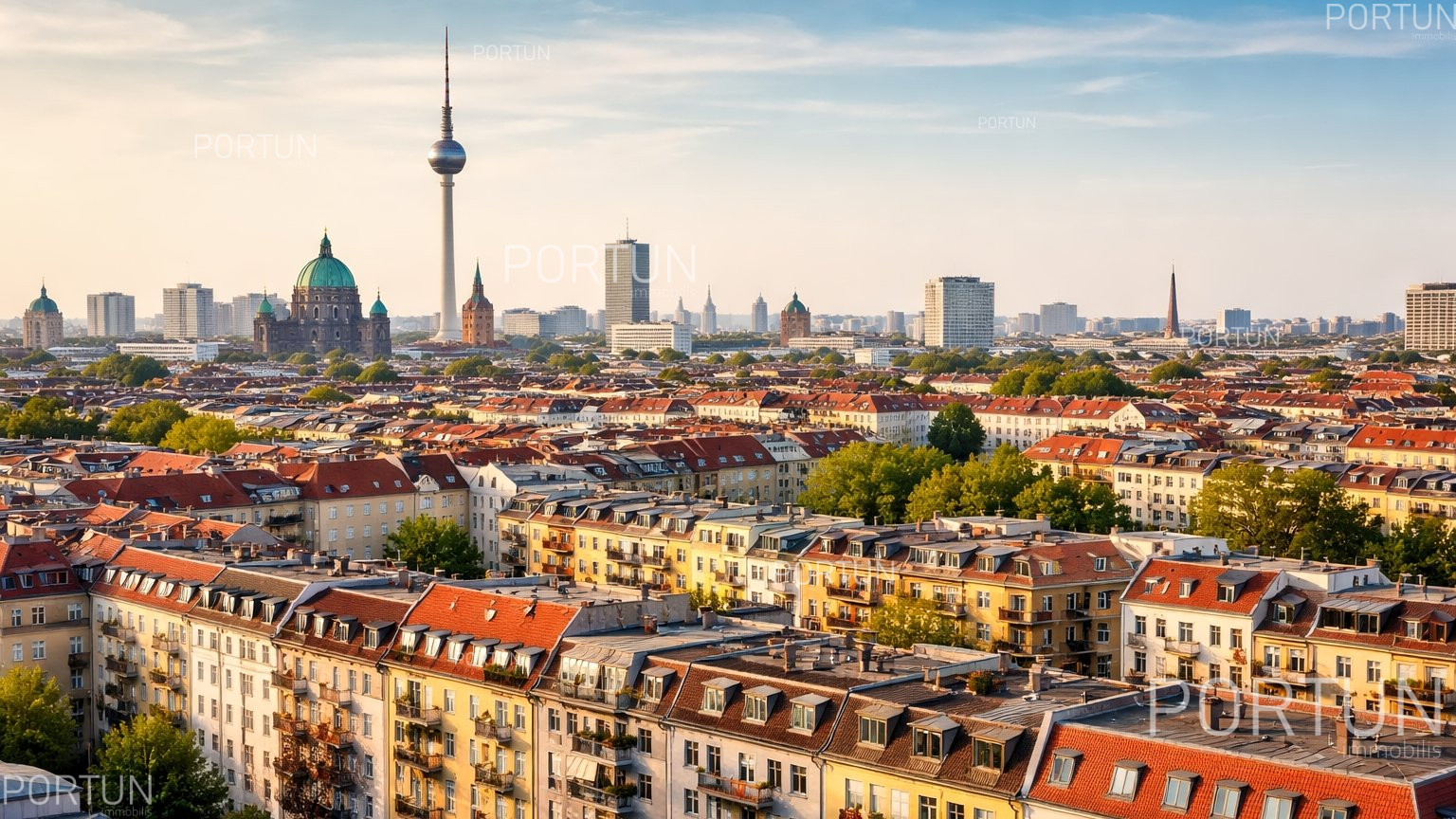
Berlin – The End of the Investment Boom
For years, Berlin was one of Europe’s most attractive real estate investment markets. However, a combination of stricter rental regulations, rising interest rates and weakening demand has led to a price correction, especially for older apartments.
According to the UBS Global Real Estate Bubble Index, Berlin has ranked among cities with an elevated risk of overvaluation in recent years, followed by a period of market adjustment.
Stockholm – A Market Sensitive to Interest Rates
The Swedish real estate market has reacted strongly to rising interest rates. In Stockholm, apartment prices declined after a period of rapid growth, as households became more cautious and banks tightened lending conditions.
Data from Statistics Sweden (SCB) show that the drop in demand is directly linked to higher financing costs, rather than to a sudden increase in housing supply.
Milan – Declines Outside Prime Areas
Milan illustrates how price corrections are not evenly distributed. While central and prime districts remain relatively stable, outlying areas are experiencing longer selling times and reduced buyer interest.
Analyses by the Financial Times highlight that buyers are increasingly prioritising quality of life, accessibility and energy efficiency, rather than simply the prestige of a central address.
Smaller and Industrial Cities – Demographics as a Key Factor
The most pronounced price declines are found in smaller cities facing long-term population decline. Outmigration of younger residents, weaker economic prospects and excess housing supply create sustained downward pressure on property values.
According to analyses by the Global Property Guide, such markets are often the first where corrections become structural rather than temporary.
Why Are Prices Falling?
- rising interest rates and more expensive mortgage financing (ECB)
- declining investment demand
- overdevelopment in previous years
- demographic decline in certain regions
- changes in lifestyle and working patterns after the pandemic
What Does This Mean for Buyers and Investors?
Falling prices do not necessarily signal a negative market. For long-term buyers, corrections may offer opportunities to enter the market at more realistic price levels. For investors, however, the market has become more selective and requires careful location analysis.
Conclusion
The real estate market is no longer uniform. While some cities are experiencing corrections, others remain stable or continue to grow. Today, the key differences increasingly depend on demographics, economic sustainability and quality of urban life, rather than on a general upward price trend.