Why Foreign Buyers Often Make the Same Mistakes in Istria
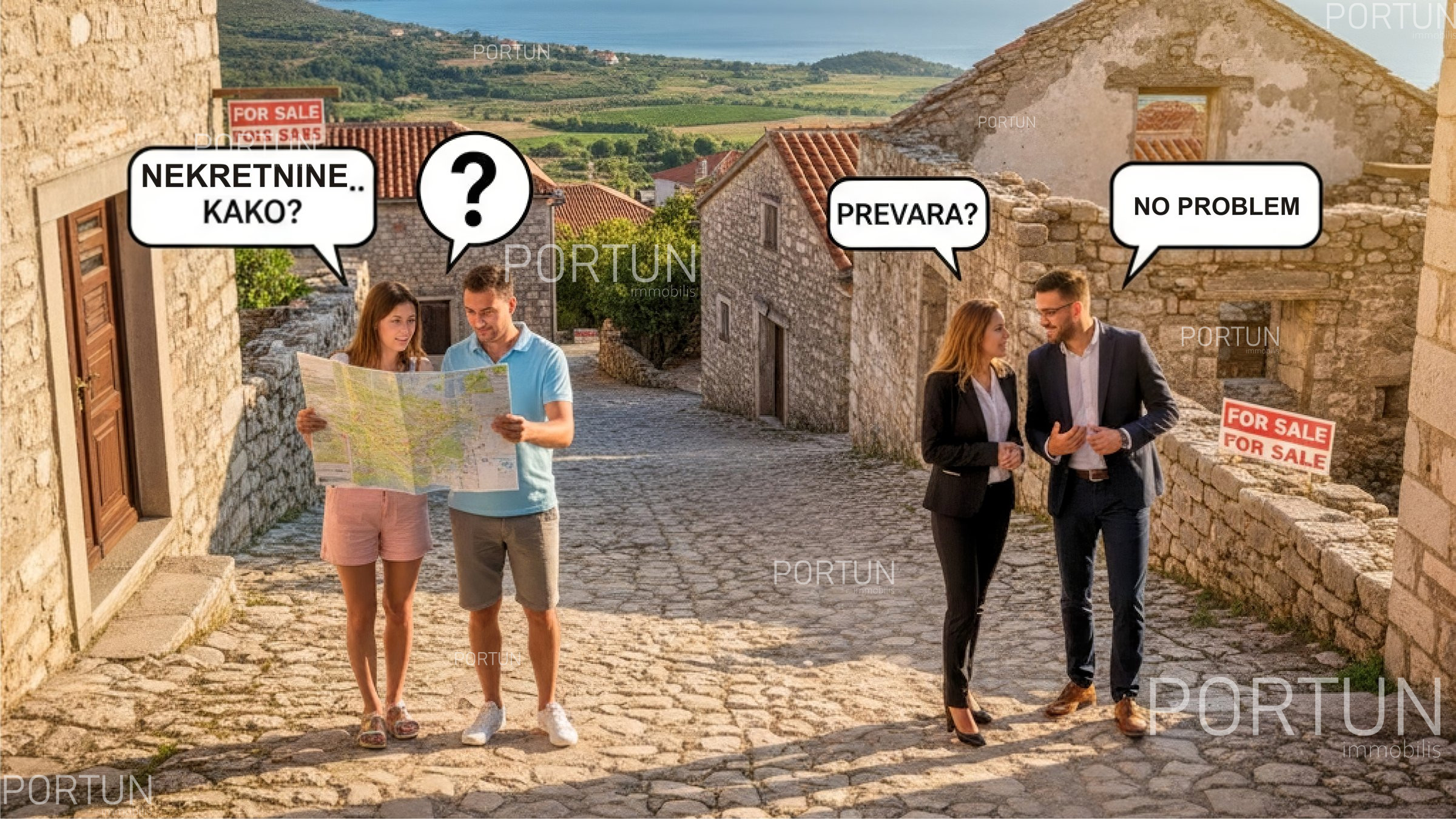
Purchasing property in Istria is an attractive prospect for many foreign buyers, particularly those seeking a second home, a lifestyle investment, or long-term capital security. The region offers natural beauty, political stability, and a strong tourism market. However, despite these advantages, many foreign buyers repeat the same mistakes when entering the Croatian property market.
The main reason for these errors is not a lack of intelligence or financial capacity, but unfamiliarity with the local legal, administrative, and planning framework. Buyers often assume that property transactions in Croatia function in the same way as in their home country, which is rarely the case. Differences in land registry systems, zoning rules, building legality, and buyer responsibility can lead to serious complications if overlooked.
This guide outlines the most common mistakes foreign buyers make when purchasing property in Istria and explains how these issues can be avoided through proper preparation and informed decision-making.
Failing to Properly Verify Ownership and Title
One of the most frequent and costly mistakes foreign buyers make is assuming that the seller has clear and undisputed ownership of the property. In Croatia, the land registry is public, but this does not mean that every entry is simple or risk-free.
Issues such as unresolved inheritance cases, multiple co-owners, registered easements, mortgages, or legal disputes are not uncommon. Buyers who rely solely on basic extracts or verbal assurances may later discover that ownership cannot be transferred as expected.
Proper title verification should include a detailed review of ownership history, registered burdens, and consistency between land registry and cadastral records. Skipping this step often leads to delayed registrations or legal challenges.
Assuming a Property Is Legal Because It Is in Use
A common misconception among foreign buyers is that a property must be legally compliant if it is occupied, connected to utilities, or rented to tourists. In Croatia, this assumption can be misleading.
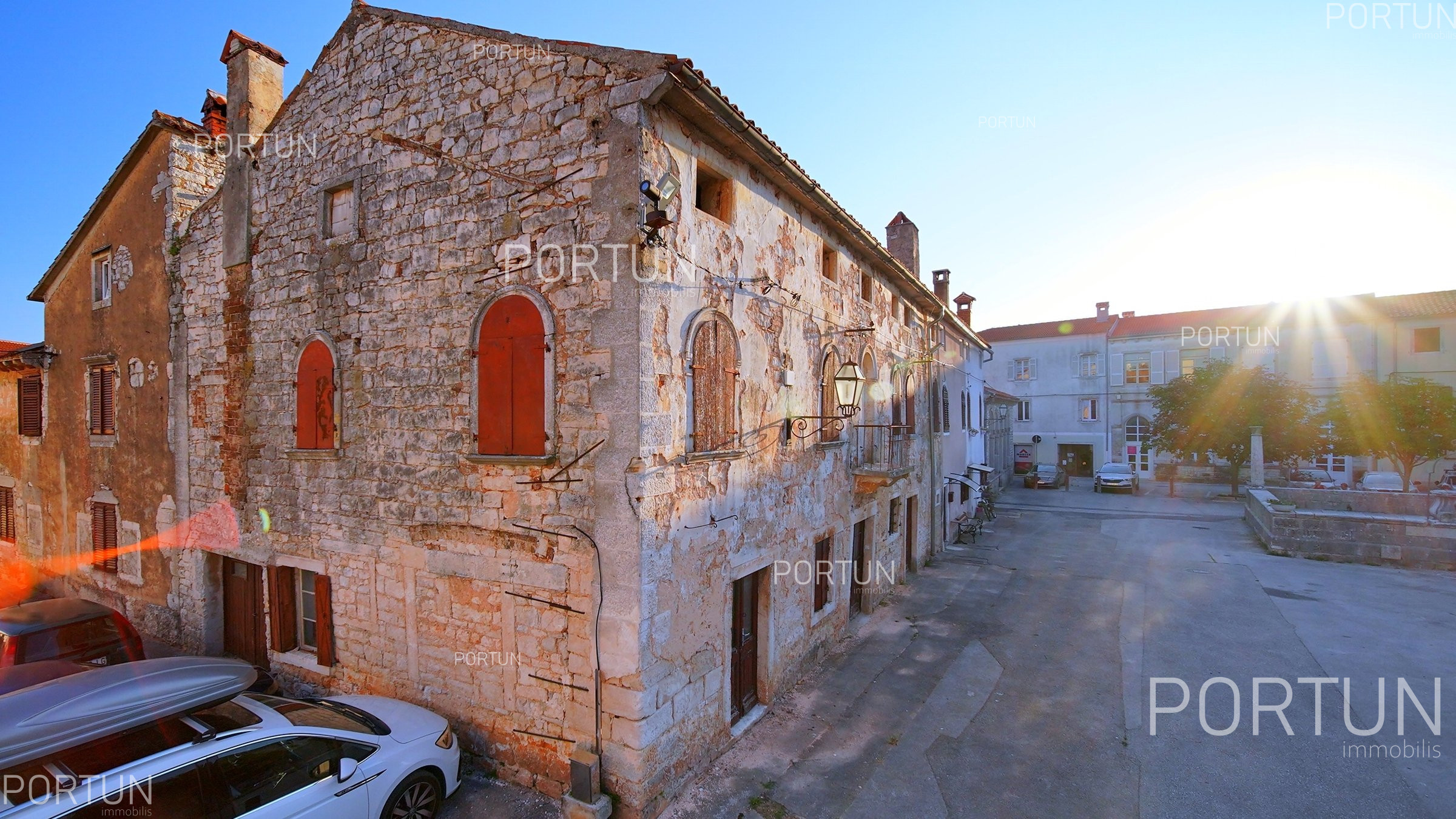
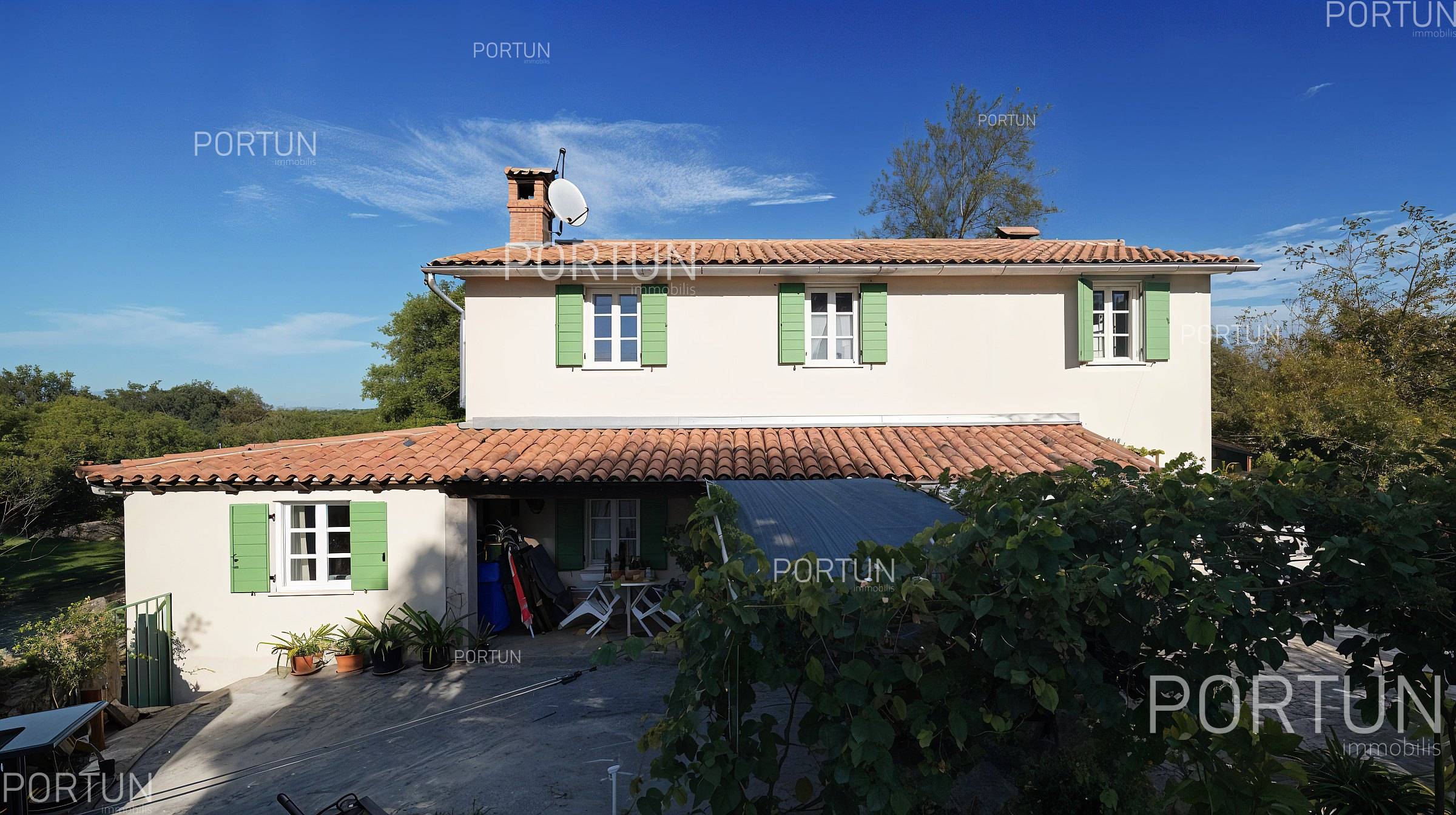
Many properties, particularly older houses and coastal homes, include extensions, terraces, or auxiliary buildings that were constructed without permits or were never legalised. These irregularities may not prevent daily use, but they can create serious problems during renovation, resale, or rental licensing.
Foreign buyers often fail to distinguish between building permits, usage permits, and legalisation decisions. Each serves a different legal purpose, and misunderstanding them can result in unexpected limitations.
Misunderstanding Zoning and Land Classification
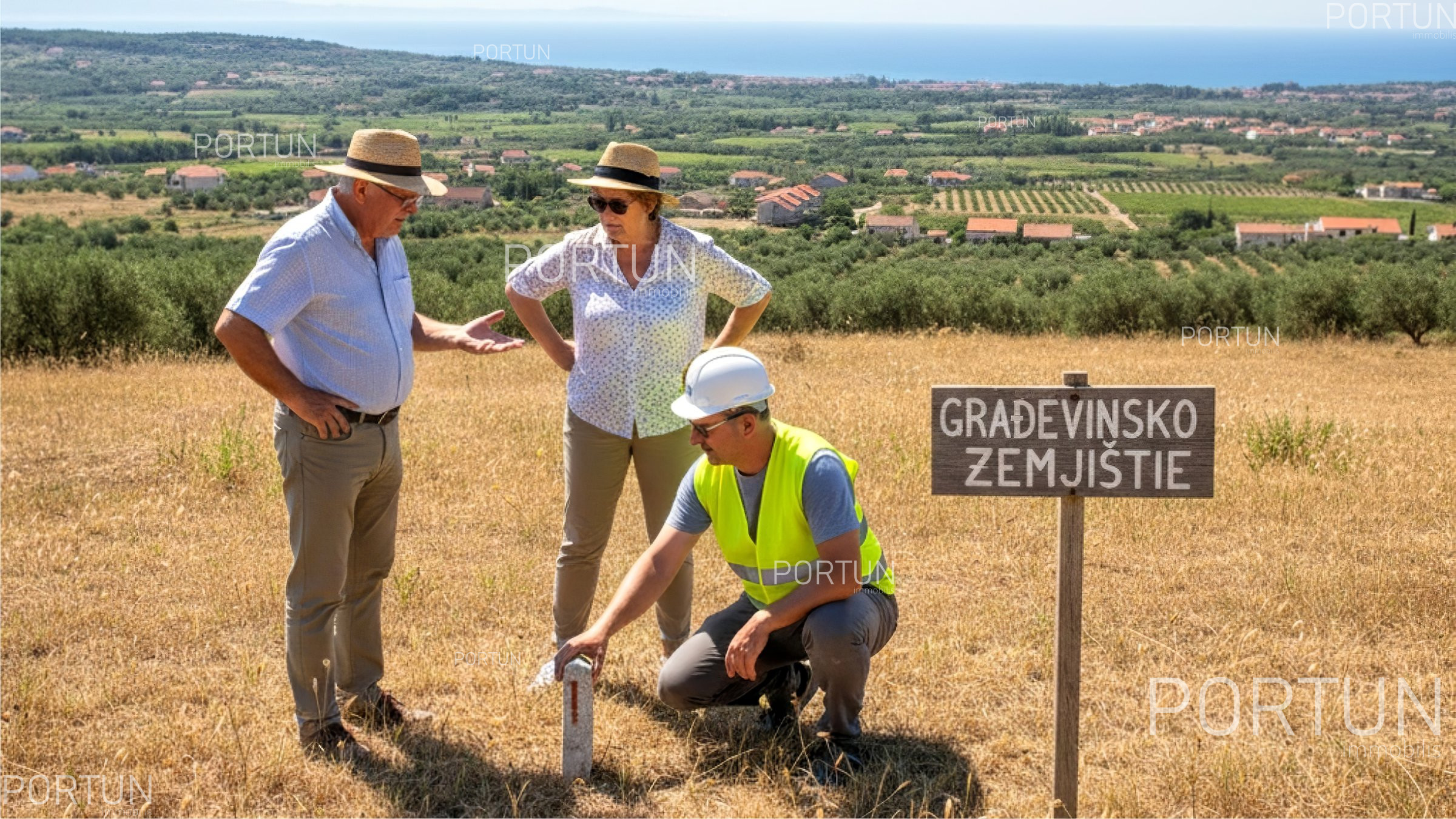
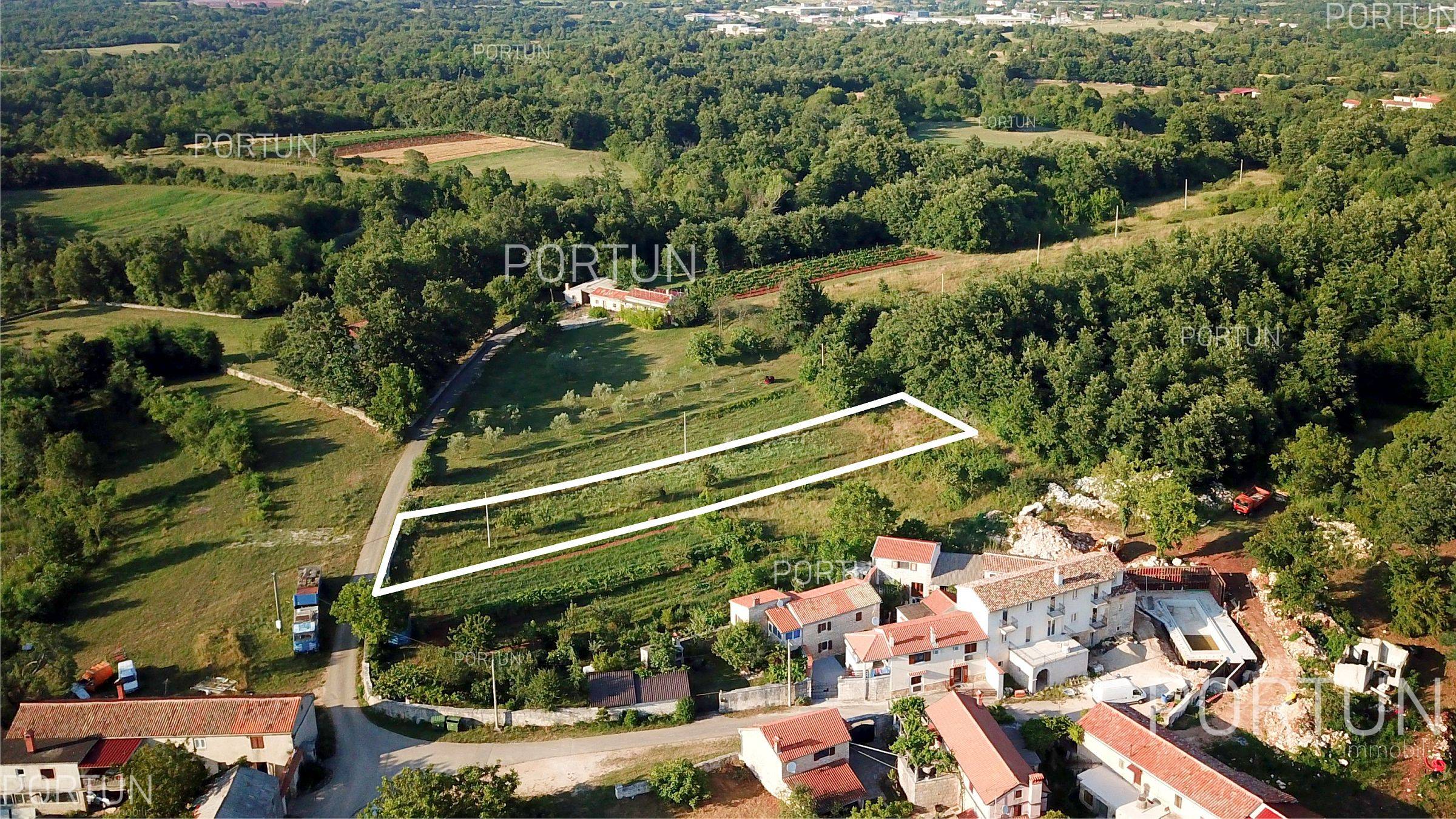
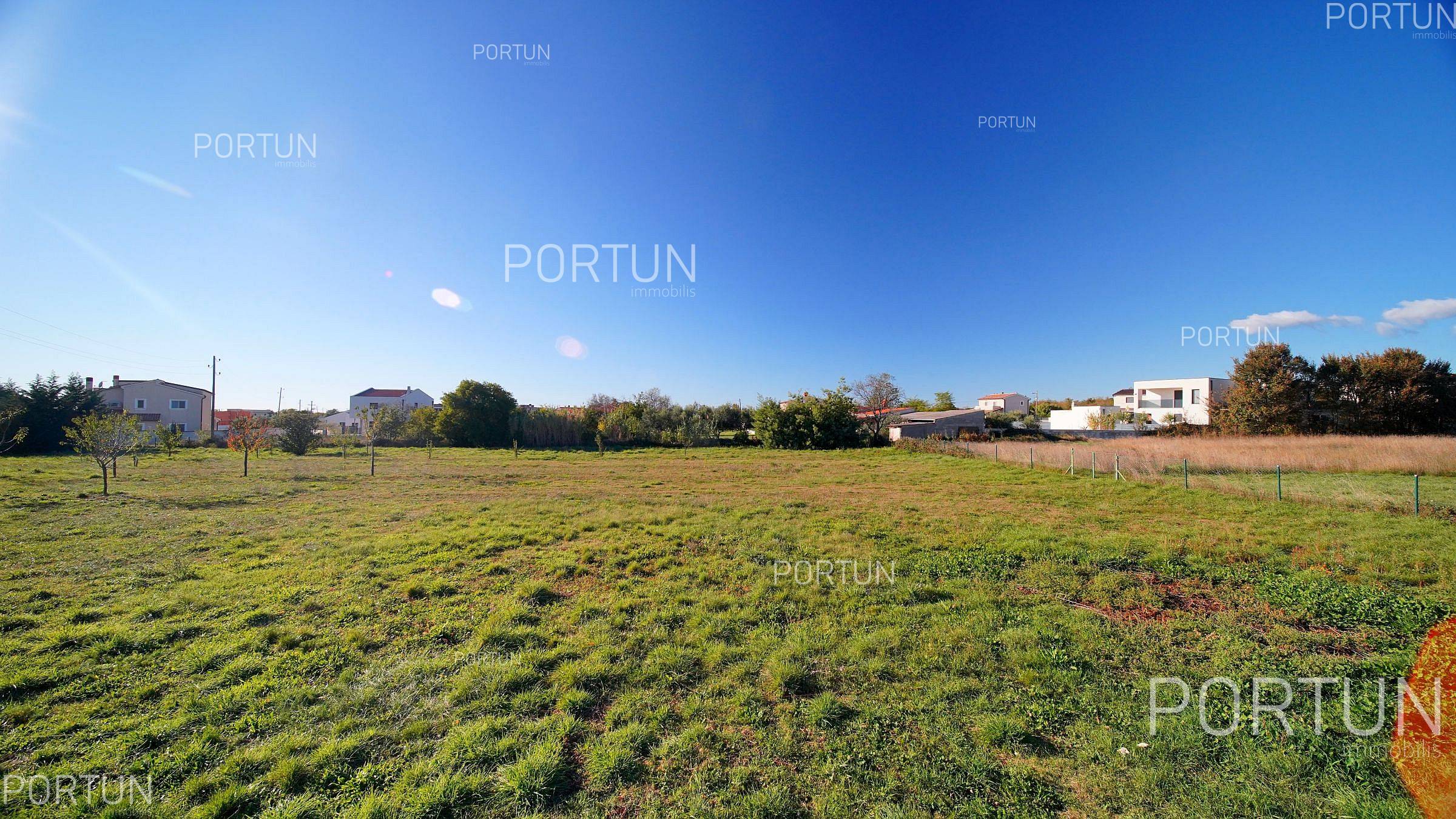
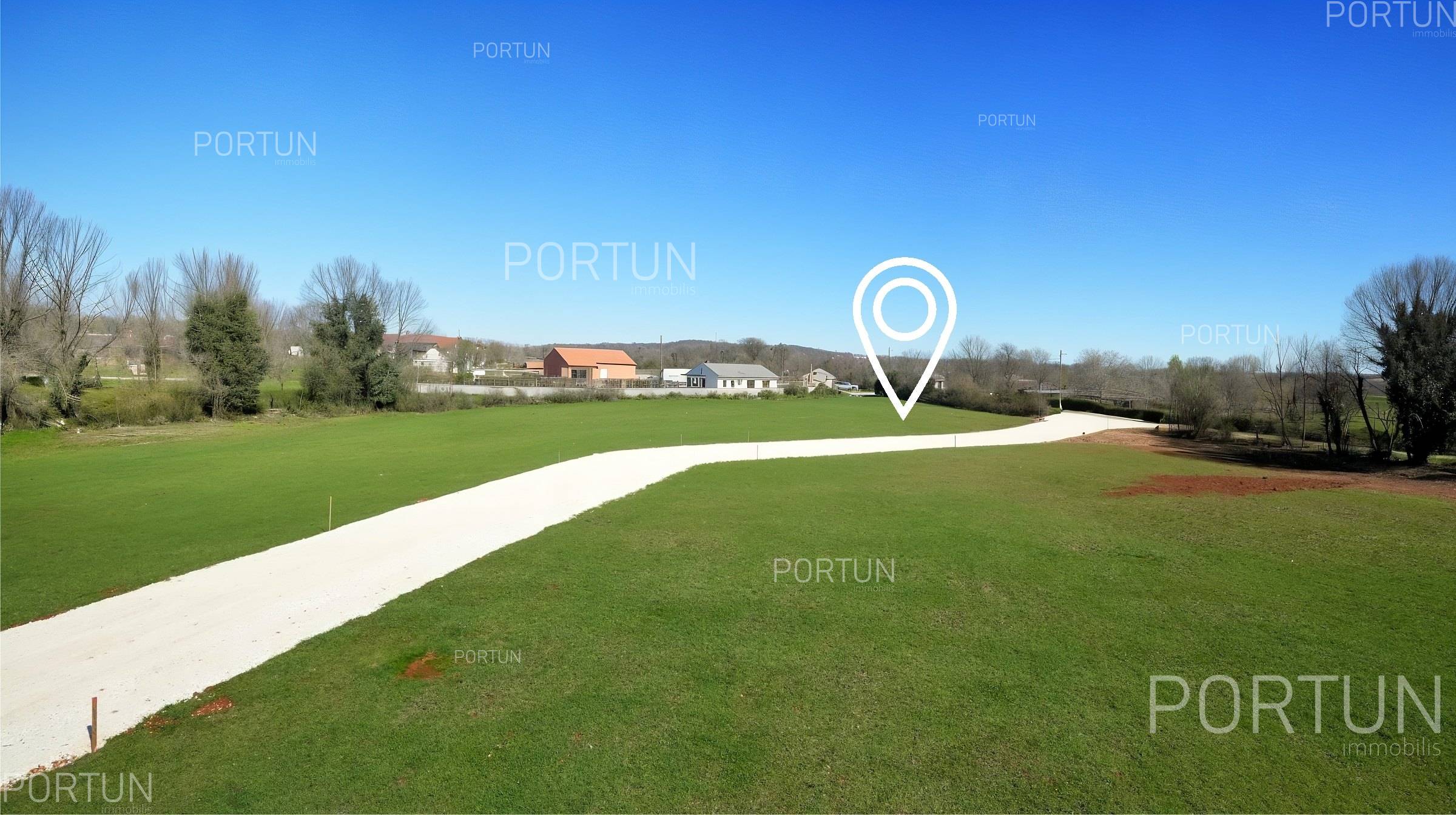
Land purchases are particularly risky for foreign buyers unfamiliar with Croatian planning regulations. A frequent mistake is assuming that land located near a settlement or road is automatically suitable for construction.
In Istria, land is strictly classified as either building land or agricultural land. Only building land allows residential construction, and rezoning is neither simple nor guaranteed.
Foreign buyers sometimes rely on informal opinions rather than official spatial plans, resulting in land that cannot be used as intended. This mistake often leads to significant financial loss.
Underestimating Total Purchase Costs
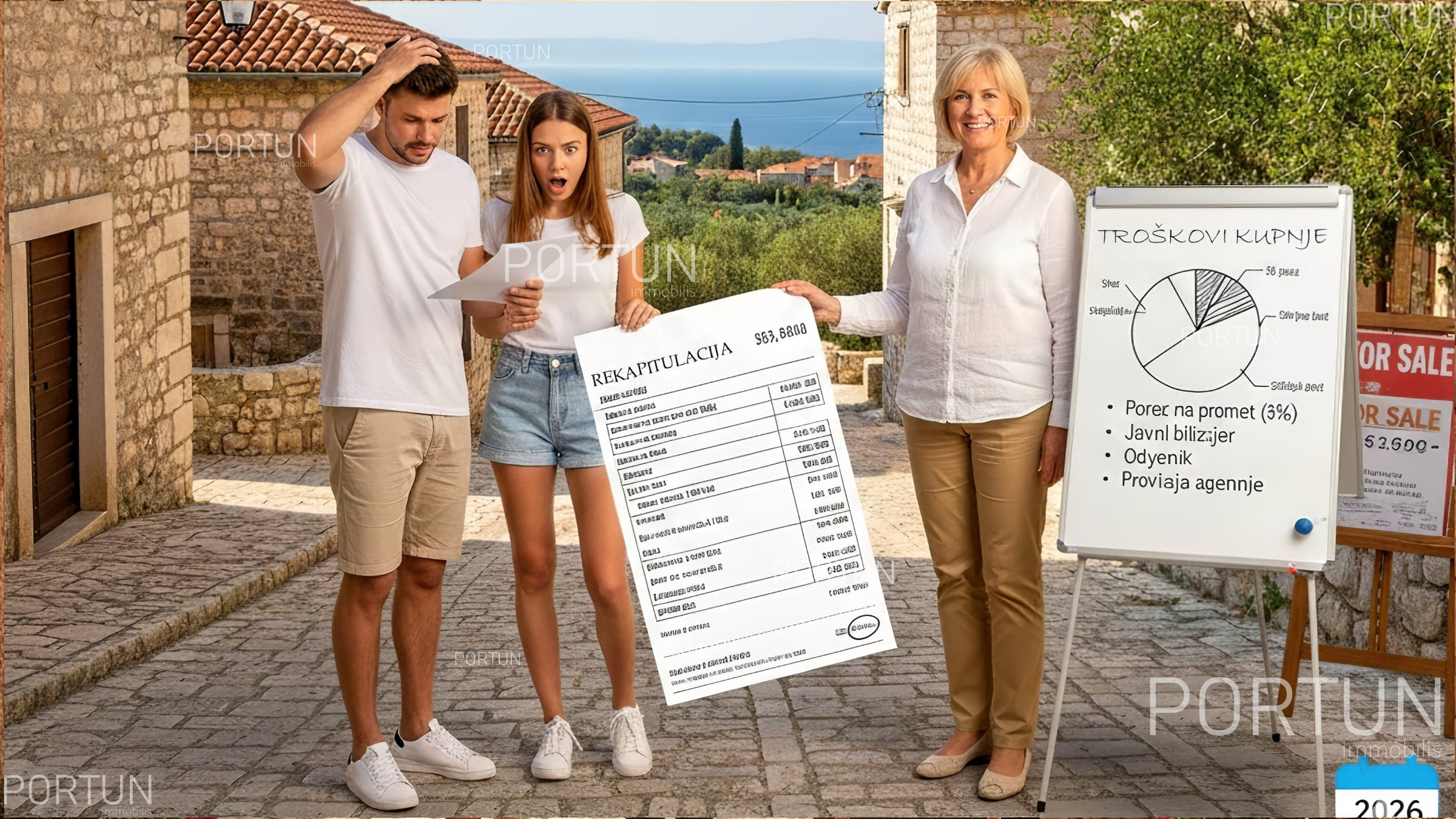
Many buyers focus exclusively on the agreed purchase price and fail to account for additional costs associated with the transaction. These costs can significantly increase the overall investment.
Depending on the type of property and seller, buyers may be subject to property transfer tax or VAT. Additional expenses include notary fees, legal representation, court registration fees, and certified translations.
Without proper budgeting, buyers may face financial strain at the final stage of the transaction.
Believing Property Ownership Grants Residency Rights
One of the most persistent misunderstandings is the belief that owning property in Croatia automatically grants residency or long-term stay rights.
Immigration regulations are entirely separate from property ownership laws. While owning property may support certain residency applications, it does not replace formal immigration procedures.
This misunderstanding particularly affects non-EU buyers who fail to plan their residency status in advance.
Ignoring Legal Requirements for Holiday Rentals
Foreign buyers often purchase property with the intention of generating income through short-term rentals, assuming that tourist rental is automatically permitted.
In Croatia, rental activity requires registration, compliance with technical standards, and adherence to local regulations. Not all properties qualify, especially if they lack proper documentation.
Operating without authorisation can result in fines, rental bans, or loss of income.
Relying Solely on Seller or Agent Information
Many foreign buyers rely exclusively on information provided by the seller or estate agent. While not necessarily dishonest, such information is often incomplete or presented from a sales perspective.
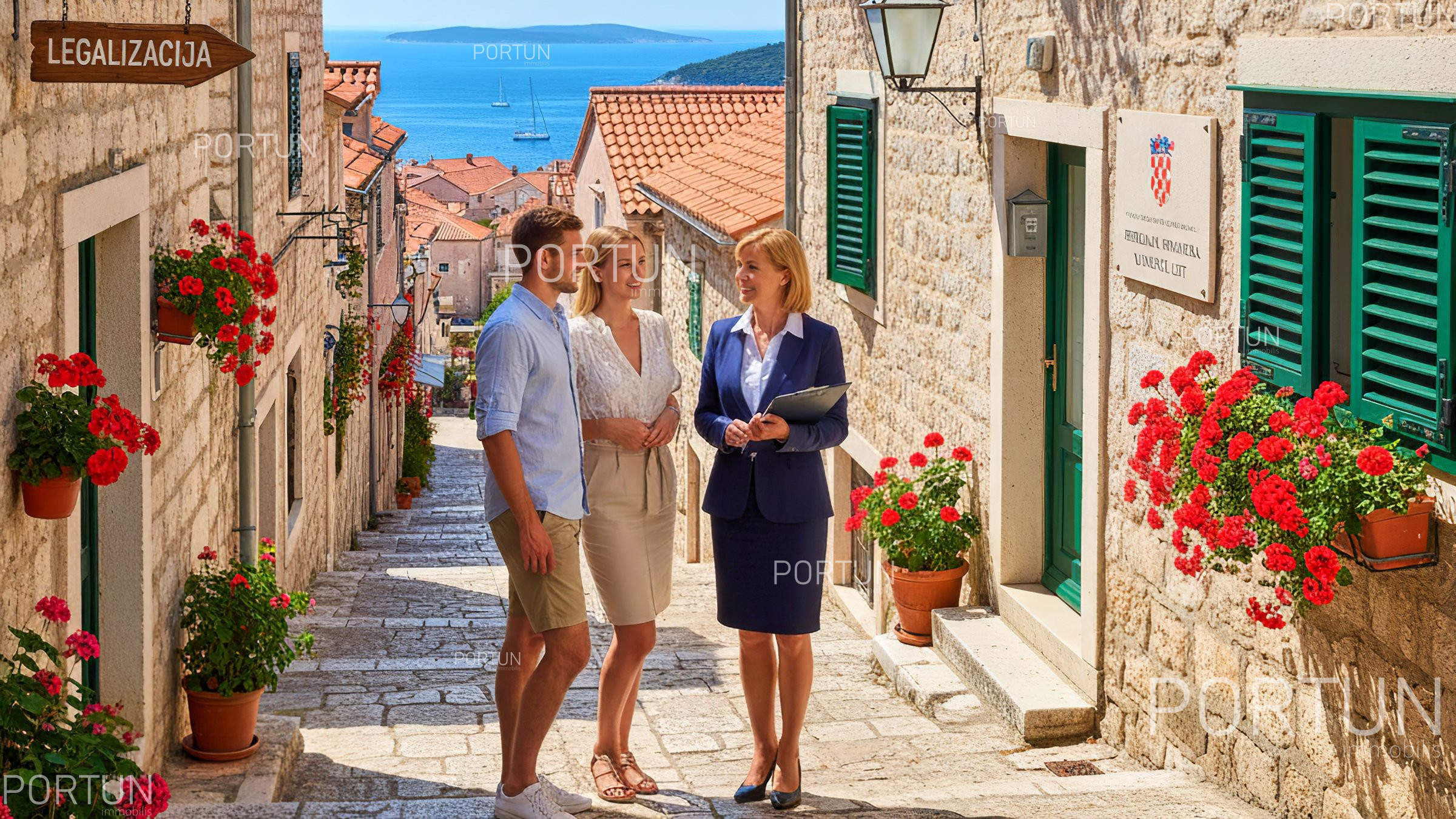
In Croatia, the buyer carries significant responsibility for due diligence. Failing to obtain independent legal advice increases exposure to hidden risks.
An informed buyer who asks the right questions is far less likely to encounter problems.
Overlooking Infrastructure and Access Issues
Some properties appear attractive but lack essential infrastructure such as legal road access, water supply, or sewage connections.
Foreign buyers may assume these issues can be resolved easily, only to discover that solutions are costly or legally complex.
Infrastructure checks are particularly important for rural and inland properties.
Expecting Fast Transactions Without Delays
Foreign buyers often expect transactions to follow predictable timelines similar to those in their home countries.
In Croatia, administrative processes, document verification, and registration can take longer, especially if legal issues arise.
Patience and realistic scheduling are essential when purchasing property in Istria.
How Foreign Buyers Can Avoid These Mistakes
Most problems encountered by foreign buyers are avoidable with proper preparation and professional guidance. Understanding Croatian property law, planning regulations, and buyer responsibilities is crucial.
A structured approach, independent legal checks, and realistic expectations significantly reduce risk.
Istria remains a strong and attractive property market, but successful purchases depend on informed decision-making rather than assumptions.
Related guides and useful articles
Recognising the most common mistakes when buying property is an important step towards making a safer and better-informed decision. For a clearer understanding of the entire purchase process, it is recommended to review the main guide explaining all stages of buying property in Istria.
Thematic guides for buying a house in Istria.
A basic guide through the property purchase process for foreign buyers.
Tags
Common mistakes foreign buyers make, buying property in Istria, foreign buyers, legal verification, property documentation, ownership title, land registry, purchase process, purchase security, buyer advice, property checks before purchase