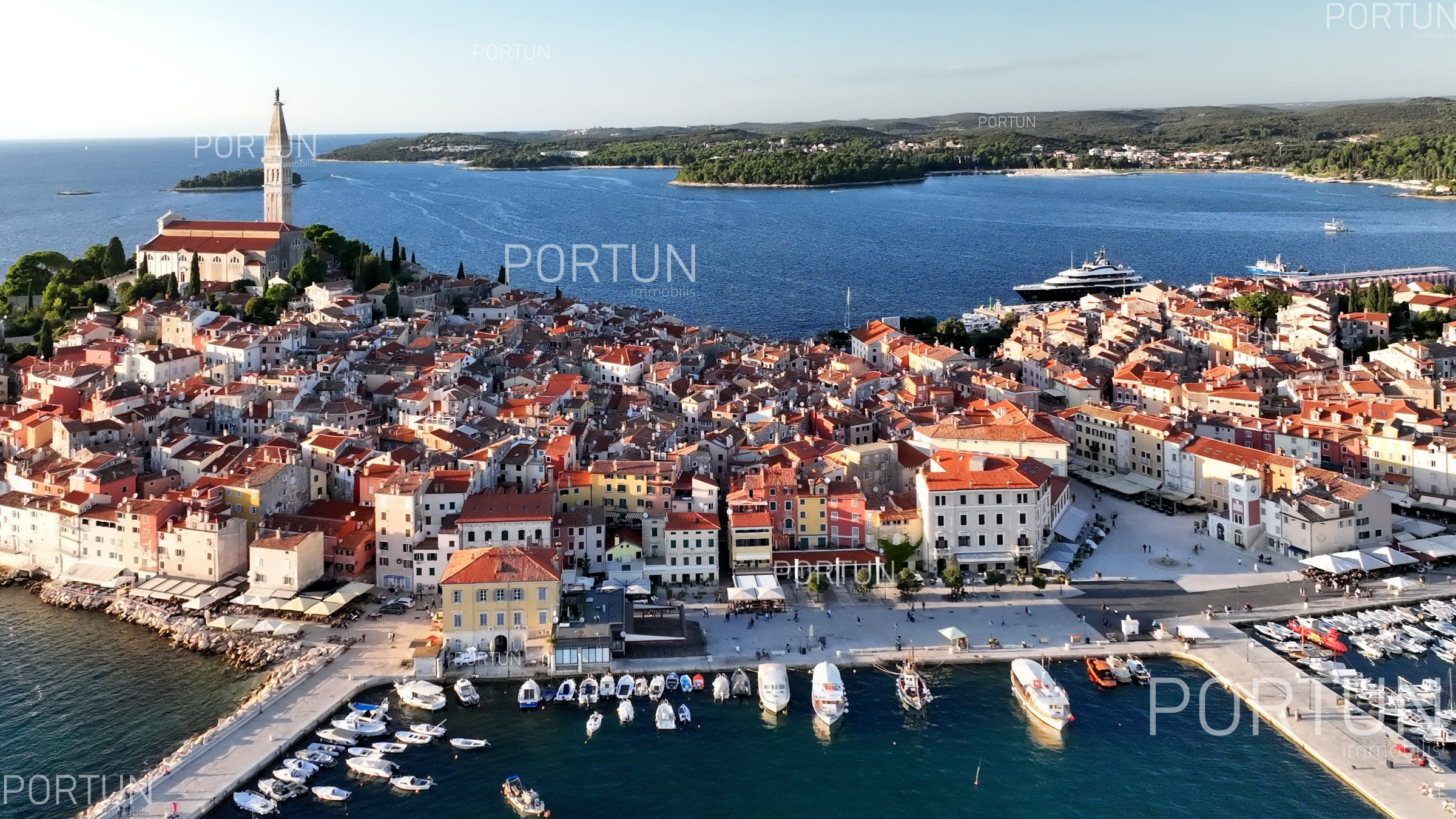
Buying a House in Rovinj: Types Available and What to Watch Out For
Buying a house in Rovinj differs from purchasing property in most other towns in Istria. Supply is limited, demand remains steady throughout the year, and differences between city neighborhoods and surrounding settlements often have a decisive impact on price, renovation potential, and long-term value. Below is a practical overview of what is realistically available on the market and which checks should be carried out before making an offer.
What Types of Houses Are Available in Rovinj?
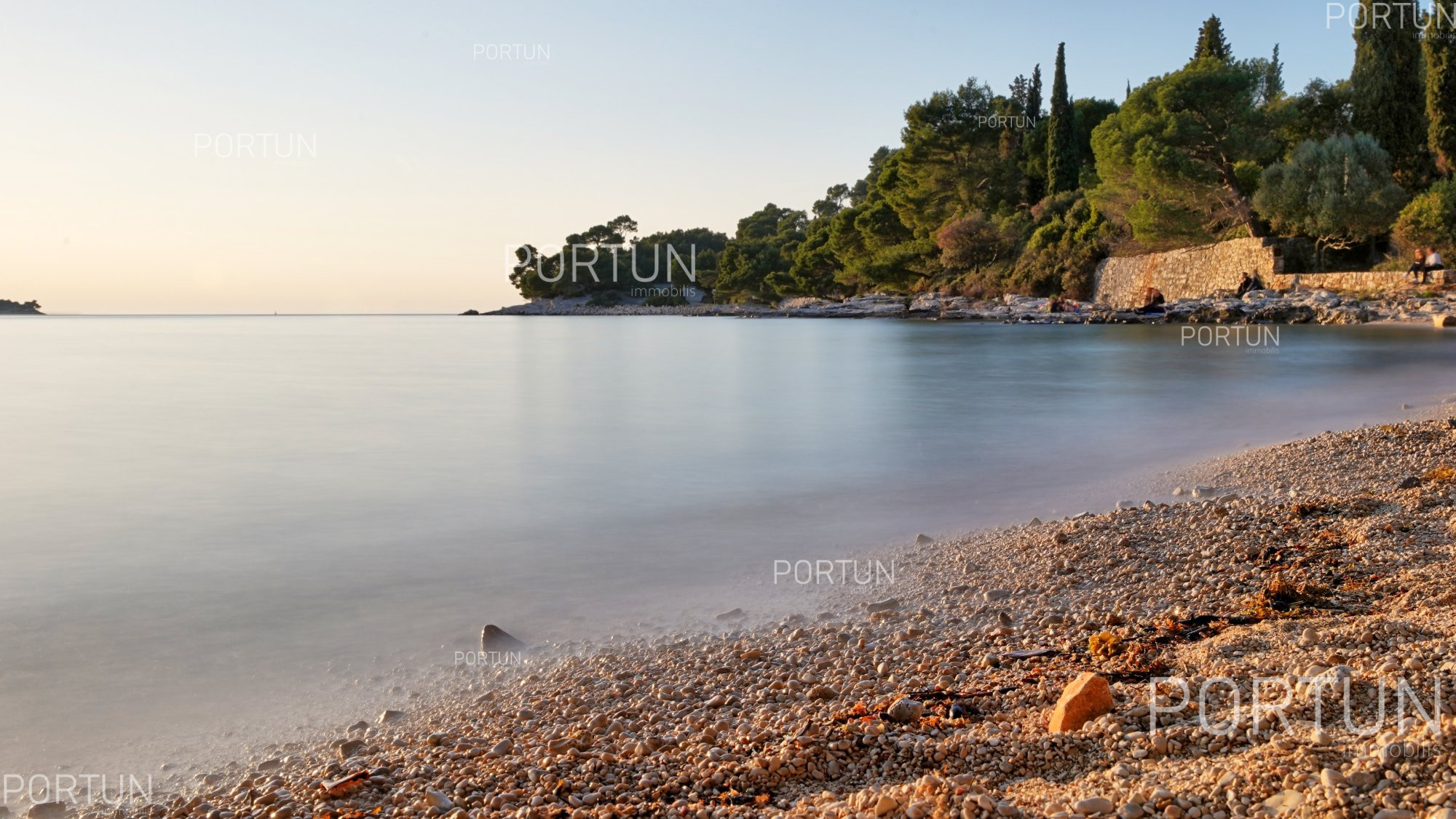
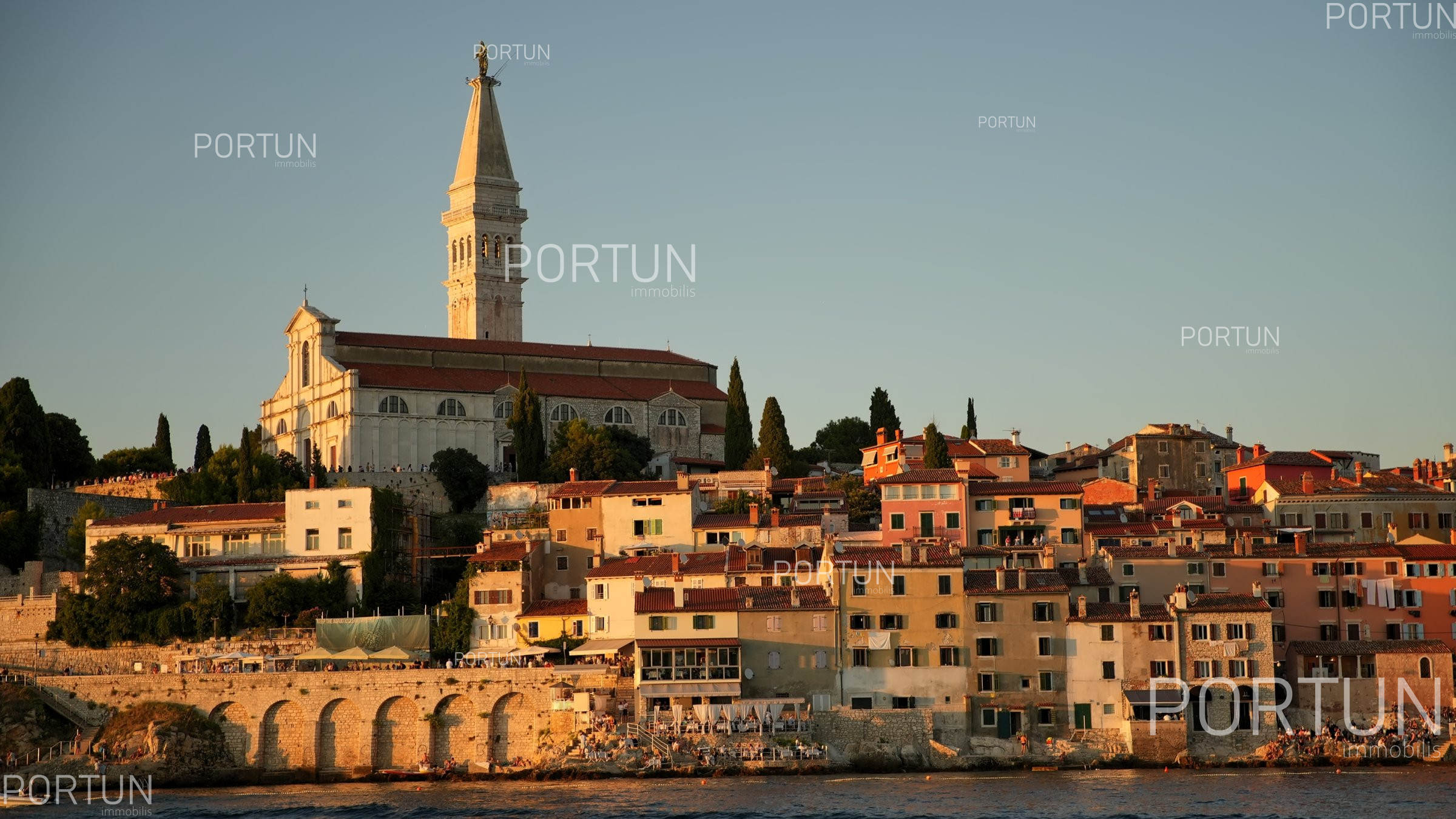
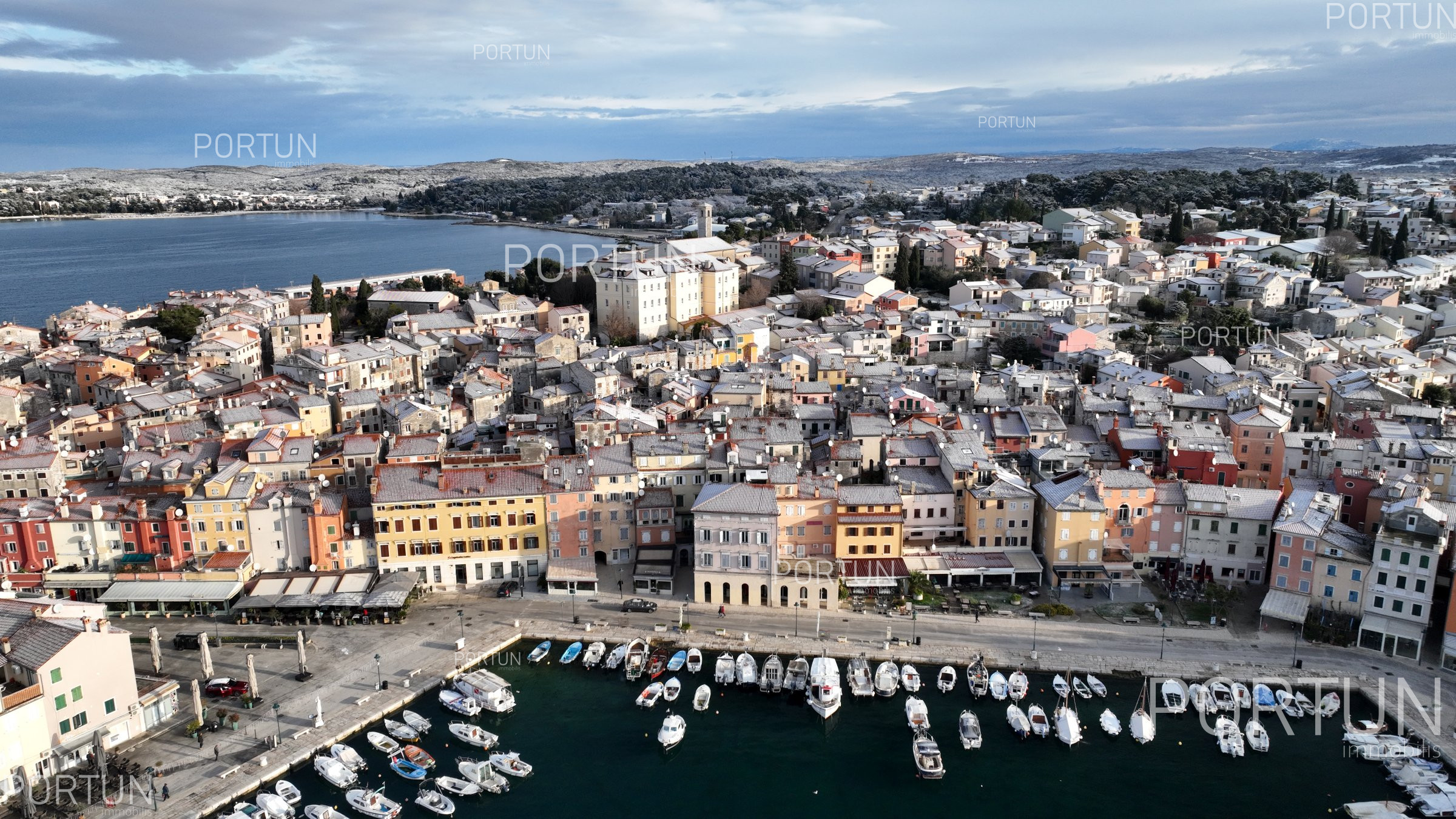
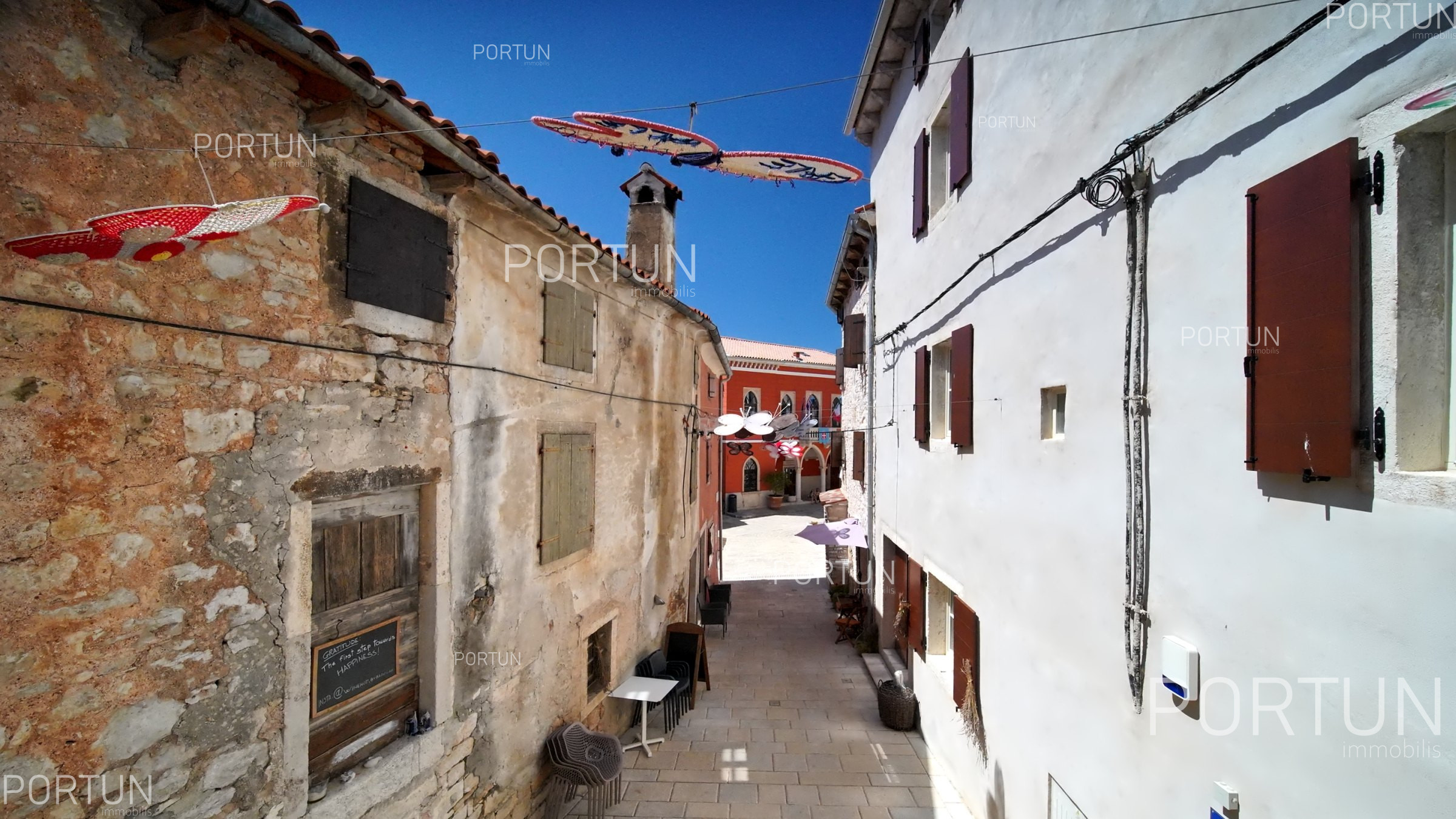
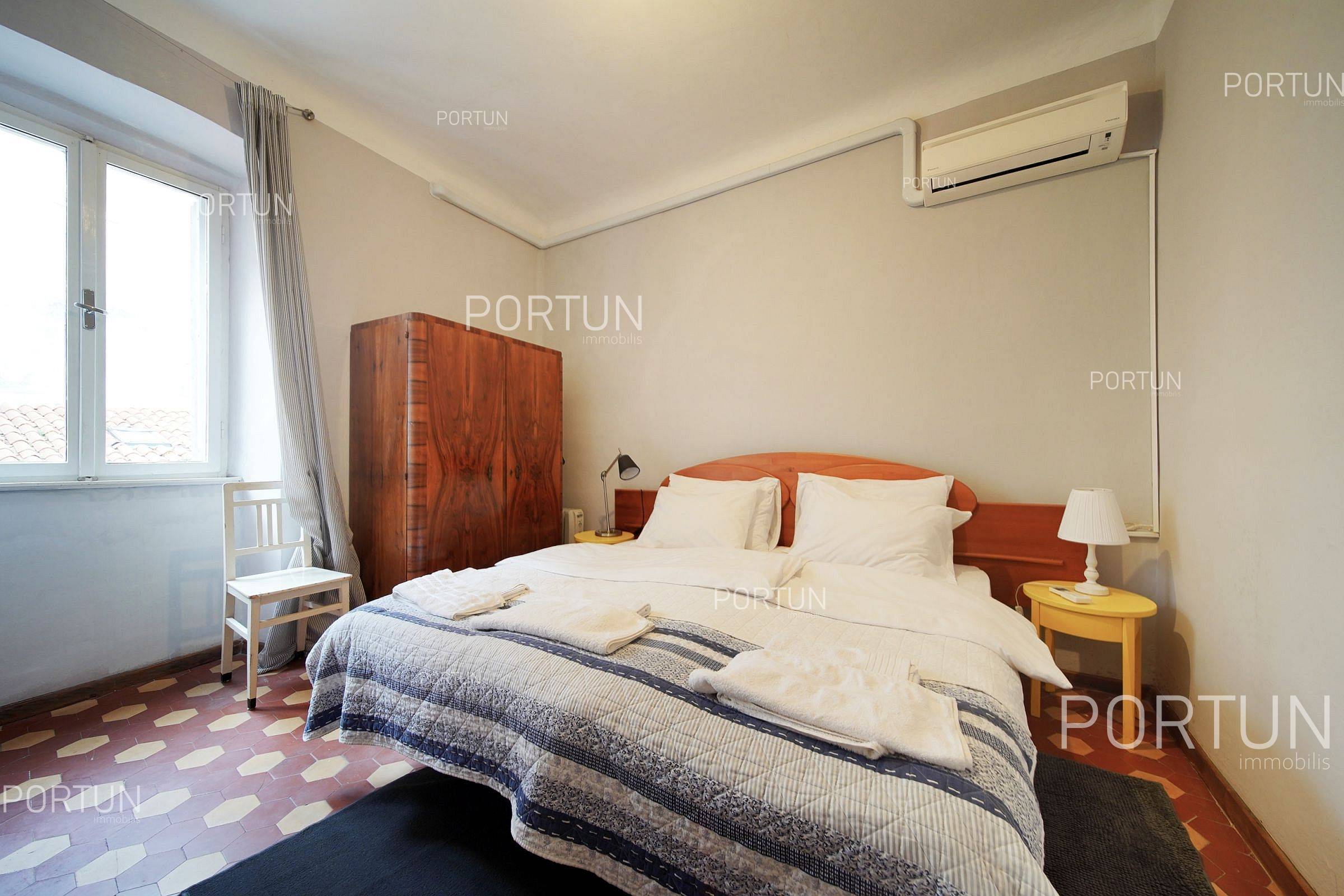
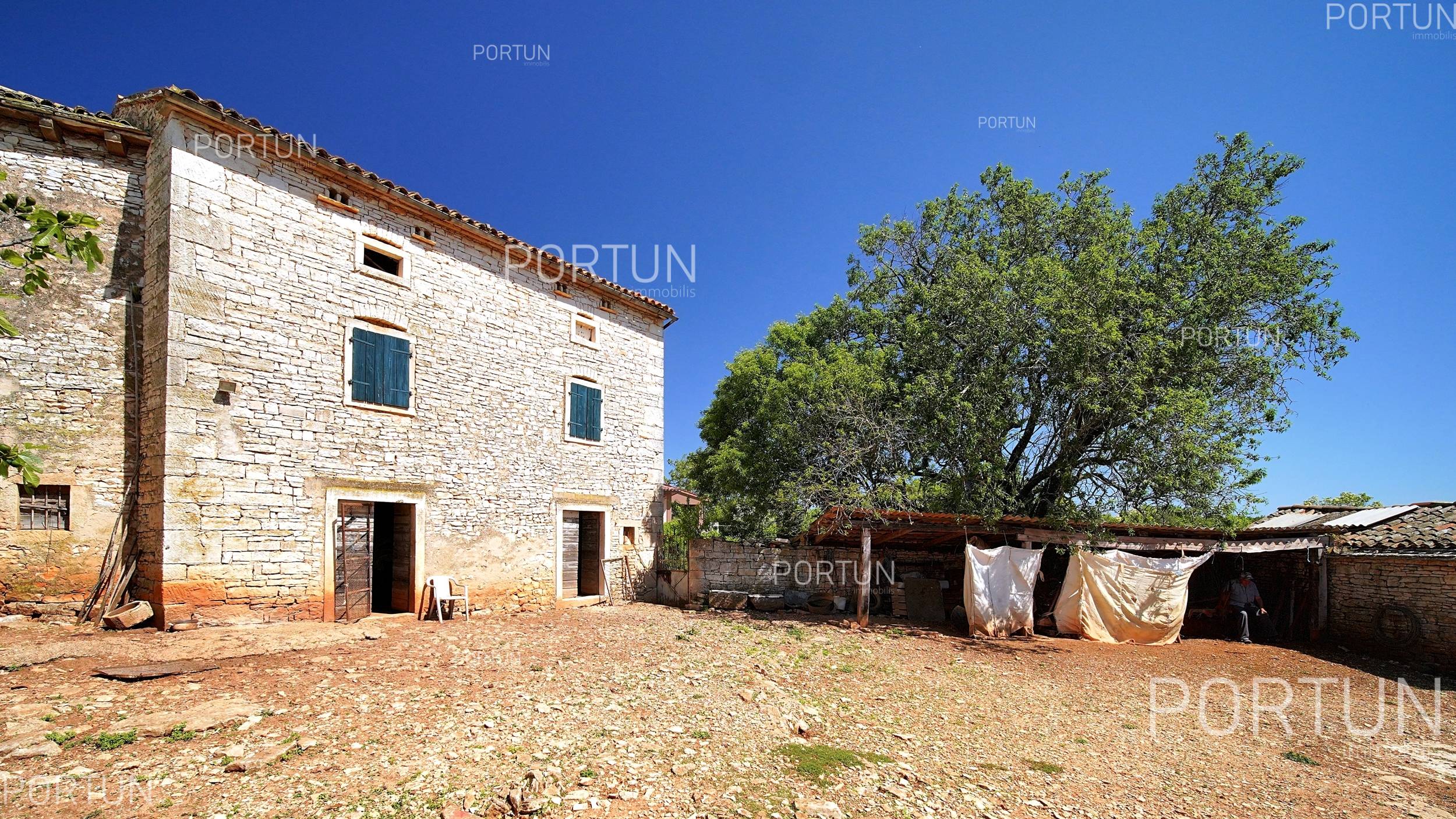
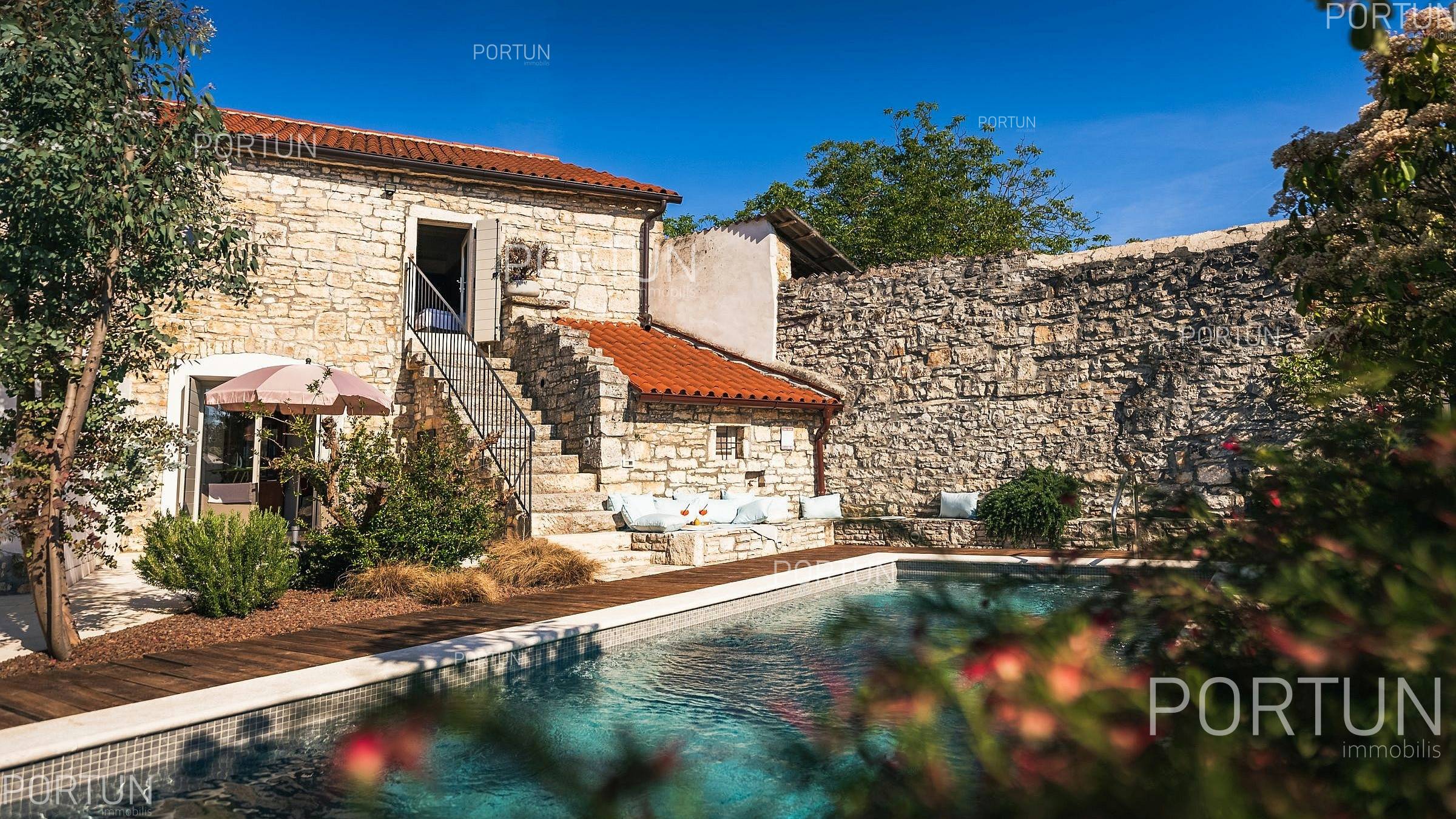
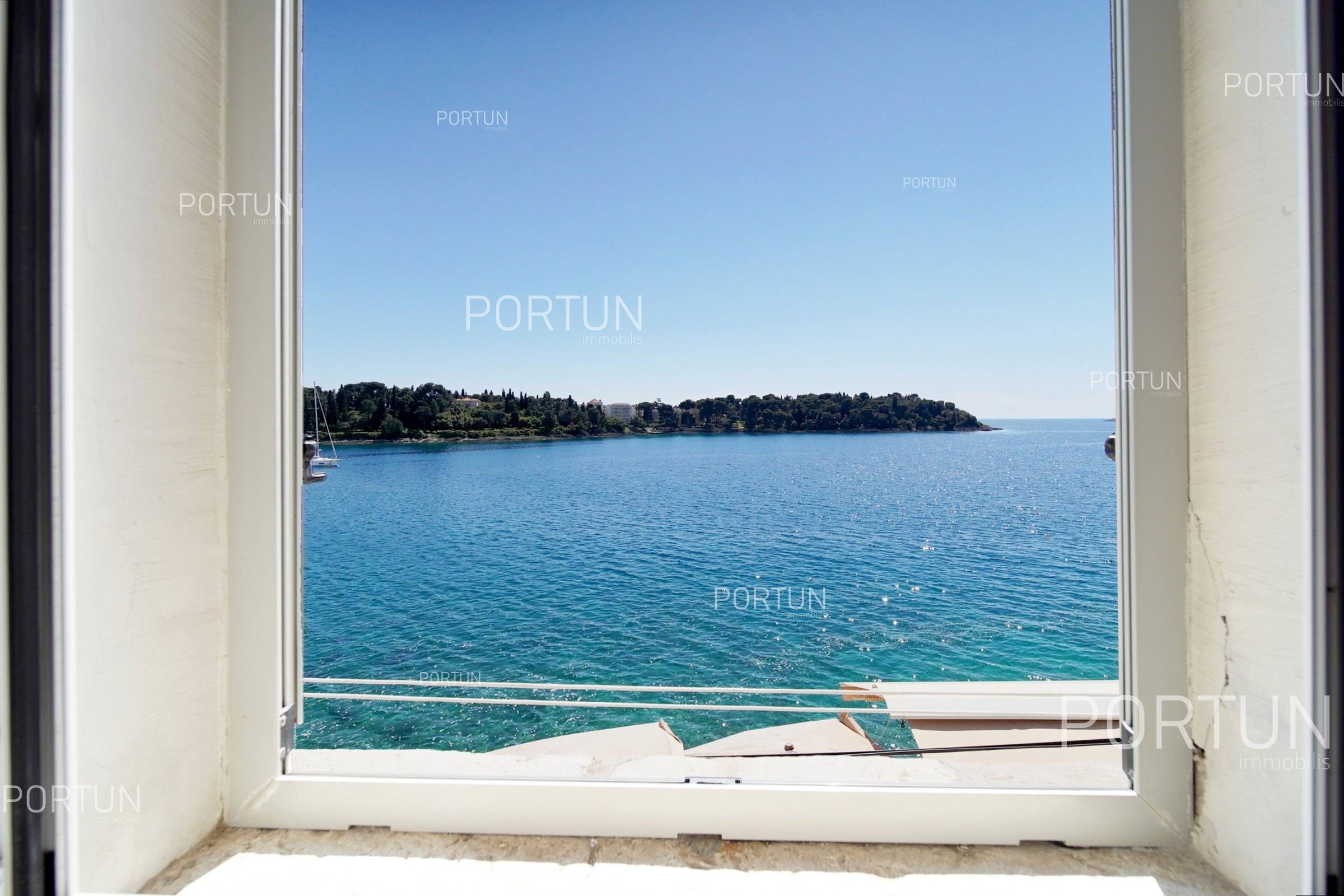
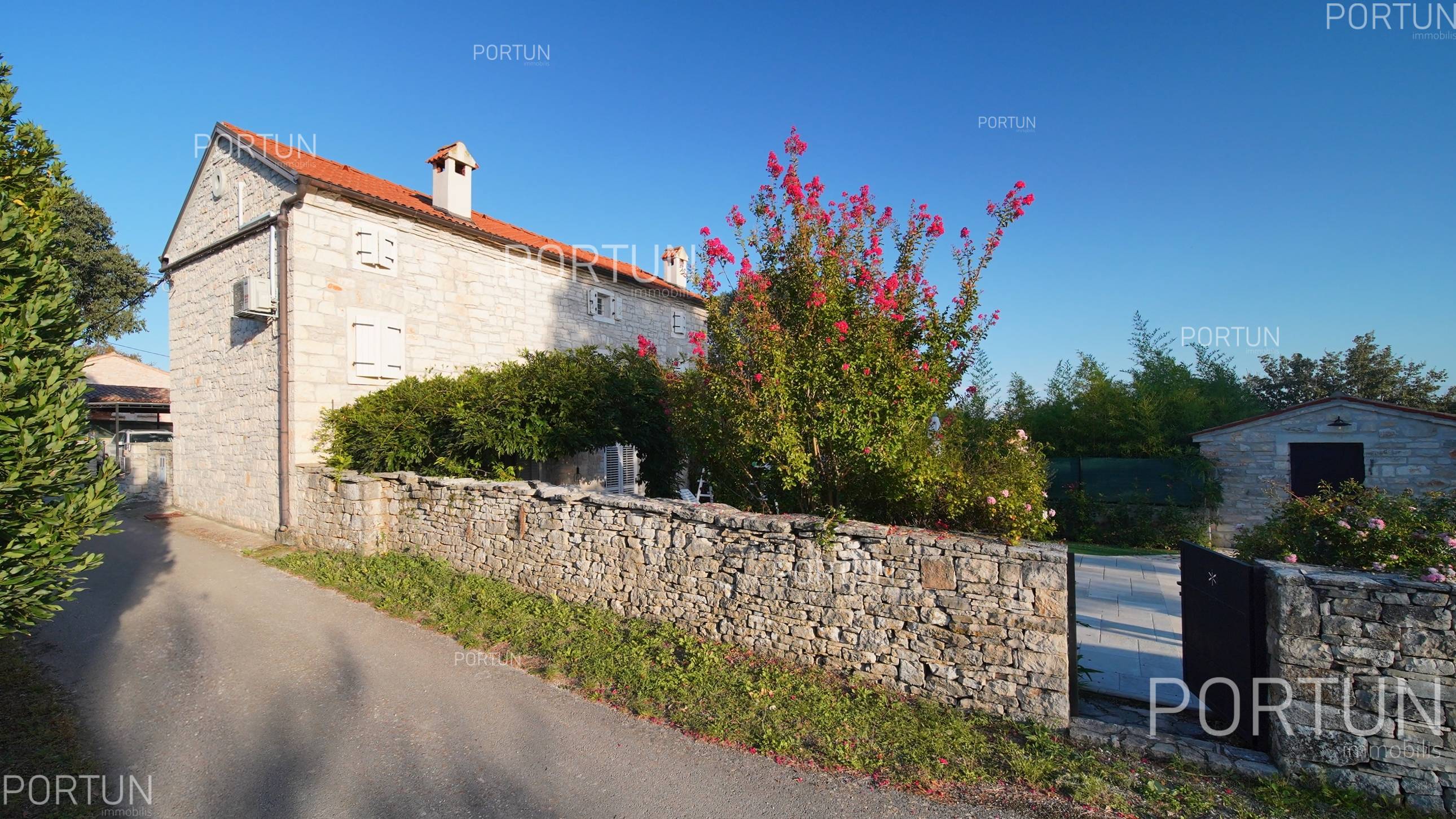
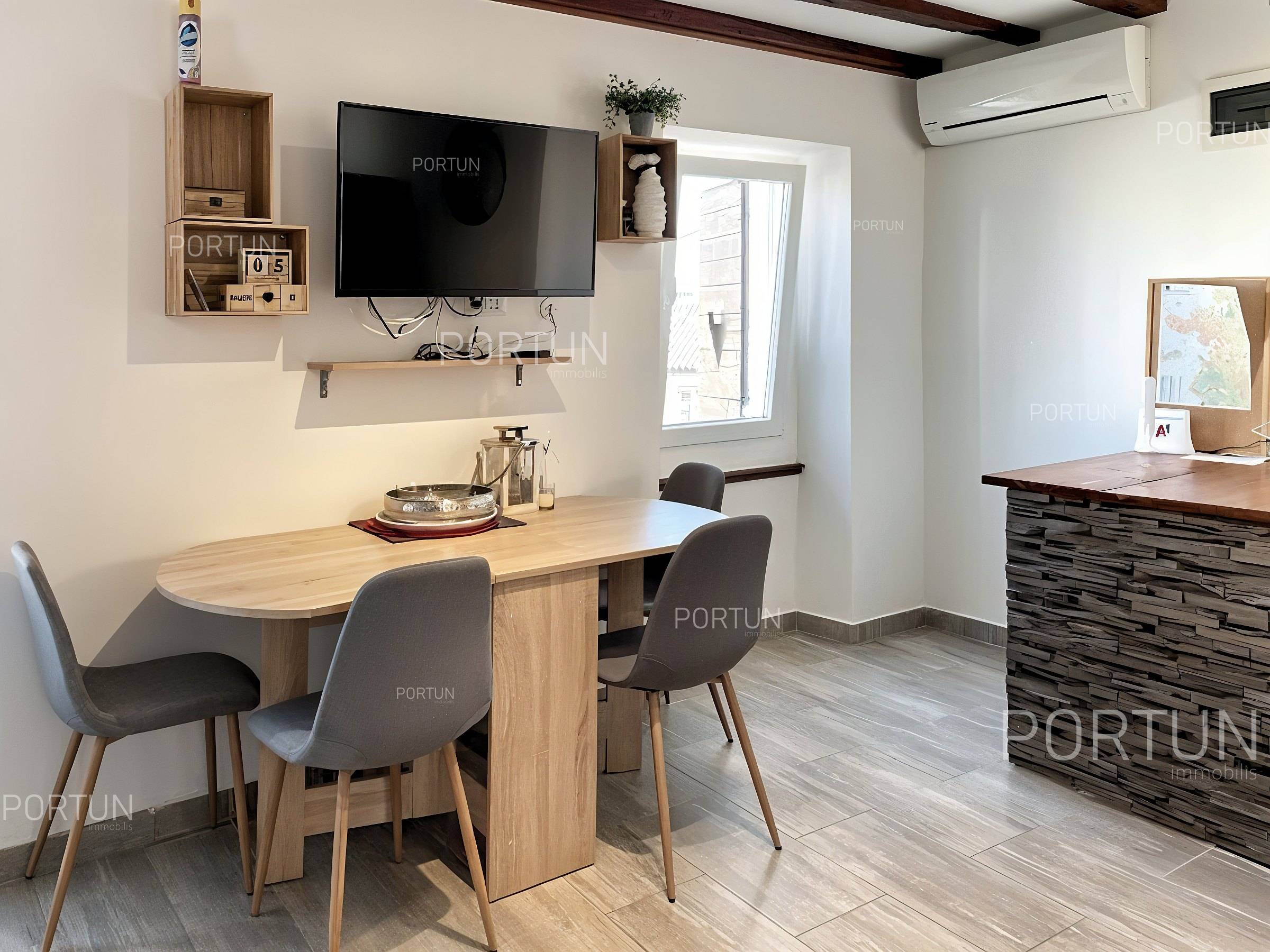
Stone houses in the old town
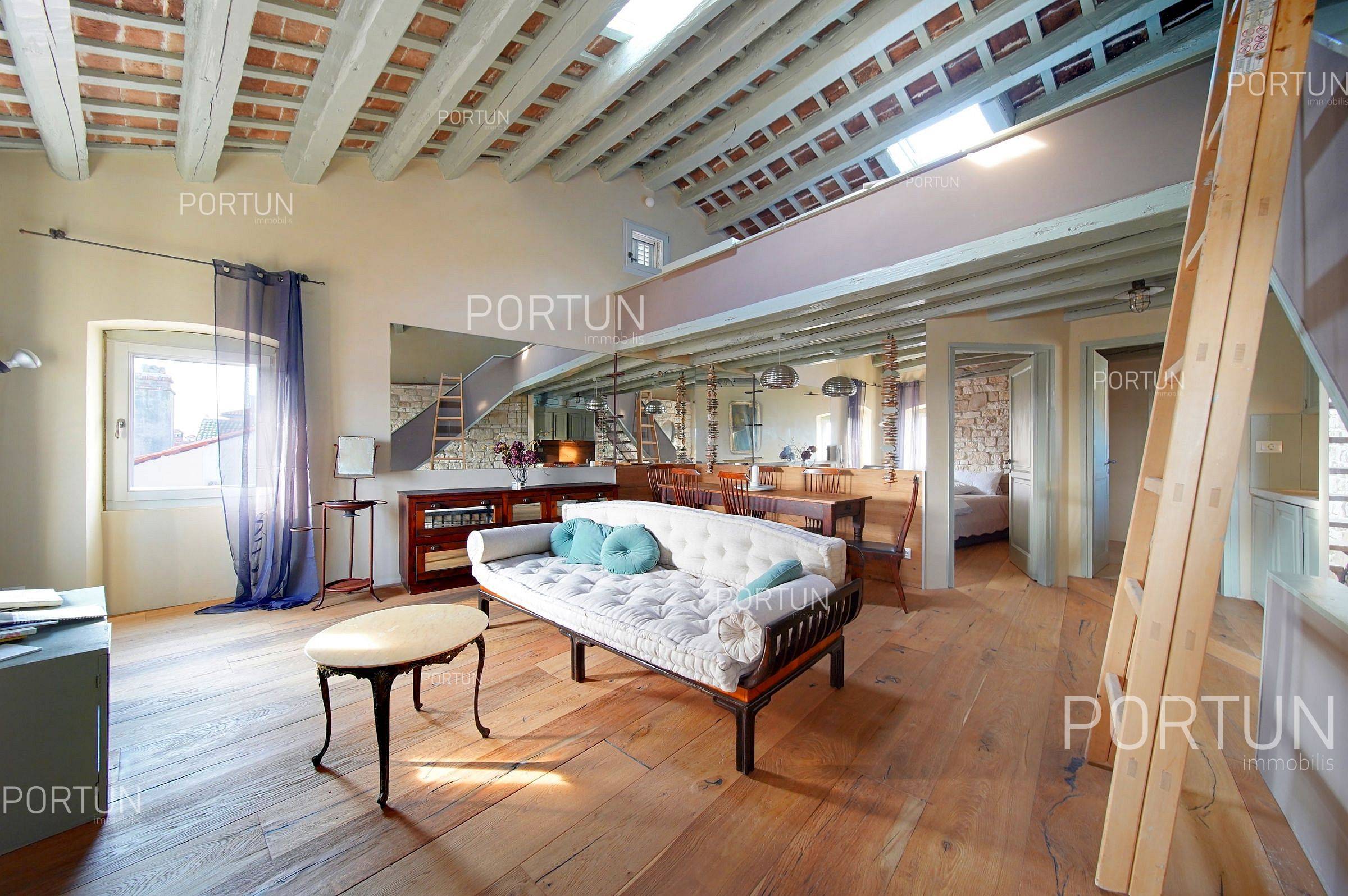
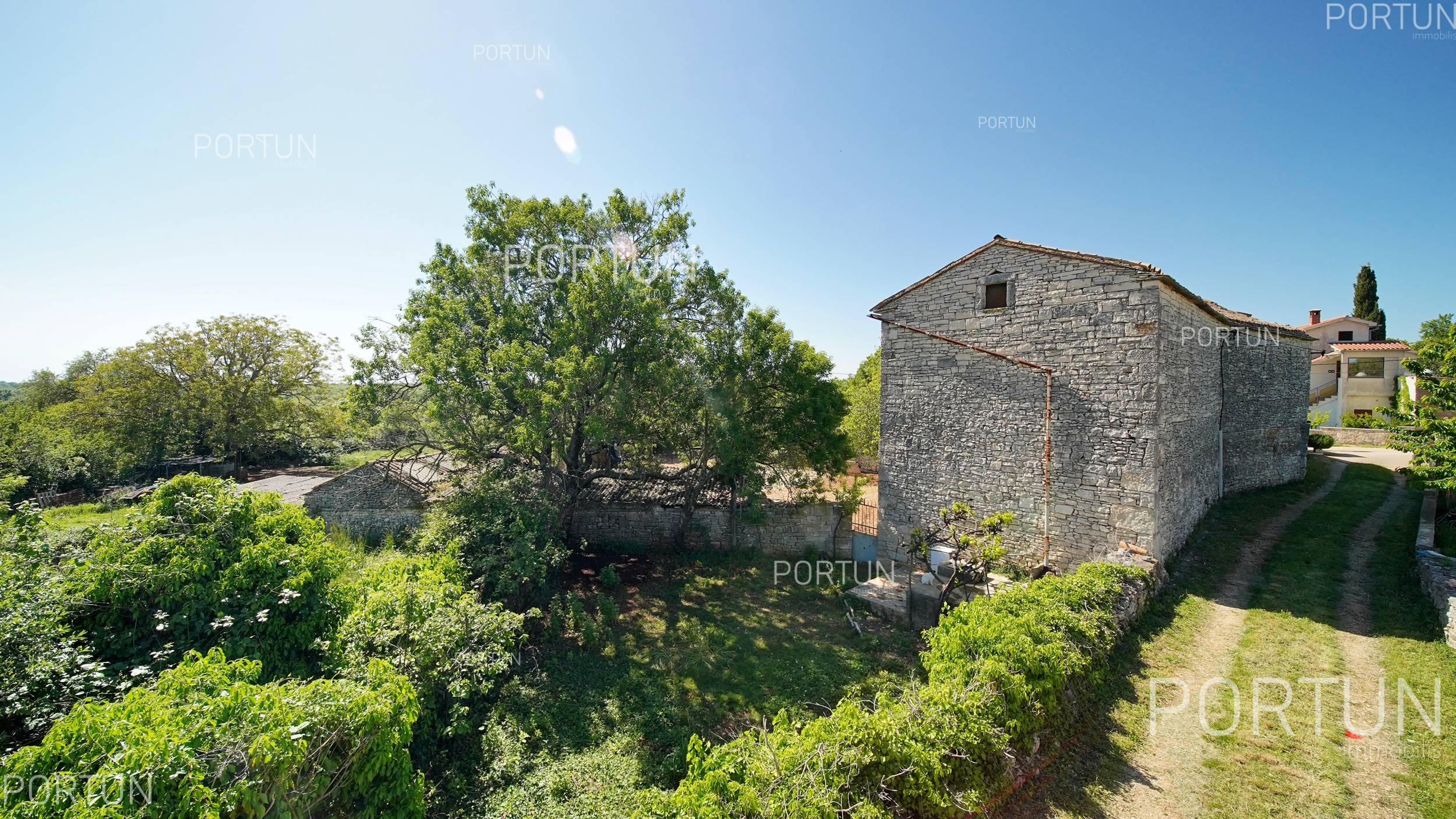
In the historic center, stone houses with multiple floors, narrow floor plans, and limited access are most common. Their value is primarily driven by location, atmosphere, and rarity, but buyers should also consider specific renovation and usage restrictions.
- vertical layouts across several floors
- parking is usually not included and significantly affects value
- stricter renovation rules, especially for facades
- renovations are logistically more complex and often more expensive
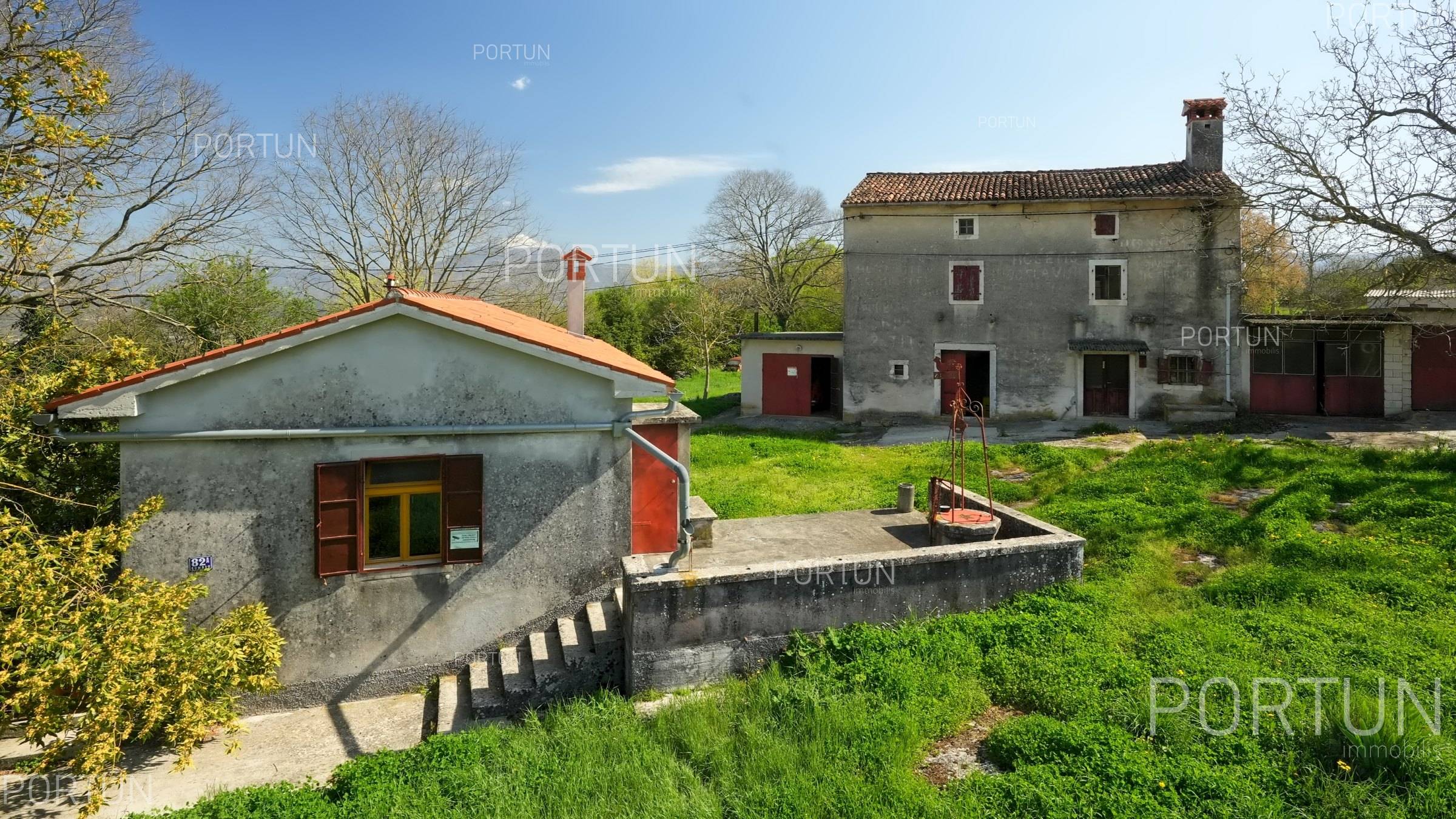
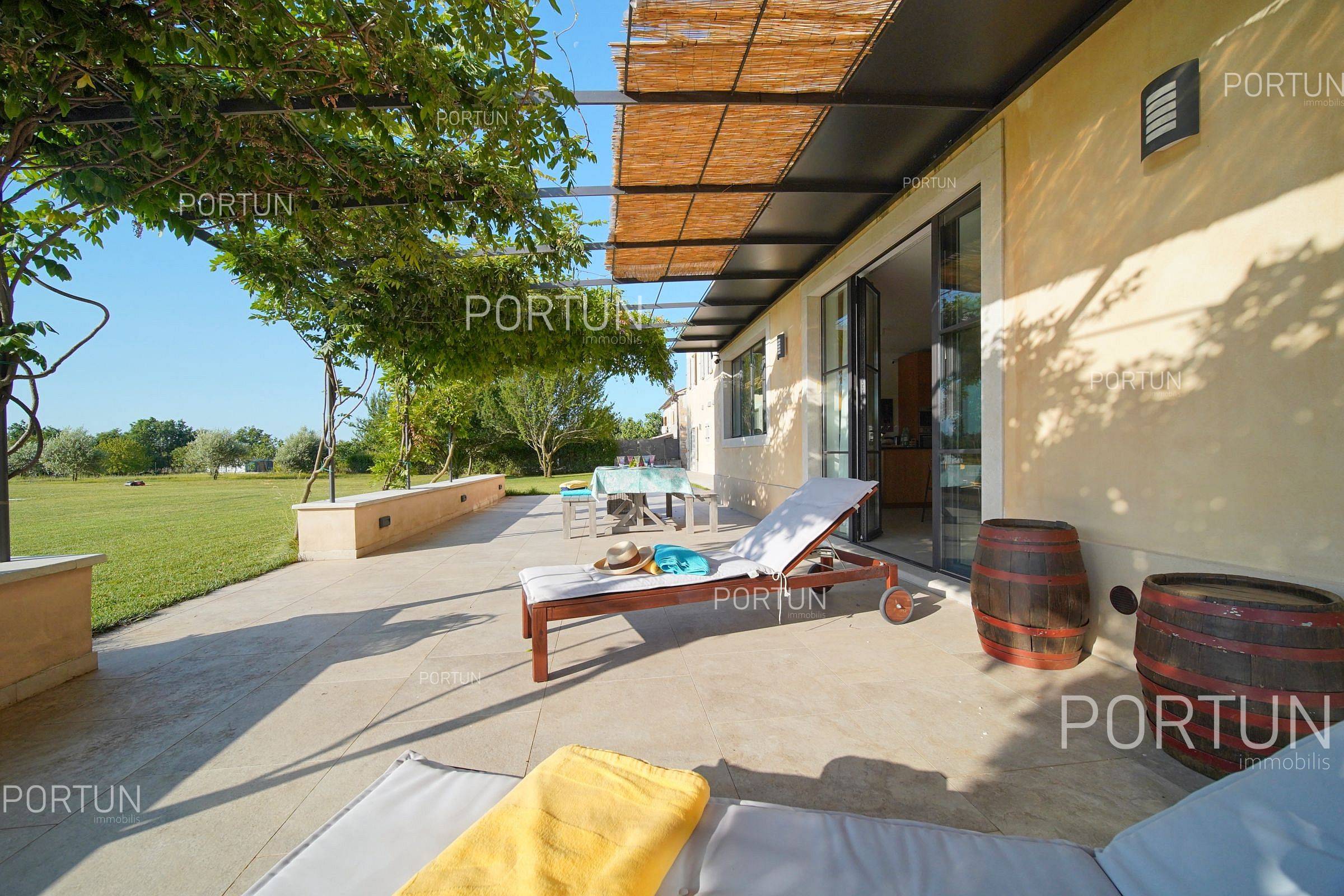
Family houses from the 1960s and 1970s in the wider center
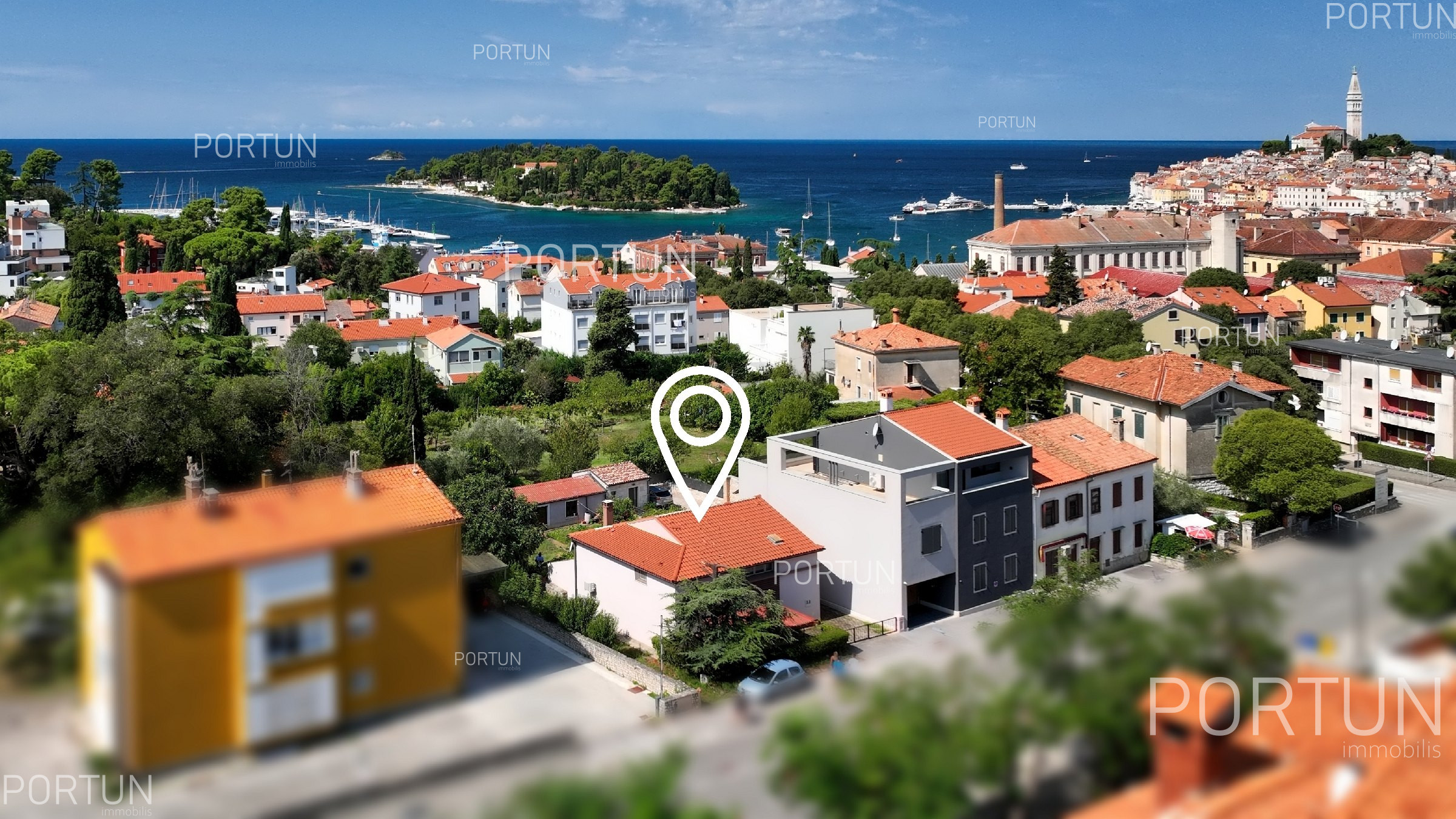
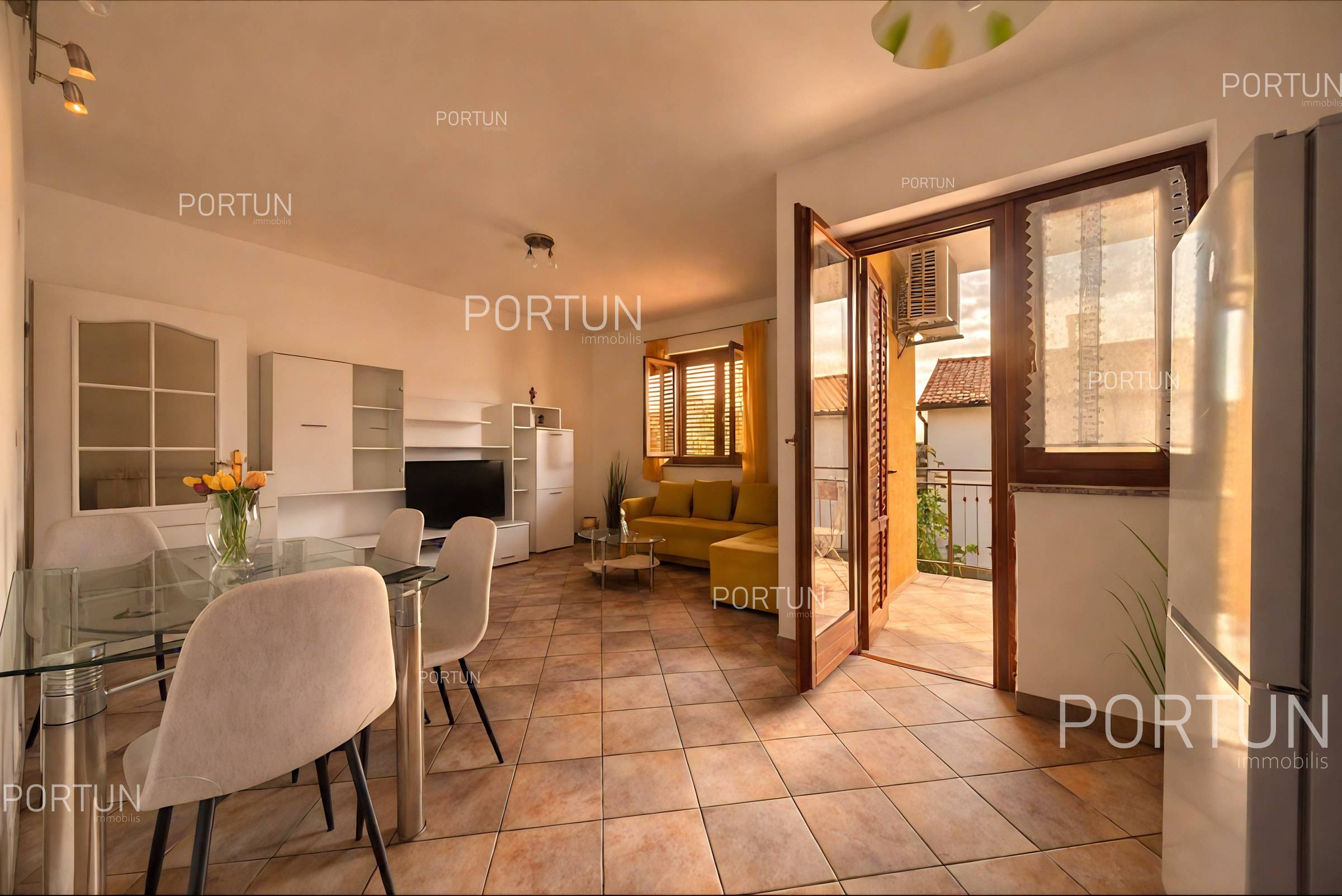
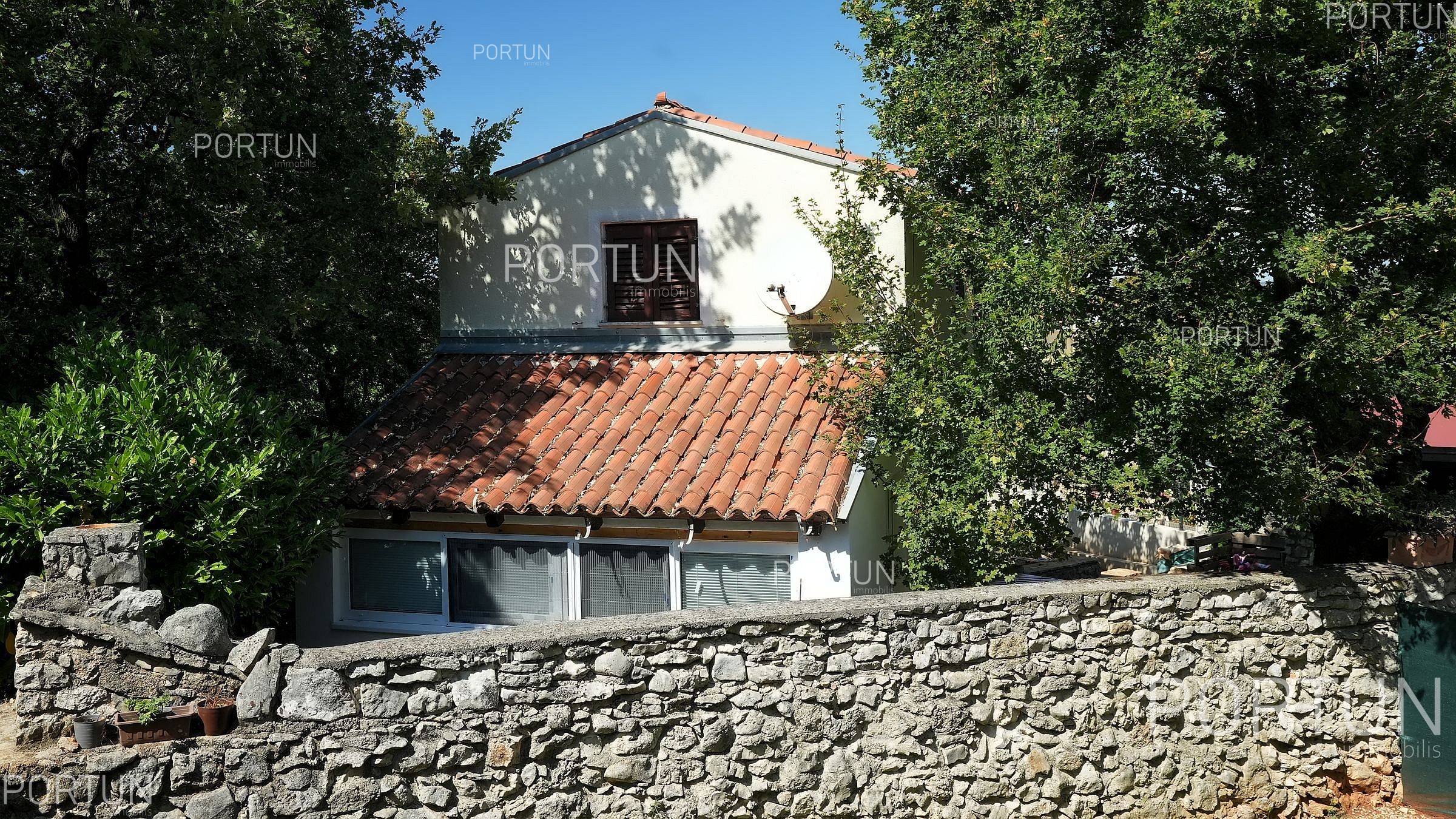
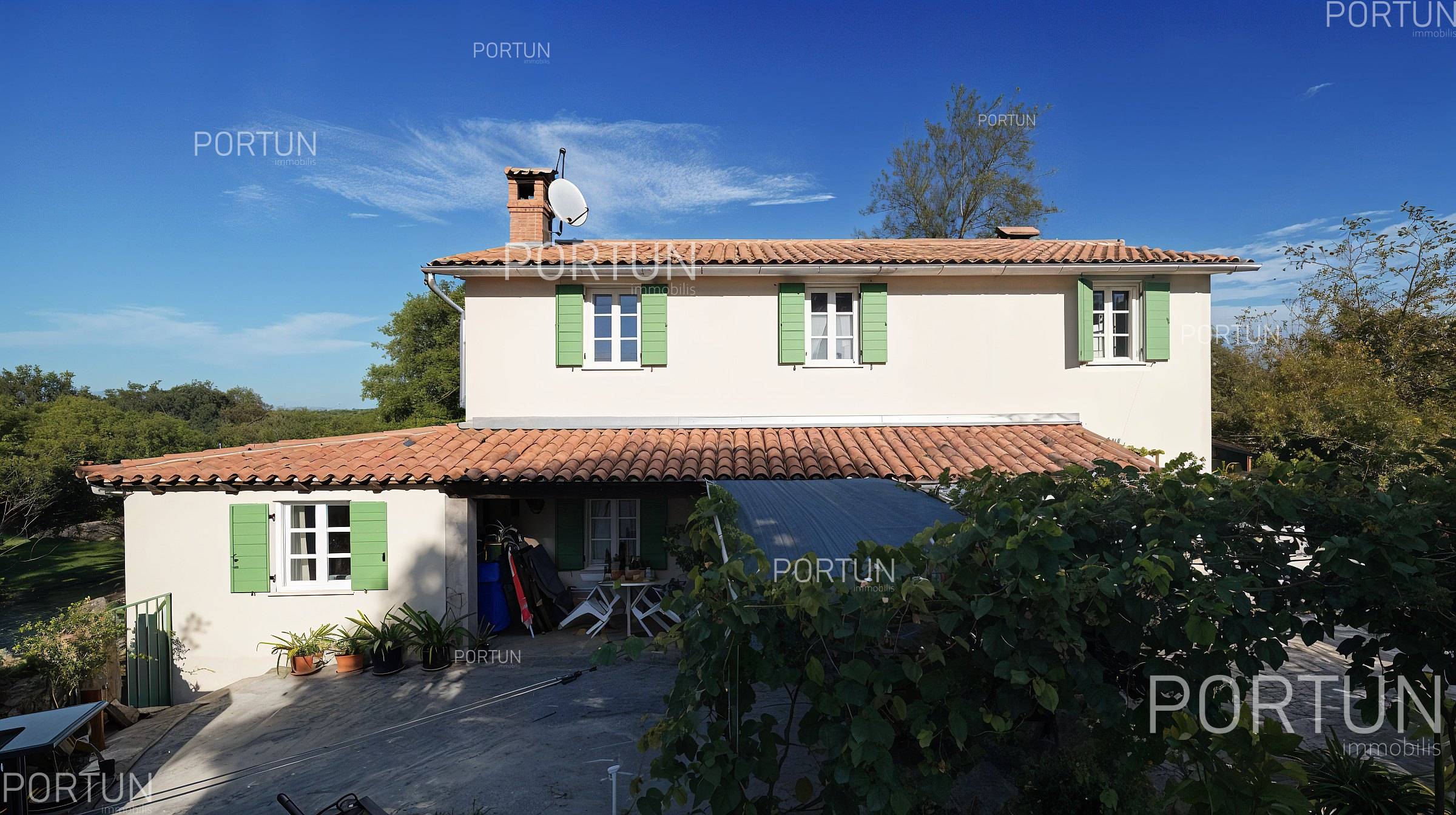
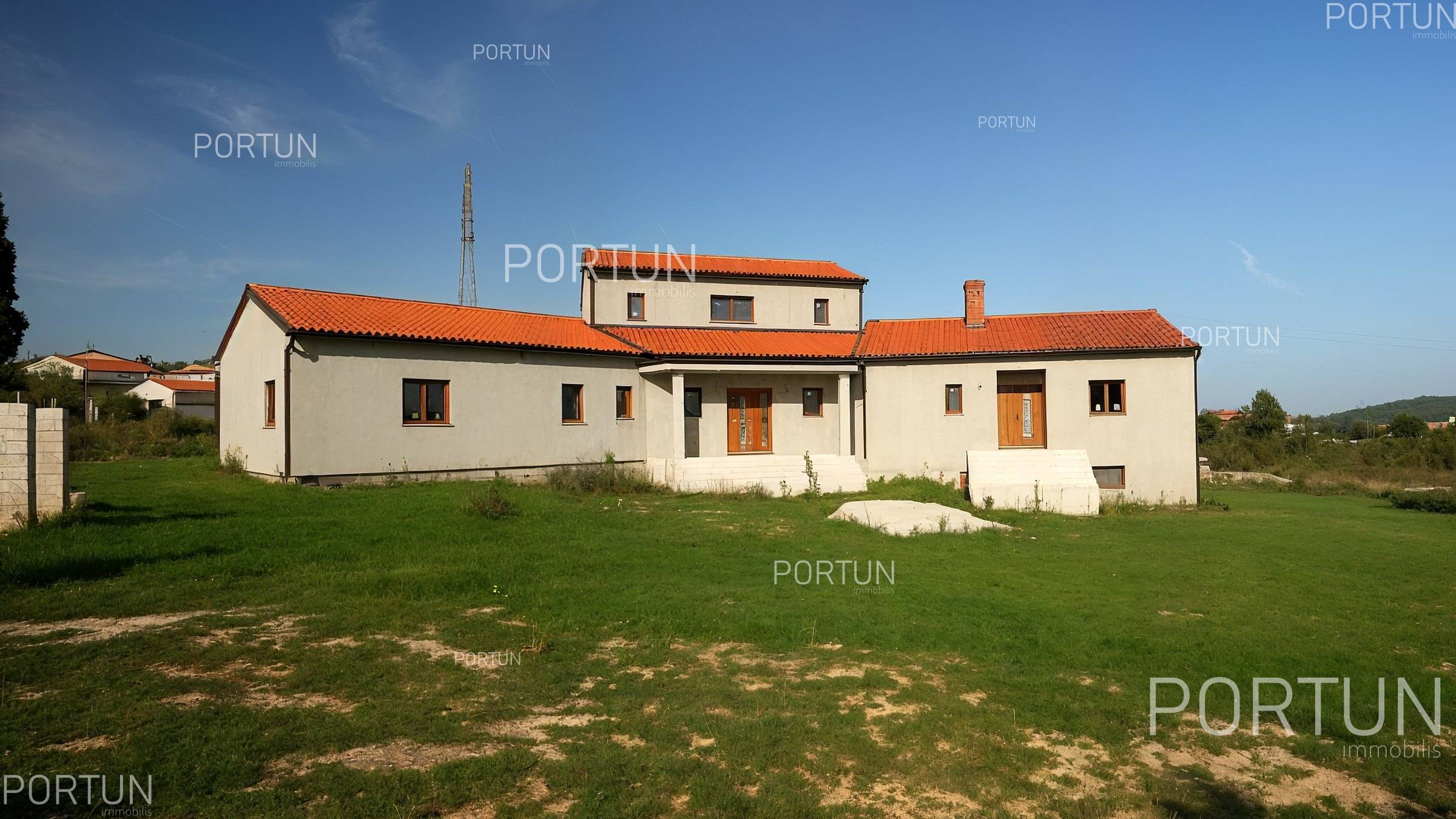
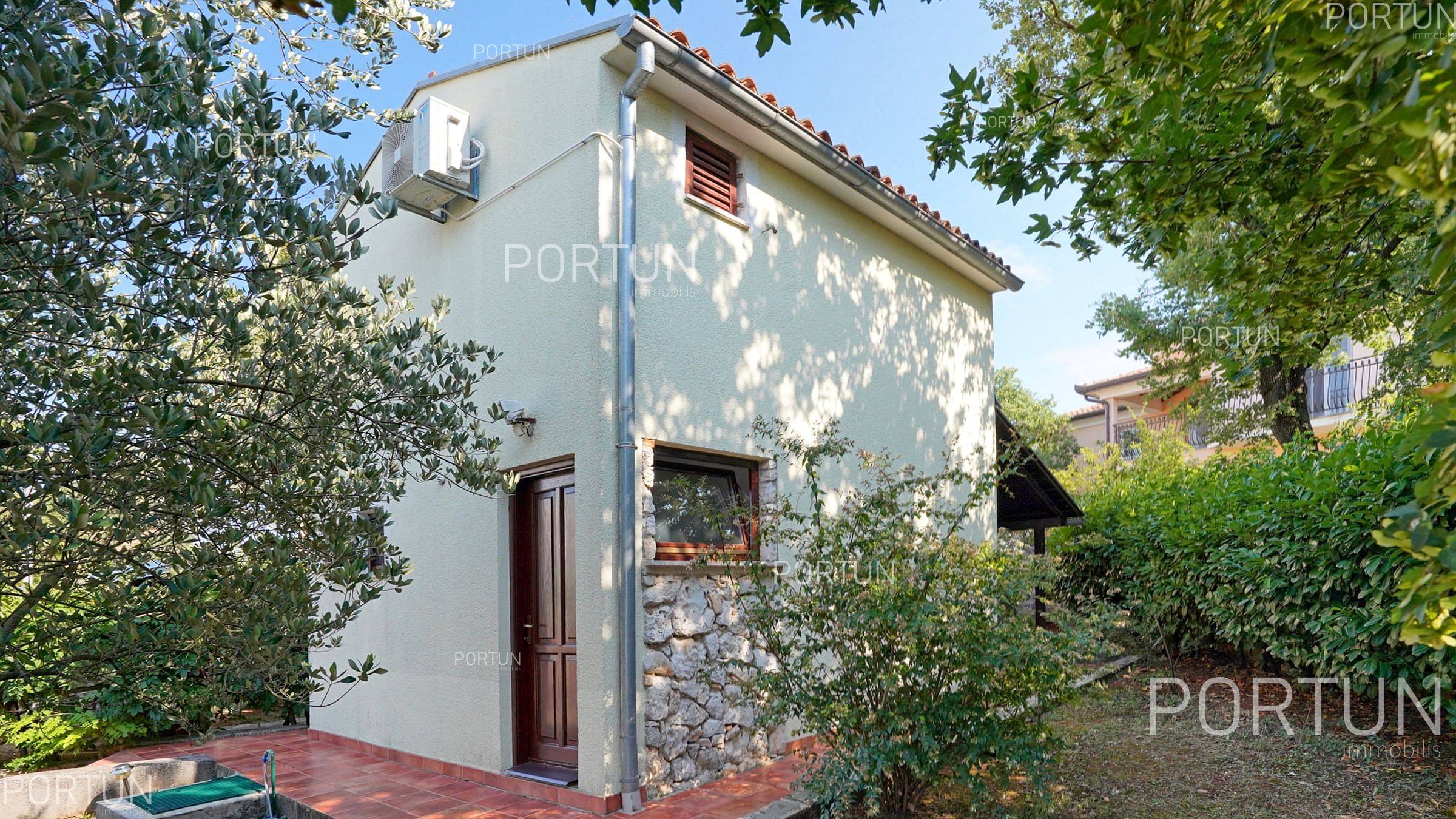
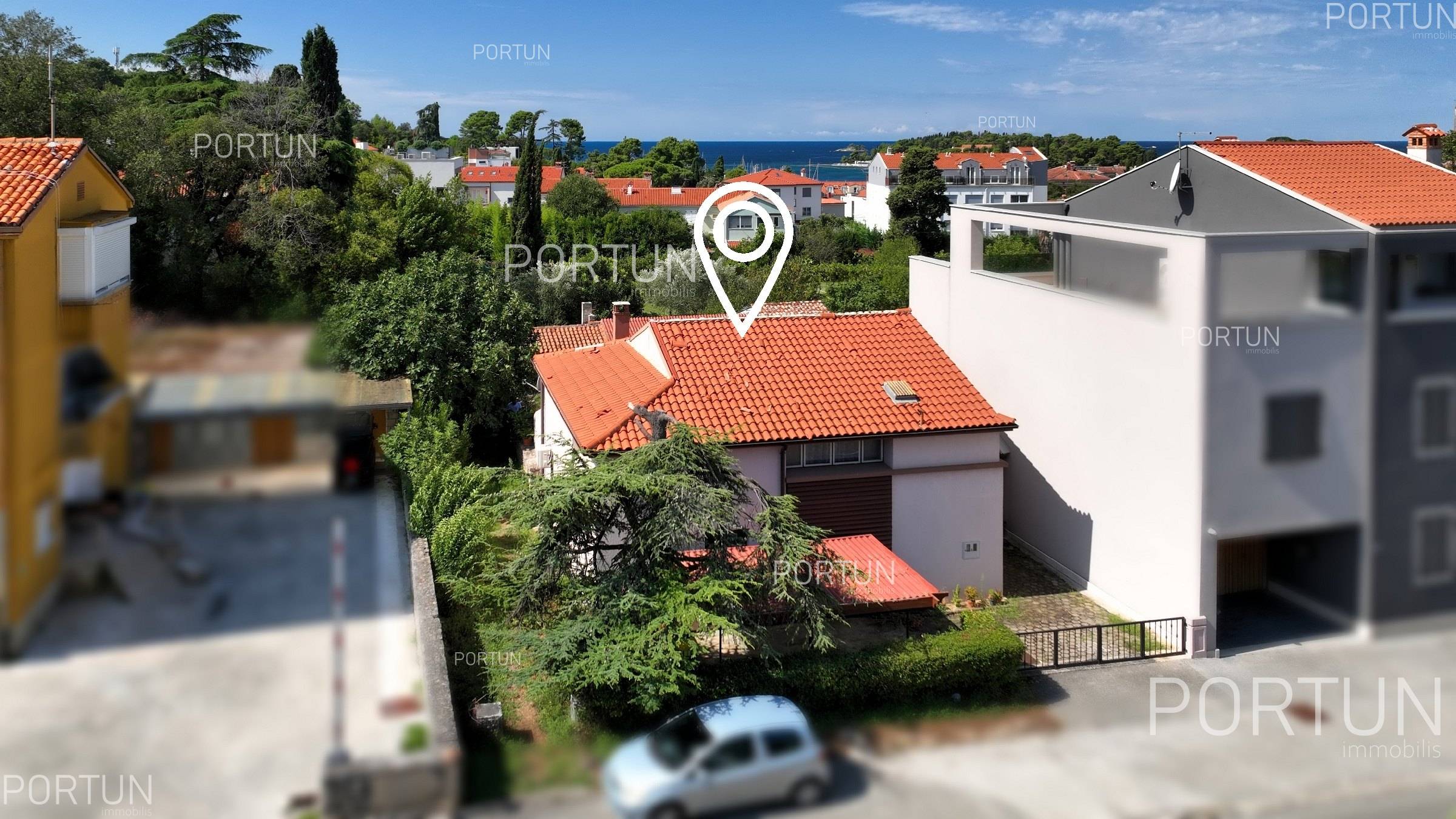
In the wider city center, houses originally built for permanent living are more common. These are usually detached or semi-detached houses with one or two residential units and often represent a balanced option between location, functionality, and renovation potential.
- typically one or two residential units
- often require upgrades to installations and energy efficiency
- good potential for long-term family living
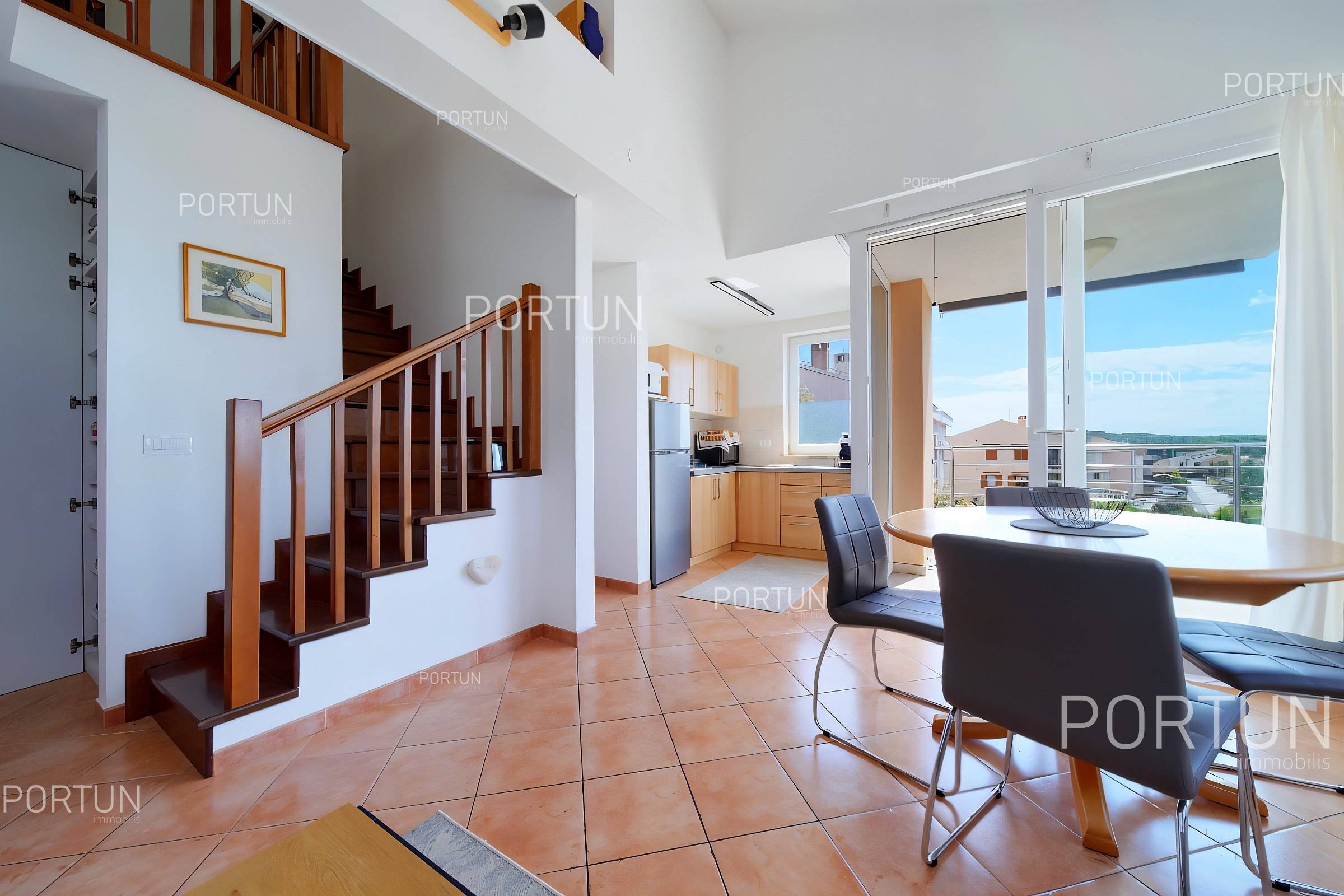
Apartment houses with four or more units
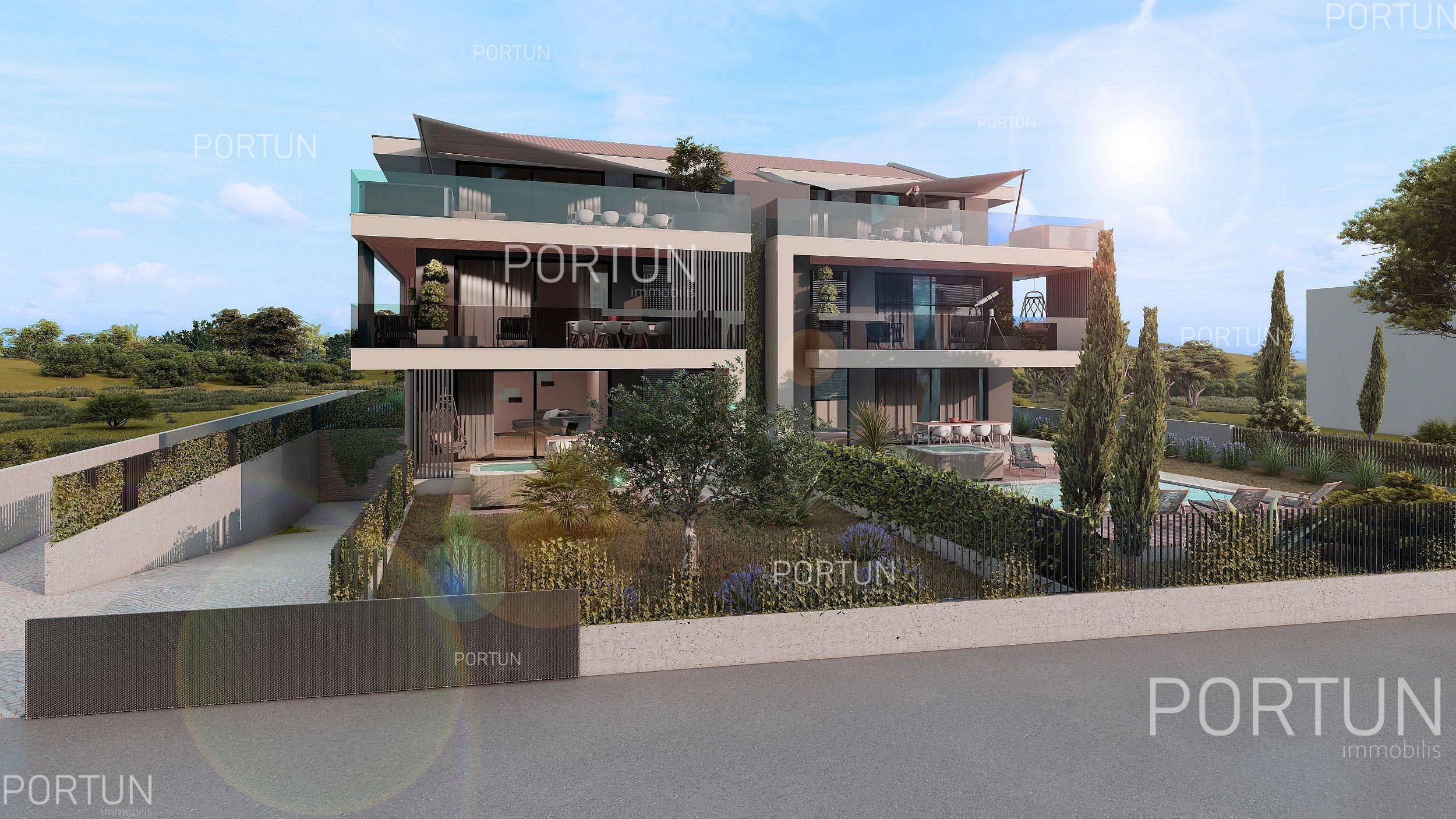
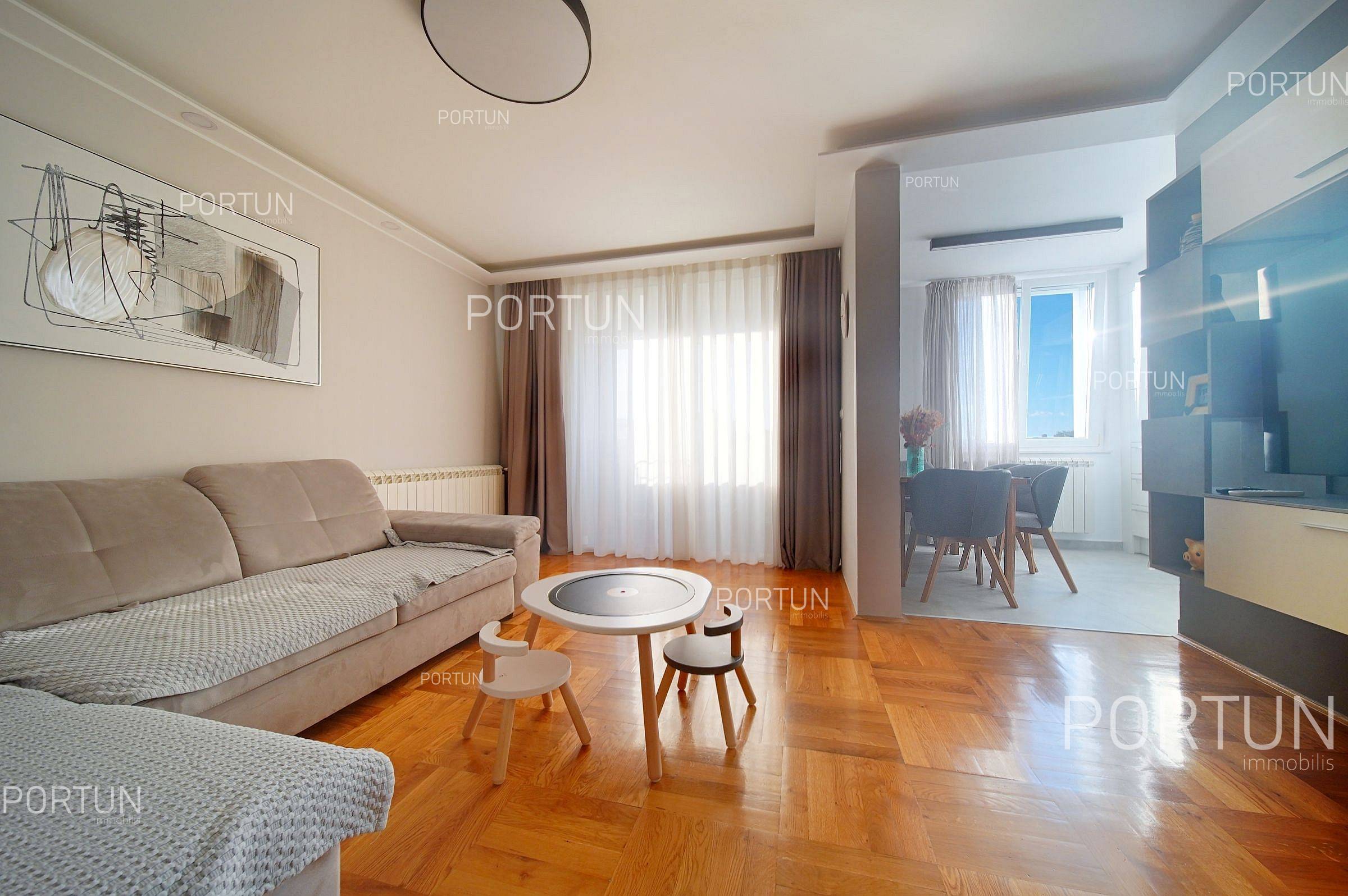
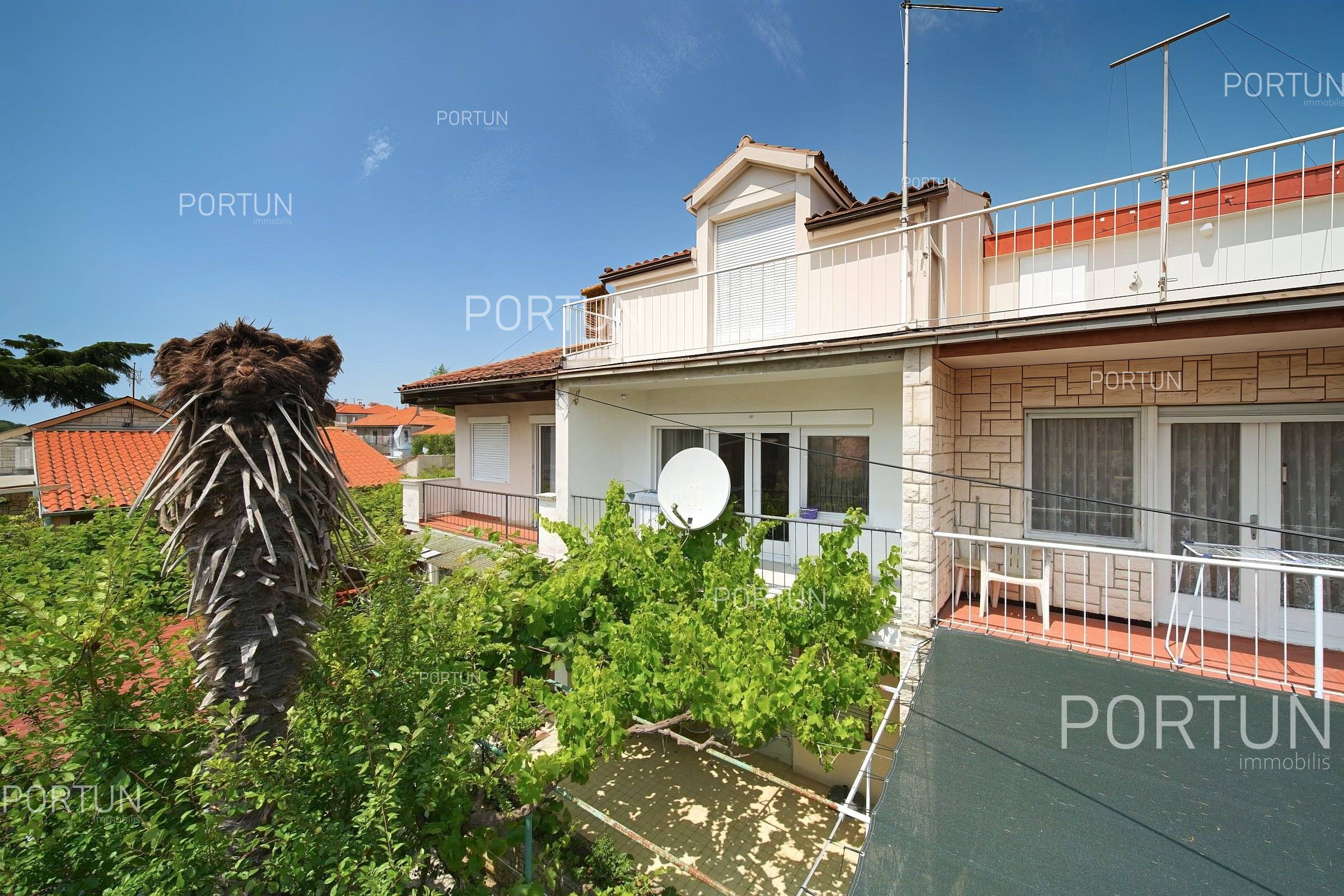
Apartment houses, mostly built or expanded during the 1990s and early 2000s, contain multiple residential units and often combine private use with rental potential. Thorough legal checks are essential for this category.
- multiple apartments, often four or more
- phased extensions require careful documentation review
- condominium registration and legality of all extensions are crucial
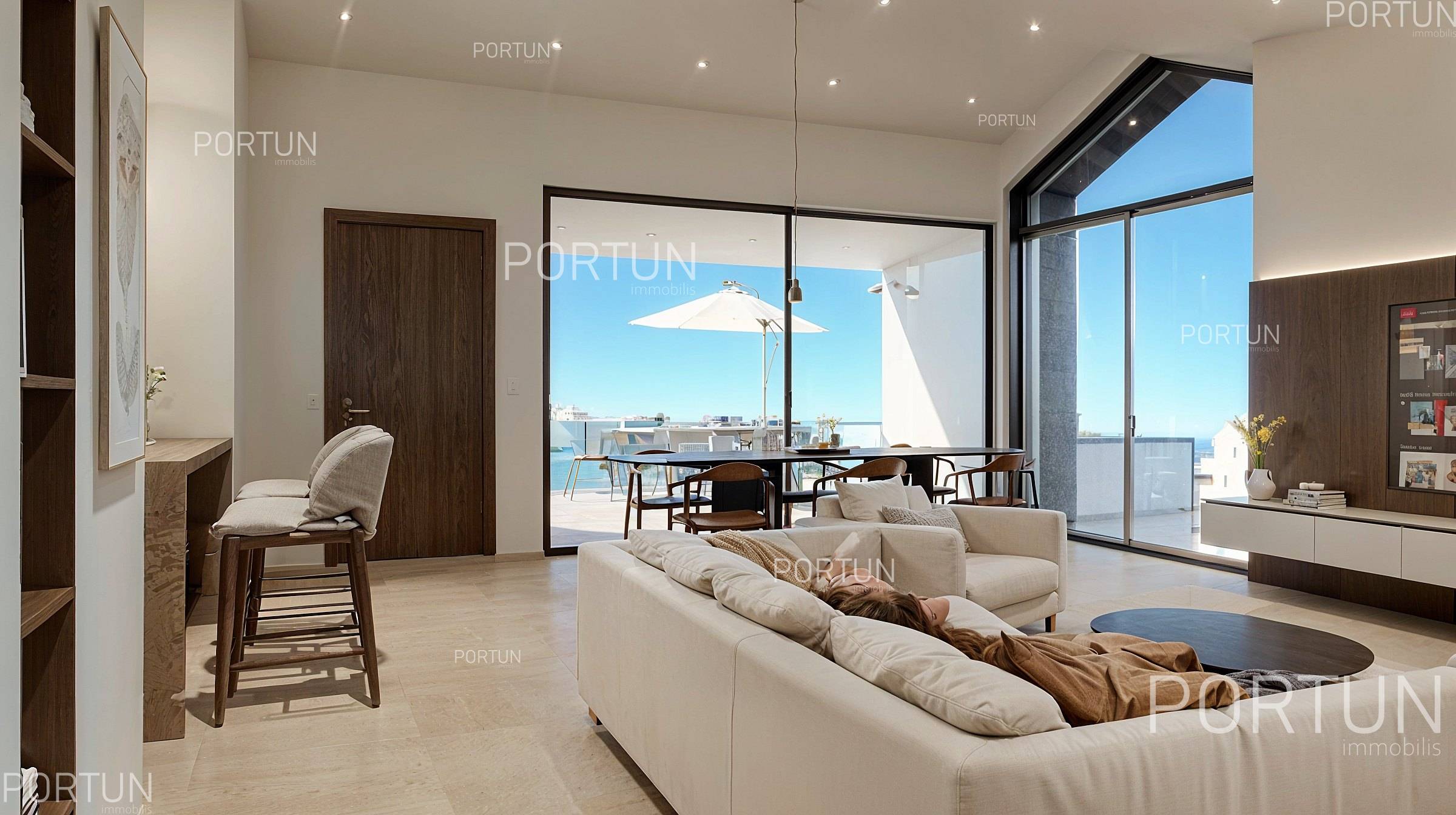
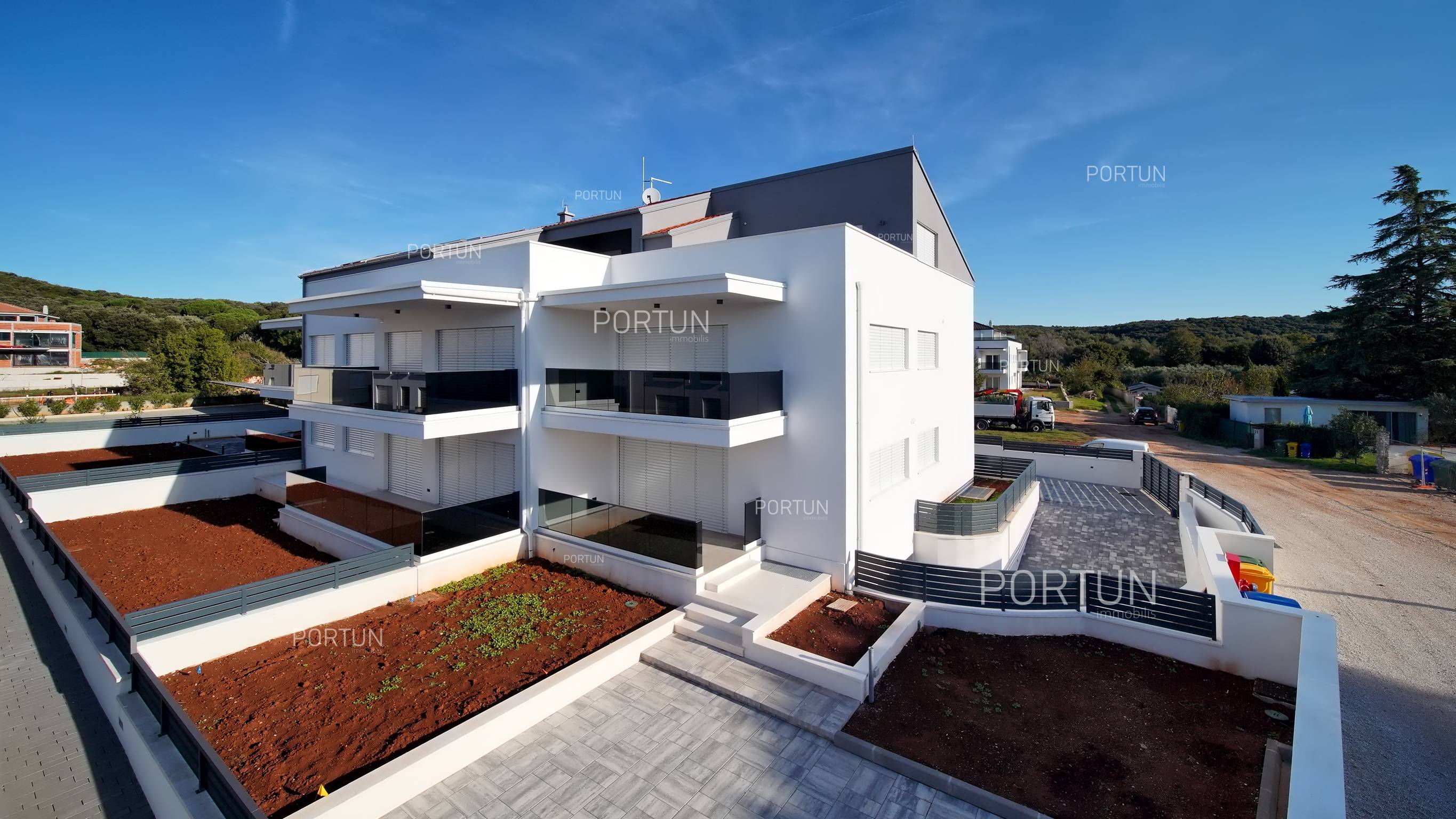
Newer, smaller modern houses
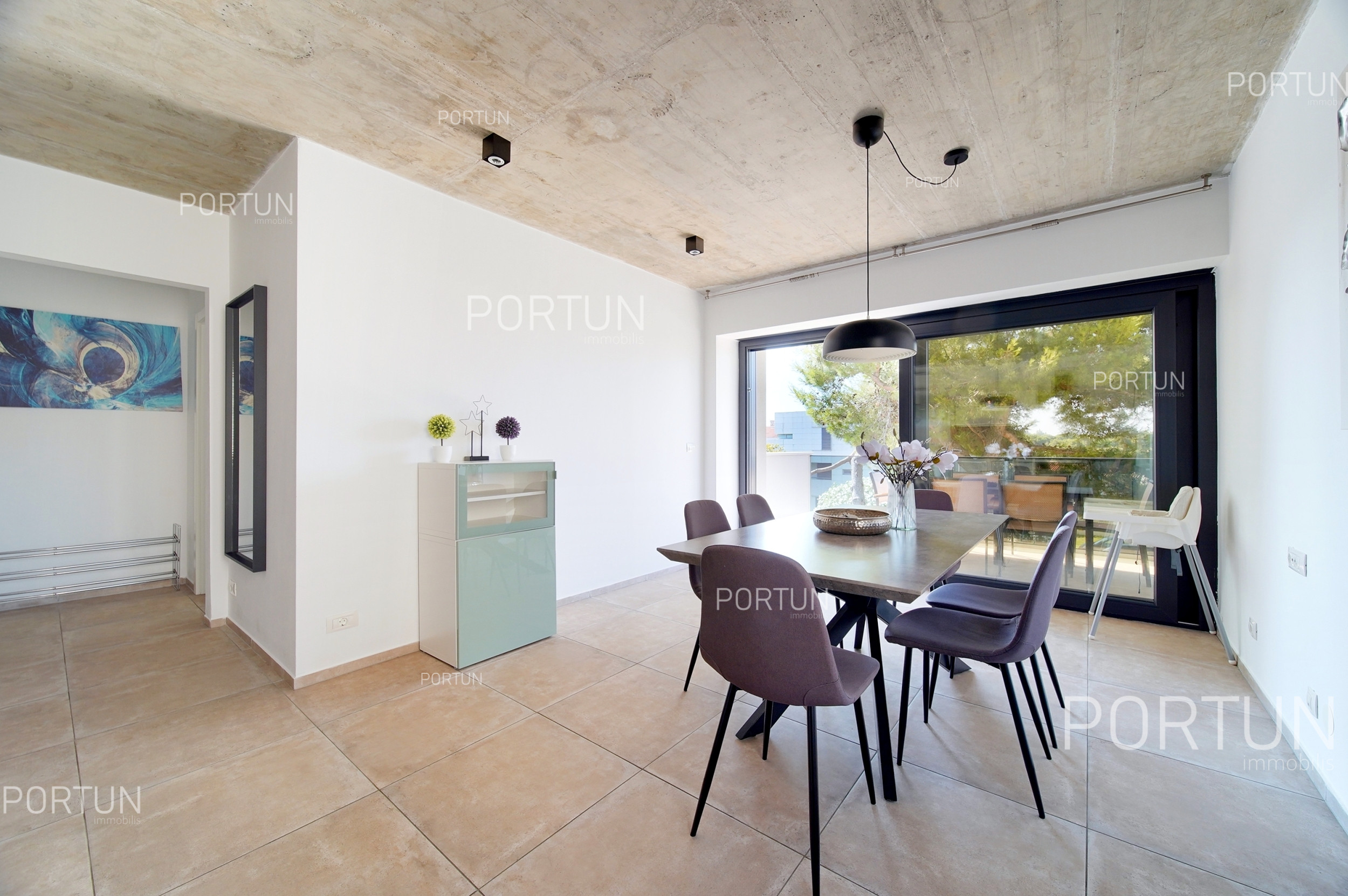
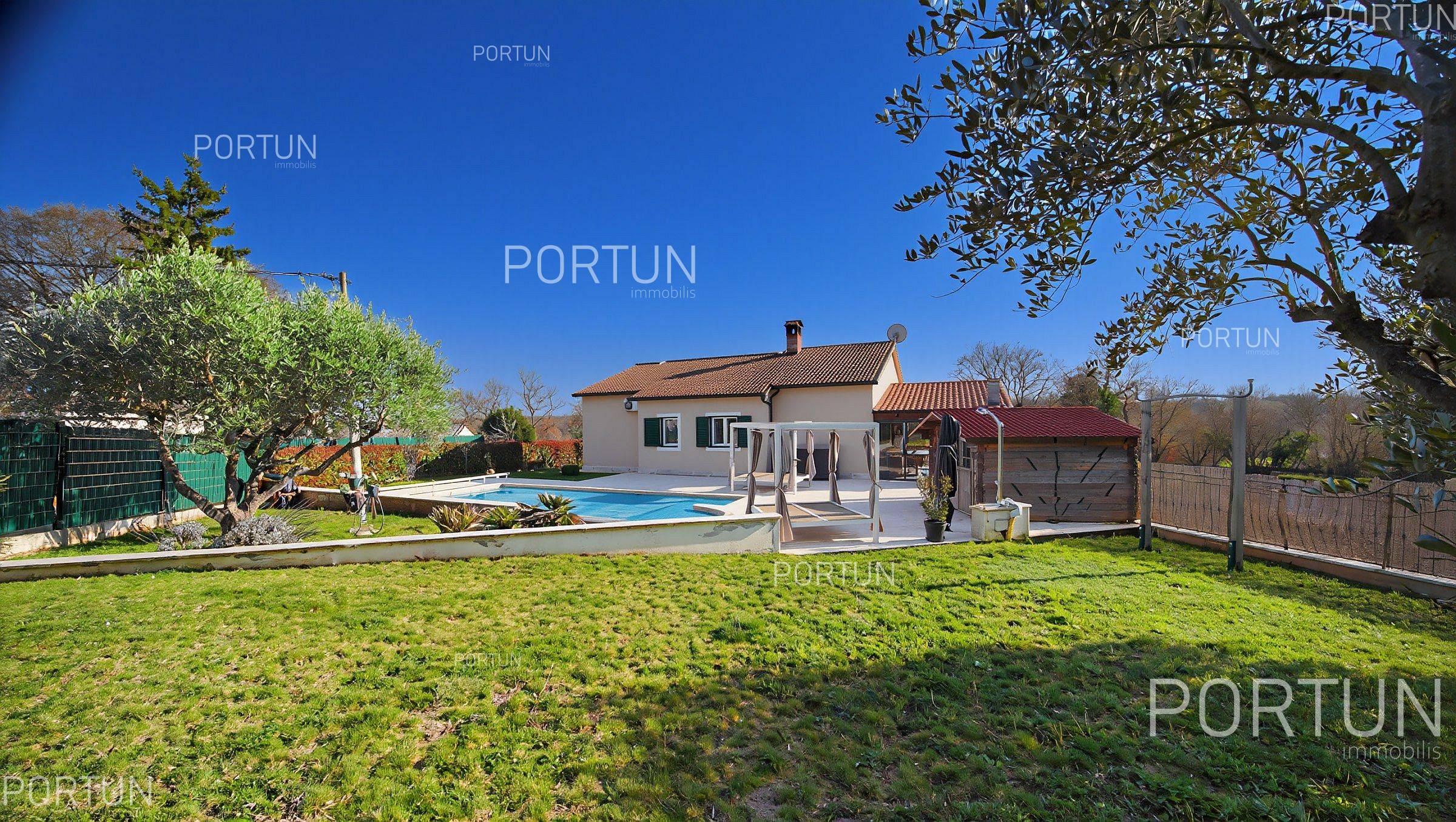
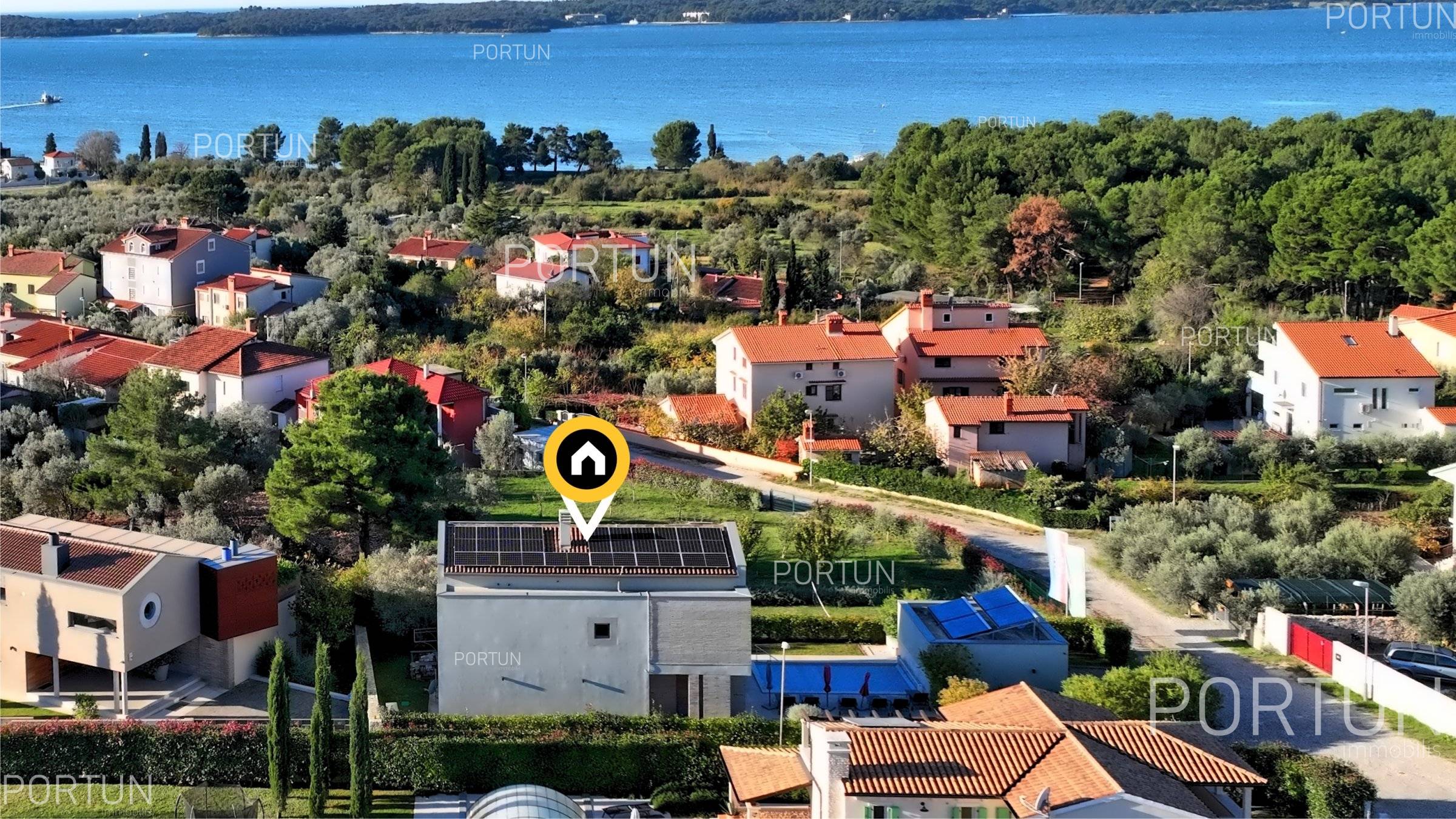
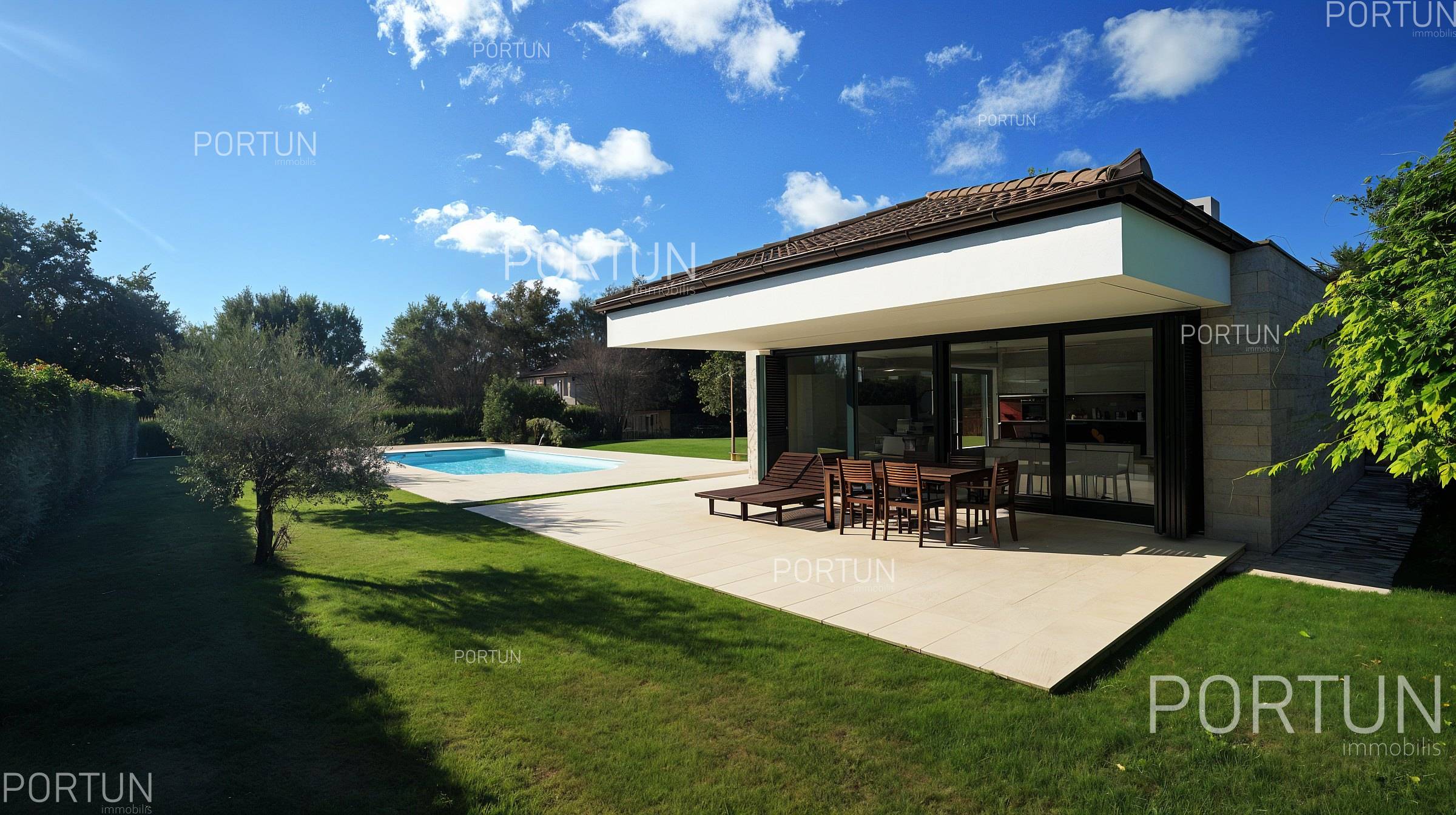
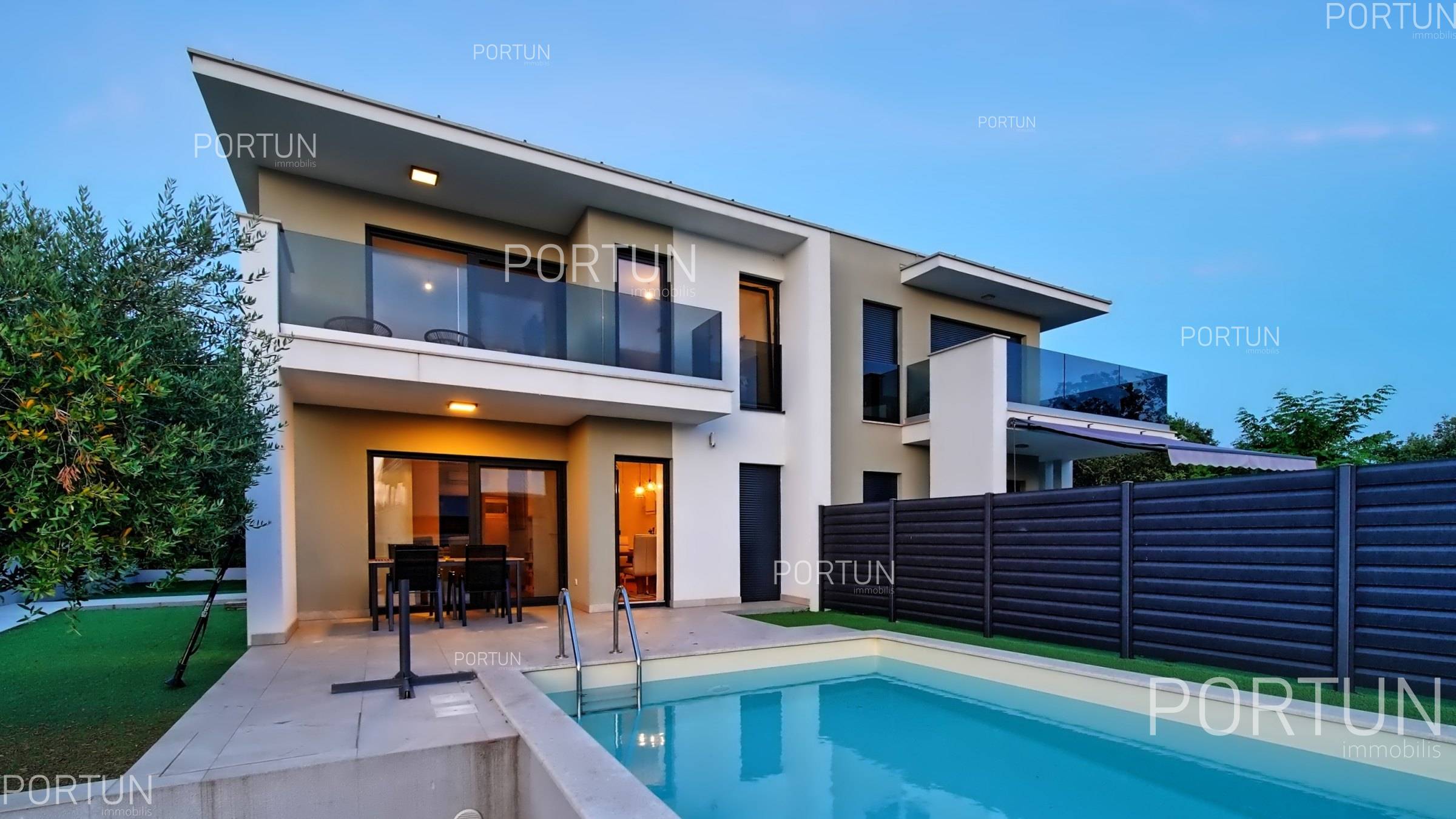
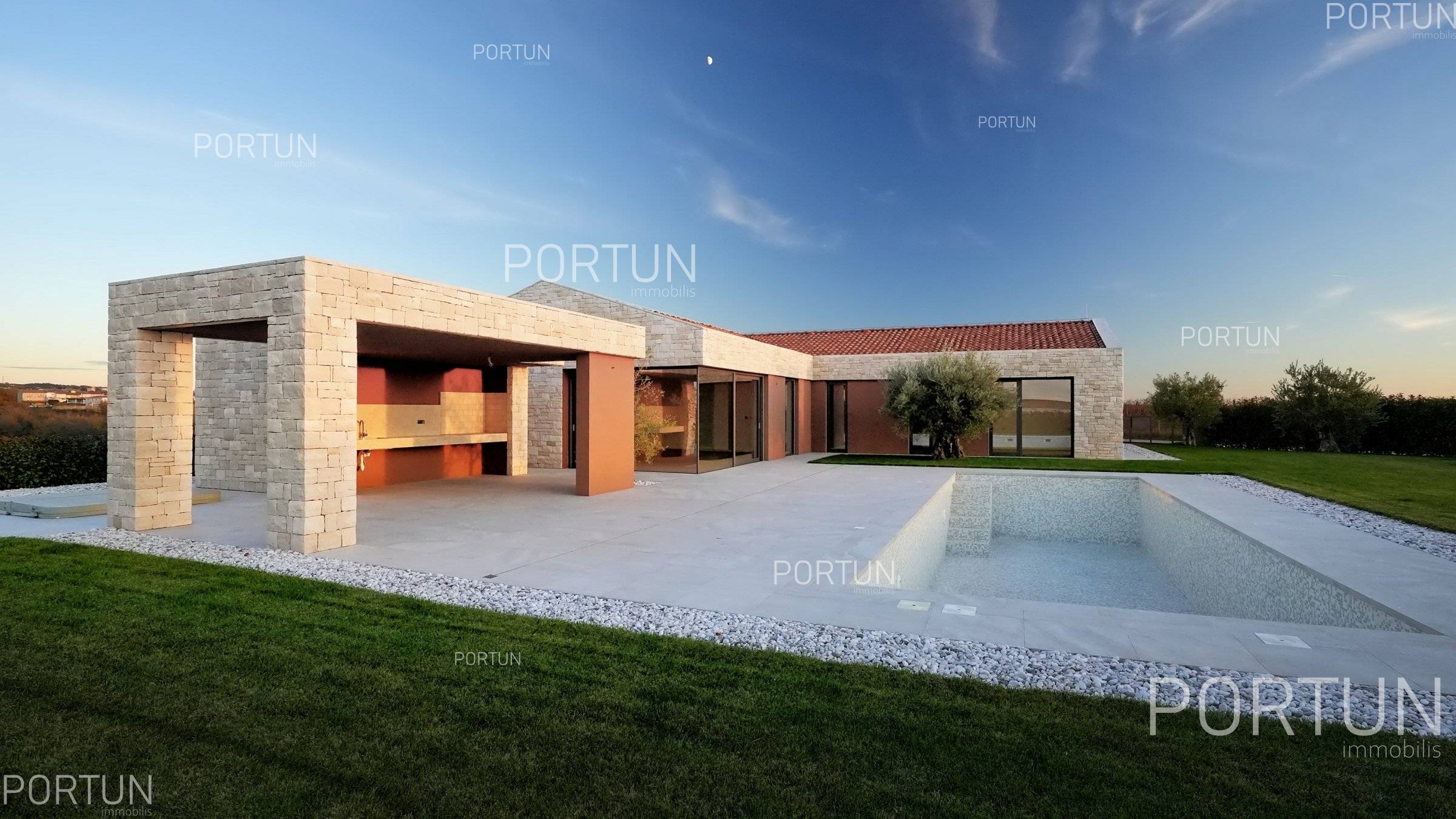
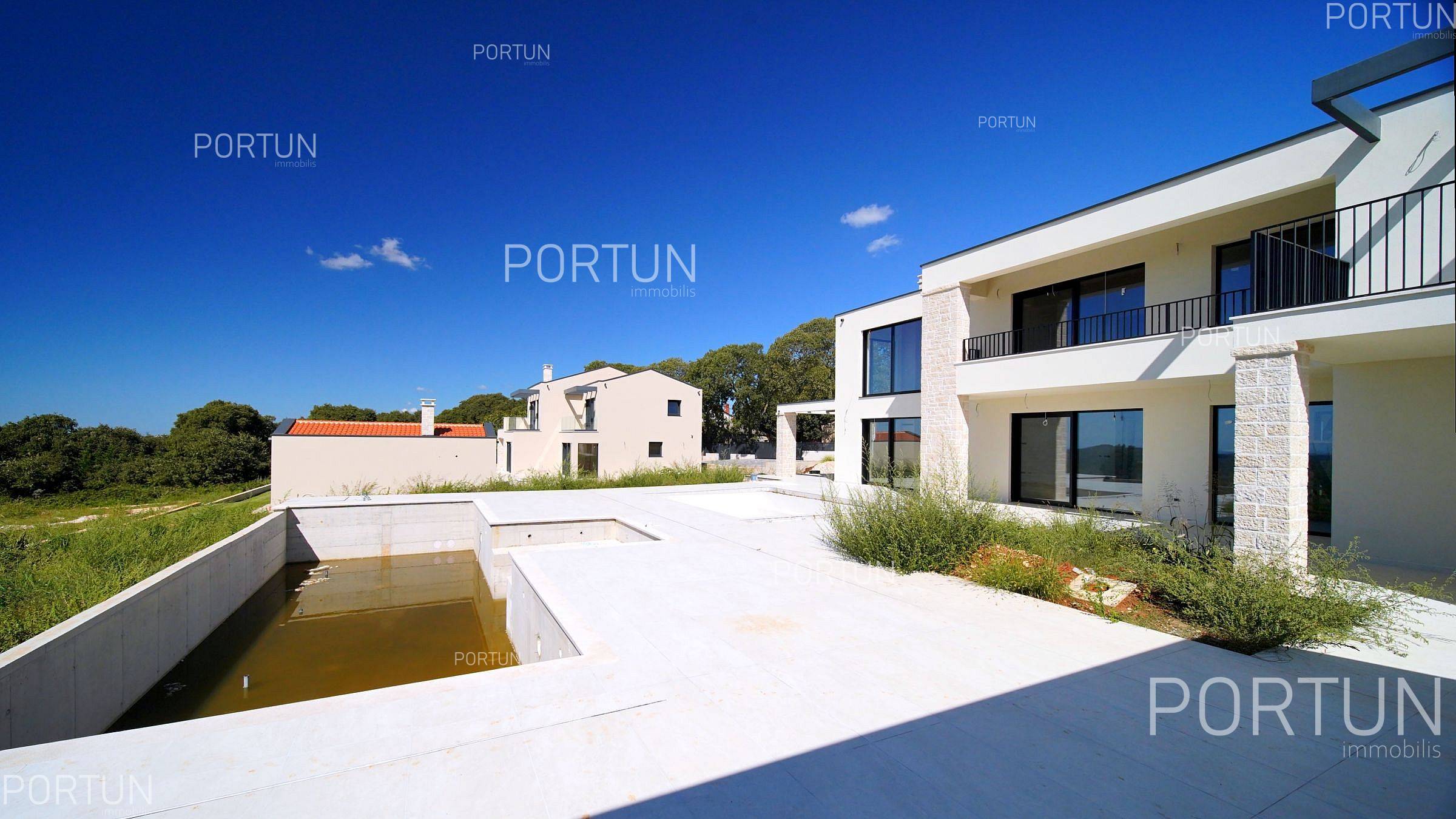
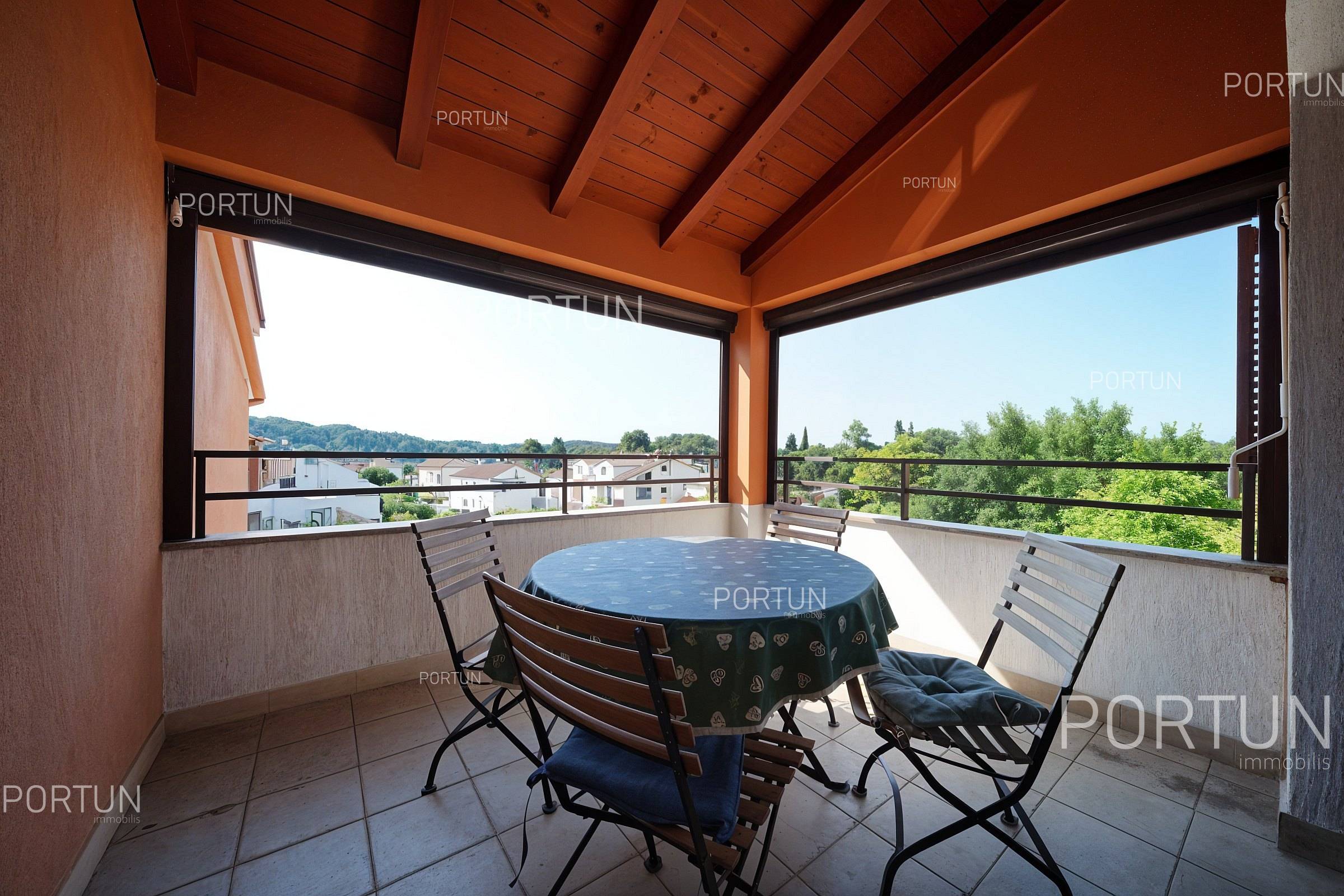
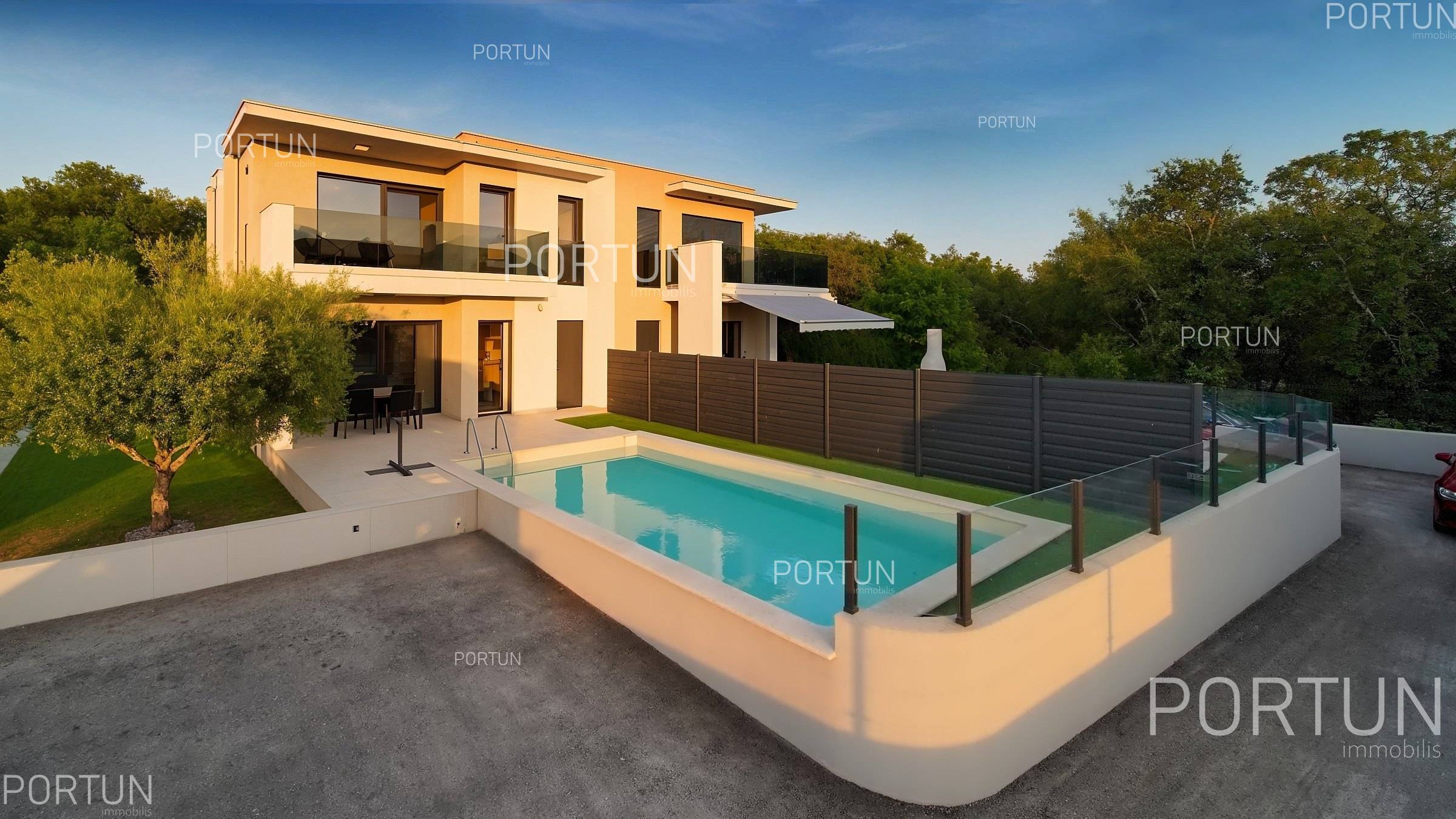
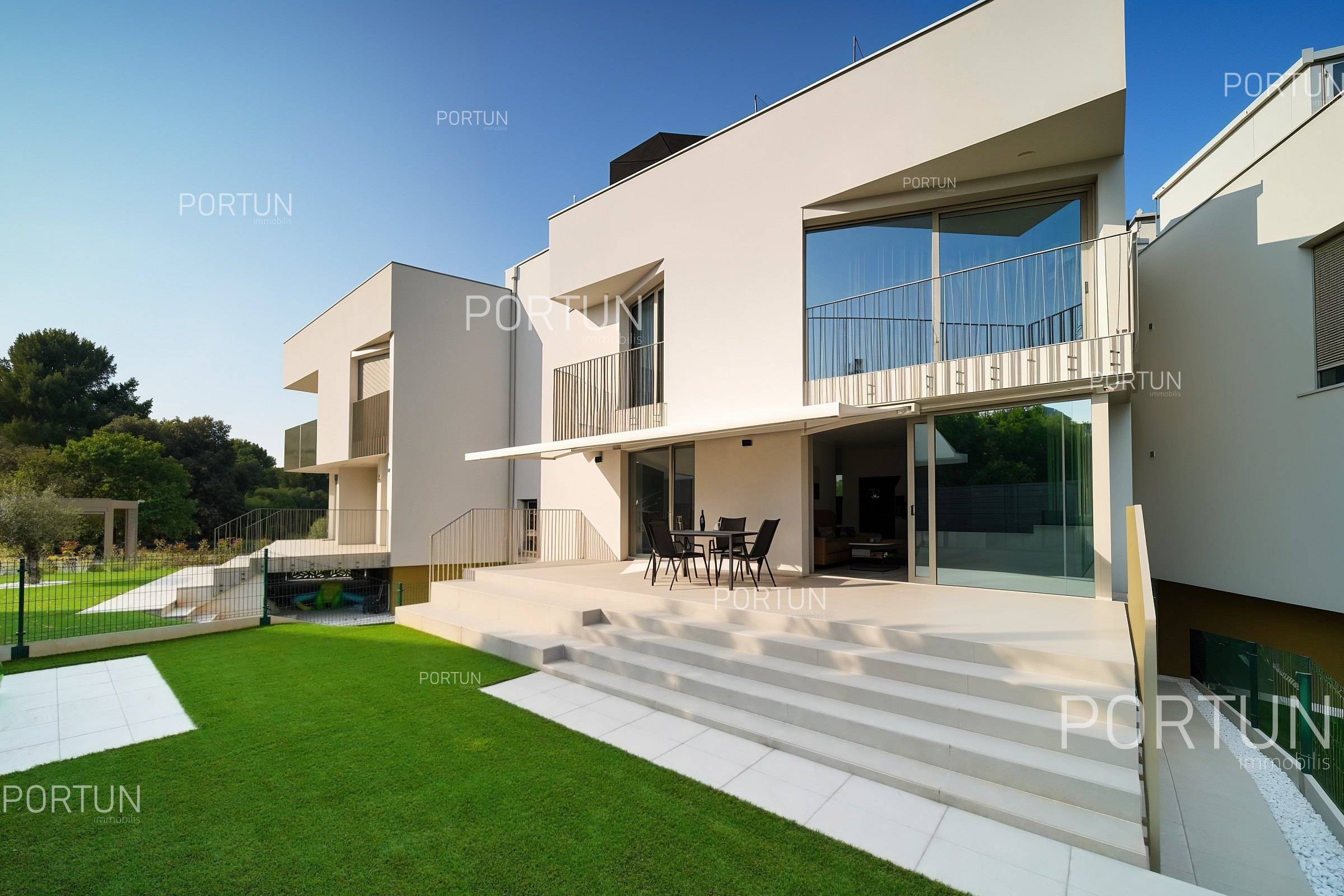
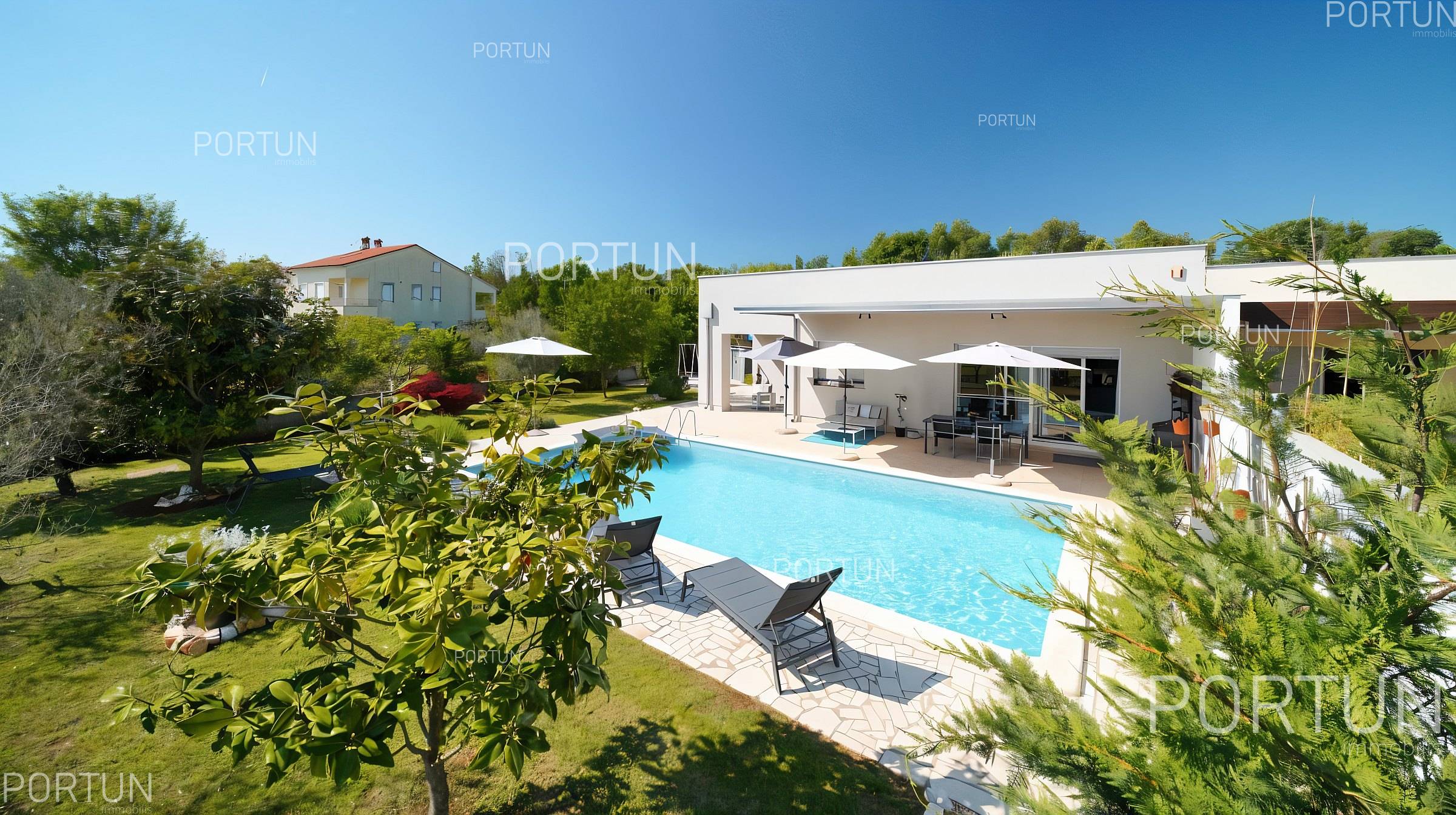
Newer construction in Rovinj exists but is relatively rare. These are usually smaller modern houses outside the strict city center, offering better building standards and more functional layouts.
- limited availability
- generally higher energy efficiency
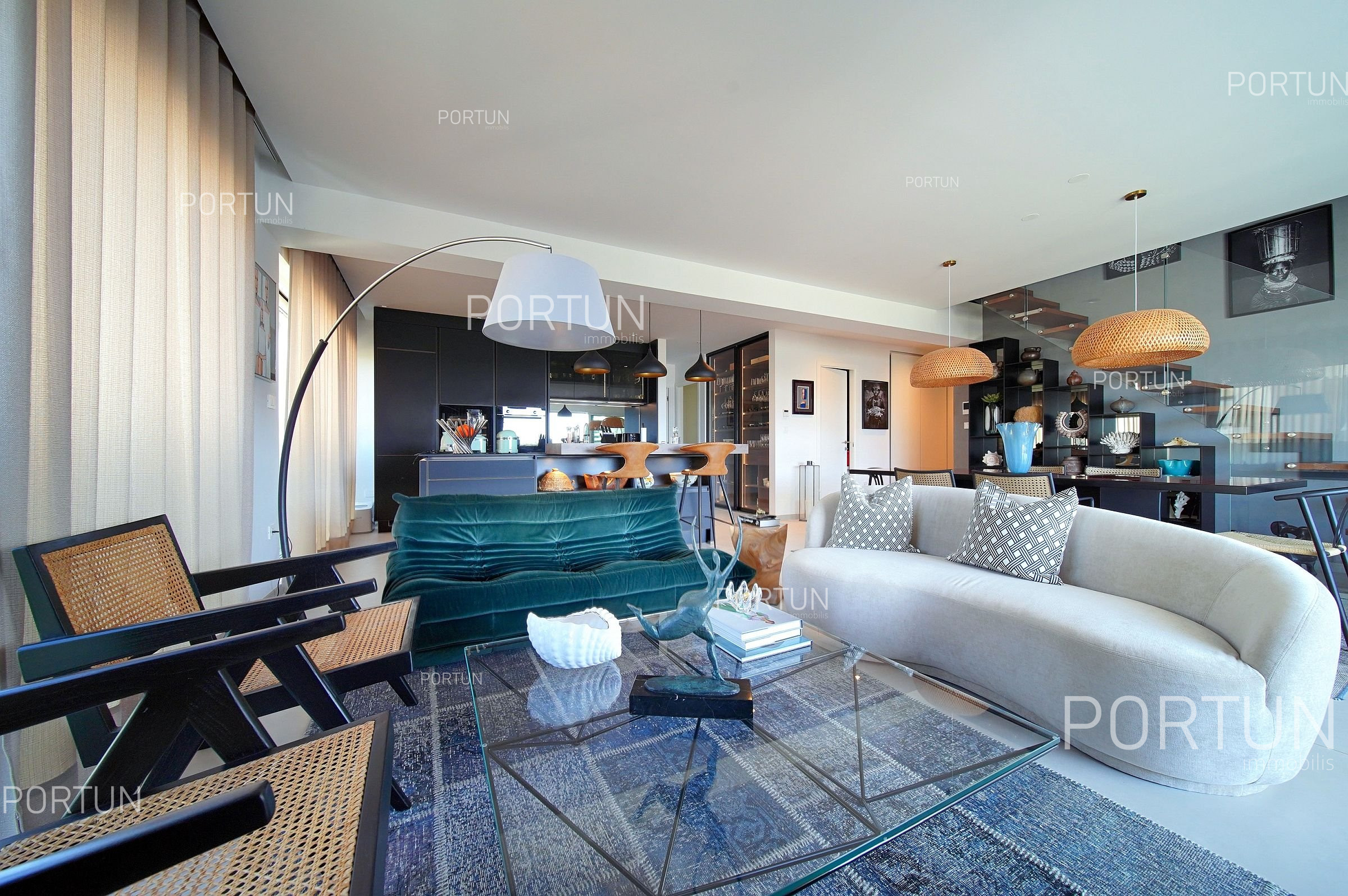
- higher prices due to rarity and move-in-ready condition
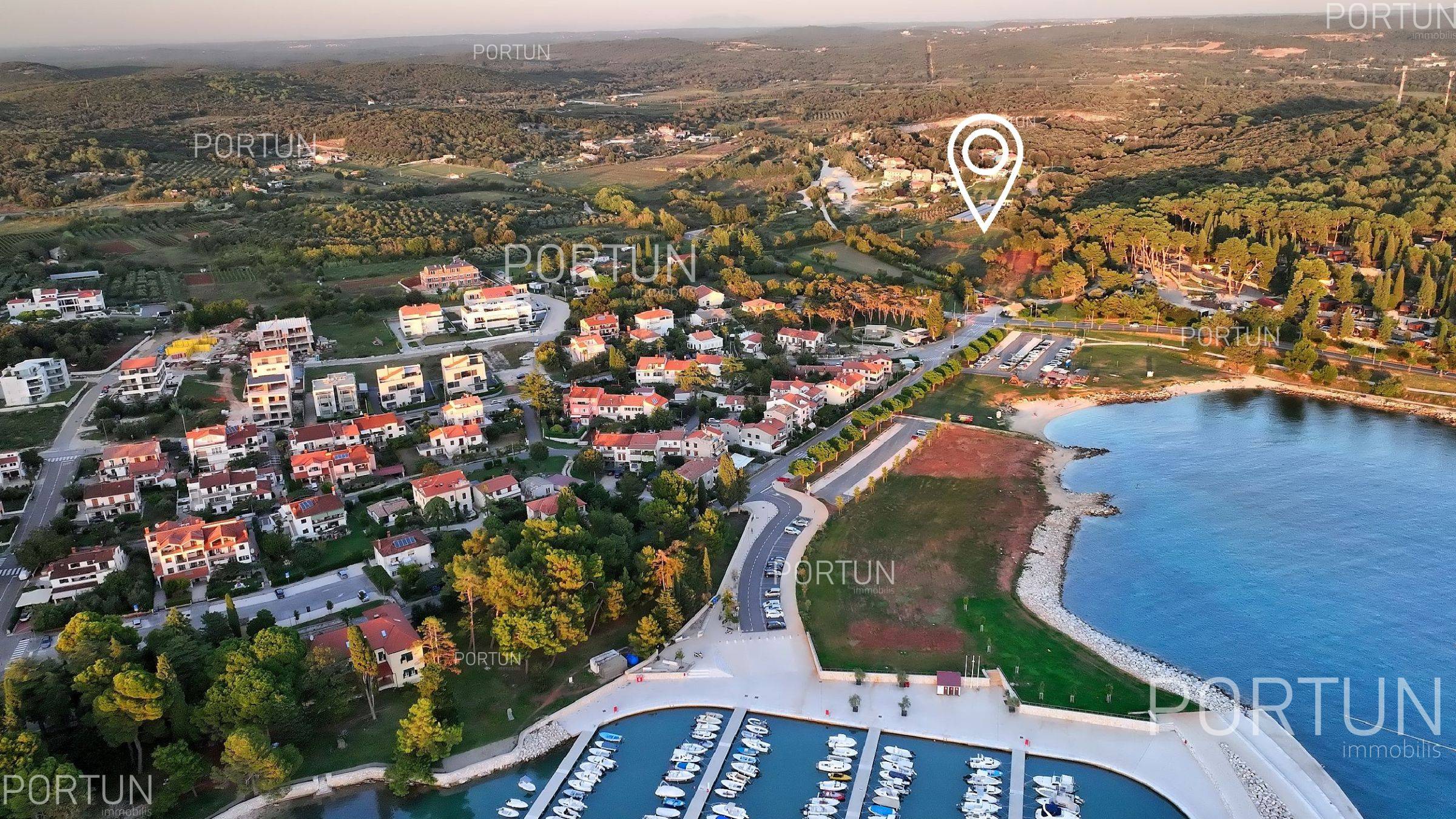
Which Parts of Rovinj Are Most Popular and Why?
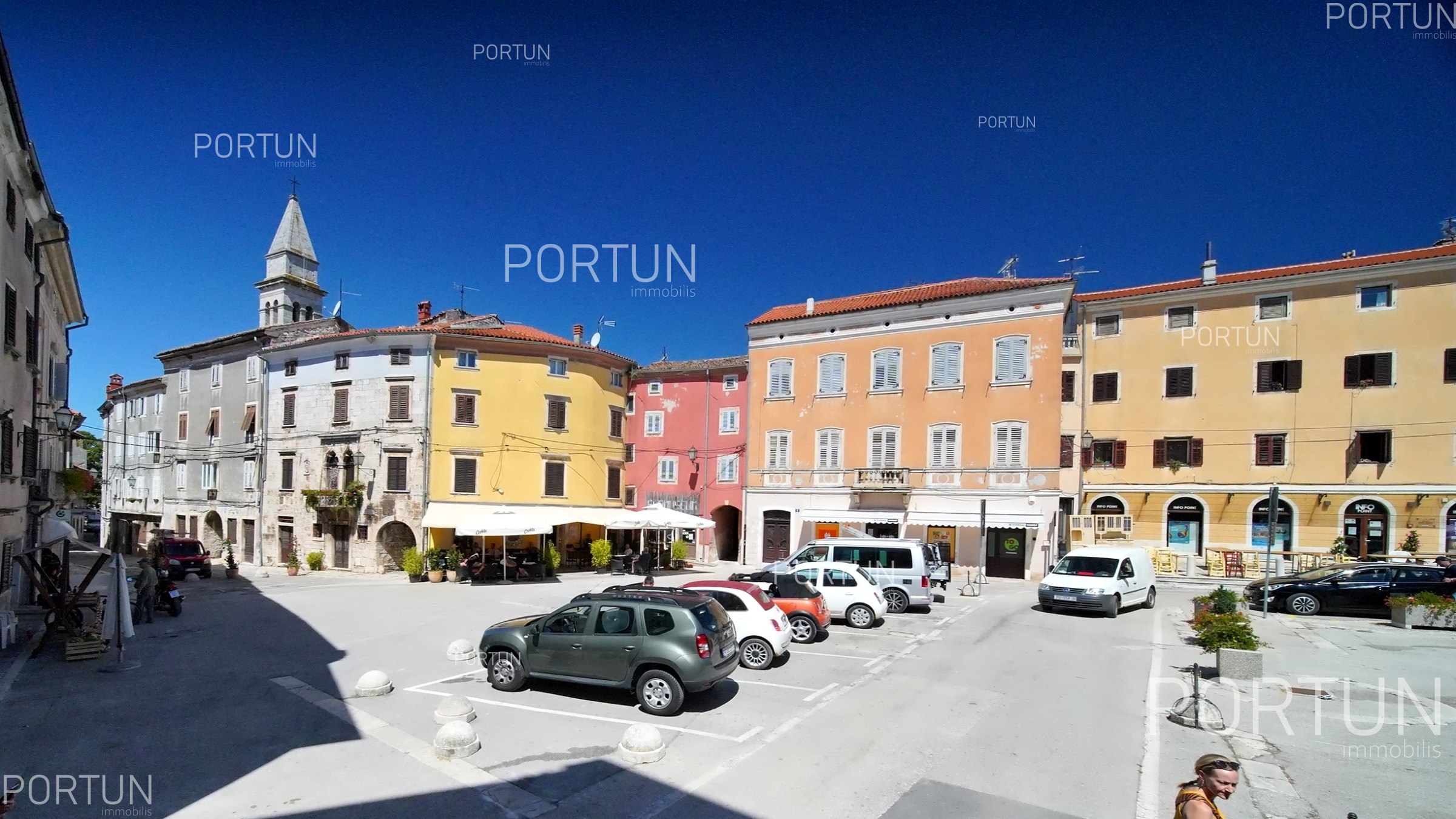
Old town
The most sought-after area due to authenticity, historical character, and constant demand. However, it is less suitable for buyers who prioritize parking and easy access.
Centener and Borik
Residential zones close to the sea, often chosen for permanent living, offering long-term value stability.
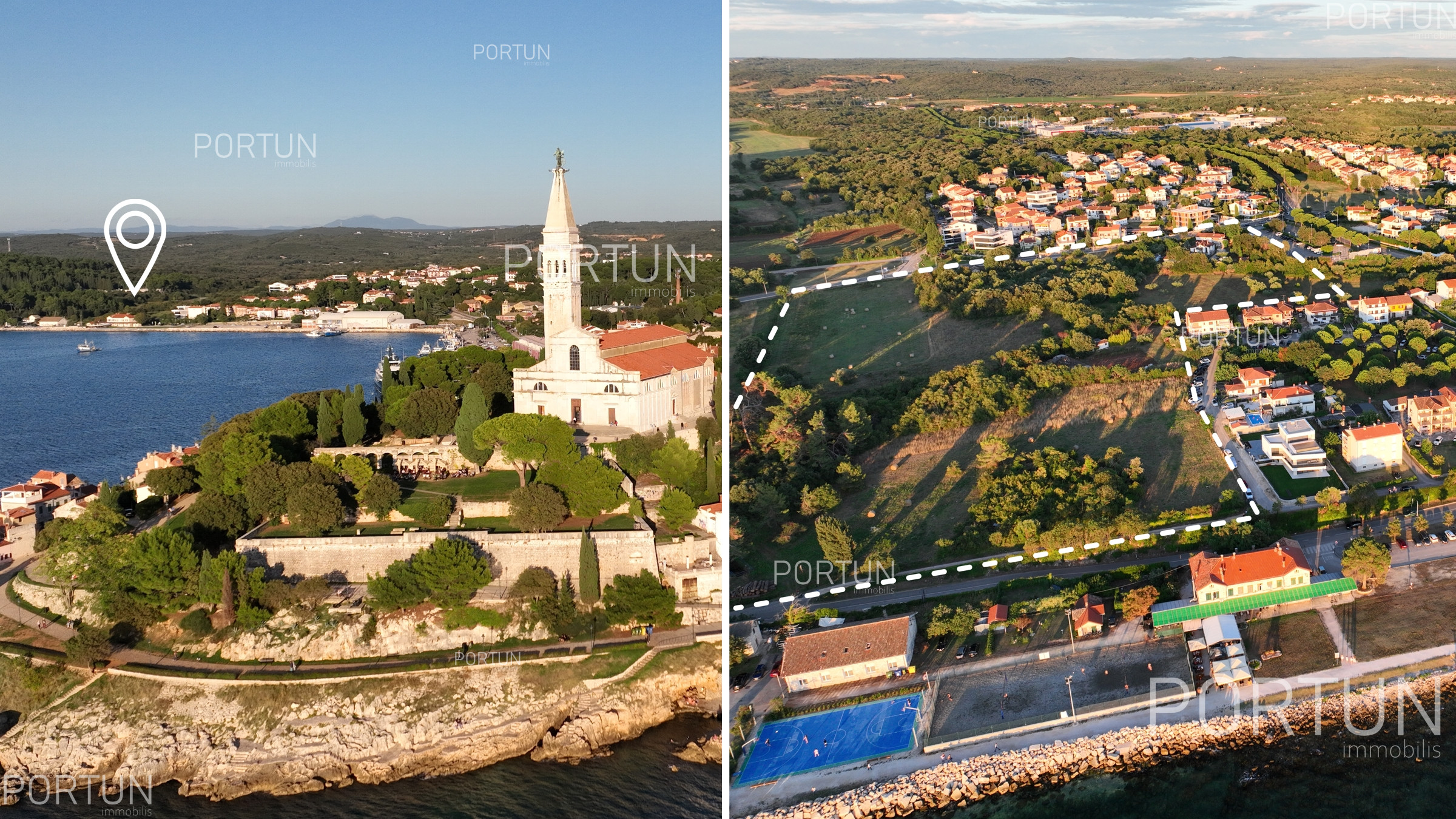
Cuvi and the wider beach area
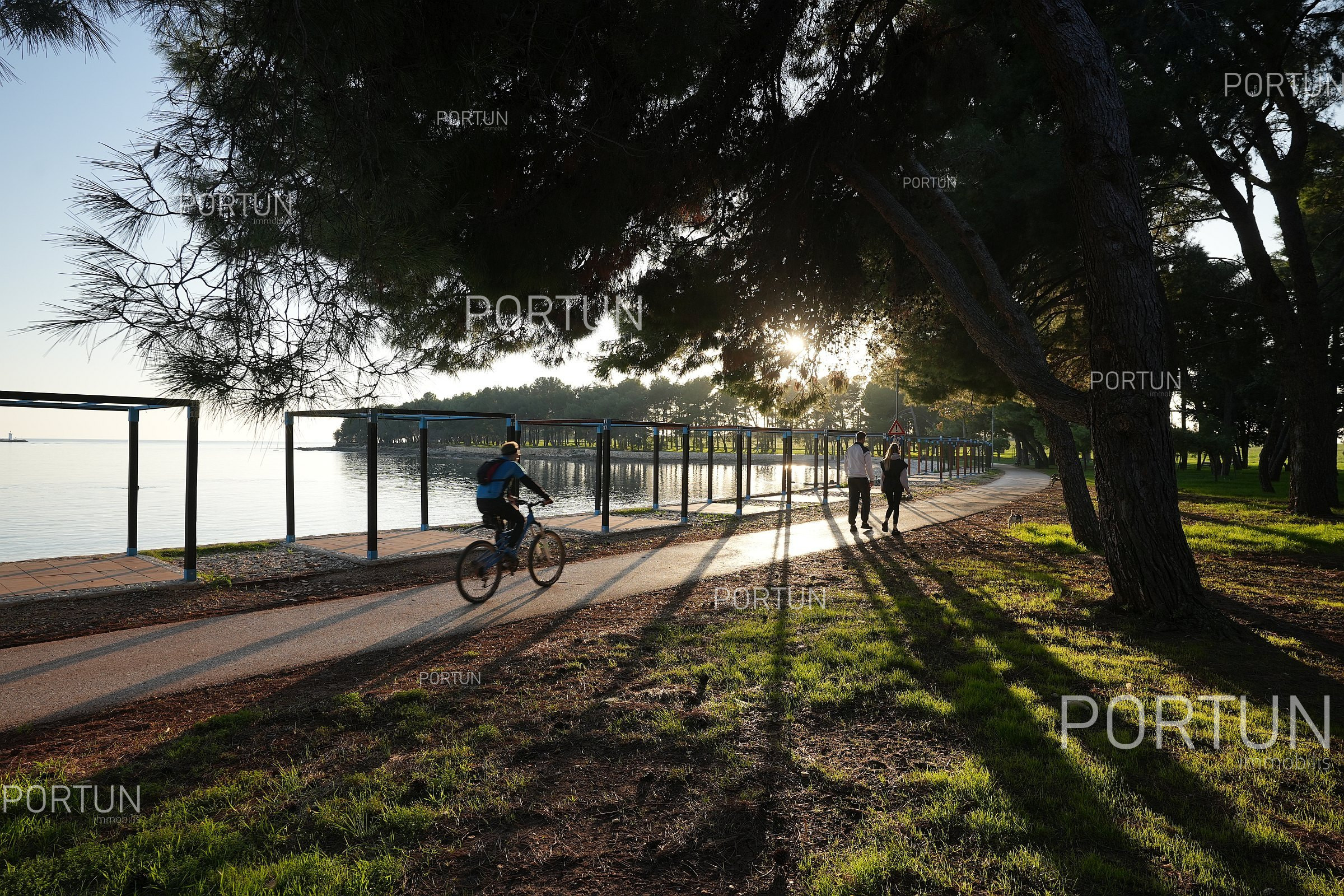
Attractive due to promenades and beaches, with a balance between urban living and seasonal use.
Gripole, Monfiorenzo, and Lamanova
Areas where buyers more often gain additional space and easier parking, usually at a more favorable price-to-size ratio.
What Do Buyers Get for Their Budget in Rovinj?
In Rovinj, price is driven primarily by micro-location rather than the condition of the house itself. Buyers typically choose between prime locations with smaller living space or more space in slightly less central areas.
- Old town: smaller size, high price per m², strict renovation rules
- Wider center: older houses with renovation potential
- Outer areas: more space and parking, varying by micro-location
Which Legal and Financial Aspects Should Be Checked?
Documentation and legality
- Ownership and encumbrances: land registry, liens, easements
- Cadastral alignment: discrepancies are common with older houses
- Proof of legality: occupancy permit or legalization decision
- Condominium registration: essential for multi-unit houses
Taxes and running costs
- Real estate transfer tax: 3%
- Municipal fees: depend on zone and size
- Utilities and maintenance: often higher for older properties
FAQ – Frequently Asked Questions
Is it better to buy in the old town or outside the center?
The old town offers authenticity and long-term demand but comes with access and parking limitations. Outside the center, buyers often gain more comfort and functional layouts.
Are apartment houses a good option?
They can be, provided that documentation, legality of extensions, and condominium registration are thoroughly checked.
How important is micro-location in Rovinj?
Micro-location has a decisive influence on price, quality of life, and future resale value. Differences within the same district can be significant.
Related guides and useful articles
Buying a house safely in Rovinj requires aligning several factors: the actual condition of the property, micro-location, access and parking options, and complete documentation. Before making a decision, it is advisable to verify legal status, planning conditions, and realistic costs in parallel.
Thematic guides for buying a house in Istria. Short, practical overviews that help structure the buying process.
House listings in Istria
Current offers and comparisons are available on the page houses for sale in Rovinj.
Tags safe house purchase Rovinj, buying property Rovinj, documentation check, property legality, land registry, cadastre, encumbrances, occupancy permit, micro-location, access and parking, old town Rovinj, Rovinj neighborhoods, property transfer tax, deposit, sales contract, ownership registration