Newly Adopted Building Act and Spatial Planning
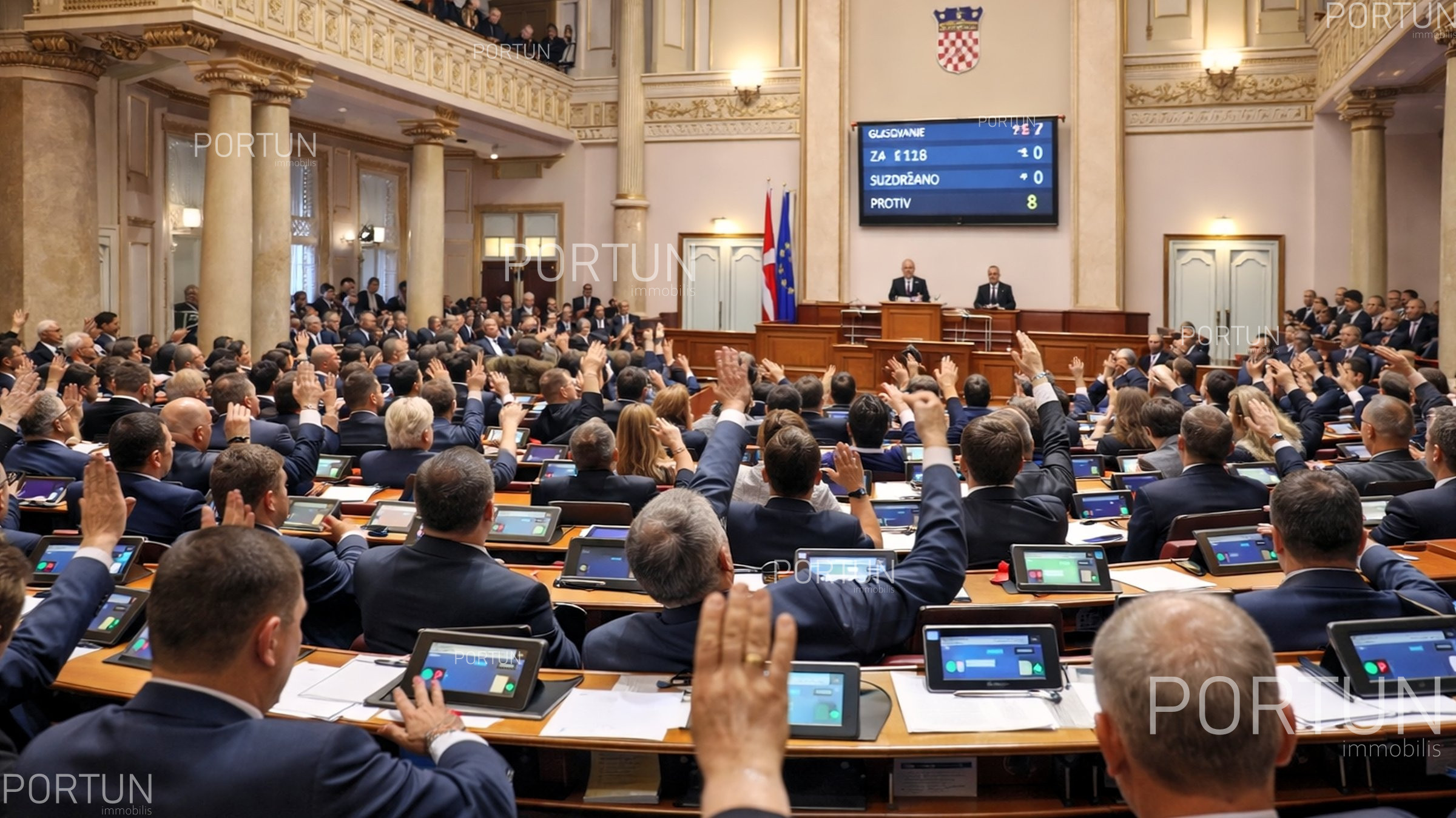
In December 2025, the Croatian Parliament adopted the new Building Act together with the accompanying Spatial Planning Act, marking one of the most significant reforms in the field of spatial planning and construction in recent years. The aim of these legislative changes is to modernize the system, accelerate administrative procedures, and create the conditions for more intensive residential development, particularly in the context of addressing affordable housing needs. According to explanations provided by the Government and the relevant Ministry, the new legal framework introduces a more efficient and transparent permitting process, with a stronger emphasis on digital tools.
Main novelties:
- Acceleration of procedures through digitalization and e-permits
- Extension of the validity of building permits
- Simplification of documentation for smaller buildings
- Separation of legislation on construction and spatial planning
- Professional criticism regarding potential commercialization of space
One of the key changes relates to the full digitalization of procedures through the eDozvola system, which enables electronic submission of applications, status tracking, and communication with competent authorities. This approach aims to reduce the administrative burden on investors and local administrations while shortening the time required to obtain building permits. The Act also предусматривает simplified procedures for smaller and less complex structures, including family houses, where part of the project documentation may be submitted at a later stage, prior to the commencement of construction.
An important change also concerns the extension of the validity of building permits. Under the new rules, permits issued at the local level are valid for up to six years, while those issued by the Ministry may be valid for up to eight years. This amendment provides greater legal certainty for investors and reduces the need for frequent extensions, particularly in more complex projects implemented over longer timeframes.
Despite the stated objectives of efficiency, the new legislation has prompted strong reactions from the professional community. Architect Nikola Bašić, in his public commentary published on the MOK.hr portal, warns that the new legal solutions increasingly subject space to market logic. According to him, there is a real risk that spatial resources could become objects of speculation, while the public interest, spatial identity, and long-term sustainability are pushed into the background.
Bašić emphasizes that spatial planning must remain a strategic tool serving citizens, rather than merely an instrument for accelerating investment projects. He also warns of a weakening hierarchy of spatial plans and the possibility that key decisions may be made without sufficient professional oversight and public debate. Although the Act formally introduces more efficient procedures, critics argue that without clear mechanisms for protecting space, there is a risk of long-term negative consequences, particularly in attractive rural and coastal areas.
On the other hand, Government representatives stress that the new Building Act is a necessary response to long-standing administrative bottlenecks and the growing demand for new residential construction. According to official positions, the goal of the reform is not deregulation of space, but rather the creation of a balanced system that enables development while respecting existing plans and regulations. The extent to which these goals will be achieved in practice will largely depend on the implementation of the Act and the role of local authorities.
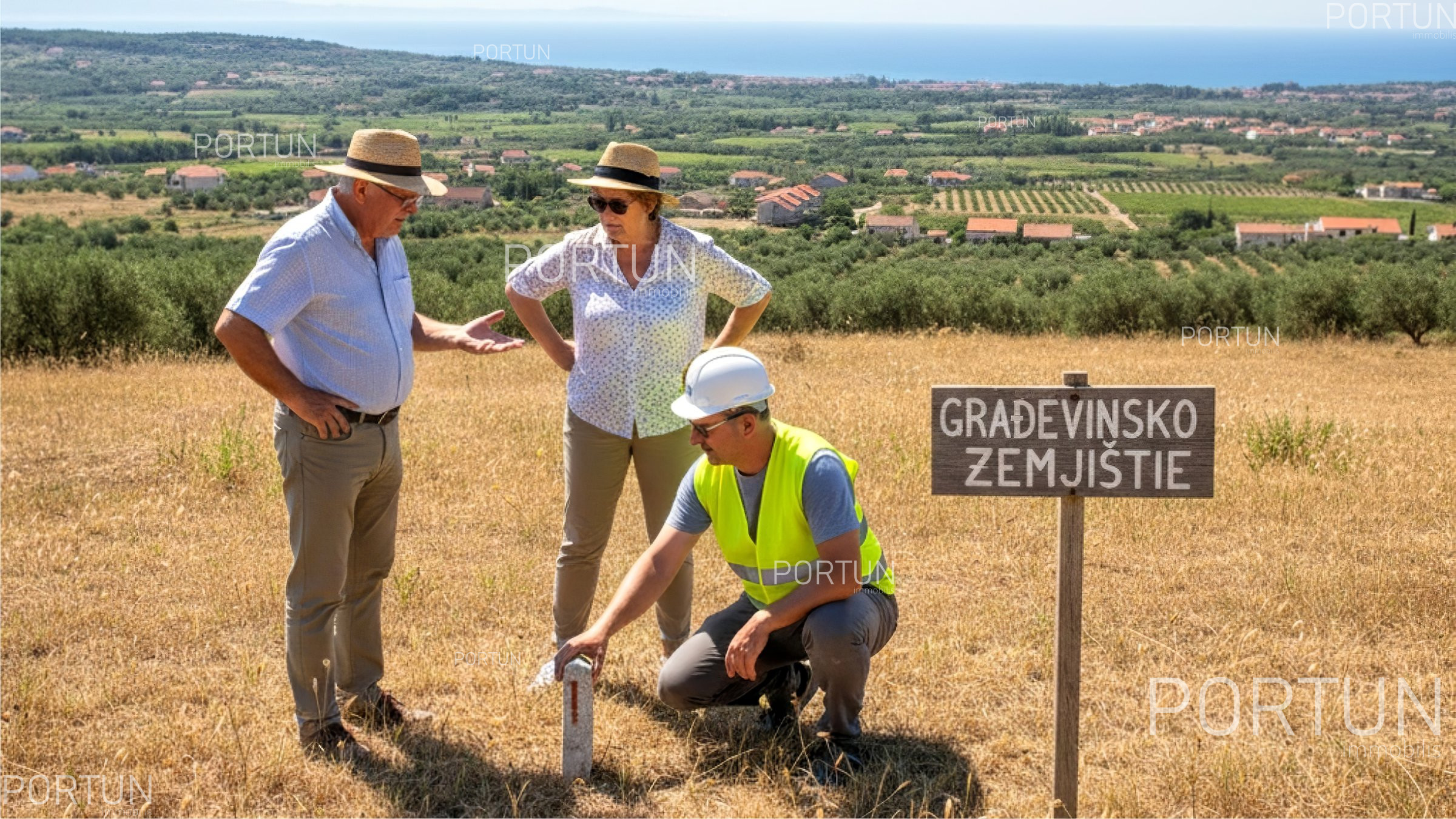
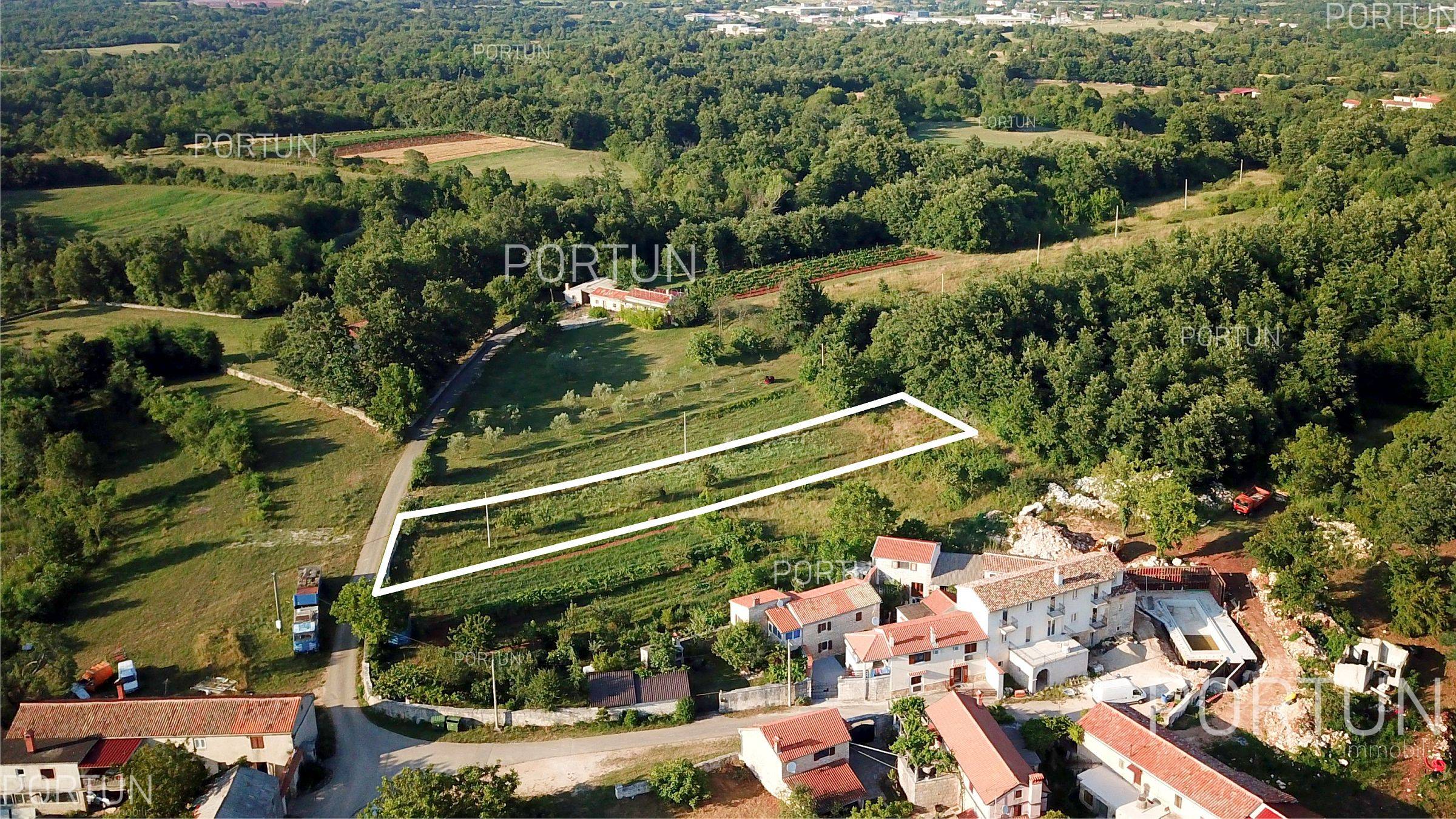
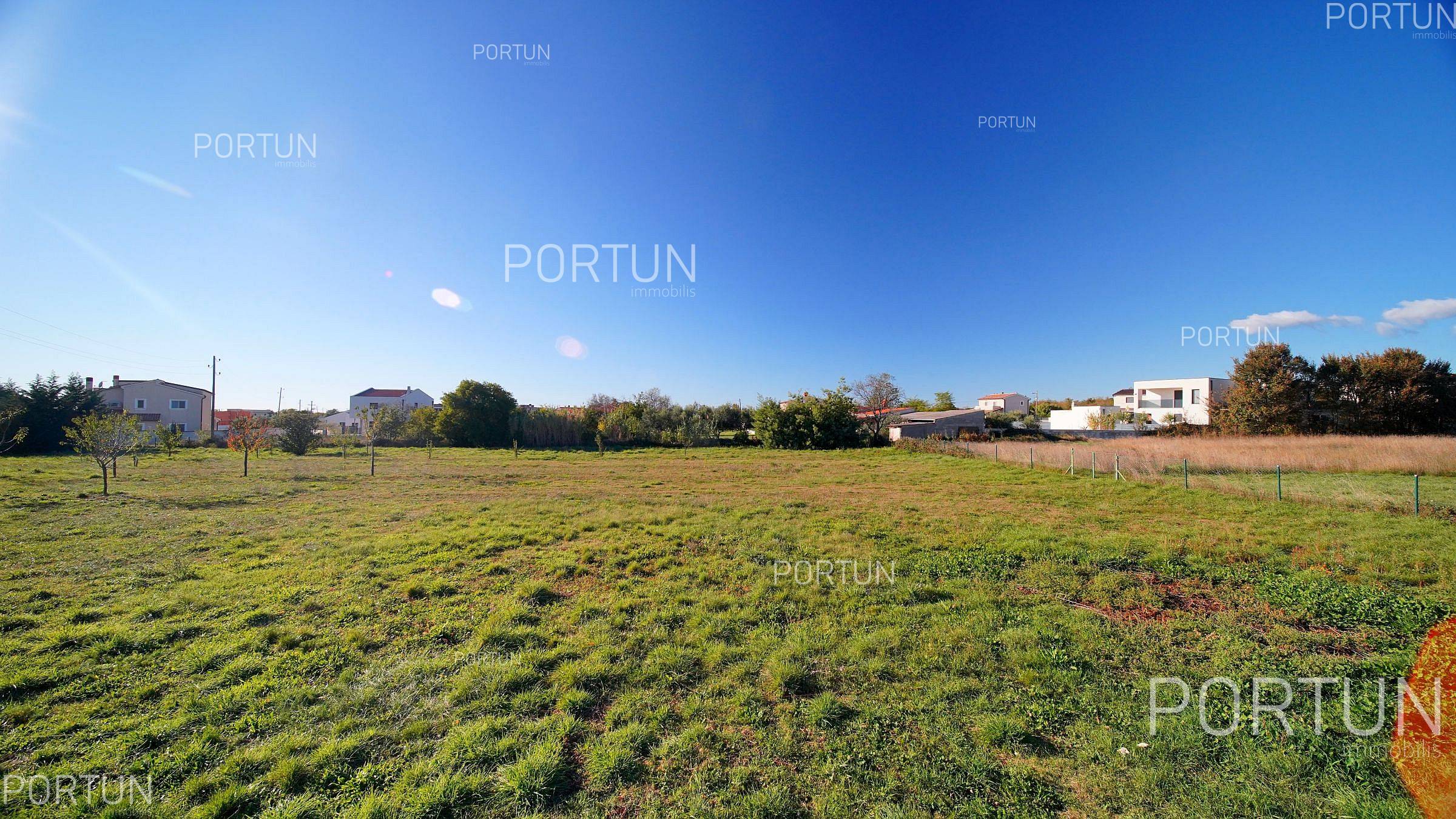
If you are looking for building land or considering construction under the new legal framework, it is important to be informed about all amendments and their potential implications. Feel free to contact us for additional information or professional advice related to land acquisition and construction planning.
Tags: Building Act, spatial planning, Spatial Planning Act, Nikola Bašić, construction regulations
Author: Portun Immobilis – a professional real estate team specializing in the Istrian market.