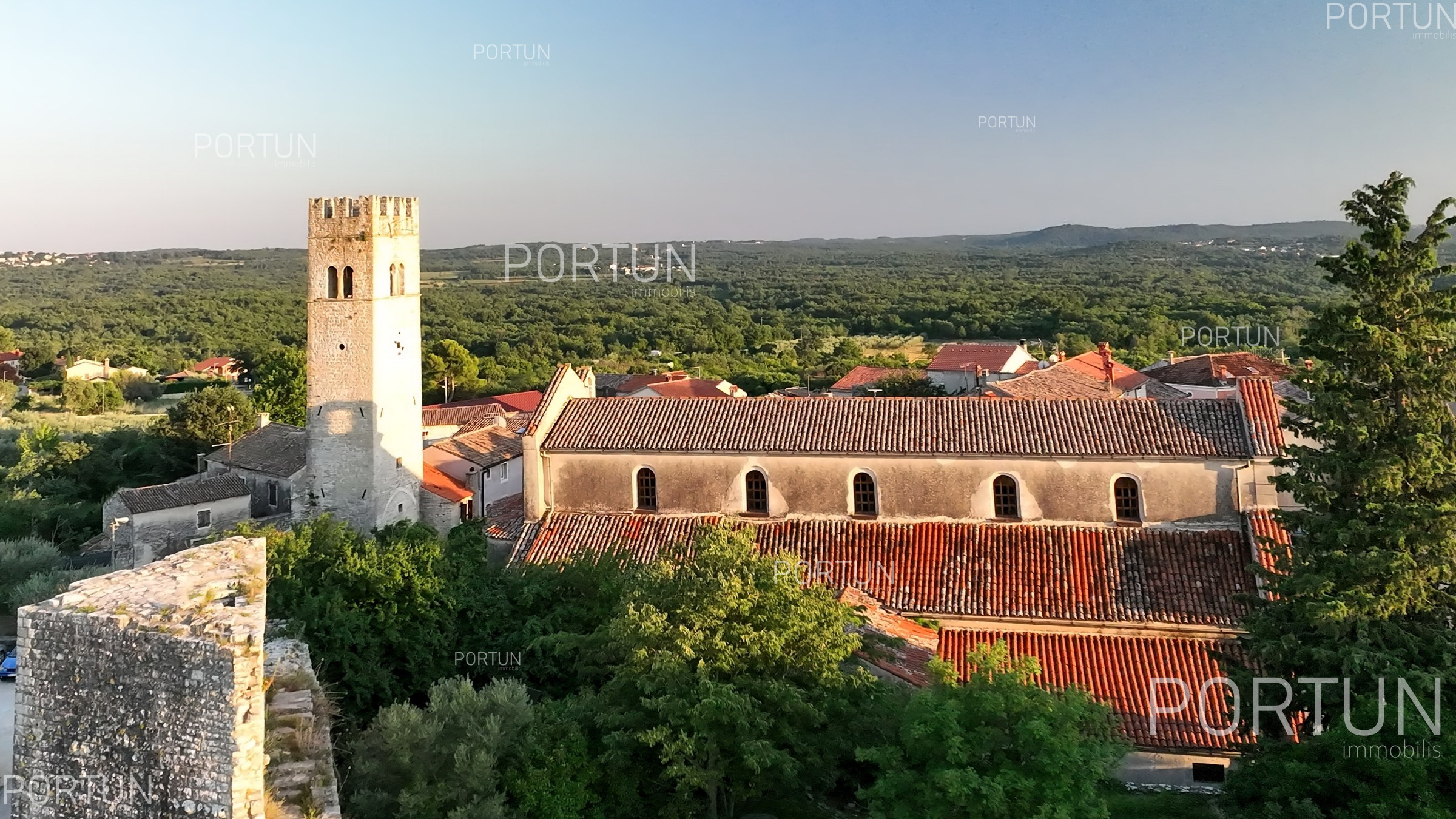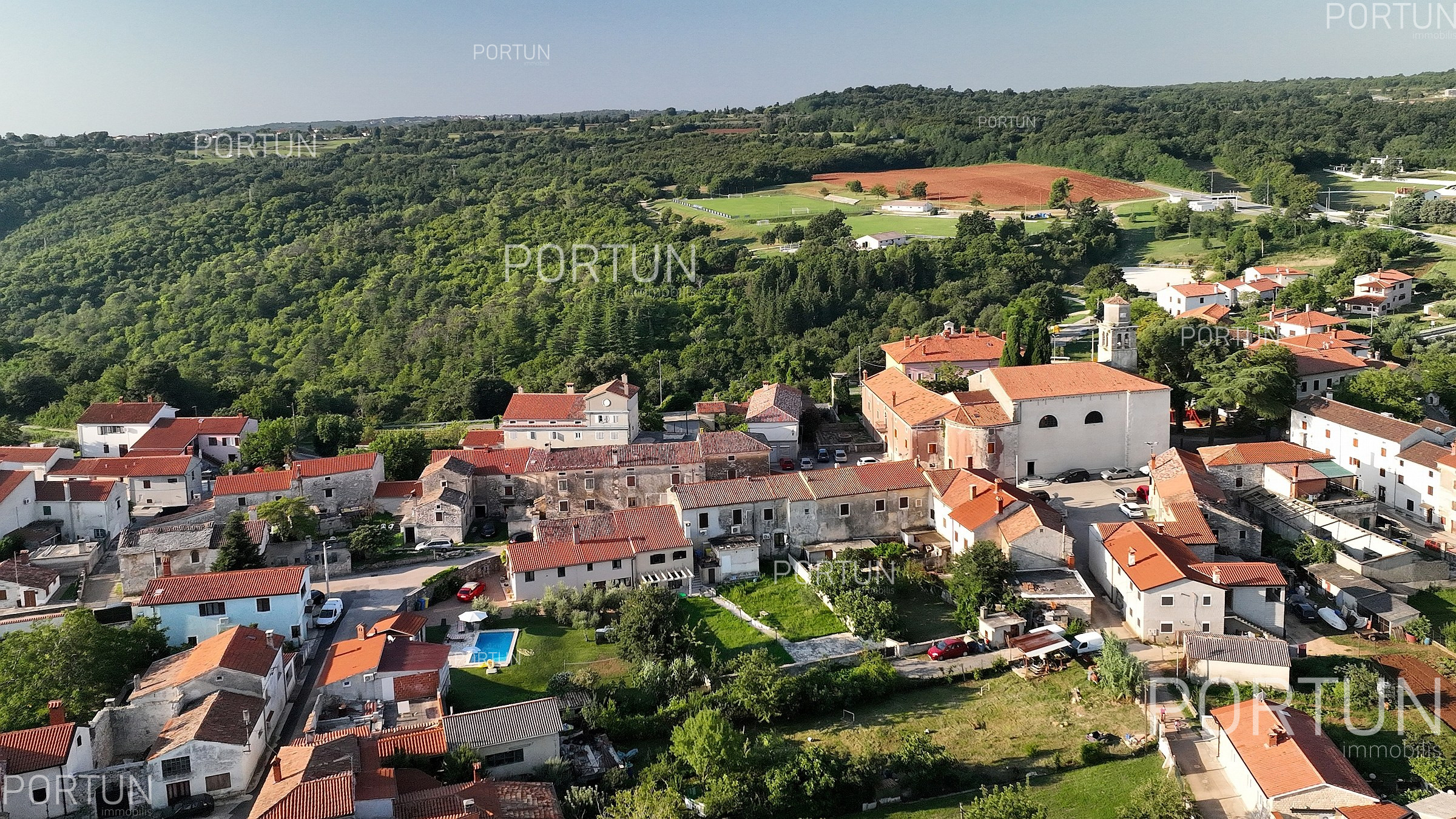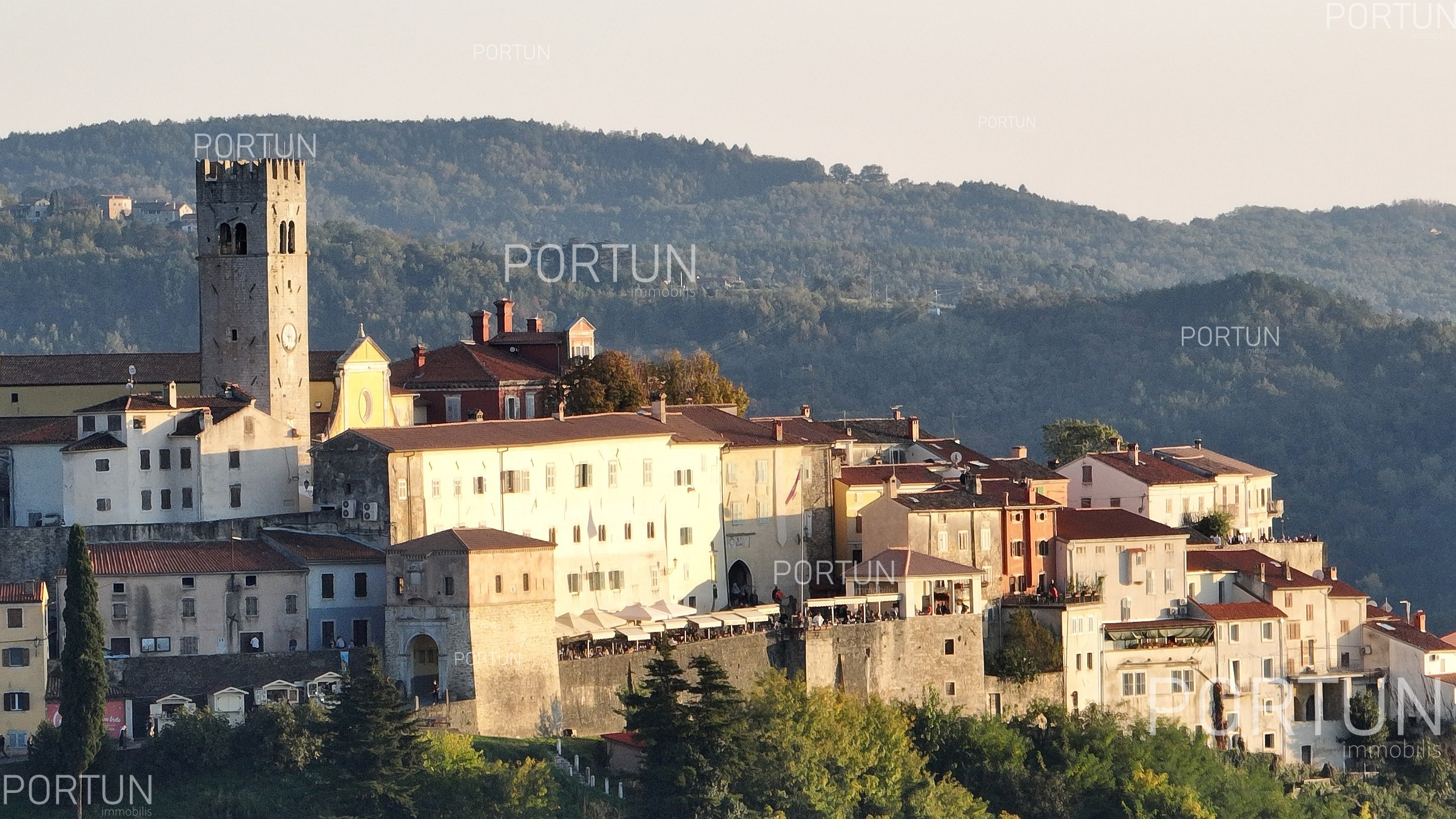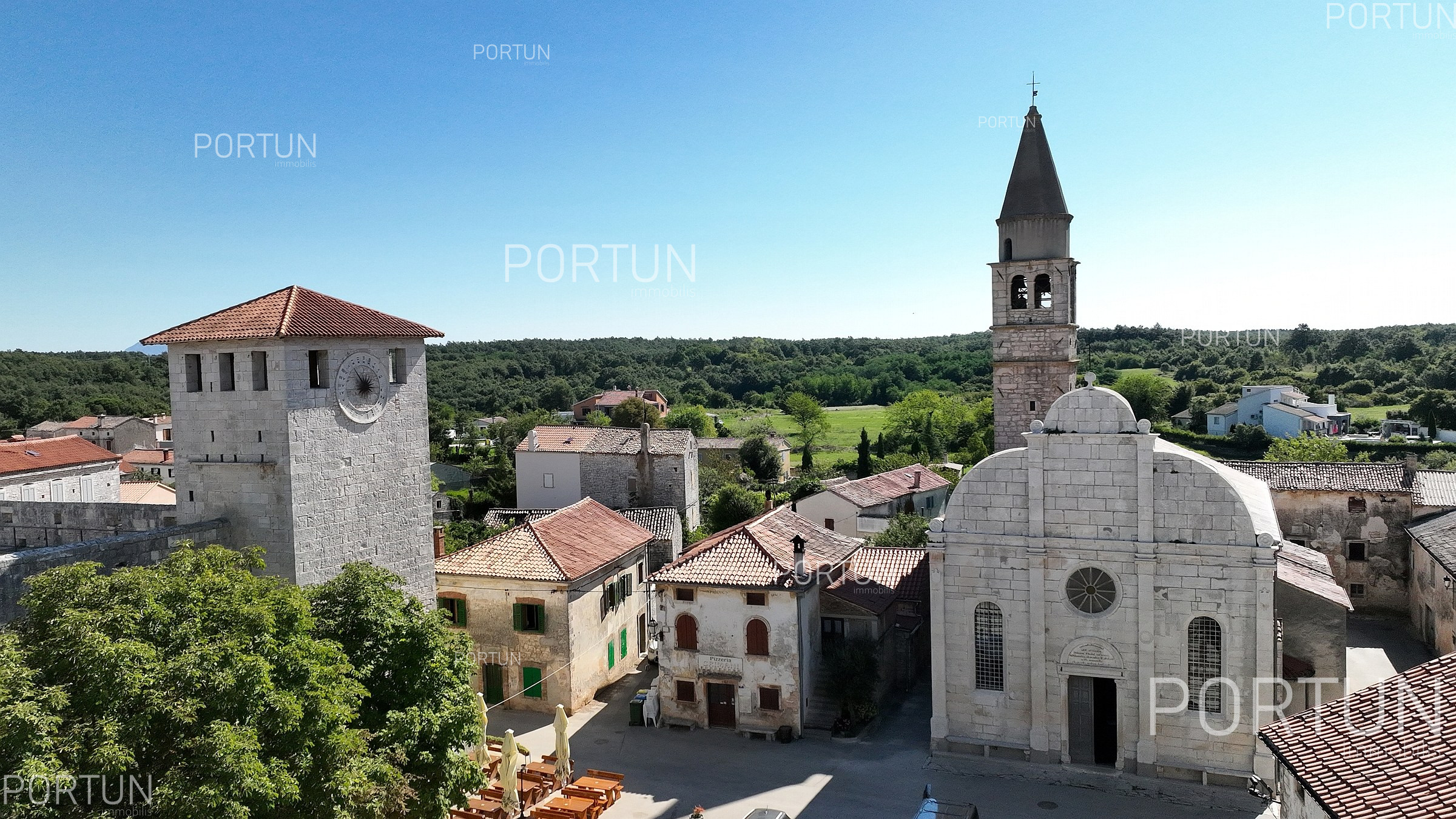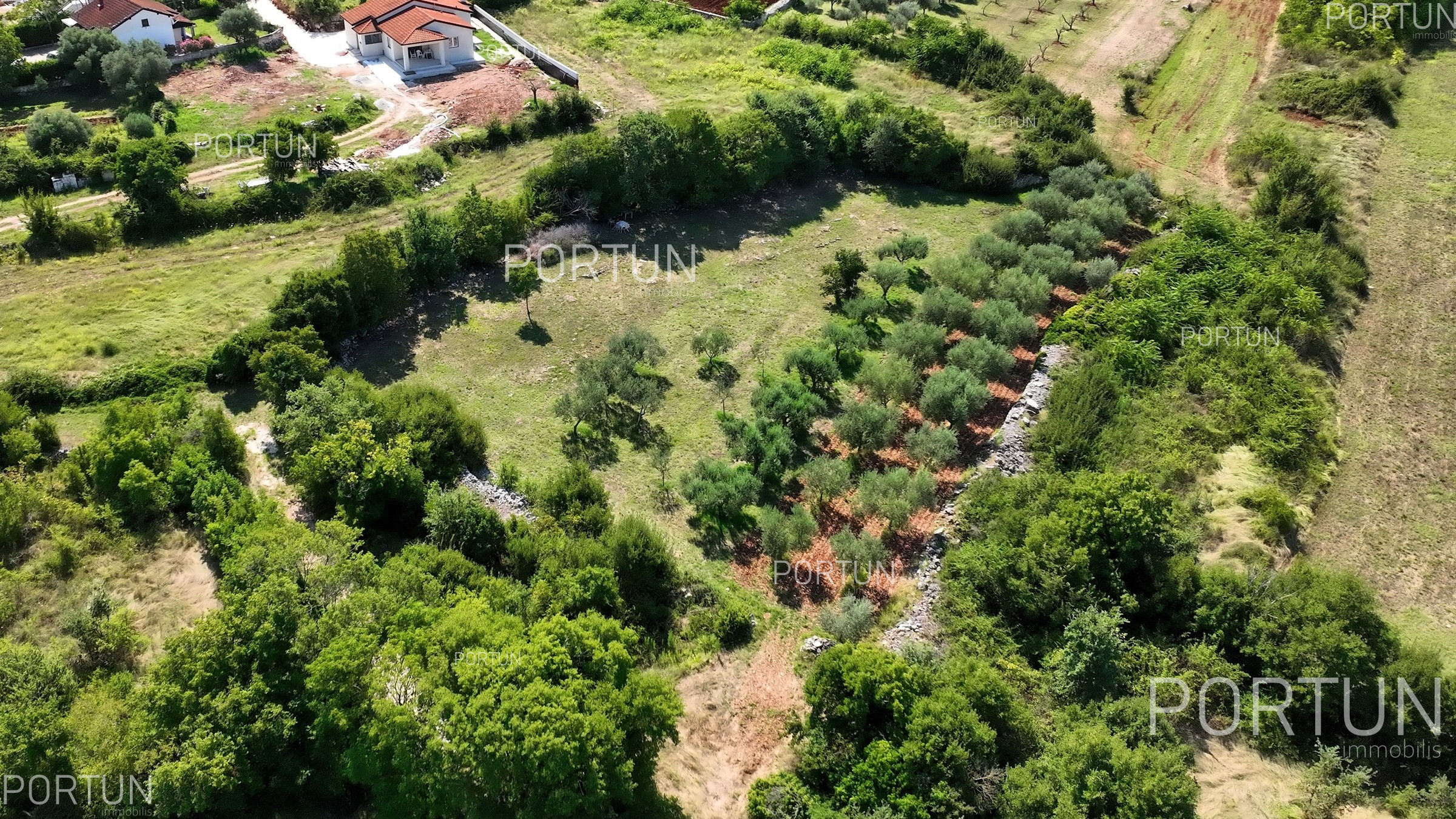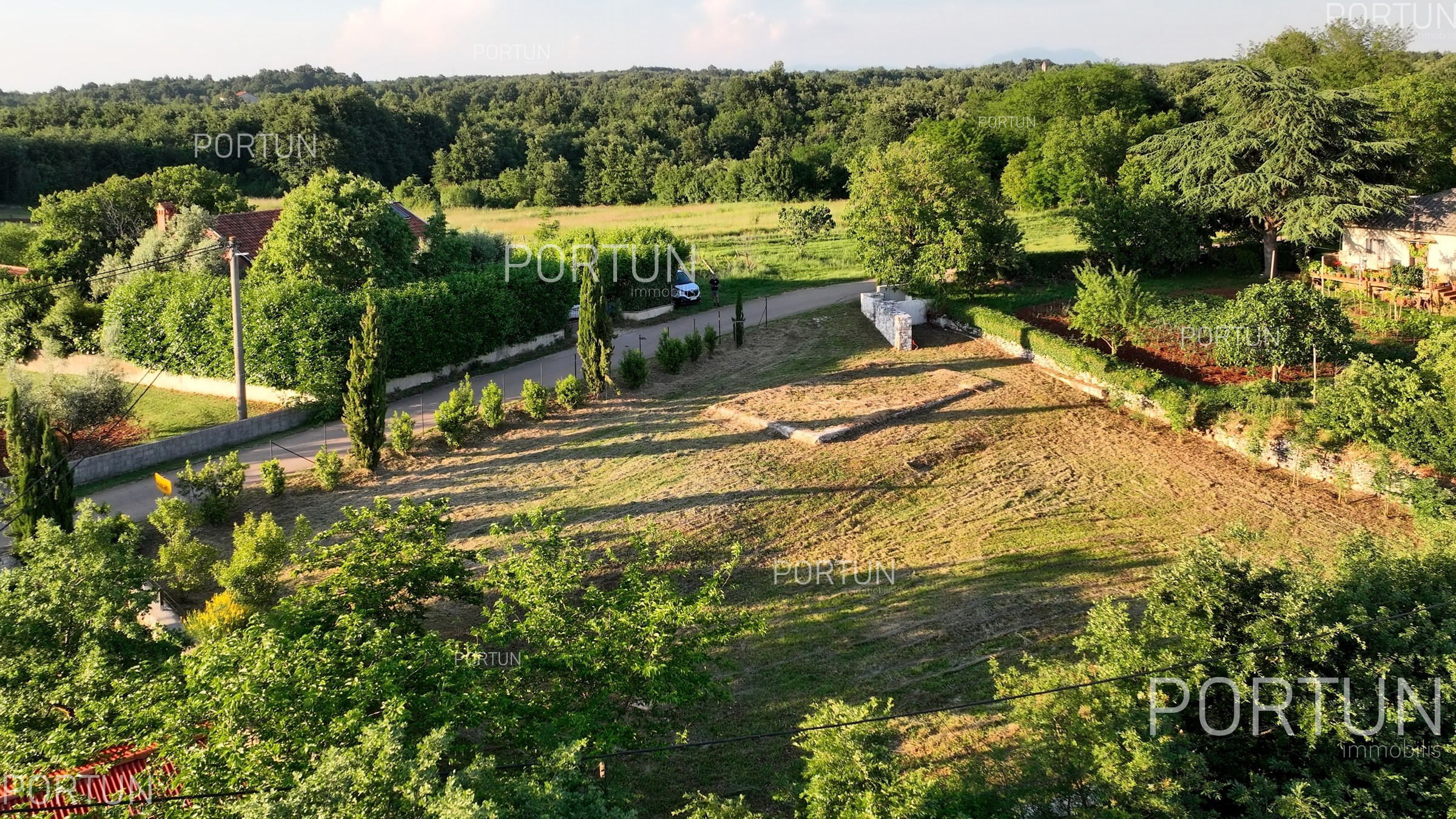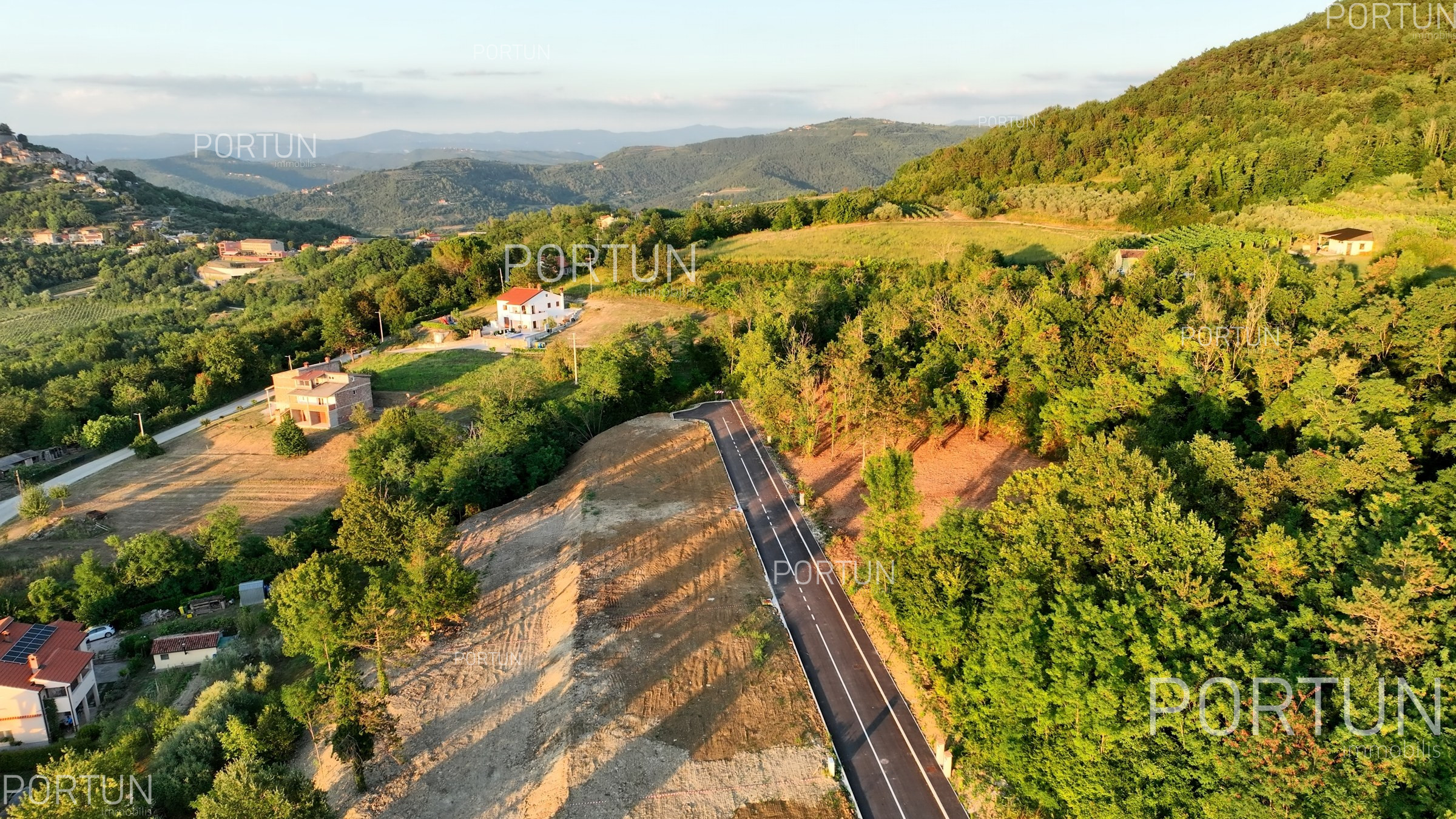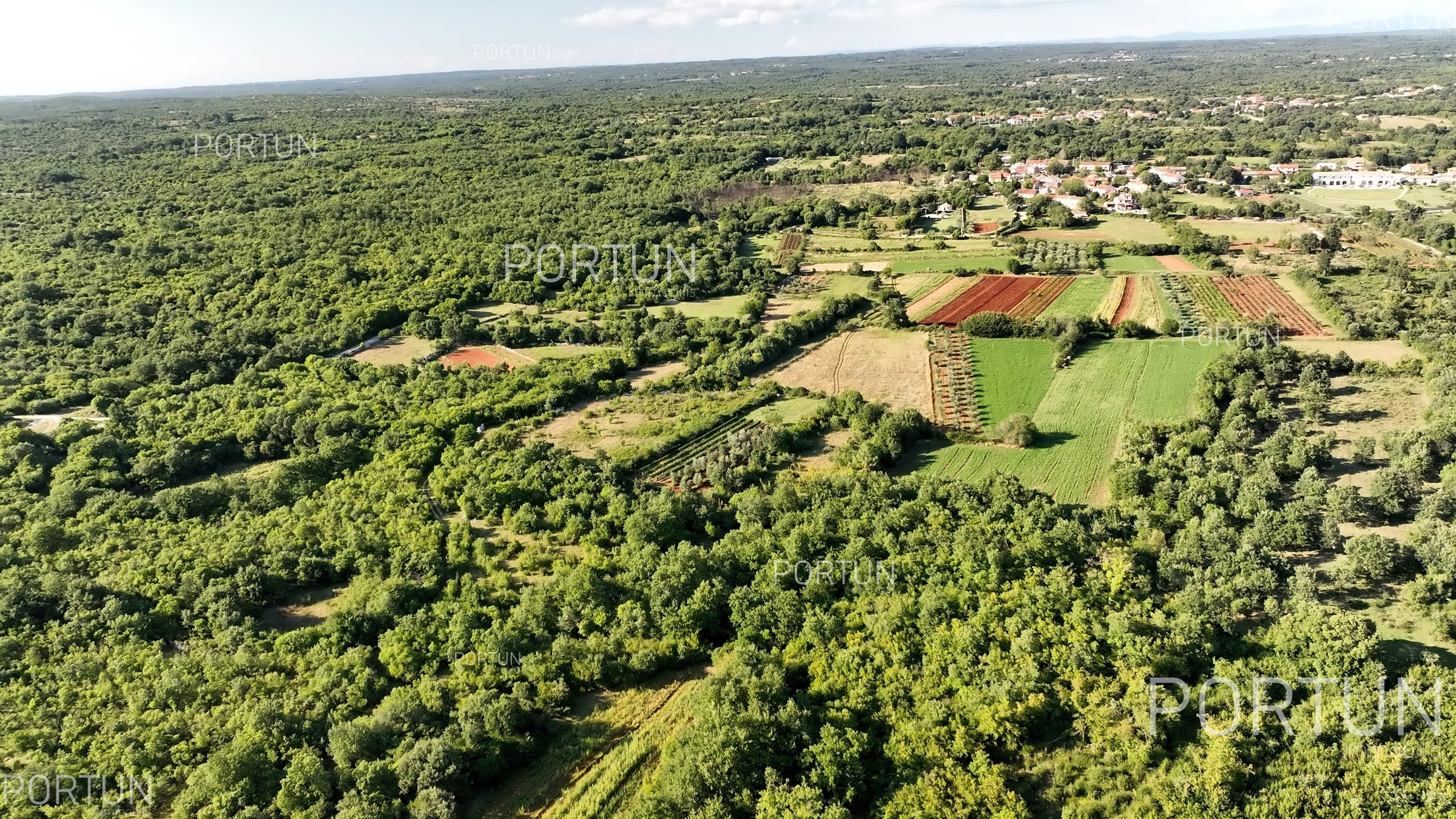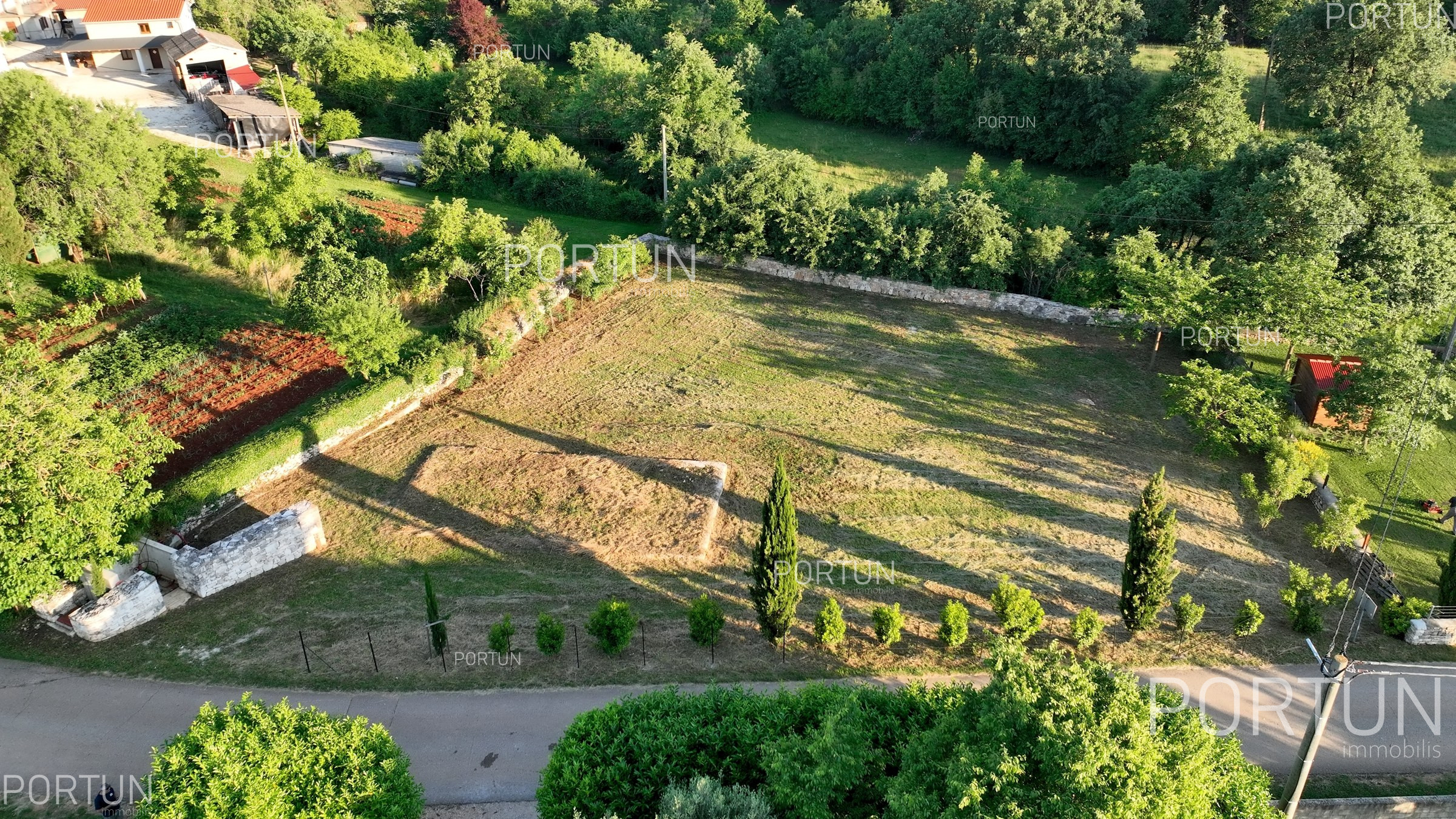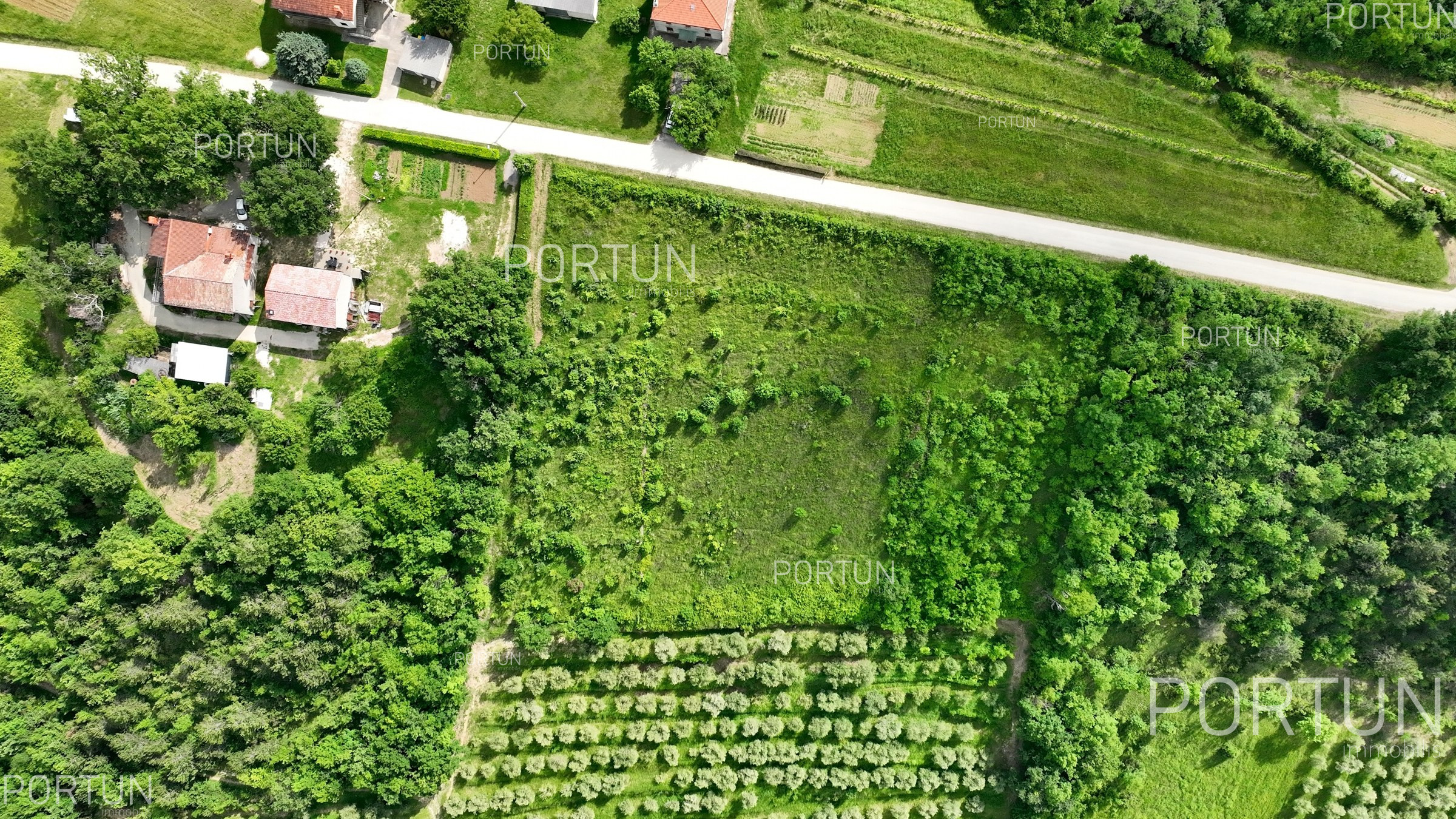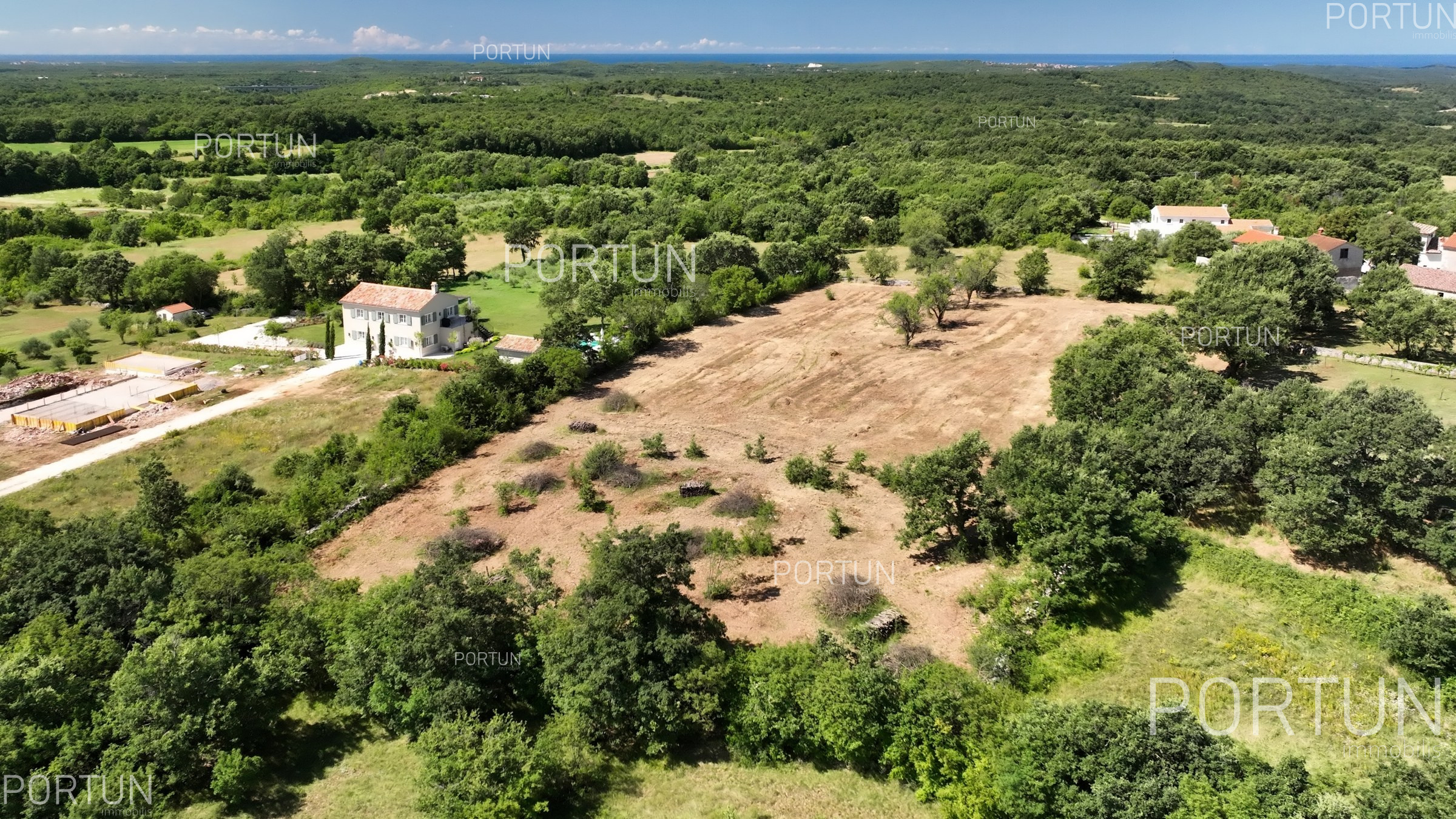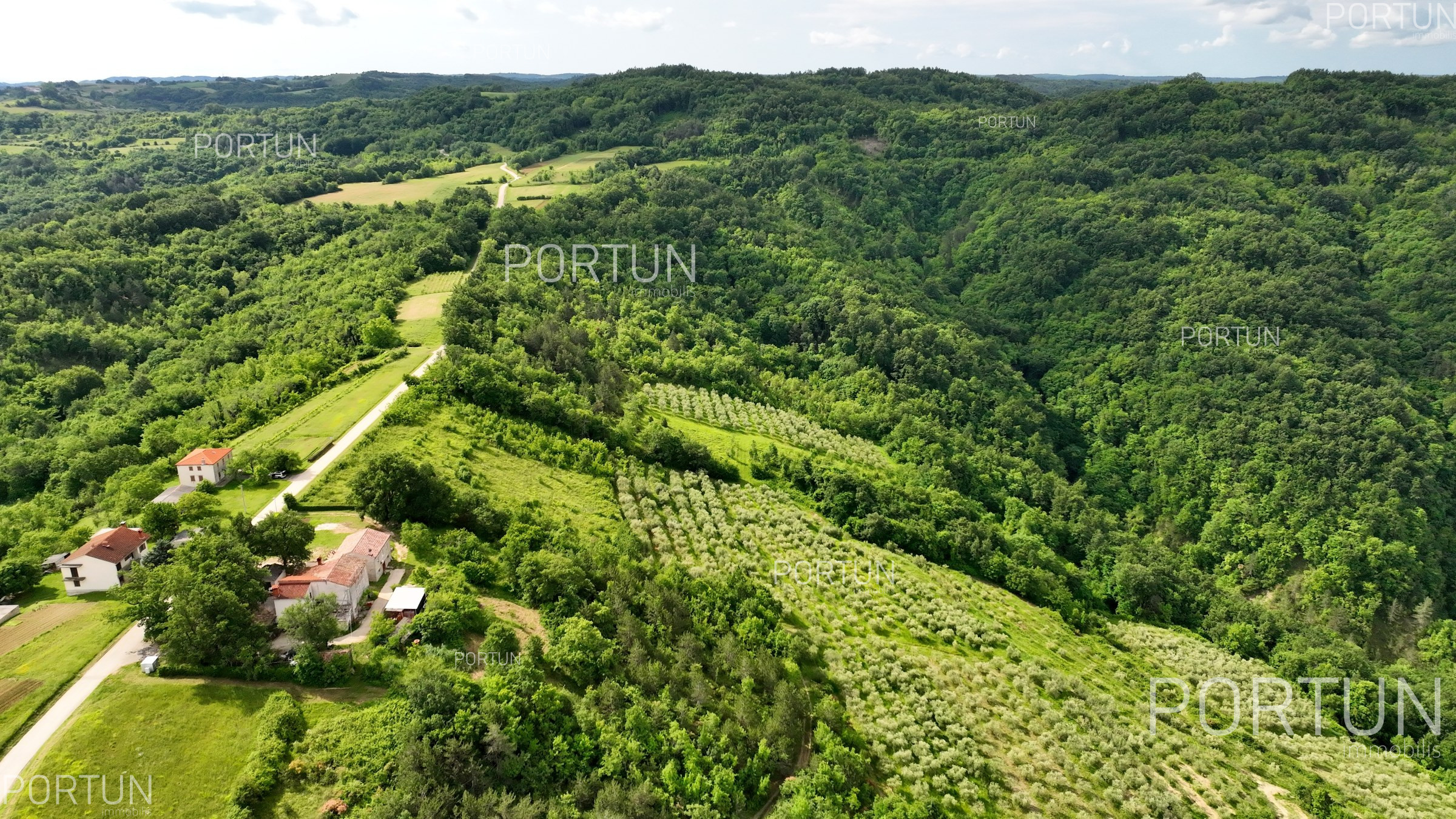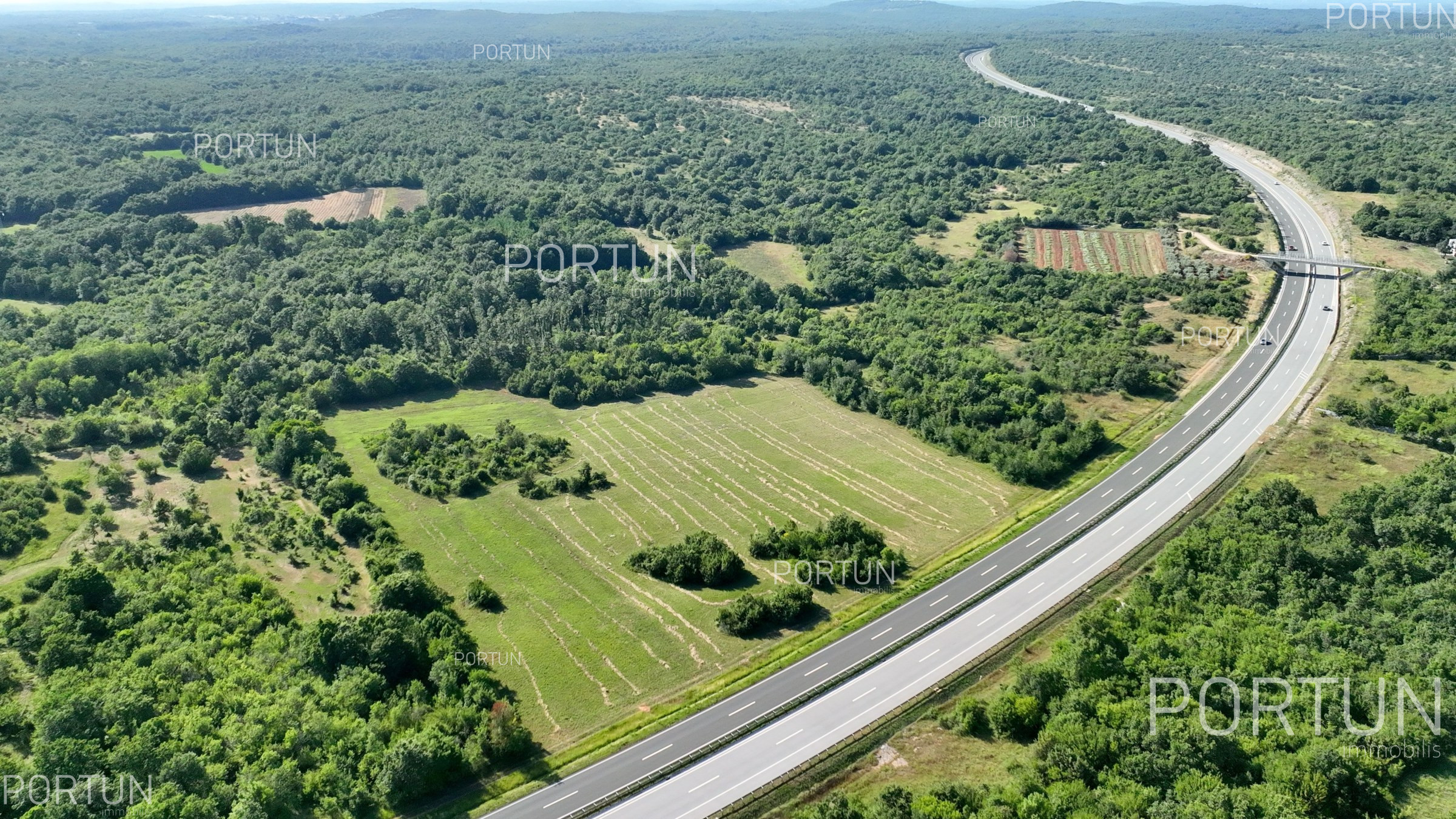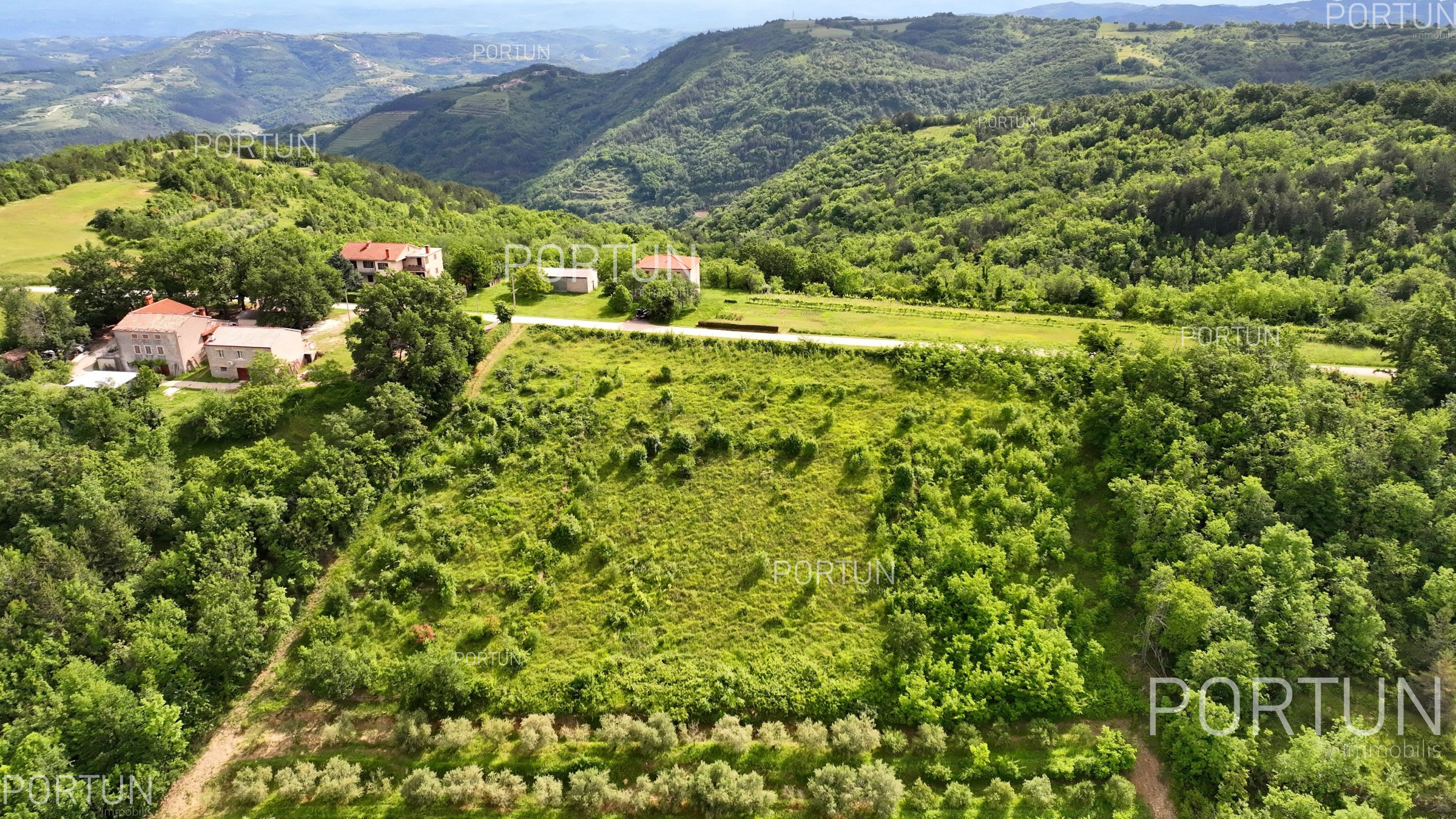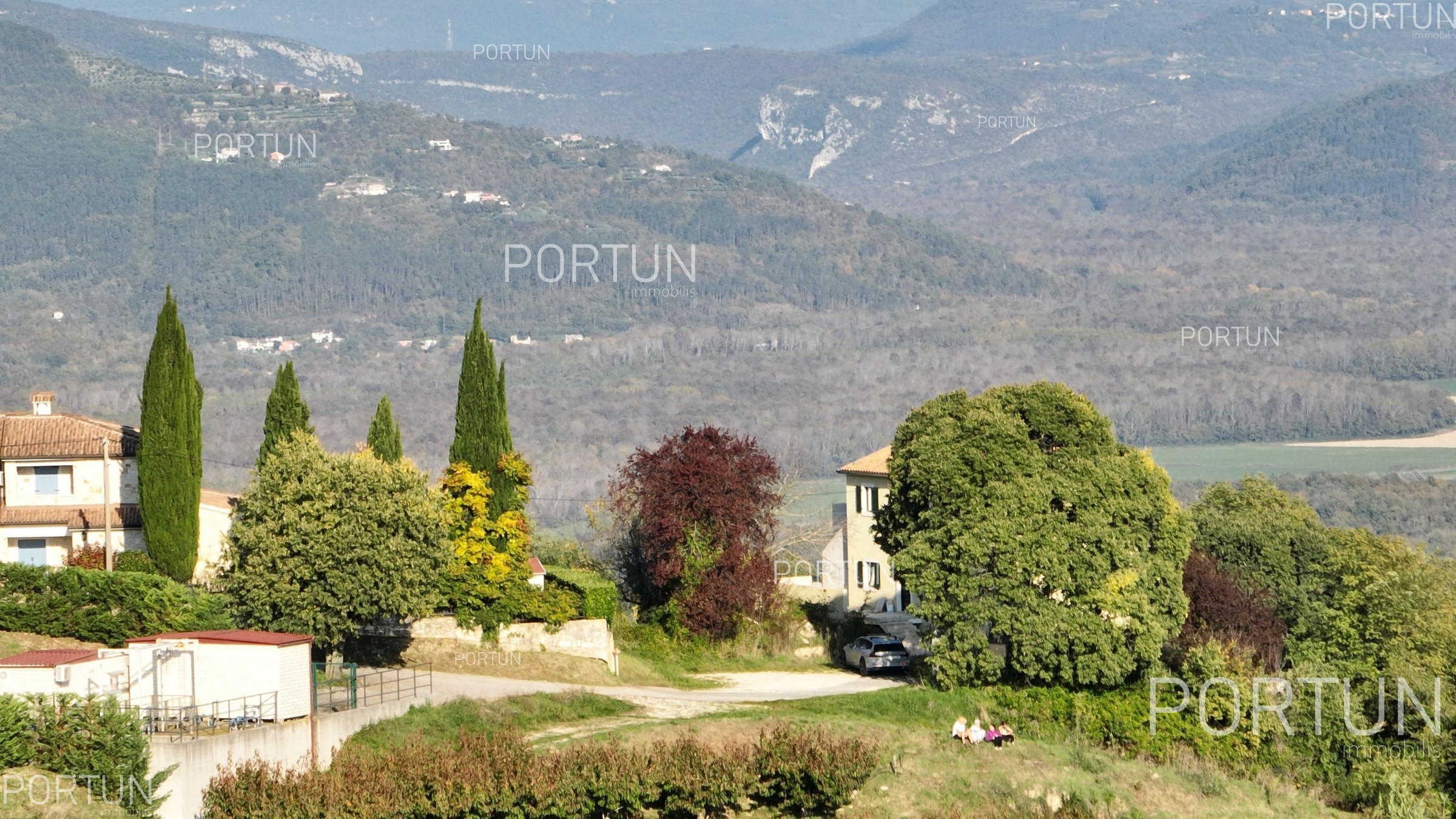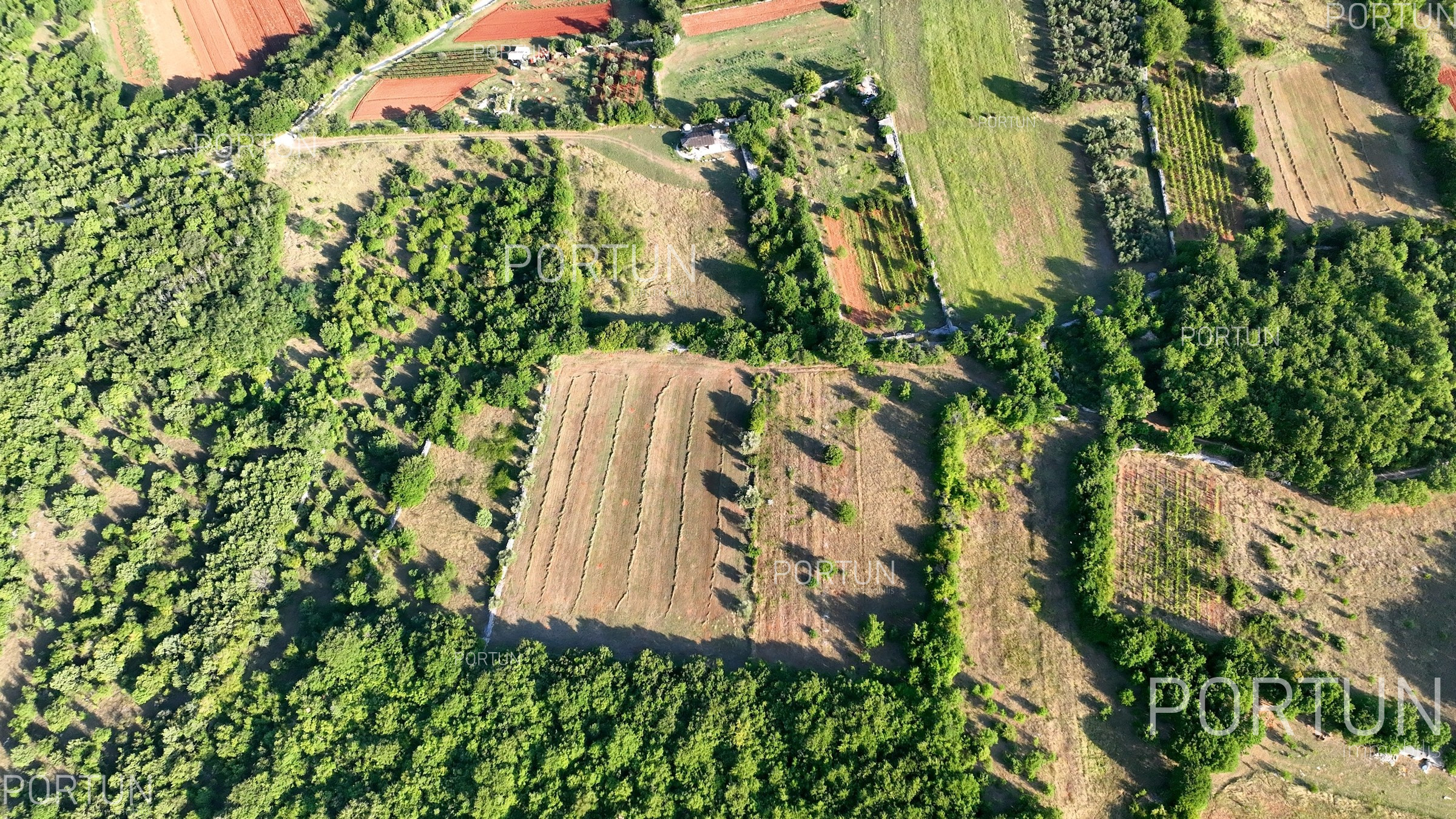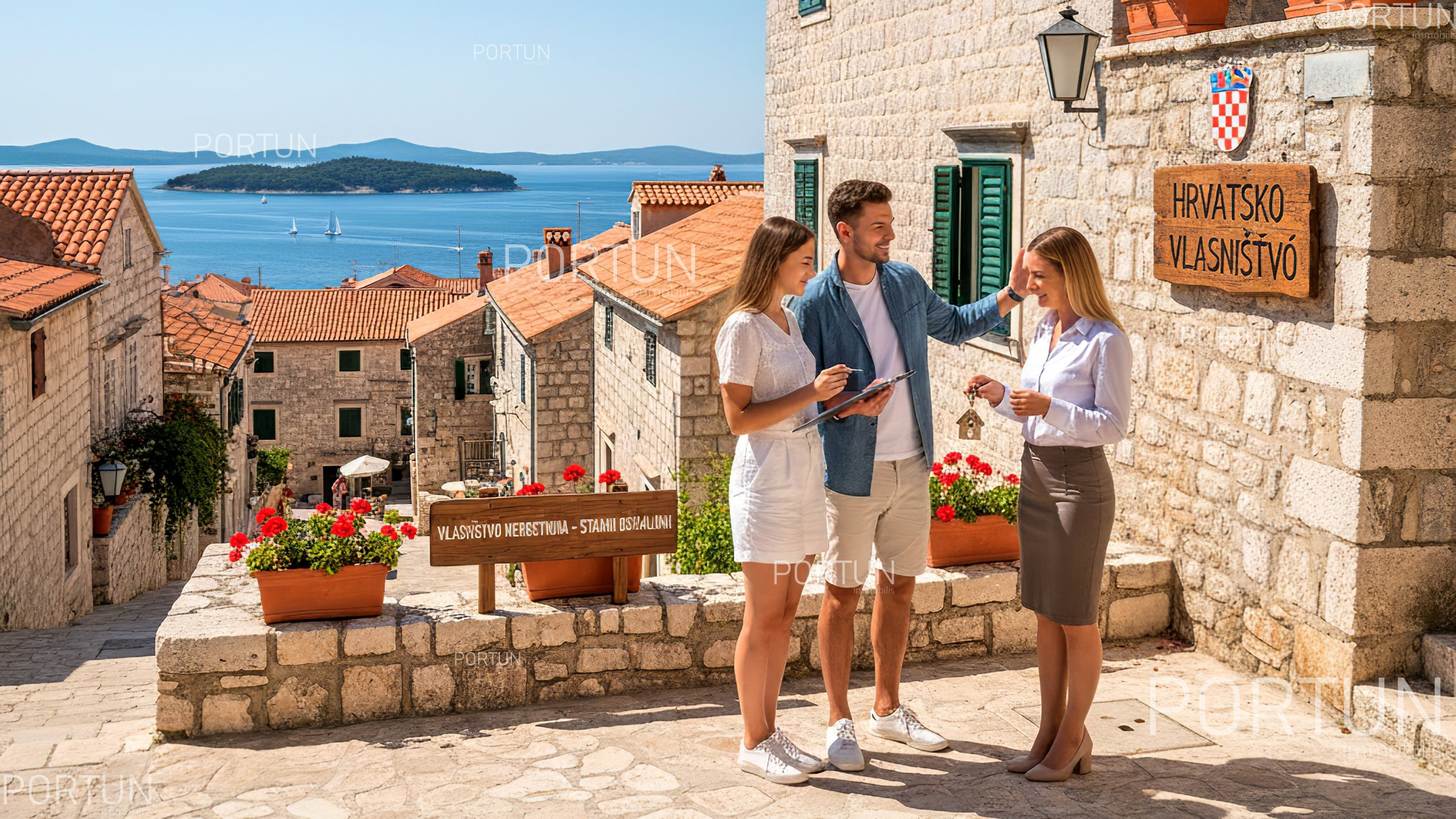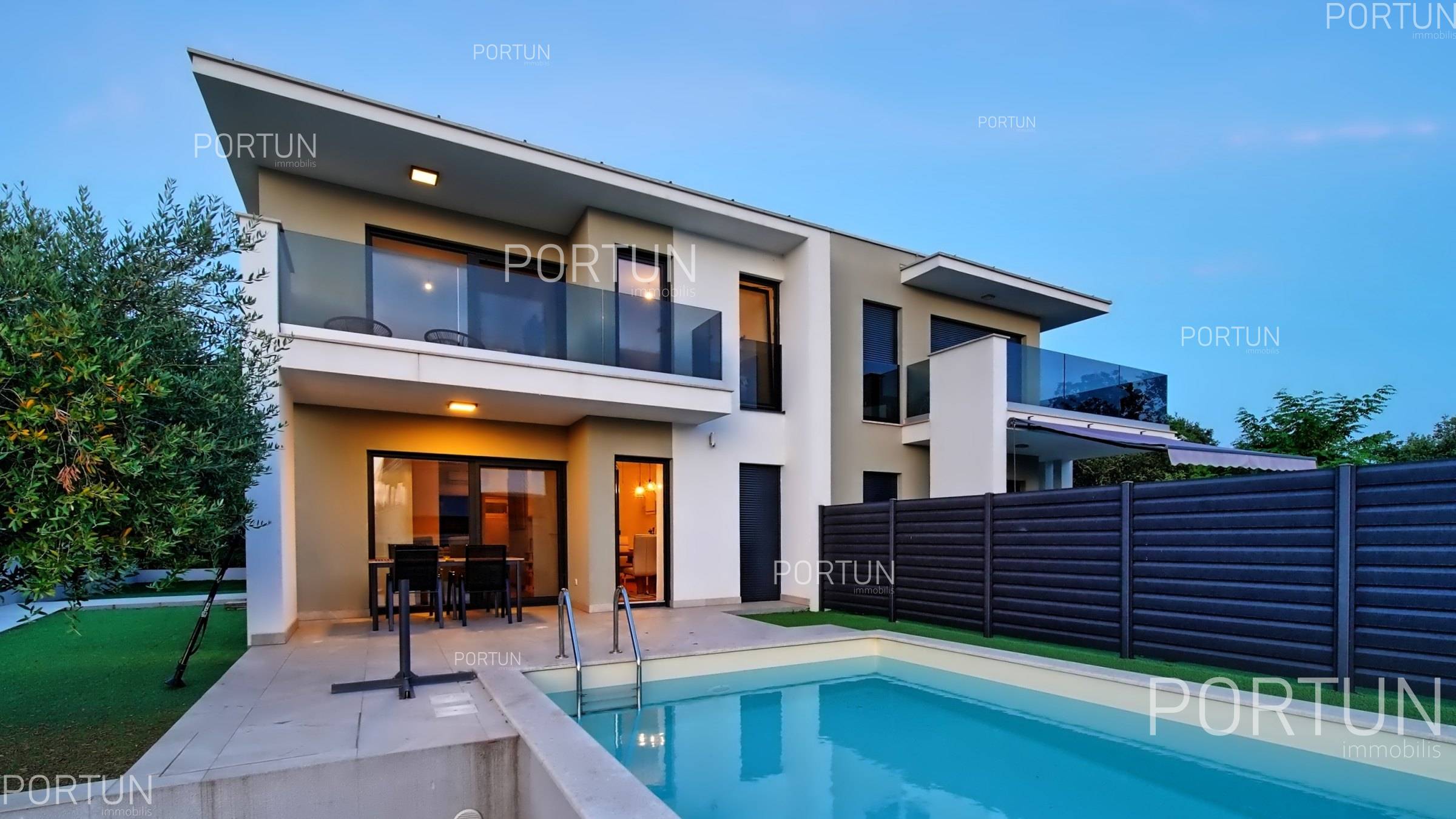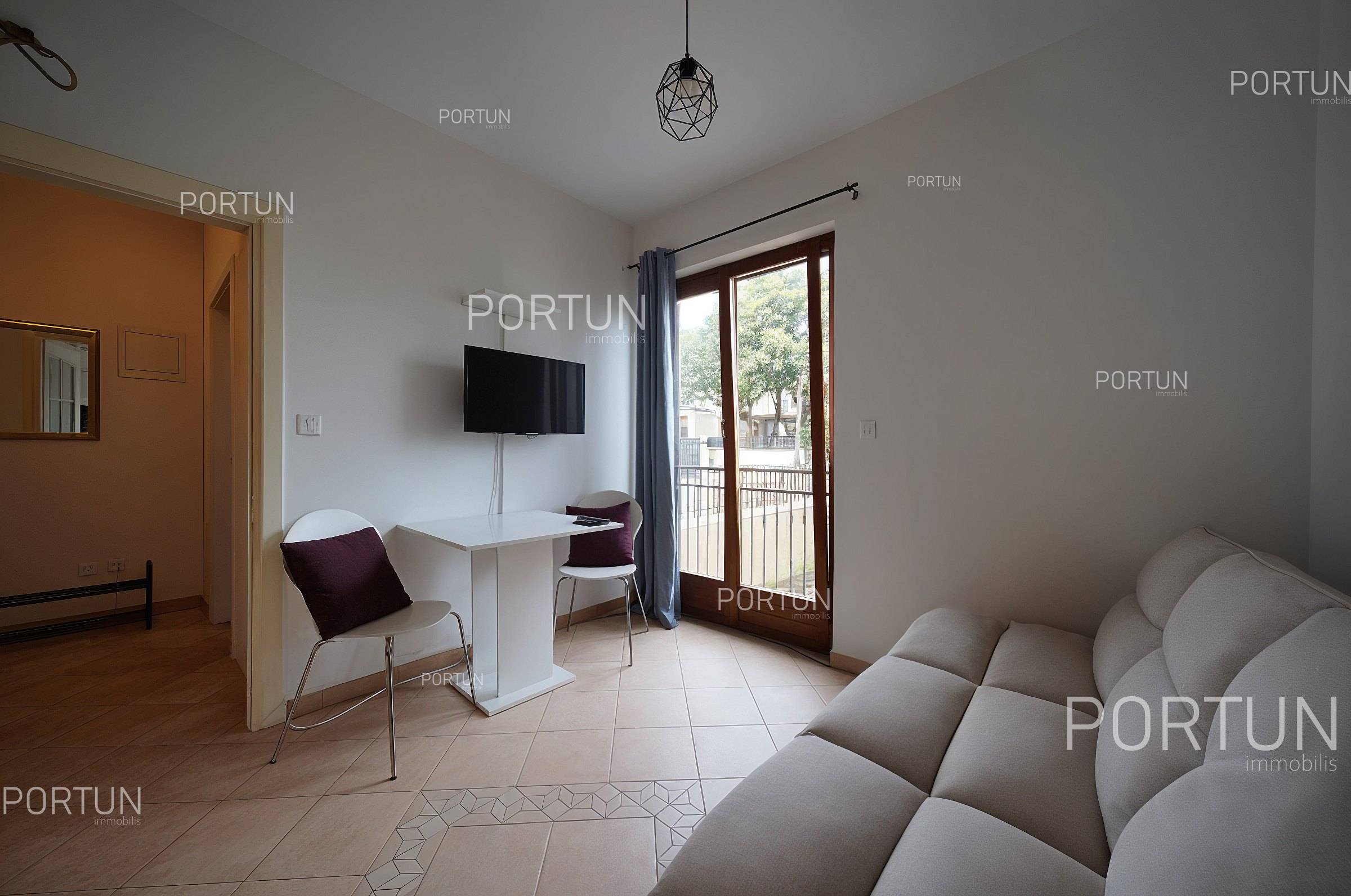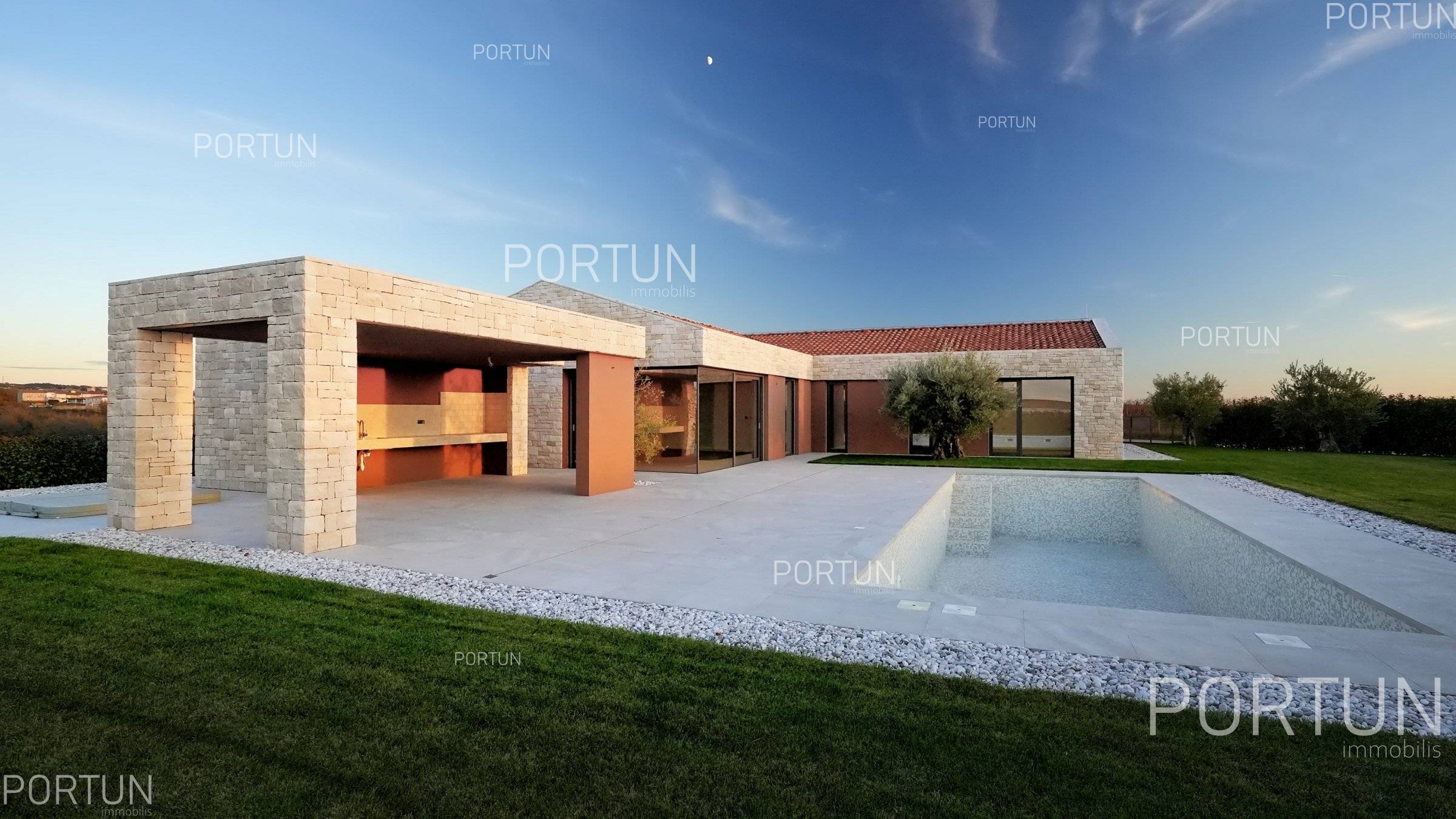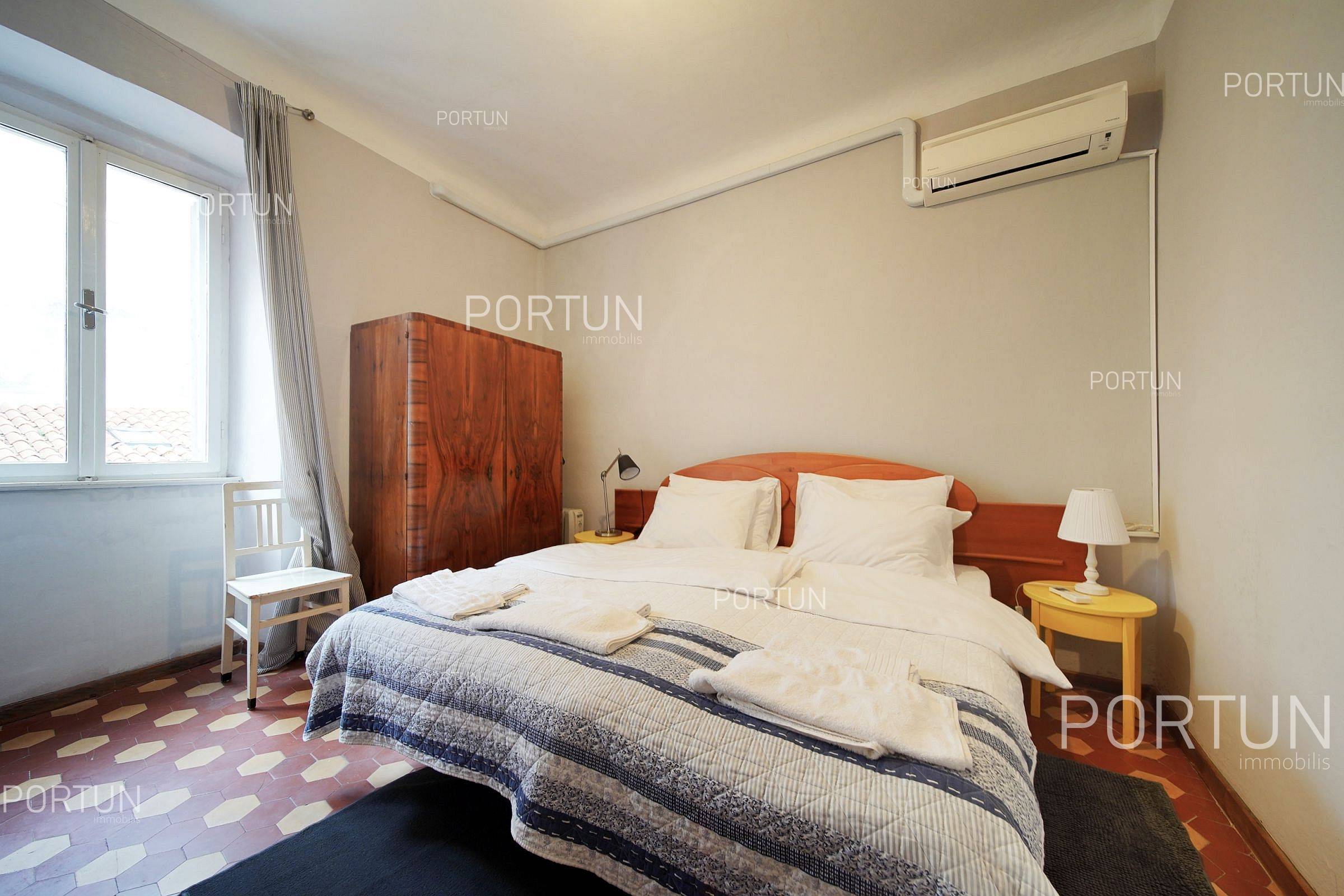
Introduction: understanding property prices in Istria today
Property prices in Istria have become a frequent topic of discussion among foreign buyers, investors, and lifestyle purchasers alike. Headlines often suggest dramatic growth, overheating, or imminent price corrections, creating confusion for anyone considering a purchase in 2026. The reality, however, is far more nuanced. Istria is not a single, uniform market, but a collection of very different micro-locations, each shaped by demand, supply restrictions, infrastructure, and long-term planning policies.
Foreign buyers often approach Istria with expectations formed by experiences in Spain, Portugal, or Italy, assuming similar price logic applies across Mediterranean markets. While certain parallels exist, Istria follows its own rules. This guide aims to separate myth from reality by explaining what actually drives property prices in Istria, where prices are justified, where expectations are unrealistic, and how buyers can evaluate value beyond headline numbers.
Why Istria cannot be treated as a single property market
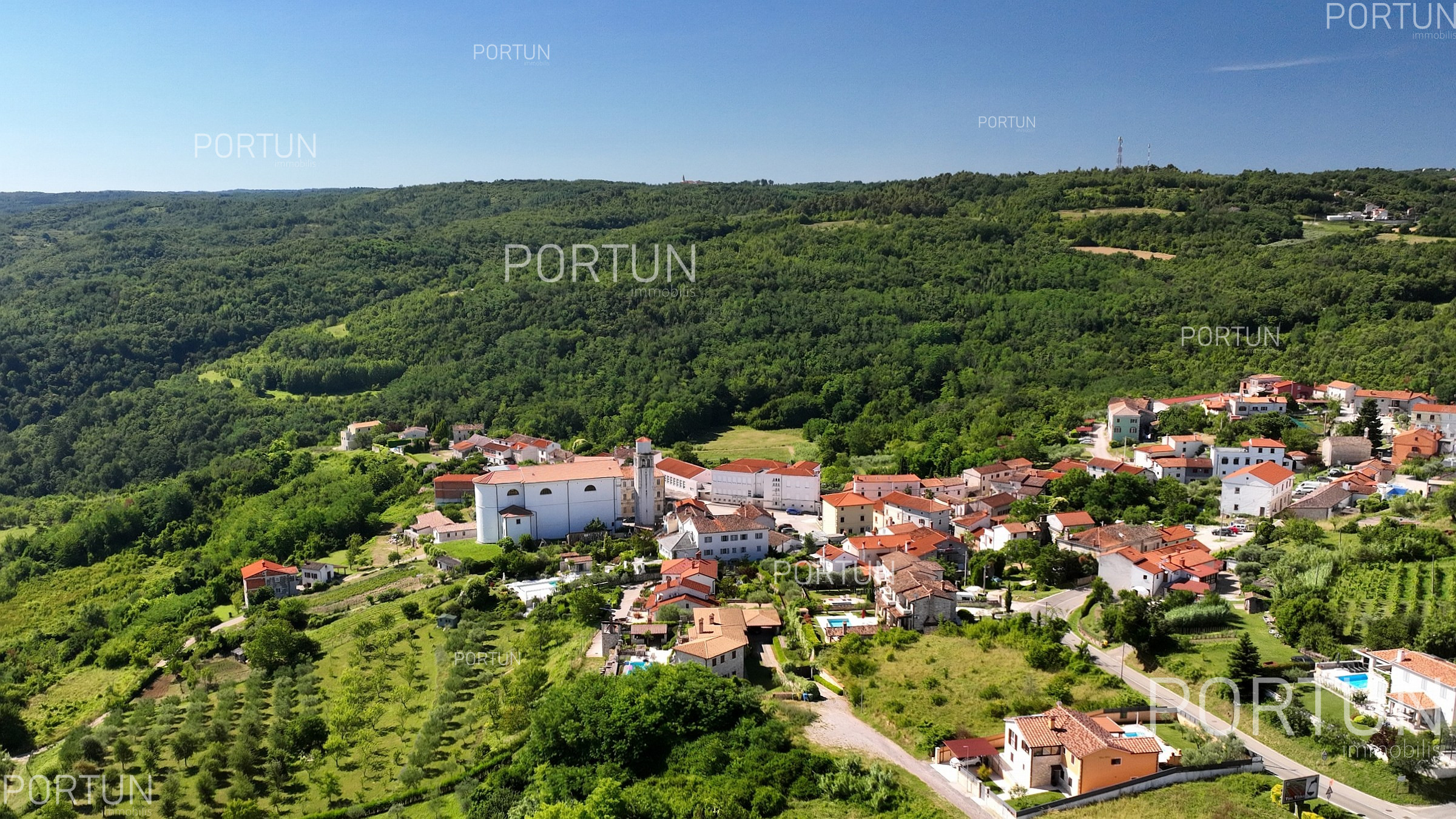
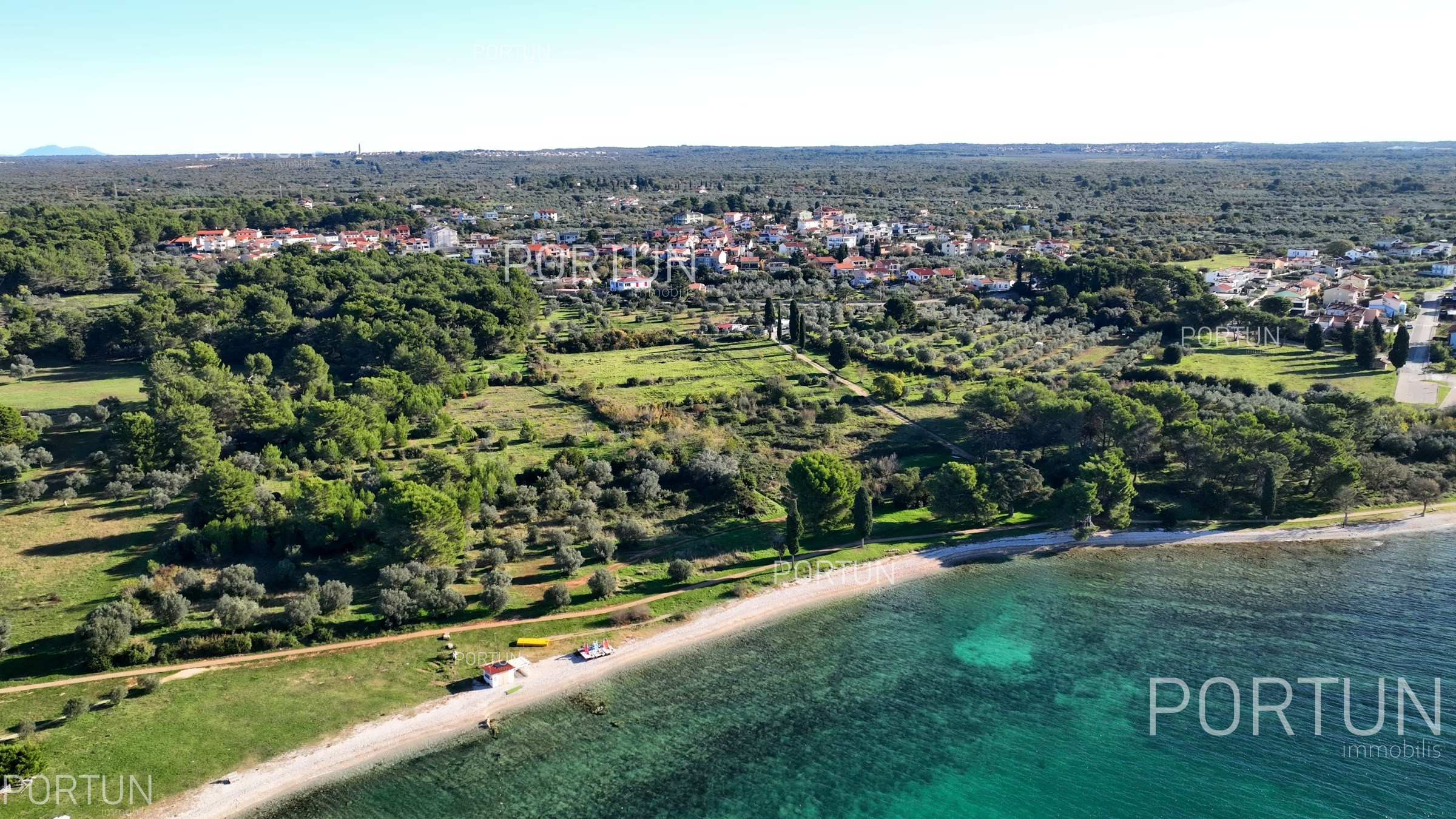
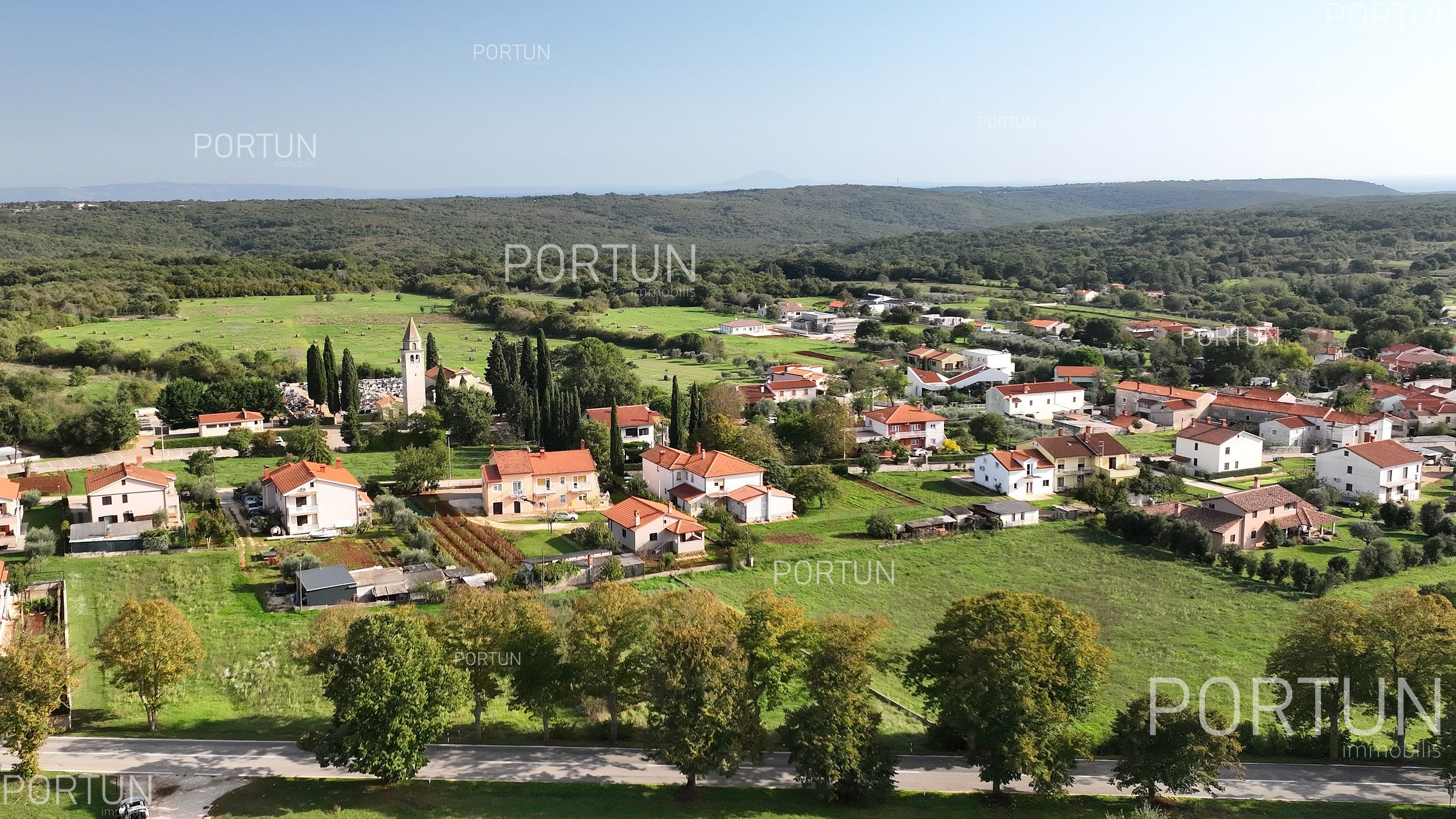
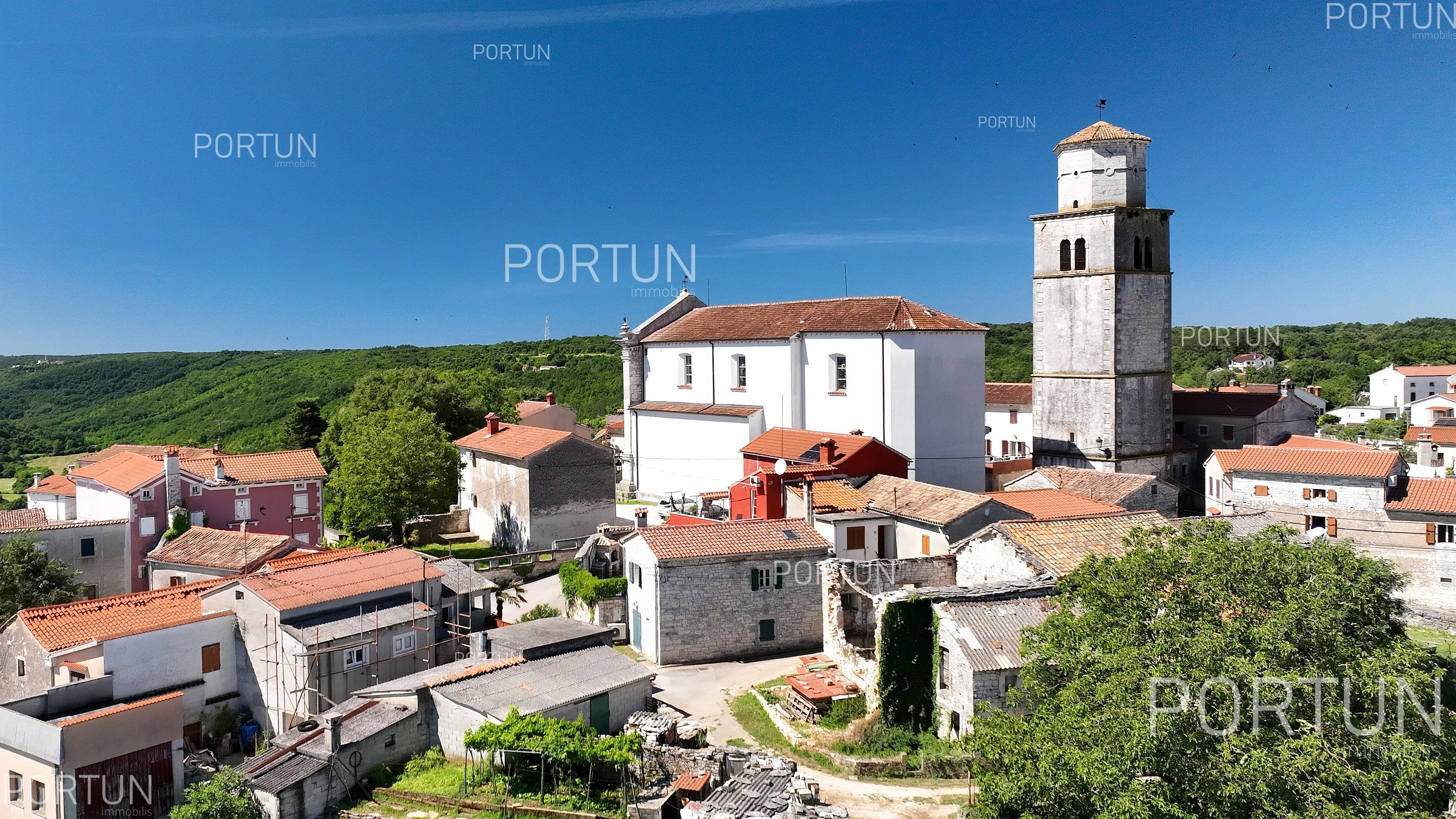
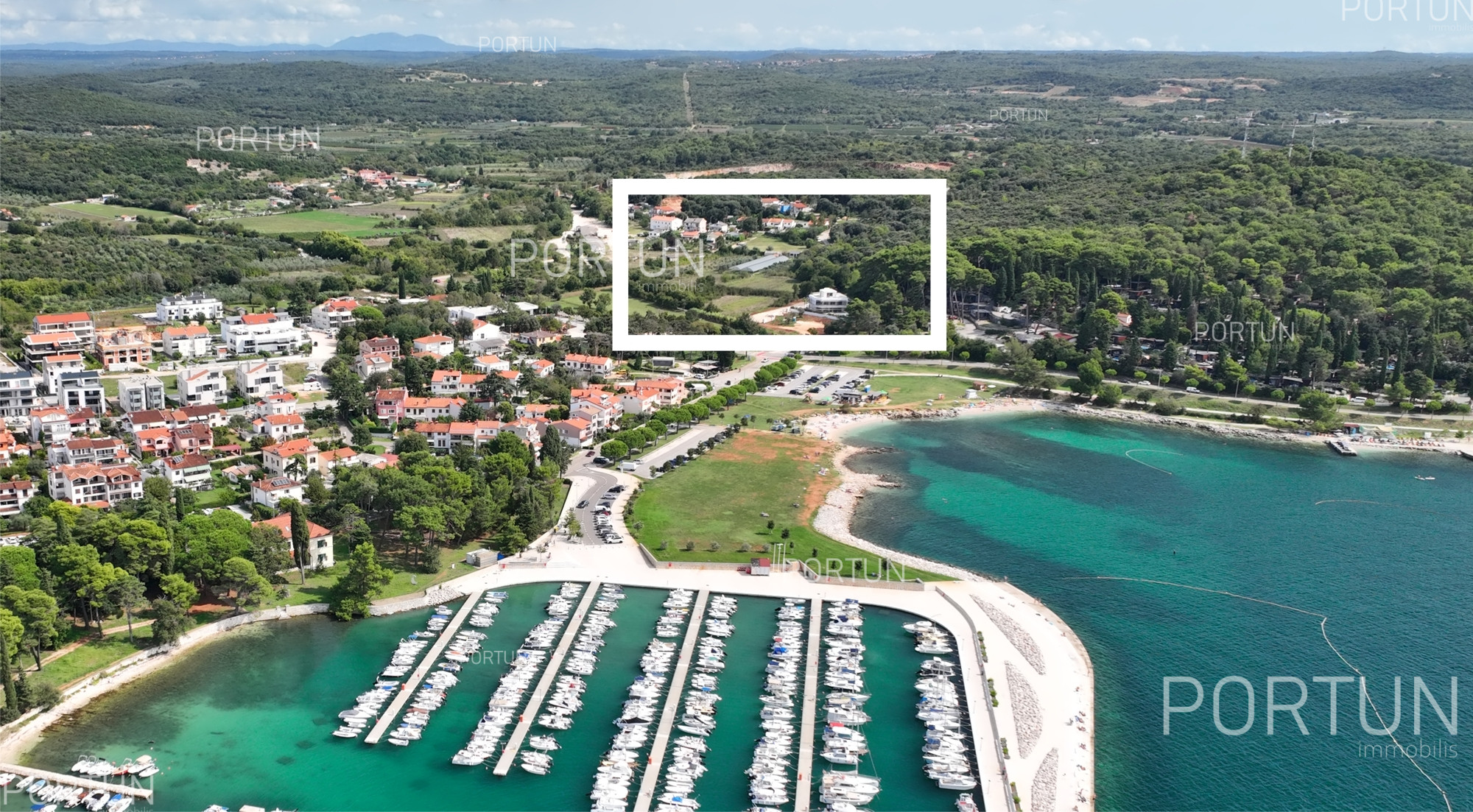
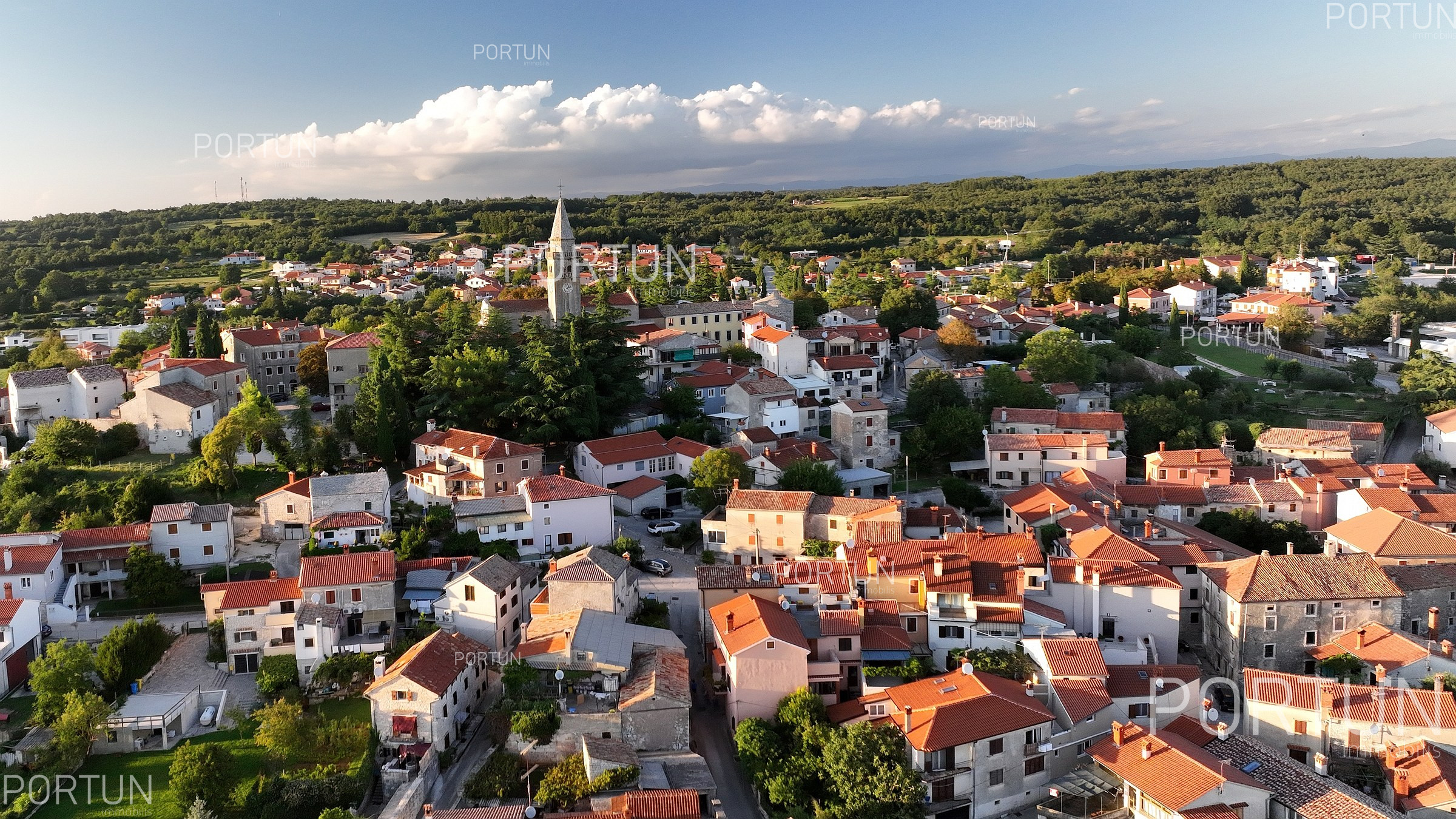
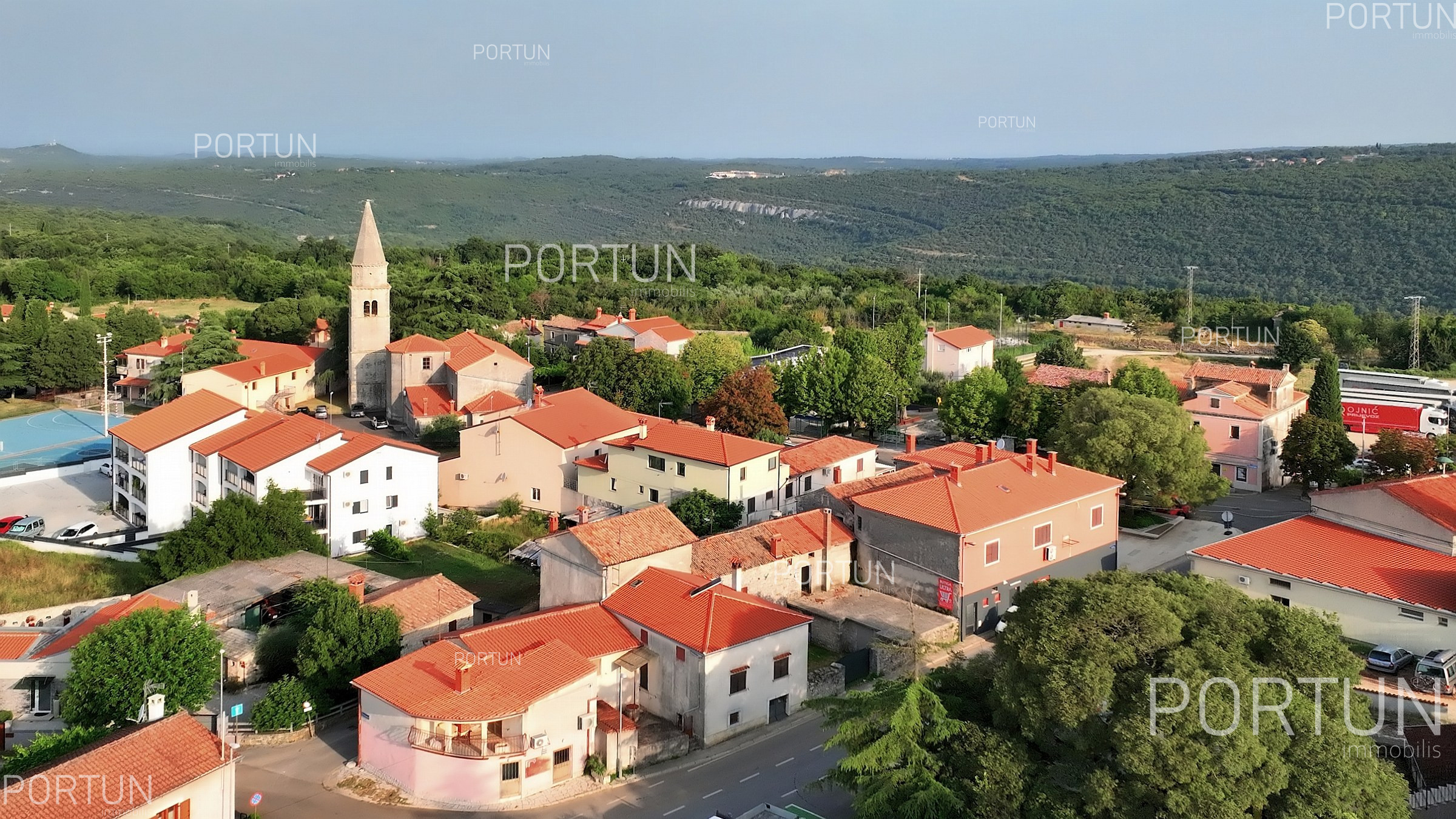
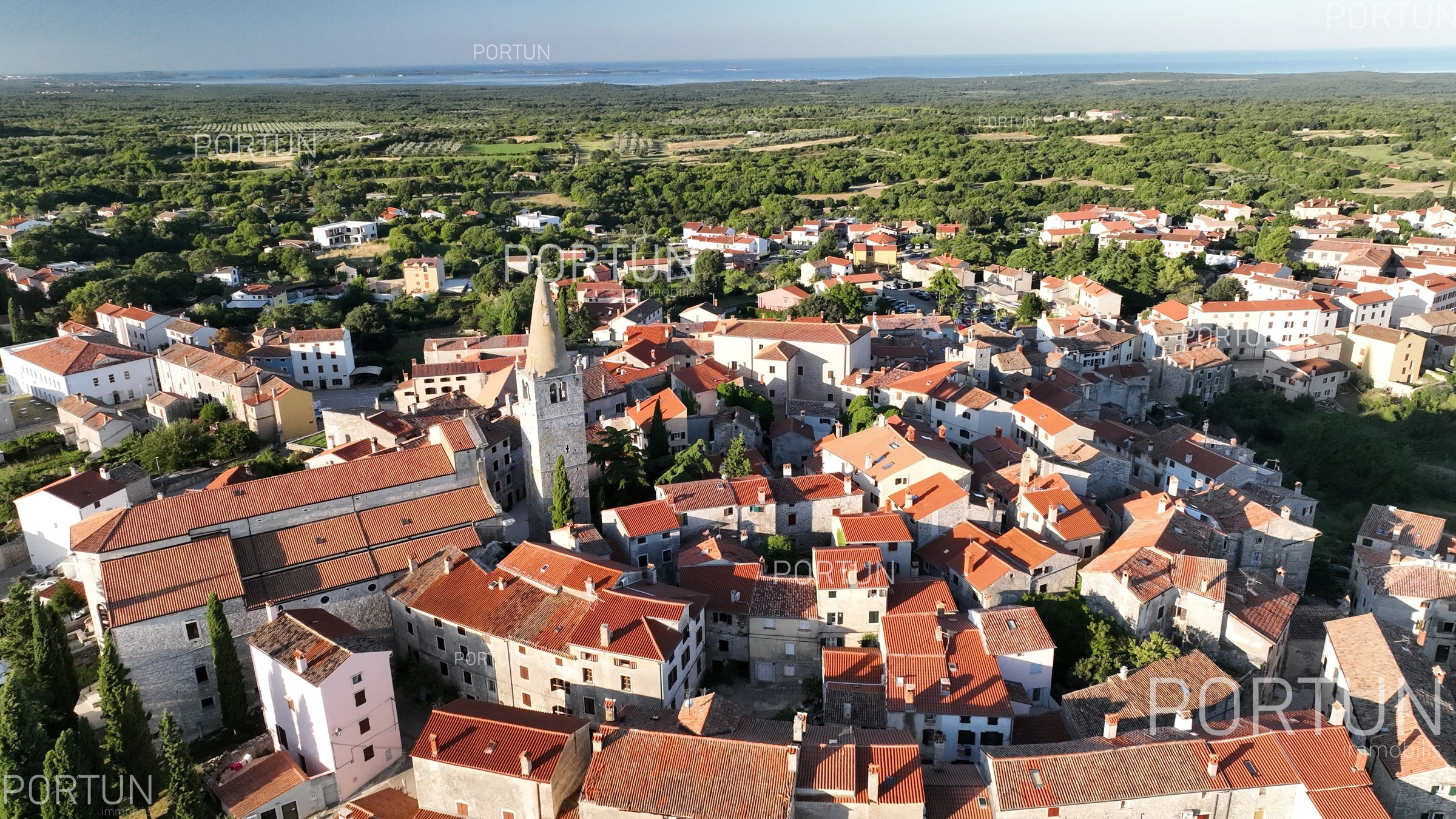
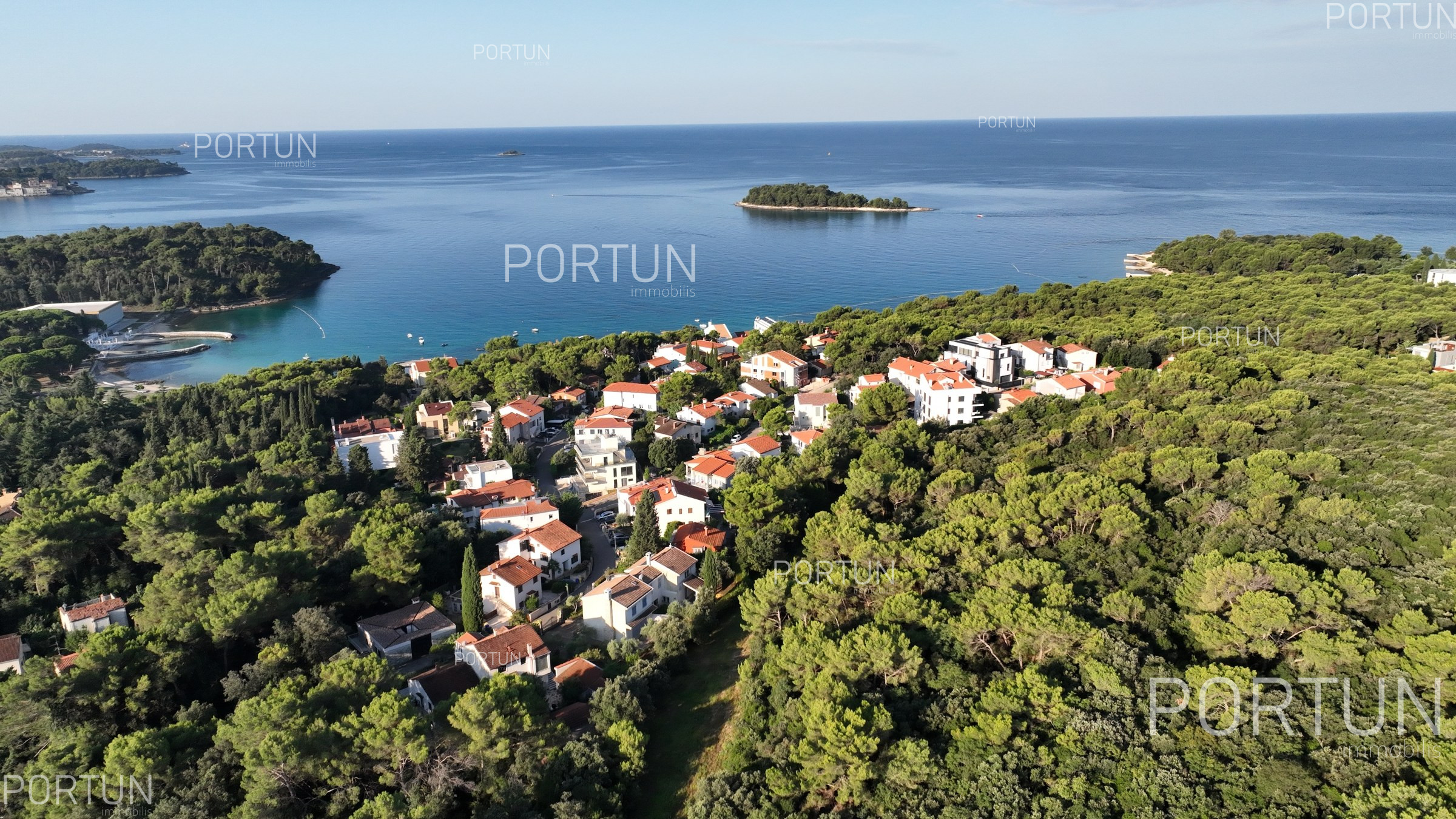
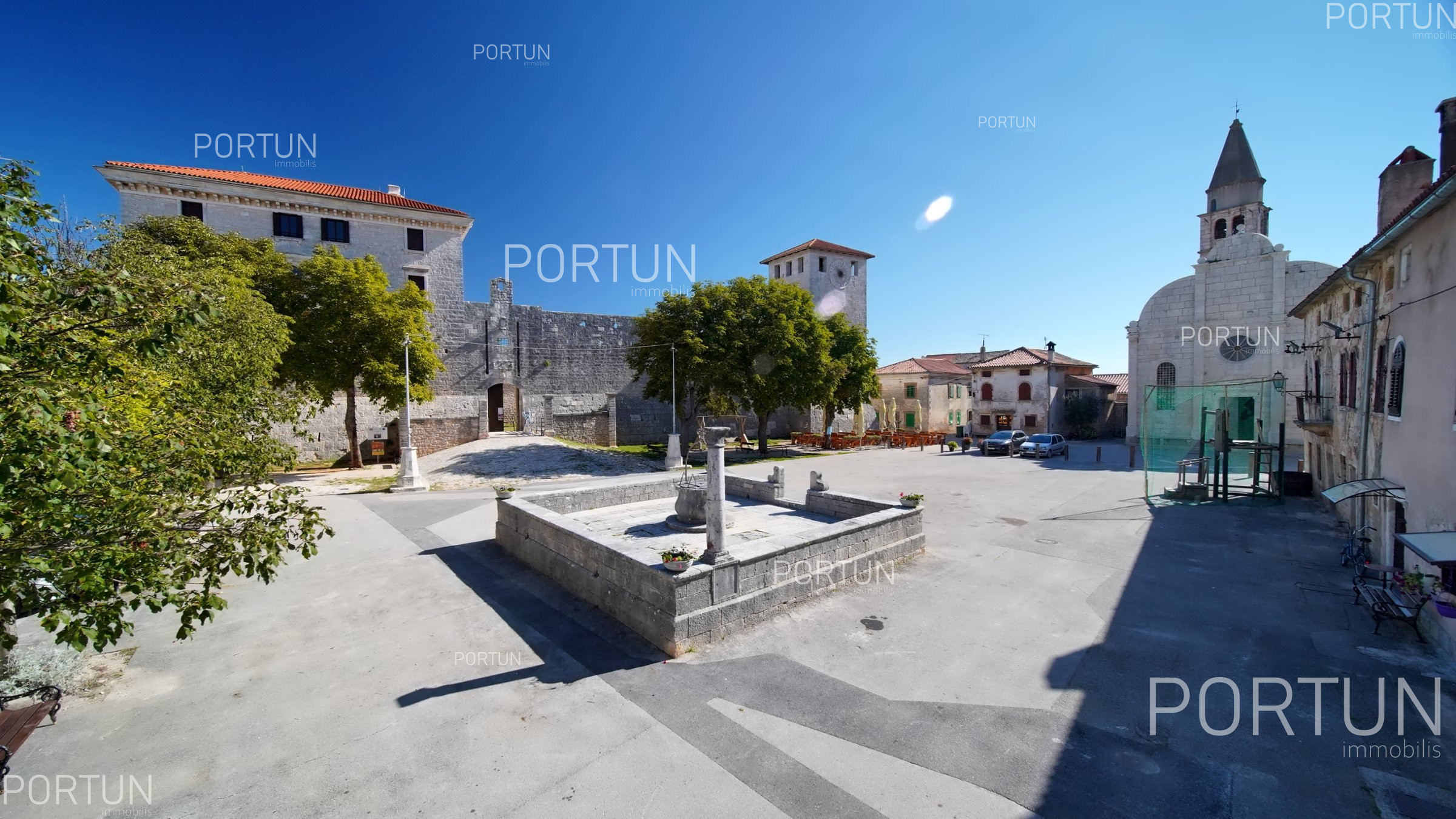
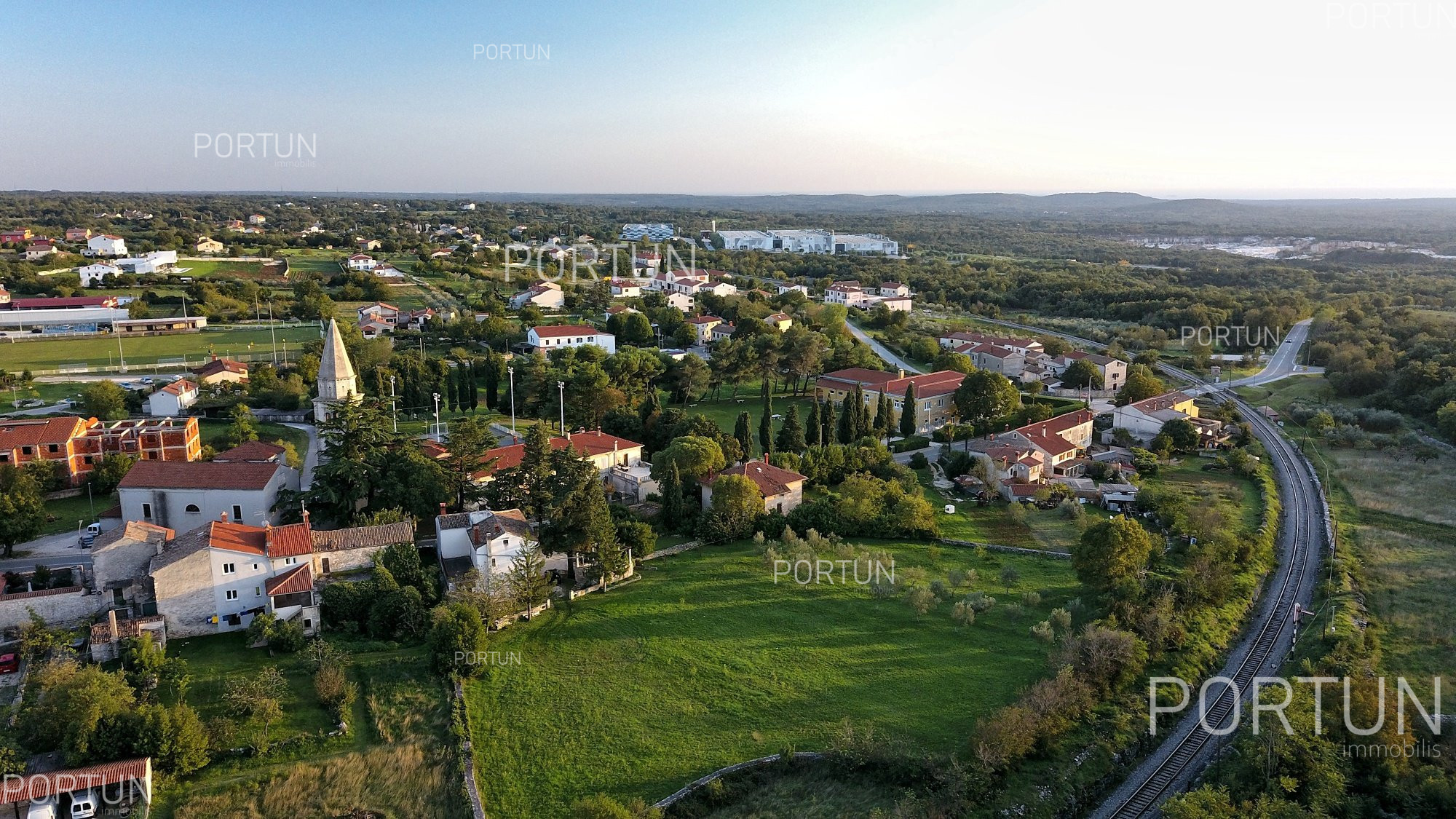
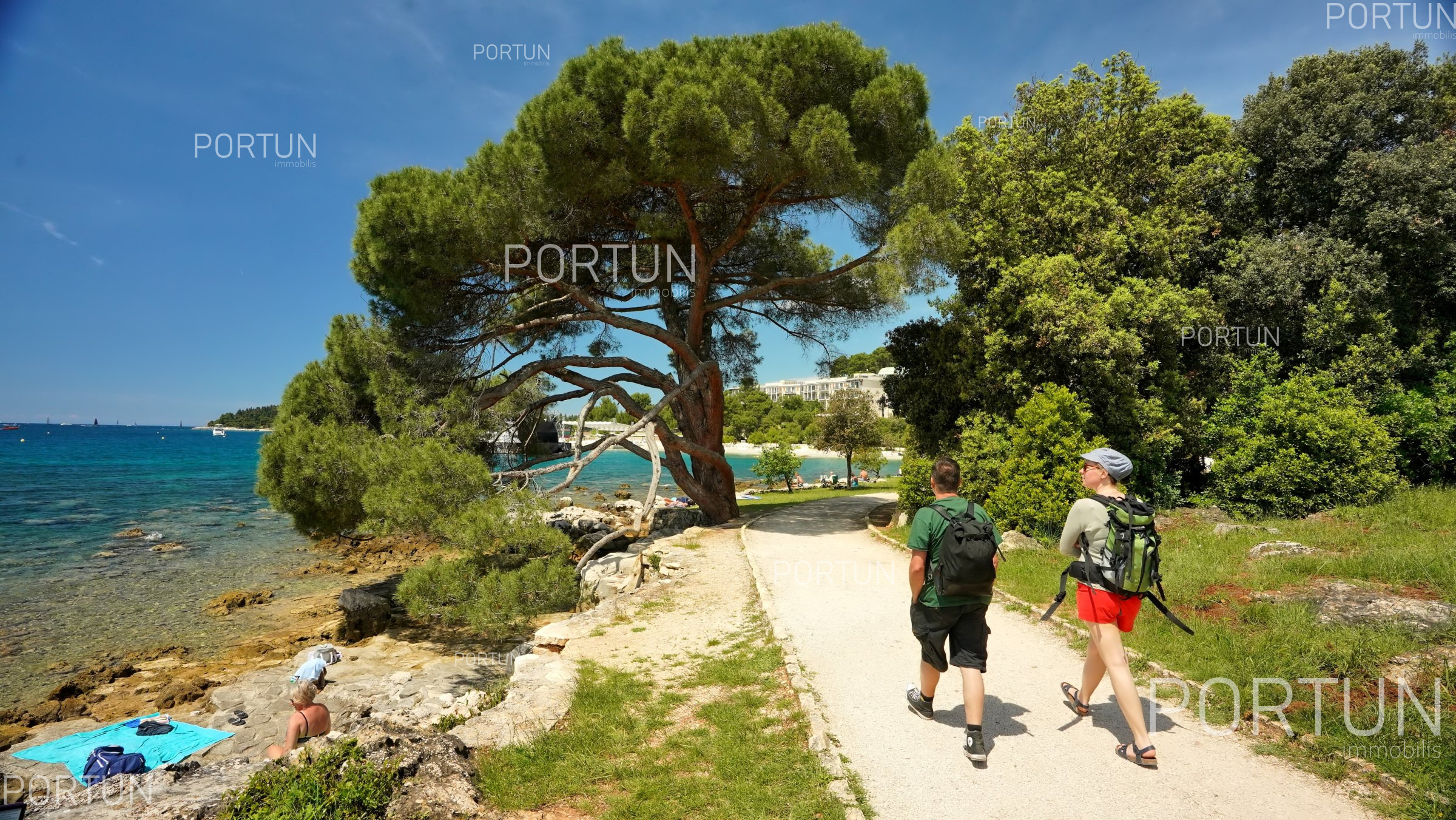
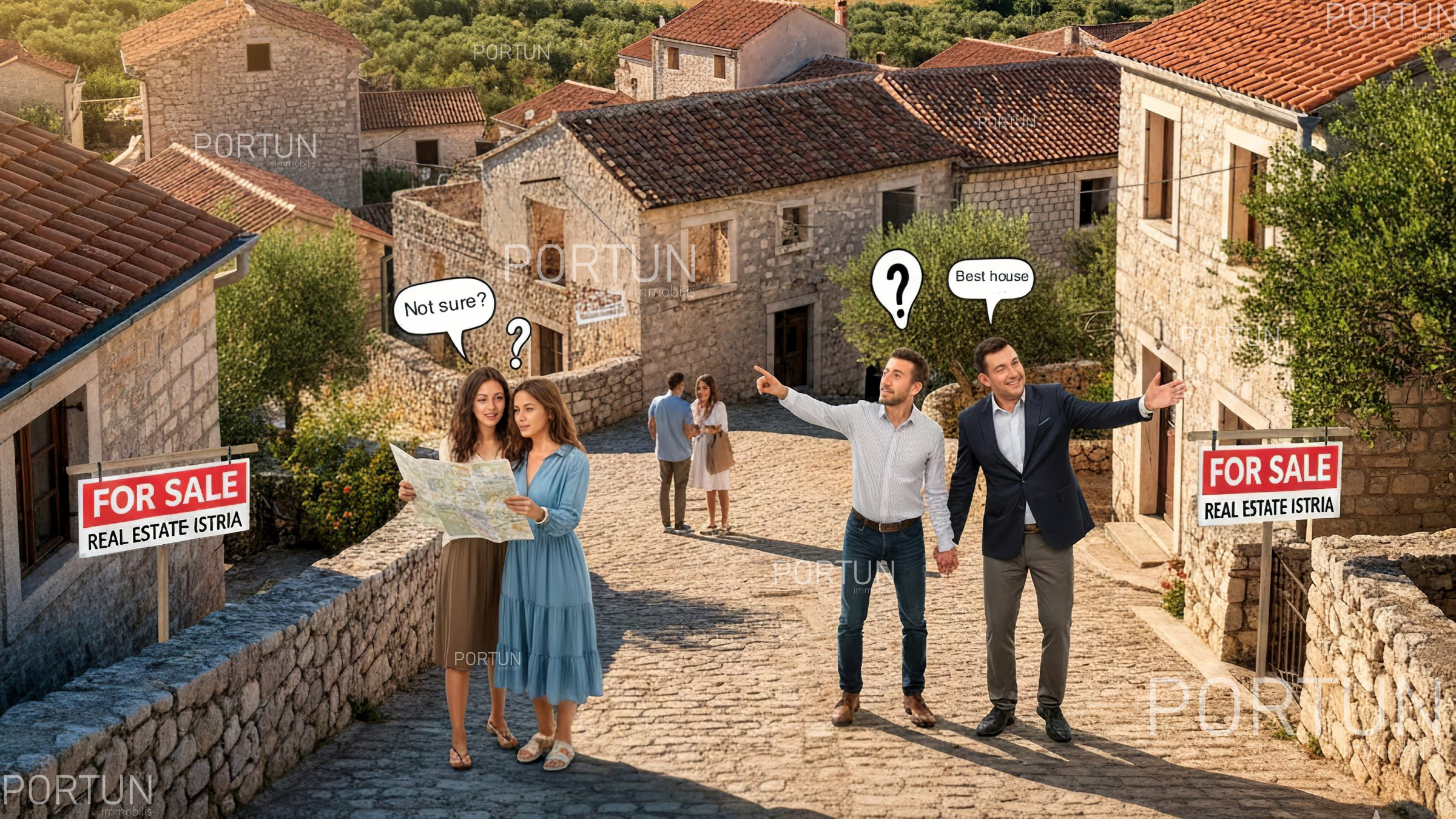
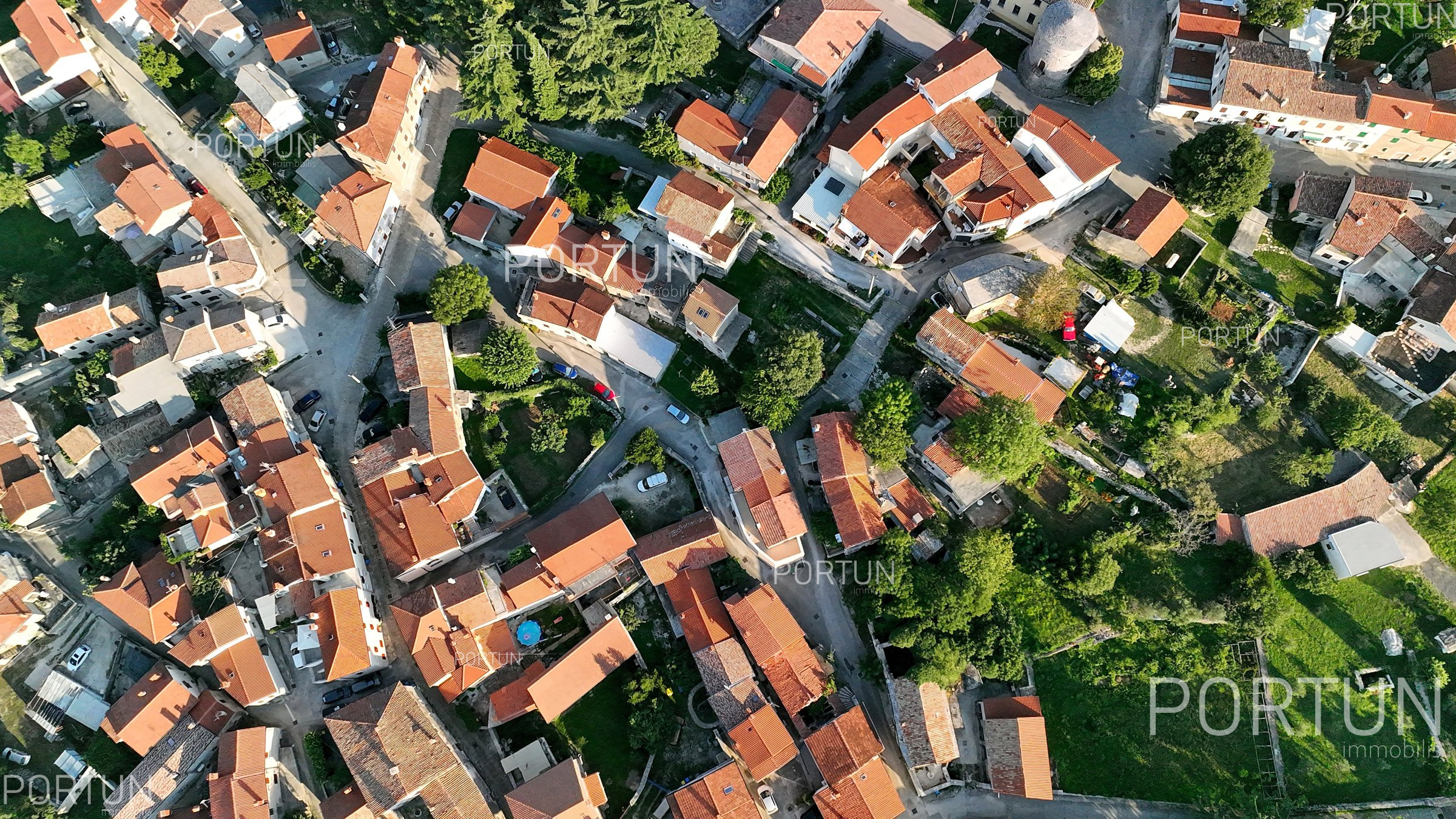
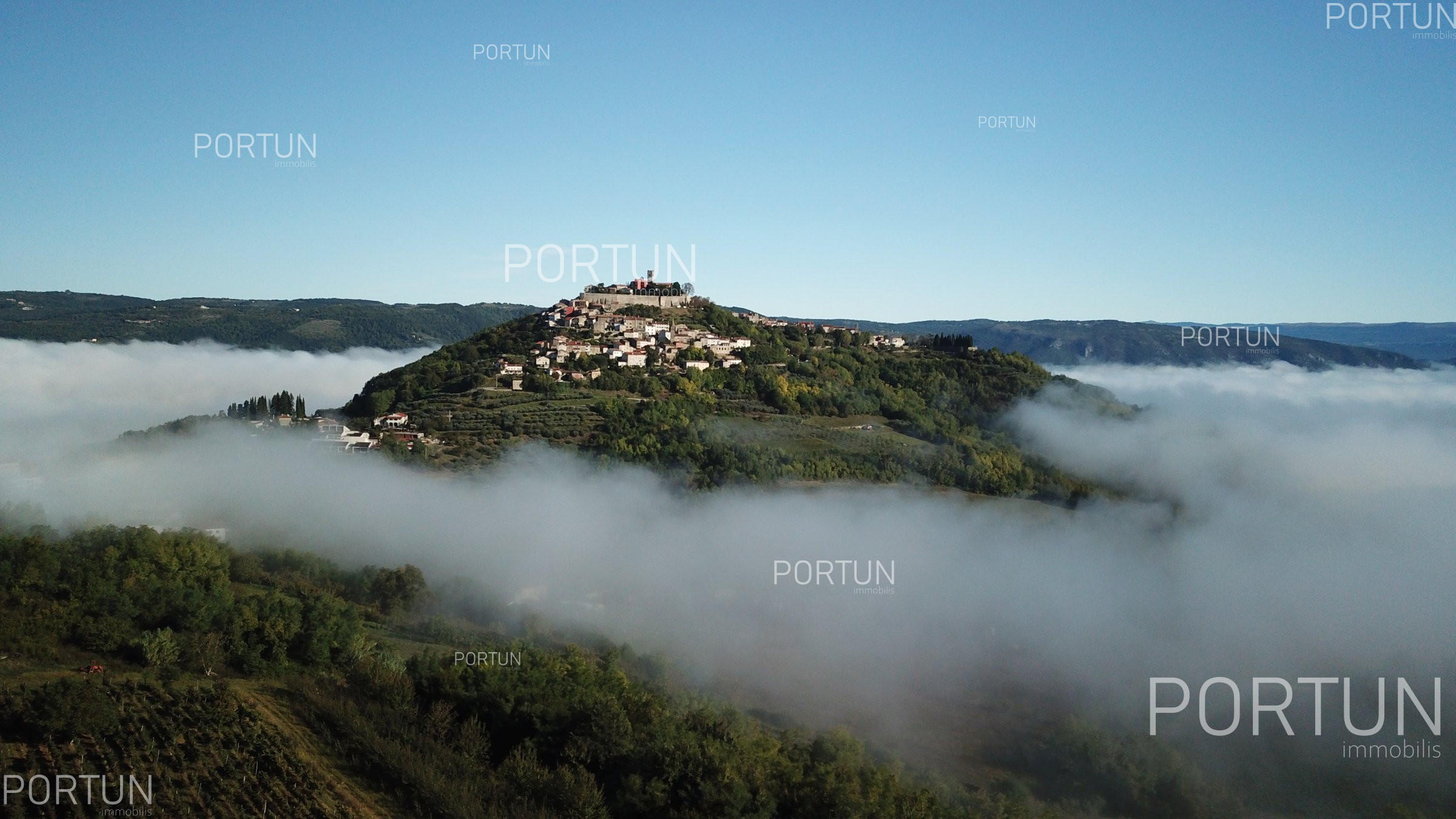
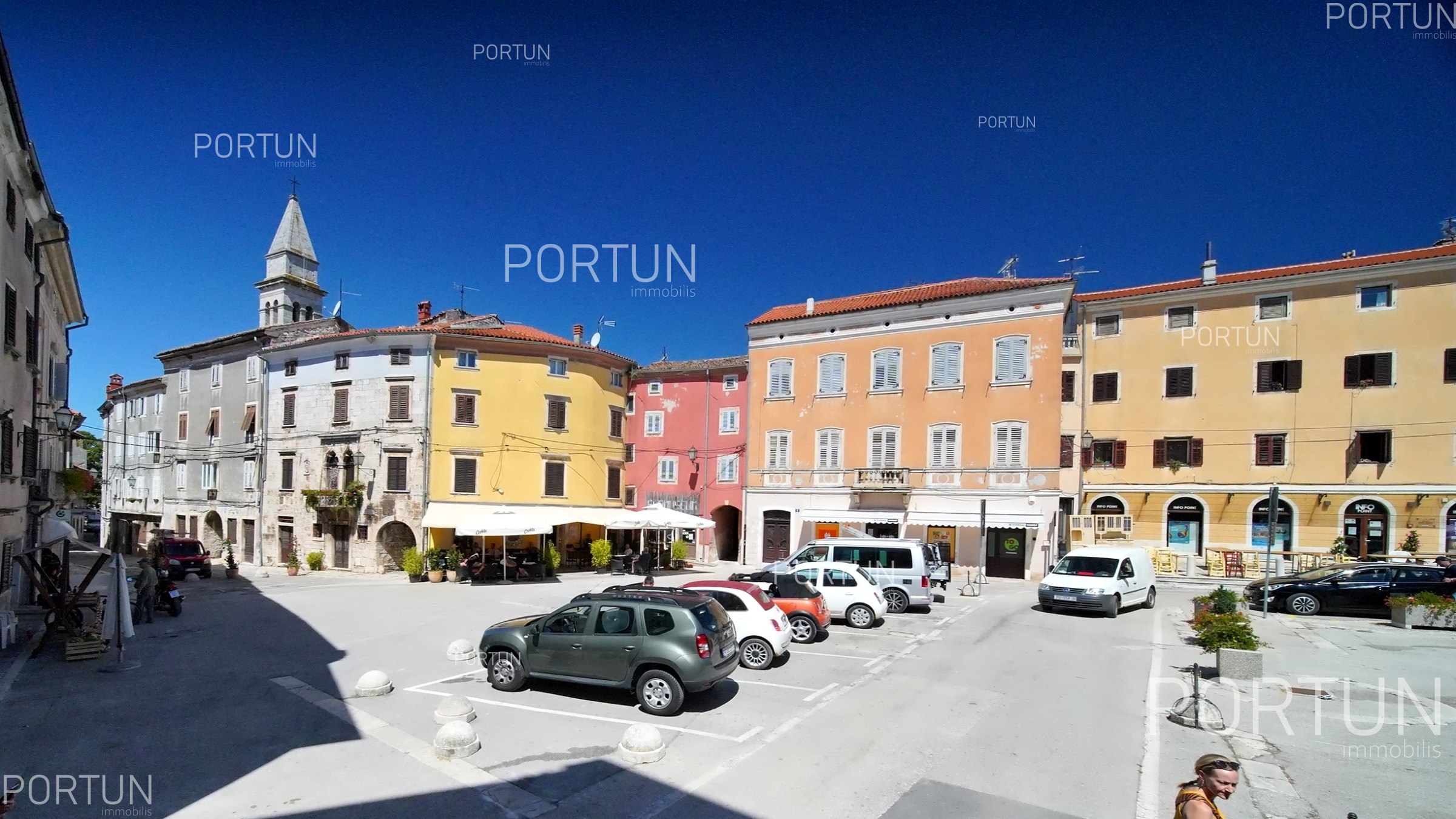
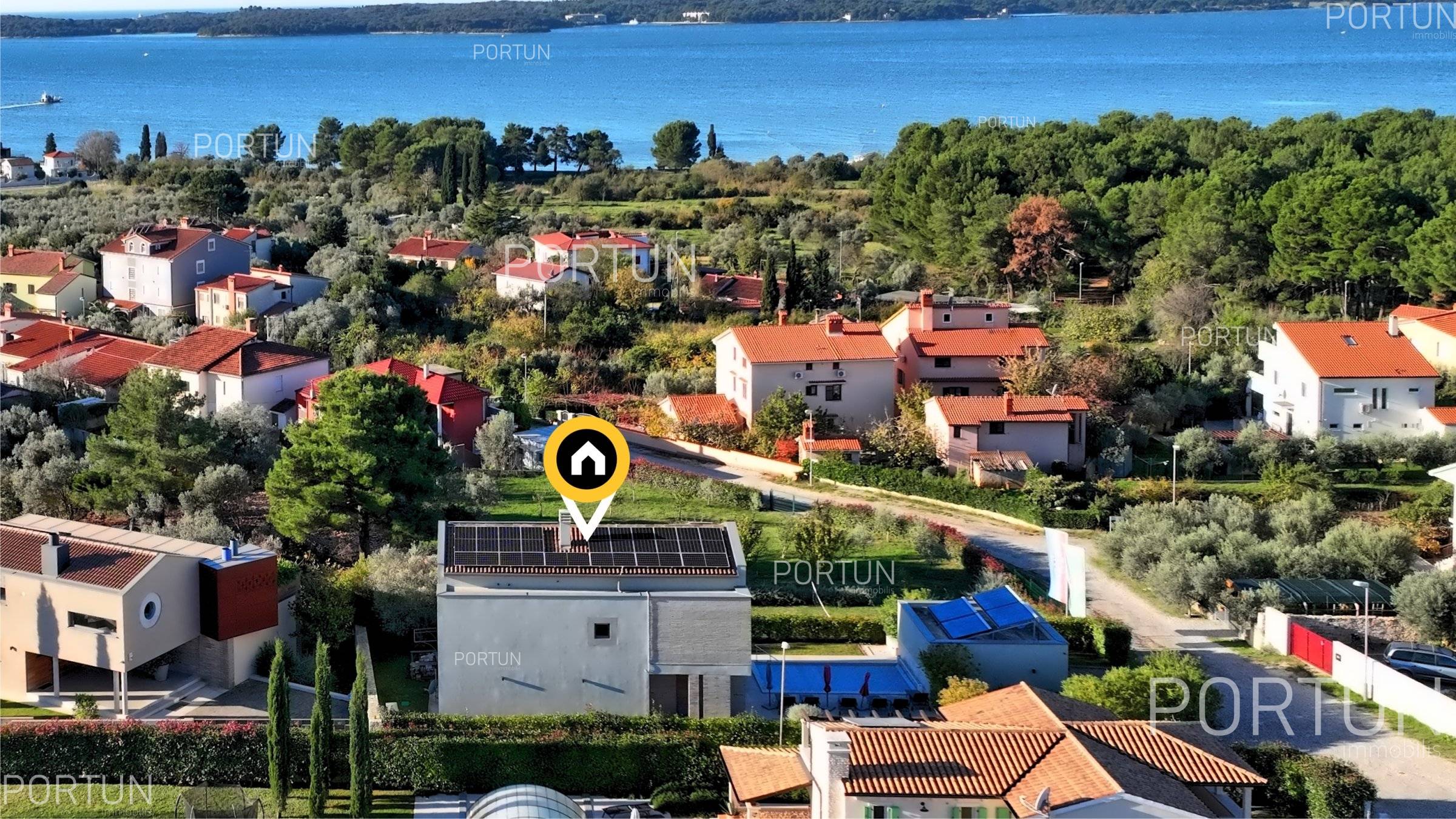
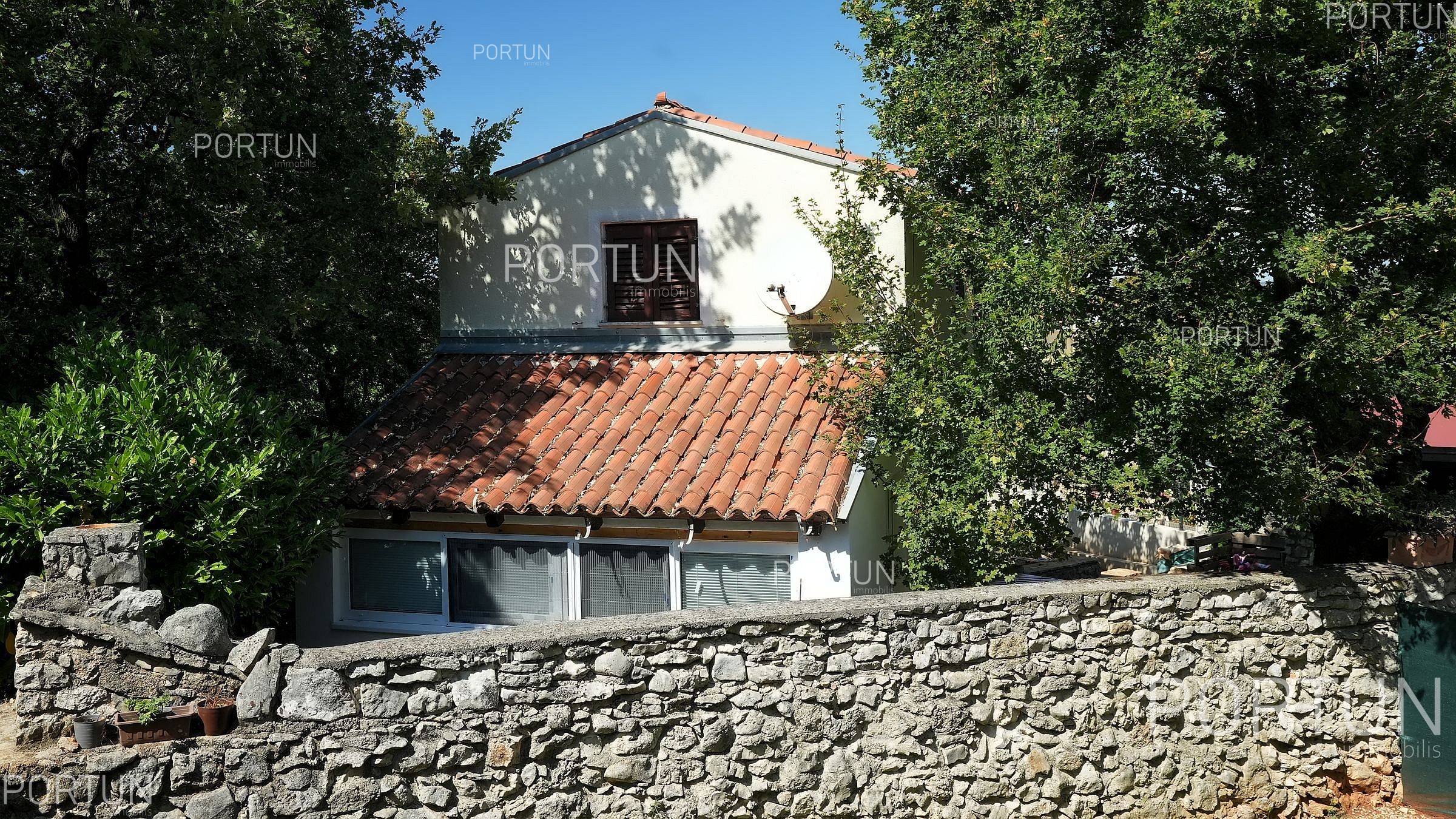
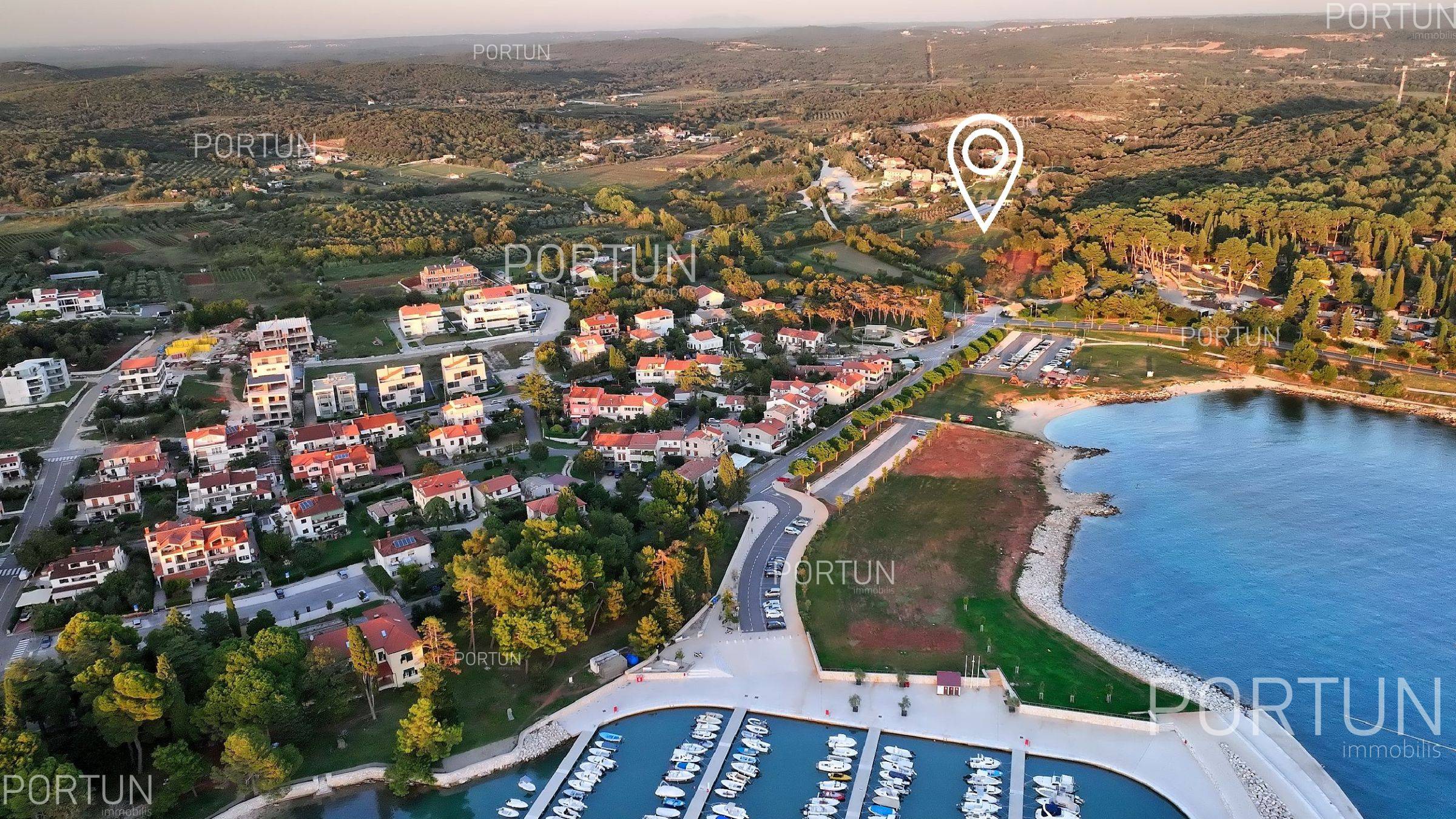
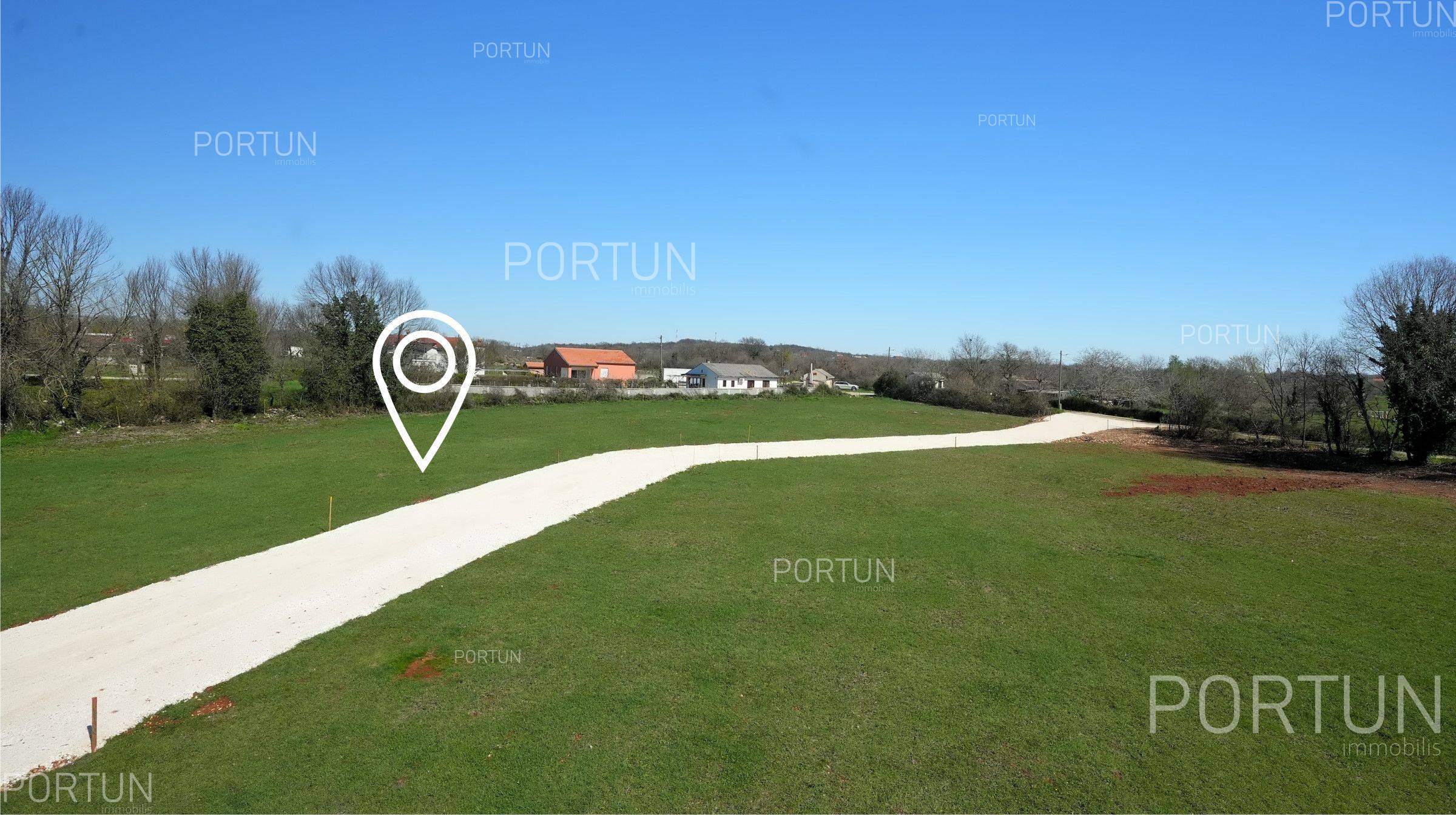
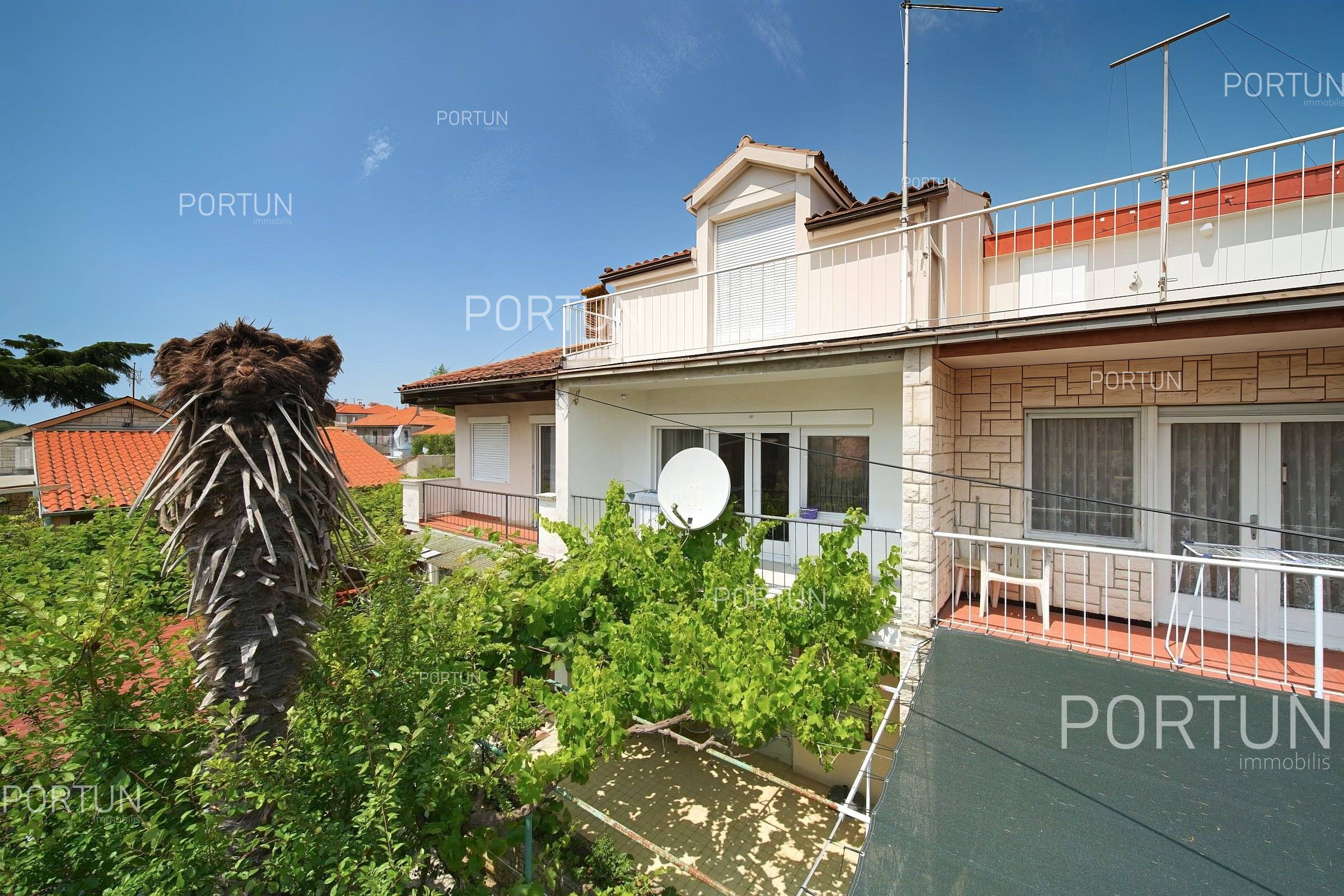
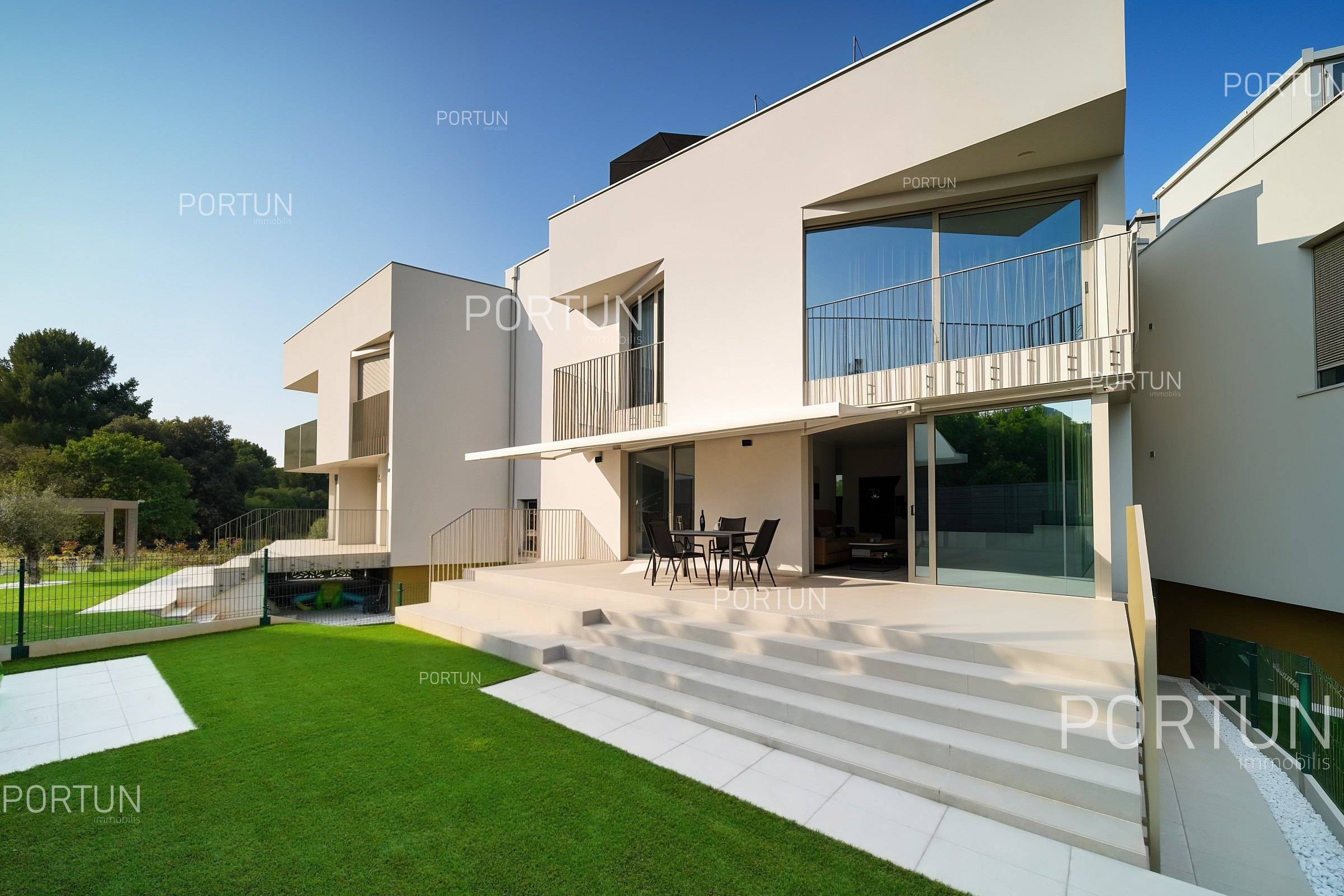
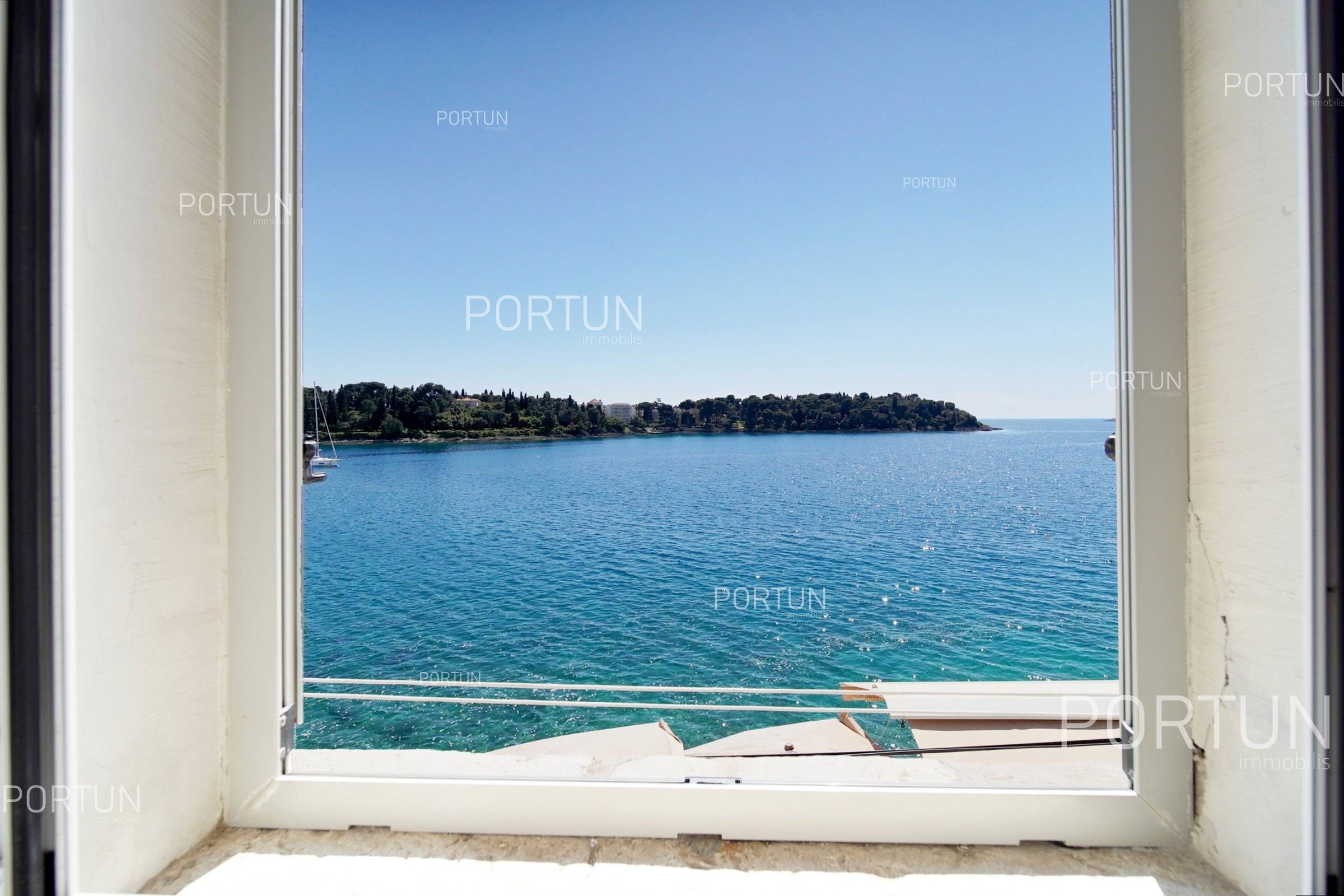
One of the most common mistakes foreign buyers make is assuming that “Istria” represents a single pricing category. In reality, the difference between coastal towns, inland villages, and semi-rural zones can be dramatic. Properties in prime coastal locations operate under completely different market conditions than those located just 15–20 kilometres inland.
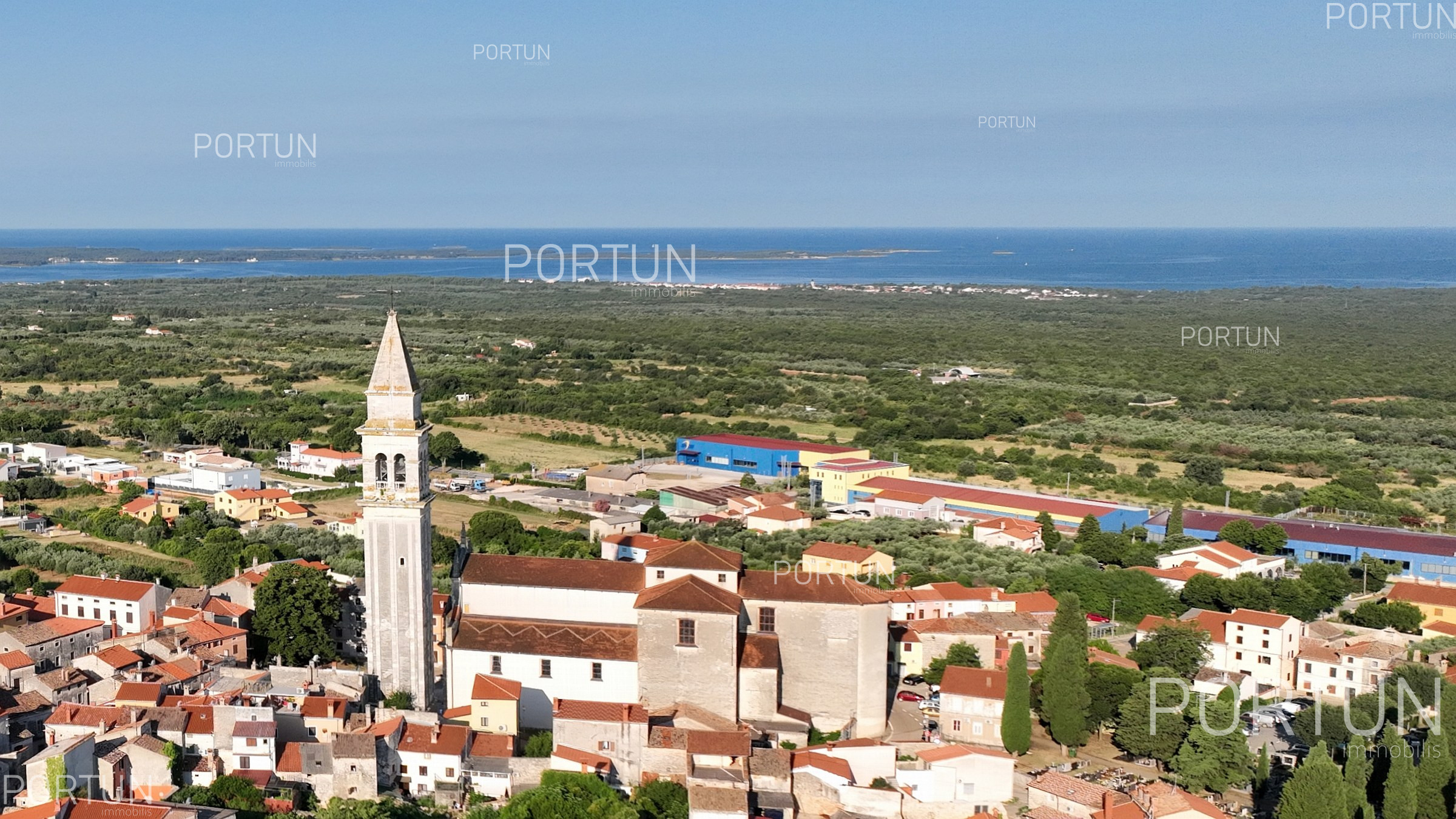
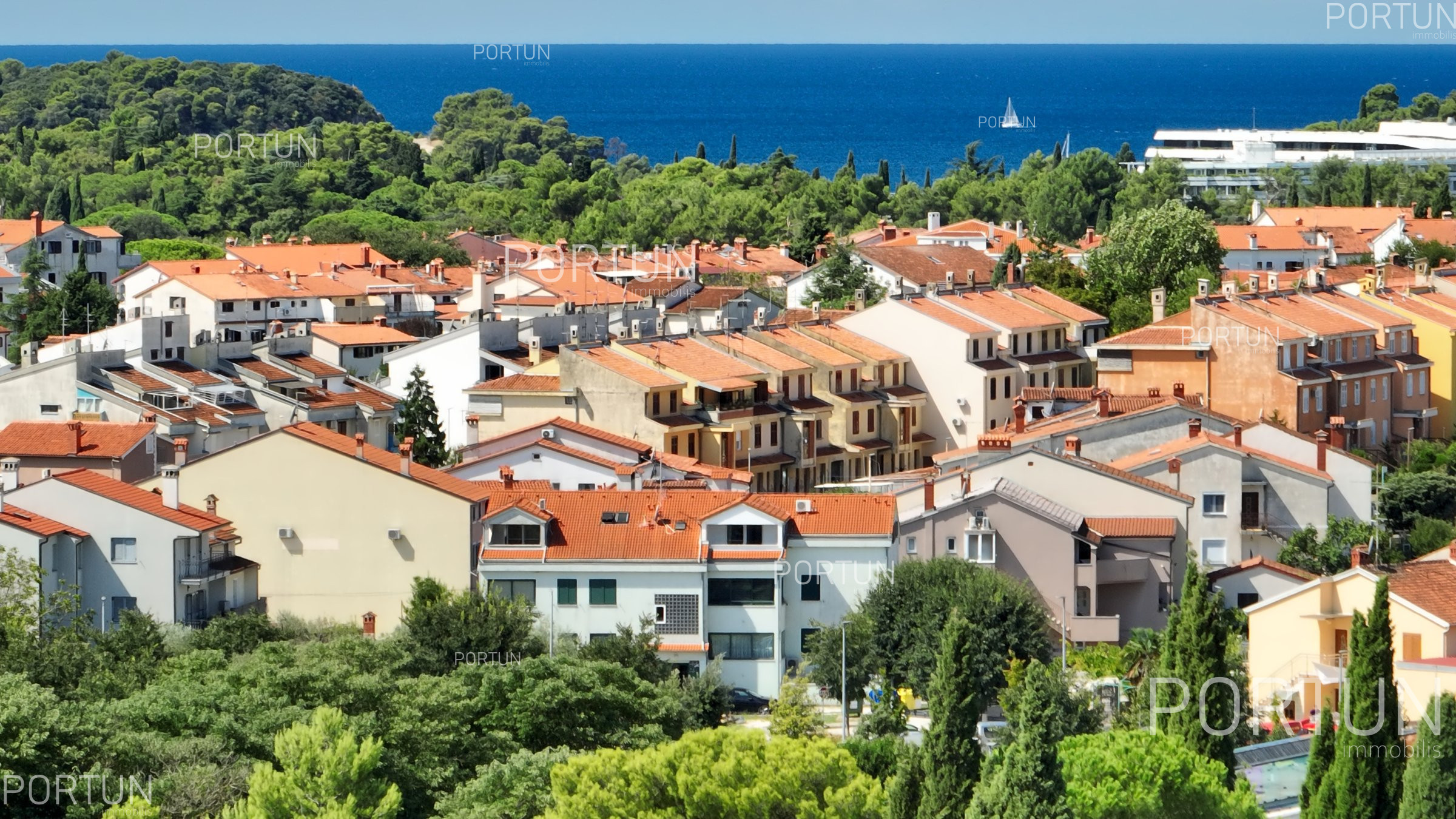
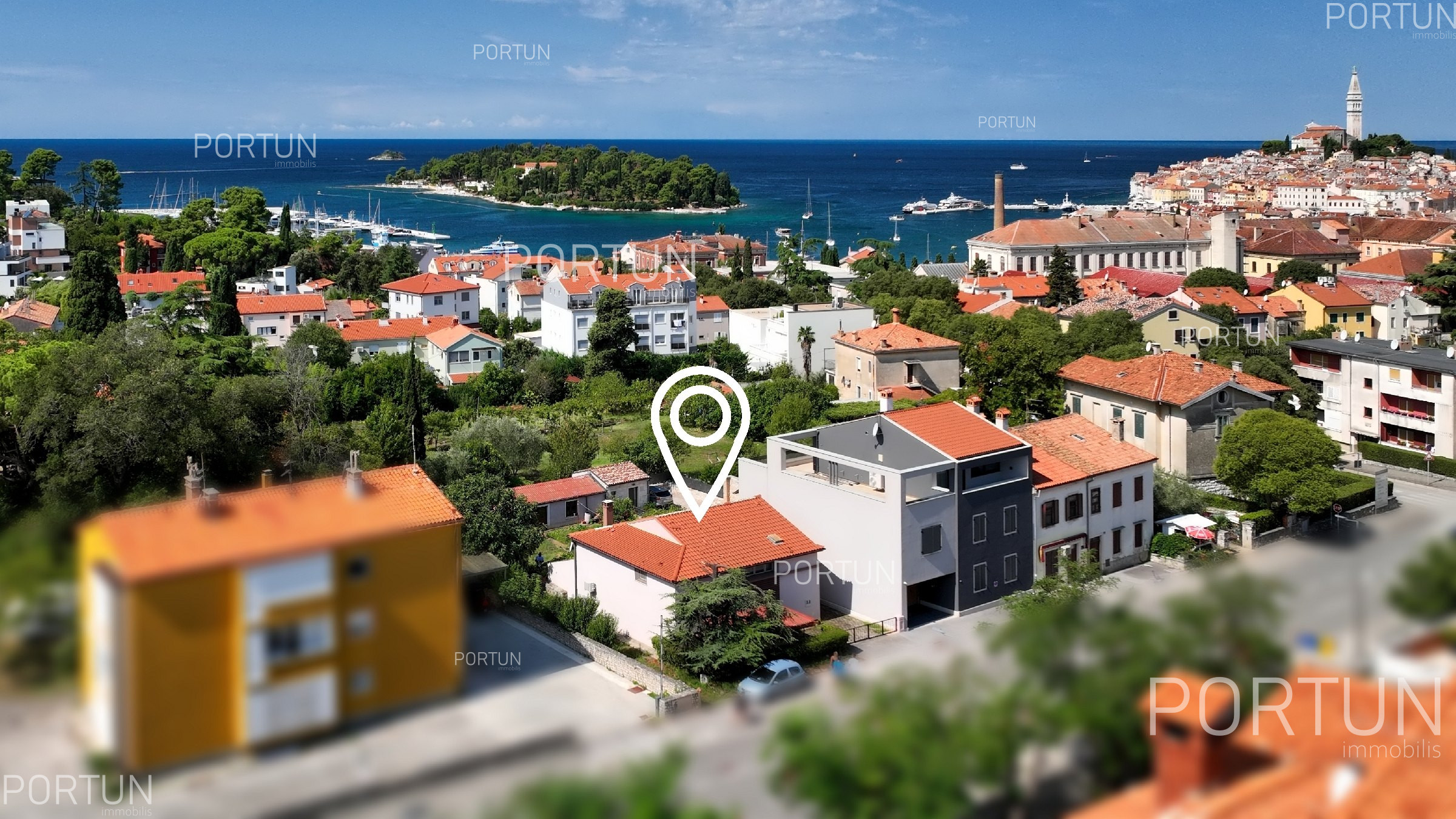
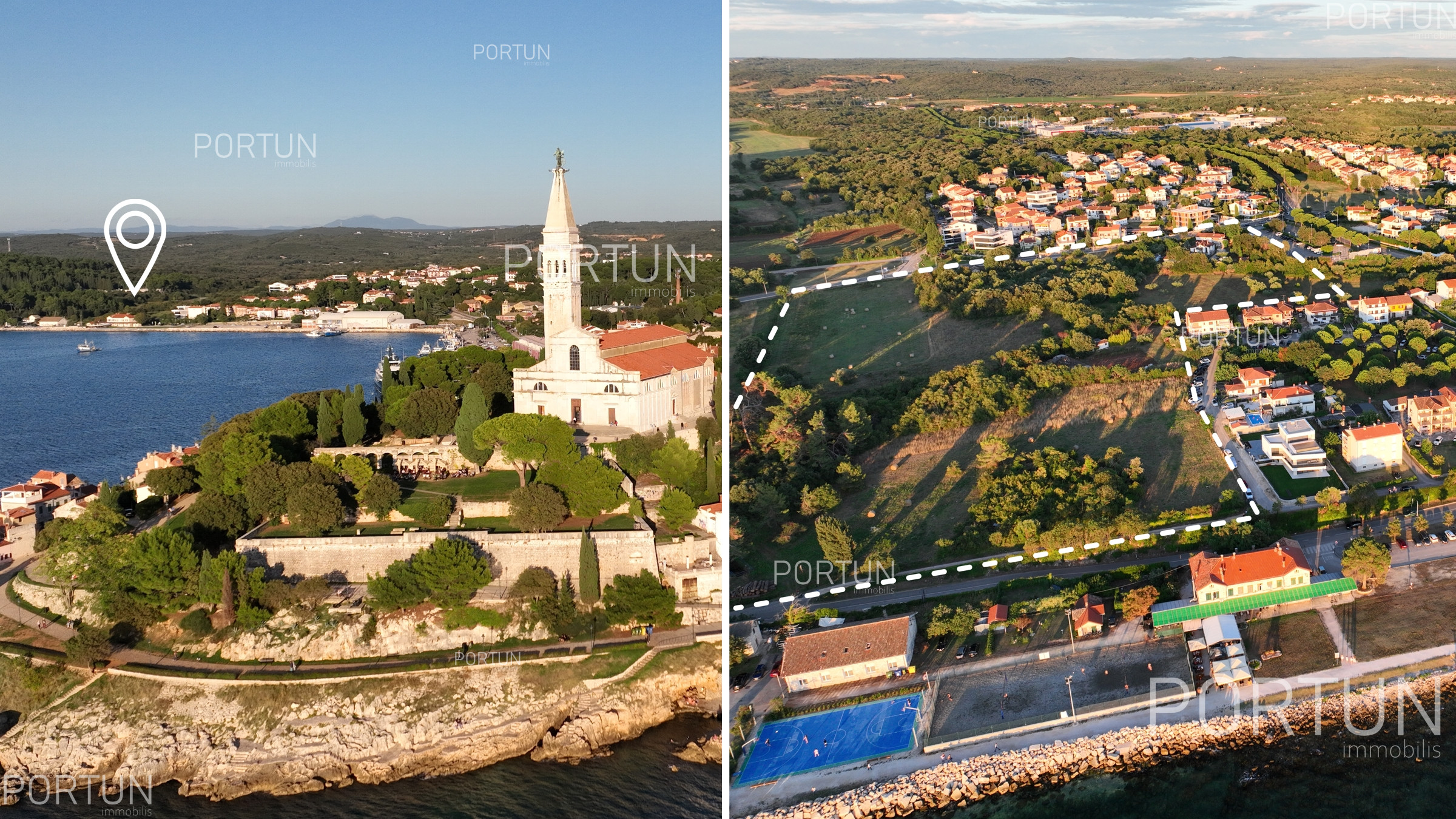
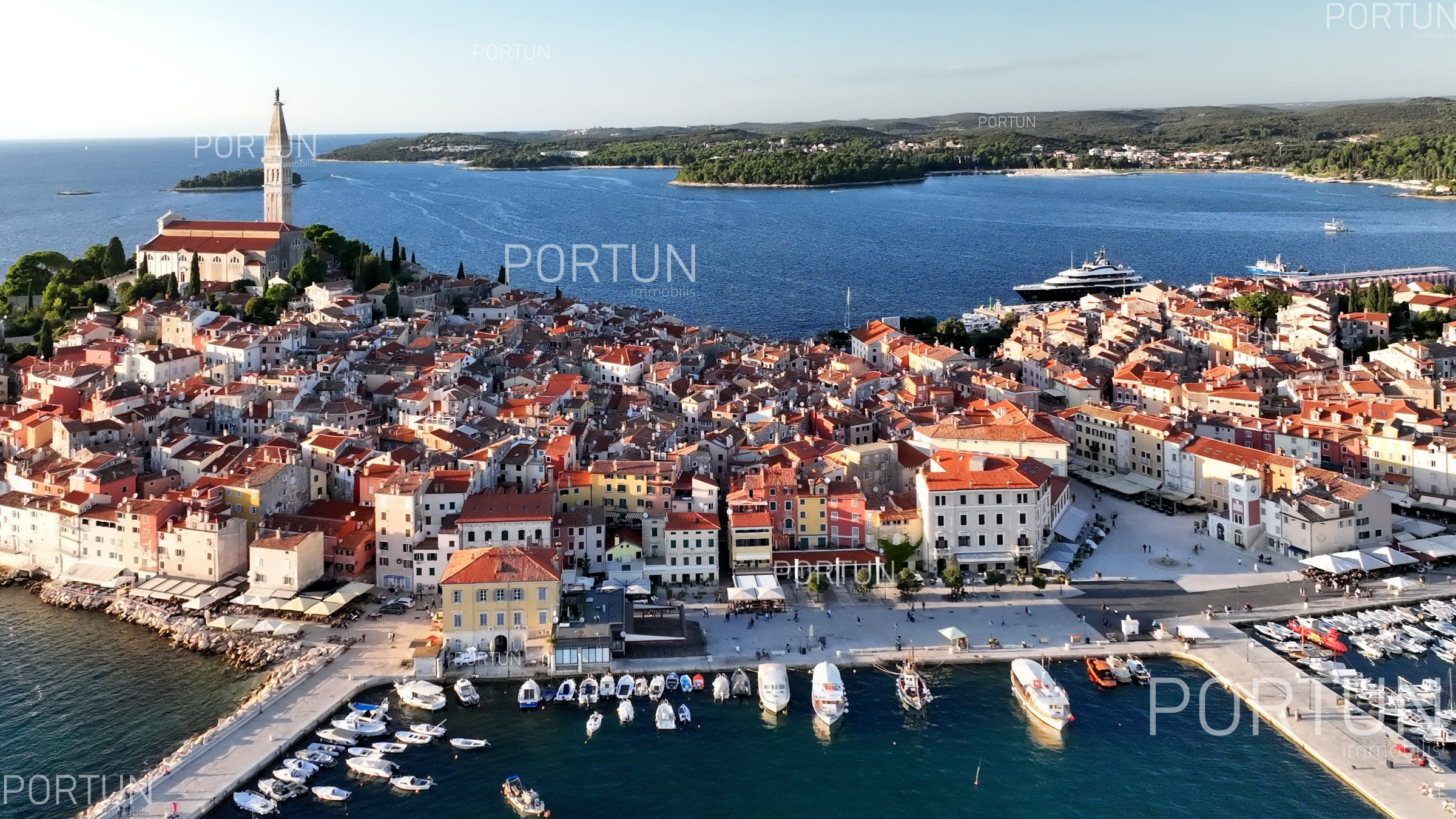
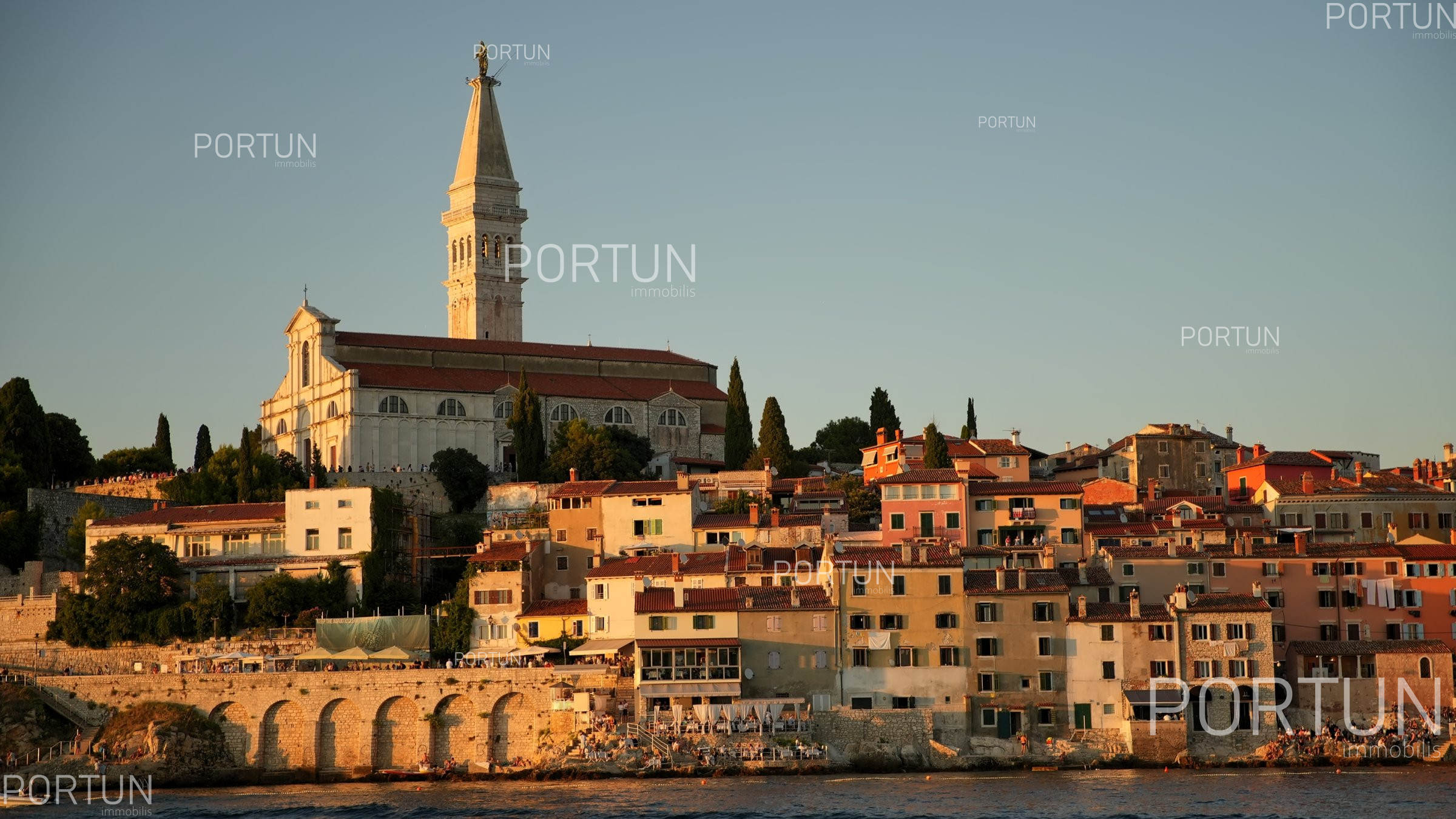
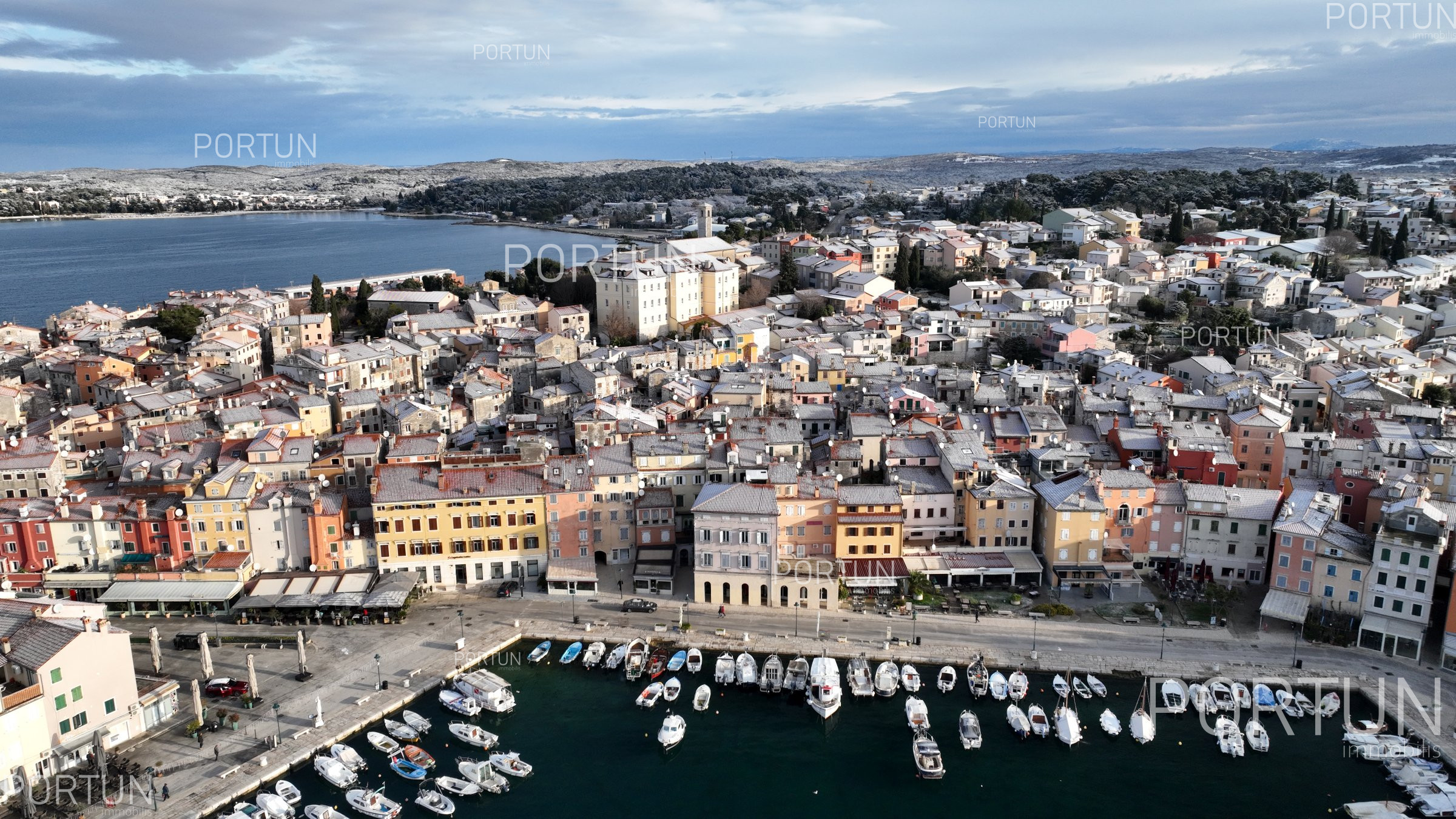
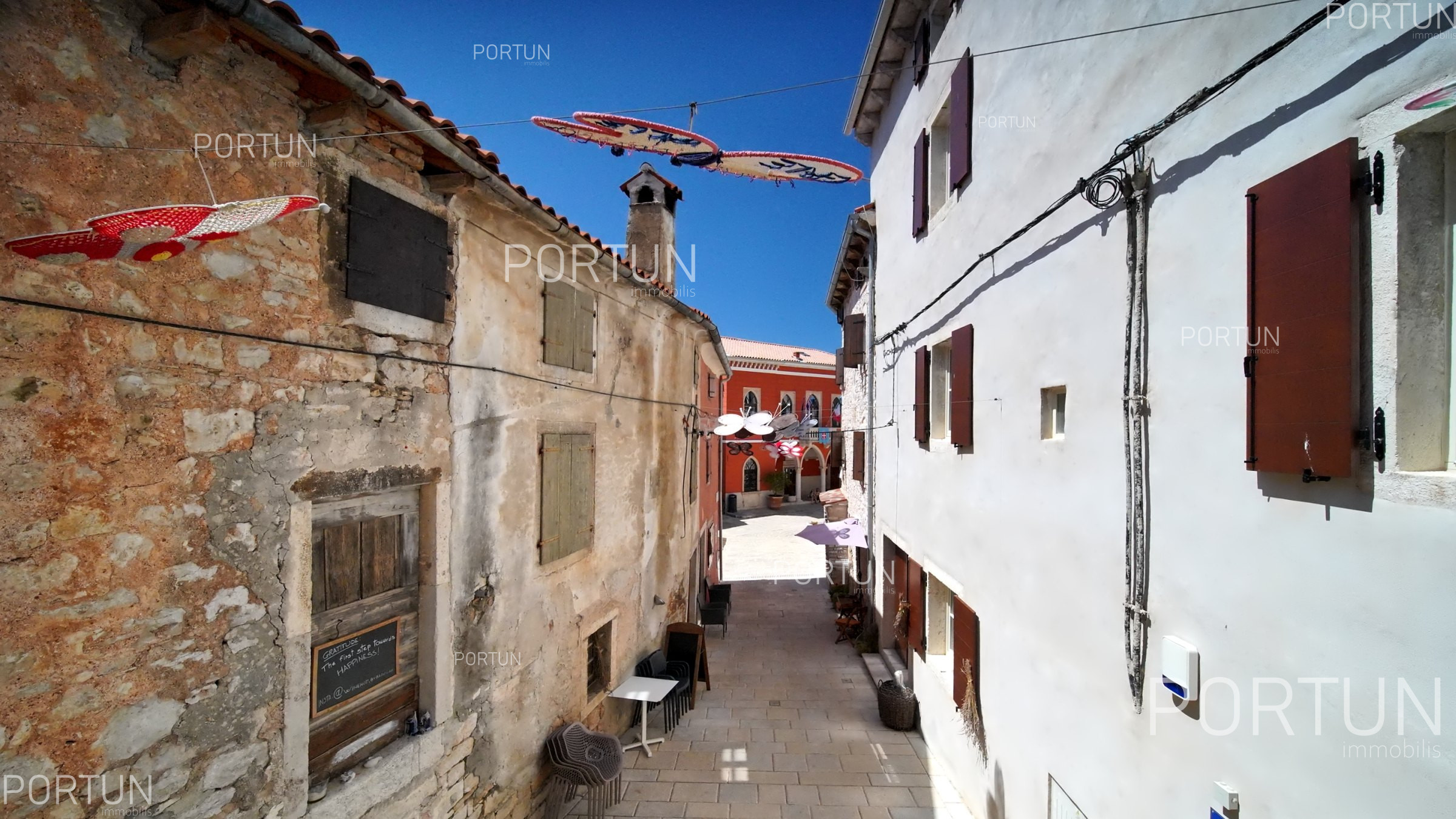
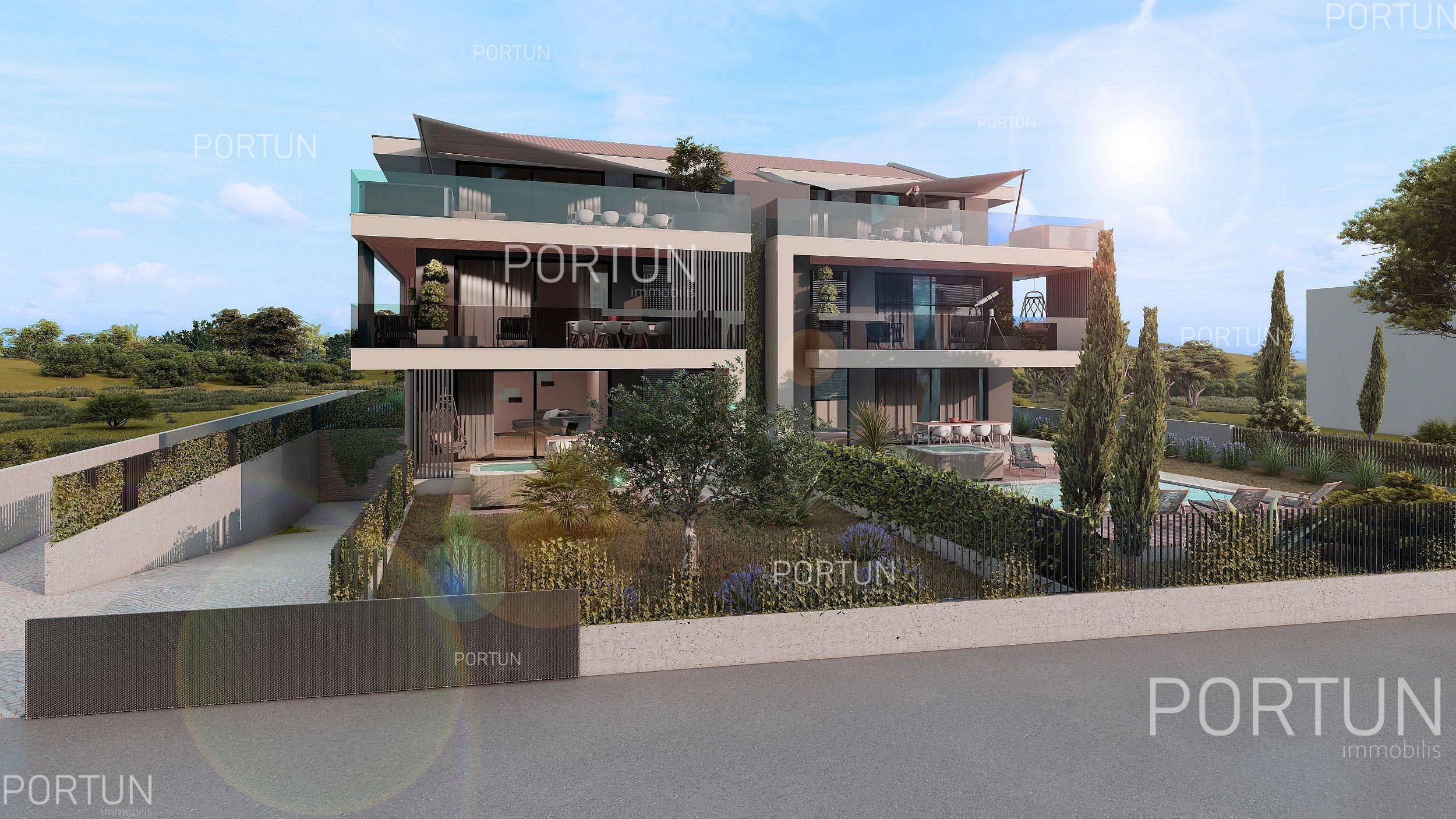
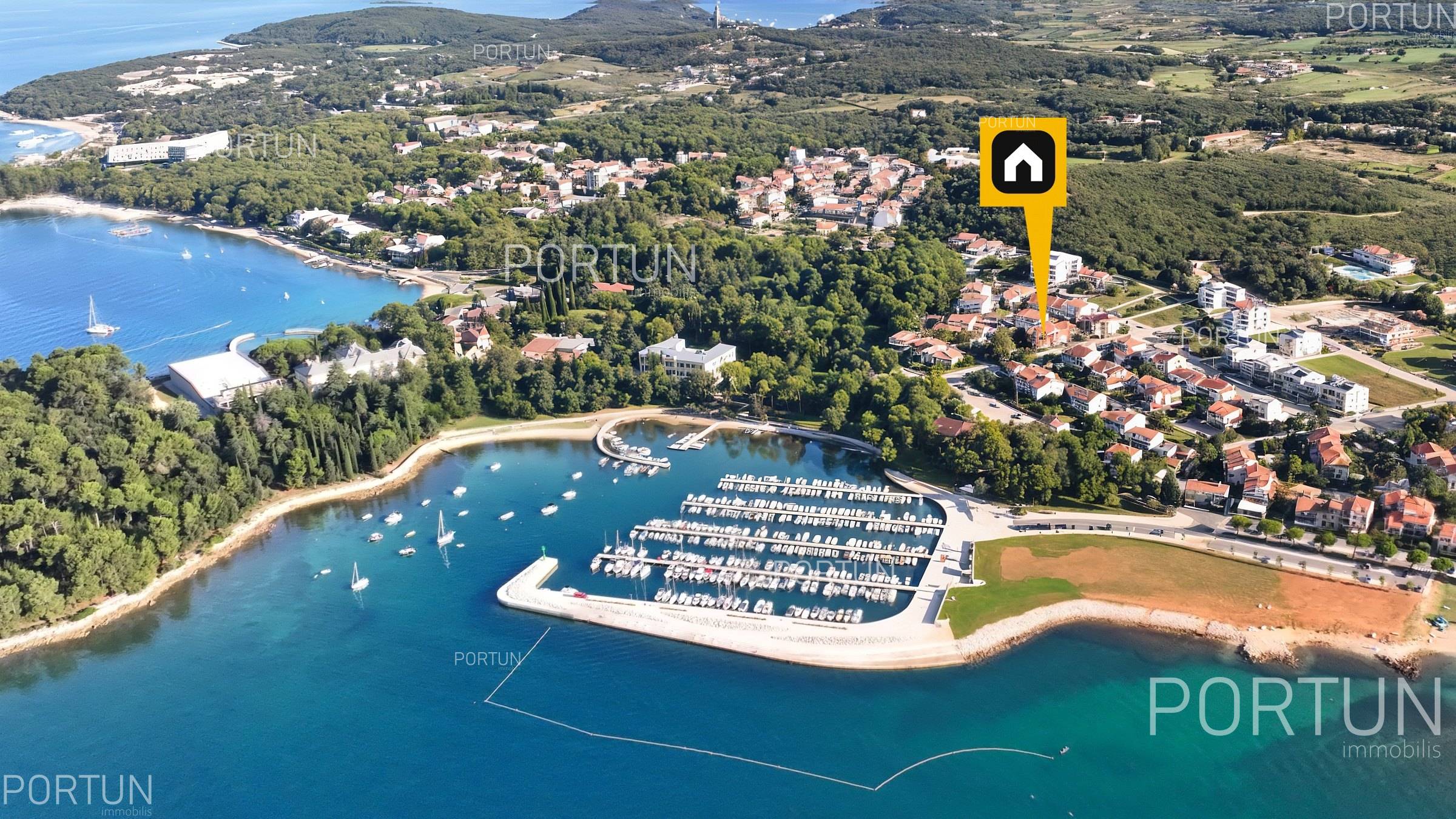
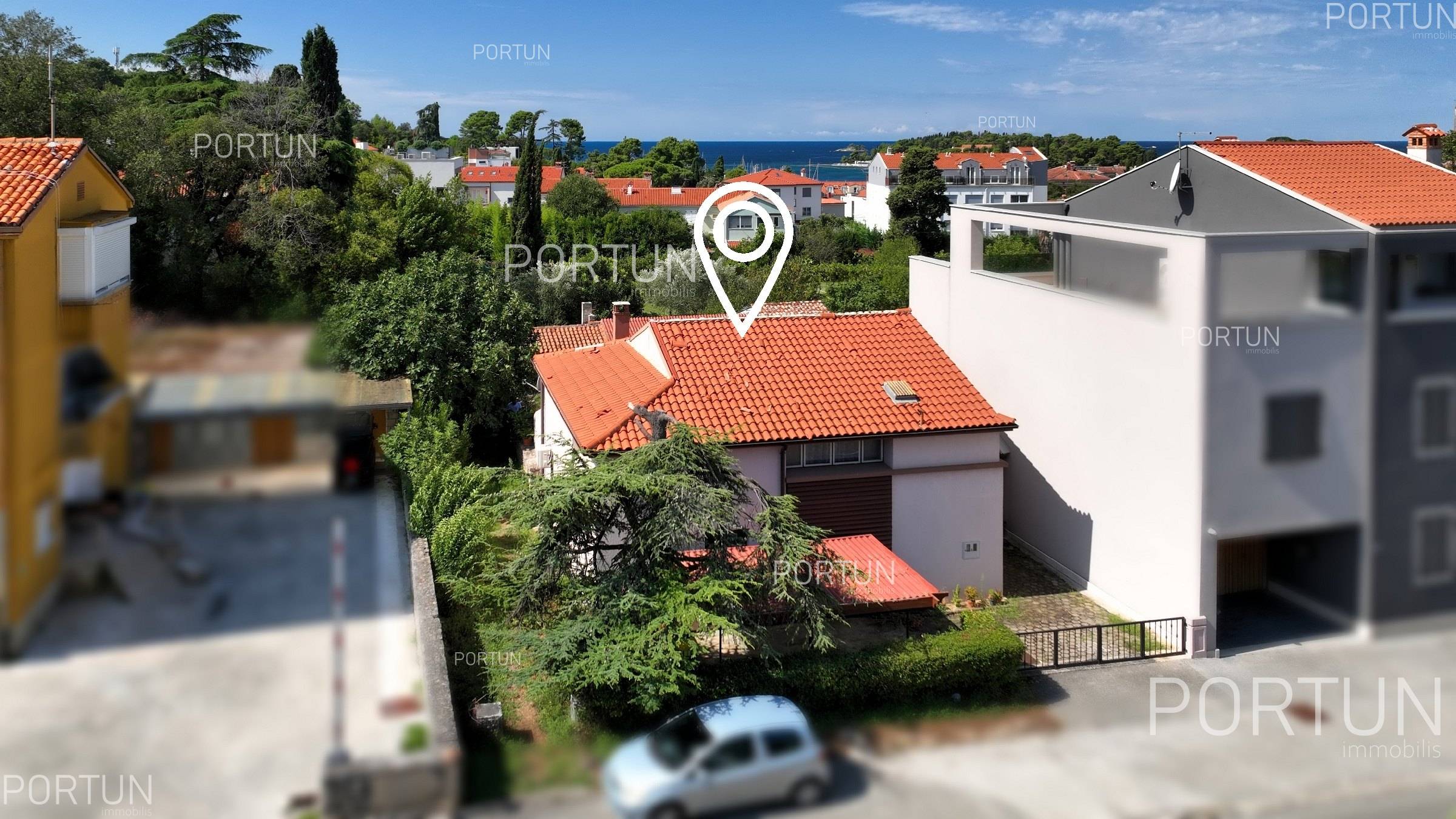
Urban centres such as Rovinj, Poreč, and Novigrad face strict development controls, limited land availability, and sustained international demand. These factors naturally support higher prices. Inland Istria, by contrast, offers more space and flexibility, but also greater variability in quality, accessibility, and long-term value retention.
The myth of “overpriced everywhere”
A widely repeated narrative suggests that property prices across Istria are inflated and unsustainable. While it is true that some listings are optimistically priced, especially those targeting uninformed foreign buyers, this does not reflect the market as a whole. Well-positioned properties with clear legal status continue to sell at strong prices.
What has changed is buyer behaviour. In 2026, buyers are more analytical and cautious. Properties priced without clear justification remain on the market longer and eventually require corrections. This creates the impression of instability, when in fact it represents a healthier, more selective market.
Location and legal clarity as primary value drivers
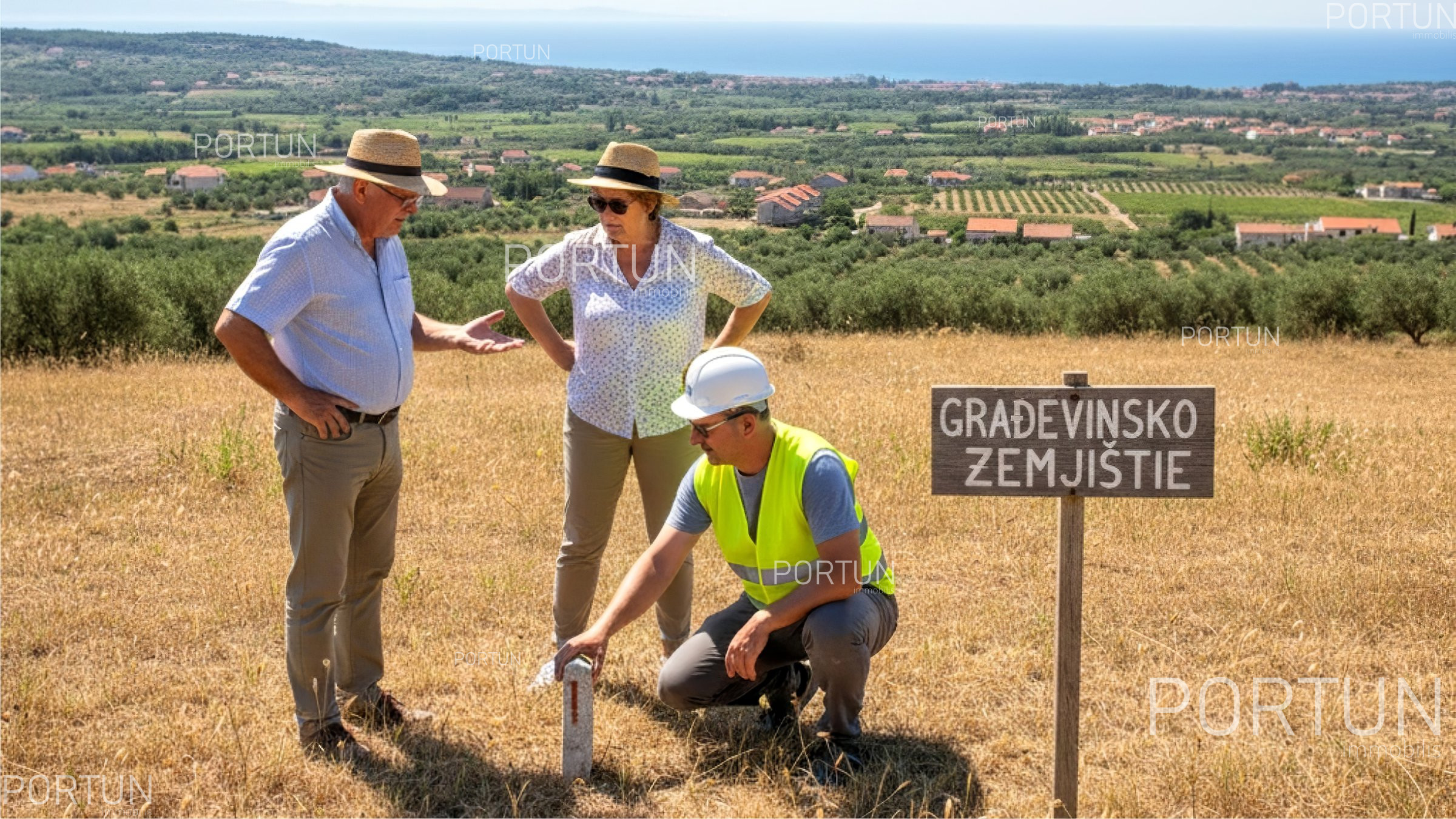
Two factors consistently determine whether a price in Istria is realistic: location and legal status. Properties with unresolved ownership issues, illegal extensions, or unclear zoning often appear cheaper at first glance. However, these risks significantly reduce their true market value.
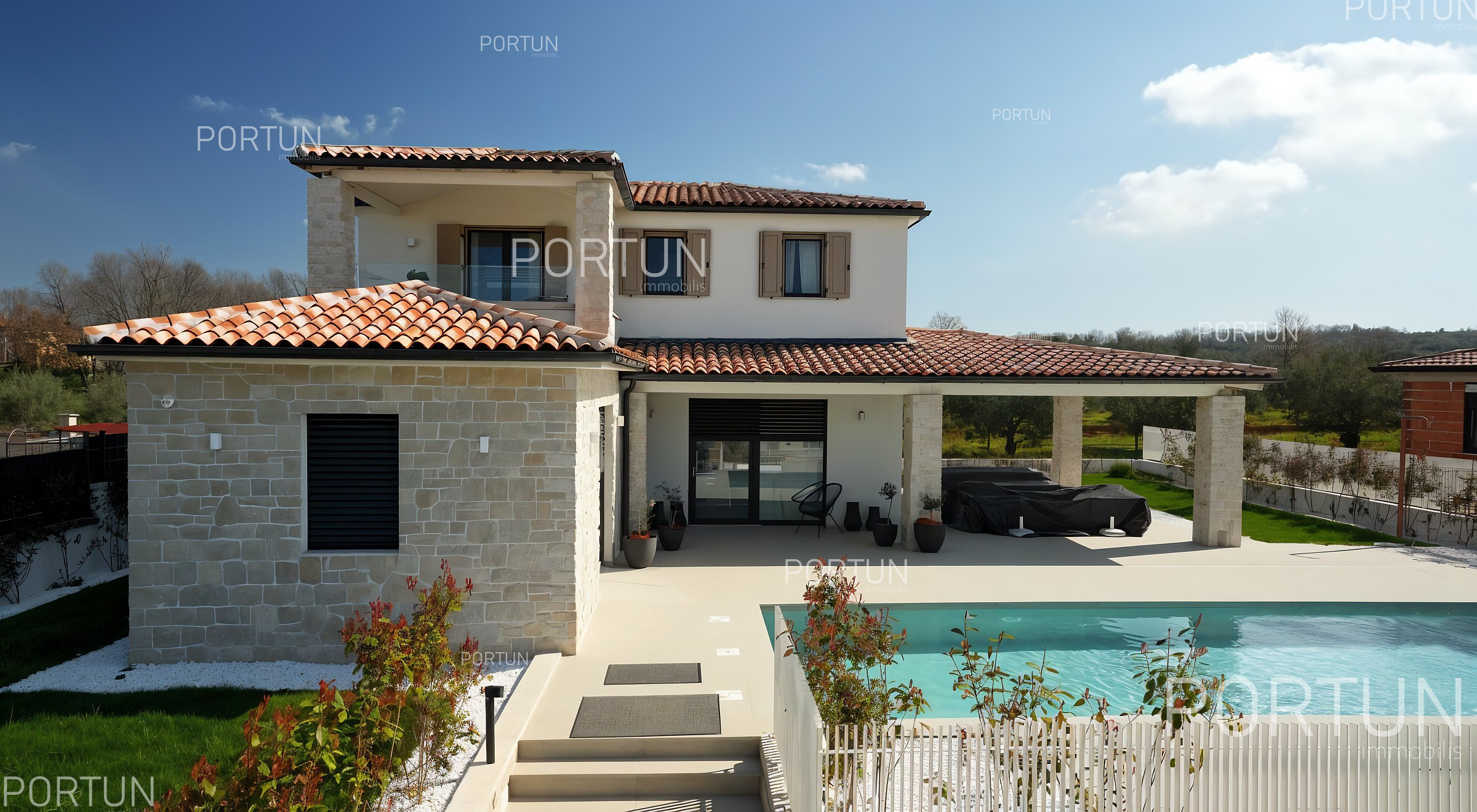
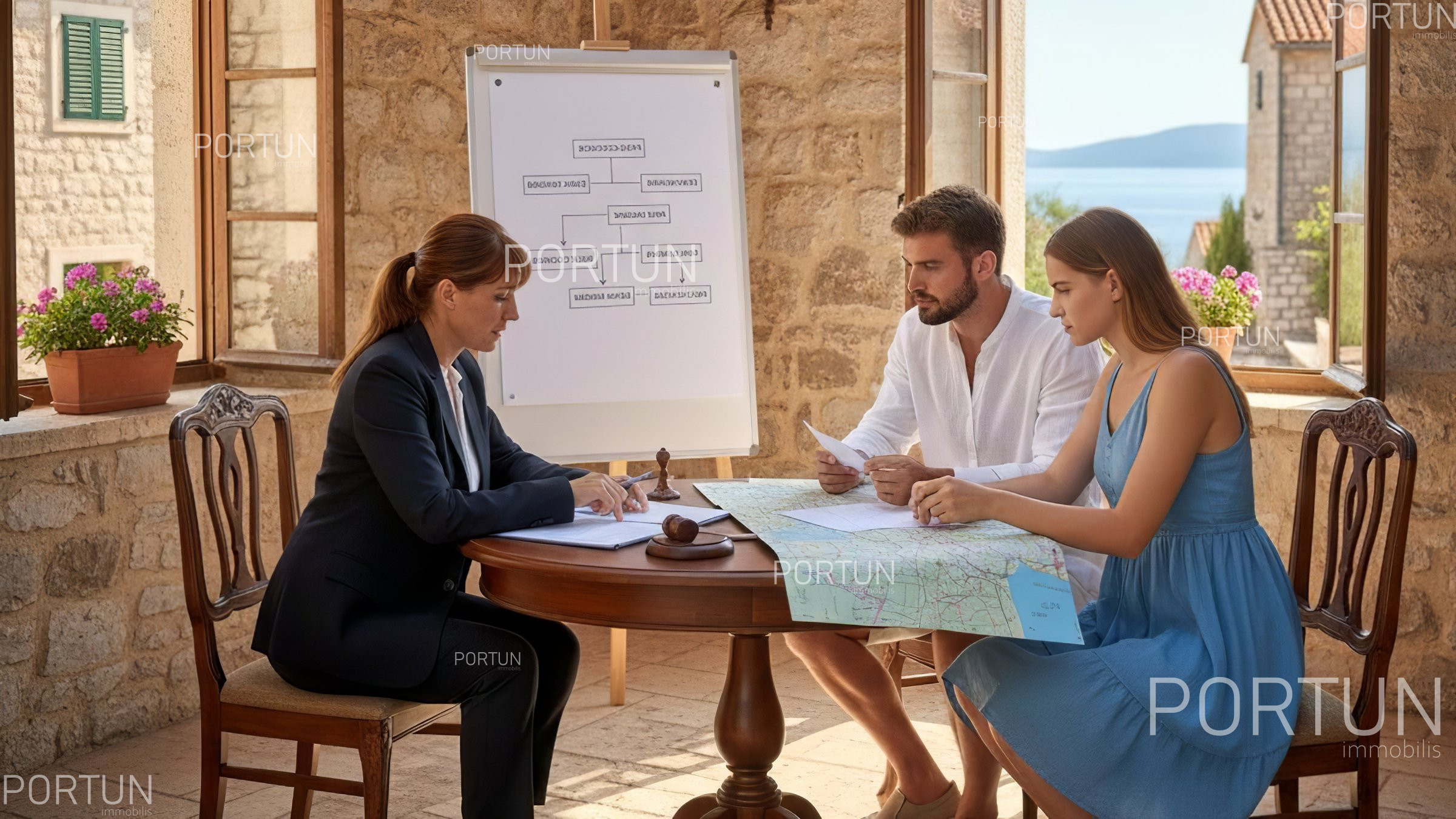
Conversely, properties with clean ownership, proper permits, and clearly defined usage rights command a premium. Foreign buyers increasingly recognise that paying more upfront for legal certainty often results in lower long-term risk and better resale potential.
Coastal properties: stability with limited upside
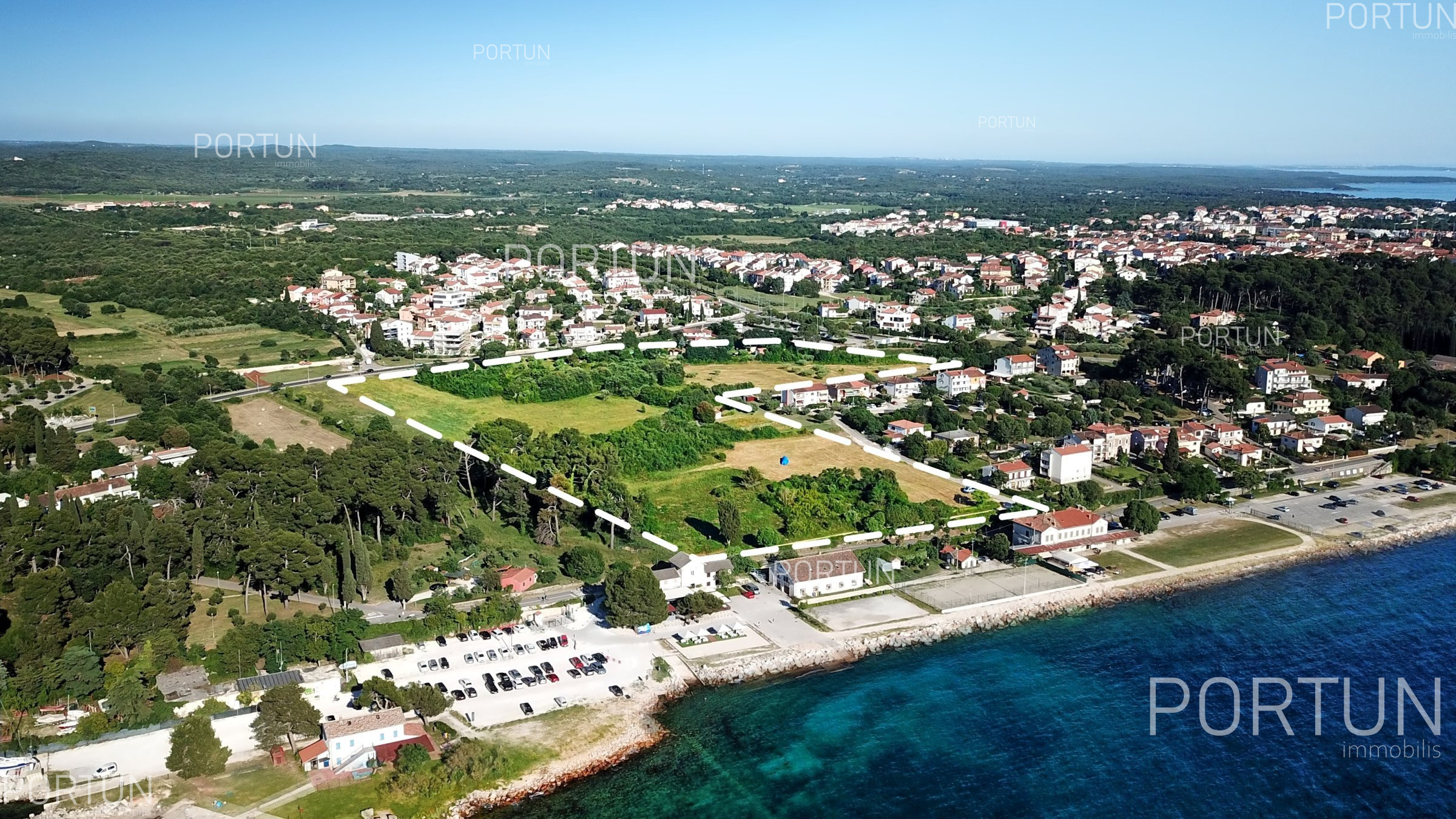
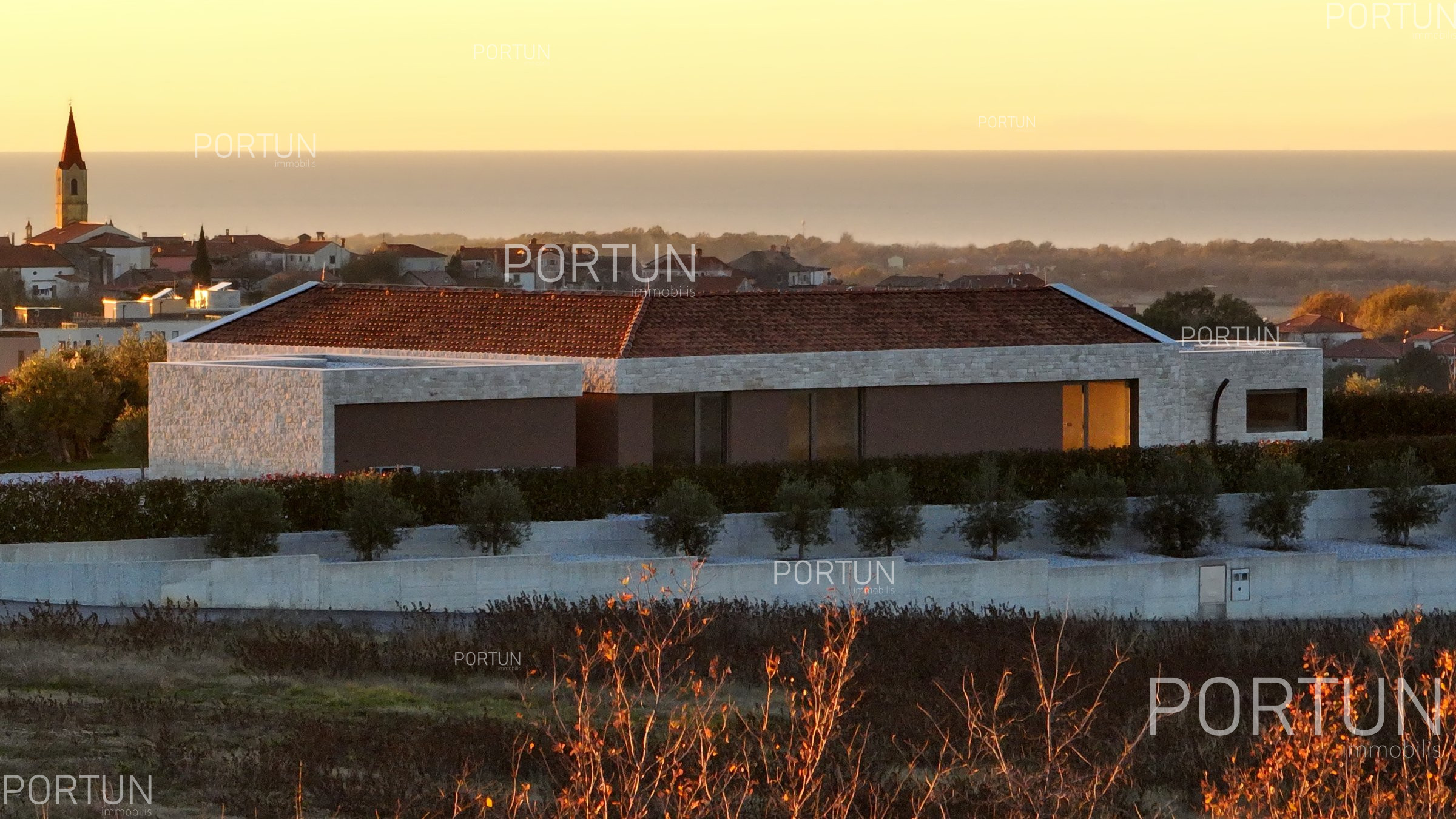
Coastal Istria remains the most expensive segment of the market. Prices here are supported by limited supply, strict building regulations, and continuous international interest. However, expectations of rapid price appreciation are no longer realistic in most prime areas.
Instead, coastal properties in 2026 offer stability rather than explosive growth. Buyers should view these purchases primarily as lifestyle assets with solid long-term value preservation, rather than short-term speculative investments.
Inland Istria: flexibility and negotiation potential
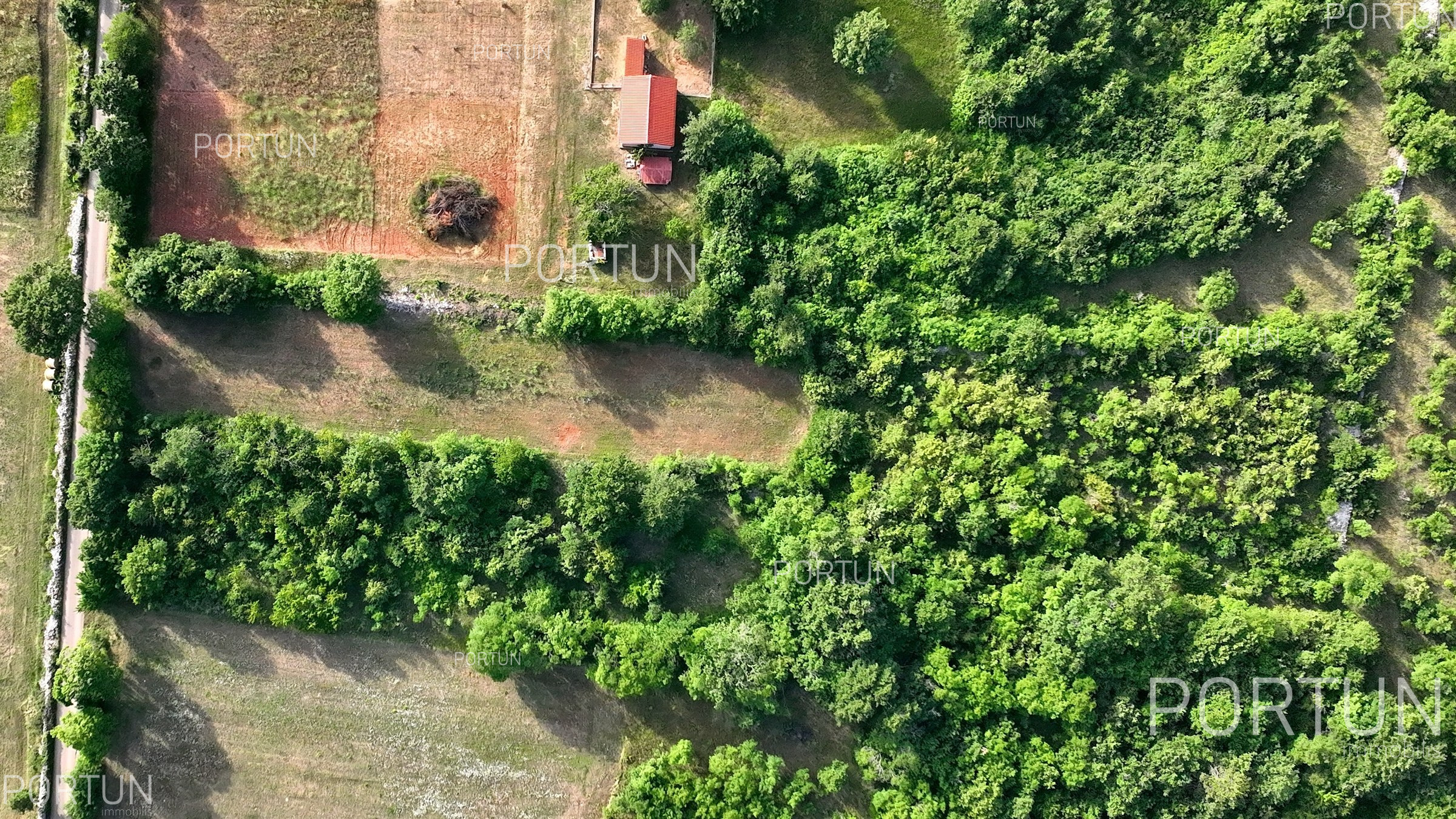
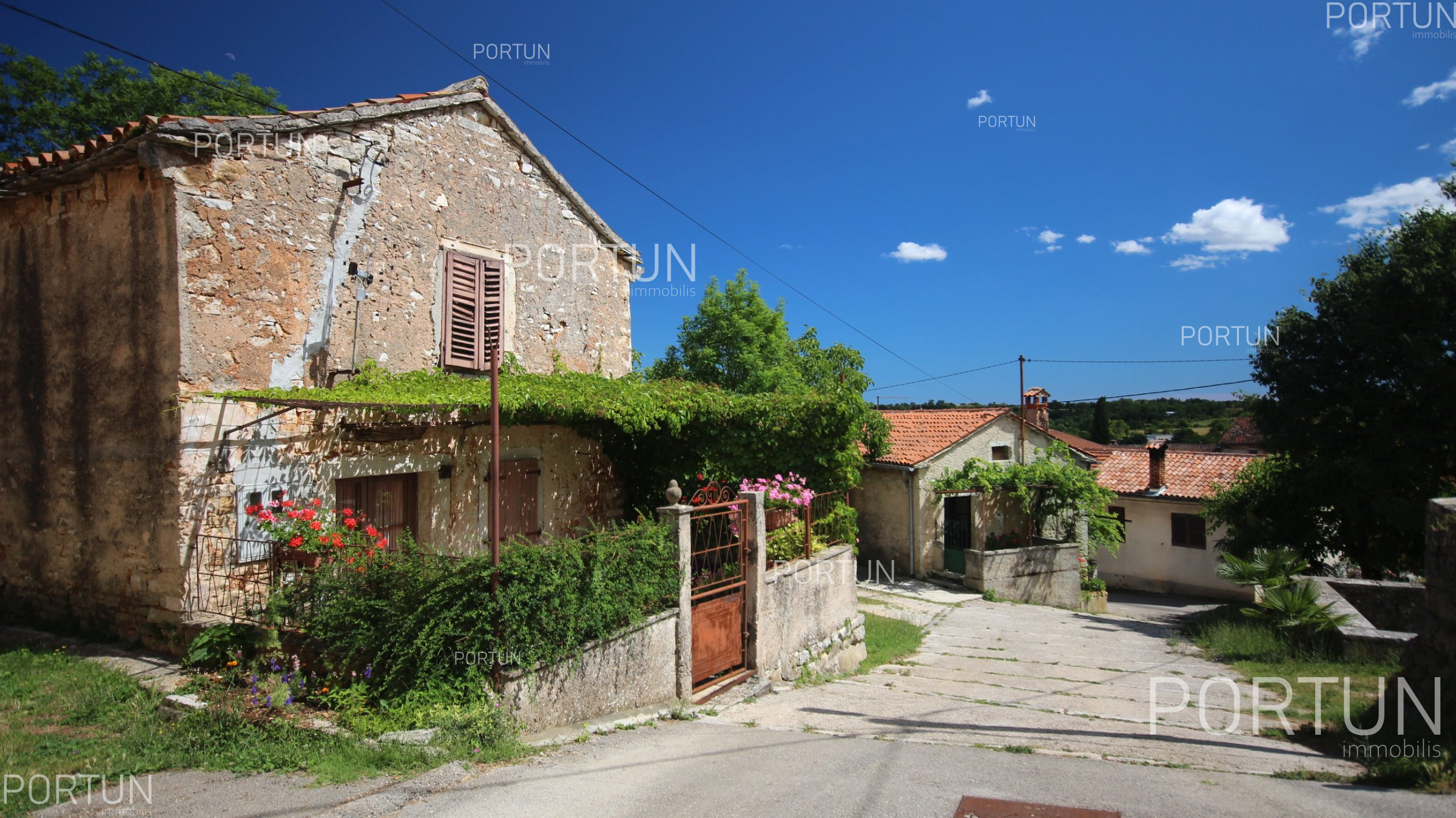
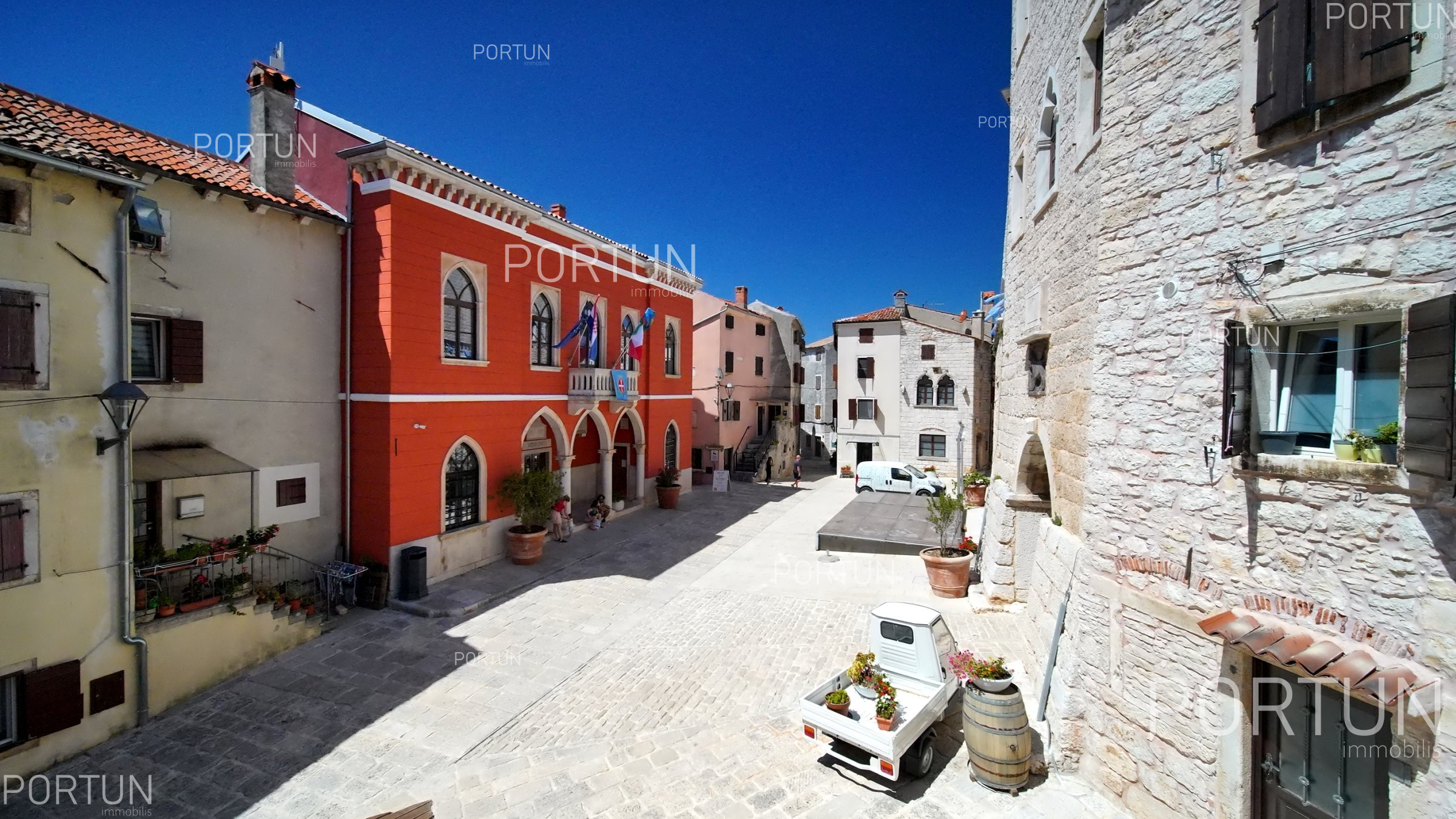
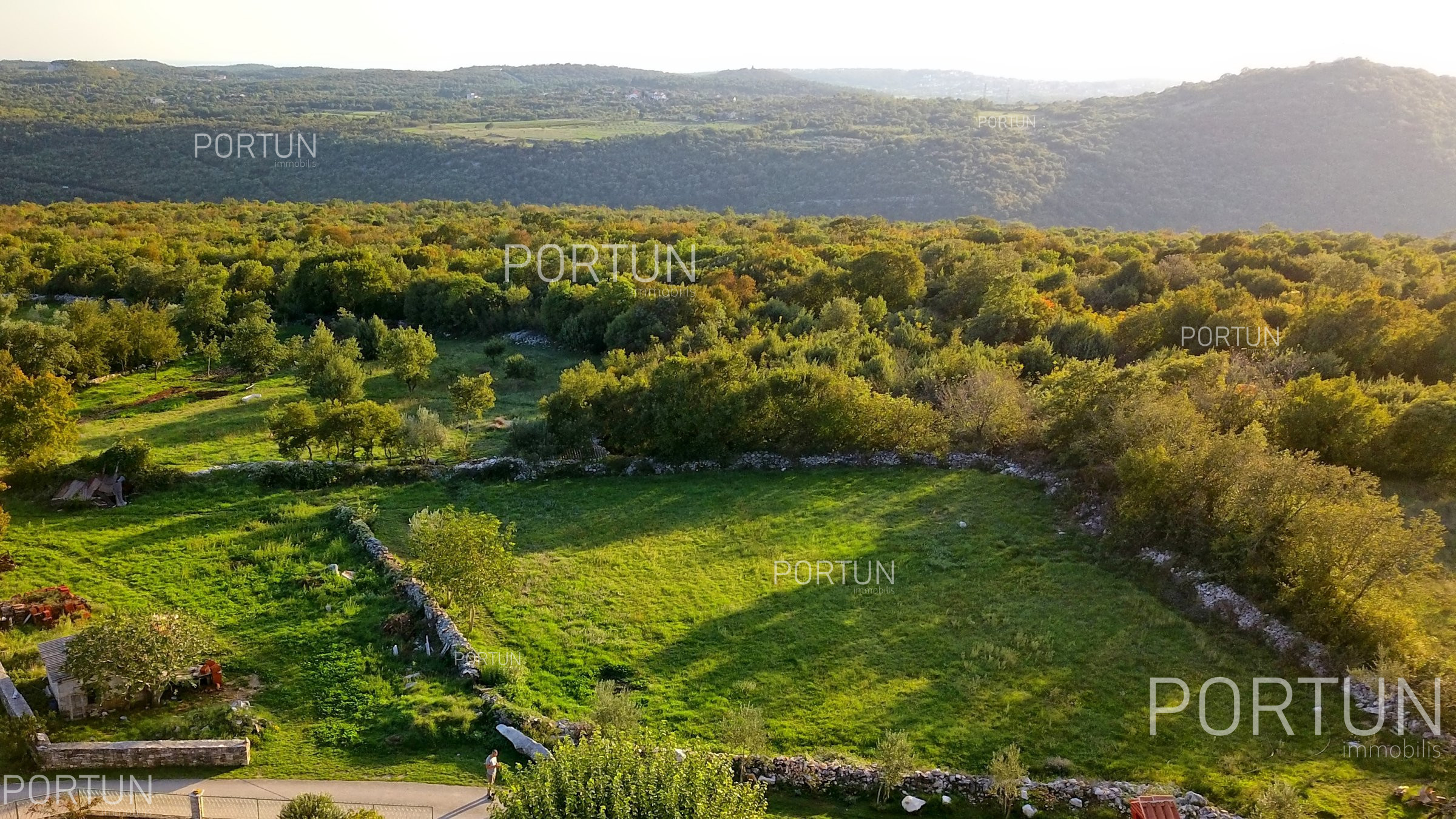
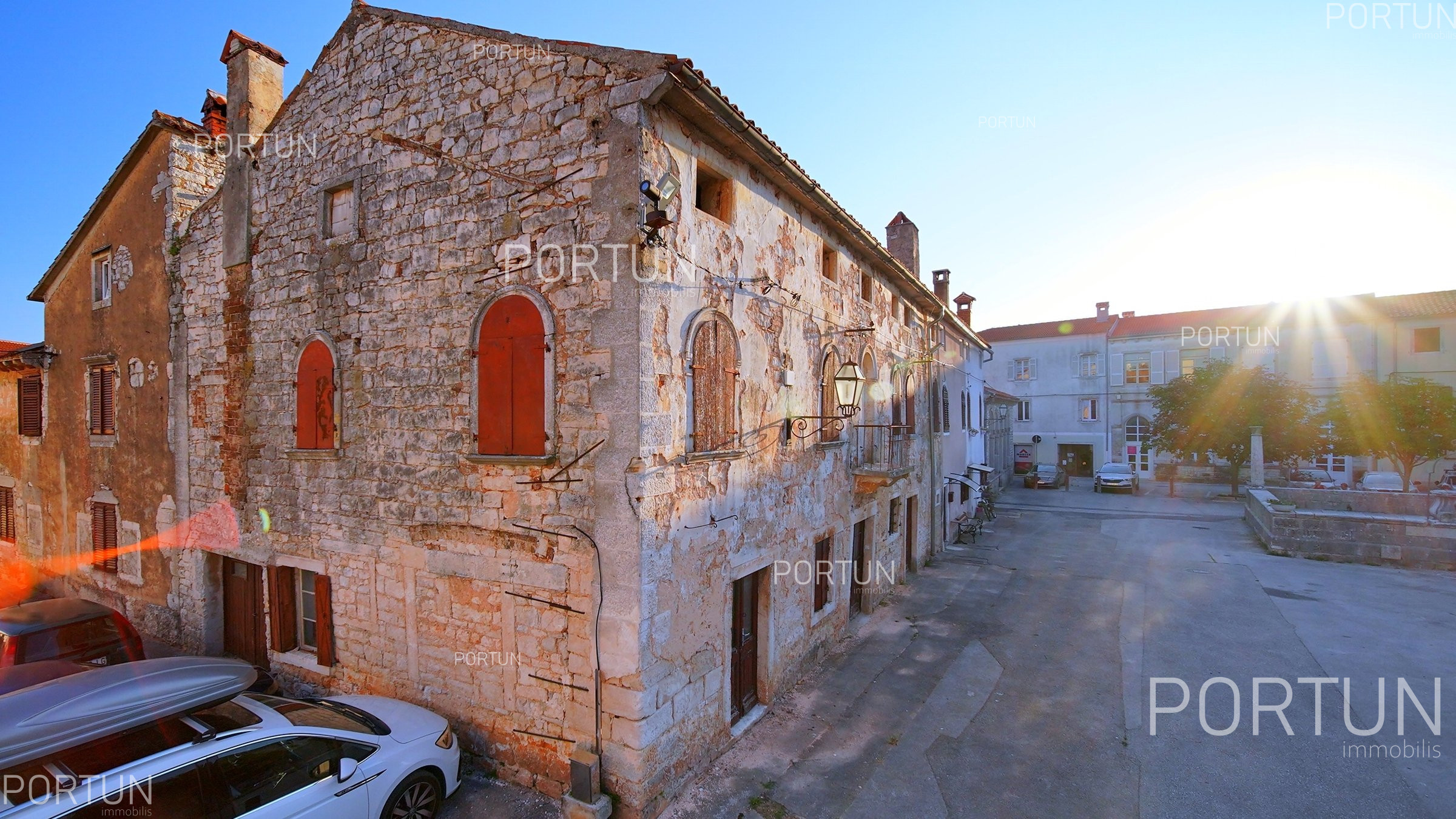
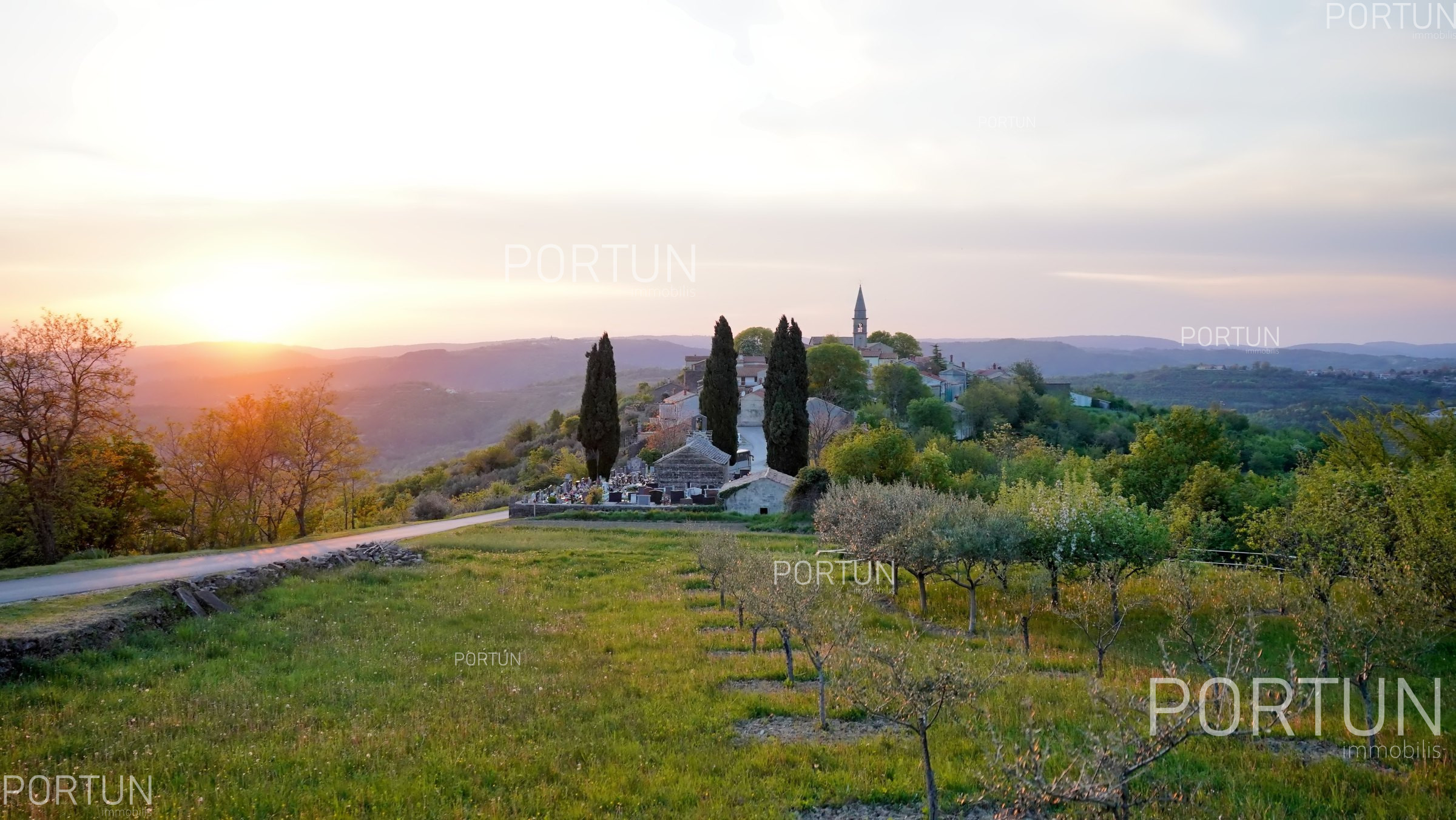
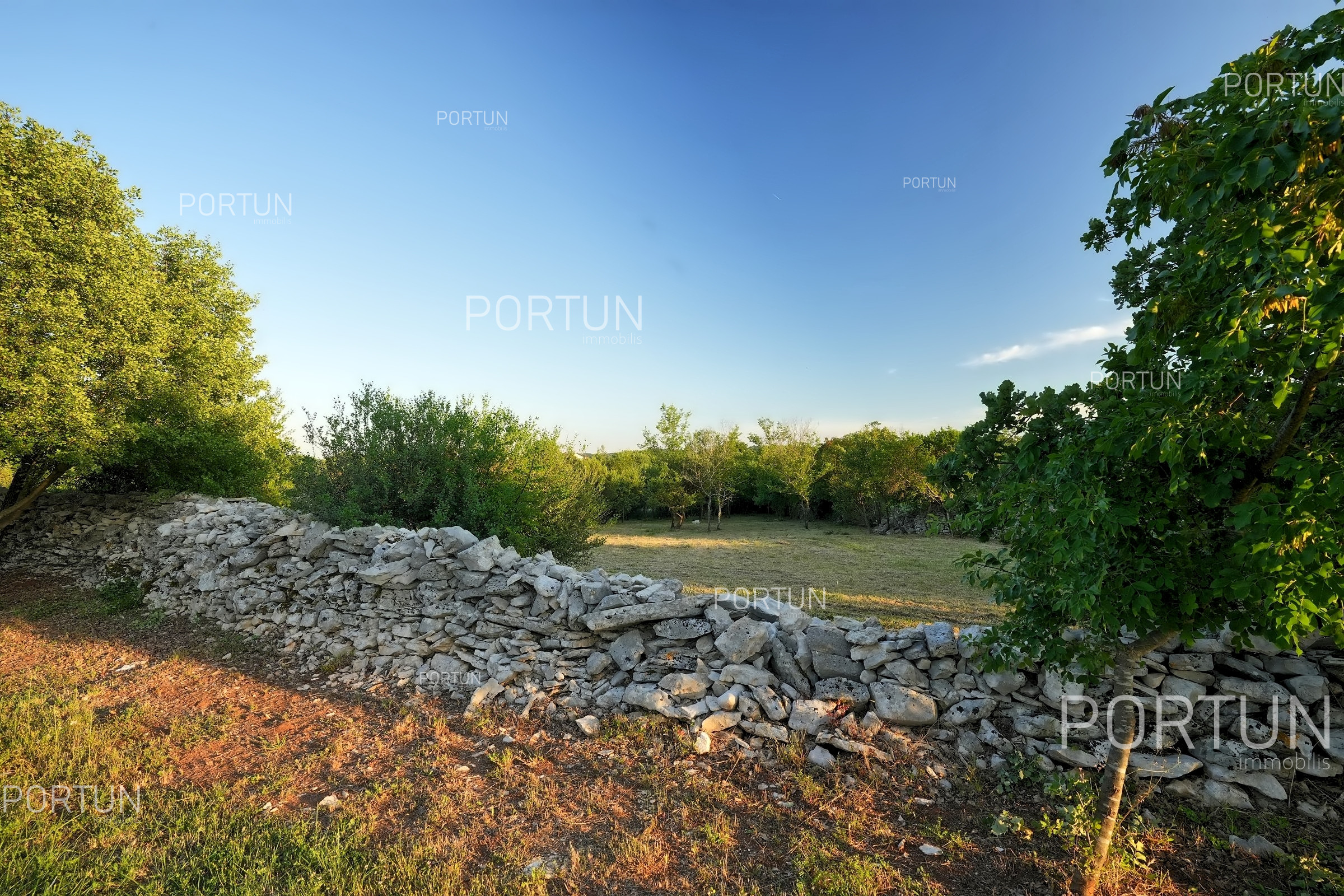
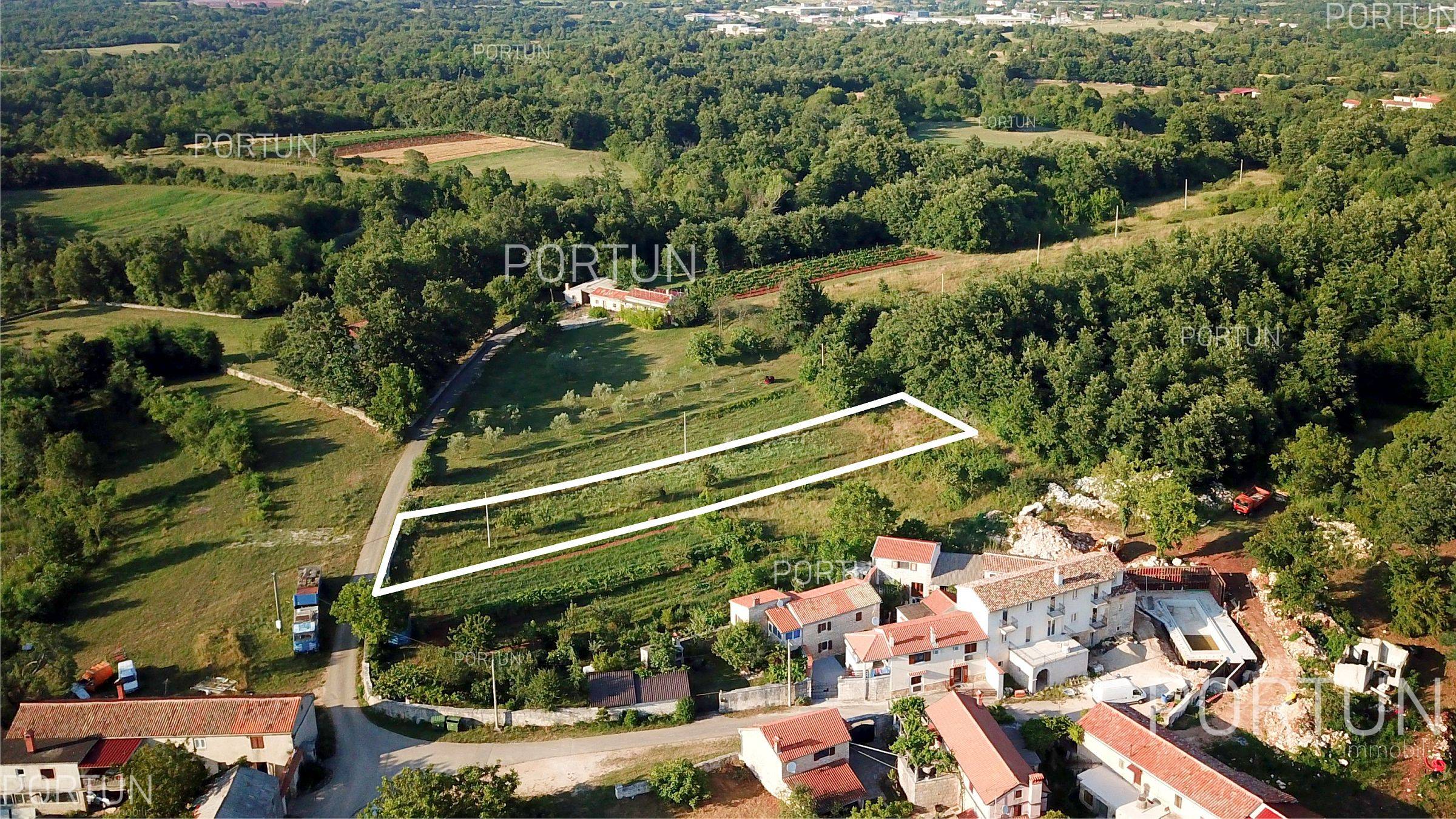
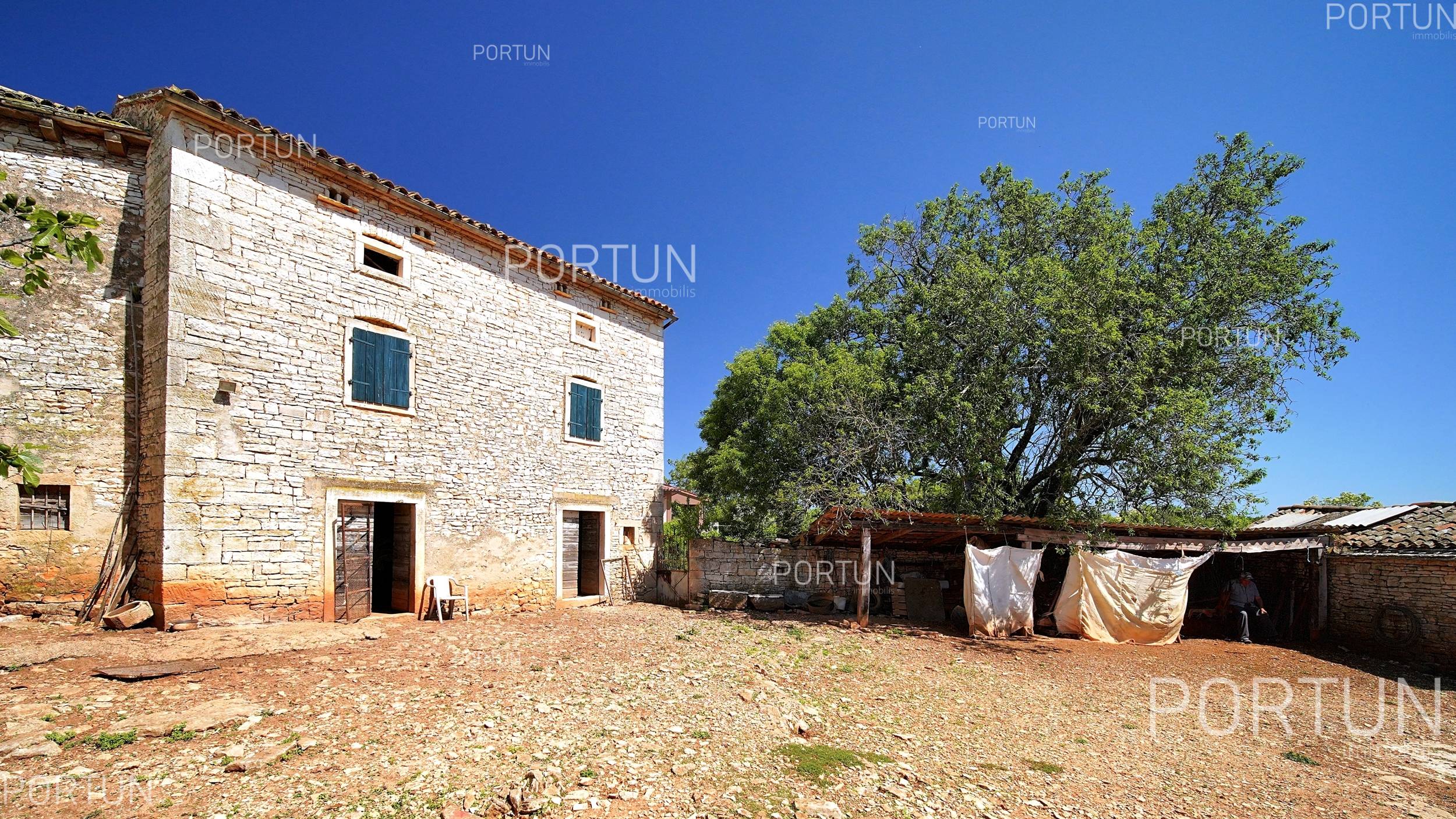
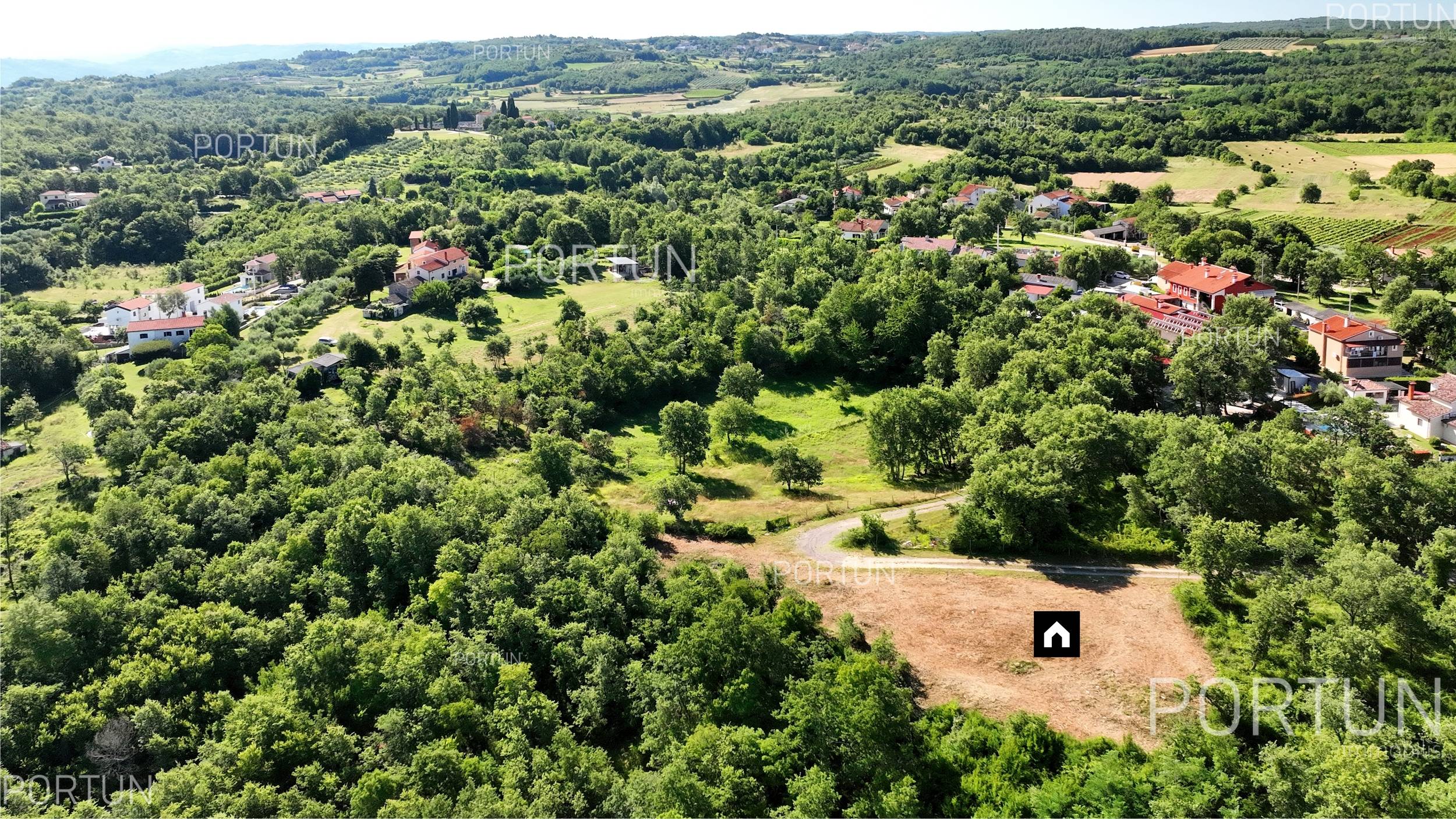
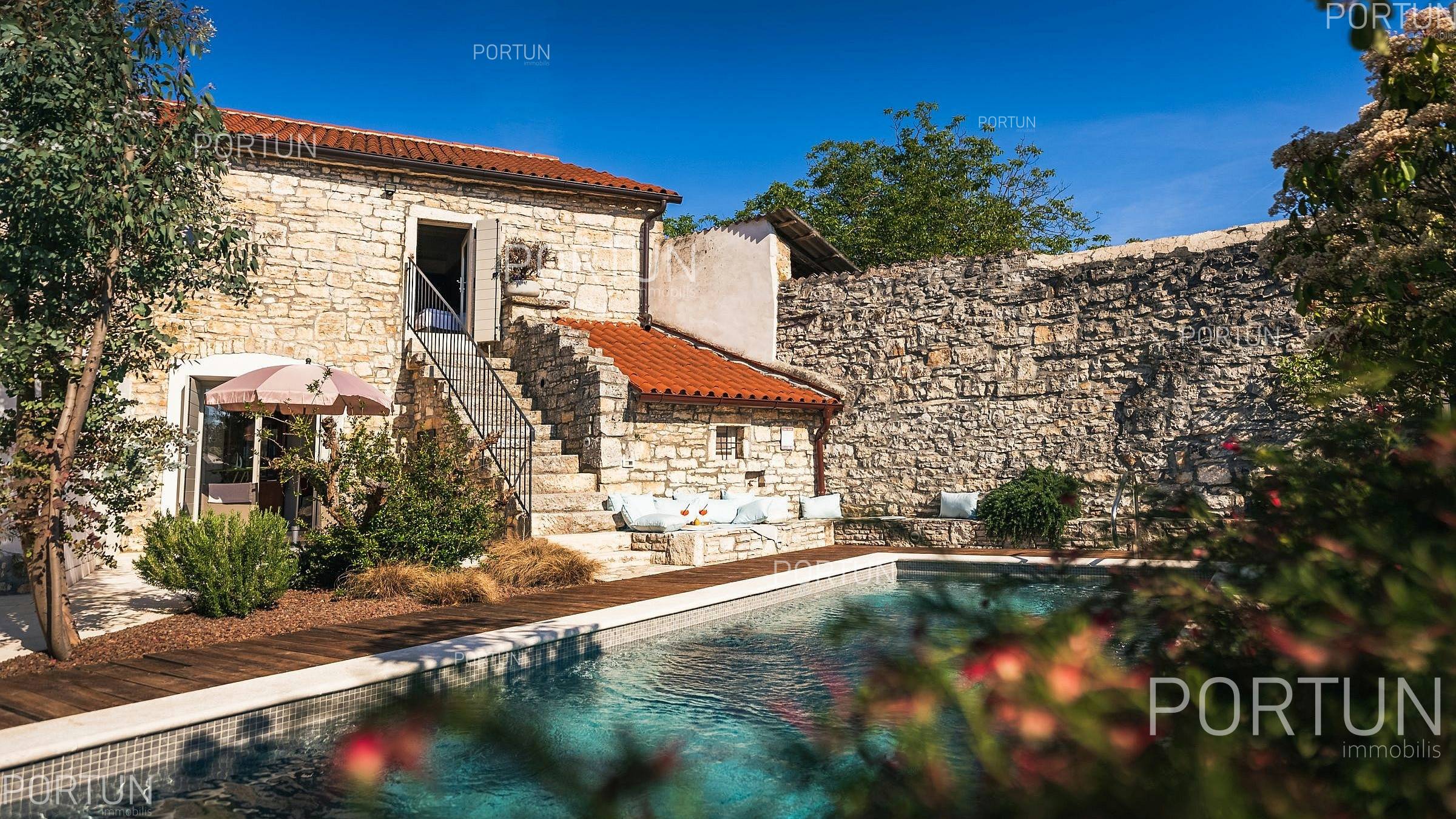
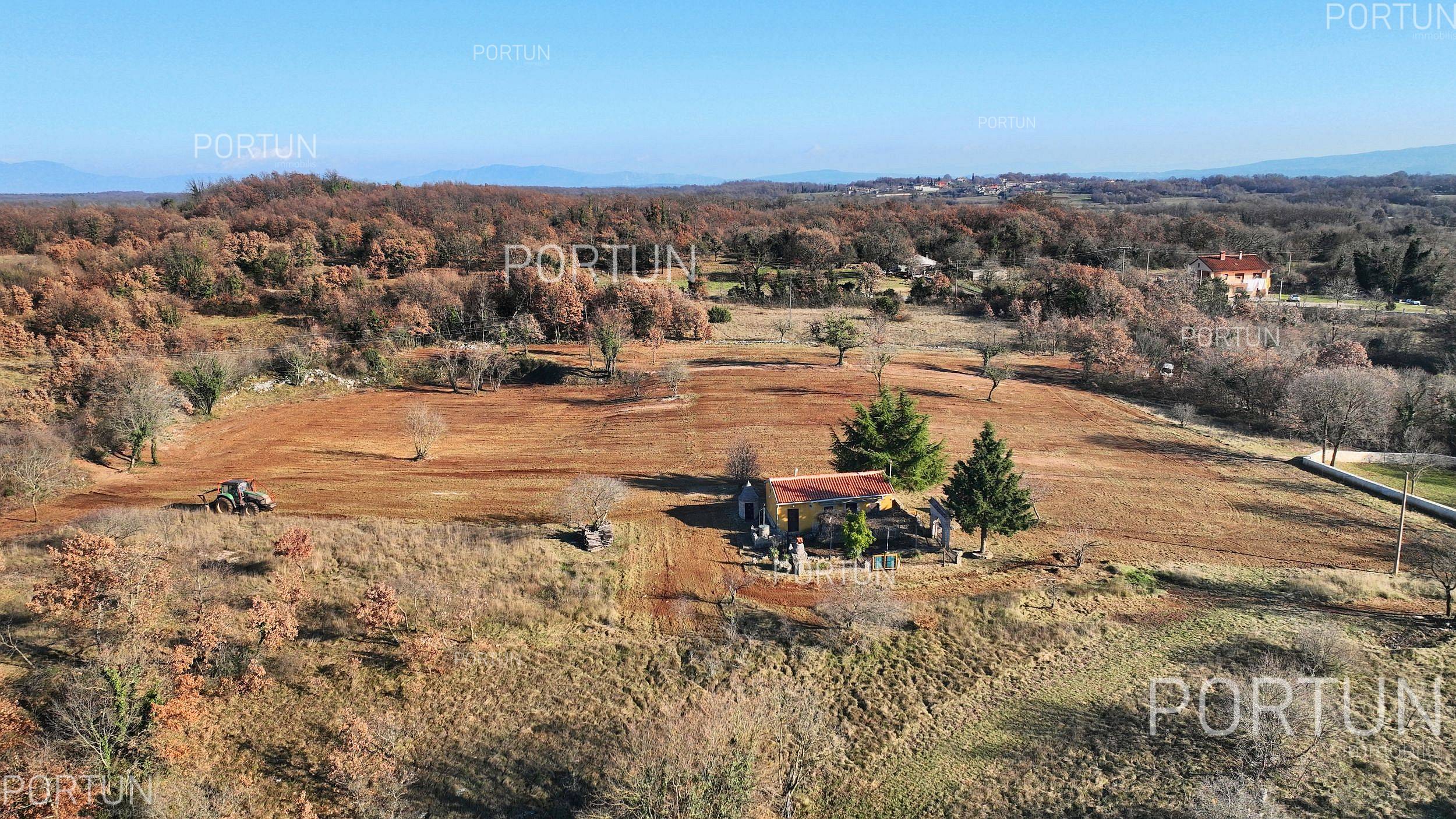
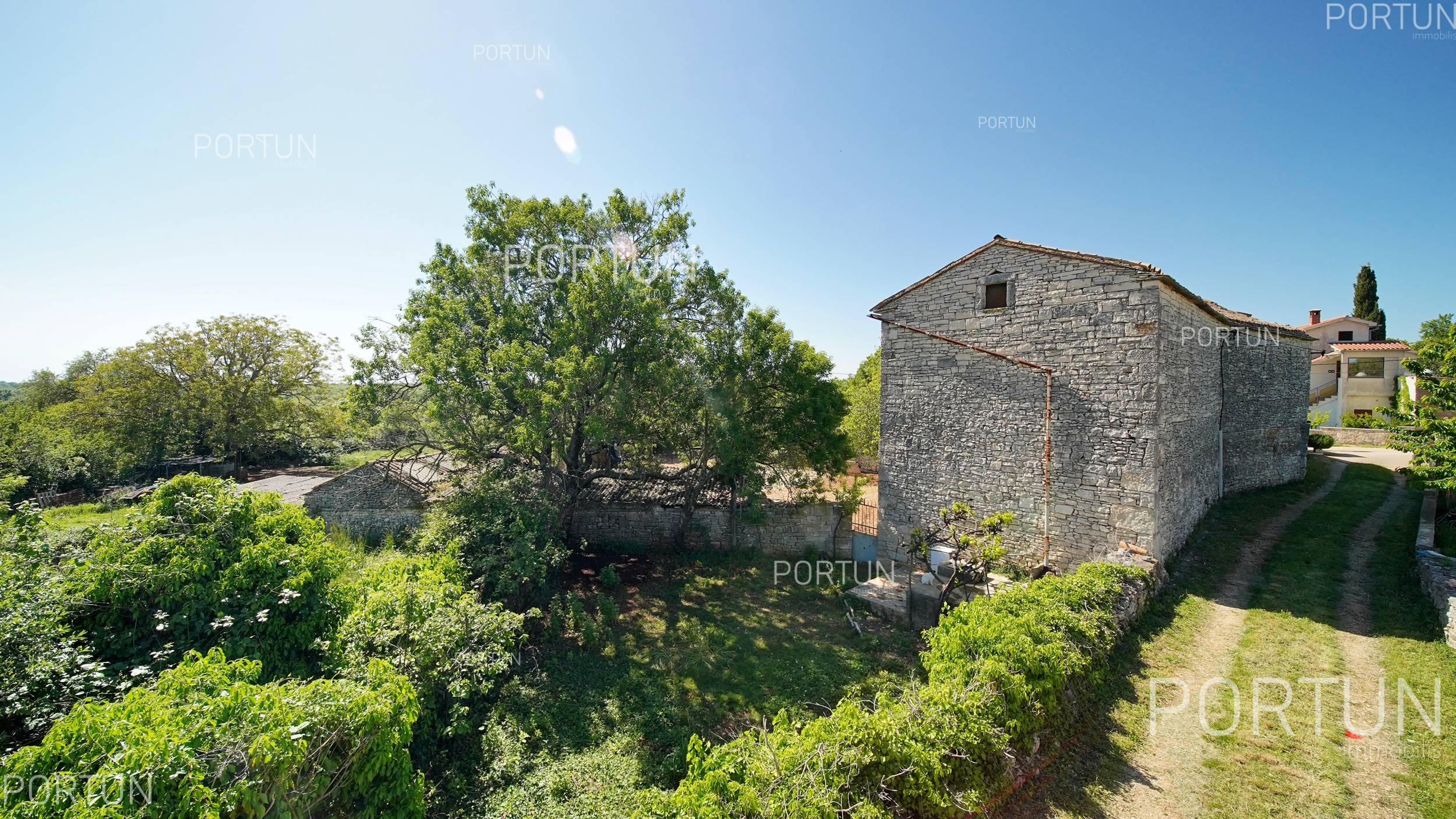
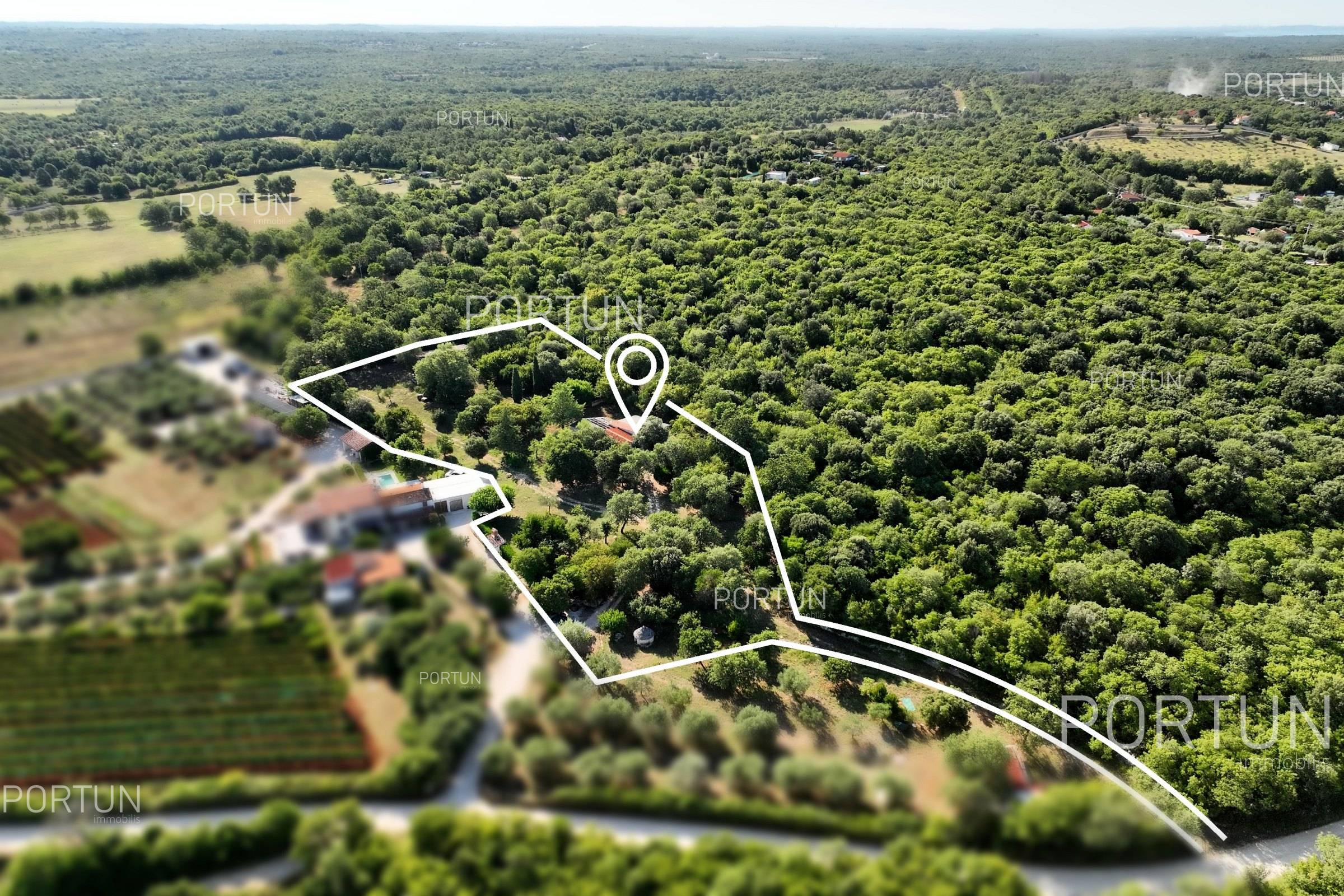
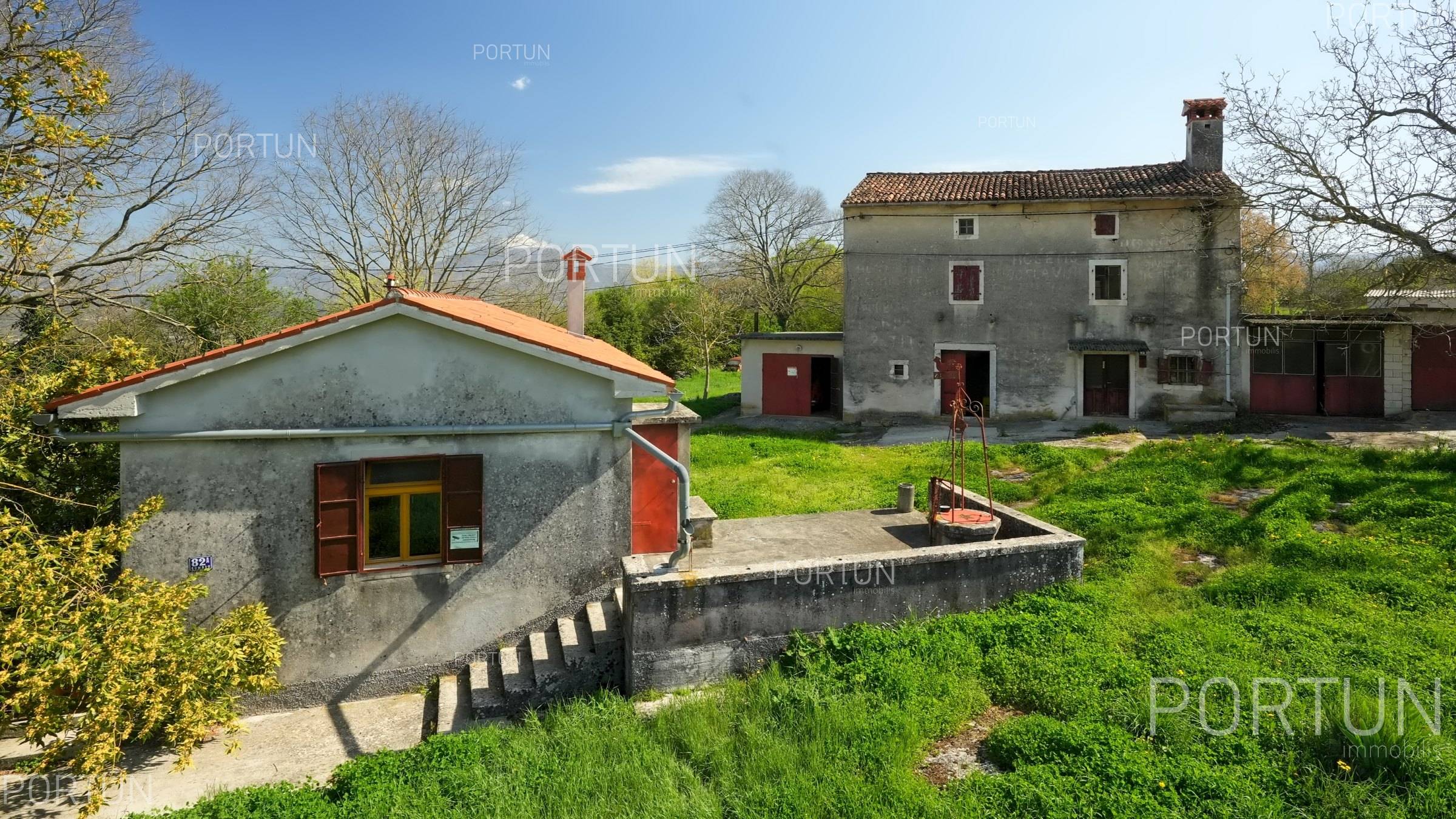
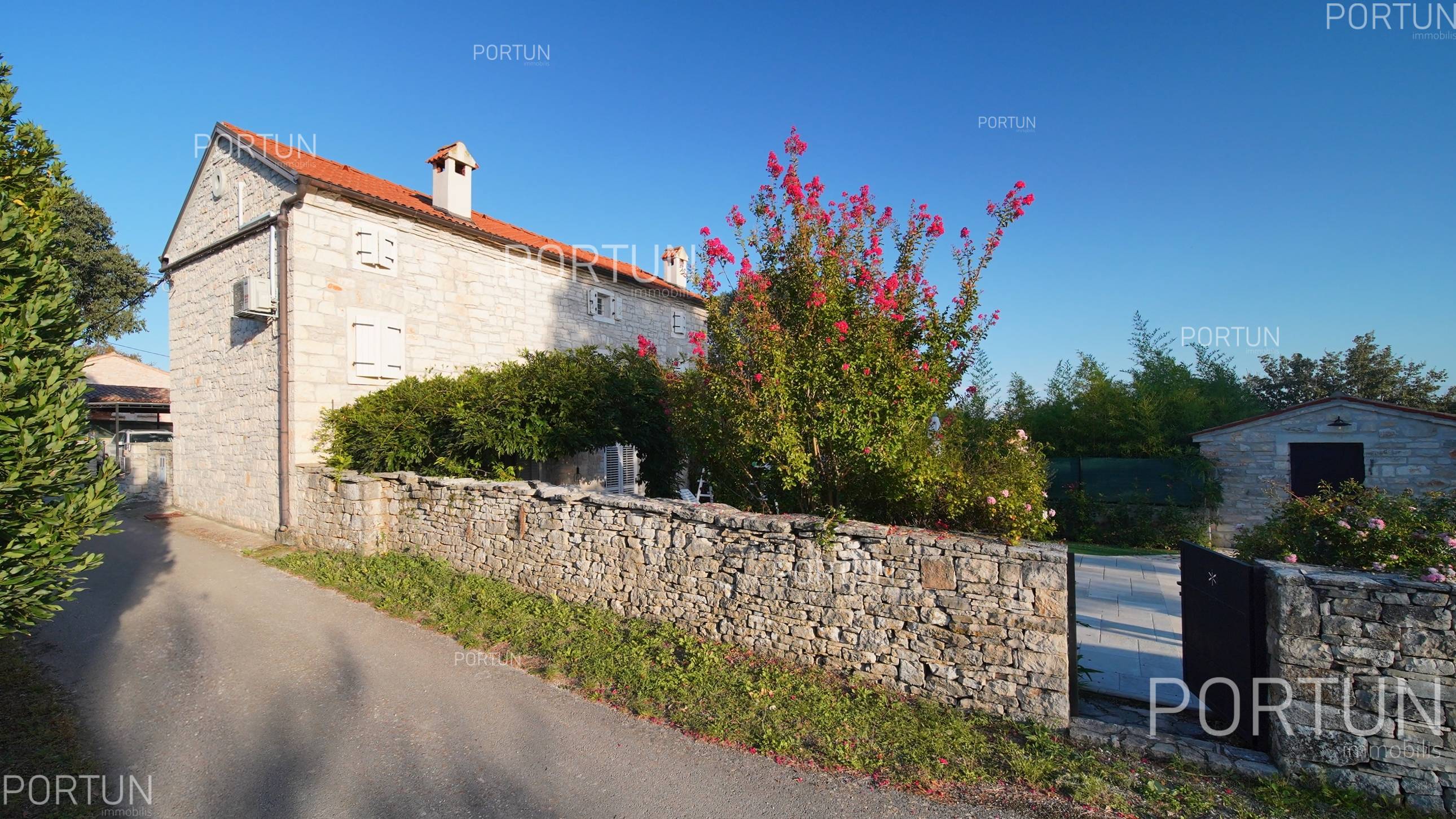
Inland Istria offers greater diversity in pricing and opportunity. Traditional stone houses, renovation projects, and larger land plots are still available at prices significantly below coastal levels. However, value assessment here requires careful analysis.
Access, infrastructure, realistic renovation costs, and rental potential vary widely. In this segment, negotiation plays a much larger role, and well-informed buyers often secure favourable terms when sellers’ expectations exceed market reality.
New trends influencing prices in 2026
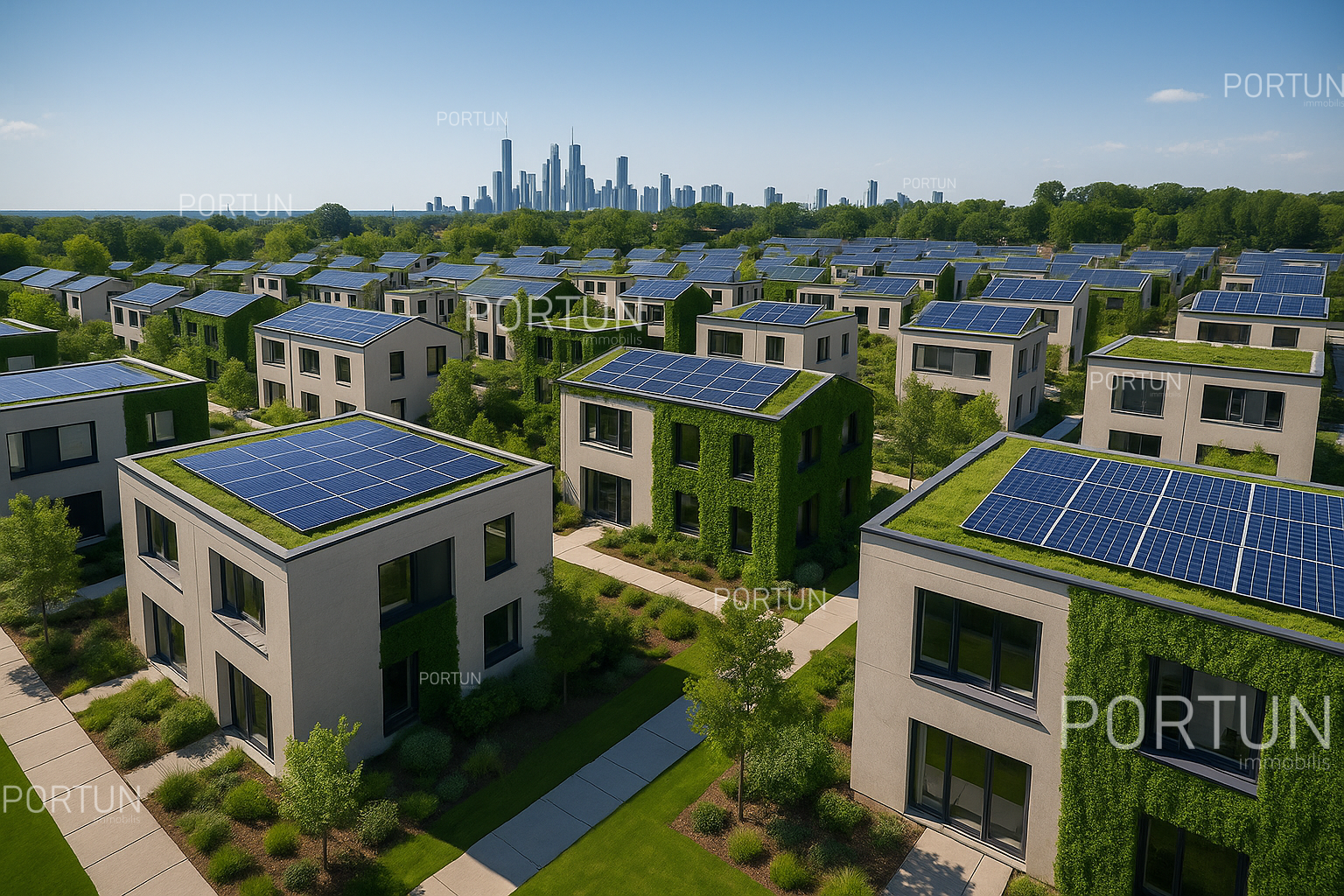
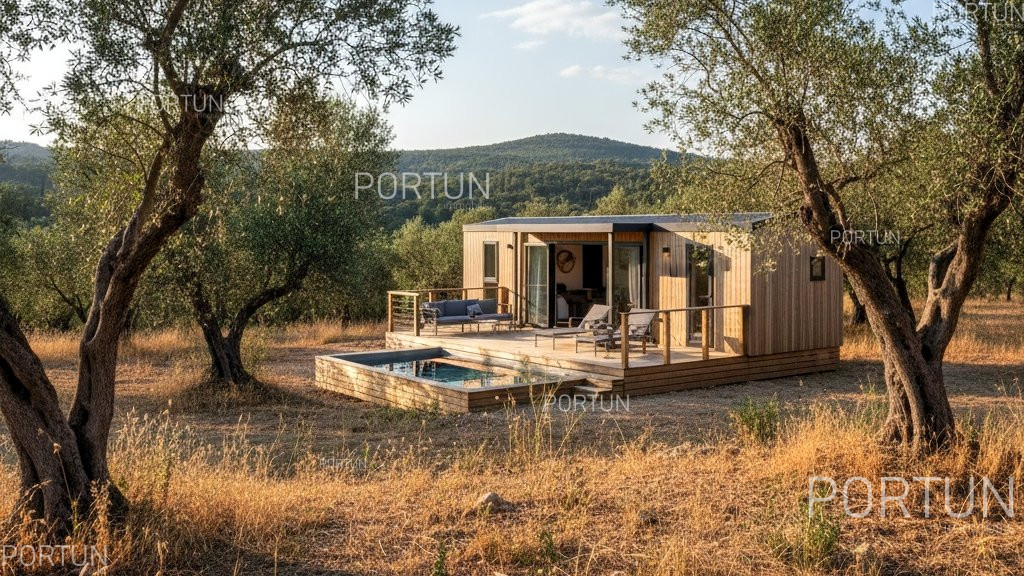
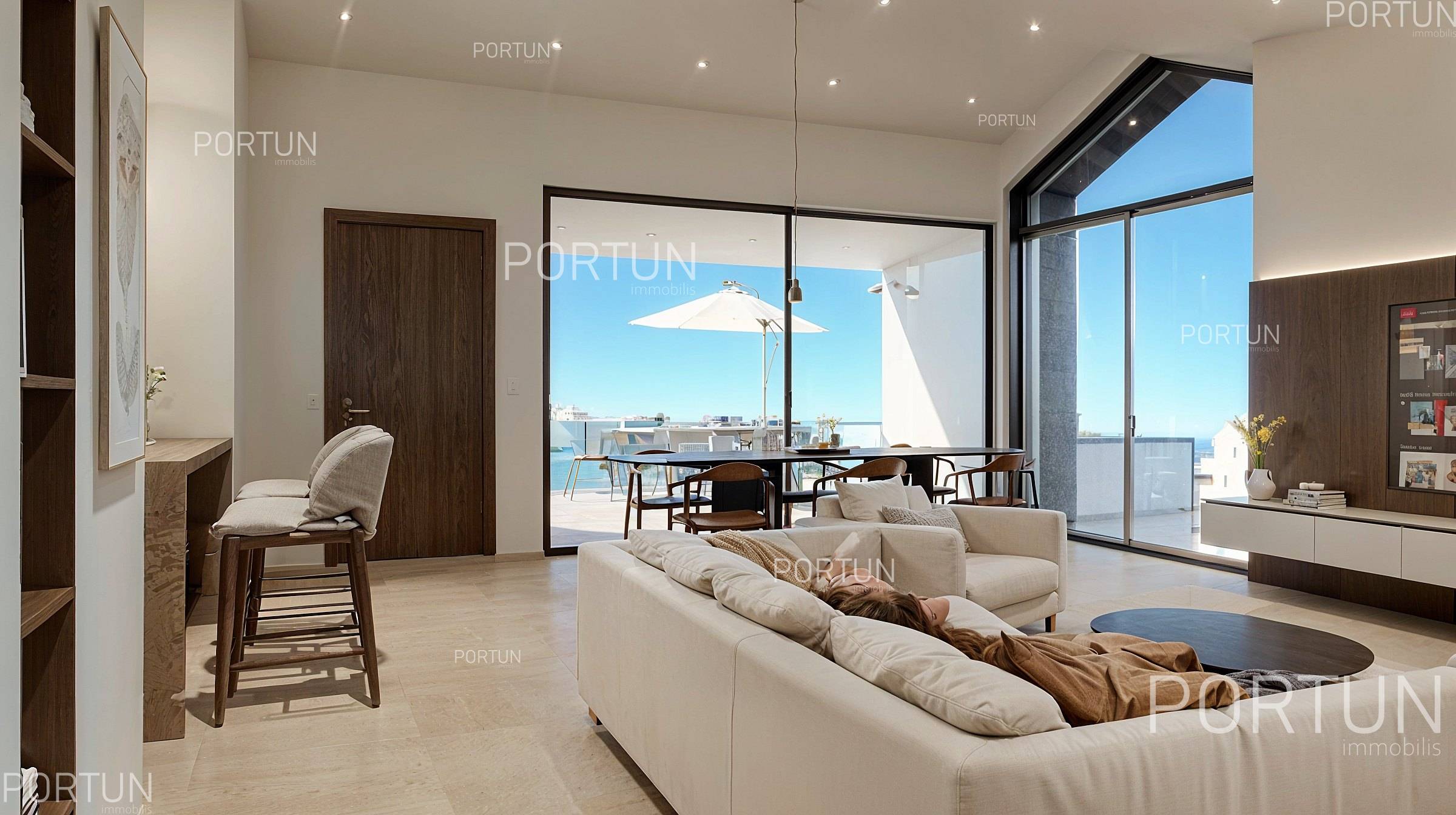
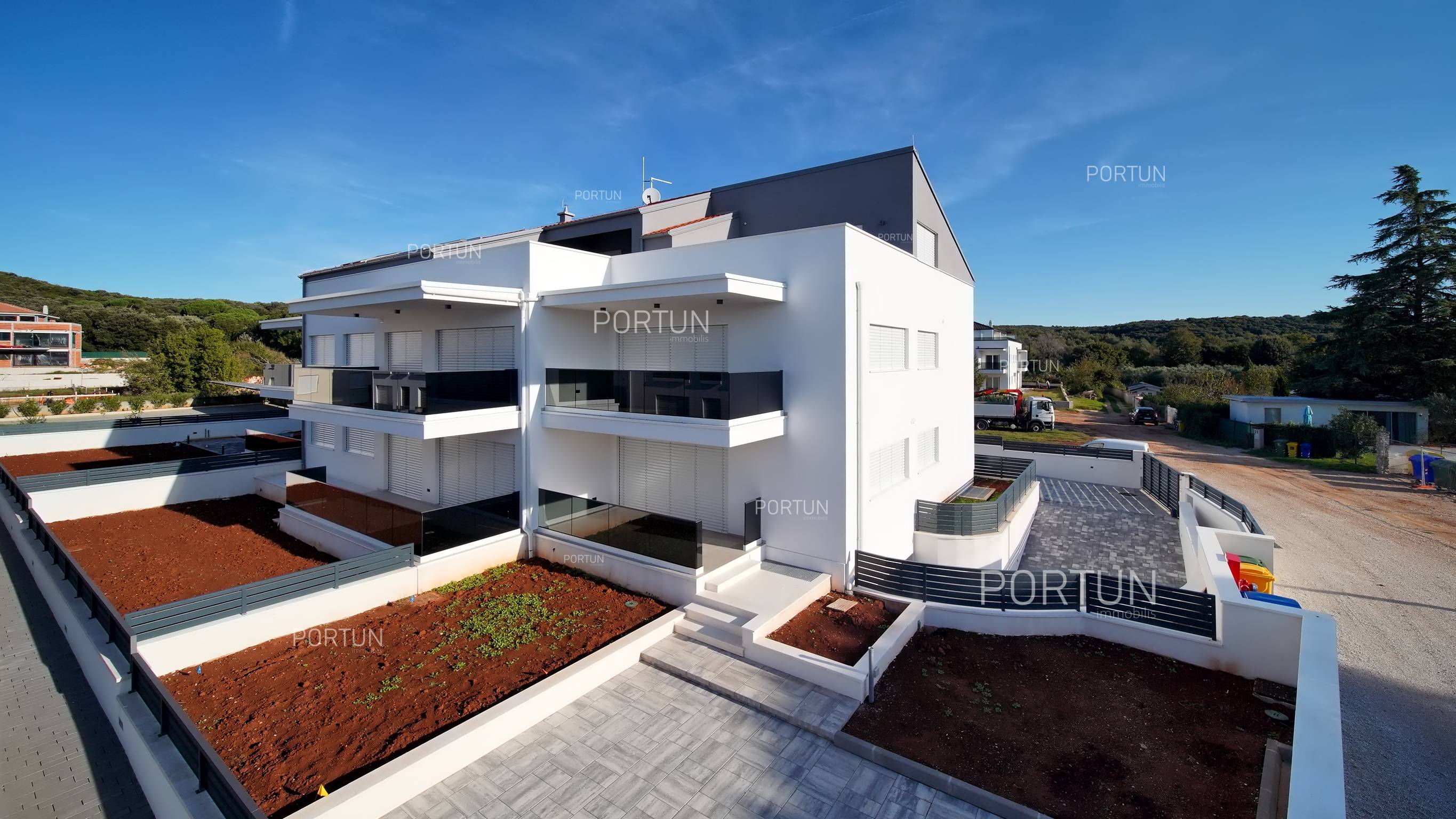
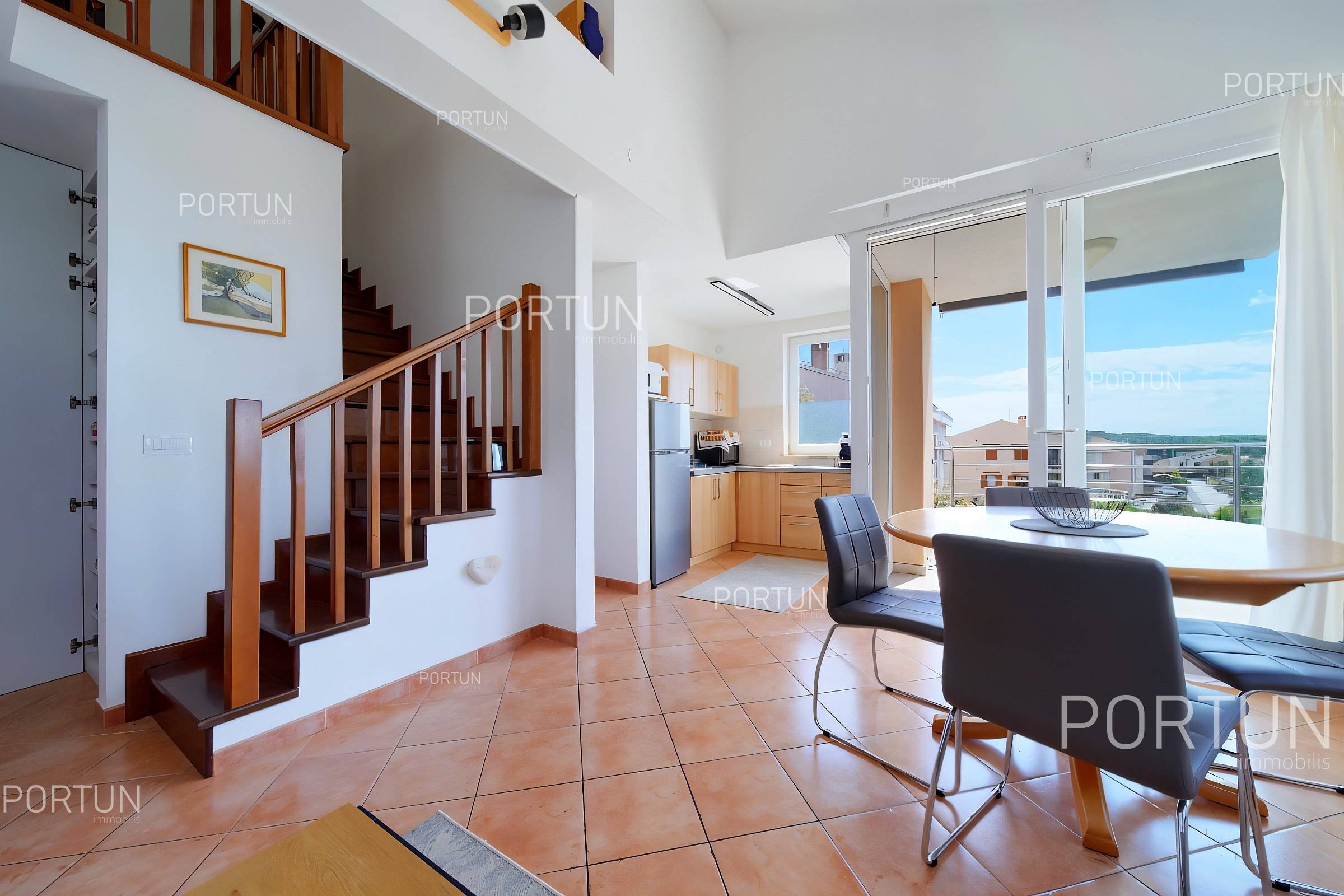
Several trends are reshaping how value is perceived in Istria. Energy efficiency, year-round usability, and reliable infrastructure have become decisive factors. Buyers increasingly prioritise properties suitable for extended stays, remote work, or mixed personal and rental use.
Properties that fail to meet these expectations—such as poorly insulated homes or locations lacking basic services—struggle to justify premium pricing, even if visually attractive.
Asking prices versus achieved transaction prices
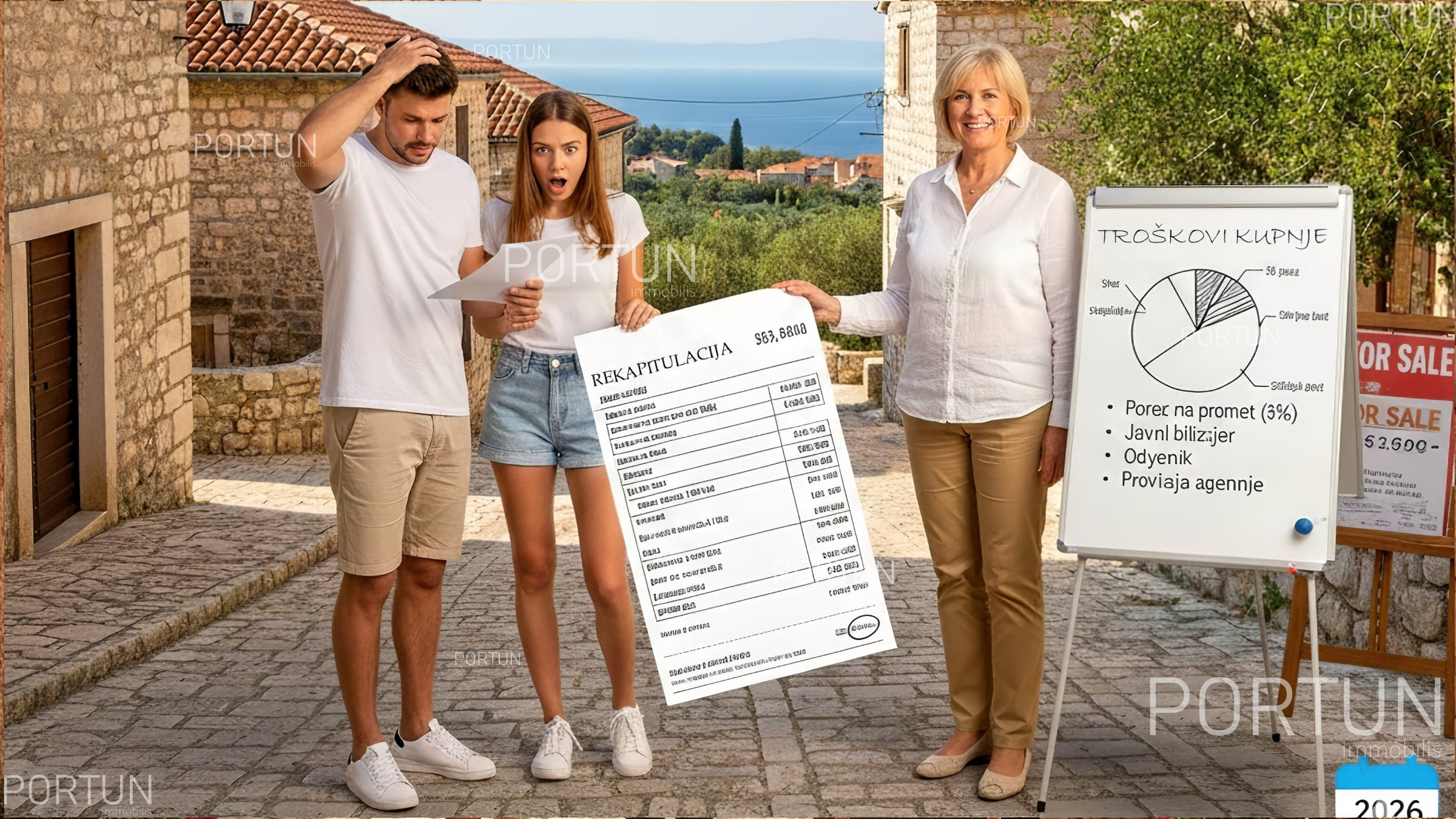
Foreign buyers should understand that listing prices do not necessarily reflect final transaction values. In most cases, the difference between asking and achieved prices ranges from 5% to 15%, depending on location, condition, and market demand.
Properties priced realistically tend to sell quickly, while those that remain listed for extended periods often signal room for negotiation. Monitoring market time is therefore a valuable indicator of true value.
The role of foreign buyers in price formation
Foreign buyers continue to play a major role in Istria’s property market, but their influence has evolved. Demand remains strong, yet expectations have become more disciplined. Buyers are willing to pay premium prices, but only when supported by clear quality, legality, and long-term potential.
As a result, prices are no longer driven by demand alone. Properties must now meet higher standards to achieve top-tier valuations.
Conclusion: what is realistic and what is not in 2026
In 2026, property prices in Istria reflect a mature and increasingly transparent market. While not every listing represents good value, neither is the region uniformly overpriced. Realistic pricing is closely tied to location, legal clarity, infrastructure, and actual usability.
The true myth is the belief that prices move uniformly across the region. Buyers who evaluate each property individually—rather than relying on averages or headlines—are best positioned to make informed, confident decisions in one of the Adriatic’s most distinctive property markets.
Related guides and useful articles
Understanding property price movements in Istria also requires a broader understanding of the purchase process, legal checks and factors that influence long-term value and investment security. For a complete overview, it is recommended to review the main guide to buying property.
Thematic guides for buying a house in Istria.
A basic guide through the property purchase process for foreign buyers.
Tags
Property prices in Istria, Istria real estate market, realistic property prices, buying property in Istria, foreign buyers, property valuation, market trends, supply and demand, real estate investment, purchase process, buyer advice