Renting Out Property in Istria – A Guide for Foreign Owners
Introduction
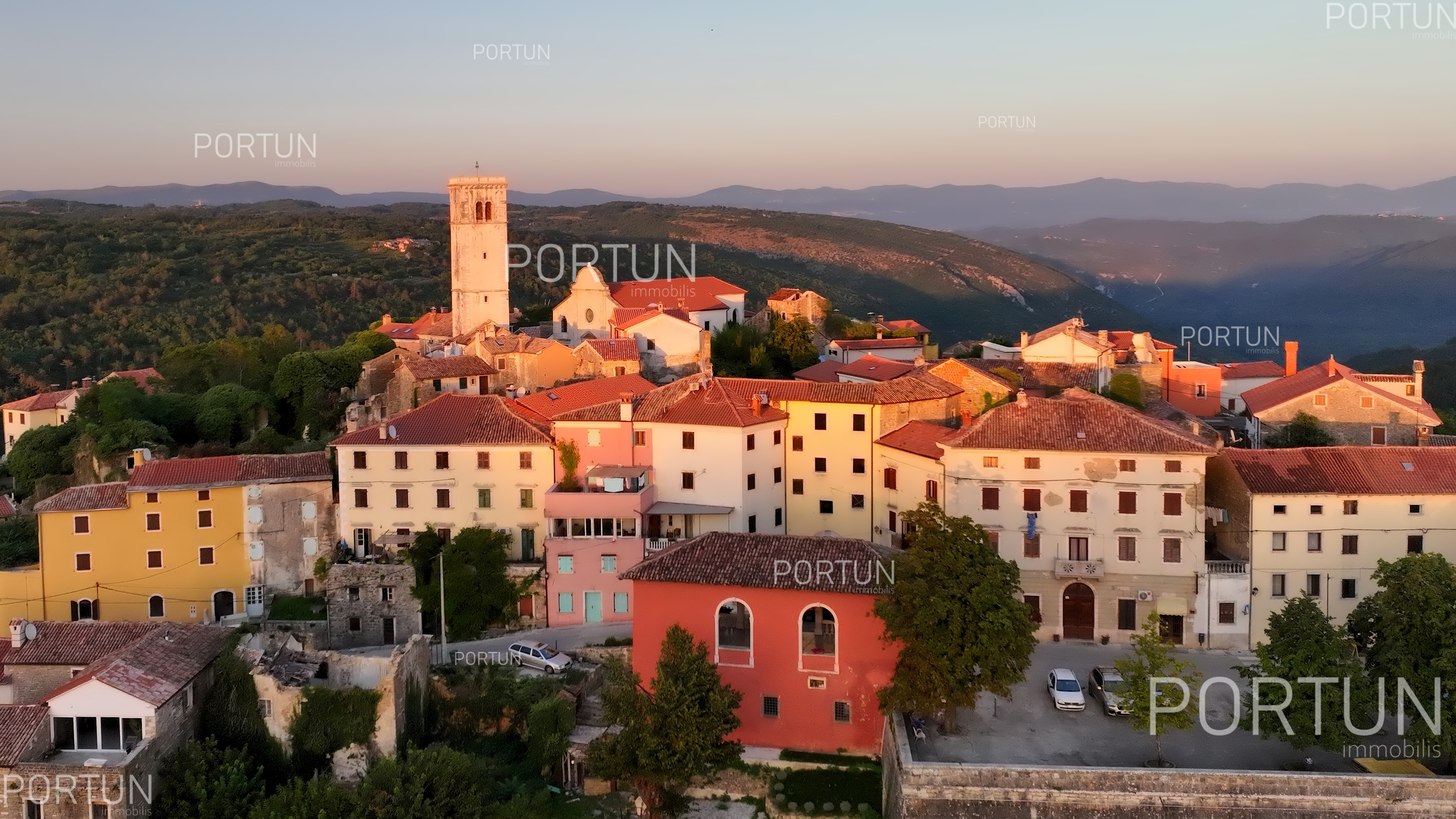
Renting out property in Istria has become an increasingly attractive option for foreign owners seeking both lifestyle benefits and rental income. Thanks to its strong tourism brand, diverse accommodation demand, and relatively transparent legal framework, Istria stands out as one of the most stable short-term rental markets in Croatia. However, many foreign owners enter the market with unrealistic expectations or incomplete information, assuming that rental income is automatic and effortless. In reality, successful tourist rental requires compliance with local regulations, a clear understanding of taxation, careful cost management, and reliable on-the-ground support. This guide is designed to provide foreign property owners with a realistic, practical overview of how short-term rentals in Istria actually work – from legal eligibility and registration to income potential, risks, and long-term sustainability.
Who Can Legally Rent Out Property in Istria
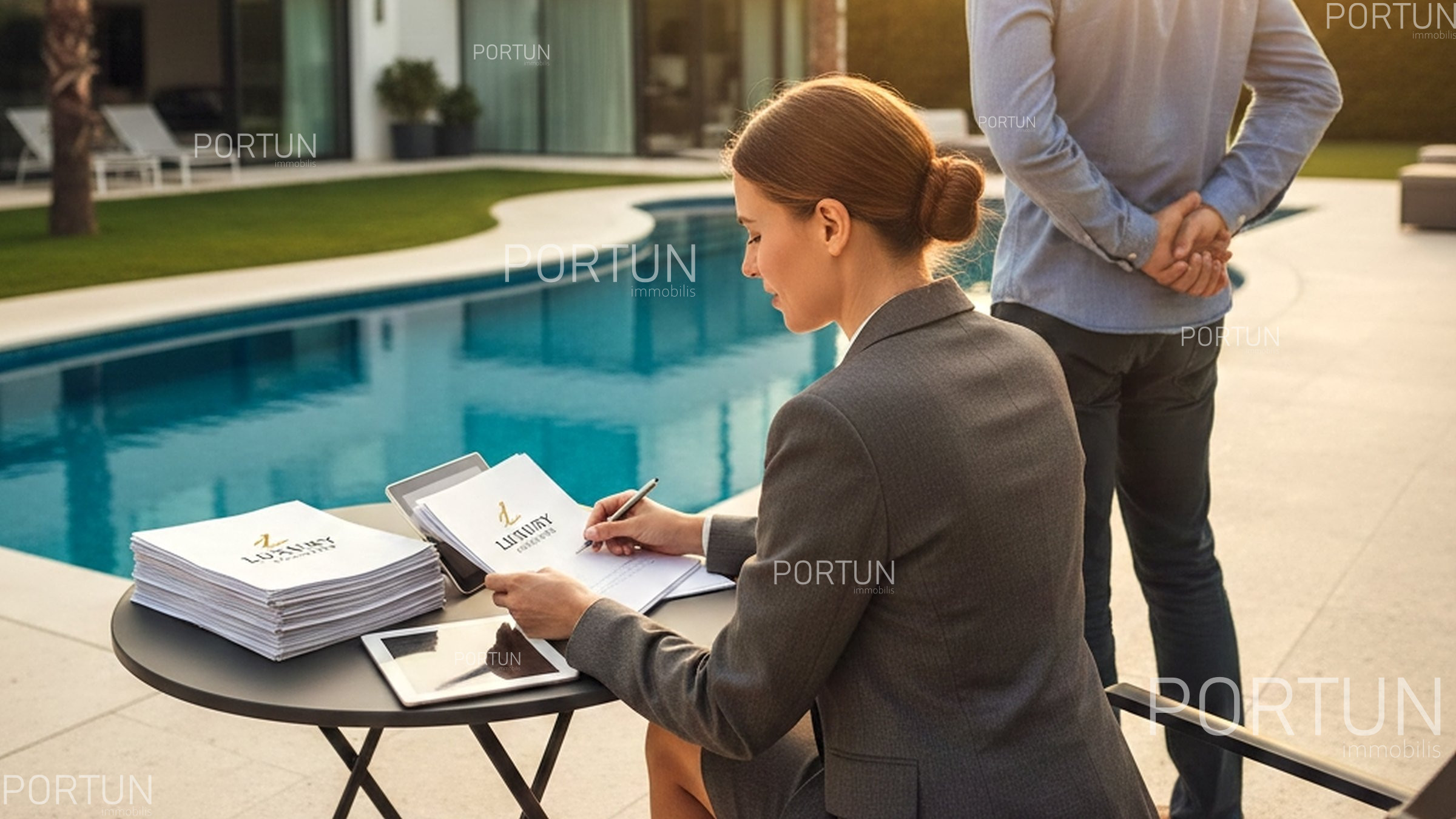
Foreign nationals can legally rent out property in Istria, but eligibility depends on citizenship and legal status. EU citizens generally enjoy the same rights as Croatian nationals and can register private tourist rentals as individuals. Non-EU citizens often face additional restrictions and may need to establish a Croatian company or business entity in order to rent legally. Importantly, ownership of property alone does not grant the right to rent it to tourists. A formal registration of hospitality services is required, and operating without it can result in substantial fines. Understanding the correct legal pathway before purchasing or renting out property is essential.
Property Registration and Categorisation Process
Before a property can be rented to tourists, it must undergo a categorisation process conducted by the competent authorities. This process verifies compliance with minimum technical standards, safety regulations, and equipment requirements. Properties are assigned a category (star rating), which directly affects market positioning and guest expectations. Many foreign owners mistakenly believe that modern design or luxury furnishings guarantee a high rating, while overlooking technical requirements such as room sizes, sanitary facilities, parking availability, and fire safety measures. Categorisation is subject to inspection and can be revoked if standards are not maintained.
Taxation and Fiscal Obligations for Foreign Owners
Croatia offers a relatively favourable tax regime for private tourist rentals, particularly through the flat-rate tax per bed model. This system allows owners to pay a fixed annual tax instead of being taxed on actual income, provided certain conditions are met. However, tax levels vary by municipality and are subject to change. In addition, owners must pay tourist board fees and collect tourist tax from guests. Registration in the eVisitor system, guest reporting, and fiscal compliance are mandatory. Failure to comply with tax obligations is one of the most common mistakes made by foreign landlords.
Realistic Income Expectations and Seasonality
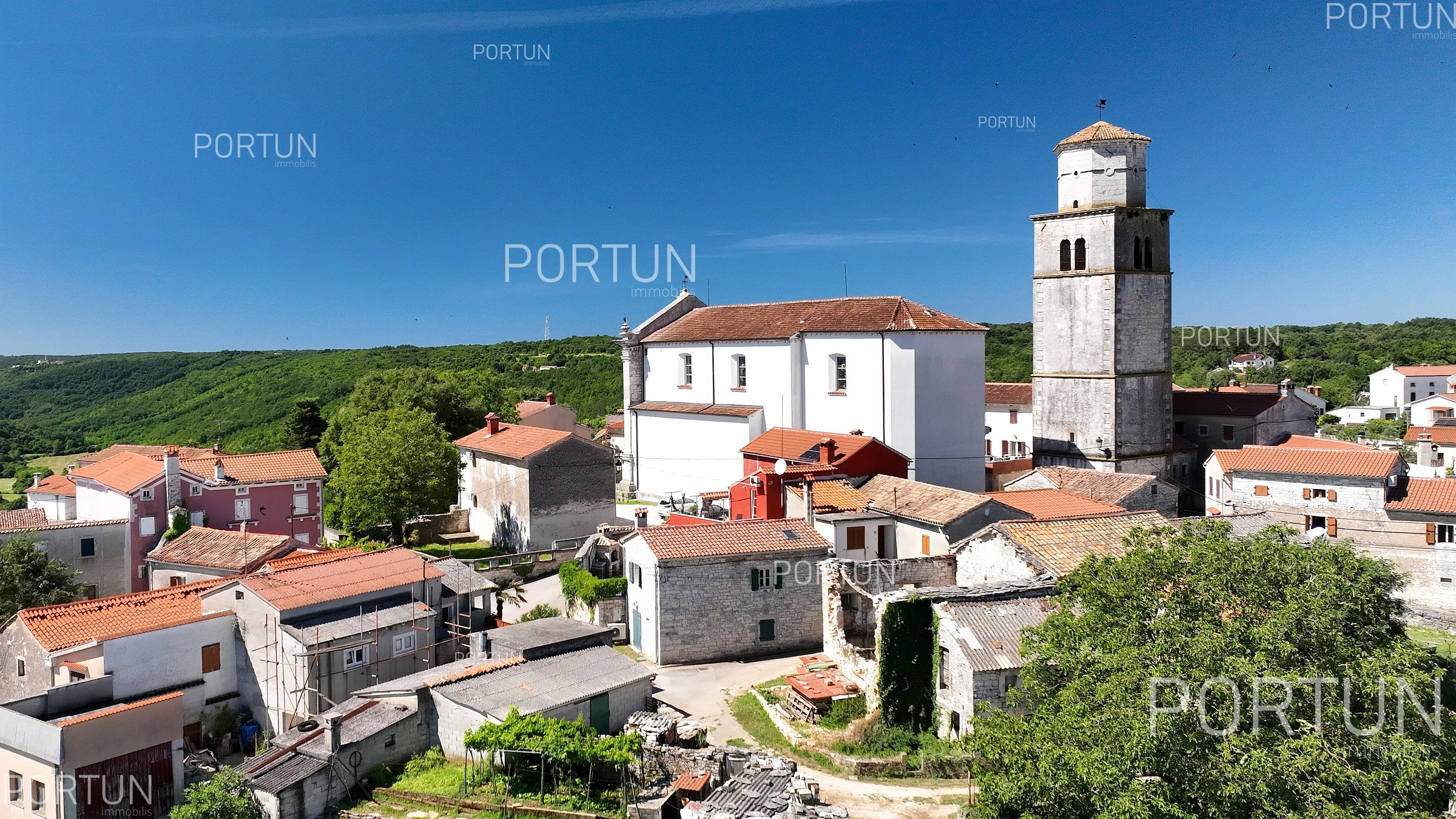
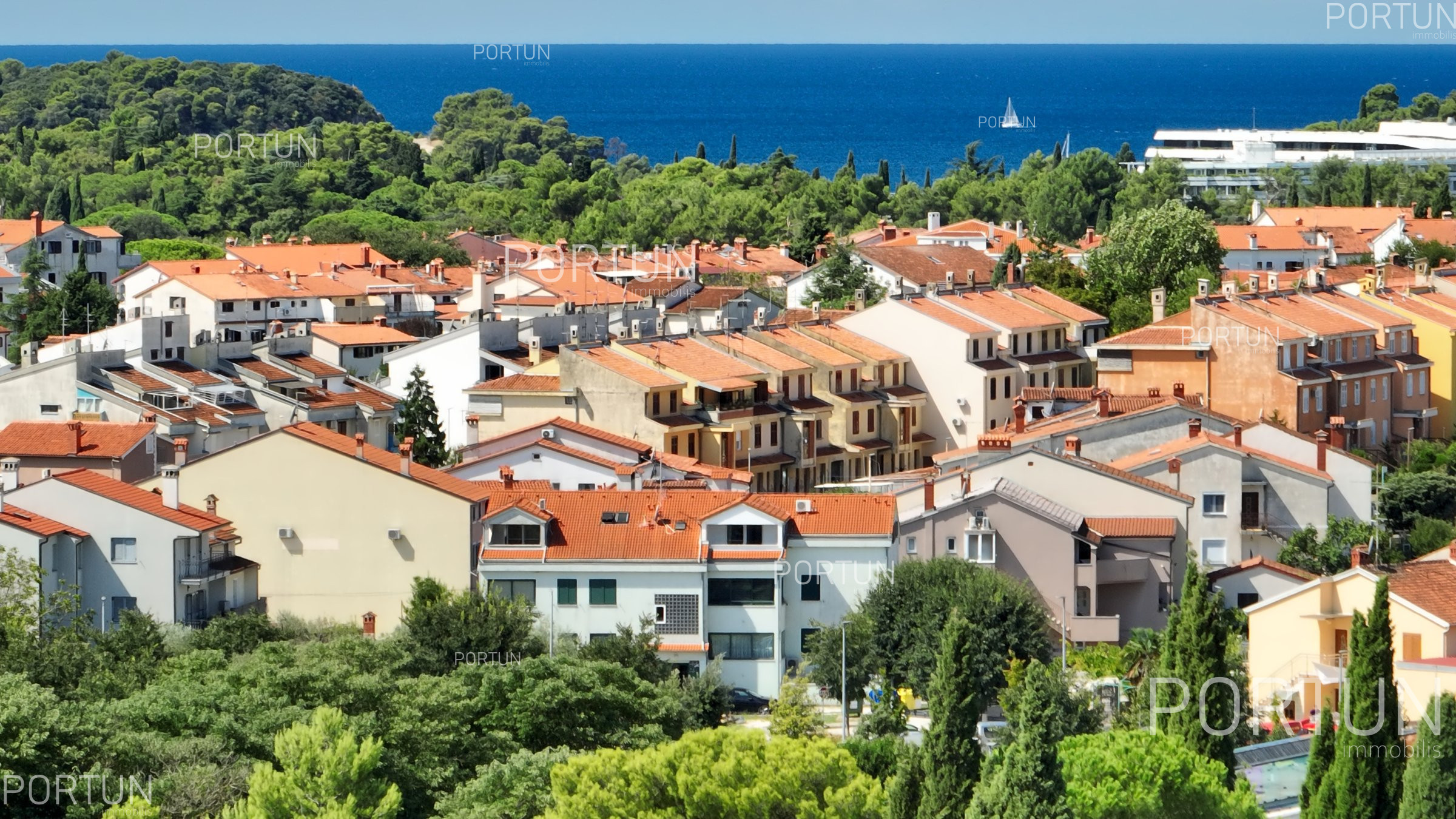
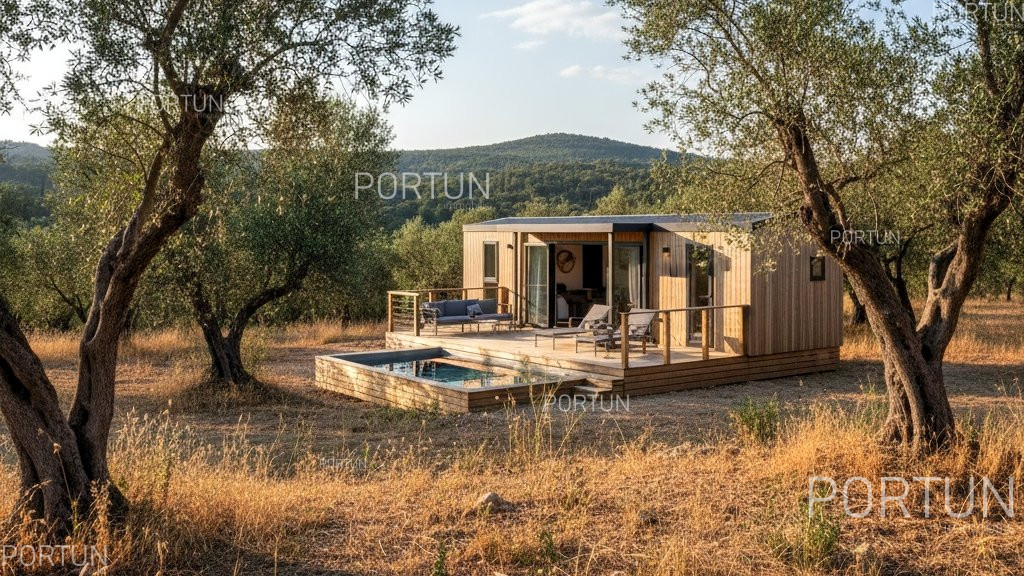
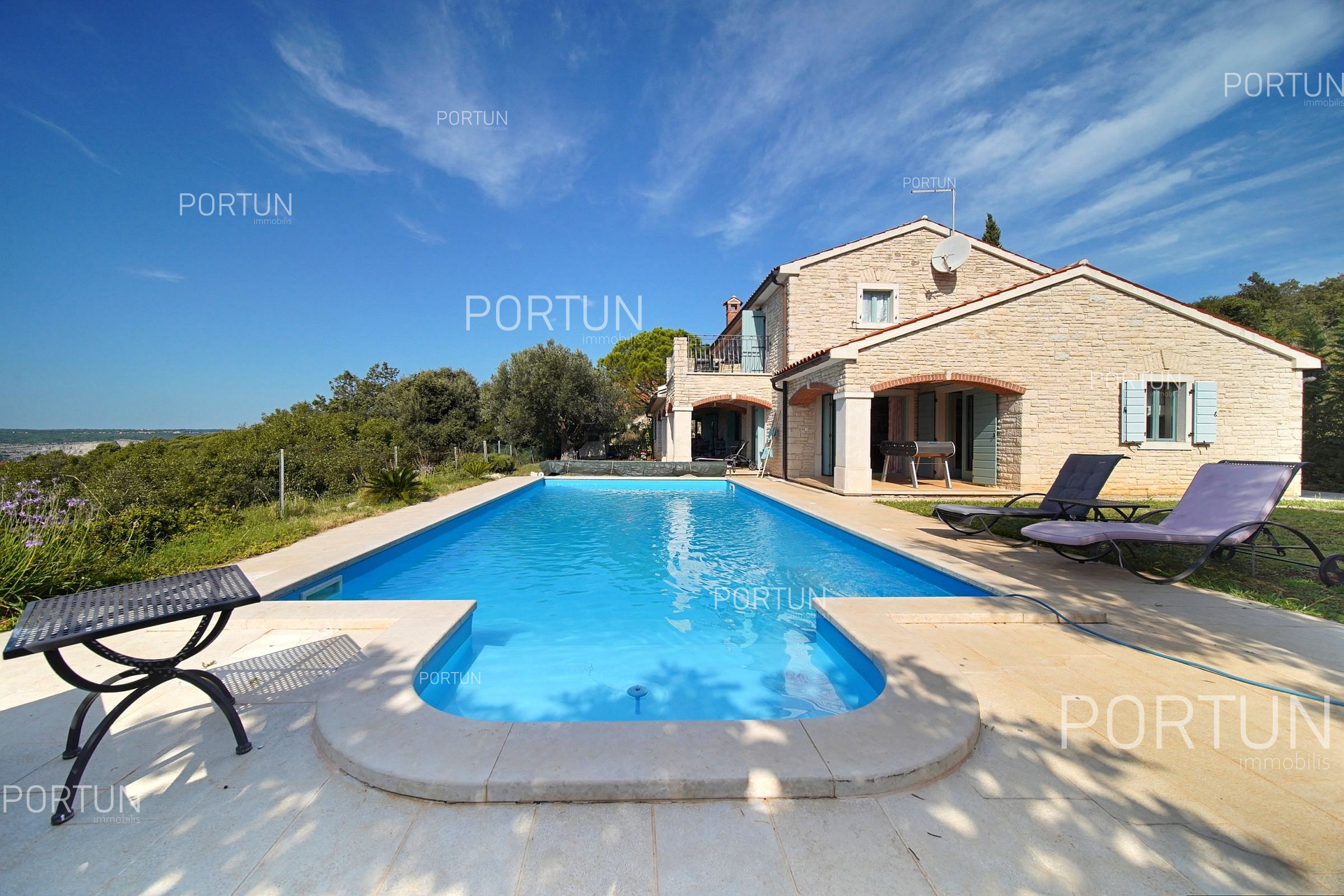
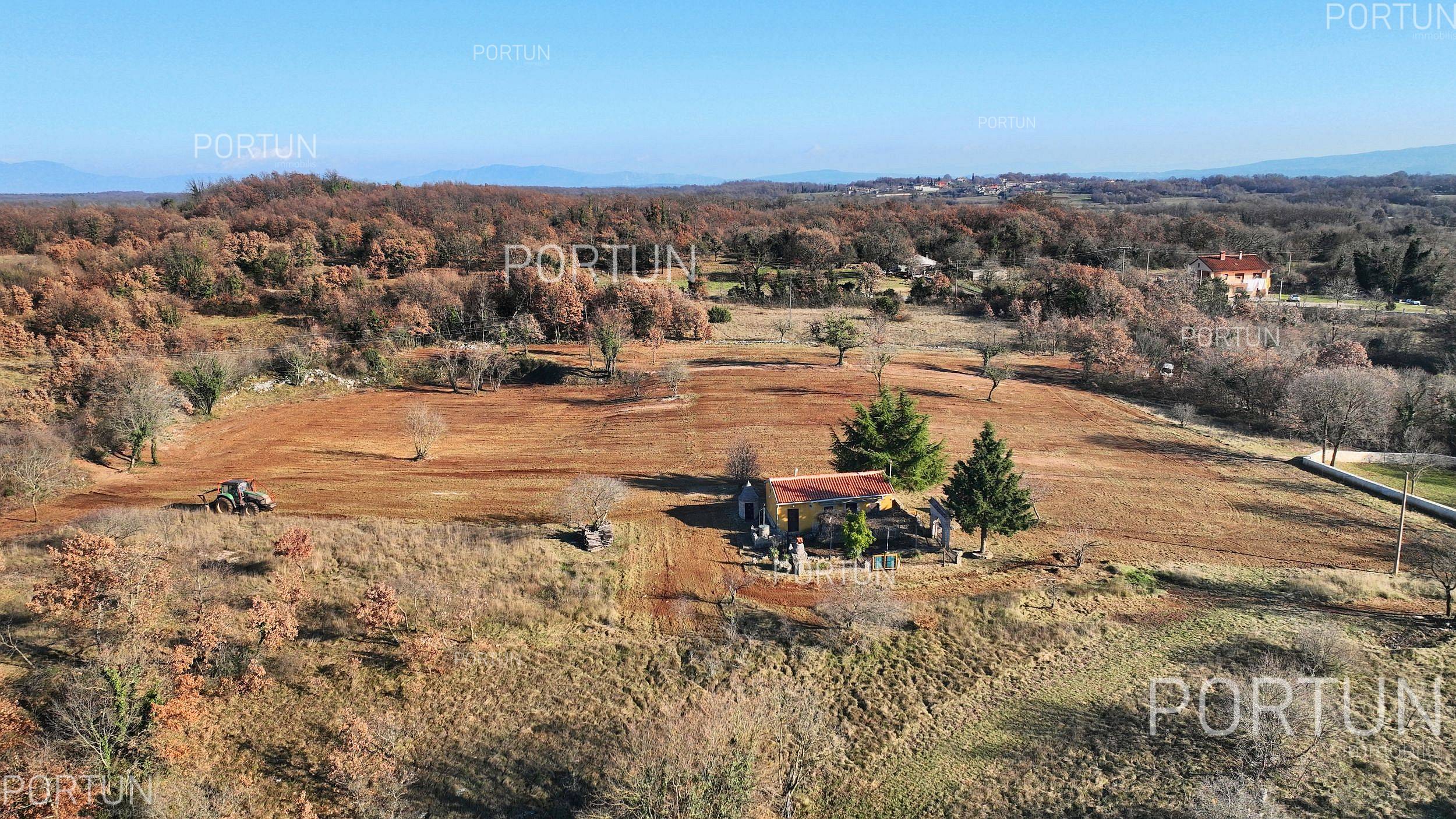
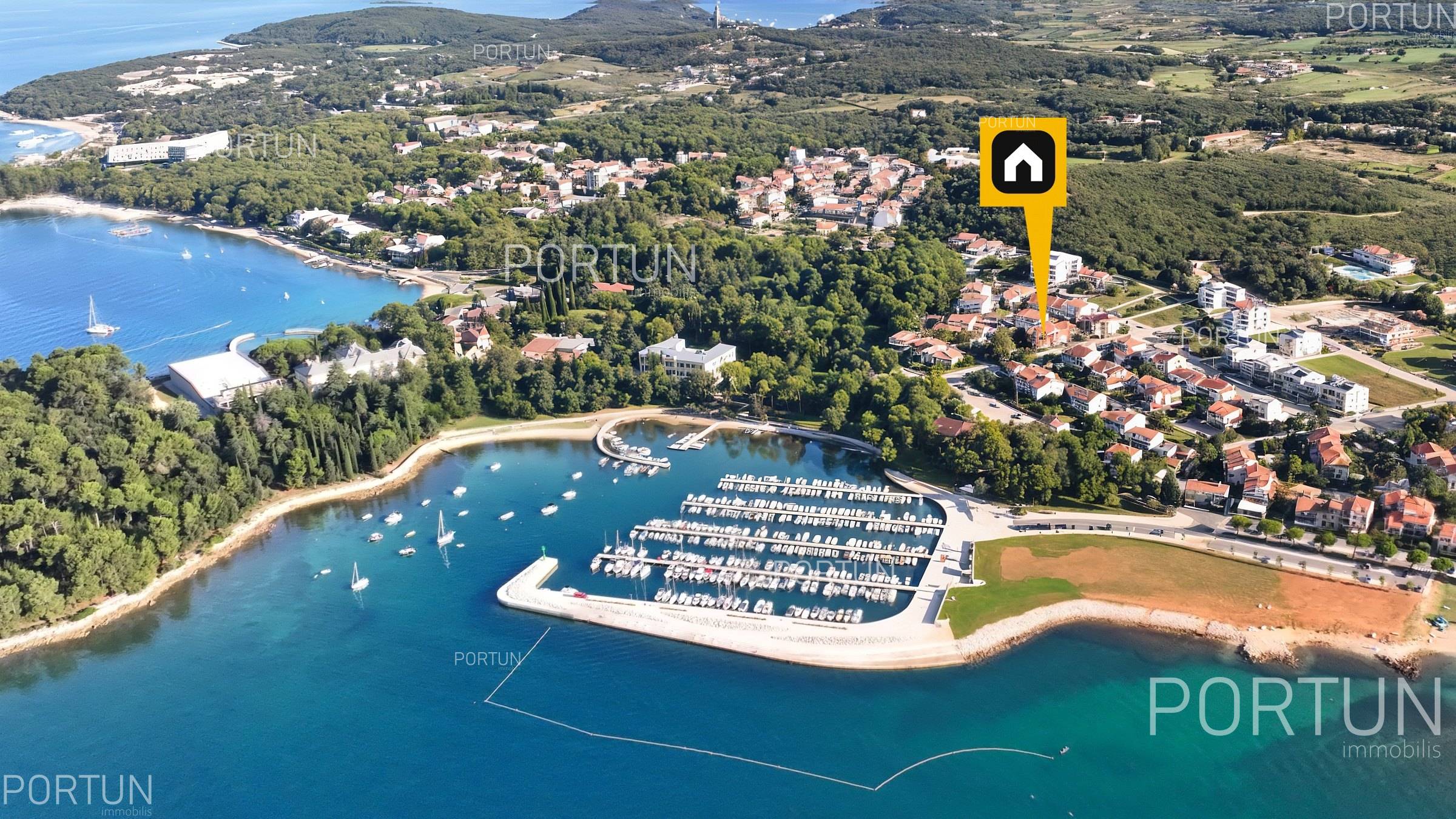
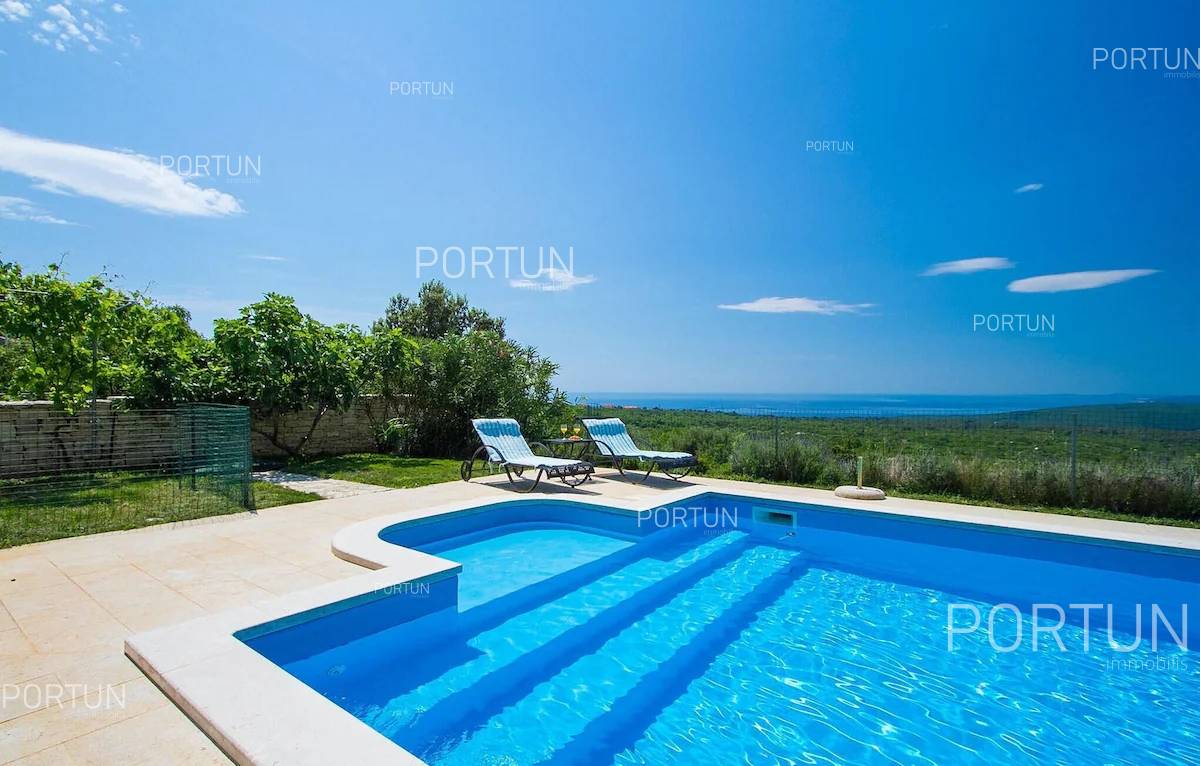
Istria is a highly seasonal destination, and rental income is concentrated within a relatively short period of the year. The main season typically runs from June to September, with peak demand in July and August. Outside this window, occupancy rates drop significantly. Properties in coastal locations tend to have longer seasons, while inland villas often rely on fewer but higher-value bookings. Overestimating annual occupancy is a common pitfall. Successful owners base their financial projections on conservative assumptions rather than peak-season performance alone.
Costs That Reduce Net Rental Profit
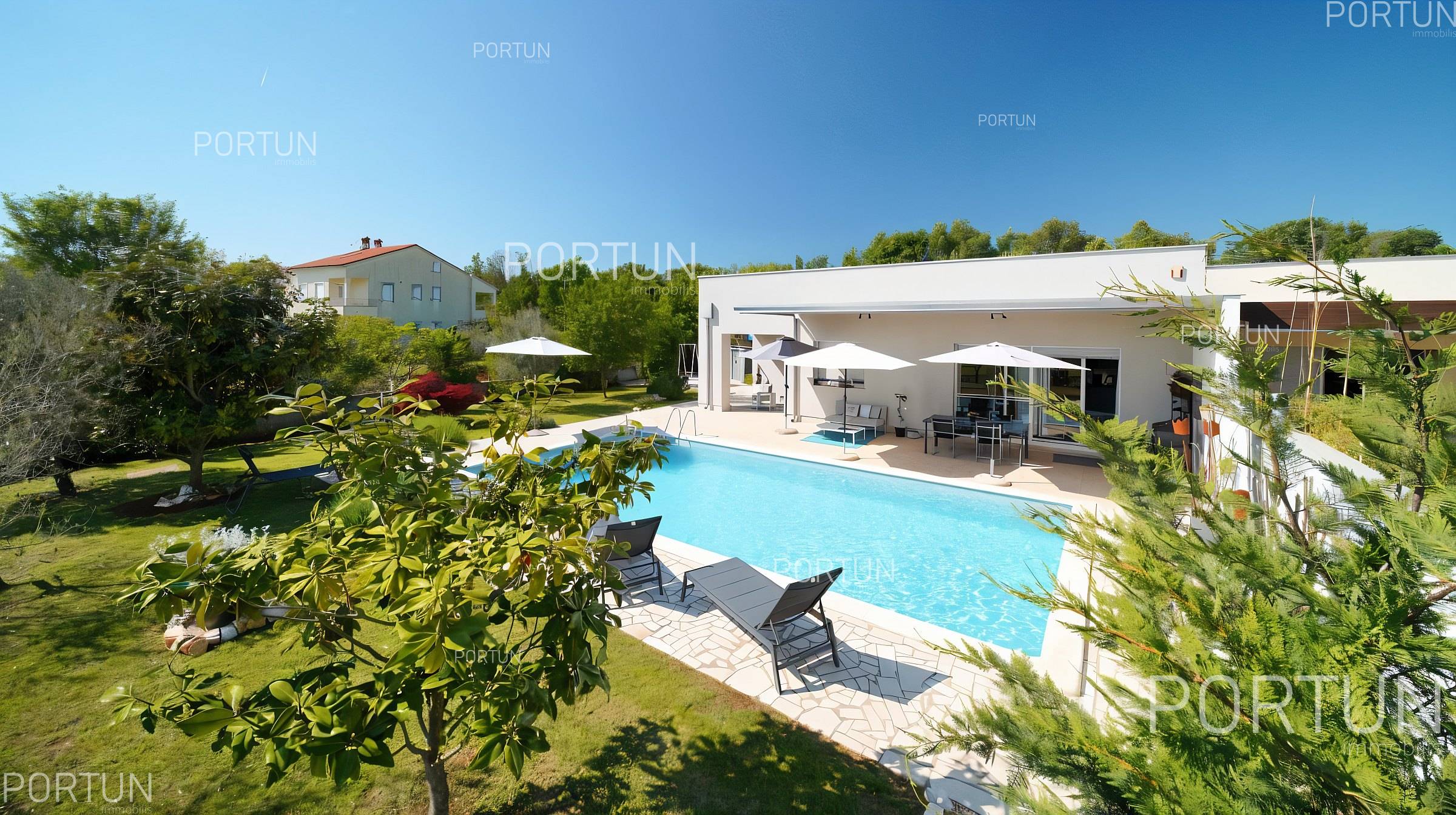
Gross rental income does not reflect actual profitability. Operating costs such as cleaning, maintenance, utilities, internet, pool upkeep, landscaping, insurance, property management fees, and occasional repairs must be factored in. Additionally, properties used intensively for short-term rental experience faster wear and tear. Foreign owners often underestimate these ongoing expenses, leading to disappointing net returns. A detailed cost structure is essential for evaluating whether short-term rental aligns with long-term financial goals.
Managing a Rental Property from Abroad
For owners who do not reside permanently in Croatia, property management is one of the most critical aspects of successful renting. Guest communication, check-in and check-out, cleaning coordination, emergency response, and maintenance require local presence. Many owners rely on professional property management companies, which offer varying levels of service and charge commissions accordingly. Choosing the right partner and clearly defining responsibilities can significantly reduce stress and operational risk.
Legal Compliance and Inspections
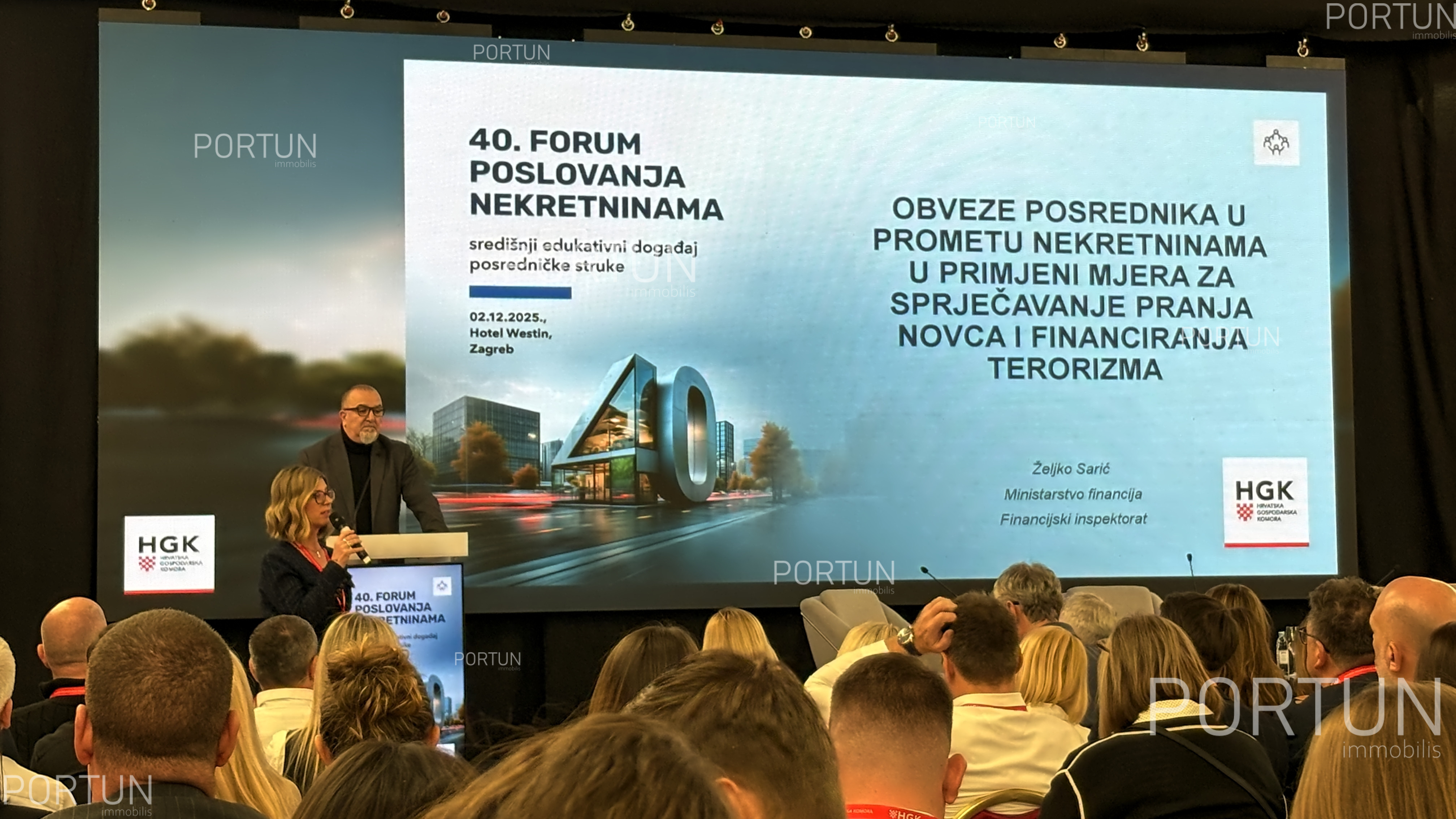
Tourist rentals in Croatia are subject to inspection by multiple authorities, including tourism and tax inspectors. Common violations include unregistered guests, incorrect categorisation, missing signage, and incomplete documentation. Penalties can be substantial, and repeated violations may lead to suspension of rental rights. Foreign owners should understand that ignorance of local regulations does not provide legal protection. Staying informed and compliant is essential for long-term rental security.
Local Regulations and Future Market Risks
Across Europe, short-term rentals are increasingly subject to tighter regulation, and Croatia is no exception. While Istria currently maintains a relatively balanced approach, local governments have the authority to introduce additional restrictions, adjust taxes, or limit new registrations. Foreign owners should consider regulatory risk when planning long-term rental strategies. Properties that are viable under current conditions may face reduced profitability if rules change.
Short-Term vs Long-Term Rental Strategies
Short-term rental is not the optimal solution for every property or owner. In some cases, long-term rental offers greater stability, lower operational demands, and more predictable cash flow. The choice between short-term and long-term rental should be based on property location, type, personal involvement level, and financial expectations. Many experienced investors adopt flexible strategies that evolve over time.
Who Benefits Most from Renting Out Property in Istria
Renting out property in Istria works best for owners who approach it as an active investment rather than a passive income source. Those who understand the market, plan conservatively, maintain high standards, and secure reliable local support tend to achieve sustainable results. For foreign owners expecting effortless income without involvement, the reality often falls short. A well-informed, realistic approach is the key to long-term success.
Related guides and useful articles
If you plan to rent out a property in Istria, it’s worth comparing buying models and locations (coast vs. inland), because these factors most strongly affect legal compliance, operating costs, and realistic income expectations.
Topic guides for foreign owners in Istria
A selection of articles that provide broader context for planning and managing a rental property.
- How to buy property in Istria – a guide for foreign buyers
- Coastal vs. inland Istria – a comparison for foreign buyers
Homes and apartments suitable for renting in Istria
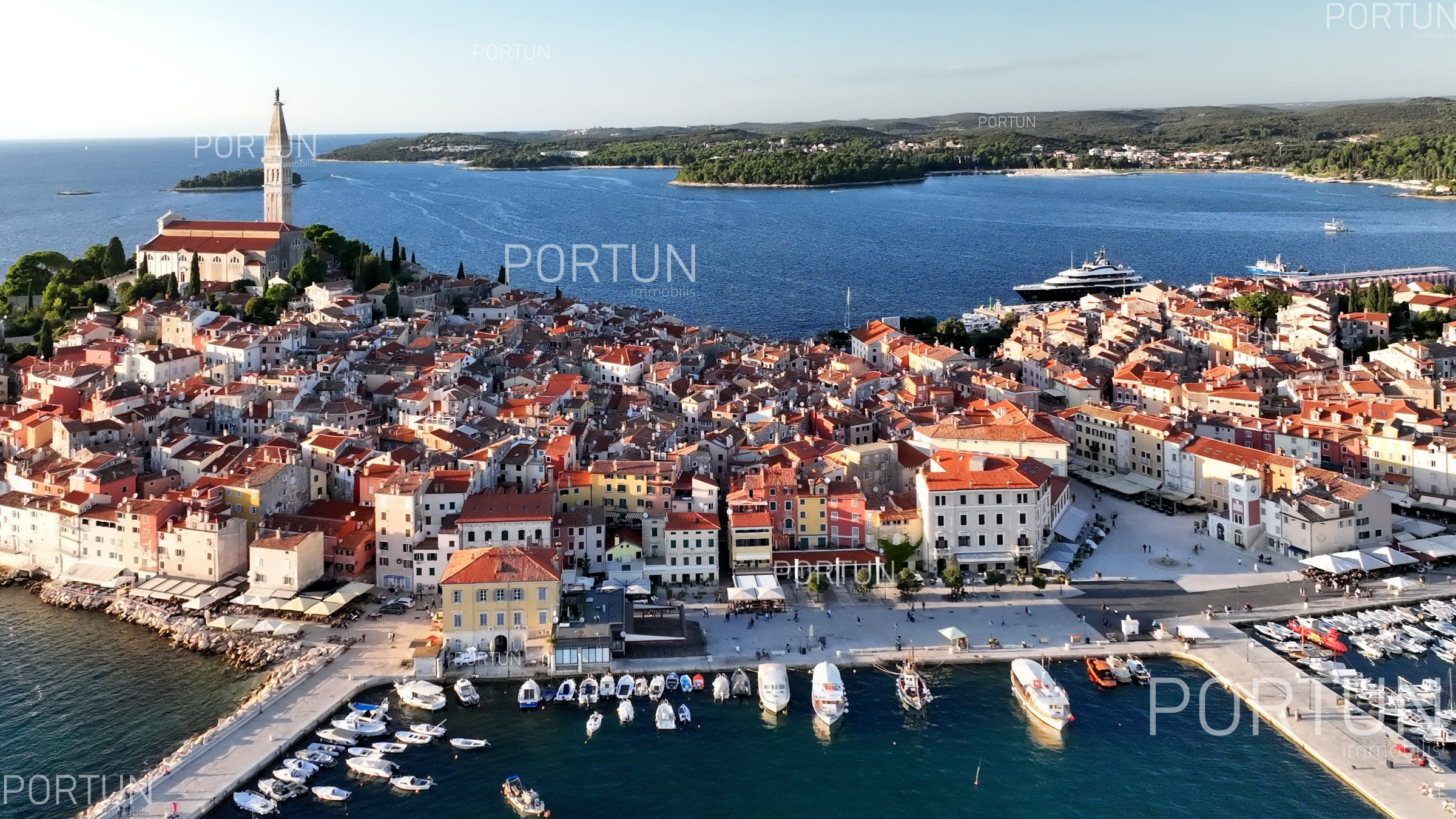
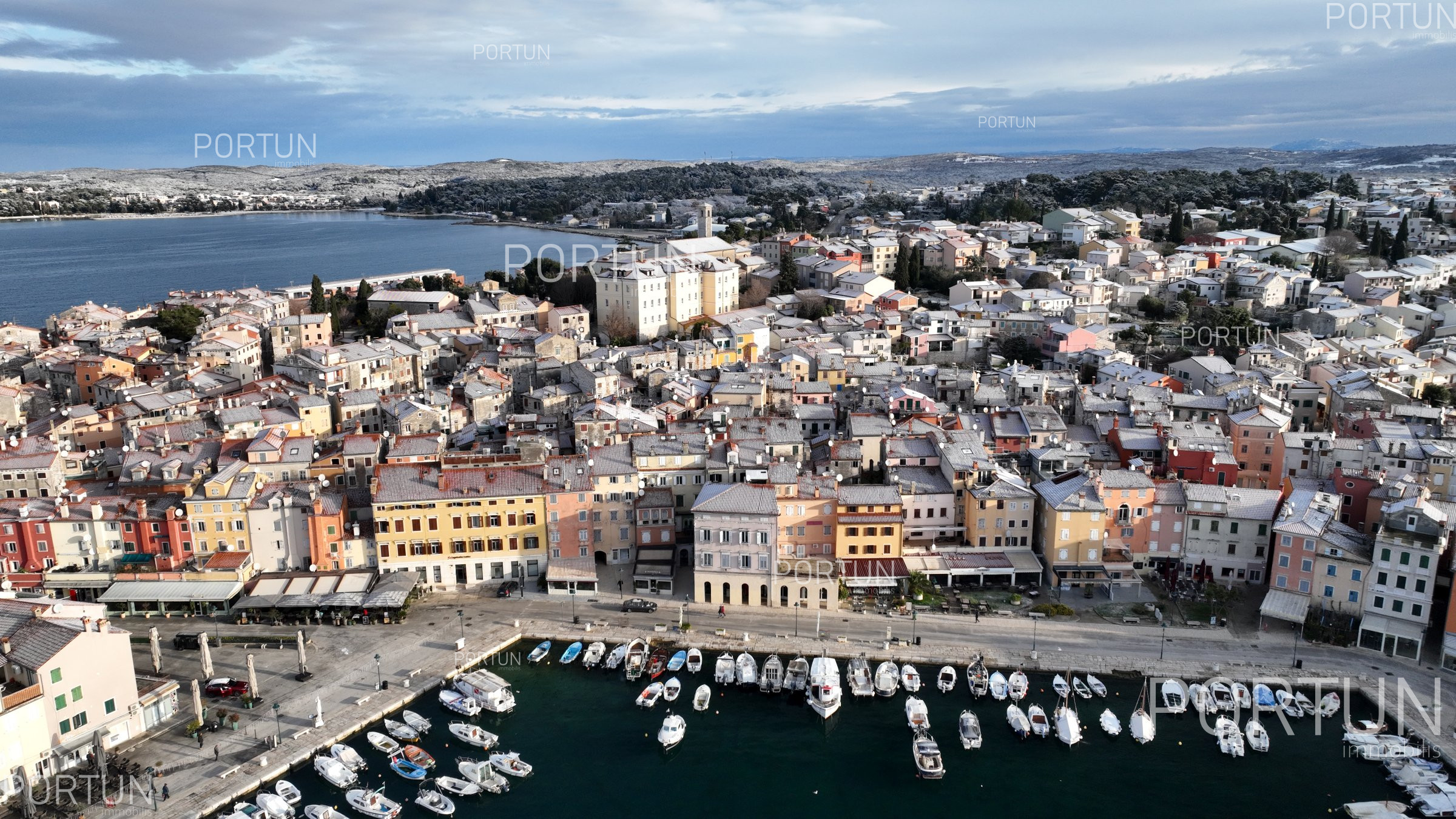
Browse the current selection at Houses for rent for sale in Istria, and for city locations also explore apartments in Rovinj.
Tags
holiday rentals, renting in Istria, foreign owners, rental registration, categorization, eVisitor, maintenance costs, property management, seasonality, coast vs inland Istria, buying property in Istria, houses for rent, apartments Rovinj