Introduction: why understanding taxes and costs matters when buying in Croatia
Buying property in Croatia is an attractive prospect for many foreign buyers, whether the goal is a holiday home, a long-term investment, or a permanent relocation. However, one of the most common mistakes foreign purchasers make is focusing solely on the asking price, without fully understanding the additional taxes and purchase costs involved. In practice, these extra costs can significantly affect the overall budget and the real affordability of a property.
Croatia has a relatively transparent and EU-aligned system of property taxation, but it differs in several important ways from systems in the UK and other English-speaking countries. Some costs are paid upfront, others arise during the legal process, and some only become relevant after the purchase is completed. This guide provides a clear, realistic overview of all taxes and purchase-related expenses foreign buyers should expect when buying property in Croatia.
Property transfer tax: the core tax most buyers will pay
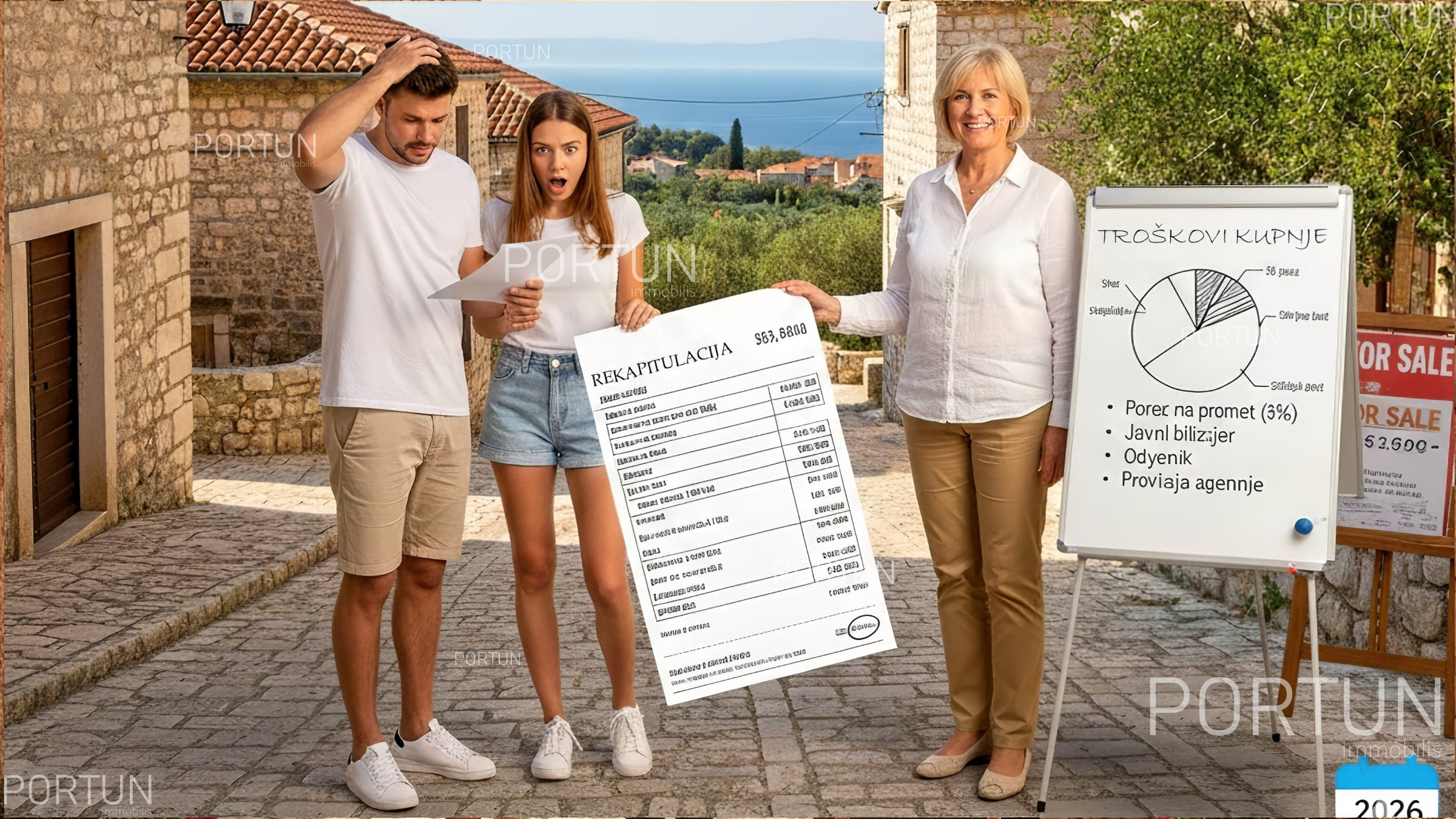
The most common tax paid when purchasing property in Croatia is the real estate transfer tax. This tax applies to the majority of transactions involving resale properties and is currently set at 3% of the property’s market value. The tax obligation arises once the purchase contract is signed.
For foreign buyers, it is important to understand that the tax base is not always the agreed purchase price. The Croatian tax authority has the right to assess whether the declared price reflects the market value. If the authority determines that the price is significantly below market level, it may issue a revised assessment. The buyer typically receives a tax decision within a few weeks and must pay the tax within the stated deadline.
When VAT applies instead of property transfer tax
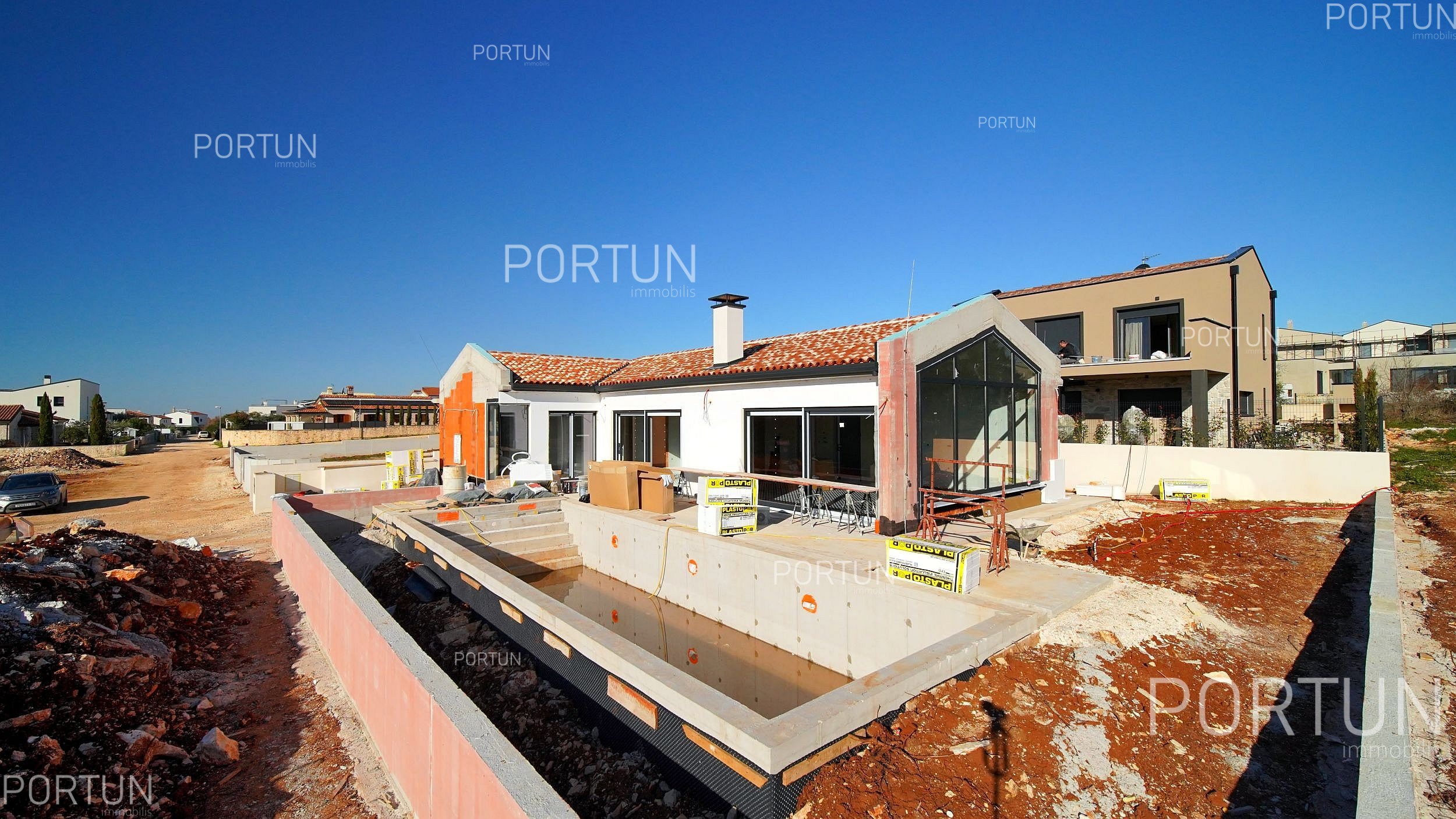
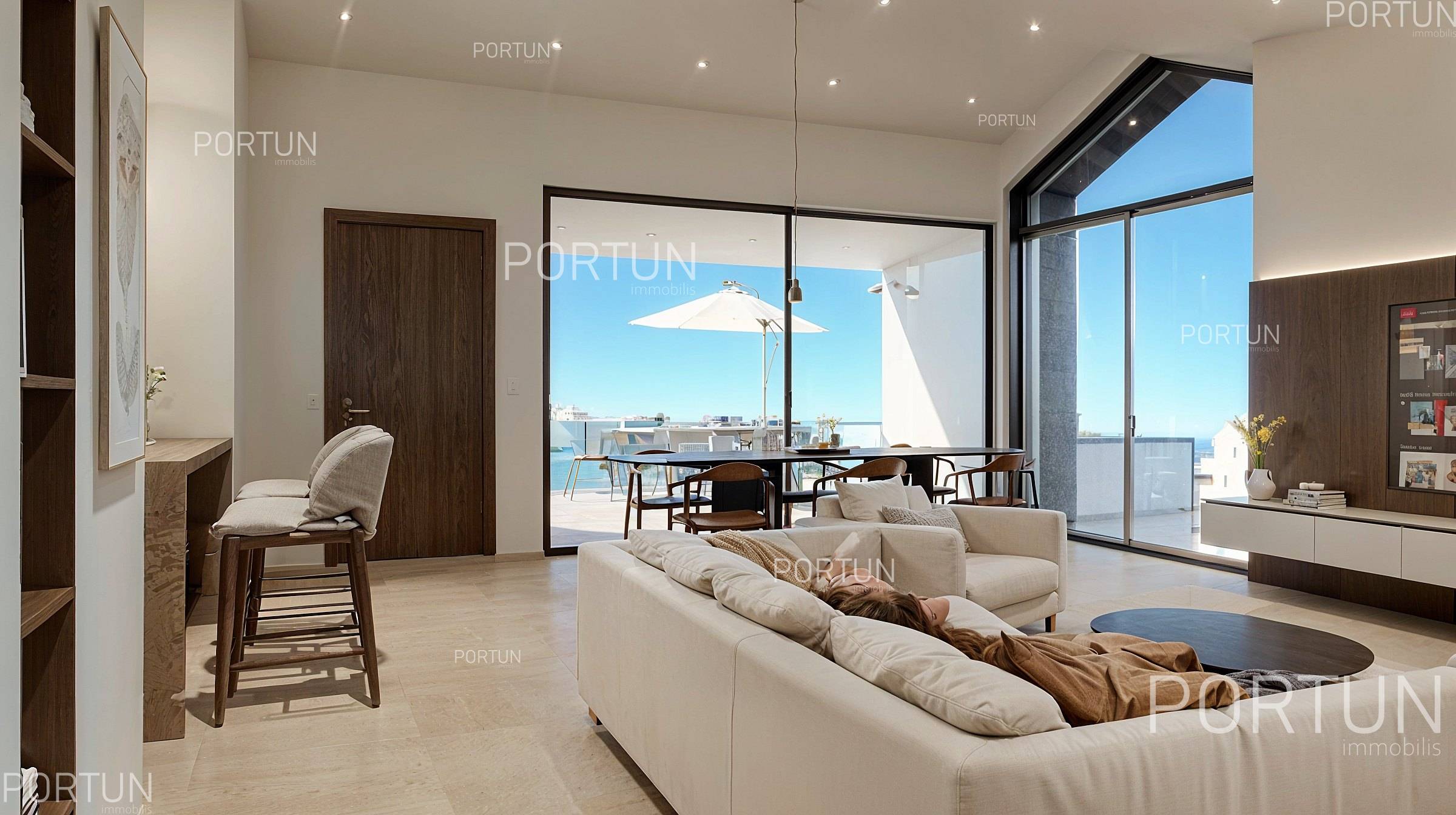
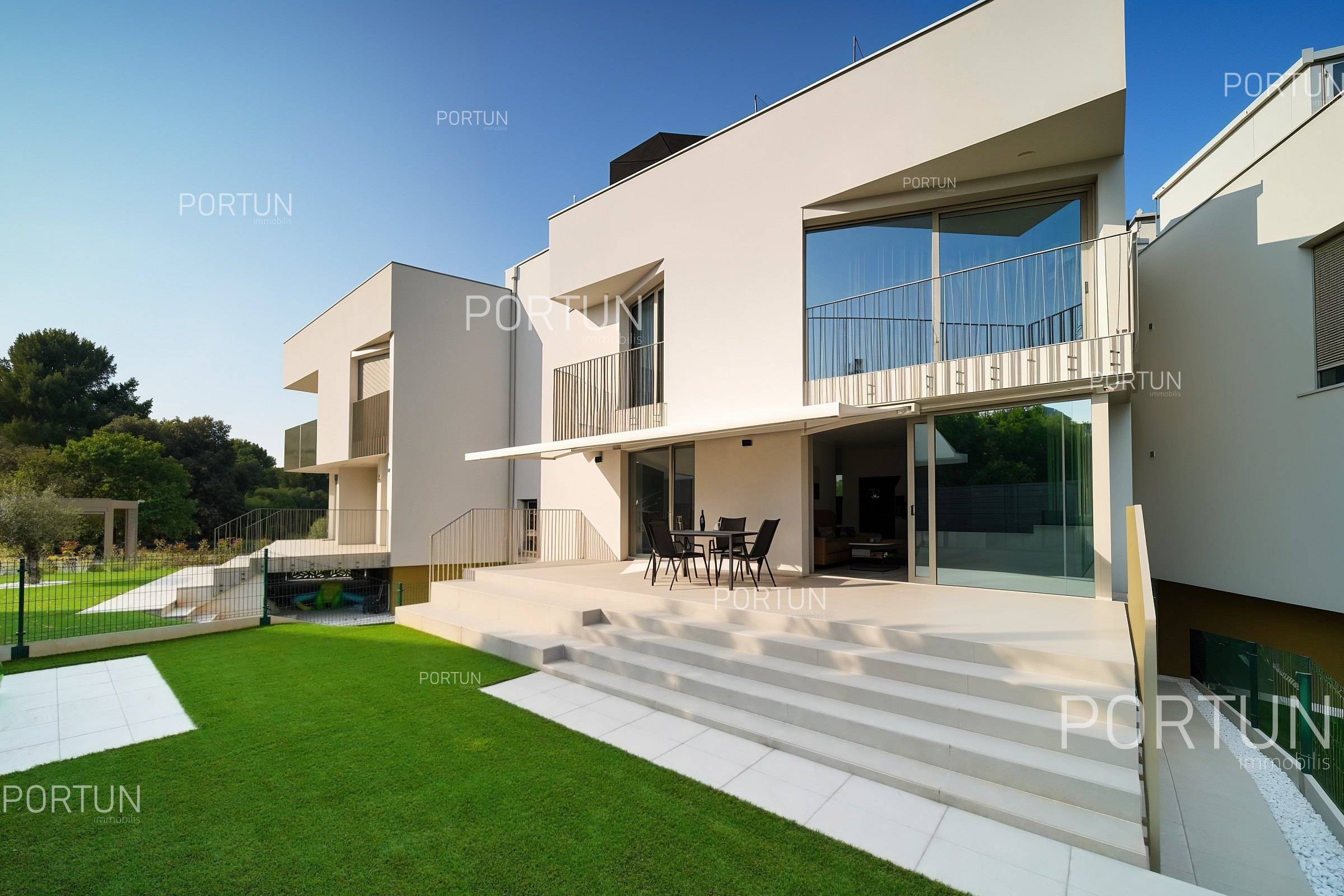
In certain cases, buyers do not pay property transfer tax at all. This usually applies when purchasing a newly built property from a developer who is registered for VAT. In these situations, VAT is already included in the purchase price.
Croatian VAT currently stands at 25%. While this may seem high compared to the 3% transfer tax, new-build properties often offer modern construction standards, better energy efficiency, and fewer immediate maintenance costs. For many buyers, the higher tax is balanced by reduced long-term expenses and lower legal risk.
Notary fees and contract authentication
All property purchase contracts in Croatia must be notarised. This involves the verification of signatures and, in most cases, the formal authentication of the contract. Notary fees are regulated and depend on the value of the transaction.
For foreign buyers, notarisation is an important safeguard, as it confirms the identity of the parties and the validity of the agreement. While notary fees are not excessive, they should be included in the purchase budget. The cost typically ranges from a few hundred to a few thousand euros, depending on the property price and complexity of the documentation.
Legal fees and the importance of independent legal advice
Although hiring a lawyer is not legally required, it is strongly recommended for foreign buyers. A qualified lawyer conducts due diligence, checks ownership history, verifies zoning and building permits, and ensures that the property is free of legal encumbrances.
Legal fees are usually charged either as a fixed amount or as a percentage of the purchase price. While this represents an additional cost, it is often the most cost-effective way to avoid serious legal and financial issues later. For buyers unfamiliar with the Croatian legal system, professional legal support is a key element of a secure transaction.
Land registry fees and ownership registration
After the contract is signed and notarised, the new owner must be registered in the Croatian land registry. This step is essential, as ownership rights are only fully secured once the registration is complete.
Court fees for land registry registration are relatively low compared to other costs. However, the process must be handled correctly to avoid delays or errors. Many foreign buyers choose to have their lawyer manage this step to ensure a smooth and legally sound transfer of ownership.
Real estate agency fees and what they usually include
If a property is purchased through a real estate agency, the buyer should expect to pay an agency commission. In Croatia, this typically ranges from 3% to 4% of the purchase price, plus VAT.
Agency fees vary depending on the level of service provided. Reputable agencies often assist with negotiations, coordinate legal checks, organise viewings, and guide buyers through the entire purchase process. For foreign buyers, this support can significantly reduce stress and administrative complexity.
Annual property-related taxes and local charges
After the purchase, property owners may be subject to annual local taxes, particularly if the property is classified as a holiday home. These charges are determined by local municipalities and are usually calculated per square metre.
In addition, owners must pay communal charges related to infrastructure and local services. While these costs are generally modest, they should be factored into the long-term cost of ownership, especially for buyers planning to hold the property for many years.
Translation costs and administrative expenses for foreign buyers
Foreign buyers often require official translations of contracts and related documents. Certified court translators charge per page or per standard unit of text, depending on the language pair.
Although translation costs are usually relatively small compared to the overall transaction value, they are unavoidable and essential for ensuring that the buyer fully understands their rights and obligations. Clear communication is particularly important in cross-border property transactions.
Hidden and unexpected costs buyers often overlook
In some cases, additional costs may arise after the purchase, such as resolving incomplete documentation, legalising parts of a building, or completing property subdivision or registration updates. These issues are more common with older properties or rural real estate.
For this reason, foreign buyers are advised to keep a financial buffer beyond the planned purchase budget. A realistic approach to unexpected expenses helps avoid unpleasant surprises and ensures a smoother ownership experience.
Final overview: what foreign buyers should budget for
In most cases, total taxes and purchase-related costs when buying property in Croatia amount to approximately 6% to 10% of the purchase price, depending on the type of property and transaction structure. Understanding these costs from the outset allows buyers to make informed decisions and accurately assess affordability.
With proper planning, professional support, and a clear understanding of the tax framework, buying property in Croatia can be a secure and rewarding investment. Transparency and preparation remain the best tools for avoiding unnecessary risks and financial strain.
Related guides and useful articles
Understanding taxes and additional purchase costs is only one part of the overall property buying process. For a complete overview, it is recommended to review the main guide explaining all stages of the purchase, legal checks and key steps before concluding the transaction.
Thematic guides for buying a house in Istria.
A basic guide through the property purchase process for foreign buyers.
Tags
Taxes when buying property, property purchase costs, buying property in Istria, foreign buyers, real estate transfer tax, notary public, legal fees, additional purchase costs, purchase process, financial planning, purchase security