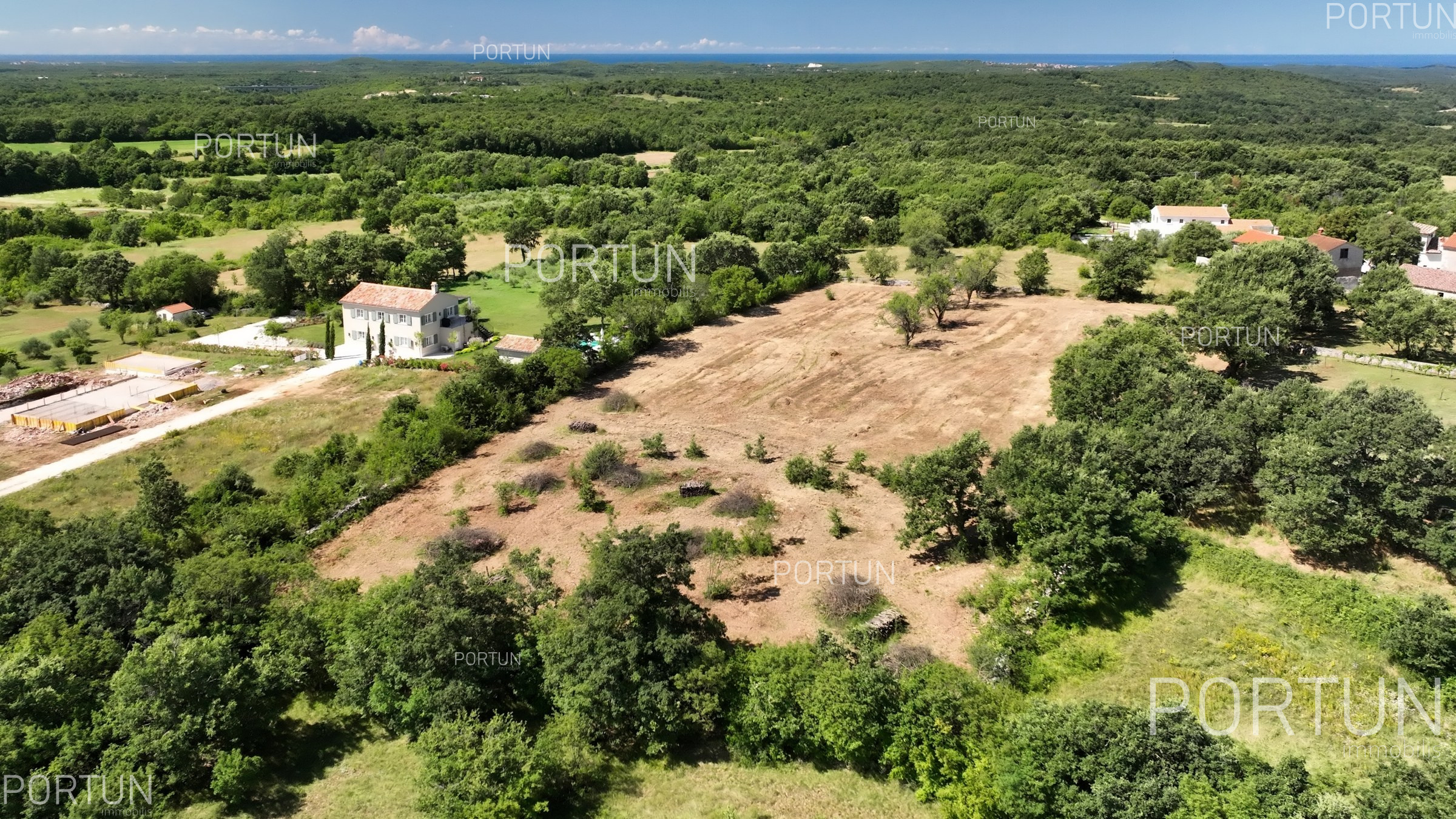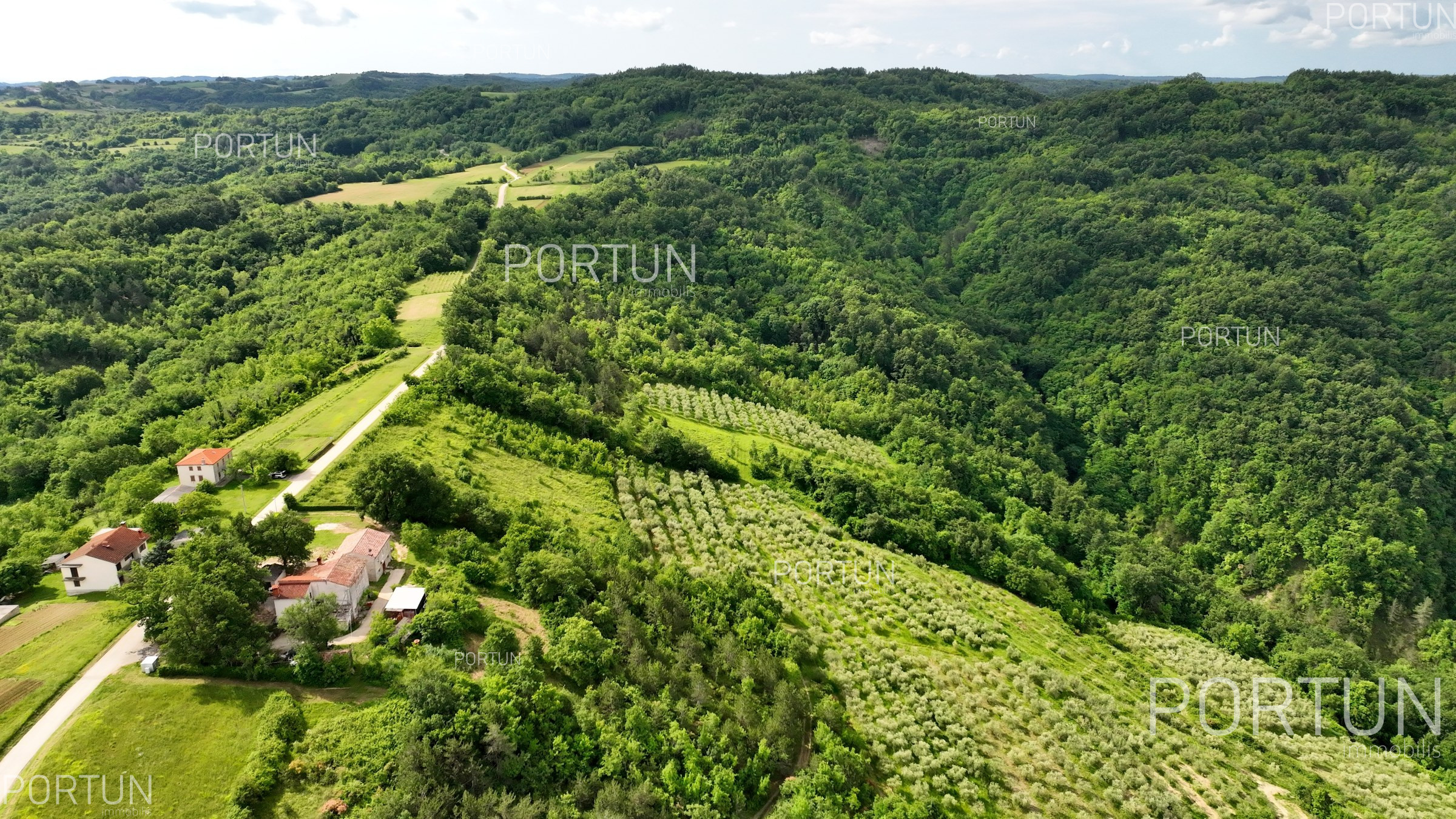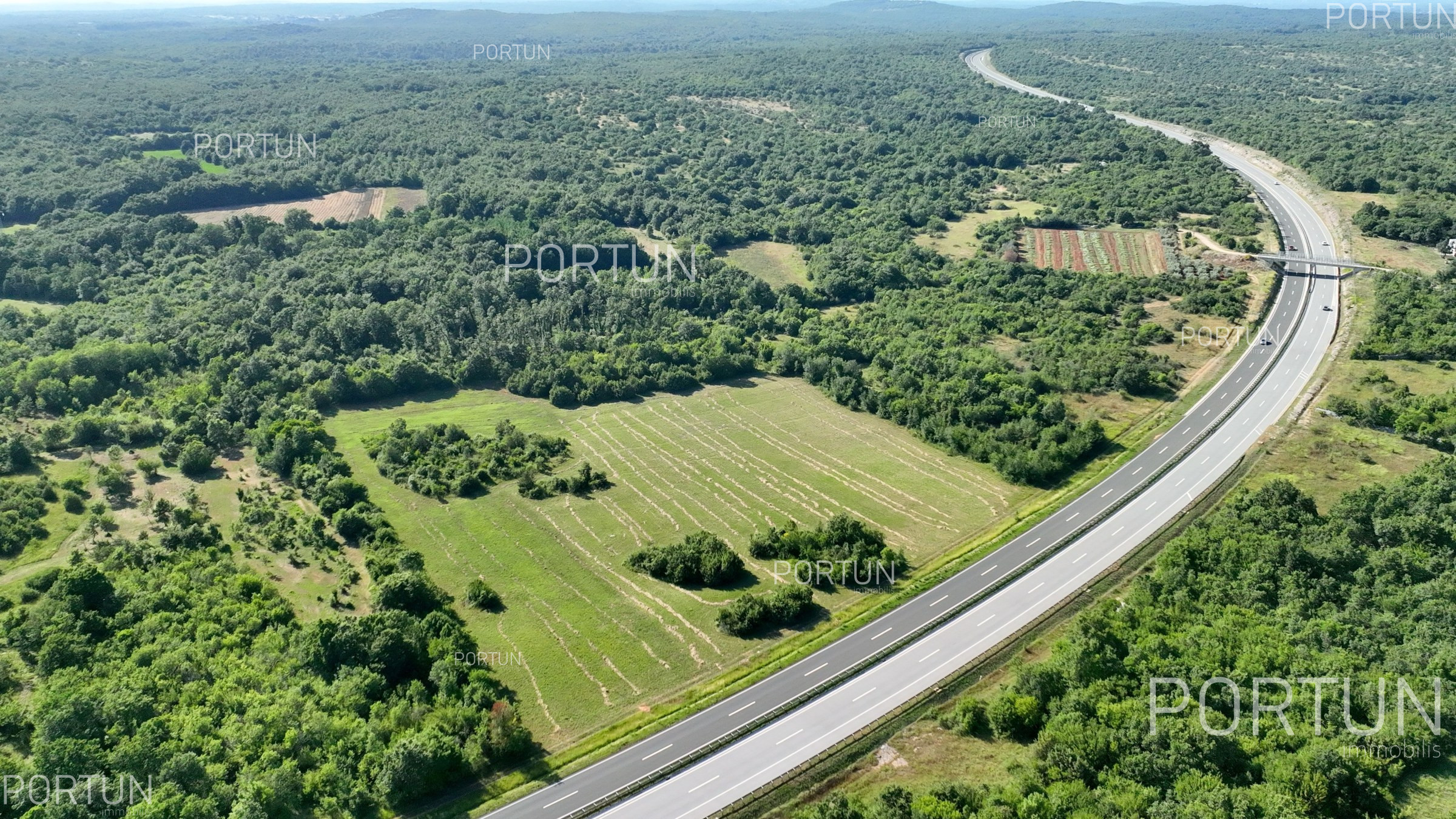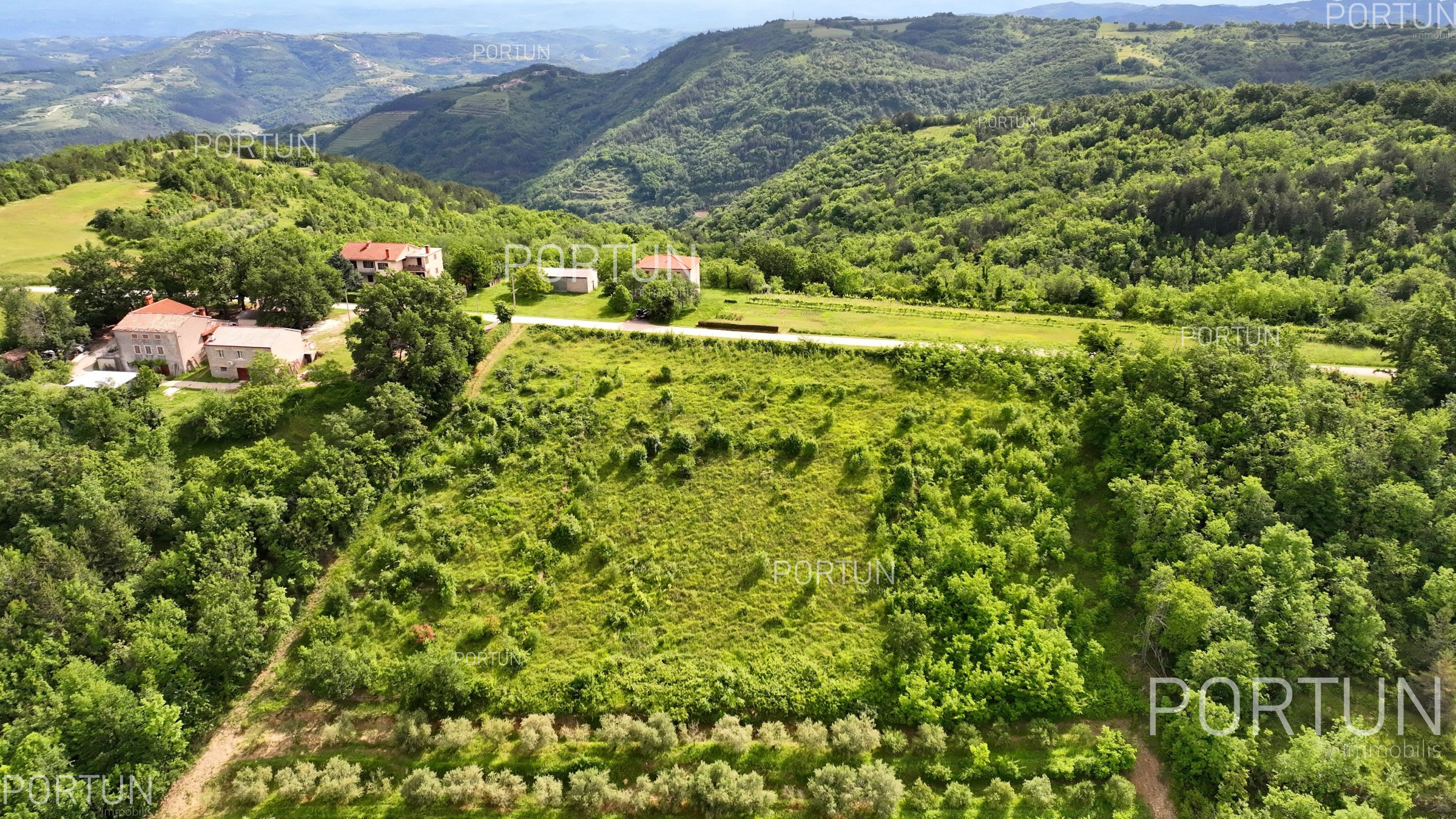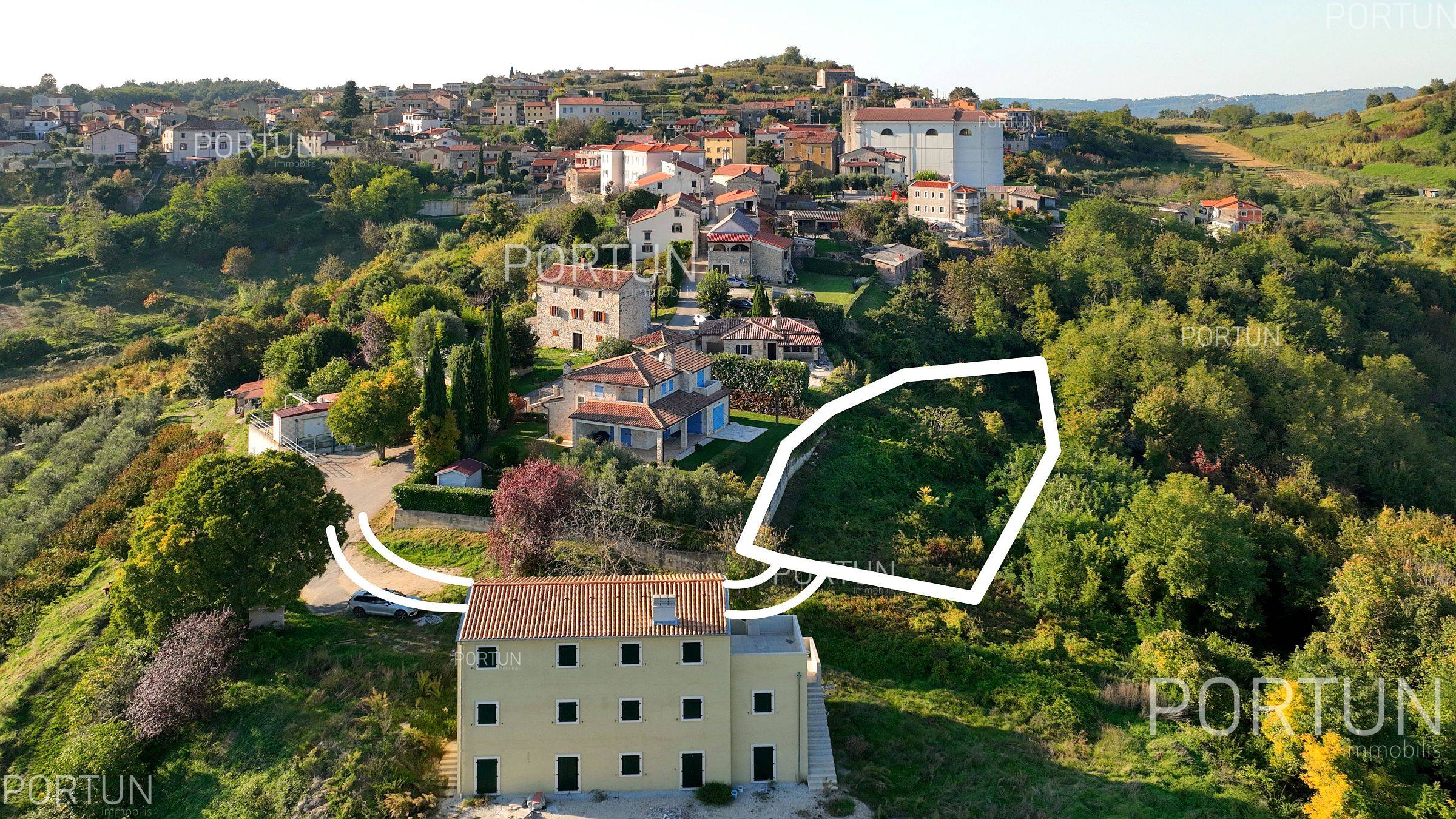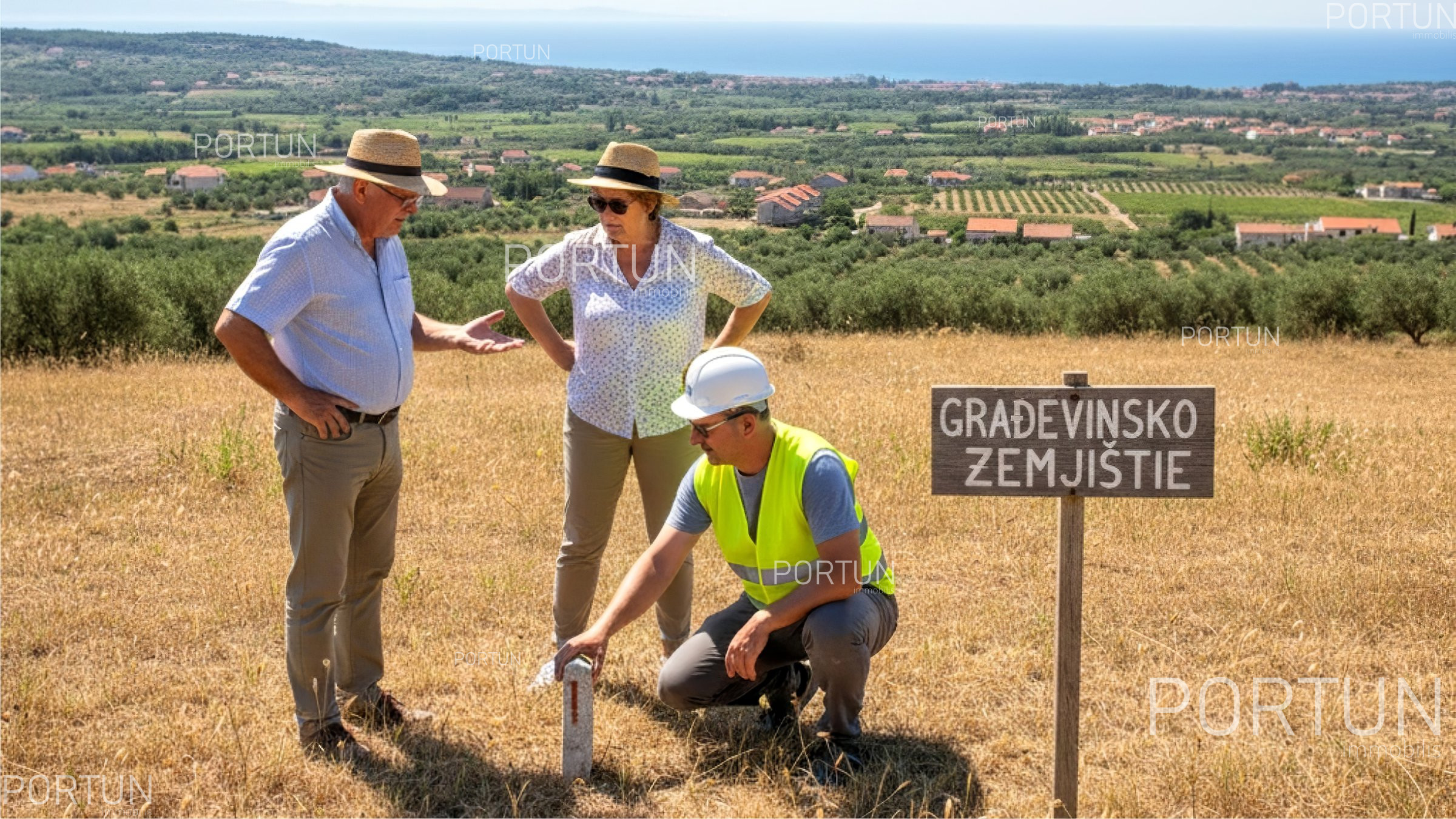
Introduction: why building land in Croatia requires extra caution
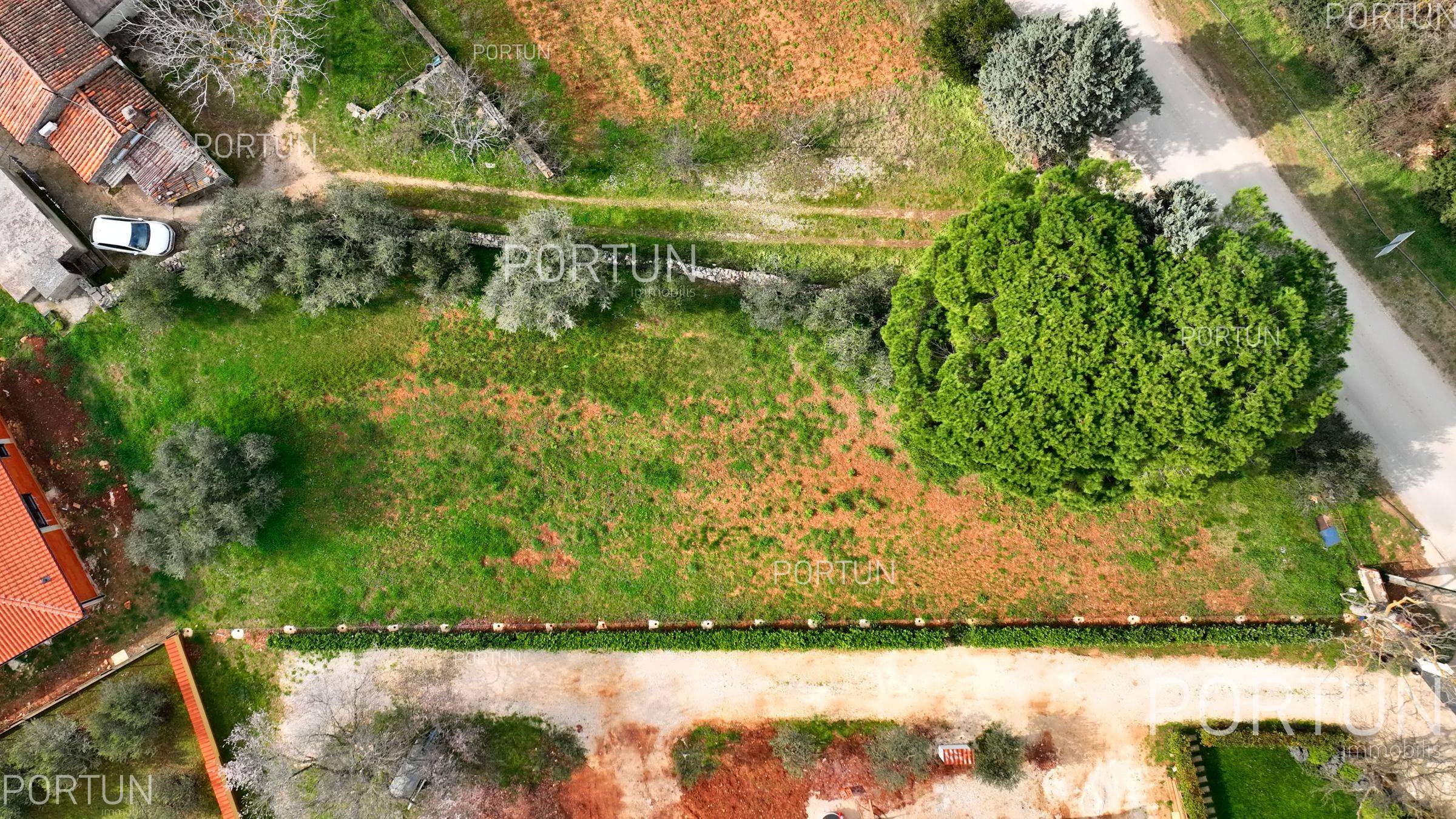
Building land in Croatia, particularly in attractive regions such as Istria, is often perceived by foreign buyers as a straightforward starting point for a dream home or investment project. In reality, land purchases involve far more complexity than buying an existing property. While a plot may be advertised as “building land,” the actual ability to build depends on planning rules, infrastructure, legal access, and local regulations that are frequently misunderstood by international buyers.
This guide explains what foreign buyers most often overlook when purchasing building land in Croatia. Understanding these issues in advance can prevent costly delays, unexpected expenses, and unrealistic expectations once the purchase is completed.
What qualifies as building land under Croatian law
In Croatia, land is considered buildable only if it lies within a designated construction zone defined by the local spatial plan. Being close to a construction zone does not grant building rights. This distinction is often blurred in marketing descriptions and leads to confusion among foreign buyers.
Each construction zone has specific rules regarding permitted building size, height, density, and purpose. Residential, mixed-use, and tourism zones all follow different planning criteria.
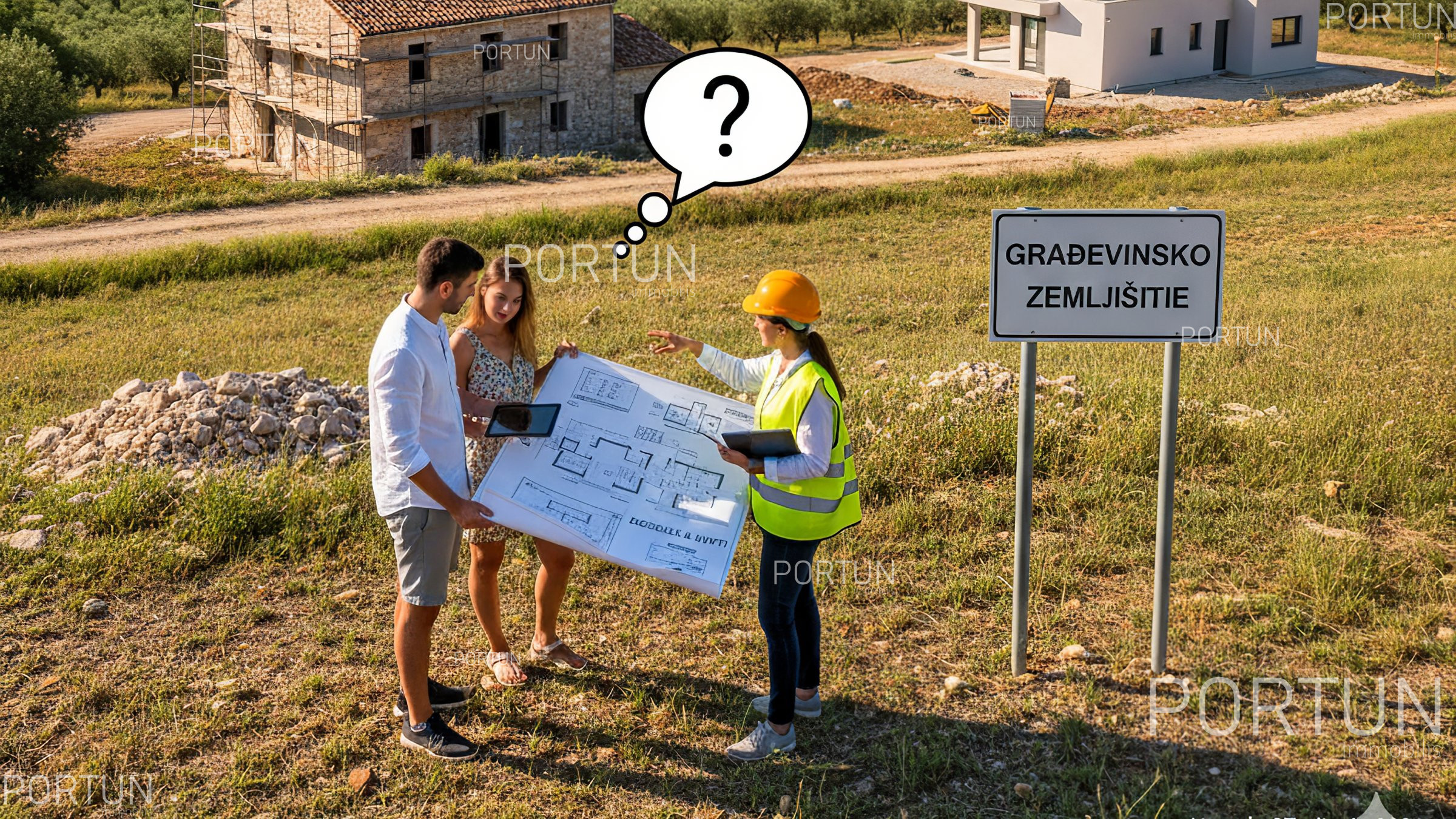
The decisive role of spatial and urban plans
Spatial plans are legally binding documents that determine what may be built on a specific plot. These plans define minimum plot size, building coefficients, setbacks, and architectural restrictions.
Foreign buyers often rely on verbal assurances instead of obtaining official planning extracts, which can result in projects that are impossible to realize as originally envisioned.
Building permits: timing and requirements
Owning building land does not automatically grant the right to build. A valid building permit is required for most residential projects. This permit is issued only after a compliant architectural project is submitted and approved.
The permitting process can take several months and requires clean ownership records, access to infrastructure, and full compliance with planning regulations.
Infrastructure availability is not guaranteed
One of the most overlooked aspects of building land purchases is infrastructure. Water, electricity, sewage, and road access may not be available even within designated construction zones.
Connecting to public utilities can involve significant costs and long waiting periods, especially in rural or newly developed areas.
Minimum plot size and parcel configuration
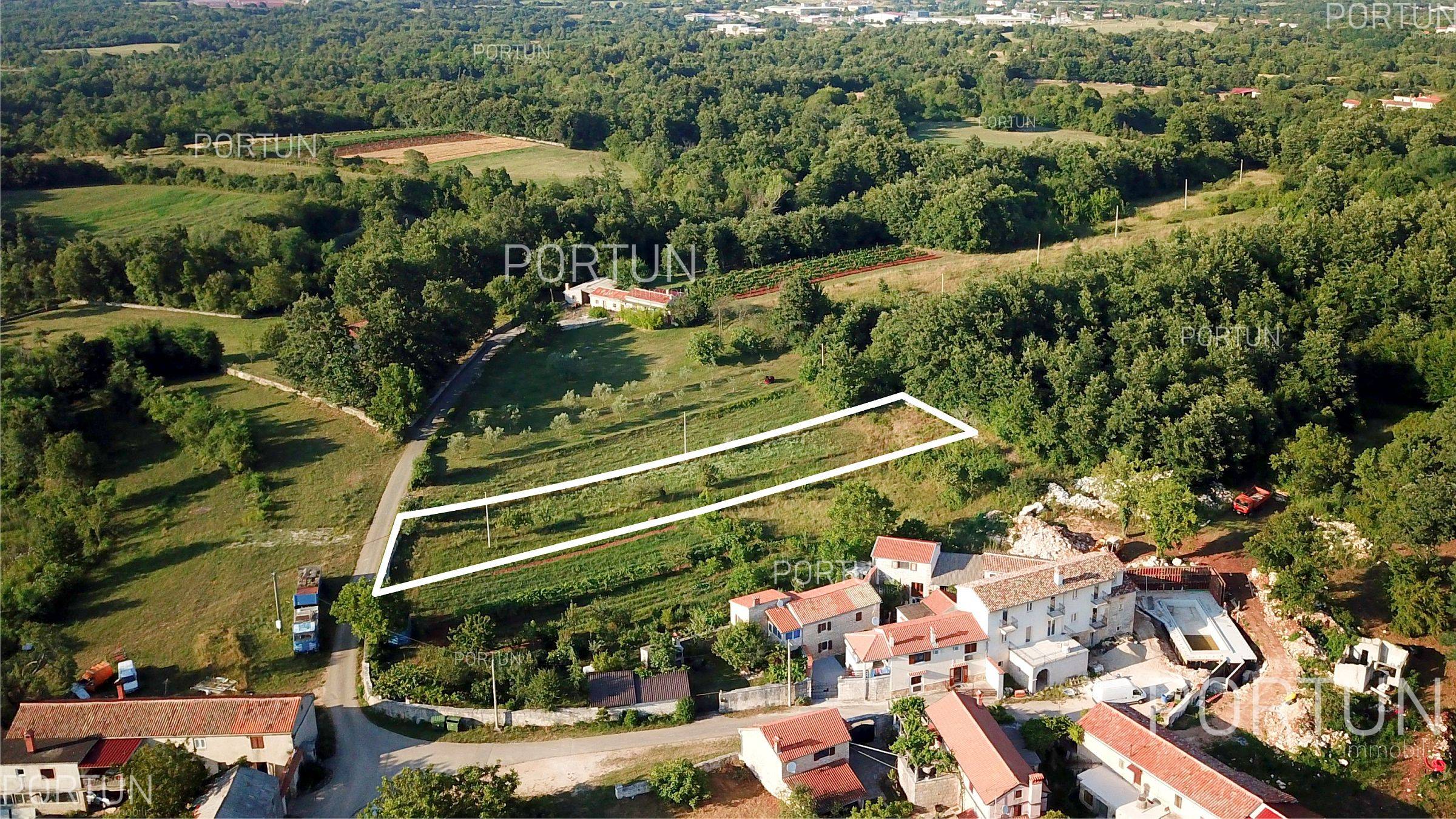
Many local plans define a minimum parcel size for independent construction. A plot may be legally buildable but too small to meet these requirements.
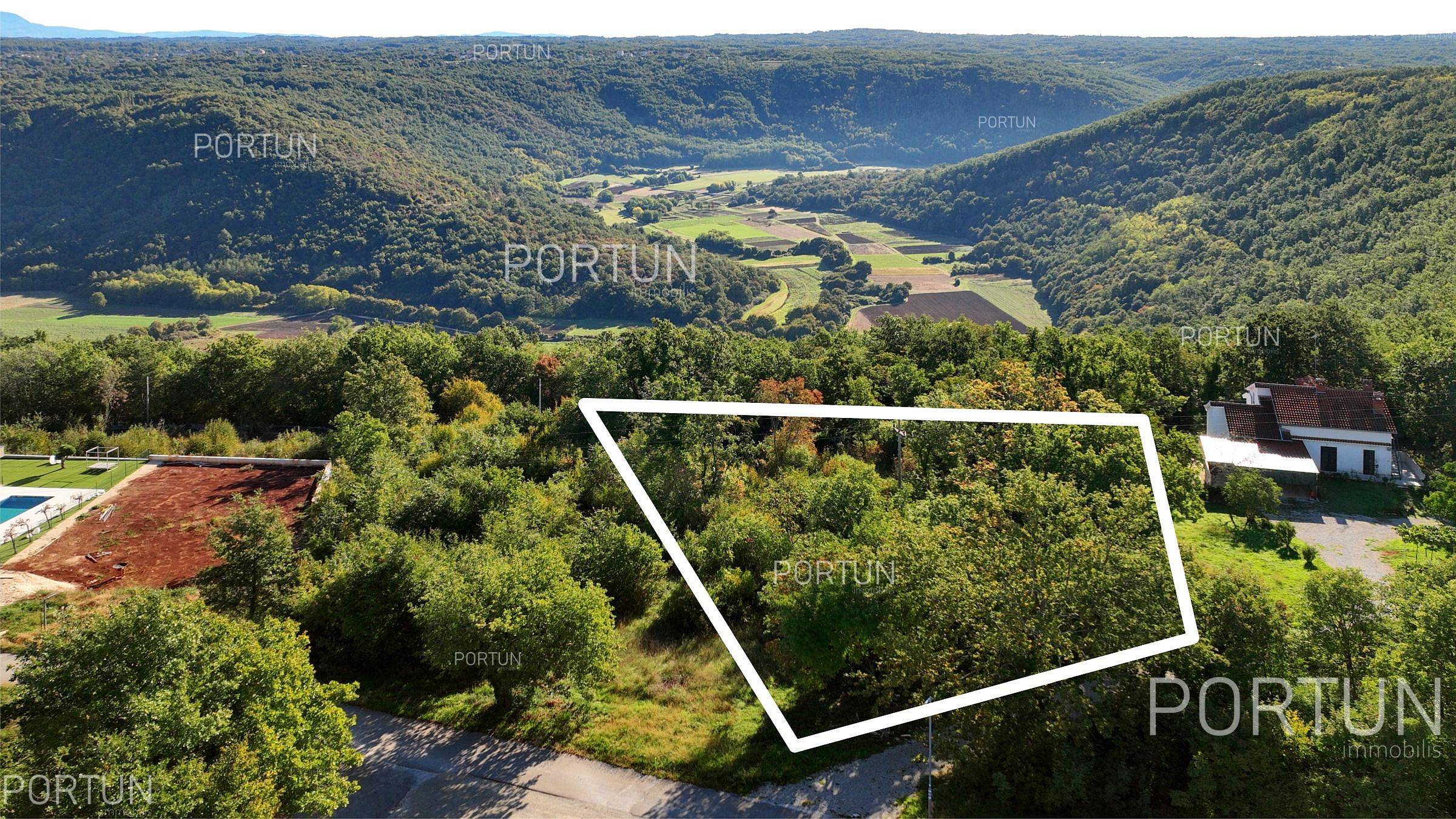
Irregularly shaped parcels can further restrict building options and increase design and construction costs.
Access roads and legal entry to the plot
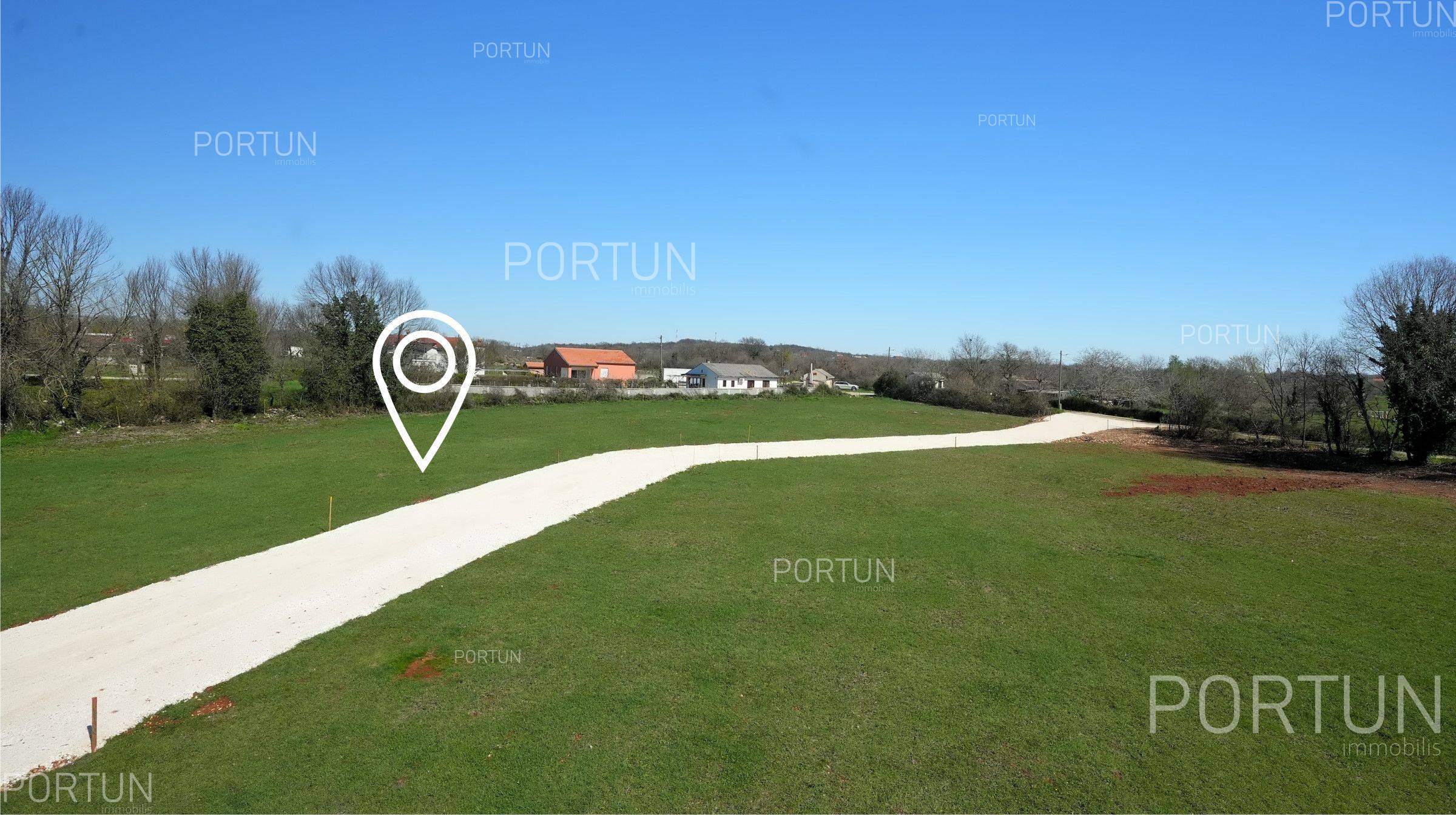
Legal access to a public road is mandatory for obtaining a building permit. Informal access or reliance on neighboring landowners is insufficient.
Foreign buyers frequently discover access issues only after purchasing the land, making permit approval impossible without additional legal steps.
Agricultural land versus building land
Agricultural land is significantly cheaper than building land, which leads some buyers to assume rezoning is achievable. In Croatia, rezoning agricultural land is rare and subject to long-term planning policies.
Foreign buyers should treat any promise of rezoning with extreme caution.
Hidden costs beyond the purchase price
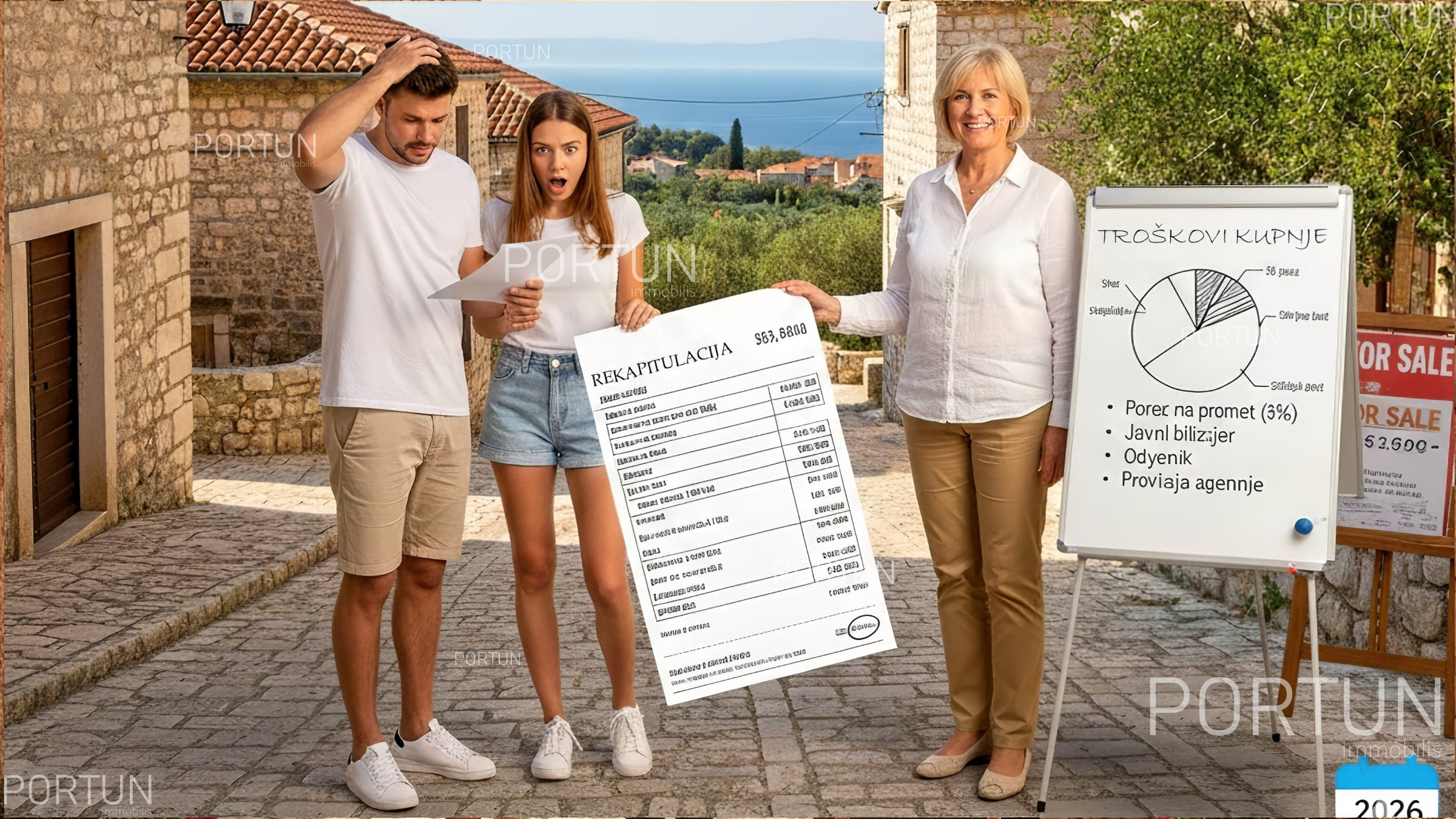
The purchase price of land represents only part of the overall investment. Buyers must account for municipal contributions, utility connection fees, architectural design, and permitting costs.
These expenses can substantially increase the total budget and should be calculated before committing to the purchase.
Common misconceptions among foreign buyers
The most frequent misconceptions include assuming immediate buildability, underestimating infrastructure costs, and overlooking local planning restrictions.
Each of these mistakes can delay or completely derail a construction project.
Conclusion: how to approach building land purchases safely
Buying building land in Croatia can be a sound investment if approached with proper due diligence. Foreign buyers should verify zoning status, infrastructure availability, access rights, and planning conditions before signing any agreement. Professional guidance and thorough verification are essential for a successful outcome.
Related guides and useful articles
When purchasing building land in Istria, most issues arise from insufficient understanding of spatial planning conditions, legal status of the plot, and actual construction possibilities. The following guides expand on these topics and help explain the broader context of property purchase and legal procedures in Croatia.
Guides for buying property and legal security in Croatia. An overview of key steps and legal checks before making a purchase decision.
- Buying property in Istria – a guide for foreign buyers
- Legal security when buying property in Croatia
Building land offer in Istria
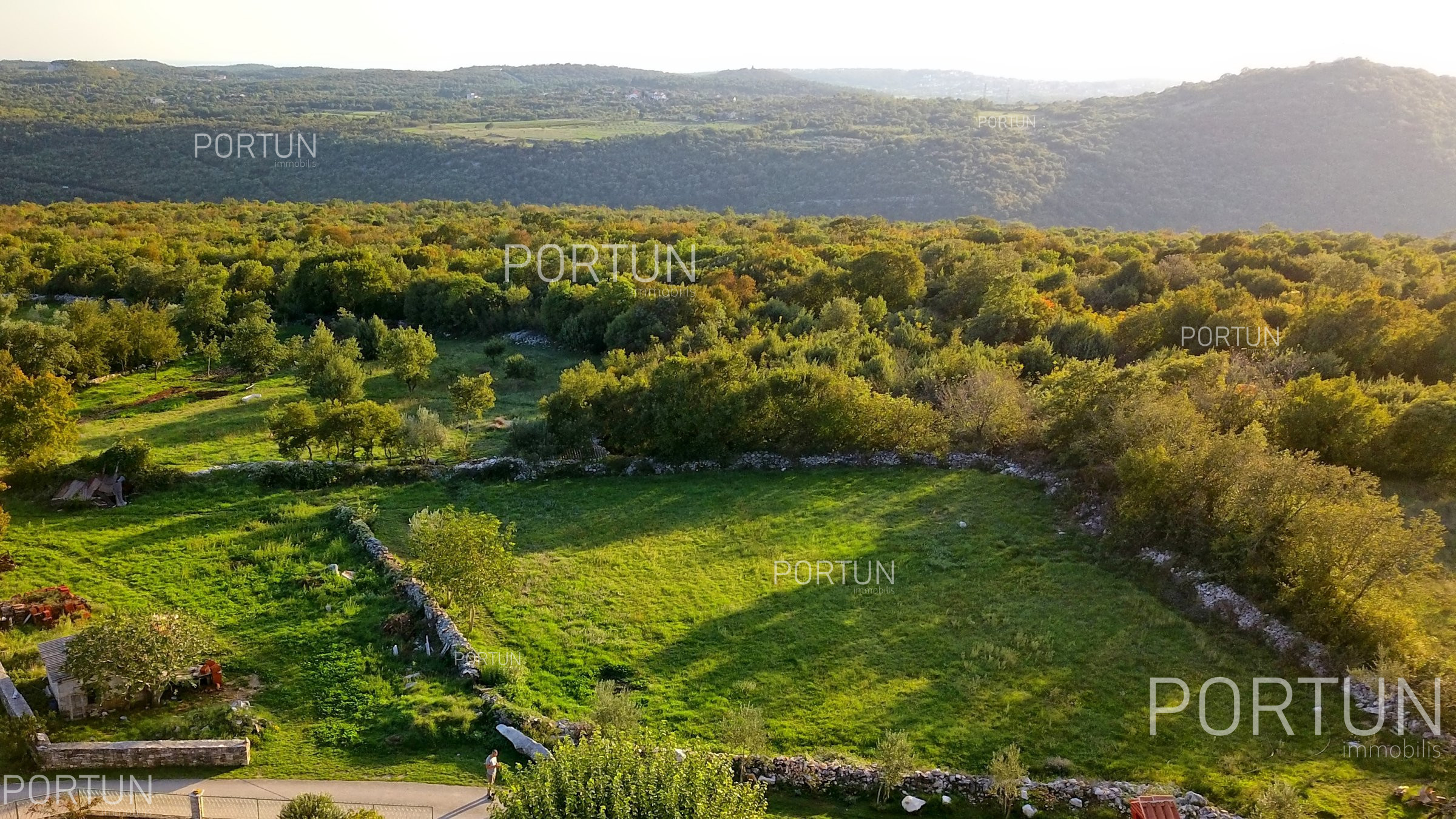
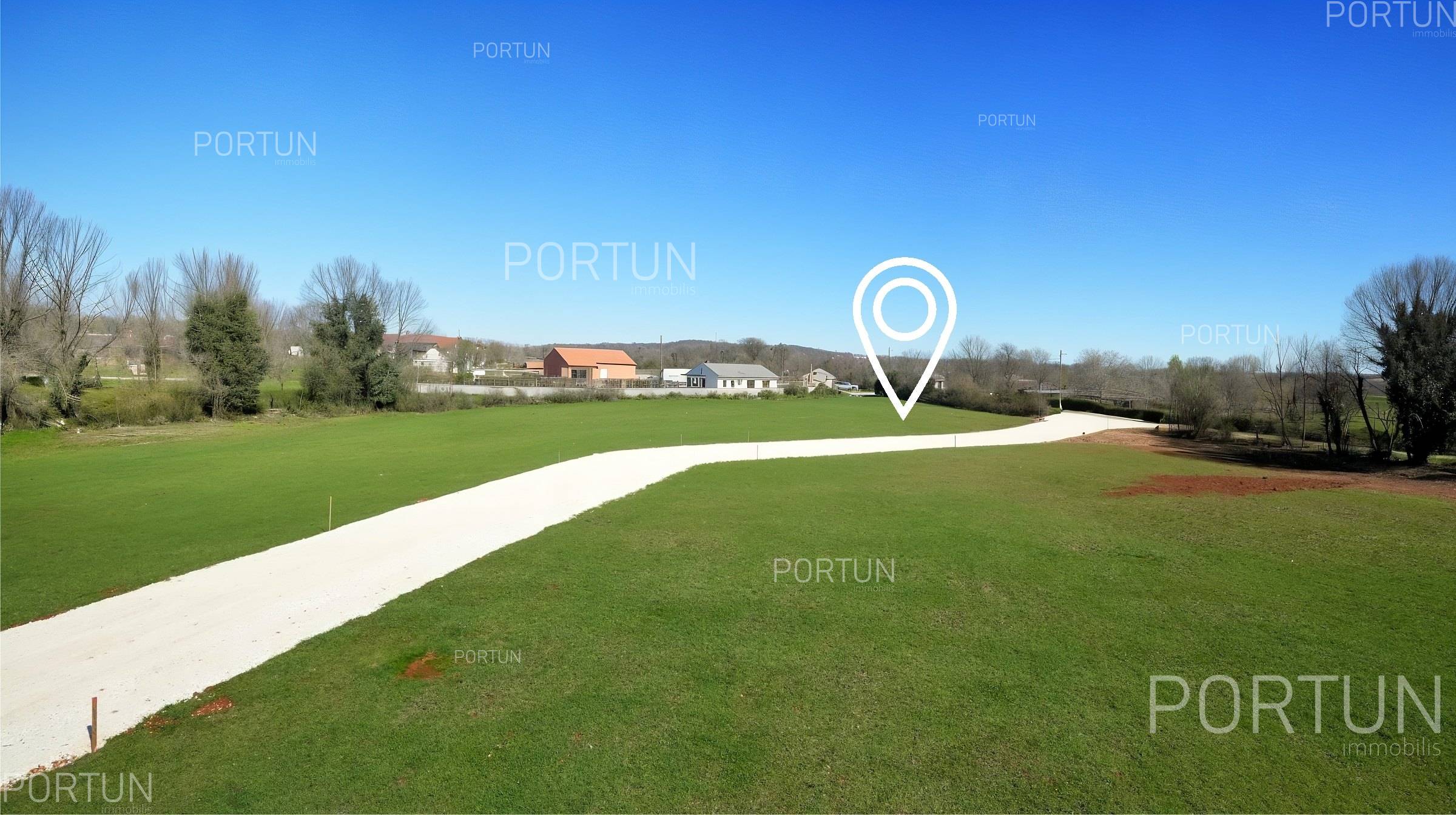
You can view the current selection of land suitable for building one or two houses here: Building land in Istria.
Tags
building land, Istria, building permits, spatial planning, zoning conditions, construction permit, location information, access road, infrastructure, utility connections, building conditions, cadastre, land registry, land legality, house construction, common mistakes, land purchase