Introduction: why legal security matters
Buying property in Croatia is generally a safe and transparent process, but only when foreign buyers understand the legal framework behind it. Most problems do not arise from the law itself, but from misunderstandings of procedures, documentation, and timing.
Croatia operates a clear land registry system and follows EU legal standards. However, foreign buyers must pay close attention to ownership verification, contract structure, and registration procedures. This guide explains each legal step in a clear and practical way.
Can foreign nationals buy property in Croatia?
EU citizens can purchase property in Croatia under the same conditions as Croatian nationals, without restrictions or additional approvals.
Non-EU citizens may purchase property subject to reciprocity and approval from the Ministry of Justice, which adds an administrative step but does not compromise legal certainty.
Legal due diligence before purchase
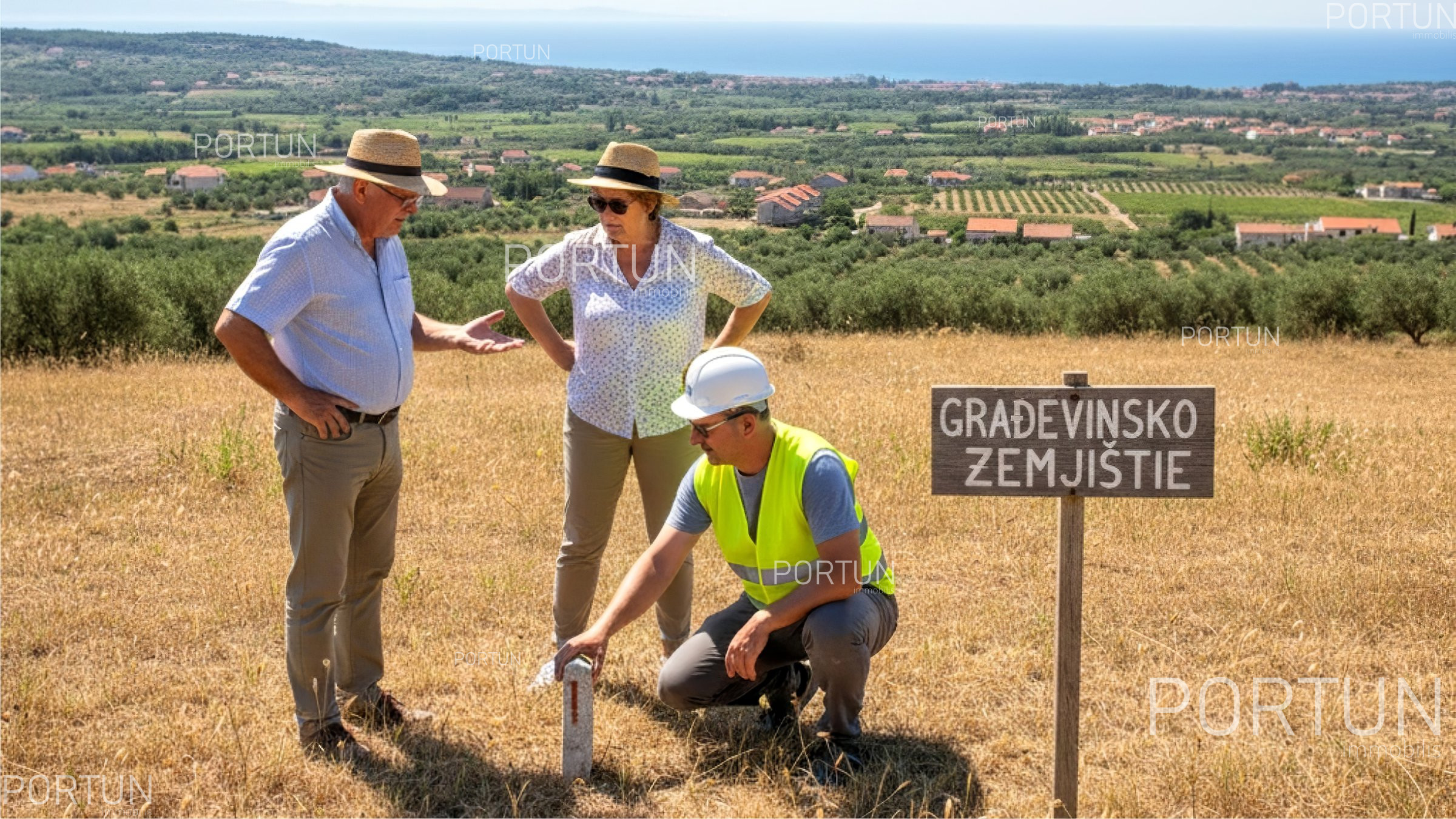
Legal due diligence is the most important phase of the process. It includes checking ownership, liens, mortgages, and annotations in the land registry.
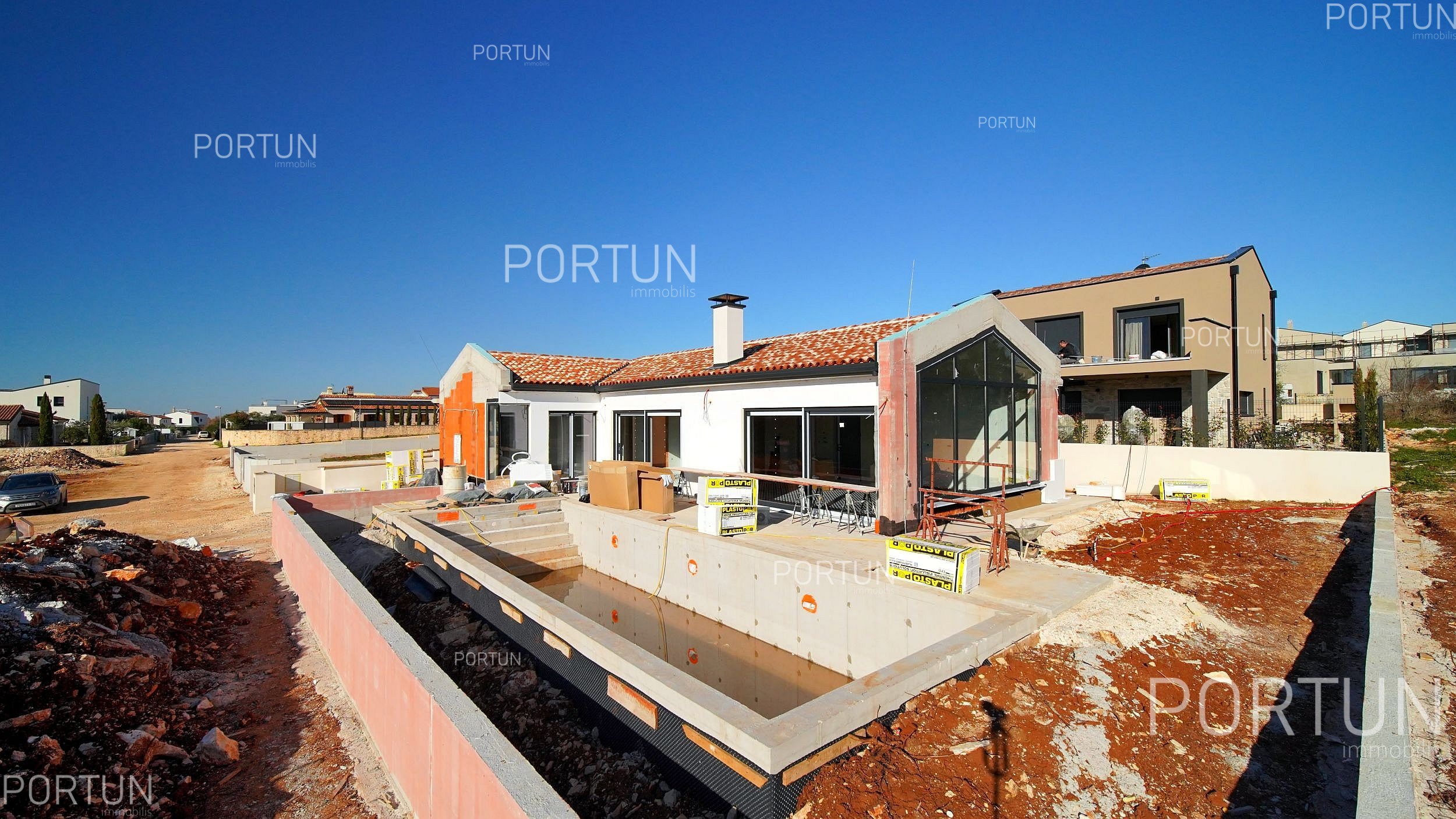
Special attention should be paid to building legality and consistency between cadastral and land registry records.
Preliminary agreement and deposit
A preliminary agreement is often used when certain conditions are not yet fulfilled, such as obtaining approval or financing.
The deposit secures the transaction and defines consequences in case of withdrawal by either party.
Sale and purchase agreement
The sale contract must be in writing and notarised. It defines the purchase price, payment method, deadlines, and mutual obligations.
Foreign buyers are advised to have contracts prepared or reviewed by an independent lawyer.
Role of the notary public
The notary verifies identities and signatures but does not conduct legal due diligence.
This makes prior legal checks essential.
Payment and buyer protection mechanisms
Payments are typically made via bank transfer. Escrow arrangements or conditional payments are often used to increase security.
These mechanisms protect both buyer and seller during ownership transfer.
Registration of ownership
Ownership is acquired only after registration in the land registry. Until then, the buyer has contractual but not real rights.
Proper filing ensures a smooth and timely registration.
Post-purchase tax obligations
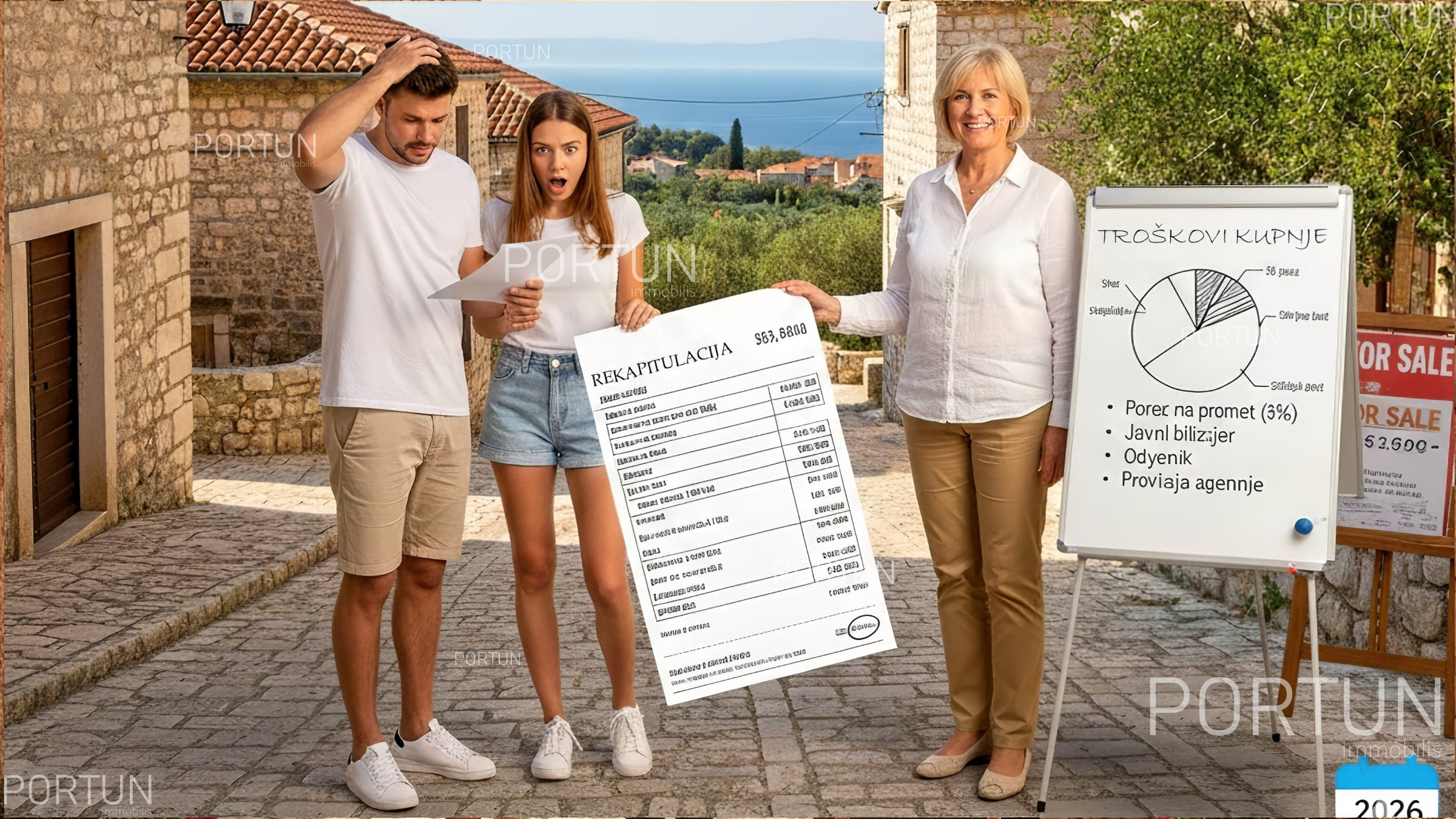
The buyer must report the transaction to the tax authority for property transfer tax or VAT confirmation.
Compliance with deadlines is essential.
Conclusion: a predictable and secure legal framework
Croatia offers a reliable legal system for property acquisition. With professional support and proper planning, foreign buyers can purchase property with confidence and long-term security.
Related guides and useful articles
The legal process of buying property in Croatia consists of several steps where proper document verification, clearly defined contractual conditions, and correct ownership registration are essential. The following guides complement this topic and help place the purchase process into a broader context, from preparation to the total costs involved.
Guides for property purchase and acquisition costs. A brief overview of key steps, obligations, and realistic costs that should be planned in advance.
- Buying property in Istria – a guide for foreign buyers
- Taxes and purchase costs when buying property in Croatia
Tags
legal process, property purchase, Croatia, purchase agreement, preliminary contract, deposit, document verification, land registry, encumbrances, legality, notary public, ownership registration, taxes and costs, due diligence