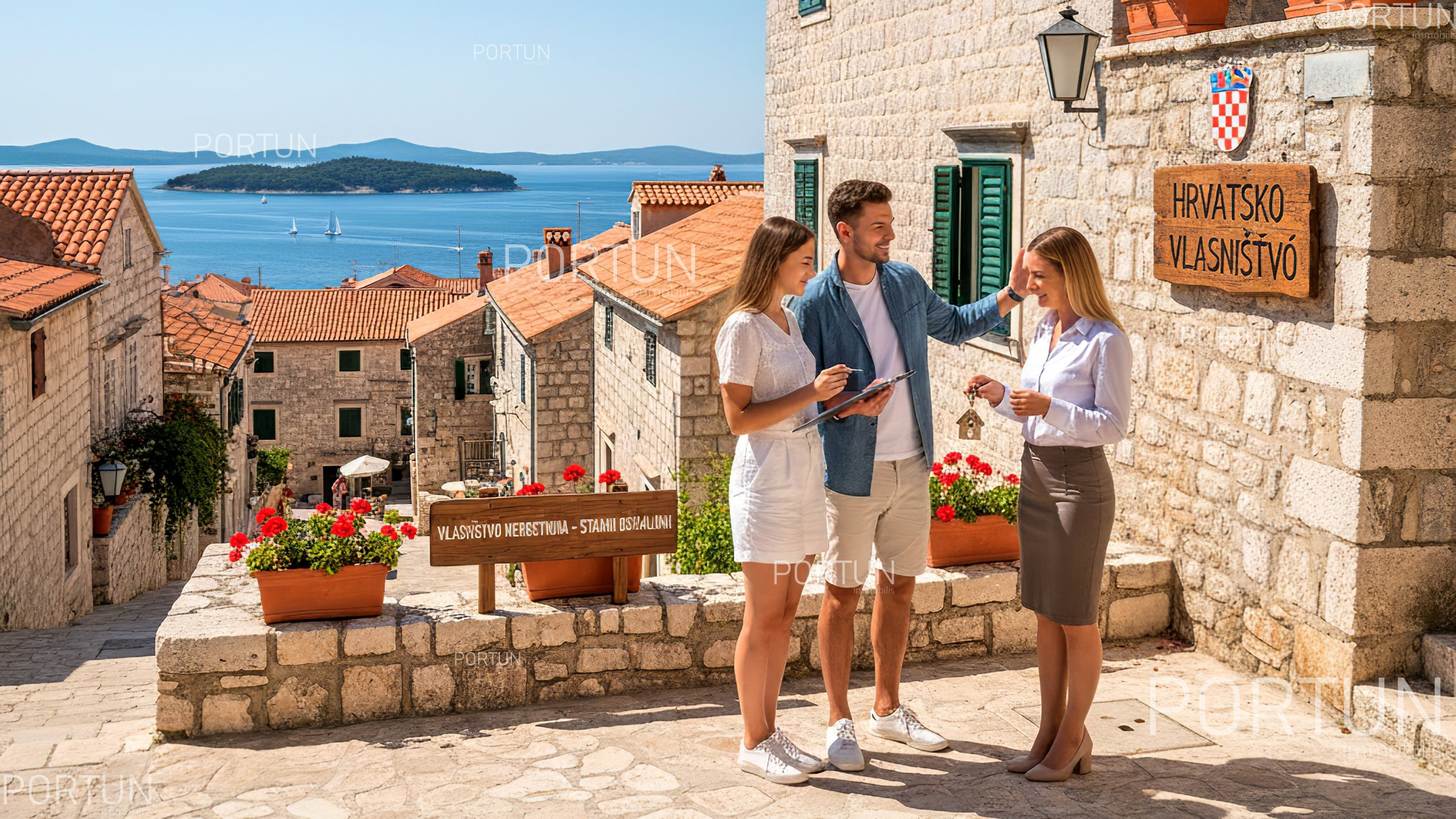
Legal Framework for Foreign Property Ownership in Croatia
Can foreign citizens easily become property owners in Croatia? The answer depends on nationality, legal status and the type of property being purchased. Croatian property law distinguishes clearly between citizens of the European Union and nationals of non-EU countries, meaning that the buying process is not identical for all foreign buyers.
Although Croatia is often perceived as an open and accessible real estate market for international buyers, the legal framework is detailed and, in certain cases, restrictive. Misinterpretation of these rules can result in situations where ownership cannot be registered despite a completed purchase transaction.
This article provides a clear and structured explanation of who can purchase property in Croatia, under which conditions, and what limitations may apply. Particular attention is given to differences between EU and non-EU citizens, reciprocity requirements, restrictions on certain land categories and common misconceptions foreign buyers encounter. The purpose is to help foreign citizens understand how to acquire property in Croatia legally, securely and with long-term certainty.
Difference Between EU Citizens and Non-EU Nationals
The most important distinction in Croatian property law is between citizens of the European Union and nationals of third countries. This distinction directly affects the complexity and duration of the buying process.
EU citizens generally enjoy the same rights as Croatian citizens when purchasing real estate. They may acquire apartments, houses and building land without the need for special approvals. This is based on the EU principle of free movement of capital.
Non-EU nationals, however, are subject to additional conditions. Their right to acquire property depends on the existence of reciprocity between Croatia and their home country. Without confirmed reciprocity, ownership cannot be acquired in a personal capacity.
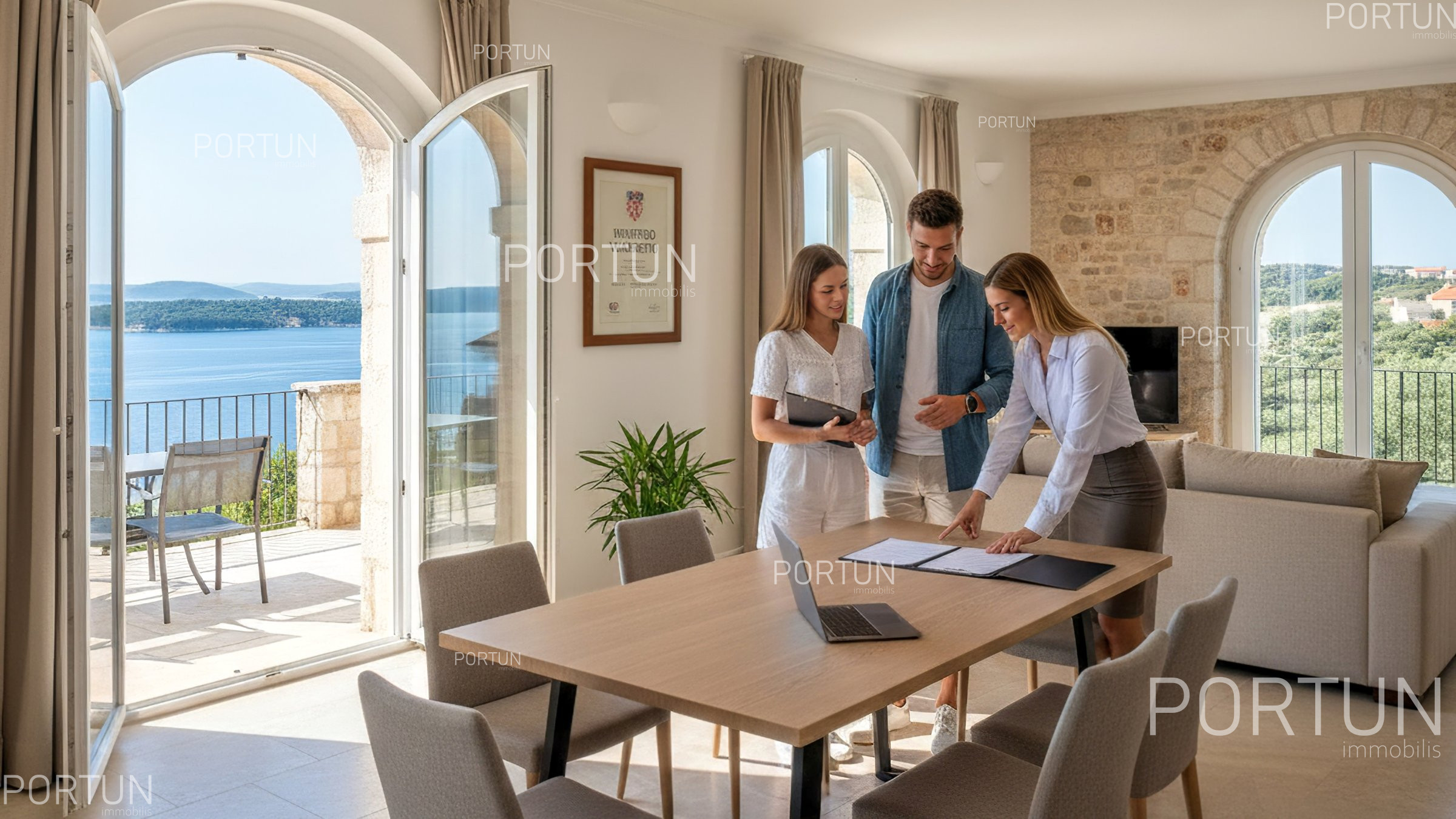
The Principle of Reciprocity and Its Practical Meaning
Reciprocity refers to whether Croatian citizens are permitted to purchase property in the buyer’s home country under comparable conditions. If such rights exist, reciprocity is considered established.
In Croatia, reciprocity is assessed by the competent ministry on an individual basis. The process is not automatic and requires submission of a formal application together with supporting documentation.
Even when reciprocity exists, it does not grant immediate ownership rights. It merely allows the foreign buyer to apply for approval, which must be granted before ownership can be registered.
Approval Process for Non-EU Buyers
Non-EU citizens must obtain government approval after signing a purchase agreement. Until approval is granted, ownership cannot be entered into the land registry.
This approval process can take several months, during which the buyer does not hold legal ownership. To reduce risk, purchase agreements often include conditional clauses or delayed payment mechanisms.
Without proper legal structuring, foreign buyers may face financial exposure if approval is denied or delayed.
Purchasing Property Through a Croatian Company
An alternative option for non-EU nationals is purchasing property through a Croatian-registered company. A company incorporated in Croatia is considered a domestic legal entity and may acquire property without restrictions.
This approach is commonly used for investment purposes, such as tourism rentals or development projects. However, company ownership involves ongoing obligations, including accounting, taxation and regulatory compliance.
For private buyers seeking residential use, this structure is usually unnecessary and more complex than individual ownership.
Restrictions Related to Agricultural Land
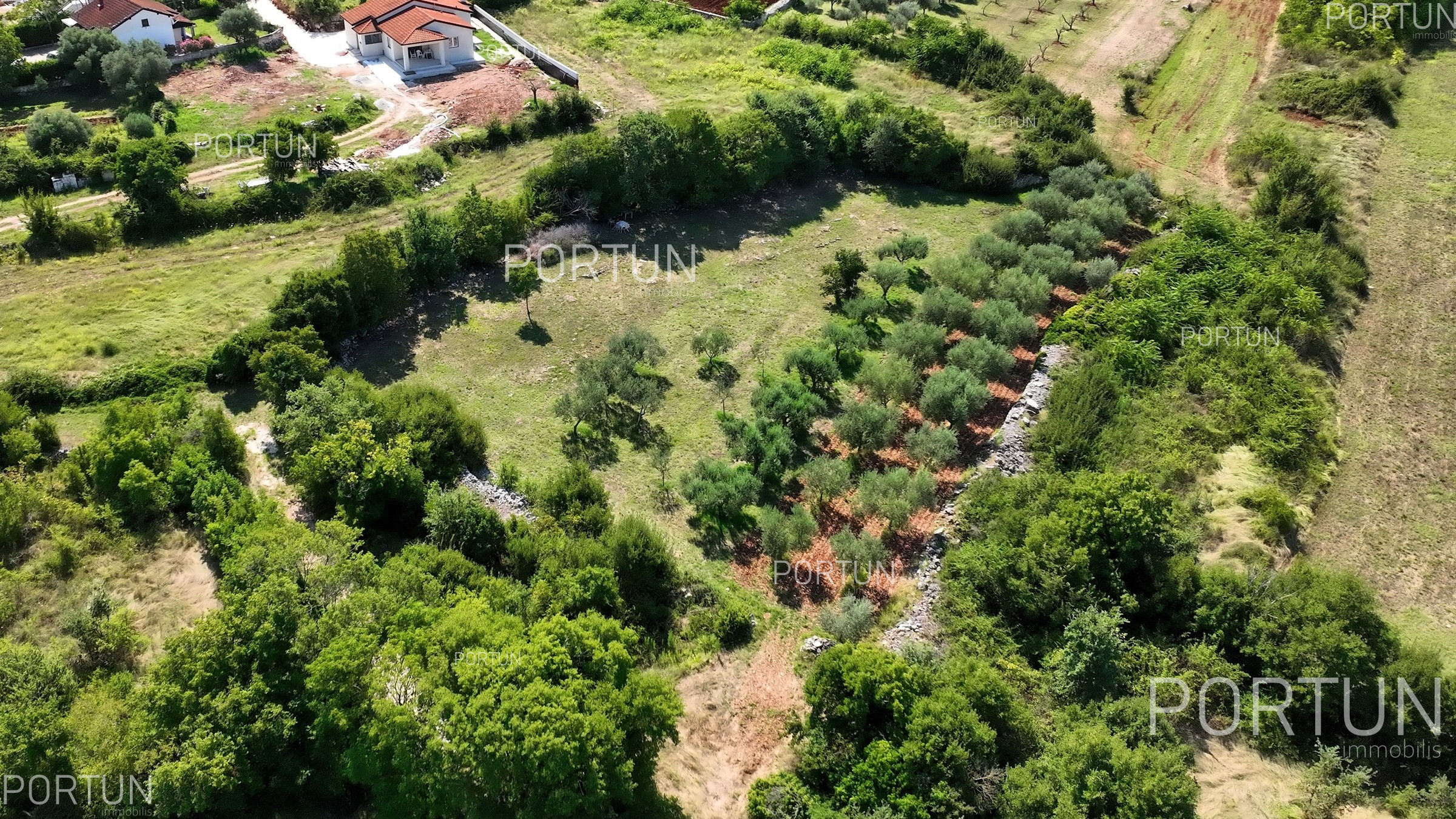
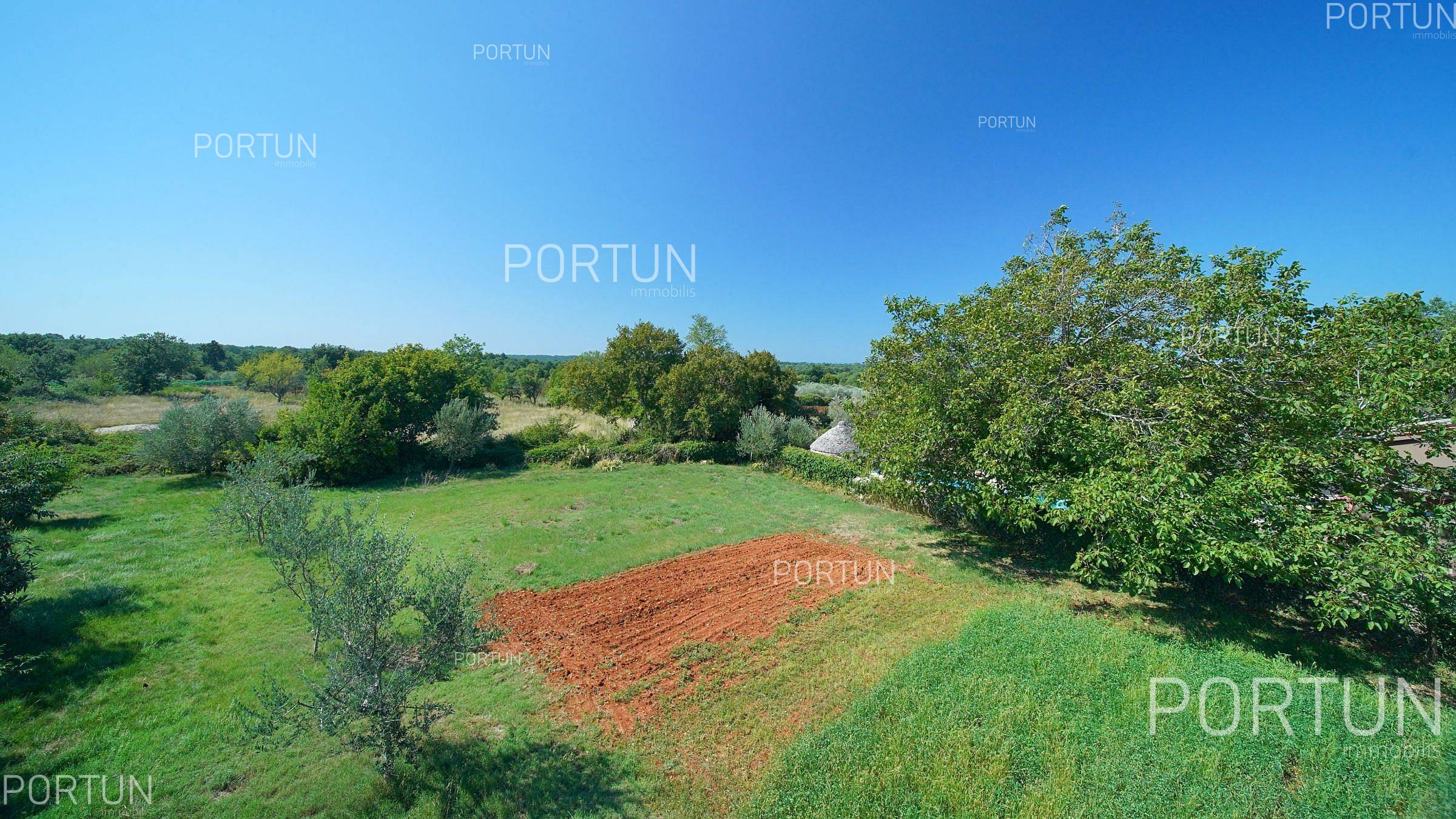
Agricultural land is subject to special legal protection in Croatia. Non-EU citizens are generally prohibited from purchasing agricultural land.
Even EU citizens may encounter restrictions, including state pre-emption rights and administrative approval procedures. In practice, acquiring agricultural land is often difficult and time-consuming.
Misclassification of land type is a common source of failed transactions and legal disputes.
Building Land and Spatial Planning Rules
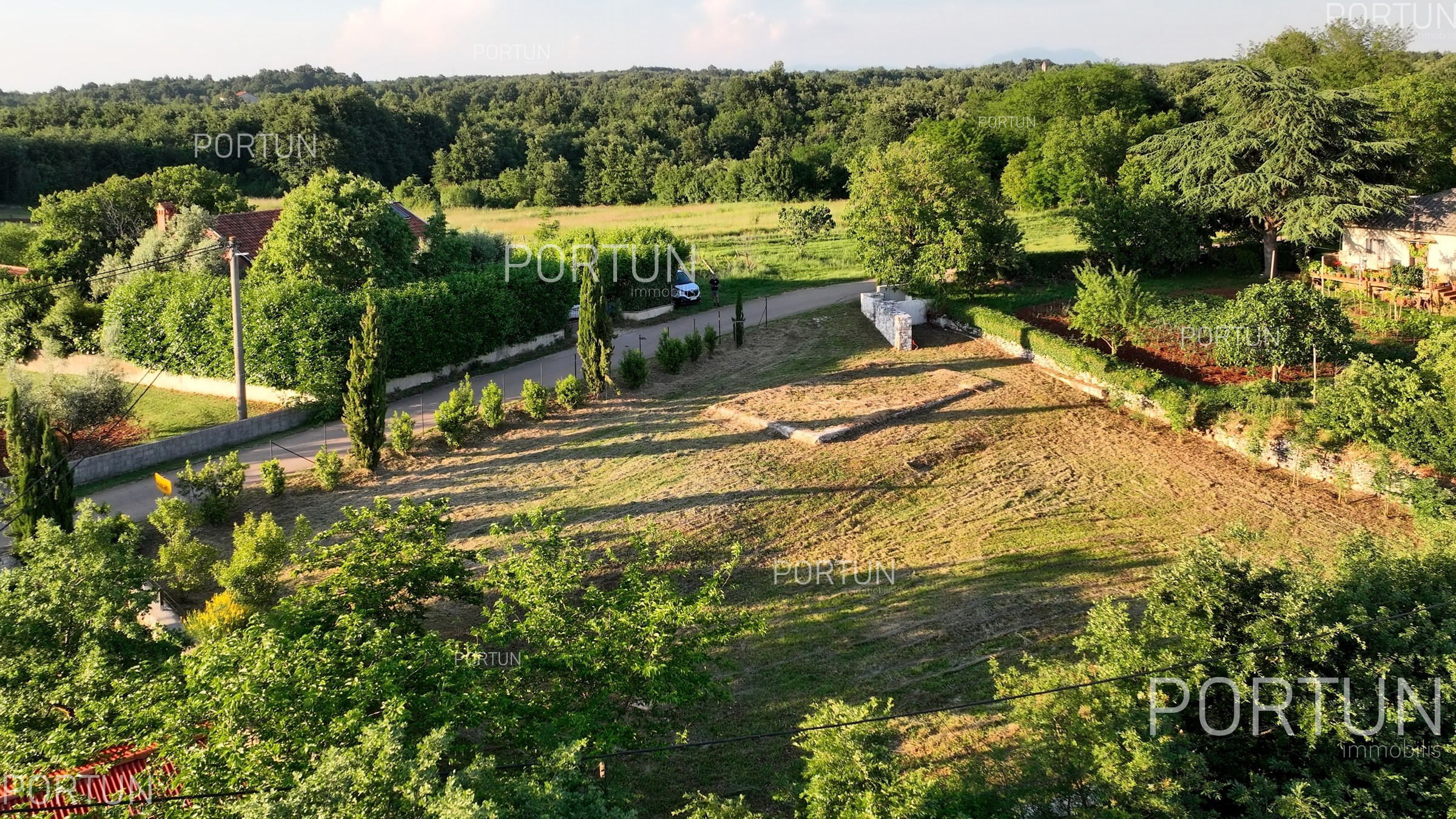
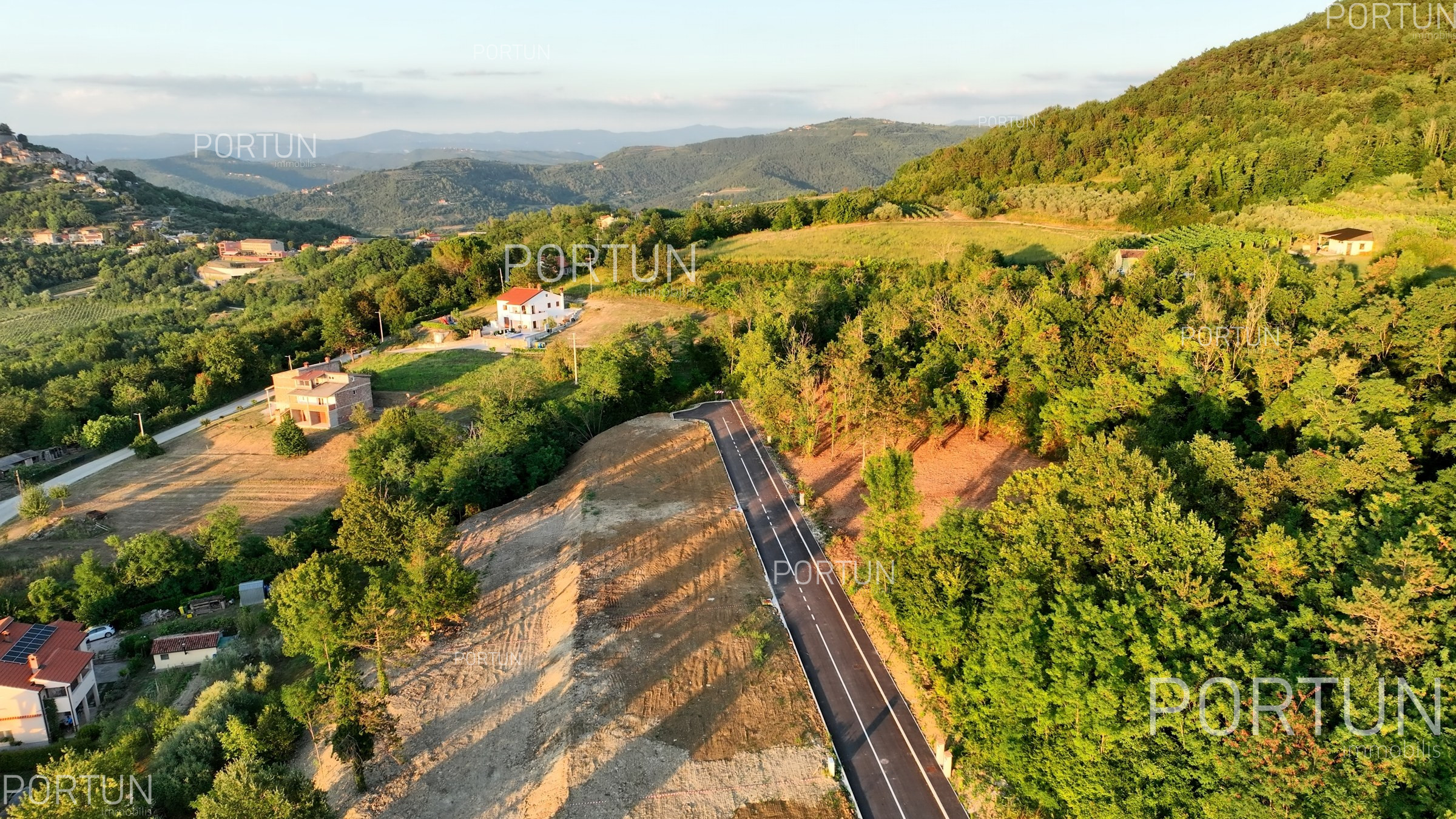
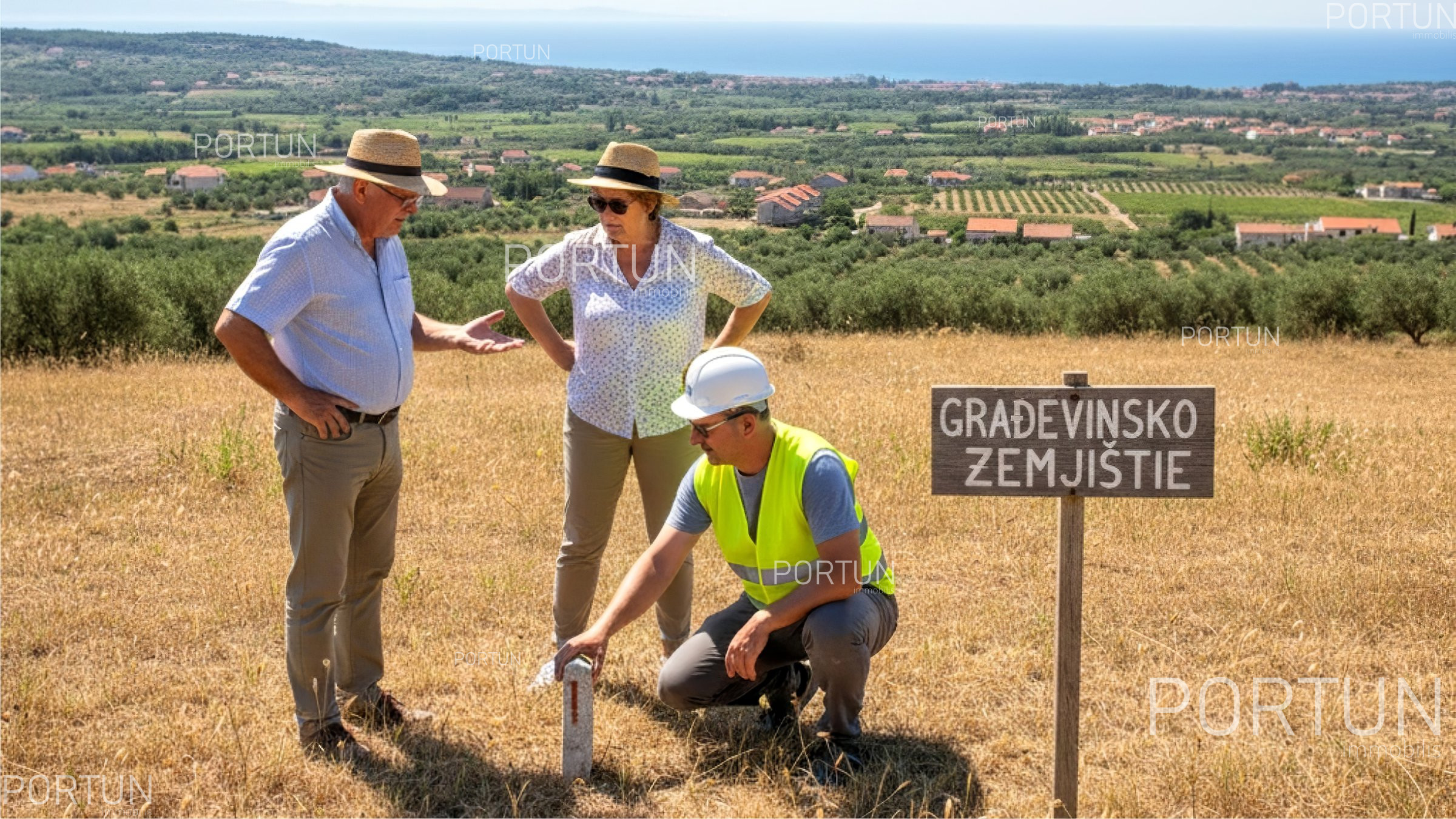
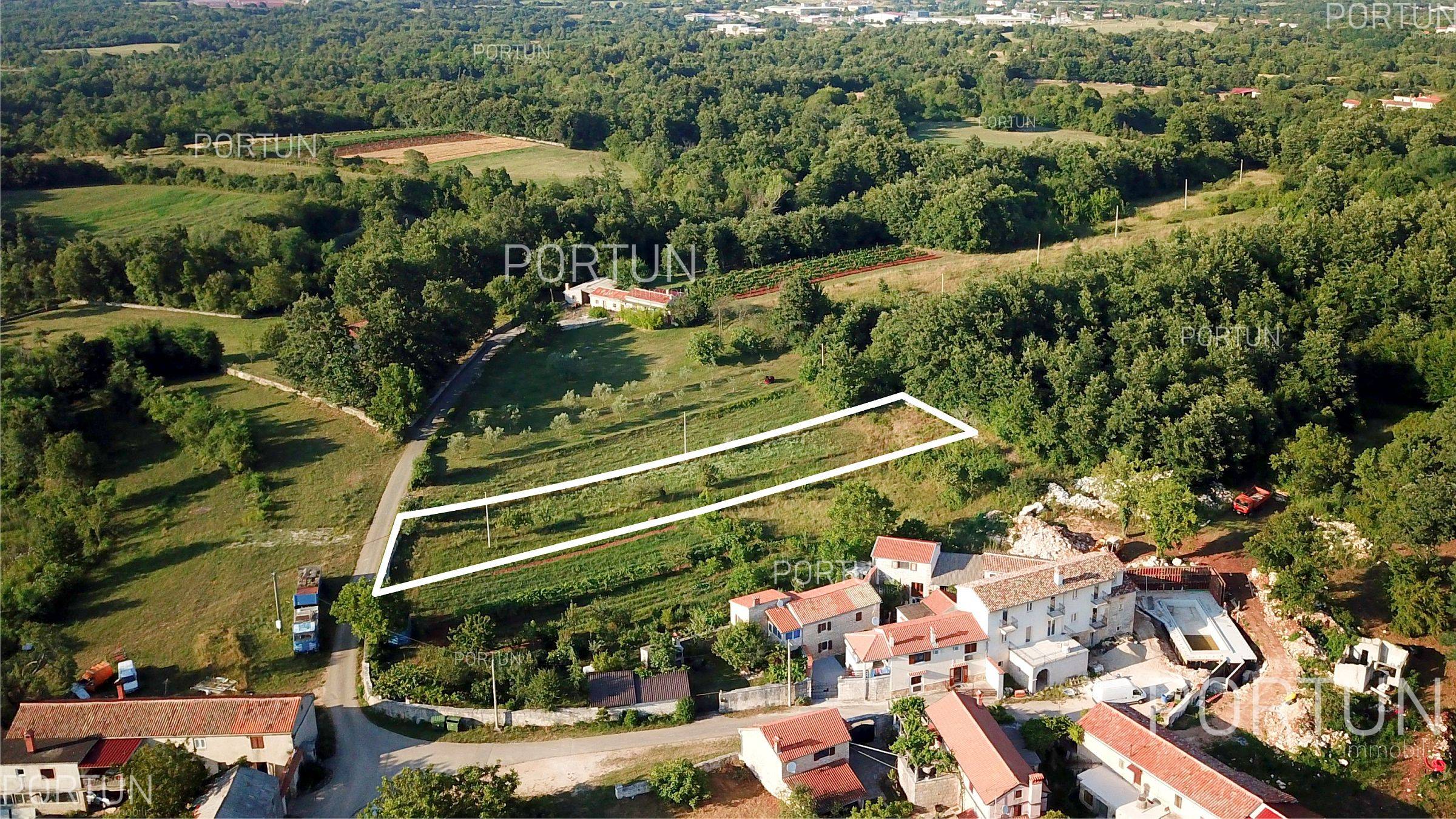
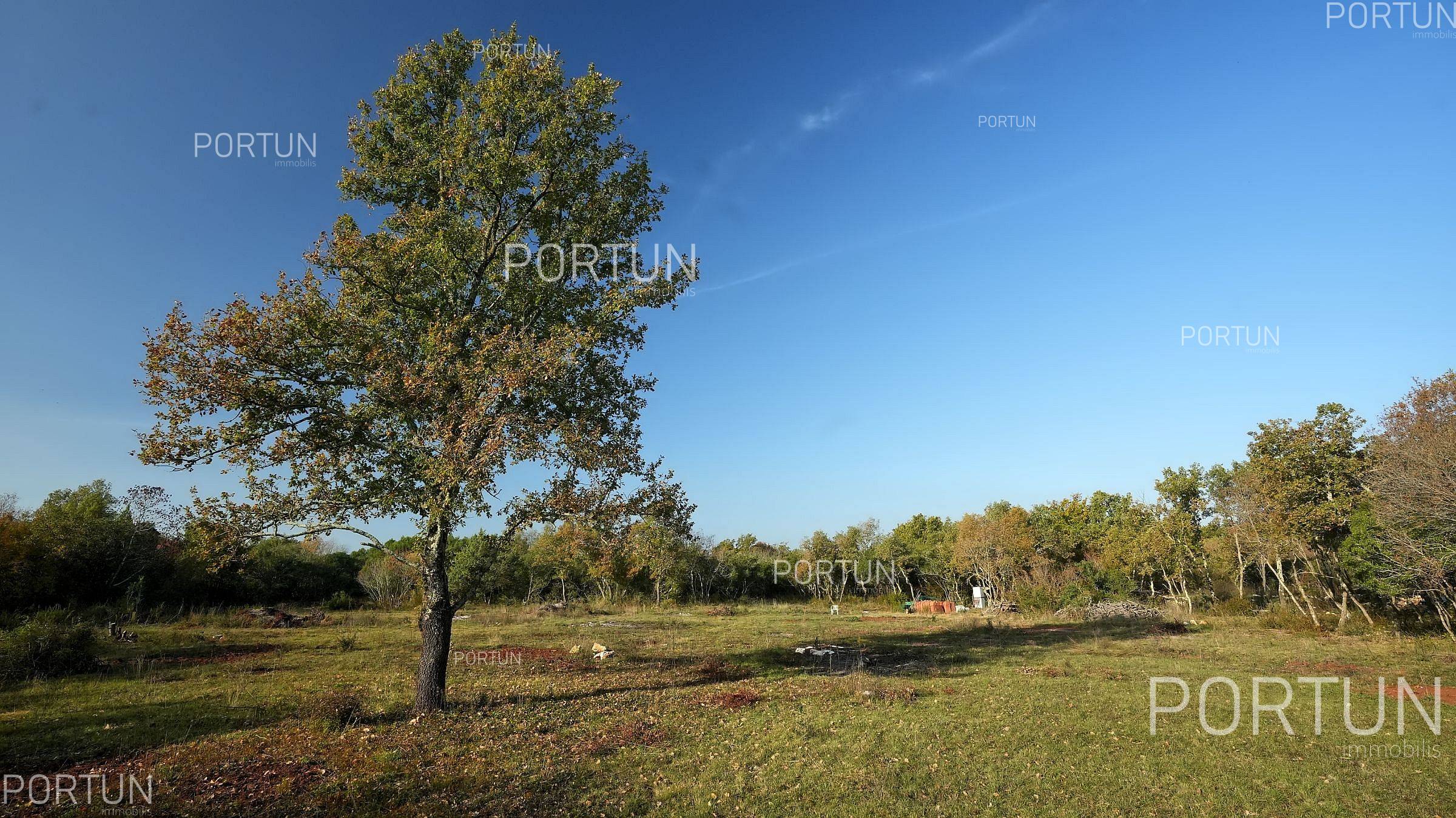
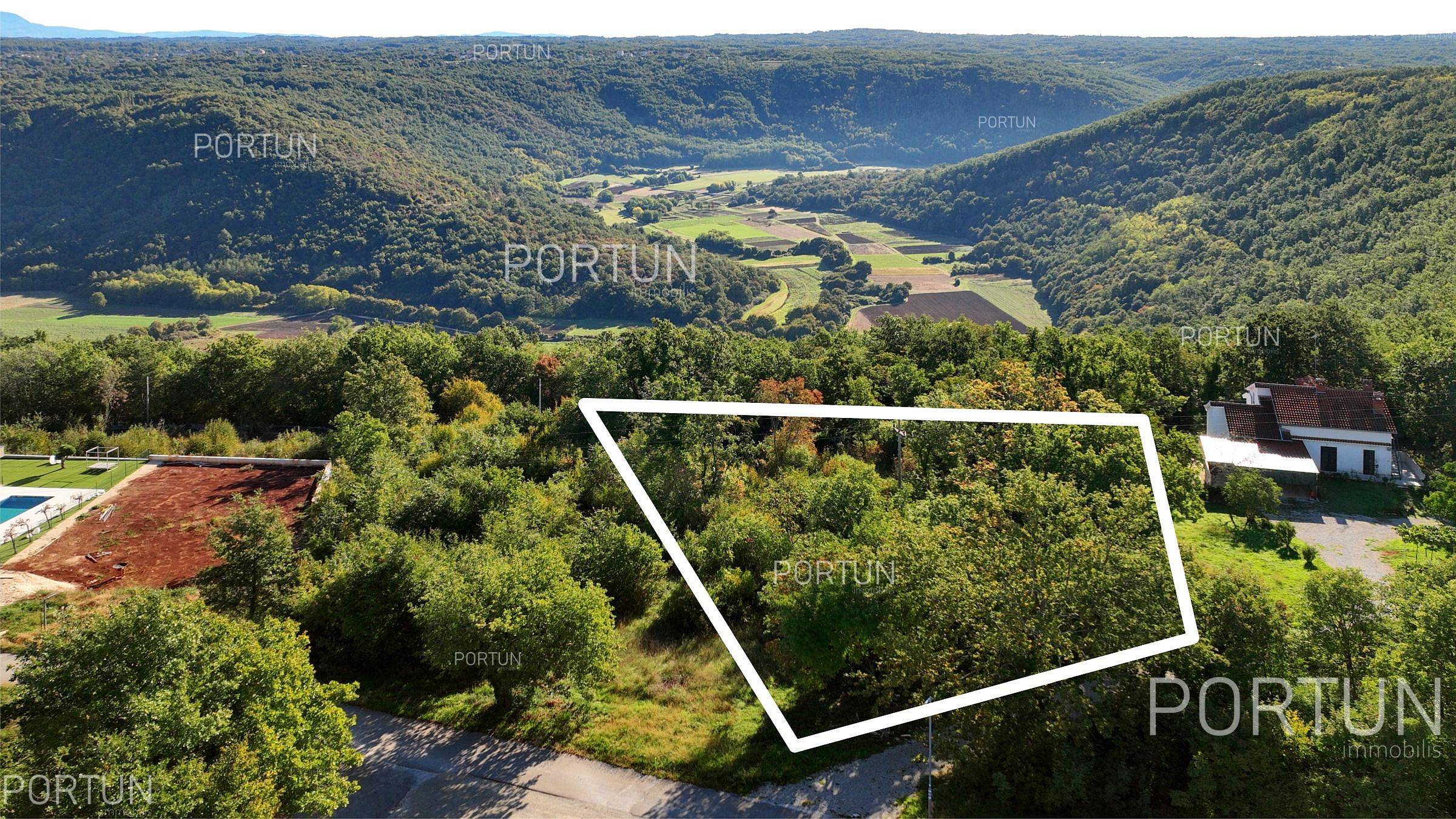
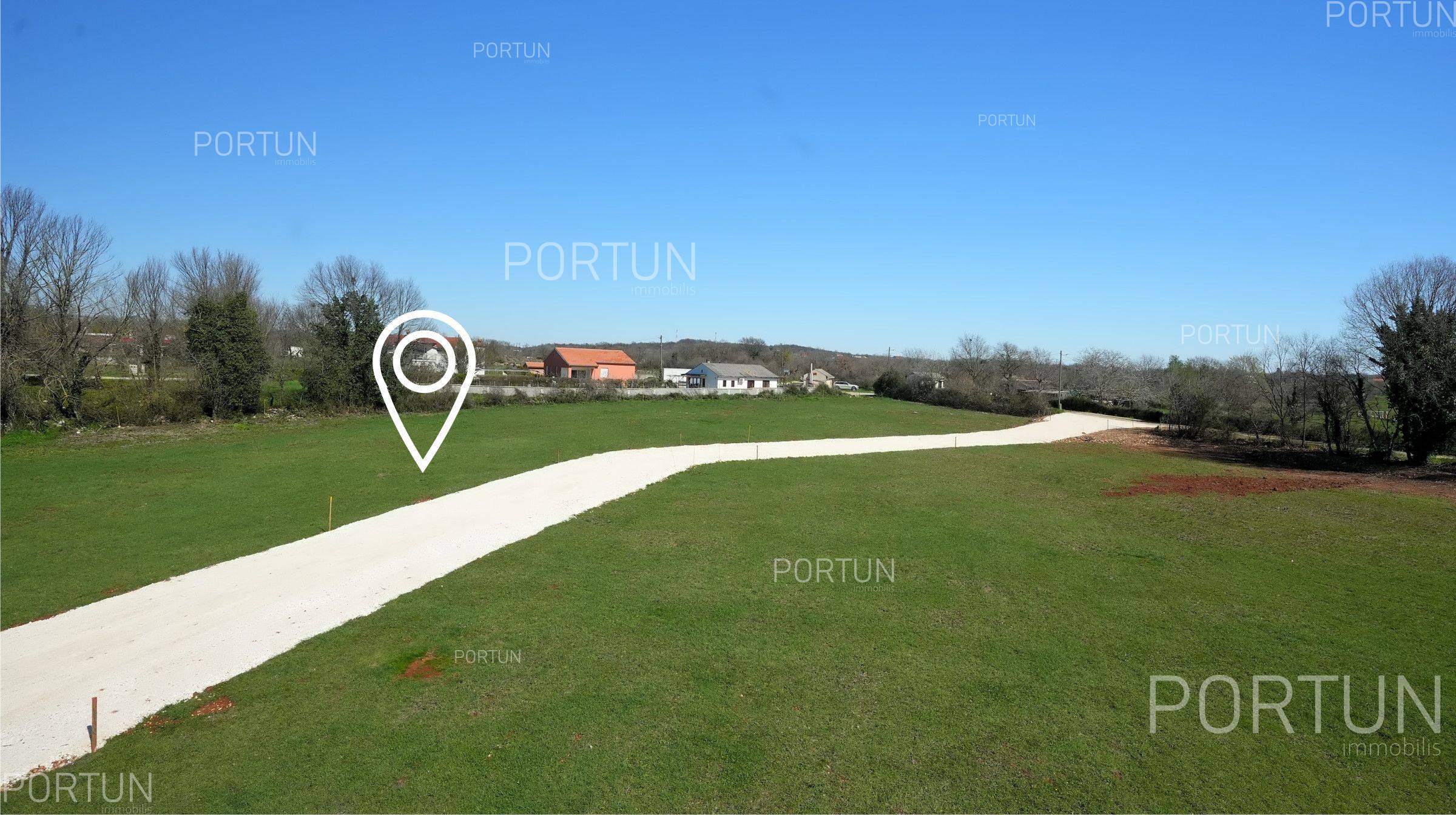
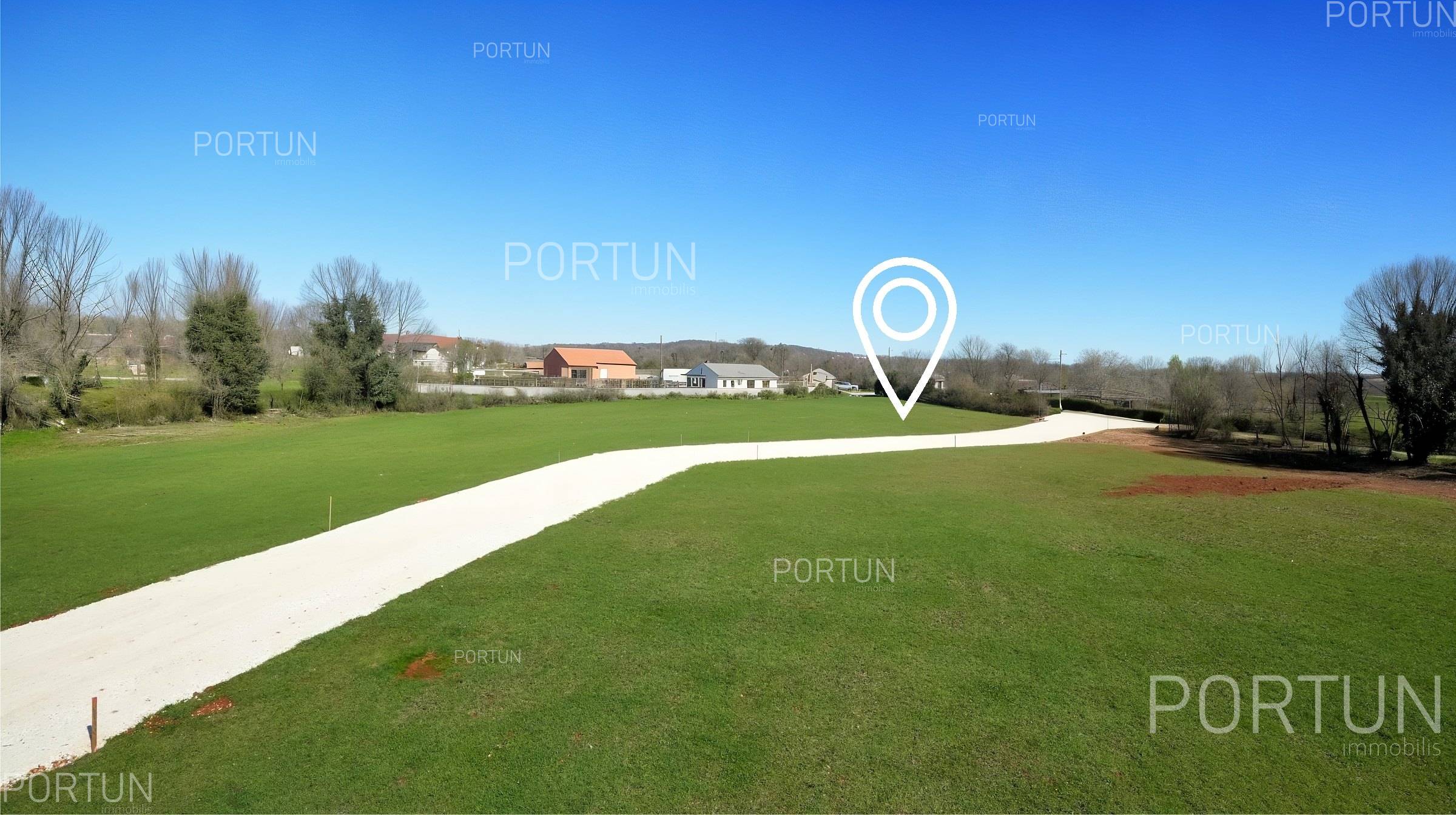
Building land is generally available to foreign buyers if it is clearly designated as such in valid spatial plans. However, location within a settlement does not automatically guarantee building status.
Buyers must verify zoning regulations, building conditions, infrastructure availability and potential development limitations.
Failure to conduct these checks may result in ownership of land that cannot be developed as intended.
Legal Due Diligence and Ownership Verification
Regardless of nationality, thorough legal due diligence is essential before purchasing property in Croatia. This includes verification of ownership, encumbrances, mortgages and compliance with construction permits.
Illegal extensions or unresolved ownership issues can prevent registration or create serious future risks.
Engaging qualified legal professionals familiar with Croatian land registry systems is strongly recommended.
Taxes and Administrative Costs for Foreign Buyers
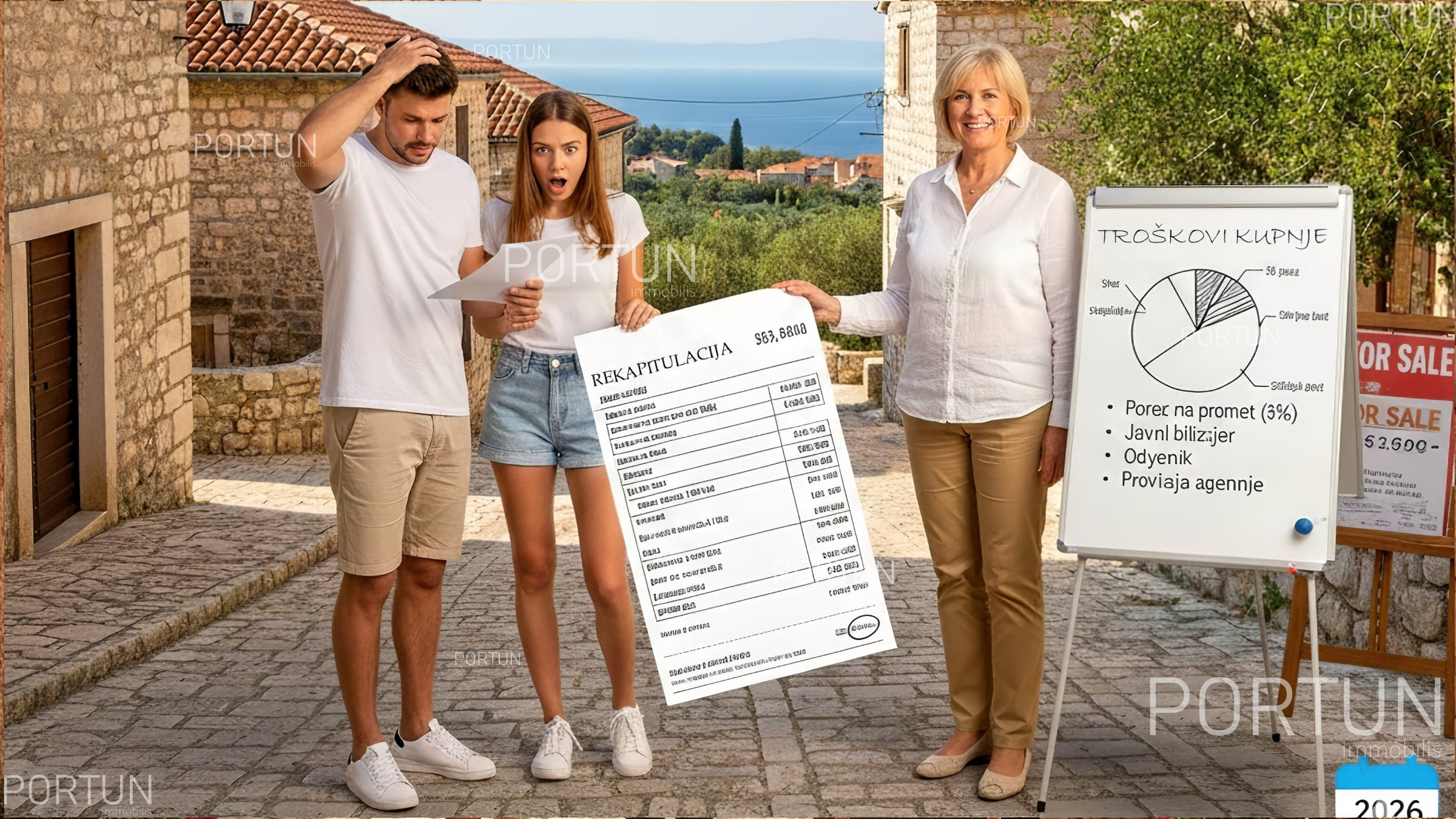
Foreign buyers are subject to the same tax obligations as Croatian citizens. These typically include property transfer tax or VAT, depending on the transaction.
Additional costs include notary fees, legal representation, court fees and certified translations.
Inadequate budgeting for these expenses is a frequent issue among foreign buyers.
Common Misconceptions Among Foreign Buyers
One of the most common misconceptions is the belief that property ownership automatically grants residency rights. In Croatia, ownership and residence permits are legally separate matters.
Another frequent assumption is that all advertised properties are fully legal. Buyers must independently verify legal status and documentation.
How Foreign Citizens Can Buy Property in Croatia Safely
Safe property acquisition in Croatia requires preparation, legal verification and realistic expectations. Understanding one’s legal position and engaging professional support significantly reduces risk.
Foreign buyers who approach the process methodically typically face no insurmountable obstacles. Problems most often arise when legal steps are underestimated or ignored.
Related guides and useful articles
If you are a foreign citizen considering buying property in Croatia, besides understanding ownership eligibility, it is equally important to understand the purchase process and the common mistakes that often lead to delays, additional costs or legal risks.
Thematic guides for buying property in Istria
A short selection of articles helping foreign buyers understand the process, responsibilities and common practical challenges.
- How to buy property in Istria – a guide for foreign buyers
- Common mistakes foreign buyers make when purchasing property in Istria
Property offer in Istria
You can explore current listings through the following categories: houses for sale, building land in Istria and apartments for sale in Rovinj.
Tags
foreign buyers, buying property in Croatia, property ownership, EU citizens, legal process, land registry, cadastral records, due diligence, property purchase Istria, buyer mistakes, houses for sale, building land, apartments Rovinj