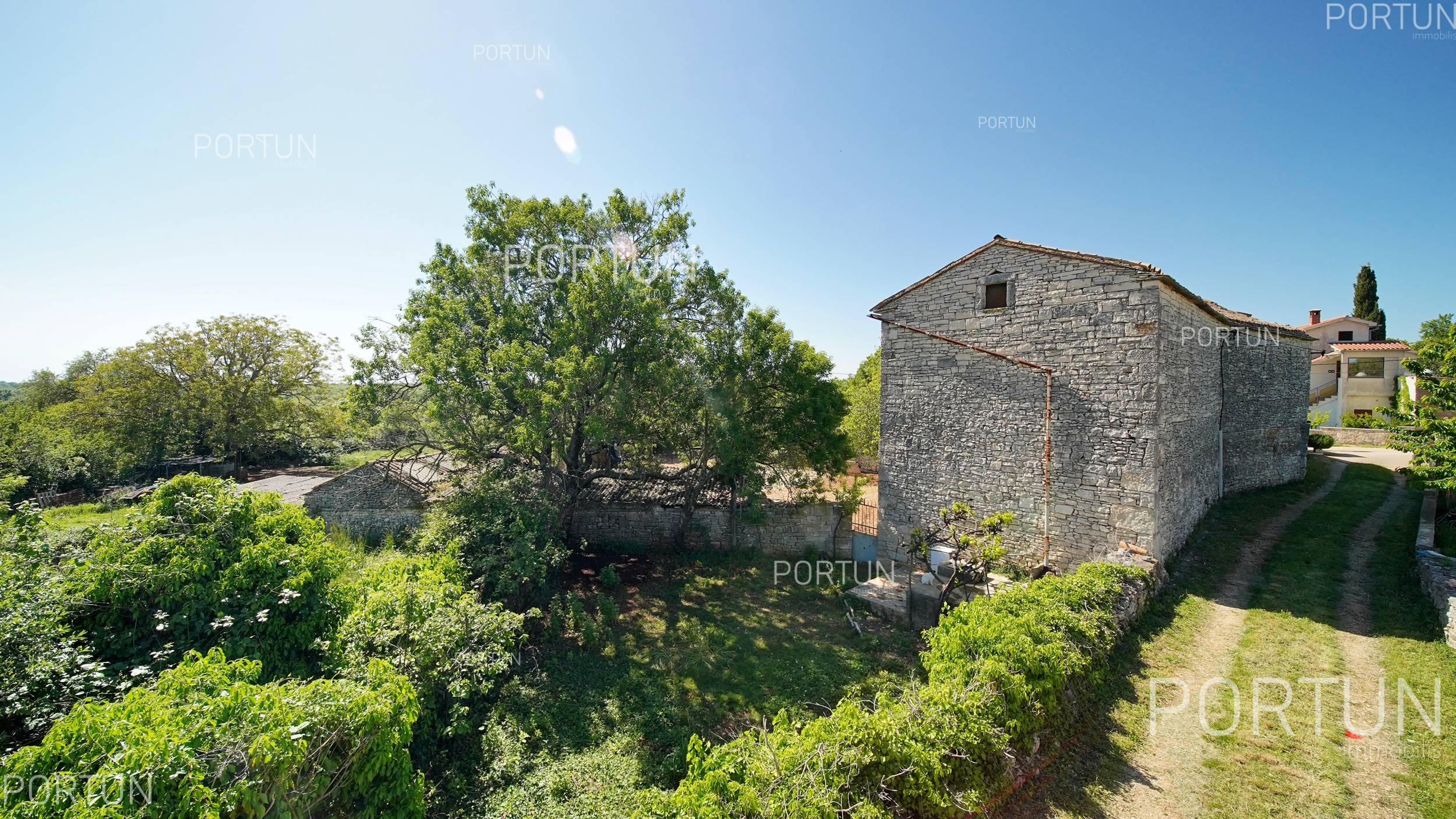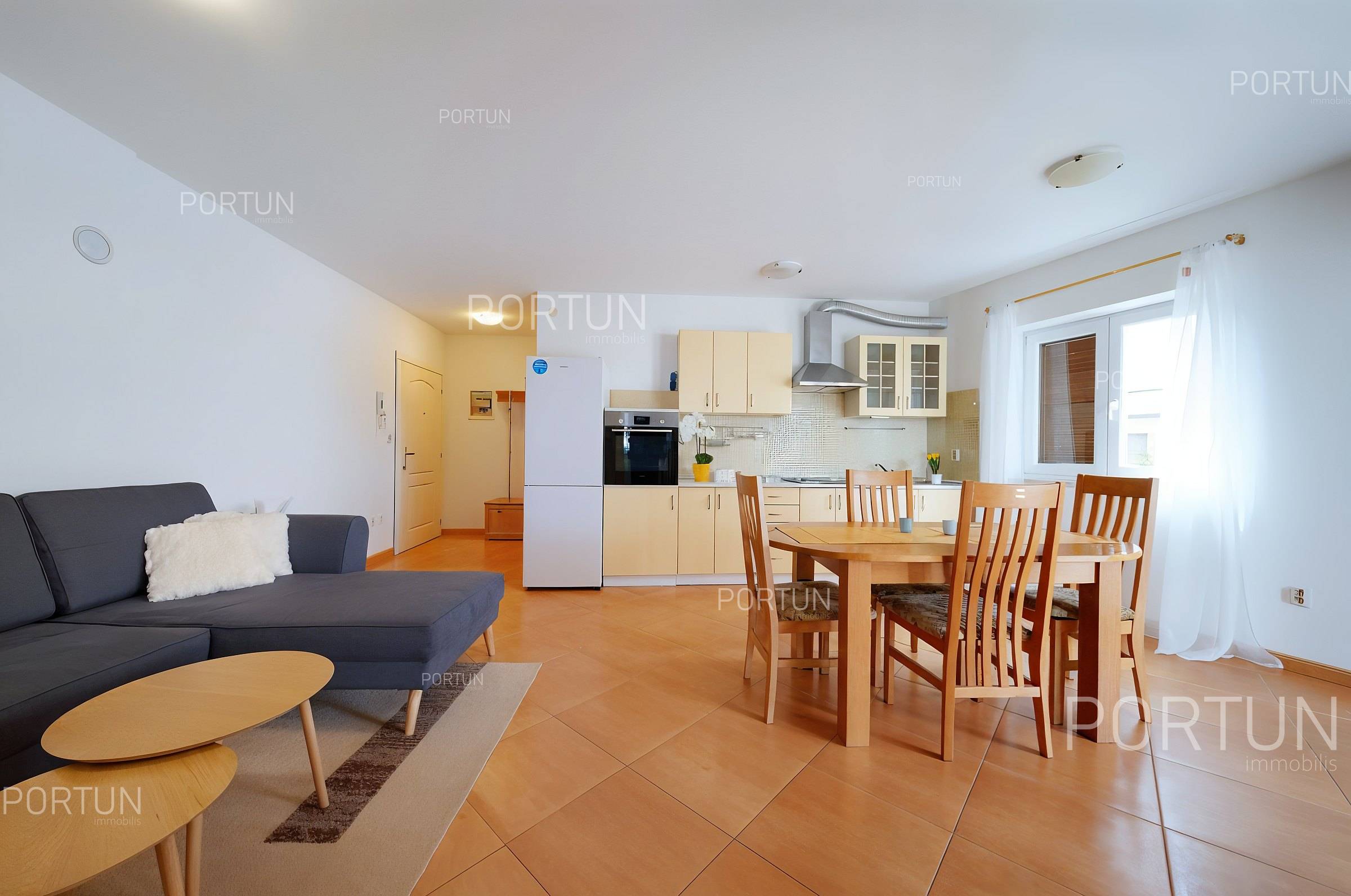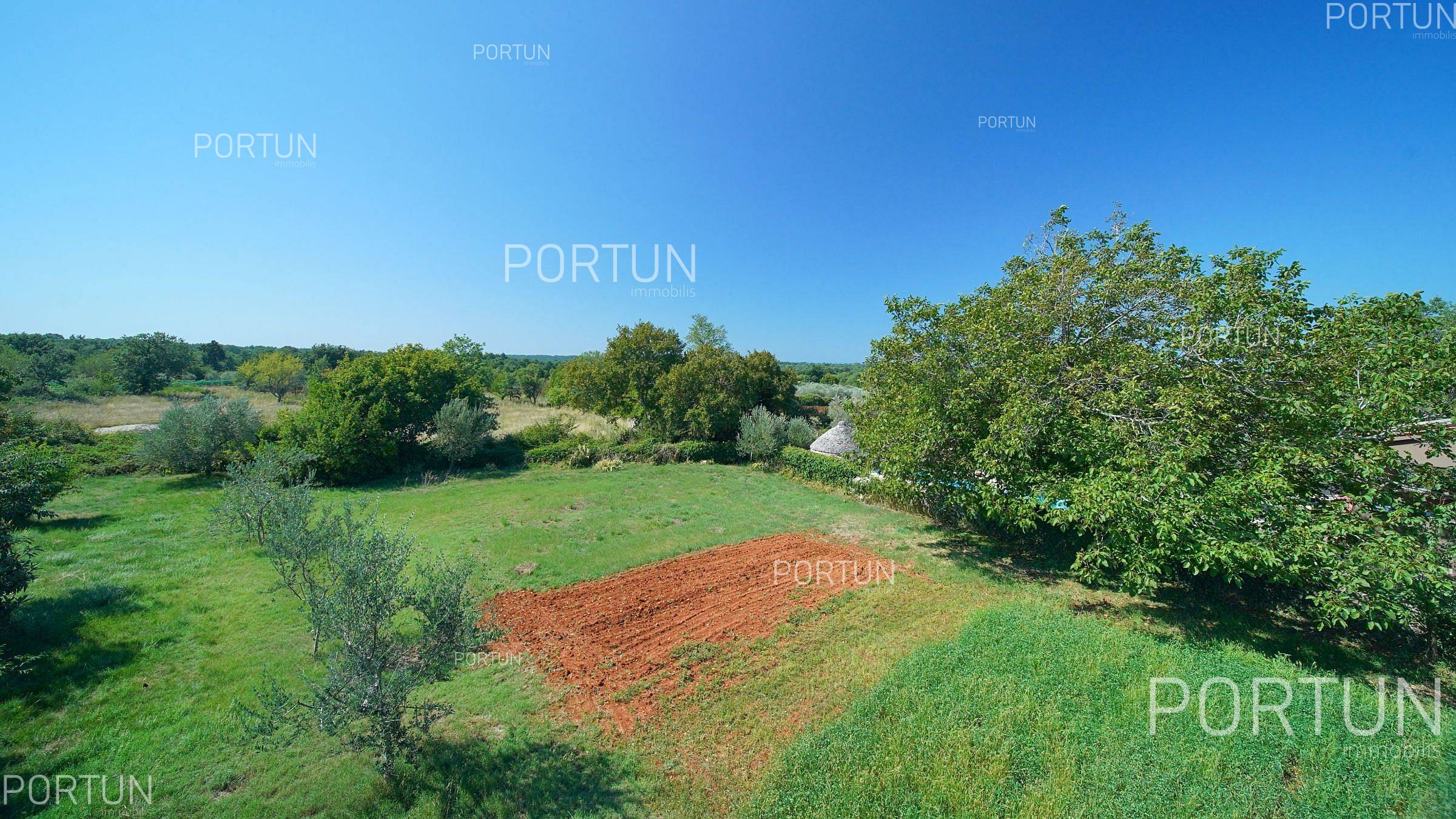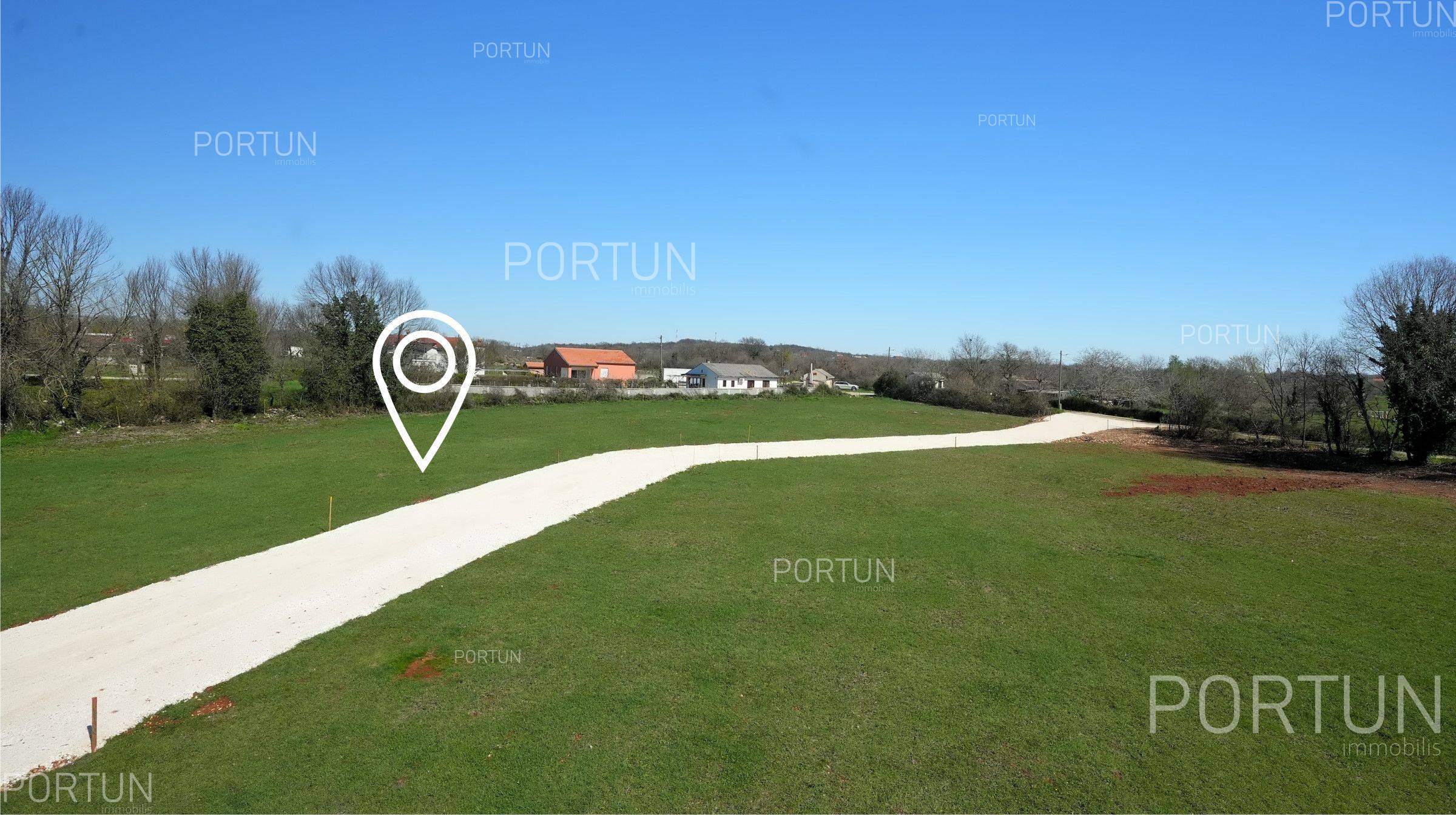

Complete Guide to Buying a House in Istria
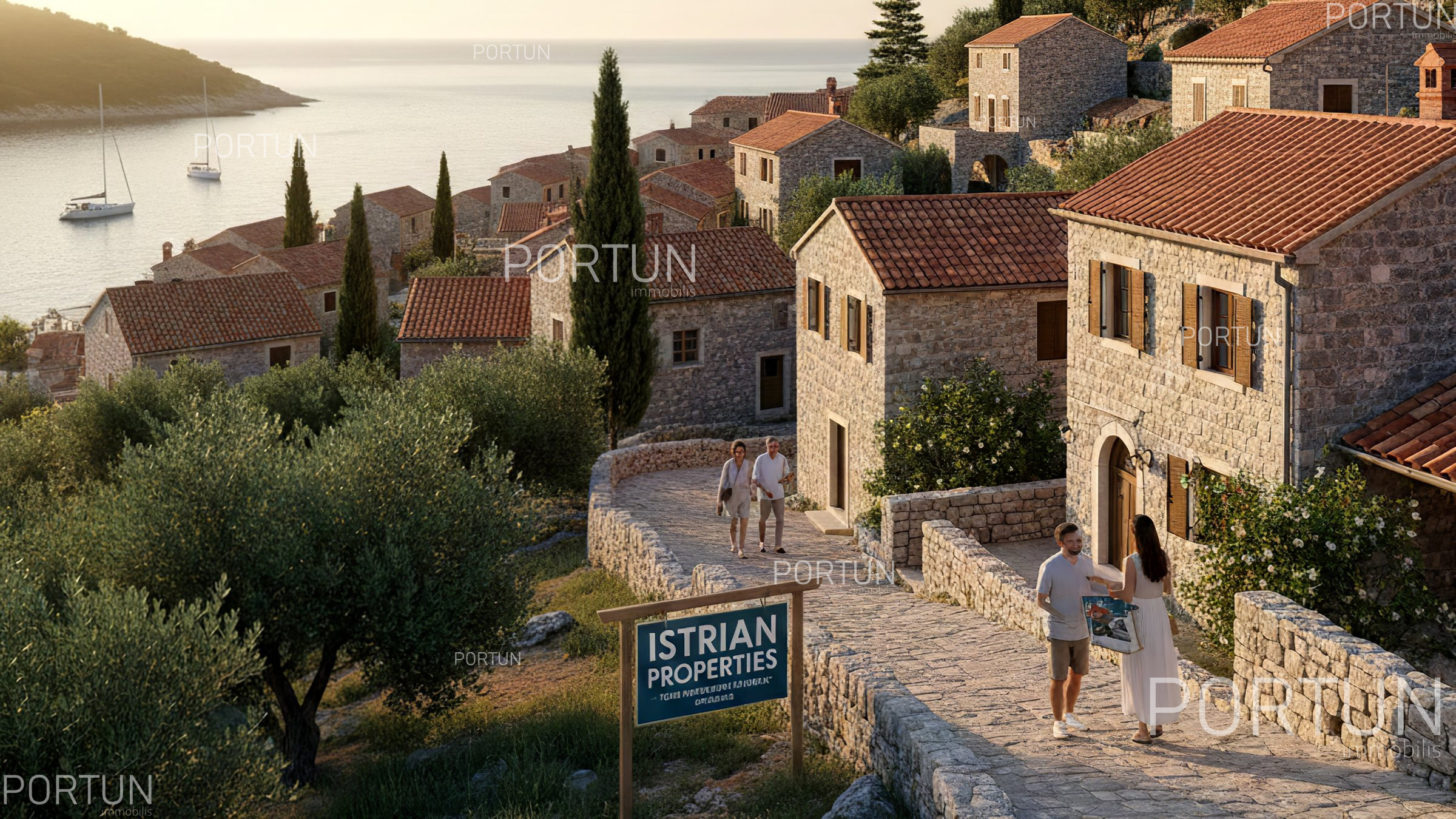
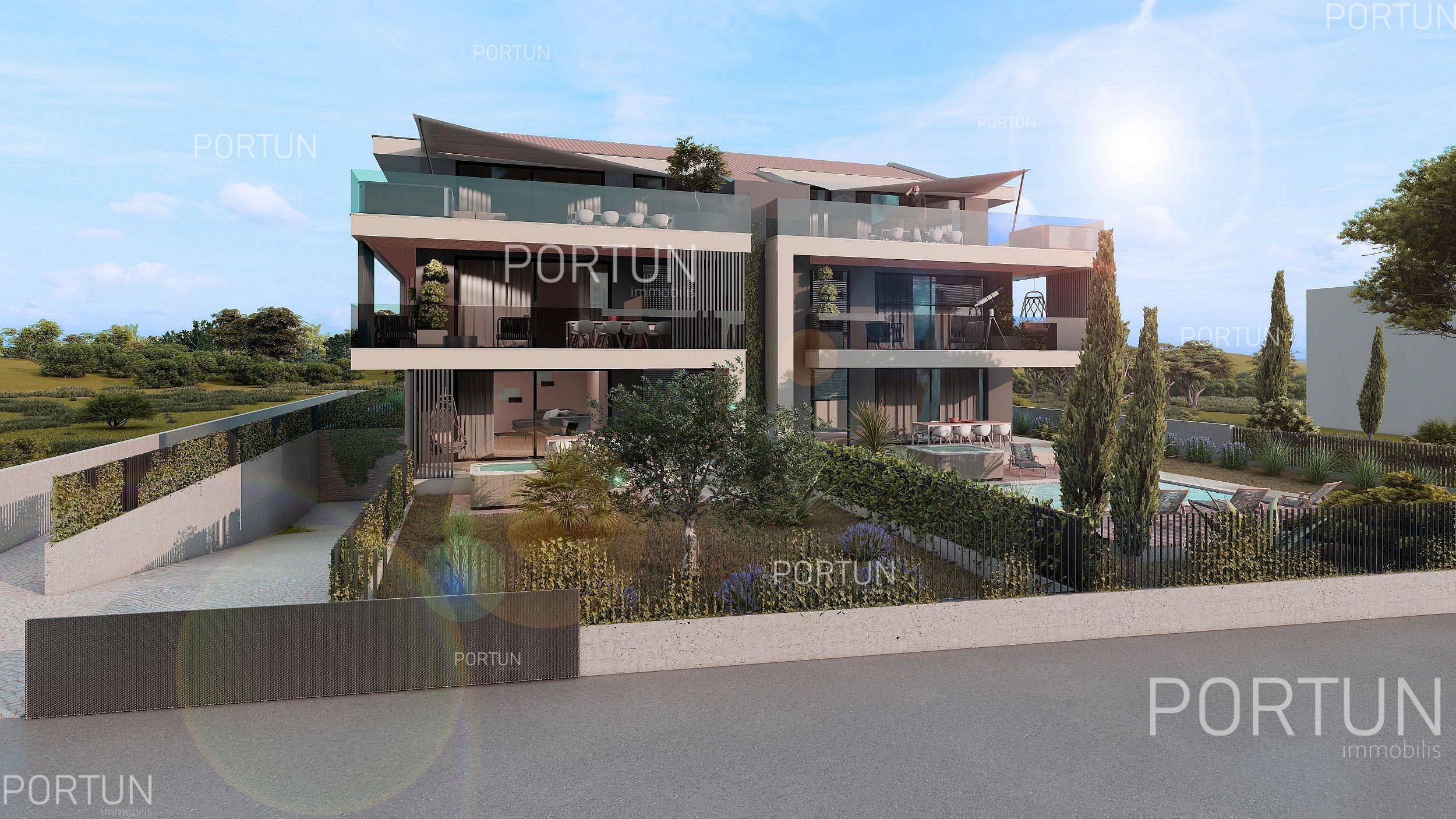
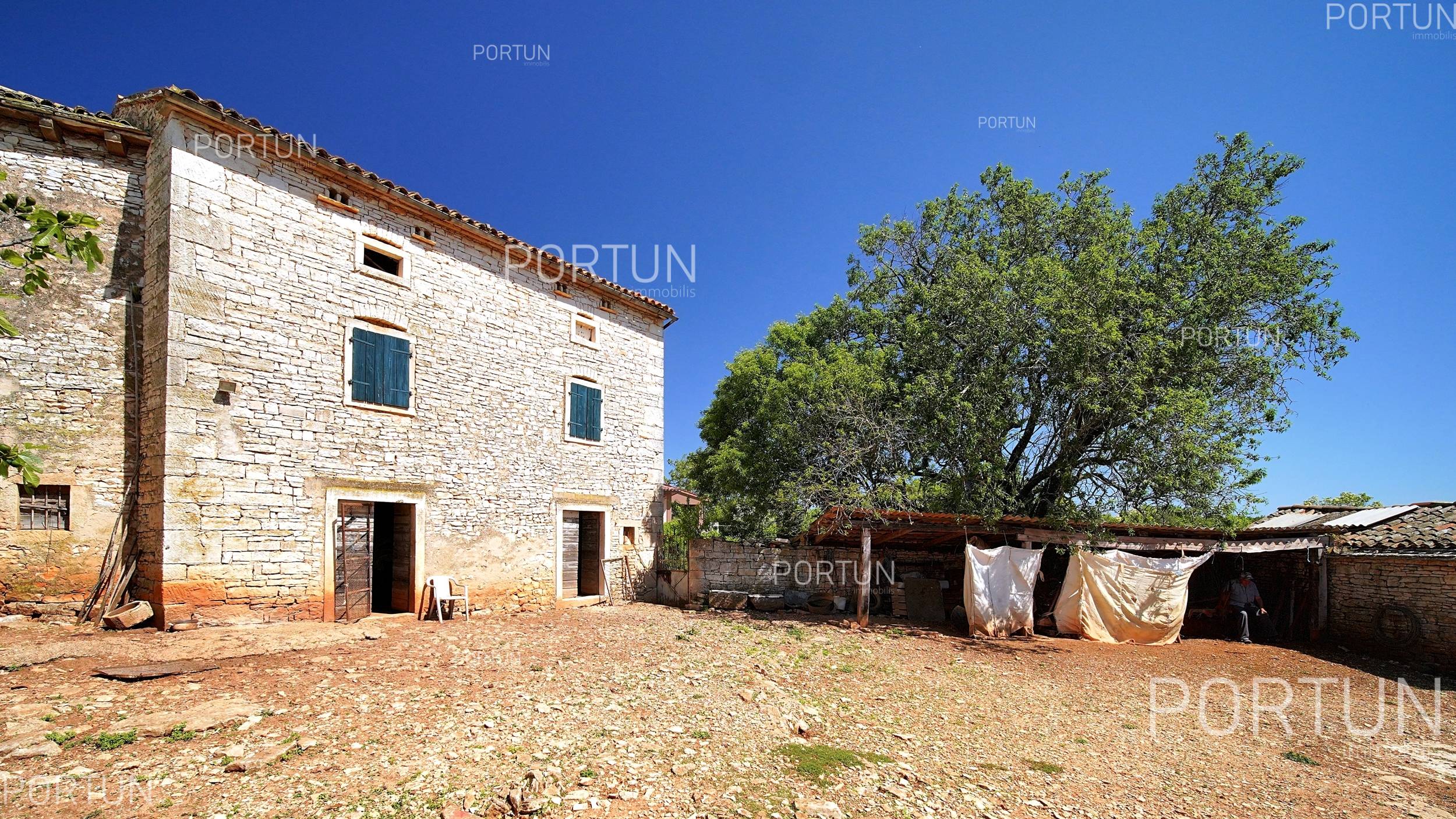
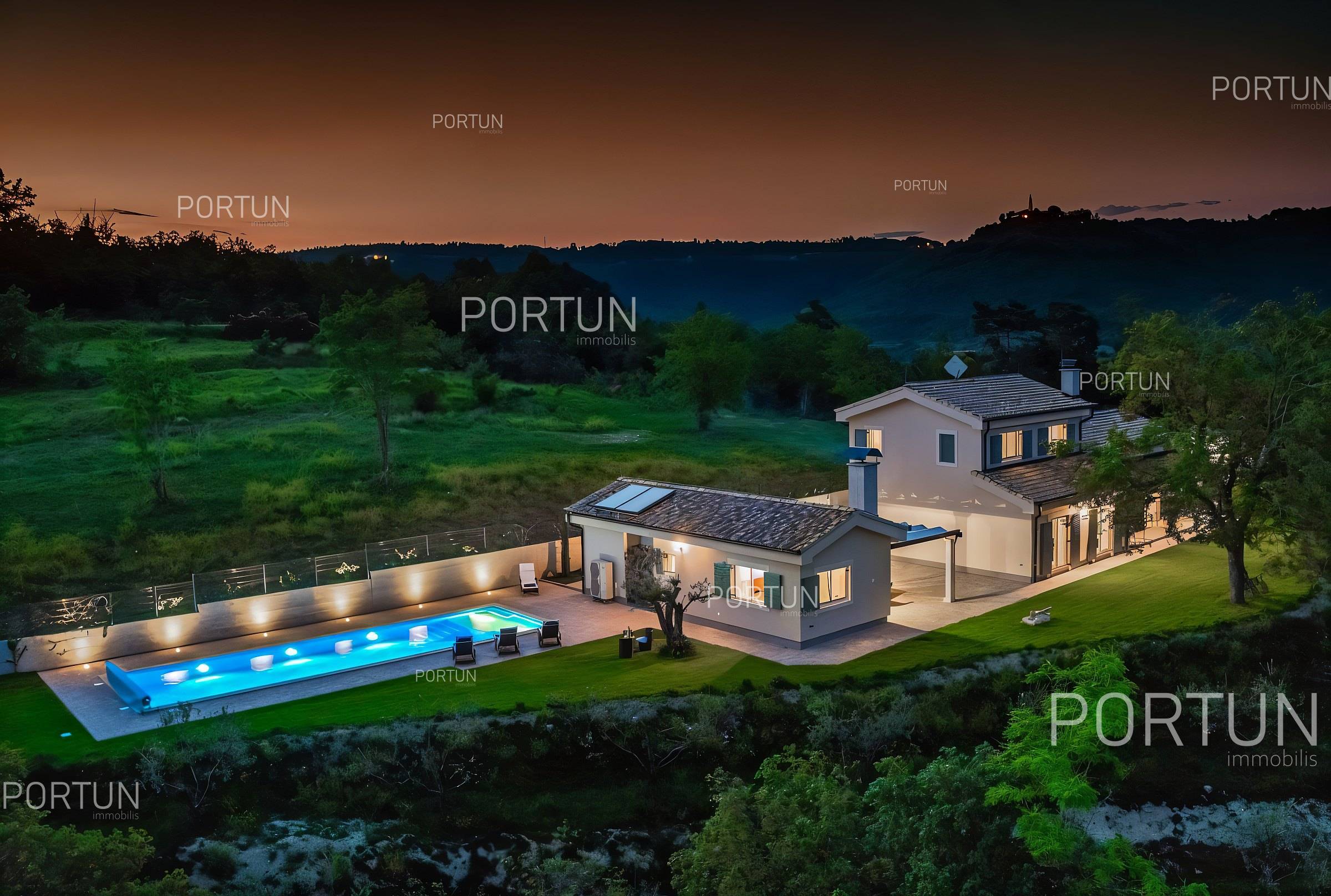
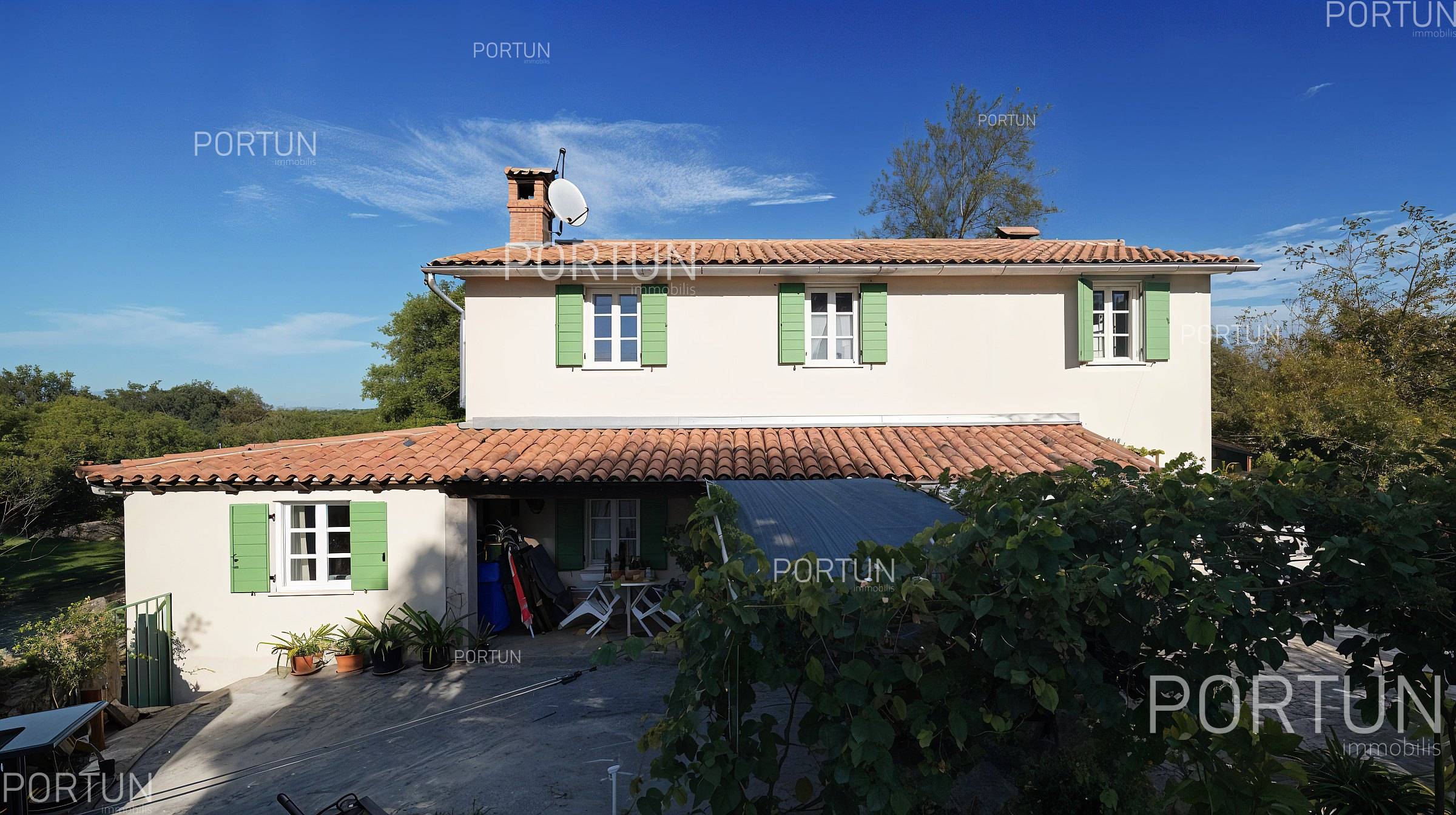
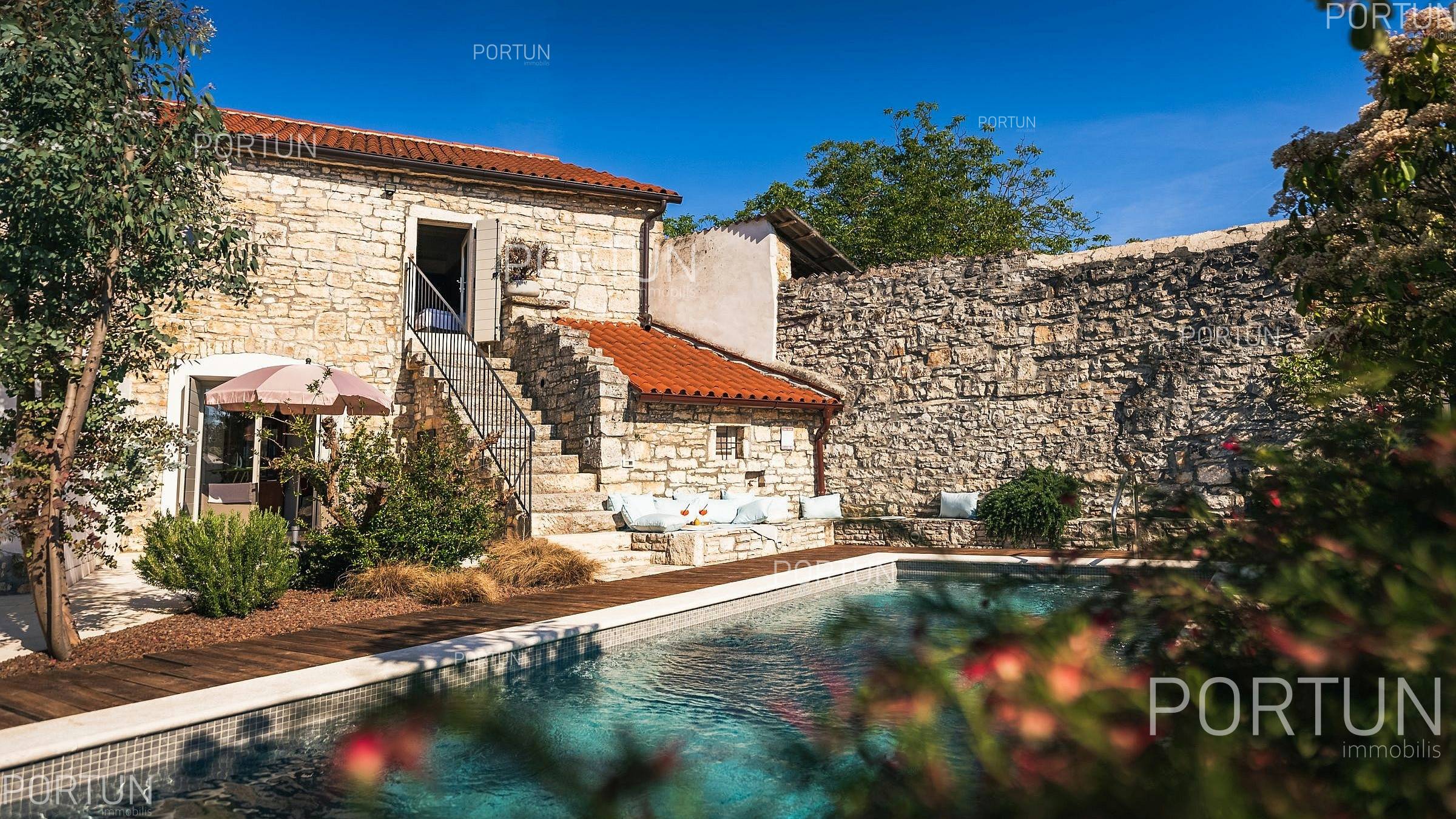
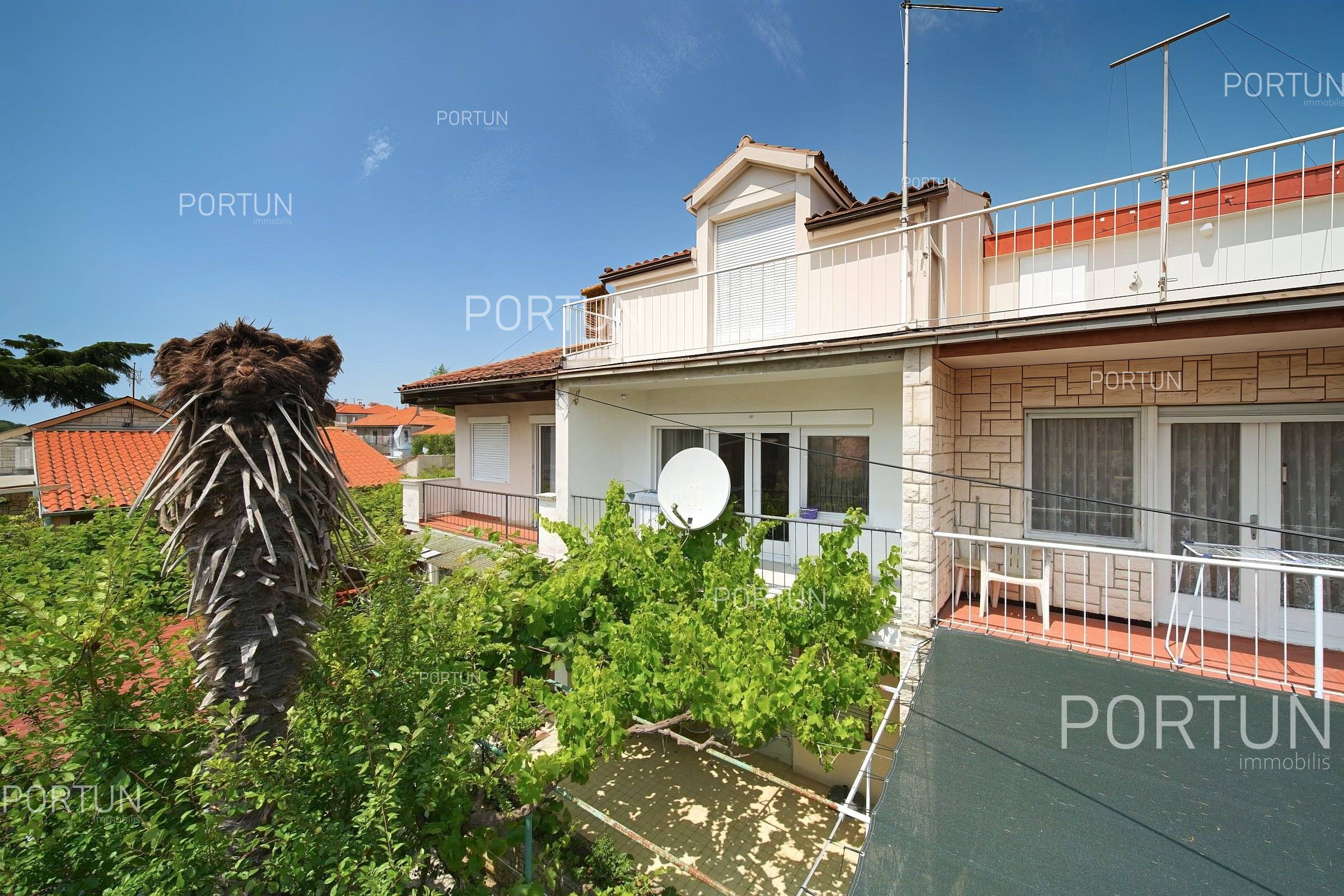
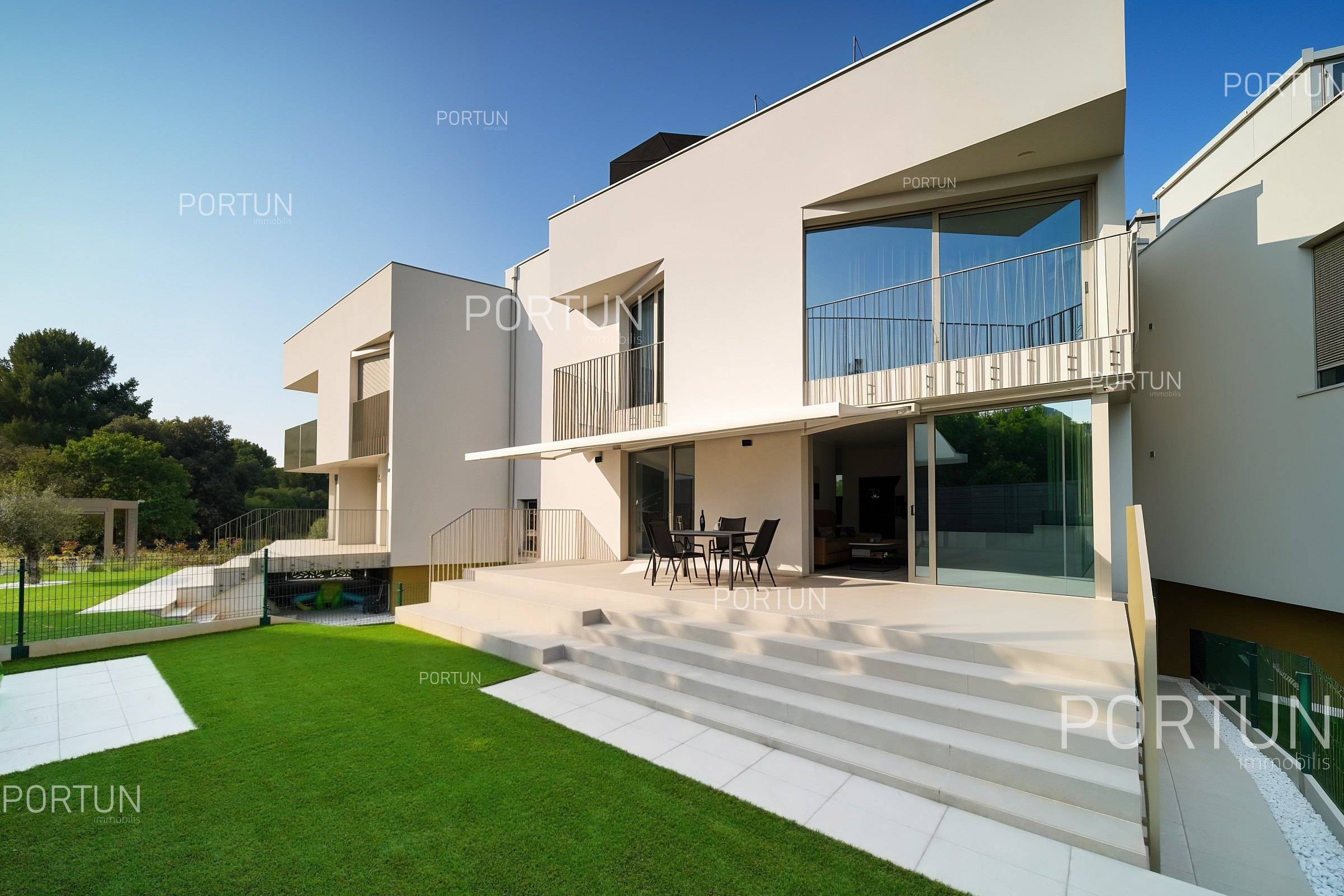
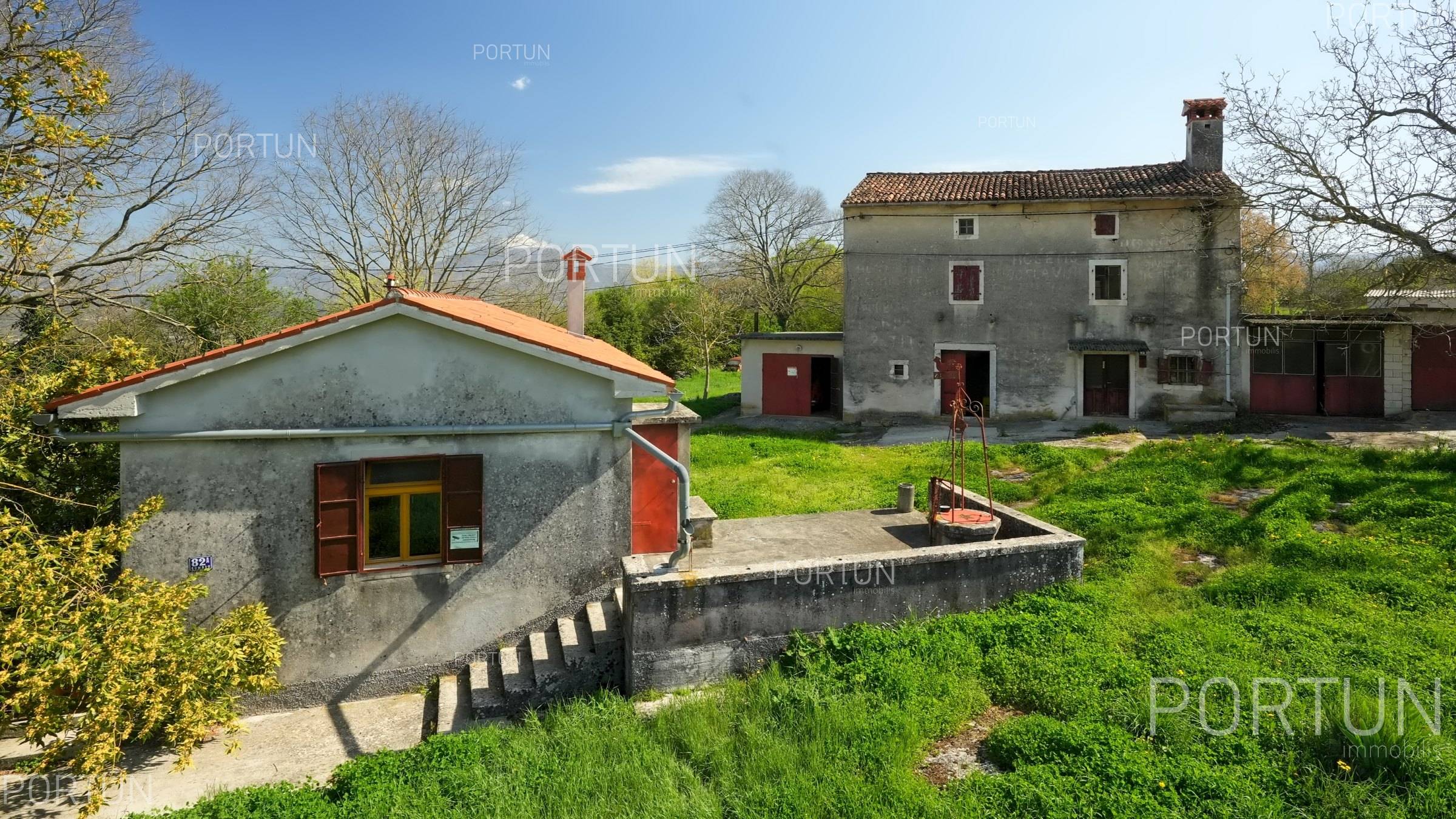
From historic stone ruins to modern luxury villas, Istria has held the reputation as one of the most desirable real estate destinations in Croatia for decades.
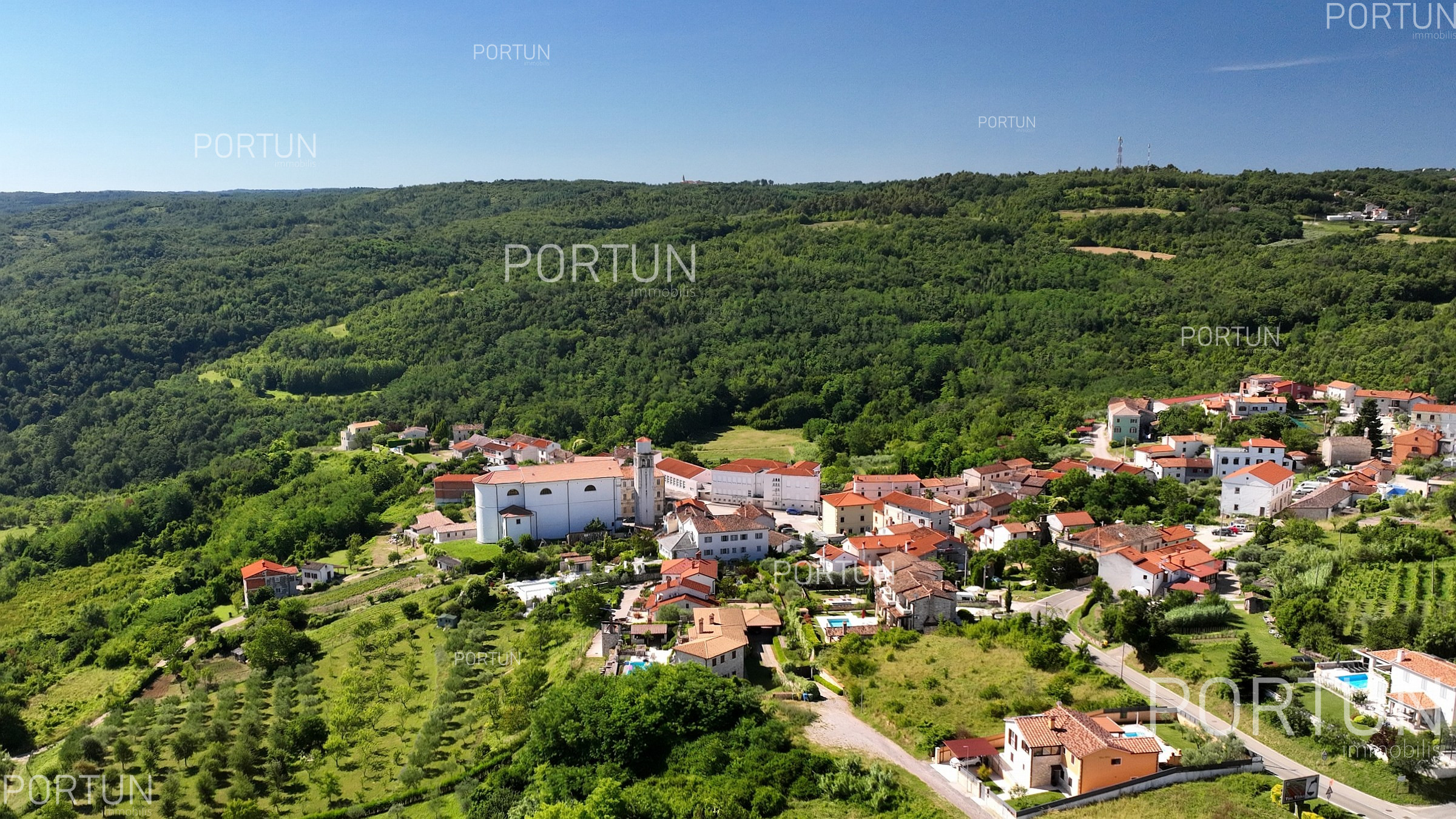
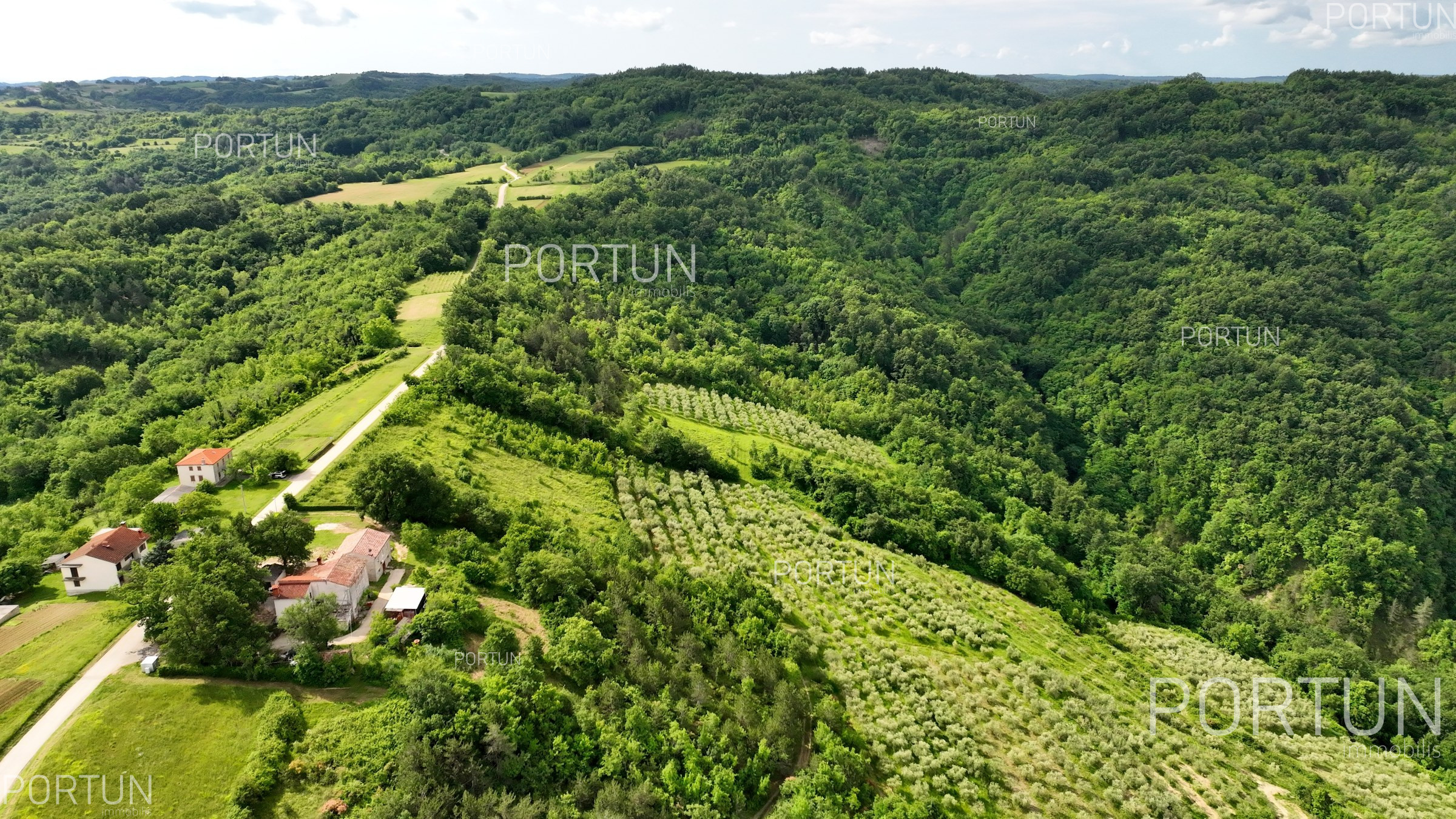
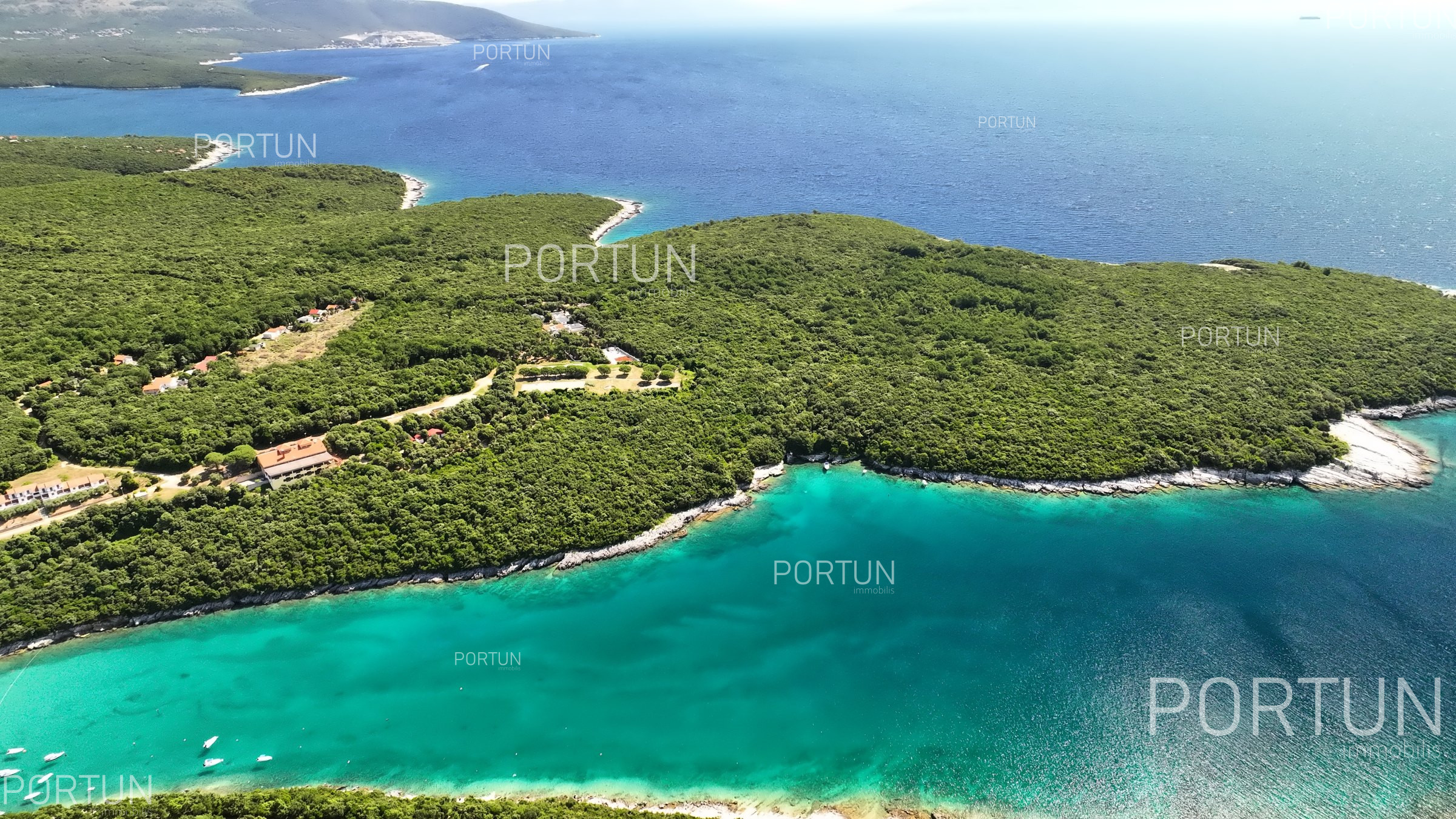
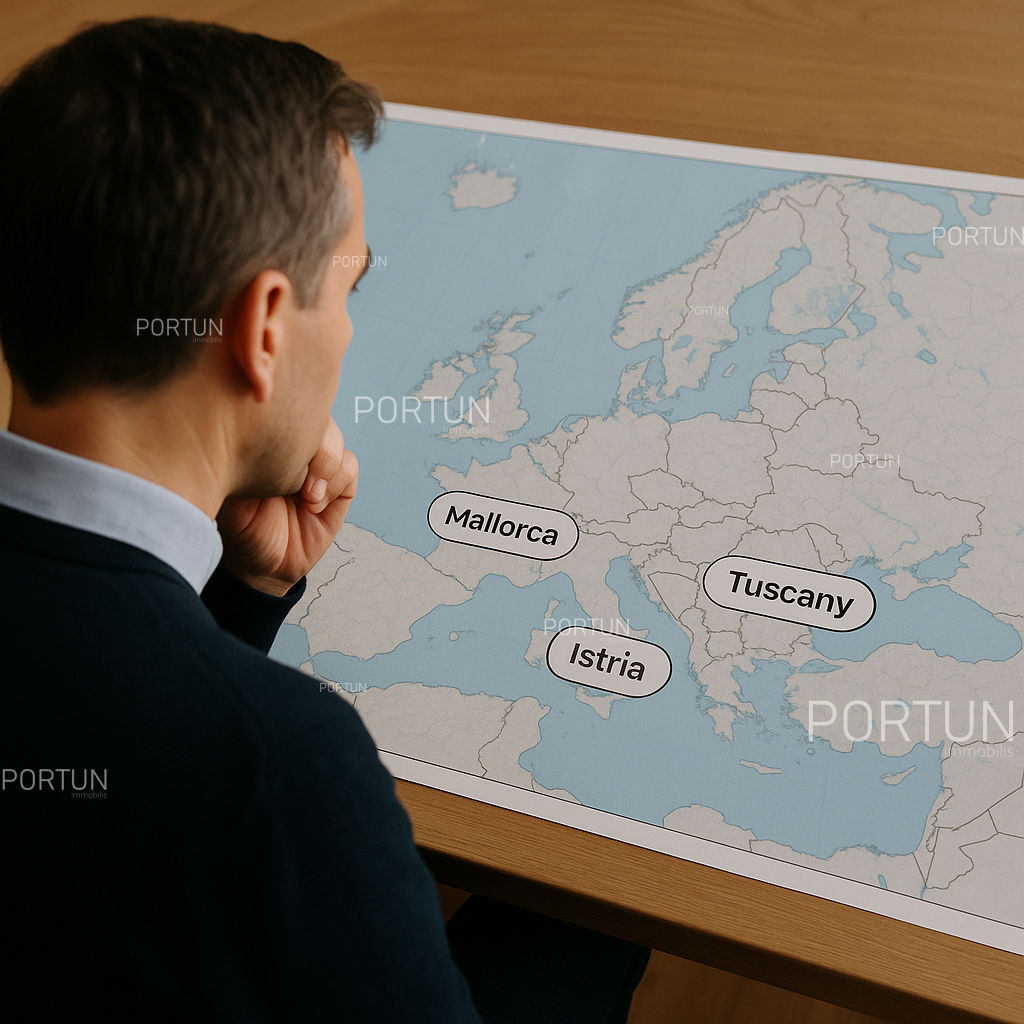
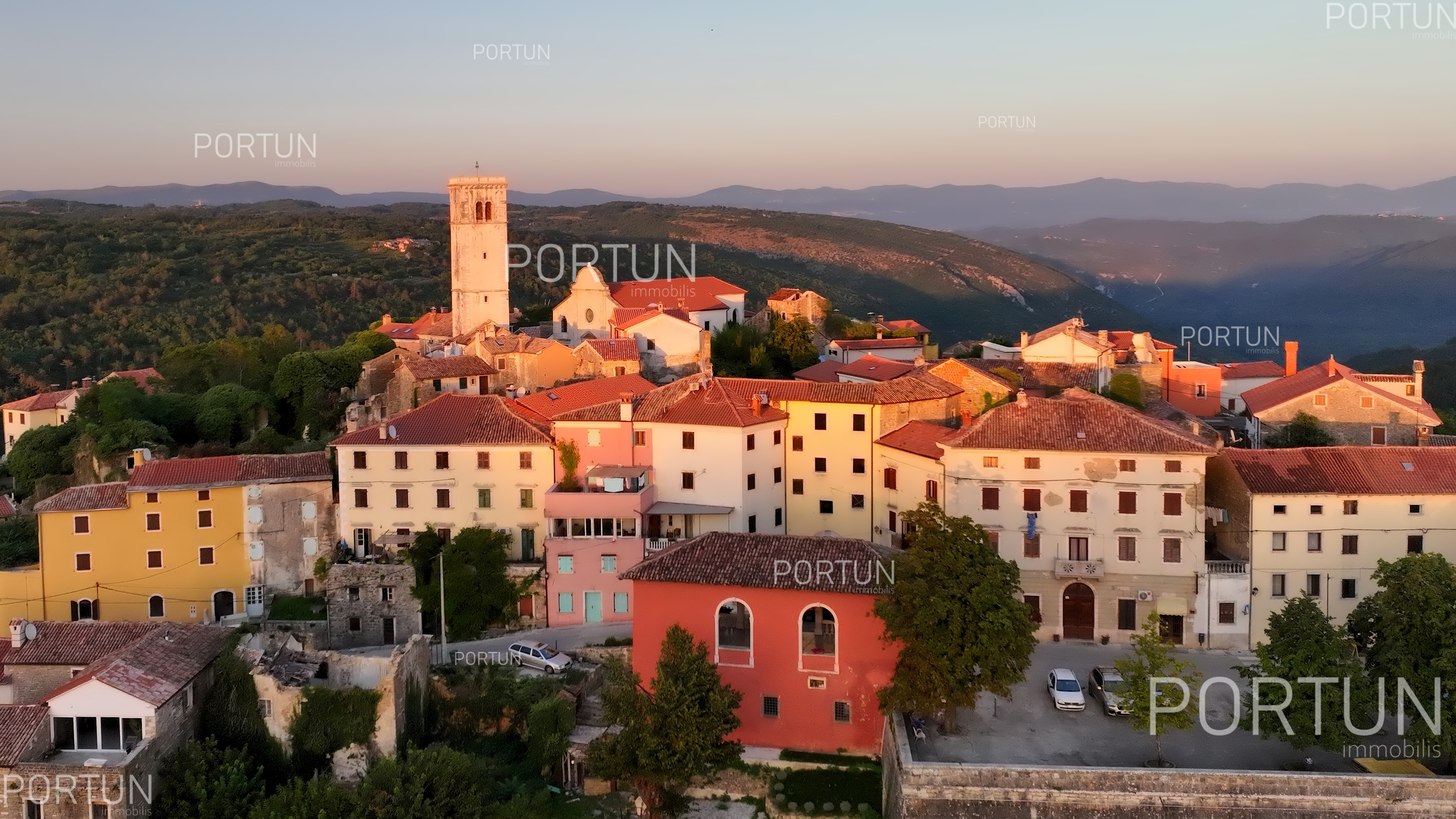
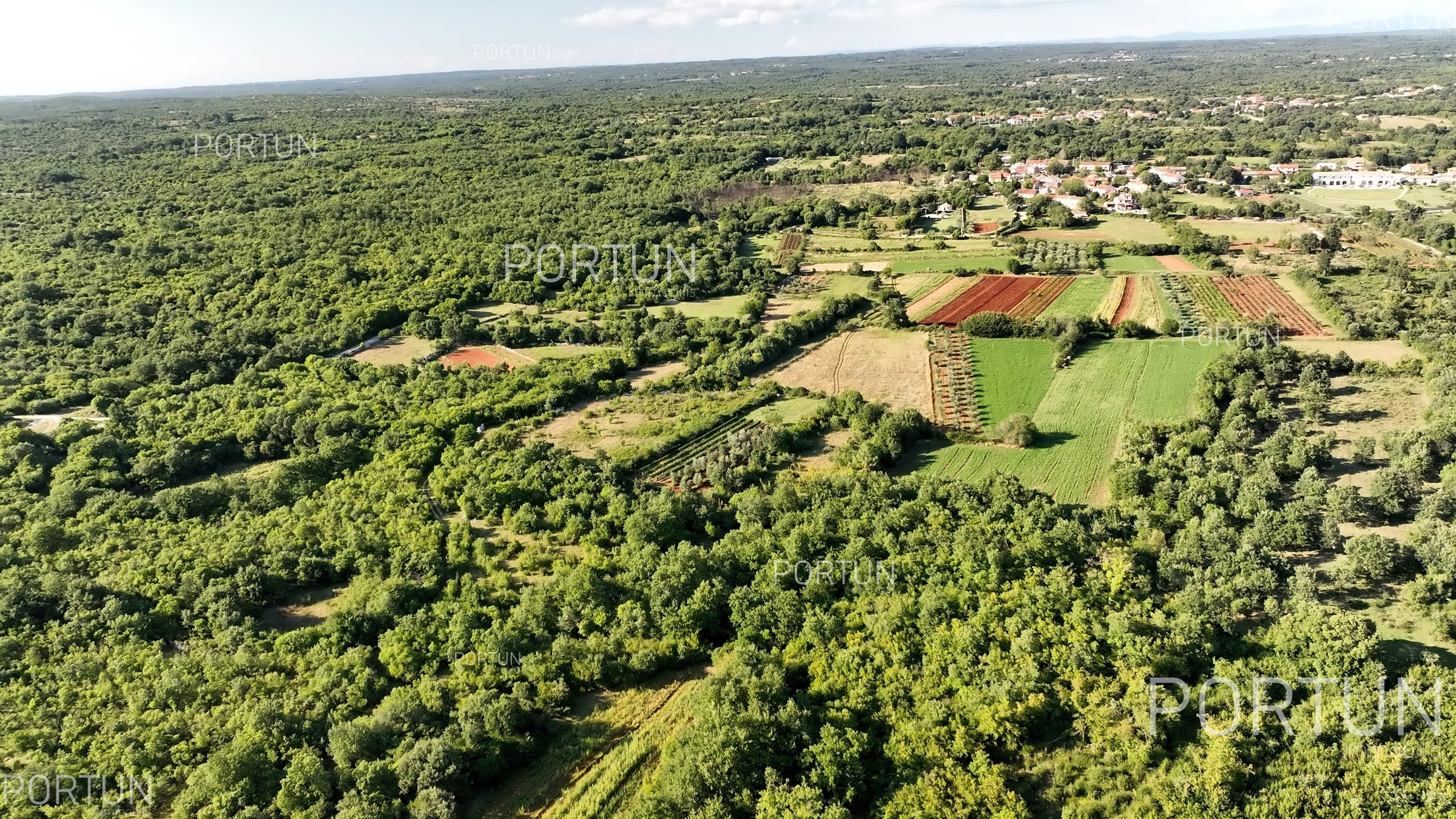
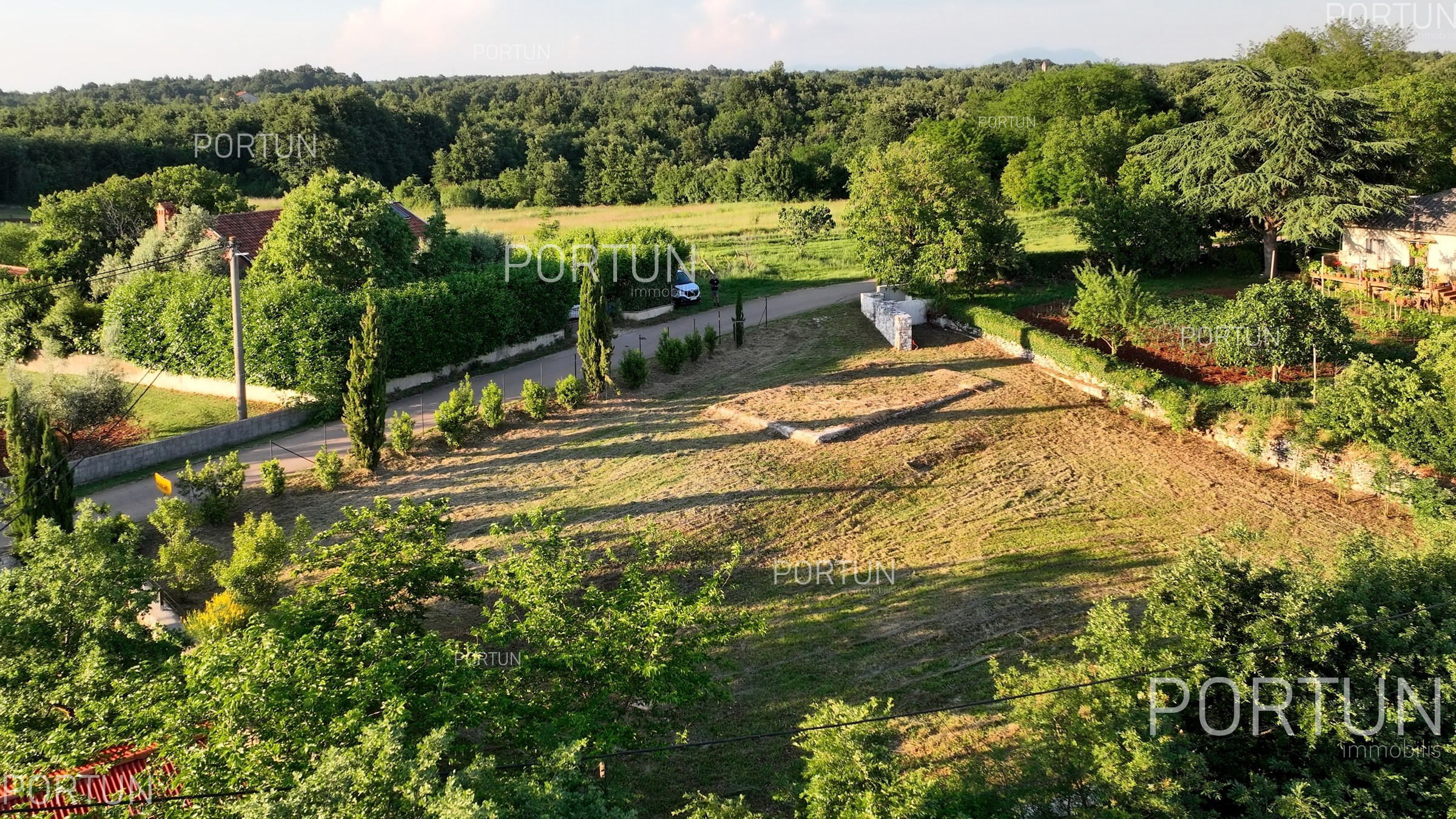
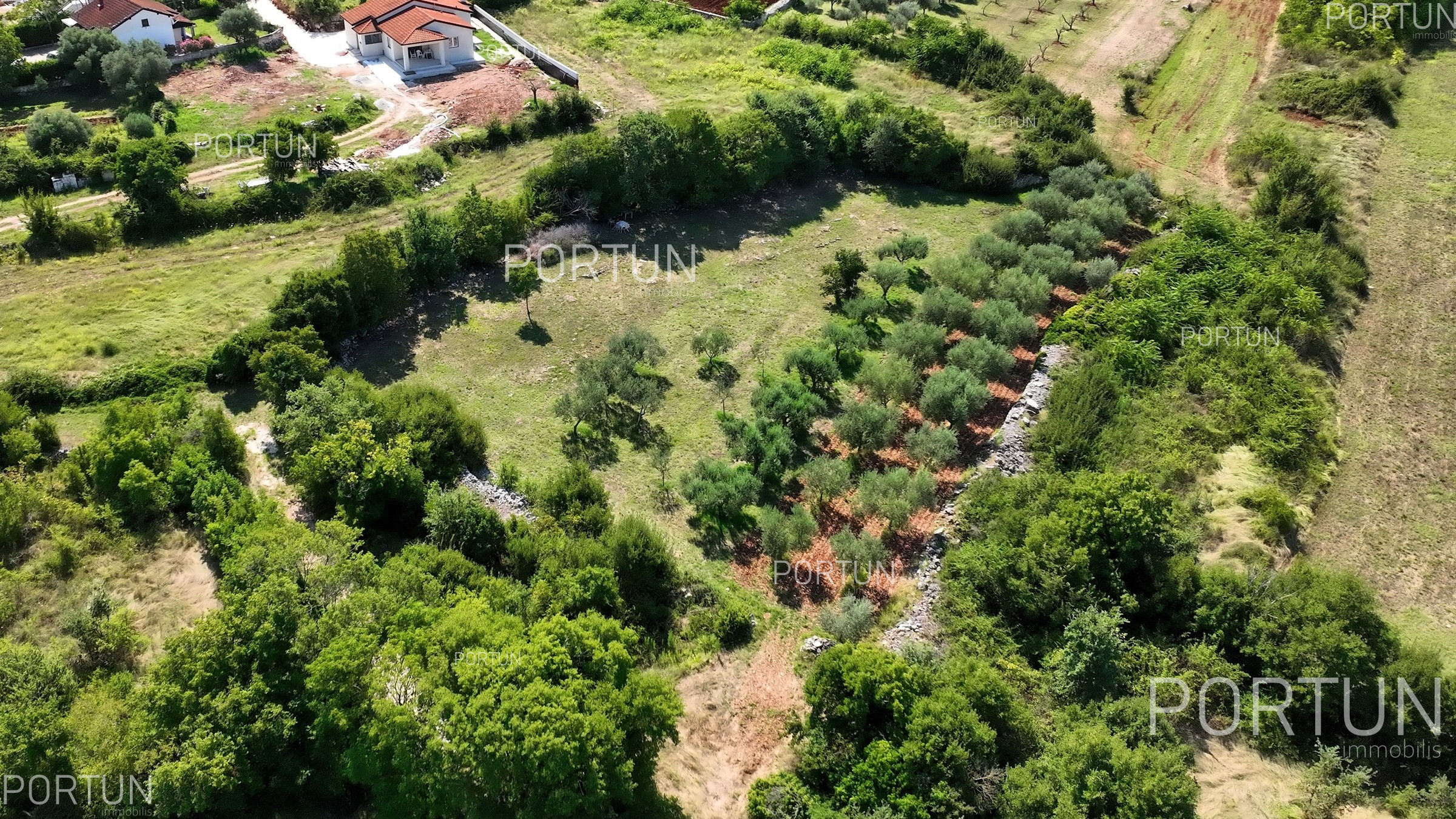
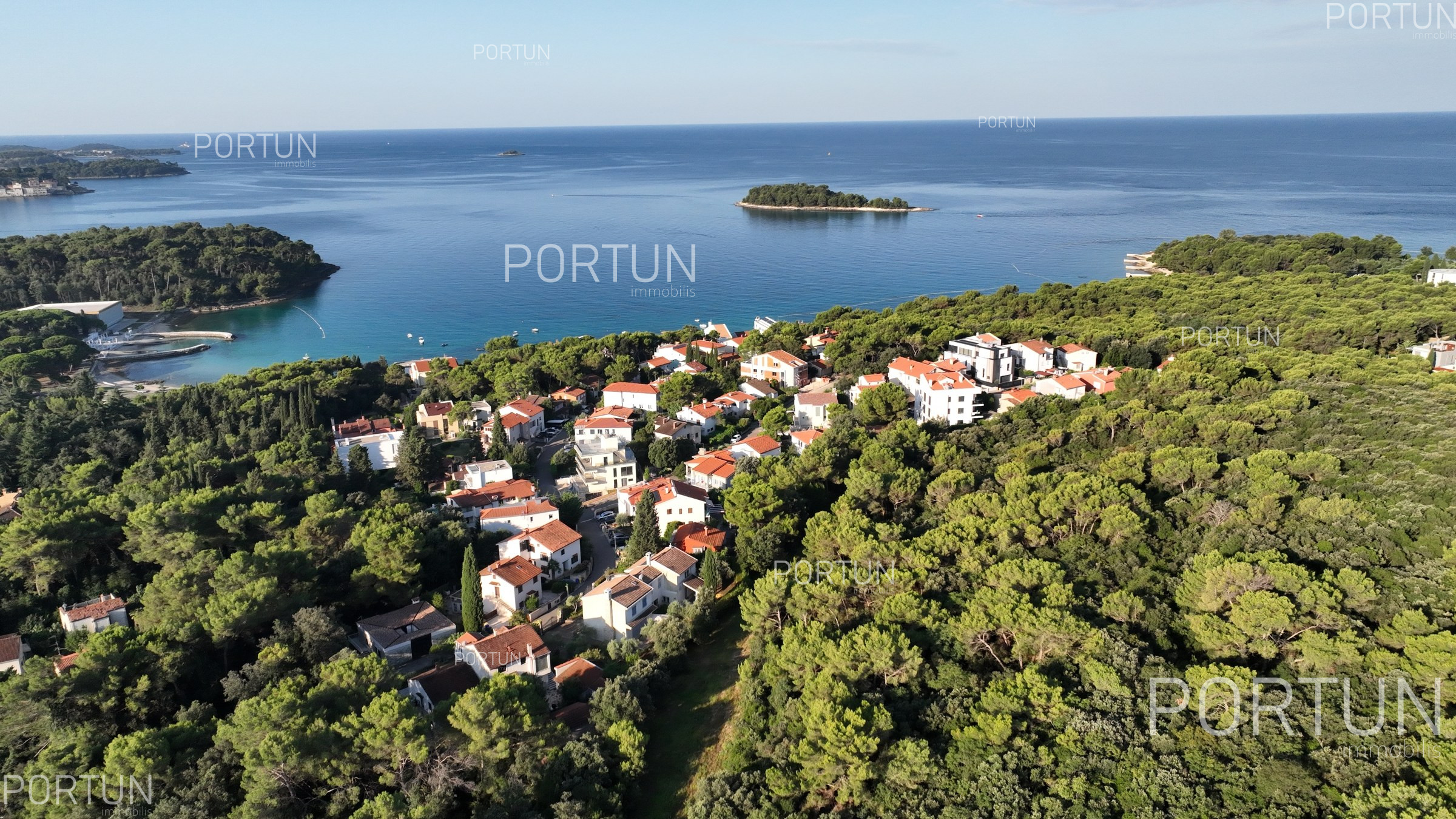
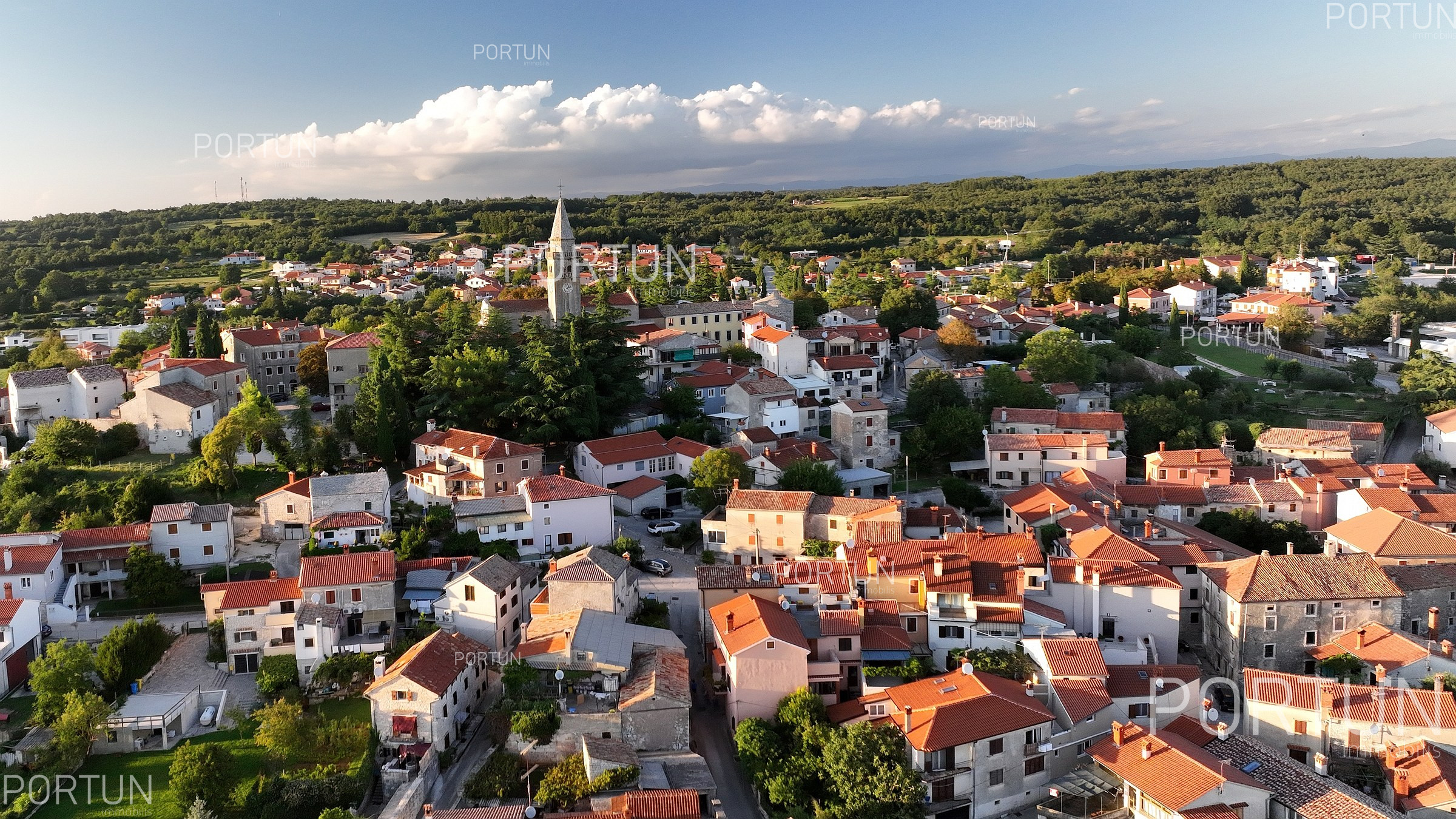
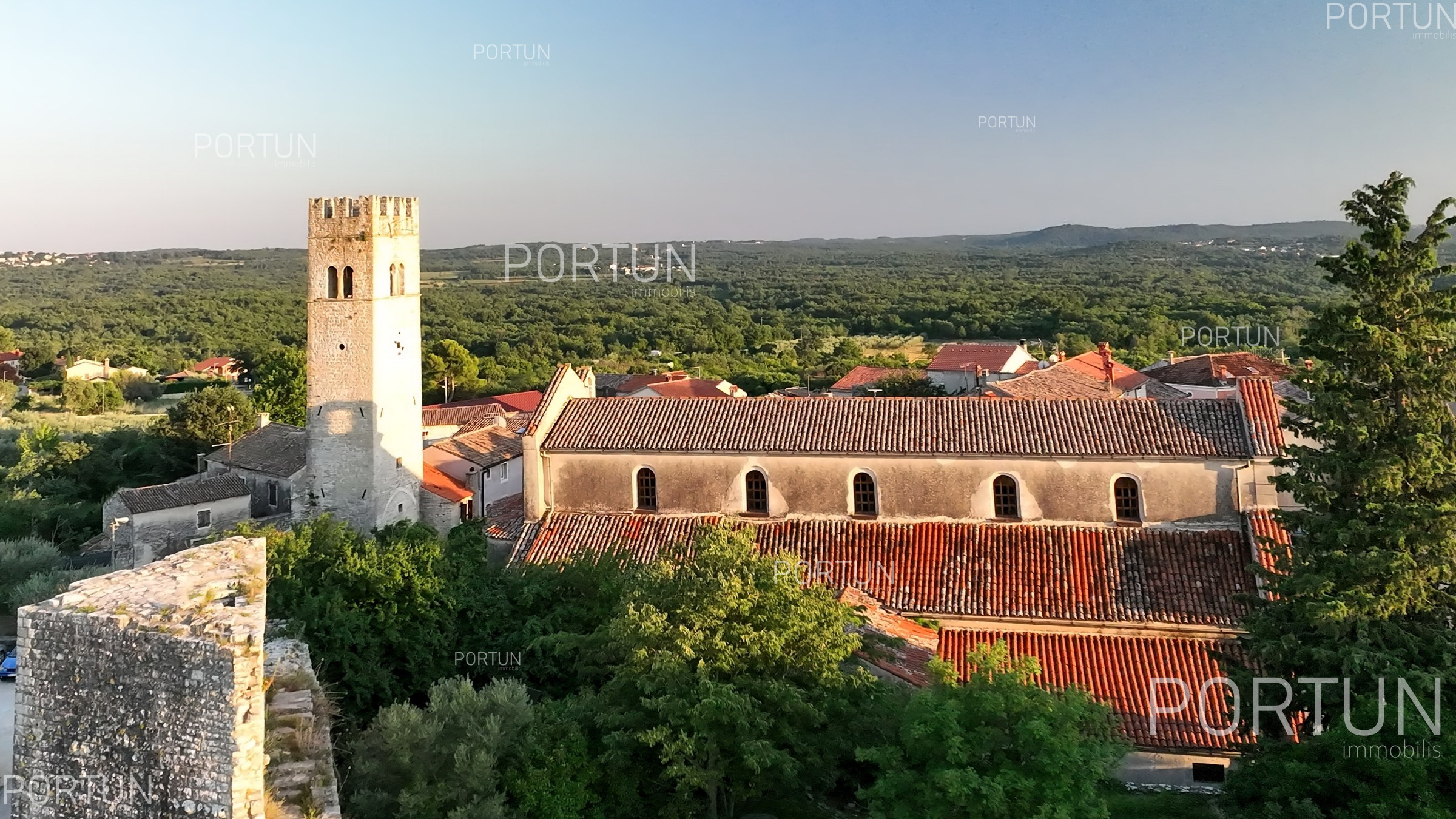
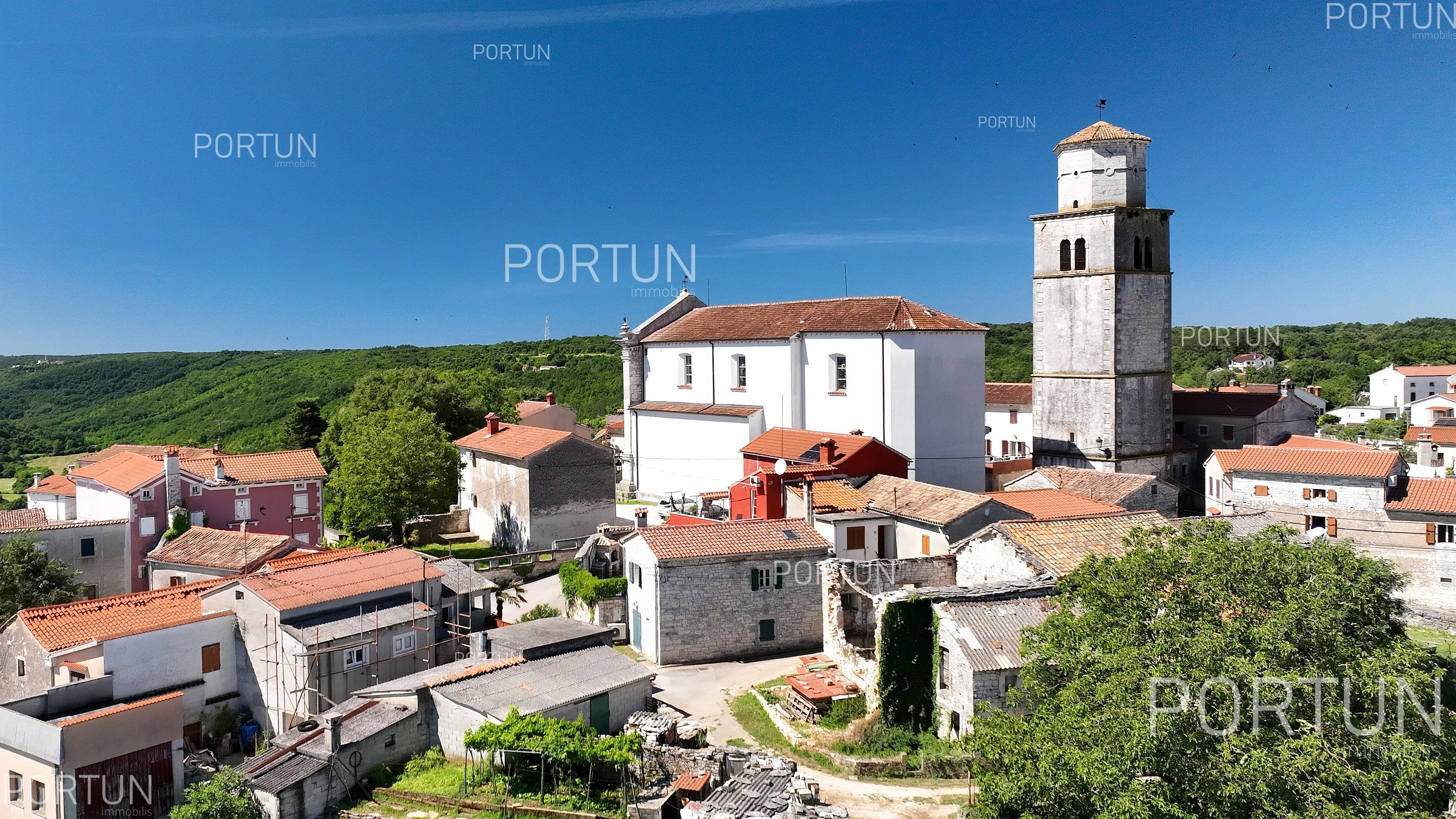
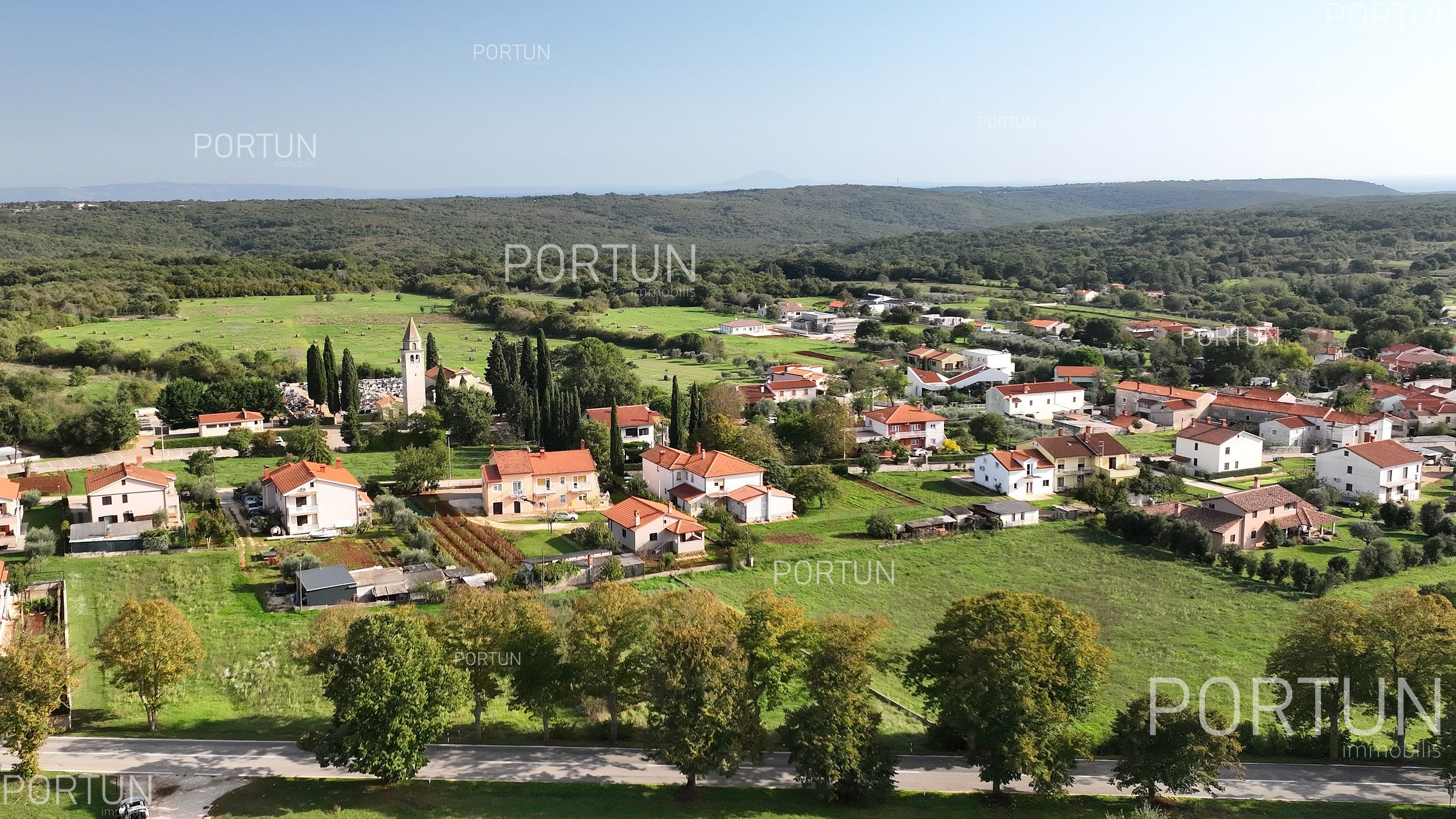
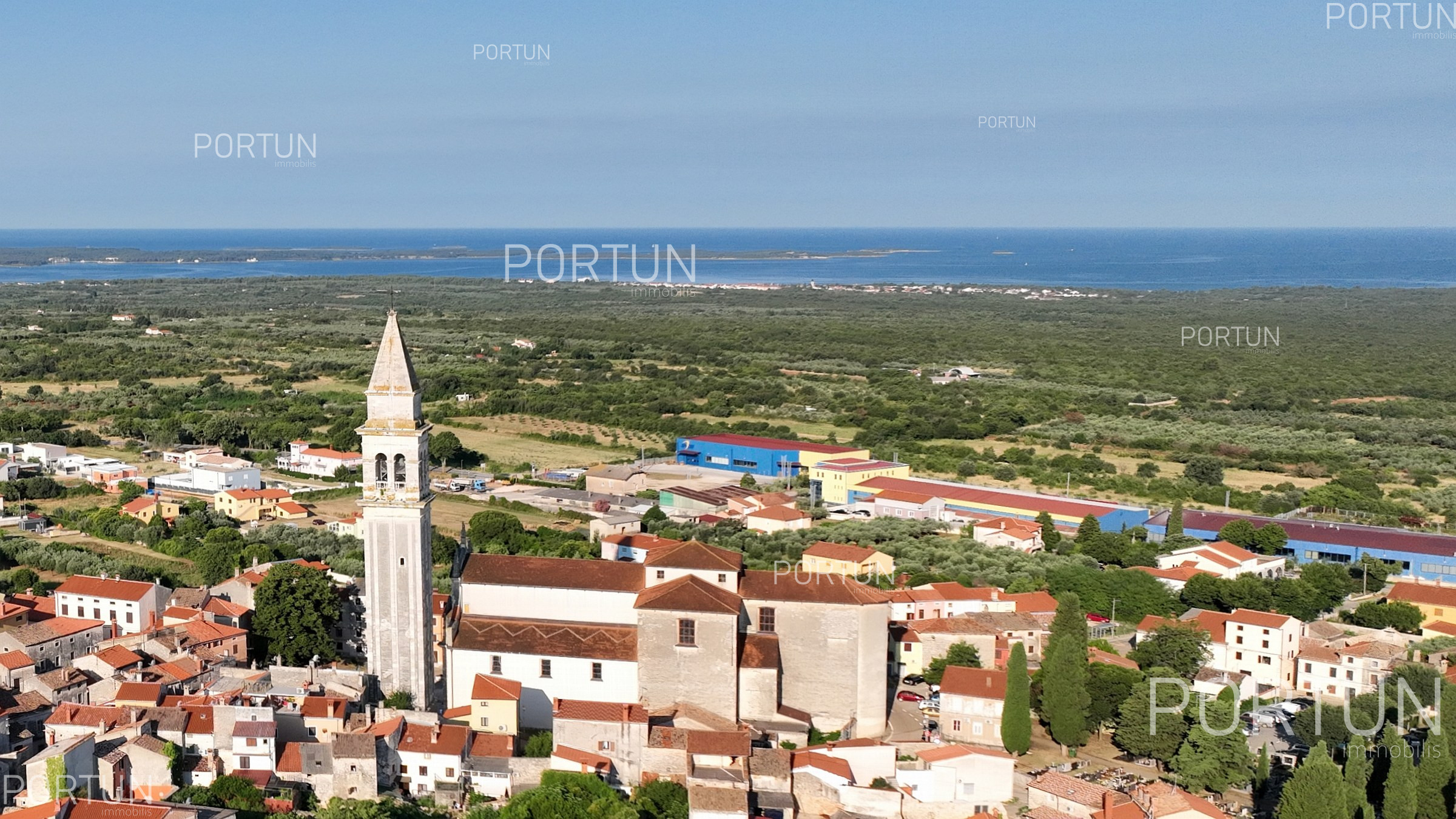
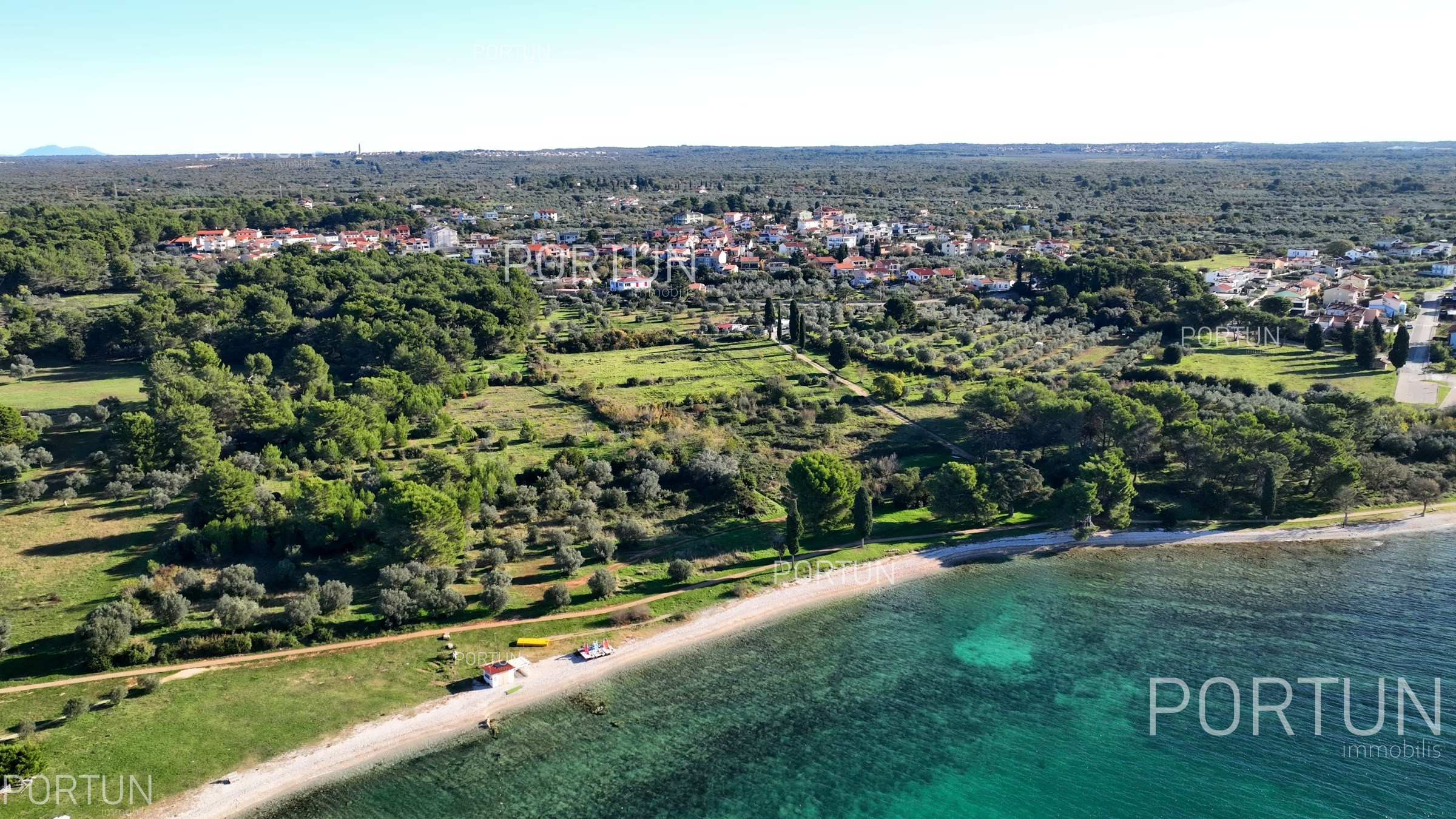
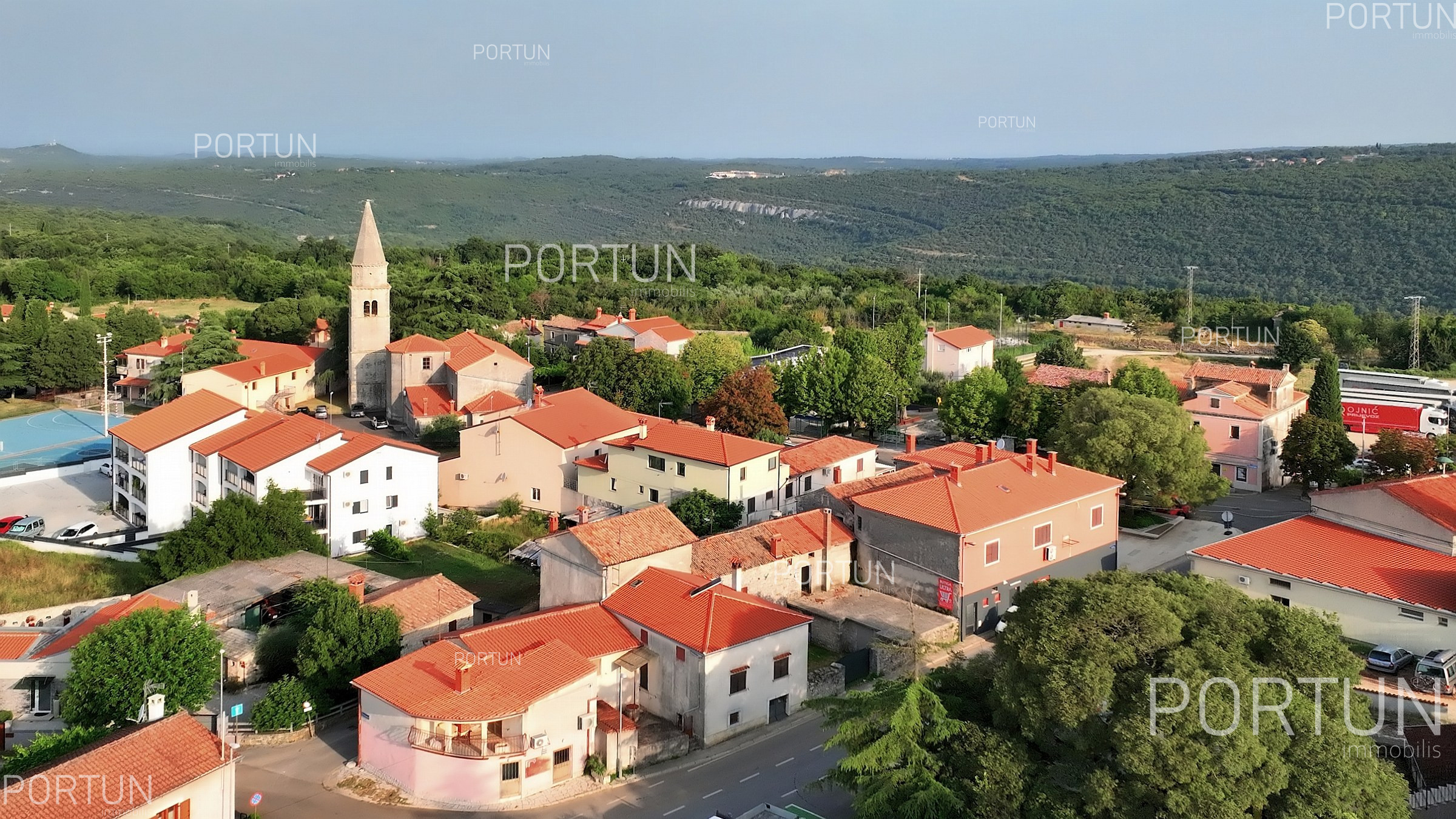
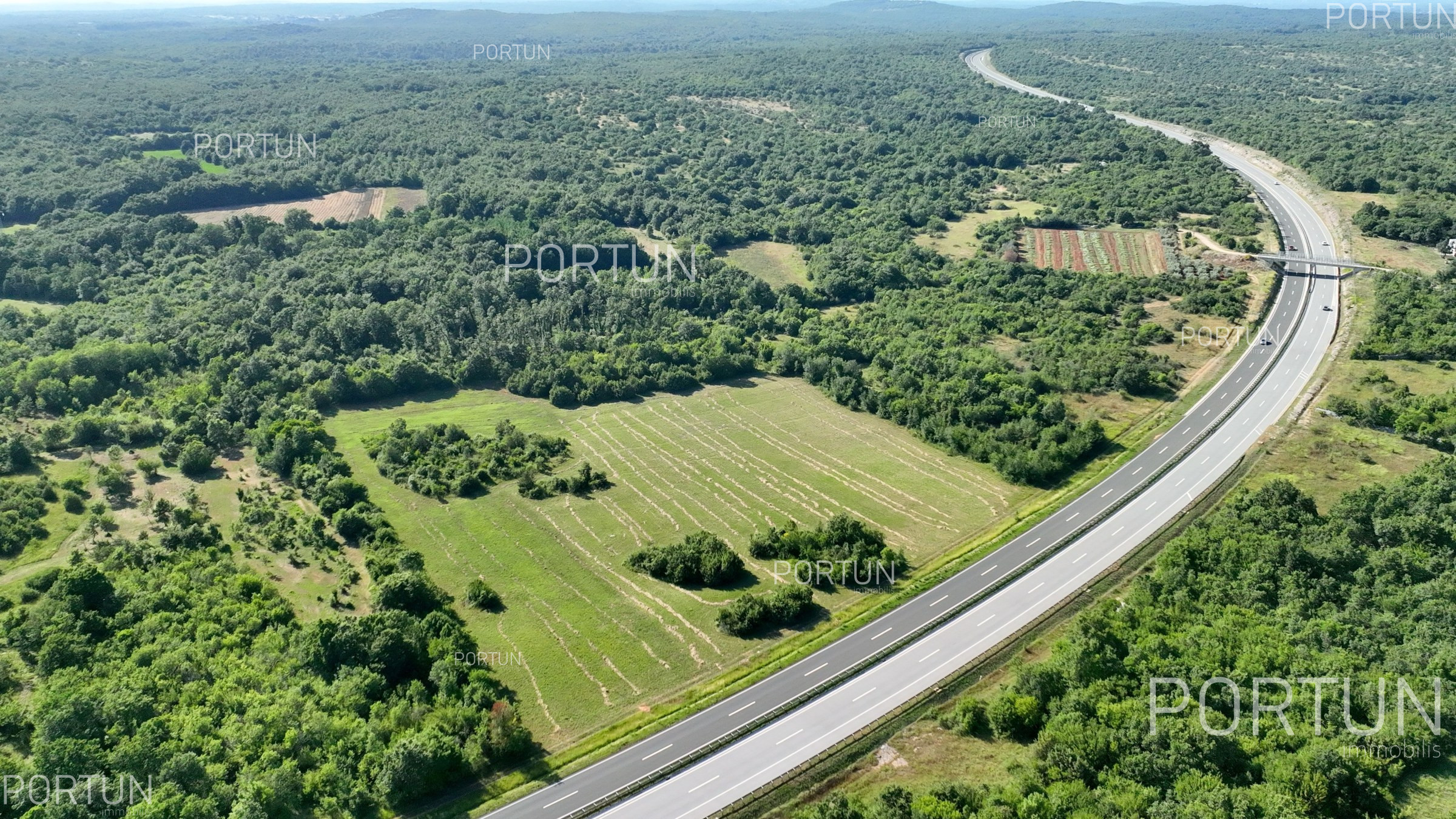
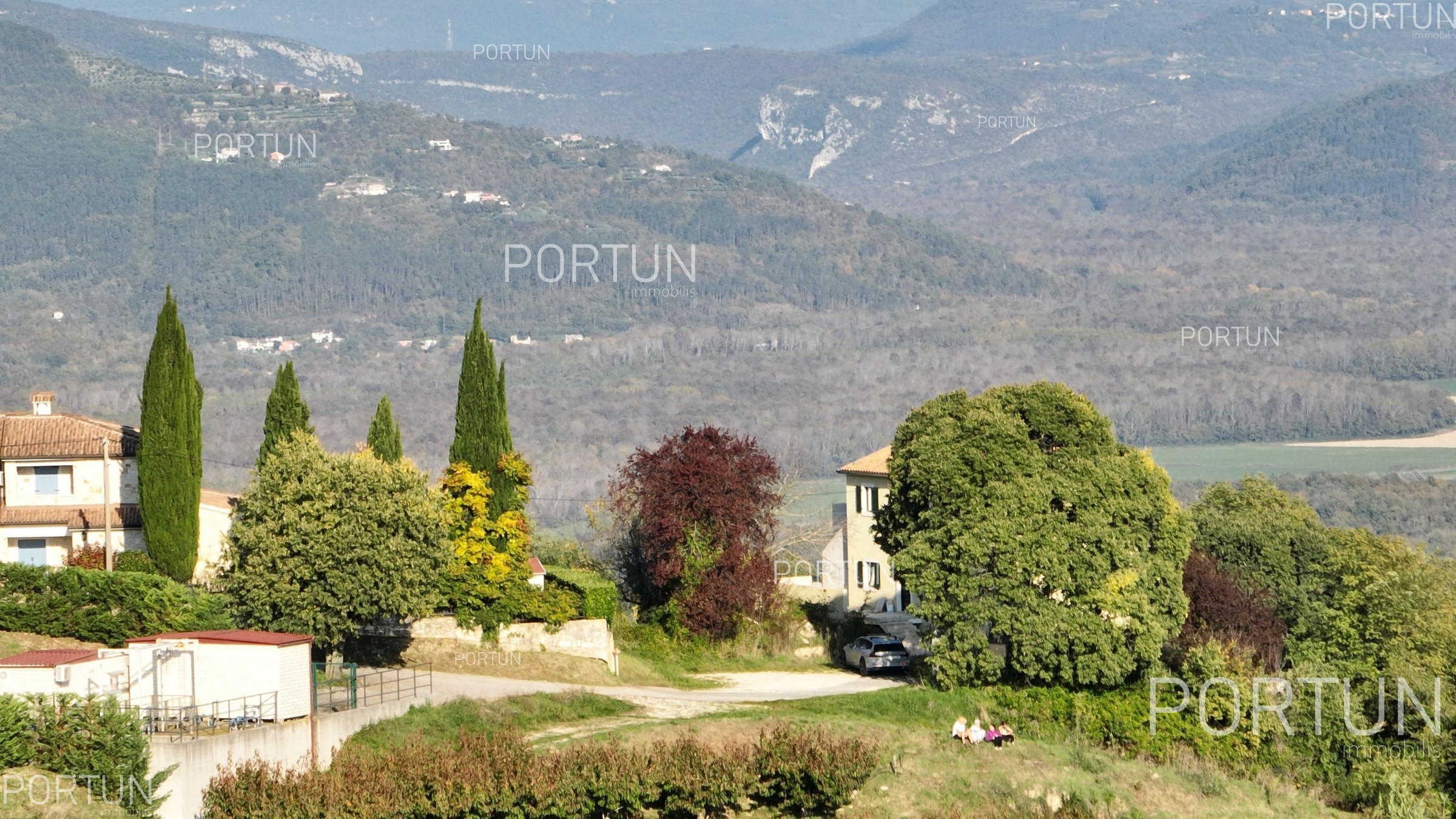
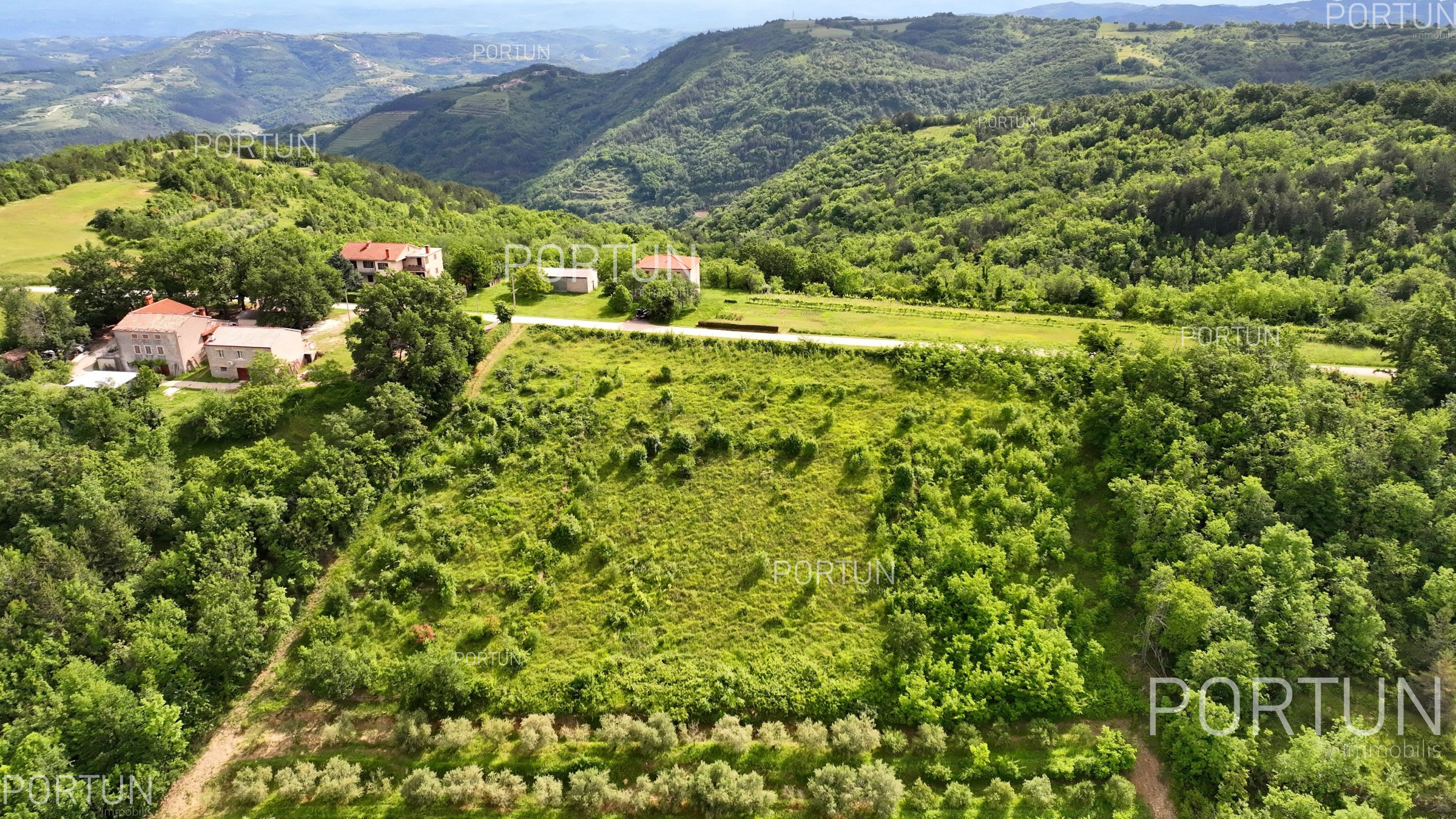
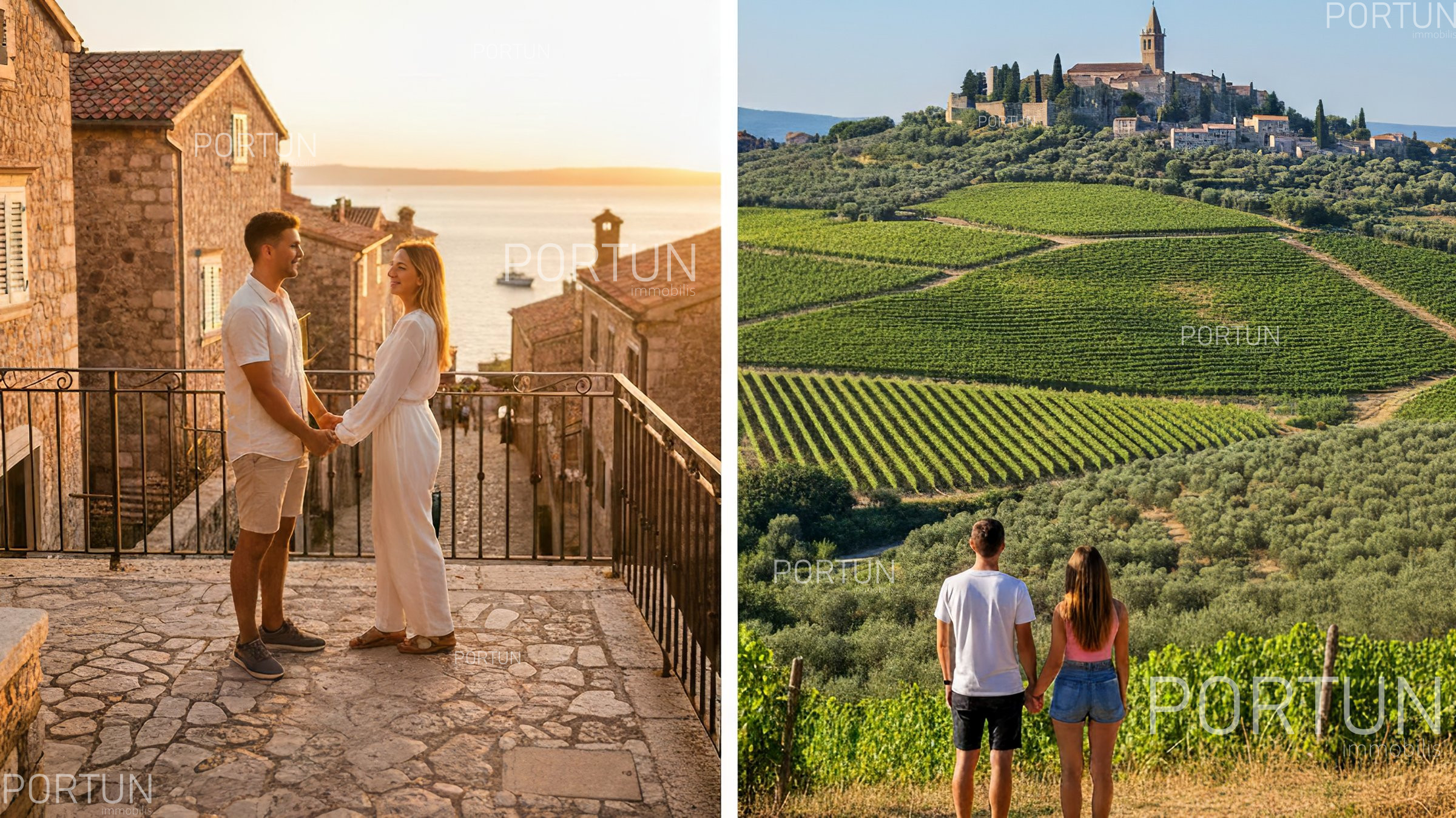
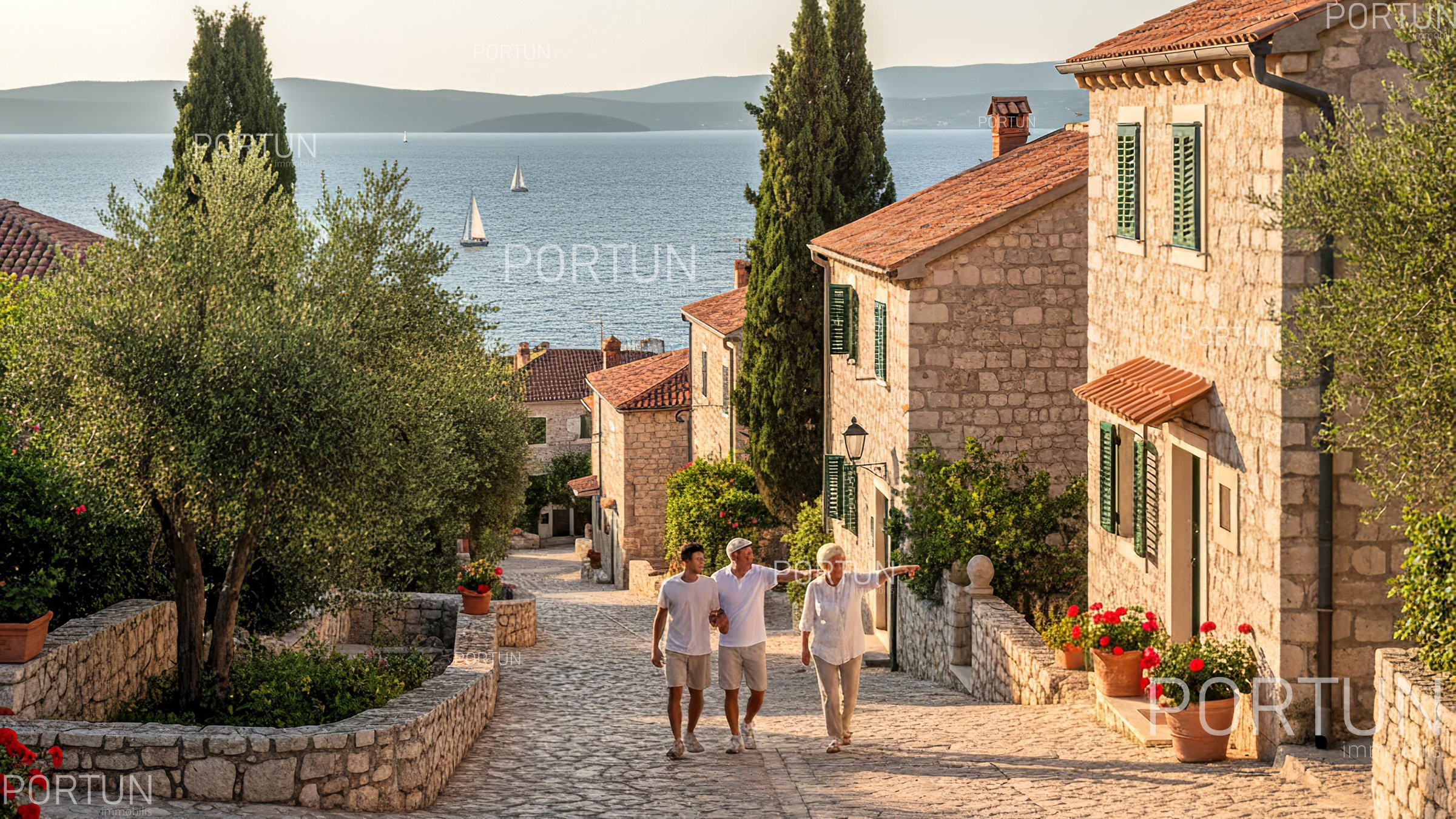
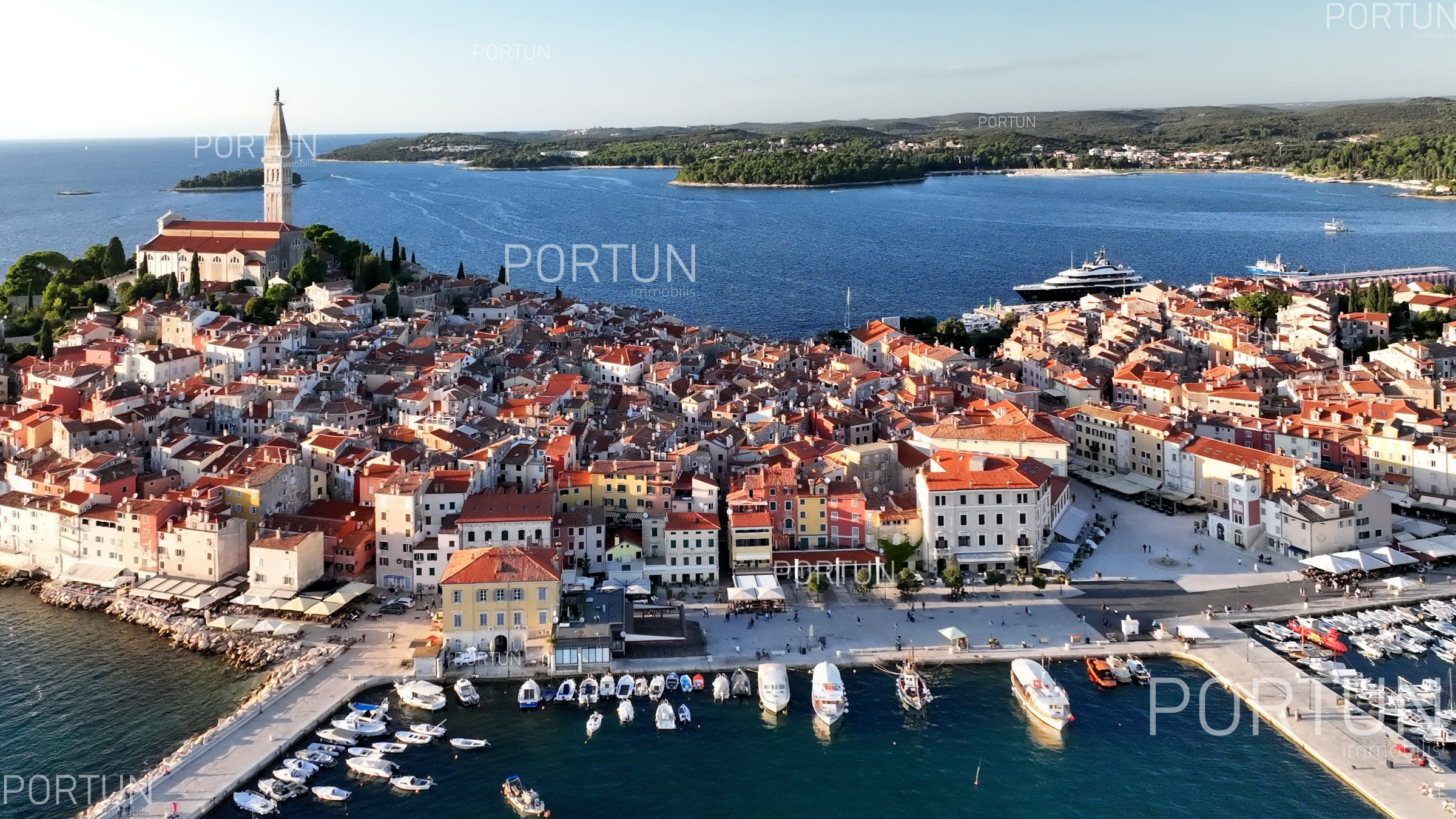
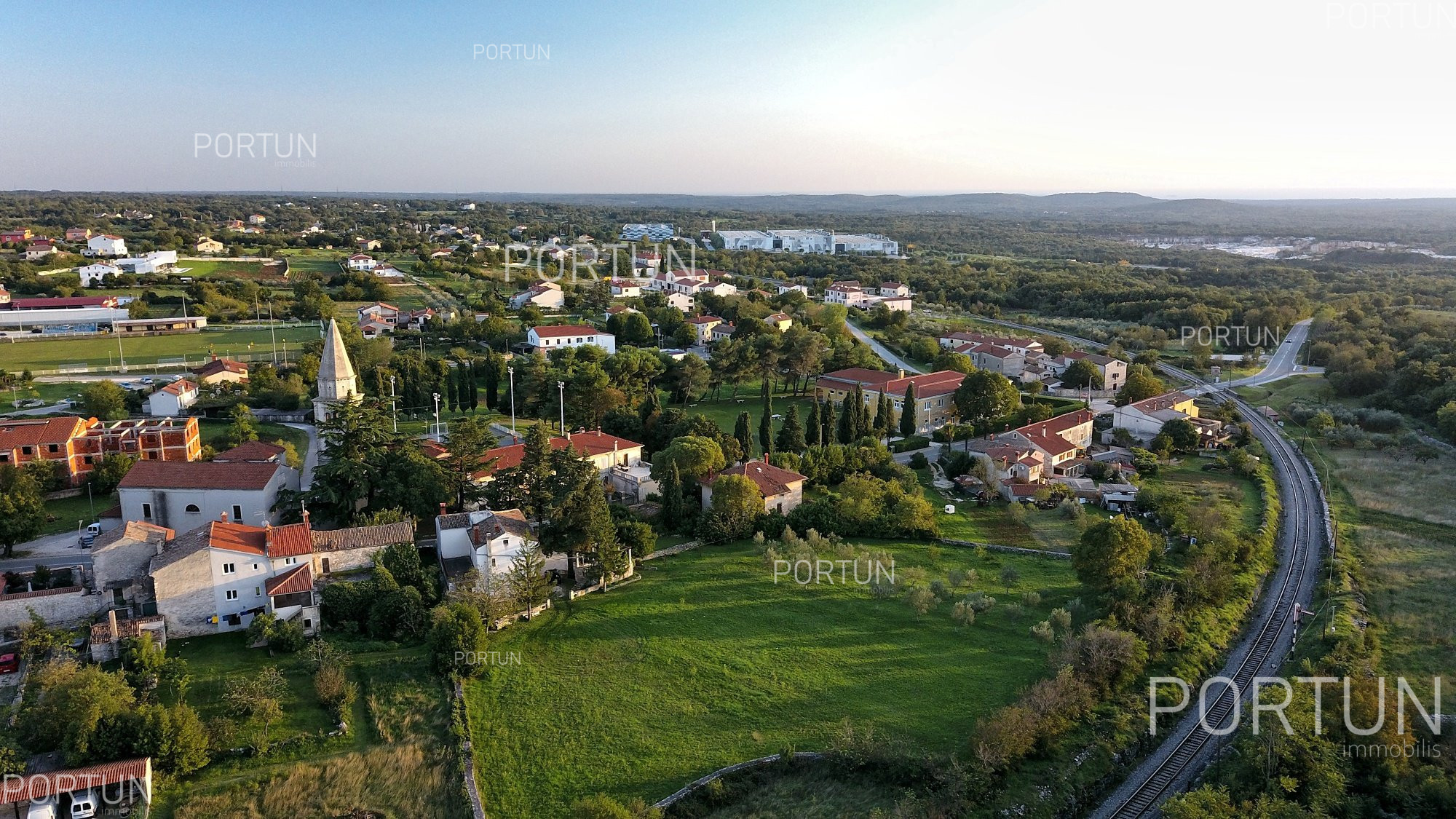
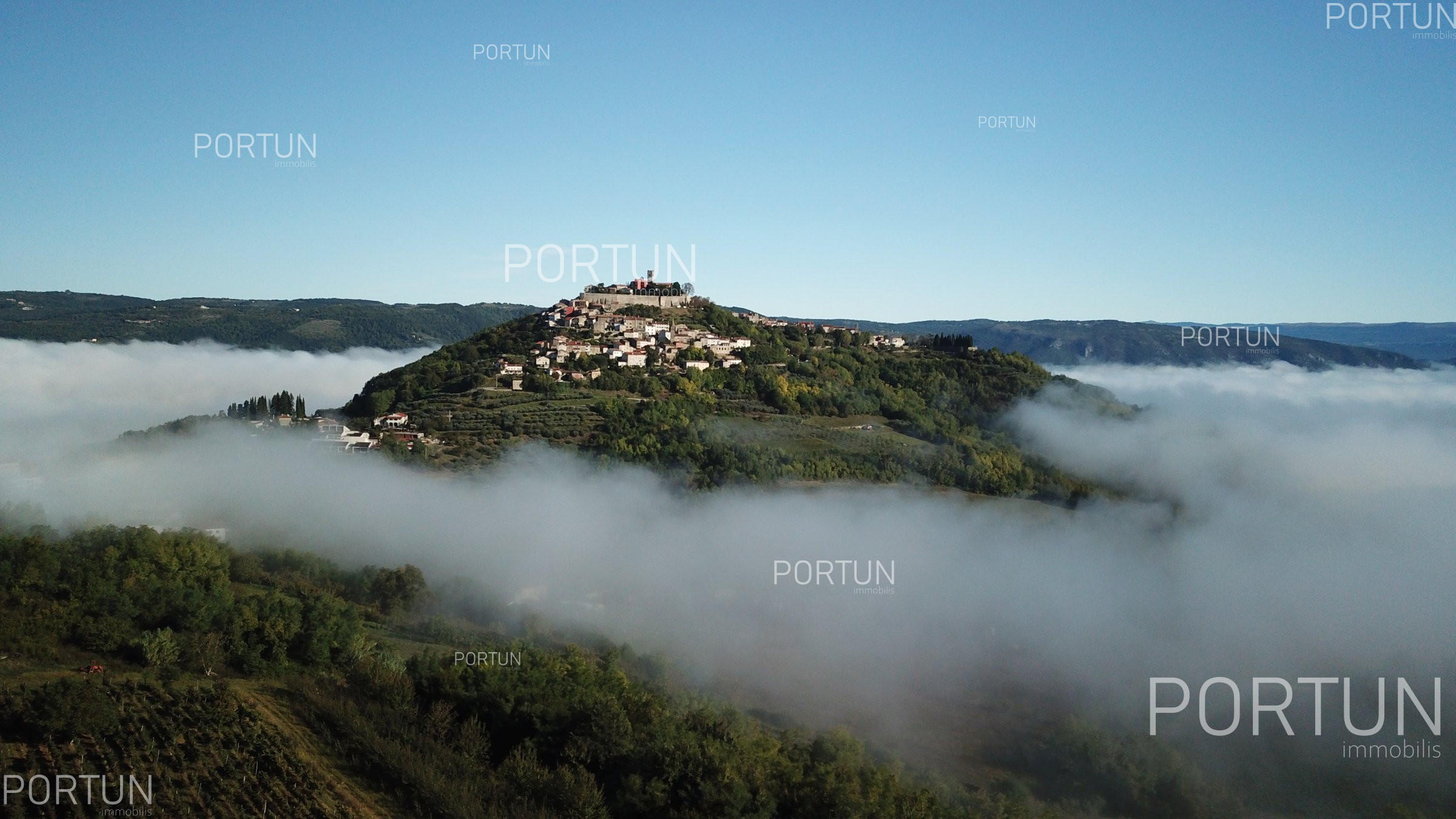
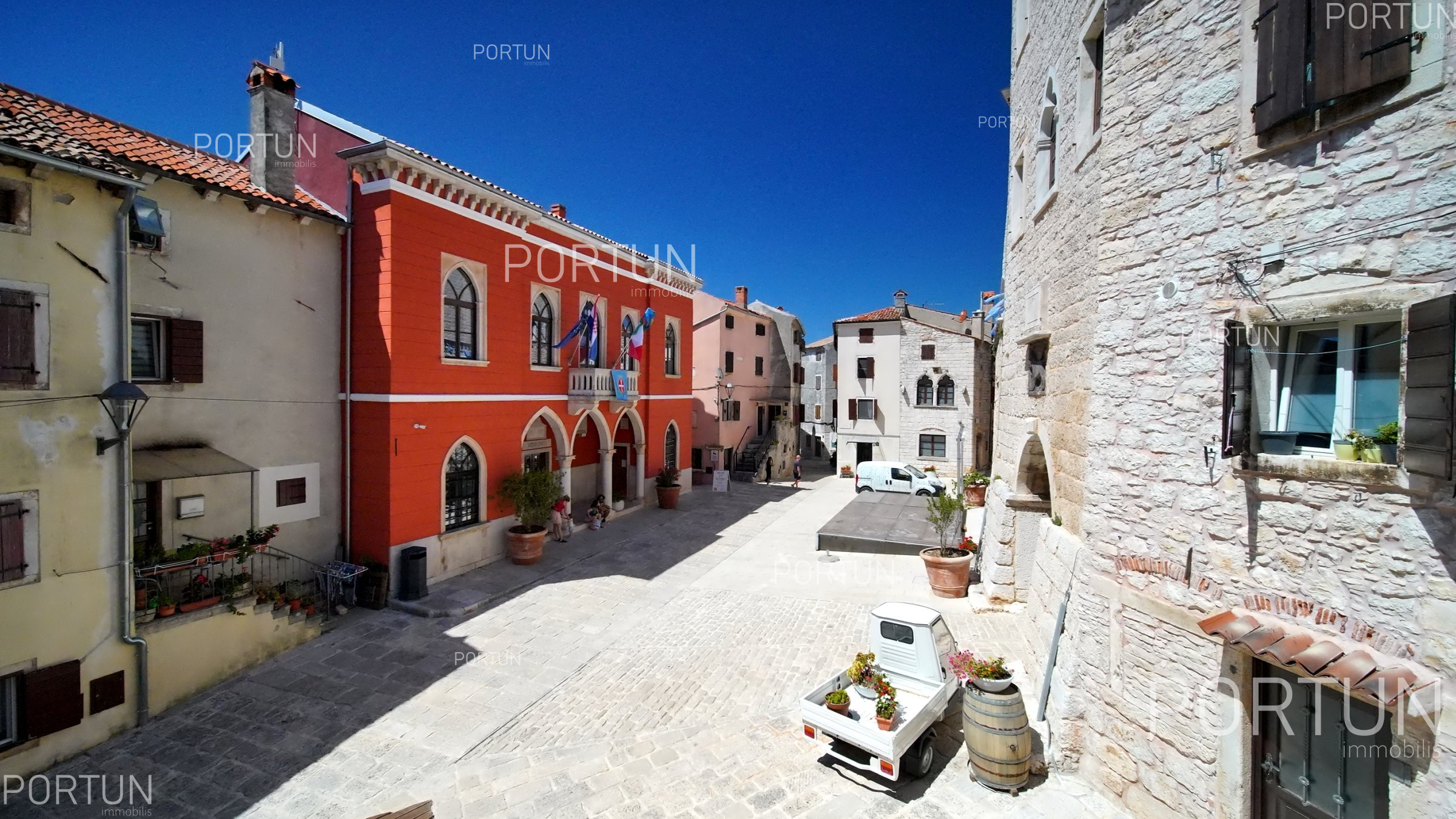
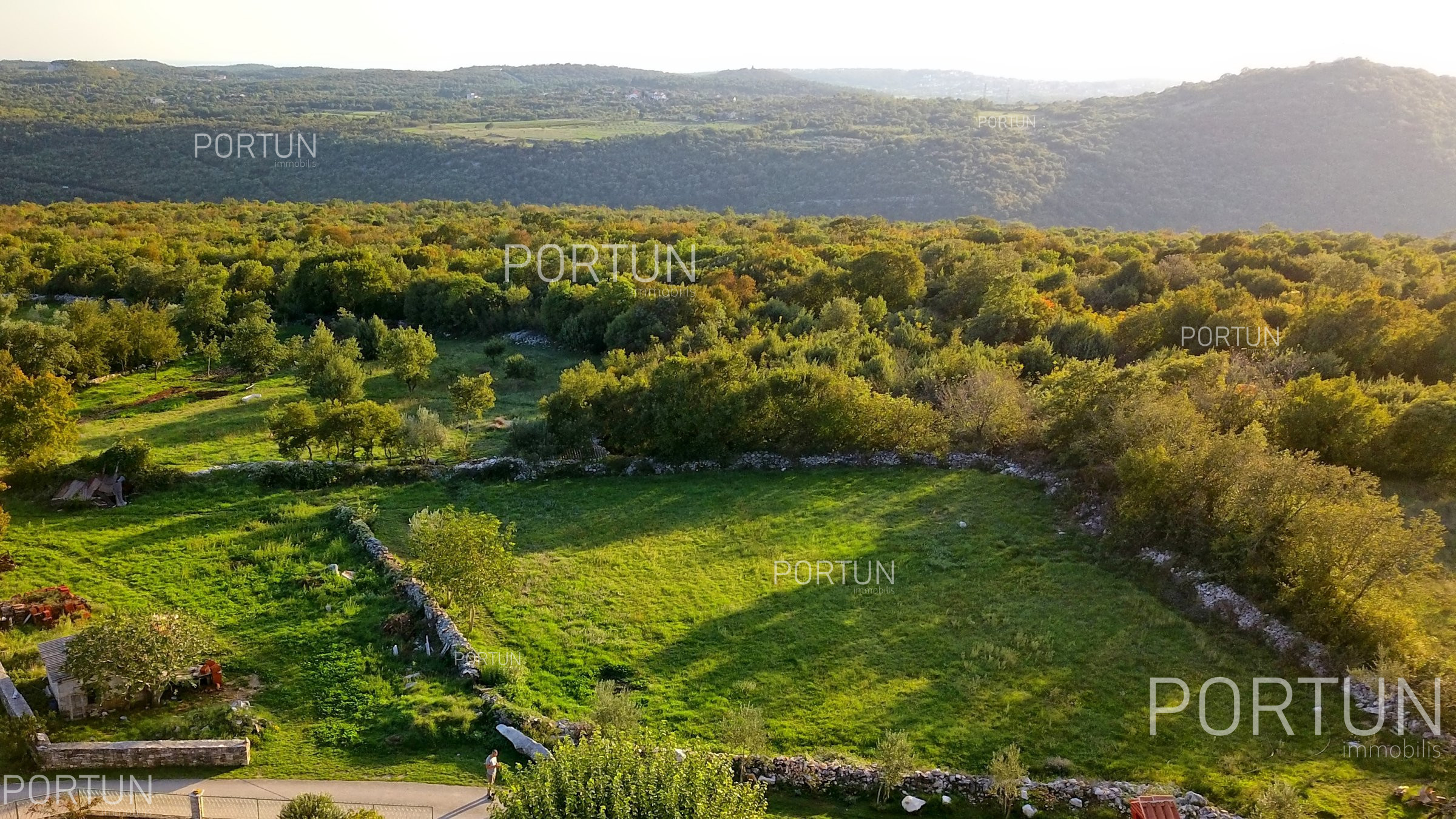
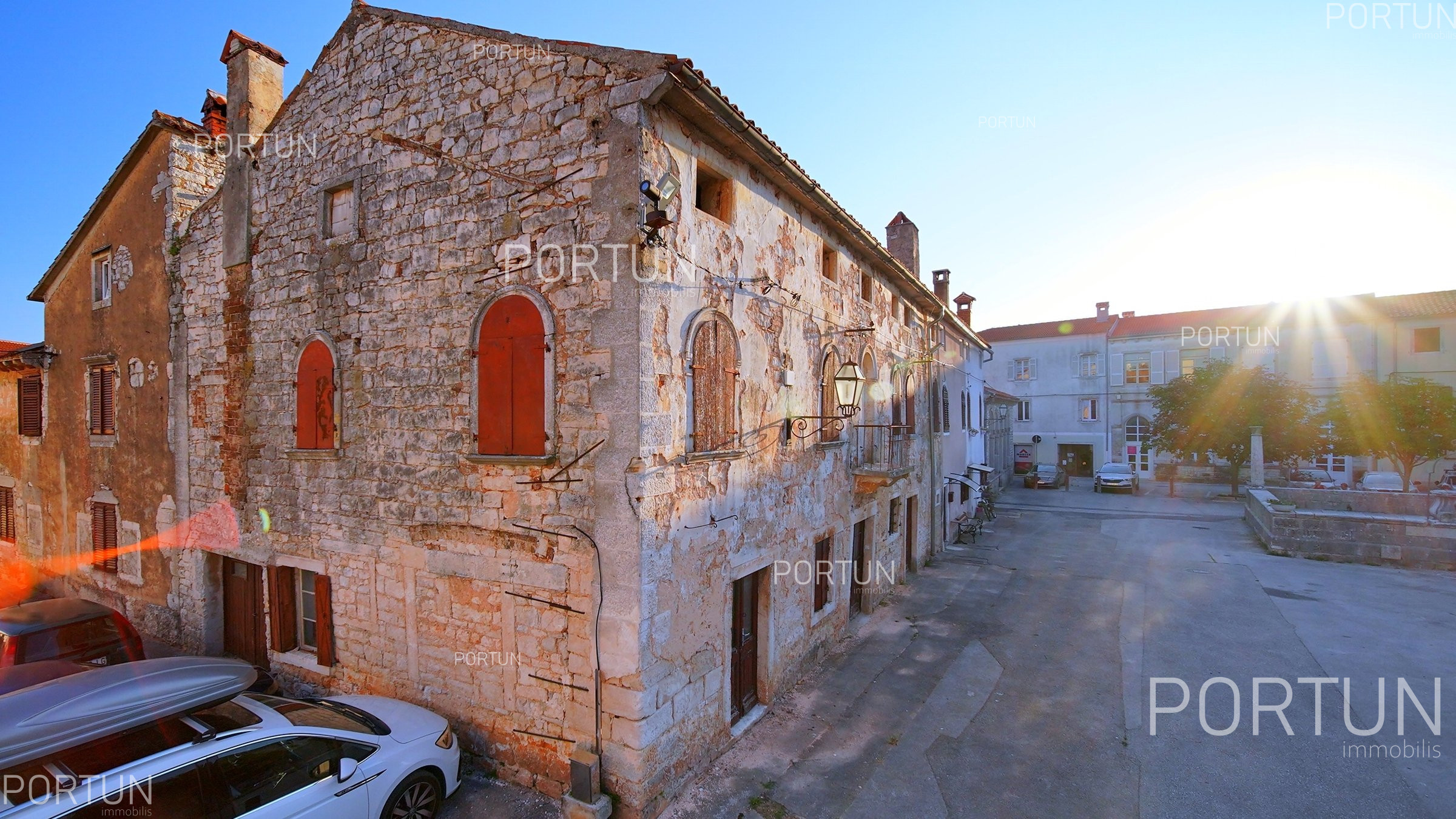
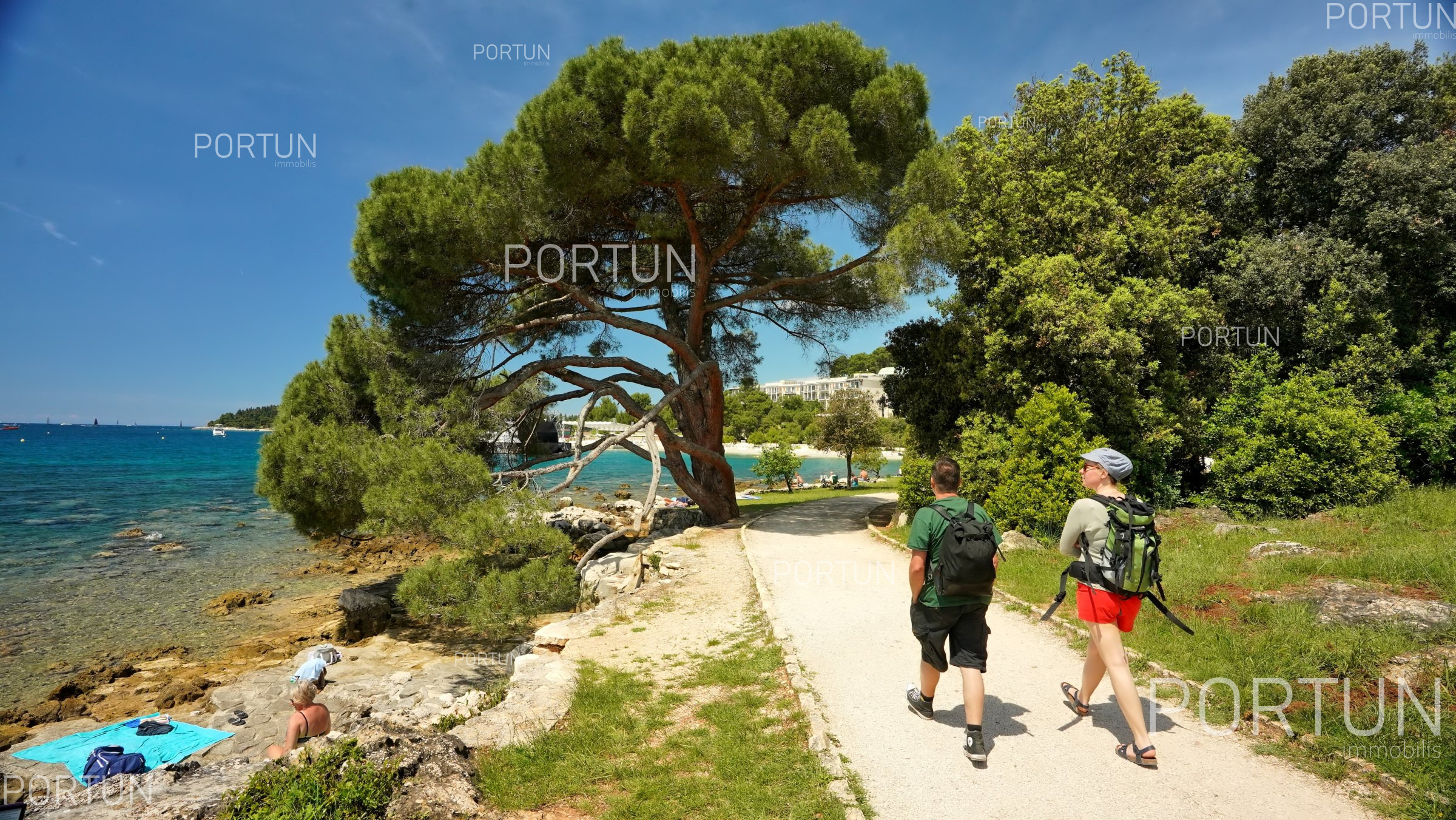
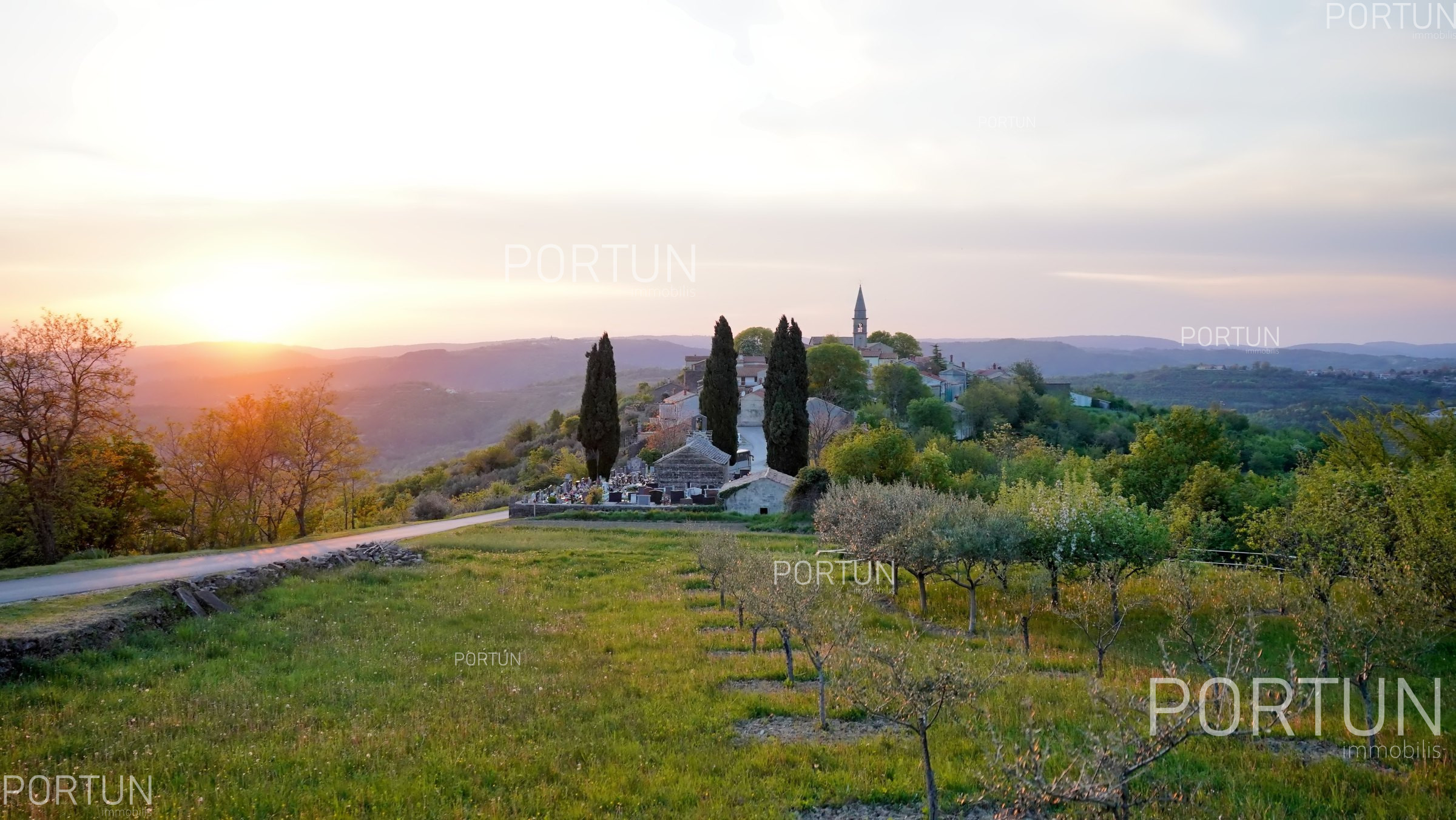
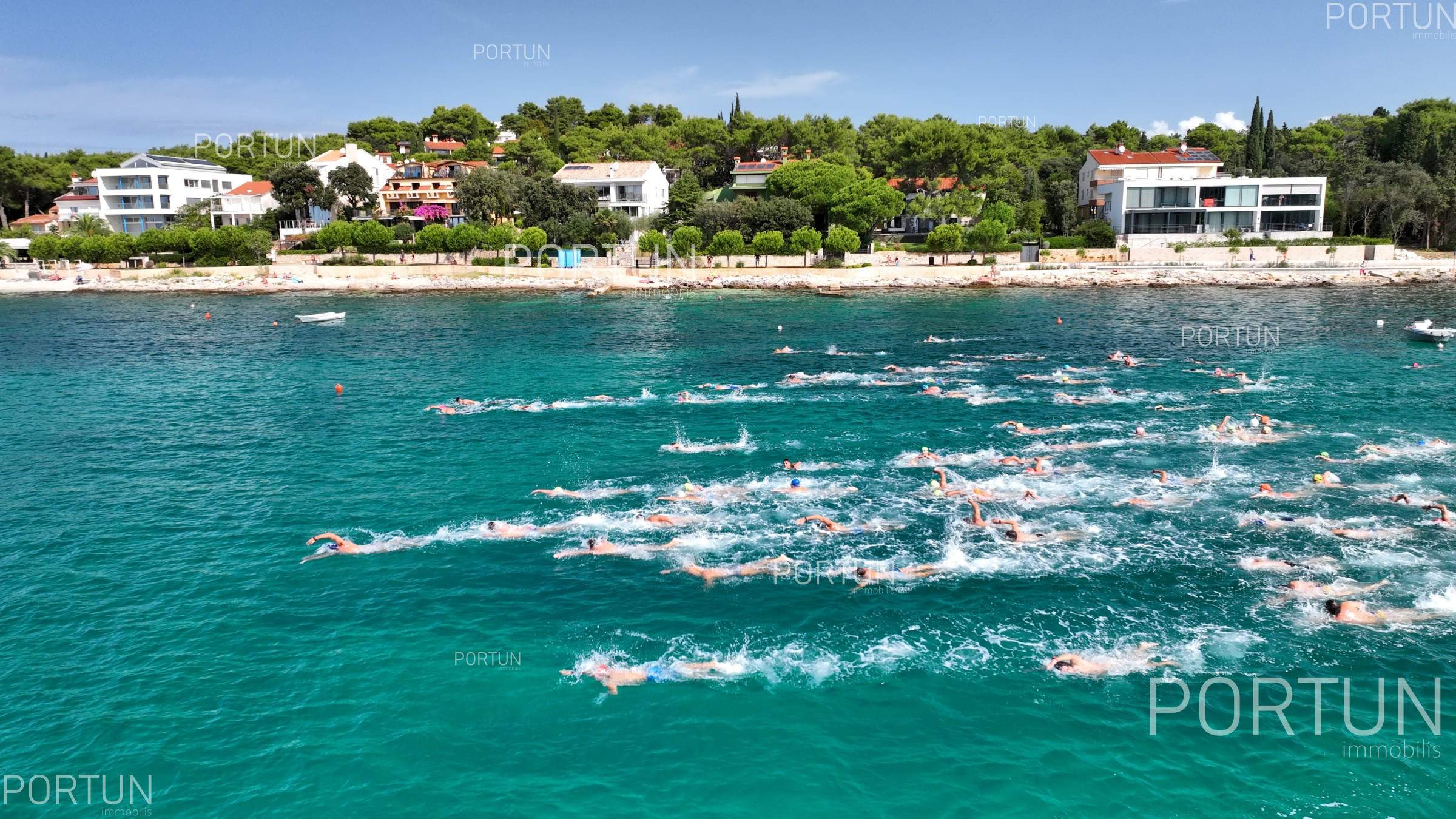
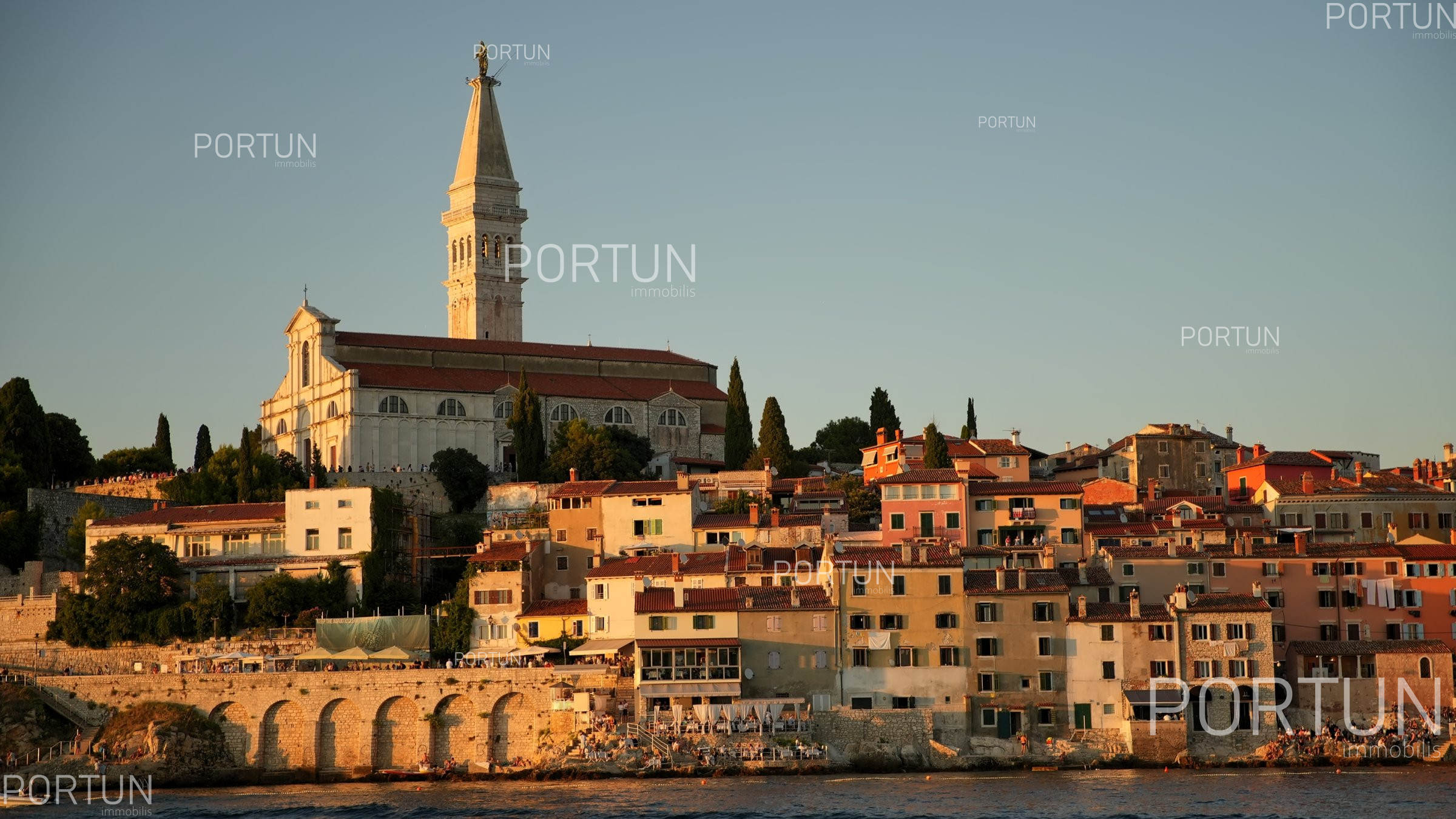
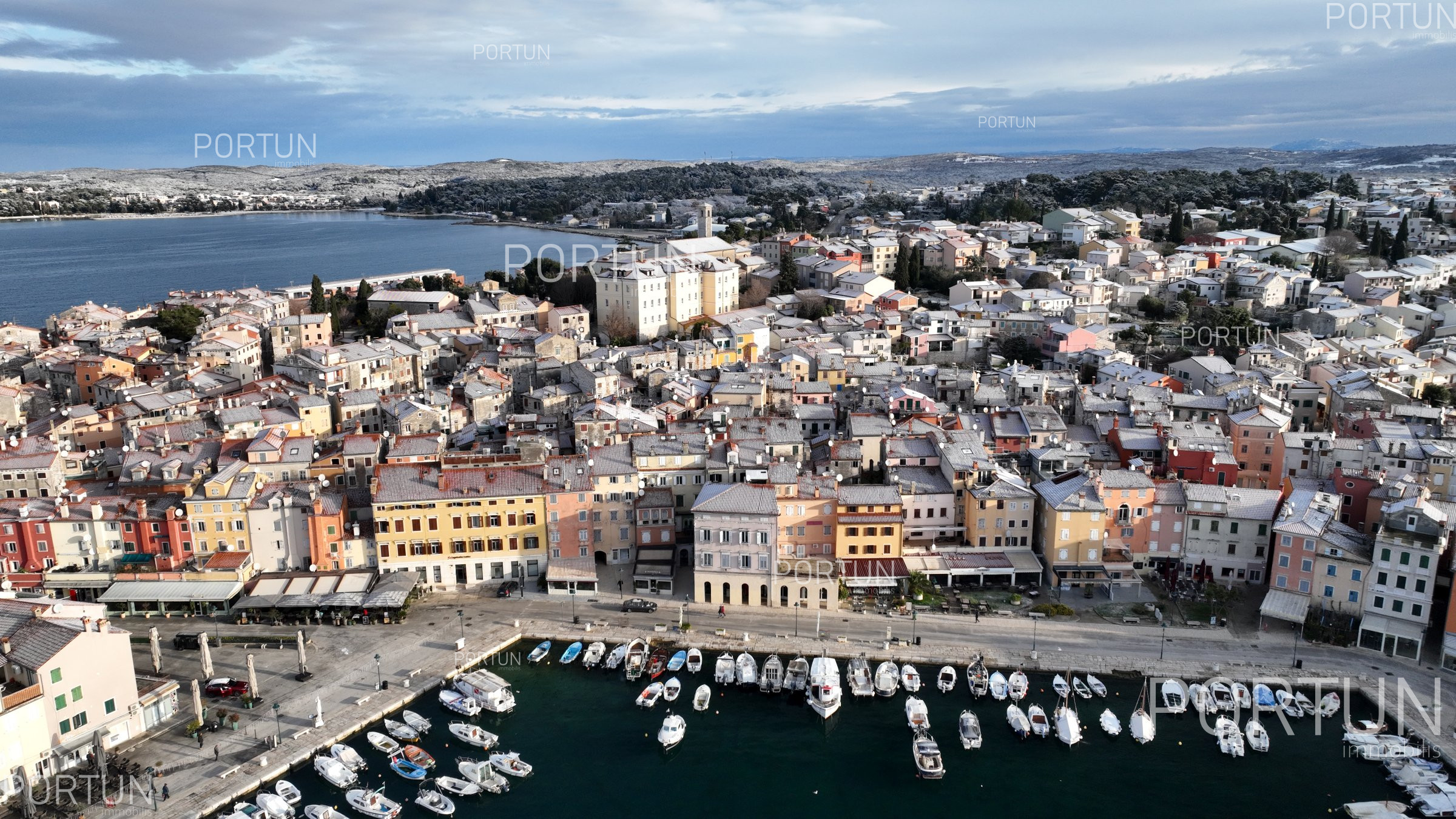
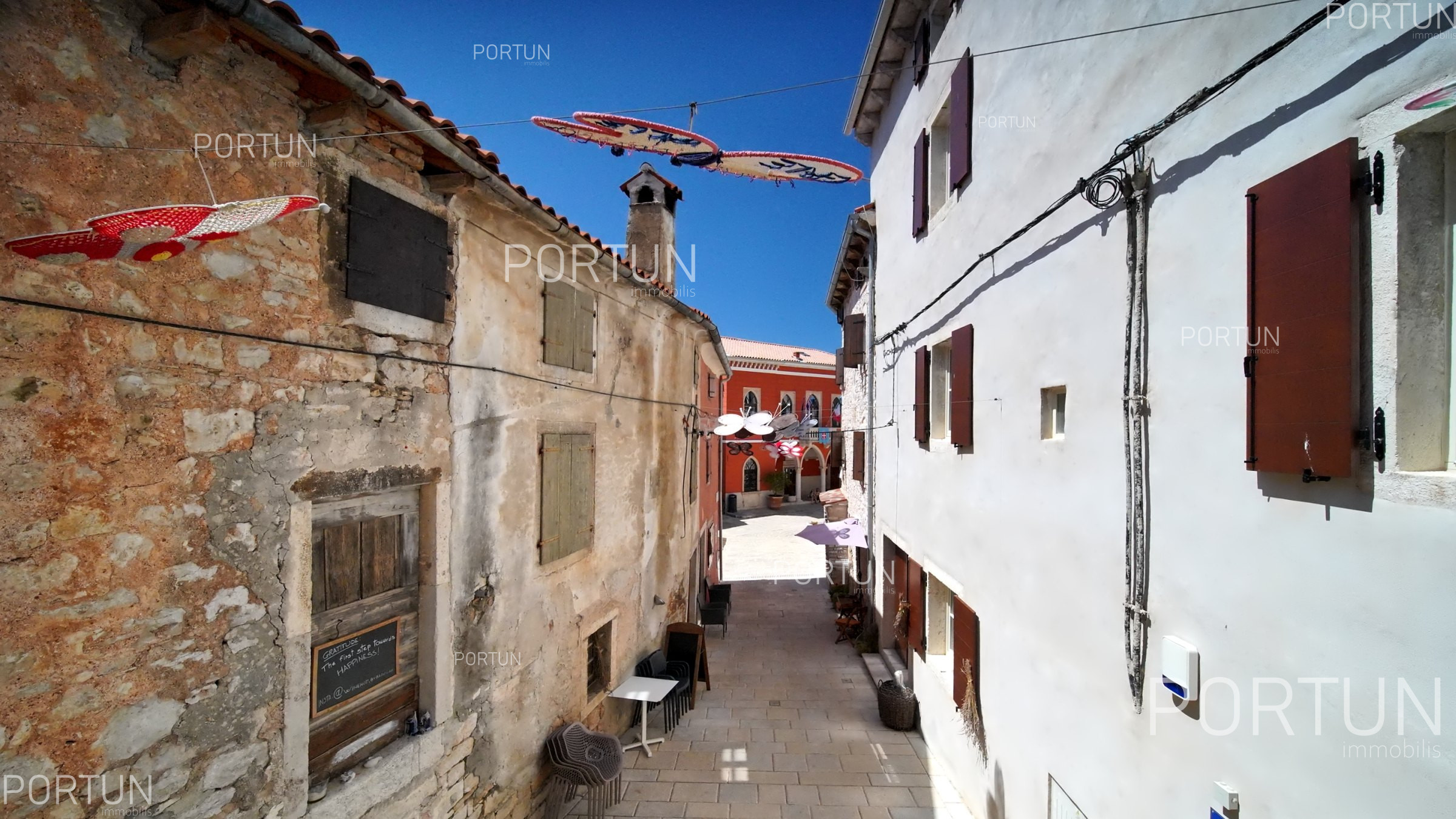
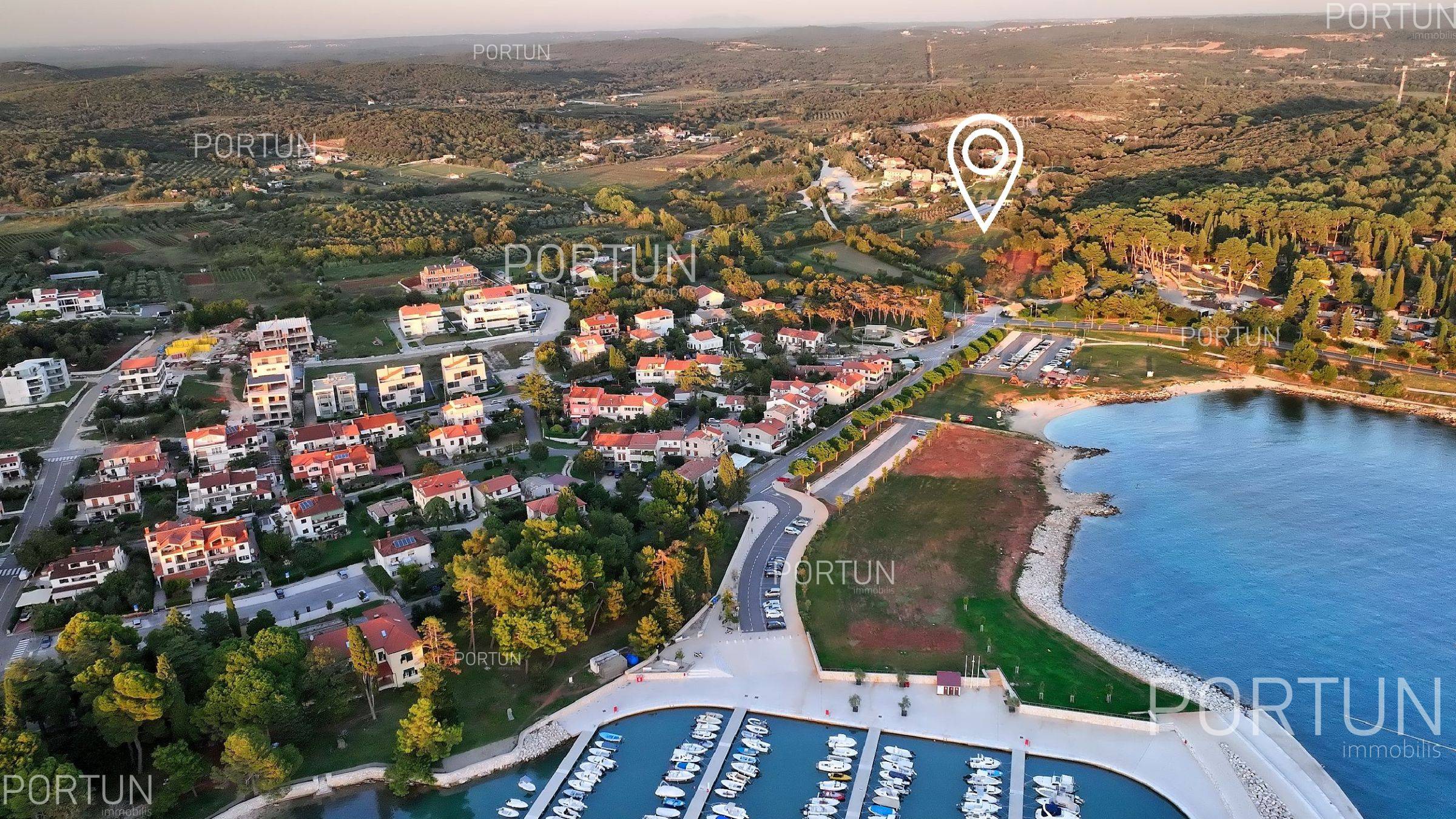
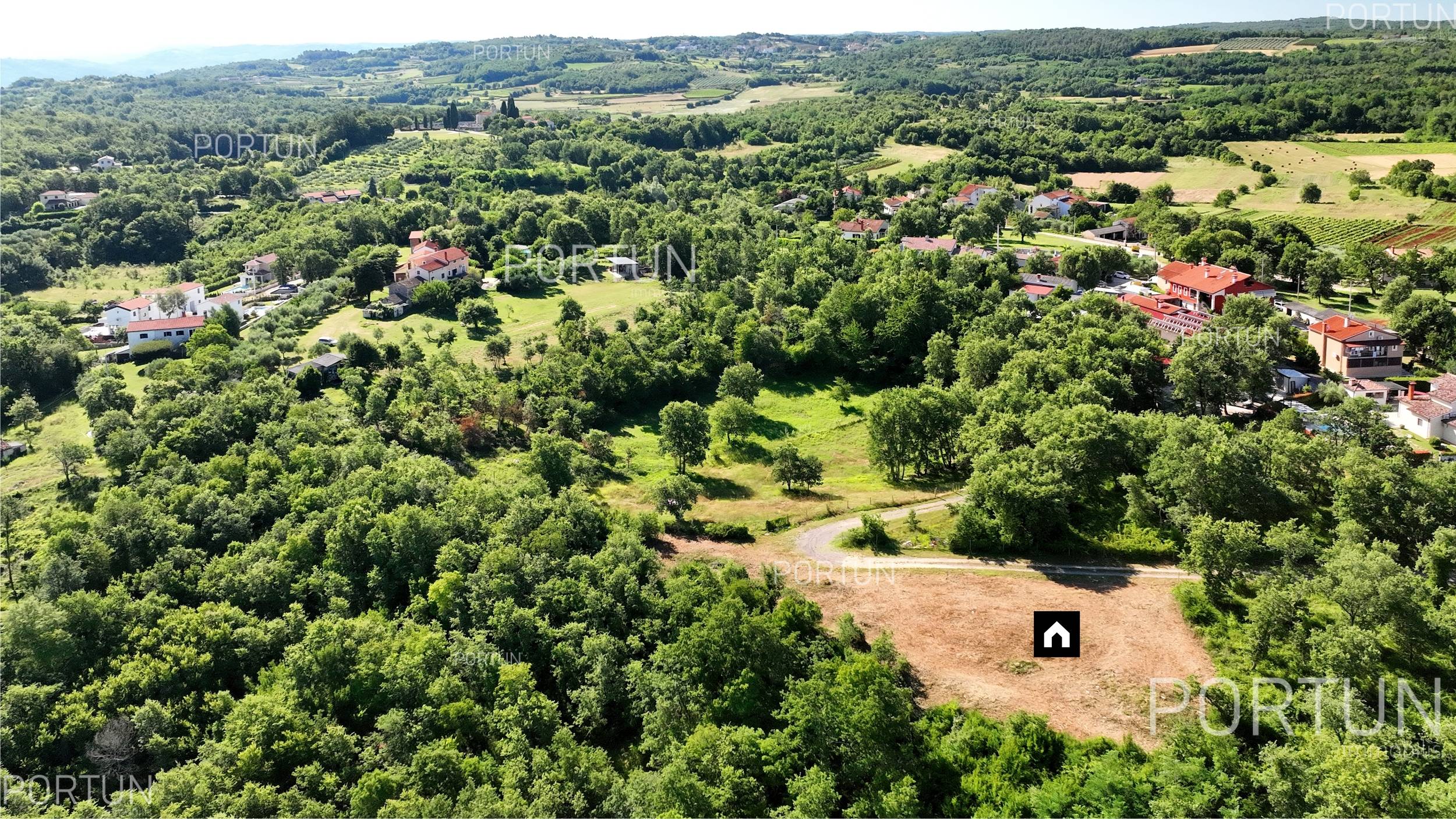
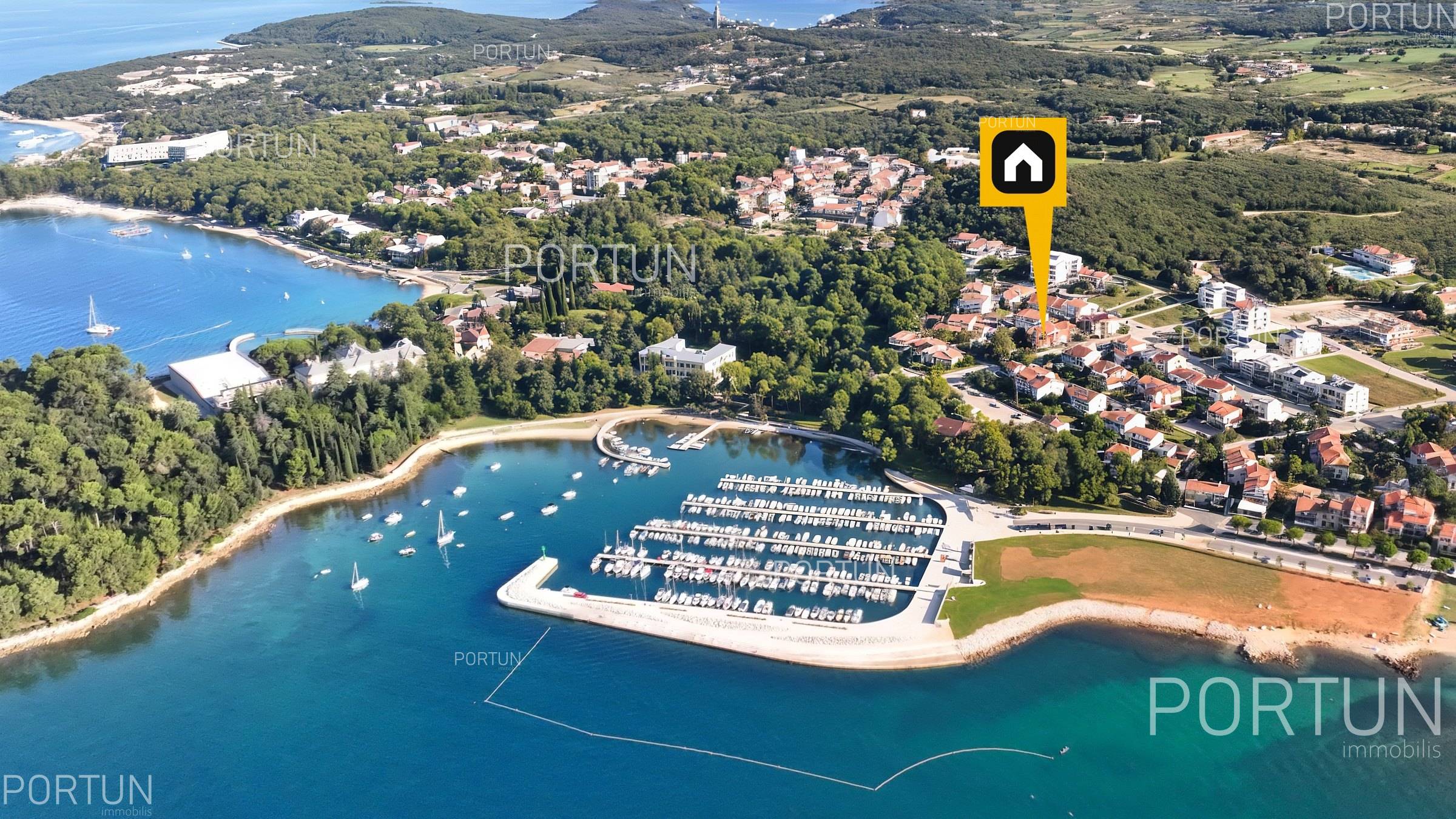
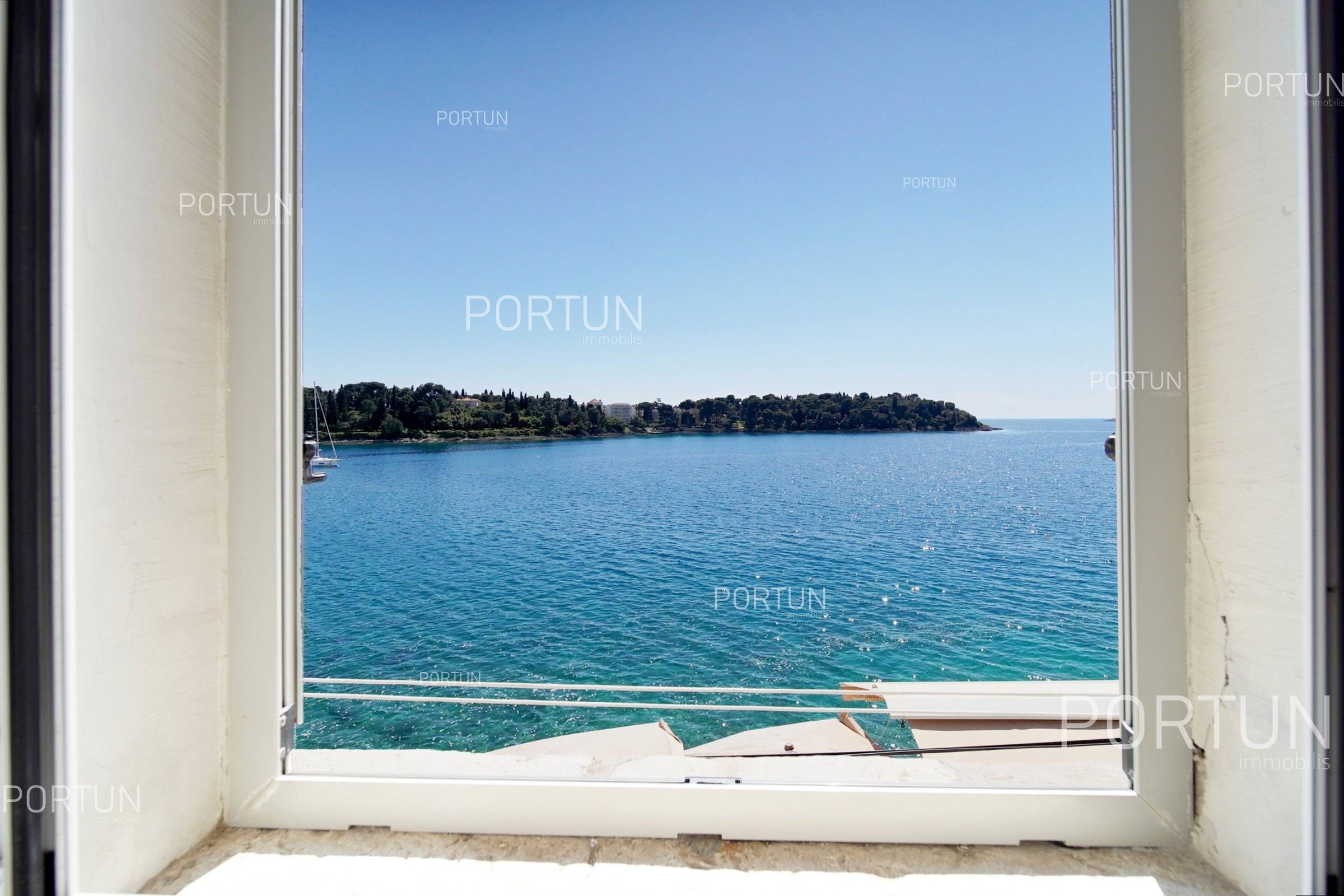
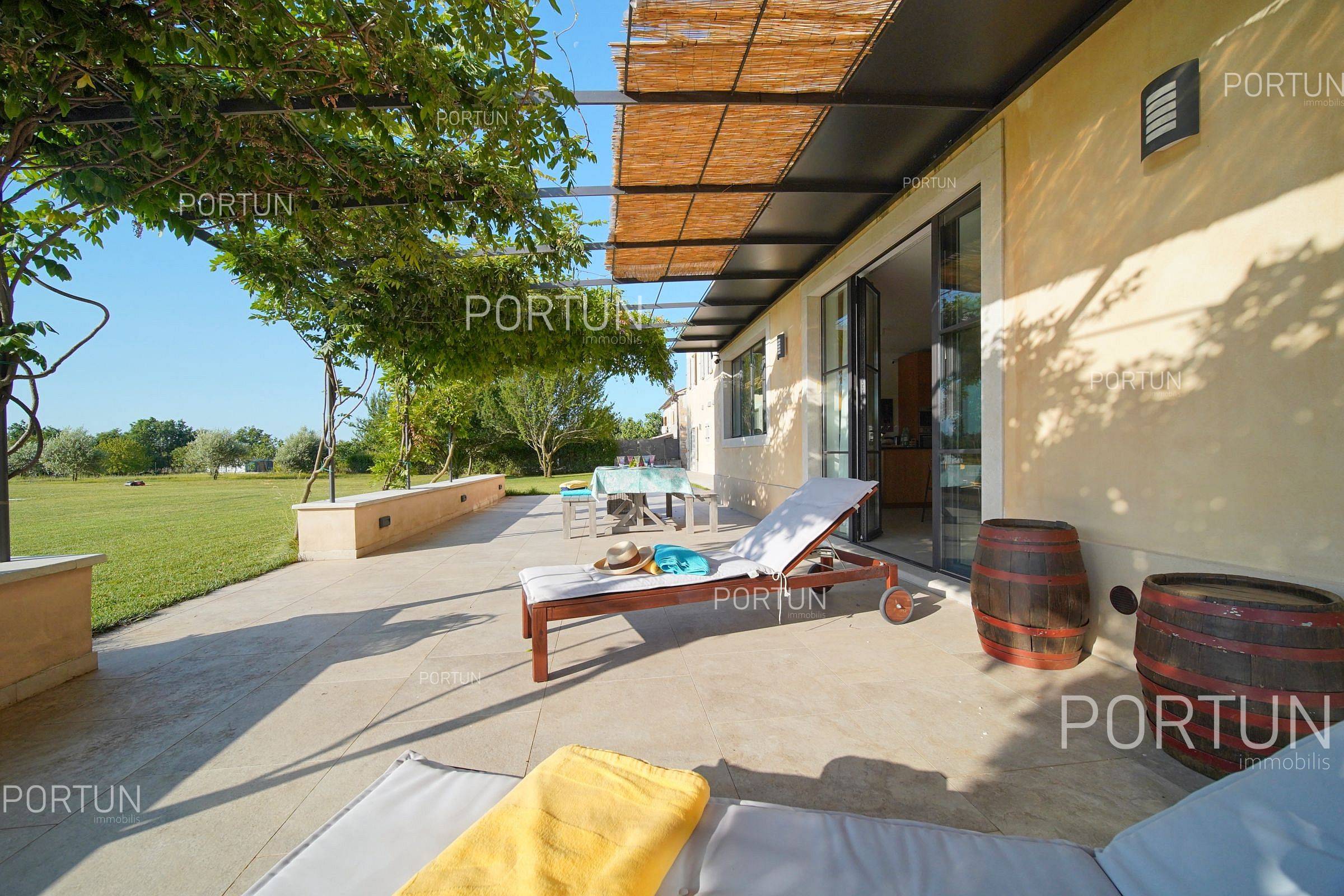
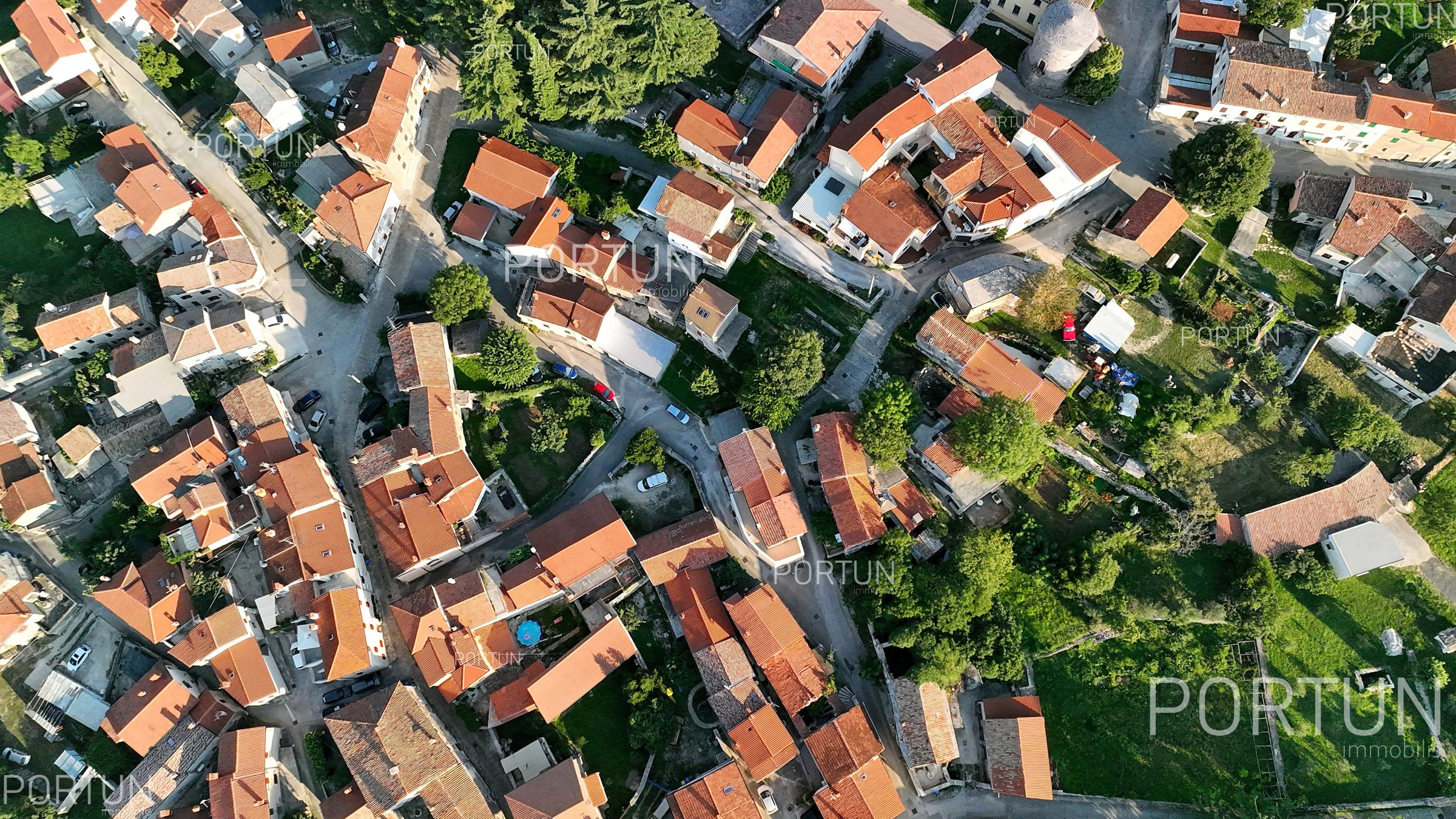
The appeal lies in its dual character: on one side you have the Blue Istria coastline with Venetian architecture and sea atmosphere, while the inland Green Istria resembles Tuscany or Provence with its rolling hills and vineyards.
However, buying a house in Istria requires more than simply falling in love with the landscape. It demands strategic planning, understanding local regulations, and insight into a real estate market that has reached maturity in 2026.
1. Where to Buy a House in Istria
Blue Istria – Coast and Prestige
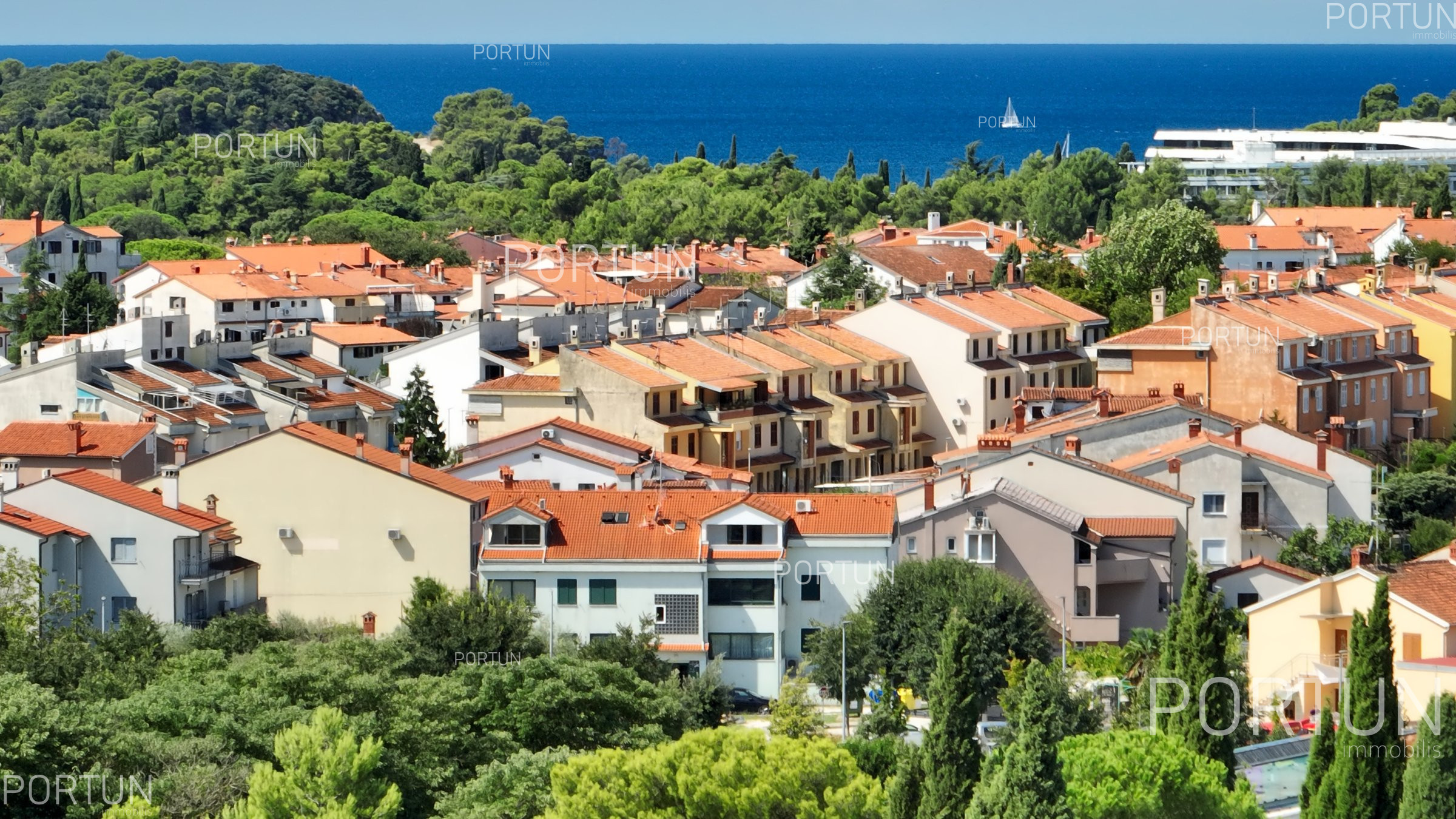
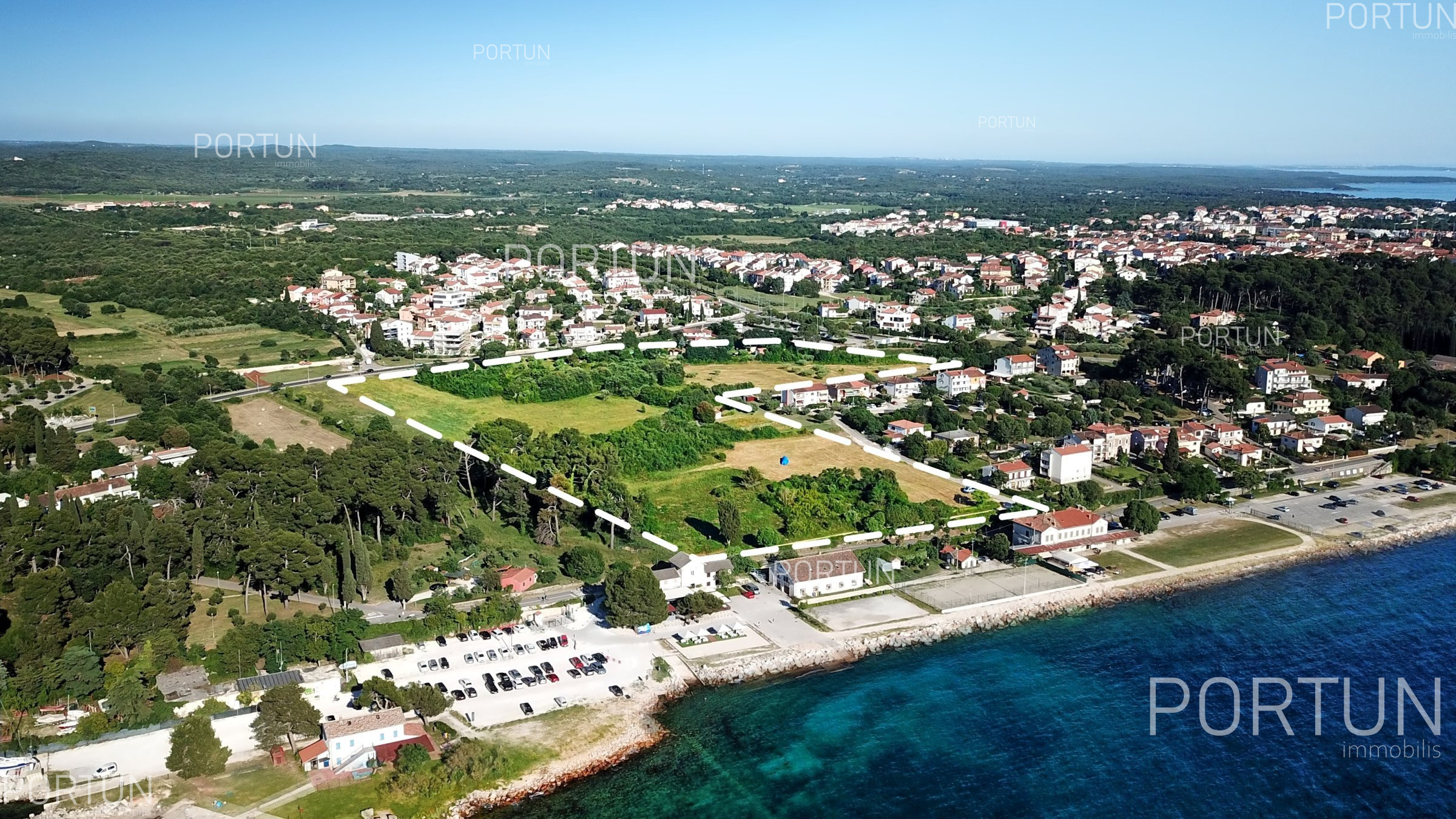
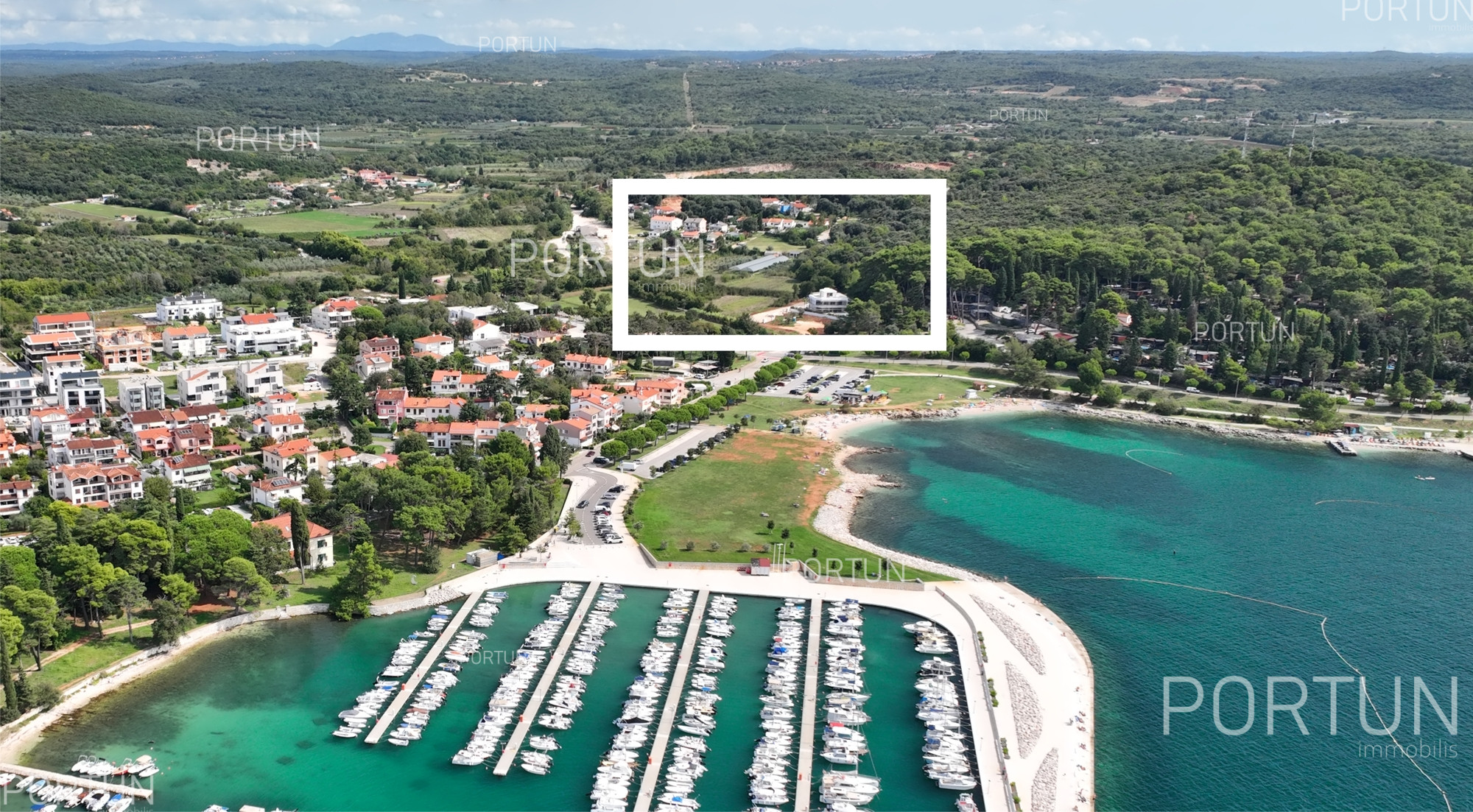
The western Istrian coast (Rovinj, Poreč, Novigrad, Umag) offers the highest liquidity. Properties in this region are easier to resell and generate stable rental income.
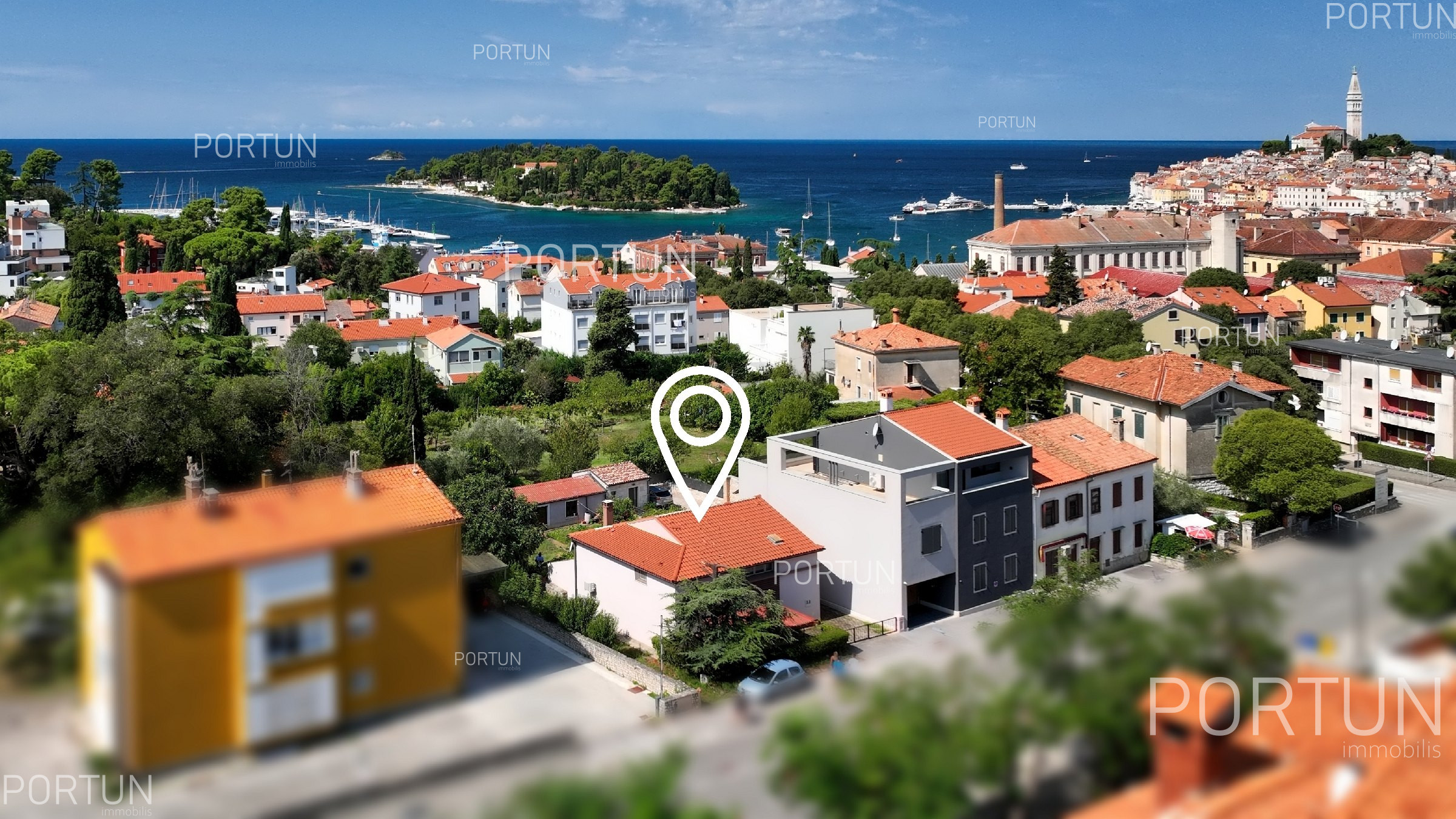
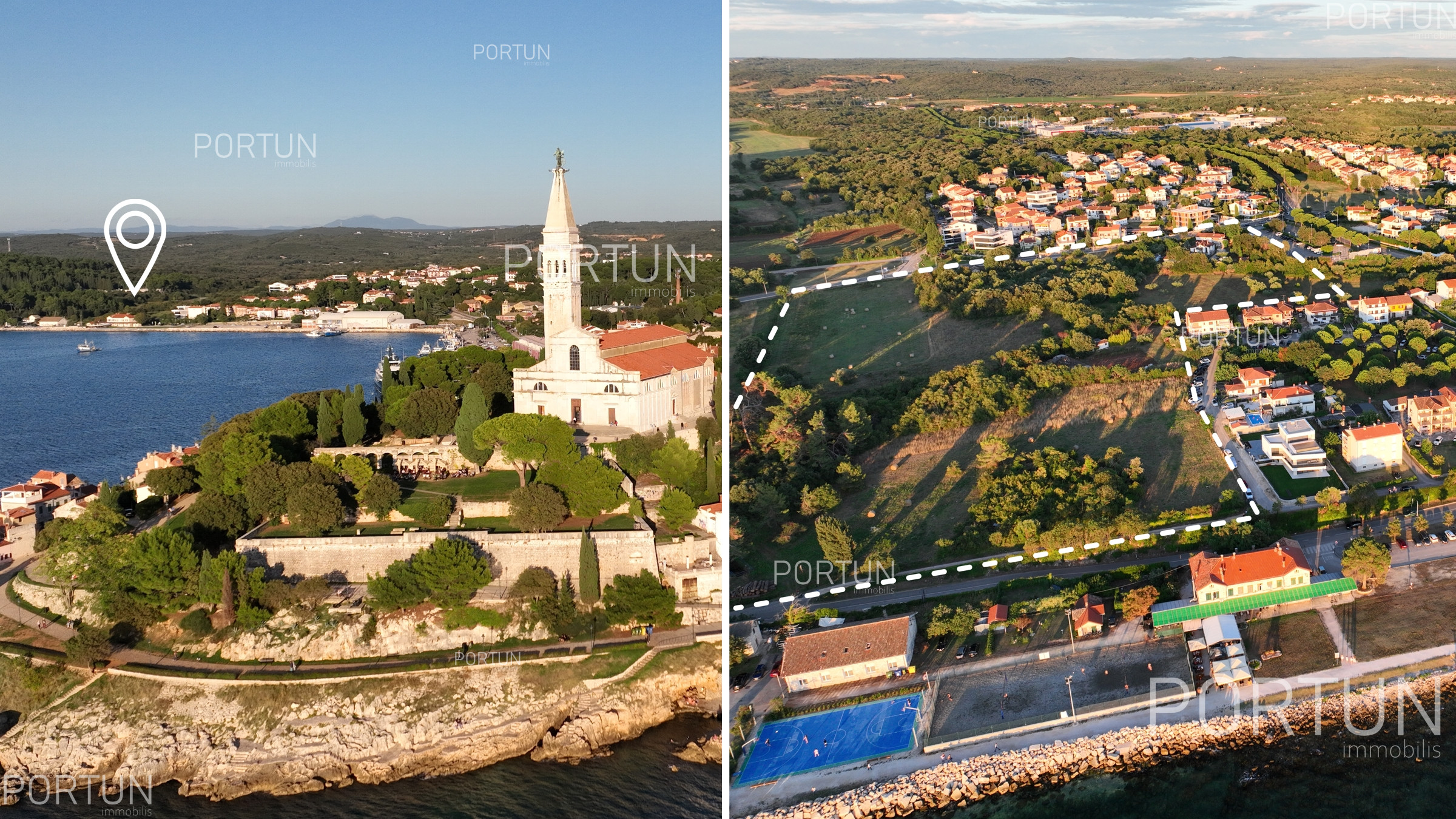
- Rovinj – The most expensive city per square meter. Houses are rare and usually located in the historic old town or luxury villas in surrounding areas.
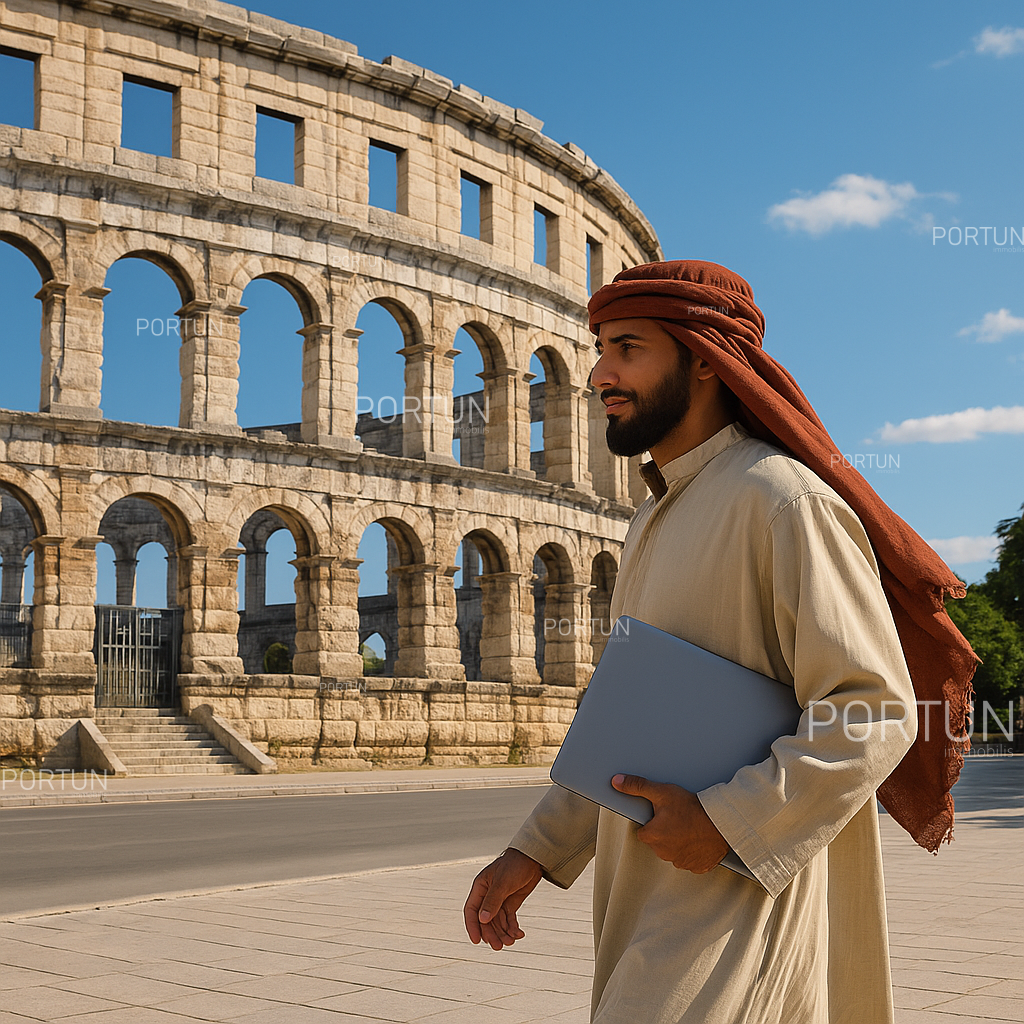
- Pula and surroundings – The largest city in Istria with year-round infrastructure. Southern areas such as Medulin and Premantura focus on tourism, while suburbs of Pula are becoming hotspots for holiday villas.
Green Istria – Privacy and Authenticity
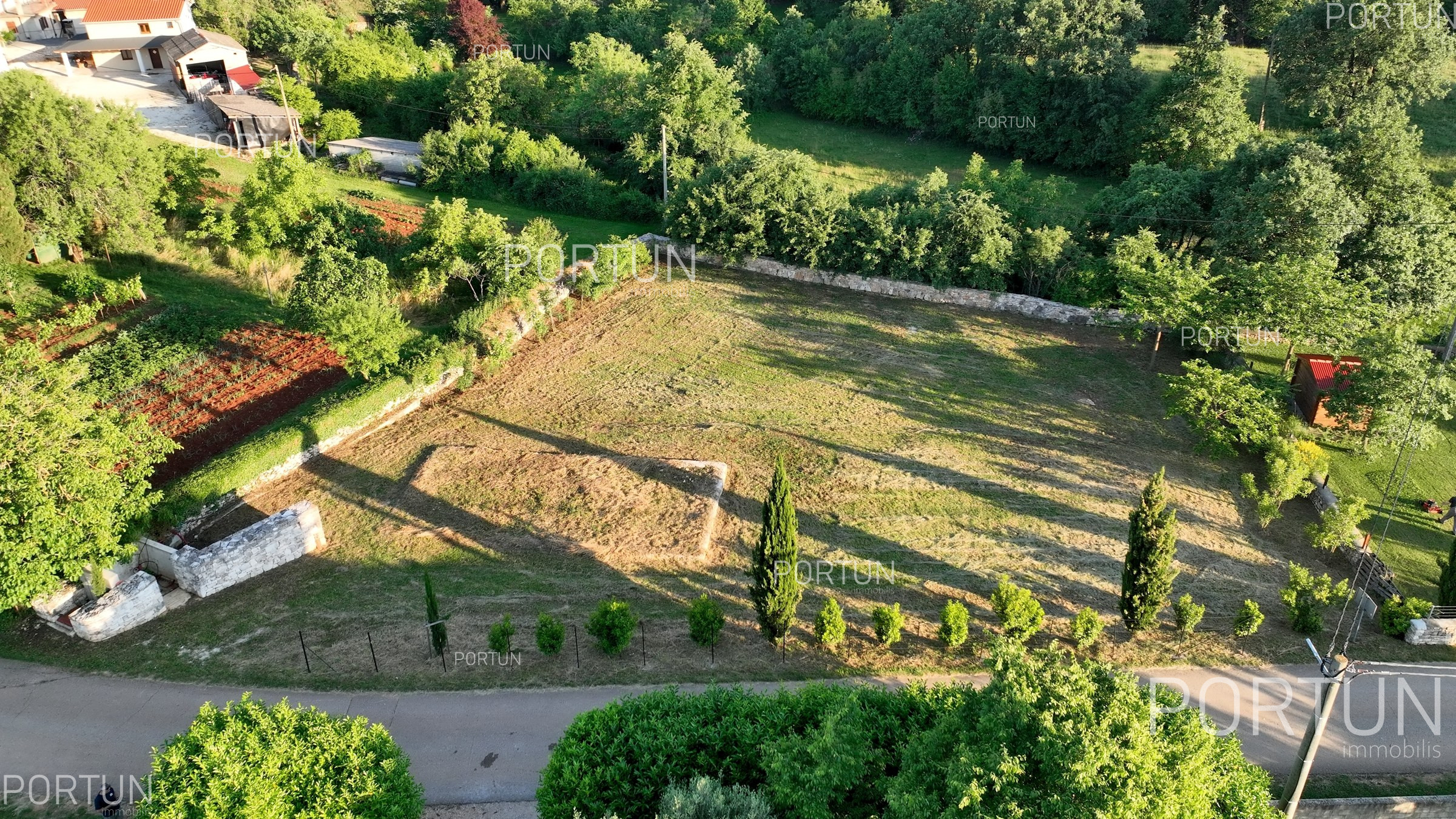
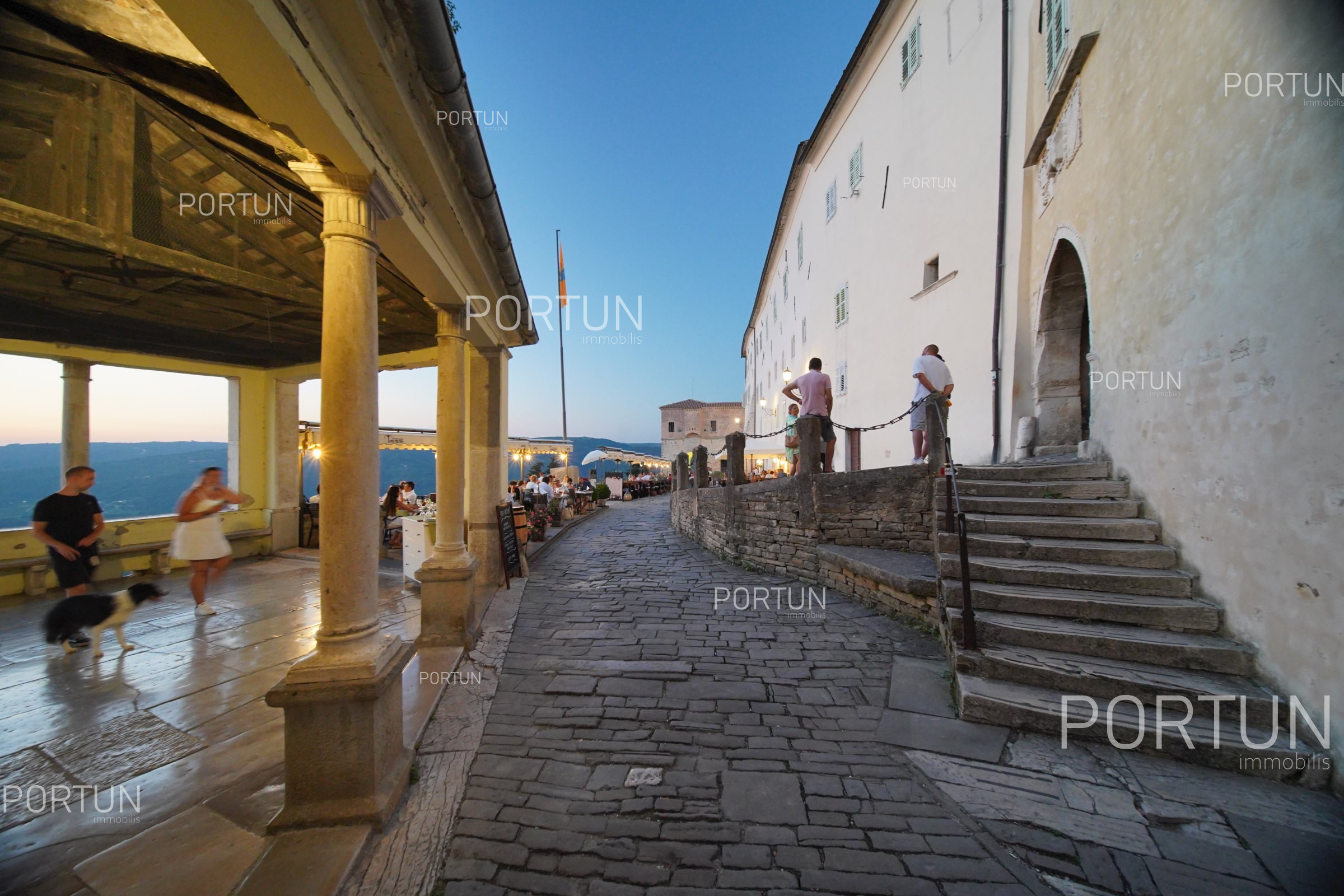
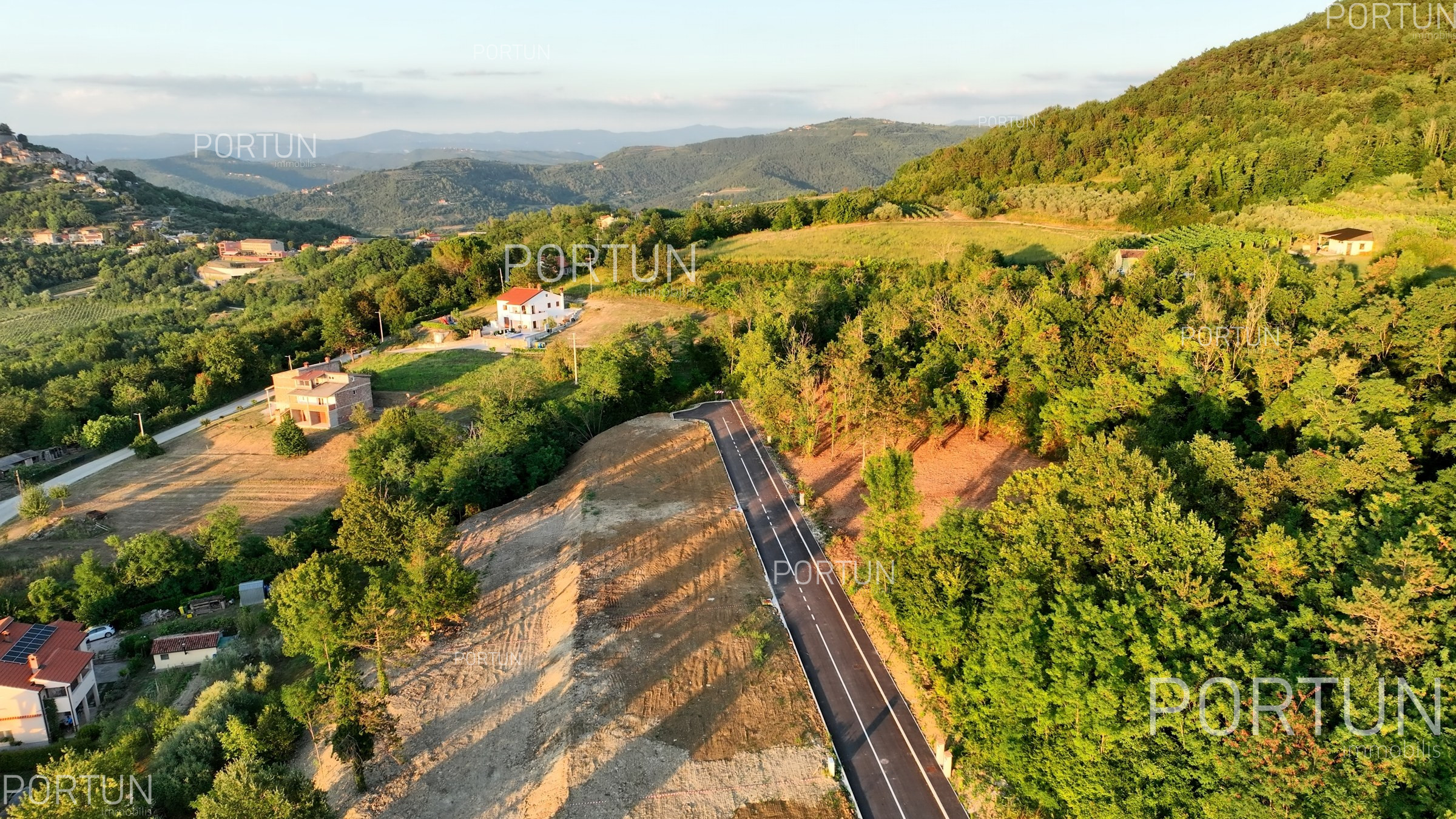
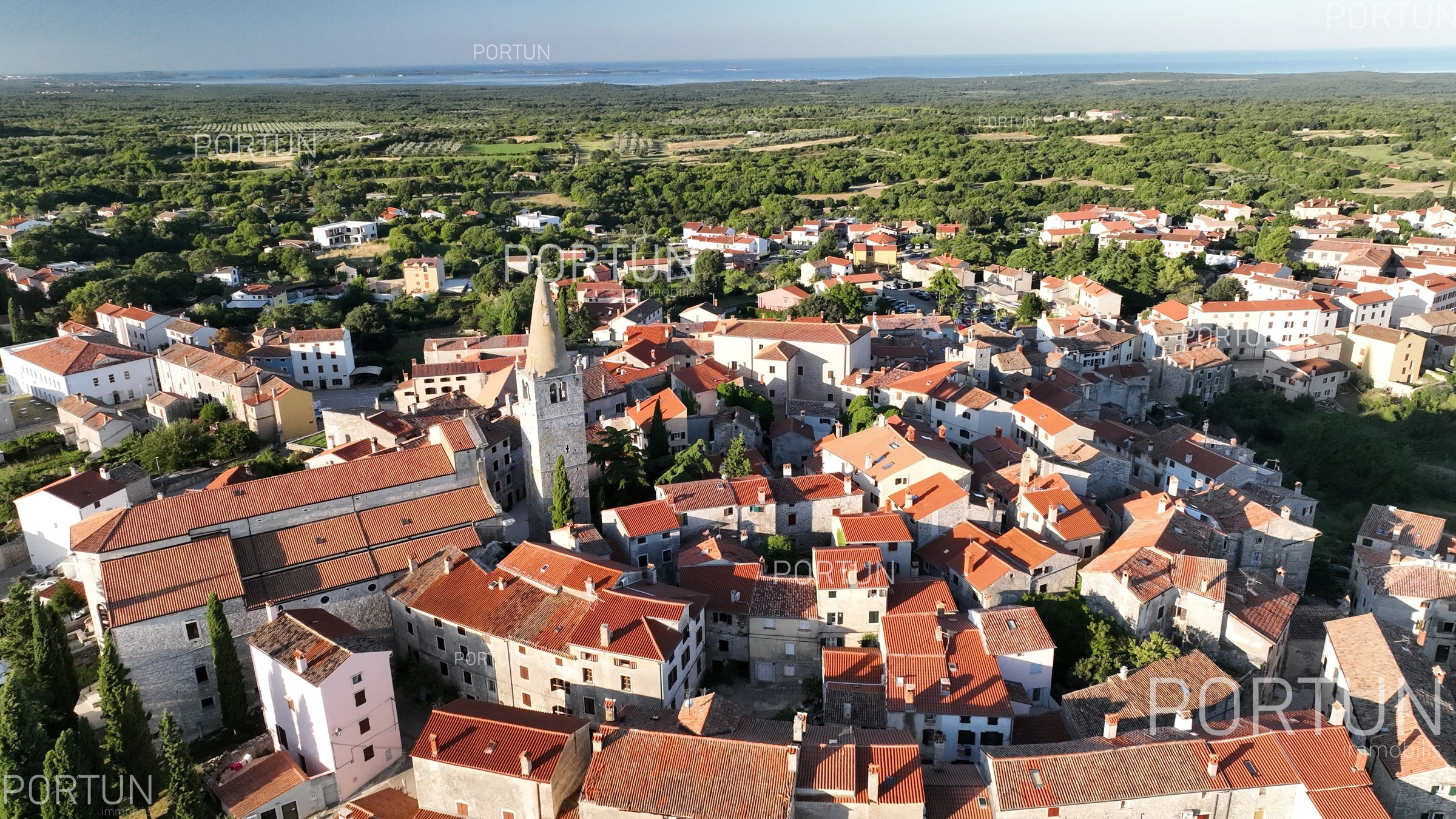
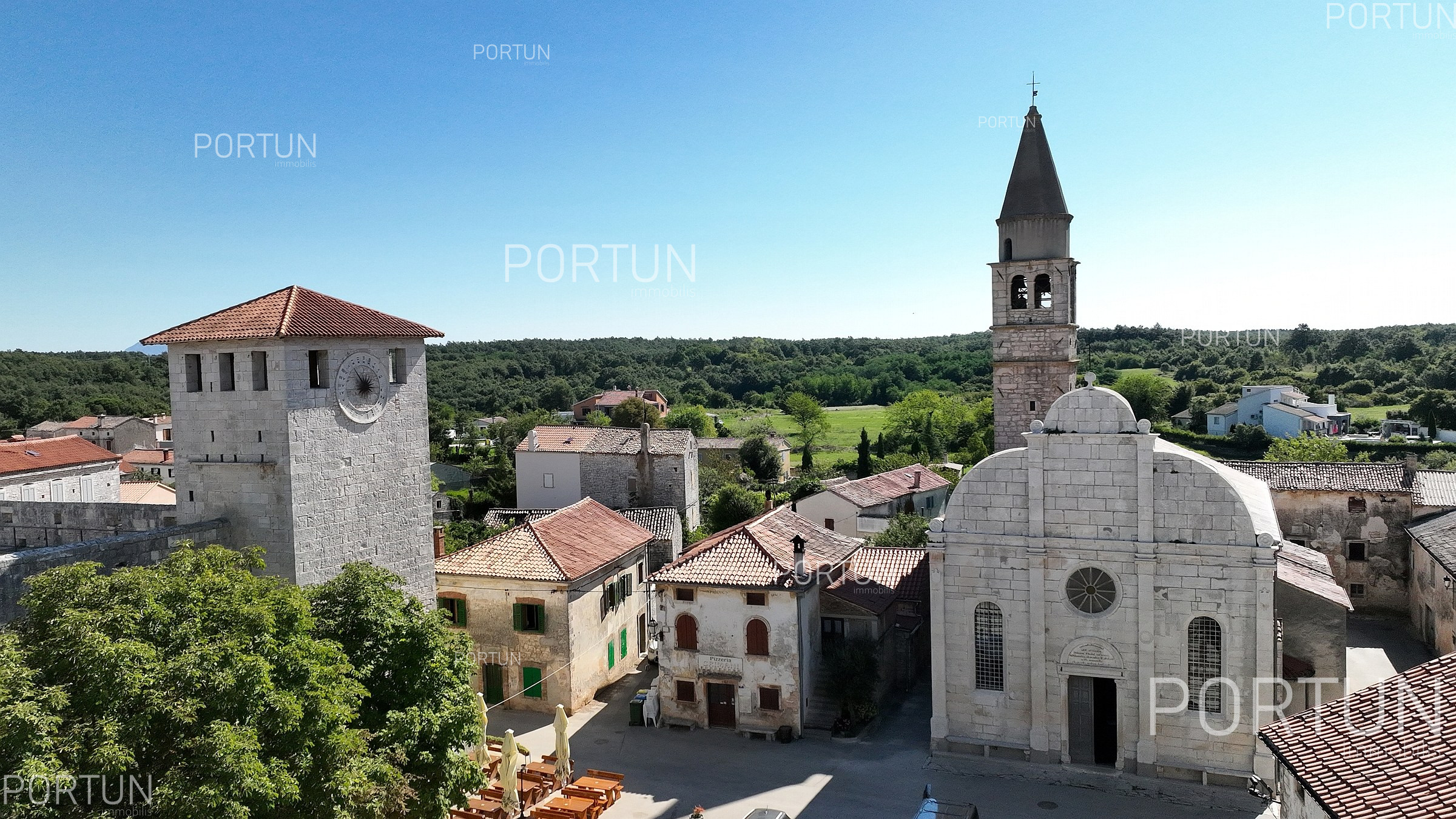
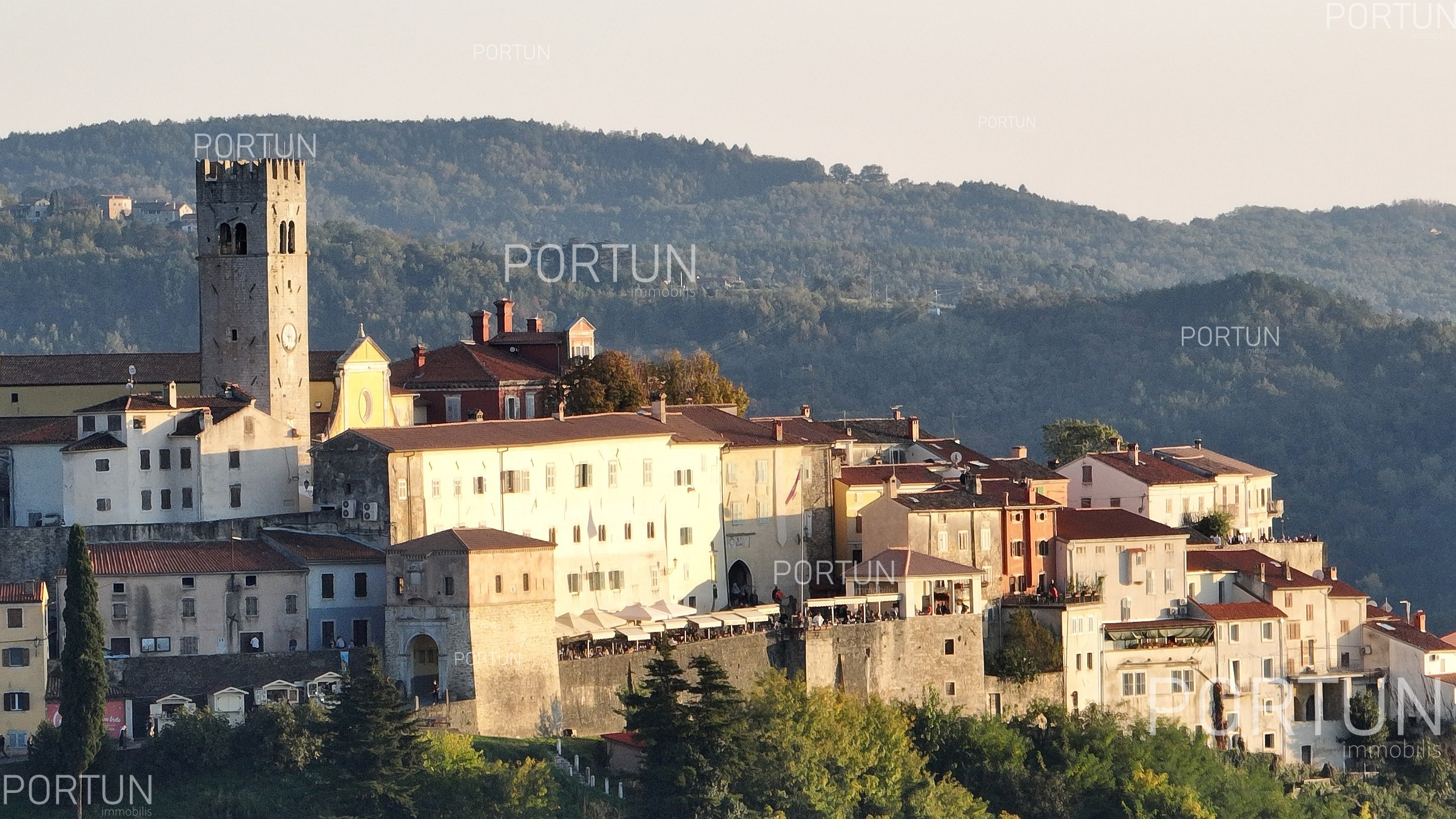
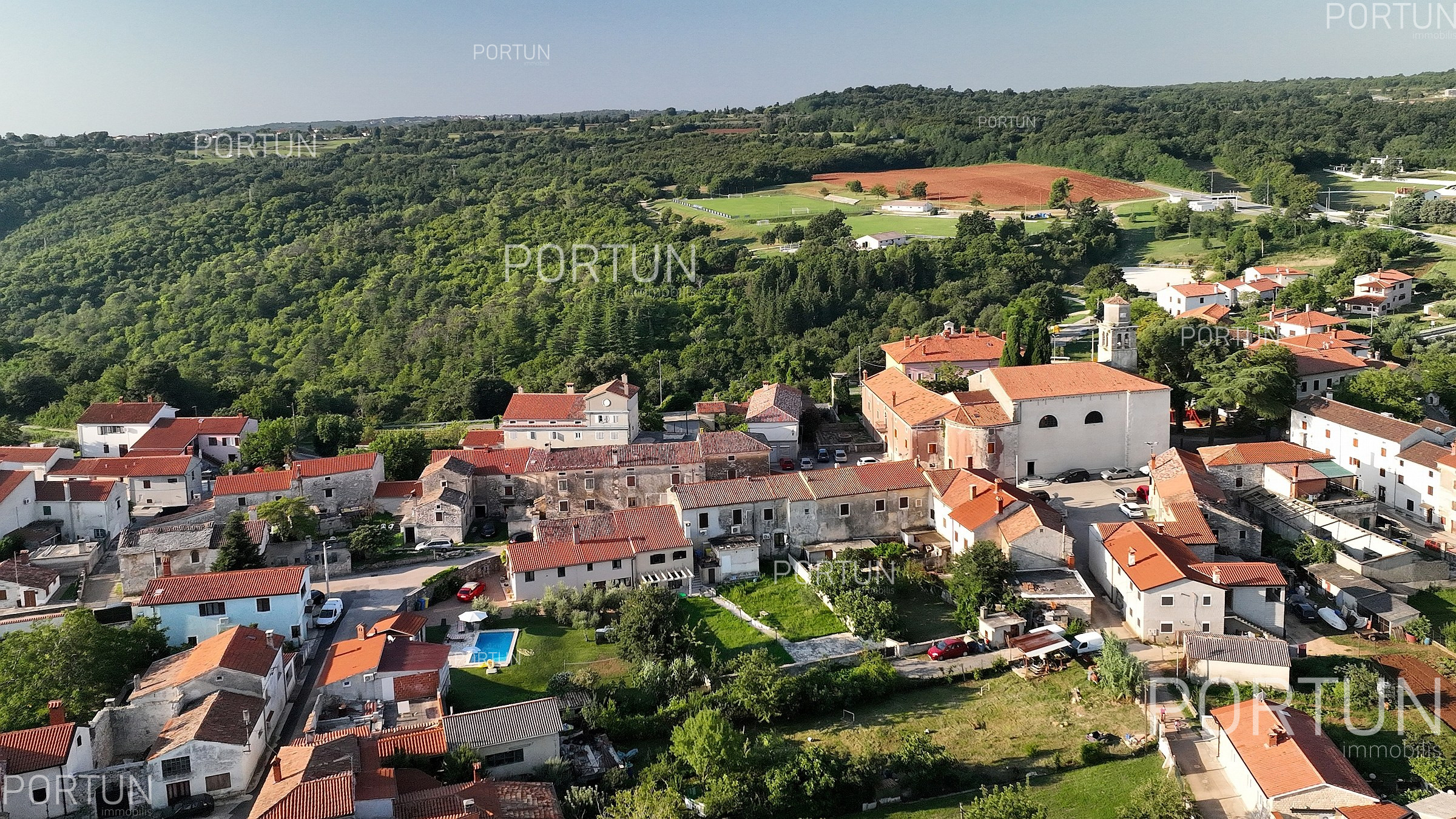
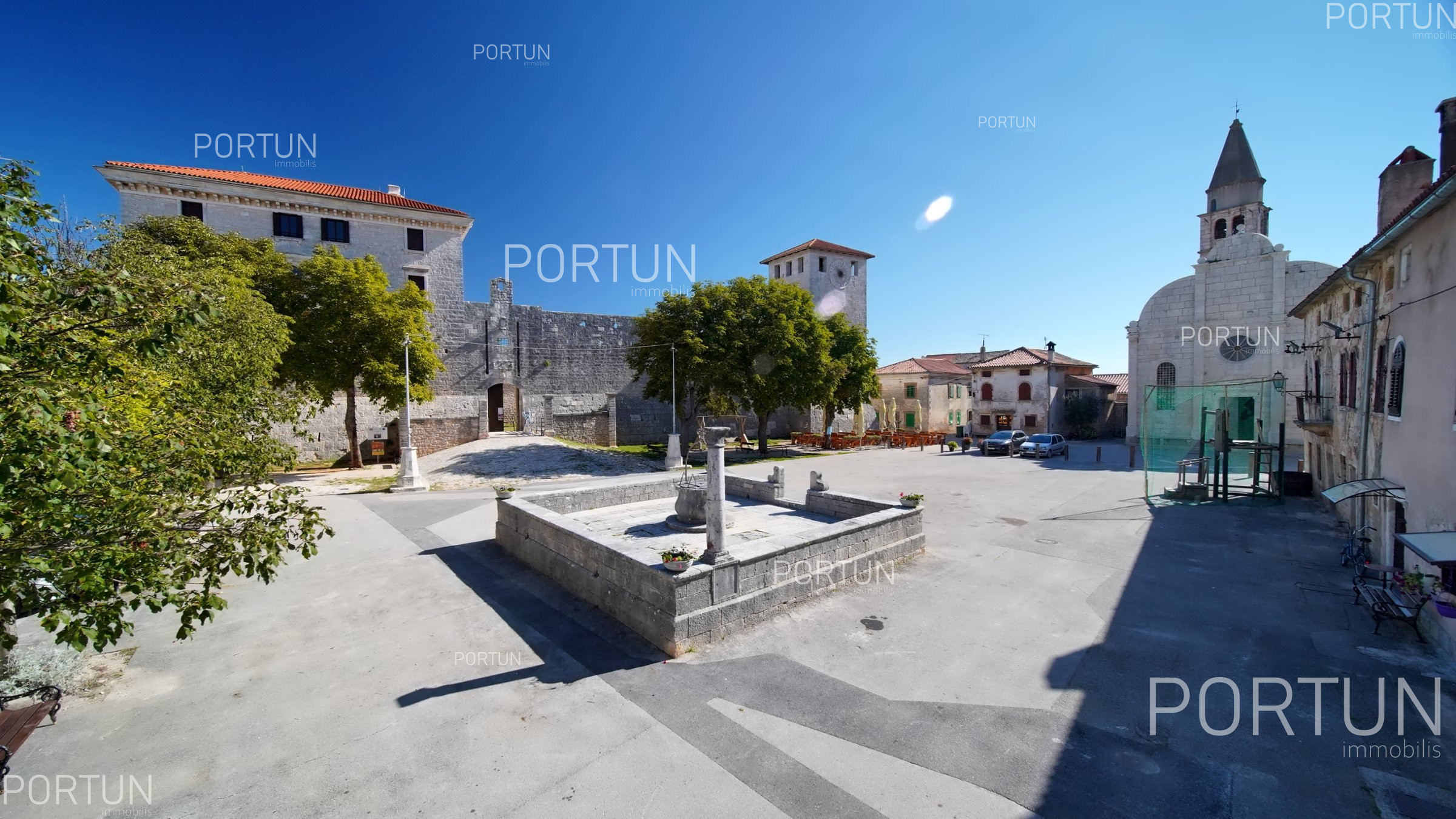
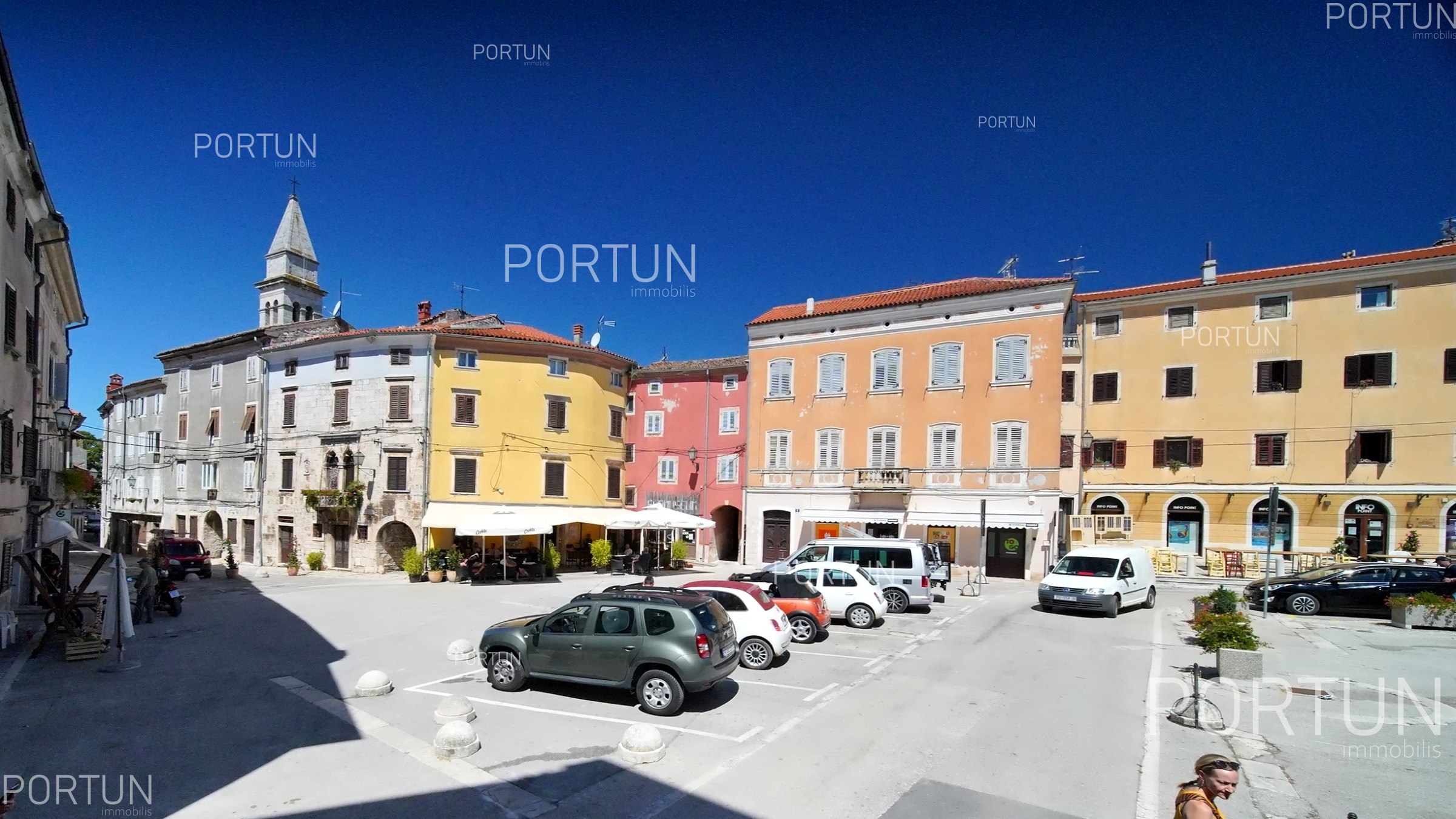
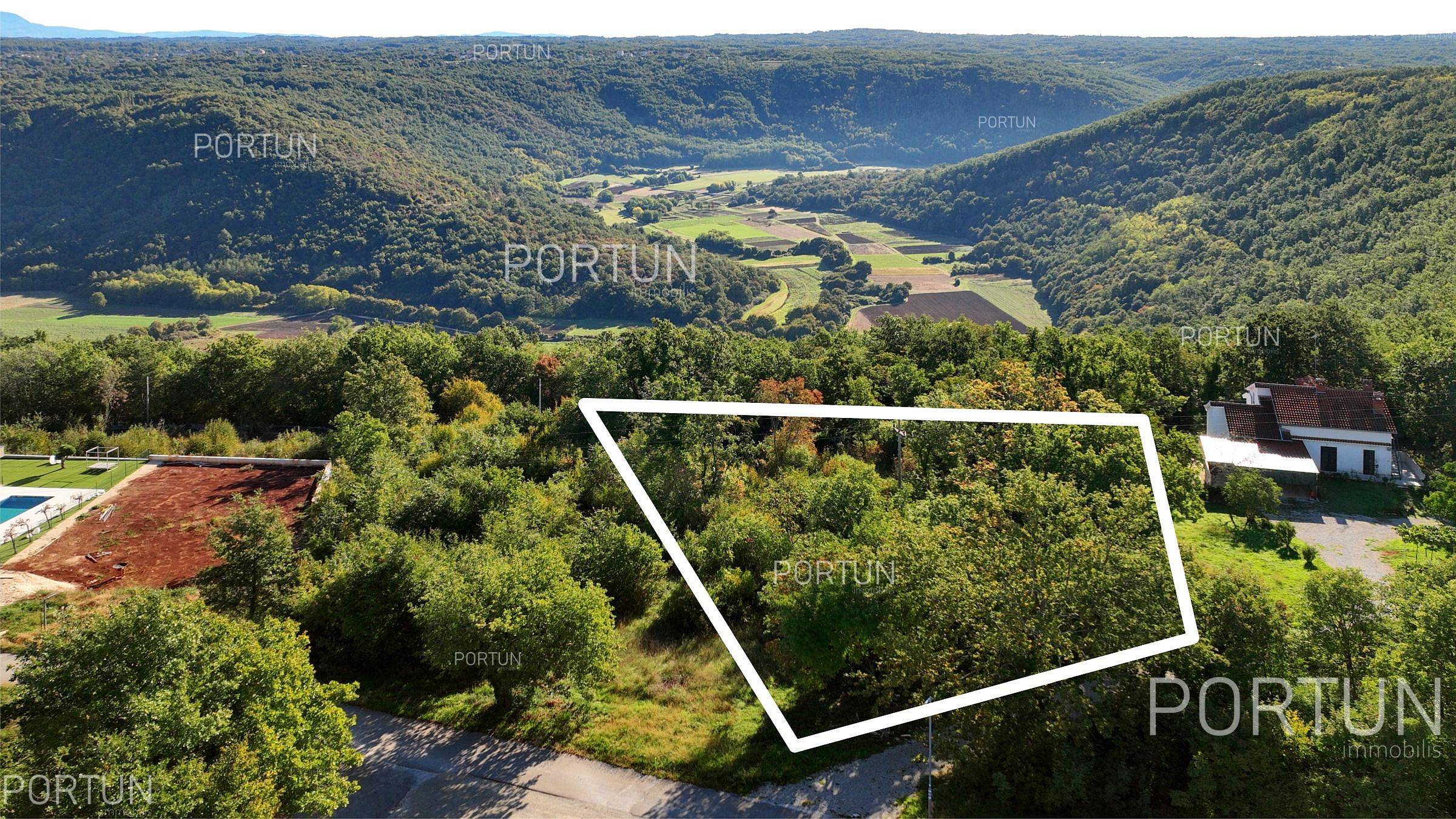
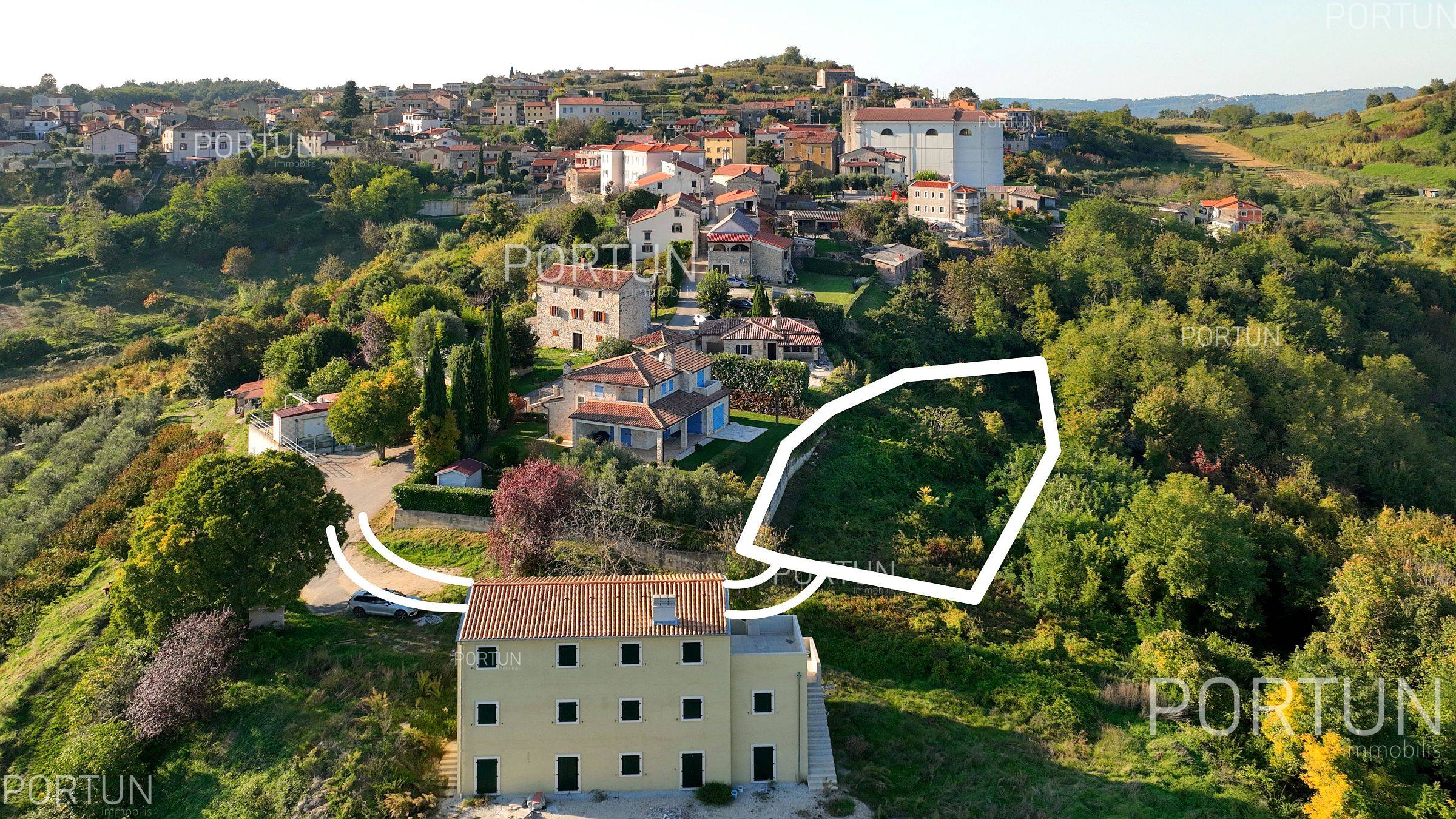
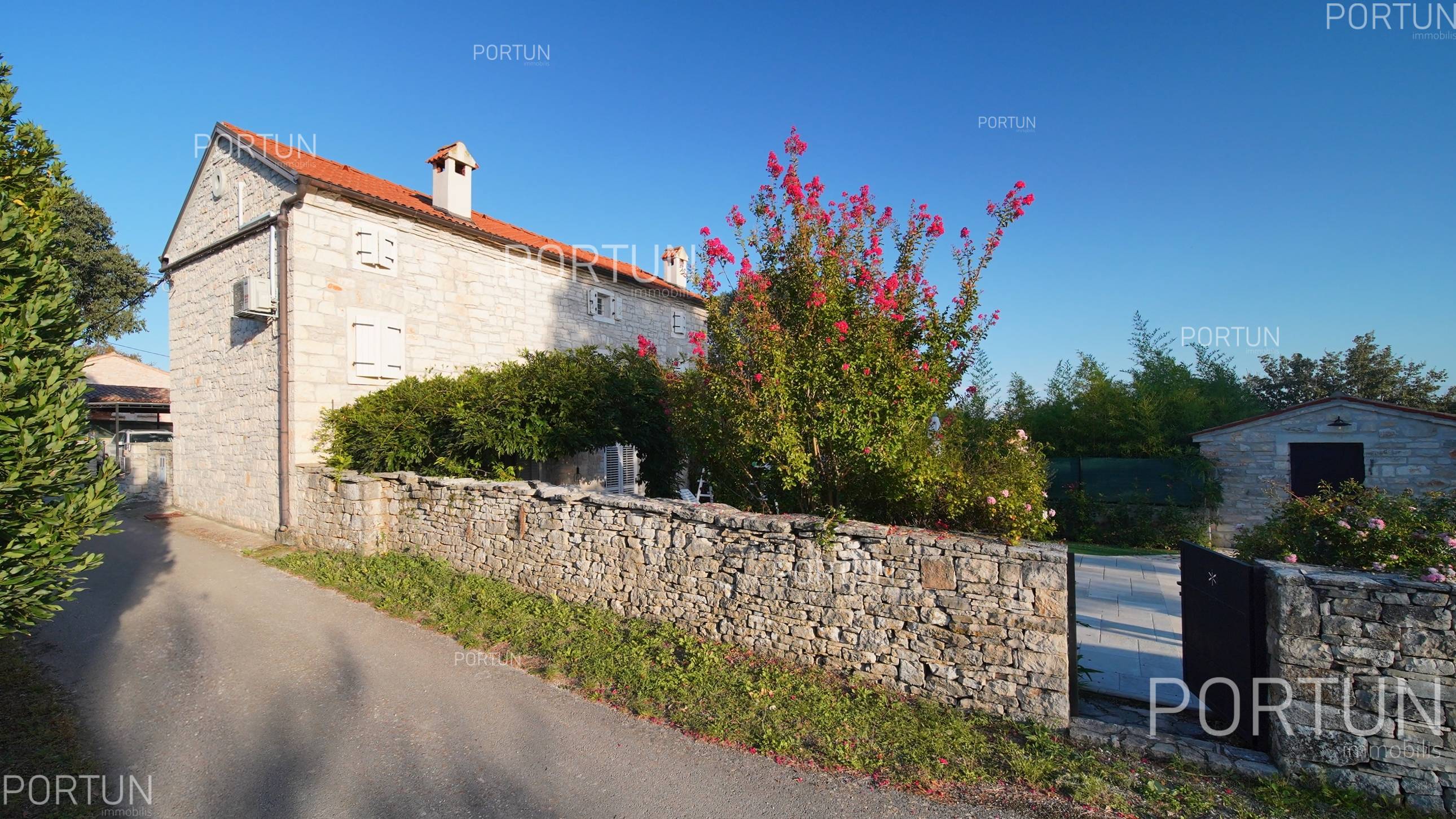
The inland region of Istria has experienced strong growth in recent years. Central Istria (Pazin, Žminj, Svetvinčenat) and hilltop towns like Motovun and Grožnjan have become symbols of privacy and exclusivity.
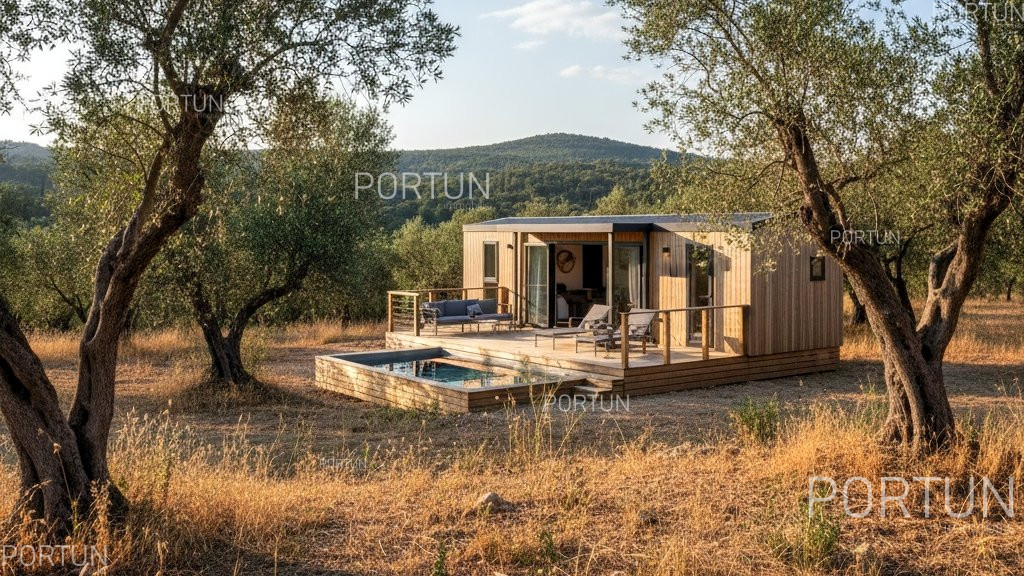
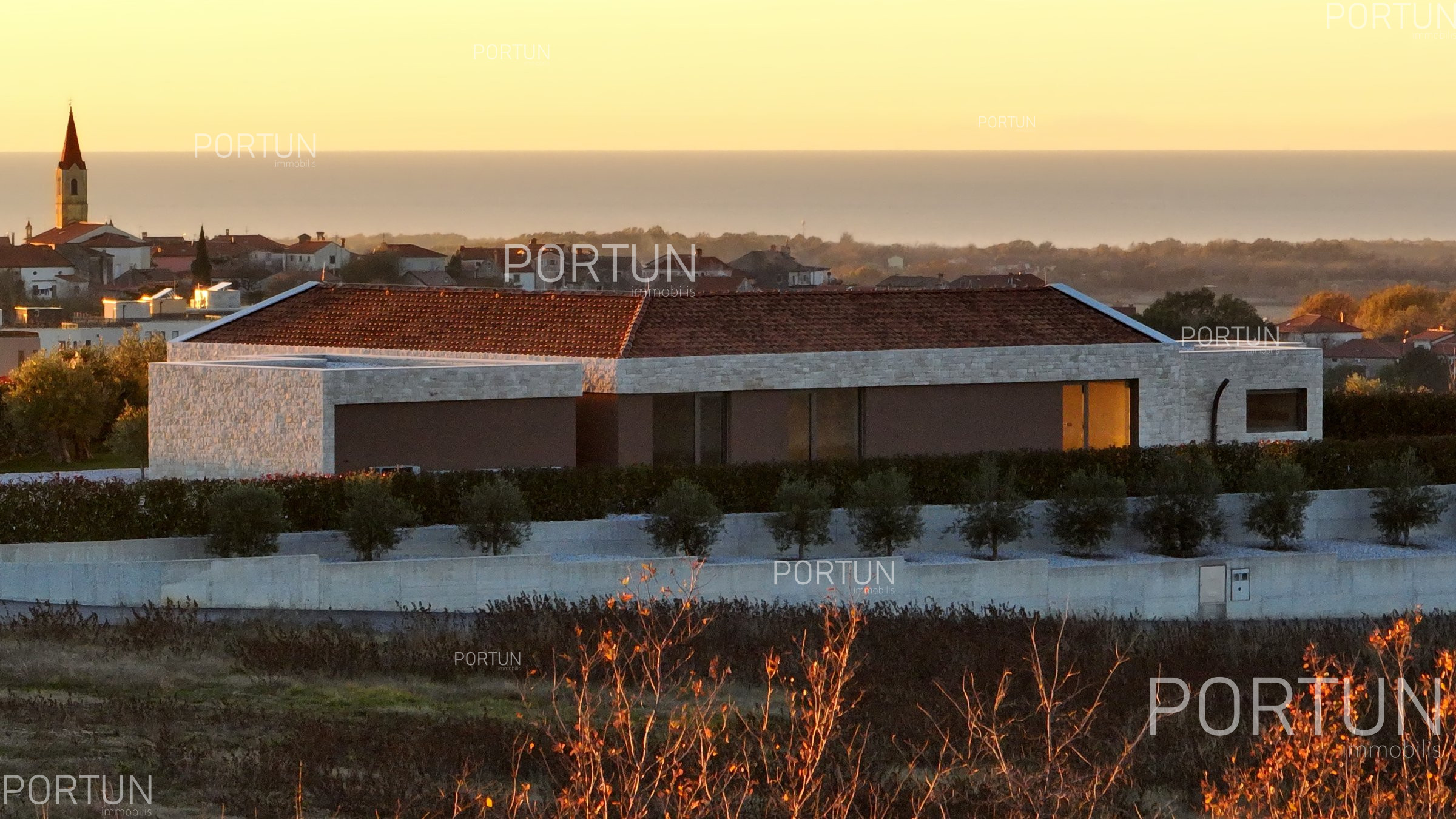
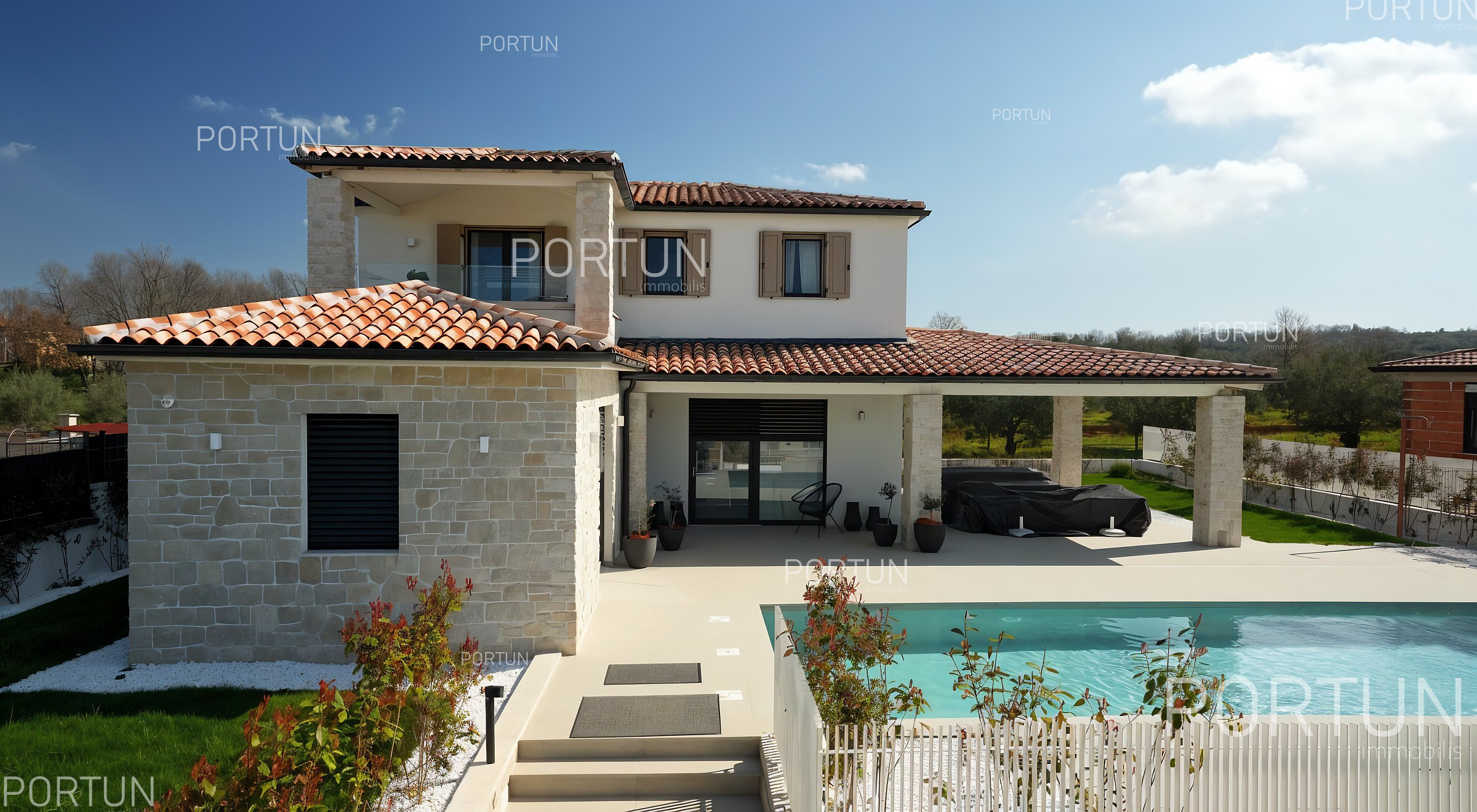
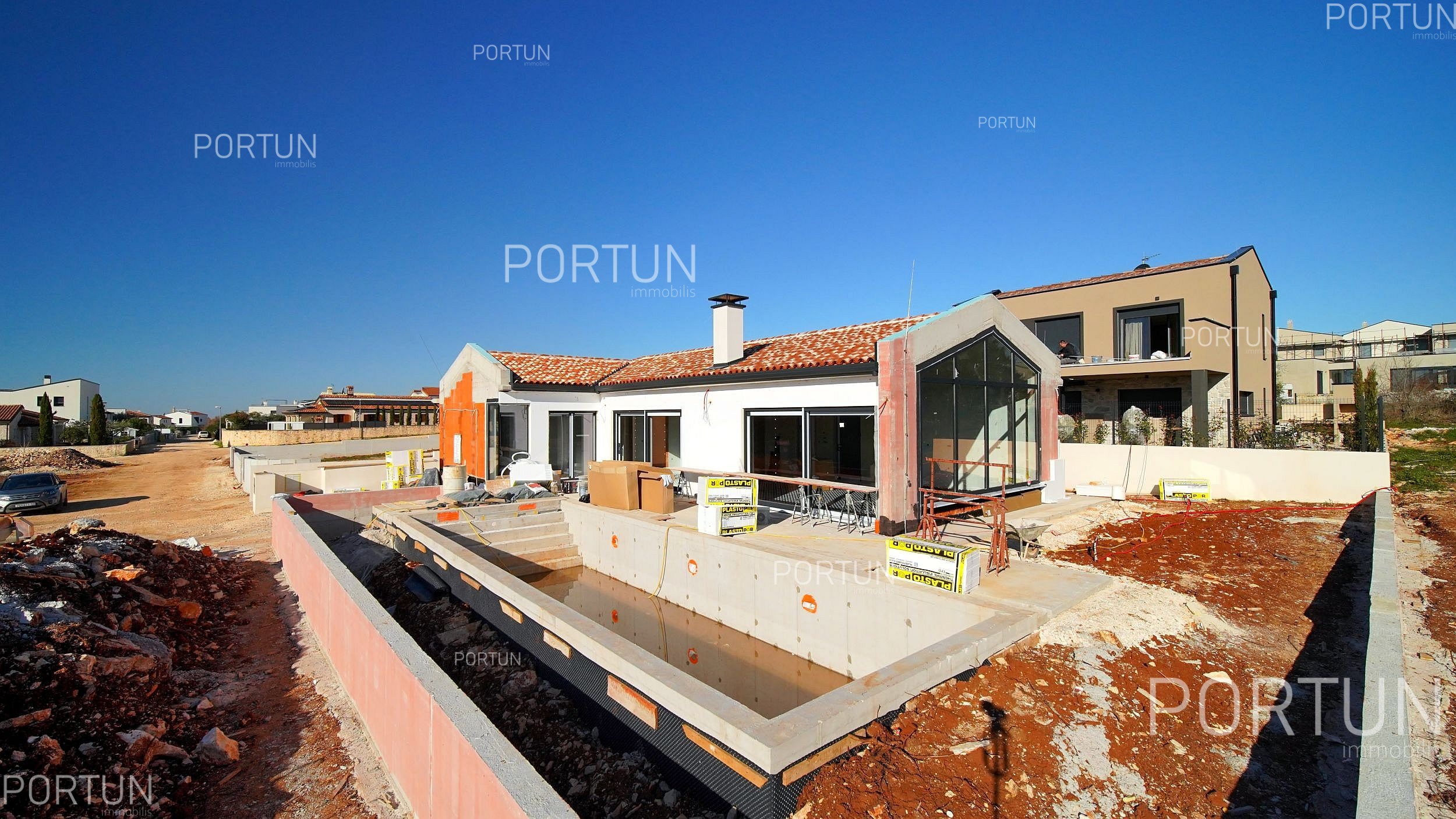
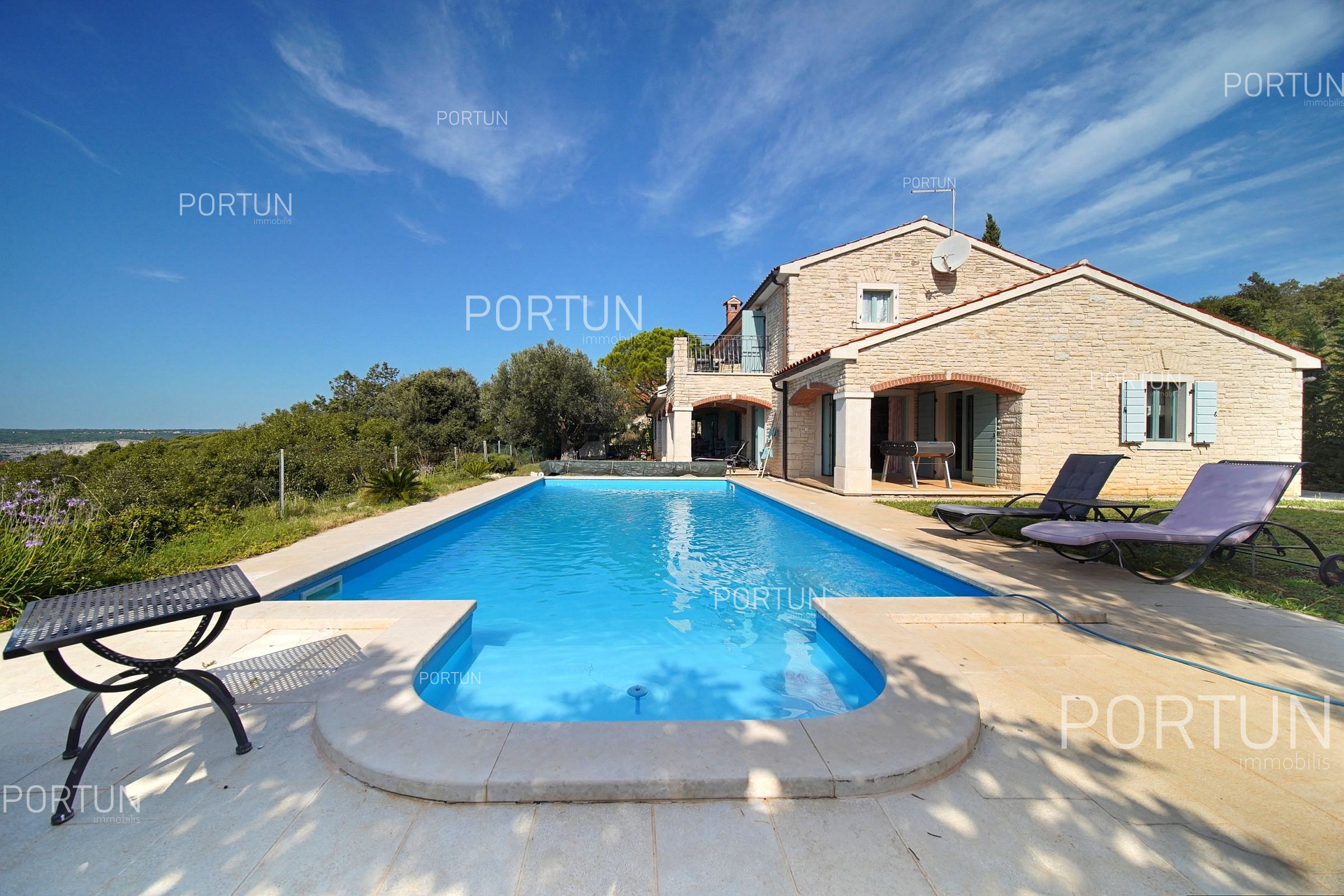
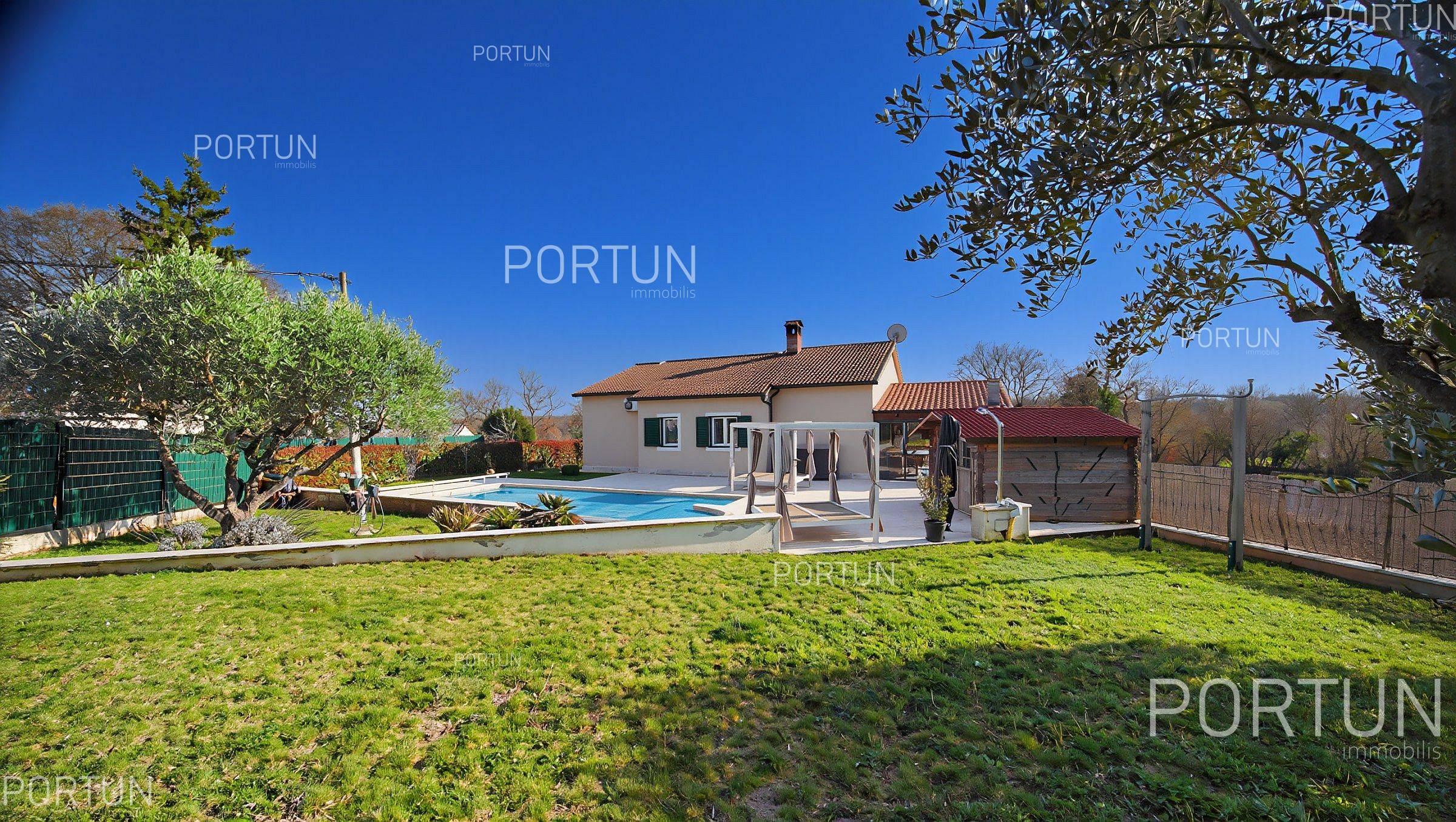
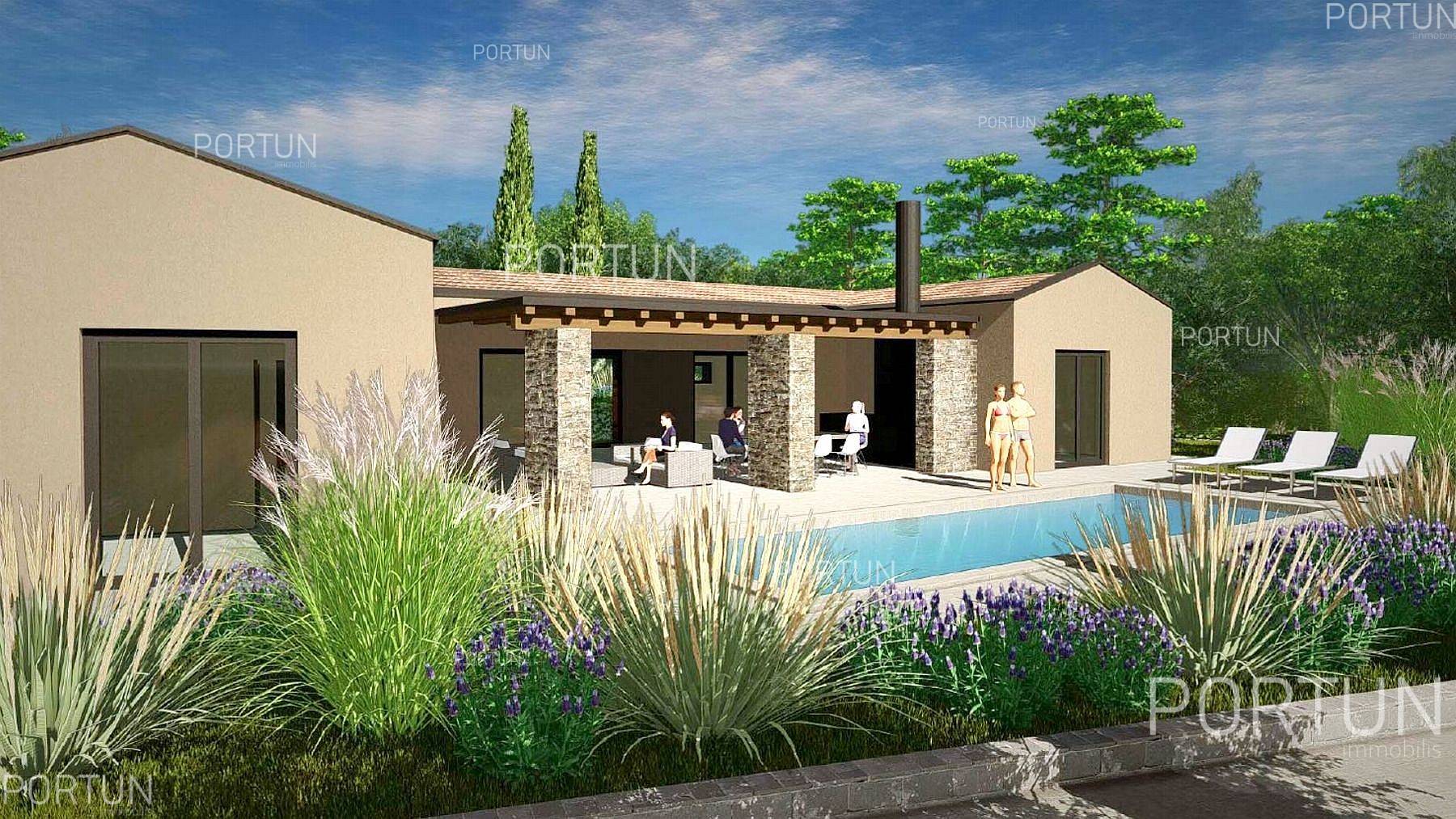
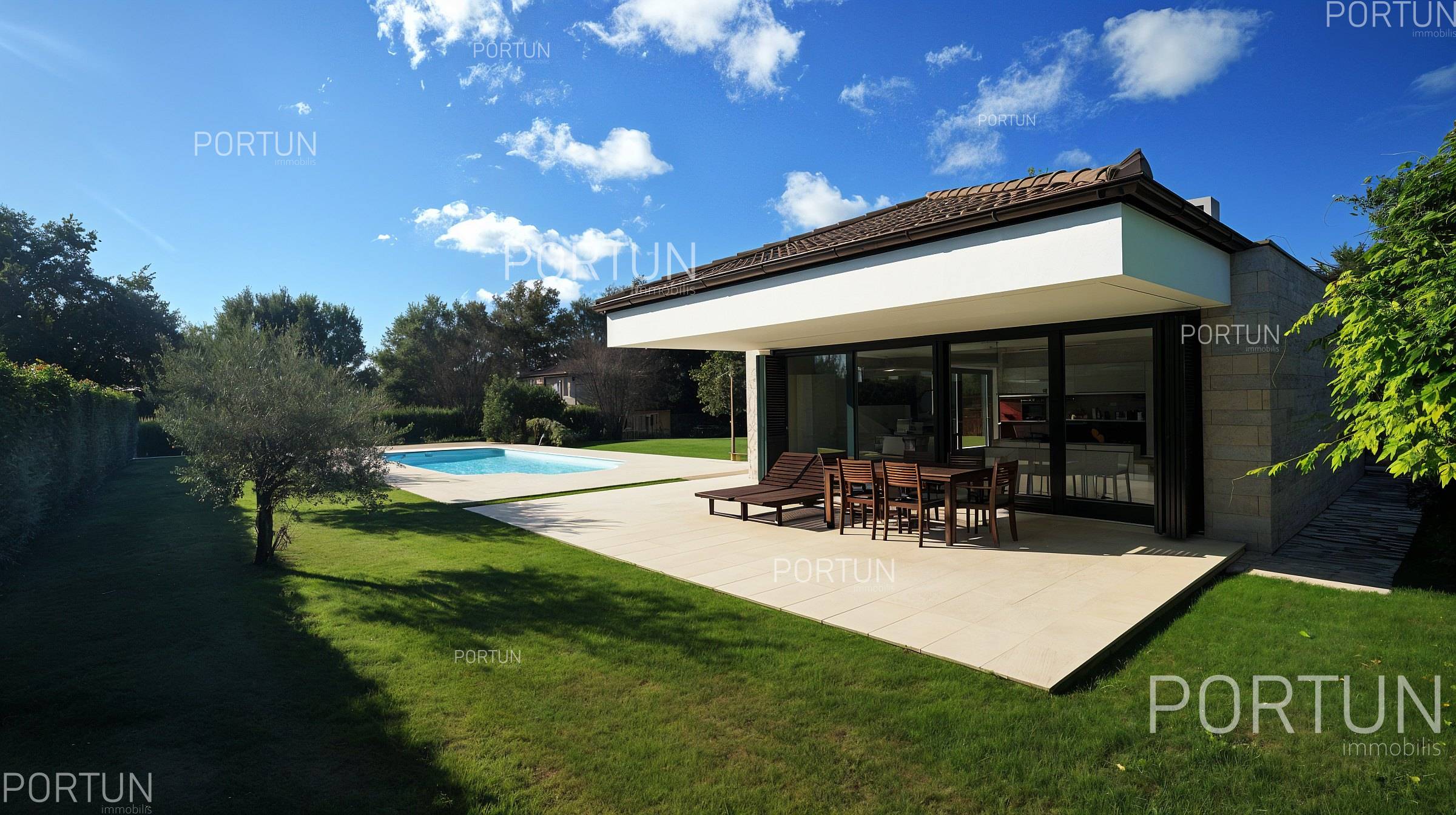
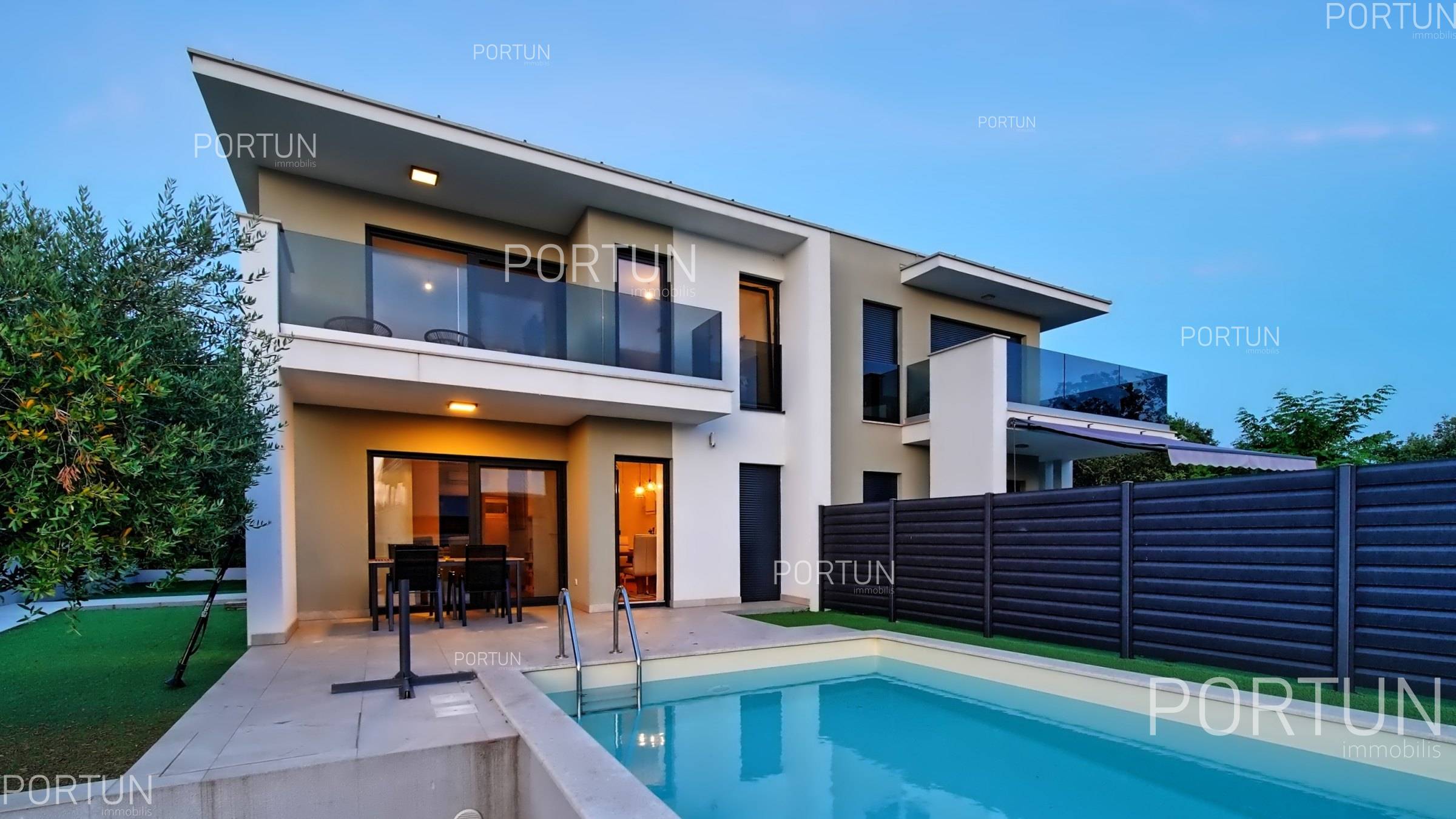
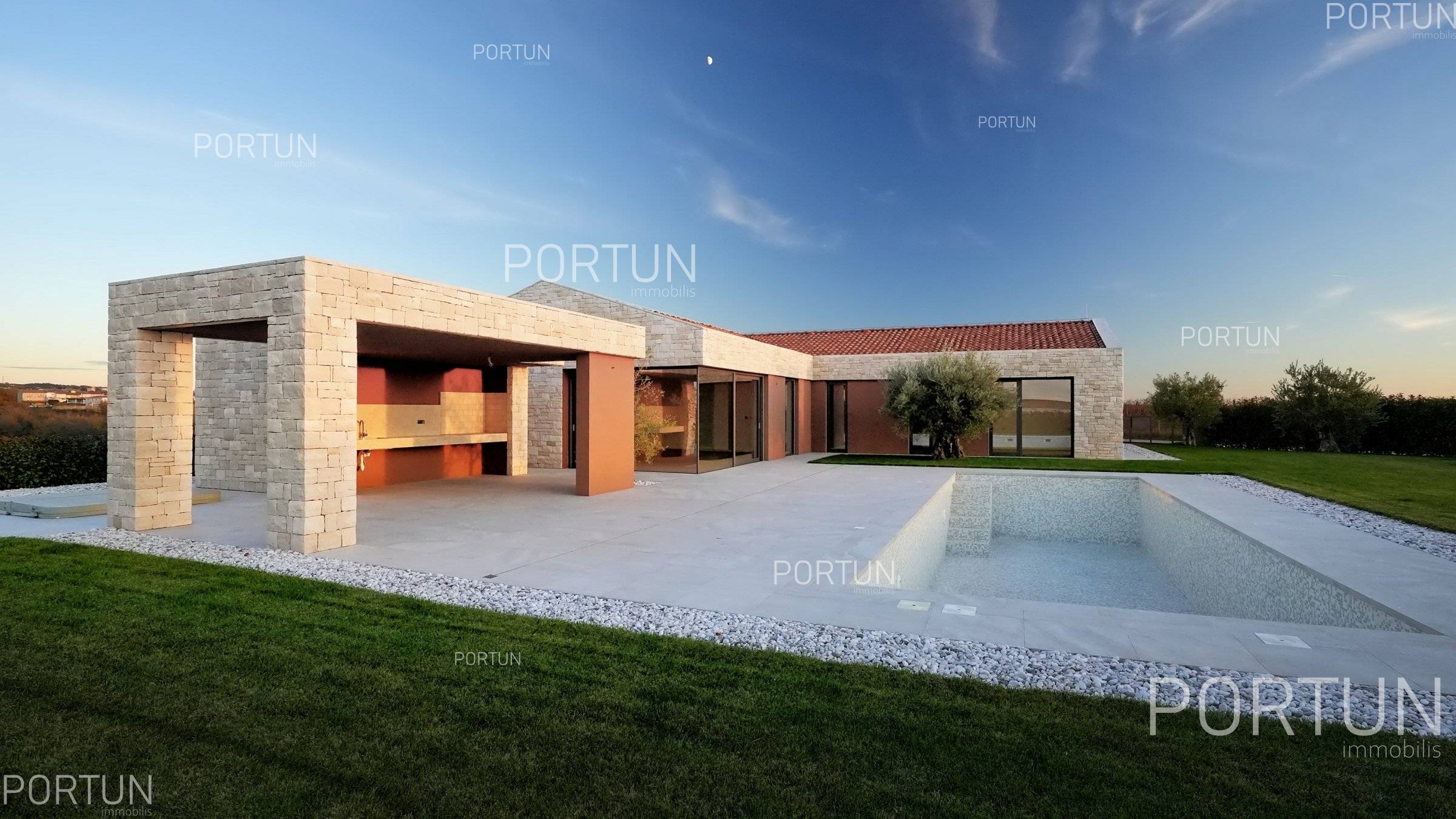
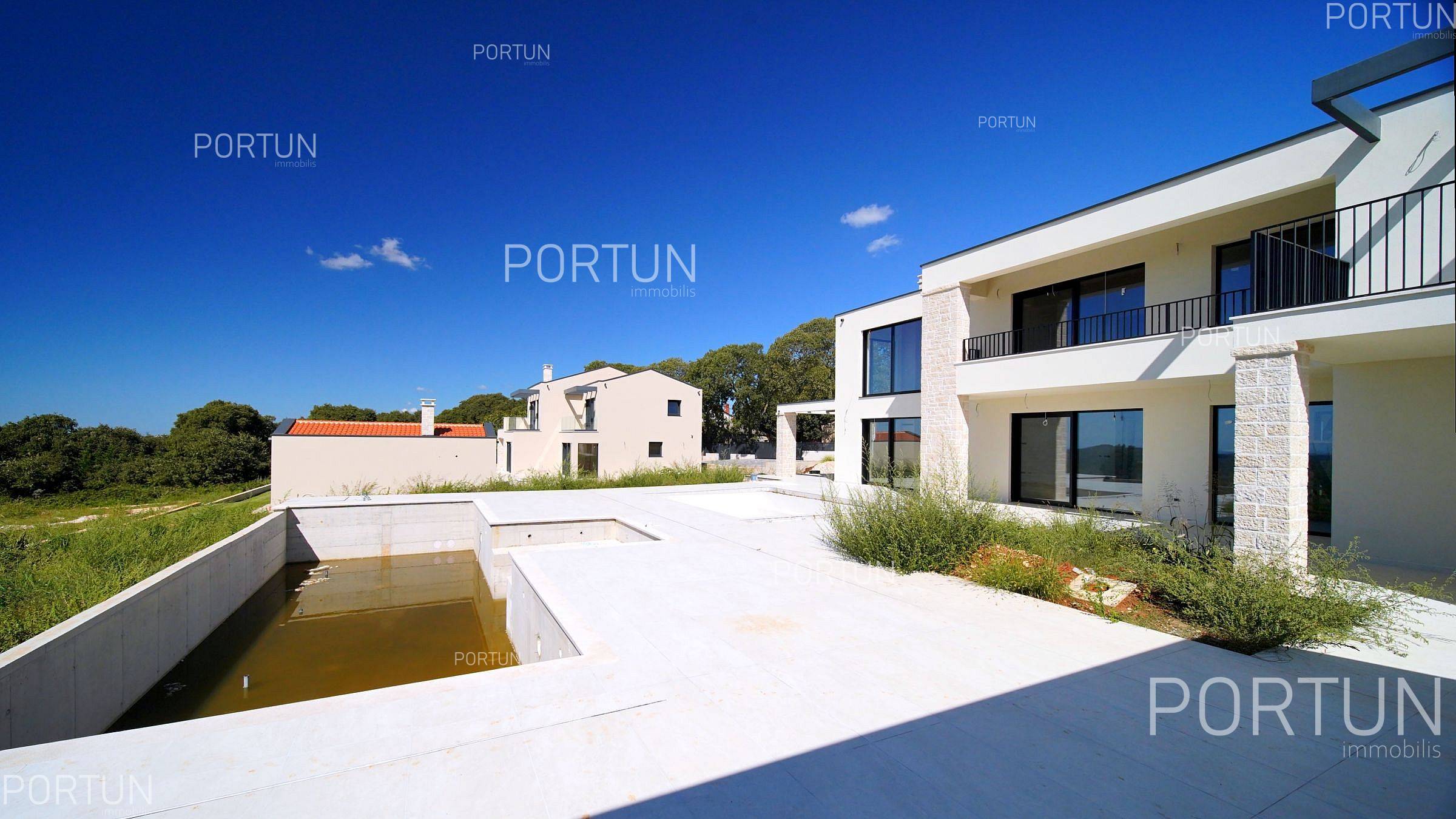
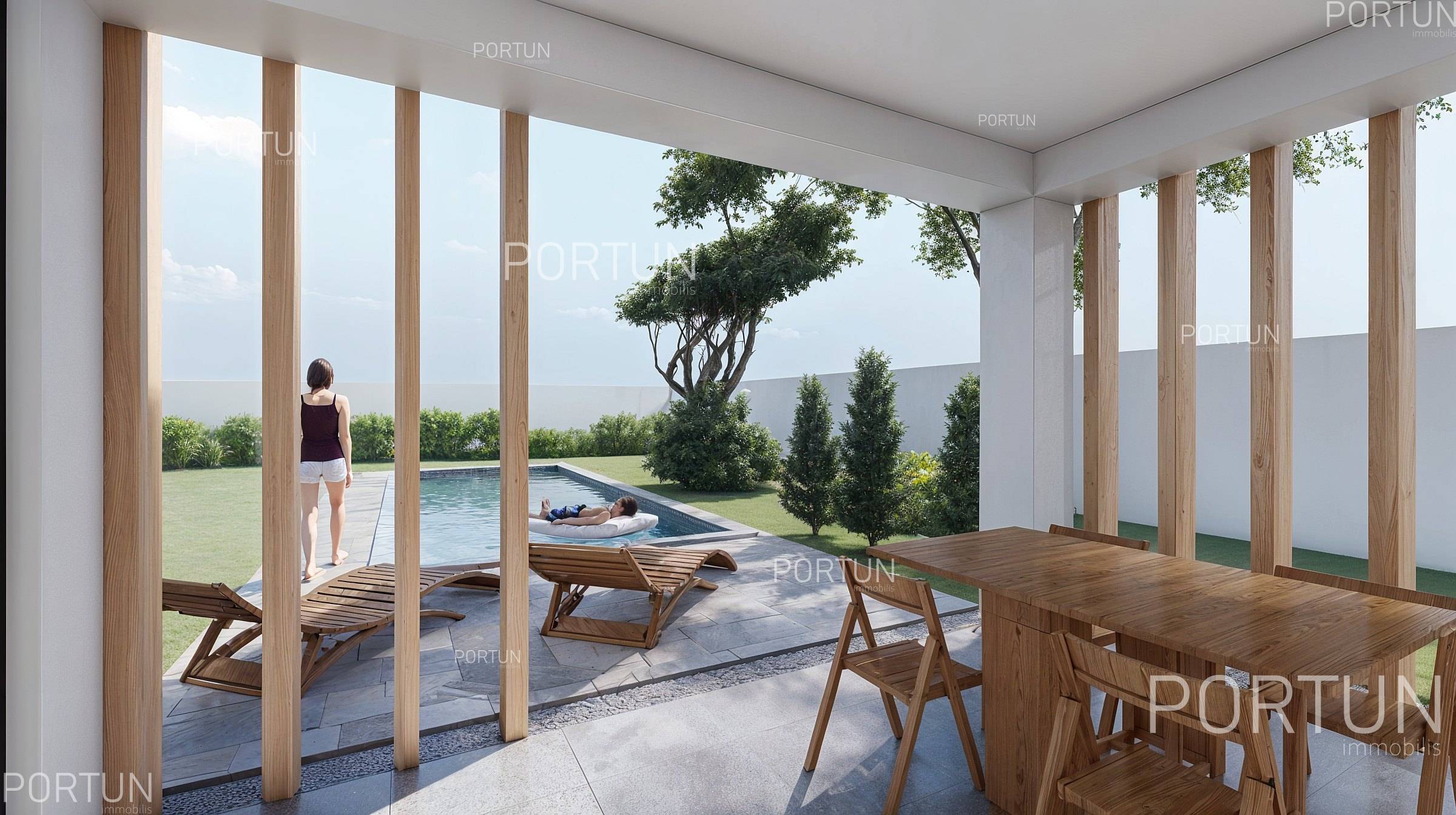
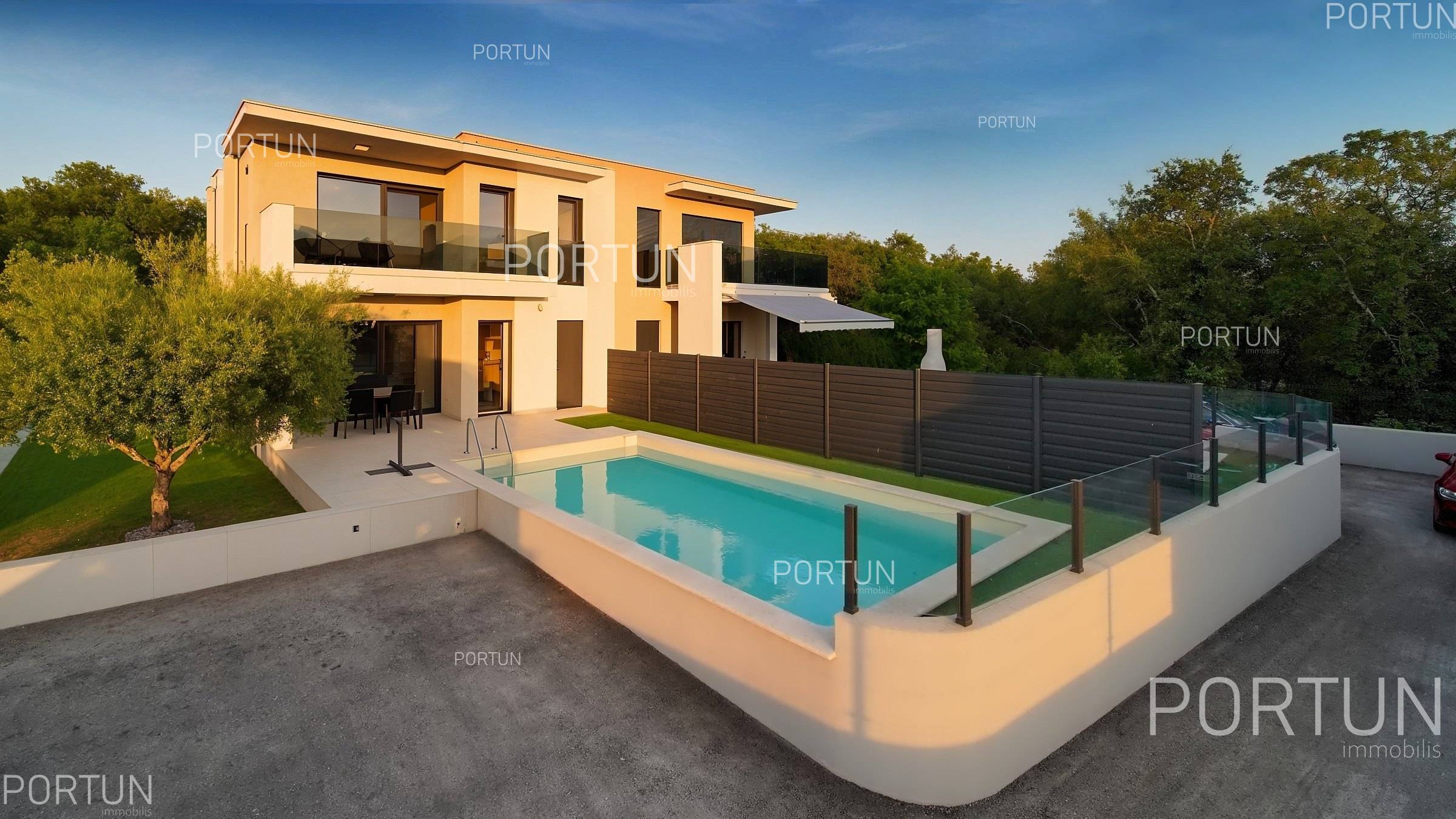
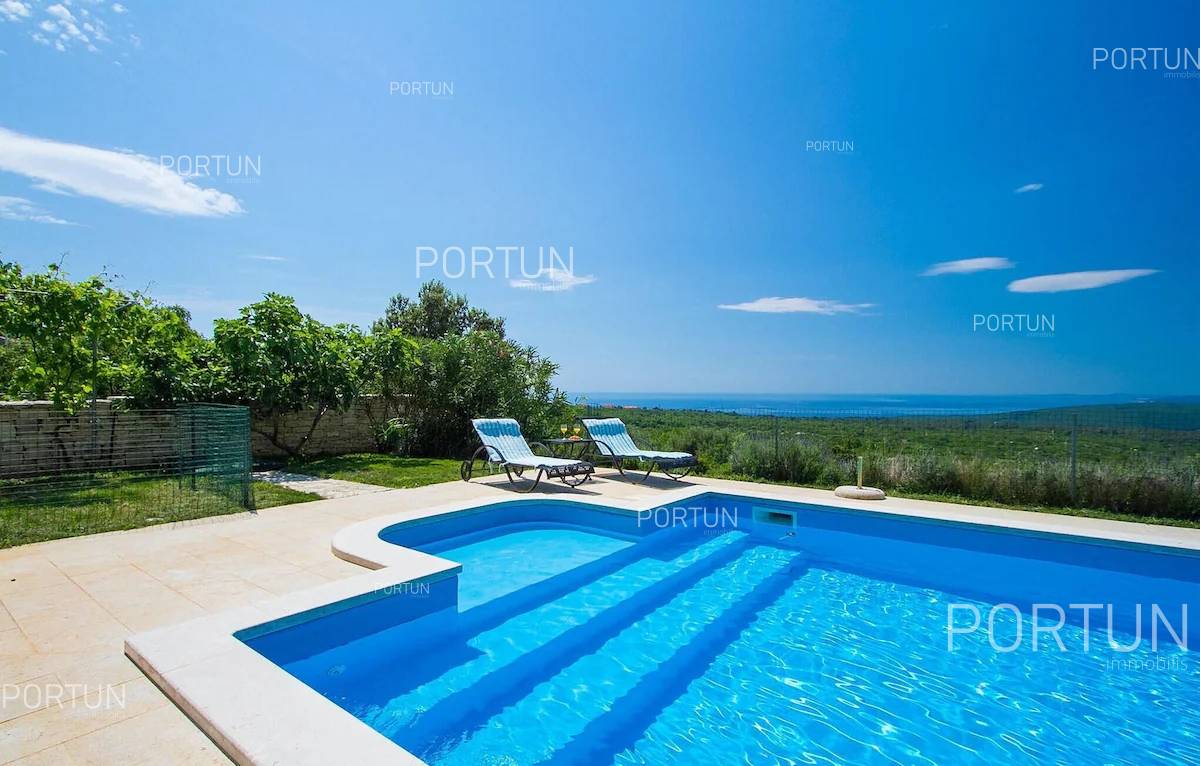
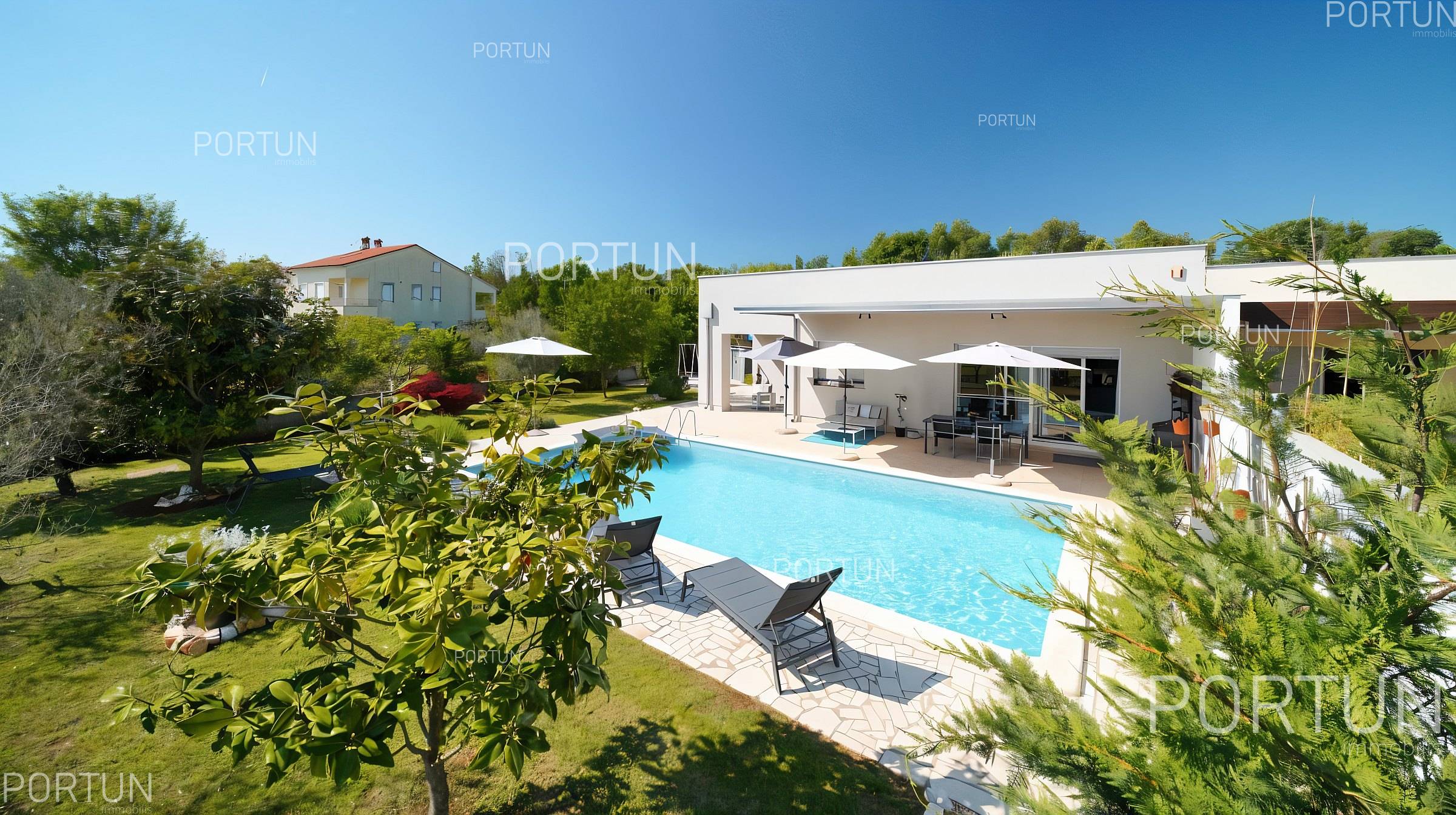
- Svetvinčenat and Kanfanar – Centers of modern villas with swimming pools
- Motovun and Grožnjan – Historic locations where buyers invest in views and heritage, often subject to conservation regulations
2. House Prices in 2026
The market is stable but increasingly quality-driven. Buyers now prioritize energy efficiency, construction quality, and long-term sustainability.
| Micro-region | Property Type | Average Price (€/m²) |
|---|---|---|
| Coastal premium zones | Luxury sea-view villas | 5,500 – 8,500 |
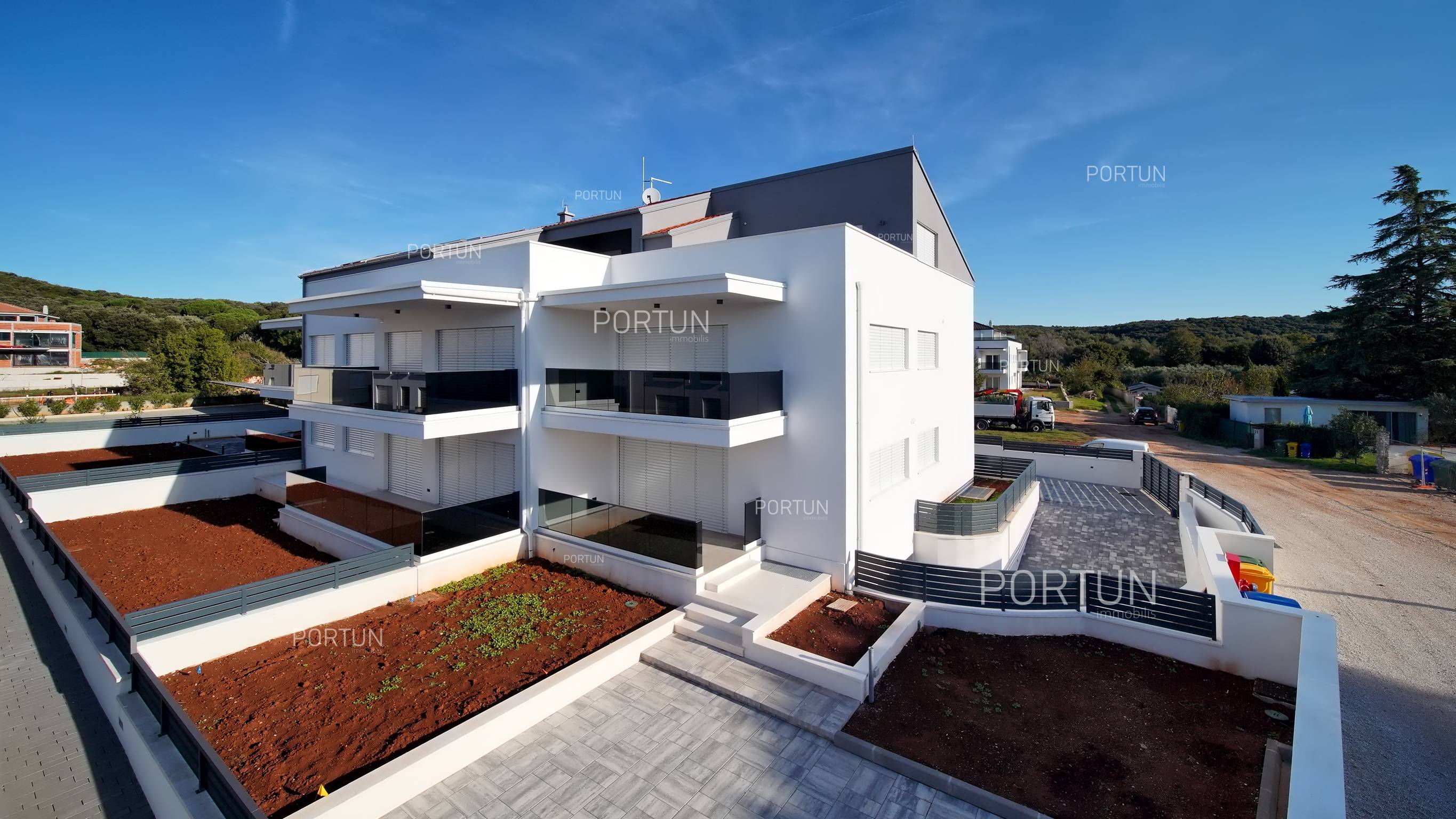
| Coastal hinterland (5–10 km) | Modern pool villas | 3,800 – 4,800 |
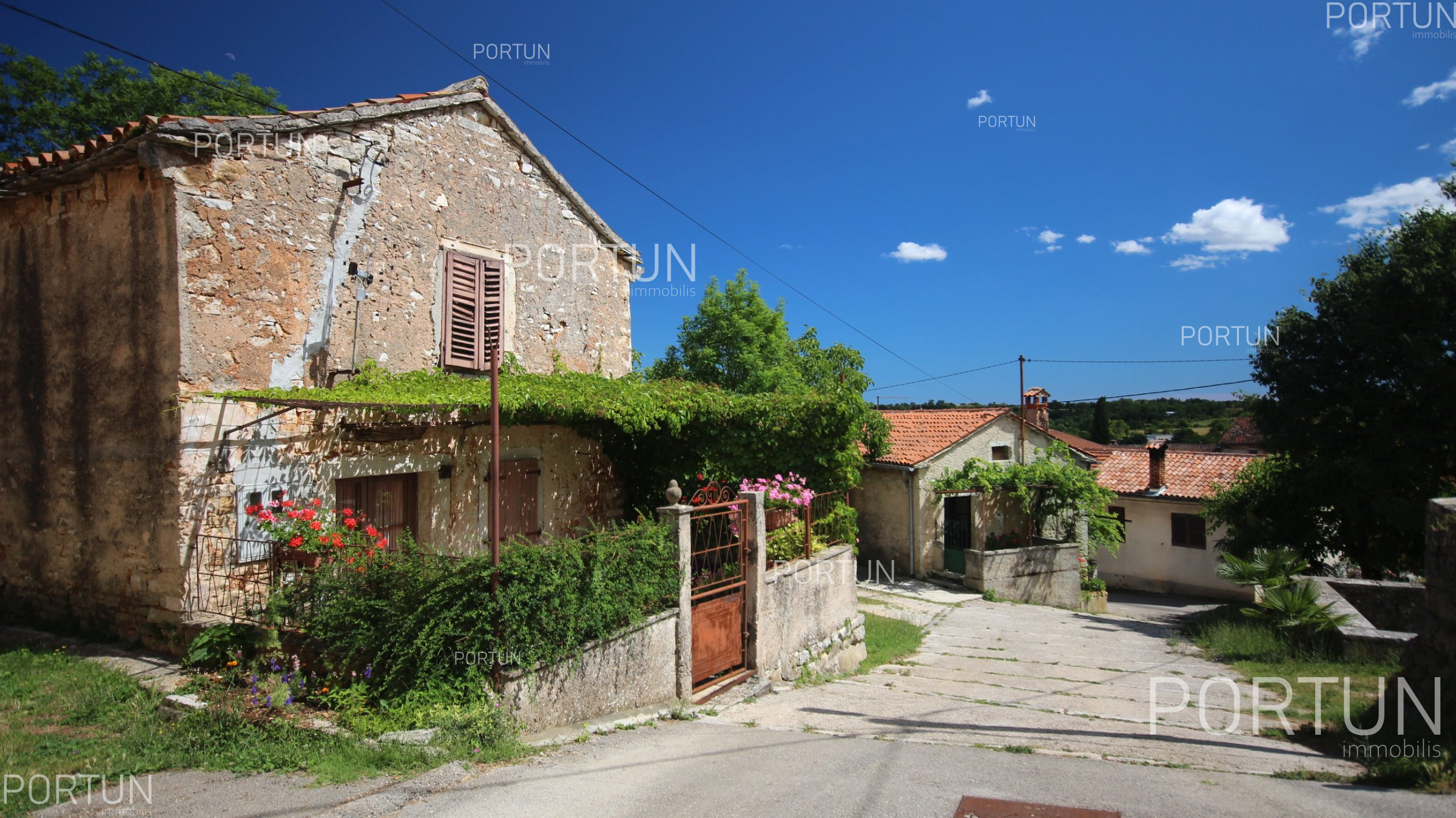
| Central Istria | Renovated stone houses or new builds | 2,800 – 3,600 |
| Northern hill region | Ruins for renovation | 1,200 – 1,800 |
| Eastern coast (Labin region) | Family houses | 2,500 – 3,200 |
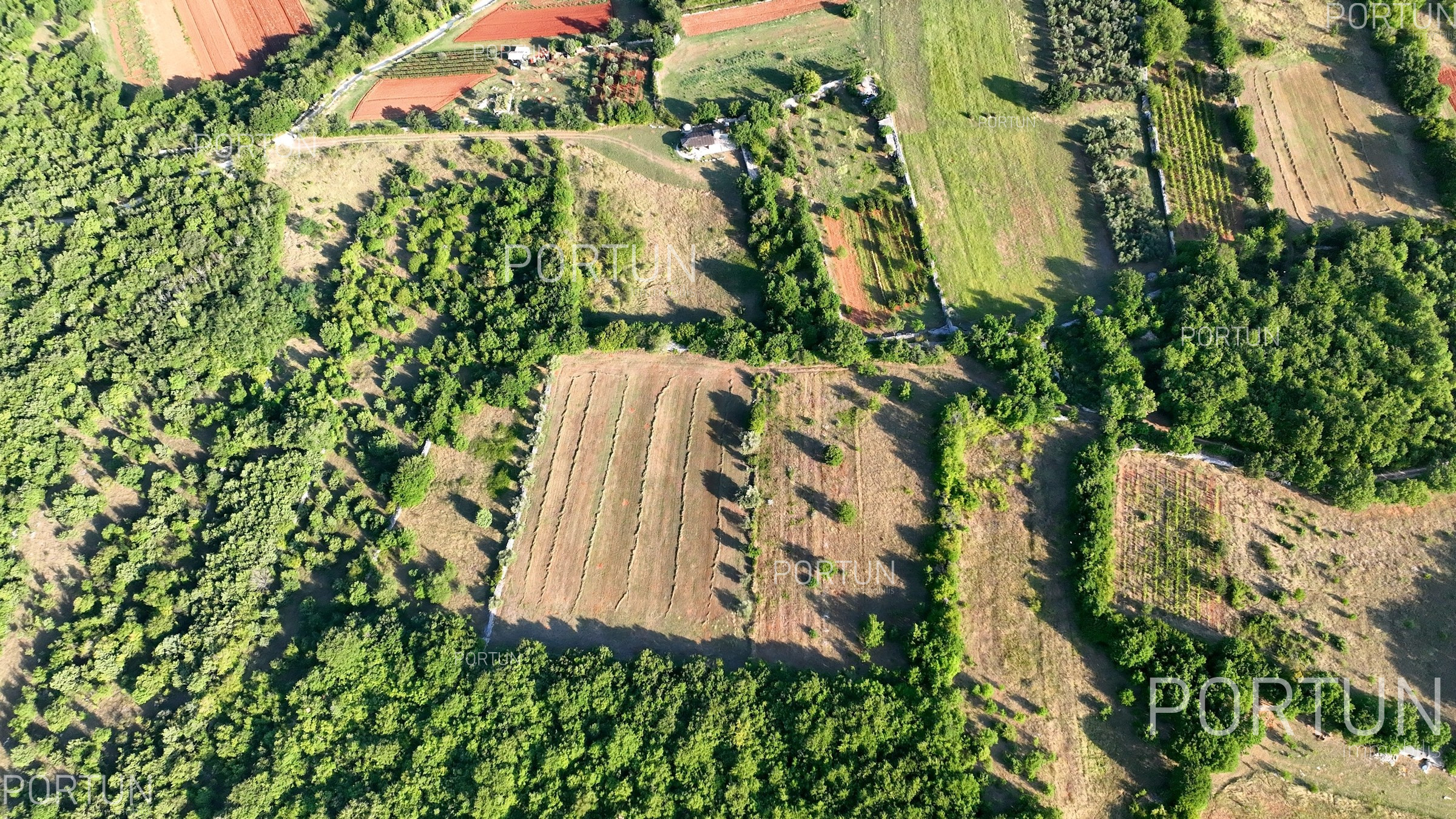
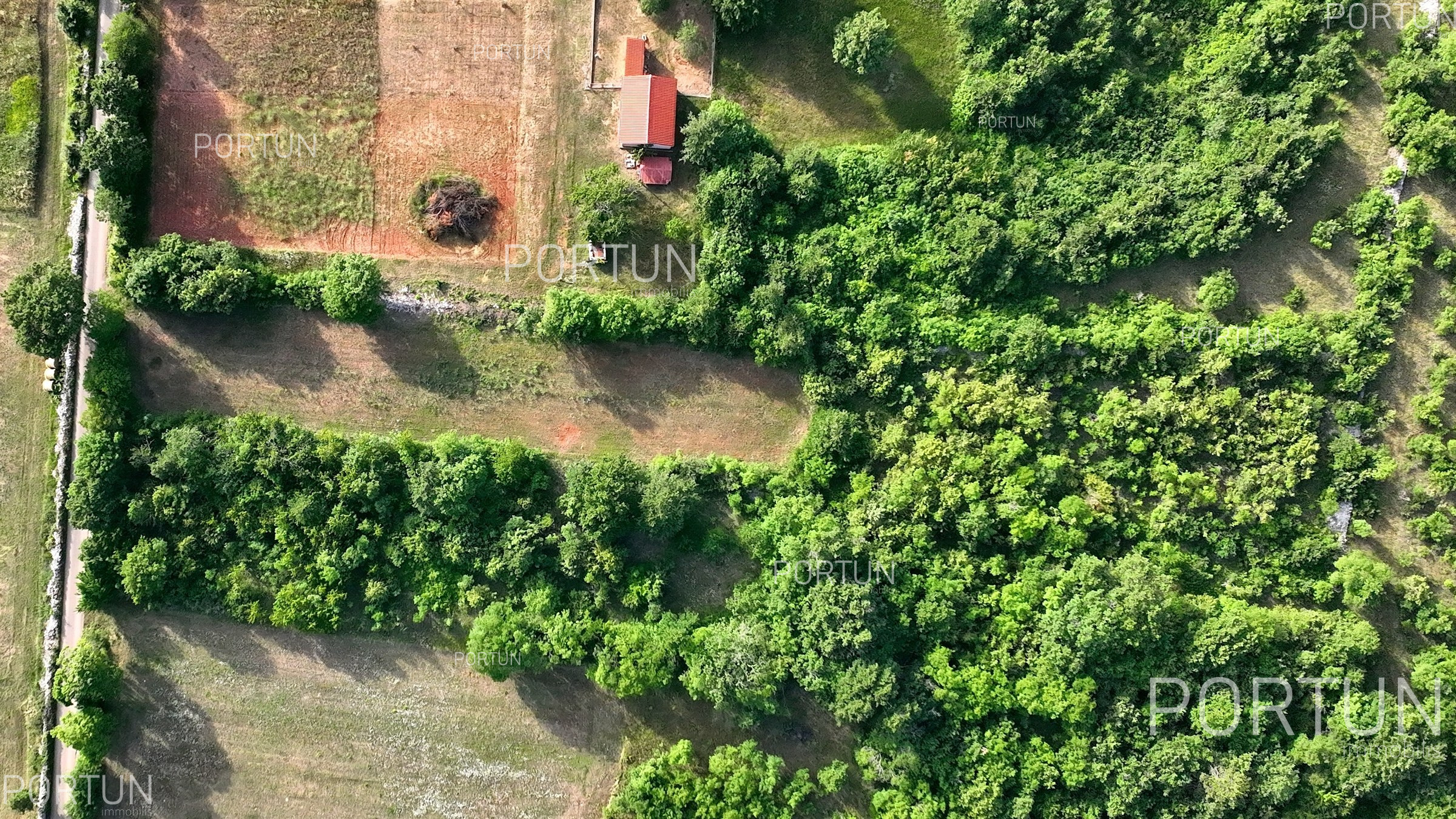
Note: House pricing often includes land value, which varies significantly depending on plot size.
3. Legal Process and Documentation
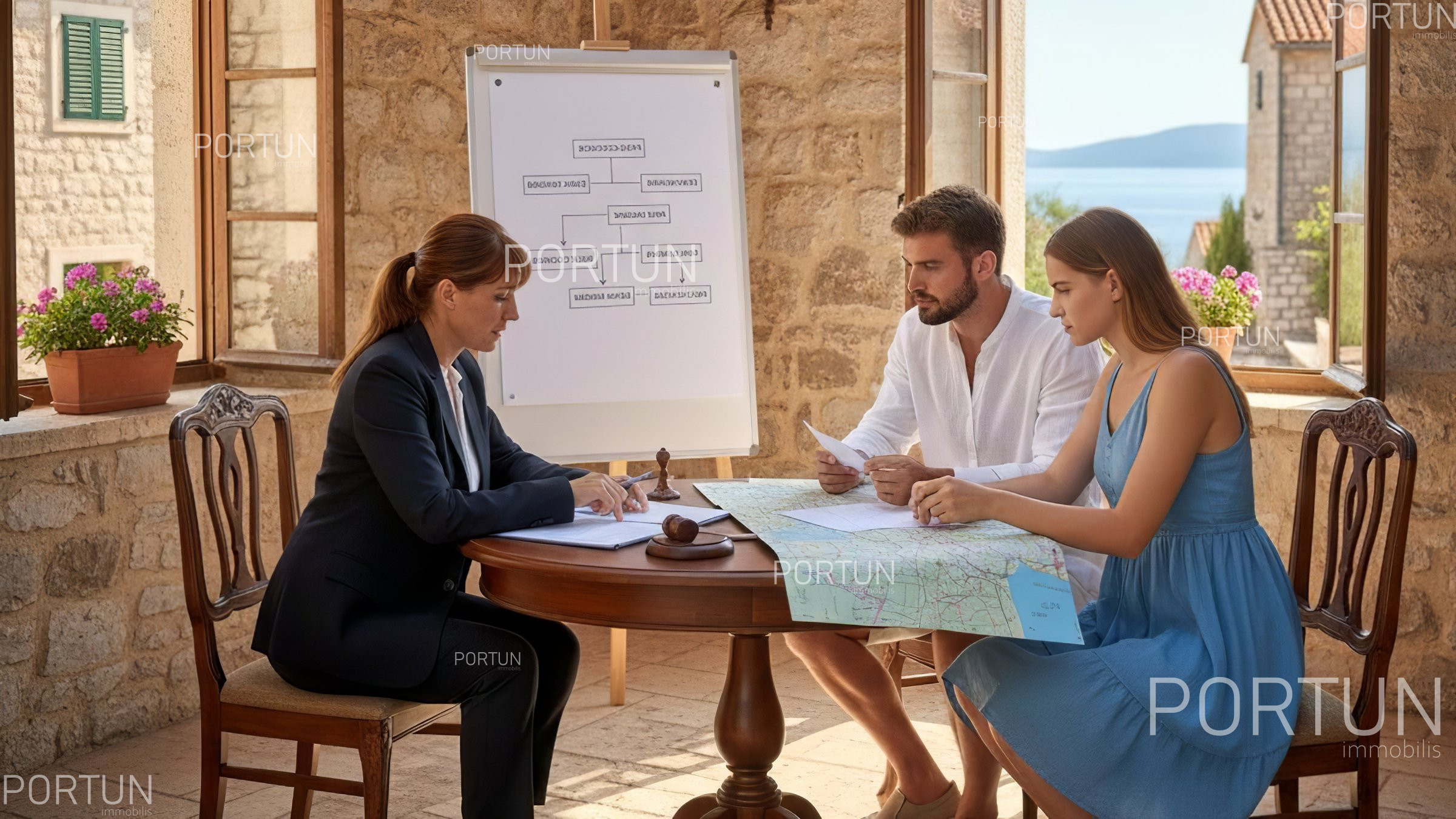
Buying a house carries more legal risks than purchasing an apartment because land registry and cadastral records are not always fully harmonized.
Land Registry Extract – Always check encumbrances. The property must be free of mortgages, disputes, or unresolved access rights.
Occupancy Permit – A crucial document. Banks usually refuse financing without it. For houses built before 1968, proof of construction date is required.
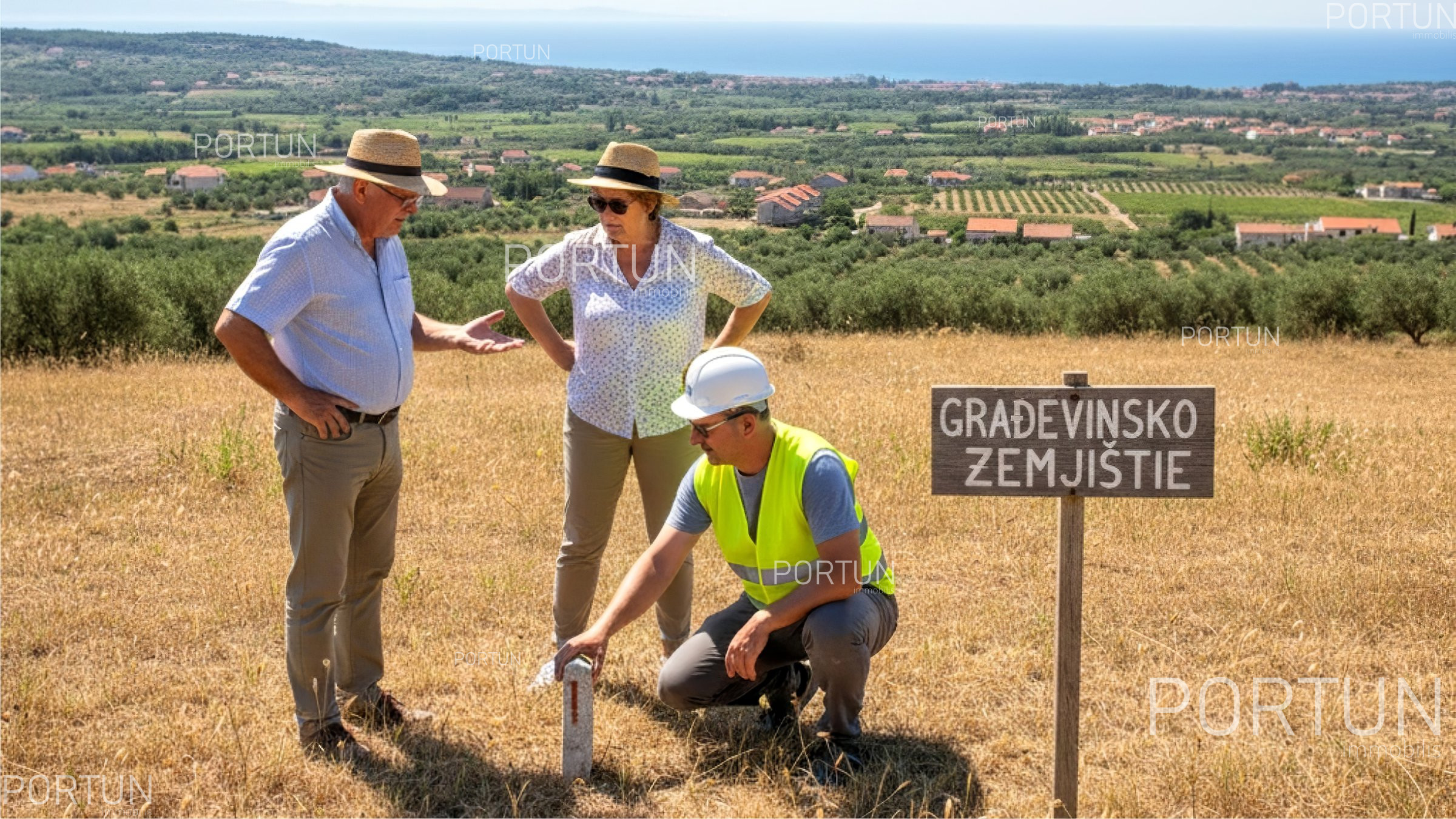
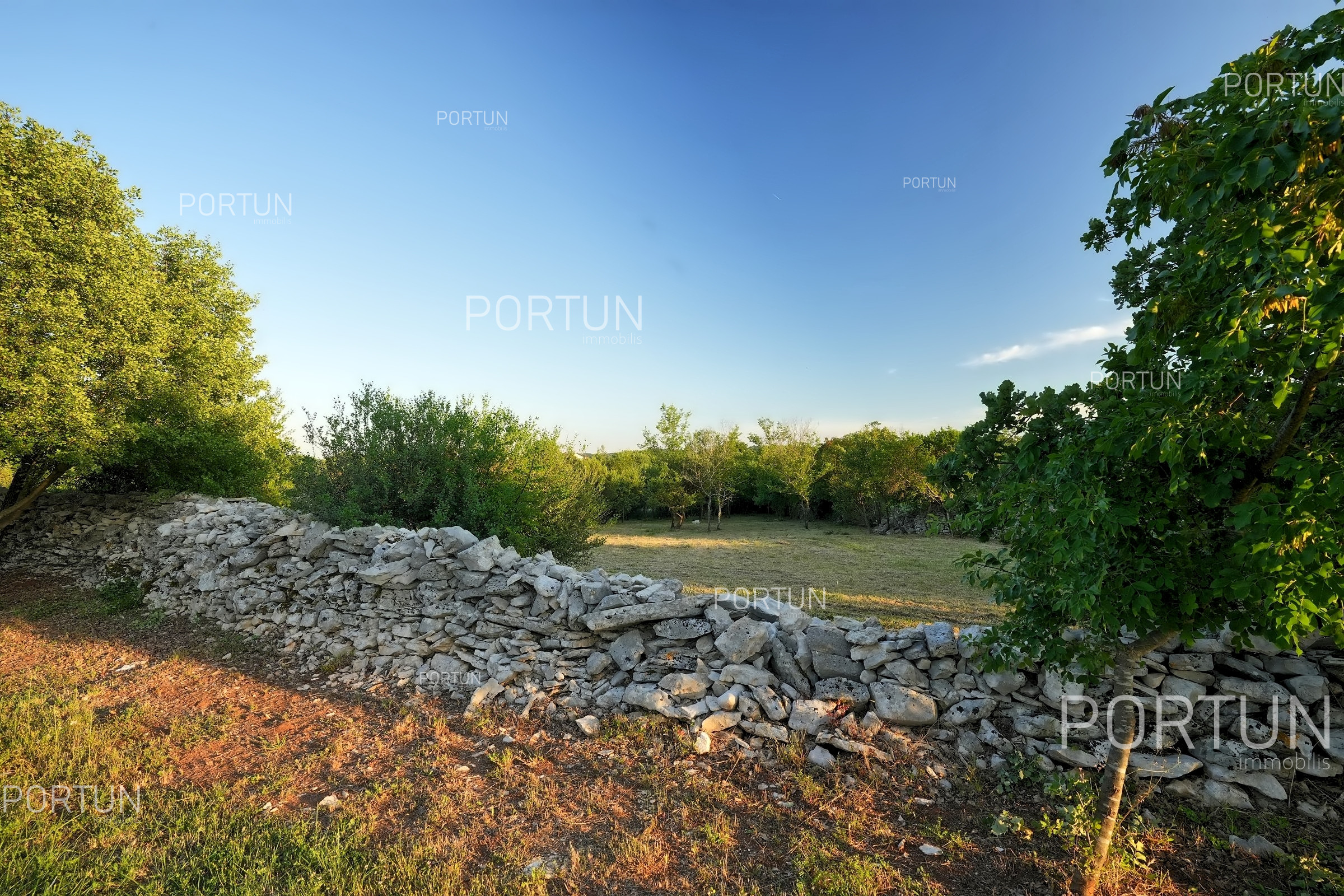
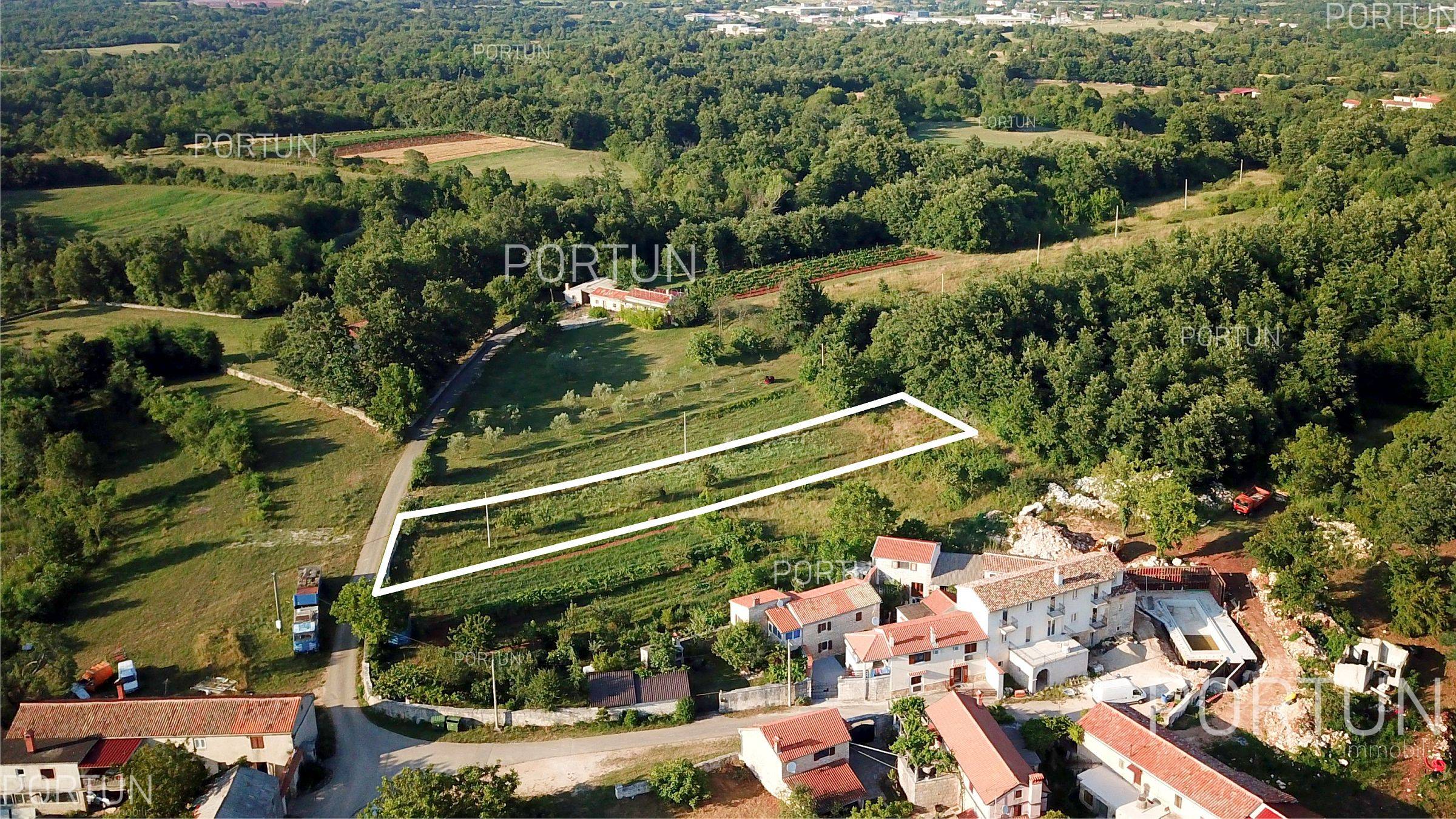
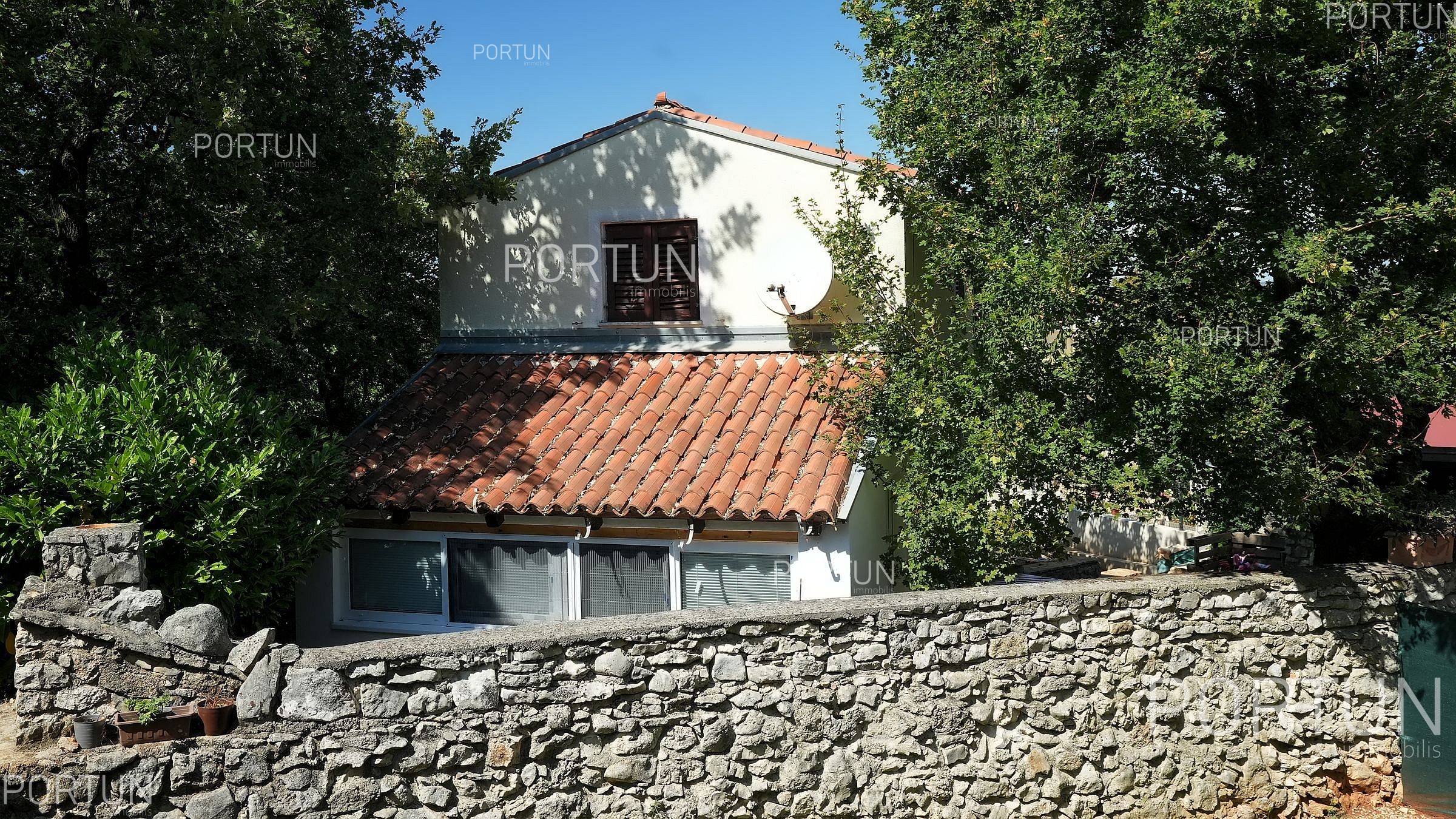
Boundary Verification – Traditional stone walls often mark borders but should be confirmed by a licensed surveyor.
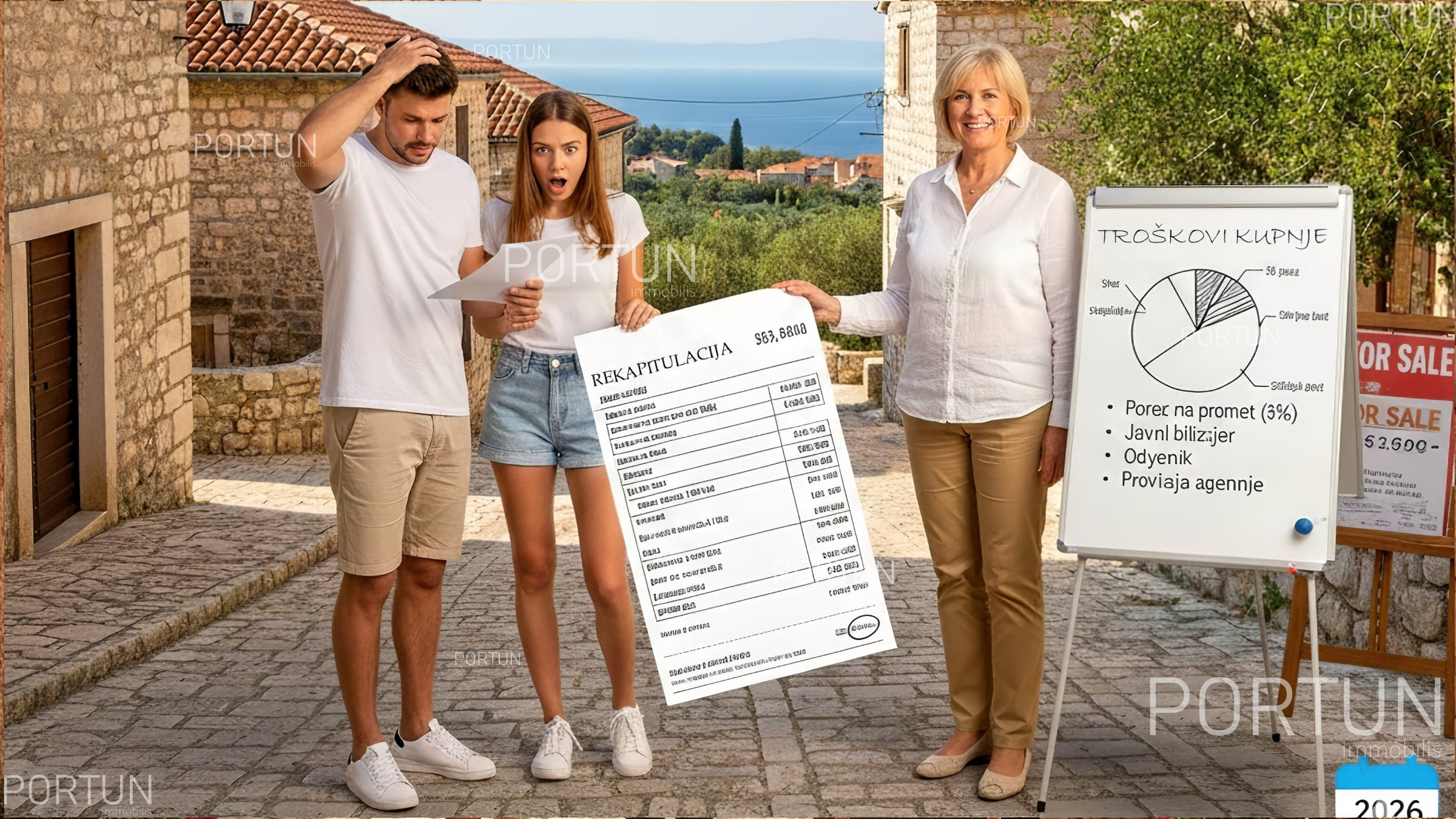
4. Taxes and Additional Costs
- Property Transfer Tax – 3%
- VAT – 25% when purchasing new construction from investors
- Holiday Home Tax – €0.60 to €8 per m² annually
- Agency Commission – Usually 3% + VAT
5. Technical Inspection Checklist
- Moisture issues – Common in older stone houses
- Heating and cooling – Heat pumps are standard in 2026
- Sewage system – Verify septic tank or public sewer connection
- Internet infrastructure – Fiber optic is not available in all villages
6. Buying Process for Foreign Buyers
- EU citizens can purchase under the same conditions as Croatian citizens
- Non-EU buyers require Ministry approval
- A Croatian tax number (OIB) is mandatory
7. Smart Buying Strategy
- Best time to buy – September and October
- Negotiation margin – Typically 5–12% for long-listed properties
- Renovation costs – Minimum around €1,500 per m²
8. Investment Potential
- Tourist rental income – €40,000 to €60,000 gross annually
- Property management – 15–20% of revenue
- Realistic net ROI – 5–7%
Final Checklist Before Purchase
- Is ownership clear and registered 1/1?
- Does the property have an occupancy permit?
- Are boundaries verified by a surveyor?
- Is electricity capacity sufficient?
- What are annual property taxes?
Istria is more than square meters – it represents lifestyle quality, seasonal rhythm, and a long-term investment beyond numbers.
Related guides and useful articles
Thematic guides for buying a house in Istria
These articles cover specific scenarios, risks and strategies related to buying a house in Istria.
- Risks of buying a house in Istria
- Buying a luxury house in Istria
- Selling houses with pools: new rules 2026
- How to buy the right location before others
- How to find the perfect retirement property in Istria
Local guides – buying a house by location
Each micro-location has its own rules, advantages and limitations worth understanding.
Houses for sale in Istria
You can explore current listings on the houses for sale in Istria page.
Tags
buying a house in Istria, property buying guide, house purchase risks, luxury houses Istria, houses with pool, 2026 regulations, property location, retirement in Istria