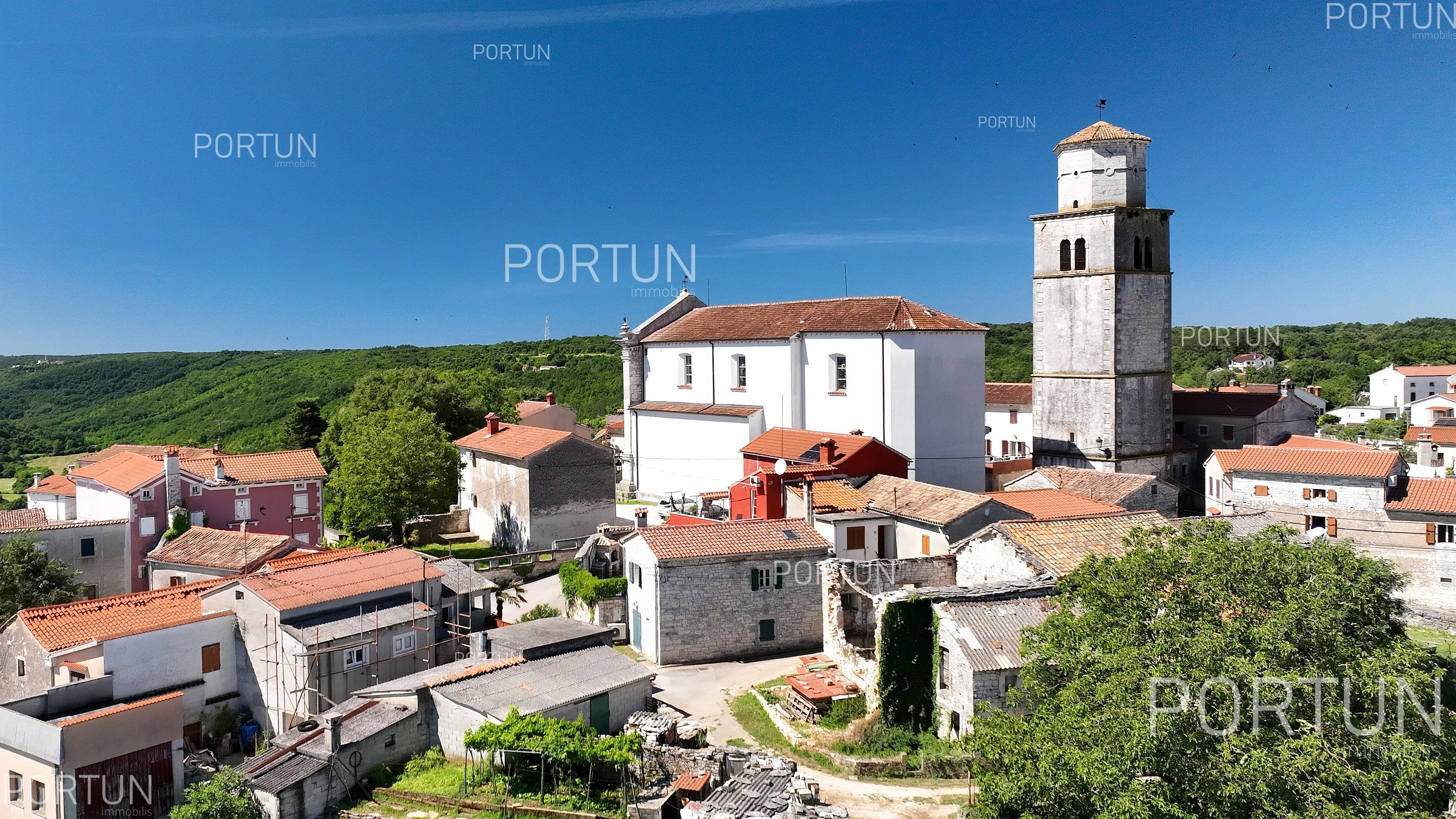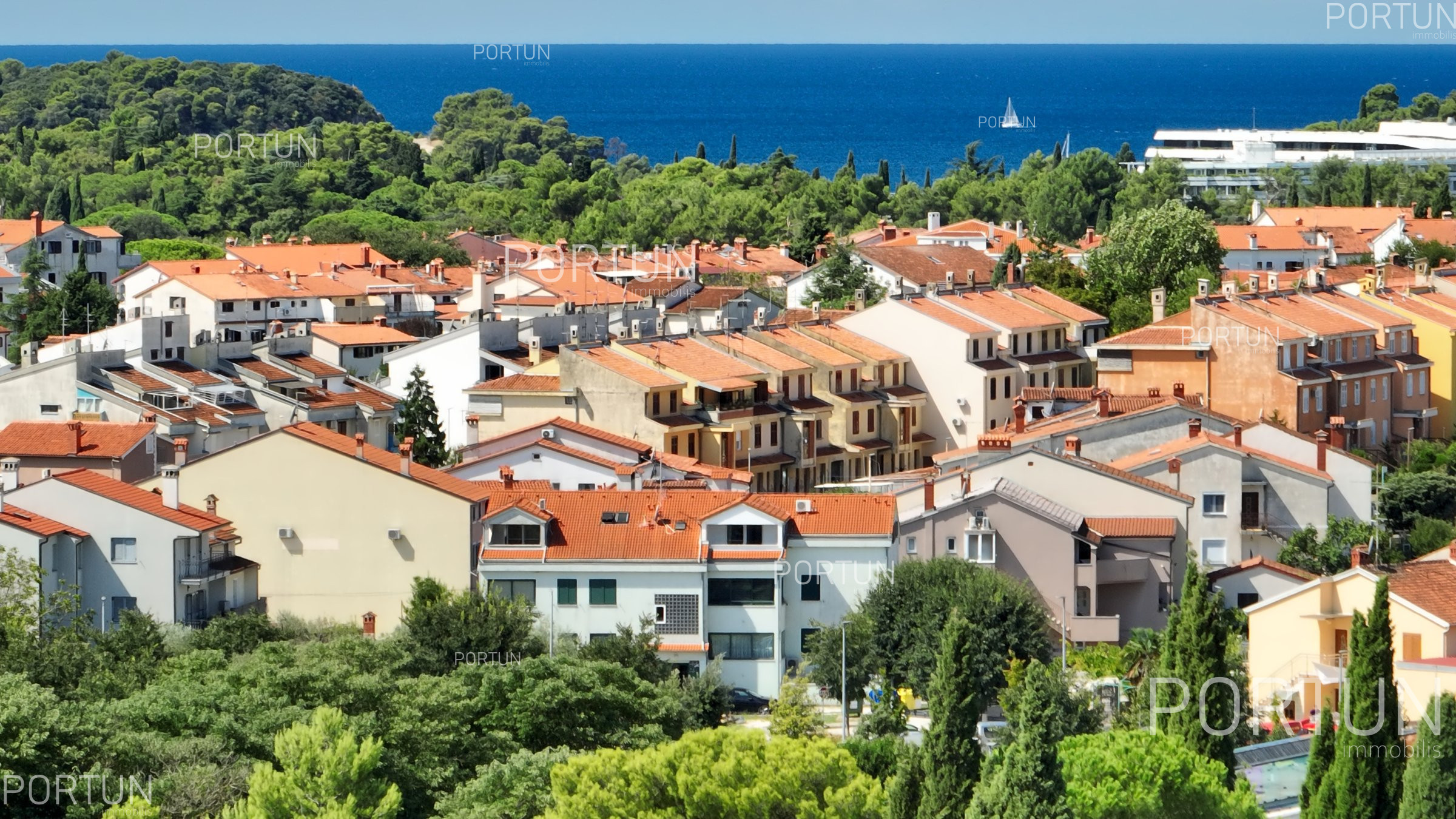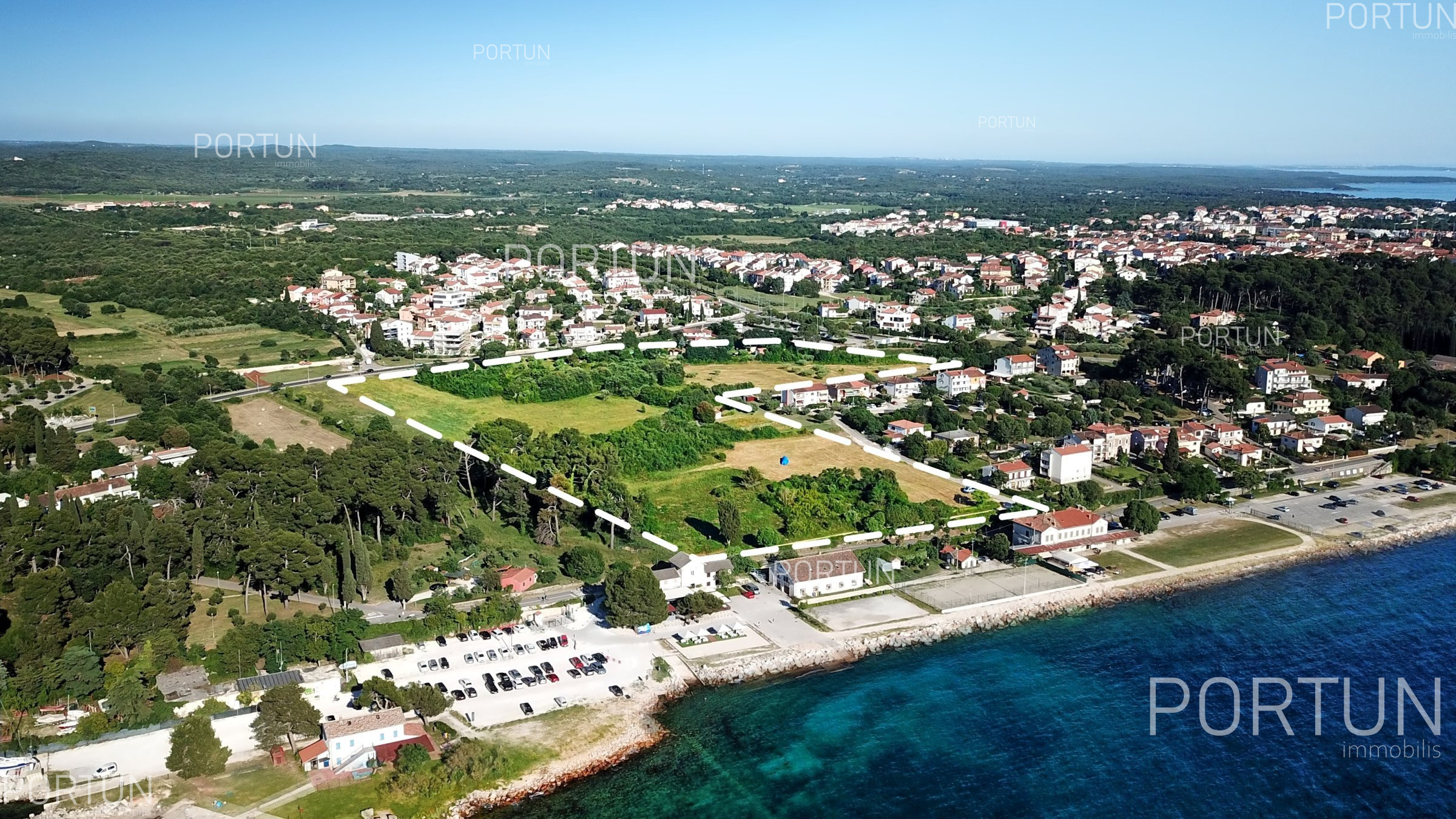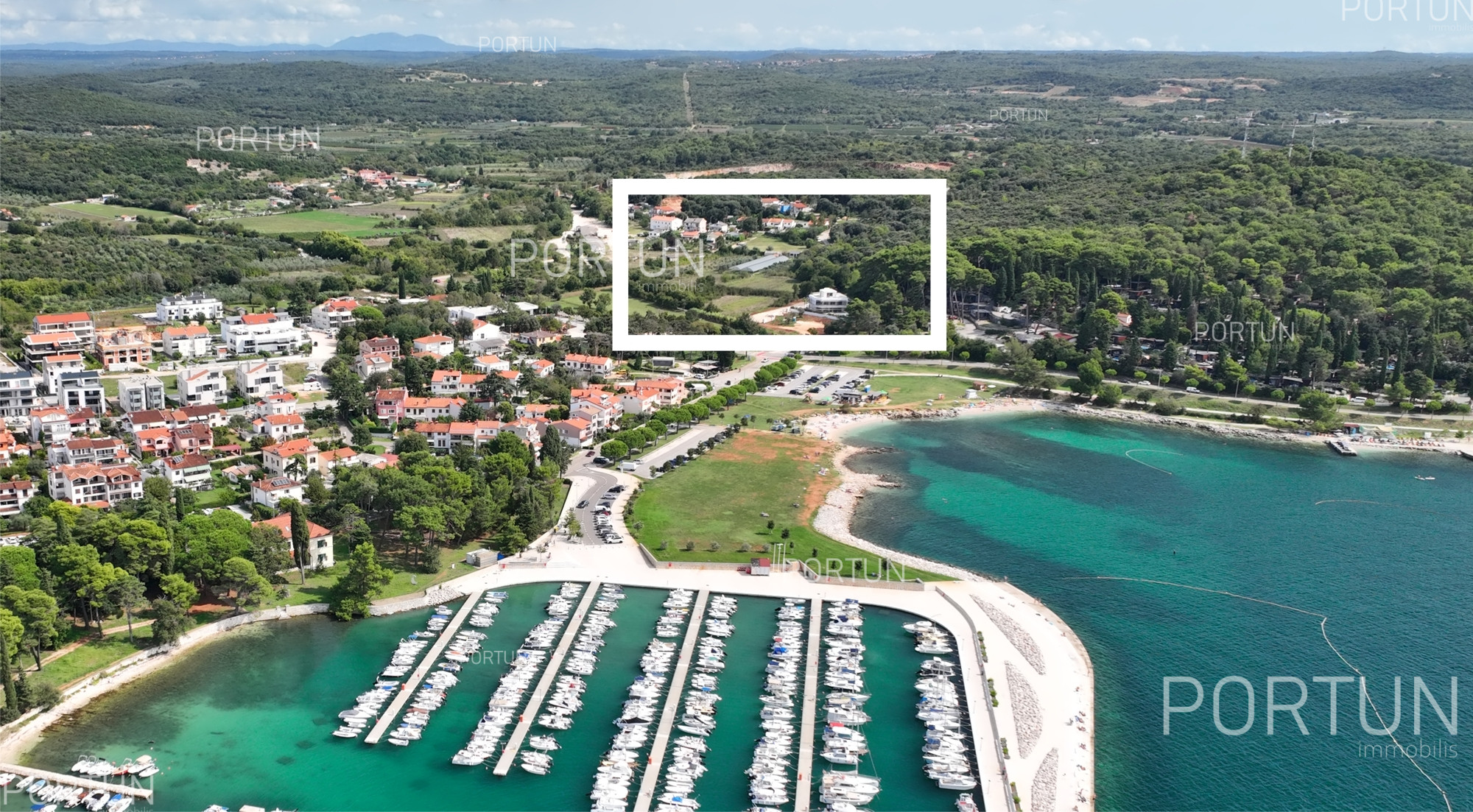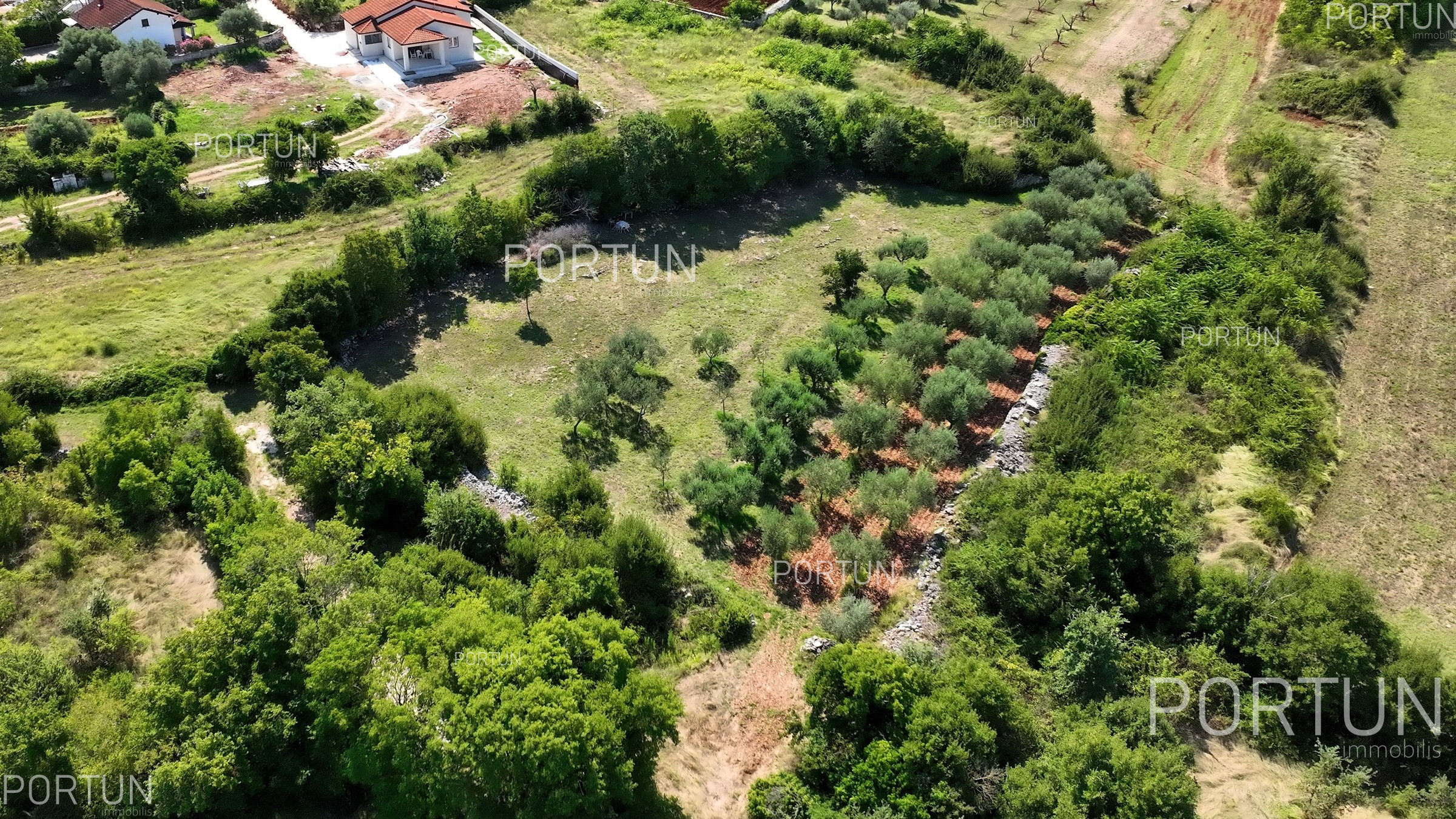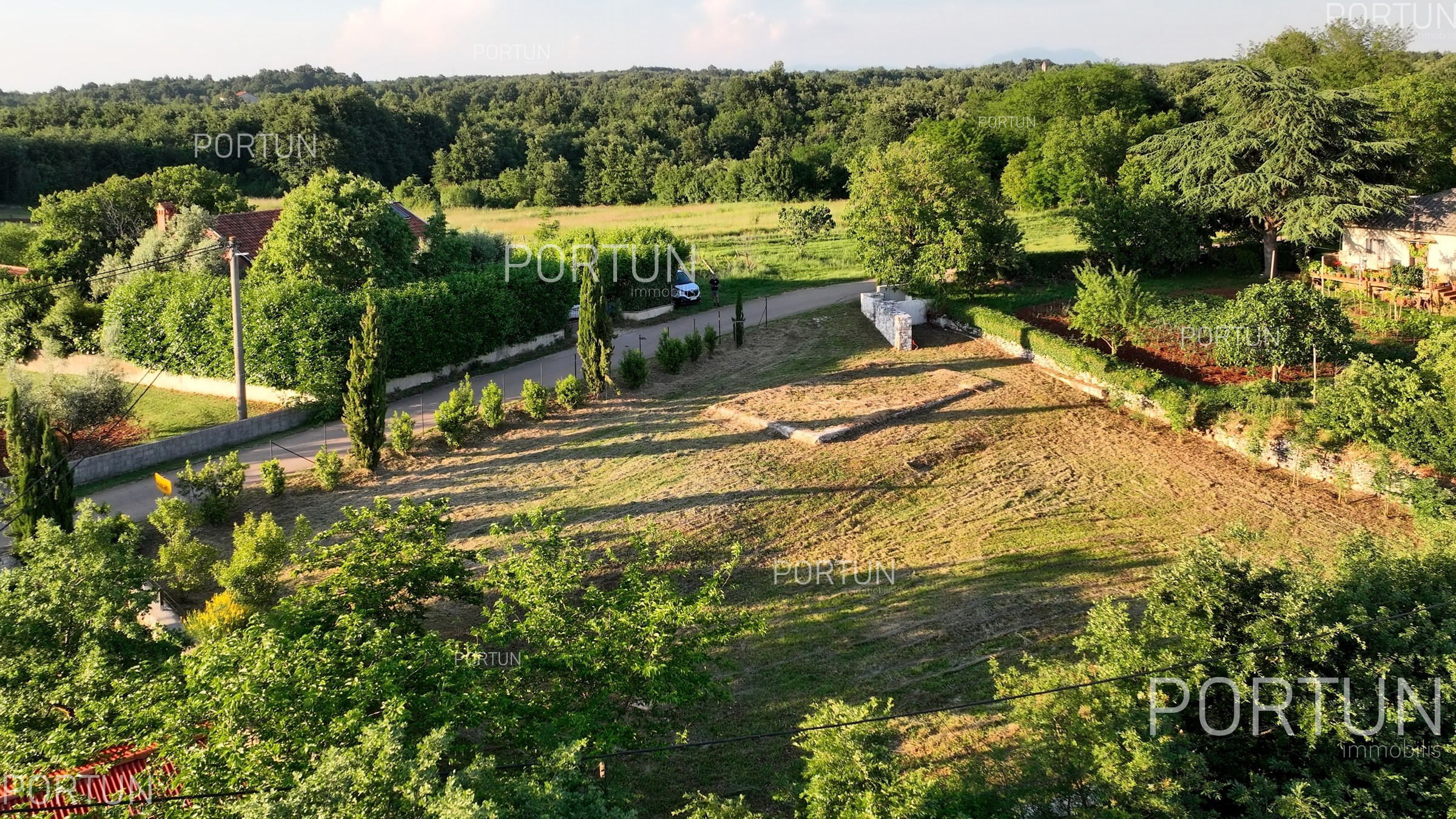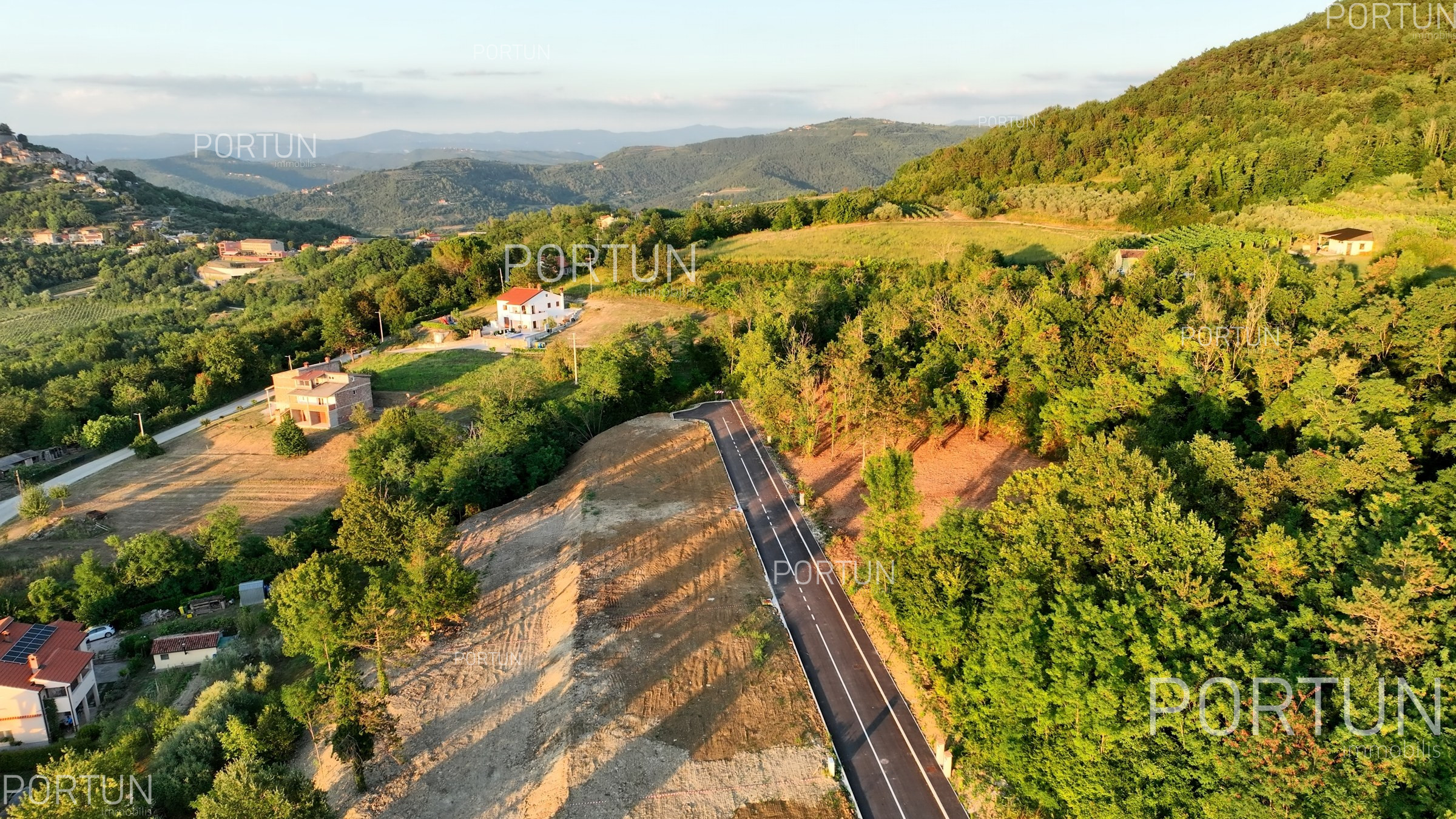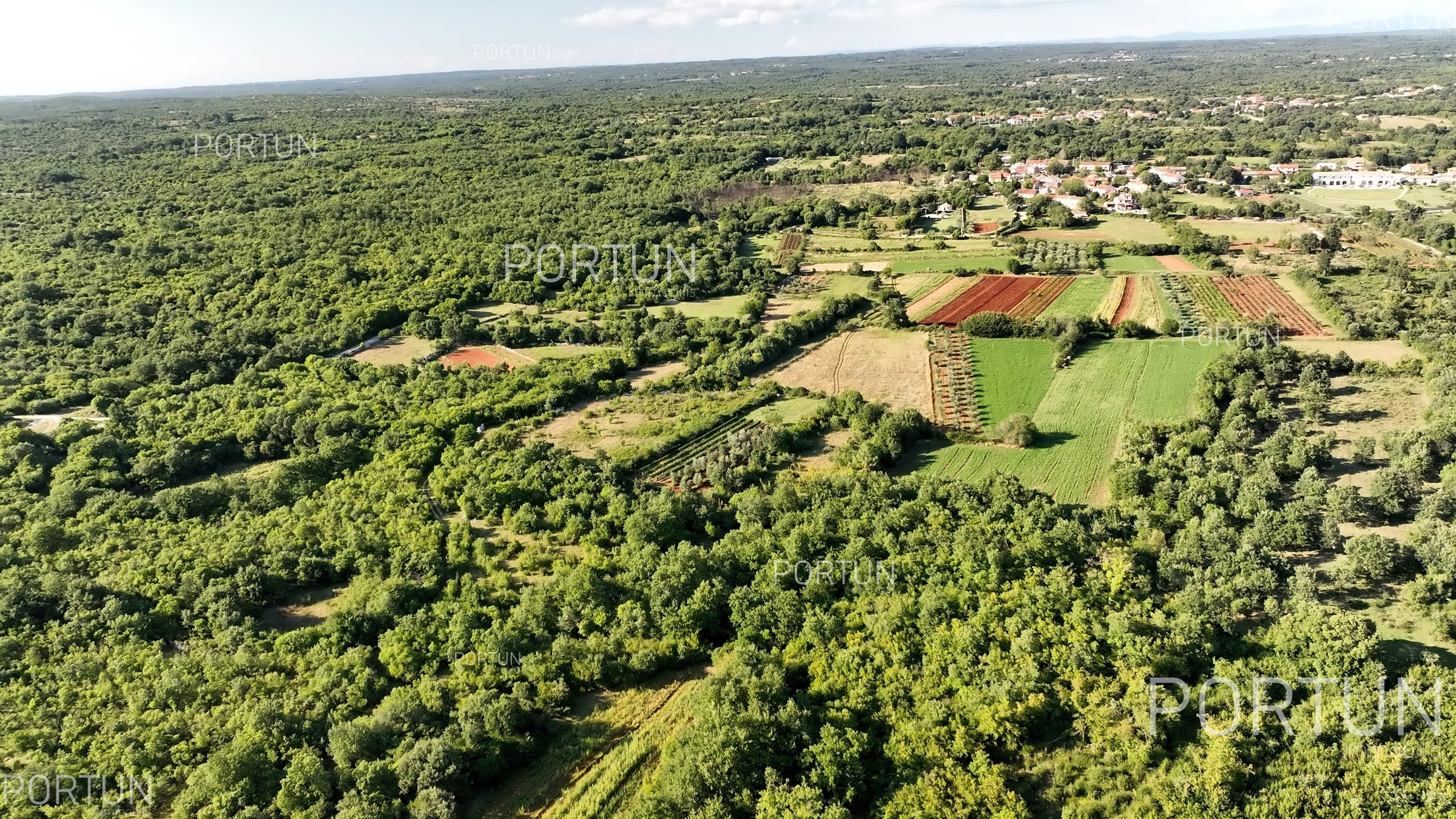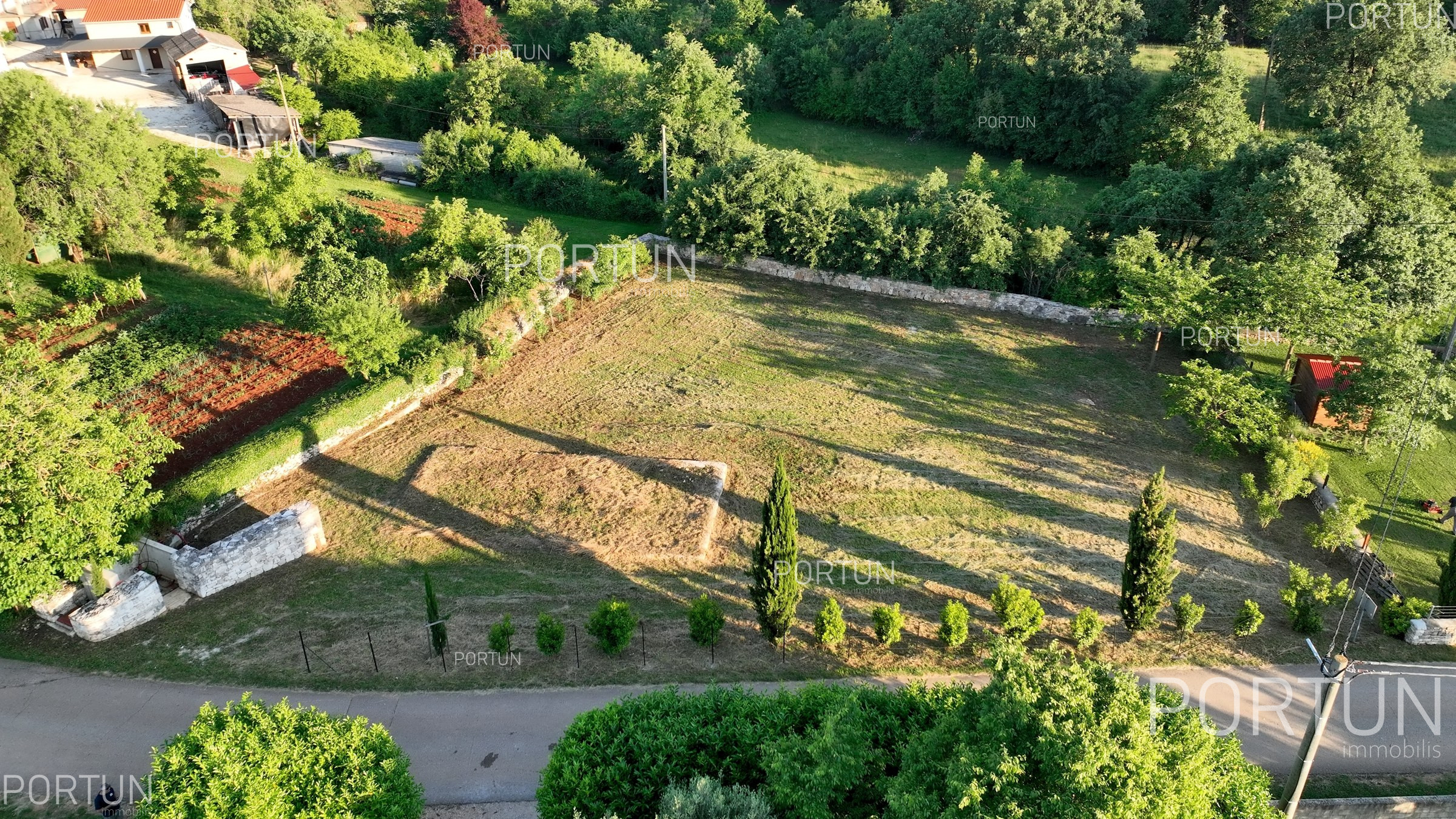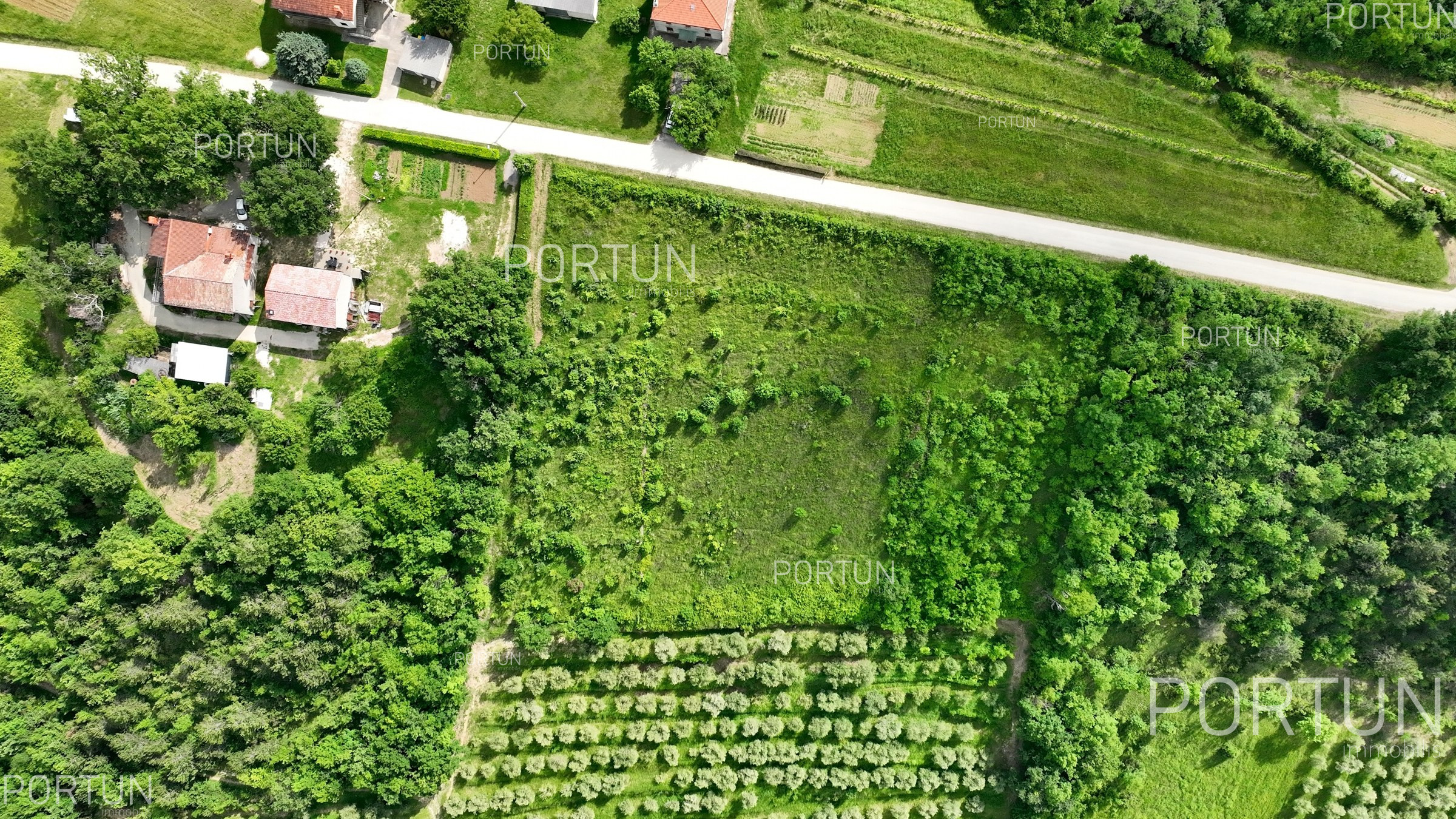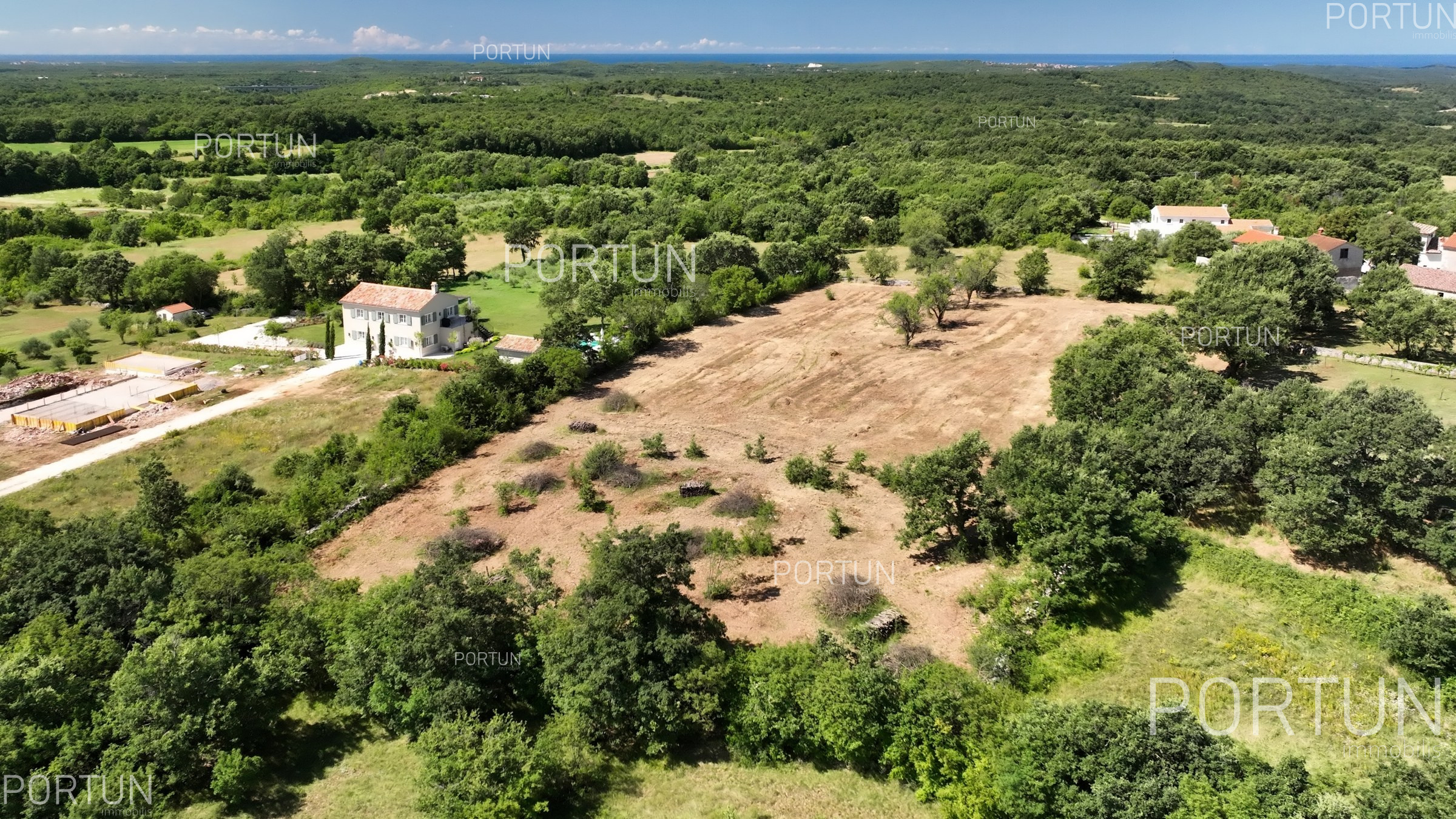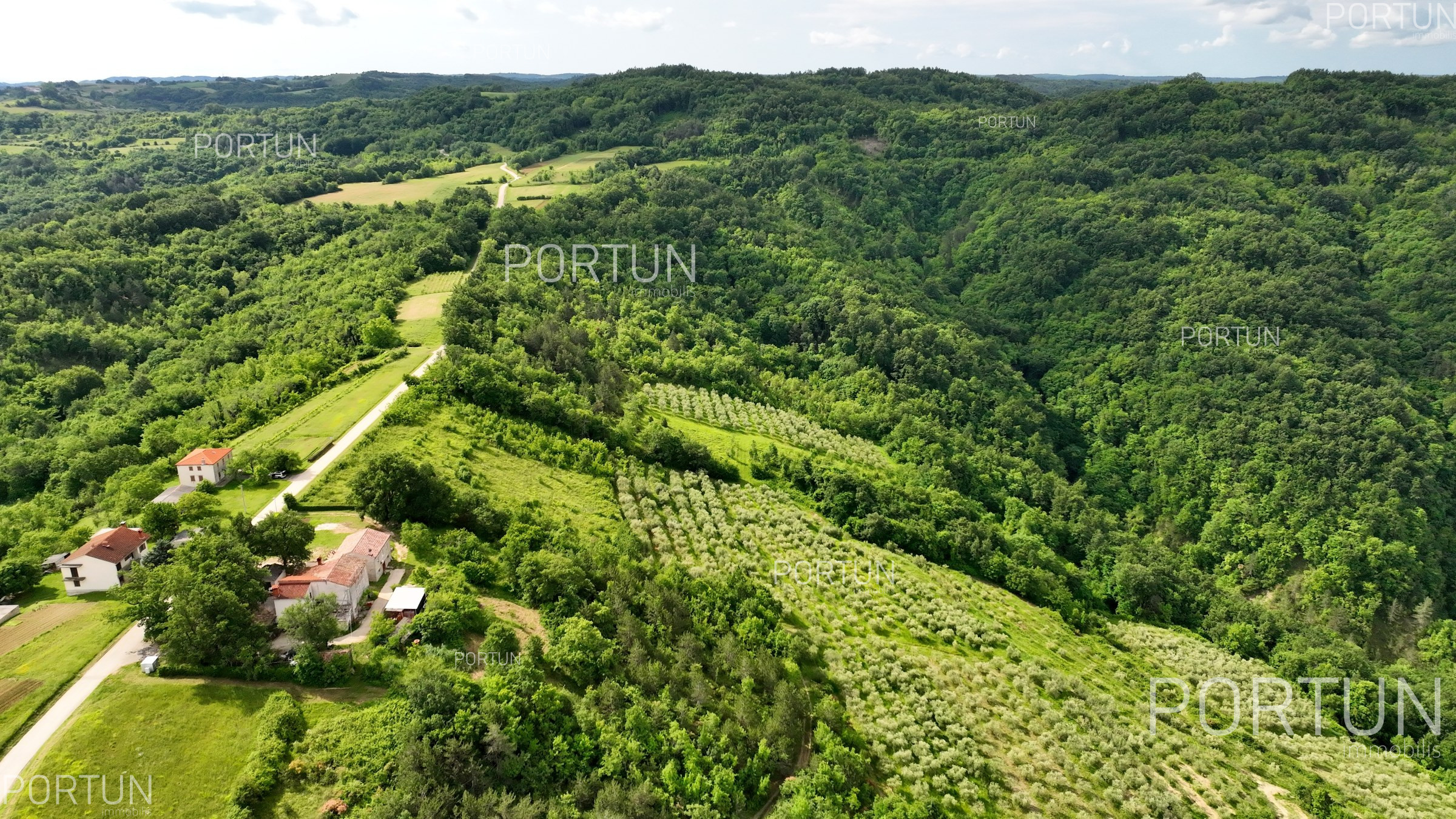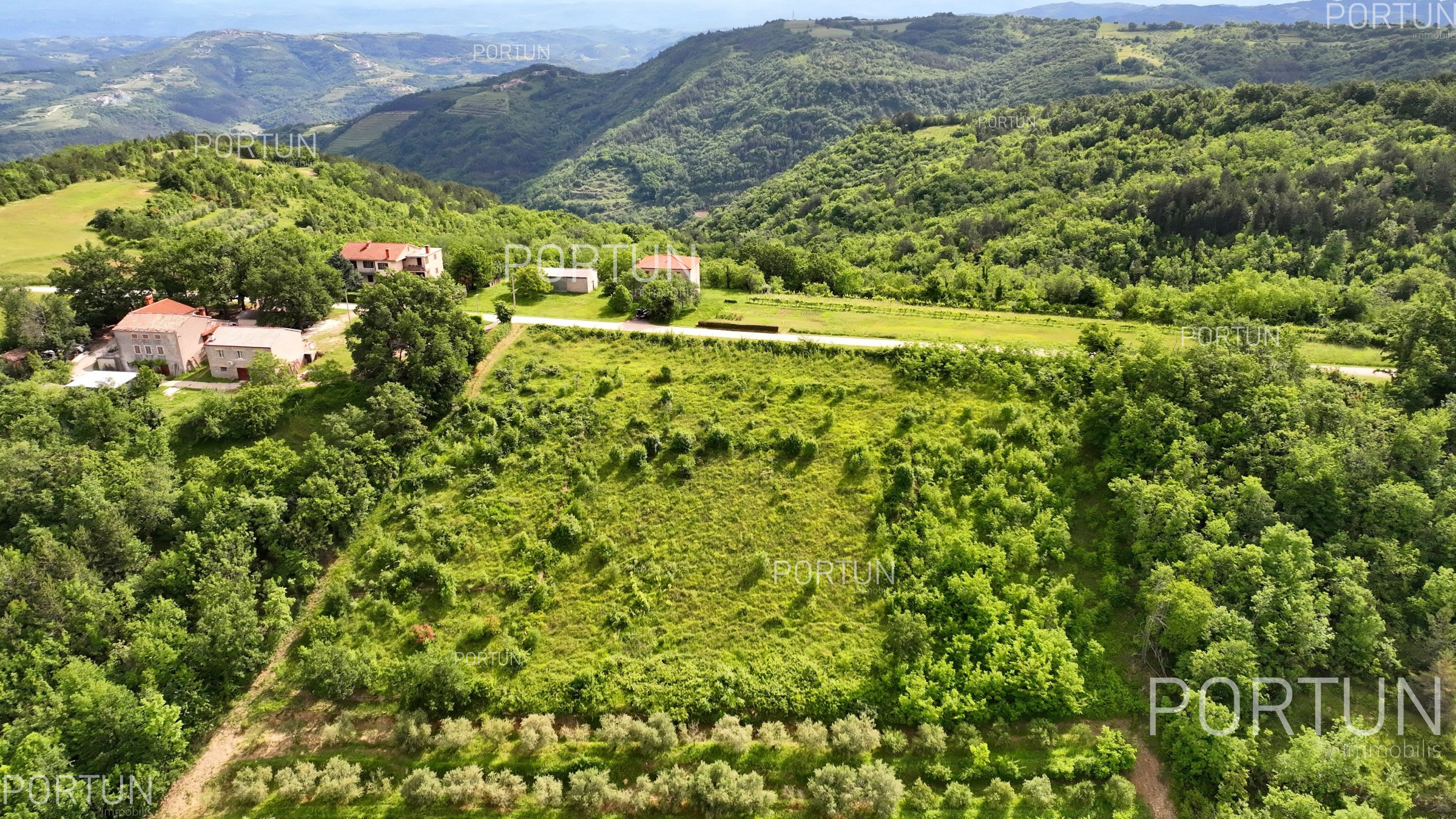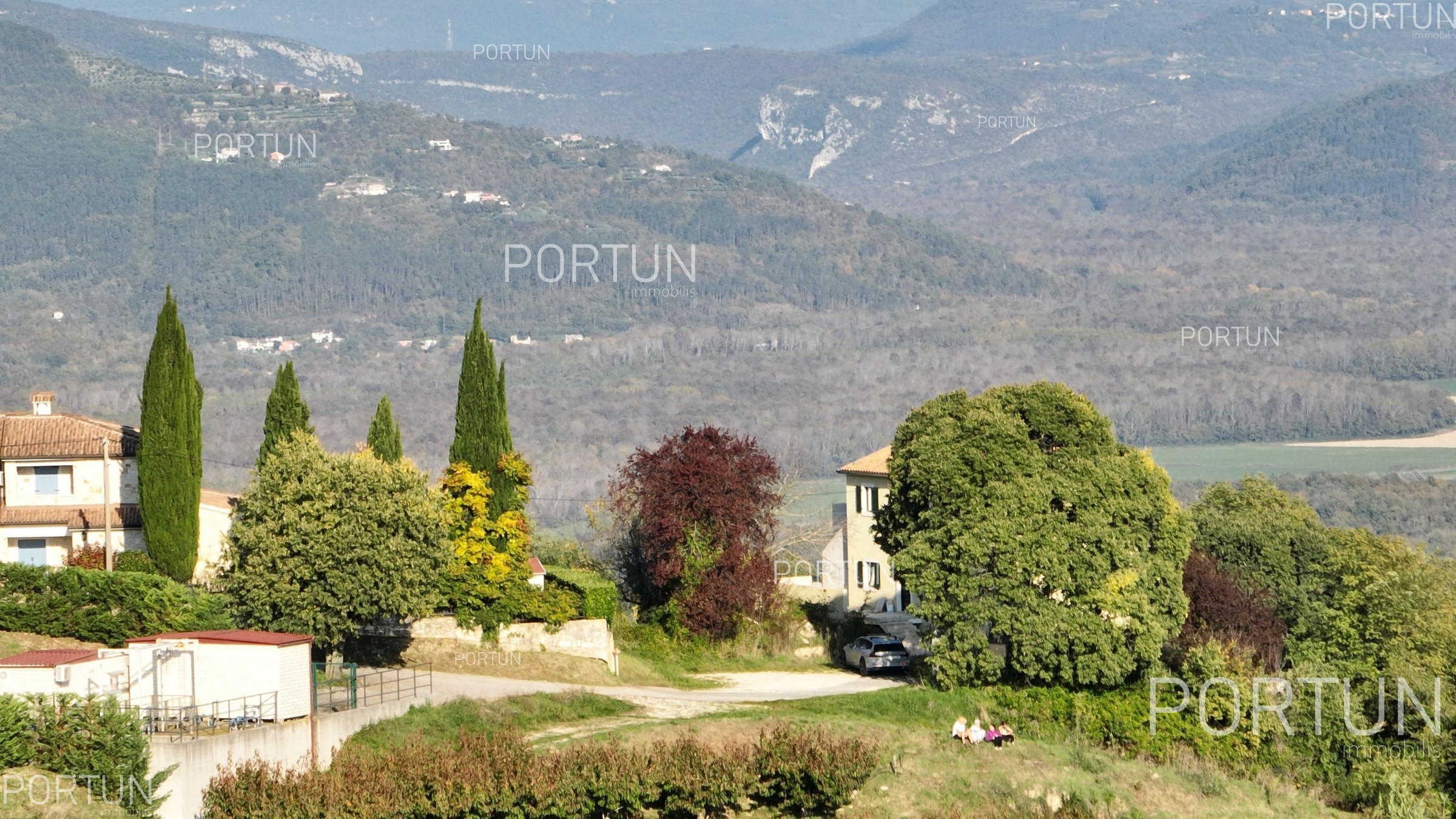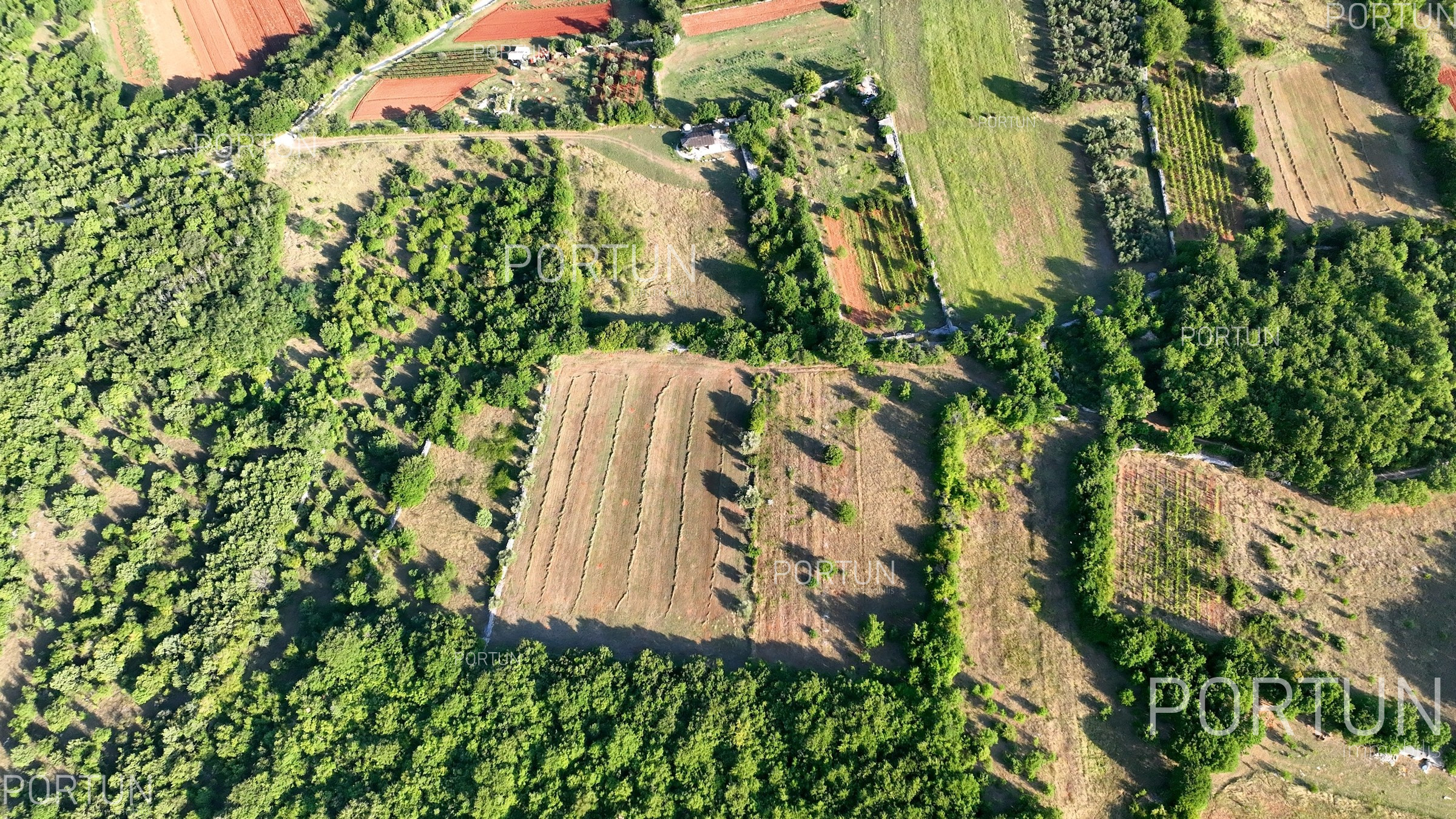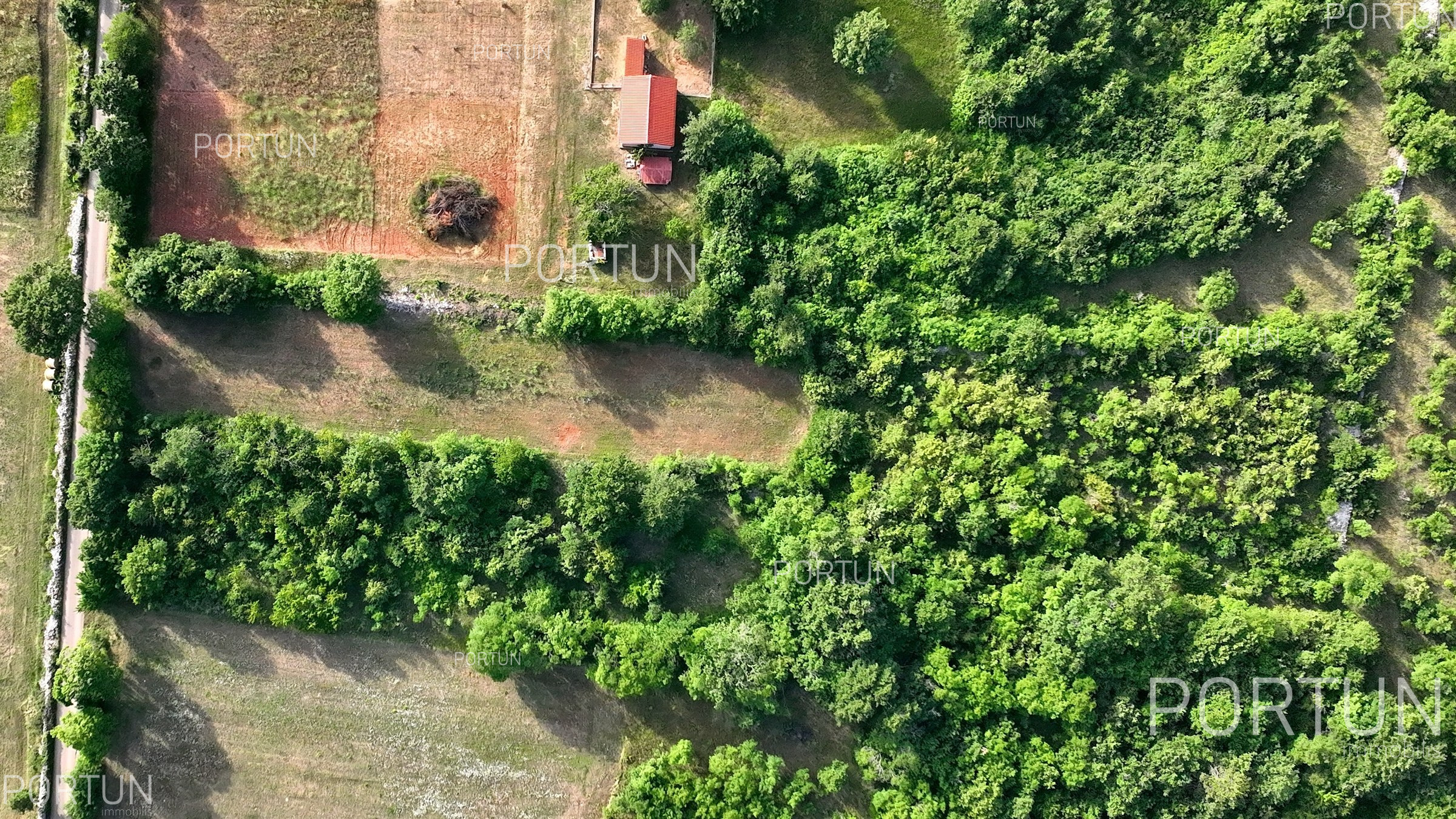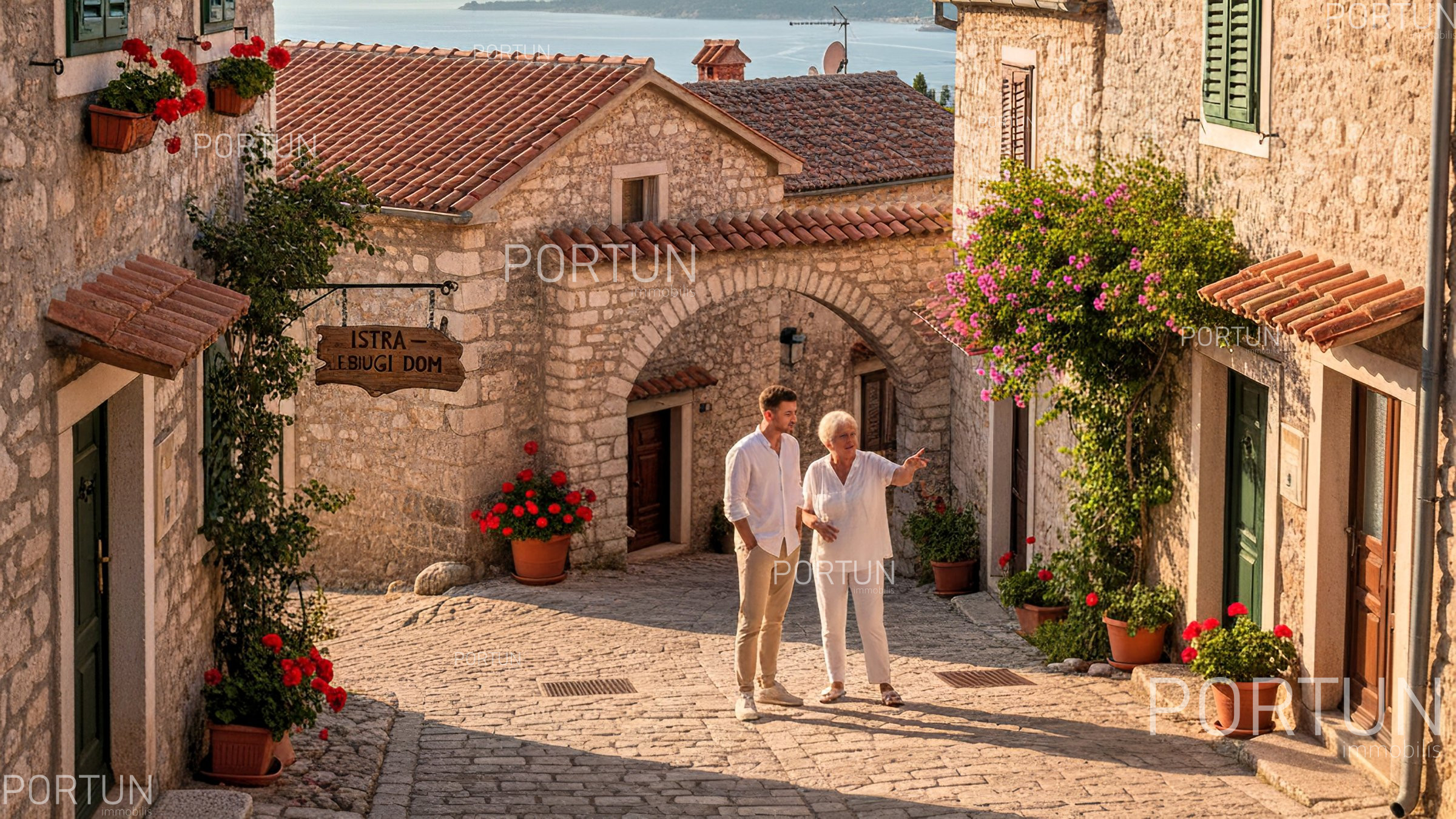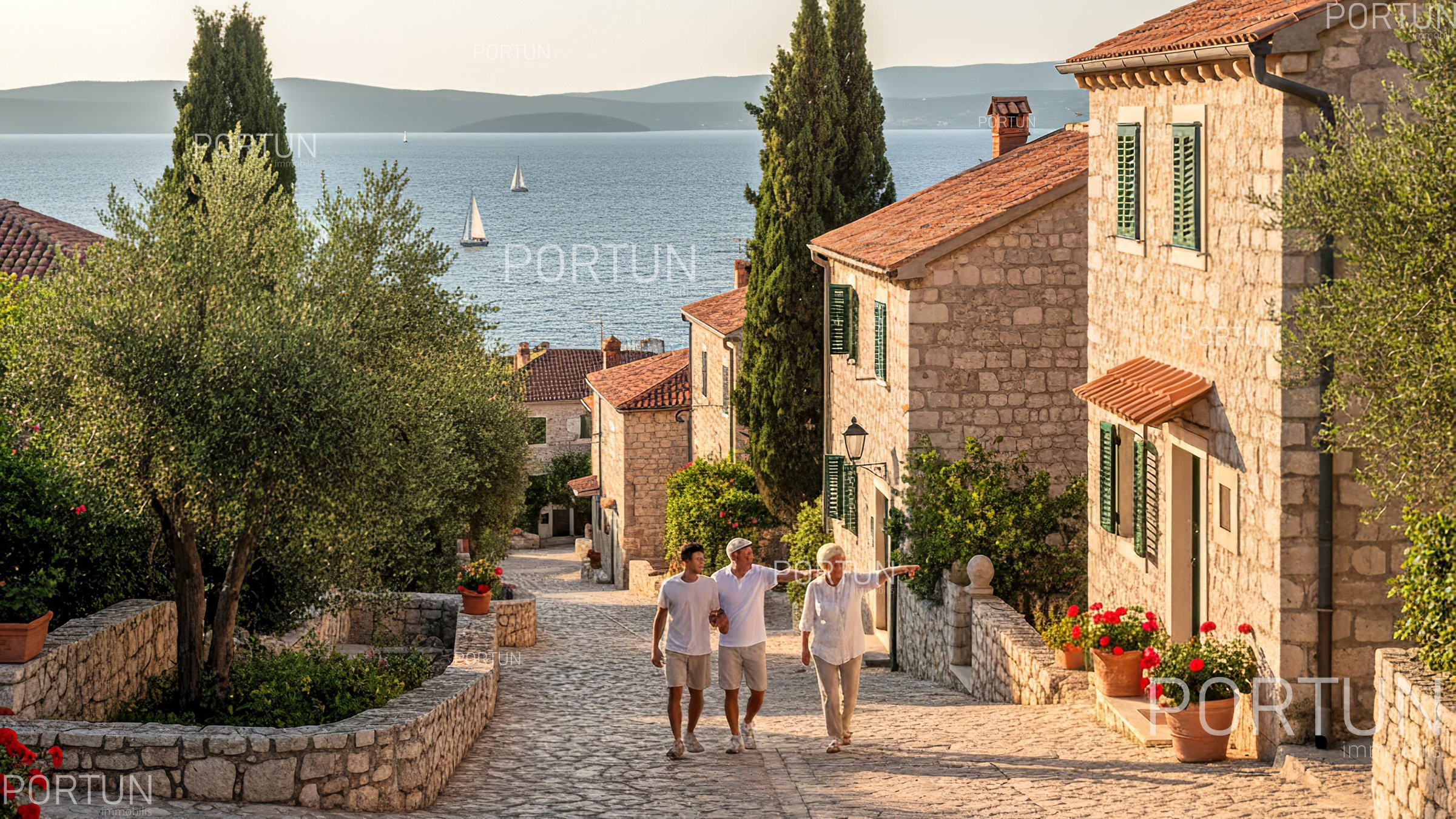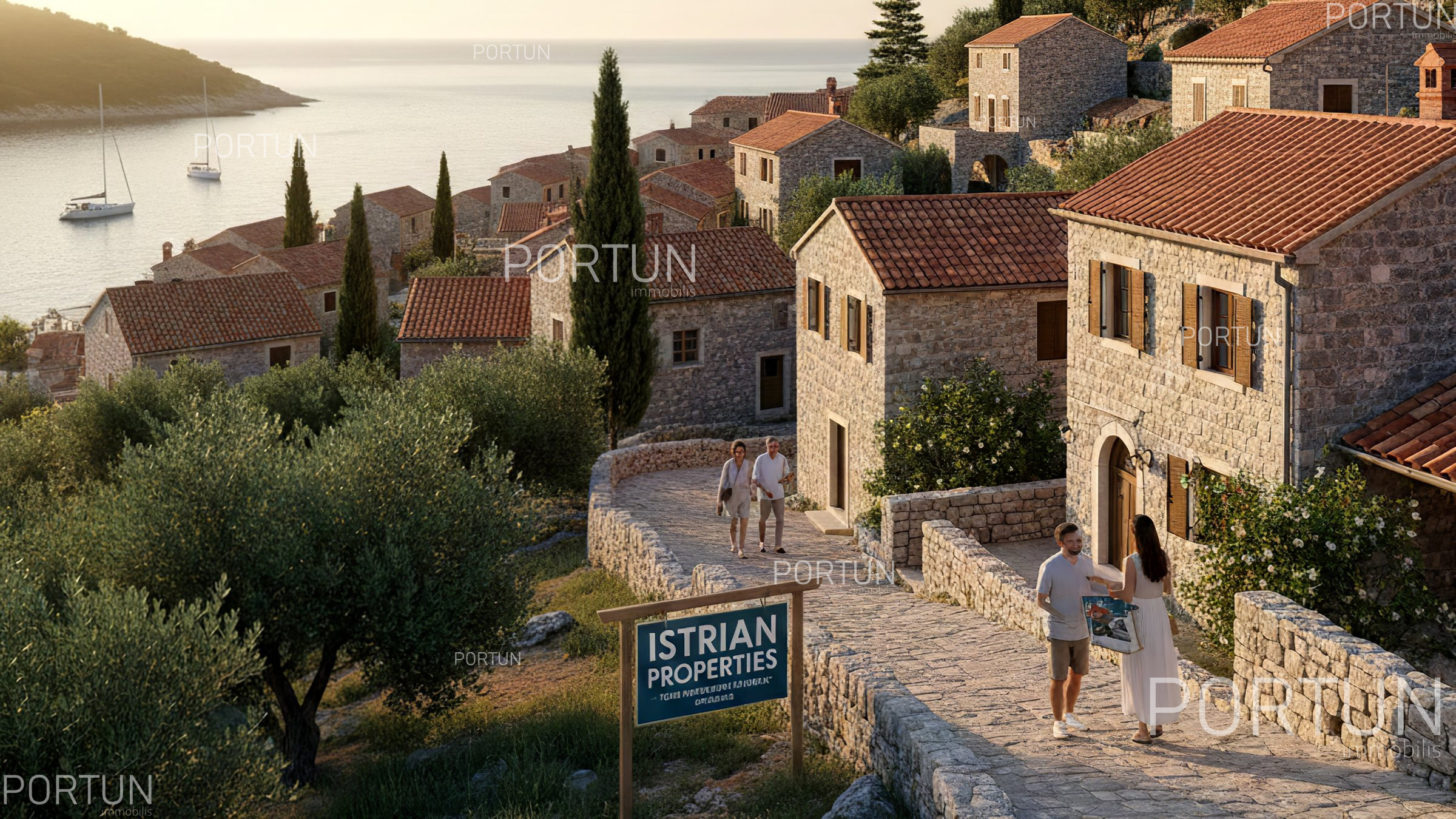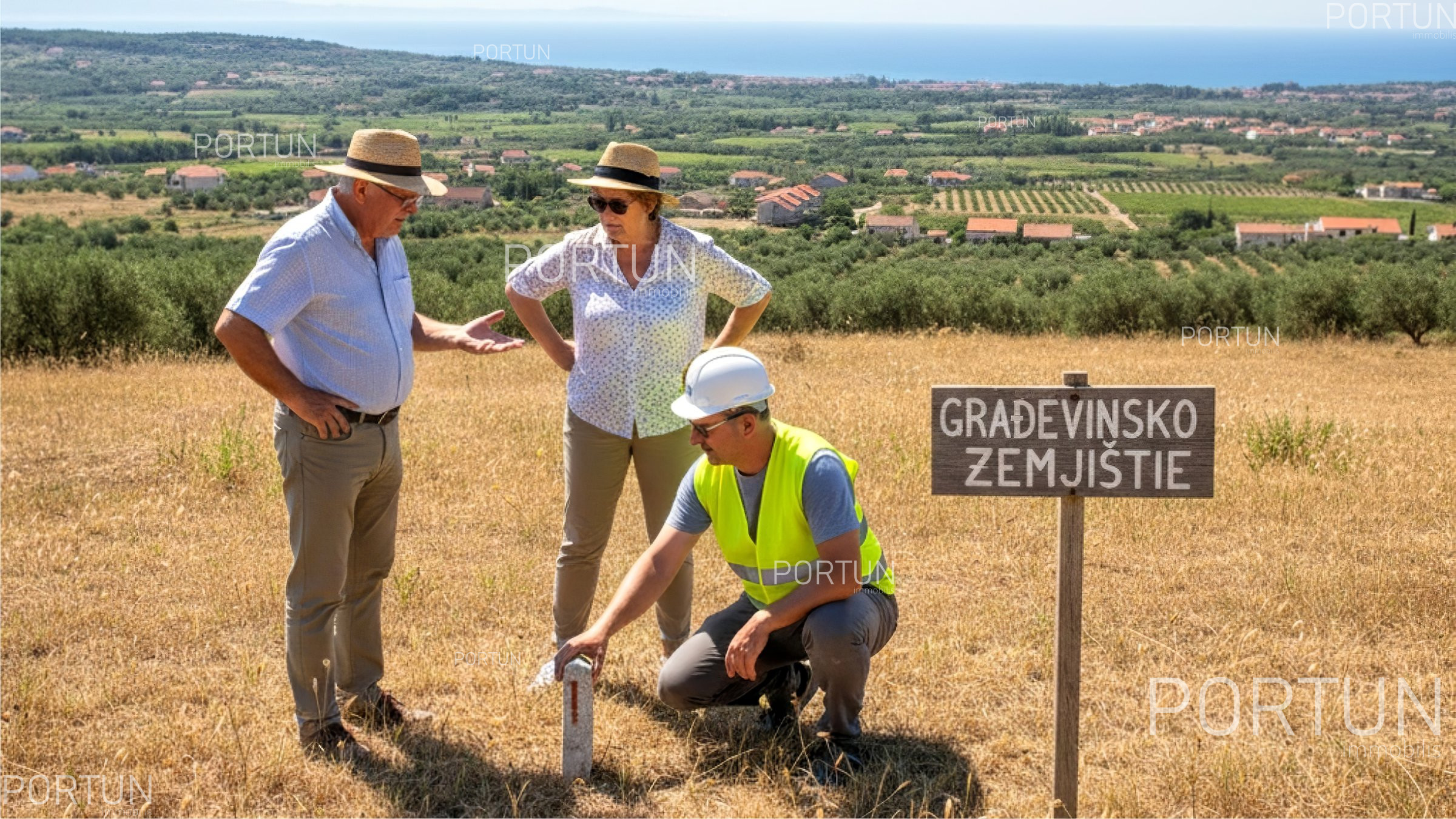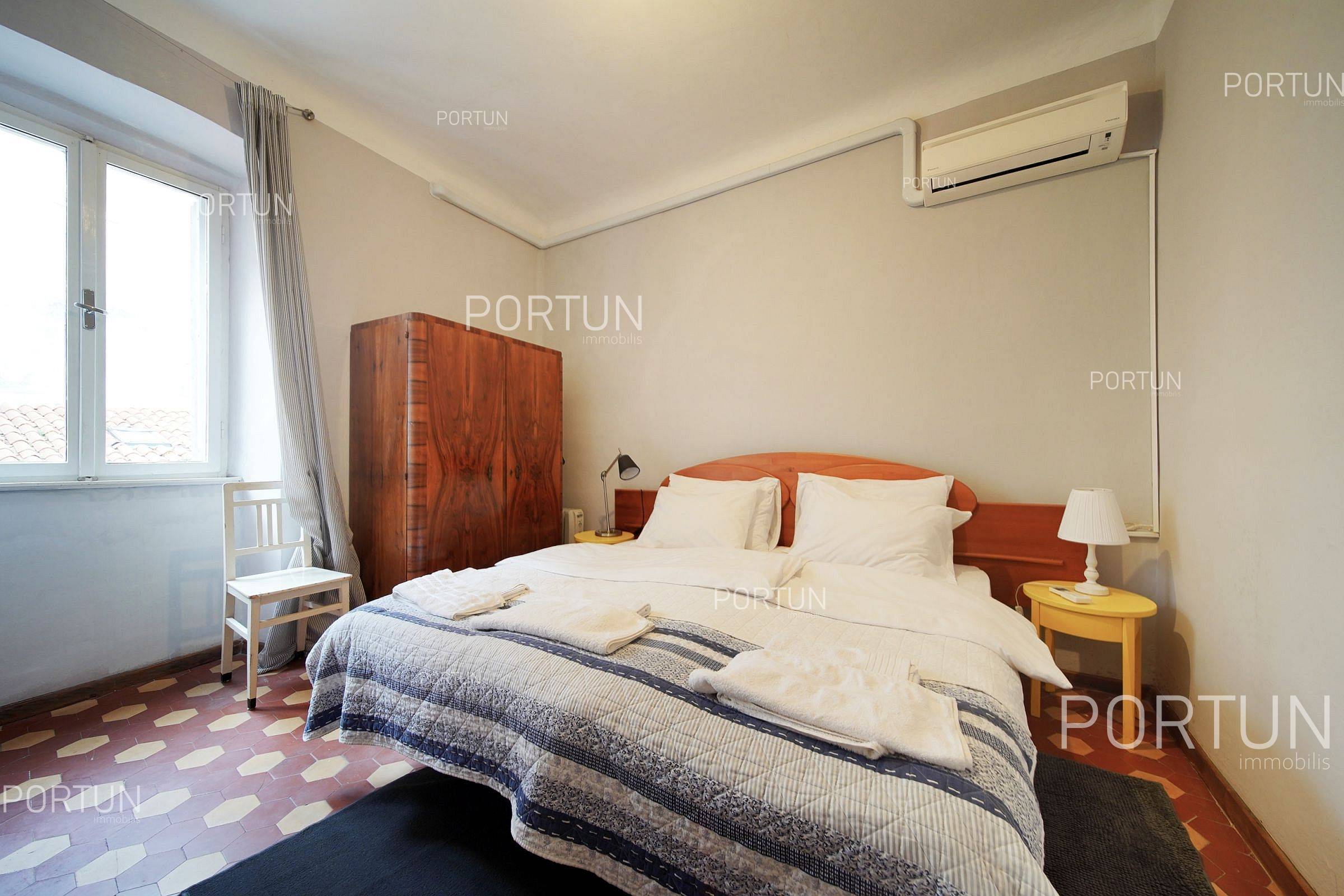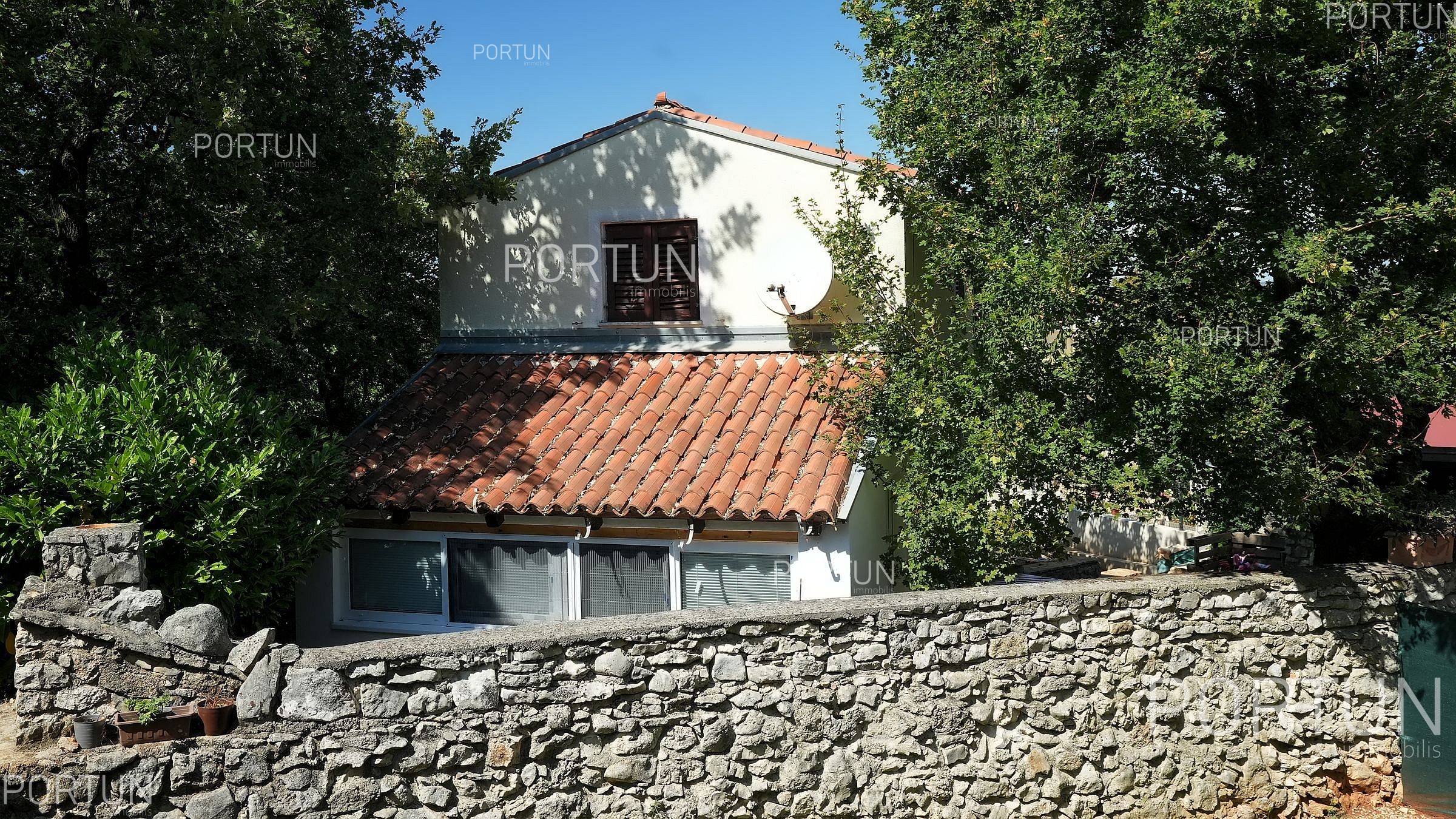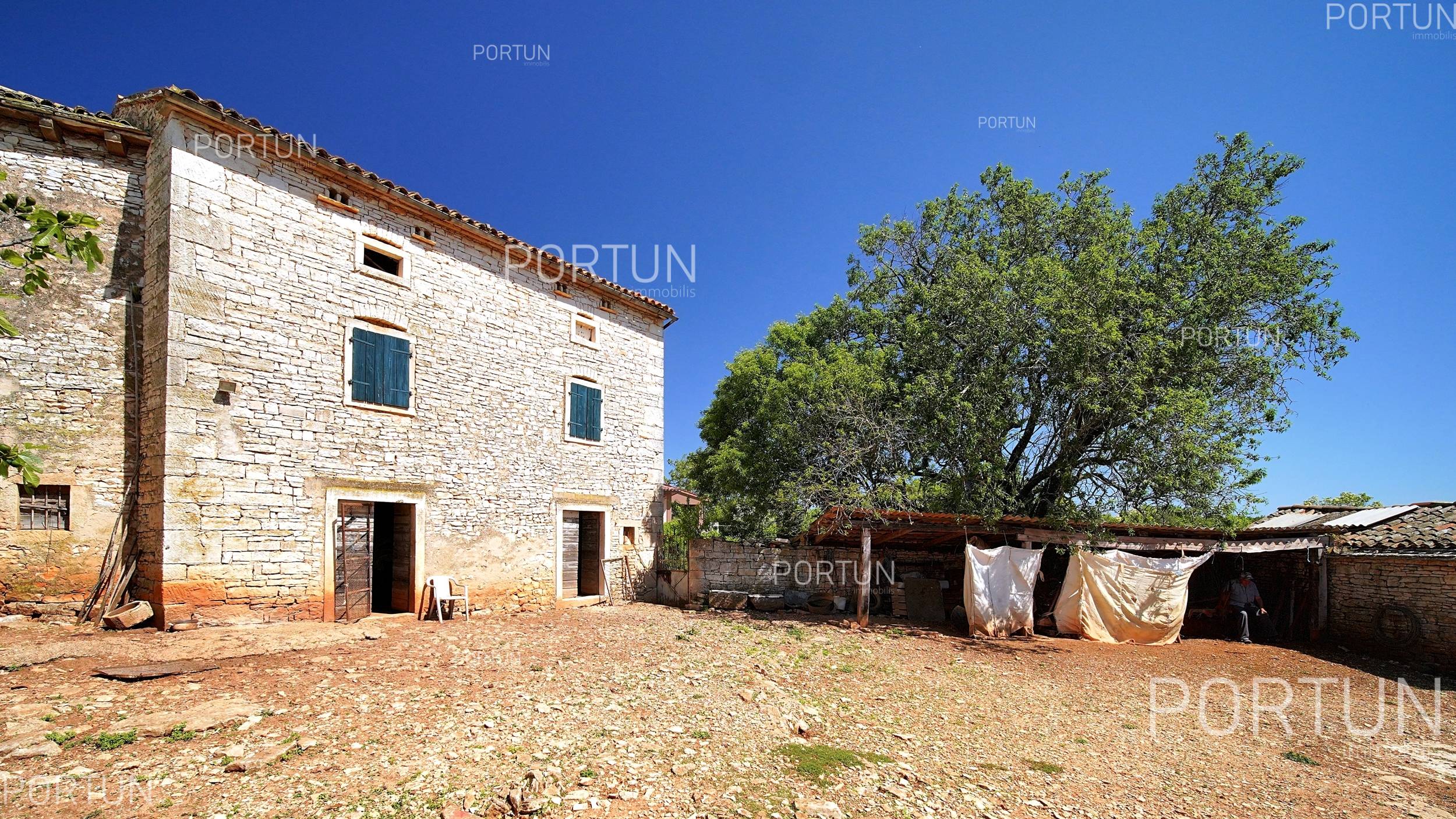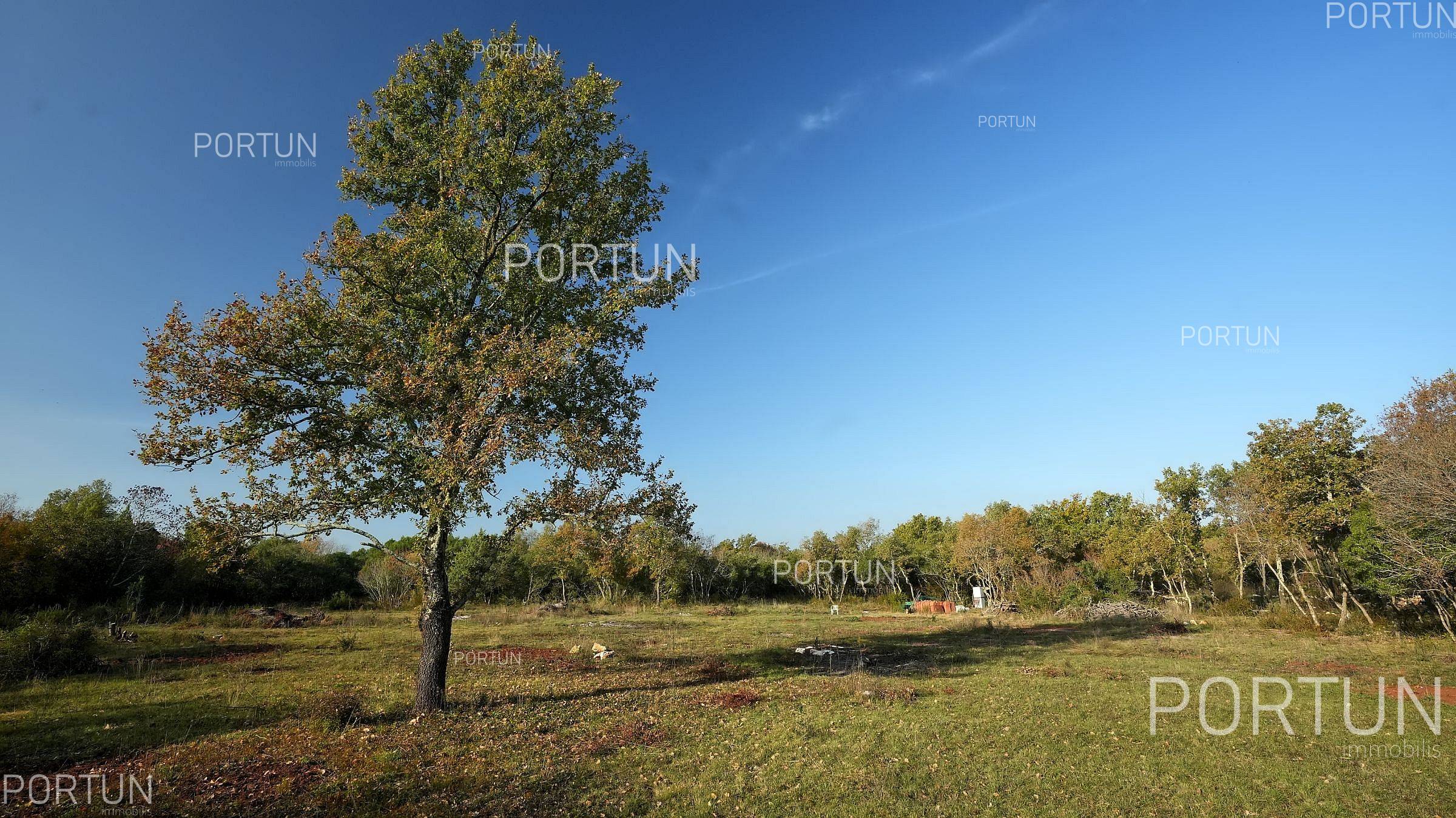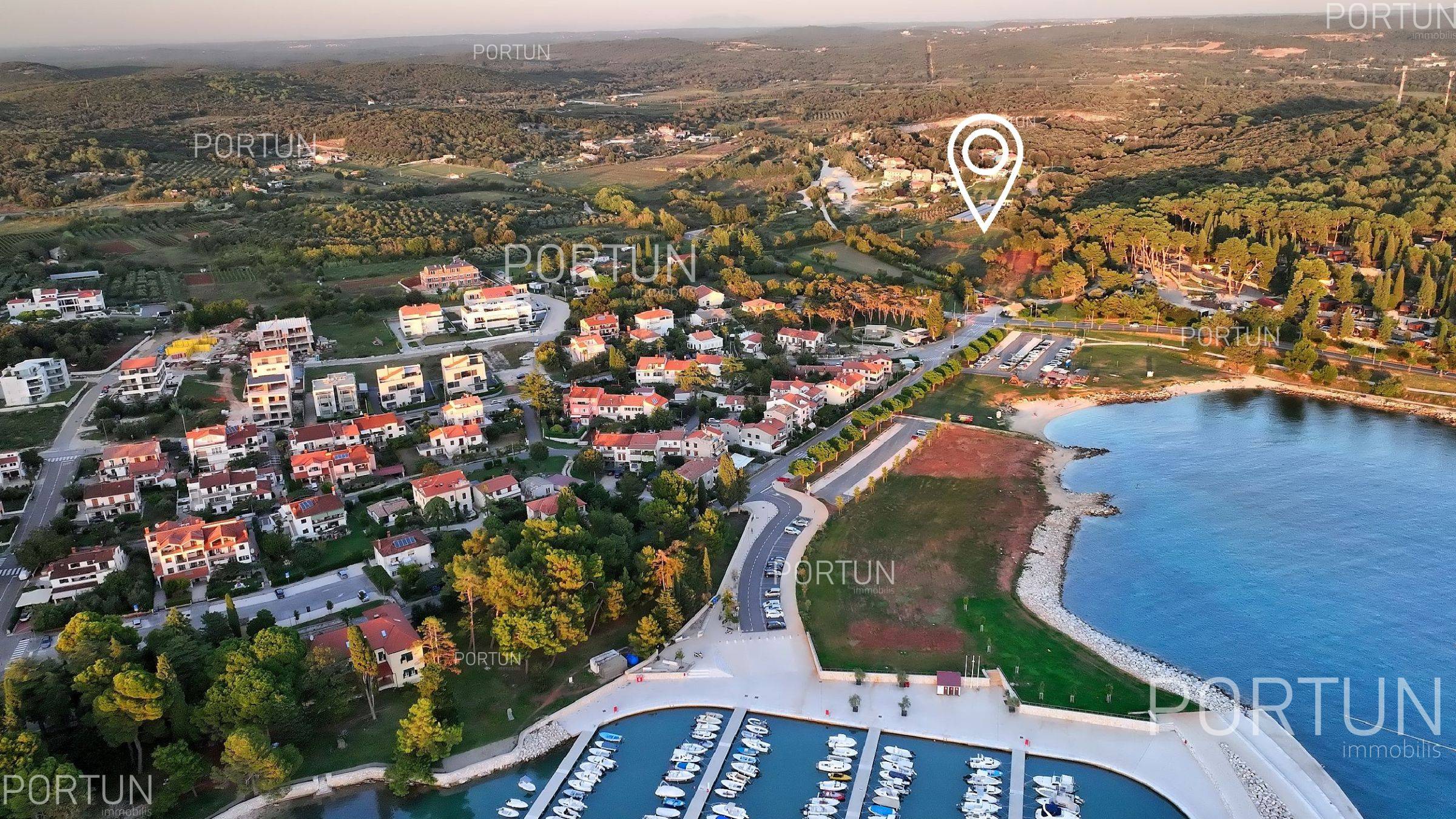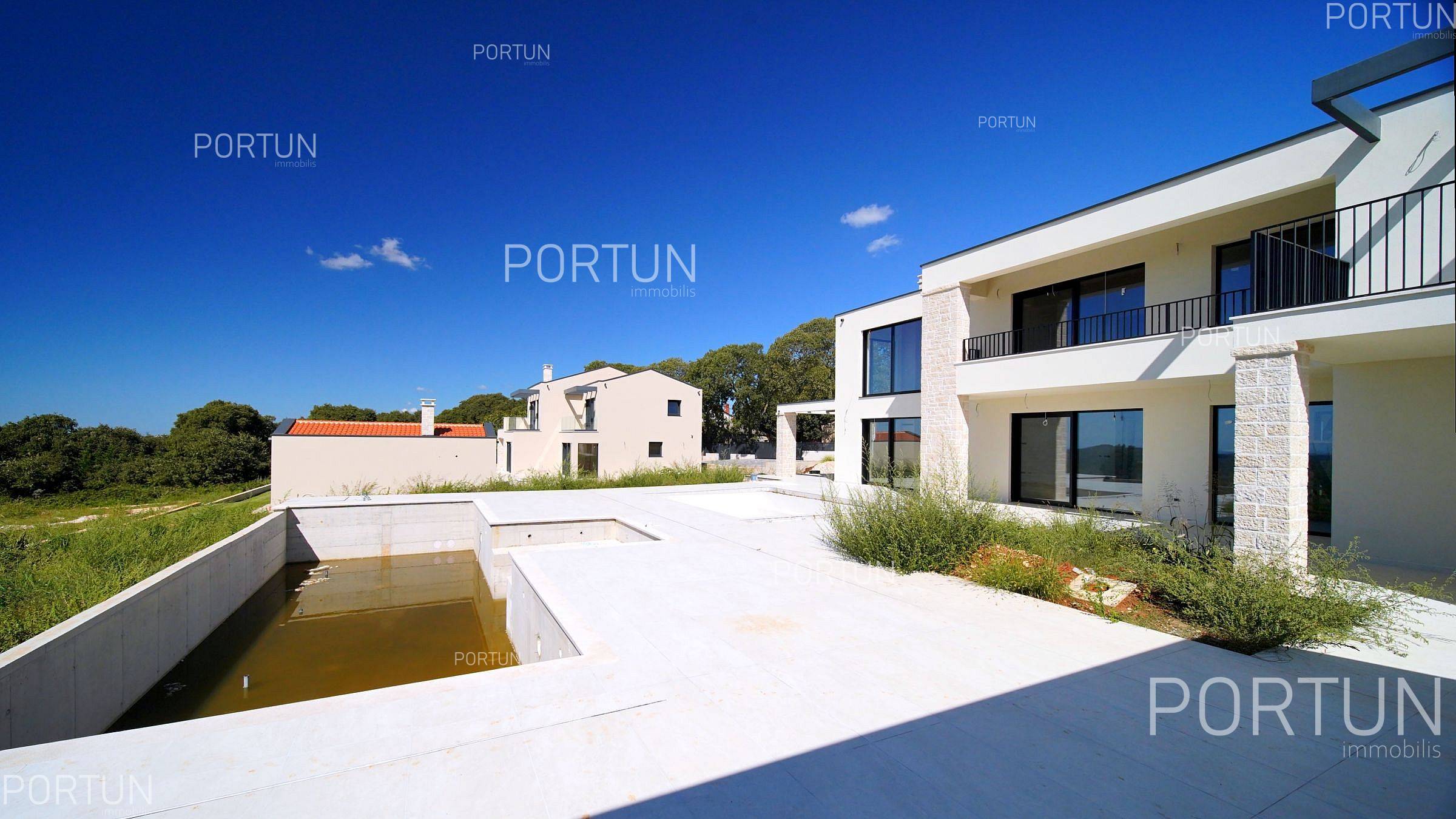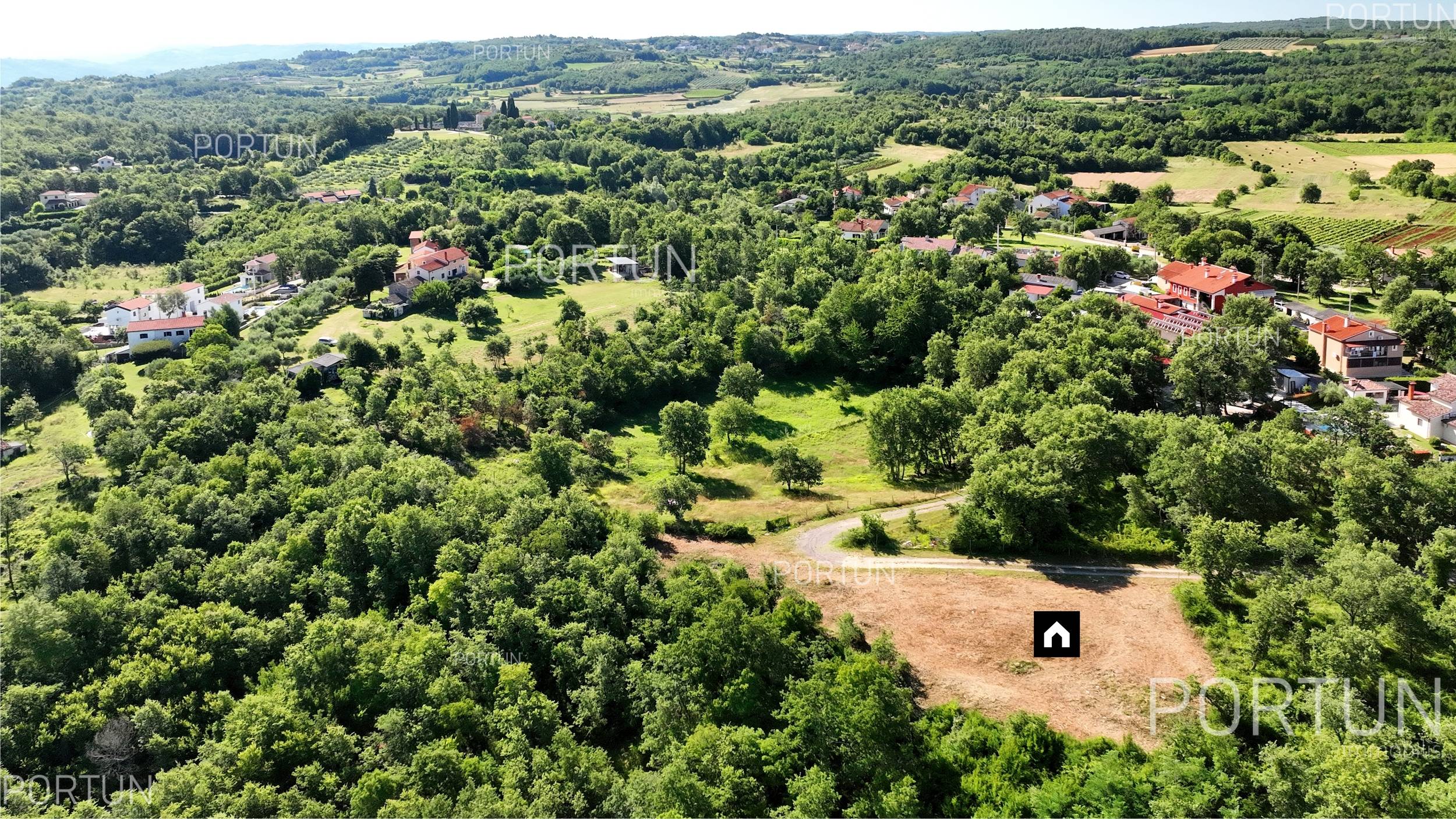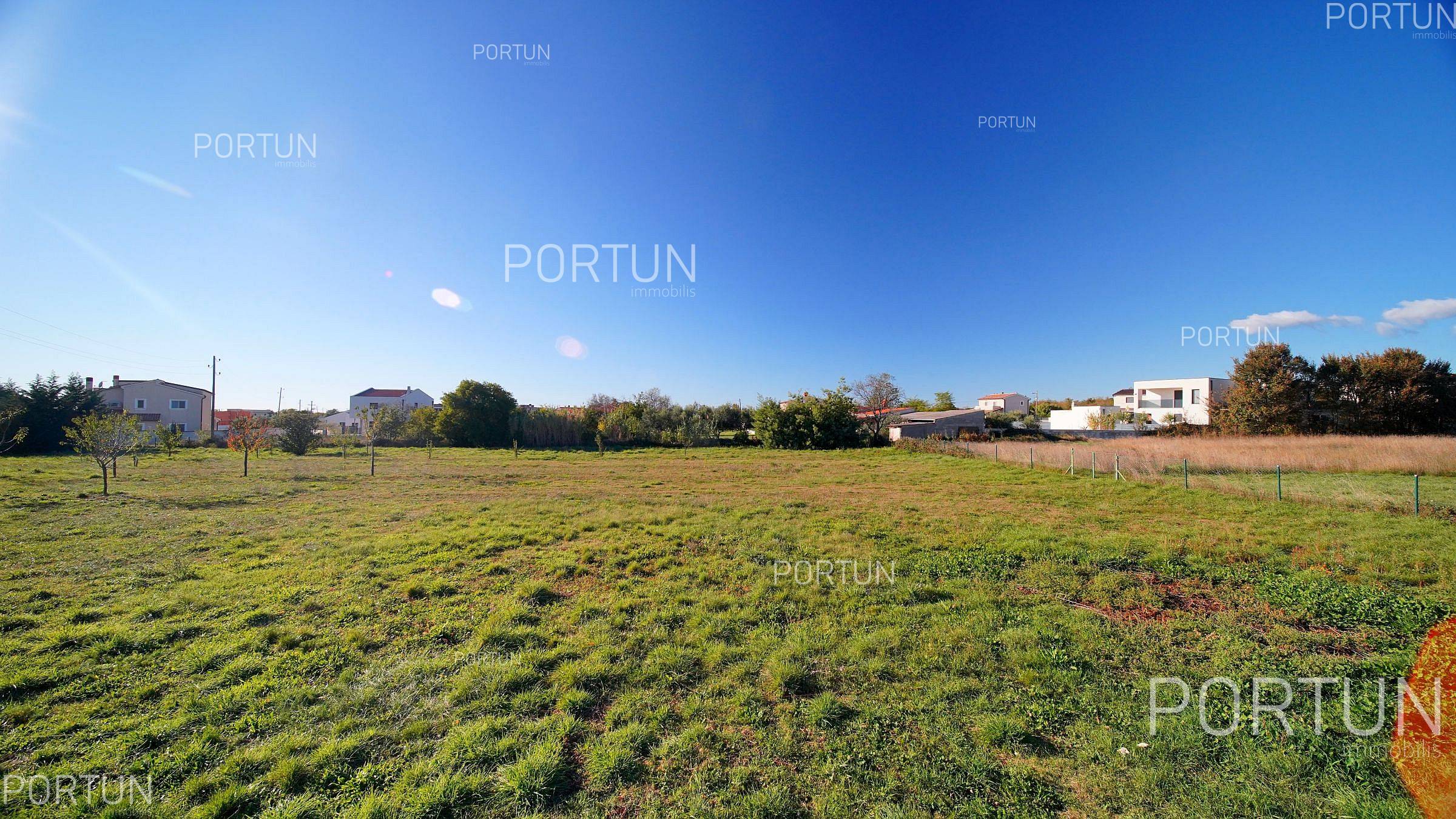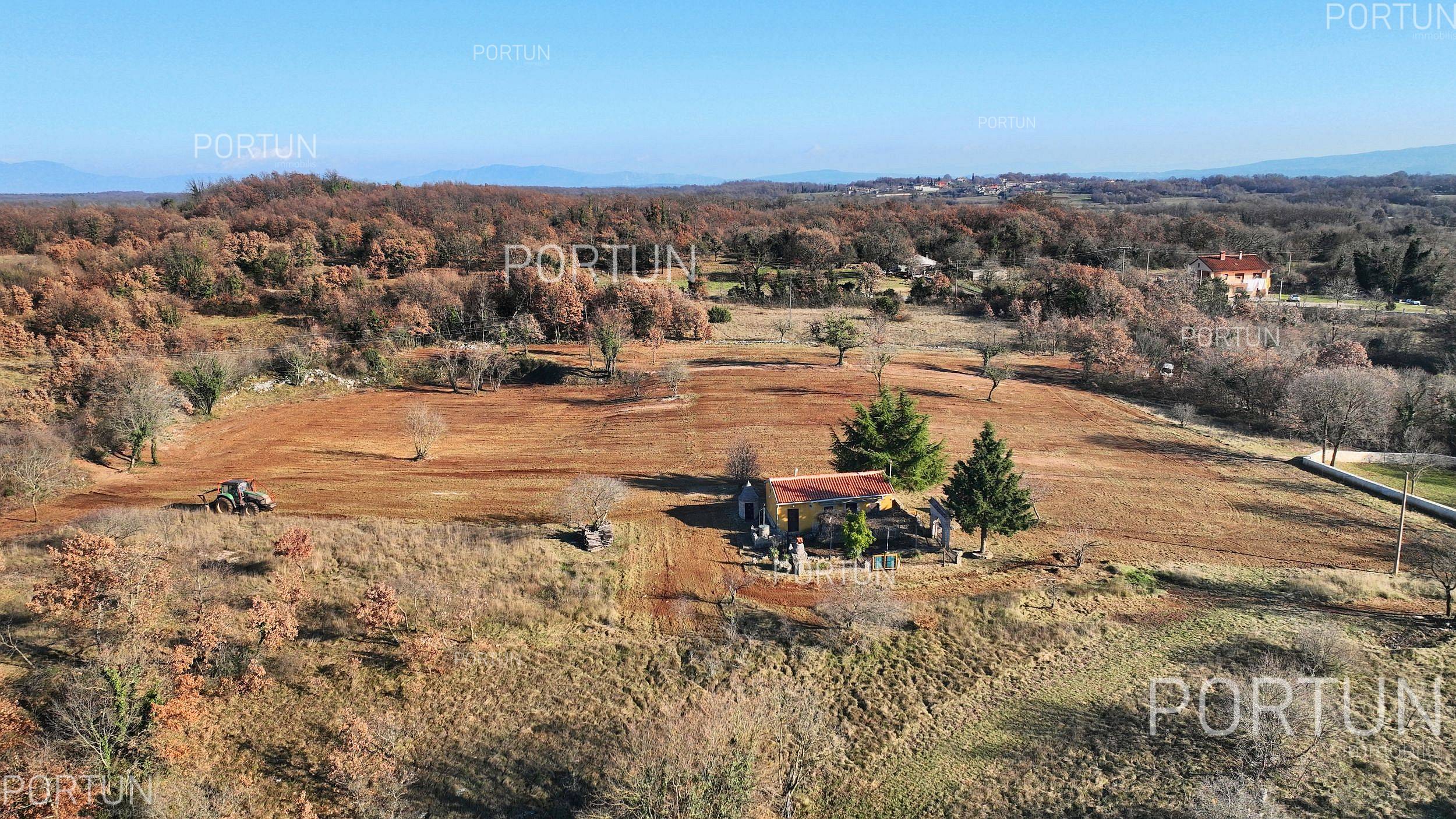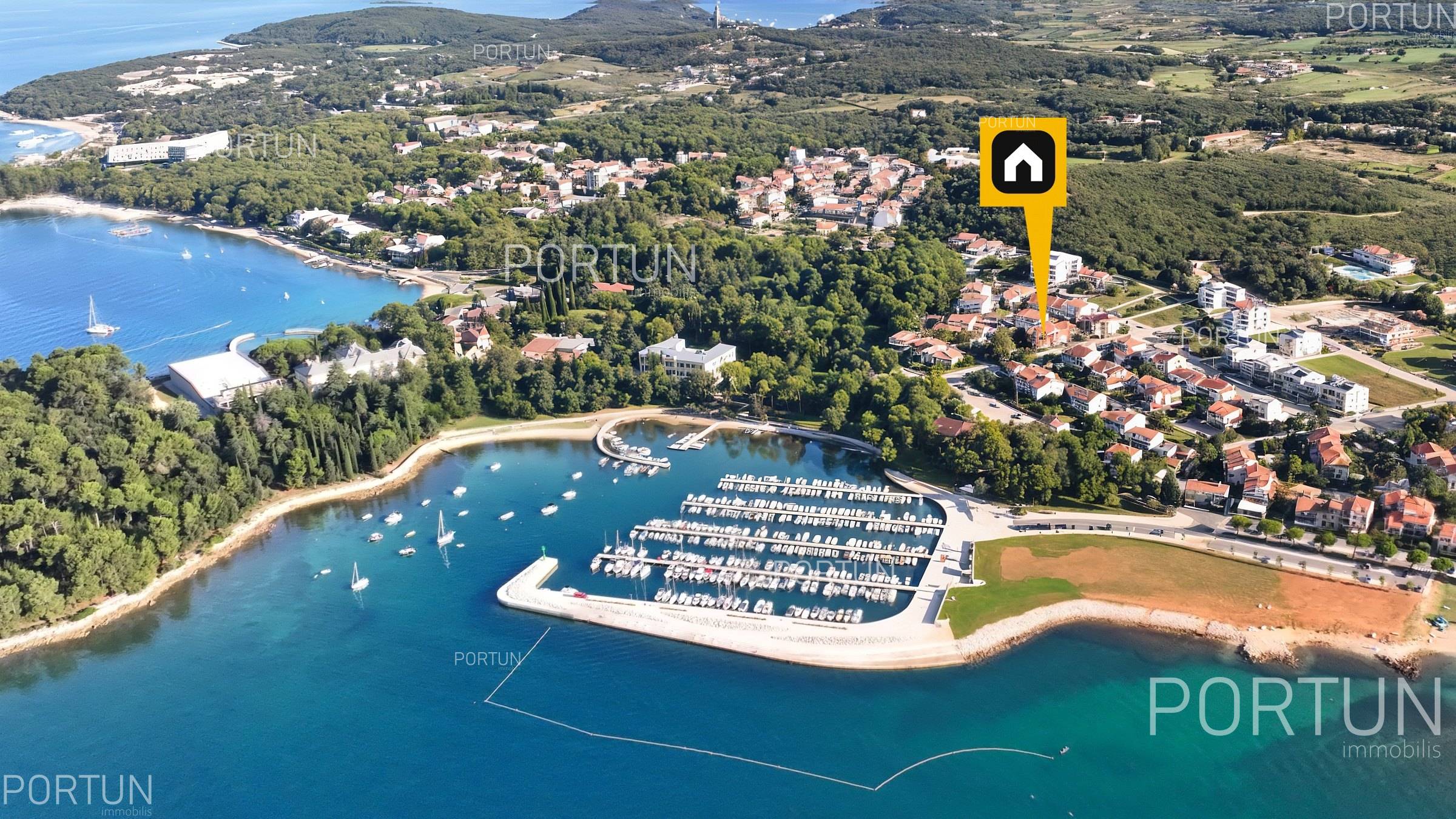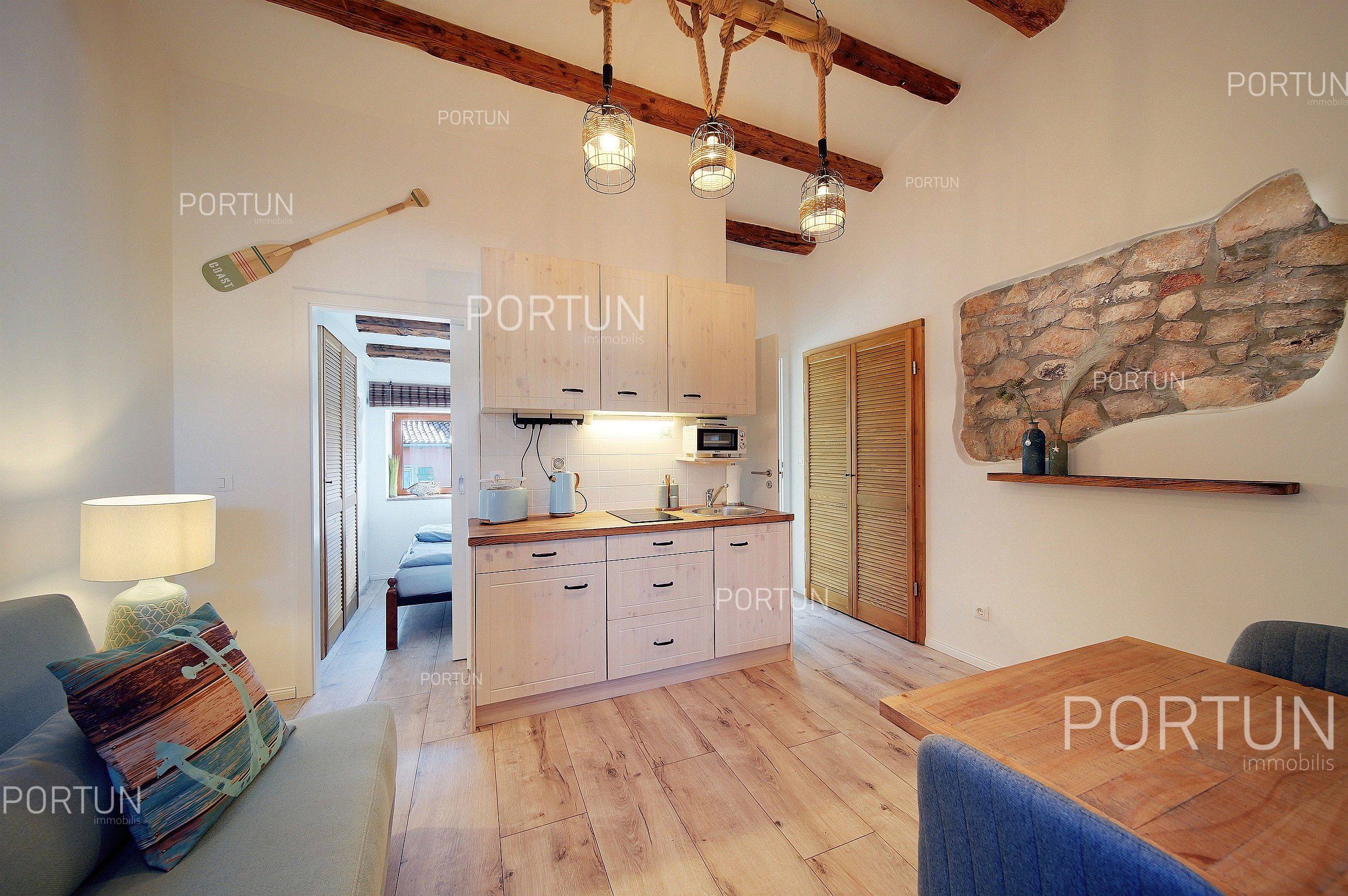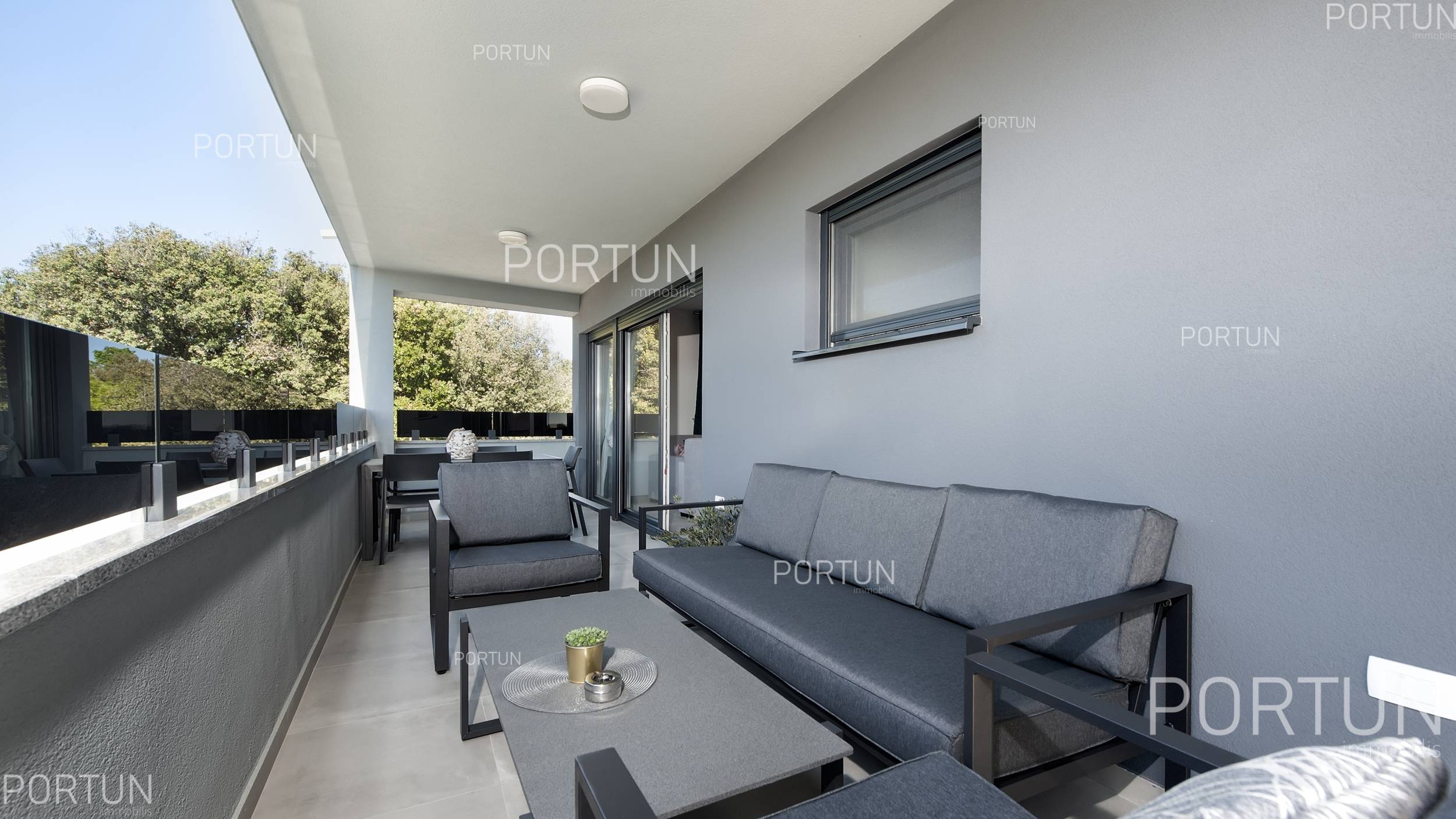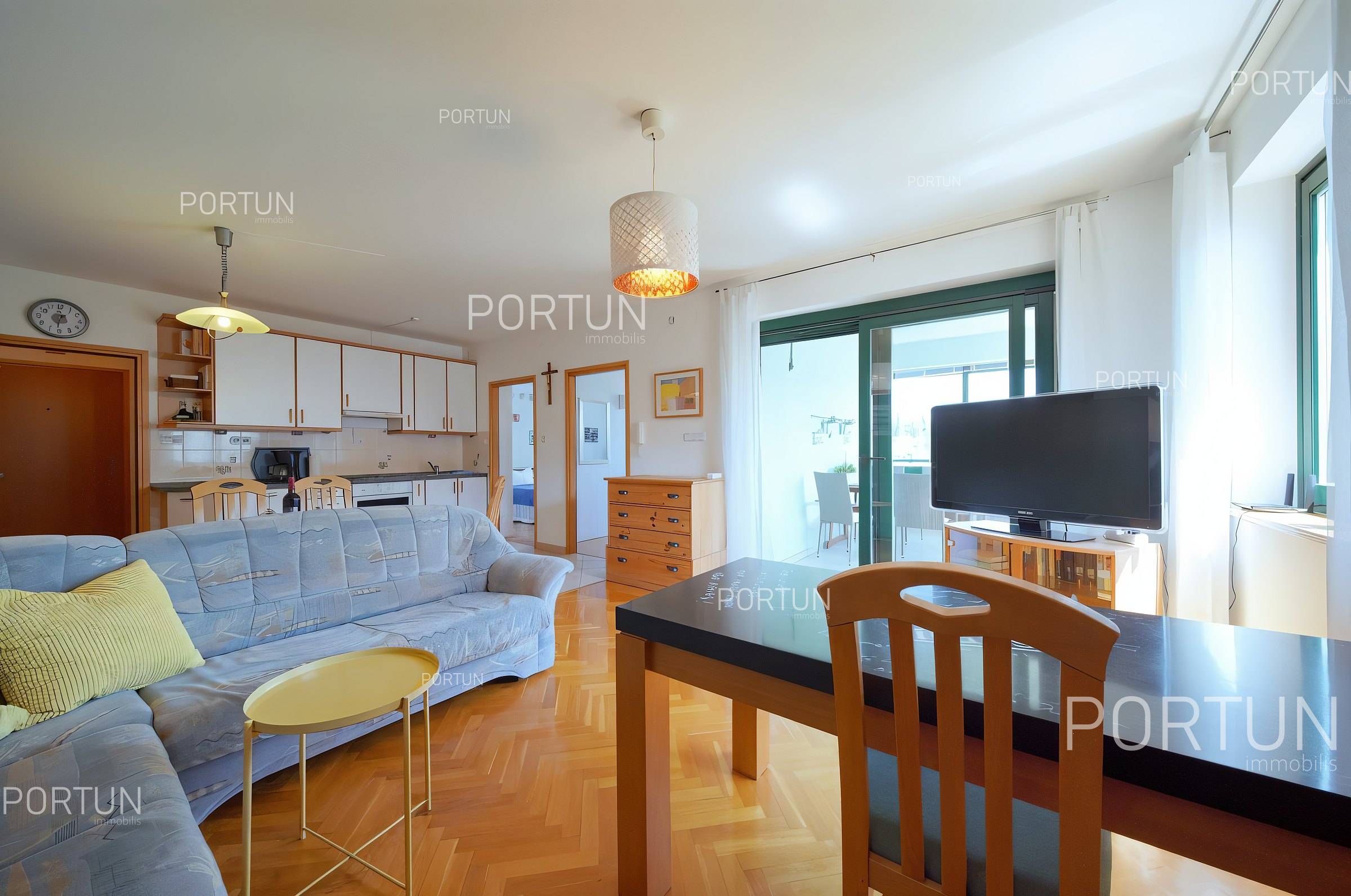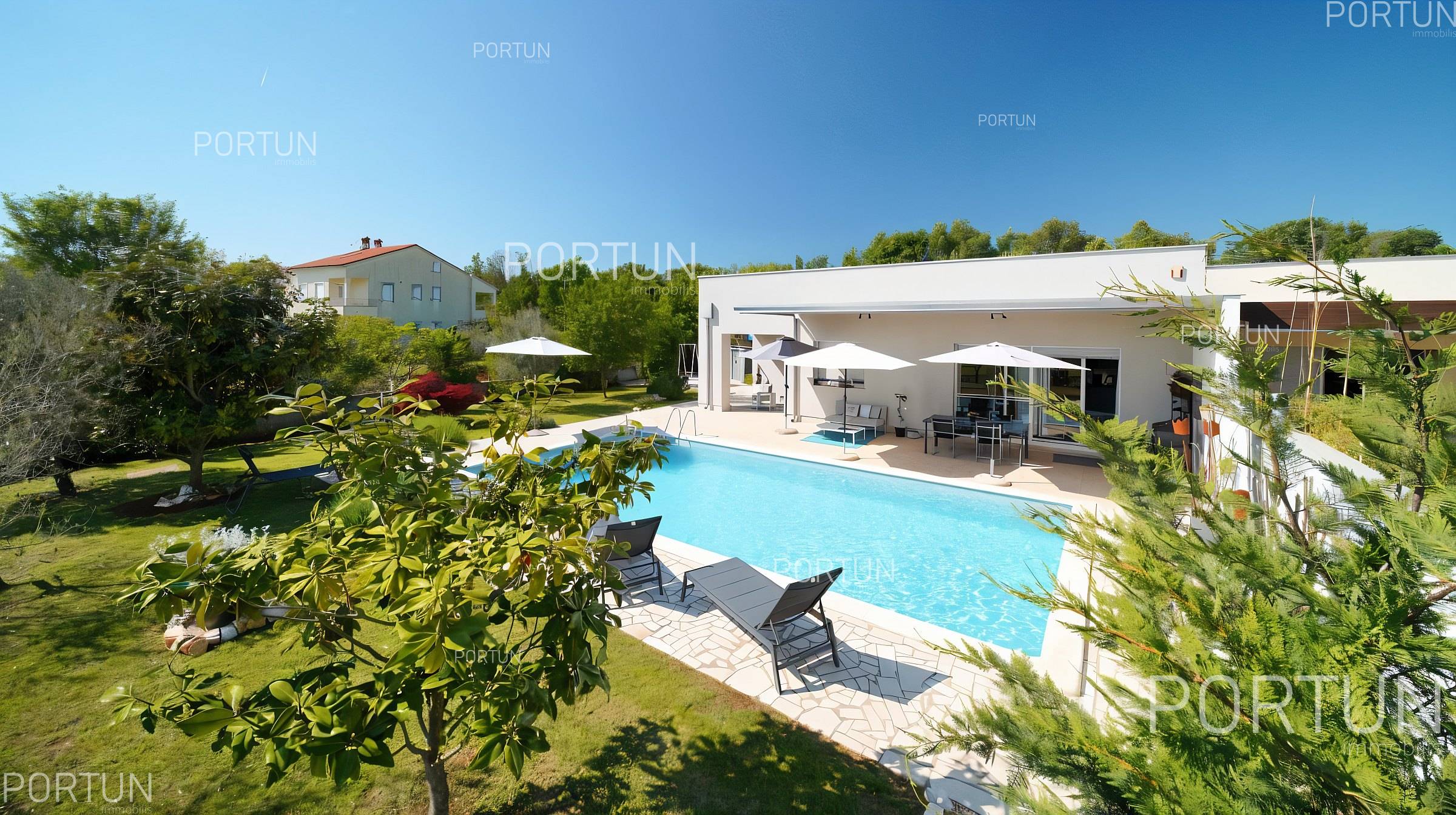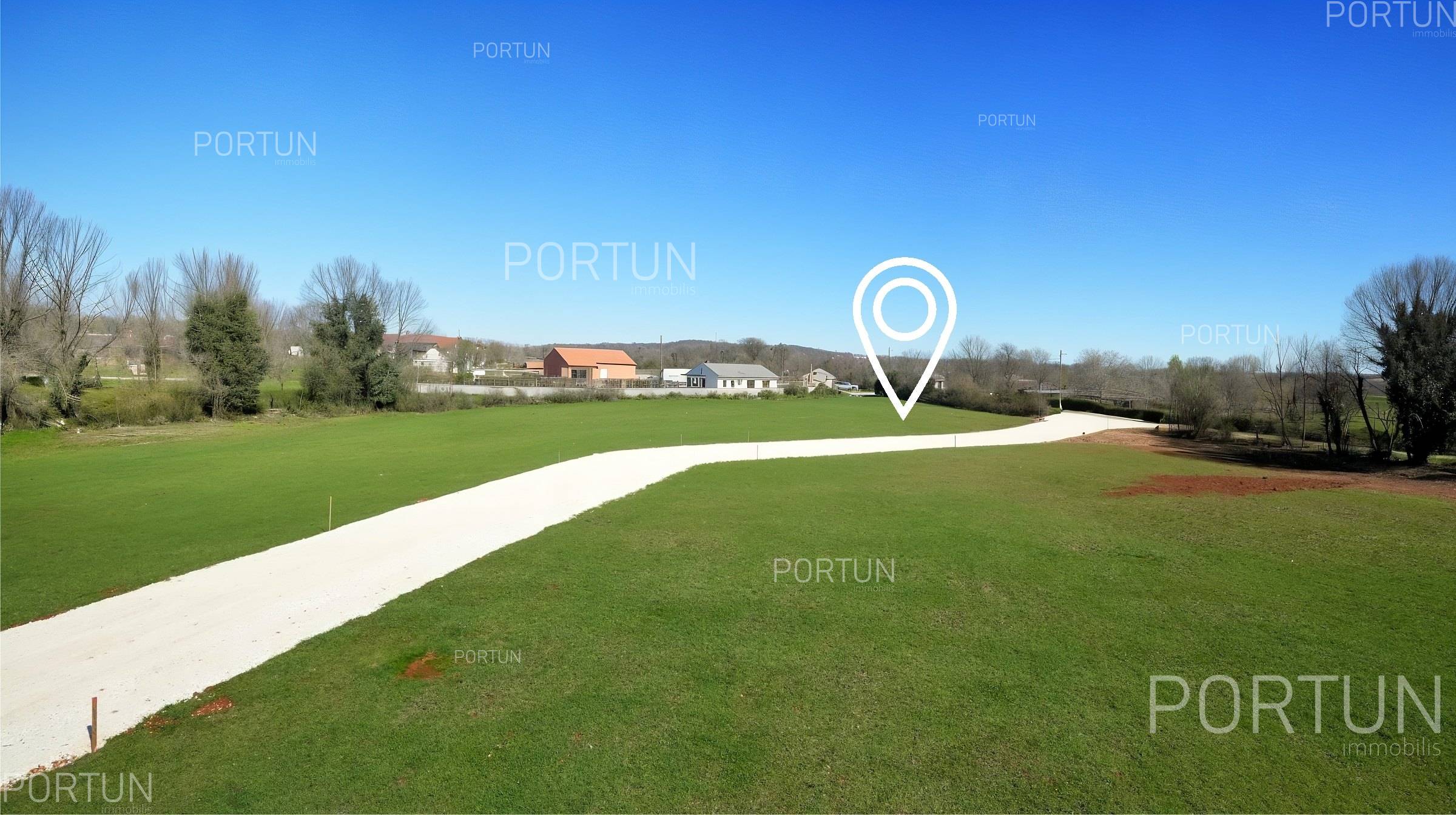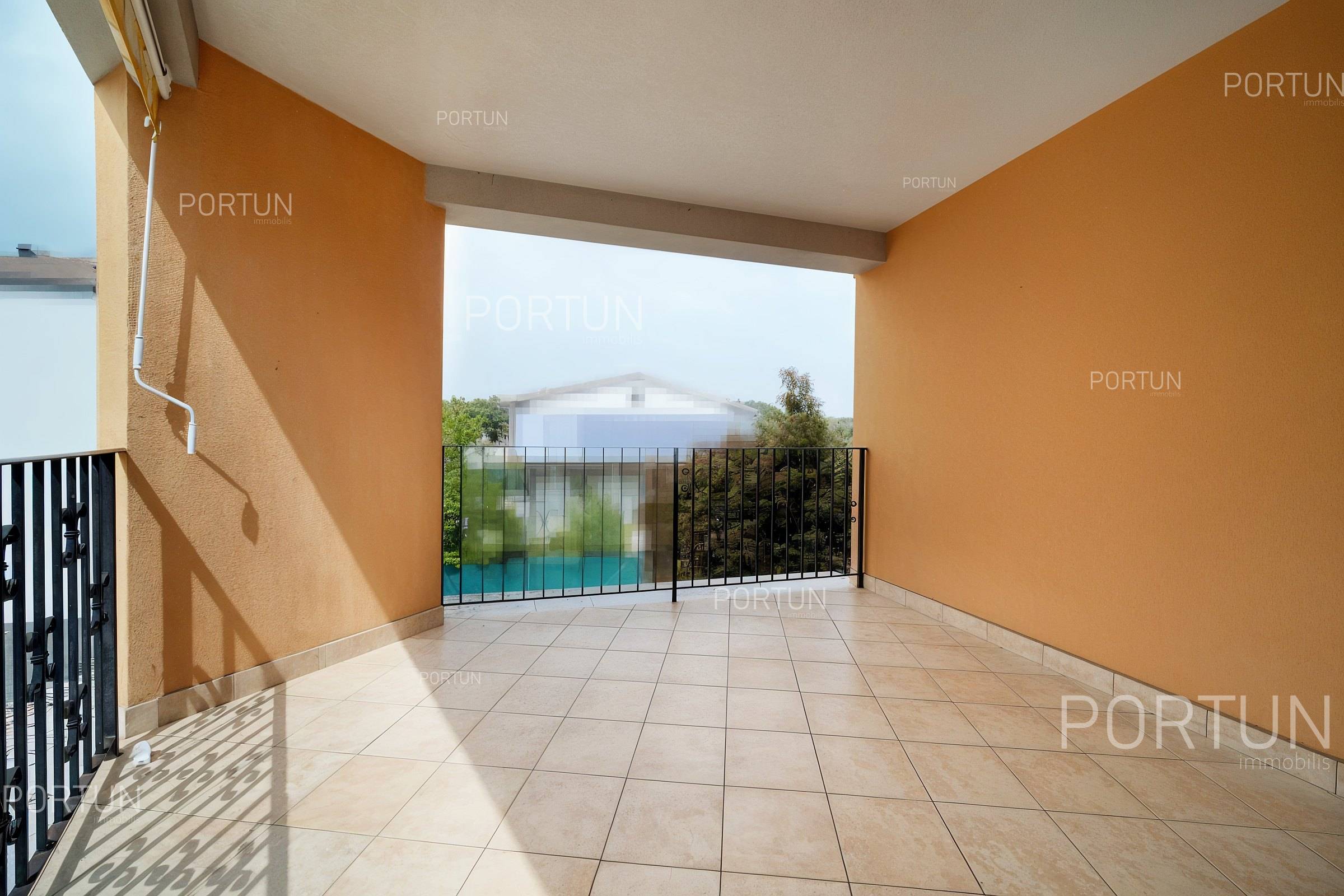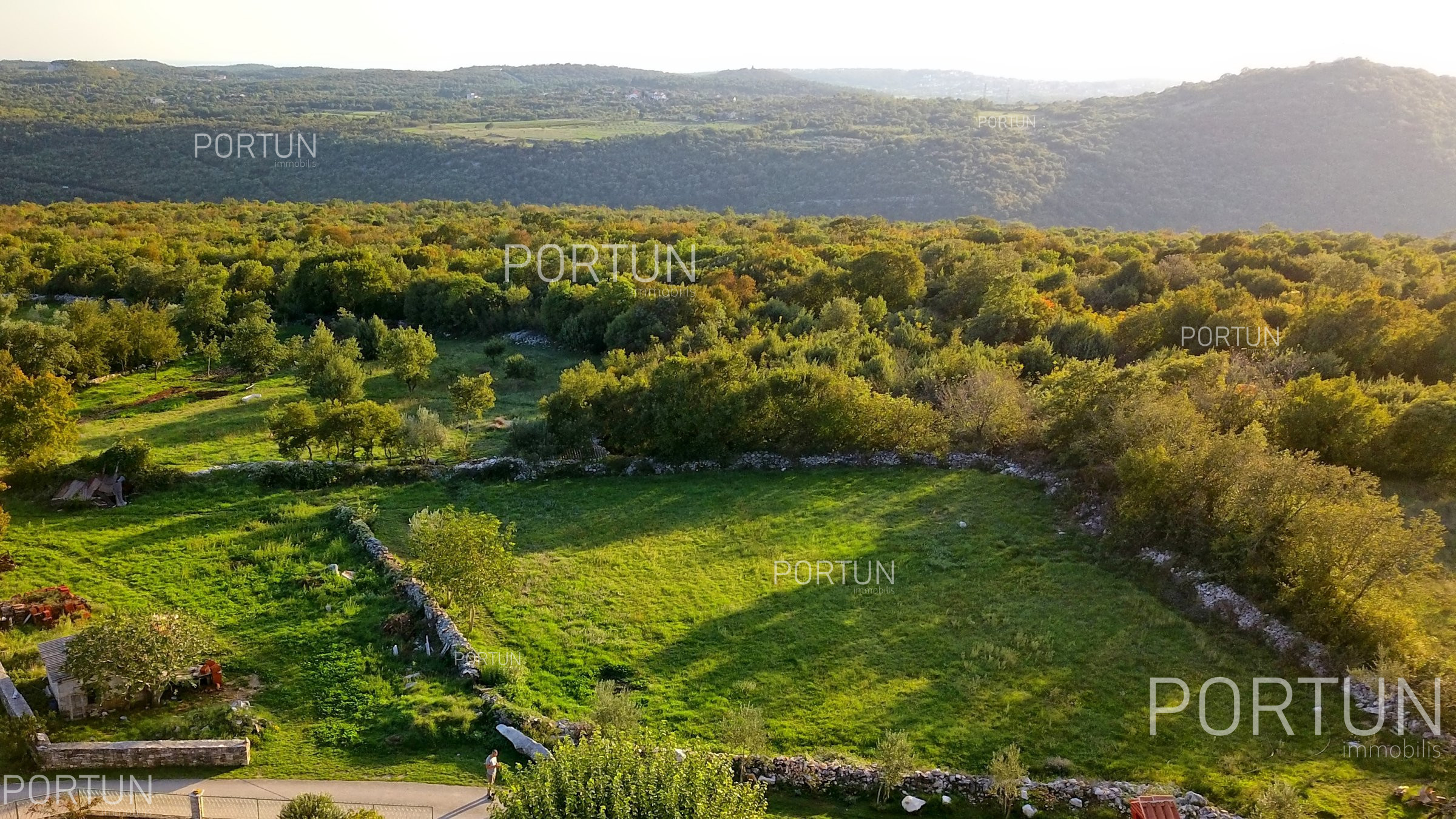
How to Recognize a Good Location Before It Becomes Popular
The greatest differences in real estate prices do not occur after a location becomes popular, but before. Buyers who enter early are not chasing trends—they are looking for signals. Below are the key indicators that can help you recognize a strong location while it is still “under the radar”.
1) Watch where purchases are made – not where properties are advertised
Popular locations are everywhere. Emerging ones are acquired quietly. If you notice that in a particular village or micro-area properties are selling slowly but consistently, this is a strong sign. An even stronger indicator is when buyers are locals or experienced international buyers, rather than first-time purchasers.
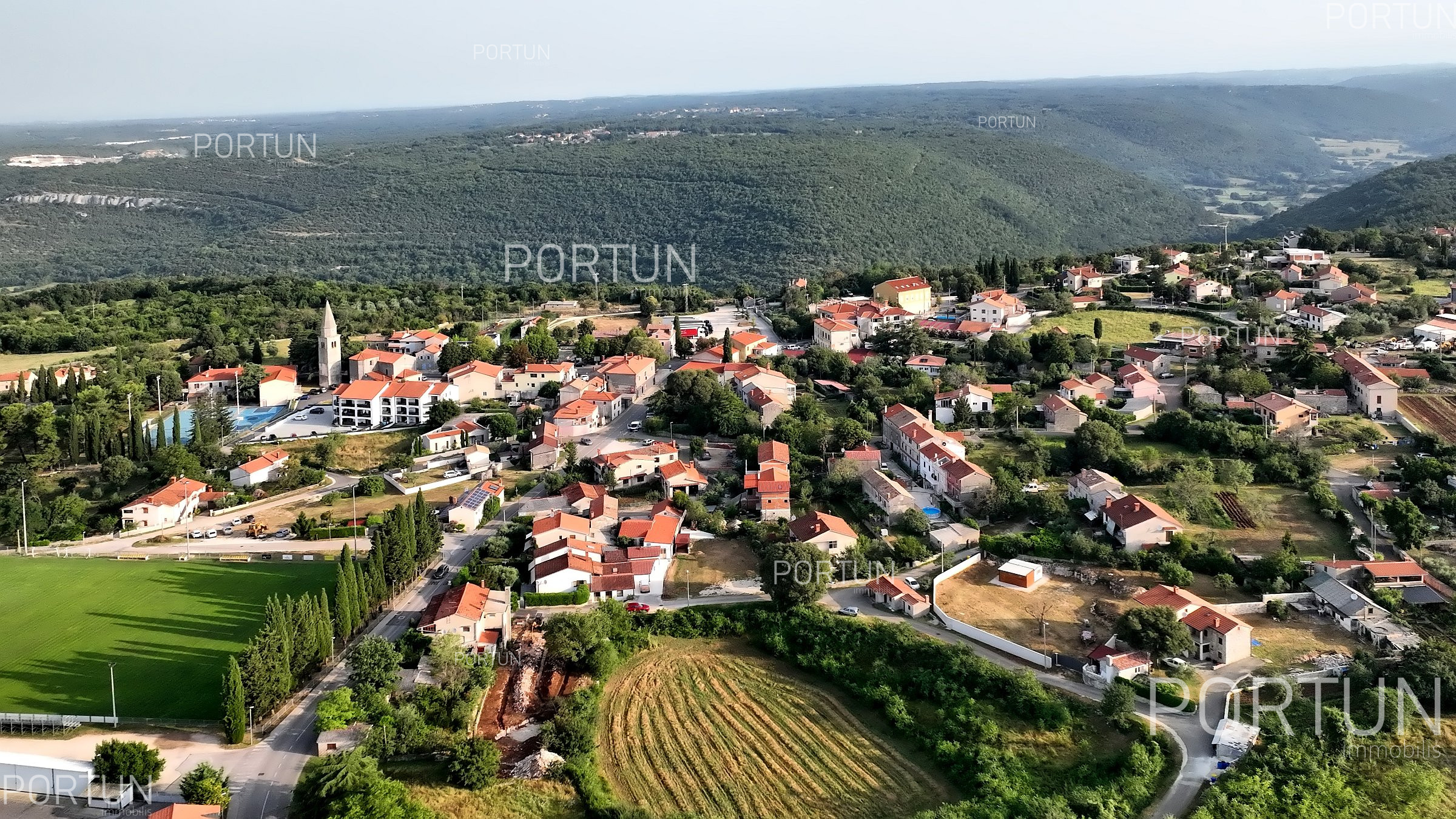
2) Access and infrastructure are often more important than the view
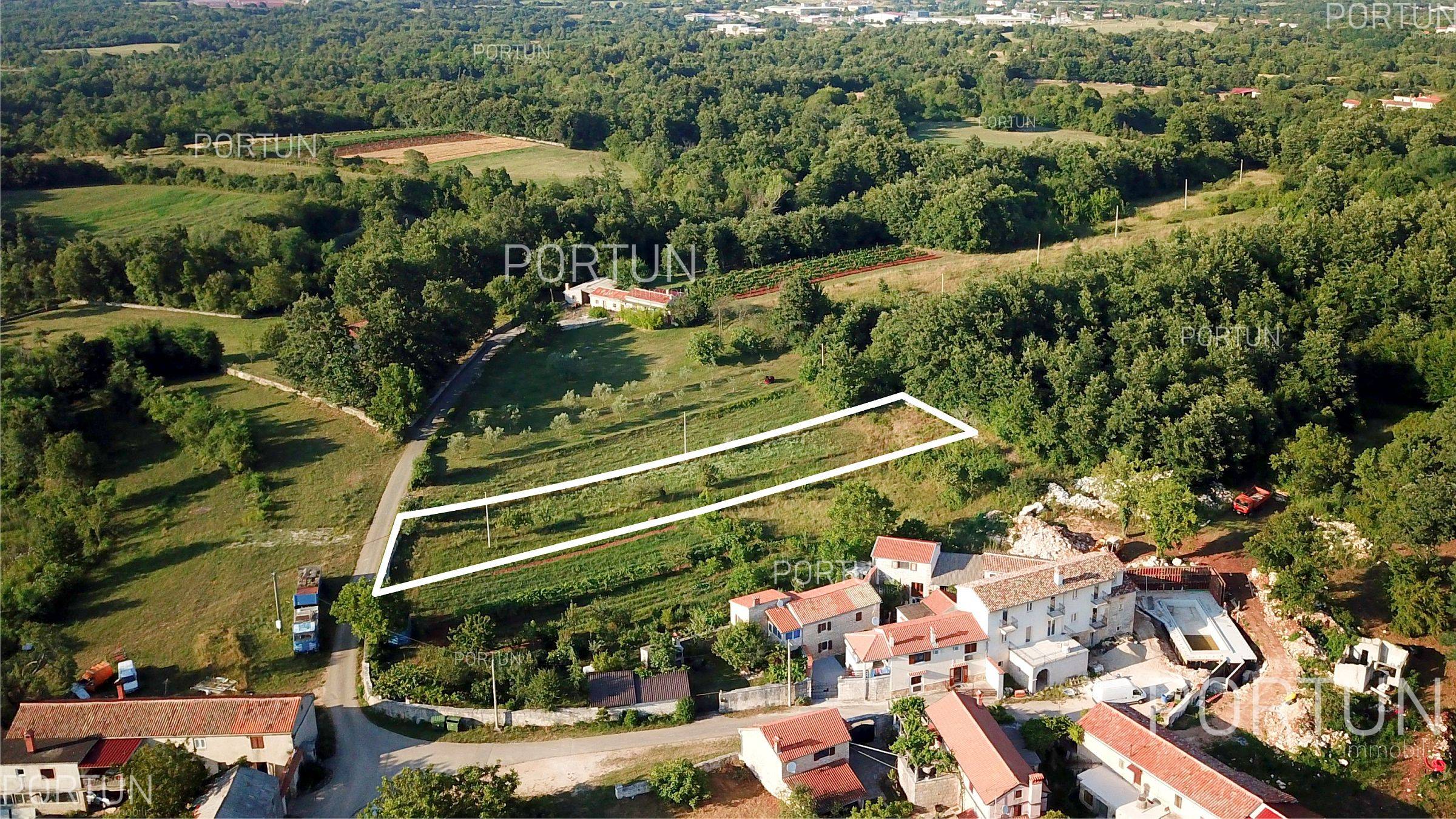
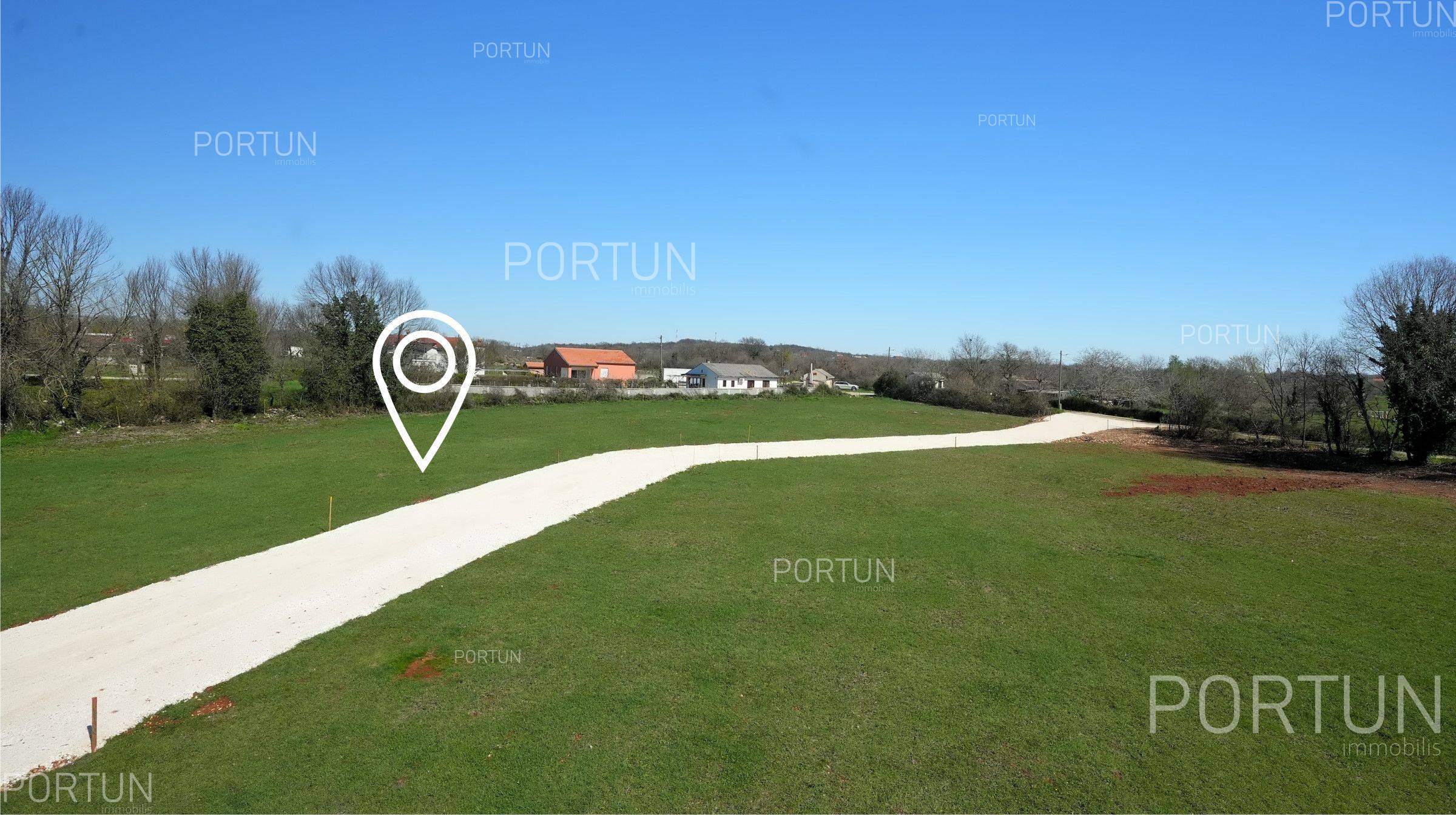
A view is visible in photographs. Access is assessed only on site. In practice, a good location means there is a realistic and feasible solution for:
- access roads (proper approach, public road, or a clear solution for easement rights if required)
- electricity and water (nearby or with a clearly defined connection solution)
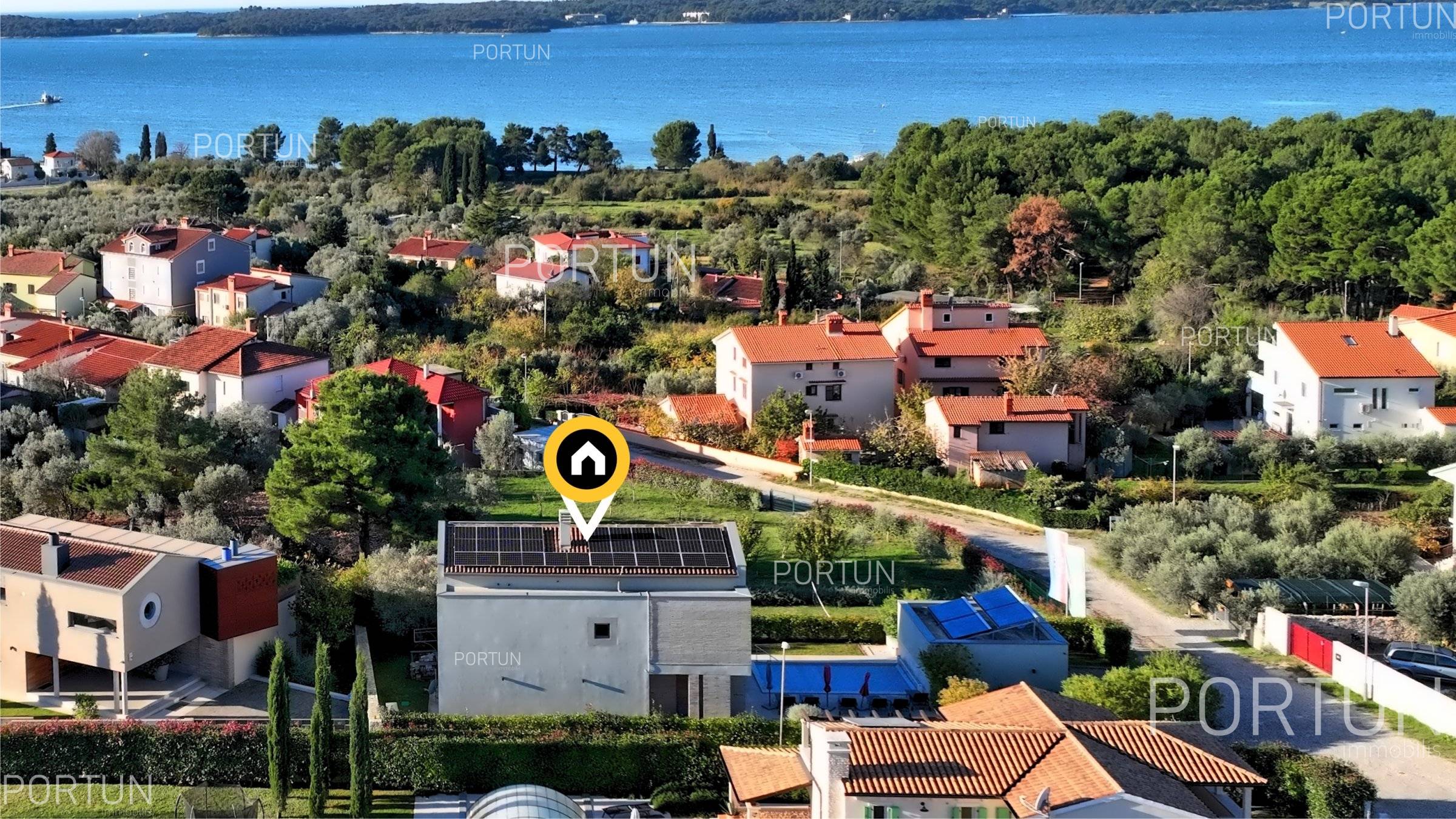
- everyday logistics (distance to town, shops, schools, and the sea)
3) Review the zoning plan – but read between the lines
It is not enough for a plot to be designated as “building land”. The key is understanding what is truly permitted and how stable the zone is. Pay particular attention to:
- whether the building zone is expanding or already “closed”
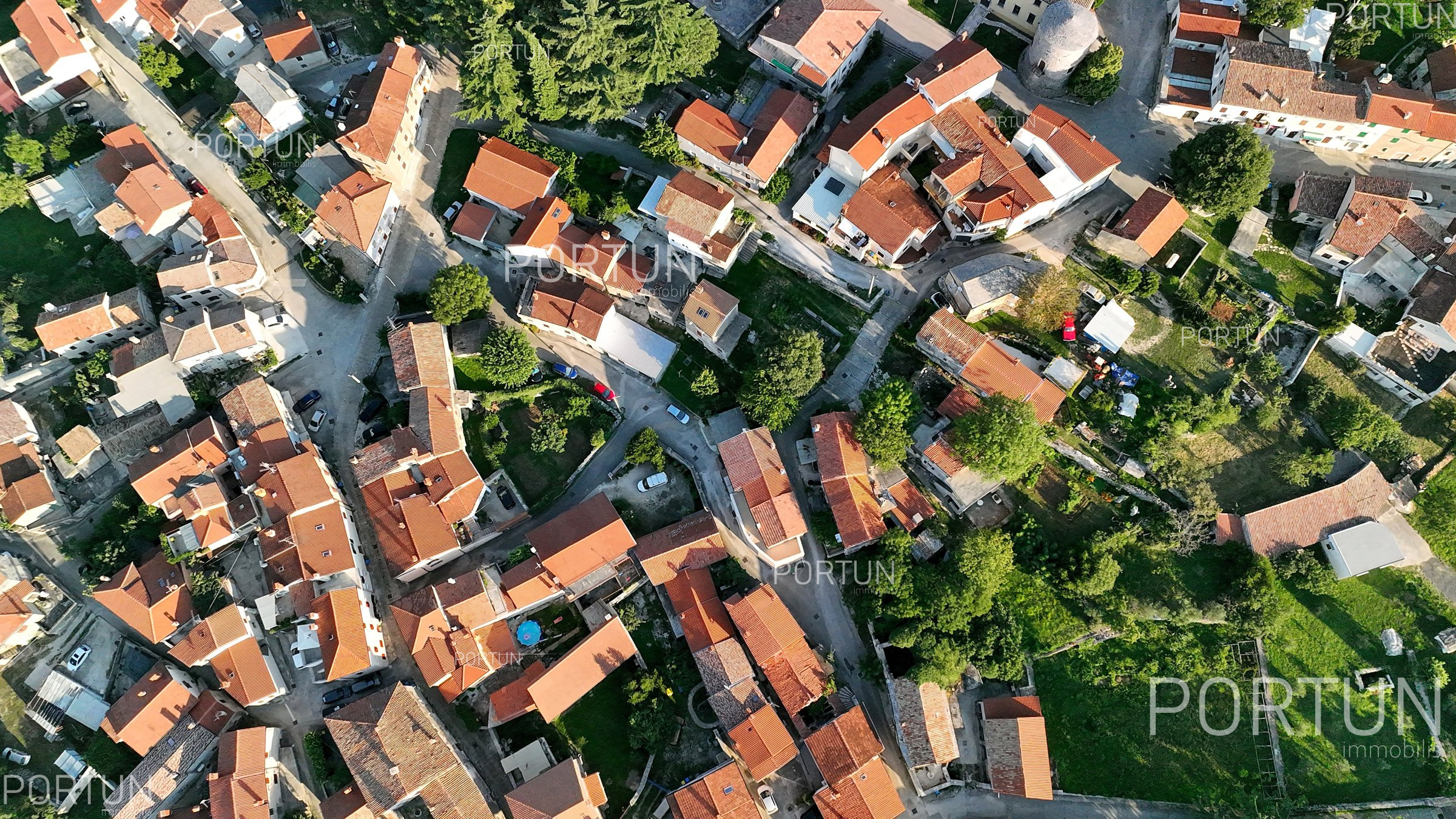
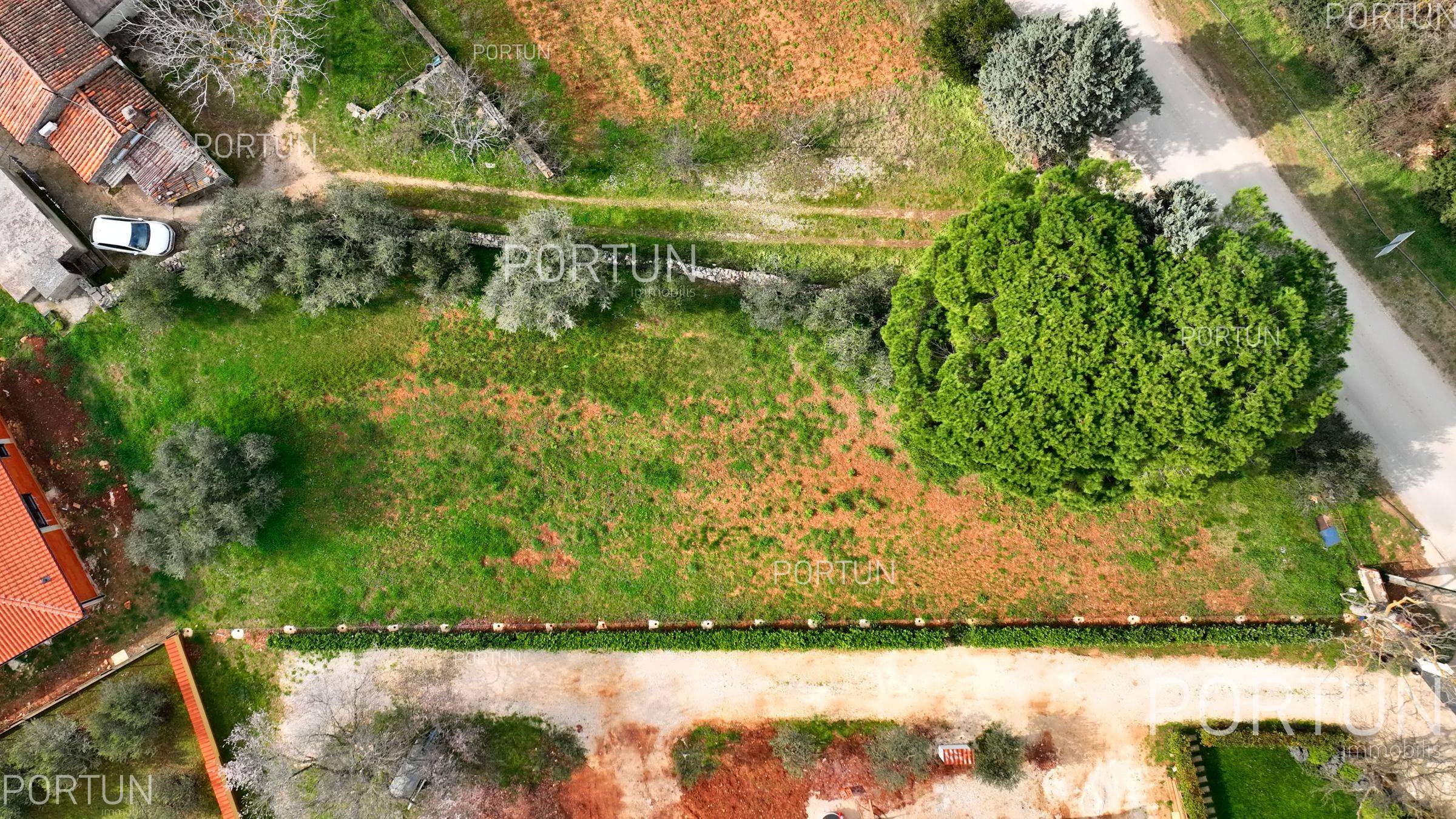
- whether there is continuity of development or the plot is an isolated “island”
- permitted building types and conditions (family house, villa, maximum height, coefficients, distances)
Locations that are clearly defined but not yet developed often offer the best balance between price and potential.
4) Observe who is coming and what they are asking
When buyers appear who are no longer asking “how much can the price drop” but rather “what can be built here”, it is a sign that the location is maturing. Especially when they are looking for:
- peace and privacy
- long-term use (living, family life) or stable rental potential
- micro-location quality rather than just a “well-known name”
5) Where there is no mass construction, there is often long-term value
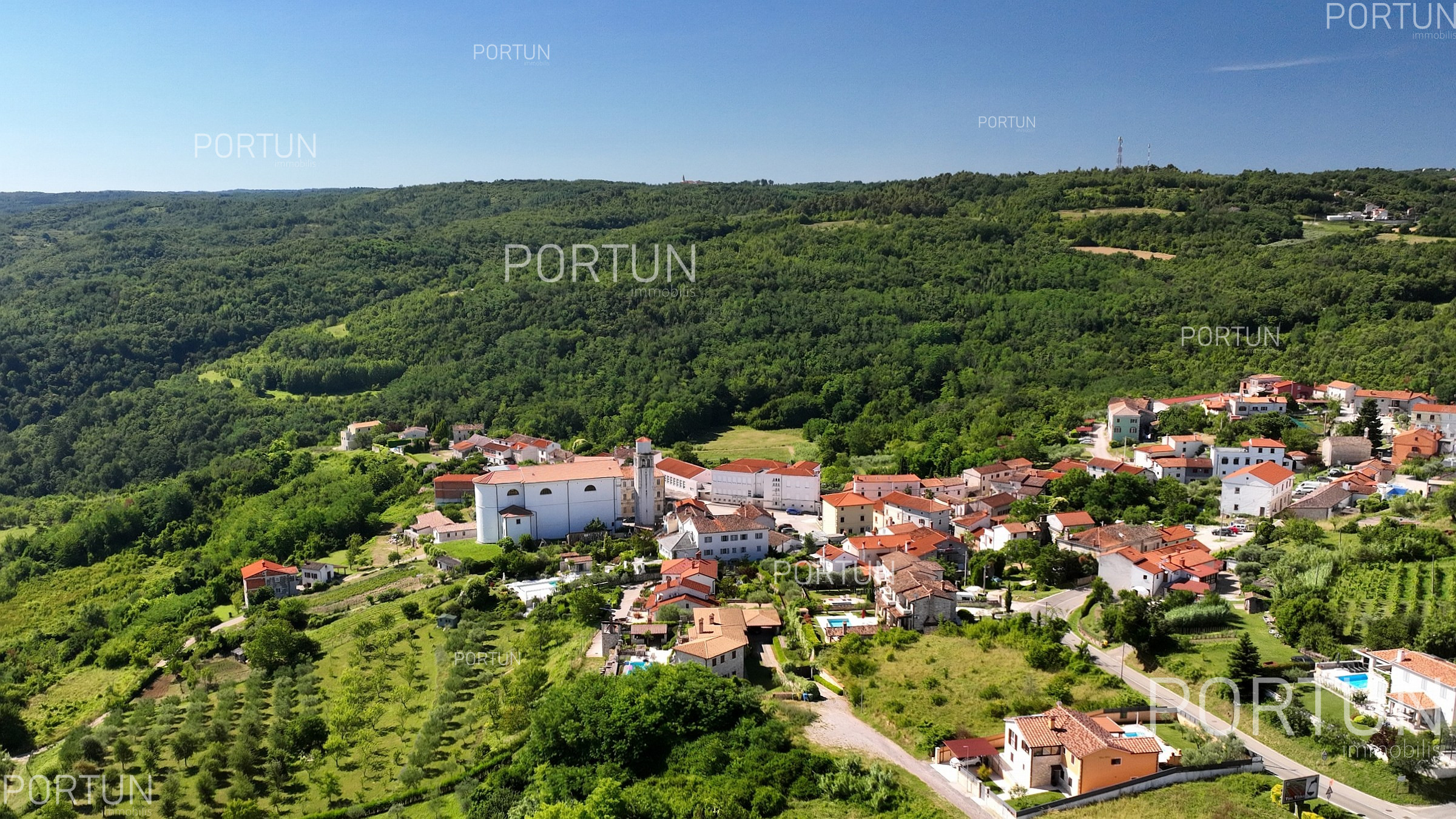
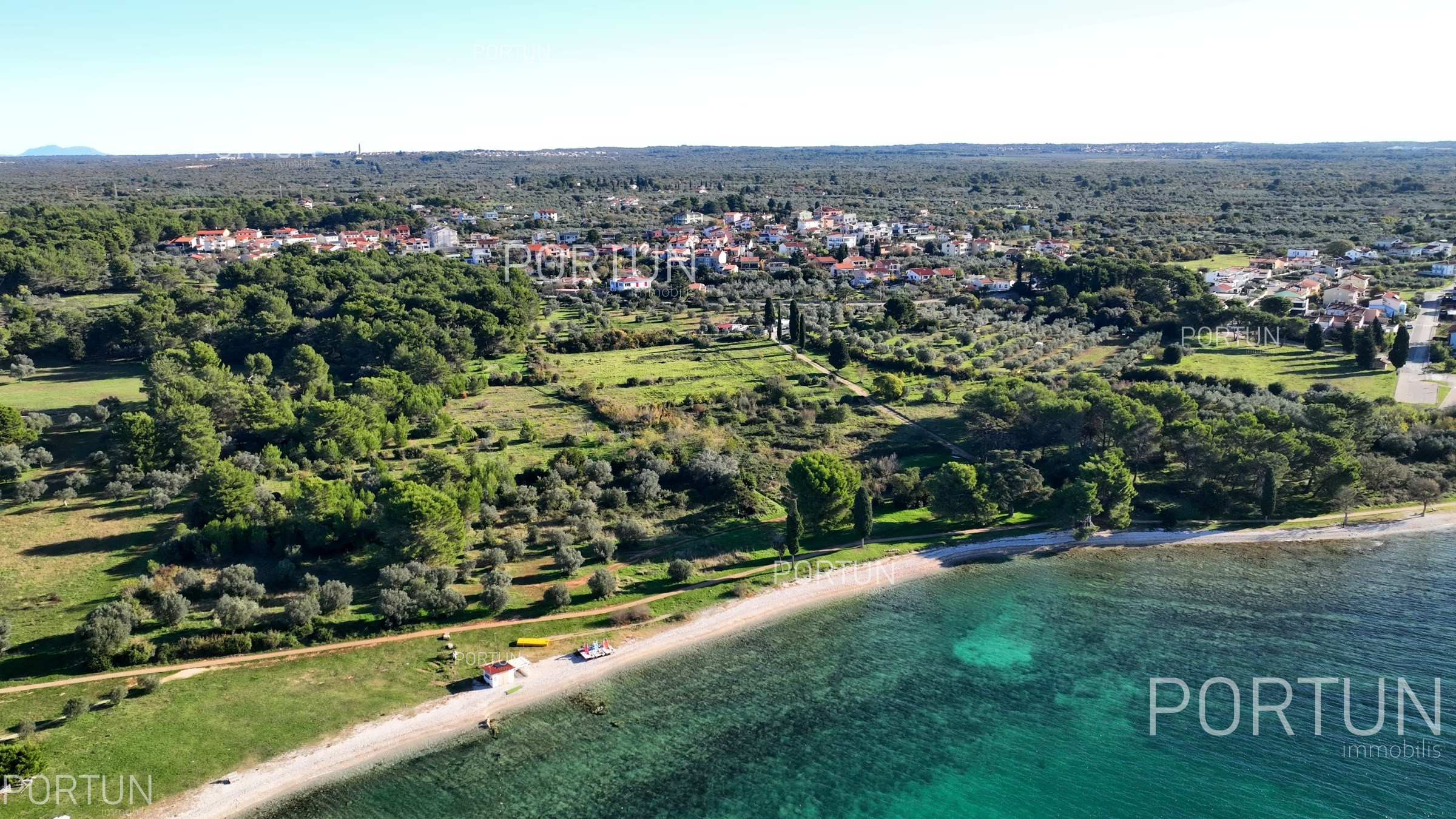
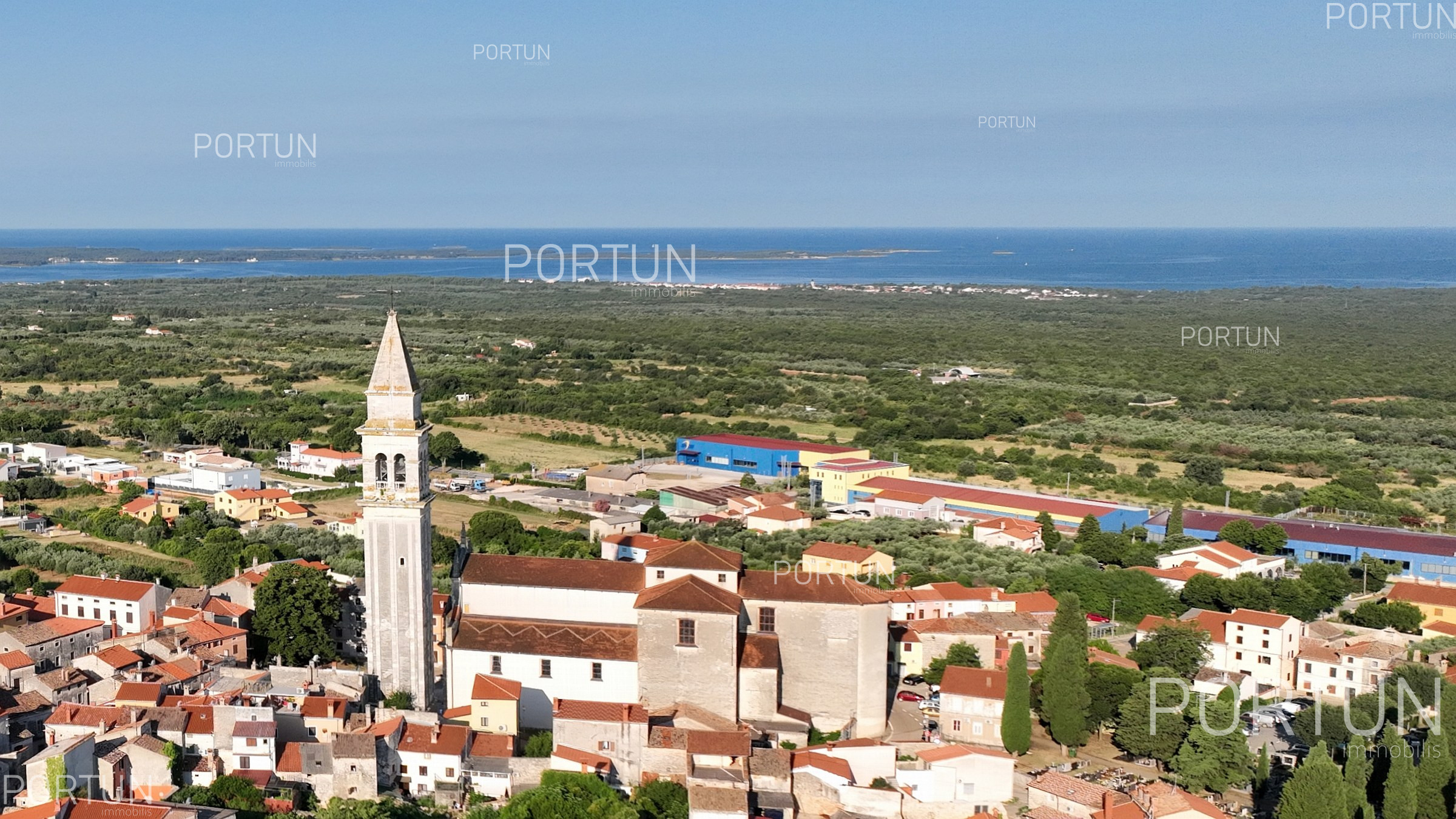
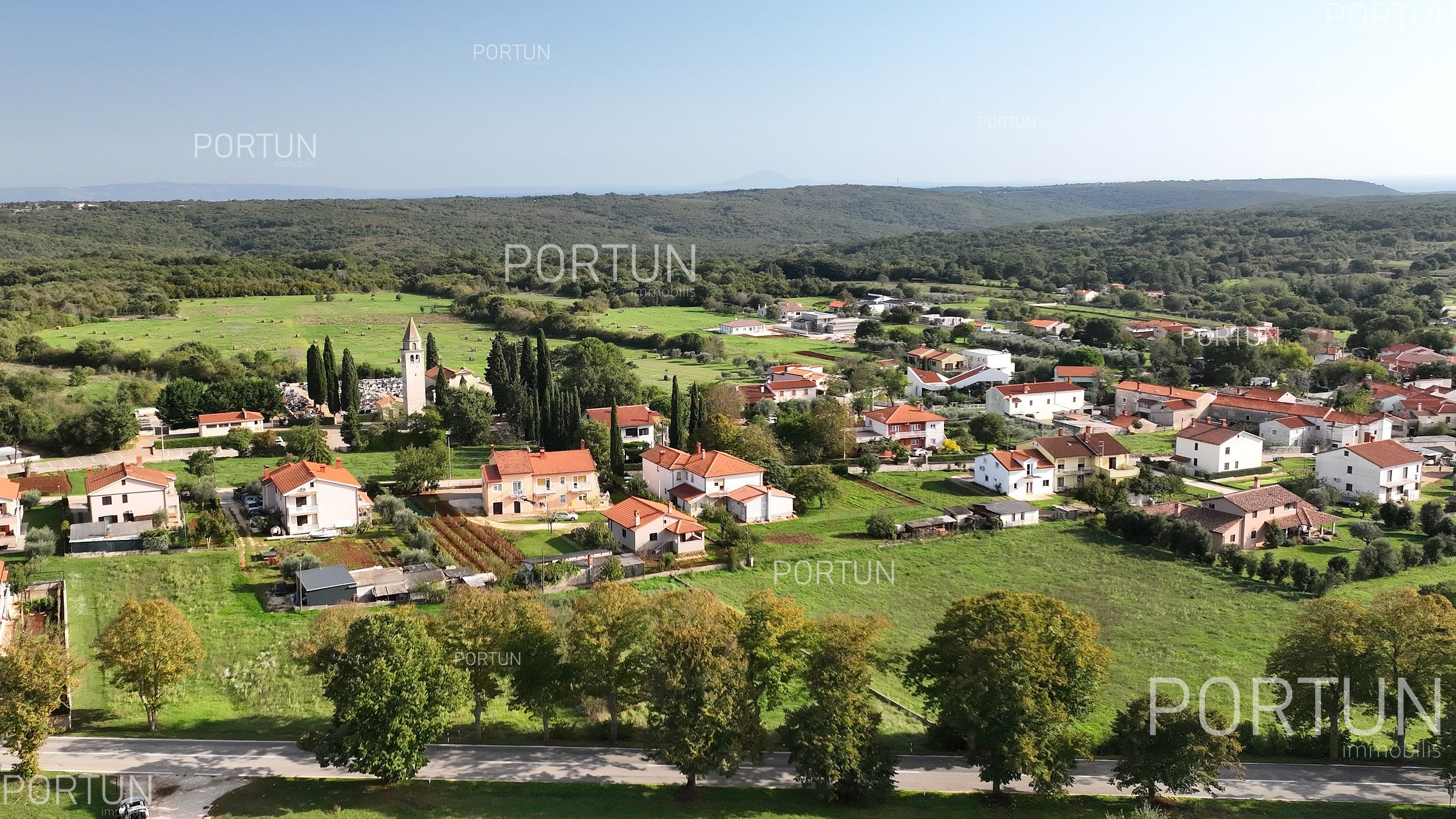
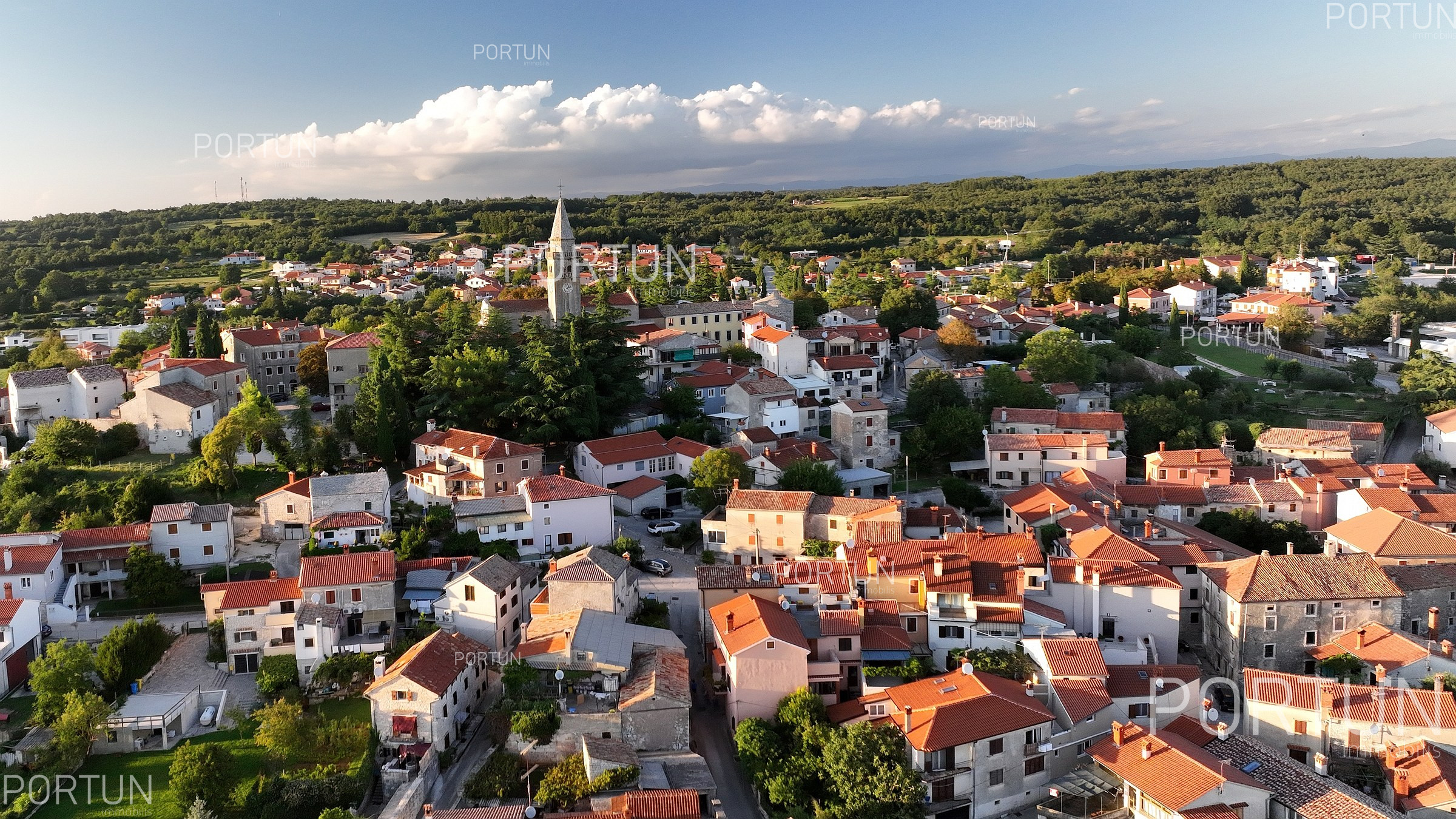
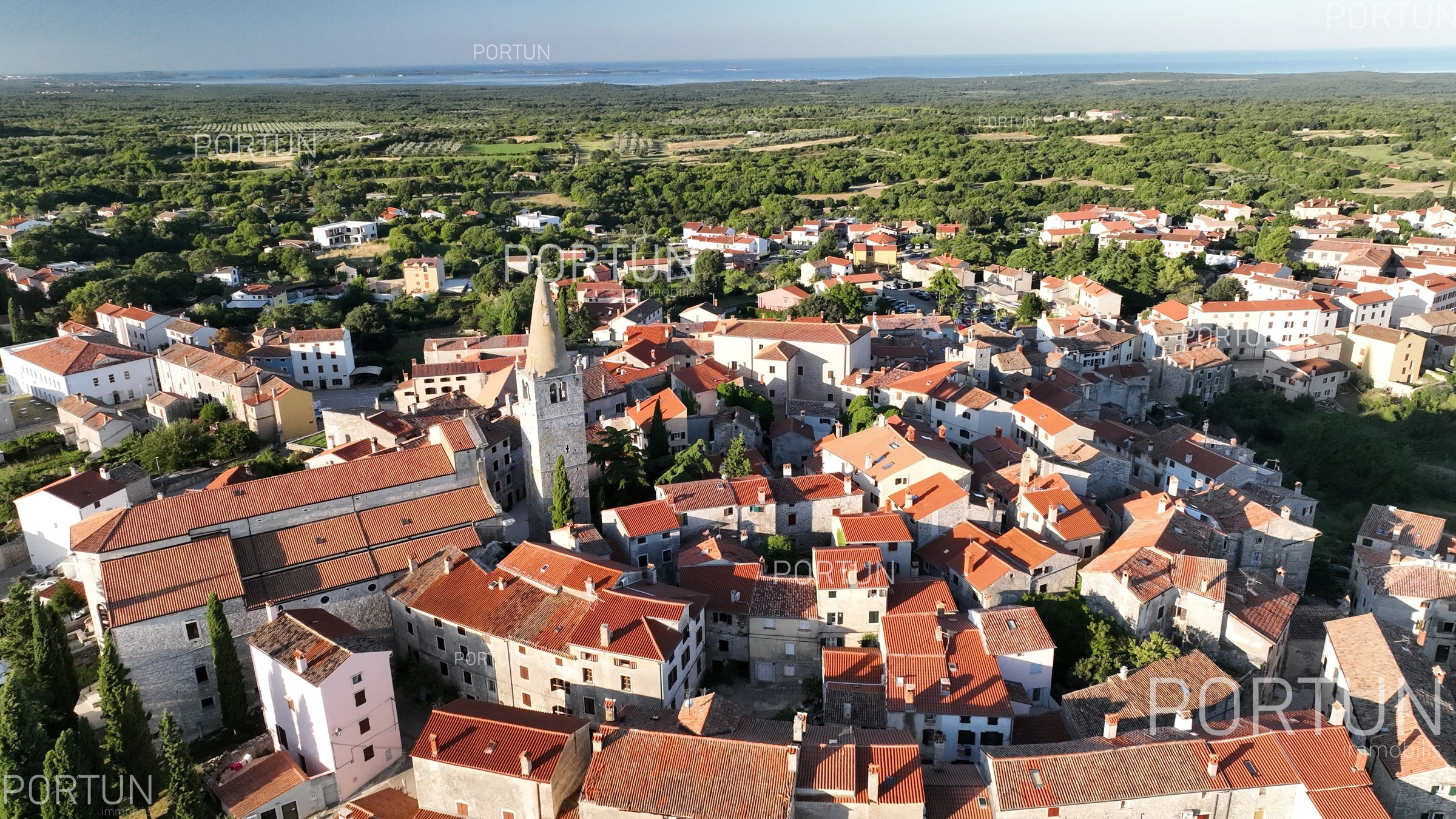
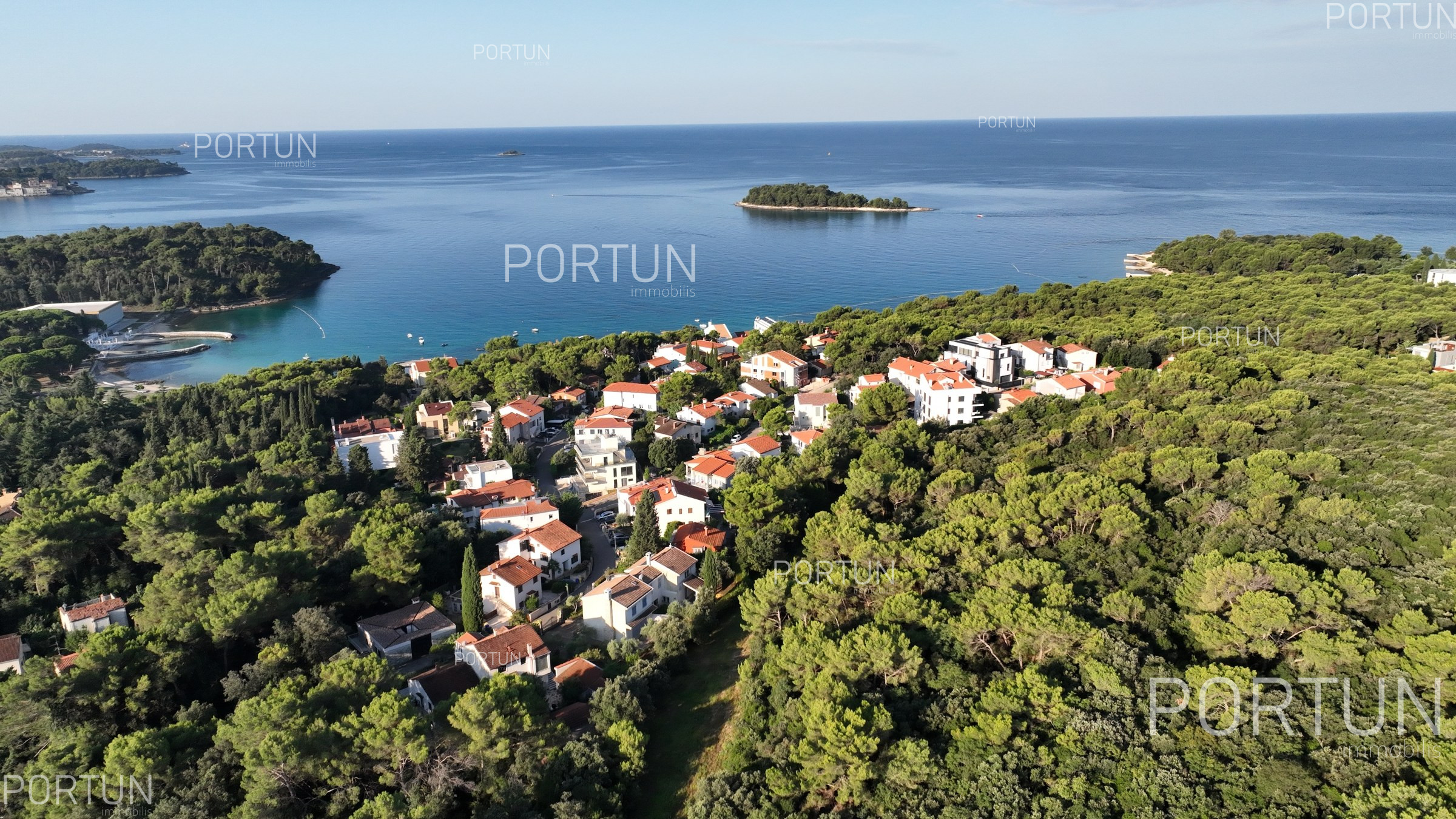
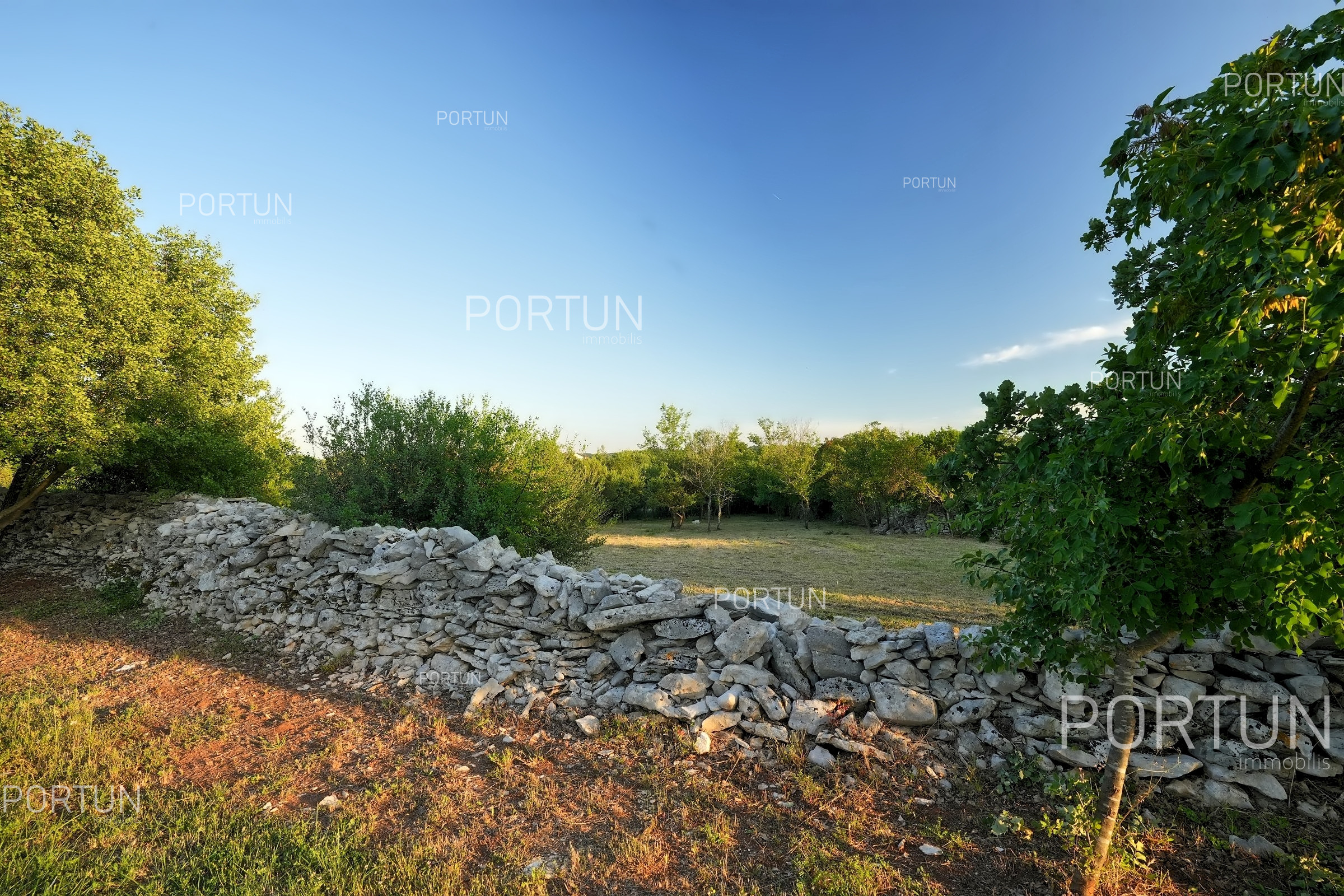
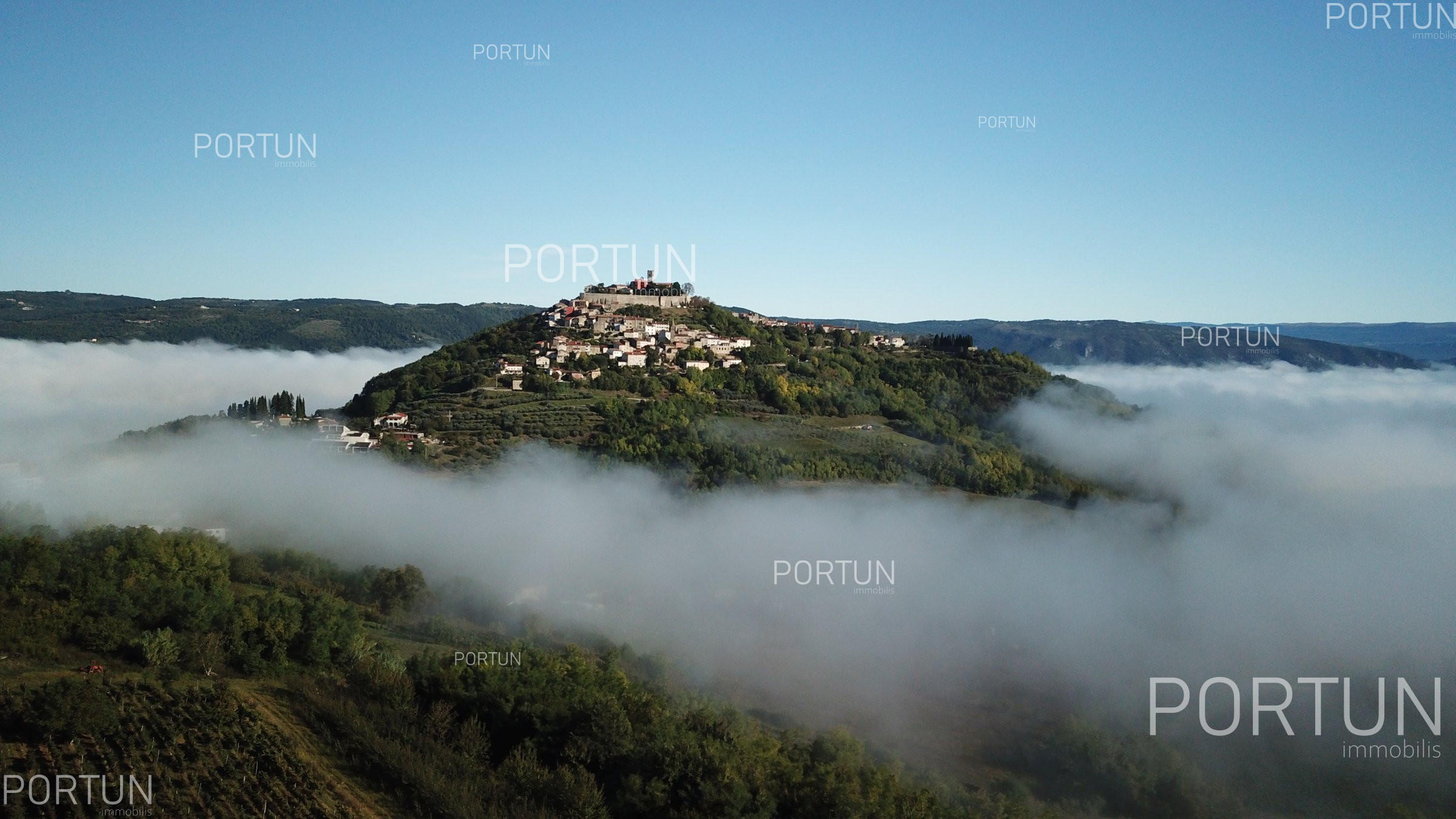
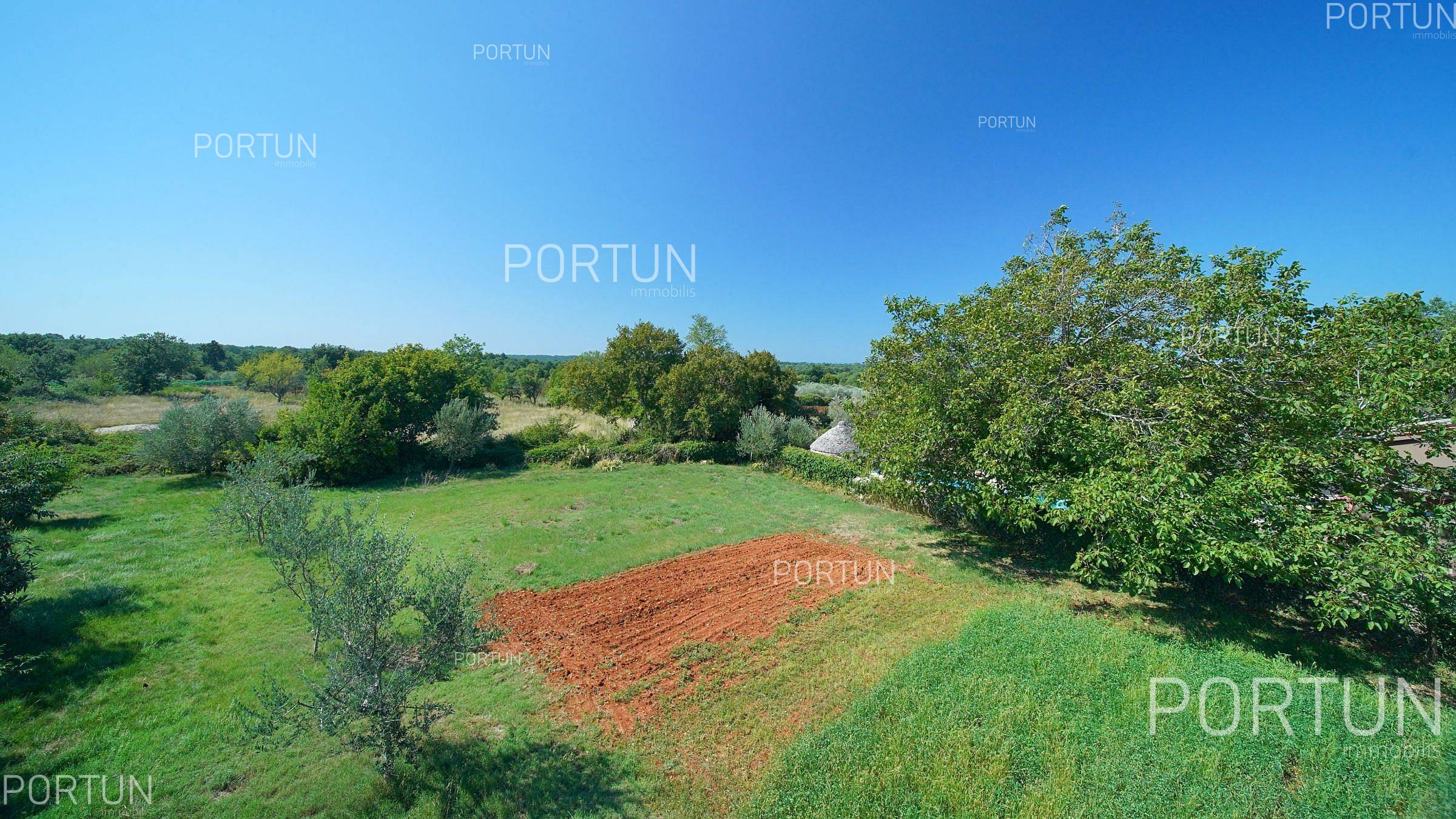
Too much construction in a short period usually leads to quick saturation. Locations that develop slowly and in a controlled manner tend to retain value over the long term— particularly in Istria, where an increasing number of buyers seek green surroundings, space, and quiet.
6) Listen to local insight
Valuable information is often heard first “on the ground” and only later appears in listings. Ask questions such as:
- who has been buying in the past one to two years
- whether infrastructure projects are planned (roads, sewage, public lighting)
- how the area is used outside the tourist season and who actually lives there
7) If it feels “too quiet” – you may be close to the right choice
Most buyers act only once everything is obvious. Experienced buyers act when there is:
- limited supply
- little noise
- limited information (but a clear location logic)
If a location requires explanation rather than advertising, it is very likely worth closer attention.
Conclusion
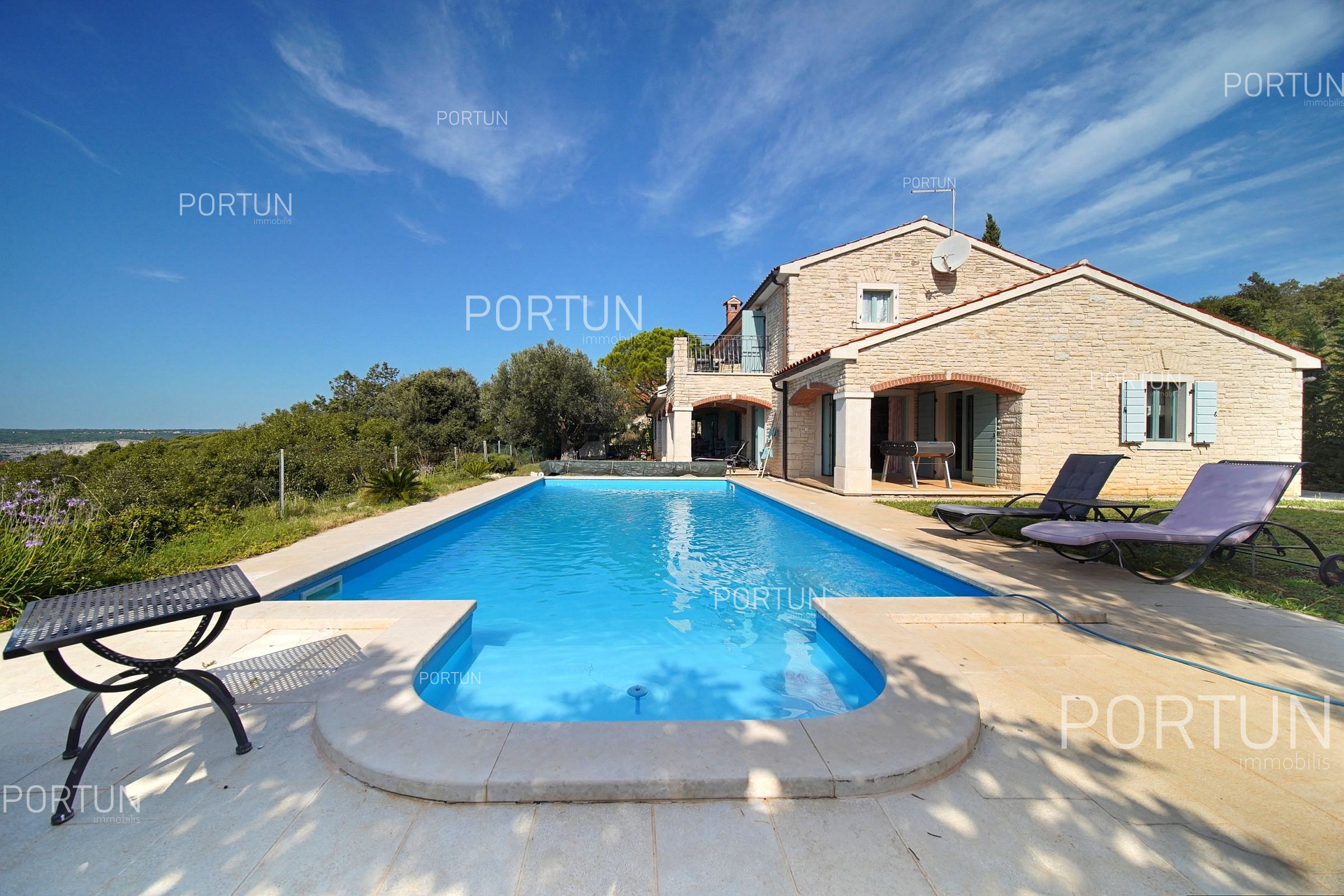
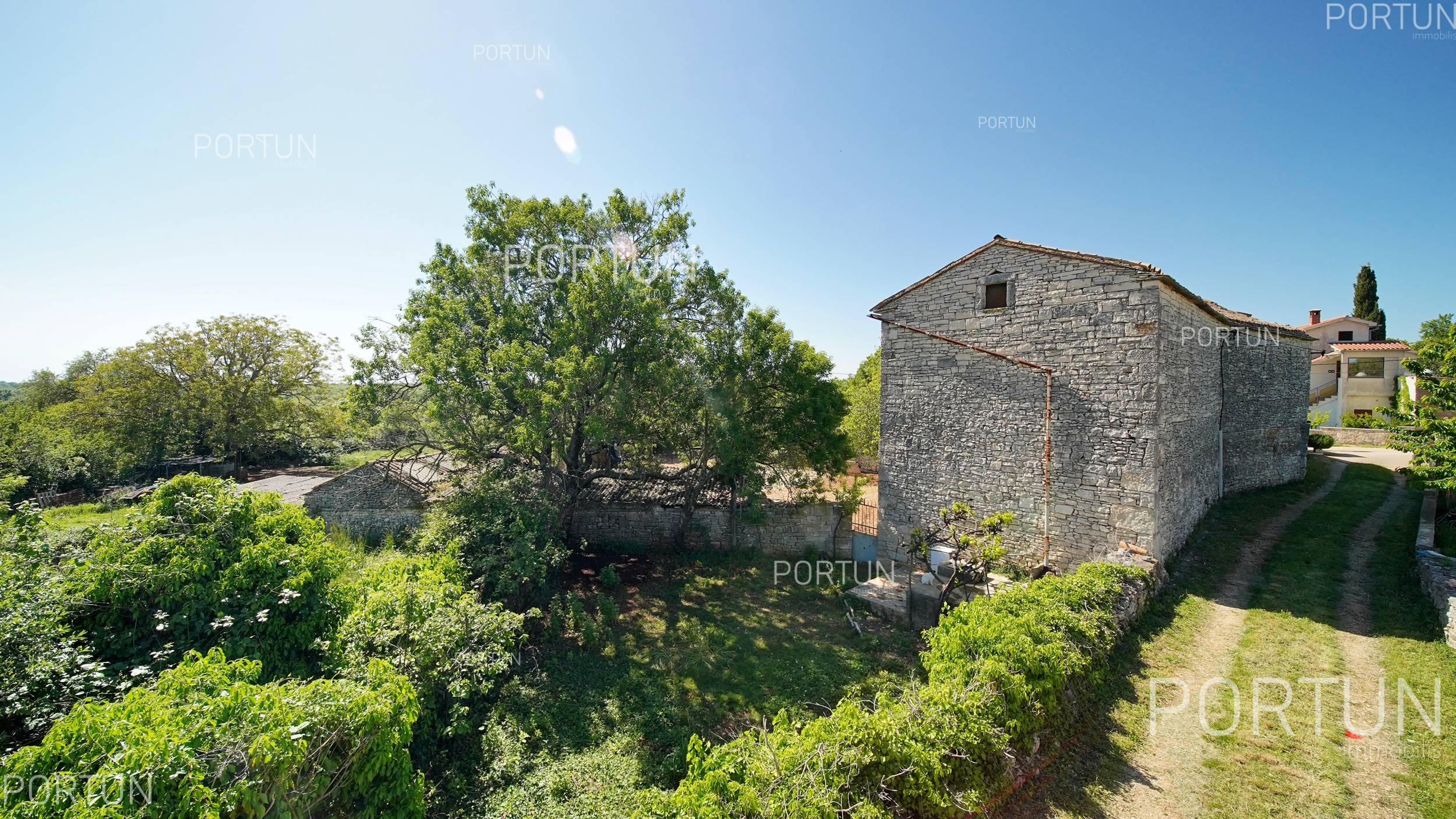
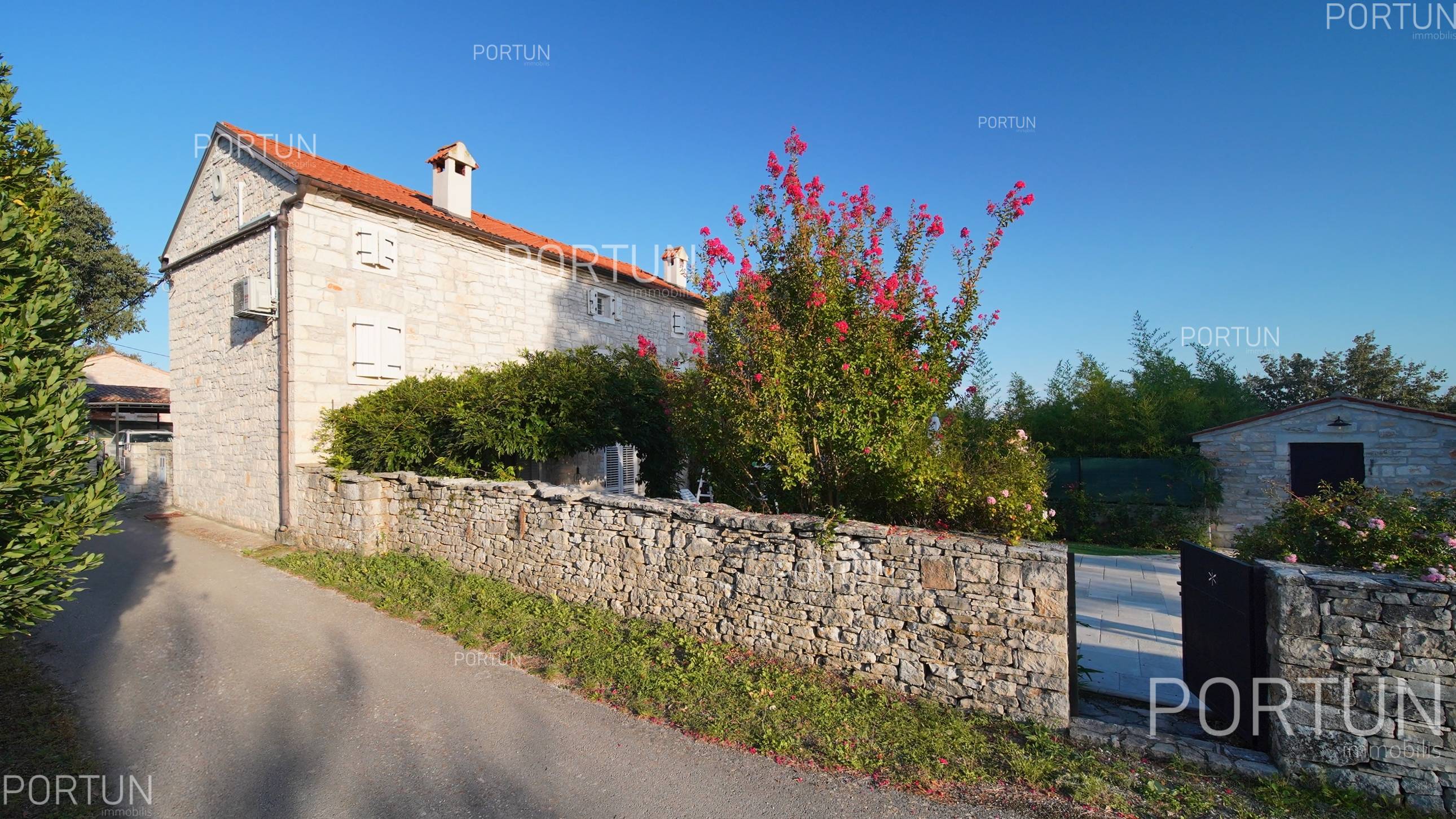
A good location before it becomes popular does not rely on heavy promotion. It relies on logic: access, infrastructure, stable planning conditions, and natural interest from long-term-oriented buyers. If you are looking for land or a stone house in Istria and asking yourself “is this too early?” — the answer is often: no.
Looking for land or a stone house in Istria? Contact us and we will be happy to propose options with strong potential—before they become widely known.
Related guides and useful articles
When buying a property in Istria, the choice of location often has a decisive impact on long-term value and usability. In addition to visiting the site and assessing the micro-location (access, noise, surroundings, infrastructure), it is advisable to verify documentation and planning conditions in parallel to understand what is realistically feasible.
Thematic guides for buying a house in Istria. Two practical articles for a more structured decision-making process.
Tags location, micro-location, buying a house in Istria, documentation review, spatial planning, zoning rules, property legality, access road, utilities and infrastructure, surroundings, property valuation, negotiations, deposit and deadlines