Why Istria Has Become One of Europe’s Most Discussed Property Markets
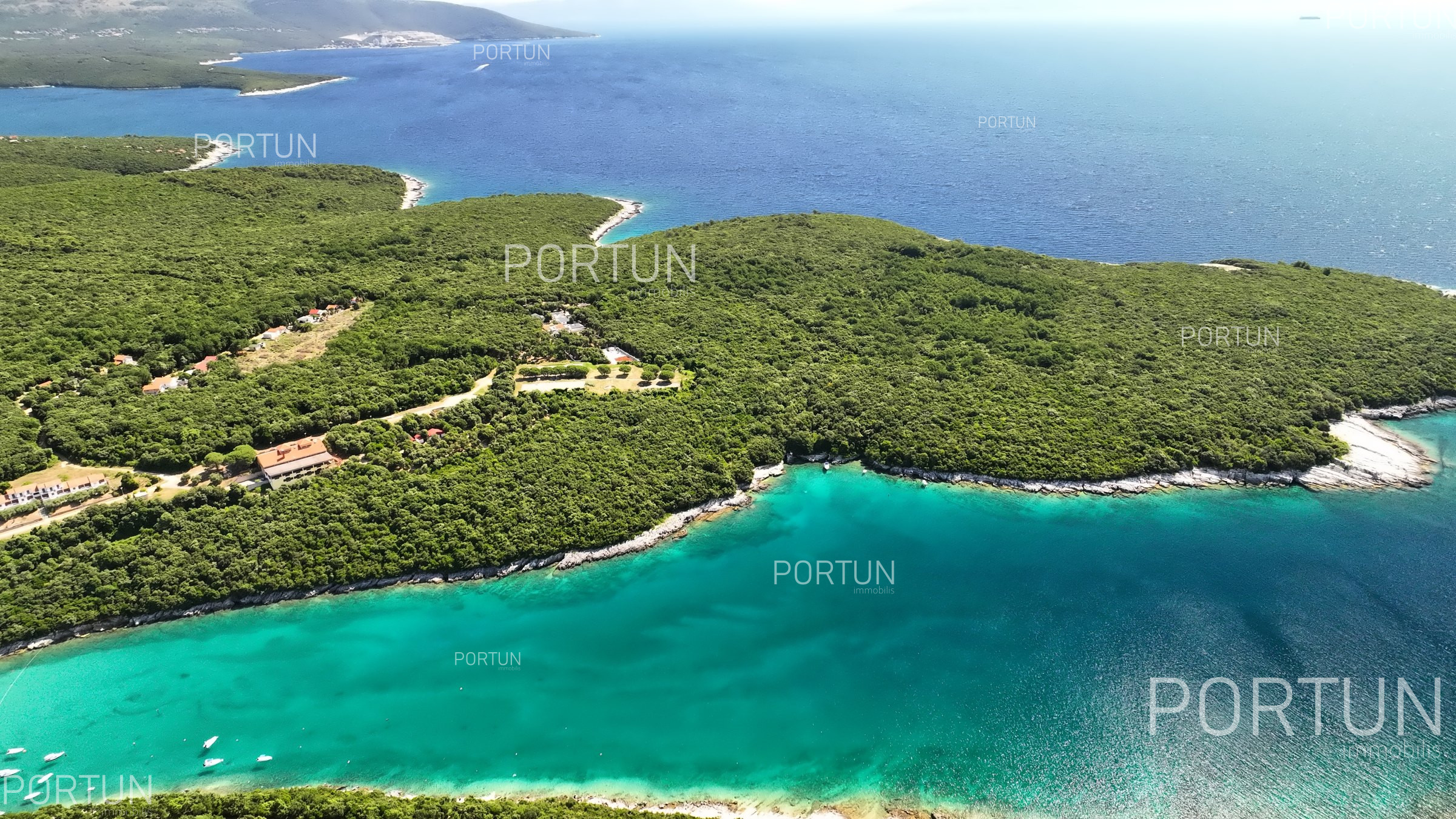
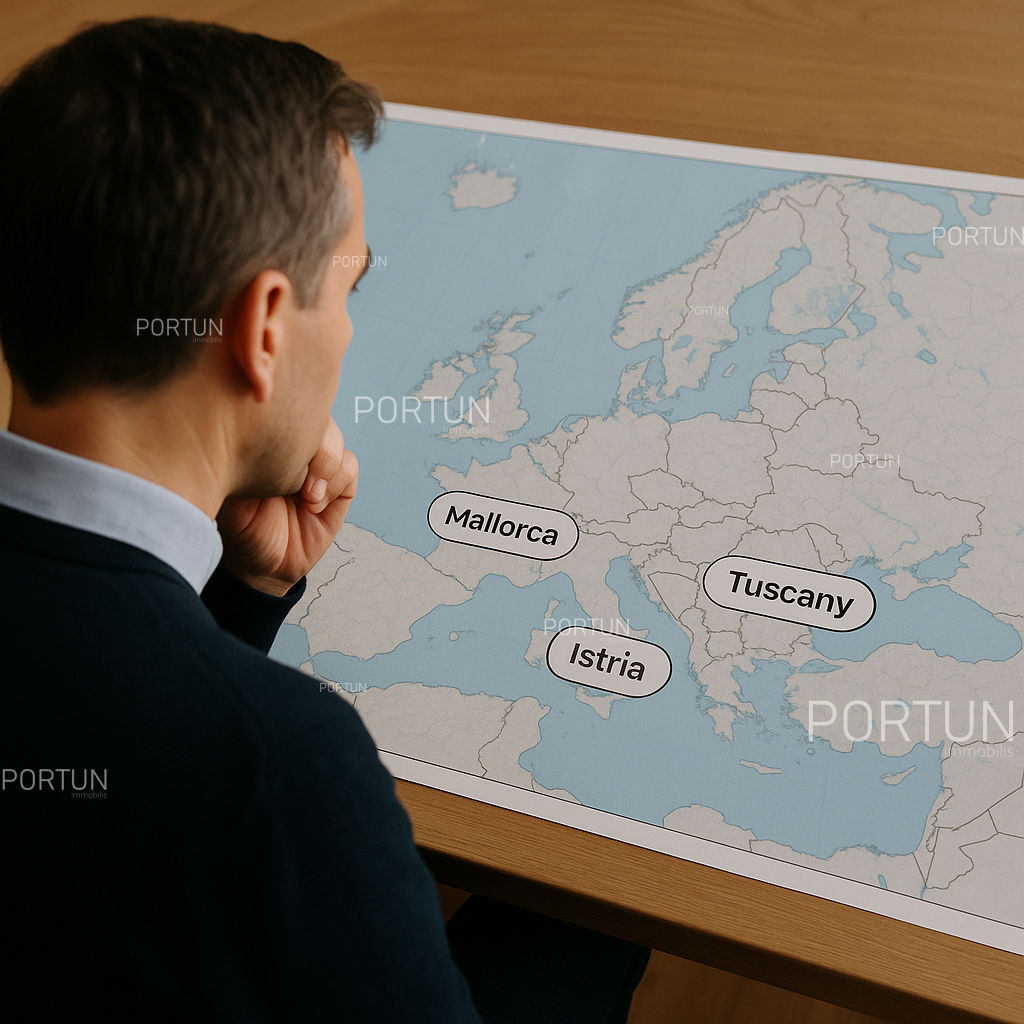
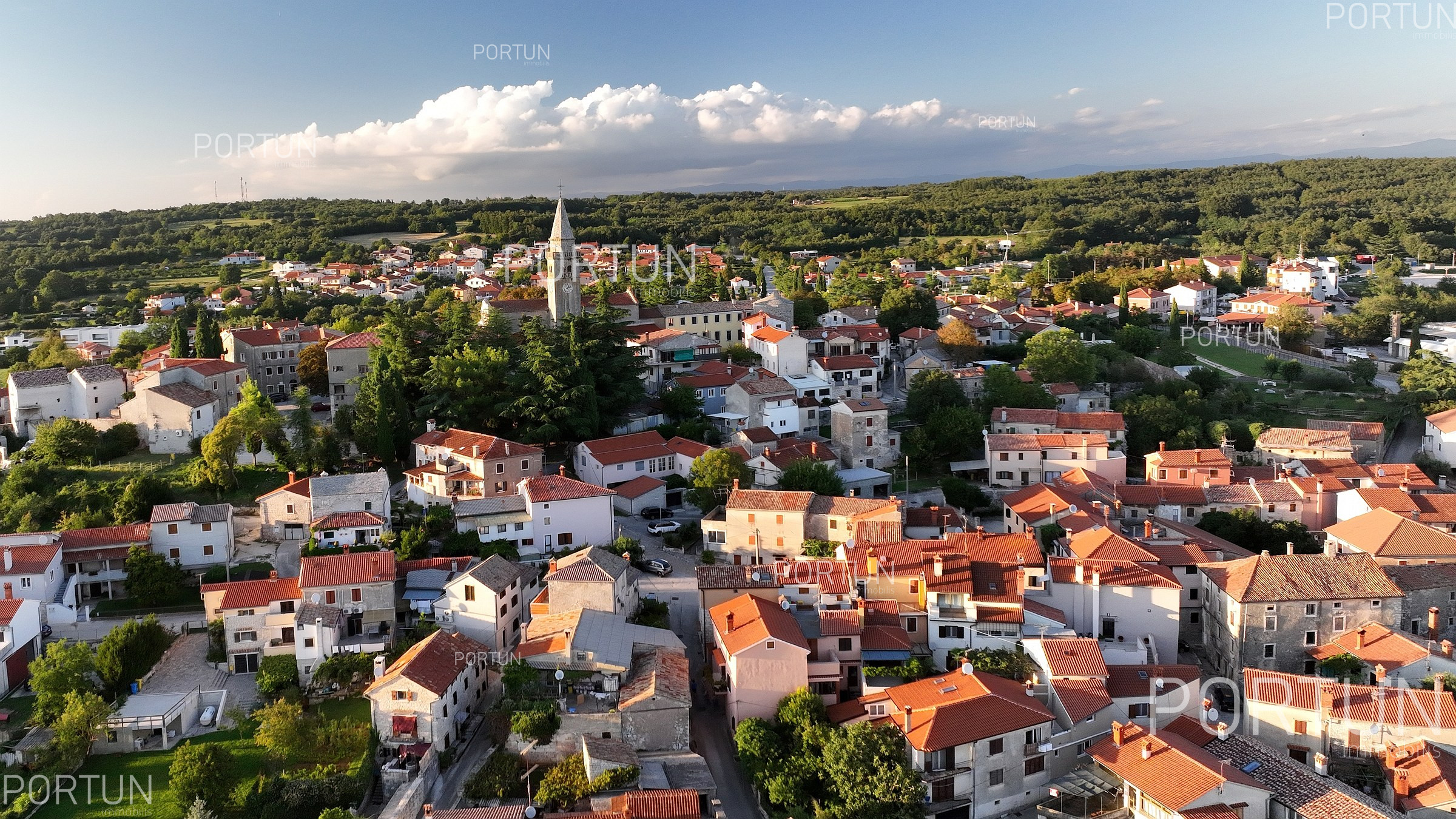
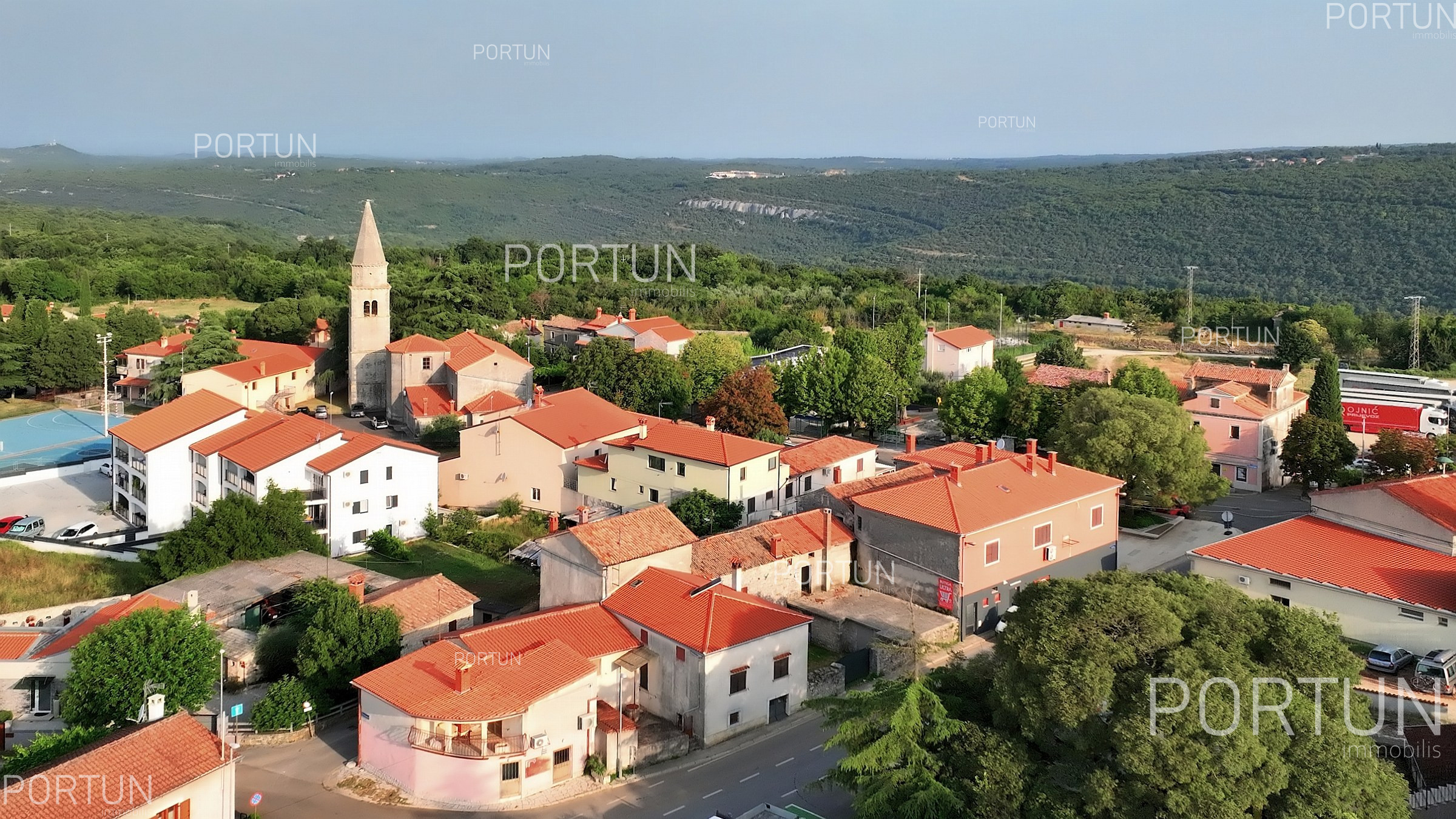
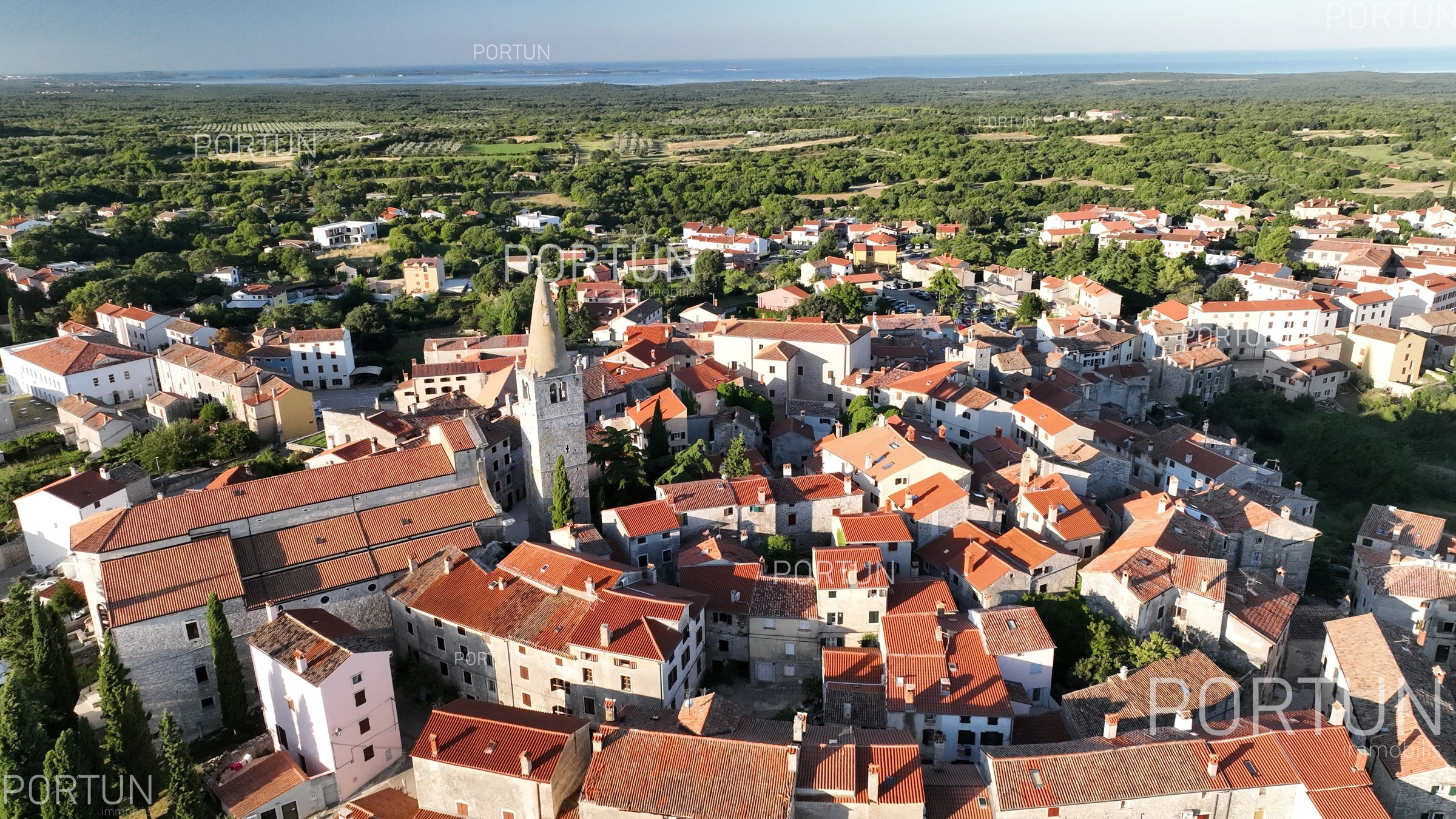
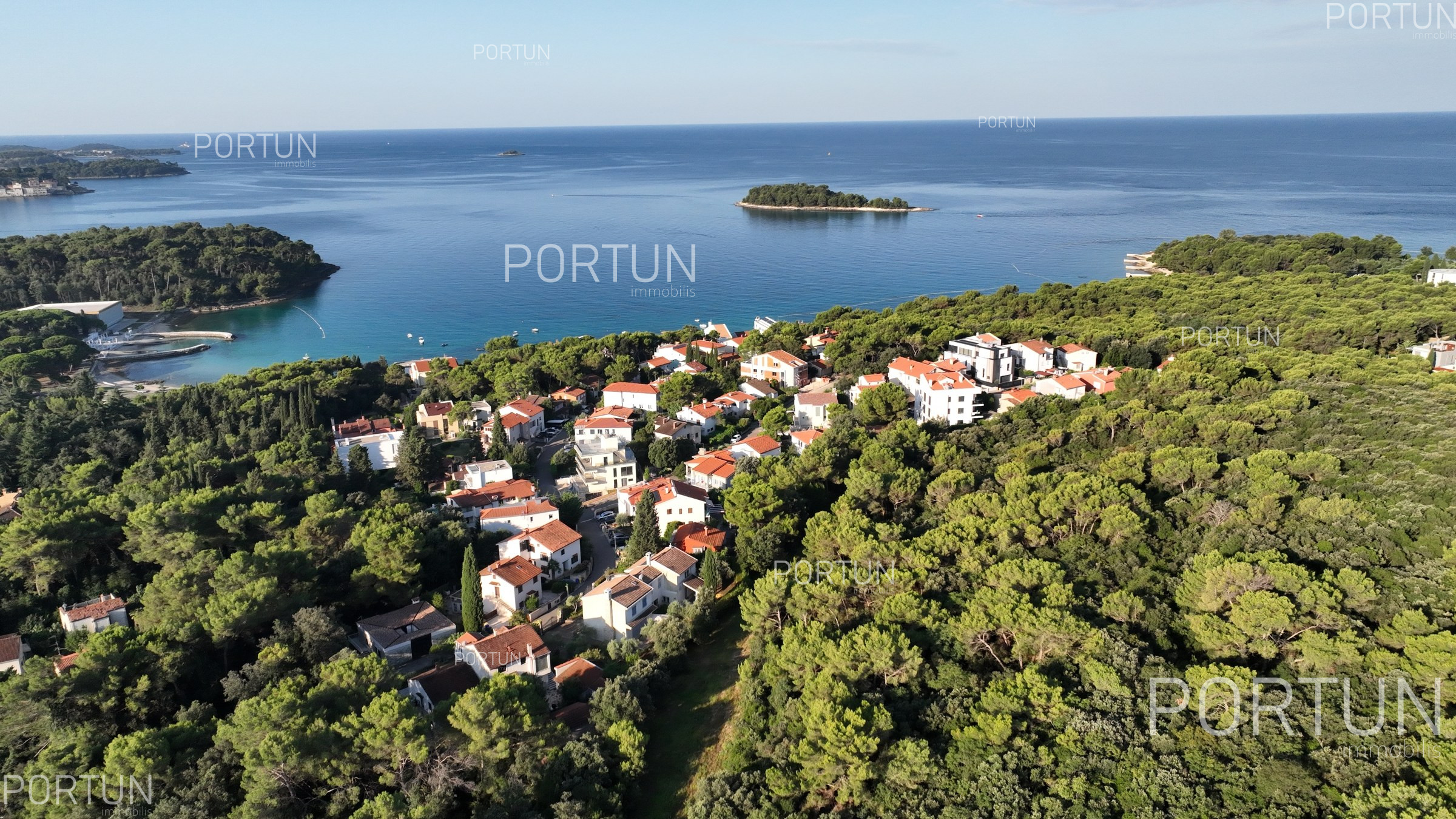
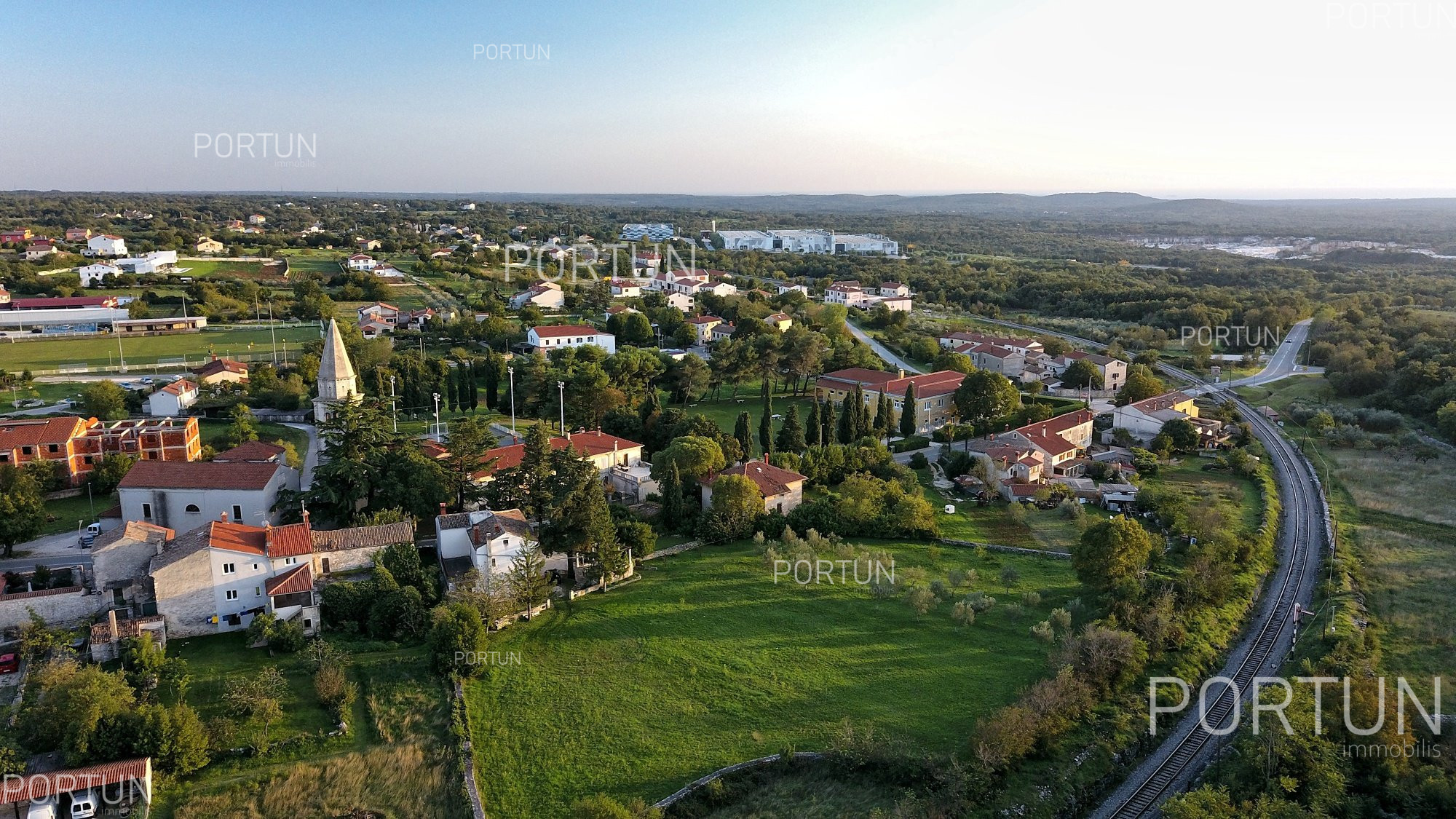
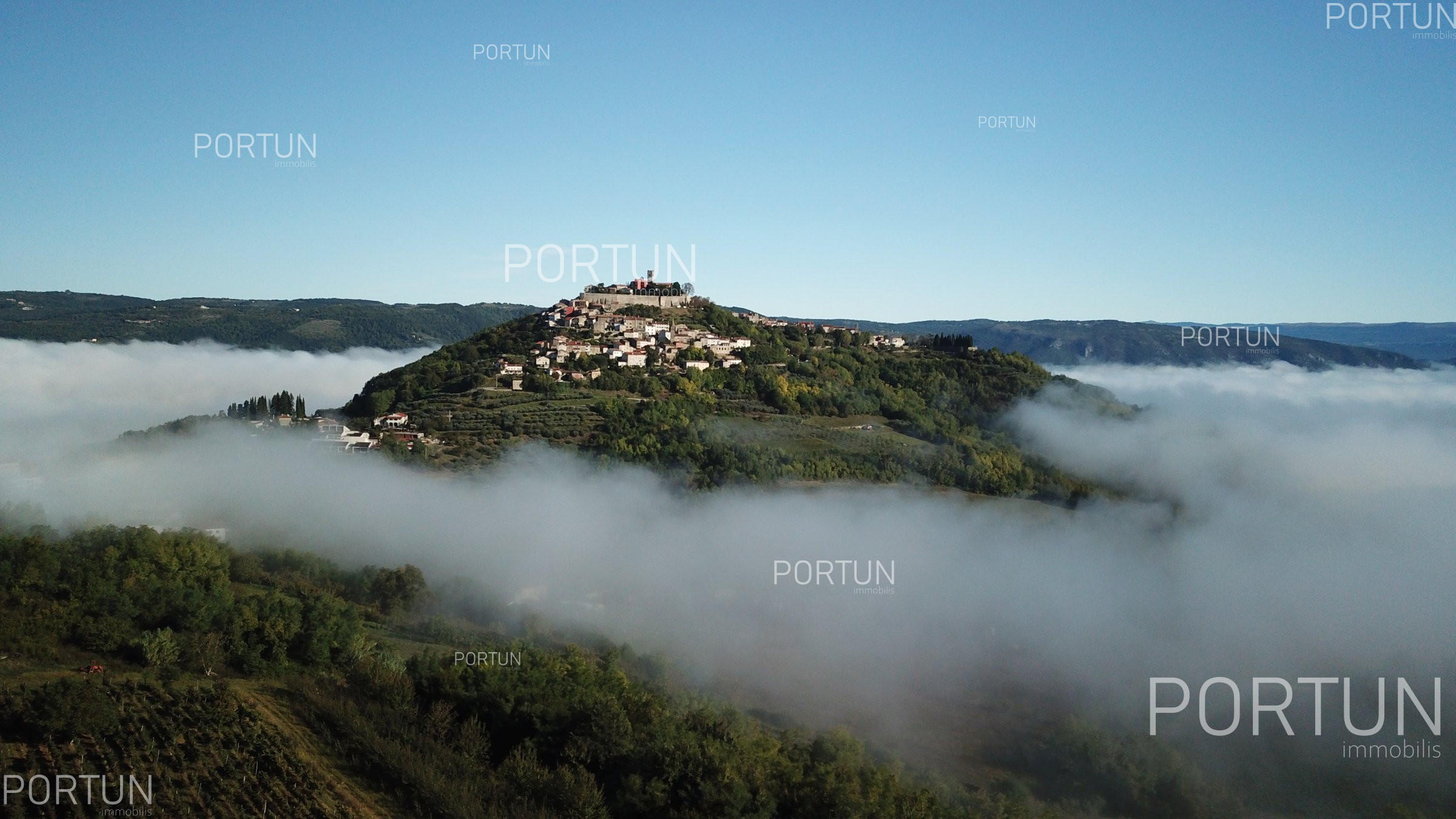
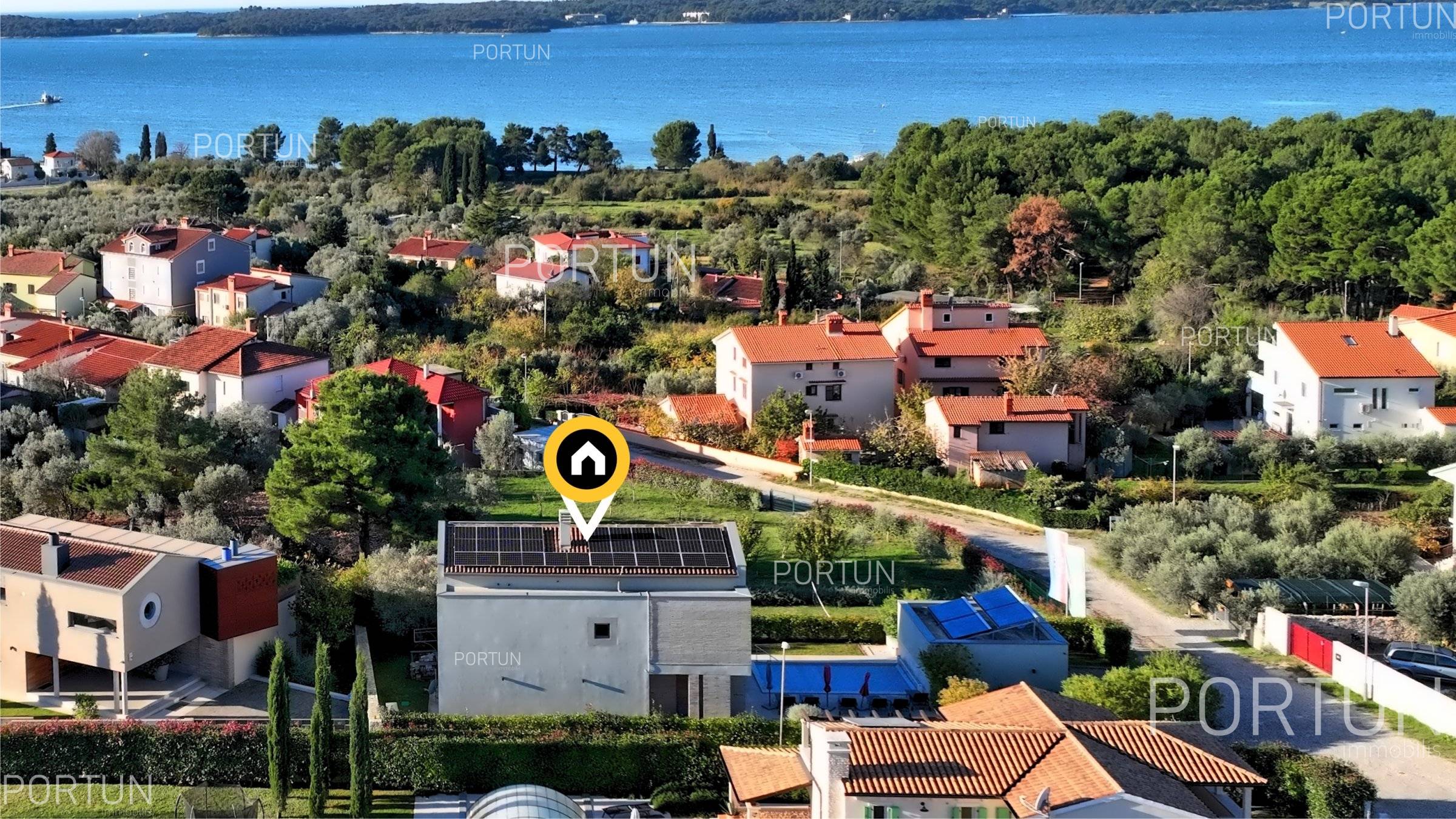
Istria has quietly transformed from a regional holiday destination into one of the most closely watched property markets in Southern Europe. For foreign buyers, particularly from Western and Central Europe, the peninsula offers a rare combination of Mediterranean lifestyle, relative price stability, political safety, and long-term investment potential. Unlike overheated markets such as parts of Spain or Italy, Istria still presents opportunities where lifestyle value and financial logic intersect.
The region benefits from strong tourism demand, improving infrastructure, and a controlled supply of new developments, especially in coastal and historic areas. At the same time, Croatia’s EU membership has significantly reduced legal and ownership risks for foreign buyers, making market entry clearer and more predictable than in the past.
However, the key investment question remains: does buying property in Istria still make sense today, or has the best window already passed? The answer depends less on timing the market and more on understanding local micro-locations, buyer profiles, and realistic return expectations. Istria rewards informed investors, not speculative ones.
Property Market Fundamentals: Supply, Demand, and Price Stability
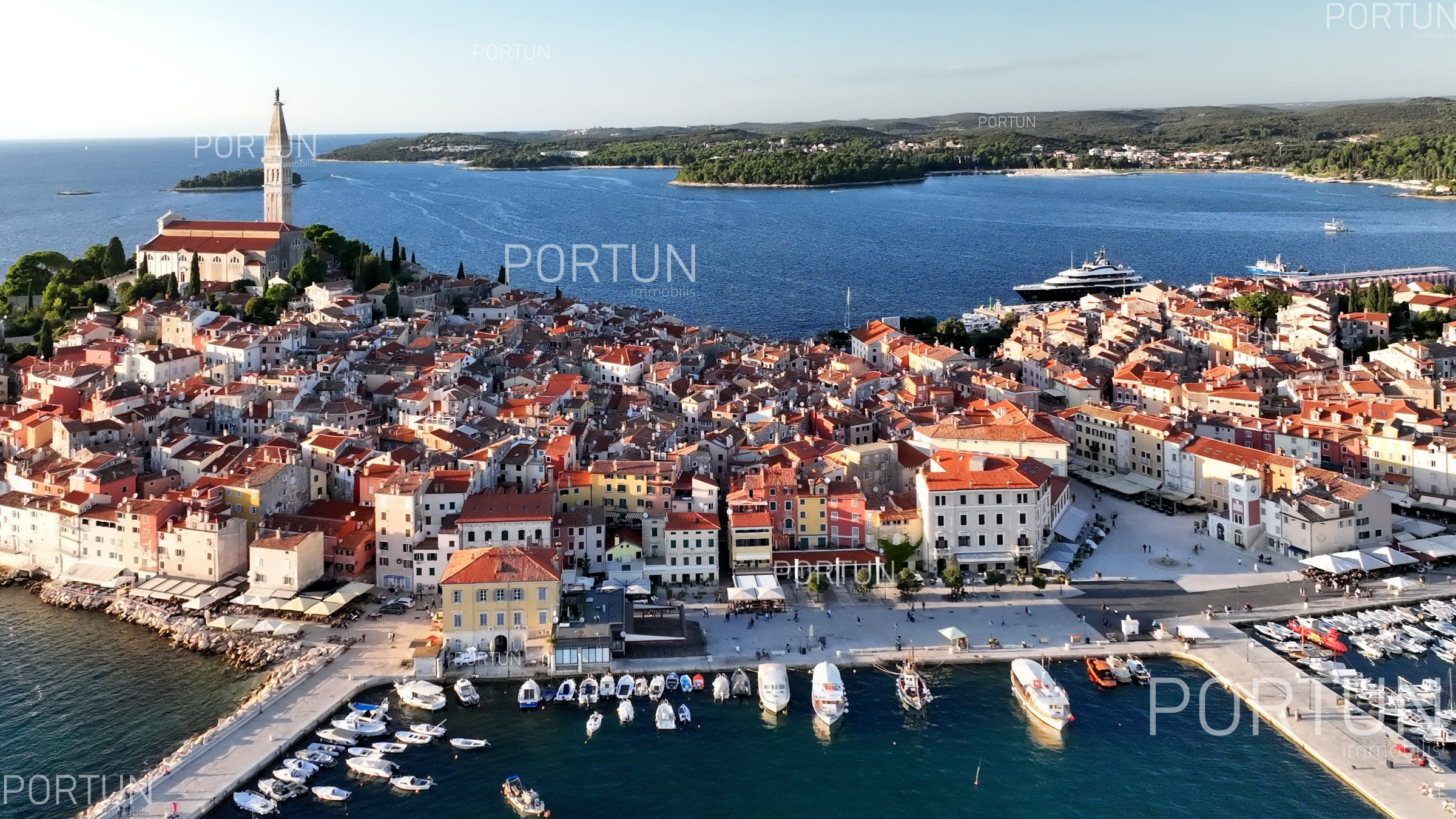
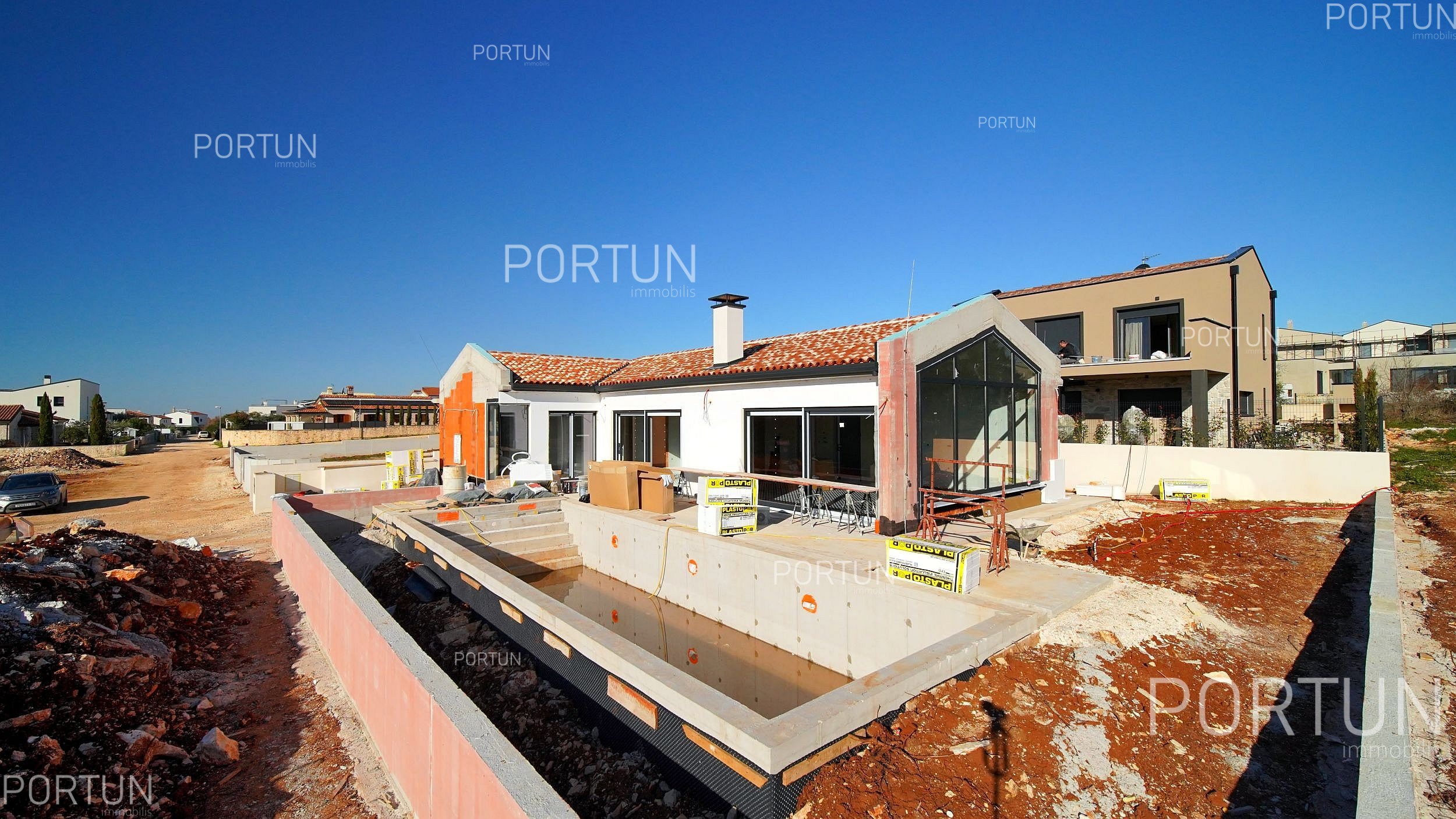
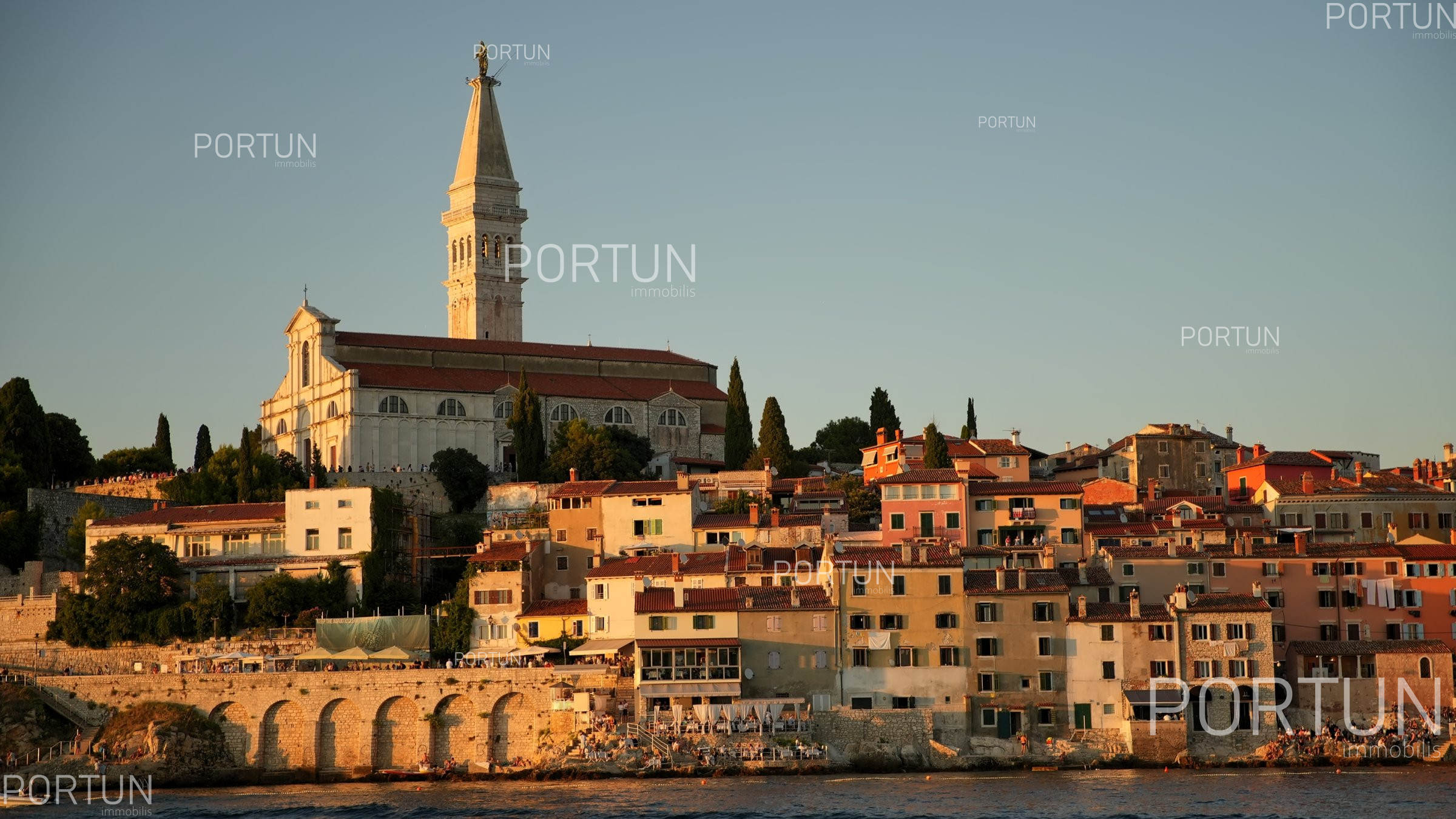
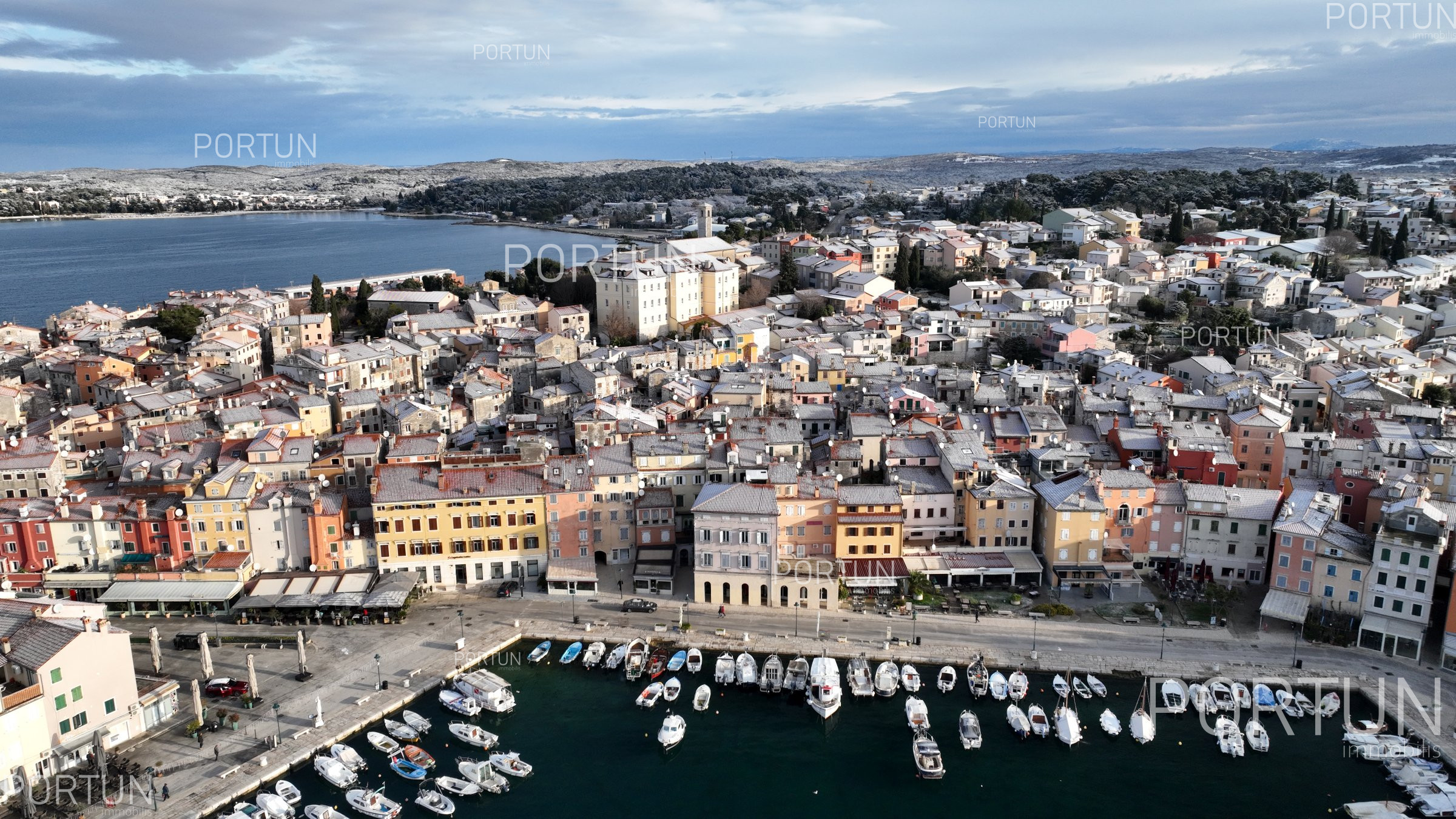
Istria’s property market is characterised by structurally limited supply and steadily growing demand. Coastal towns such as Rovinj, Poreč, and Umag are physically constrained by geography and strict urban planning regulations. New construction is heavily controlled, which naturally protects long-term value and prevents oversupply.
Demand, on the other hand, is increasingly international. Buyers from Germany, Austria, Slovenia, Italy, and Scandinavia dominate the foreign segment, often purchasing second homes or investment properties for short-term rental. Domestic demand also remains strong, especially for apartments in urban centres.
Unlike speculative markets driven by rapid price spikes, Istria has experienced gradual, sustained growth. Even during periods of broader European uncertainty, prices have shown resilience rather than volatility. This stability makes the region particularly attractive to risk-conscious investors who prioritise capital preservation over aggressive short-term gains.
Rental Income Potential: Short-Term vs Long-Term Strategies
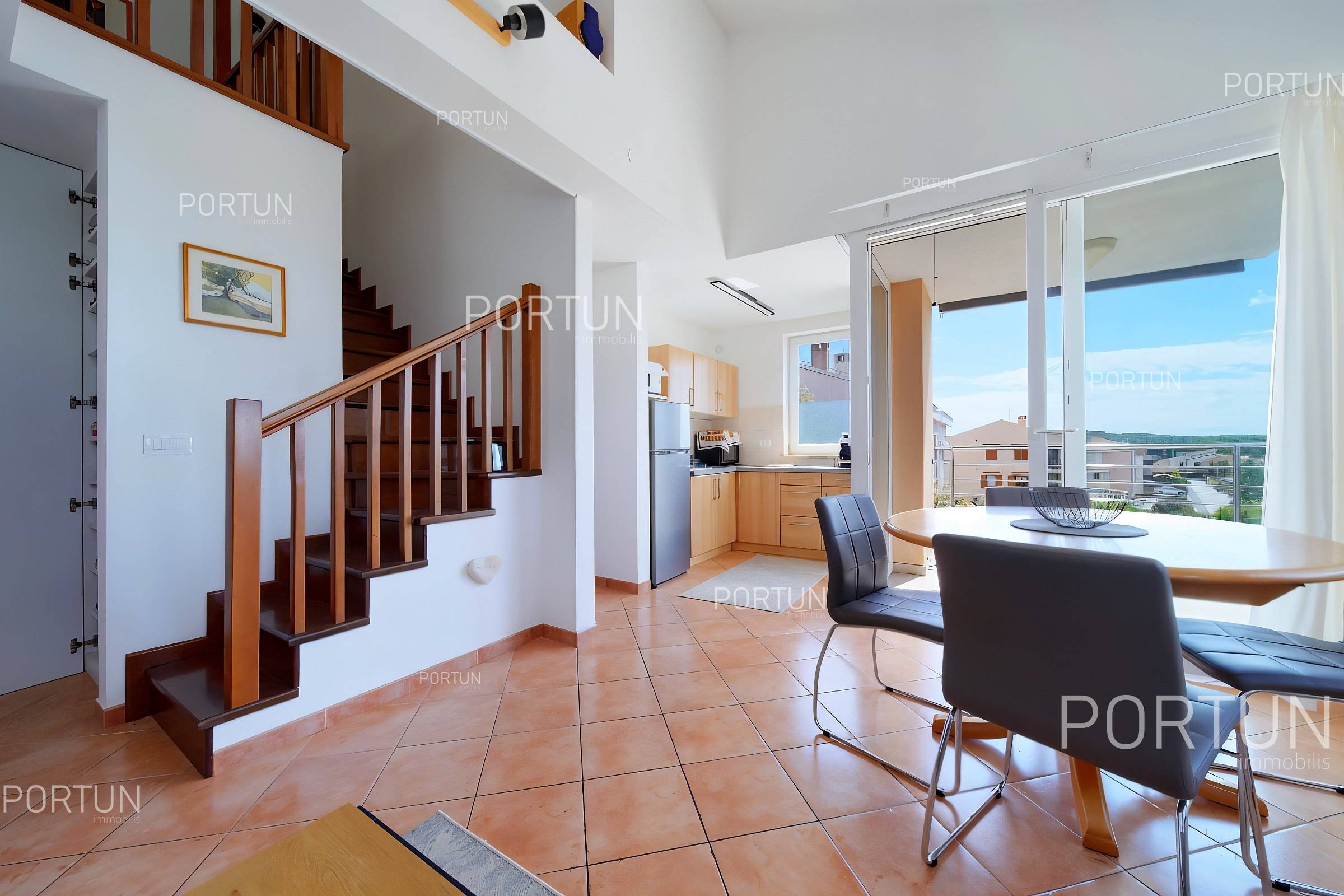
Rental yield is one of the primary motivations for foreign investors in Istria. Short-term tourist rentals dominate the coastal market, benefiting from a long season that often runs from April to October. Well-located properties with sea views, parking, and modern amenities can achieve strong occupancy rates during peak months.
However, it is important to approach rental income projections conservatively. Gross yields can appear attractive, but operating costs, management fees, maintenance, and taxation significantly affect net returns. Investors who treat rental income as a supplement rather than the sole justification for purchase tend to be more satisfied in the long term.
Long-term rentals, while less lucrative on paper, offer stability and lower management intensity. They are increasingly popular among buyers targeting urban centres or inland towns with year-round demand. The optimal strategy depends on the buyer’s involvement level, residency plans, and risk tolerance.
Lifestyle Value as an Investment Multiplier
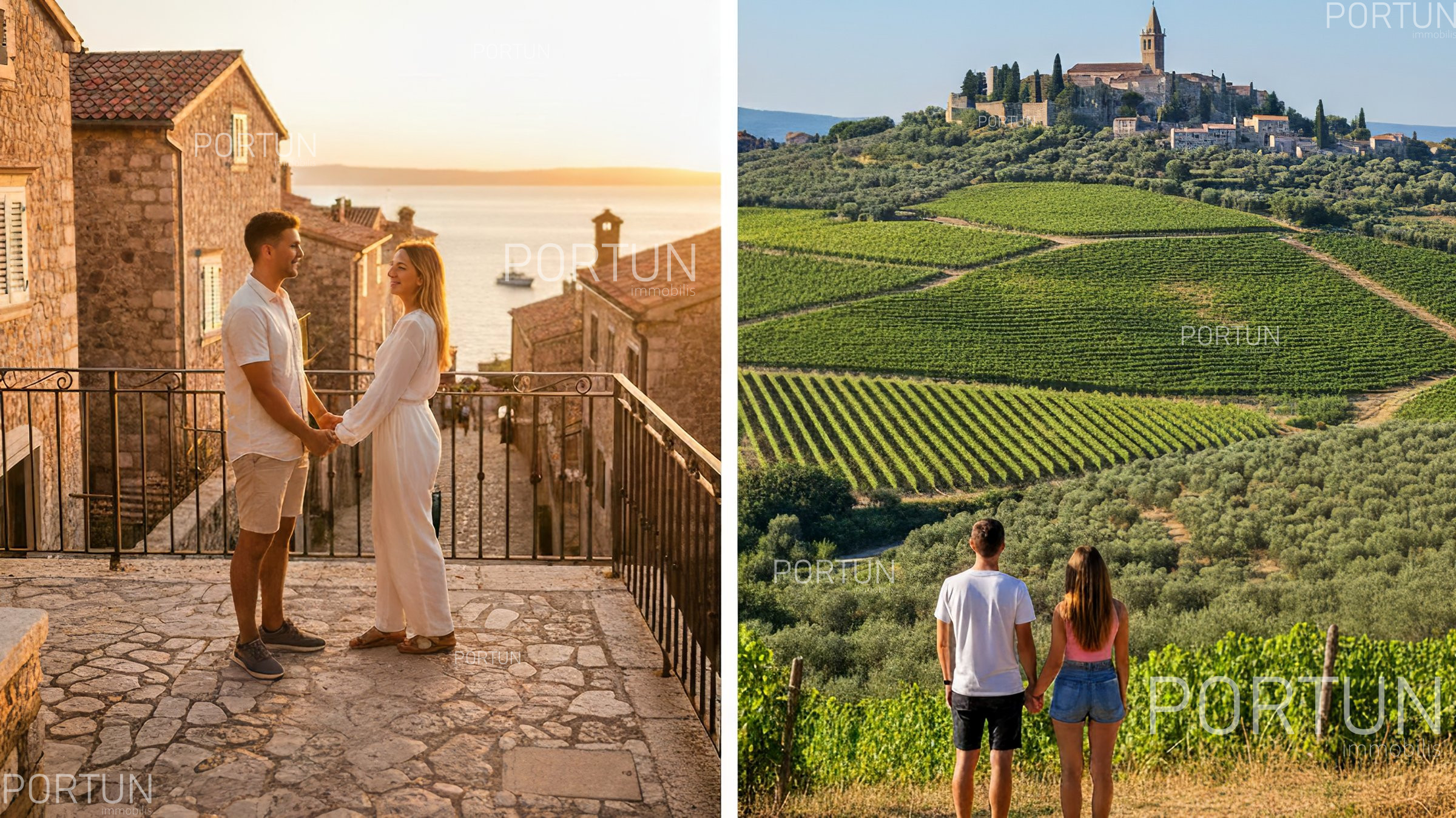
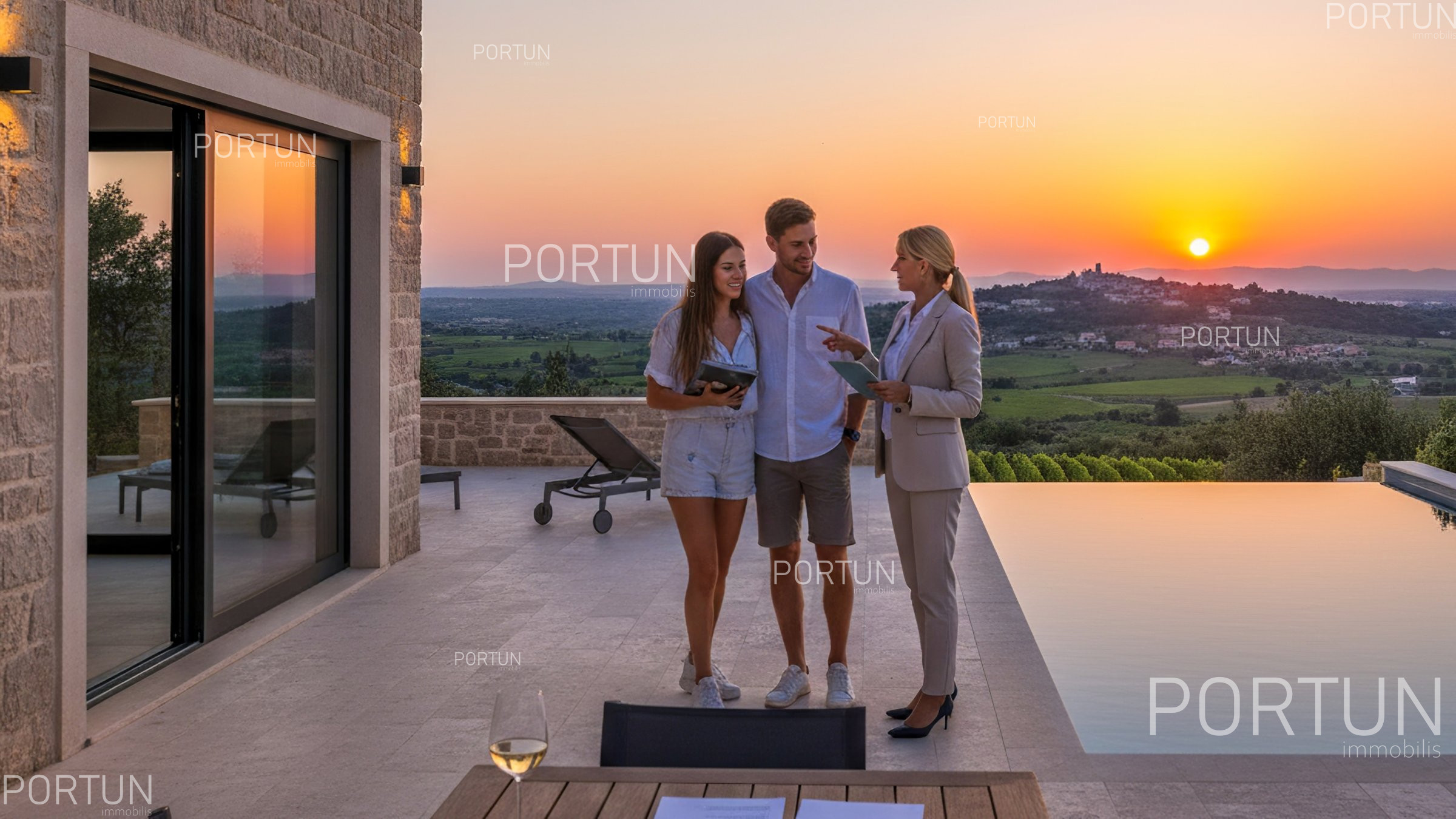
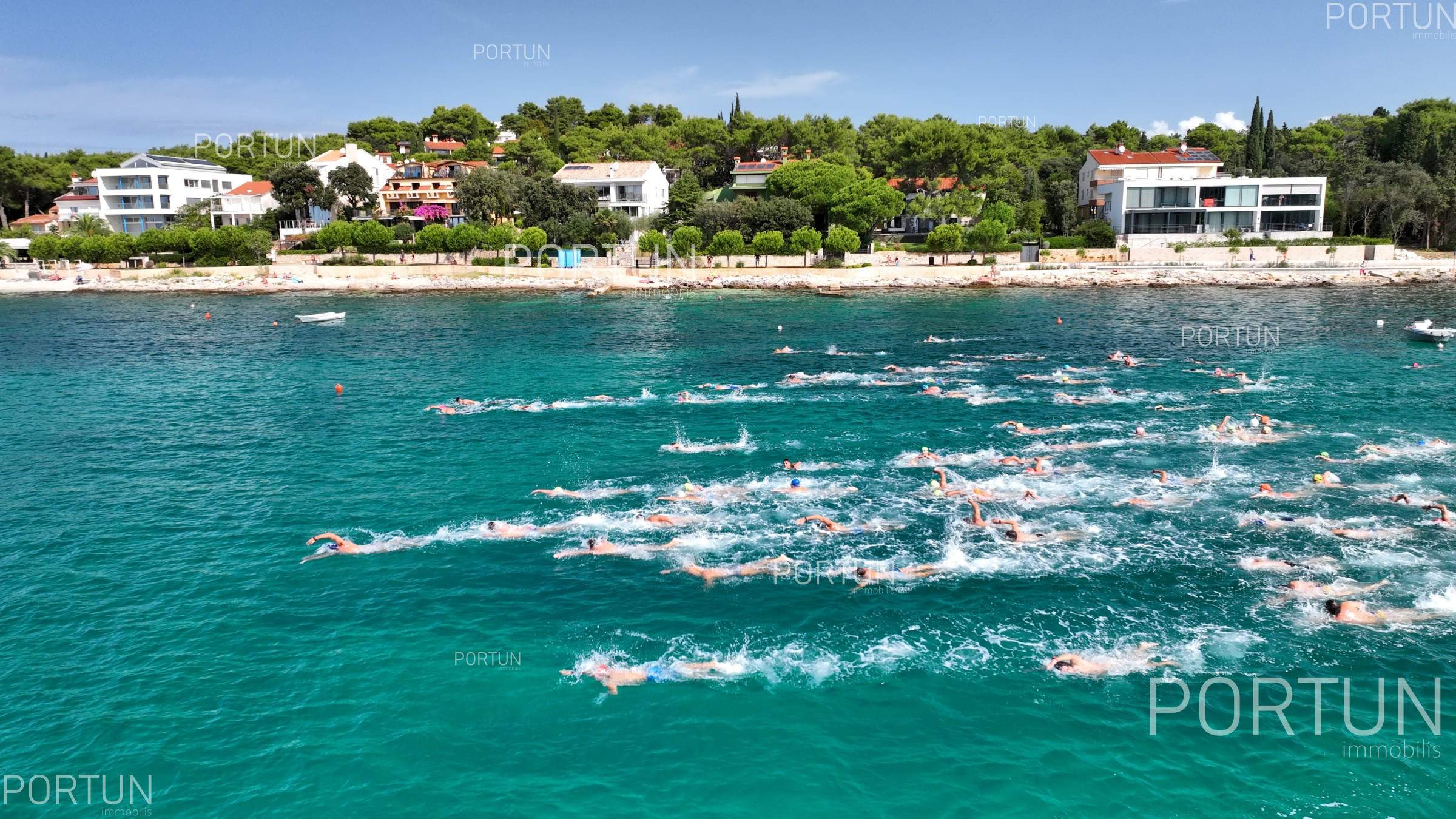
One of Istria’s unique advantages is the blending of lifestyle and investment value. Buyers are not simply purchasing an income-generating asset; they are investing in a place they can personally enjoy. This dual-use aspect significantly changes how returns should be evaluated.
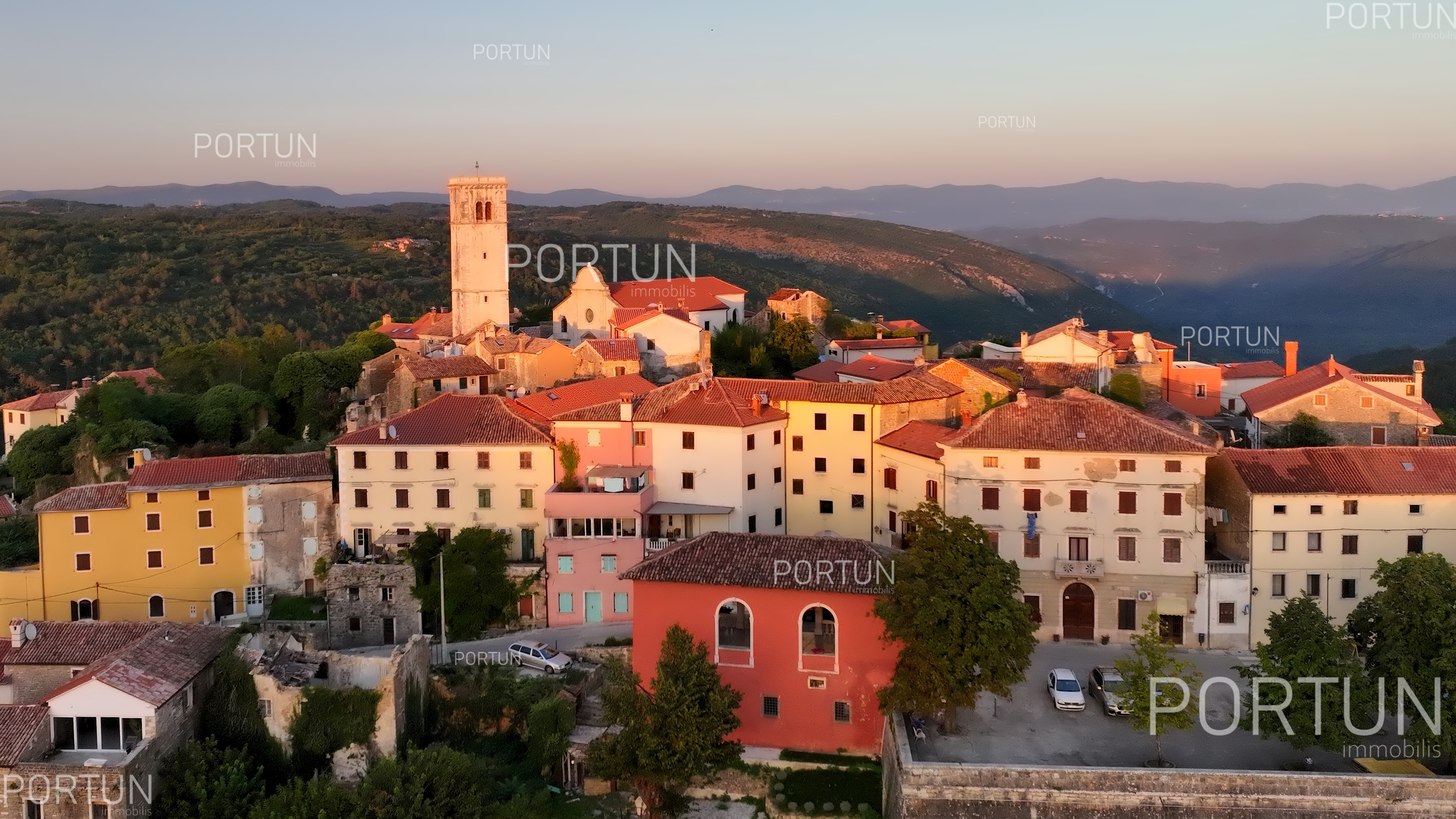
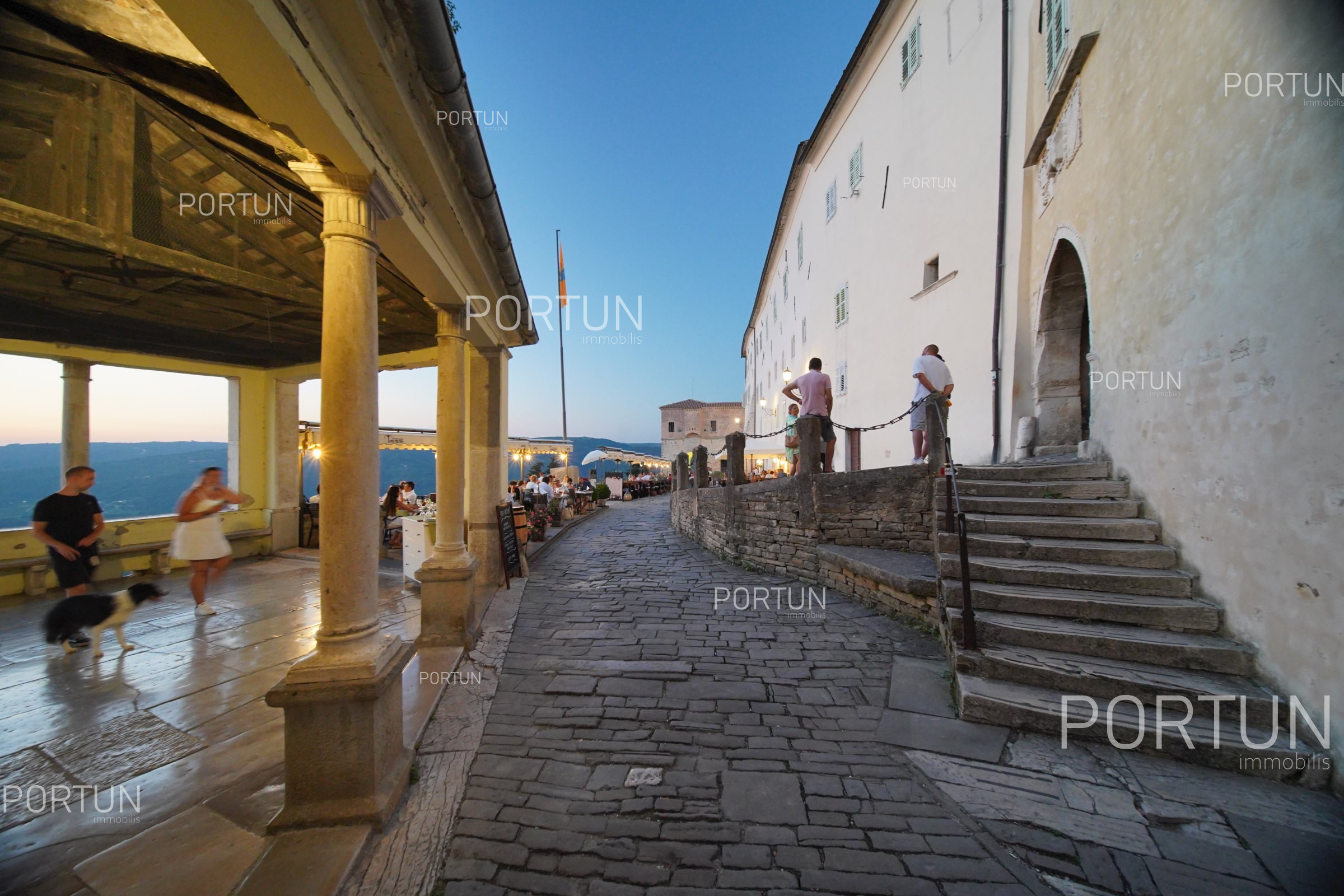
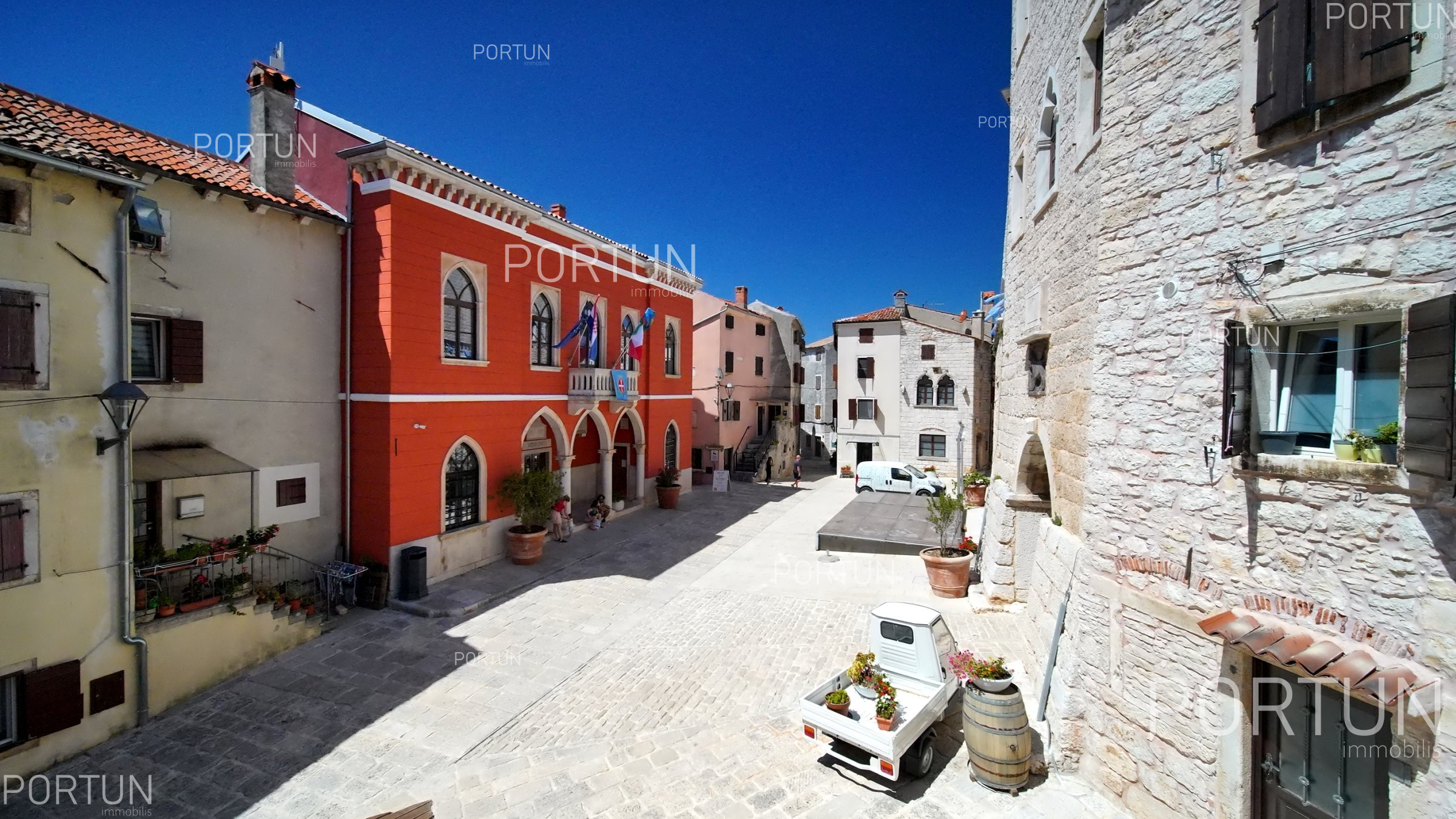
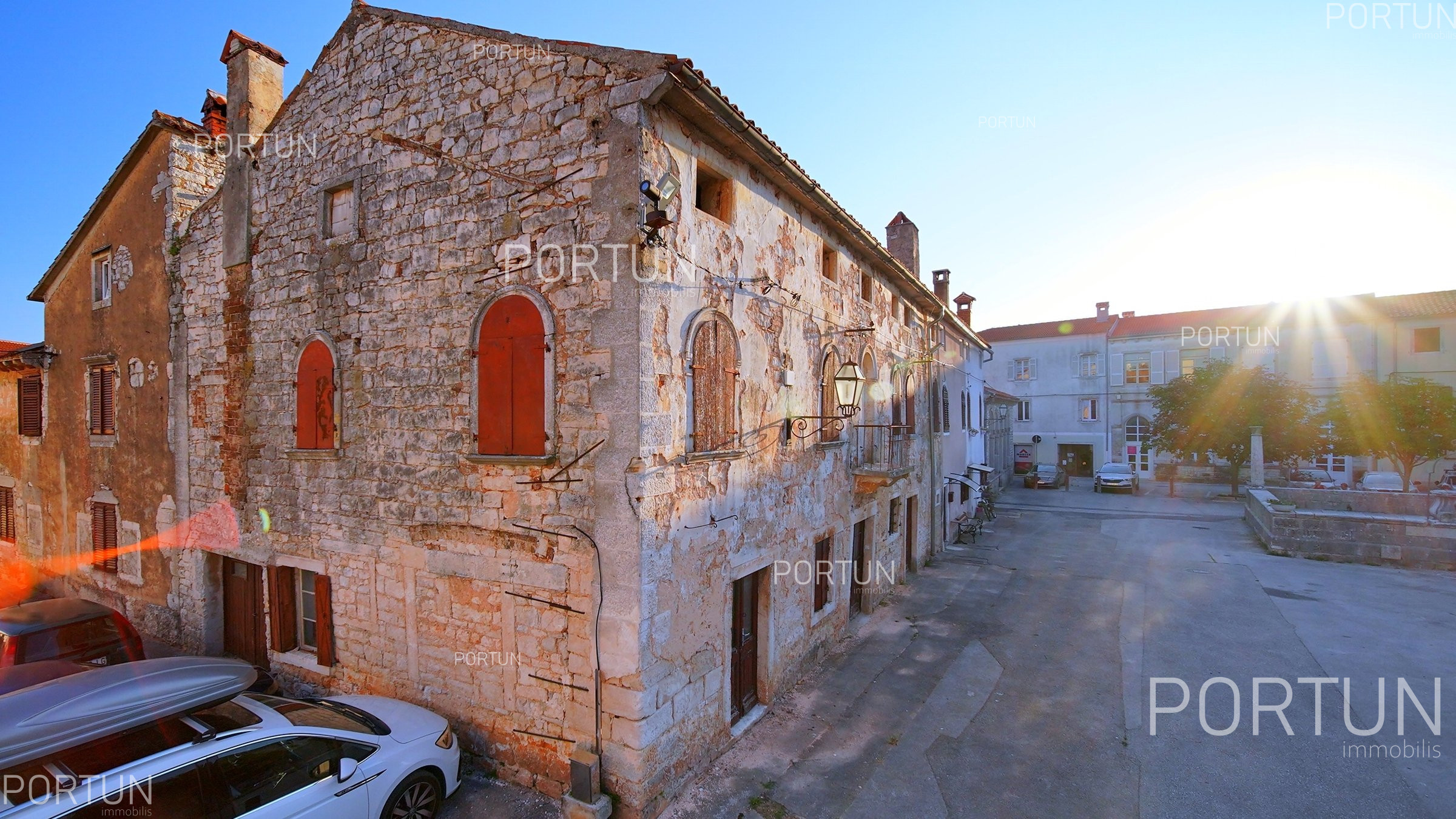
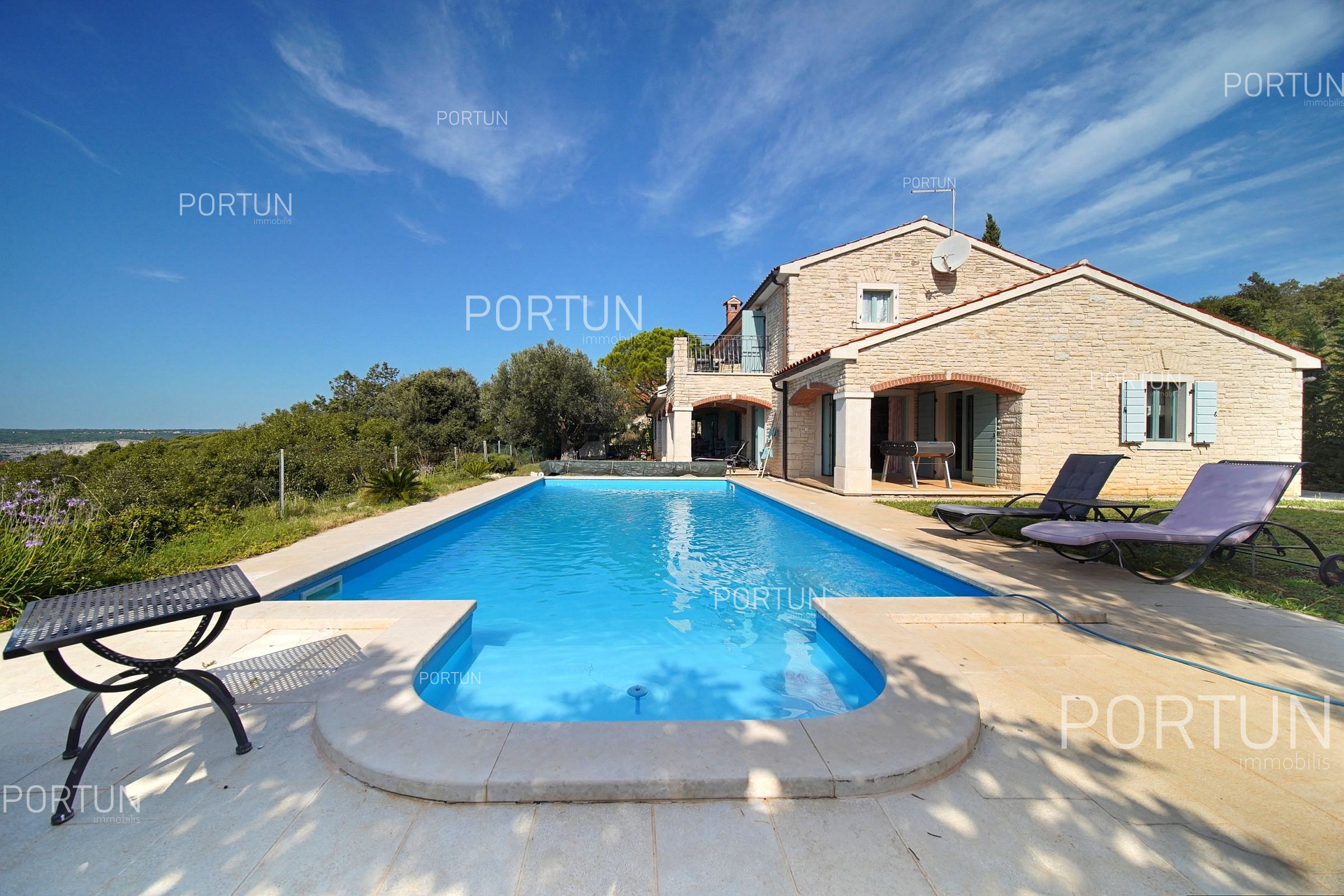
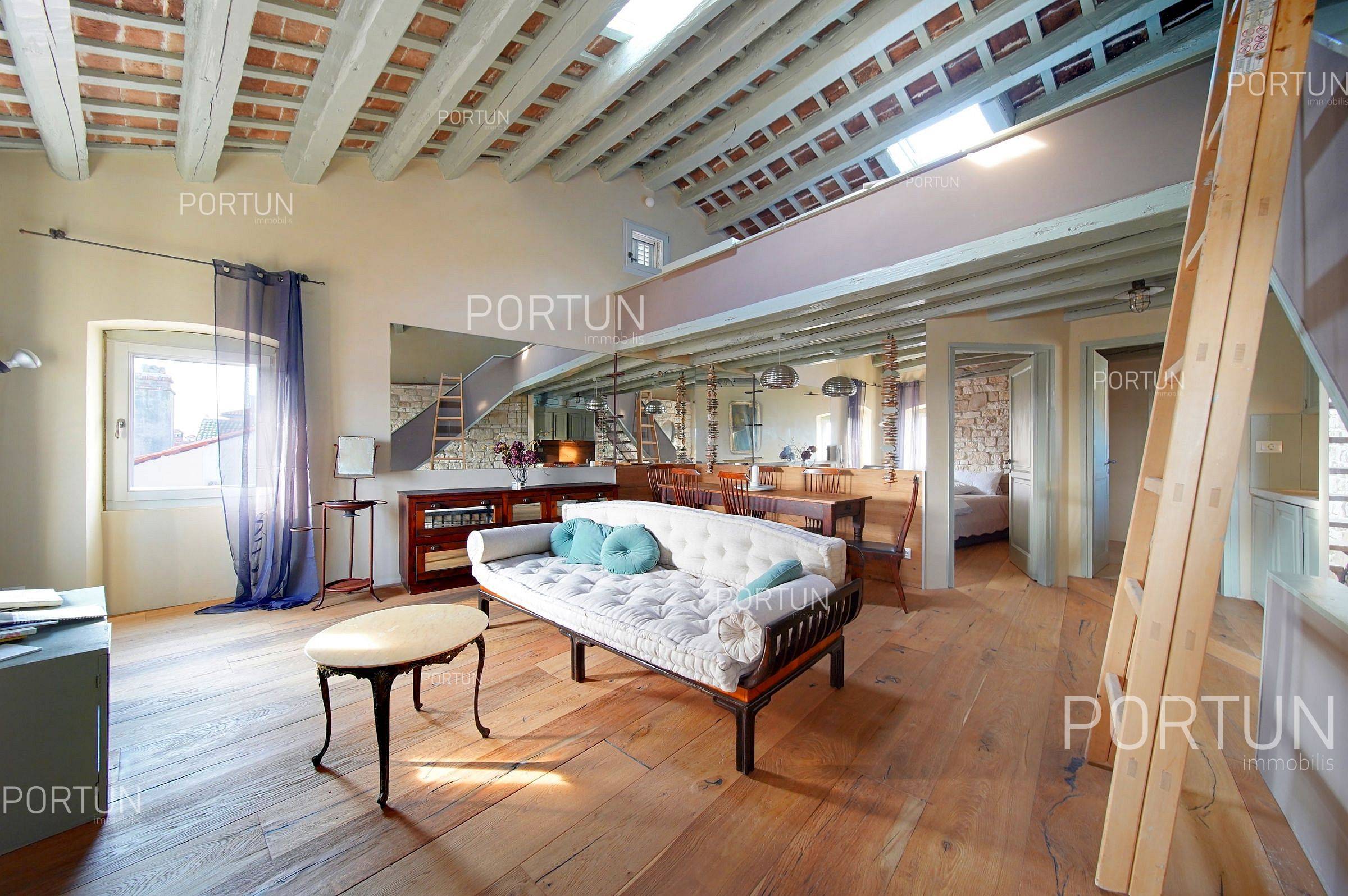
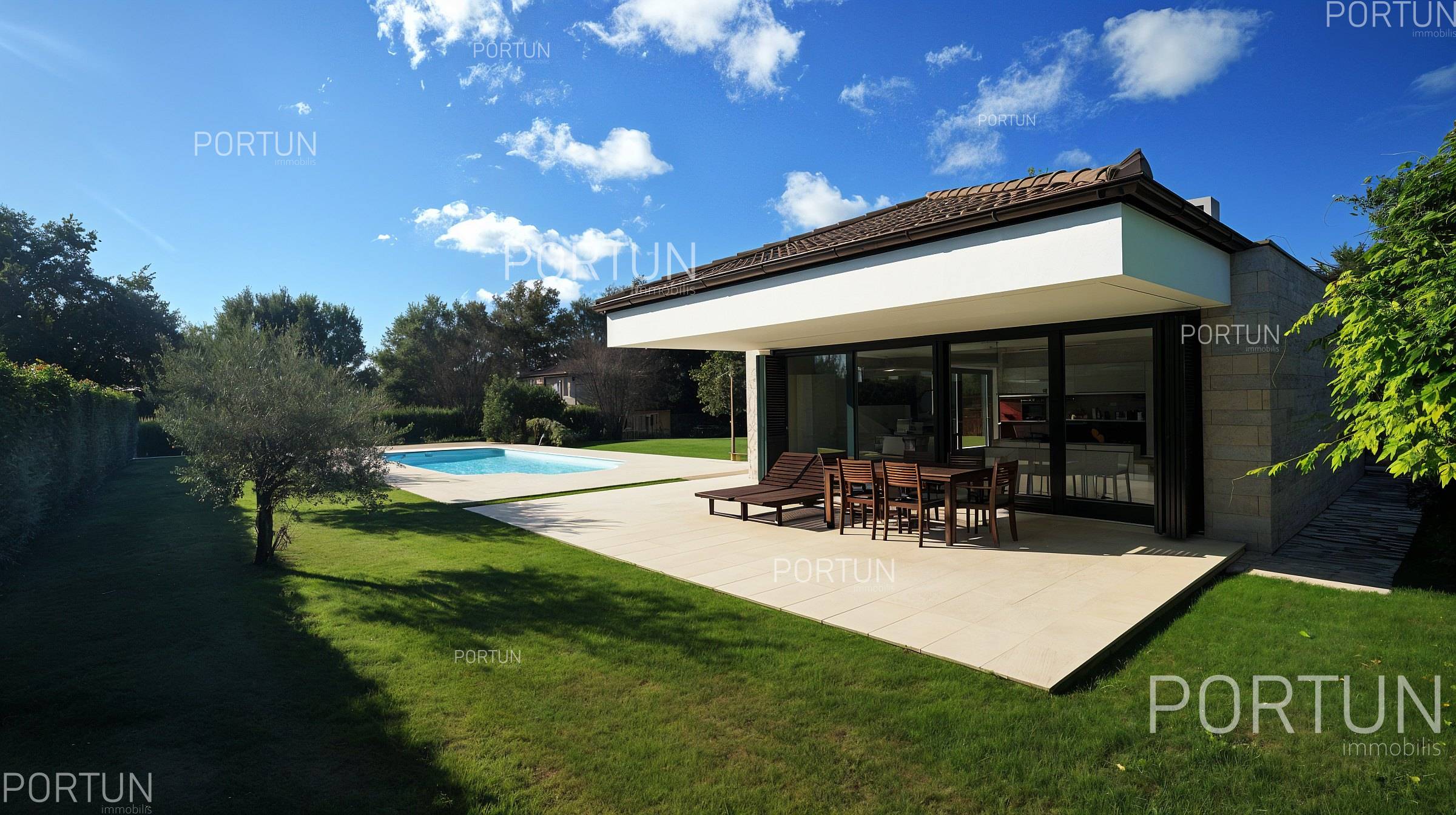
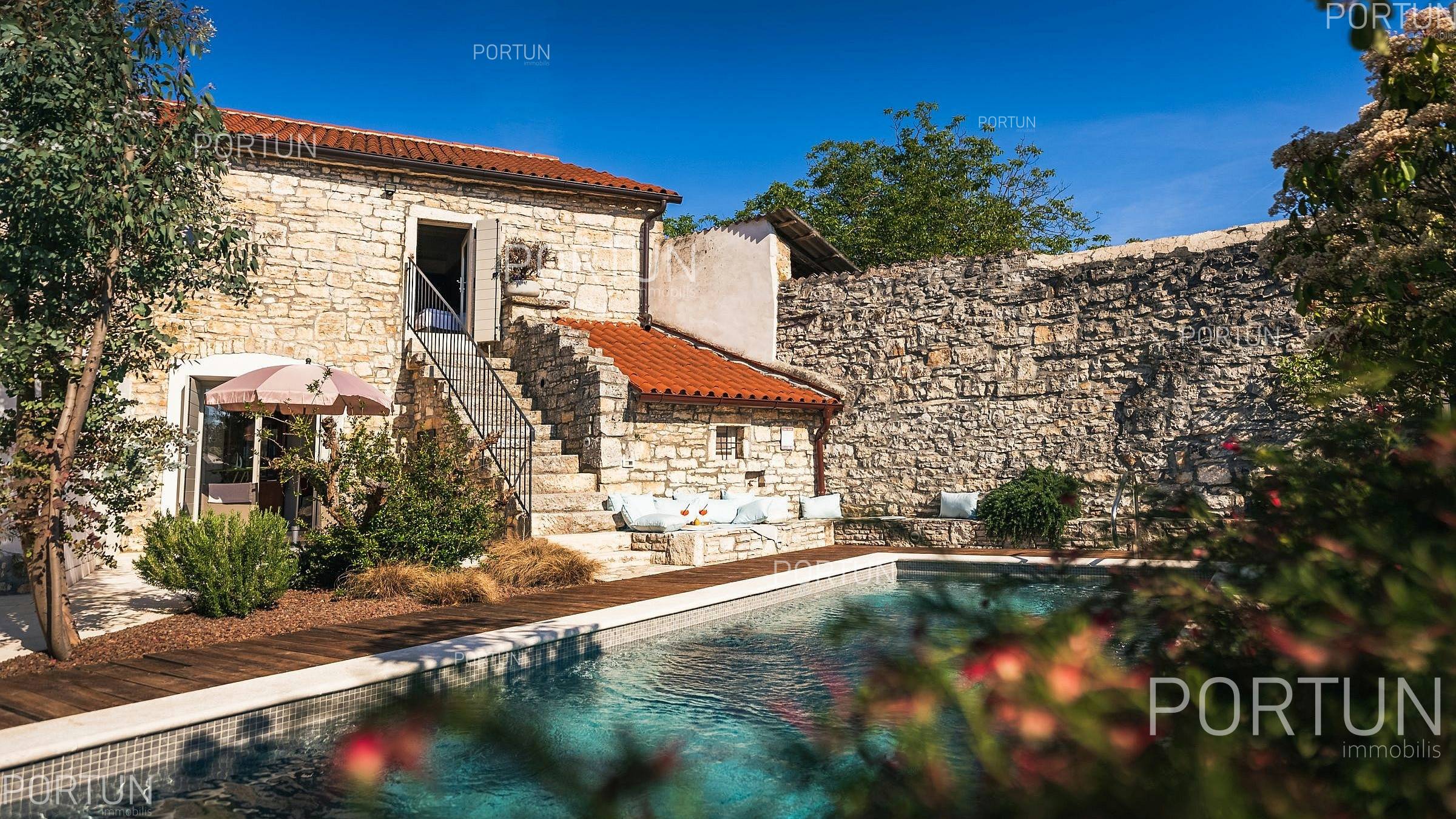
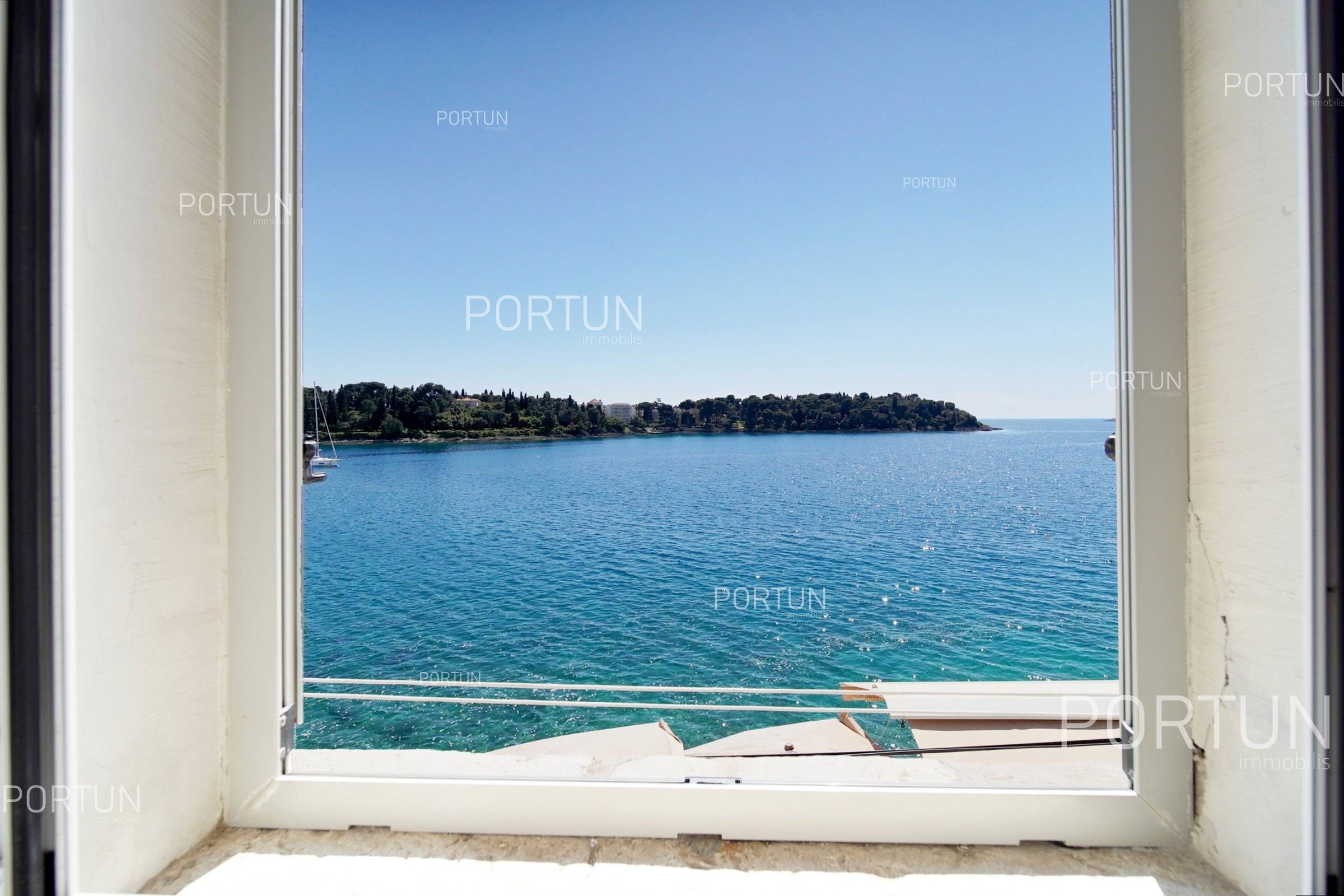
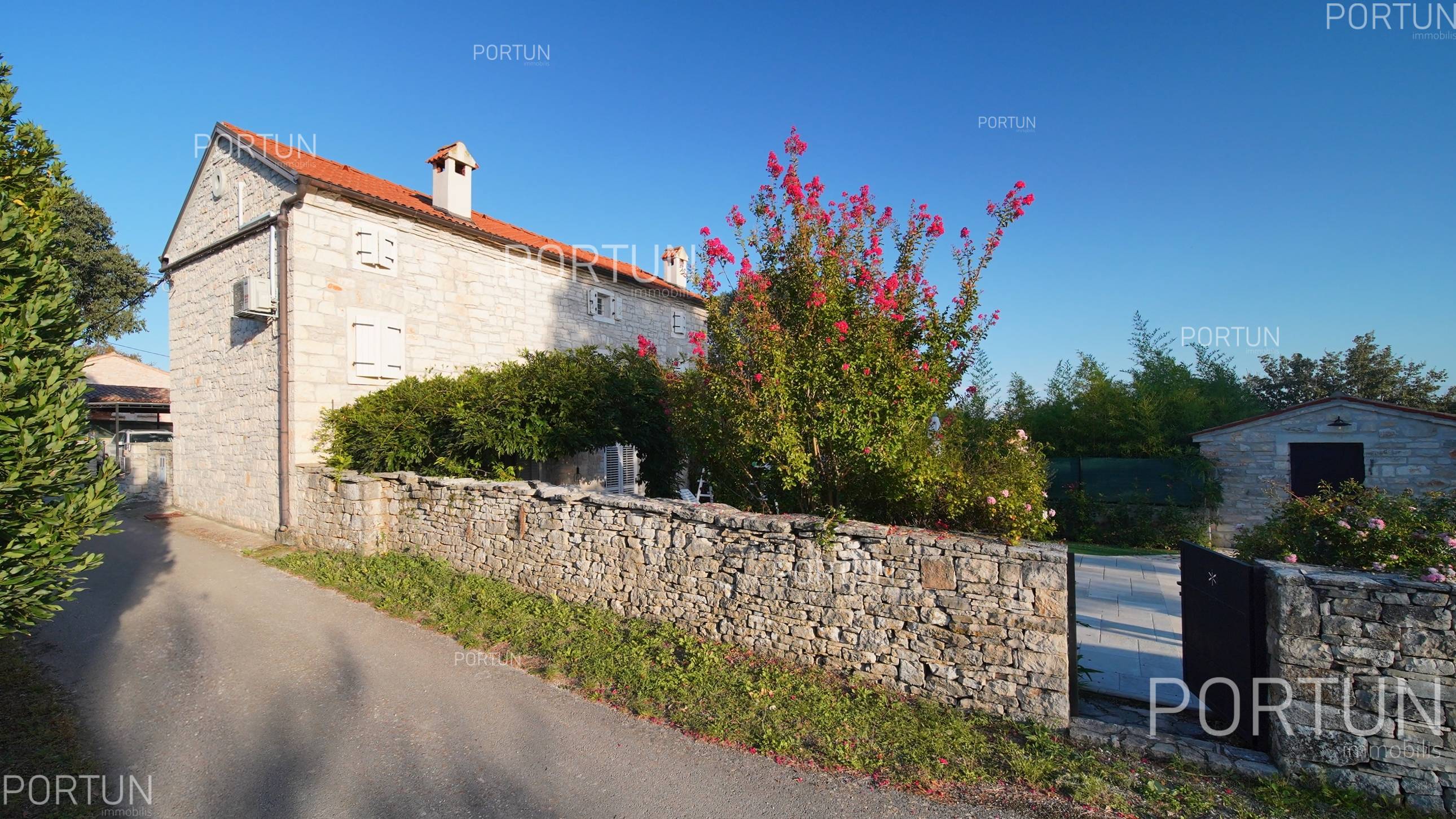
Properties that offer genuine lifestyle quality—privacy, authentic architecture, proximity to nature or the sea—retain value even when financial markets fluctuate. These assets are easier to resell and less sensitive to short-term economic cycles.
For many foreign buyers, the ability to spend several months per year in Istria while offsetting costs through rental income represents an optimal balance between enjoyment and financial rationality. This hybrid model is one of the strongest arguments in favour of the region.
Legal Security and Ownership Rights for Foreign Buyers
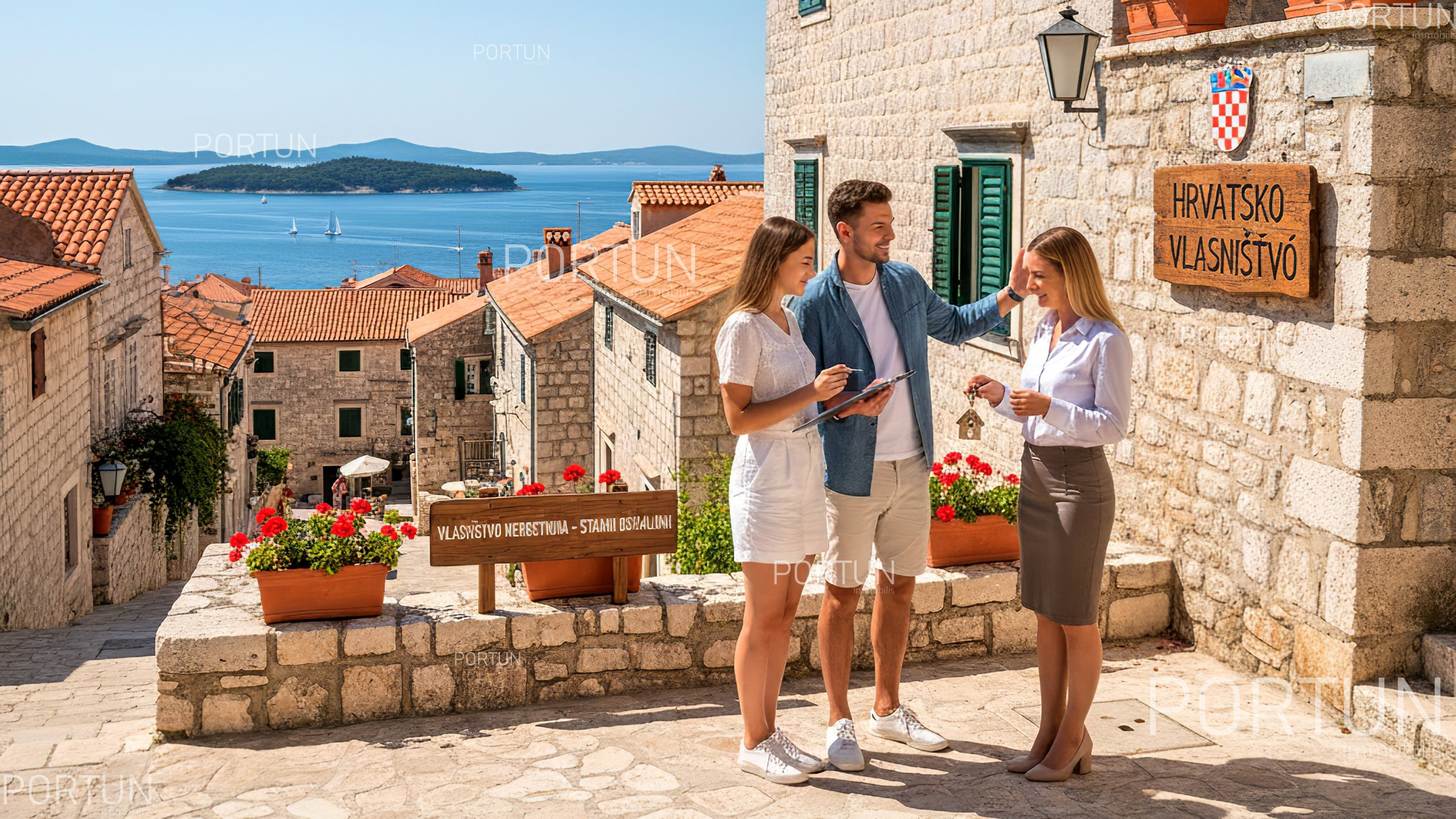
Croatia’s legal framework for foreign property ownership has matured significantly. EU citizens can purchase property under the same conditions as Croatian nationals, while non-EU buyers generally require reciprocity approval, which is well established with many countries.
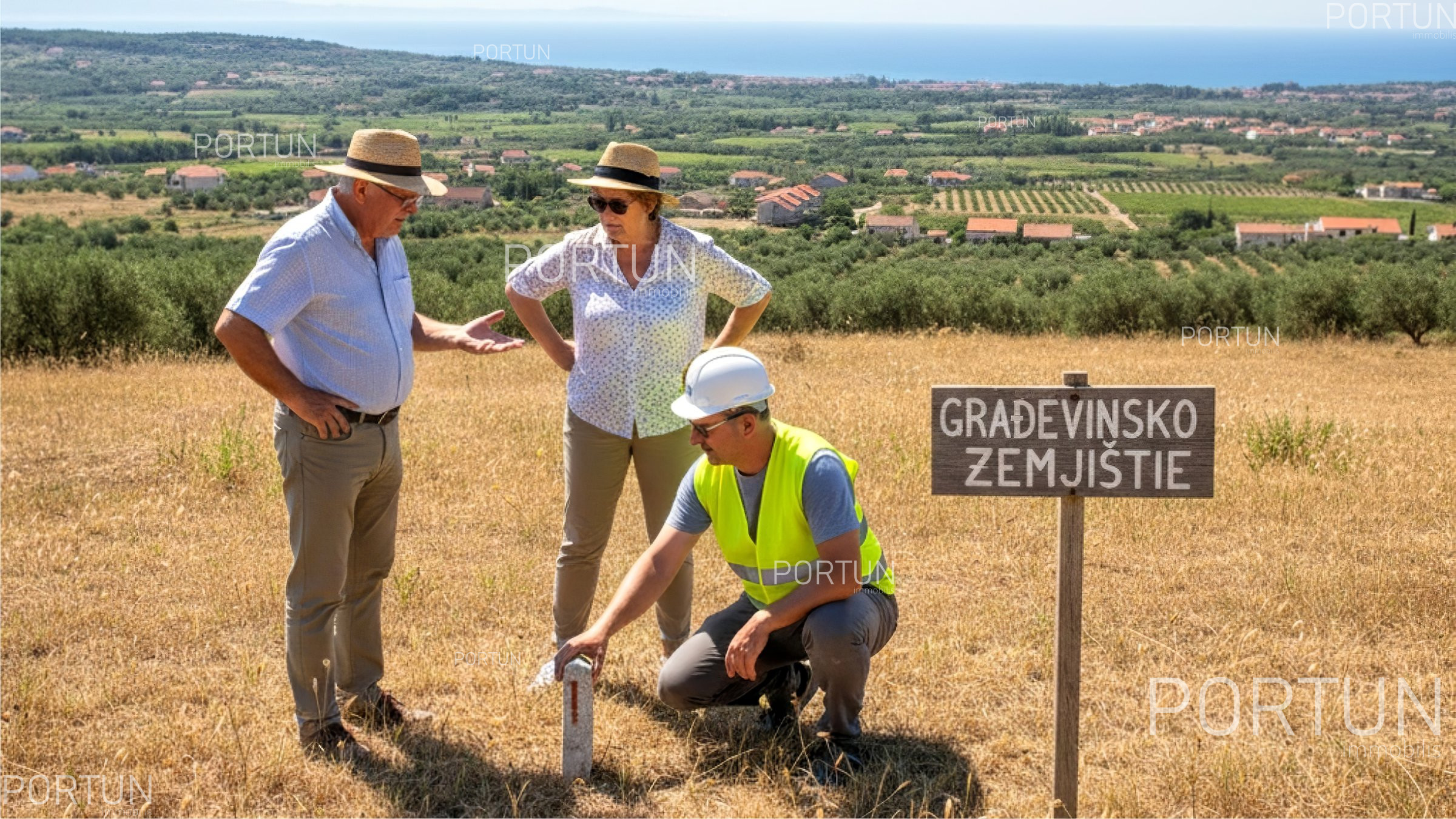
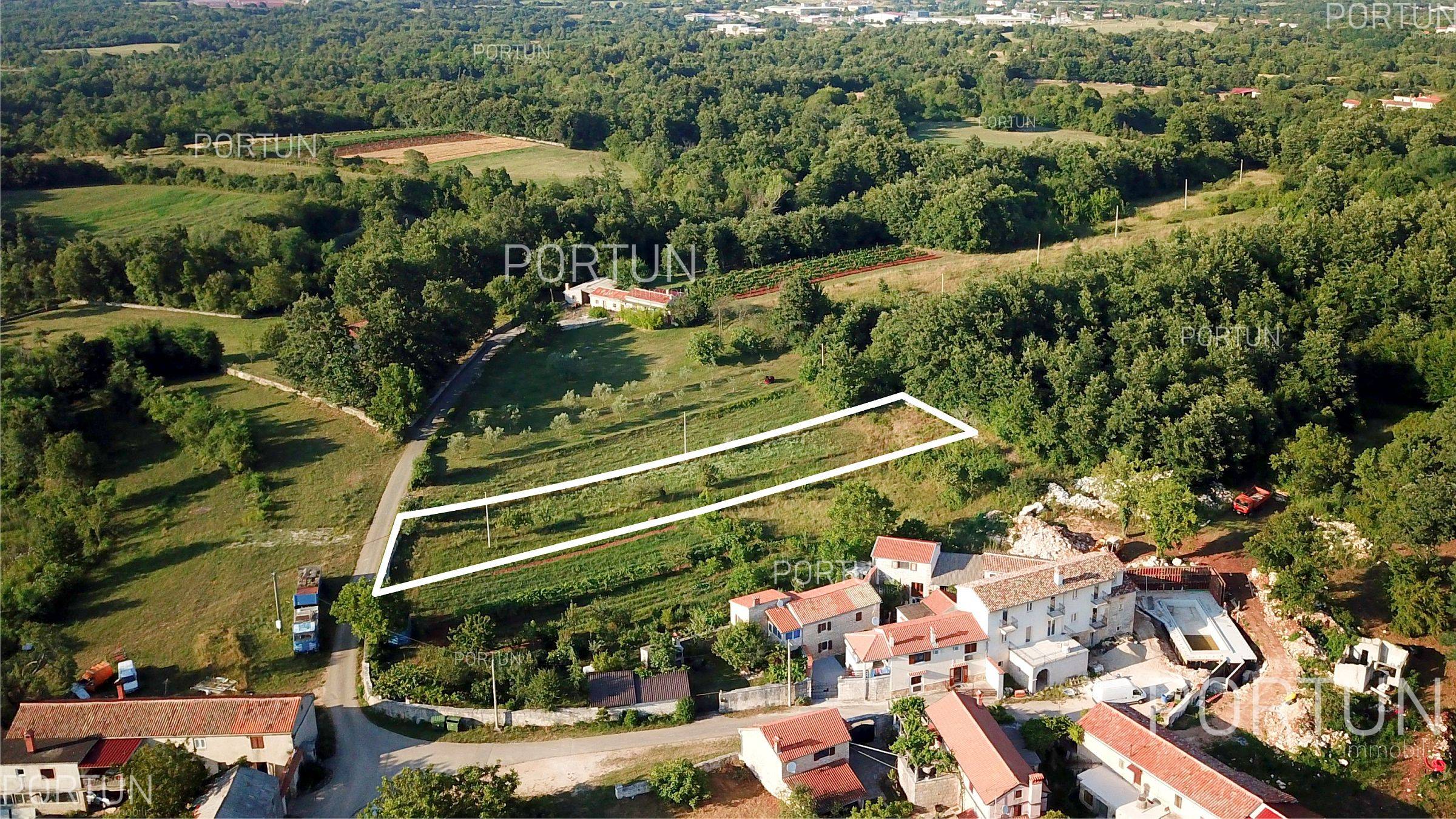
Title clarity, land registry transparency, and notary-controlled transactions provide a level of legal security comparable to other EU markets. However, due diligence remains essential, particularly for older properties, rural houses, and land parcels.
Foreign buyers who work with experienced local professionals significantly reduce legal risk and transaction delays. Legal security in Istria is strong, but it rewards structured, informed decision-making.
Taxation and Ongoing Ownership Costs
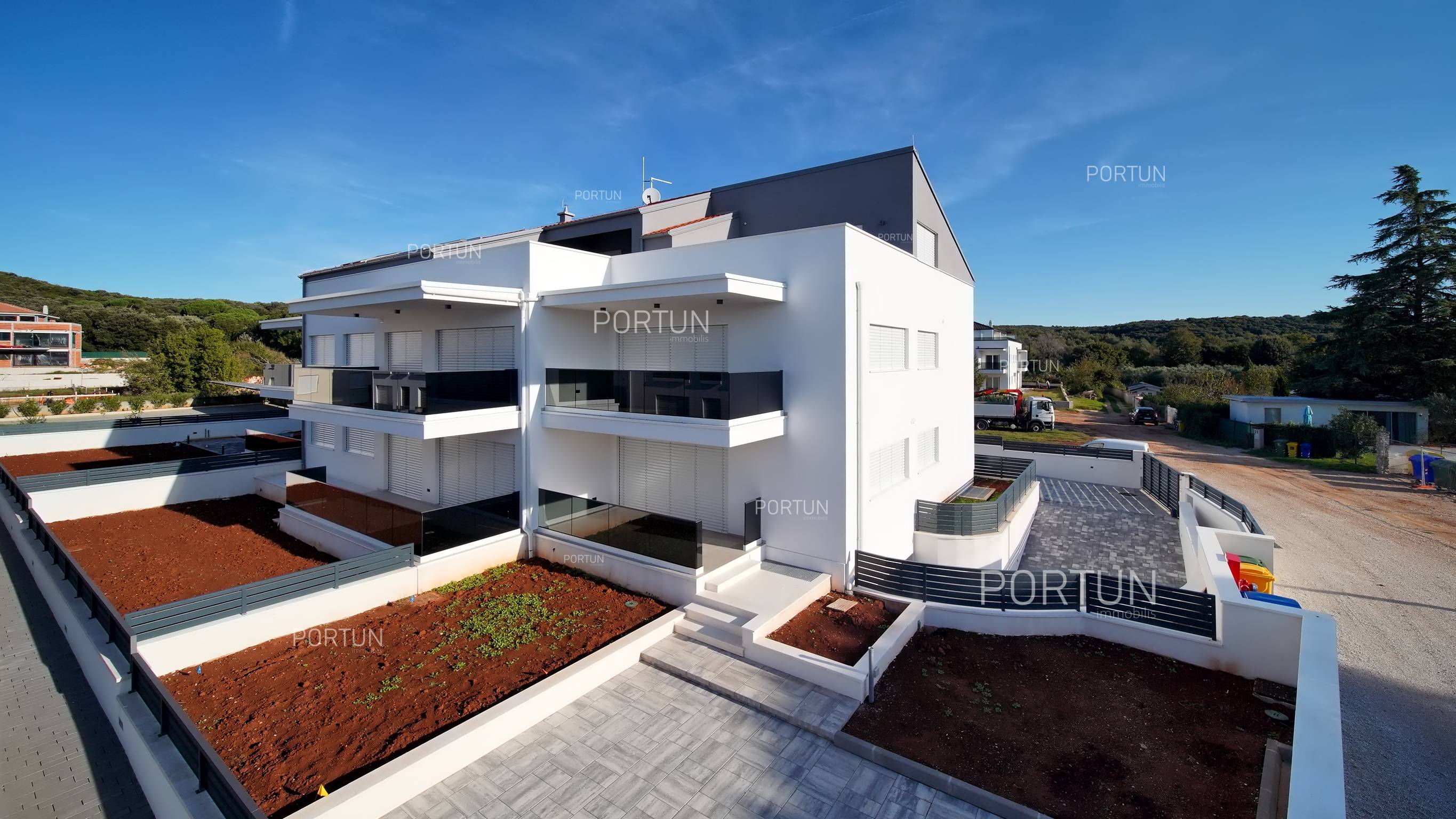
Transaction costs in Croatia are moderate compared to many Western European countries. Property transfer tax applies in most cases, while VAT is relevant for new developments under specific conditions. Annual ownership costs are generally low, especially for private residential use.
Rental income is subject to taxation, with simplified regimes available for short-term tourist rentals. These systems are relatively transparent but require proper registration and compliance.
For investors comparing international markets, Croatia’s tax environment is considered predictable and investor-friendly, provided obligations are handled correctly from the outset.
Risks and Common Misconceptions About Investing in Istria
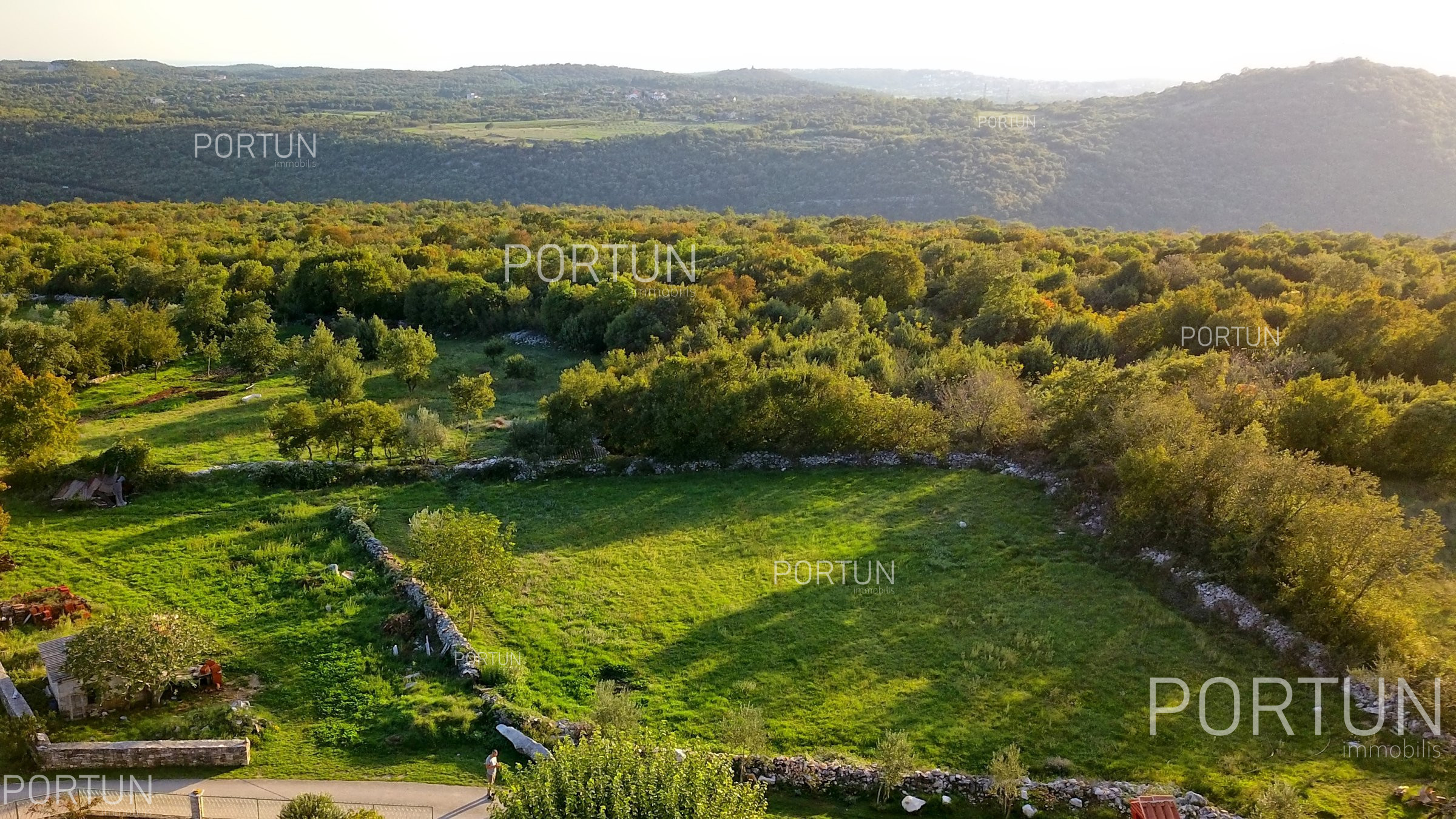
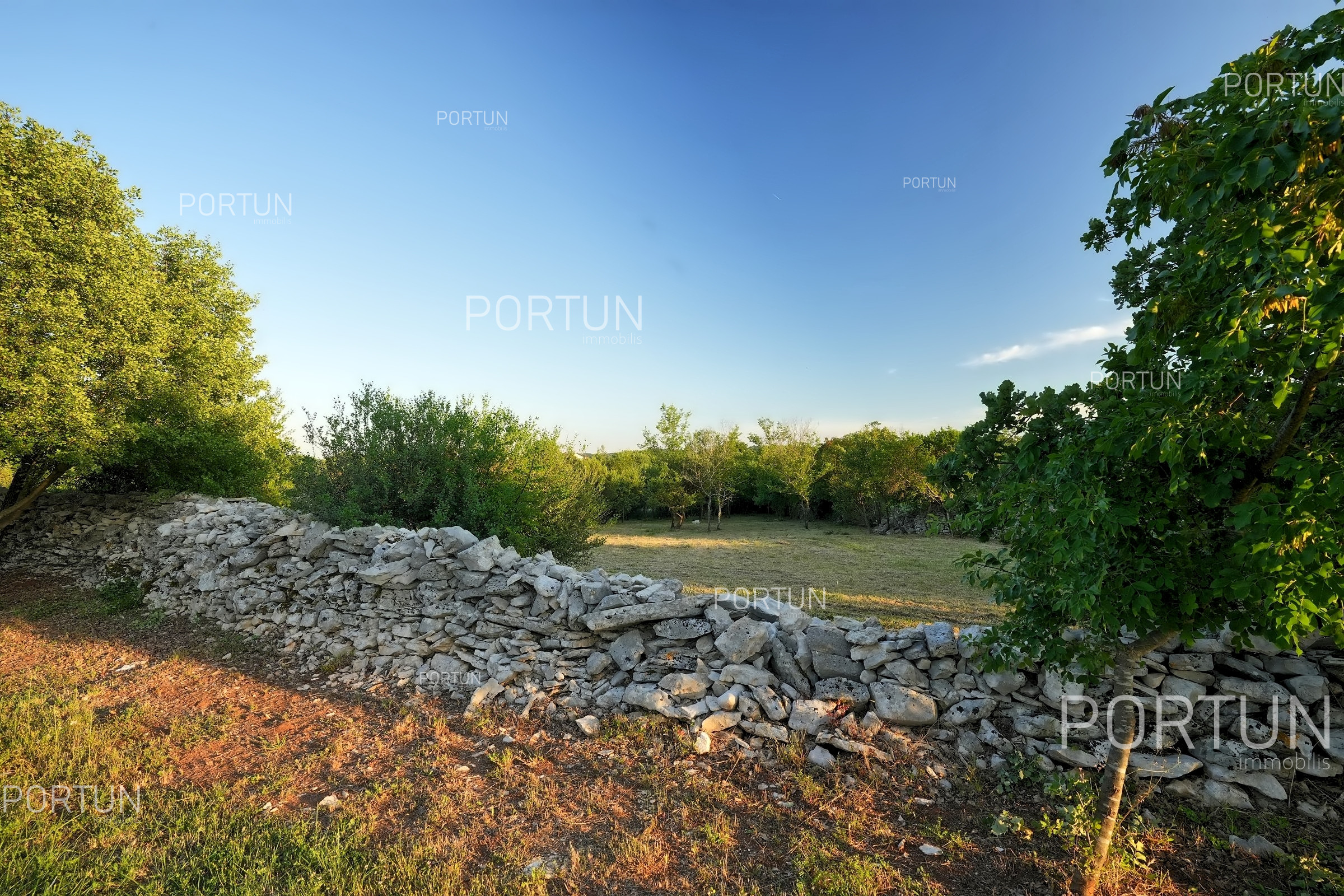
The most common mistake foreign buyers make is assuming uniform value across the region. In reality, price differences between micro-locations can be significant, even within the same town. Sea view, access, and neighbourhood character often matter more than square metres.
Another misconception is overestimating rental income without accounting for seasonality and competition. Professional presentation and realistic pricing are essential to maintain occupancy.
Investors who approach Istria with a long-term mindset and conservative assumptions tend to outperform those chasing short-term gains.
Long-Term Outlook: Capital Growth and Market Maturity
Istria is transitioning from an emerging to a mature property market. This shift favours quality assets and penalises average or poorly located properties. Capital growth is expected to continue, but at a measured pace rather than explosive rates.
Infrastructure improvements, sustainable tourism policies, and demographic trends support long-term value preservation. The region’s appeal is not based on hype, but on fundamentals.
For foreign buyers seeking stability, lifestyle integration, and moderate appreciation, Istria remains a compelling option.
Who Should Consider Buying Property in Istria?
Istria is best suited for buyers who value a balanced investment: those who want to enjoy the property personally, generate supplemental income, and protect capital over time. It is less suitable for speculative investors seeking rapid turnover.
Retirees, remote professionals, and families looking for a second home with financial logic behind it are particularly well positioned to benefit.
The market rewards patience, local knowledge, and realistic expectations.
Final Assessment: Is Istria a Good Investment for Foreign Buyers?
Buying property in Istria can be a sound investment when approached with clarity and discipline. The region offers legal security, stable demand, lifestyle value, and long-term resilience rather than speculative upside.
For foreign buyers willing to prioritise quality over hype and long-term value over short-term profit, Istria remains one of the most balanced property markets in the Mediterranean.
Related guides and useful articles
When evaluating whether buying property in Istria is a good investment, it is important to understand not only market conditions but also the legal framework and the total purchase and ownership costs.
Essential guides to buying property and understanding costs in Istria
An overview of key topics helping foreign buyers make informed investment decisions.
- How to buy property in Istria – a guide for foreign buyers
- Taxes and purchase costs when buying property in Croatia
Tags: property investment, Istria, foreign buyers, return on investment, real estate market, purchase costs, property taxes, long-term value, rental potential, purchase planning