Introduction: Why Legal Status Matters More Than Location
When foreign buyers consider purchasing property in Croatia, attention is often focused on location, sea views, price, and potential rental income. However, one of the most critical aspects is frequently overlooked: the legal status of the property. A beautiful house or apartment can quickly turn into a financial and legal burden if it does not fully comply with Croatian laws.
In Croatia, “legal property” means far more than simply having a title deed. It involves proper construction permits, registration in land records, alignment between cadastral and land registry data, and compliance with zoning and usage regulations. These elements are especially important for foreign buyers, who may not be familiar with local administrative practices.
This guide explains what legal property status means in Croatia, how to verify it, and what risks foreign buyers should be aware of before signing a purchase contract. Understanding these issues early can prevent costly mistakes and ensure a safe, transparent transaction.
What Does “Legal Property” Mean in Croatia?
In Croatia, a property is considered legal if it has been built and registered in accordance with applicable laws and regulations. This includes a valid building permit (or equivalent documentation for older buildings), lawful use classification, and proper registration in the land registry.
A common misconception among foreign buyers is that ownership alone guarantees legality. In reality, a property can be privately owned yet partially or fully illegal if it was built without permits, extended unlawfully, or not properly recorded.
Legal status also affects a property’s usability. Only legally constructed and registered properties can be mortgaged, insured without limitations, or legally rented to tourists. This makes legal verification essential for both lifestyle buyers and investors.

Land Registry vs. Cadastre: Understanding the Difference
Croatia maintains two separate but interconnected systems: the land registry and the cadastre. The land registry records ownership rights, while the cadastre records physical data such as parcel boundaries, building footprints, and usage.
Problems arise when these records are not aligned. For example, a house may exist physically and be registered in the cadastre but not in the land registry. Alternatively, ownership may be registered, but the building itself may not be recorded.
Foreign buyers should ensure that both systems reflect the same information. Discrepancies can delay transactions, prevent financing, or require lengthy administrative corrections.
Building Permits and Use Permits Explained
For properties built after 1968, a valid building permit is usually required. Older buildings may rely on alternative documentation confirming lawful construction. Without such proof, a property may be considered illegal.
Equally important is the use permit, which confirms that the building was constructed in accordance with the permit and can be legally used. In some cases, older properties may not have a formal use permit but may still be considered legal under transitional regulations.
Foreign buyers should always request copies of these documents and verify them with a legal professional before proceeding.
Illegal Construction and Partial Illegality
One of the most common issues in Croatia is partial illegality. This occurs when a property was originally built legally but later extended without permits, such as additional floors, terraces, or auxiliary buildings.
Even small illegal modifications can cause major issues, including fines, restrictions on sale, or inability to register ownership changes. In some cases, legalization may be possible, but it is not guaranteed.
Foreign buyers should never assume that visible structures are automatically legal. A technical and legal inspection is strongly recommended.
Zoning Rules and Permitted Use
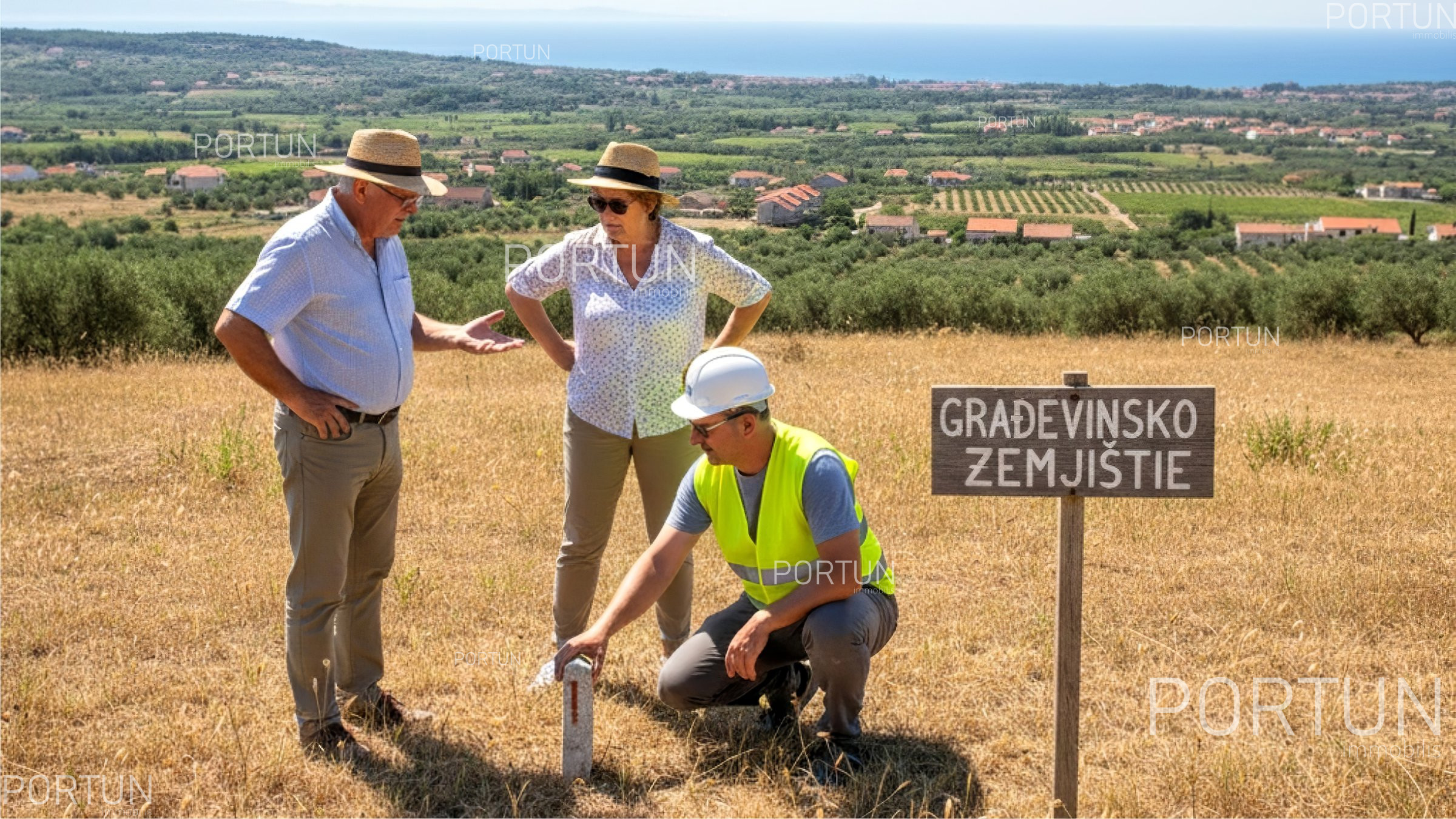
Every property in Croatia falls under a zoning plan that defines permitted use, building density, and development conditions. These rules apply equally to domestic and foreign buyers.
A property located in a residential zone may not be legally used for tourism unless specific conditions are met. Agricultural land, for example, has strict limitations that many foreign buyers underestimate.
Understanding zoning regulations is essential, especially for buyers planning renovations, extensions, or rental activities.
Legal Status and Tourist Rental Licensing
To legally rent a property to tourists, it must meet specific legal requirements. This includes proper registration, compliant floor plans, and lawful construction.
Properties with unresolved legal issues cannot obtain a tourist rental license. Operating without one can result in significant fines and bans from rental platforms.
Foreign buyers planning short-term rentals should verify eligibility before purchase, not after.
Role of Lawyers and Due Diligence
Professional legal due diligence is not optional for foreign buyers in Croatia. A qualified lawyer will verify ownership, check legal documentation, review zoning rules, and identify potential risks.
This process often reveals issues that are not visible in online listings or marketing materials. Investing in due diligence upfront can save substantial time and money later.
Relying solely on verbal assurances or informal confirmations is strongly discouraged.
Common Mistakes Foreign Buyers Make
Foreign buyers often assume that if a property is being marketed openly, it must be legal. Unfortunately, this is not always the case. Advertising standards do not guarantee legal compliance.
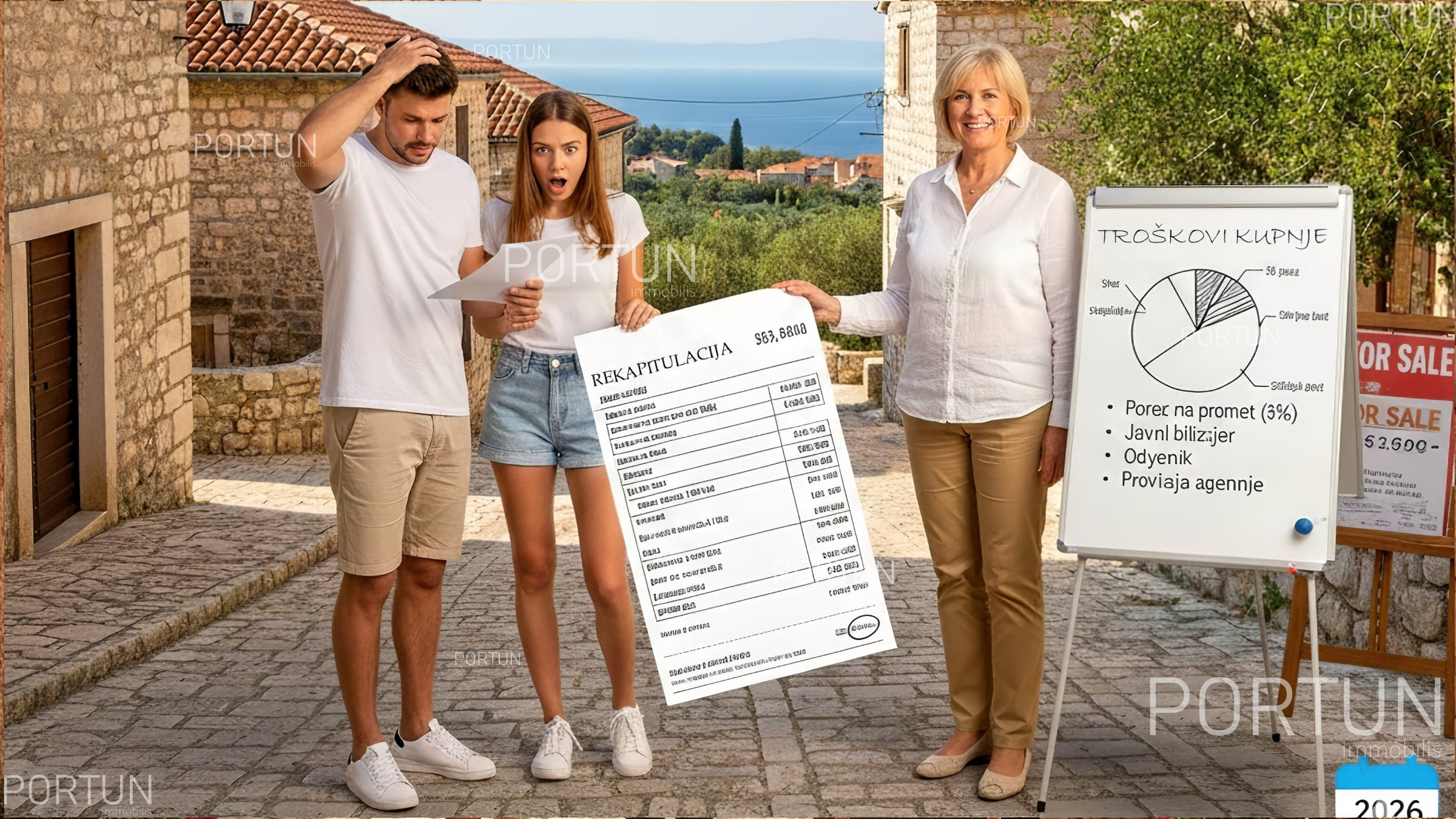
Another common mistake is focusing exclusively on price, ignoring the long-term implications of unresolved legal issues. A cheaper property with legal problems can become far more expensive over time.
Taking a structured, legal-first approach significantly reduces risk.
How to Protect Yourself Before Signing a Contract
Before signing any pre-contract or paying a deposit, foreign buyers should confirm that all key legal checks have been completed. This includes land registry verification, permit review, and zoning analysis.
Contracts should include protective clauses allowing withdrawal if legal issues are discovered. Deposits should never be paid without clear contractual safeguards.
A transparent and legally sound transaction is the foundation of a successful property purchase in Croatia.
Conclusion: Legal Clarity Is the Best Investment
Understanding the legal status of property in Croatia is not a bureaucratic formality—it is a fundamental investment decision. Legal clarity protects buyers from financial loss, operational restrictions, and future disputes.
For foreign buyers, navigating Croatian property law may seem complex, but with proper guidance and preparation, it becomes manageable and predictable.
A legally sound property ensures peace of mind, long-term value, and the freedom to enjoy or monetize your investment without unexpected obstacles.
Related guides and useful articles
Before purchasing property in Croatia, it is important to evaluate not only the location and price, but also the legal status of the property. Alignment between land registry and cadastre records, valid permits and compliance with planning regulations are essential factors that determine whether a property can be safely purchased, financed, insured and later resold or rented without complications.
Thematic guides for safe property buying in Istria
A short selection of articles explaining the purchase process and the legal steps most relevant for foreign buyers.
- How to buy property in Istria – a guide for foreign buyers
- Legal security when buying property in Croatia – a guide for foreign buyers
Tags
legal property Croatia, property legal status, land registry Croatia, cadastre alignment, building permit, usage permit, legalization, property due diligence, foreign buyers Croatia, buying property in Istria, legal process Croatia