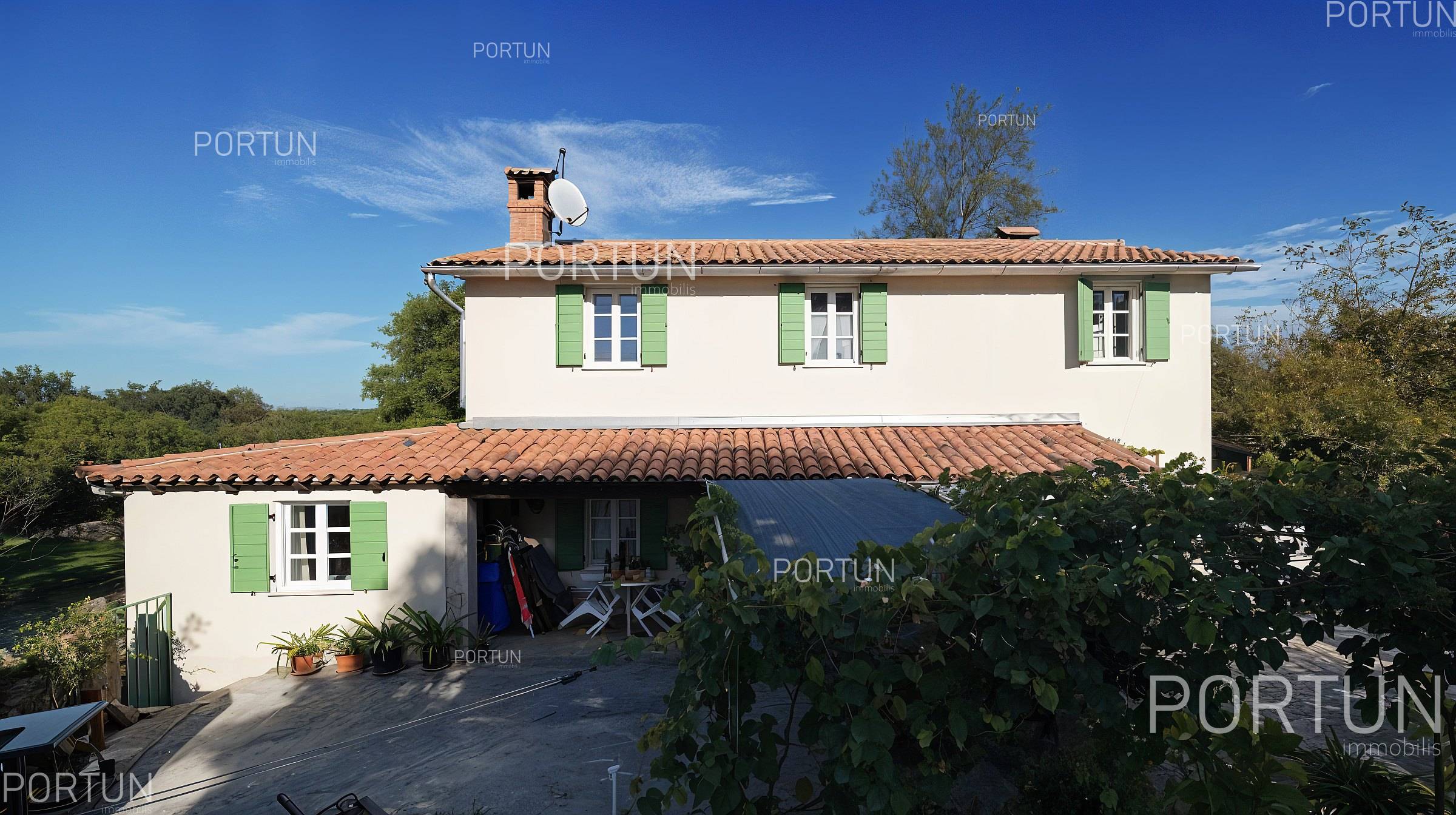
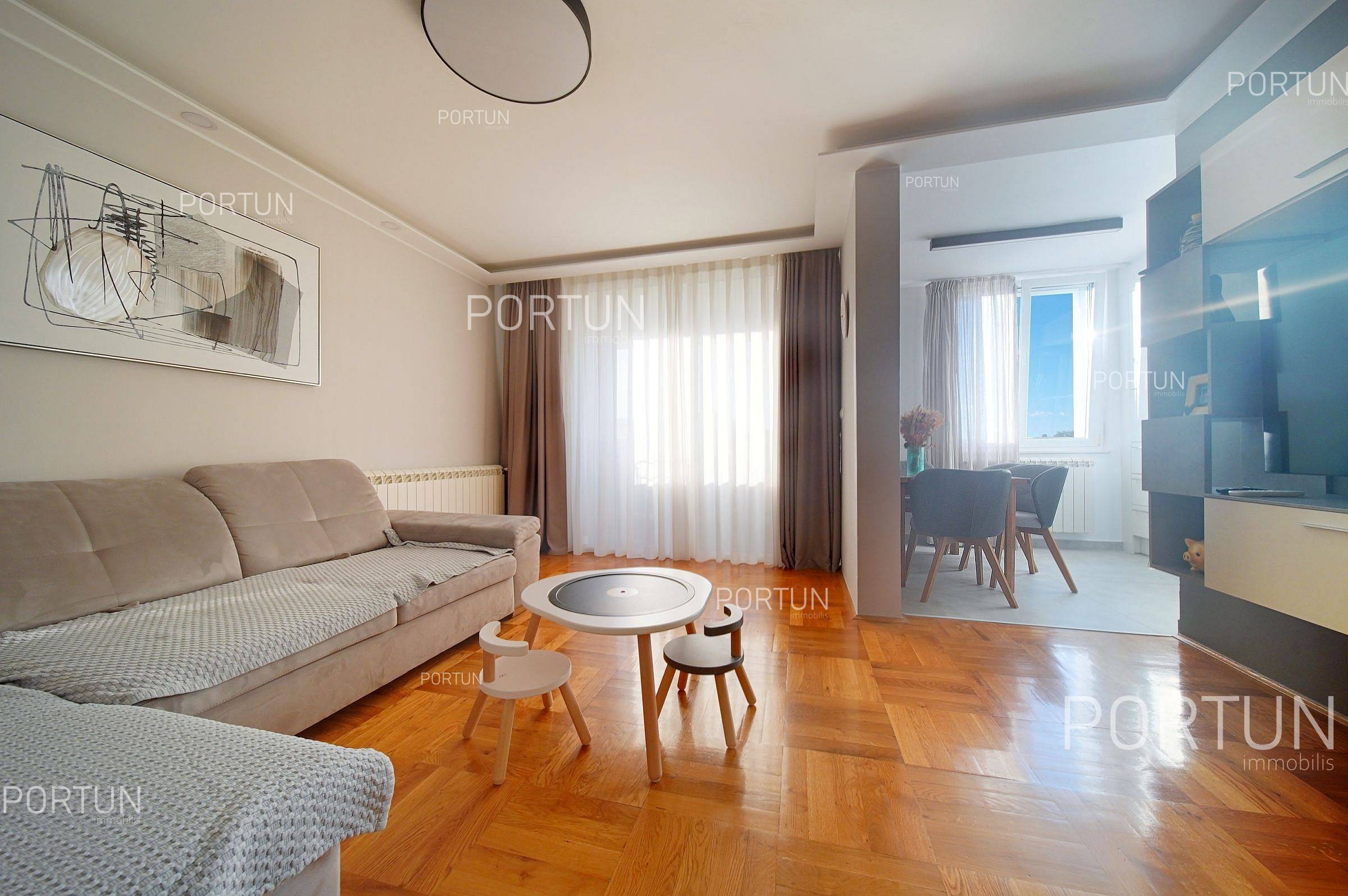
Buying a House in Bale: What to Watch Out For
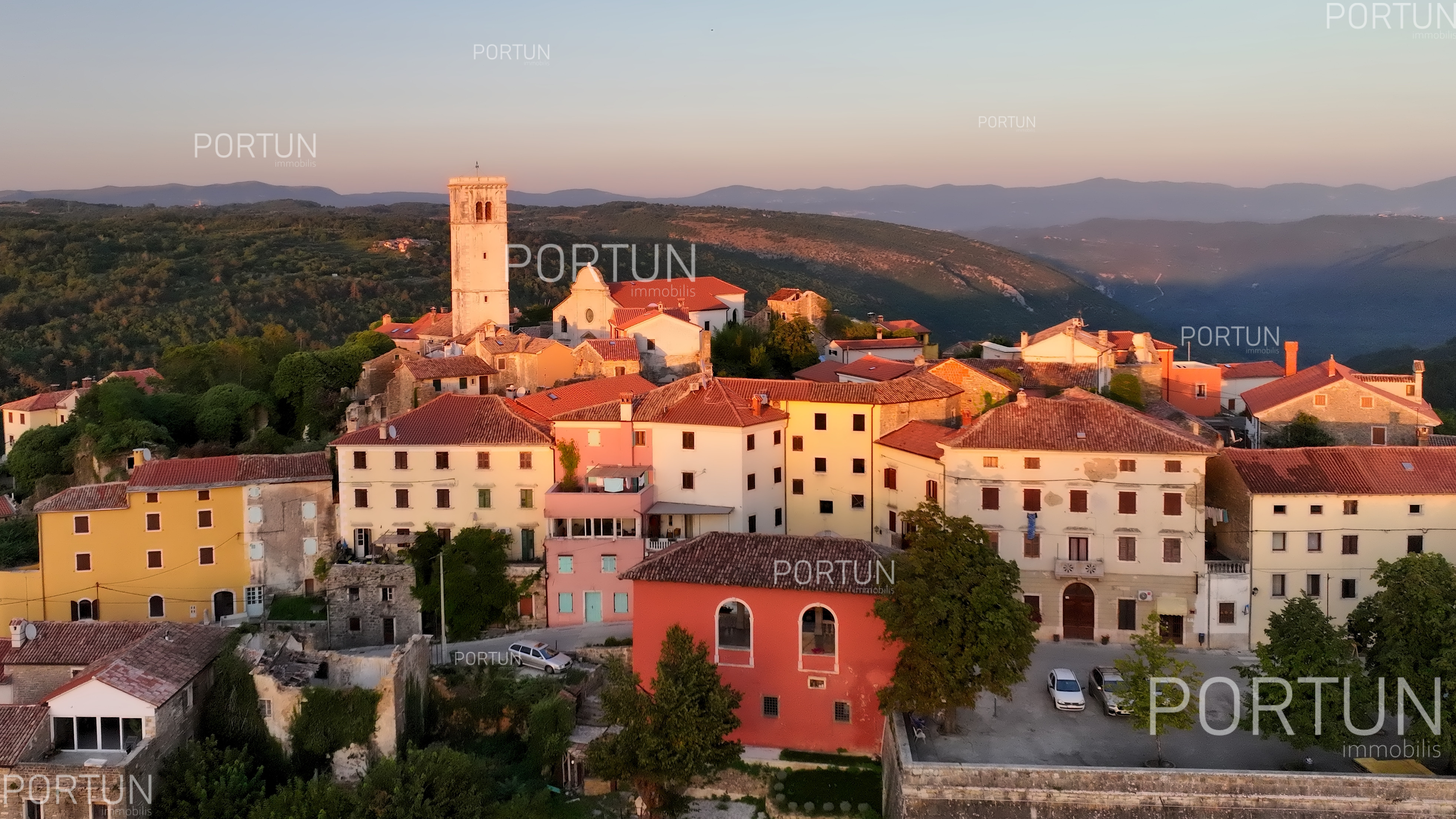
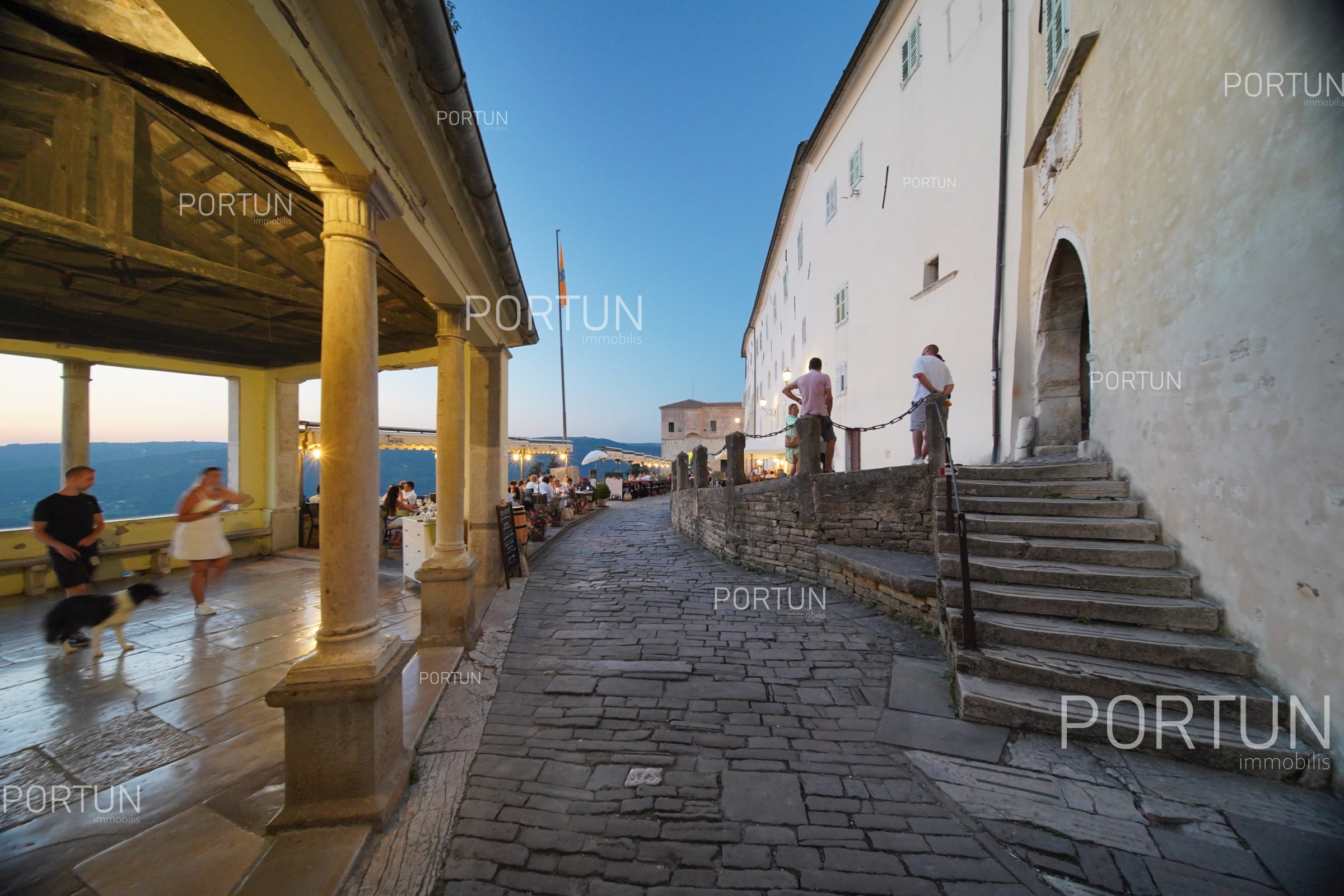
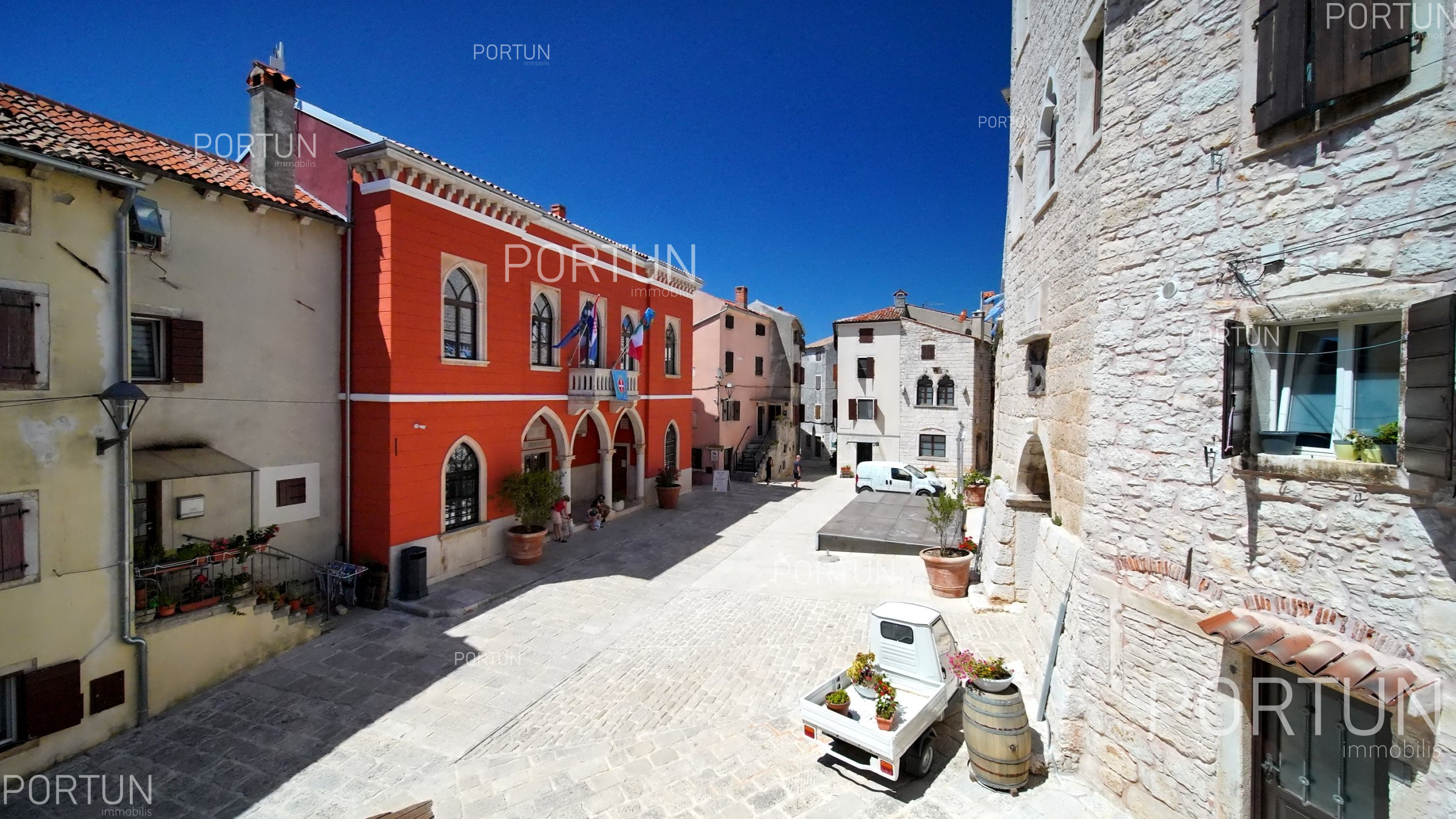
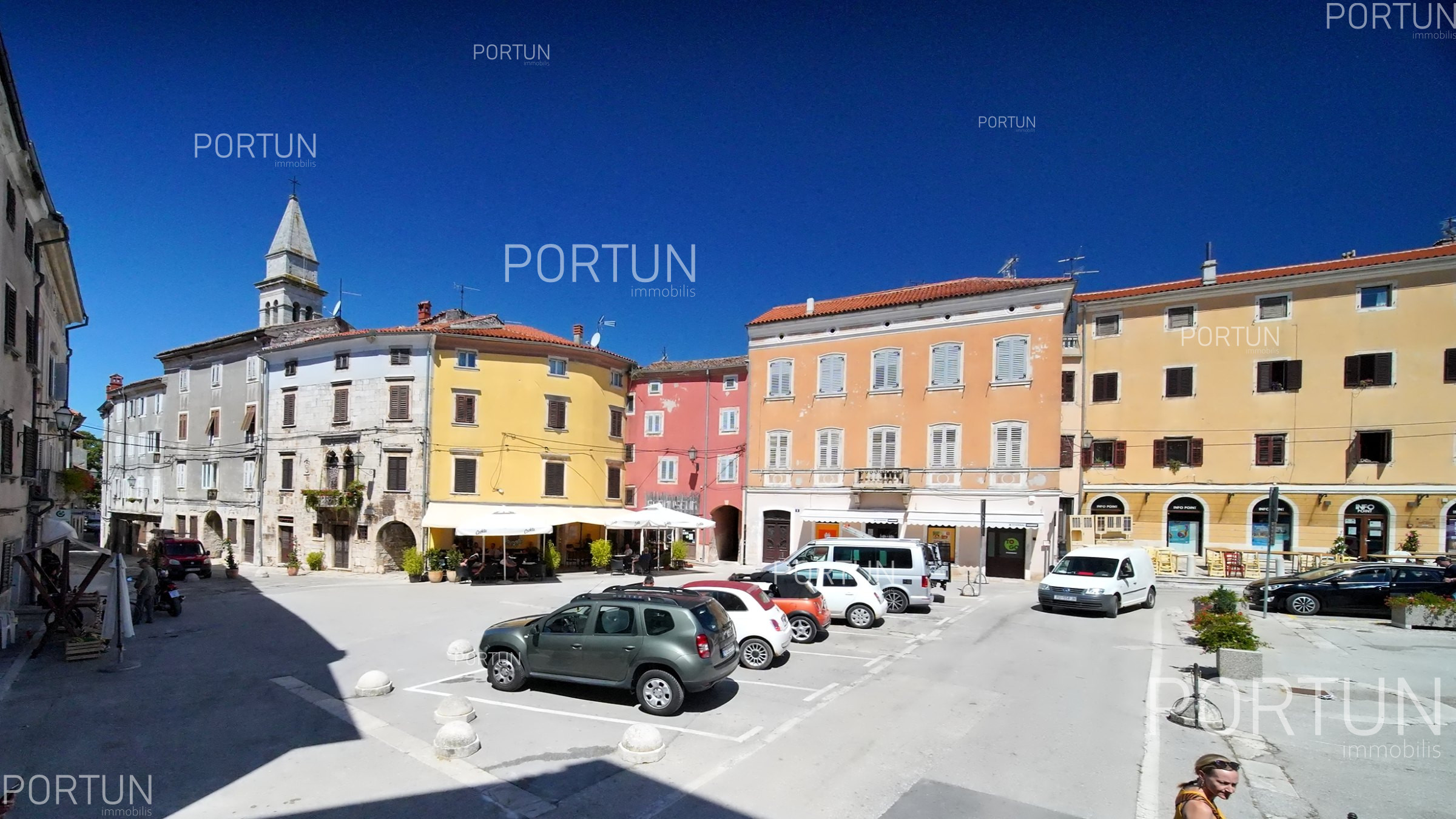
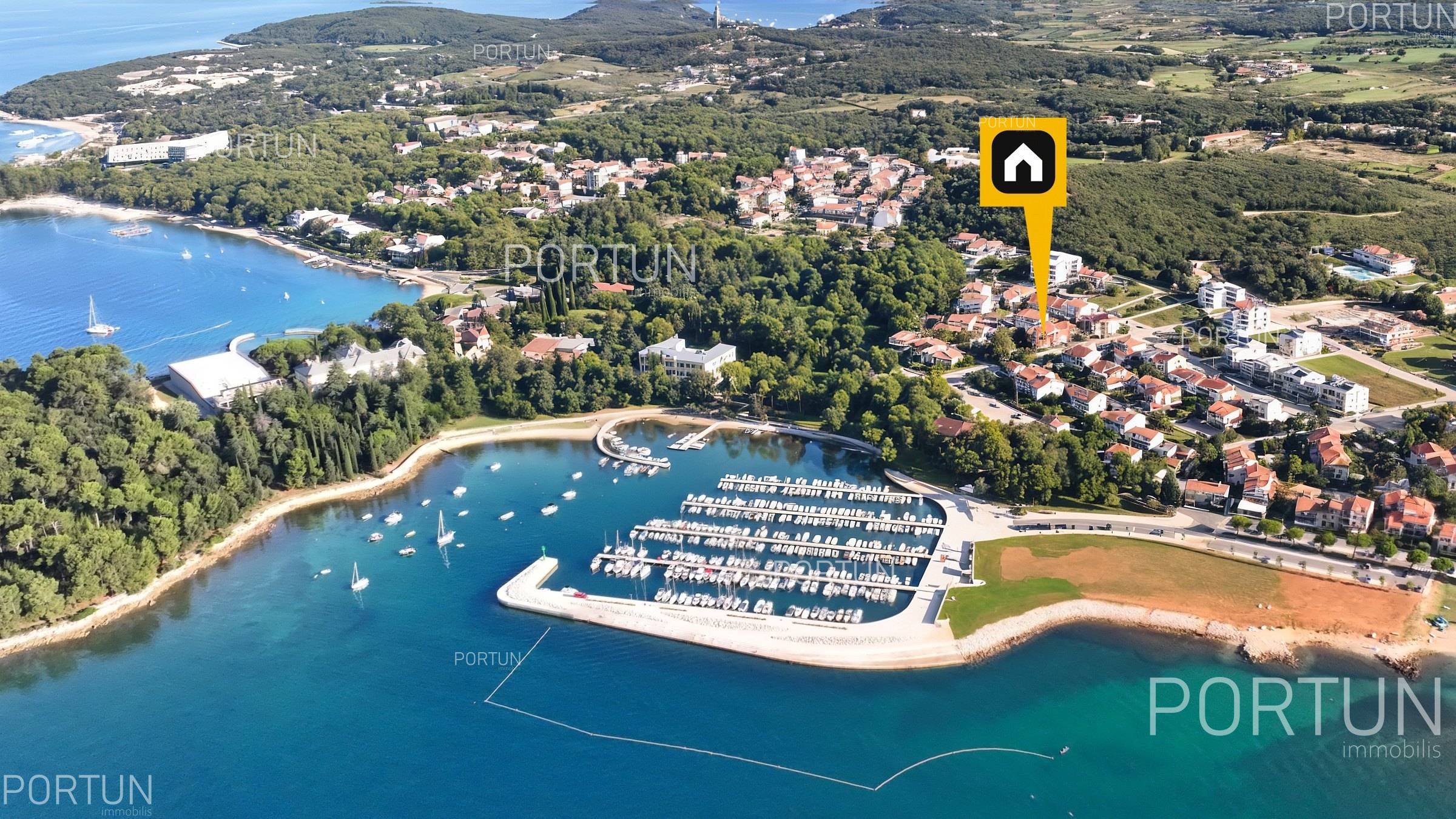
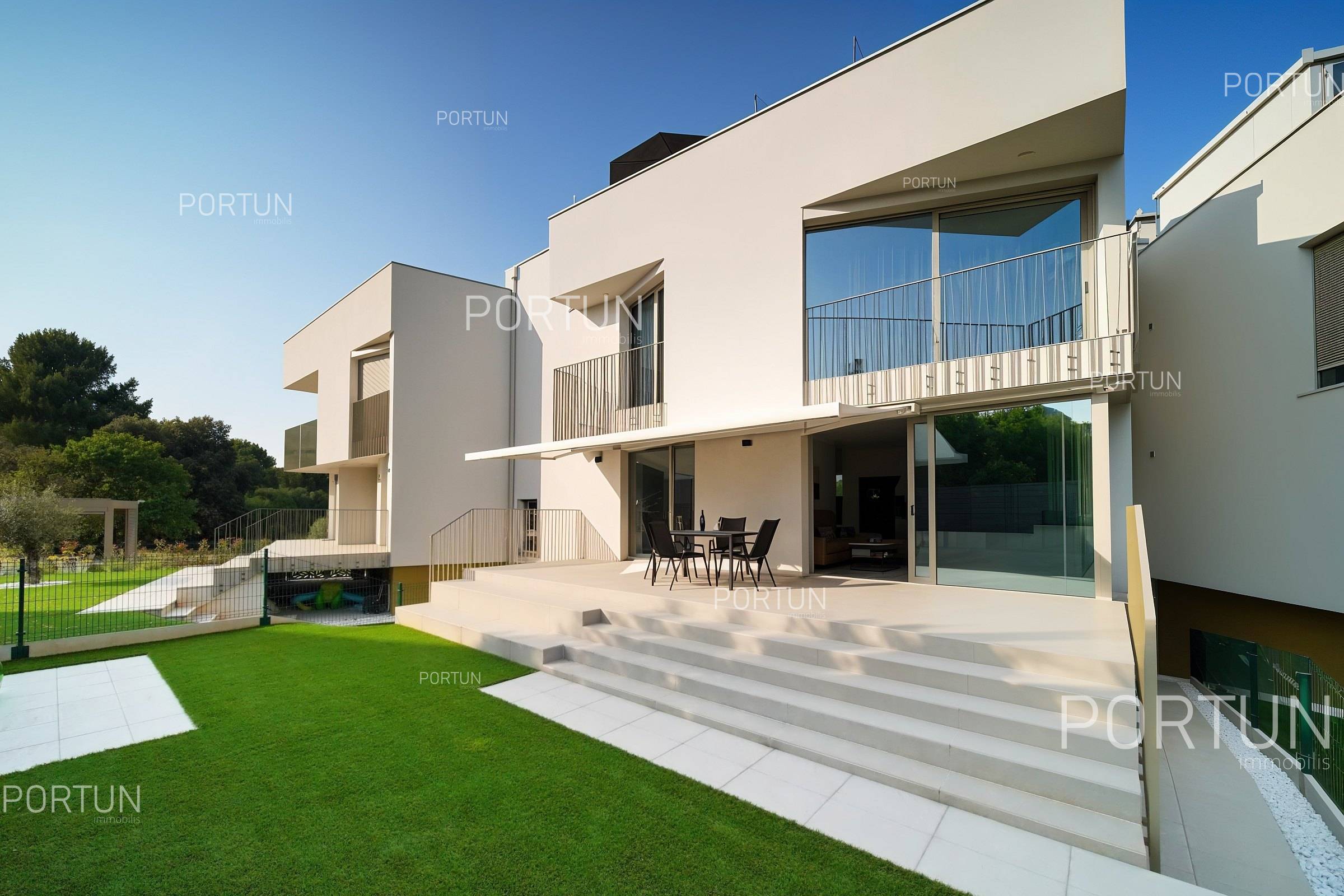
Bale is one of those Istrian towns where demand often exceeds supply. Buyers are typically looking for a calm, authentic setting close to Rovinj, while still enjoying privacy and a slower pace. That said, houses in Bale can vary dramatically in condition and legal status—especially when the offer includes older stone cottages, former barns, or partially renovated properties. A careful due diligence process is therefore essential.
1) Clarify what you are actually buying
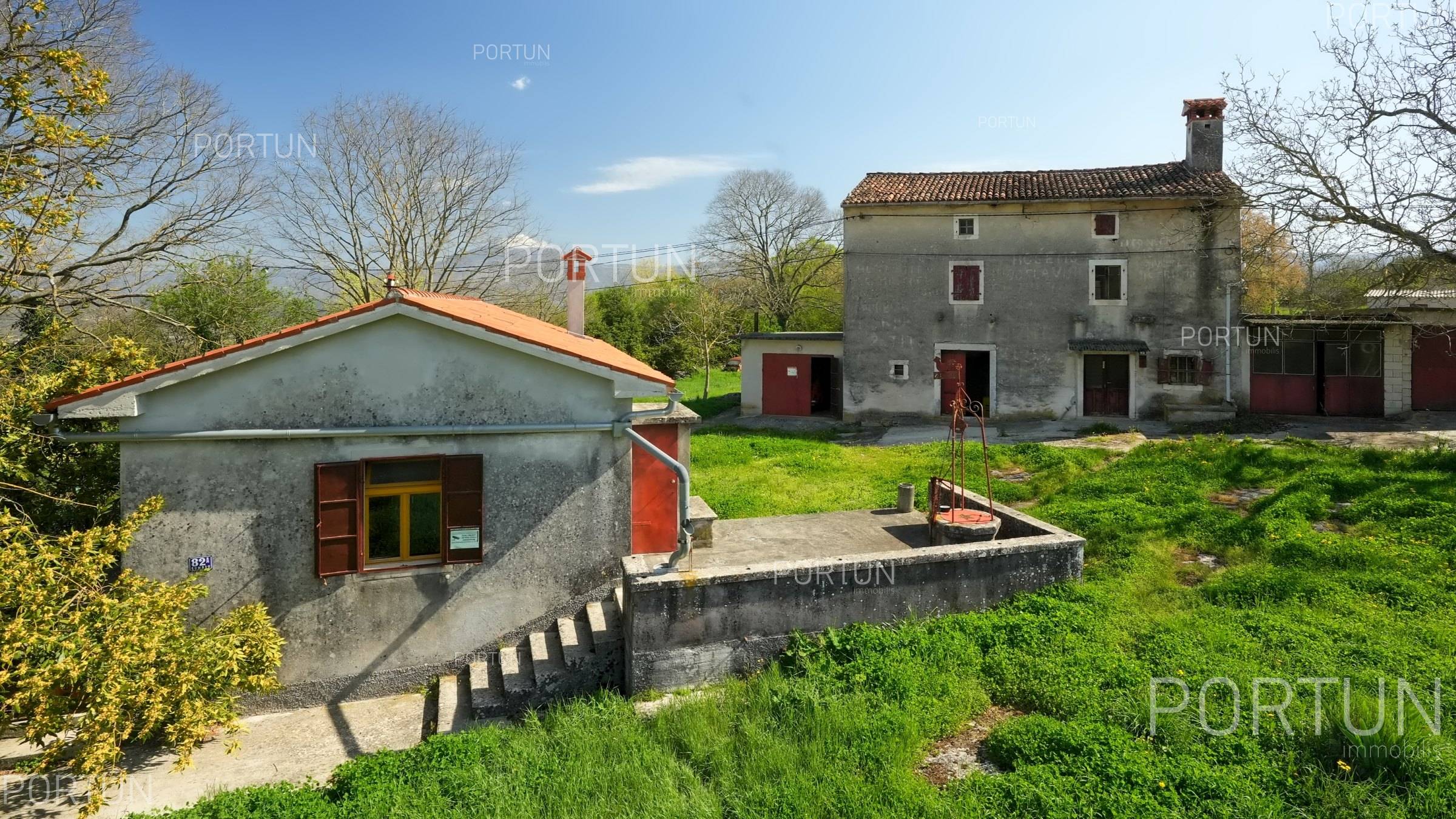
In Bale, listings can include everything from fully renovated homes to older stone units that were historically used as storage, barns, or auxiliary buildings. Before making any decision, confirm: the legal building category, the permitted use, and whether the structure is registered as a residential building (and not only as an auxiliary structure).
2) Documentation and legality come first
The most important step is confirming the property’s legal status. In practice, you want to verify: building and usage permits (where applicable), compliance with the spatial plan, ownership status (single owner vs. multiple heirs), and any encumbrances. If you want a broader checklist for Istria, see our general guide: Risks of Buying a House in Istria – Practical Guide.
3) Renovation scope: stone houses can hide surprises
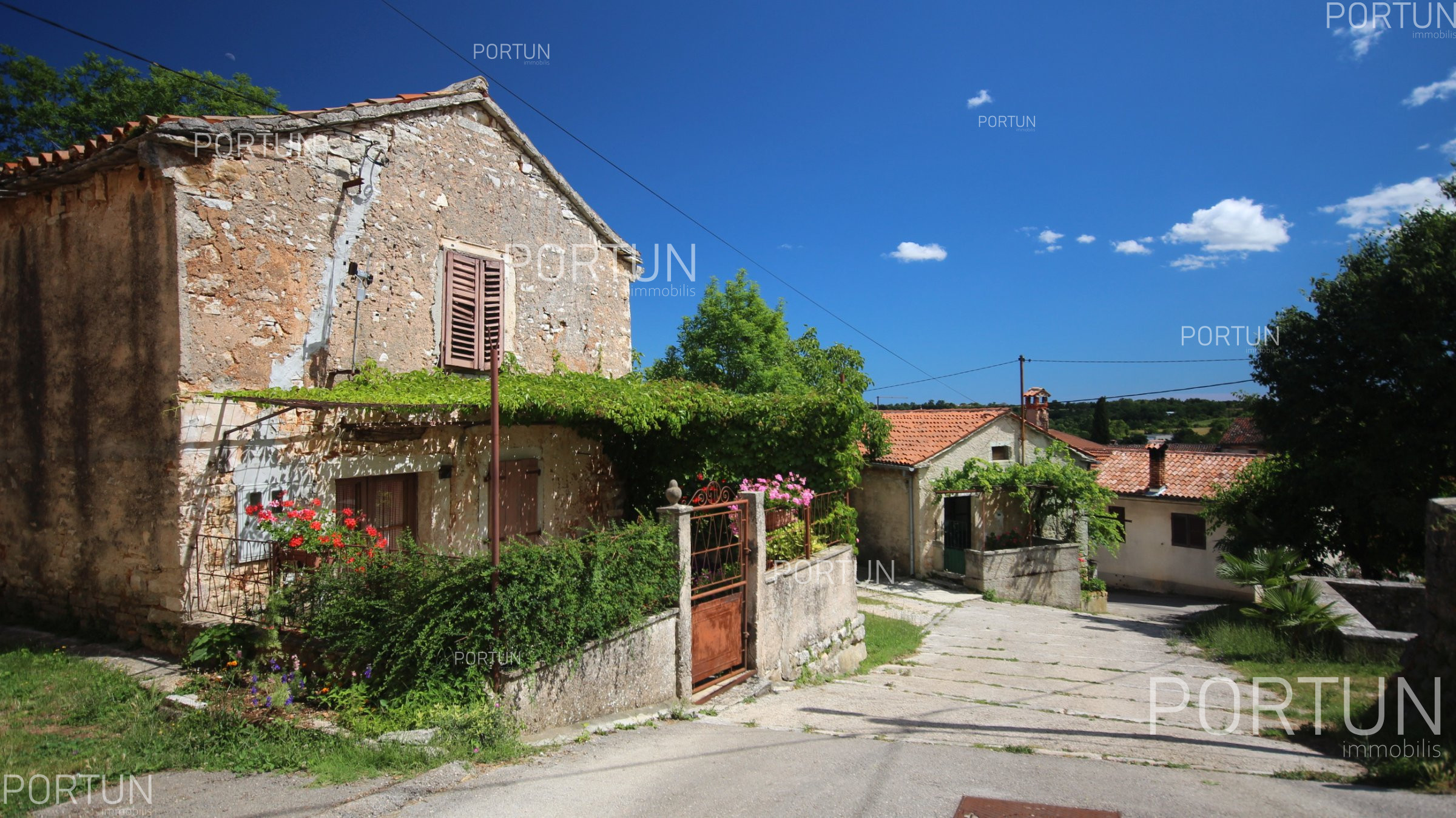
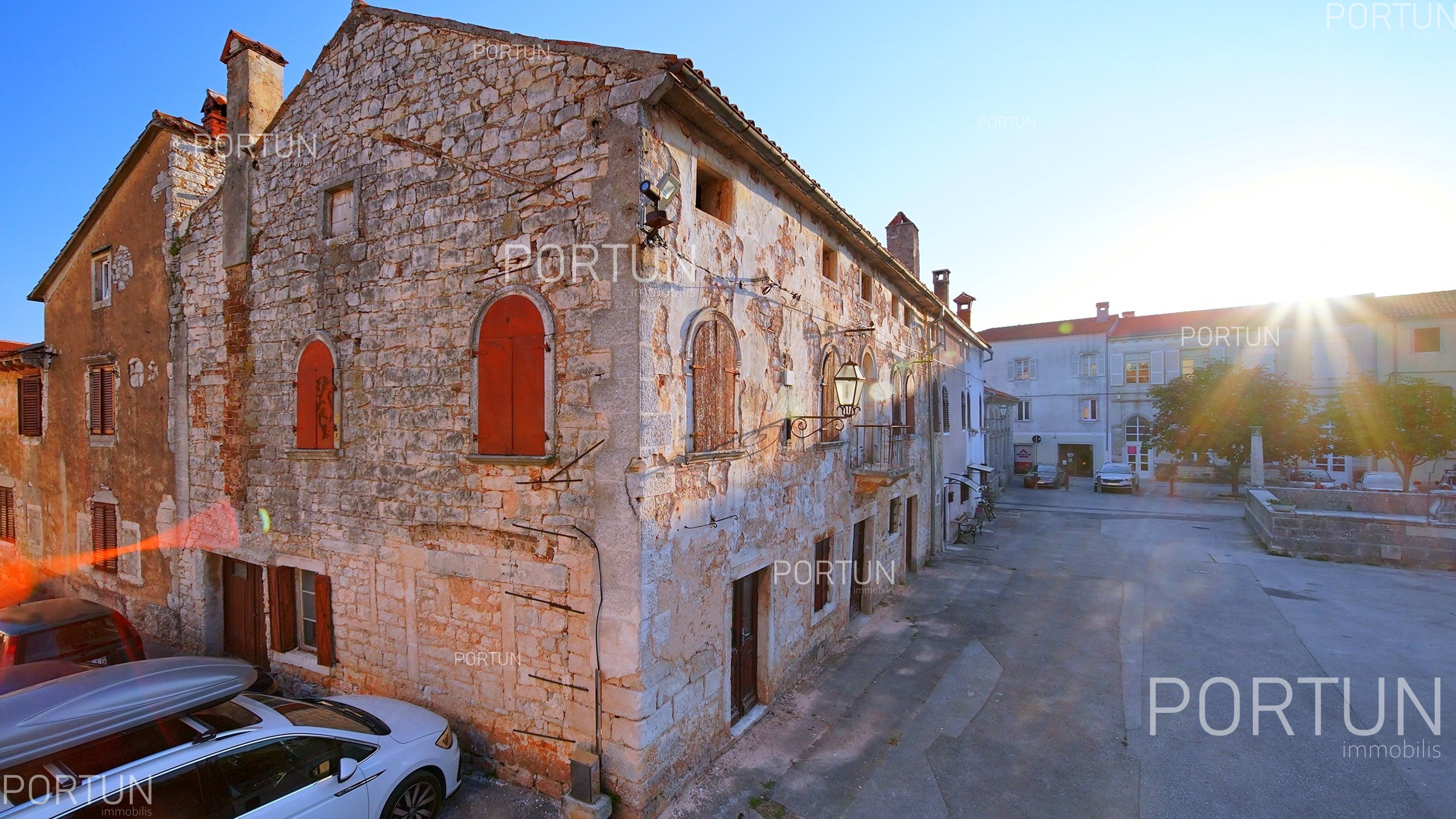
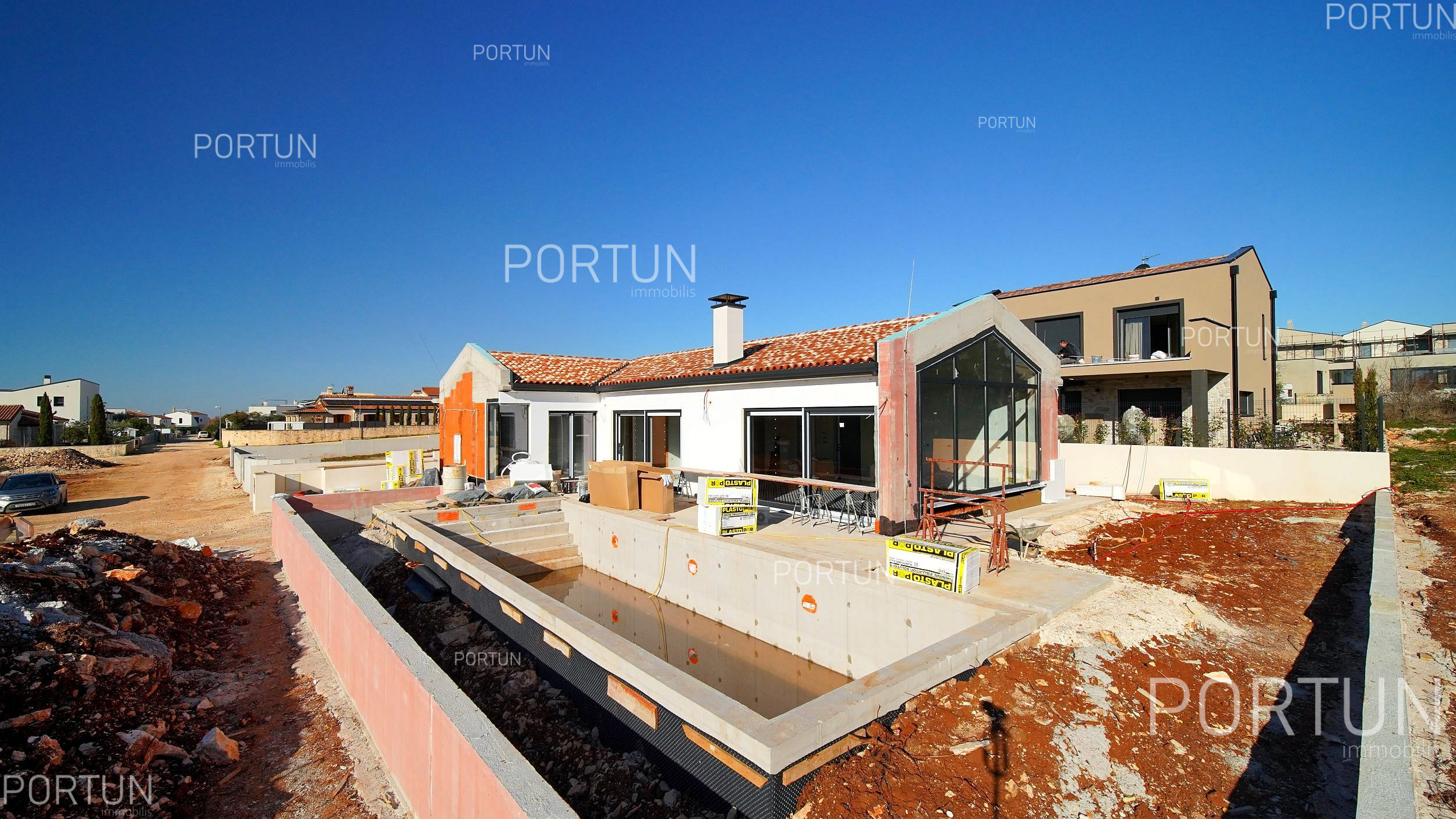
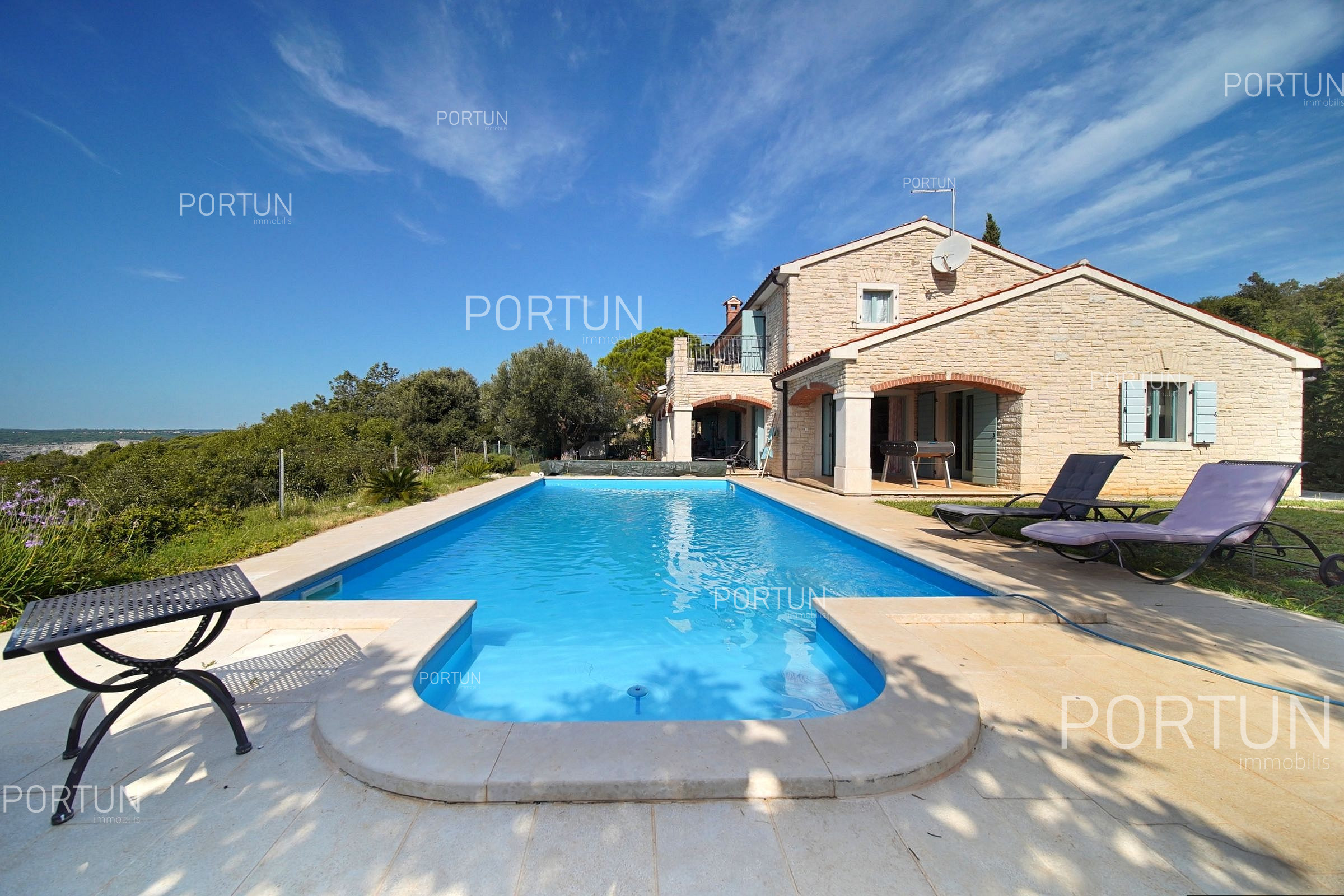
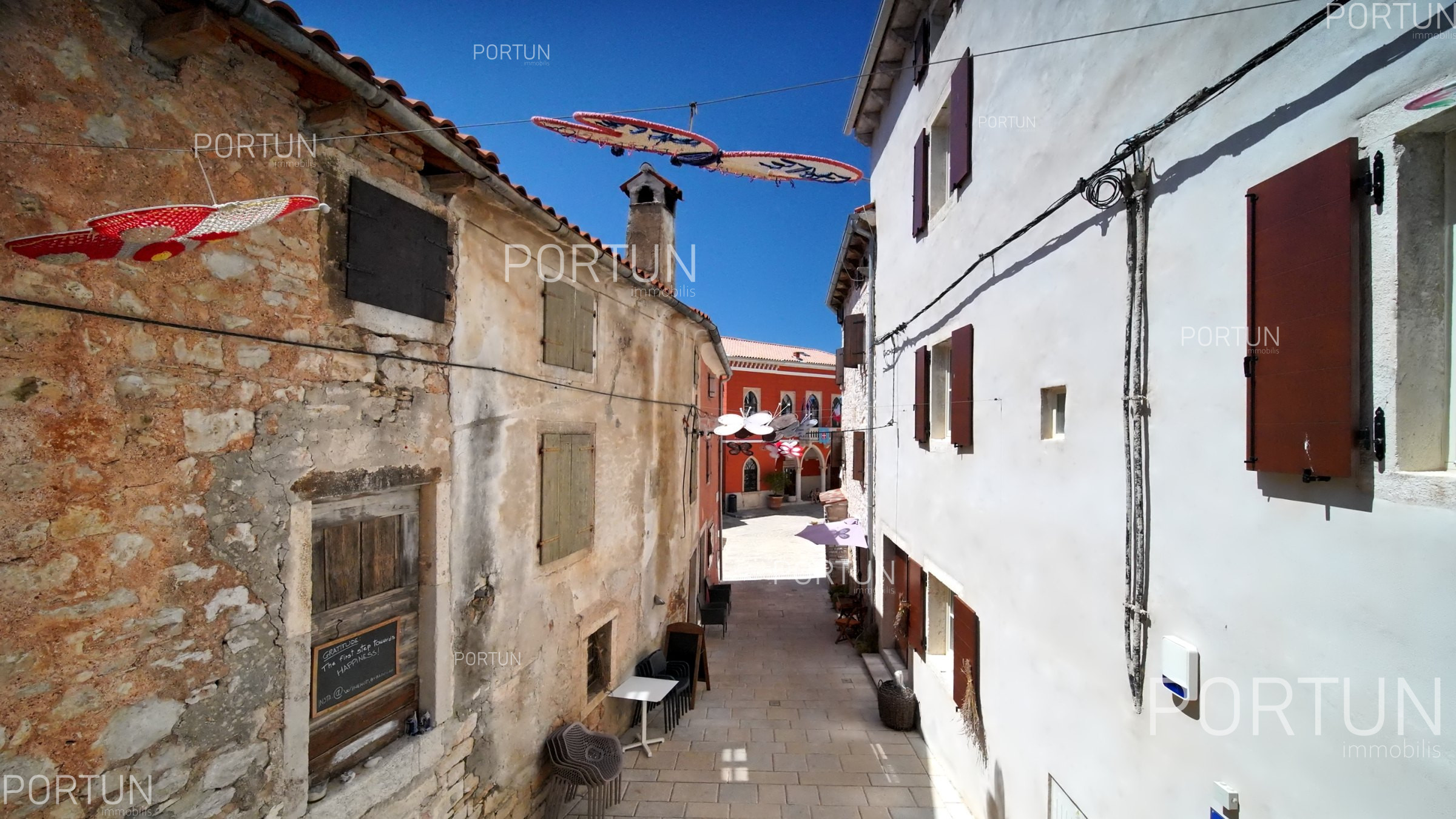
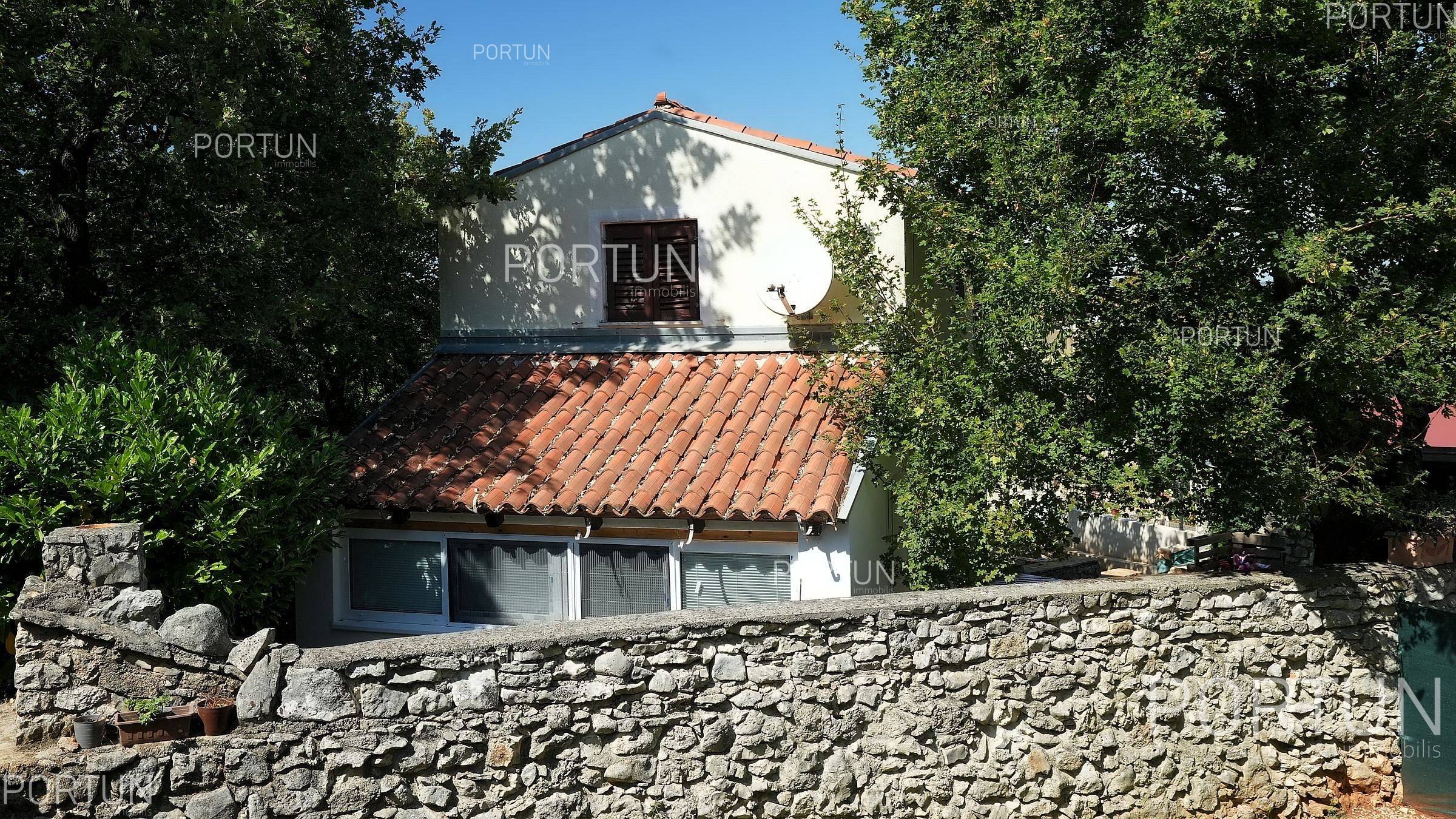
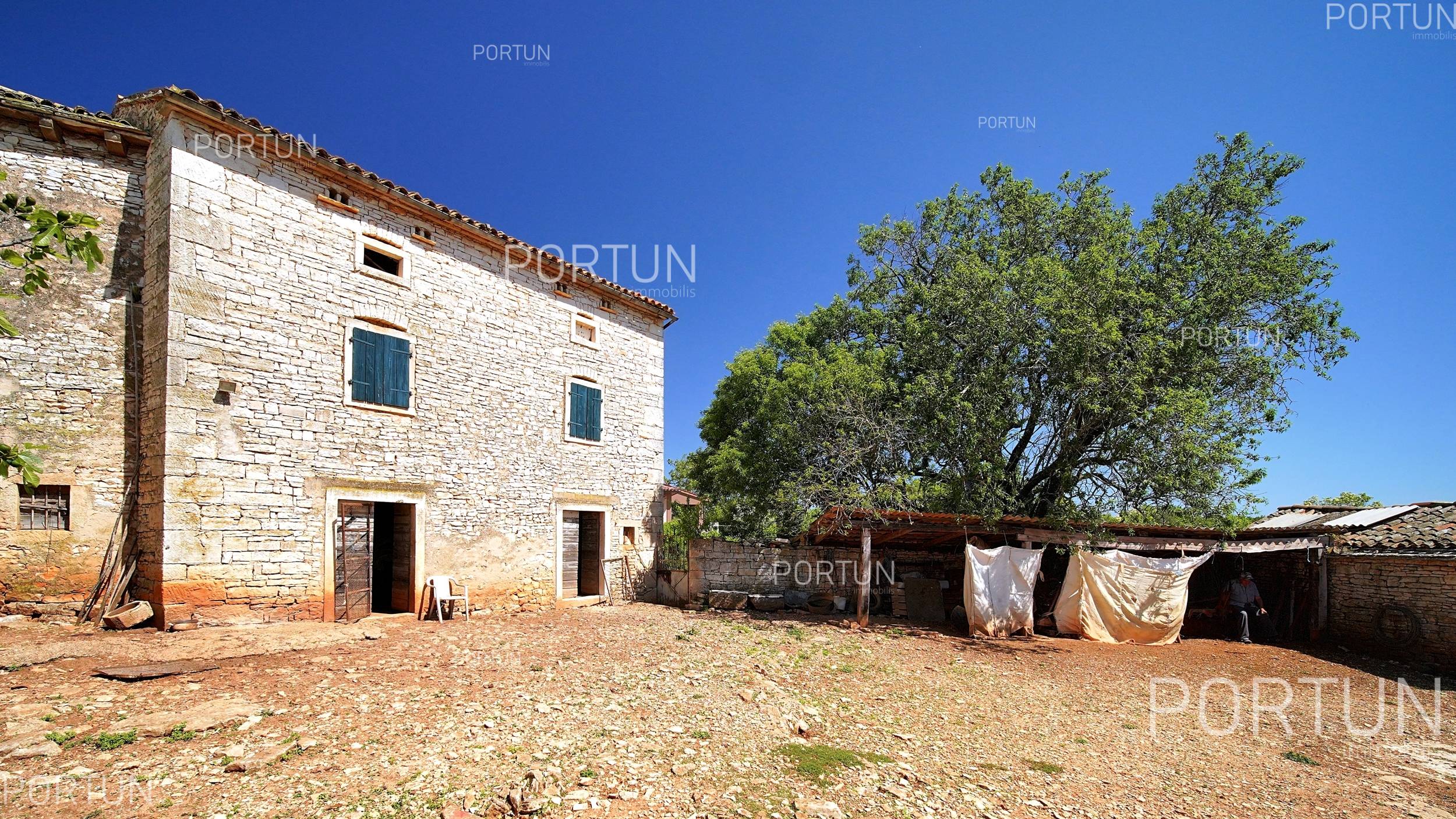
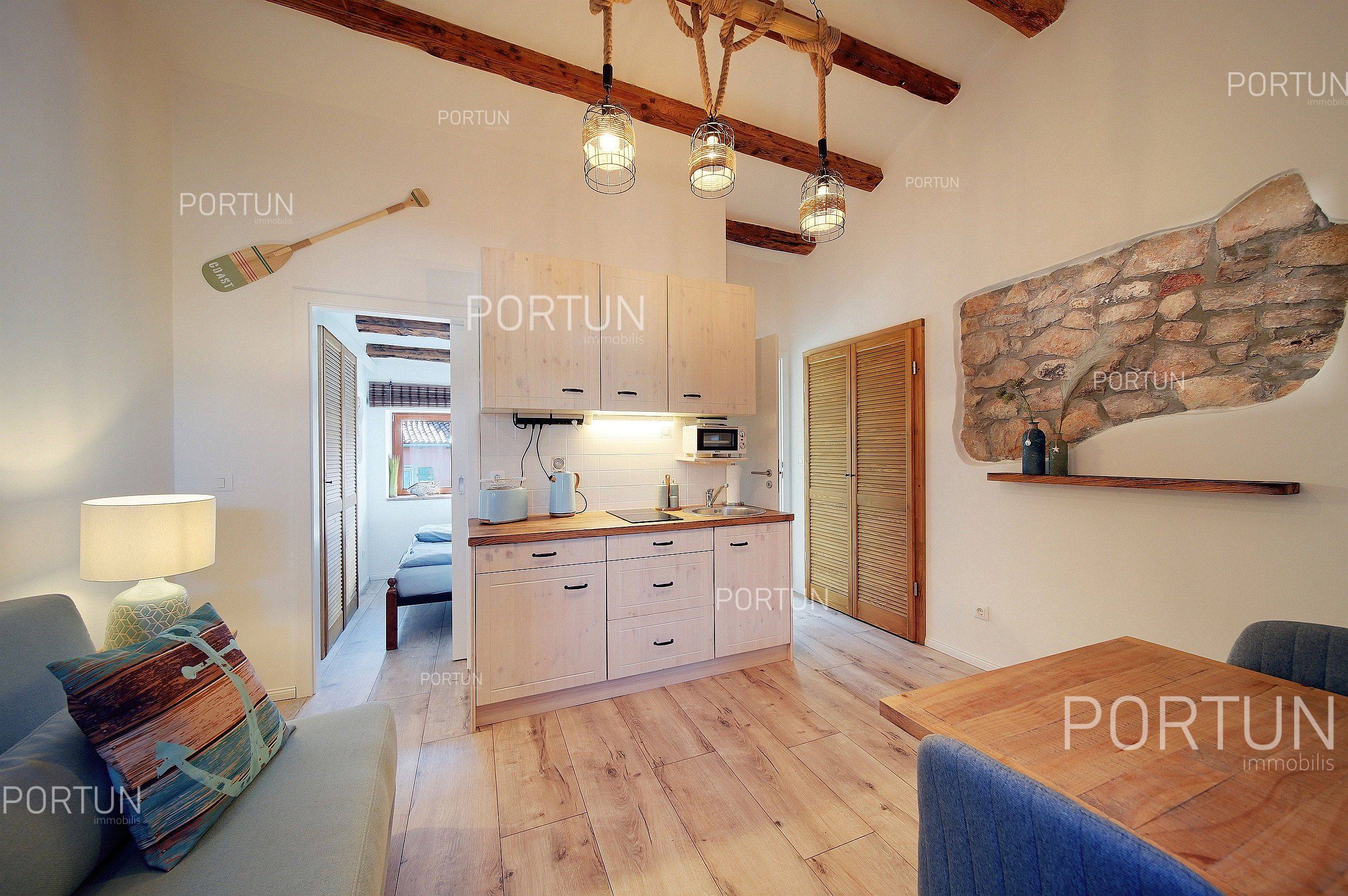
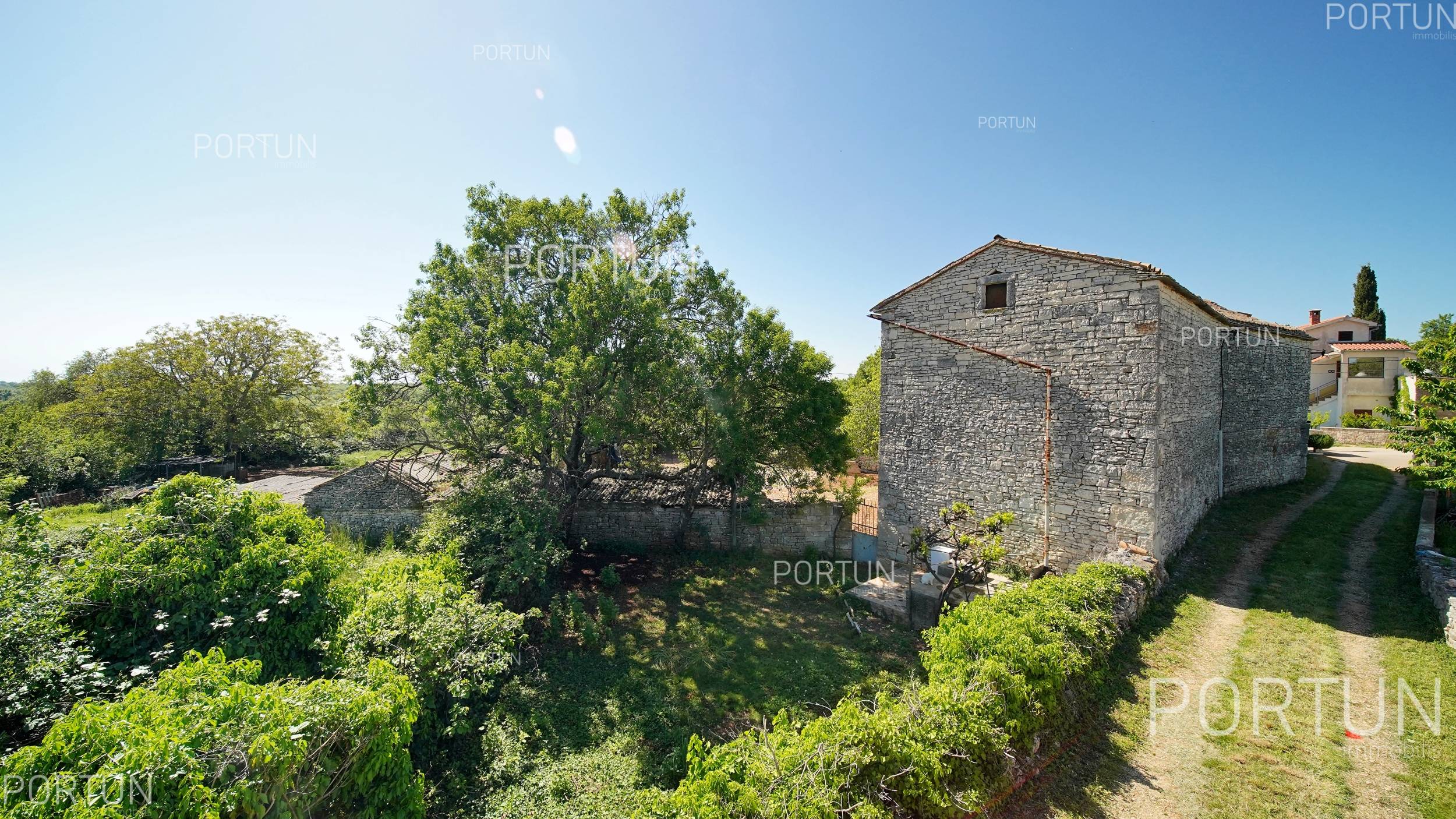
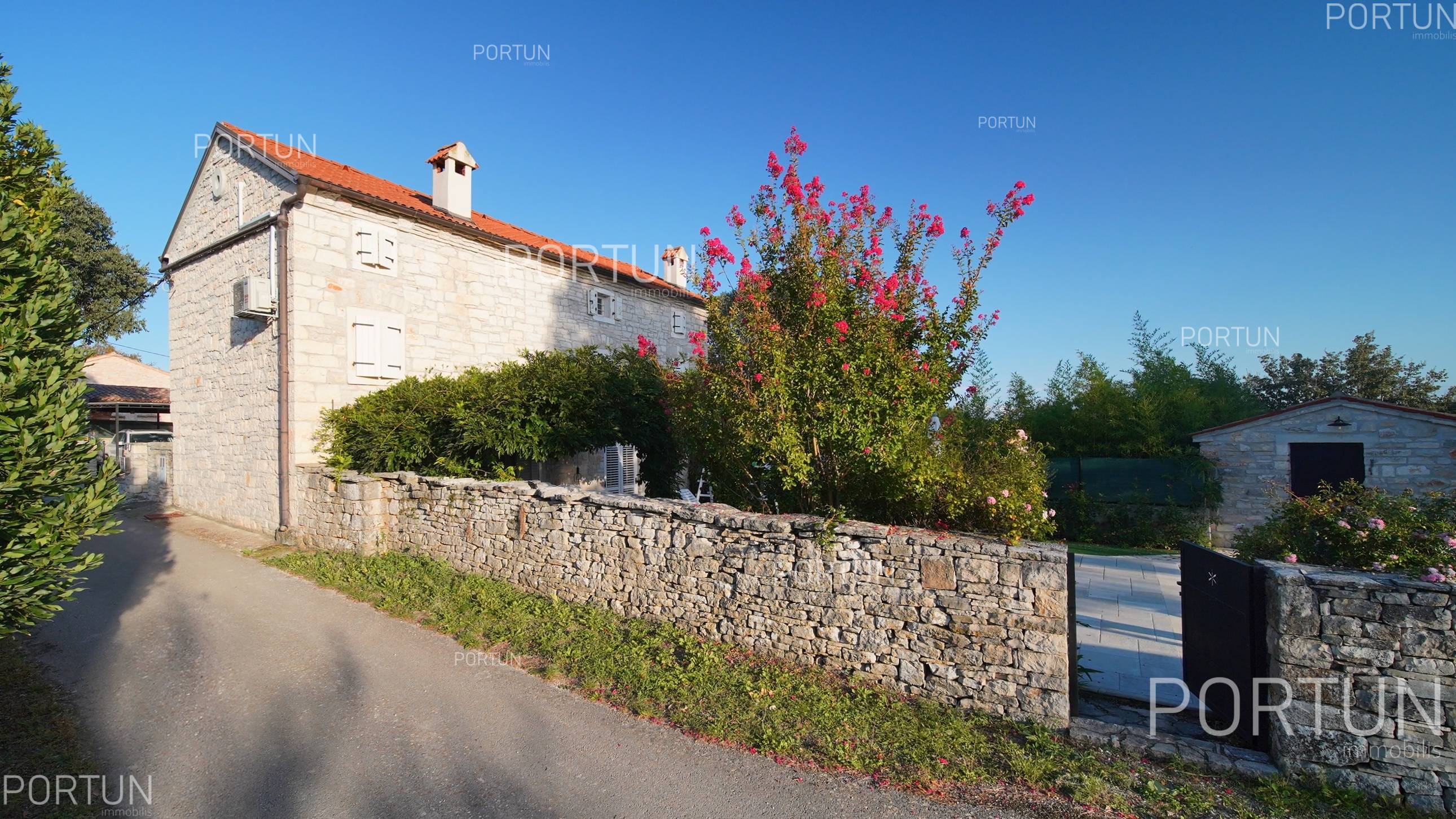
Old stone houses often look charming, but the renovation scope can vary widely. Pay special attention to: roof structure, moisture and rising damp, drainage and sewage solutions, insulation, and the condition of installations. If a property has been renovated, ask for details about the works (what was replaced, what was reinforced, and what remains original).
4) Pool rules: important limitation in Bale’s core area
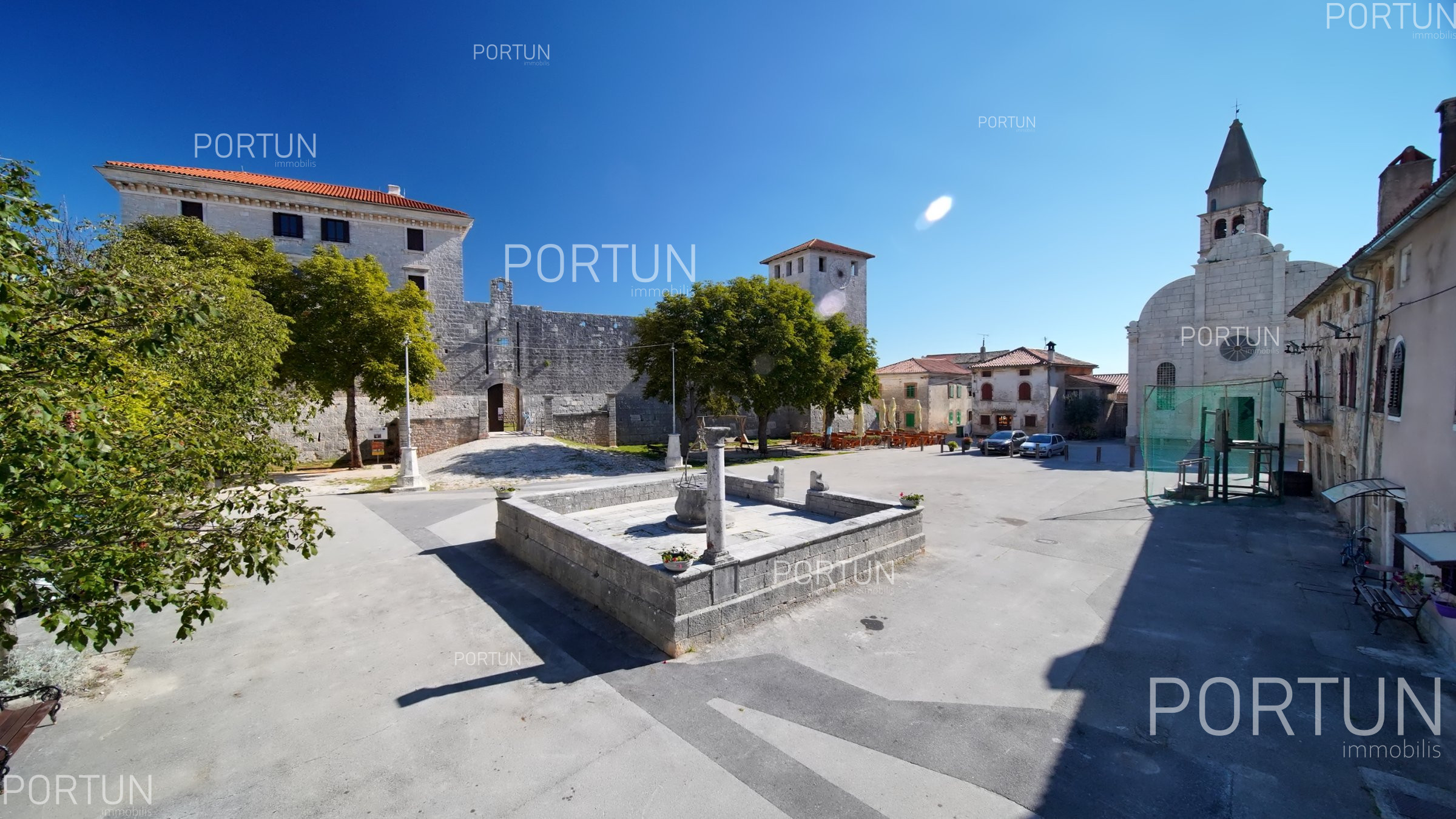
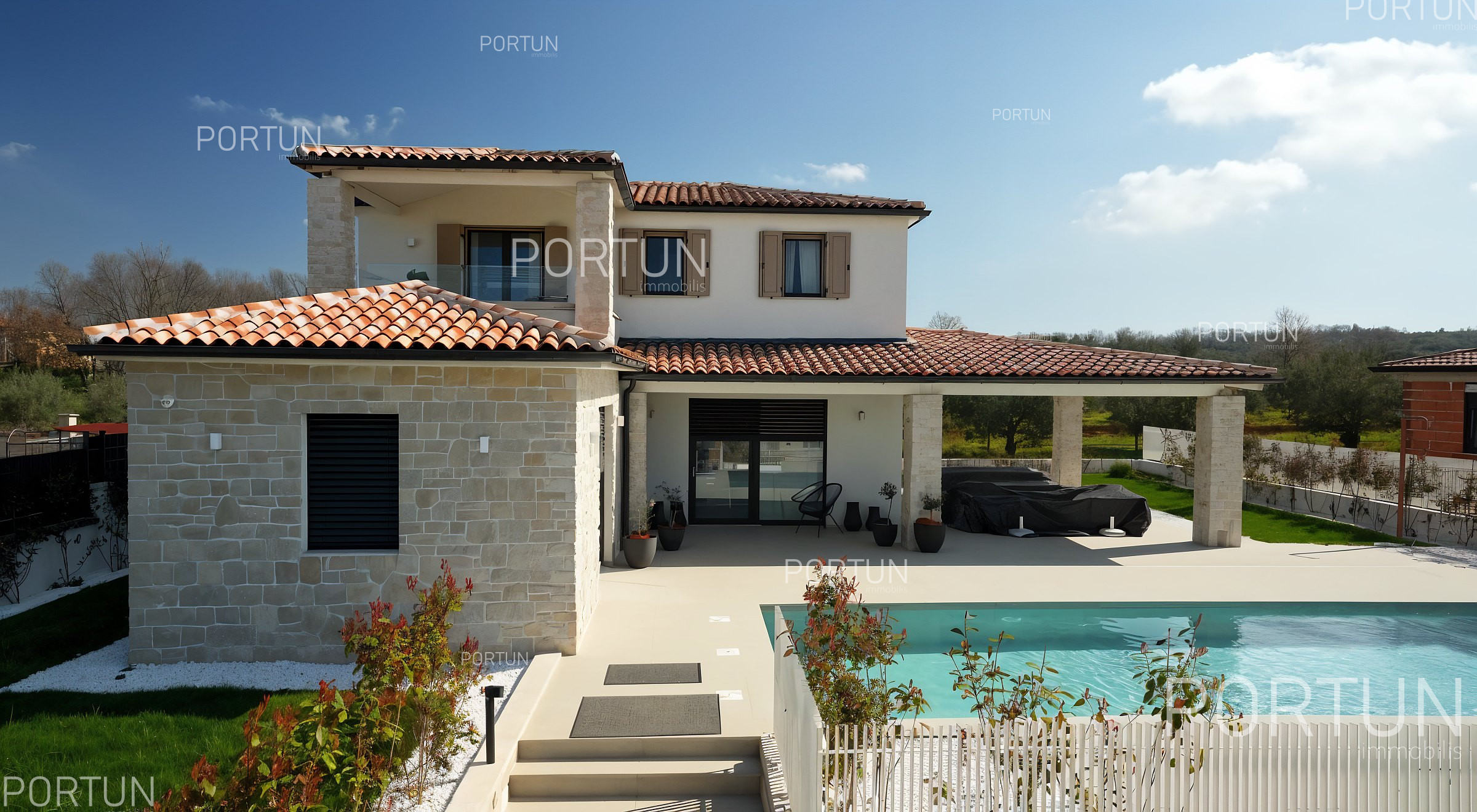
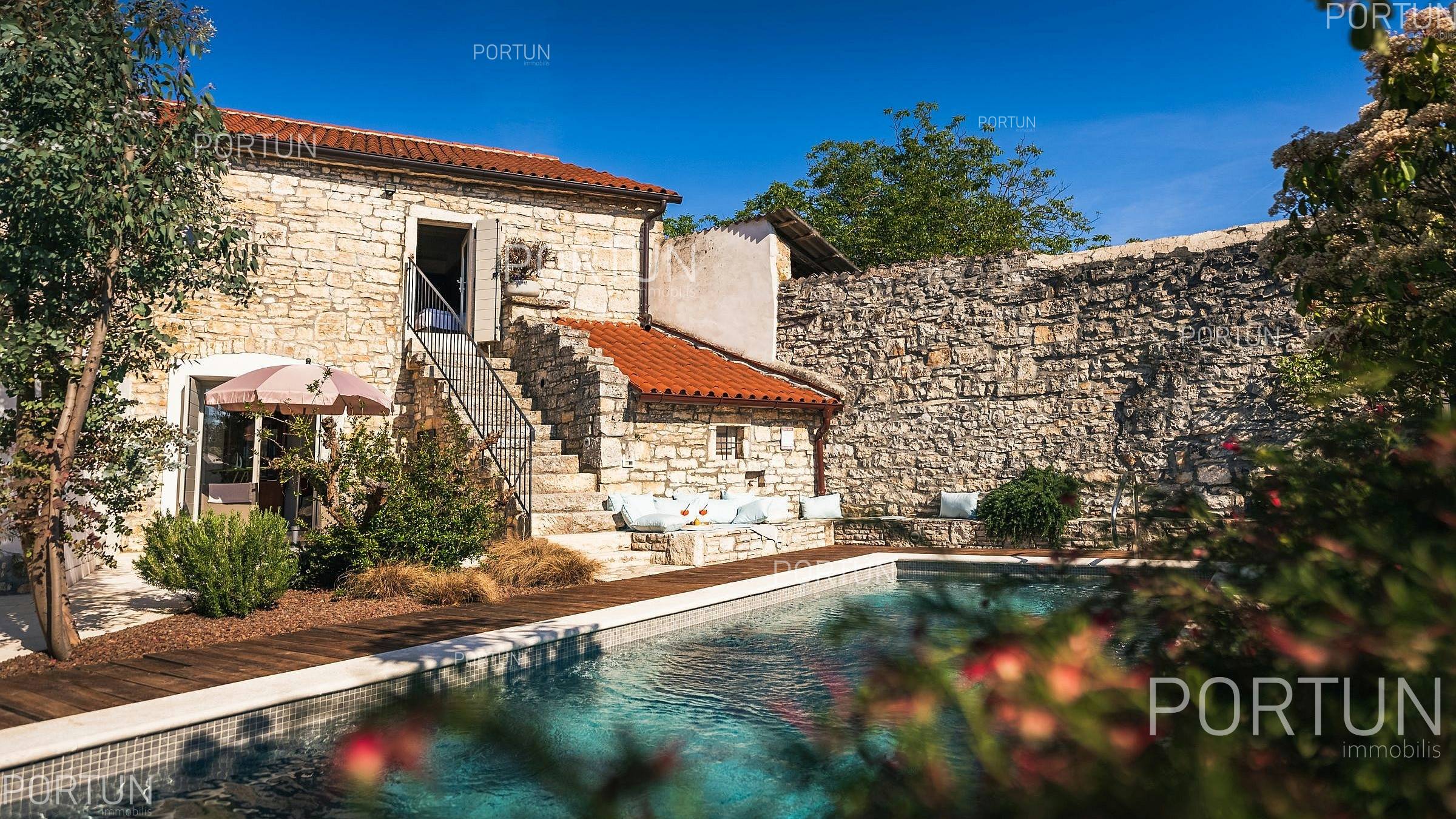
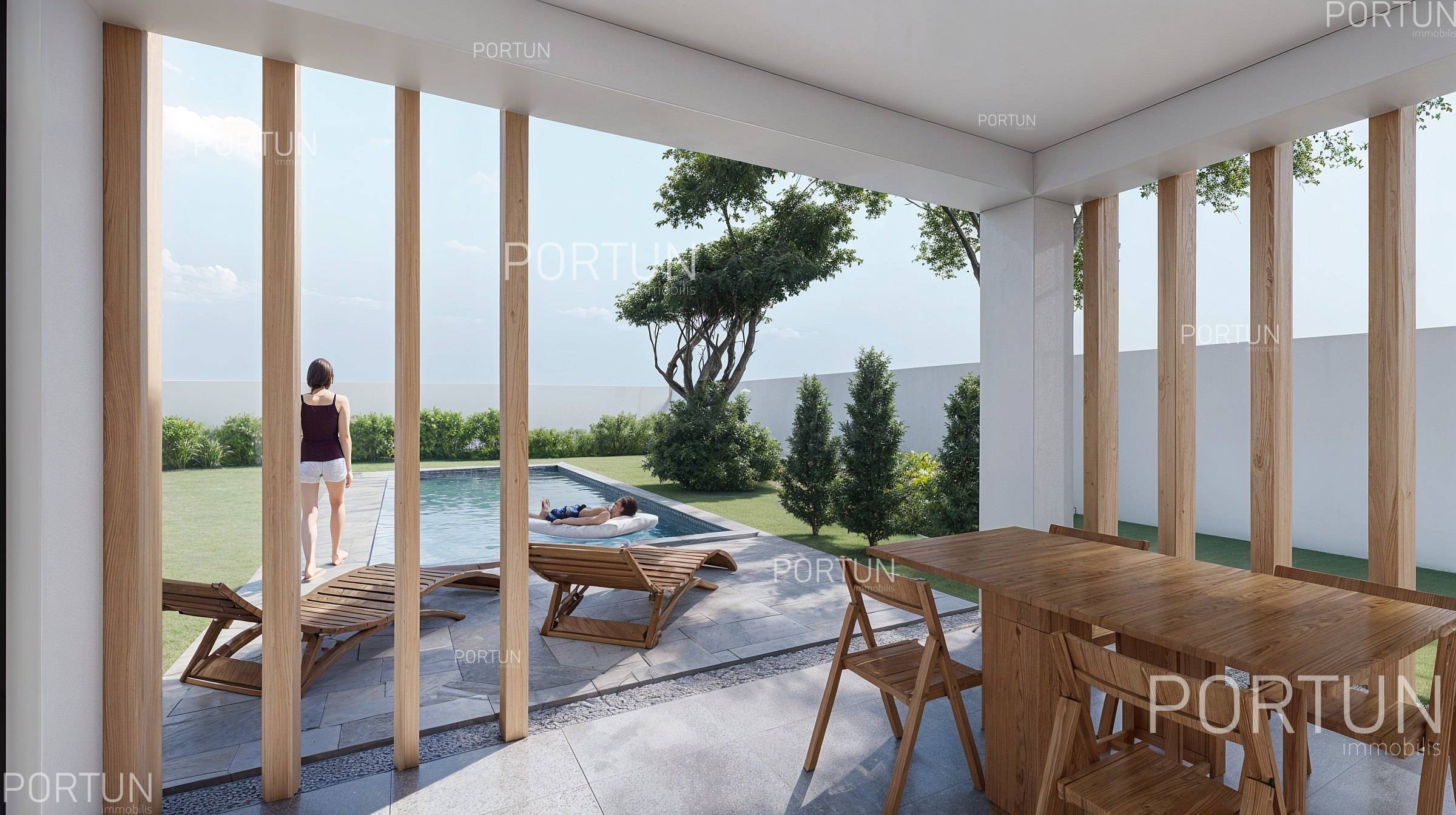
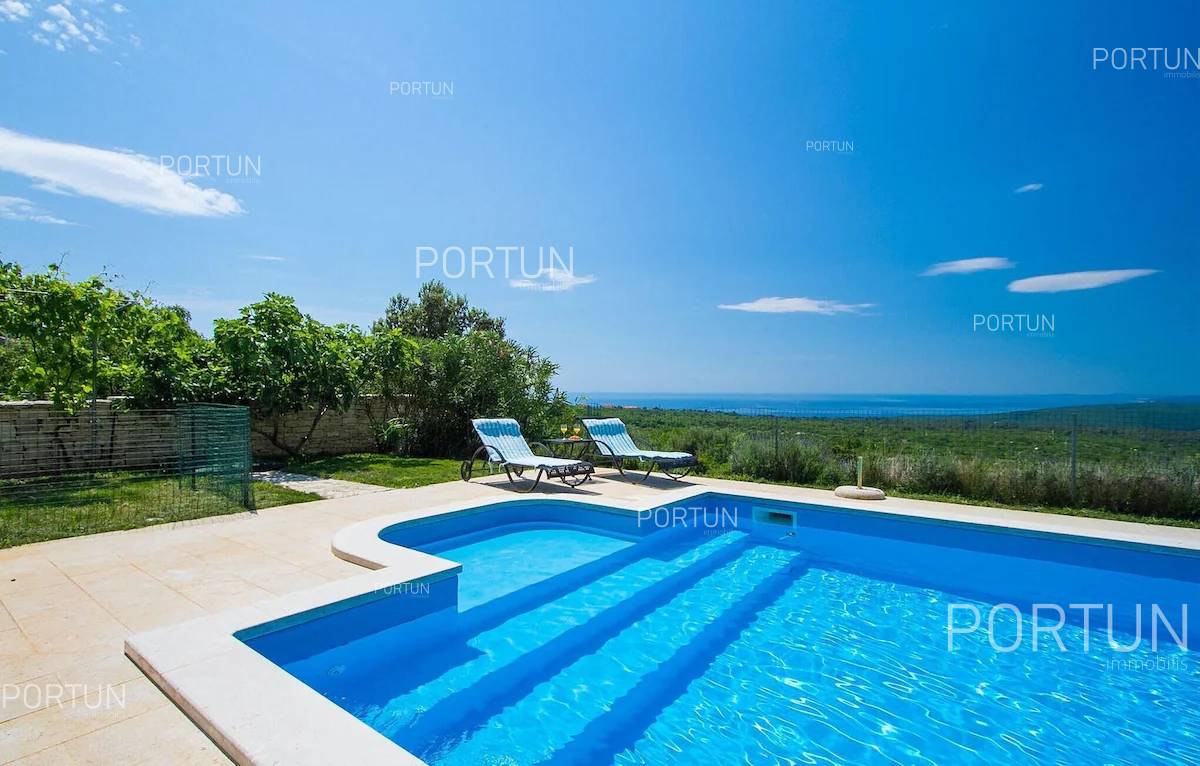
One practical point many buyers overlook: in the centre of Bale and in the immediate area around the centre, the construction of outdoor pools is not permitted. This can significantly affect expectations and pricing—especially for buyers who assume a pool is always an option. For any specific property, it’s best to verify the exact location-based rules before planning an outdoor pool.
5) Micro-locations matter: Bale vs. nearby villages
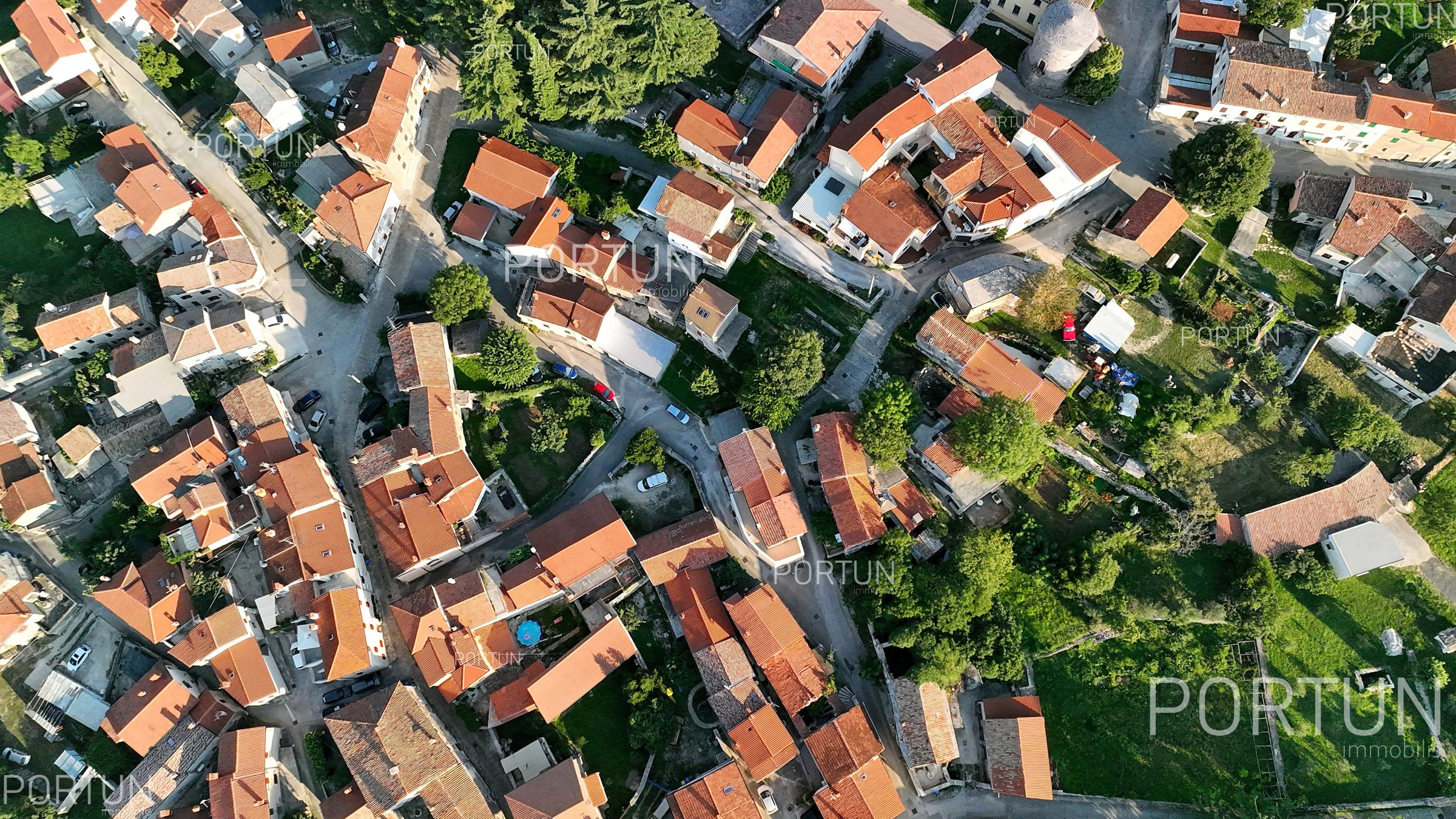
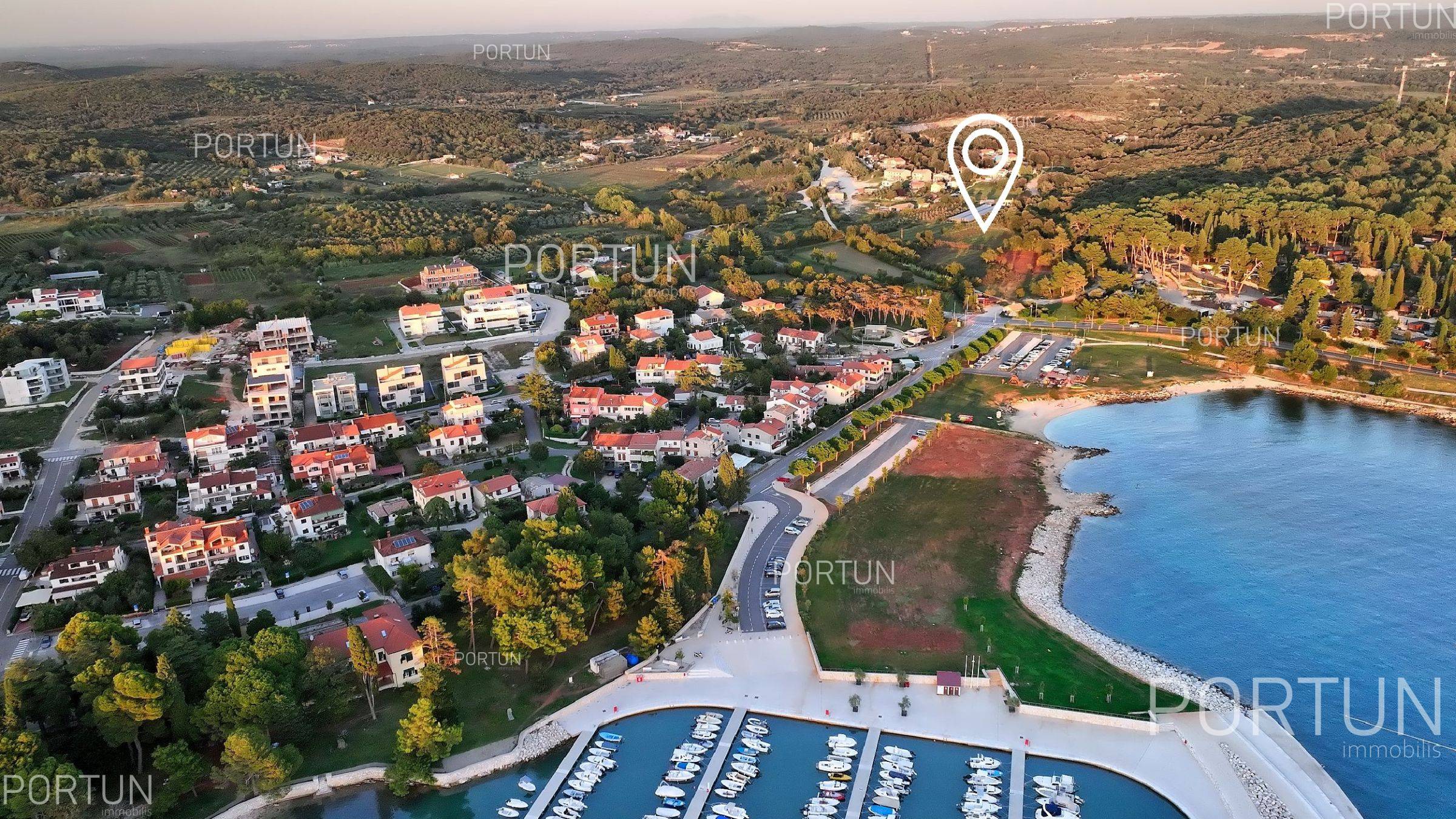
Prices and buyer expectations differ noticeably between Bale itself and nearby hamlets. Areas such as Krmed and Golaš can show a different market dynamic (often with fewer transactions and a higher spread in achieved prices), so it’s important to assess each micro-location separately—especially regarding access roads, infrastructure, and renovation complexity.
Market snapshot: how many houses were sold and at what prices?
Below is an indicative overview based on recorded transactions. Please note: these averages can include a mix of property types—from standard houses to older stone cottages and even former barns/stables. For that reason, the “average price” should be understood as a broad orientation rather than a strict benchmark for each specific house.
| Area | 2021 | 2022 | 2023 | 2024 | 2025 |
|---|---|---|---|---|---|
| Bale – approx. average price | ≈ 293,000 € | ≈ 236,000 € | ≈ 468,000 € | ≈ 290,000 € | ≈ 230,000 € |
| Bale – number of transactions | 4 | 8 | 6 | 12 | 8 |
| Krmed + Golaš – approx. average price | ≈ 360,000 € | ≈ 583,000 € | ≈ 300,000 € | ≈ 318,000 € | ≈ 410,000 € |
| Krmed + Golaš – number of transactions | 1 | 3 | 1 | 3 | 1 |
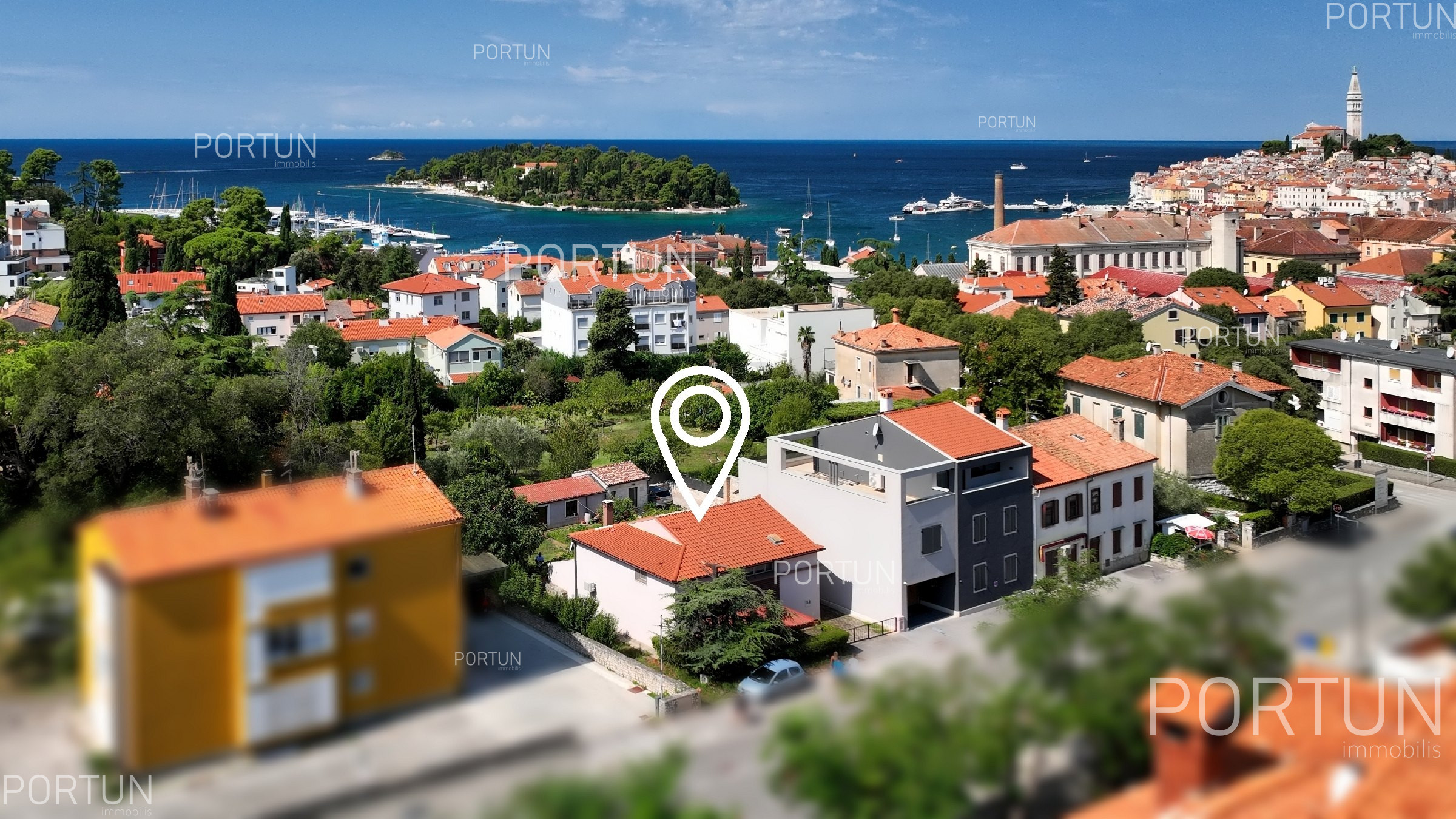
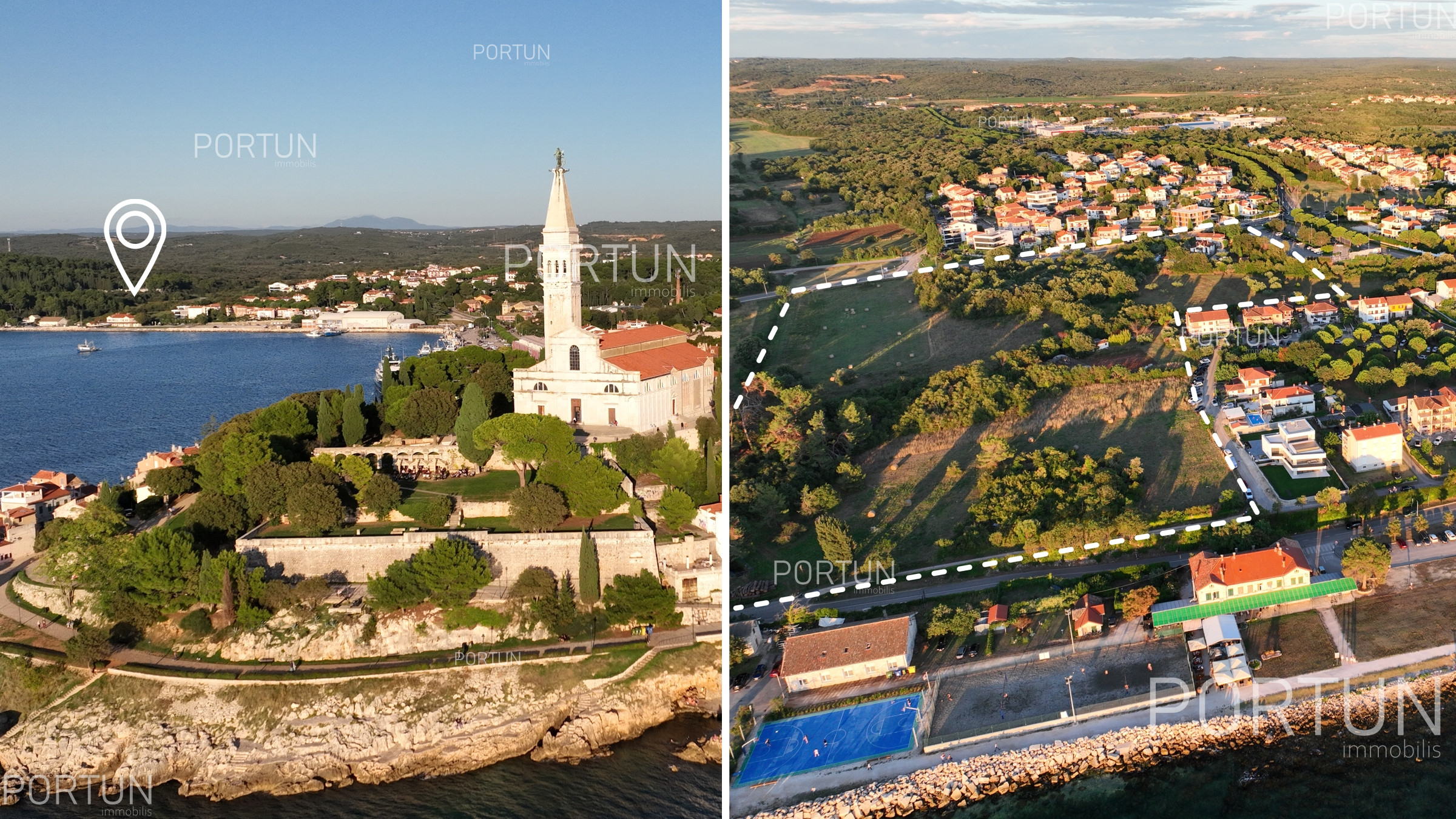
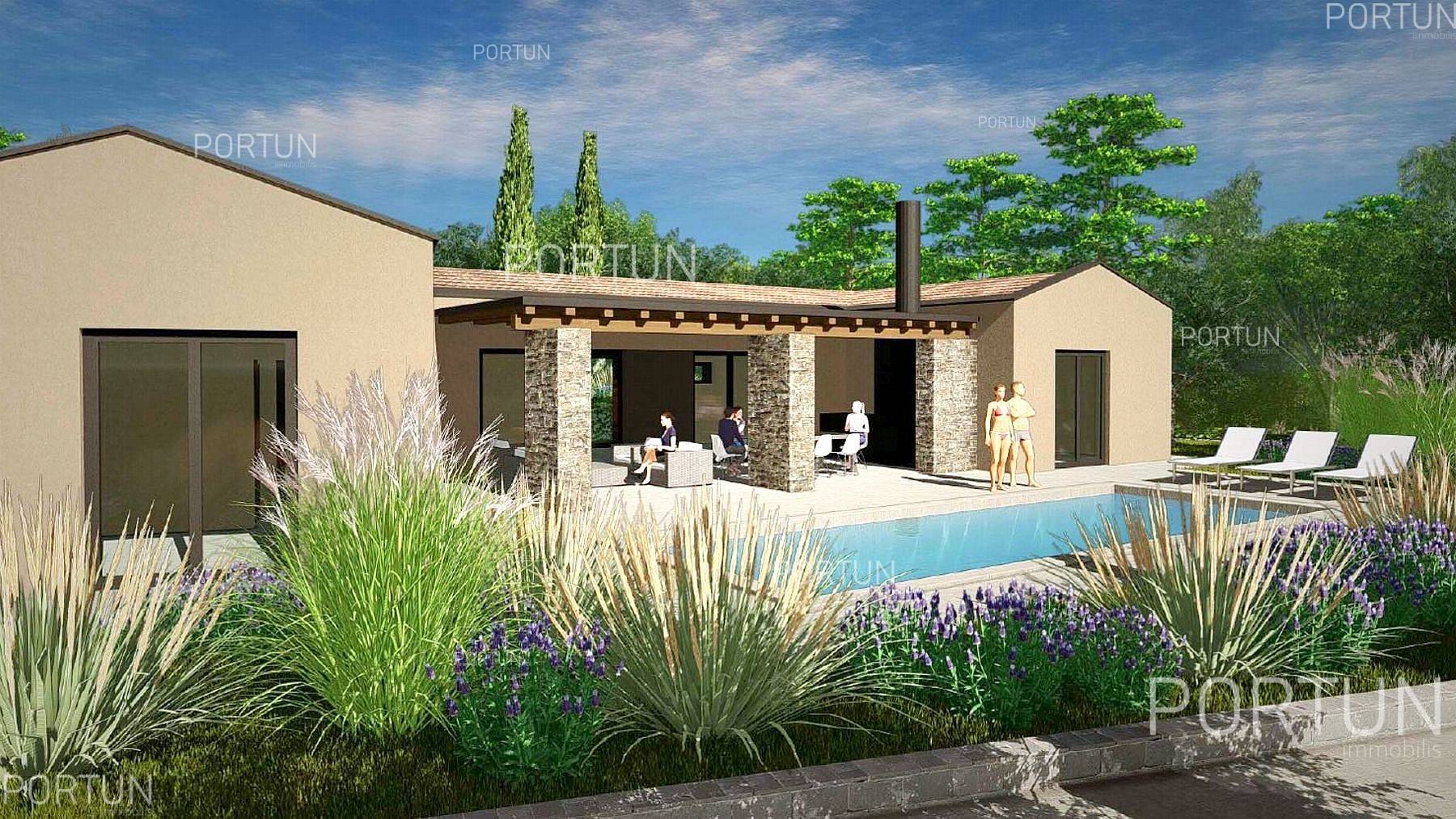
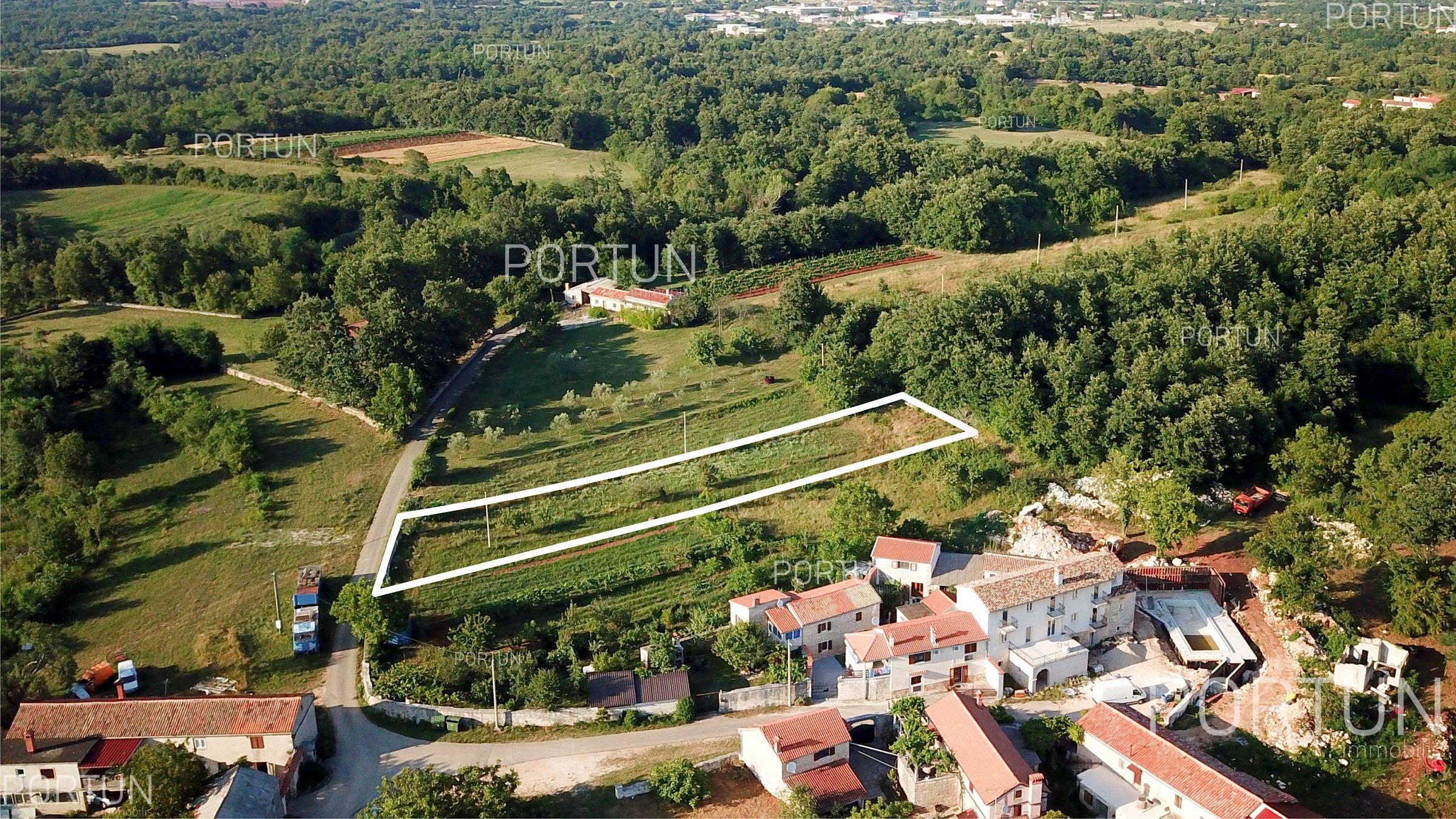
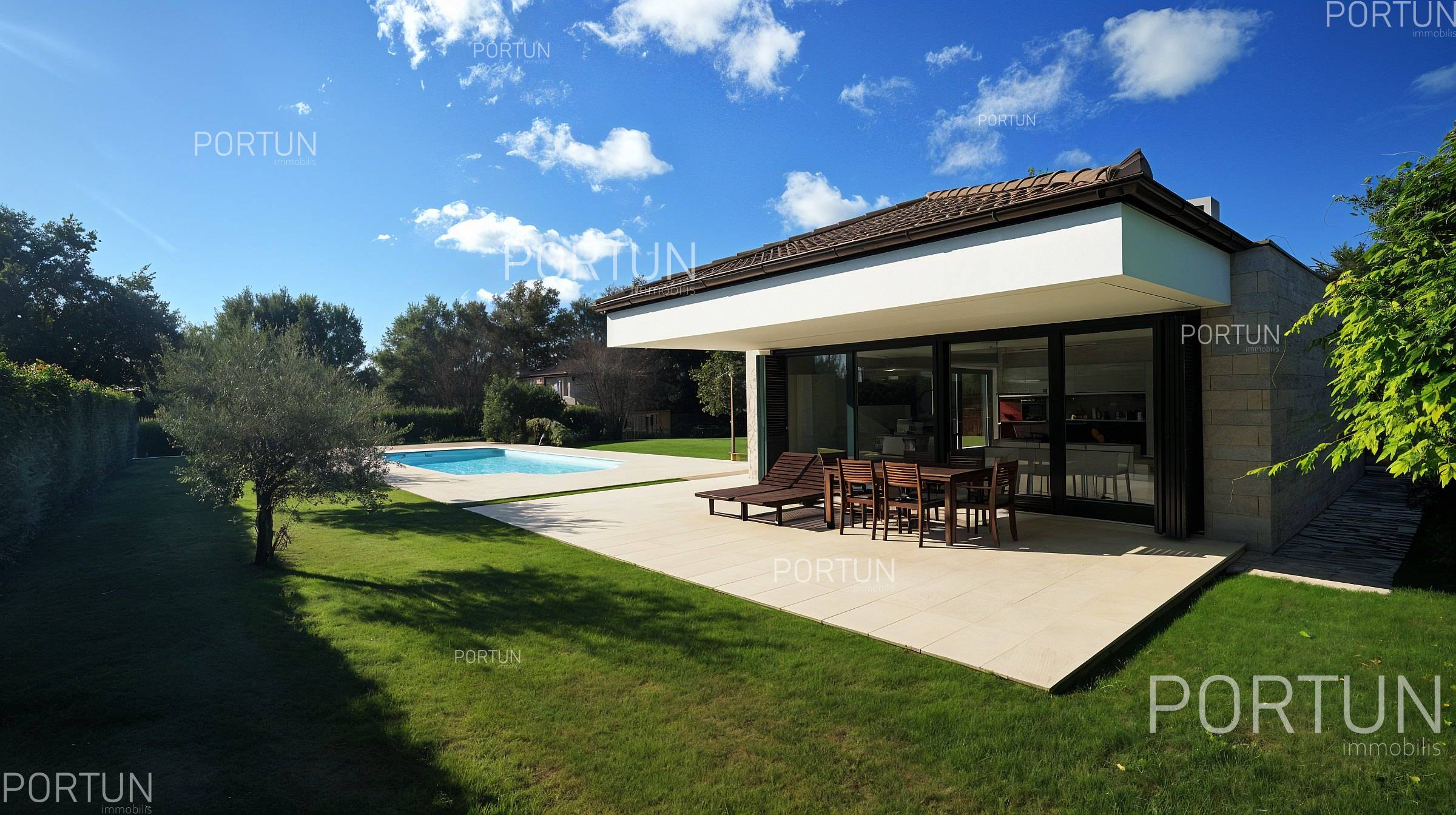
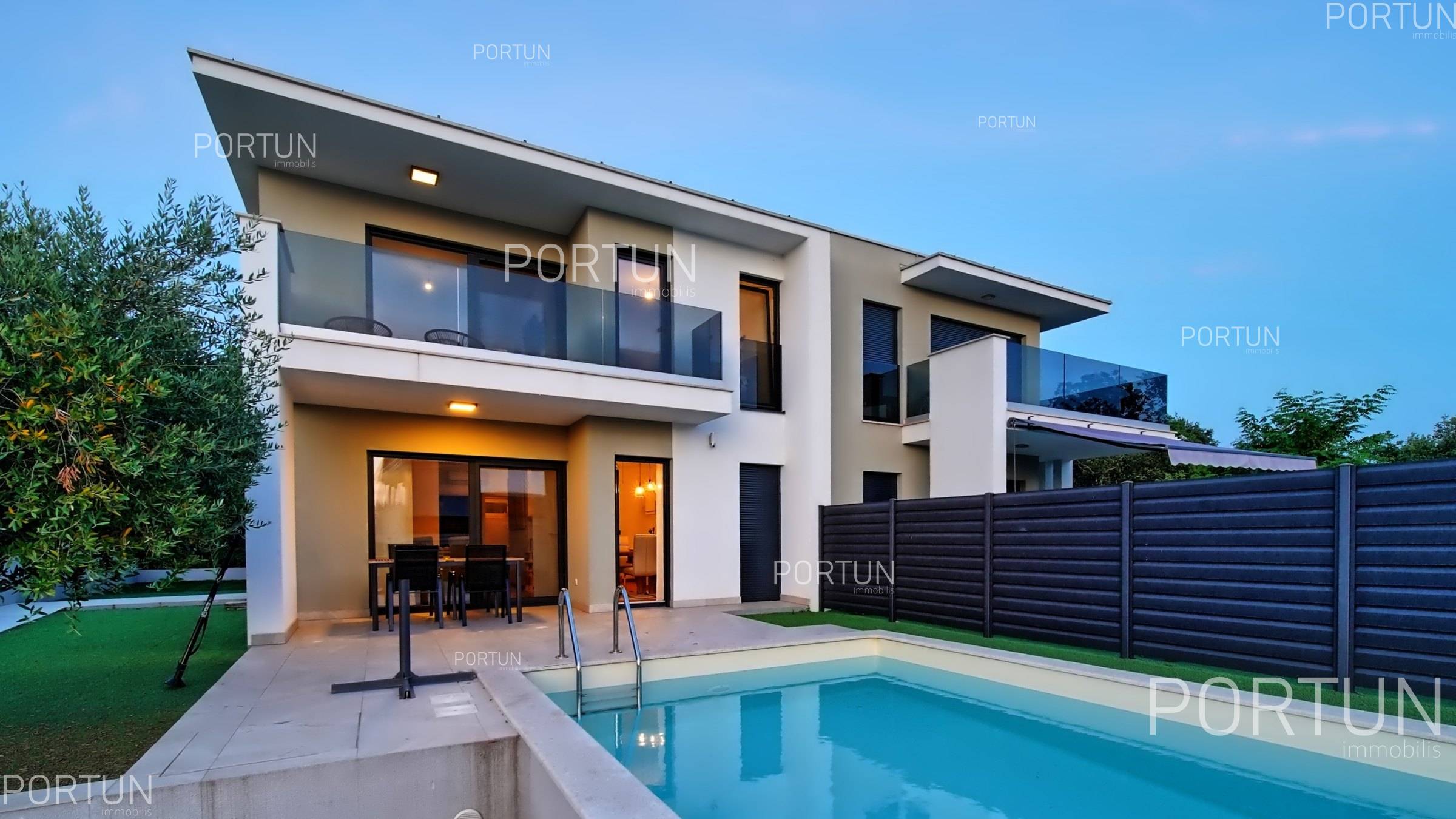
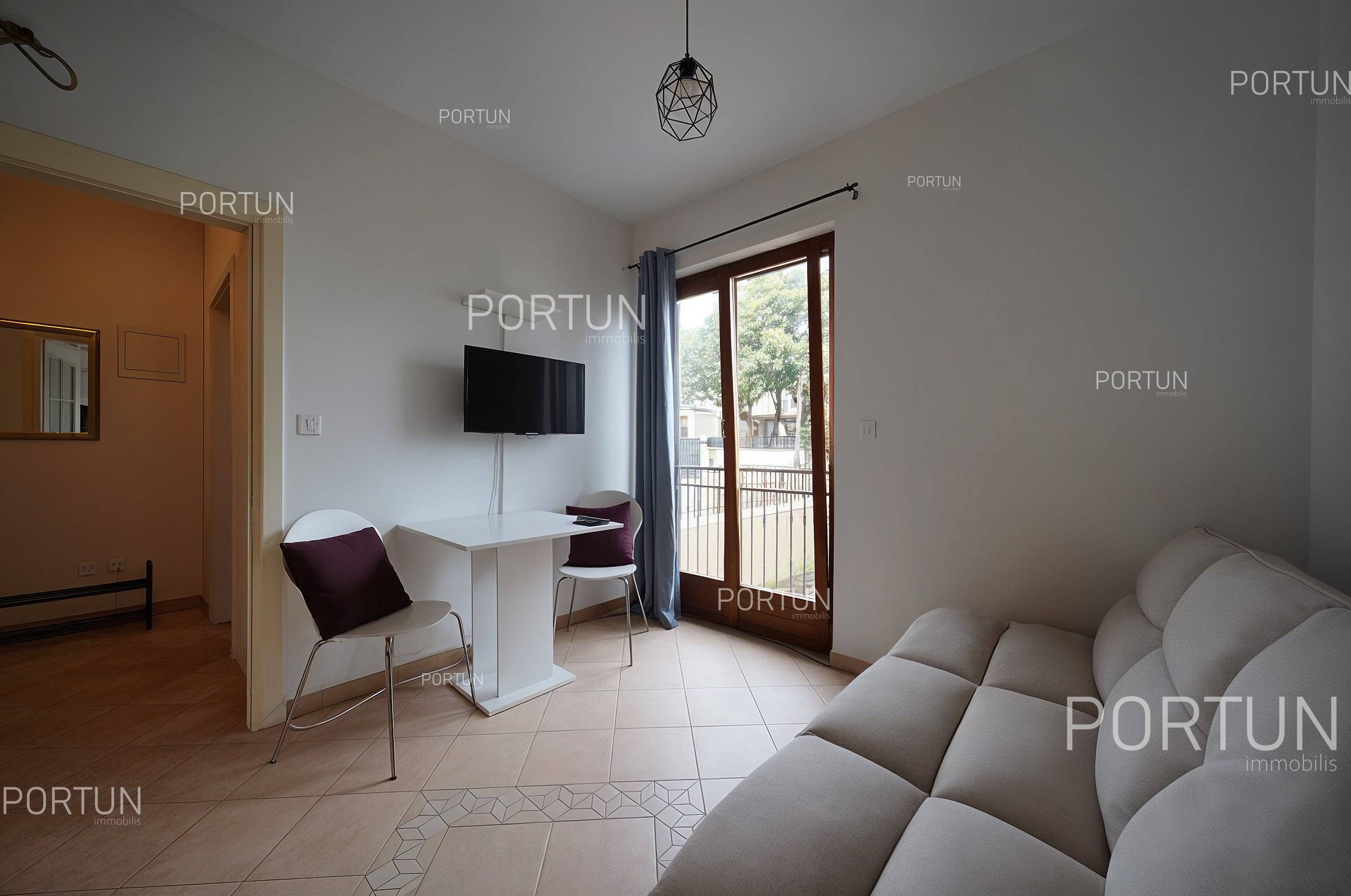
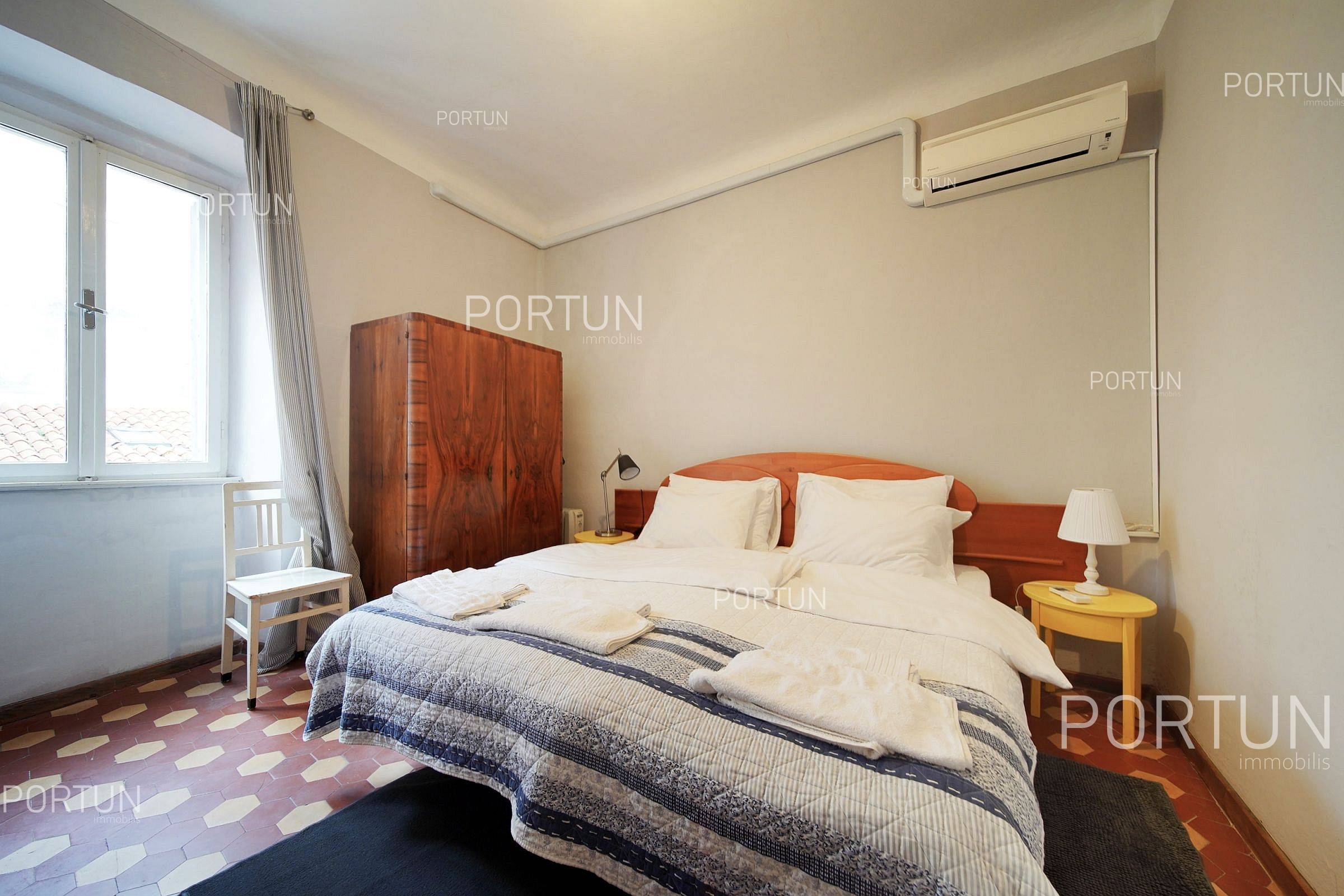
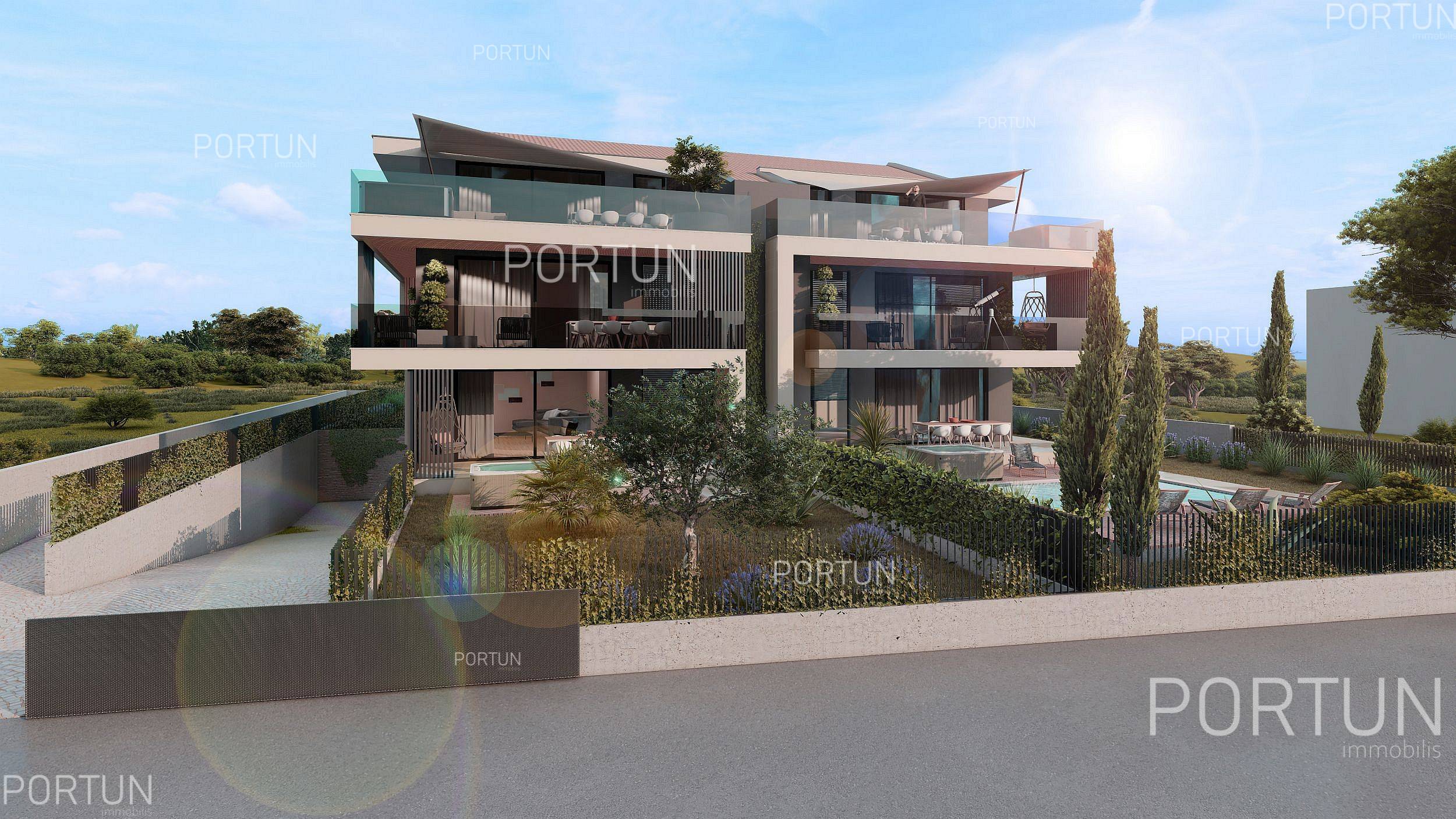
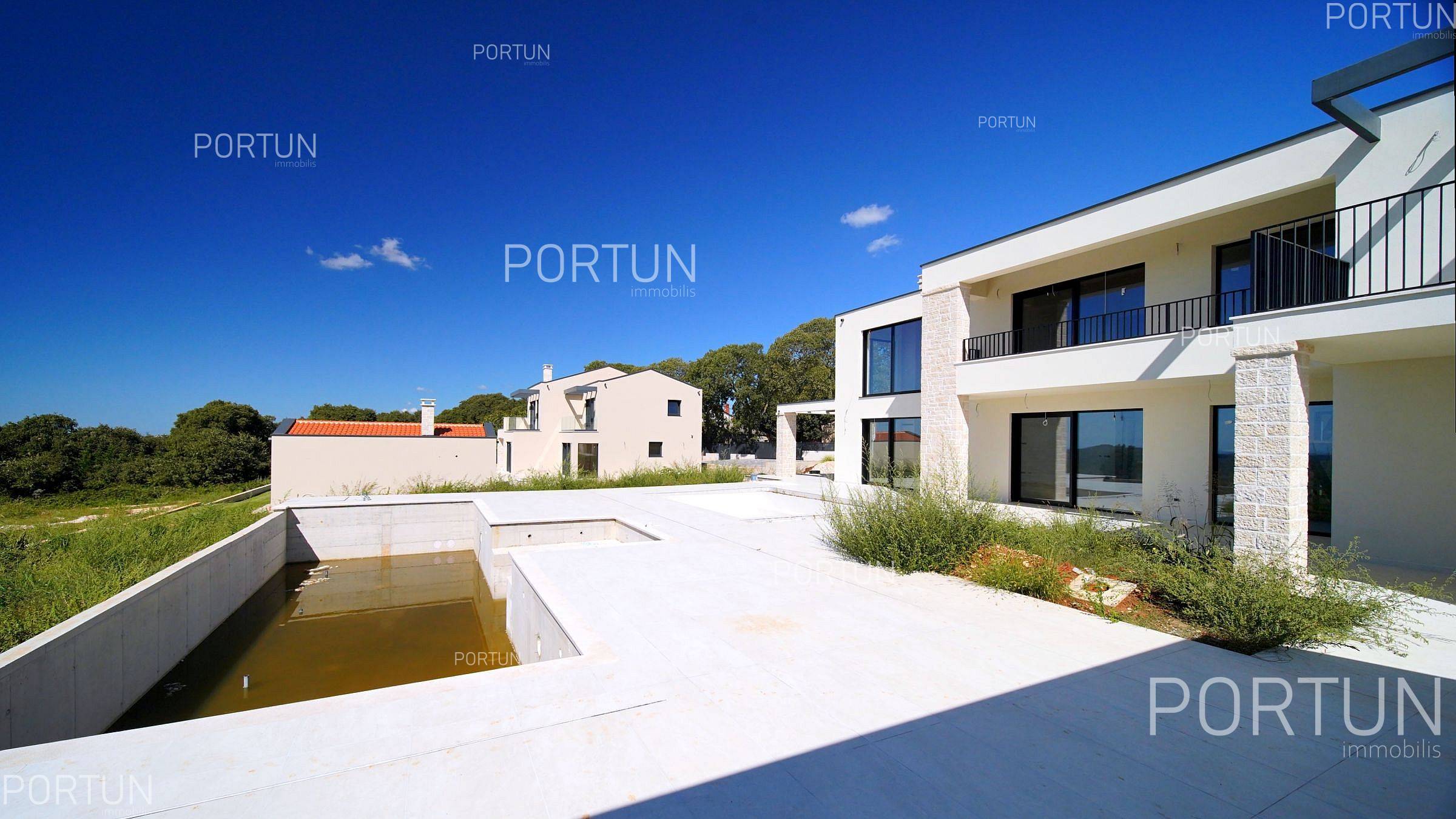
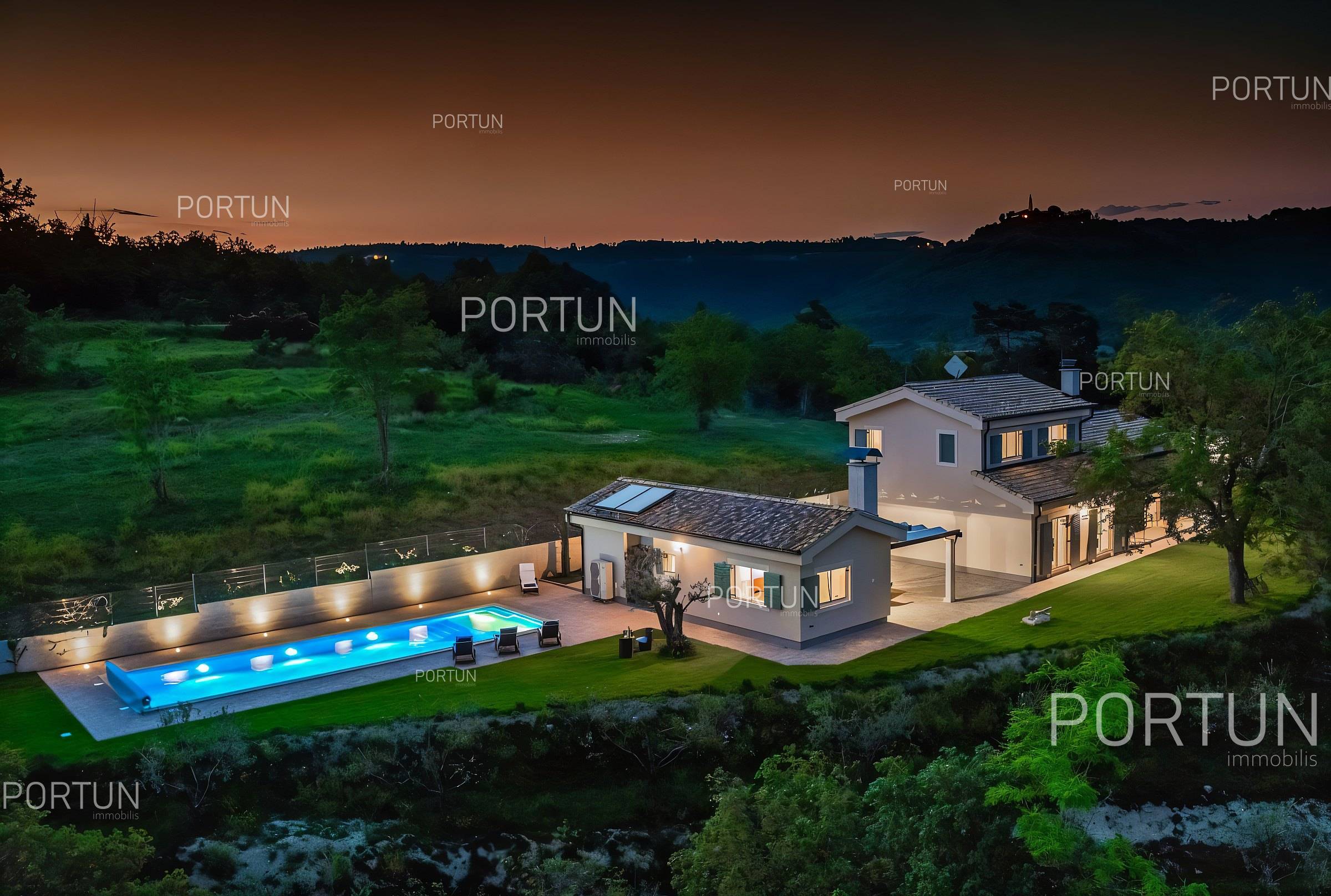
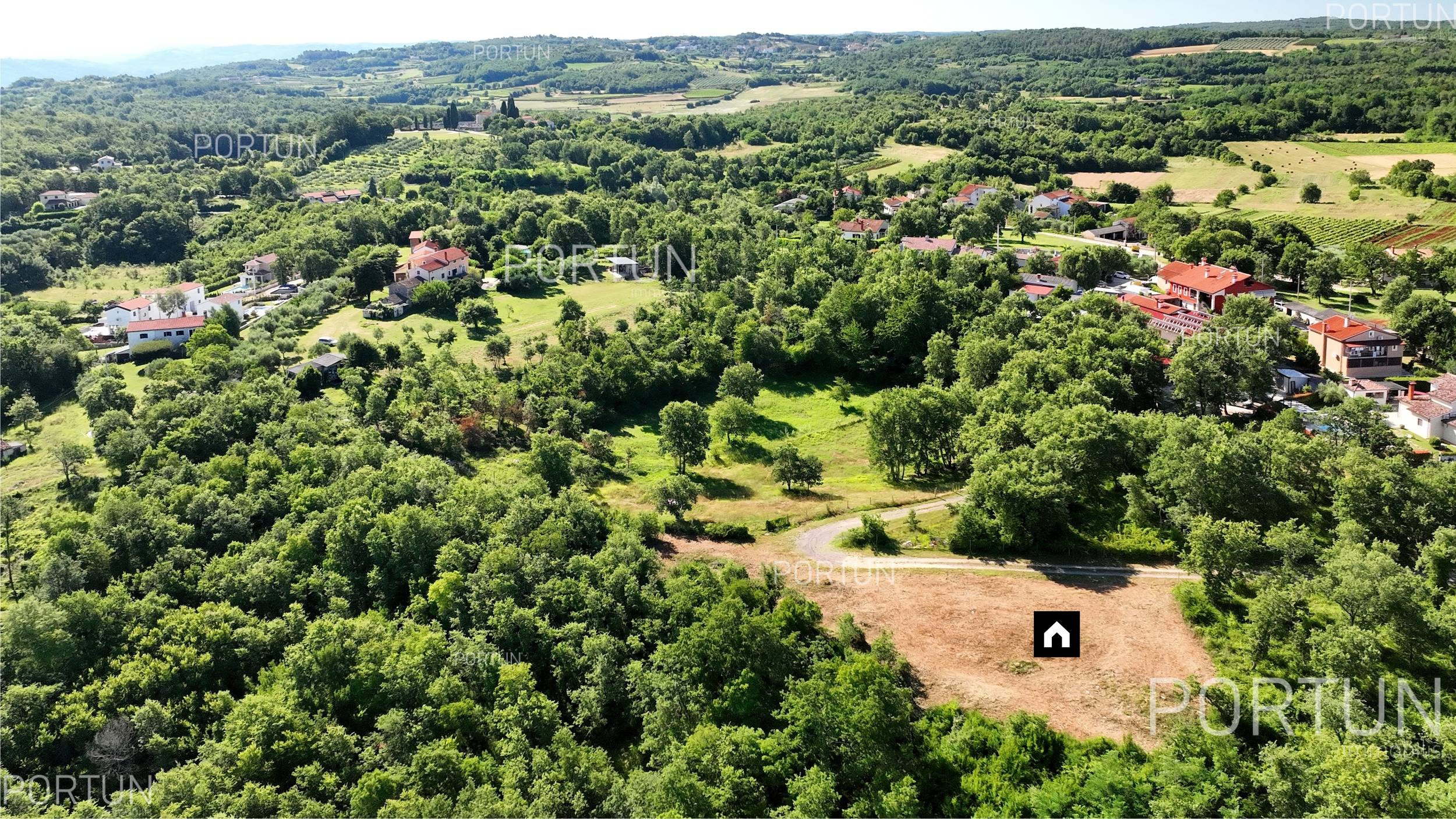
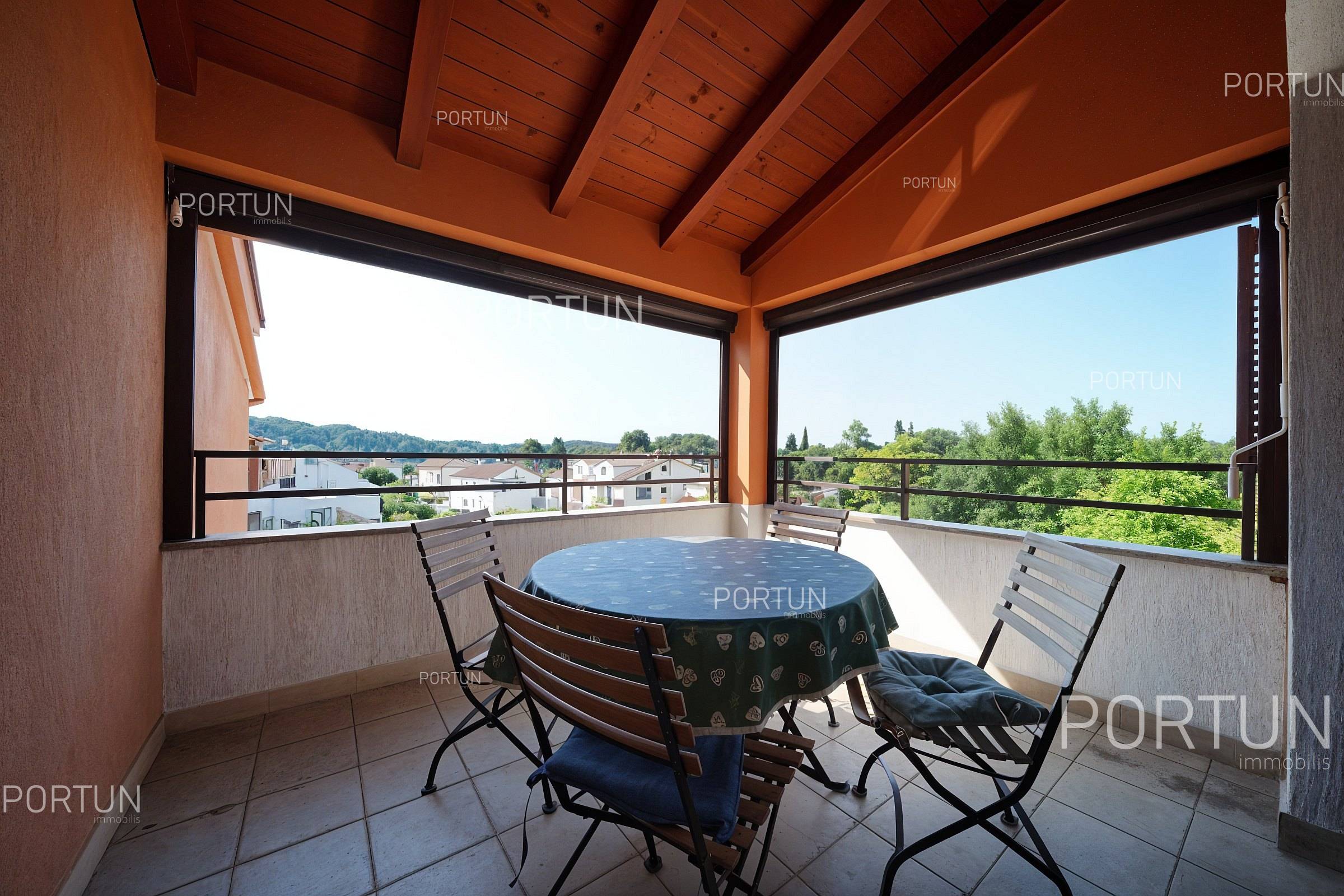
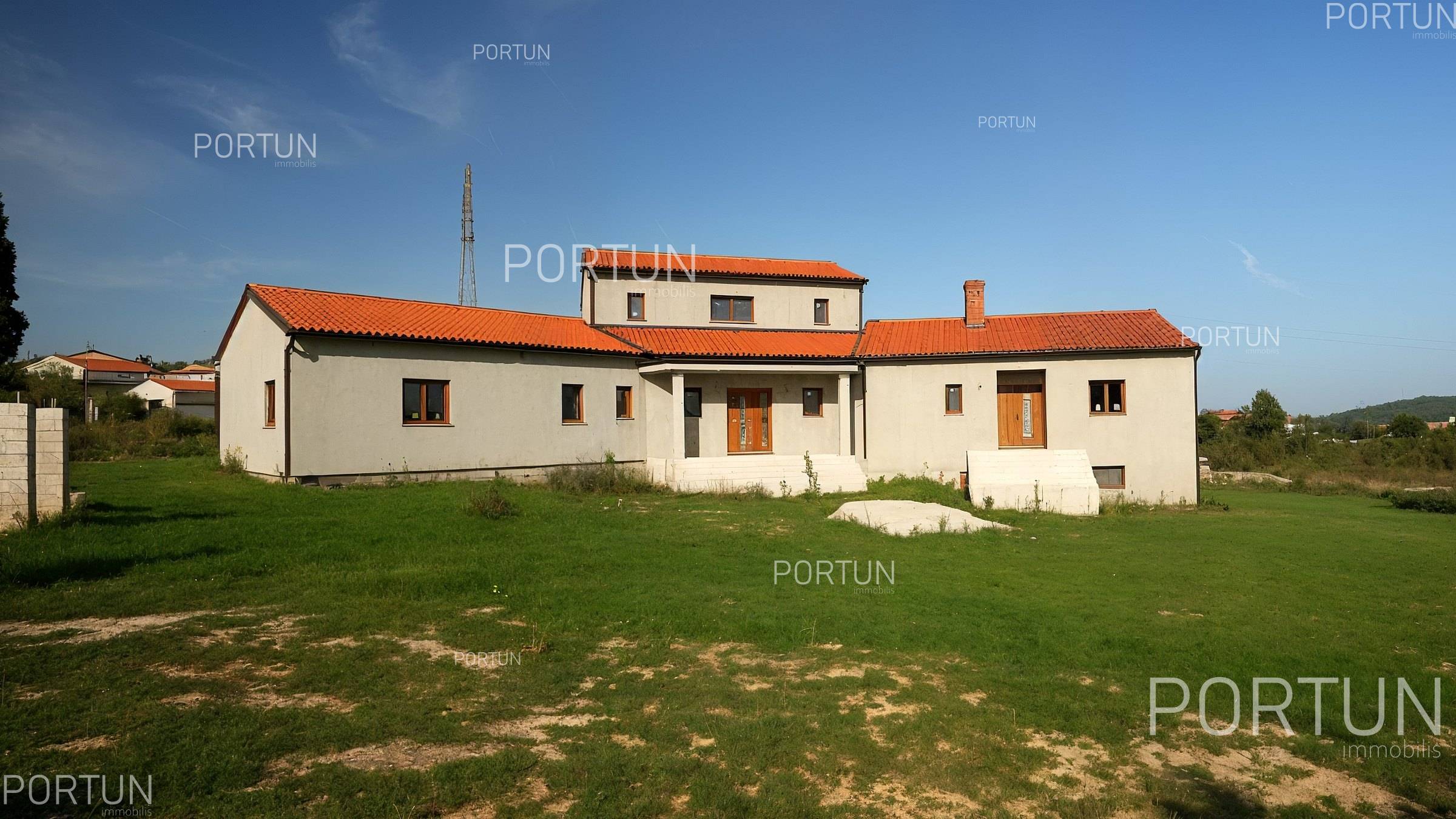
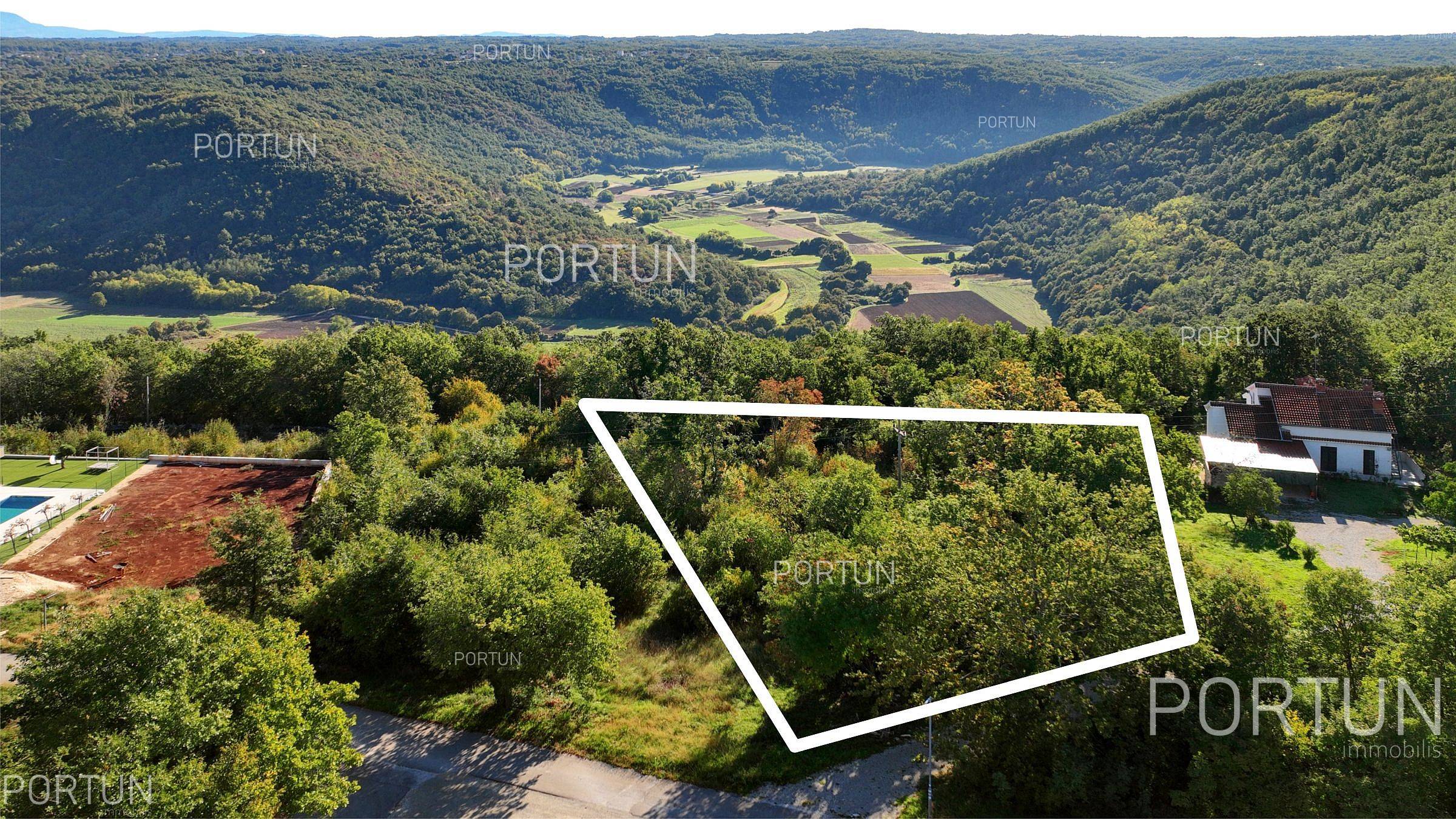
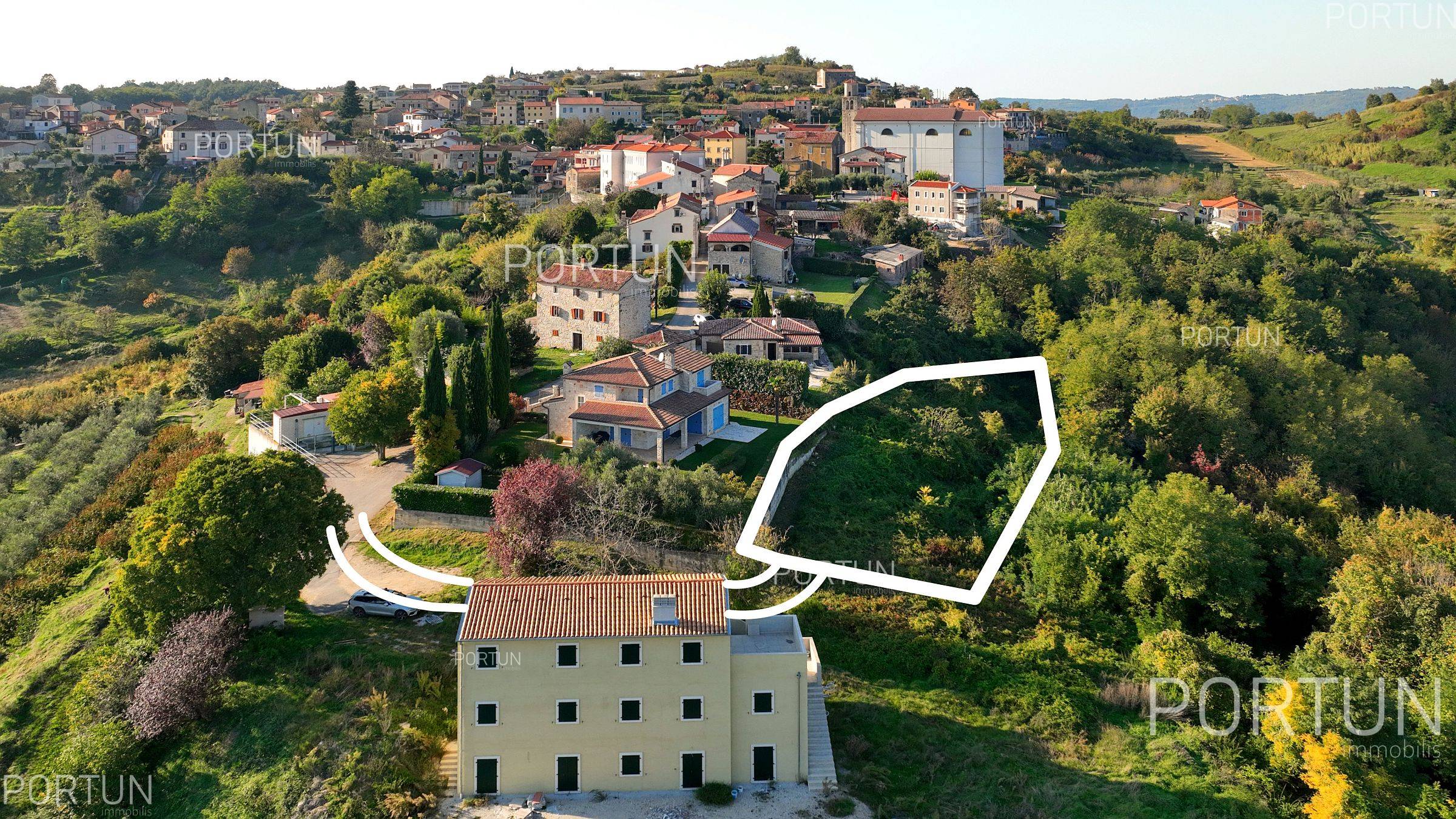
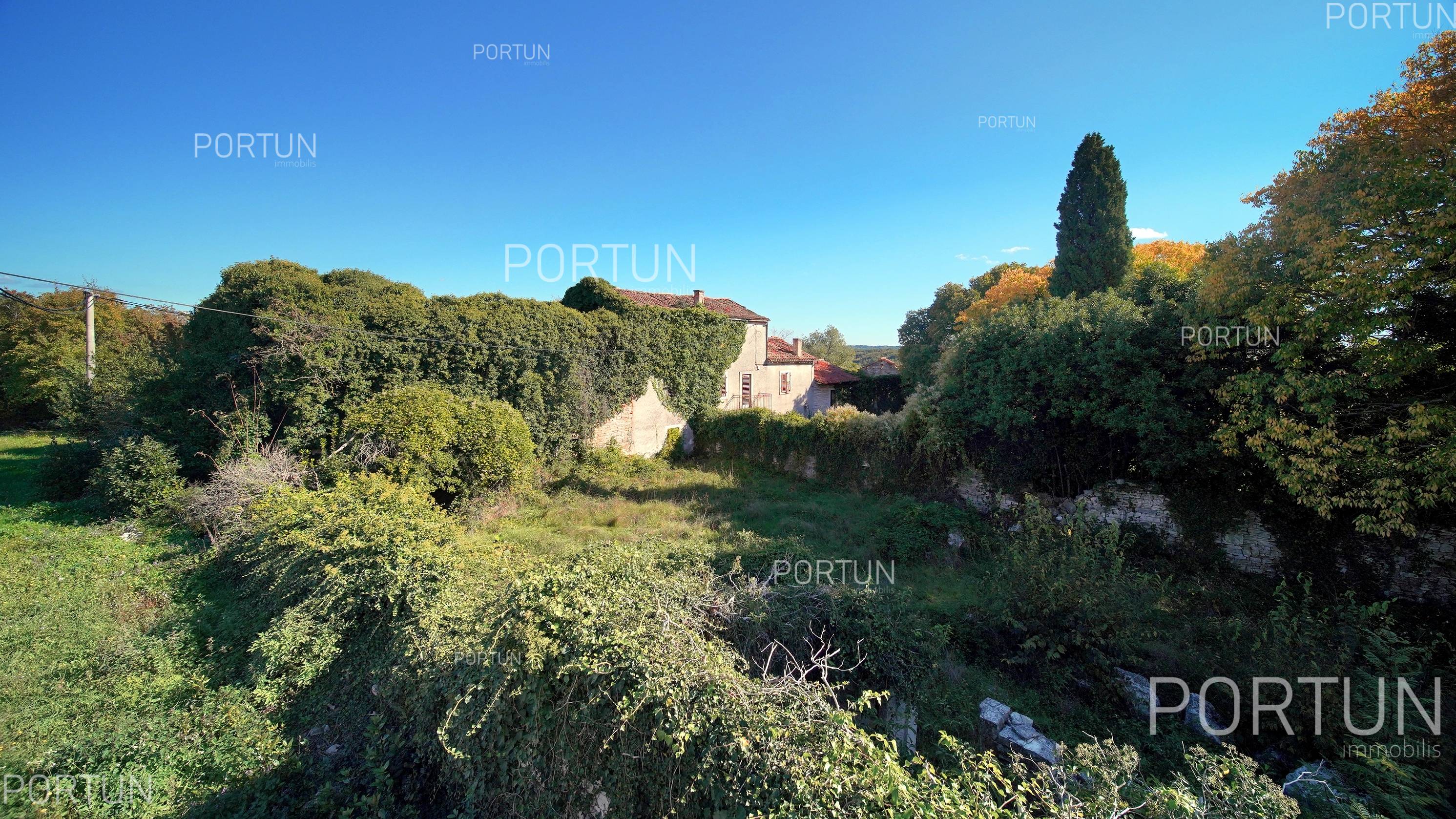
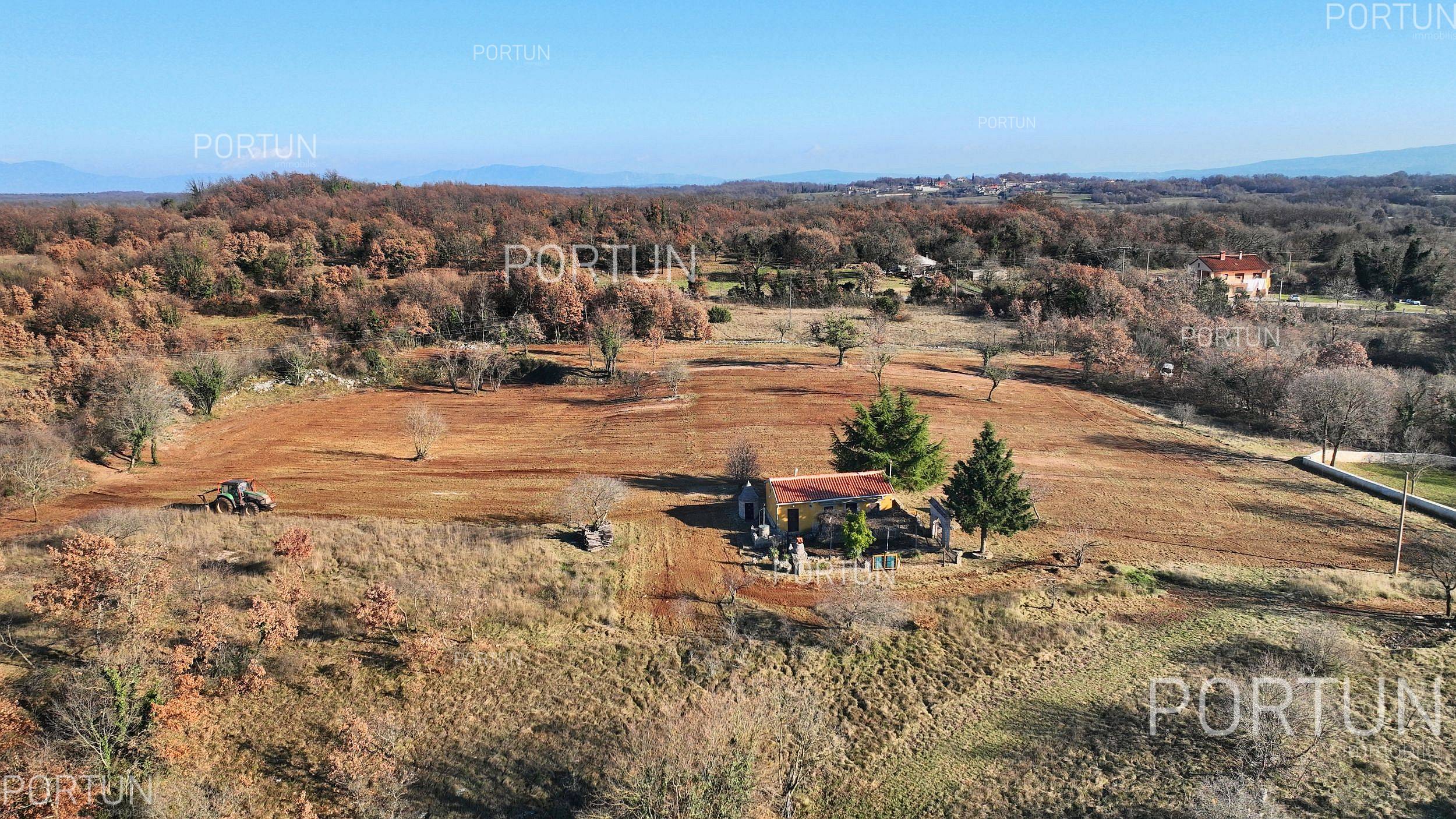
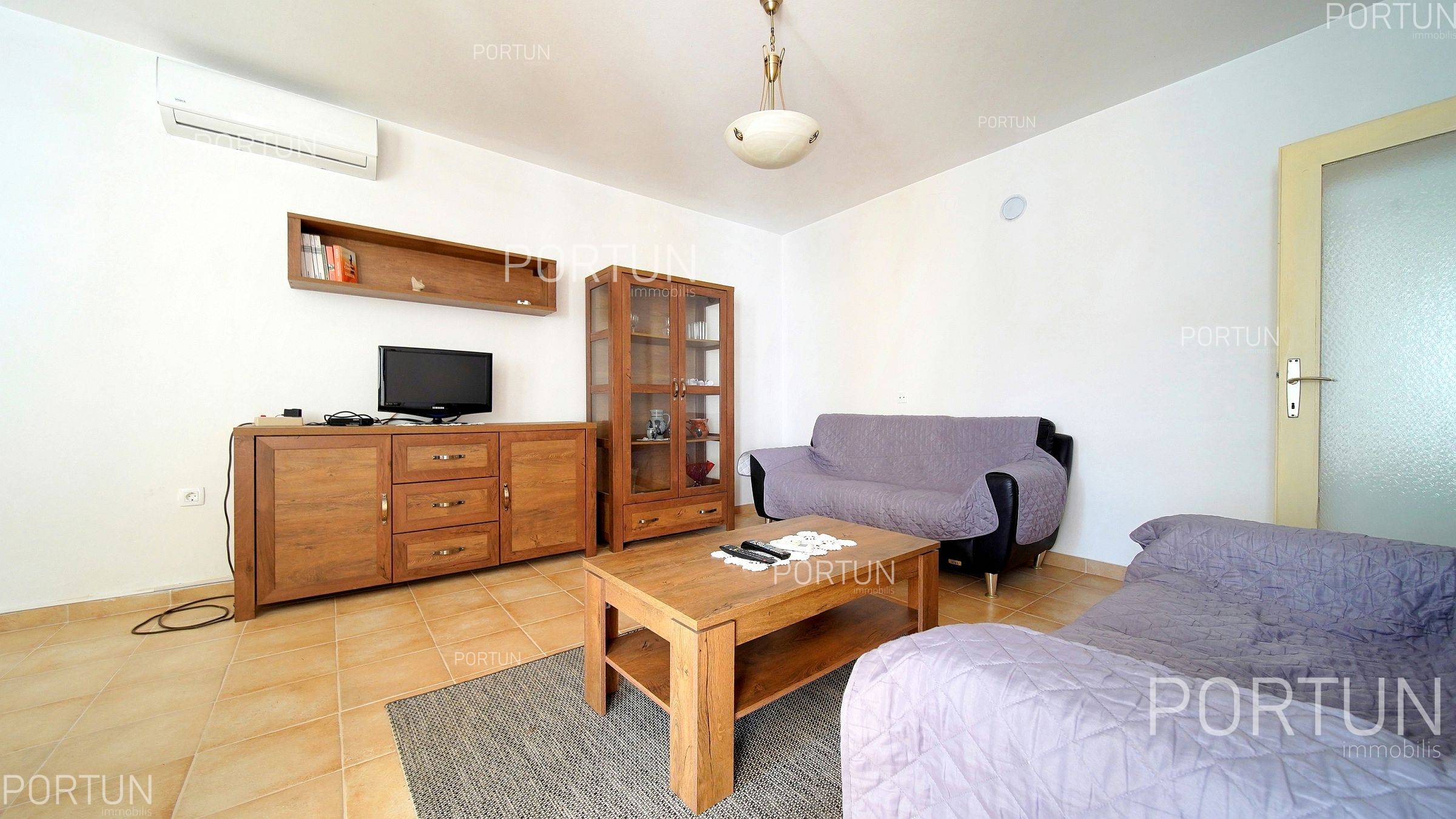
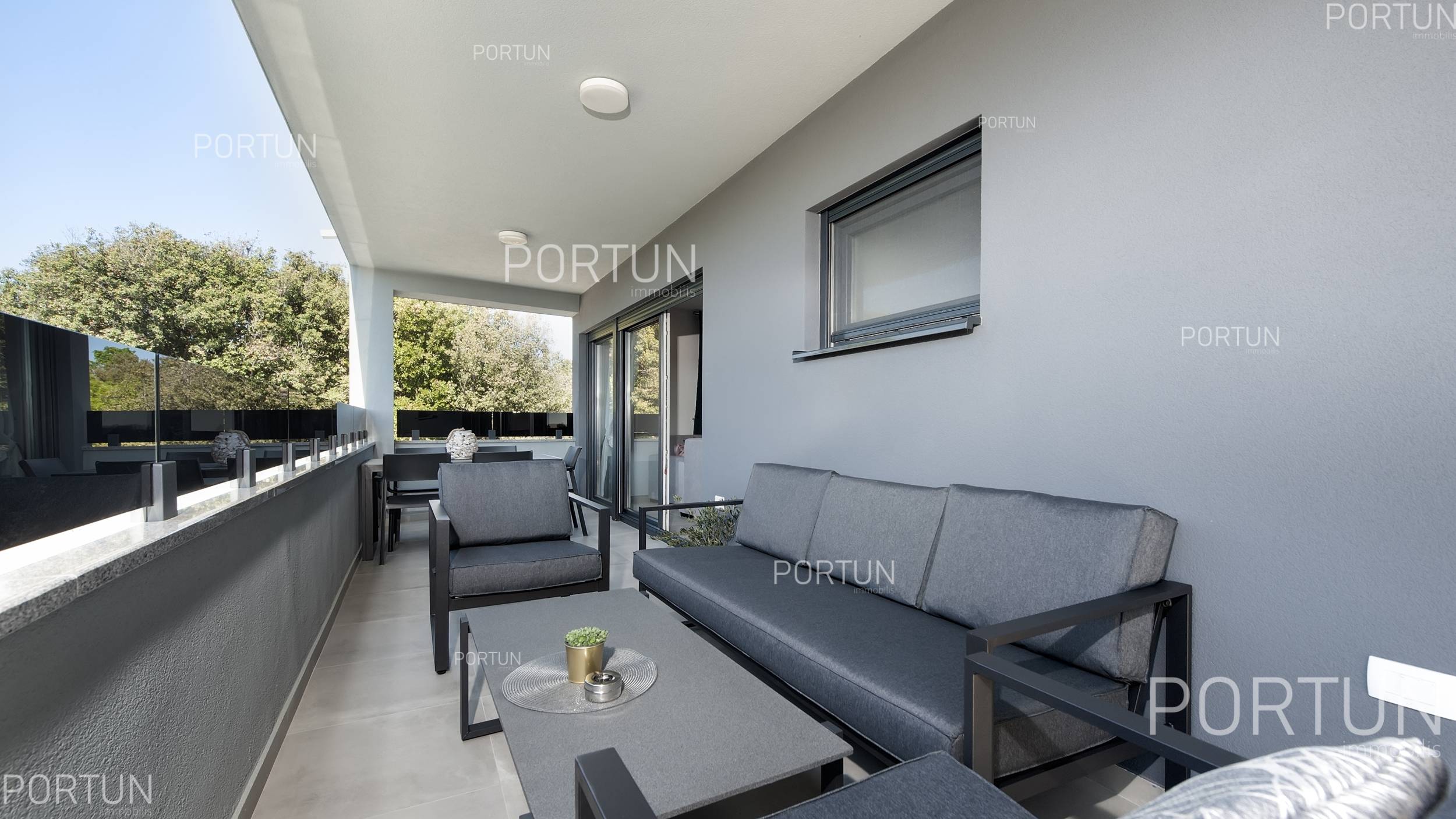
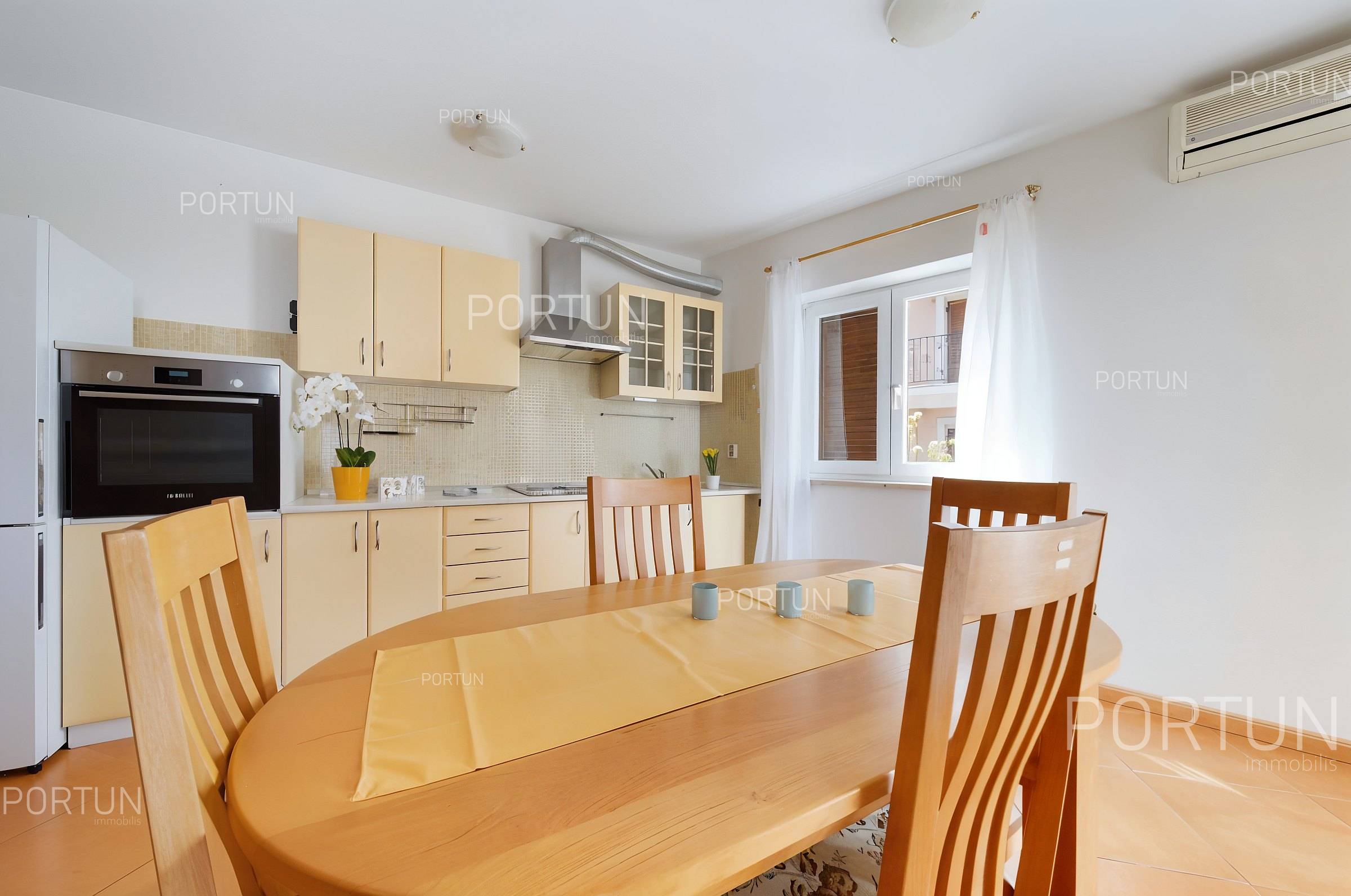
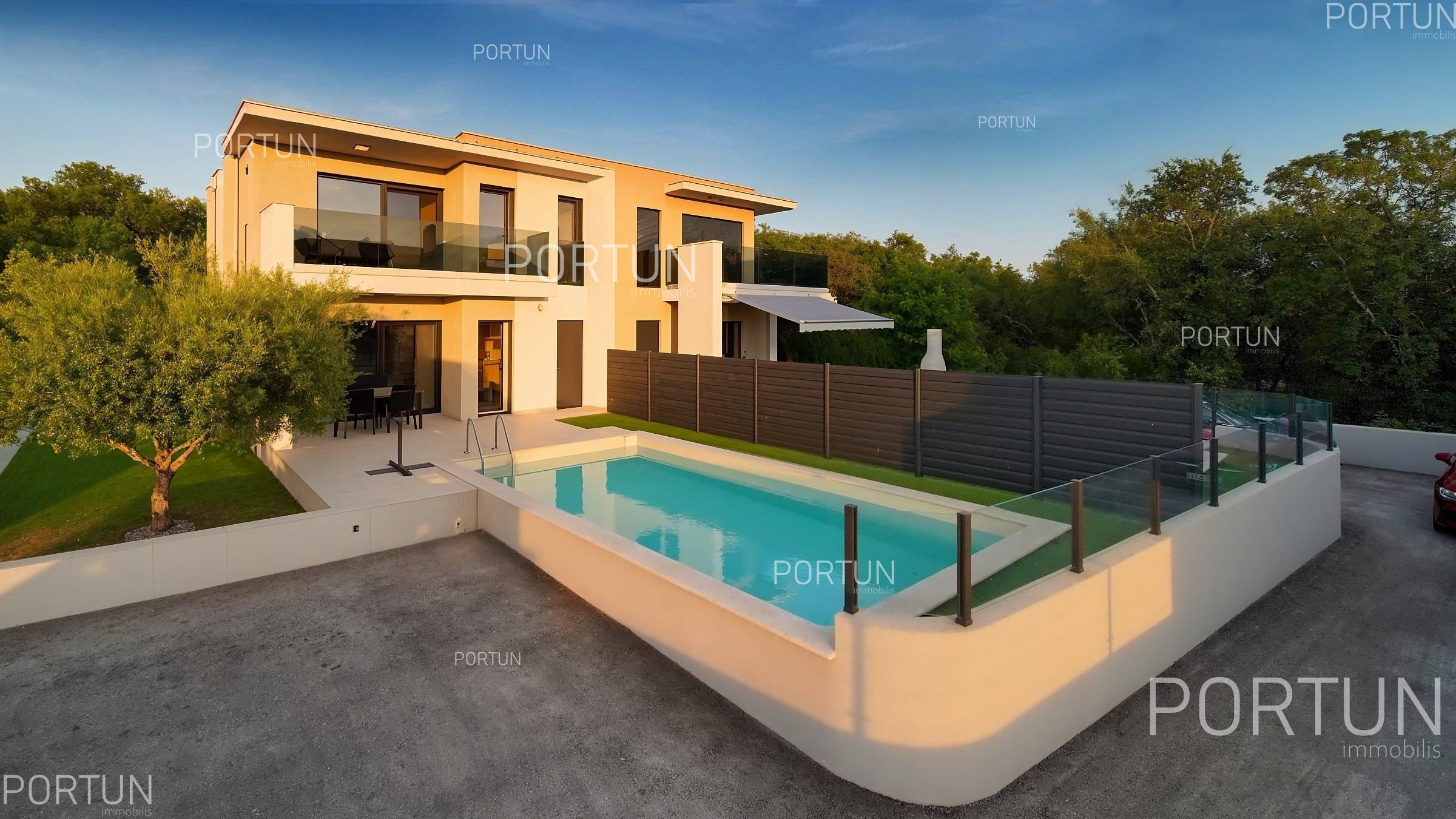
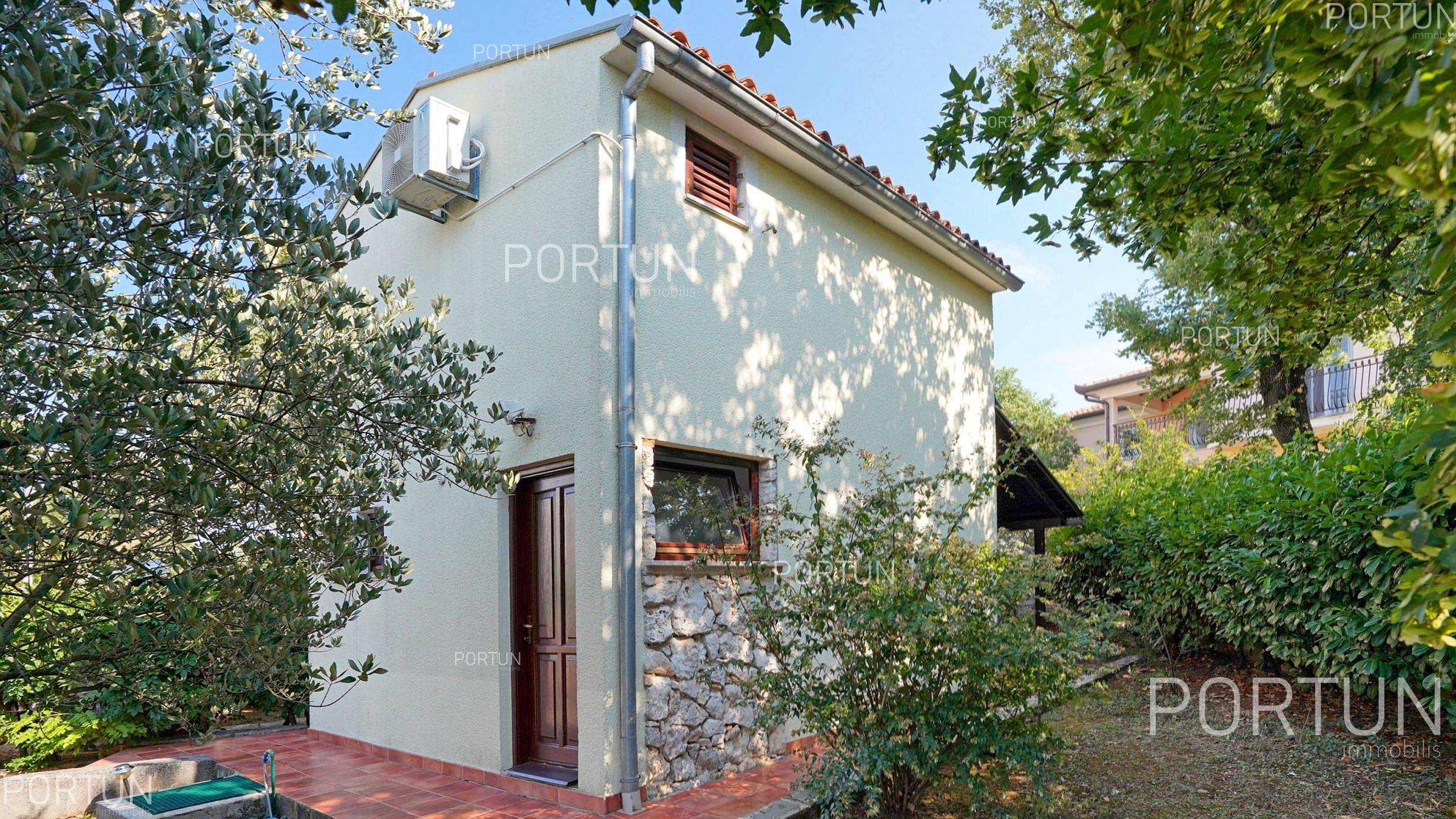
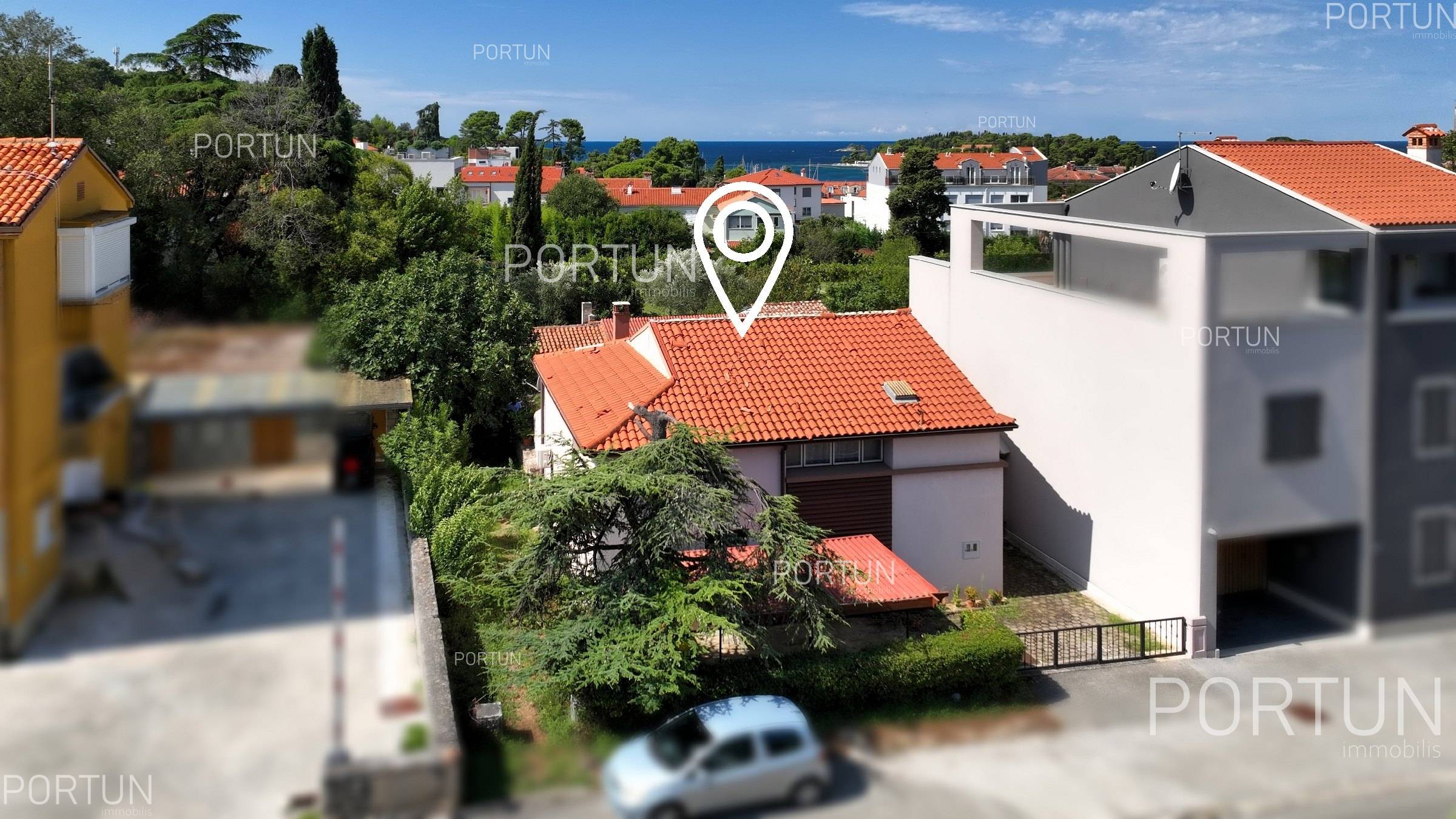
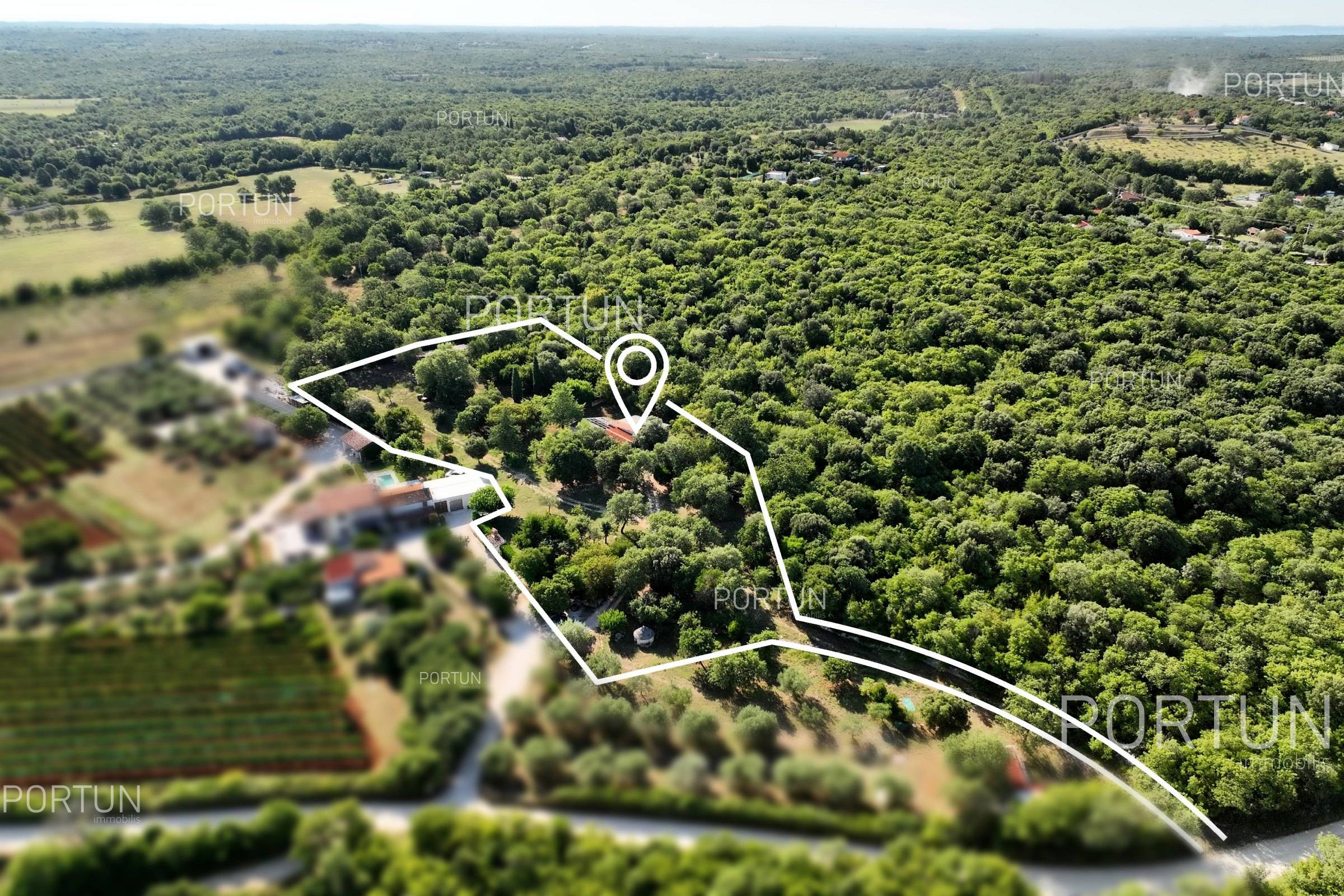
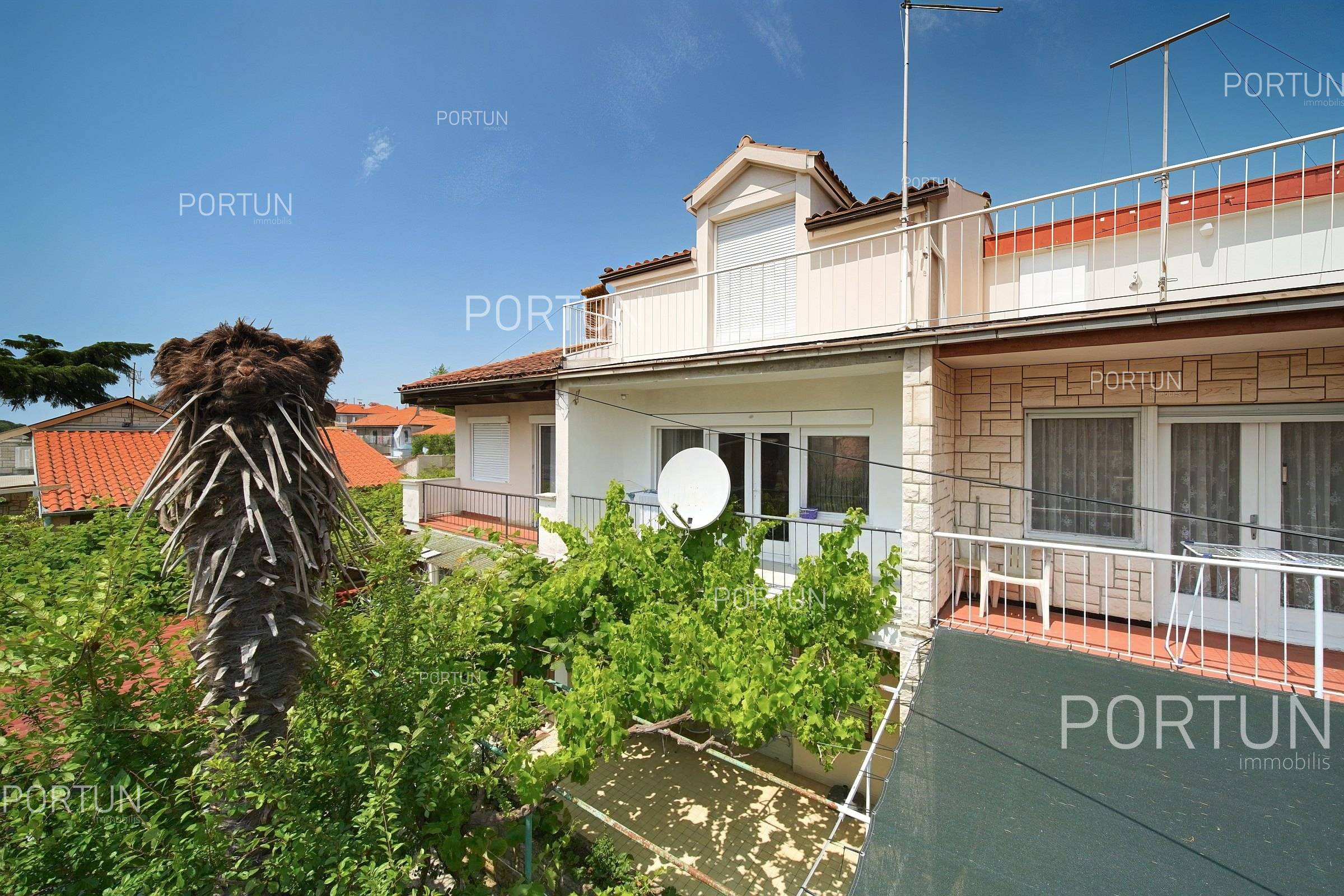
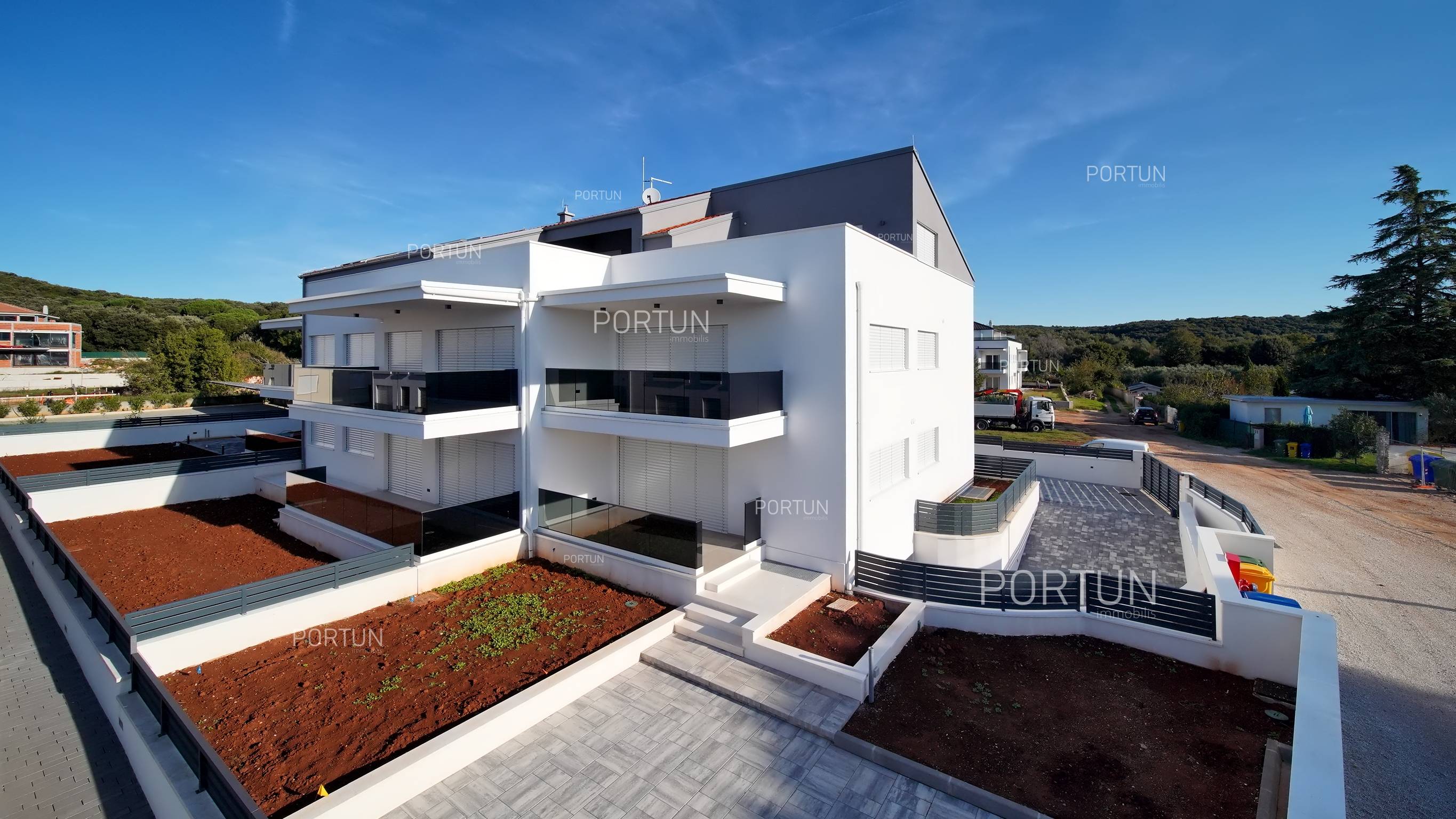
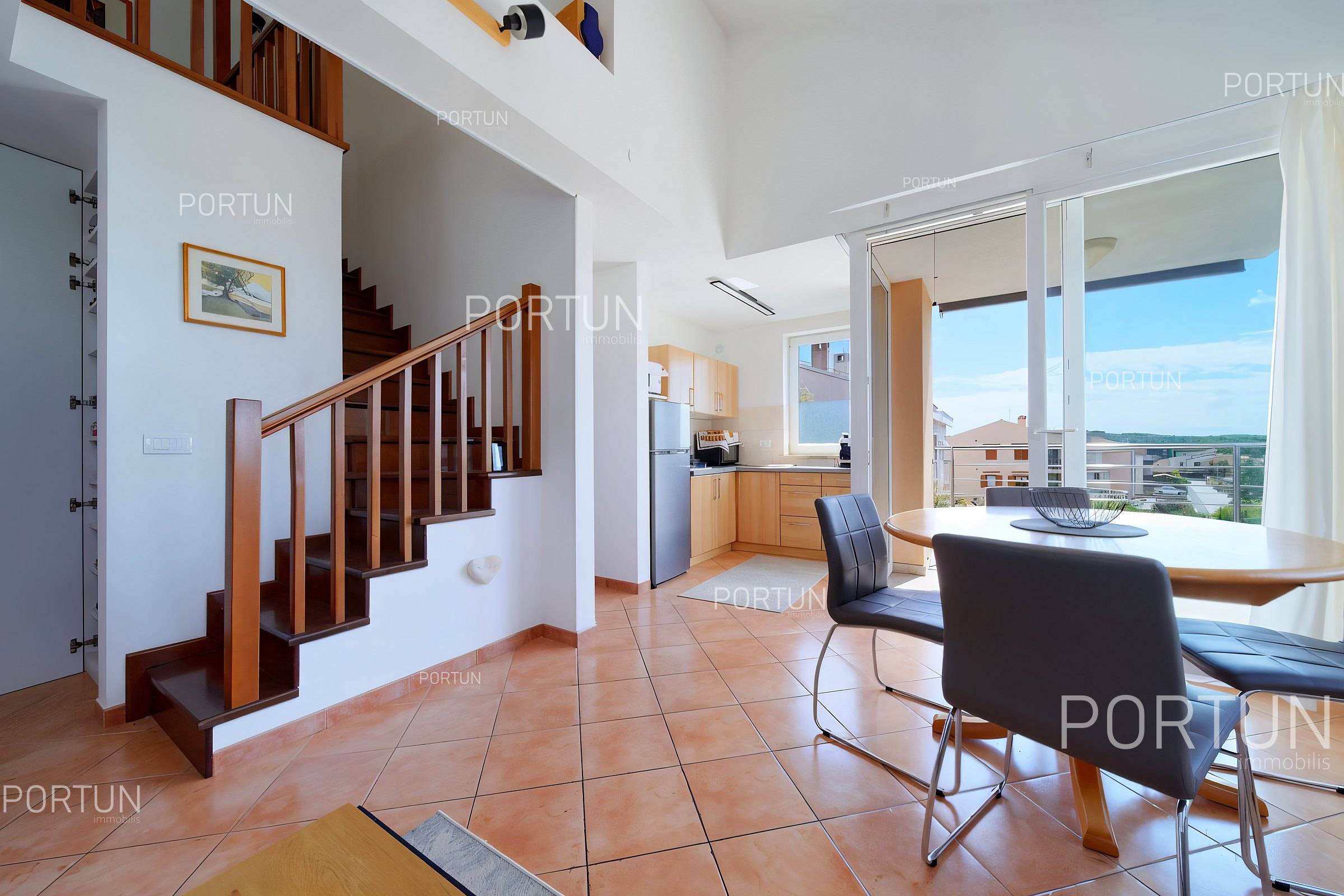
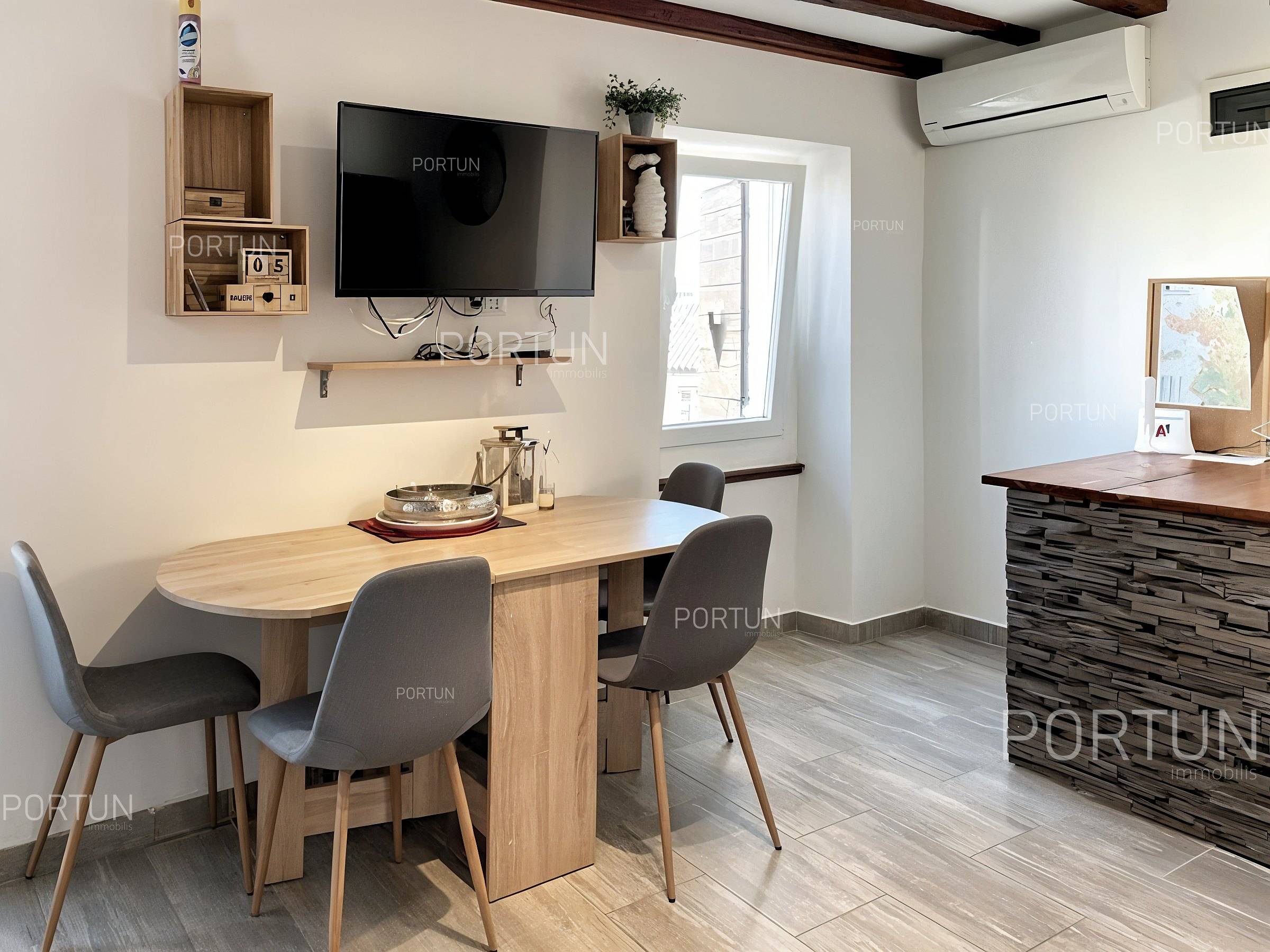
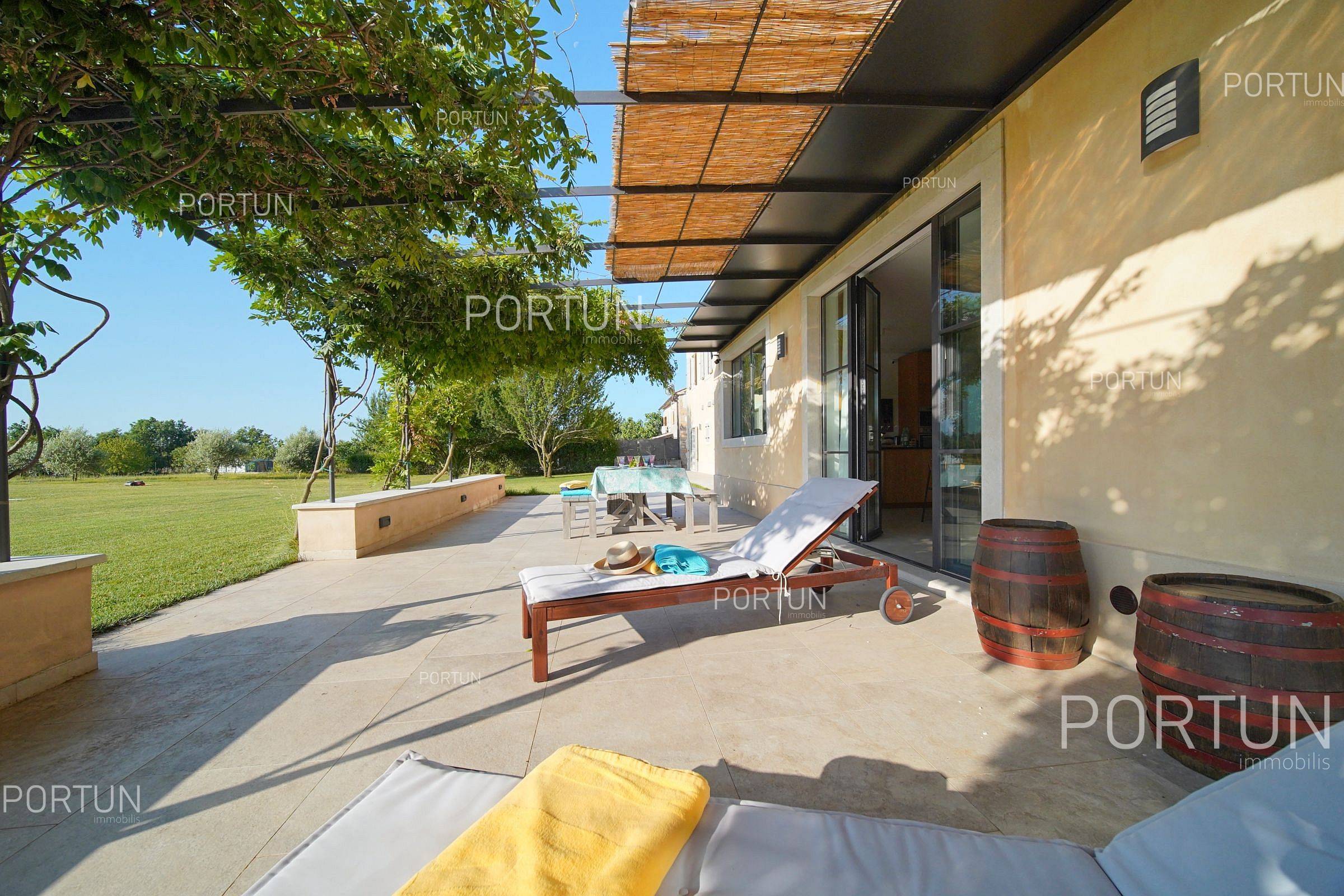
Two examples in Bale
FAQ
Can I build an outdoor pool if I buy a house in Bale?
Not always. In the centre of Bale and in the area close to the centre, outdoor pools are not permitted. Always confirm rules for the exact plot and location.
Why do achieved prices vary so much in Bale?
Because the market includes very different property types—renovated homes, older stone cottages, and sometimes former barns or auxiliary buildings—each with a different renovation burden and legal status.
Is it “safer” to buy in Bale or in nearby villages such as Krmed and Golaš?
Both can be excellent choices, but the key is documentation, infrastructure, and renovation scope. Micro-location differences can affect access, utilities, and the final cost of making the house “turnkey.”
What should I check first before paying a reservation or deposit?
Ownership status, encumbrances, the building’s legal classification, and whether the intended use (residential / tourism / rental) is aligned with the spatial plan and existing permits.
Where can I find a broader checklist for buying a house in Istria?
You can start with our general guide:
Risks of Buying a House in Istria – Practical Guide.
Related guides
Tags: buying a house in Bale, house purchase Bale, houses in Bale, old stone house Bale, stone house renovation, property legal status, occupancy permit, land registry and cadastre, planning restrictions Bale, swimming pool in Bale town center, Krmed, Golaš, Bale house market